PAWS Pet Poison Plant Guide
Is Algerian Ivy Poisonous to Dogs, Cats, Horses, and Livestock?
Yes—Algerian Ivy, Hedera algeriensis, is poisonous and irritating to dogs, cats, horses, livestock, and other animals when eaten, and contact with its sap or damaged foliage may irritate exposed skin and eyes. Direct Algerian-ivy leaf research has confirmed triterpene saponins with pronounced surfactant properties. These compounds can irritate the mouth, esophagus, stomach, and intestines, causing drooling, nausea, vomiting, abdominal discomfort, reduced appetite, and diarrhea.
Plants historically sold and studied as Algerian ivy have also caused significant irritant or allergic contact dermatitis. Falcarinol and related ivy polyacetylenes are important contact allergens, although older botanical names were applied inconsistently and the complete polyacetylene profile of modern Hedera algeriensis populations has not been defined. Most limited exposures cause mild to moderate oral, gastrointestinal, skin, or eye irritation rather than life-threatening systemic poisoning, but persistent vomiting, dehydration, progressive swelling, breathing difficulty, profound weakness, or collapse requires urgent veterinary care.
About this guide: This page provides general pet-poisoning information and cannot diagnose or treat an individual animal. For any suspected exposure, contact a veterinarian or animal poison-control service immediately. Do not induce vomiting, give medication, or attempt home decontamination unless directed by a veterinary professional.
Algerian Ivy
Hedera algeriensis Rantonnet ex C.Morren
The following names are important in historical, horticultural, and nursery records:
Hedera algeriensis Hibberd — a later illegitimate homonym that remains widespread in horticultural literature
Hedera algeriensis var. variegata (Paul) Paul
Hedera algeriensis var. variegata Paul
Hedera grandifolia var. variegata (Paul) Hibberd
Hedera canariensis var. variegata (Paul) Schulze-Menz
Hedera canariensis f. variegata (Paul) Verhaeghe
Hedera canariensis Willd. is a separate accepted Canary Islands species. Its name has frequently been misapplied to Algerian Ivy and to the cultivar ‘Gloire de Marengo,’ but it should not be presented as an exact botanical synonym for every Hedera algeriensis plant.
Araliaceae Juss. — Ivy, Ginseng, or Aralia Family
Order: Apiales
Algerian Ivy, Algeria Ivy, North African Ivy, North-African Ivy, Algerian Climbing Ivy, Algerian Ground Ivy, Large-Leaved Algerian Ivy, Giant Algerian Ivy, Ivy, Lierre d’Algérie, Hedera algeriensis, Hedera algeriensis Hibberd
‘Gloire de Marengo’ is also sold as Algerian Ivy ‘Gloire de Marengo,’ Ivy ‘Gloire de Marengo,’ Marengo Ivy, Variegated Algerian Ivy, Hedera algeriensis ‘Variegata,’ and under several older or misapplied Hedera canariensis names. It has large dark green and gray-green leaves with irregular cream or white margins.
‘Ravensholst’ is a vigorous large-leaved green cultivar of Hedera algeriensis. Its glossy triangular to oval leaves may develop purplish coloration under cool conditions.
Canary Island Ivy, Canary Ivy, Canarian Ivy, and Hedera canariensis may appear on nursery plants sold as Algerian Ivy, but true Hedera canariensis is a separate species. California Ivy is also ambiguous and may refer to Algerian Ivy, Canary Island Ivy, or English Ivy depending on the source.
This plant is not Poison Ivy, Boston Ivy, Swedish Ivy, Ground Ivy, Cape Ivy, German Ivy, Kenilworth Ivy, Devil’s Ivy, or Grape Ivy. Those common names identify unrelated plants with different toxic principles and clinical syndromes.
Triterpenoid Saponins
Algerian Ivy should be treated as containing irritating triterpenoid saponins characteristic of the genus Hedera. Saponins are glycosides with a water-attracting sugar portion and a fat-attracting triterpenoid portion. Their detergent-like structure allows them to interact with lipids and sterols in biological membranes.
When leaves or stems are chewed, these compounds contact the mouth, esophagus, stomach, and intestines. The expected clinical effect is membrane irritation rather than delayed failure of a particular organ. Drooling, nausea, vomiting, abdominal pain, appetite reduction, and diarrhea are therefore the central veterinary concerns.
The best-studied ivy, Hedera helix, contains hederagenin-based saponins such as hederacoside C, also called hederasaponin C, and its related breakdown product alpha-hederin. These compounds provide strong genus-level toxicologic support, but the complete toxin mixture and concentration in every part and cultivar of Hedera algeriensis have not been defined as thoroughly.
Direct Algerian-Ivy Leaf Saponin Research
Nadjia Sabri and Nadji Moulai-Mostefa published “Formulation and Characterization of Oil-in-Water Emulsions Stabilized by Saponins Extracted from Hedera Helix Algeriensis Using Response Surface Method” in 2020. The nomenclature used in the paper reflects the long history of treating Algerian ivy within the broader Hedera helix complex.
The researchers collected ivy leaves in the Blida region of Algeria, dried and defatted the material, and extracted a triterpene-saponin fraction by maceration in aqueous ethanol. Surface-tension testing demonstrated micelle formation and the expected surfactant behavior of the extracted compounds.
“Triterpene saponins were found as effective biosurfactants.”
This research provides direct support for triterpenoid saponins in Algerian-ivy foliage rather than relying entirely on chemical extrapolation from English Ivy. It did not identify every individual glycoside in the extract, test intact leaves in dogs, cats, horses, or livestock, or establish a veterinary toxic dose.
Species-Specific Evidence and Chemical Limits
It is reasonable to identify Algerian Ivy as a saponin-containing poisonous ivy, but it is not scientifically sound to copy every compound reported from English Ivy into this species as though identical concentrations had been demonstrated. Related species can share major chemical classes while differing in individual glycosides and tissue concentrations.
Hederagenin, hederacosides, alpha-hederin, and related ivy saponins remain relevant to the expected mechanism. They should be described as supported by the chemistry and toxicology of the genus rather than as a completely quantified species-specific formula.
Rutin, caffeic acid, chlorogenic acid, flavonoids, sterols, and other ordinary plant constituents may occur in ivy tissue. Their presence does not make them the defining veterinary toxins. Emetine is not established as a principal toxin of Hedera algeriensis and should not be used to explain the routine poisoning syndrome.
Falcarinol, Related Polyacetylenes, and Contact Dermatitis
Contact dermatitis from plants historically identified and sold as Algerian ivy is directly documented. Medical reports described significant dermatitis after exposure to juice from damaged leaves and stems, and later work established falcarinol as an important ivy contact allergen.
The botanical terminology requires care. Older dermatitis studies commonly identified Algerian ivy as Hedera canariensis or Hedera helix subsp. canariensis. Current taxonomy accepts Hedera algeriensis and Hedera canariensis as separate species. The historical studies strongly support a contact-dermatitis hazard in horticultural Algerian-ivy material, but every older specimen cannot be reassigned confidently to a modern accepted species.
Falcarinol is the principal established ivy contact allergen, while didehydrofalcarinol is another important polyacetylene irritant and sensitizer. Experimental research found these compounds in English Ivy and in ivy material then classified within the canariensis group. Human testing demonstrated that falcarinol could produce strong sensitization and substantial reactions at low test concentrations.
“Both of these ivies… are capable of producing a severe contact dermatitis in sensitized individuals.”
These findings support cautious handling of Hedera algeriensis and its cultivars without claiming that every modern population contains an identical measured concentration of falcarinol or related polyacetylenes.
Freshly cut vines create the greatest practical contact concern because pruning releases sap and places large quantities of damaged foliage at animal level. The muzzle, lips, paws, eyelids, lower abdomen, and other thinly haired areas are especially vulnerable.
Continued licking and scratching can convert a limited reaction into hair loss, abrasions, moist dermatitis, and secondary bacterial or yeast infection. Plant residue should be removed from the coat before the animal grooms it into the mouth or eyes.
Leaves, Sap, Flowers, and Fruits
The foliage is the principal ingestion hazard. Leaves are abundant, easily reached, and contain the saponin and contact-irritant mixture most closely associated with gastrointestinal illness and dermatitis.
Fresh stems and sap are also important because chewing exposes the mouth immediately and cut vines contaminate fur, skin, tools, floors, and surrounding surfaces. Woody stems may splinter or lodge between the teeth independently of their chemical toxicity.
Mature flowering branches produce rounded clusters of small yellow-green flowers followed by dark purple or black berry-like fruits. Flowers and fruits should be treated as poisonous and kept inaccessible, although genus-level veterinary descriptions generally regard foliage as the stronger routine toxic exposure.
Wild birds may eat ivy fruit and disperse the seeds. Wildlife use does not establish a safe fruit quantity for dogs, cats, horses, rabbits, poultry, or companion birds.
Mechanical and Mixed-Exposure Hazards
Thick woody vines, stem sections, aerial roots, wire ties, landscape fabric, broken containers, and pruning debris can create choking or foreign-body problems in addition to chemical irritation. Persistent gagging or vomiting may therefore indicate lodged material rather than continuing saponin toxicity alone.
Algerian Ivy is frequently treated with herbicide because it is vigorous, difficult to remove, or invasive outside cultivation. Dense groundcover may also conceal slug bait, rodenticide, insecticide, fertilizer, mushrooms, moldy debris, sharp objects, or decaying animal material.
Tremors, repeated seizures, marked hyperthermia, severe bradycardia, profound hypotension, uncontrolled bleeding, respiratory paralysis, or coma is not the expected presentation after an ordinary limited ivy exposure. These findings should prompt an immediate search for a pesticide, tremorgenic mold, medication, another poisonous plant, or unrelated emergency.
No Dependable Safe Dose
No safe leaf count, fruit count, plant weight, saponin concentration, or lethal dose has been established for dogs, cats, horses, livestock, rabbits, birds, or other animals. Severity depends on the amount and tissue consumed, animal size, individual sensitivity, repeated exposure, and whether vomiting or diarrhea continues.
The unpleasant taste and early irritation often limit consumption. Puppies, habitual plant-chewers, animals pulling vines during play, hungry grazing animals, and pets investigating piles of clippings may consume substantially more than an animal taking one exploratory bite.
Drying, wilting, mowing, freezing, ordinary composting, or weather exposure does not provide a dependable guarantee that ivy has become harmless. Cut vines, dried leaves, adult fruiting branches, and uprooted plants should remain inaccessible.
Early Oral and Gastrointestinal Signs
Signs may begin within minutes to several hours after chewing Algerian Ivy. Early findings can include lip licking, repeated swallowing, drooling, head shaking, coughing, gagging, pawing at the mouth, nausea, or sudden refusal of food.
The lips, gums, tongue, and inner cheeks may appear red or irritated where sap made direct contact. Oral injury is generally less dramatic than the immediate burning caused by insoluble-calcium-oxalate aroids, but the animal may still show substantial discomfort.
Dogs may pace, eat grass, stretch repeatedly, assume a hunched posture, or resist abdominal handling. Cats may hide, crouch, drool, stop eating, groom less, or become unusually quiet.
Vomiting, Diarrhea, and Dehydration
Vomiting, abdominal pain, reduced appetite, diarrhea, lethargy, and temporary depression form the most likely poisoning syndrome. A small exposure may produce no visible illness or one brief vomiting episode, while a larger ingestion can cause repeated gastrointestinal signs.
Continuing vomiting or diarrhea can lead to dehydration even when the original plant toxicity is not usually life-threatening. Tacky gums, sunken eyes, reduced urination, rapid heart rate, increasing weakness, poor circulation, or collapse requires veterinary assessment.
Blood in vomit, coffee-ground material, black stool, substantial bloody diarrhea, pronounced abdominal enlargement, or severe focal pain is not expected after an uncomplicated small exposure. These findings may indicate erosive injury, obstruction, another toxin, infection, hemorrhagic disease, or unrelated gastrointestinal illness.
Contact Dermatitis
Skin signs may begin soon after contact or become more obvious after repeated exposure. Redness, itching, swelling, papules, small blisters, burning, hair loss, and continued licking or scratching may occur after contact with sap or crushed foliage.
The muzzle, lips, paws, eyelids, abdomen, groin, and other sparsely haired areas are common contact sites. A dog running or sleeping in dense ivy groundcover may expose far more skin than an animal that simply mouths one leaf.
Repeated contact can sensitize a susceptible animal and produce a stronger reaction during later exposures. Continued self-trauma may cause open sores, moist skin damage, and secondary bacterial or yeast infection.
Eye Exposure
Sap, crushed foliage, dust, soil, or small plant fragments can cause tearing, blinking, squinting, conjunctival redness, eyelid swelling, discharge, and persistent eye pain.
A stiff stem or leaf edge can also scratch the cornea. Chemical irritation and mechanical abrasion may occur together, particularly when the animal rubs the eye after walking through cut vines.
Persistent squinting, cloudiness, discharge, visible injury, inability to open the eye, or apparent vision difficulty after irrigation requires prompt veterinary examination.
Facial Swelling, Airway Signs, and Allergy
Mild localized lip or muzzle swelling can accompany direct irritation or allergic dermatitis. Rapidly expanding facial swelling, widespread hives, weakness, vomiting with collapse, or breathing difficulty raises concern for a more severe hypersensitivity reaction.
Serious throat swelling is uncommon after ordinary ivy chewing. Continuous gagging, inability to swallow saliva, noisy inspiration, open-mouth breathing in a cat, blue-gray gums, gasping, or collapse requires immediate emergency care.
A swallowed woody stem, vine section, plant tie, or other foreign object can obstruct the mouth, pharynx, or esophagus and may resemble inflammatory swelling. Persistent gagging and repeated unsuccessful swallowing require direct examination.
Severe or Atypical Signs
Profound weakness, marked incoordination, tremors, convulsions, coma, severe bradycardia, sustained hypotension, or major respiratory depression is not expected after an ordinary limited Algerian Ivy ingestion.
These signs may follow an unusually large or concentrated exposure, but another explanation must be investigated immediately. Herbicides, pesticides, slug bait, rodenticide, mold toxins, medications, another plant, aspiration, electrolyte disturbance, and unrelated neurologic or cardiovascular disease are important possibilities.
Coughing, fever, nasal discharge, abnormal lung sounds, or worsening respiratory effort after vomiting may indicate aspiration rather than direct ivy toxicity.
Horses, Livestock, and Other Animals
Horses may develop salivation, feed refusal, abdominal discomfort, diarrhea, depression, or weakness after substantial ingestion. Horses cannot vomit, so continuing colic, dysphagia, diarrhea, or depression requires direct evaluation.
Cattle, sheep, and goats may show salivation, ruminal slowing, feed refusal, abdominal discomfort, diarrhea, weakness, or abnormal behavior after consuming clippings or browsing large quantities. Group illness should prompt examination of the complete feed and waste source.
Rabbits and guinea pigs may develop appetite loss, reduced fecal production, tooth grinding, abdominal distention, or gastrointestinal stasis. Companion birds may show beak wiping, regurgitation, altered droppings, reduced appetite, weakness, or loss of balance. Species-specific evidence is limited, so persistent signs warrant appropriate veterinary care.
Expected Course
Most uncomplicated oral and gastrointestinal signs begin improving within several hours and resolve within approximately one or two days after access ends. An animal that remains hydrated and resumes normal eating generally has a good prognosis.
Dermatitis may persist longer, especially after repeated exposure, allergic sensitization, or continued licking and scratching. Eye injury, aspiration, dehydration, retained woody material, secondary skin infection, and chemical co-exposure can also prolong recovery.
Symptoms that worsen rather than improve, recur after an apparent recovery, or continue beyond the expected period require reassessment rather than continued attribution to a simple ivy nibble.
Plant Identity and Accepted Taxonomy
Algerian Ivy is a vigorous evergreen woody vine in the Araliaceae family. It spreads horizontally as dense groundcover or climbs walls, fences, trees, masonry, rocks, and other rough surfaces using short aerial rootlets produced along juvenile stems.
The accepted scientific name is Hedera algeriensis Rantonnet ex C.Morren. The authority Hibberd remains common in horticultural literature, nursery inventories, and landscape records, but it is a later illegitimate use of the same name.
True Algerian Ivy is native to northern Algeria and Tunisia. It has been introduced into other mild-climate regions as an ornamental and may persist or naturalize around old homes, parks, roadsides, stream corridors, woodland margins, vacant properties, and abandoned plantings.
Juvenile and Adult Growth Look Different
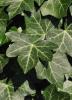
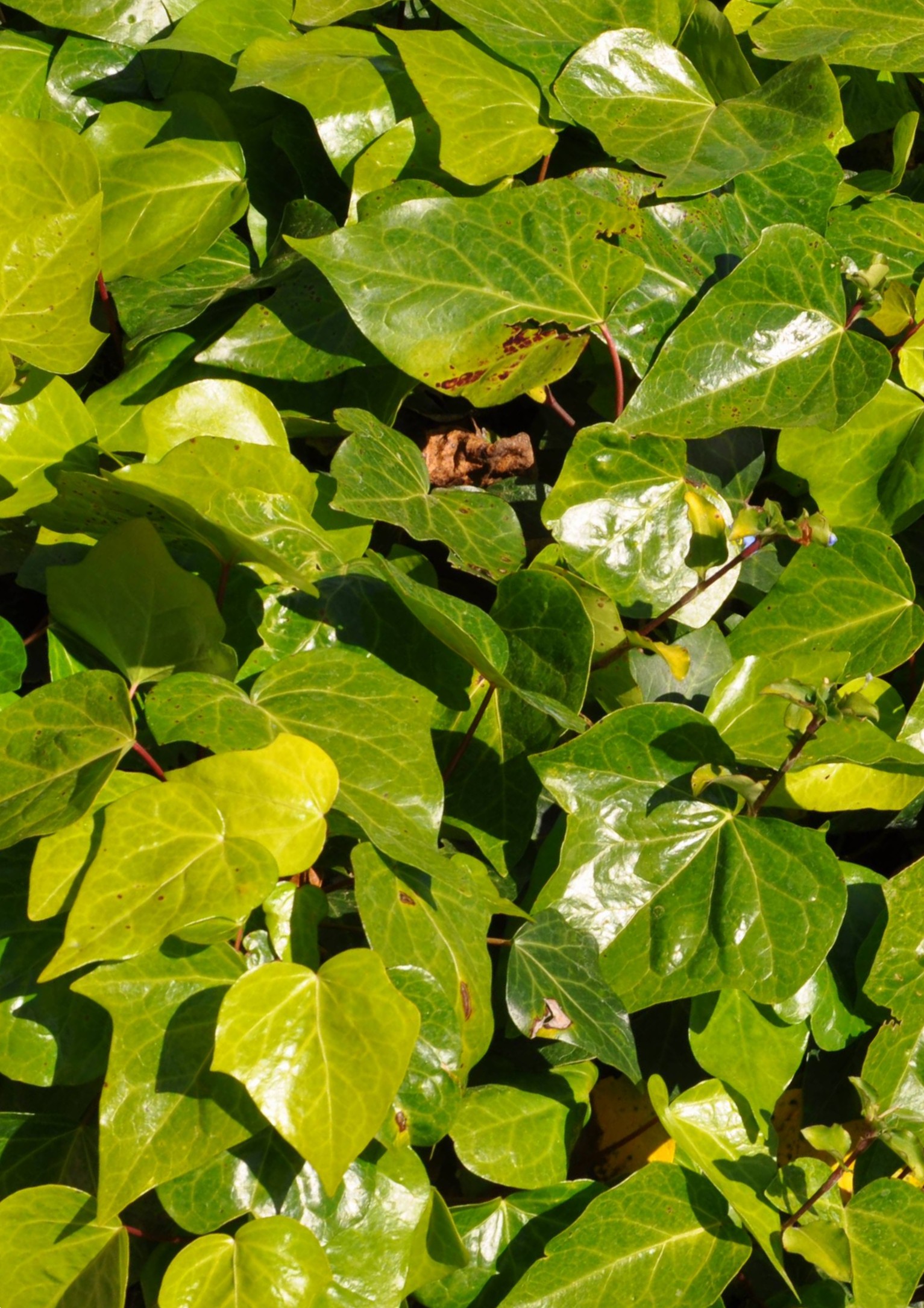
Juvenile growth creeps across the ground or climbs by aerial rootlets. Its leaves are usually large, glossy, and divided into three to five broad lobes. Young stems and petioles commonly have a reddish color.
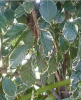
When established growth receives sufficient light and reaches reproductive maturity, some branches transition into the adult phase. These shoots become stiffer and more self-supporting, stop producing the same clinging rootlets, and bear less-lobed or completely unlobed leaves.
Adult leaves may be oval, triangular, rhombic, or broadly heart-shaped. Rounded umbels of small yellow-green flowers are followed by dark purple or black fruits.
The difference between juvenile climbing foliage and adult flowering branches can make one vine appear to be two unrelated plants. Both phases remain part of the same toxic ivy.
Algerian Ivy and Canary Island Ivy
Algerian Ivy and Canary Island Ivy have been combined, confused, and mislabeled repeatedly in horticultural trade. Current botanical treatment recognizes Hedera algeriensis and Hedera canariensis as separate accepted species.
Hedera algeriensis is native to northern Algeria and Tunisia. Hedera canariensis is native to the Canary Islands. Nursery plants sold under either name may carry older misapplied labels, particularly variegated material.
Both belong to the same poisonous ivy genus and present similar practical concerns involving saponin-associated gastrointestinal irritation and sap-related dermatitis. Immediate first aid should not be delayed while an owner attempts to resolve a difficult nursery identification.
Algerian Ivy and English Ivy
English Ivy is Hedera helix. Its juvenile leaves are generally smaller than those of Algerian Ivy, although cultivar variation and growing conditions can make leaf size an unreliable identification feature by itself.
Algerian Ivy commonly has broader, larger leaves with substantial lobes and reddish young stems or petioles. Both species develop juvenile climbing growth and adult flowering branches with less-lobed foliage.
The two species share the central pet-safety concerns of irritating triterpenoid saponins, gastrointestinal illness, and falcarinol-related skin reactions. Neither should be treated as pet-safe.
‘Gloire de Marengo’ and ‘Ravensholst’
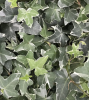
‘Gloire de Marengo’ is a widely grown variegated Algerian Ivy cultivar. Its large leaves combine dark green and gray-green areas with irregular cream or white margins. It has also been sold under ‘Variegata’ and several misapplied Hedera canariensis names.
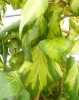
‘Ravensholst’ is a vigorous green cultivar with large glossy triangular to oval leaves that may take on purplish tones in cool weather.
Variegation, pale margins, large leaves, winter coloration, or cultivar status does not remove the saponins or contact allergens. Green reversions and variegated stems should be handled with the same precautions.
Groundcover, Climbing, and Indoor Exposure
Ground-creeping stems form dense mats beneath shrubs, decks, fences, outdoor furniture, and other shaded structures. Dogs may run, roll, sleep, retrieve toys, or dig in the foliage and repeatedly expose the muzzle, paws, abdomen, and coat to crushed sap.
Cats may hide beneath outdoor groundcover and later ingest residue while grooming. They may also chew potted vines or pull trailing stems from a shelf, balcony, wall planter, or hanging container.
Climbing growth can extend well above ground, but trailing stems, fallen branches, and pruning debris return the foliage to pet level. A vine that appears inaccessible while attached to a wall may become a substantial exposure after wind, construction, or trimming.
Pruning, Storm Debris, and Chemical Treatment
Pruning and removal create concentrated exposure because large amounts of freshly damaged, sap-containing material are placed on the ground. Cut vines should be collected immediately and placed in a closed container rather than left to wilt where animals can reach them.
Storm-damaged ivy may fall with tree branches, roofing material, glass, wire, treated wood, or other hazardous debris. The complete fallen material should be inspected before pets or livestock return to the area.
Because ivy is often treated as unwanted or invasive vegetation, recently sprayed foliage may contain herbicide. Dense groundcover may conceal insecticides, slug bait, rodenticide, fertilizer, moldy vegetation, mushrooms, or contaminated water.
Marked tremors, seizures, hyperthermia, severe weakness, abnormal heart rhythm, respiratory distress, uncontrolled bleeding, or rapid deterioration should prompt investigation for these additional hazards rather than automatic attribution to ivy saponins.
Animals Most Likely to Be Exposed
Puppies and habitual plant-chewing dogs may pull or shred trailing stems. Dogs moving through thick groundcover may receive a greater skin exposure than oral exposure and later ingest sap while licking their coat.
Cats may mouth flexible leaves, climb to elevated vines, hide beneath outdoor growth, or contact sap while playing. Continued feline appetite refusal deserves attention even when the initial poisoning is expected to be mild.
Horses and livestock may browse vines growing on pasture trees, abandoned buildings, walls, fences, or hedges. The greatest large-animal risk occurs when property cleanup or trimming introduces a concentrated pile of unfamiliar foliage into a paddock.
Rabbits, guinea pigs, birds, reptiles, and other exotic animals should not be permitted to browse Algerian Ivy. Limited species-specific toxicology does not establish safety, and appetite loss alone can become medically significant in small herbivores.
Plants Incorrectly Called Ivy
Poison Ivy is Toxicodendron radicans and contains urushiol. Boston Ivy is Parthenocissus tricuspidata in the grape family. Devil’s Ivy is Epipremnum aureum, an aroid containing insoluble calcium oxalate crystals.
Swedish Ivy commonly refers to species of Plectranthus or Coleus. Ground Ivy is usually Glechoma hederacea. Cape Ivy and German Ivy often refer to plants in the daisy family, while Kenilworth Ivy is Cymbalaria muralis.
These plants differ botanically and toxicologically. The word “ivy” alone cannot identify the toxic principle or determine appropriate treatment.
Diagnosis and Differential Diagnosis
No routine blood test confirms Algerian Ivy ingestion or measures a particular ivy saponin or polyacetylene. Diagnosis depends on plant identification, witnessed access, missing foliage, plant fragments in vomit, sap contact, and a compatible gastrointestinal or dermatologic syndrome.
Useful evidence includes juvenile and adult leaves, stems, aerial rootlets, flowers, fruits, the nursery label, photographs of the complete vine, treatment-product packaging, and information about recent pruning or spraying.
Similar signs may result from English Ivy, another poisonous plant, detergent, caustic chemical, insect sting, allergic reaction, spoiled food, gastrointestinal infection, medication, pesticide, or a swallowed foreign object.
Bloodwork, electrolyte testing, imaging, blood-pressure measurement, eye examination, or other diagnostics may be needed after persistent vomiting, dehydration, weakness, unusual cardiovascular or neurologic signs, or an uncertain mixed exposure.
Prognosis and Prevention
The prognosis is good to excellent for most limited Algerian Ivy exposures. Mild drooling, vomiting, diarrhea, abdominal discomfort, and lethargy generally improve after access ends and hydration is maintained.
Dermatitis may require more time, particularly after repeated exposure or allergic sensitization. Recovery may also be delayed by dehydration, aspiration, eye injury, retained woody material, secondary skin infection, or pesticide exposure.
Prevent exposure by keeping potted vines beyond climbing and jumping range, blocking access to dense groundcover, trimming stems that hang from walls or balconies, and collecting every cutting, flower cluster, fruiting branch, and uprooted plant immediately.
Wear gloves and protective clothing during removal, wash tools and contaminated surfaces, observe chemical reentry instructions, and continue checking the area for overlooked stems or regrowth.
Immediate Steps After Algerian Ivy Exposure
- Stop further exposure. Move the animal away from leaves, vines, flowers, fruits, sap, clippings, contaminated fur, groundcover, and recently treated landscape areas.
- Preserve identification evidence. Save juvenile and adult leaves, stems, flowers, fruits, photographs, and any nursery label.
- Determine what occurred. Establish whether the animal chewed foliage, swallowed fruit or woody stems, contacted fresh sap, rolled in cut vines, or entered a recently sprayed area.
- Remove only loose visible material. Lift leaves, fruit, or stem fragments resting at the lips or front of the mouth when this can be done safely. Do not perform a blind finger sweep.
- Gently wipe accessible sap. Use a soft damp cloth on the lips, muzzle, gums, and front of the mouth of a fully alert animal that is breathing and swallowing normally.
- Offer voluntary water only when safe. An alert animal that is swallowing normally and is not gagging or vomiting repeatedly may drink a small amount on its own. Do not pour or syringe water into the mouth.
- Check for chemical co-exposure. Save the labels for herbicide, pesticide, fertilizer, slug bait, rodenticide, leaf treatment, or any other product used in the area.
Do Not Attempt Unsupervised Home Treatment
- Do not induce vomiting automatically. Most limited ivy exposures cause irritation and gastrointestinal upset rather than a poisoning syndrome that justifies routine home emesis.
- Do not use hydrogen peroxide, salt, mustard, syrup of ipecac, detergent, oil, or manual gagging. These methods can cause gastric injury, aspiration, sodium poisoning, or airway trauma.
- Never use hydrogen peroxide as a feline emetic. It can severely damage a cat’s stomach and esophagus.
- Do not give activated charcoal routinely. Its benefit after a small ivy exposure is uncertain, and a vomiting, coughing, weak, sedated, or poorly swallowing animal may inhale it.
- Do not force milk, oil, food, water, or electrolyte products. These substances do not neutralize the plant toxins and can be aspirated.
- Do not give antihistamines automatically. Direct sap irritation and allergic dermatitis are not identical, and significant facial or airway swelling requires professional assessment.
- Do not give human pain relievers, antidiarrheals, antacids, bismuth products, sucralfate, acid suppressants, or leftover prescriptions. These are not universal ivy antidotes and may be unsafe or obscure another diagnosis.
- Do not apply human creams or ointments where they can be licked. Steroid, anesthetic, antibiotic, antihistamine, zinc-containing, and essential-oil products may create additional problems.
When Emergency Examination Is Required
- Airway or swallowing abnormalities: Rapidly increasing facial, tongue, or throat swelling; inability to swallow saliva; continuous gagging; noisy breathing; open-mouth breathing in a cat; blue-gray gums; gasping; or collapse requires immediate care.
- Persistent gastrointestinal illness: Repeated vomiting, inability to retain water, severe abdominal pain, frequent diarrhea, blood, black stool, or continued appetite refusal requires examination.
- Dehydration or circulatory weakness: Tacky gums, sunken eyes, reduced urination, cool extremities, profound weakness, inability to stand, or collapse warrants urgent treatment.
- Eye injury: Continuing squinting, tearing, redness, discharge, cloudiness, swelling, or visual difficulty after irrigation requires prompt assessment.
- Possible foreign body: Persistent gagging, repeated regurgitation, abdominal enlargement, reduced stool, or recurrent vomiting after swallowing a woody stem, vine section, wire, tie, or landscape material may require imaging or removal.
- Atypical systemic signs: Severe tremors, seizures, marked incoordination, extreme bradycardia, abnormal blood pressure, uncontrolled bleeding, respiratory depression, coma, or rapid deterioration suggests another or additional exposure.
Skin and Coat Decontamination
Wear gloves and prevent the animal from licking contaminated paws, fur, or skin. Wash exposed areas with lukewarm water and a mild species-appropriate cleanser, working gently to remove sap and crushed plant residue.
Rinse thoroughly so the animal does not swallow shampoo or remaining plant material during grooming. Wash collars, harnesses, bedding, carriers, towels, and grooming tools that contacted fresh sap.
Do not scrub aggressively or use bleach, alcohol, peroxide, solvents, concentrated vinegar, essential oils, or harsh degreasers. These products can worsen direct skin injury.
Persistent redness, swelling, papules, blistering, hair loss, pain, or continued licking may require veterinary treatment and assessment for secondary infection.
Eye Exposure
Begin prompt, continuous irrigation with sterile saline or clean lukewarm water. Allow the fluid to flow gently across the eye rather than spraying it forcefully.
Do not use fingers, tweezers, cotton swabs, cloth, or other objects to scrape the eye surface. Prevent pawing and rubbing during transport.
Human redness drops and leftover veterinary eye medication should not be used without examination. Steroid-containing eye medication can worsen a corneal ulcer.
Persistent eye pain may require fluorescein staining, examination beneath the eyelids and third eyelid, removal of retained debris, lubrication, pain control, and topical antimicrobial treatment when the corneal surface is damaged.
Veterinary Examination and Decontamination
The veterinarian will assess oral irritation, swallowing, airway patency, hydration, abdominal pain, skin exposure, eye injury, mental status, cardiovascular findings, and the possibility of chemical or foreign-material ingestion.
The mouth and pharynx may require direct examination for lodged woody stems, leaves, aerial roots, wire, or plant ties. Sedation may be needed when discomfort or patient resistance prevents safe inspection.
Most ordinary ivy exposures do not require induced vomiting. A veterinarian may consider professional emesis only after a substantial, very recent ingestion in an alert, stable dog that is not already drooling heavily, coughing, gagging, vomiting, weak, or neurologically abnormal.
Activated charcoal is not an automatic treatment. It may be considered when a significant mixed toxin is suspected and the animal can protect its airway. Gastric lavage would be highly unusual and limited to exceptional circumstances under anesthesia with a protected airway.
Vomiting, Diarrhea, and Gastrointestinal Treatment
Persistent nausea or vomiting may be treated with a veterinarian-selected antiemetic such as maropitant or ondansetron. Medication choice depends on species, hydration, medical history, and whether obstruction or another toxin has been excluded.
Sucralfate may be considered when repeated vomiting, hematemesis, painful swallowing, esophagitis, or documented erosive injury indicates a need for mucosal protection. It creates a protective barrier rather than neutralizing ivy saponins and can interfere with absorption of other medications.
Acid suppression is not required after every ivy nibble. It may be selected when there is evidence of erosive gastritis, esophagitis, gastrointestinal bleeding, or another acid-related complication.
Diarrhea management prioritizes hydration, electrolyte balance, appropriate nutrition, and exclusion of obstruction, infection, hemorrhagic disease, pesticide exposure, or another toxin. Antimotility medication may be inappropriate when gastrointestinal clearance of irritating material is desirable.
Fluid and Nutritional Support
Oral, subcutaneous, or intravenous fluids may be used when vomiting, diarrhea, drooling, or appetite loss causes dehydration. The route and amount are based on species, body size, measured dehydration, circulation, continuing losses, and heart and kidney function.
Electrolytes, glucose, kidney values, acid-base status, and blood pressure may require testing after prolonged gastrointestinal illness or unexpected weakness.
Food may be reintroduced gradually after vomiting stops and the animal shows voluntary interest. Force-feeding a nauseated, gagging, vomiting, dysphagic, sedated, or neurologically abnormal animal creates aspiration risk.
Continued appetite refusal is particularly important in cats, rabbits, and guinea pigs because prolonged poor intake can cause serious metabolic or gastrointestinal complications.
Dermatitis and Allergic Reactions
Mild direct irritation may require only thorough washing, prevention of licking or scratching, and removal from the exposure area. More substantial dermatitis may need veterinarian-selected itch control, pain relief, wound care, or treatment of secondary bacterial or yeast infection.
An antihistamine may be appropriate when hives or another histamine-mediated reaction is suspected. Corticosteroids may be considered for selected allergic or inflammatory reactions after infection, ulceration, species, age, and concurrent disease have been assessed.
True anaphylaxis is not the expected routine syndrome. Rapid facial swelling accompanied by breathing difficulty, weak pulses, collapse, or severe generalized signs may require epinephrine, oxygen, airway protection, intravenous crystalloids, and blood-pressure support.
Medication cannot replace direct airway management. Progressive pharyngeal or laryngeal swelling may require oxygen, intubation, suction of secretions, assisted ventilation, or an emergency surgical airway.
Aspiration and Foreign-Body Complications
Coughing, fever, nasal discharge, abnormal lung sounds, falling oxygen levels, or worsening respiratory effort after vomiting raises concern for aspiration. Treatment may include thoracic imaging, oxygen, airway support, and antimicrobial therapy when bacterial aspiration pneumonia is established or strongly suspected.
Persistent gagging, regurgitation, vomiting, abdominal pain, or reduced fecal output may require radiographs, ultrasound, endoscopy, or other imaging to identify swallowed woody stems, plant ties, stones, landscape fabric, or another foreign material.
Deeply lodged material should be removed under direct visualization. Do not pull a long stem, vine, string-like root, wire, or other object protruding from the mouth or rectum without veterinary direction.
Horses, Livestock, and Other Animals
Remove every horse or livestock animal from ivy-covered structures, fallen vines, fruiting branches, and clipping piles. Examine all animals sharing the same pasture, feed, bedding, or garden-waste source.
Do not drench or force oil, water, charcoal, feed, or medication into a coughing, bloated, weak, recumbent, or poorly swallowing animal. Horses cannot vomit, and ruminants with impaired swallowing or abnormal regurgitation may aspirate.
Large-animal treatment may include oral examination, hydration assessment, gastrointestinal monitoring, fluid therapy, pain control, rumen support, and investigation of pesticides or other plants in the same material.
Rabbits and guinea pigs cannot vomit. Reduced appetite, declining fecal output, abdominal distention, tooth grinding, or lethargy requires prompt care because gastrointestinal stasis may become more serious than the initial plant irritation.
Birds, reptiles, and other exotic animals require species-specific guidance. Dog and cat emesis methods, medication, charcoal, and fluid plans should never be improvised for another species.
Prognosis and Recovery
The prognosis is good to excellent for most limited Algerian Ivy exposures. Mild drooling, nausea, vomiting, diarrhea, abdominal discomfort, and lethargy generally improve within several hours to one or two days.
Dermatitis may persist longer, especially after allergic sensitization or repeated contact. Improvement should include decreasing redness and itching, cessation of vomiting, firmer stool, normal drinking and urination, and renewed voluntary appetite.
Recovery may be delayed by dehydration, aspiration, eye injury, secondary skin infection, swallowed woody material, pesticide exposure, or another plant in mixed clippings.
The prognosis becomes more guarded when rapidly progressive airway swelling, severe allergic shock, aspiration pneumonia, major dehydration, foreign-body obstruction, or a serious chemical co-exposure develops.
Frequently Asked Questions About Algerian Ivy and Animal Poisoning
How poisonous is Algerian Ivy to dogs and cats?
Algerian Ivy is best classified as a gastrointestinal and contact irritant rather than a plant expected to cause fatal systemic poisoning after every bite. Dogs and cats may develop drooling, nausea, vomiting, abdominal pain, diarrhea, appetite loss, or lethargy. Sap contact can cause dermatitis. Risk becomes more serious when vomiting is persistent, dehydration develops, facial swelling progresses, breathing is affected, or another chemical or plant was involved.
What is the accepted scientific name, and why does the authority vary?
The accepted name is Hedera algeriensis Rantonnet ex C.Morren. Hedera algeriensis Hibberd remains common in horticultural writing but is a later illegitimate homonym. The different authority does not identify a separate plant or different poisoning syndrome.
Is Algerian Ivy the same species as Canary Island Ivy?
No. Hedera algeriensis is native to northern Algeria and Tunisia, while Hedera canariensis is a separately accepted Canary Islands species. Nursery sources have frequently exchanged or combined the names, especially for variegated plants. Both belong to the poisonous ivy genus and should remain inaccessible to animals.
How is Algerian Ivy different from English Ivy?
English Ivy is Hedera helix. Algerian Ivy generally has larger, broader juvenile leaves and commonly has reddish young stems or petioles. Both develop climbing juvenile growth and adult flowering branches with less-lobed leaves. Both can cause saponin-associated gastrointestinal irritation and sap-related dermatitis.
What toxins are actually confirmed or strongly supported?
The principal concern is irritating triterpenoid saponins characteristic of Hedera, together with polyacetylene contact irritants such as falcarinol-related compounds. English Ivy chemistry provides strong genus-level support, but the exact concentrations of every named saponin have not been fully characterized in Algerian Ivy. Emetine, rutin, and caffeic acid should not be presented as the defining veterinary toxins.
Are the leaves more poisonous than the flowers or dark fruits?
The foliage is the greatest routine concern because it is abundant, accessible, and closely associated with both gastrointestinal irritation and contact dermatitis. Flowers and dark fruits should still be treated as poisonous. Fallen fruit can be swallowed rapidly, while mature flowering branches may become accessible after pruning or storm damage.
Can one bite make an animal sick, and is there a known toxic dose?
One bite may cause no visible signs or brief oral and gastrointestinal irritation. No dependable safe leaf count, fruit count, plant weight, or dose per body weight has been established. Risk depends on the tissue eaten, amount retained, animal size, individual sensitivity, repeated access, and whether vomiting or diarrhea continues.
Why does Algerian Ivy cause skin reactions?
Falcarinol and related polyacetylenes can act as direct irritants and contact allergens. Sap may cause redness, itching, swelling, papules, or blister-like lesions. Repeated exposure can sensitize an animal and produce a stronger reaction during later contact. Continued licking or scratching can then cause open sores and secondary infection.
Can the plant injure a pet’s eyes?
Yes. Sap, dust, soil, or plant fragments can cause tearing, redness, squinting, eyelid swelling, and conjunctival irritation. Stiff leaves or stems can also scratch the cornea. Irrigate promptly and obtain veterinary care when pain, cloudiness, discharge, swelling, or inability to open the eye continues.
Can Algerian Ivy cause facial swelling or breathing difficulty?
Mild localized swelling can accompany irritation or dermatitis. Rapid facial swelling, widespread hives, inability to swallow, noisy breathing, open-mouth breathing in a cat, blue-gray gums, weak pulses, or collapse may indicate a severe allergic reaction, airway inflammation, aspiration, or a lodged stem. These findings require immediate emergency care.
Are tremors, seizures, slow heart rate, or coma expected from Algerian Ivy?
No. These are not expected after an ordinary limited exposure. They require investigation for an unusually large or concentrated ingestion, pesticide, herbicide, slug bait, rodenticide, tremorgenic mold, medication, another poisonous plant, aspiration, electrolyte disturbance, or unrelated neurologic or cardiovascular disease.
Are ‘Gloire de Marengo’ and ‘Ravensholst’ poisonous?
Yes. Both are Algerian Ivy cultivars. ‘Gloire de Marengo’ is a cream-margined variegated form, while ‘Ravensholst’ is a large-leaved green selection. Variegation, pale margins, large leaves, cultivar status, or winter color changes do not remove the saponins or contact allergens.
Does drying, wilting, freezing, or composting make the vines safe?
No dependable rule makes cut, dried, wilted, frozen, or partly composted ivy safe for animals. Clippings can retain irritating material, while decaying piles may develop mold or become contaminated with chemicals and foreign objects. All vines, leaves, flowers, fruits, and roots should be secured after removal.
Should I induce vomiting or give activated charcoal?
Do not induce vomiting at home. Hydrogen peroxide, salt, mustard, ipecac, and manual gagging can cause gastric injury or aspiration. Activated charcoal is not routinely needed after a small ivy ingestion and may be inhaled by a vomiting, weak, coughing, or poorly swallowing animal. Professional decontamination is reserved for selected substantial or mixed exposures.
What should I do after sap gets on the skin or coat?
Wear gloves, prevent grooming, and wash the exposed coat and skin gently with lukewarm water and a mild species-appropriate cleanser. Rinse thoroughly and clean contaminated collars, bedding, and tools. Persistent redness, swelling, blistering, hair loss, pain, or self-trauma requires veterinary assessment.
Is Algerian Ivy poisonous to horses, livestock, rabbits, and birds?
It should not be fed to any animal. Horses and livestock may develop salivation, feed refusal, abdominal discomfort, diarrhea, depression, or weakness after substantial ingestion. Rabbits and guinea pigs may stop eating and develop gastrointestinal stasis. Birds may develop regurgitation, altered droppings, appetite loss, weakness, or balance changes. Species-specific evidence is limited, so symptomatic animals require appropriate veterinary advice.
How is Algerian Ivy poisoning diagnosed?
There is no routine blood test for an Algerian Ivy toxin. Diagnosis depends on plant identification, exposure history, missing foliage, fragments in vomit, gastrointestinal signs, dermatitis, eye exposure, and exclusion of chemicals or foreign material. Save juvenile and adult leaves, fruits, photographs, the nursery label, and any pesticide or herbicide packaging.
How long do symptoms last, and what is the prognosis?
Mild oral and gastrointestinal signs usually improve within several hours and resolve within one or two days. Dermatitis may last longer, especially after sensitization or repeated contact. The prognosis is good to excellent for most limited exposures but becomes less predictable with severe dehydration, airway swelling, aspiration, eye injury, foreign-body obstruction, secondary infection, or chemical co-exposure.