Glacier Ivy Toxicity, Triterpenoid Saponins, and Falcarinol Dermatitis
Is Glacier Ivy Poisonous to Dogs, Cats, Horses, and Livestock?
Yes—Glacier Ivy, Hedera helix ‘Glacier’, is poisonous and irritating to dogs, cats, horses, livestock, rabbits, birds, and other animals. Its leaves, stems, sap, roots, flowers, and fruit contain or may expose animals to triterpenoid saponins capable of irritating the mouth, esophagus, stomach, and intestines. Signs may include excessive drooling, nausea, vomiting, abdominal pain, diarrhea, appetite loss, lethargy, and depression.
The sap and foliage also contain falcarinol and related polyacetylenes capable of causing direct skin irritation or delayed allergic contact dermatitis after sensitization. Most limited exposures remain mild to moderate, but repeated vomiting or diarrhea, blood in vomit or stool, inability to retain water, pronounced weakness, extensive dermatitis, persistent eye pain, difficulty swallowing, suspected vine obstruction, or abnormal breathing requires veterinary care.
About this guide: This page provides general pet-poisoning information and cannot diagnose or treat an individual animal. For any suspected exposure, contact a veterinarian or animal poison-control service immediately. Do not induce vomiting, give medication, or attempt home decontamination unless directed by a veterinary professional.
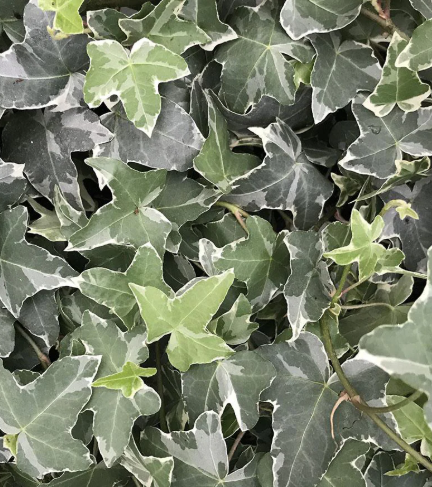
Glacier Ivy
Hedera helix L. ‘Glacier’
‘Glacier’ is a horticultural cultivar name and is not italicized. The accepted botanical species is Hedera helix L.
Relevant botanical synonyms of the species include:
- Hedera communis Gray — illegitimate superfluous name
- Hedera helix var. vulgaris DC. — not validly published
- Hedera poetarum Bertol. — illegitimate name
- Hedera poetica Salisb. — illegitimate name
Important botanical and horticultural distinctions:
- ‘Glacier’ is a cream-edged, gray-green cultivar of Hedera helix, not a separate species and not a toxin-free form.
- Solid-green reverted shoots remain part of the same Hedera helix plant and retain the same poisoning and dermatitis hazards.
- ‘Needlepoint’, ‘Sweetheart’, ‘Goldchild’, ‘Pittsburgh’, ‘California’, and Hahn’s Self-Branching are other English Ivy selections or commercial names rather than synonyms of the specific ‘Glacier’ cultivar.
- Hedera hibernica, commonly called Atlantic or Irish Ivy, is currently recognized as a separate species.
- Hedera canariensis, Canary Island Ivy, is also a separate accepted species.
- Poison Ivy, Boston Ivy, Grape Ivy, Swedish Ivy, and Ground Ivy belong to other genera and should not be listed as botanical synonyms.
Araliaceae
Glacier Ivy; Glacier English Ivy; English Ivy ‘Glacier’; Glacier Variegated Ivy; Variegated English Ivy; Variegated Common Ivy; Cream-Edged English Ivy; Gray-and-White English Ivy; Hedera helix ‘Glacier’; English Ivy; Common Ivy; European Ivy; Ivy
English Ivy, Common Ivy, European Ivy, and Ivy identify the broader species Hedera helix rather than the ‘Glacier’ cultivar alone.
Branching Ivy, Needlepoint Ivy, Sweetheart Ivy, California Ivy, Pittsburgh Ivy, Goldchild Ivy, and Hahn’s Self-Branching English Ivy identify other Hedera helix selections or broadly cross-listed English Ivy plants. They may share the same general toxicity but are not exact synonyms of ‘Glacier’.
Solid-green reverted branches remain Hedera helix ‘Glacier’ growth and are not safer than the variegated portions.
Atlantic Ivy or Irish Ivy may refer to Hedera hibernica. Canary Island Ivy and Algerian Ivy are commonly associated with Hedera canariensis. Those are separate species.
Poison Ivy, Boston Ivy, Grape Ivy, Swedish Ivy, German Ivy, Ground Ivy, and Kenilworth Ivy are unrelated plants carrying the word “ivy” and may present different toxic hazards.
Triterpenoid Saponins Confirmed in English Ivy
The principal ingestion hazards in Glacier Ivy are triterpenoid saponins. Direct phytochemical investigations of Hedera helix leaves and fruit have isolated multiple oleanane-type glycosides based primarily on hederagenin and related aglycones.
Important compounds include hederacoside C, also called hederasaponin C; hederacoside B; α-hederin; β-hederin; hederagenin; and additional hederasaponins and fruit glycosides. The mixture differs among leaves, fruit, plant age, growing conditions, extraction methods, and processing.
No study demonstrates that one compound alone produces the complete natural syndrome in dogs, cats, or horses. The most accurate toxin description is a mixture of triterpenoid saponins acting principally as oral and gastrointestinal irritants.
Hederacoside C, α-Hederin, and Hederagenin
Hederacoside C is a major bidesmosidic saponin in English Ivy leaves and standardized medicinal extracts. Its hederagenin core carries sugar chains at two positions, which influences solubility, membrane activity, metabolism, and pharmacologic behavior.
Enzymatic or chemical removal of part of the sugar structure can produce α-hederin, a monodesmosidic saponin with greater membrane activity in several experimental systems. Hederagenin is the non-sugar triterpenoid aglycone underlying several ivy glycosides.
Cell-culture research demonstrates that α-hederin, hederacoside C, and hederagenin do not behave identically. Those pharmacologic differences support avoiding a simplistic statement that every ivy saponin has the same potency or clinical effect.
Gastrointestinal Membrane and Motility Effects
Saponins contain a water-soluble sugar portion and a fat-soluble triterpenoid portion. This amphipathic structure gives them soap-like properties and enables interaction with sterols and other components of cell membranes.
Selected saponins can increase intestinal permeability or alter membrane integrity under experimental conditions. Research using isolated rat stomach tissue also found that whole ivy-leaf extract and high concentrations of hederacoside C could stimulate smooth-muscle contraction.
These effects provide plausible mechanisms for nausea, cramping, vomiting, abdominal discomfort, and diarrhea. Laboratory concentrations cannot be converted directly into a household leaf count or pet-toxic dose.
Falcarinol and Didehydrofalcarinol
English Ivy contains the polyacetylenes falcarinol and didehydrofalcarinol. Direct chemical and patch-testing research demonstrated that these compounds can act as powerful skin irritants and moderate contact sensitizers.
Falcarinol was capable of producing strong reactions at low test concentrations in sensitized people. Later case series and long-term patch-testing experience confirmed that allergic contact dermatitis from ivy may be overlooked or mistaken for another plant or environmental allergy.
The same evidence supports wearing gloves during pruning and preventing pets from lying on or grooming after contact with freshly cut vines. It does not establish a veterinary falcarinol dose or prove that every exposed animal will develop allergic dermatitis.
Direct Irritation Versus Allergic Contact Dermatitis
Direct irritant dermatitis can occur when sufficient sap or crushed foliage contacts skin, especially when the surface is abraded, moist, inflamed, or exposed repeatedly. Redness, burning, itching, swelling, or blister-like lesions may begin after the first substantial exposure.
Allergic contact dermatitis is a delayed immune response that develops after sensitization. An animal may tolerate earlier contact and react more strongly during a later pruning event or repeated passage through the same ivy bed.
A rash after ivy exposure is not automatically caused by the plant. Pesticides, herbicides, fertilizer, insects, mold, other plants, shampoos, and secondary skin infection may create similar lesions.
Emetine and Secondary Constituents
Rutin, caffeic acid, chlorogenic acid, flavonoids, phenolic compounds, sterols, and additional natural constituents occur in English Ivy. Their presence does not make them the principal causes of ordinary companion-animal poisoning.
Emetine has been repeated in secondary ivy summaries, but it is not sufficiently established as a defining Hedera helix veterinary toxin. The characteristic syndrome is better explained by triterpenoid saponins and falcarinol-related contact irritation.
Removing unsupported compounds from the primary toxin list prevents confusion with plants and medicines whose major toxic effects genuinely depend on emetine-like alkaloids.
Leaves, Fruit, and Other Plant Parts
Leaves provide the strongest evidence for hederacoside C and α-hederin exposure and are generally regarded as more toxic than the berries. Fruit nevertheless contains directly demonstrated triterpenoid saponins and should not be treated as safe.
Juvenile and adult leaves, petioles, flexible climbing stems, woody reproductive branches, aerial rootlets, roots, sap, flowers, berries, seeds, and pruning debris should all remain inaccessible.
No complete comparative investigation has established an exact toxin concentration for every organ, cultivar, season, or developmental stage.
Fresh, Wilted, and Dried Ivy
Wilting or drying does not establish safety. Triterpenoid saponins are nonvolatile glycosides and remain present in dried medicinal ivy-leaf material and concentrated extracts.
Falcarinol concentration and volatile chemistry may change after cutting or drying, but those changes cannot be relied upon to prevent dermatitis or gastrointestinal poisoning.
Freshly cut vines may be particularly accessible and sap-rich, while dried woody pieces remain capable of causing gastrointestinal upset or physical obstruction.
Concentrated Ivy-Leaf Medicines
Standardized human ivy-leaf preparations are manufactured for particular medicinal uses and may contain measured dry extract, enriched saponins, sweeteners, alcohol, preservatives, or additional active ingredients.
A concentrated syrup or extract can deliver substantially more ivy-derived material than one brief bite of a leaf. A published dog developed severe gastroenteritis after unprescribed administration of a human ivy-extract syrup and improved with supportive veterinary treatment.
Raw leaves, cough syrup, tinctures, extracts, teas, essential-oil products, and supplements should never be given to animals as cough remedies, expectorants, parasite treatments, or homemade medicines.
Fibrous and Woody Foreign-Material Risk
Trailing stems may be swallowed as long strands, while mature vines become woody and resistant. Compacted leaves, aerial rootlets, stems, roots, potting material, and plant supports can create a physical hazard separate from the saponin chemistry.
Persistent gagging, regurgitation, vomiting after the initial nausea should have resolved, abdominal enlargement, reduced fecal production, or inability to retain water may indicate retained plant material or obstruction.
Activated charcoal cannot remove a lodged vine or fibrous gastrointestinal mass.
No Established Safe Dose
No dependable number of leaves, vine length, berry count, saponin concentration, or gram-per-kilogram toxic dose has been established for natural Glacier Ivy exposure in dogs, cats, horses, livestock, rabbits, or birds.
Risk depends on the plant part, amount, raw or concentrated form, animal size, repeated exposure, gastrointestinal health, individual sensitivity, and whether another toxic substance or foreign object was swallowed simultaneously.
Oral and Gastrointestinal Irritation
Early signs may include lip licking, repeated swallowing, drooling, nausea, gagging, reduced appetite, abdominal discomfort, vomiting, soft stool, diarrhea, lethargy, or depression. The bitter taste and rapid irritation often stop continued chewing, but this response is not dependable in puppies, persistent plant chewers, or animals consuming loose clippings.
Vomiting may contain leaf fragments, foam, food, clear fluid, or bile. Diarrhea may range from soft stool to frequent watery material. Cramping can cause restlessness, repeated stretching, a hunched posture, whining, hiding, or resistance to abdominal handling.
Blood may occasionally appear after substantial mucosal irritation or forceful retching. Repeated fresh blood, coffee-ground material, black stool, marked abdominal pain, or worsening weakness requires veterinary examination.
Dehydration and Secondary Weakness
Repeated vomiting or diarrhea can cause tacky gums, sunken eyes, reduced skin elasticity, decreased urination, rapid heart rate, weakness, and worsening depression.
Fluid loss may also disturb sodium, potassium, chloride, glucose, and acid-base balance. Small, young, elderly, and medically fragile animals may become dehydrated more rapidly than healthy adults.
Collapse, profound weakness, tremors, or altered awareness should not be attributed automatically to ordinary ivy irritation. Severe dehydration, aspiration, another toxin, metabolic disease, or obstruction must be considered.
Skin and Fur Exposure
Sap and crushed foliage may cause redness, burning, itching, swelling, rash, blister-like lesions, weeping dermatitis, or persistent skin discomfort. Contact commonly occurs during pruning or when an animal lies on, walks through, or plays with freshly cut vines.
Contaminated paws and fur may transfer falcarinol-containing residue to the face, mouth, ears, or eyes during grooming. Recurrent dermatitis after repeated ivy contact may indicate sensitization and delayed allergic contact dermatitis.
Continued licking or scratching can produce hair loss, open skin, secondary infection, and a longer recovery than the original gastrointestinal signs.
Eye, Mouth, and Facial Irritation
Oral exposure may cause redness around the lips or gums, mouth discomfort, pawing at the muzzle, increased salivation, coughing, gagging, or reluctance to eat. Extensive oral blistering and major throat swelling are not the expected presentation after a small leaf nibble.
Sap or plant particles entering an eye may produce tearing, blinking, squinting, redness, eyelid swelling, discharge, conjunctival irritation, or corneal abrasion.
Progressive facial or tongue swelling, inability to swallow saliva, hoarse vocalization, noisy breathing, open-mouth breathing, blue-gray gums, or collapse requires immediate emergency care even though severe airway involvement is uncommon.
Vine and Foreign-Body Complications
A long trailing vine may lodge around the tongue, within the pharynx, or in the esophagus. Woody stems and compacted leaves may remain in the stomach or obstruct the intestine.
Repeated swallowing, coughing, unproductive retching, regurgitation, immediate return of water, continued vomiting, abdominal distention, reduced stool, or worsening pain requires examination.
Plant material protruding from the mouth or rectum should not be pulled blindly because it may be anchored internally.
Large or Concentrated Exposures
Older toxicology accounts describe excitement, incoordination, staggering, stupor, cardiovascular depression, tremors, convulsions, or coma after extraordinary ivy exposure. These are not the expected signs after an ordinary Glacier Ivy nibble.
A concentrated medicinal extract may deliver a larger and chemically different exposure than raw foliage. Human syrups may also contain sweeteners, preservatives, alcohol, medications, or other ingredients that alter the clinical picture.
Severe incoordination, seizures, profound weakness, very slow heart rate, low blood pressure, or unconsciousness requires investigation for concentrated products, pesticides, herbicides, slug bait, rodenticide, mushrooms, medications, another plant, aspiration, or unrelated disease.
Dogs, Cats, Horses, and Other Animals
Dogs may raid pruning piles, pull down hanging-basket vines, consume berries, or swallow long stems while playing. Cats may repeatedly chew trailing foliage or groom sap from the paws and coat. Persistent feline food refusal deserves attention because prolonged anorexia creates an additional metabolic risk.
Horses and livestock may encounter ivy growing through fences or receive large quantities in discarded landscape material. Horses cannot vomit and may instead develop salivation, appetite loss, colic, diarrhea, depression, weakness, or incoordination.
Rabbits and guinea pigs may reduce food and fecal production after gastrointestinal irritation. Birds may shred foliage and deteriorate quickly when vomiting, regurgitation, diarrhea, or dehydration occurs.
Expected Course and Prognosis
Mild drooling, nausea, vomiting, or diarrhea commonly begins improving within several hours after access ends and may resolve within approximately one or two days.
Dermatitis may persist longer, particularly after allergic sensitization or continued self-trauma. Eye injury, aspiration, severe dehydration, concentrated extract ingestion, and swallowed vines can prolong treatment.
The prognosis is generally good to excellent after limited raw-plant exposure. Severe or progressive illness should prompt reconsideration of the identification and investigation for another toxicant or complication.
A Variegated Cultivar of English Ivy
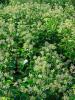
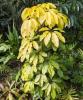
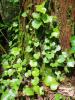
Glacier Ivy is Hedera helix ‘Glacier’, a named cultivar of English Ivy rather than a separate botanical species. It normally produces relatively small triangular or shallowly lobed leaves with irregular gray-green and darker green centers surrounded by cream or white margins.
The compact foliage and trailing growth make it popular in hanging baskets, mixed containers, topiary, indoor displays, and small landscape beds. Those uses create exposure routes that differ from a mature ivy climbing a large tree: stems may trail onto furniture or floors, cuttings may be rooted indoors, and fallen leaves may collect beneath containers.
Variegation changes pigment distribution and growth rate. It does not remove the species’ saponins or falcarinol-related contact allergens.
Green Reversion and Cultivar Confusion
‘Glacier’ may produce a branch with solid-green leaves. Green shoots generally contain more chlorophyll, grow more vigorously, and may eventually dominate the variegated plant if they are not removed.
A reverted branch remains Hedera helix and is not a safer plant. Pruning it creates fresh sap-bearing material that should be collected before pets regain access.
Branching Ivy, Needlepoint Ivy, Sweetheart Ivy, Goldchild Ivy, California Ivy, Pittsburgh Ivy, and Hahn’s Self-Branching are separate English Ivy selections or broadly cross-listed cultivar names. They may share the same general toxic mechanism but should not all be presented as exact synonyms of ‘Glacier’.
Juvenile and Adult Ivy Look Different
Juvenile English Ivy creeps or climbs and produces the familiar lobed leaves. Its flexible stems form numerous short aerial rootlets that attach to bark, masonry, fences, stone, and other rough surfaces.
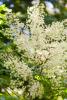
Adult reproductive growth becomes thicker, woody, and more self-supporting. Its leaves are usually unlobed, oval, diamond-shaped, or broadly lanceolate, and the shoots produce rounded clusters of small greenish-yellow flowers followed by dark berries.
One plant may therefore carry lobed juvenile leaves near the ground and unlobed flowering leaves higher on a support. Both growth phases remain toxic and irritating.
Leaves, Flowers, and Fruit
The foliage represents the principal companion-animal exposure and is generally regarded as more toxic than the berries. That comparison does not make the fruit safe.
Direct fruit research isolated six triterpenoid saponins, including newly characterized helixosides. Fallen berries may be eaten by birds and dispersed into yards, containers, dog runs, and pasture margins.
Wildlife use does not establish domestic-animal safety. Birds, insects, mammals, and companion animals differ in digestive physiology, dose, and feeding behavior.
Saponin Chemistry and Gastrointestinal Effects
Direct leaf research has isolated hederagenin-based triterpenoid saponins from Hedera helix. Hederacoside C is a major leaf constituent, while α-hederin is a more membrane-active derivative formed through removal of part of the sugar chain.
Experimental research demonstrates that the ivy compounds differ in receptor effects and smooth-muscle activity. Whole leaf extract and selected saponins can influence gastrointestinal tissue under laboratory conditions, providing a plausible basis for cramping, vomiting, and diarrhea.
These experiments do not provide a household toxic dose. The amount delivered by one leaf, a handful of pruning debris, and a standardized medicinal extract may differ substantially.
Falcarinol Contact Dermatitis
Experimental chemical investigation identified falcarinol and didehydrofalcarinol as persistent ivy constituents capable of producing direct irritation and allergic sensitization.
Human patch-testing and clinical case series demonstrate that dermatitis may develop after pruning, handling, or airborne exposure to plant particles. Some individuals become sensitized during repeated contact and react more strongly during later exposure.
Comparable controlled veterinary patch-testing has not established an animal threshold. The evidence nevertheless supports washing exposed fur and skin, wearing gloves, cleaning pruning tools, and preventing repeated contact in animals with recurrent dermatitis.
English Ivy Is Not Poison Ivy
English Ivy belongs to Araliaceae. Poison Ivy belongs to Anacardiaceae and contains urushiol rather than falcarinol.
The plants are botanically and chemically different, and cross-reaction between their defining allergens is not expected merely because both are called ivy.
Boston Ivy, Grape Ivy, Swedish Ivy, German Ivy, and Ground Ivy are also unrelated plants. A poisoning assessment should use the scientific name and complete plant rather than the word “ivy” alone.
Concentrated Ivy-Leaf Products
Standardized ivy-leaf extracts are used in some human cough medicines. Their manufacture, extraction ratio, saponin concentration, added ingredients, and intended human dose differ from exposure to a living plant.
A published clinical report described a one-year-old Golden Retriever that developed gastroenteritis after inappropriate, unprescribed administration of a human Hedera helix syrup. Other causes were investigated, and the dog improved with supportive veterinary treatment.
The case does not prove that every properly manufactured ivy medicine is intrinsically dangerous at every dose. It demonstrates that human herbal products should not be given to animals without veterinary assessment of the exact formulation and ingredients.
Historical Livestock Evidence
Historical British toxicology literature described a substantial cattle exposure:
“Cattle that ingested large quantities of English ivy vine became ill and excitable, started staggering, and bellowed loudly. The odor of crushed ivy leaves was on the breath and in the milk. Recovery was quick and complete in three days.”
The account supports the possibility of behavioral and coordination changes after unusually large livestock ingestion. It does not establish that excitement, staggering, or bellowing is expected after an ordinary companion-animal leaf nibble.
Older reports of suspected fatalities are less well documented. Severe gastroenteritis, dehydration, aspiration, physical obstruction, concentrated extracts, contaminants, and other plants must be considered whenever illness is life-threatening.
Hanging Baskets, Climbing Vines, and Pruning Debris
A hanging basket may appear inaccessible while its stems are short, but trailing growth can reach a shelf, chair, windowsill, cage, or floor. Cats may climb nearby furniture, and dogs may pull down an entire container by one stem.
Outdoor ivy may enter kennels through fencing, grow beneath decks, climb shade trees over animal areas, or drop leaves and berries into paddocks. Pruning places sap-rich material at ground level and increases both ingestion and dermatitis exposure.
Clippings should be collected immediately and never dumped into paddocks, rabbit enclosures, poultry areas, kennels, or animal-accessible compost.
Mixed Container and Landscape Exposures
An animal pulling down a Glacier Ivy pot may also swallow fertilizer granules, systemic insecticide, potting bark, perlite, decorative stone, wire, moss, plastic mesh, or broken container material.
Outdoor vines may have been treated with herbicides, pesticides, fungicides, slug bait, or other chemicals. Severe neurologic, cardiovascular, renal, hepatic, or respiratory disease may result from those additional exposures rather than from ivy saponins alone.
Preserve every plant-care label and report recent treatment of the plant or surrounding area to the veterinarian.
Diagnosis, Prognosis, and Prevention
There is no routine clinical test that confirms Glacier Ivy ingestion or identifies its saponins in a veterinary patient. Diagnosis depends on plant identification, exposure history, compatible gastrointestinal or skin signs, and exclusion of another cause.
Useful evidence includes the complete plant, cultivar label, juvenile and adult leaves, flowers or berries, swallowed product package, vomited fragments, pot contents, and all chemical labels.
Most limited exposures have a favorable prognosis. Prevention requires controlling trailing growth, collecting fallen leaves and berries, securing containers, protecting animals during pruning, washing contaminated surfaces, and replacing the plant when persistent chewing or recurrent dermatitis makes dependable separation unrealistic.
Immediate Steps After Glacier Ivy Exposure
- Stop further access. Move the animal away from leaves, vines, roots, flowers, berries, pruning debris, potting material, and ivy-leaf medicines.
- Confirm the plant or product. Save the label showing Hedera helix ‘Glacier’, photographs, representative foliage, berries, and any syrup, extract, supplement, or medicine package.
- Determine the exposure. Establish whether the animal mouthed one leaf, swallowed a long vine, consumed berries, contacted sap, or received a concentrated product.
- Remove only loose visible material. When the animal is calm and swallowing normally, use gloves, damp gauze, or a clean damp cloth to lift material resting at the lips or front of the mouth.
- Do not reach toward the throat. Deep handling can push material farther back, worsen gagging, or cause a defensive bite.
- Prevent grooming. Keep the animal from licking contaminated paws, skin, or fur until washing is complete.
- Record the timing and amount. Include repeated access and all ingredients in a human ivy-leaf product.
- Contact veterinary help when exposure is meaningful. Repeated vomiting, diarrhea, abdominal pain, weakness, dermatitis, eye exposure, swelling, or suspected vine ingestion warrants professional guidance.
Do Not Induce Vomiting or Give Home Antidotes
- Do not induce vomiting. Do not use hydrogen peroxide, salt, mustard, syrup of ipecac, detergent, dish soap, manual gagging, or fingers in the throat.
- Do not give activated charcoal yourself. It is not routinely justified after a small raw-leaf exposure and may be inhaled by a vomiting, weak, or poorly coordinated animal.
- Do not force food or water. Forced oral intake can cause aspiration when nausea, gagging, weakness, or swallowing difficulty is present.
- Do not give milk, oil, bread, salt, vitamins, or herbal products as antidotes. They do not neutralize ivy saponins or falcarinol.
- Do not administer human anti-diarrheal medication, antacids, pain relievers, antihistamines, or leftover prescriptions. The wrong medication may add toxicity or obscure progression.
- Do not repeat an ivy-leaf medicine. Save the product and report every administered amount to the veterinarian.
When Emergency Examination Is Required
- Vomiting or diarrhea is repeated. Inability to retain water, worsening lethargy, blood, or black material requires examination.
- Dehydration is developing. Tacky gums, sunken eyes, reduced urination, weak pulses, rapid heart rate, or collapse indicates clinically important fluid loss.
- Abdominal pain is pronounced. A tense or enlarged abdomen, repeated stretching, persistent restlessness, or reduced stool may indicate severe irritation or obstruction.
- Facial or oral swelling progresses. Increasing lip, tongue, muzzle, or throat swelling requires prompt assessment.
- Swallowing or breathing changes. Inability to swallow saliva, noisy breathing, open-mouth breathing, blue-gray gums, or collapse is an emergency.
- The eye remains painful. Continued squinting, redness, cloudiness, discharge, or inability to open the eye after irrigation requires care.
- Severe neurologic signs develop. Marked incoordination, tremors, seizures, stupor, or unconsciousness requires investigation for concentrated products or another toxin.
Skin, Paw, and Fur Decontamination
Wear gloves and prevent grooming. Wash contaminated skin, paws, and fur with mild liquid soap or a pet-appropriate shampoo and generous lukewarm water. Work away from the eyes and mouth and rinse thoroughly.
Do not scrub inflamed skin aggressively. Avoid peroxide, alcohol, bleach, solvents, concentrated vinegar, essential oils, and abrasive cleaners.
Remove contaminated collars, harnesses, bedding, towels, and clothing until they have been washed. Persistent redness, hives, swelling, blister-like lesions, weeping skin, hair loss, or continued self-trauma requires veterinary examination.
Eye Exposure
Begin irrigation immediately with sterile saline or clean lukewarm water. Flush continuously and gently, directing runoff away from the other eye and mouth.
Do not rub the eye or attempt to remove material beneath an eyelid with tweezers, dry gauze, or a cotton swab. Do not use human redness-relief drops or leftover veterinary eye medication.
Prevent pawing when possible without delaying irrigation or transport. Continued pain, squinting, redness, cloudiness, discharge, abnormal pupils, or apparent visual difficulty requires prompt veterinary examination.
Veterinary Gastrointestinal Treatment
The veterinarian will assess hydration, abdominal pain, cardiovascular status, vomiting and diarrhea frequency, mucous-membrane color, and the animal’s ability to retain water.
Persistent vomiting may be treated with a veterinarian-selected antiemetic after a foreign body, obstruction, and other toxins have been considered. Intravenous fluids may be required to replace losses, support circulation, and correct electrolyte or acid-base abnormalities.
Food and water may be withheld temporarily during active vomiting, sedation, or diagnostic procedures. Once nausea is controlled and swallowing is safe, water and an appropriate diet may be reintroduced gradually.
Gastrointestinal protectants may be used when hematemesis, melena, esophagitis, or erosive gastric injury is documented or strongly suspected. They are not specific ivy antidotes.
Professional Decontamination and Concentrated Products
Clinic-induced vomiting may be considered after a recent, substantial ingestion only when the patient remains fully alert, stable, neurologically normal, not already vomiting, and able to protect the airway.
Activated charcoal may be considered after a major or concentrated product exposure, but its usefulness depends on the formulation, timing, symptoms, and aspiration risk.
Human ivy syrups and supplements require product-specific evaluation. Sweeteners, alcohol, preservatives, medications, and additional herbal ingredients may change treatment independently of the ivy extract.
Gastric lavage is reserved for exceptional exposures under anesthesia with a protected airway and is not routine treatment for an ordinary leaf nibble.
Vine and Foreign-Body Evaluation
Tell the veterinarian whether a long vine, woody stem, root mass, hanging-basket liner, wire, plastic support, or pot material is missing.
Repeated gagging, regurgitation, immediate return of water, persistent vomiting, abdominal enlargement, reduced stool, or worsening pain may indicate retained material.
Radiographs may identify some foreign objects or obstruction patterns, while ultrasound can assess gastrointestinal movement and plant material that is not visible on ordinary radiographs.
Endoscopy may remove material from the esophagus or stomach. Surgery may be required when a vine or foreign object has entered the intestine, caused complete obstruction, or damaged the gastrointestinal wall.
Do not pull plant material protruding from the mouth or rectum unless a veterinarian directs it.
Dogs, Cats, Horses, and Other Animals
A dog or cat that chewed a small amount and remains active, hydrated, and able to retain water often has a favorable course. Continued monitoring is appropriate because vomiting, diarrhea, or dermatitis may develop after the initial contact.
Cats that remain anorexic require a lower threshold for veterinary care because prolonged food refusal can cause serious secondary metabolic disease.
Remove horses and livestock from ivy-covered fences, uprooted vines, berries, and pruning piles. Horses cannot vomit and should never receive an emetic. Inspect every exposed animal for salivation, appetite loss, colic, diarrhea, depression, weakness, or incoordination.
Rabbits and guinea pigs with reduced appetite or fecal production require prompt care. Weak or poorly coordinated birds should not be force-fed or given water by syringe.
Prognosis and Recovery
The prognosis is good to excellent after most limited Glacier Ivy exposures. Mild drooling, nausea, vomiting, or diarrhea often improves within several hours to approximately two days.
Dermatitis may persist longer when sensitization, repeated contact, self-trauma, or secondary infection is present. Eye injury, aspiration, severe dehydration, concentrated extract ingestion, and foreign-body obstruction prolong recovery.
Persistent or progressive illness should prompt reassessment of the plant or product identification and investigation for another toxin, retained material, infection, or unrelated disease.
Frequently Asked Questions About Glacier Ivy and Animal Poisoning
Is Glacier Ivy a separate species?
No. Glacier Ivy is Hedera helix ‘Glacier’, a variegated cultivar of English Ivy. Its cream-edged foliage does not identify a different toxicologic species.
Are solid-green reverted branches safer?
No. Reverted shoots remain part of the same Hedera helix plant. Their increased chlorophyll may make them grow faster, but it does not remove saponins or falcarinol-related contact hazards.
Are Branching Ivy and Needlepoint Ivy the same cultivar?
No. They are names for other English Ivy forms or broadly cross-listed Hedera helix plants. They may share the same general poisoning syndrome but do not necessarily identify ‘Glacier’.
What are the principal toxins?
The principal ingestion hazards are triterpenoid saponins, including hederacoside C, α-hederin, hederagenin derivatives, and related glycosides. Falcarinol and didehydrofalcarinol are important skin irritants and contact allergens.
Are hederacoside C and hederasaponin C different compounds?
No. Hederacoside C and hederasaponin C are alternative names commonly used for the same major bidesmosidic ivy saponin.
Is α-hederin the same as hederacoside C?
No. α-Hederin is a more membrane-active monodesmosidic saponin that can be produced from hederacoside C after removal of part of its sugar structure. The compounds behave differently in experimental systems.
Does English Ivy contain emetine?
Emetine appears in some secondary summaries but is not well established as a defining English Ivy veterinary toxin. Triterpenoid saponins and falcarinol-related polyacetylenes provide the better-supported explanation for ordinary poisoning.
Are the leaves more toxic than the berries?
The foliage is generally regarded as more toxic, but the berries are not safe. Direct fruit research has isolated multiple triterpenoid saponins from Hedera helix.
Can Glacier Ivy cause allergic dermatitis?
Yes. Falcarinol can cause direct irritation and delayed allergic contact dermatitis after sensitization. An animal may react more strongly after repeated contact with the plant or its pruning debris.
Is English Ivy related to Poison Ivy?
No. English Ivy belongs to Araliaceae and contains falcarinol-related allergens. Poison Ivy belongs to Anacardiaceae and contains urushiol. They are botanically and chemically different.
Can human ivy-leaf cough syrup poison a dog?
Yes. A published dog developed severe gastroenteritis after inappropriate administration of a human ivy-extract syrup. Concentrated products may also contain sweeteners, alcohol, preservatives, medications, or other ingredients not present in a leaf.
Can a swallowed ivy vine cause an obstruction?
Yes. Long flexible stems, woody vines, roots, or compacted foliage may lodge in the esophagus, stomach, or intestine. Persistent gagging, regurgitation, vomiting, abdominal enlargement, reduced stool, or inability to retain water requires examination.
Are seizures or coma expected after one leaf bite?
No. Severe neurologic signs appear mainly in older accounts, extraordinary exposures, or cases involving concentrated products or other hazards. Seizures, stupor, profound weakness, or unconsciousness requires investigation for another toxin or complication.
How long should symptoms last?
Mild drooling, vomiting, or diarrhea commonly improves within several hours to approximately two days. Dermatitis may persist longer. Prolonged or worsening illness requires reassessment for dehydration, retained vines, another toxin, infection, or unrelated disease.