Narcissus Alkaloid Poisoning, Lycorine-Associated Vomiting, Bulb Exposure, and Daffodil Sap Injury
Are Narcissus and Daffodils Poisonous to Dogs, Cats, Horses, and Livestock?
Yes—plants in the genus Narcissus, including daffodils, jonquils, paperwhites, tazettas, and their natural and cultivated hybrids, are poisonous to dogs, cats, horses, livestock, rabbits, guinea pigs, birds, reptiles, and other animals. Their bulbs, basal plates, roots, offsets, leaves, flowering scapes, flowers, sap, capsules, seeds, cuttings, dried material, and discarded plant debris contain variable mixtures of Amaryllidaceae alkaloids. Ingestion most often causes salivation, nausea, repeated vomiting in species capable of vomiting, diarrhea, abdominal pain, appetite loss, depression, and lethargy.
Lycorine is the best-established contributor to Narcissus-associated nausea and vomiting, but it is not the genus’s only biologically active compound. Different species and cultivars can contain markedly different proportions of lycorine-, galanthamine-, haemanthamine-, homolycorine-, vittatine-, tazettine-, crinine-, montanine-, and other alkaloid types. No flower color, horticultural division, cultivar name, bulb size, fragrance, or growth stage can establish a safe alkaloid concentration.
The bulb creates the greatest practical household hazard because it is a compact mass of alkaloid-bearing tissue that can be uncovered, carried, chewed, or swallowed during storage, planting, division, landscaping, and disposal. Bulb ingestion can also create choking, esophageal obstruction, prolonged gastric retention, or intestinal obstruction. Leaves, flowers, dried stalks, and indoor paperwhite material are not harmless, and severe feline poisoning has been documented after chewing dried Narcissus stalks rather than a bulb.
Narcissus is not a true Lily in Lilium, a Daylily in Hemerocallis, Lily of the Valley in Convallaria, or Autumn Crocus in Colchicum. Correctly identified Narcissus poisoning is not expected to produce the characteristic direct renal tubular failure caused by true Lilies and Daylilies in cats. Because common names and mixed bouquets are unreliable, an uncertain “lily” exposure in a cat must be treated as a possible true-lily emergency until Lilium and Hemerocallis have been excluded.
About this guide: This page provides general pet-poisoning information and cannot diagnose or treat an individual animal. For any suspected exposure, contact a veterinarian or animal poison-control service immediately. Do not induce vomiting, give medication, or attempt home decontamination unless directed by a veterinary professional.
Narcissus
Narcissus L. — genus-level page
This page covers species currently accepted within the genus Narcissus, together with natural hybrids and cultivated hybrids commonly sold as daffodils, jonquils, paperwhites, tazettas, and narcissi. The 76 currently accepted non-hybrid species are:
- Narcissus abscissus (Haw.) Schult. & Schult.f.
- Narcissus albicans (Haw.) Spreng.
- Narcissus albimarginatus D.Müll.-Doblies & U.Müll.-Doblies
- Narcissus alcaracensis S.Ríos, D.Rivera, Alcaraz & Obón
- Narcissus alcobacensis A.Fern. ex Fern.Casas
- Narcissus assoanus Dufour ex Schult. & Schult.f.
- Narcissus atlanticus Stern
- Narcissus bellirius Fridl.
- Narcissus bertolonii Parl.
- Narcissus bicolor L.
- Narcissus broussonetii Lag.
- Narcissus bujei (Fern.Casas) Fern.Casas
- Narcissus bulbocodium L.
- Narcissus calcicola Mendonça
- Narcissus cantabricus DC.
- Narcissus cavanillesii Barra & G.López
- Narcissus confusus Pugsley
- Narcissus cordubensis Fern.Casas
- Narcissus cuatrecasasii Fern.Casas, M.Laínz & Ruíz Rejón
- Narcissus cuneiflorus (Salisb. ex Haw.) Link
- Narcissus cyclamineus DC.
- Narcissus deficiens Herb.
- Narcissus dubius Gouan
- Narcissus fernandesii Pedro
- Narcissus gaditanus Boiss. & Reut.
- Narcissus gallaecicus Fern.Casas
- Narcissus gigas (Haw.) Steud.
- Narcissus grandae Áng.Sánchez, J.F.Álvarez, Castro Prig., Crystal, P.Gómez-Murillo & L.Torras-Claveria
- Narcissus hedraeanthus (Webb & Heldr.) Colmeiro
- Narcissus hesperidis Fern.Casas
- Narcissus hispanicus Gouan
- Narcissus jacetanus Fern.Casas
- Narcissus jacquemoudii Fern.Casas
- Narcissus jeanmonodii Fern.Casas
- Narcissus jonquilla L.
- Narcissus leonensis Pugsley
- Narcissus macrolobus (Jord.) Pugsley
- Narcissus magniobesus Fern.Casas
- Narcissus mantisalcus Fern.Casas
- Narcissus marvieri Jahand. & Maire
- Narcissus matiasii Fern.Casas
- Narcissus minor L.
- Narcissus moleroi Fern.Casas
- Narcissus moschatus L.
- Narcissus munozii-garmendiae Fern.Casas
- Narcissus nevadensis Pugsley
- Narcissus nobilis (Haw.) Schult. & Schult.f.
- Narcissus obesus Salisb.
- Narcissus obsoletus (Haw.) Spach
- Narcissus pachybolbus Durieu
- Narcissus pallidiflorus Pugsley
- Narcissus papyraceus Ker Gawl.
- Narcissus peroccidentalis Fern.Casas
- Narcissus poeticus L.
- Narcissus portensis Pugsley
- Narcissus portomosensis A.Fern. ex Fern.Casas
- Narcissus pseudonarcissus L.
- Narcissus ramirezii P.Gómez-Murillo, Arellano-Martín & Áng.Sánchez
- Narcissus romieuxii Braun-Blanq. & Maire
- Narcissus rupicola Dufour
- Narcissus salmonii Fern.Casas
- Narcissus saltuum Fern.Casas
- Narcissus scaberulus Henriq.
- Narcissus segoviensis Fern.Casas
- Narcissus segurensis S.Ríos, D.Rivera, Alcaraz & Obón
- Narcissus serotinus L.
- Narcissus smythiesii Fern.Casas
- Narcissus supramontanus Arrigoni
- Narcissus tazetta L.
- Narcissus tortifolius Fern.Casas
- Narcissus triandrus L.
- Narcissus vilchezii P.Gómez-Murillo & Hervás
- Narcissus viridiflorus Schousb.
- Narcissus watieri Maire
- Narcissus willkommii (Samp.) A.Fern.
- Narcissus yepesii S.Ríos, D.Rivera, Alcaraz & Obón
The genus also contains numerous accepted natural nothospecies whose names carry the multiplication sign, including Narcissus × incomparabilis, Narcissus × medioluteus, Narcissus × odorus, and many localized Iberian hybrids. Horticultural daffodils add thousands of named cultivars and complex hybrids that cannot be assigned reliably to one wild species from flower color or trade name alone.
Common Daffodil or Wild Daffodil most often refers to Narcissus pseudonarcissus. Jonquil properly refers to Narcissus jonquilla, while Paperwhite usually refers to Narcissus papyraceus or white-flowered cultivated material associated with the Narcissus tazetta group. Poet’s Daffodil is Narcissus poeticus, and Hoop-Petticoat Daffodil generally refers to Narcissus bulbocodium or related forms.
Species boundaries within Narcissus remain difficult because of natural hybridization, polyploidy, horticultural crossing, regional variation, and competing broad or narrow taxonomic treatments. A name used in an older chemical or poisoning paper may therefore be a synonym, an outdated subspecies, a horticultural group, or a plant now accepted under another species. Exact-species evidence should be retained under the name used by the original study and reconciled with current taxonomy rather than transferred automatically across the genus.
Amaryllidaceae — Amaryllis Family
Narcissus; Narcissi; Daffodil; Daffodils; Common Daffodil; Wild Daffodil; Yellow Daffodil; Trumpet Daffodil; Lent Lily; Lent-Lily; Lent Rose; Jonquil; Jonquille; Rush Daffodil; Paperwhite; Paper White; Paper-White Narcissus; Paperwhite Narcissus; Tazetta; Tazetta Narcissus; Bunch-Flowered Narcissus; Polyanthus Narcissus; Poet’s Daffodil; Poet’s Narcissus; Pheasant’s Eye; Pheasant-Eye Narcissus; Hoop-Petticoat Daffodil; Petticoat Daffodil; Angel’s Tears; Cyclamen-Flowered Daffodil; Miniature Daffodil
Daffodil is the broad horticultural common name for species and hybrids in Narcissus. Narcissus is both the botanical genus name and a common name, and its plural may be written narcissi or narcissus plants. The name daffodil does not identify one species, one horticultural division, or one chemical profile.
Jonquil properly refers to Narcissus jonquilla and cultivars or hybrids closely associated with that species. The term is often used loosely for any small or fragrant yellow daffodil, so a plant sold as a jonquil may not be botanically pure N. jonquilla. Paperwhite generally refers to Narcissus papyraceus or cultivated white-flowered material associated with the N. tazetta group.
Common Daffodil, Wild Daffodil, Lent Lily, and Lent-Lily commonly refer to Narcissus pseudonarcissus or its cultivated forms. Poet’s Daffodil, Poet’s Narcissus, and Pheasant’s Eye identify Narcissus poeticus or related cultivars. Hoop-Petticoat Daffodil usually identifies Narcissus bulbocodium or closely related small species and hybrids.
Narcissus must not be confused with true Lilies in Lilium, Daylilies in Hemerocallis, Lily of the Valley in Convallaria, Autumn Crocus in Colchicum, Glory Lily in Gloriosa, Amaryllis in Amaryllis or Hippeastrum, or Squill in Drimia, Urginea, Scilla, or related genera. Those plants may cause renal failure, cardiac-glycoside poisoning, colchicine-type multisystem injury, Amaryllidaceae alkaloid poisoning, calcium-oxalate injury, or other syndromes that cannot be inferred from the shared common word “lily” or from a bulbous growth form.
A Chemically Diverse Genus Rather Than One Uniform Daffodil
The principal toxic constituents of Narcissus are Amaryllidaceae alkaloids, a large family of structurally related nitrogen-containing plant compounds. Lycorine is the best-established contributor to nausea and vomiting, but no single alkaloid defines every daffodil, jonquil, paperwhite, species, cultivar, plant organ, season, or growing location. Genus-level safety guidance is necessary because companion animals encounter many unnamed garden hybrids whose chemistry has never been measured directly.
Modern analytical studies demonstrate substantial variation rather than one universal toxin profile. Research involving wild species, autumn-flowering species, Narcissus tazetta material, and ornamental cultivars has identified lycorine-, galanthamine-, haemanthamine-, homolycorine-, vittatine-, tazettine-, crinine-, montanine-, mesembrane-, and other structural types. Numerous detected compounds remain unidentified, showing that even a long named list does not represent the complete chemistry of the genus.
The term “phenanthridine alkaloids” appears in older veterinary and horticultural summaries but does not capture the full modern structural diversity. Amaryllidaceae alkaloids arise from a specialized biosynthetic system and include several distinct skeleton types with different pharmacologic activities. Chemical presence, analytical abundance, and demonstrated veterinary toxicity are separate questions.
Lycorine and the Emetic Syndrome
Lycorine is the strongest mechanistic link between Narcissus chemistry and the characteristic gastrointestinal syndrome. Controlled experiments in Beagle dogs demonstrated a dose-dependent relationship between purified lycorine and nausea or vomiting. The studies support the interpretation that lycorine makes an important contribution to salivation, nausea, retching, and emesis after ingestion of alkaloid-containing bulbs and plant tissue.
The experimental work did not feed measured amounts of daffodil bulb. Purified lycorine was administered under controlled conditions, whereas a natural exposure involves an unknown amount of fibrous plant tissue containing multiple compounds. Species, cultivar, plant part, chewing, gastrointestinal extraction, stomach contents, spontaneous vomiting, and individual absorption prevent conversion of the research doses into a safe bulb fraction or leaf count.
Lycorine has also shown protein-synthesis inhibition, cytotoxicity, antiviral activity, and other effects in experimental systems. Those findings do not establish that every animal eating Narcissus will develop marrow failure, cancer-cell injury, liver necrosis, or a predictable delayed antimitotic syndrome. Route, concentration, exposure duration, metabolism, and the experimental model must be considered.
Neurokinin-1 and 5-HT3 Pathways
A second controlled Beagle study investigated the receptor pathways involved in lycorine-associated nausea and vomiting. Maropitant blocked vomiting in that model, supporting an important neurokinin-1 pathway. Ondansetron reduced vomiting, delayed onset, and reduced measured nausea behavior, supporting involvement of serotonin 5-HT3 pathways.
The same experiments did not show equivalent benefit from all antihistaminic, antimuscarinic, or dopamine-directed approaches. That evidence helps explain why veterinarian-selected antiemetics may differ in their effects on nausea and vomiting. It does not create an automatic treatment protocol for every Narcissus exposure, because decontamination timing, retained bulb material, obstruction, dehydration, cardiovascular stability, aspiration, and species differences remain decisive.
Galanthamine and Acetylcholinesterase Inhibition
Galanthamine, also commonly spelled galantamine in pharmaceutical literature, is a reversible acetylcholinesterase inhibitor. In standardized pharmaceutical preparations it has legitimate medical use, but an unmeasured garden bulb is not a controlled drug product. Concentrations differ markedly among Narcissus taxa and cultivars, and some analyzed samples contain little or no detectable galanthamine.
Research on five cultivated bulb types found that galanthamine-type alkaloids predominated in some cultivars, lycorine-type compounds in others, and vittatine-type compounds in another. A study of ten autumn-flowering taxa detected galanthamine in only two of them. These findings demonstrate why the presence of one medically important compound elsewhere in the genus must not be converted into a genus-wide concentration claim.
Substantial acetylcholinesterase inhibition could theoretically contribute to salivation, gastrointestinal hyperactivity, weakness, bradycardia, tremors, or other cholinergic findings, but the contribution of galanthamine to ordinary pet daffodil poisoning has not been quantified. Clinical management should follow the animal’s observed abnormalities rather than assume a pharmaceutical galantamine dose from the plant name.
Haemanthamine, Vittatine, Tazettine, Homolycorine, and Related Alkaloids
Haemanthamine-, vittatine-, tazettine-, homolycorine-, crinine-, montanine-, and other alkaloid classes occur unevenly within the genus. Some compounds have shown cytotoxic, enzyme-inhibiting, neurologic, antiparasitic, or cardiovascular activity in laboratory systems. Their individual contribution to natural veterinary poisoning remains less clearly established than lycorine’s emetic action.
A chemically impressive inventory can become misleading when every compound is presented as an equally important pet poison. Exact interpretation requires the species or cultivar, plant organ, measured concentration, analytical method, route, and clinically relevant dose. Many detected structures have never been tested in dogs, cats, horses, livestock, rabbits, birds, or reptiles.
Narciclasine and Isocarbostyril Compounds
Narciclasine is a biologically active isocarbostyril found in some Narcissus taxa. It interferes with protein synthesis and cell growth in experimental systems and has been investigated for antitumor and other pharmacologic effects. It is chemically and mechanistically distinct from lycorine despite occurring within the same broader plant group.
Injected laboratory-animal doses and isolated-cell studies cannot establish the oral dose received by a pet chewing a bulb. Ordinary Narcissus poisoning is usually recognized first through gastrointestinal irritation, vomiting, fluid loss, and depression rather than the delayed marrow and multisystem pattern characteristic of major colchicine poisoning. Severe or delayed organ-system abnormalities still require a broader differential rather than dismissal.
Bulbs as the Greatest Practical Hazard
Narcissus grows from a true bulb composed of fleshy storage scales attached to a basal plate. The bulb presents the greatest practical household risk because it concentrates a large mass of tissue into one portable object that can be uncovered, carried, chewed, or swallowed. Dogs may encounter bulbs during autumn planting, spring renovation, division of clumps, storage, commercial packaging, or disposal.
The common statement that the bulb is “most poisonous” should not be interpreted as proof that every alkaloid always occurs at its highest concentration per gram in every bulb. Research has found substantial organ-specific variation, and at least one comparison reported a particular alkaloid at a greater concentration in aerial material than in the bulbs of the sampled paperwhite. The bulb warning rests on total available mass, access pattern, chemical richness, and foreign-body potential as well as concentration.
Whole or partly chewed bulbs may remain in the stomach, obstruct the pylorus or intestine, lodge in the esophagus, or contribute fibrous material that persists after vomiting. Chemical poisoning and physical obstruction can therefore occur together. A patient may improve temporarily from the alkaloid effects while a retained piece continues to create mechanical disease.
Leaves, Flowers, Scapes, Capsules, Seeds, and Dried Material
Leaves, flowering scapes, flowers, sap, capsules, seeds, roots, offsets, and cut material should all be treated as poisonous. These tissues often provide less total mass during one exploratory bite than a bulb, but no validated safe flower count, leaf weight, or stalk length exists. Cats and birds may consume aerial parts repeatedly because those portions are brought indoors.
Drying does not provide dependable detoxification. The published feline case involved dried garden stalks that had been removed for disposal. Dried arrangements, wreaths, pressed specimens, mowing debris, post-bloom leaves, seed heads, and old compost should therefore remain inaccessible.
Frost, wilting, mowing, cutting, crushing, and storage may change moisture, texture, palatability, and chemical extraction without proving that the material is safe. Chopping or mowing can distribute small pieces through grass clippings or forage and make selective avoidance more difficult for livestock and small herbivores.
Sap, Calcium Oxalate Raphides, and Daffodil Rash
Narcissus sap contains abundant needle-shaped calcium oxalate crystals, or raphides, together with alkaloids and other plant substances. Occupational exposure can cause the fissuring, scaling, redness, soreness, and inflammation historically called daffodil pickers’ rash. Repeated contact with damaged stems and bulbs produces greater exposure than touching an intact flower briefly.
Raphides can aggravate the lips, oral mucosa, skin, paws, and eyes, but Narcissus is not primarily an insoluble-calcium-oxalate plant in the same clinical sense as many aroids. Severe immediate tongue swelling, intense oral pain, or airway compromise is not the defining whole syndrome. Those findings should prompt consideration of another plant, chemical, allergic reaction, insect sting, or lodged foreign material.
Animal-specific dermatitis evidence is limited compared with occupational human evidence. Sap exposure remains plausible when an animal walks through cut plants, rolls on discarded bulbs, or grooms contaminated fur. Persistent skin or eye injury requires examination rather than assuming all irritation is minor.
Variation by Species, Cultivar, Organ, Season, and Environment
Alkaloid production is dynamic. Species identity, hybrid ancestry, chromosome number, developmental stage, organ, geography, soil, water availability, temperature, cultivation, bulb storage, harvesting, and analytical method may all influence the measured profile. Two visually similar yellow daffodils may therefore contain very different dominant compounds.
The 2025 comparison of 15 Spanish species found substantial differences in identified and unidentified structures. Even species assigned to the same taxonomic section did not necessarily show closely matching profiles, while some species from another section shared particular skeleton types. Taxonomic relationship can guide research but cannot replace chemical measurement.
Commercial cultivar names also require caution. A cultivar may be a complex hybrid whose exact ancestry is incompletely documented, and the same trade label may be applied inconsistently. Flower size, corona form, fragrance, miniaturization, doubling, and color do not establish reduced toxicity.
Vase Water, Paperwhite Forcing Water, and Mixed Arrangements
Cut Narcissus stems release sap and fragments into vase water. Indoor paperwhites may be grown in water with stones, decorative glass, potting media, fertilizer, alcohol-based growth-control mixtures, or commercial additives. No universal alkaloid concentration has been established for those liquids.
A few licks from clean water may present a lower plant dose than chewing a bulb, but the liquid should not be considered drinking water. Bacteria, mold, preservatives, fertilizer, broken glass, decorative products, and toxins from other flowers may be present. A mixed bouquet must be evaluated plant by plant.
Obsolete Scillaine and Scillitoxin Claims
Scillaine, scillitoxin, and related historical terms belong more directly to squill and cardiac-glycoside toxicology. They should not be presented as the principal toxins of ordinary Narcissus exposure merely because older references grouped several bulbous plants together. Narcissus cardiovascular abnormalities do not prove the presence of a squill-like cardiac glycoside in every daffodil.
Bradycardia, weak pulses, hypotension, or another rhythm disturbance can arise through multiple routes, including alkaloid effects, acetylcholinesterase inhibition in a chemically appropriate plant, severe dehydration, electrolyte imbalance, hypothermia, vagal stimulation, shock, and underlying disease. Treatment must address the measured rhythm and perfusion rather than an assumed historical toxin name.
No Validated Genus-Wide Toxic Dose
No validated safe or toxic bulb fraction, flower count, leaf weight, stalk length, or whole-plant dose exists across dogs, cats, horses, cattle, sheep, goats, rabbits, guinea pigs, birds, reptiles, and other animals. The genus contains 76 accepted non-hybrid species, numerous natural hybrids, and thousands of cultivars. Their chemical profiles cannot be collapsed into one numerical threshold.
Purified lycorine experiments remain mechanistic research, not a household calculator. The route and chemical preparation differ, while natural plant material contains multiple alkaloids and fibrous tissue. Any online formula converting the experimental dose directly into “one bulb per body weight” creates unsupported precision.
No Specific Antidote
No specific antidote neutralizes the full Narcissus alkaloid mixture after absorption. Veterinary treatment prevents additional exposure, evaluates whether decontamination or retrieval remains appropriate, controls nausea and vomiting, restores circulating volume, corrects measured electrolyte and glucose abnormalities, supports temperature and blood pressure, treats neurologic or respiratory complications, and removes retained bulb material when necessary.
Activated charcoal, atropine, antiemetics, gastrointestinal protectants, anticonvulsants, vasopressors, oxygen, and other therapies are selected according to the individual patient. None should be presented as a universal Narcissus antidote. Owner-administered medication can worsen aspiration, rhythm disturbance, sedation, dehydration, or diagnostic delay.
Expected Onset and Early Progression
Clinical signs often begin within a few hours after ingestion, but no single onset interval applies to every species, cultivar, plant part, animal, and amount. Sap-associated oral or skin irritation may appear quickly, while an unwitnessed bulb exposure may not be recognized until vomiting, depression, or abdominal pain develops. A retained bulb can also produce recurrent signs after the initial alkaloid effects begin to improve.
A limited aerial-tissue exposure may cause salivation, nausea, one or more episodes of vomiting, soft stool, abdominal discomfort, reduced appetite, and temporary lethargy. Bulb ingestion or a large unknown exposure can produce persistent gastrointestinal disease, dehydration, hypothermia, hypotension, weakness, abnormal rhythm, tremors, seizures, respiratory compromise, or collapse. The absence of immediate vomiting does not establish safety.
Oral Signs and Nausea
Early behavior may include lip licking, repeated swallowing, drooling, gagging, grass eating, restlessness, hiding, food refusal, or an unsettled posture. Salivation may reflect nausea, sap irritation, or a plant fragment lodged between the teeth. Animals cannot describe the queasy sensation measured in controlled lycorine experiments, so behavior and repeated swallowing become important clues.
Pawing at the mouth, face rubbing, squinting, or head shaking may follow contact with sap and calcium oxalate raphides. Severe oral swelling, obvious blistering, extreme pain, or inability to swallow is not the routine defining presentation. Those findings require assessment for another plant, pesticide, caustic product, allergic reaction, insect sting, or foreign body.
Vomiting, Diarrhea, and Gastrointestinal Injury
Repeated vomiting is the best-supported major effect of significant Narcissus ingestion. Vomit may contain bulb scales, leaves, flowers, dried stalk fibers, roots, potting material, decorative stones, plastic, packaging, foam, bile, or food. Spontaneous vomiting may remove some plant material but does not prove that the stomach is empty or that absorption has ended.
Diarrhea can accompany mucosal irritation and may compound fluid and electrolyte loss. Severe gastritis, prolonged abdominal discomfort, and gastrointestinal ulceration have been associated with meaningful exposure, although their frequency across the genus is not known. Blood in vomit, black stool, or substantial fresh blood in diarrhea requires prompt veterinary evaluation.
Repeated losses can produce tacky mucous membranes, sunken eyes, weak pulses, reduced urination, worsening lethargy, cold extremities, and collapse. Puppies, kittens, toy-breed dogs, elderly patients, and animals with heart, kidney, endocrine, or gastrointestinal disease may tolerate dehydration poorly. A plant whose initial action is emetic can become life-threatening through secondary fluid and circulatory complications.
Abdominal Pain and Bulb Obstruction
Abdominal pain may appear as pacing, repeated stretching, a hunched posture, guarding, whining, tooth grinding, flank watching, or reluctance to lie down. Fibrous bulb scales and large segments may remain in the stomach or pass into the intestine. Whole bulbs also create choking and esophageal-obstruction risks before they reach the stomach.
Repeated unproductive retching, progressive abdominal enlargement, inability to retain water, reduced fecal production, straining, persistent pain, or renewed vomiting after temporary improvement suggests a mechanical complication. Imaging, endoscopy, or surgery may be needed. Chemical poisoning should not distract from a retained foreign object.
Hypothermia, Hypotension, and Circulatory Compromise
Marked hypothermia and hypotension were documented in the published adult-cat case after several days of vomiting and reduced intake. Dehydration, reduced circulating volume, poor perfusion, inactivity, and abnormal autonomic or cardiovascular function may all contribute. A cold animal with weak pulses and reduced responsiveness is critically ill rather than merely sleepy.
Pale mucous membranes, prolonged capillary refill, cold paws or limbs, fainting, weak pulses, or collapse requires immediate care. Hypothermia may alter drug metabolism, heart rhythm, coagulation, and response to fluids. Rapid or unmonitored external heating can also cause injury, so severe cases require controlled warming alongside cardiovascular monitoring.
Heart Rate and Rhythm Abnormalities
Bradycardia was a major feature of the published feline case, and broader toxicology descriptions include slow, fast, irregular, or intermittent rhythms after substantial exposure. The exact frequency and responsible alkaloid profile are not defined across the genus. Galanthamine-type compounds, vagal stimulation, hypothermia, electrolyte loss, dehydration, shock, and individual susceptibility may contribute.
A normal heart rate during one brief home check does not exclude an intermittent abnormality. Weak pulses, an obviously slow or irregular heartbeat, collapse, or worsening weakness requires blood-pressure assessment and electrocardiographic monitoring. Owner-administered atropine, stimulants, decongestants, caffeine, or heart medication can worsen the situation.
Weakness, Tremors, Ataxia, and Seizures
Mild lethargy commonly accompanies nausea, abdominal discomfort, and dehydration. More serious cases may develop marked weakness, staggering, tremors, inability to stand, seizures, stupor, or collapse. Those findings are less common than vomiting and diarrhea and should trigger emergency evaluation.
Neurologic abnormalities may reflect direct mixed-alkaloid effects, hypoglycemia, electrolyte disturbance, hypothermia, hypotension, hypoxia, aspiration, medication exposure, pesticide, another plant, or primary neurologic disease. Severe agitation, rigid paralysis, prolonged delirium, or a delayed marrow-failure pattern is not specific for Narcissus and should broaden the differential.
Respiratory Complications and Aspiration
Repeated vomiting creates an important risk of aspiration. Plant fragments, food, forced water, charcoal, or gastric contents may enter the airway while an animal is weak, hypothermic, sedated, uncoordinated, or poorly responsive. Immediate coughing may occur, but aspiration pneumonia can become apparent after gastrointestinal signs begin to improve.
Coughing, nasal discharge, fever, rapid breathing, increased effort, falling oxygenation, abnormal lung sounds, or renewed lethargy warrants reassessment. Weak, shallow, irregular, or gasping respiration may result from shock, seizures, severe metabolic disturbance, aspiration, another toxin, or terminal illness. Blue-gray gums, open-mouth breathing, or reduced responsiveness requires immediate airway and oxygen support.
Dogs
Dogs commonly uncover bulbs while digging, raid storage bags, chew bulbs during planting, or investigate garden waste and compost. Bulb shape and portability can make the object resemble a toy or food item. Bone meal, blood meal, compost, fertilizer, and freshly disturbed soil may attract the dog to the planting area before the plant itself is recognized.
Salivation, vomiting, diarrhea, abdominal pain, appetite loss, and depression are the most likely signs. A whole or large bulb segment creates a separate obstruction risk, particularly in a small dog. Weakness, hypothermia, tremors, collapse, abnormal breathing, or an abnormal pulse requires emergency care.
Cats
Cats commonly encounter indoor paperwhites, cut daffodils, vase water, fallen petals, and post-bloom stalks. The severe published case involved dried stalks placed out for disposal, demonstrating that the absence of a bulb does not eliminate meaningful risk. Cats may hide after vomiting and become severely dehydrated before the exposure is recognized.
Continued food refusal is important even after vomiting stops. Prolonged anorexia can create additional metabolic complications, while persistent weakness or low body temperature may indicate severe circulatory compromise. Hydrogen peroxide must never be used as a feline emetic.
Narcissus does not cause the characteristic true-lily renal syndrome, but botanical certainty is essential. A cat exposed to an unidentified “lily,” bouquet, pollen, or vase must be evaluated for Lilium and Hemerocallis until those plants are excluded. Waiting for kidney abnormalities can sacrifice the most effective early-treatment period.
Horses
Horses cannot vomit. Possible signs include salivation, repeated swallowing, feed refusal, colic-like discomfort, diarrhea, depression, reduced gastrointestinal motility, hypothermia, weakness, tremors, incoordination, abnormal pulse, collapse, or seizures. The absence of vomiting therefore cannot be used to downgrade an equine exposure.
Standing plants may be avoided when adequate forage is available, but uprooted bulbs, landscaping waste, contaminated clippings, and discarded indoor plants create greater access. Oral drenching of a weak, salivating, neurologic, or poorly swallowing horse increases aspiration risk. Significant ingestion requires large-animal veterinary guidance.
Cattle, Sheep, Goats, and Other Livestock
Livestock may encounter Narcissus in old home sites, cemeteries, landscaped paddocks, woodland margins, naturalized colonies, feed contaminated with clippings, or piles of bulbs dumped over a fence. Cut or uprooted material may be less recognizable and more accessible than a standing plant. Several animals can consume different amounts and develop signs at different times.
Salivation, feed refusal, abdominal discomfort, diarrhea, weakness, tremors, abnormal posture, collapse, or neurologic disease may occur. Severe or fatal group illness requires examination of every available plant, feed source, water source, pesticide, fertilizer, mineral, infectious agent, and metabolic cause. One nearby daffodil patch does not prove that it explains the entire outbreak.
Rabbits, Guinea Pigs, and Other Small Herbivores
Rabbits and guinea pigs cannot vomit. Exposure may instead produce salivation, food refusal, tooth grinding, diarrhea, reduced or absent feces, abdominal pain, weakness, low body temperature, or abnormal posture. Appetite interruption and gastrointestinal stasis can become additional emergencies even when the original exposure is limited.
Bulbs, leaves, flowers, stalks, seed heads, and dried material must never be offered as forage, bedding, or chewing enrichment. Assisted feeding should not begin automatically in a bloated, weak, poorly swallowing, or potentially obstructed animal. Species-experienced veterinary guidance is required.
Birds, Poultry, and Reptiles
Companion birds may shred flowers, stems, leaves, bulbs, paperwhite roots, packaging, or decorative material, creating a meaningful dose relative to body size. Possible signs include regurgitation, altered droppings, appetite loss, weakness, poor balance, tremors, inability to perch, or collapse. Wild-bird avoidance does not establish safety for captive species.
Herbivorous reptiles and tortoises should not graze Narcissus. Repeated mouth opening, excess oral mucus, regurgitation, food refusal, weakness, abnormal locomotion, or respiratory change warrants exotic-animal evaluation. Household vomiting methods are inappropriate in birds and reptiles.
Skin and Eye Findings
Sap exposure may cause redness, itching, scaling, fissuring, localized sores, or discomfort on skin and paws. Animals may transfer sap from the coat to the mouth or eyes during grooming. Existing dermatitis, repeated exposure, wet skin, and damaged bulbs or stems may increase irritation.
Eye exposure can cause tearing, squinting, redness, swelling, face rubbing, or inability to keep the eye open. Persistent pain, cloudiness, discharge, or visual abnormality requires veterinary examination. Severe facial swelling or breathing difficulty should not be attributed automatically to ordinary daffodil rash.
Kidney Findings and True-Lily Differentiation
Direct acute renal tubular failure is not the defining Narcissus syndrome. Severe dehydration, hypotension, hypothermia, and poor perfusion can elevate urea or creatinine temporarily and may cause secondary kidney injury. Those changes differ from the potent, direct feline nephrotoxicity of true Lilies and Daylilies.
A cat developing progressive azotemia after an uncertain flower exposure requires immediate re-examination of the botanical identification. Mixed bouquets may contain Narcissus and a true Lily simultaneously. Identification of one plant does not exclude the presence of another.
Expected Duration and Prognosis
Mild gastrointestinal cases may improve within several hours to one or two days after access ends and hydration is maintained. Severe cases can require several days of hospitalization because of dehydration, hypothermia, hypotension, electrolyte disturbance, aspiration, gastrointestinal injury, rhythm abnormalities, neurologic signs, or retained bulb material.
The prognosis is generally good after a limited exposure that responds promptly to supportive care. It becomes guarded with major bulb ingestion, prolonged vomiting or diarrhea, inability to retain water, shock, persistent hypothermia, seizures, aspiration, obstruction, severe rhythm disturbance, or delayed treatment. Recovery should include normal temperature, hydration, breathing, eating, urination, defecation, coordination, and behavior without recurrent vomiting.
What This Genus-Level Page Covers
This page covers the genus Narcissus, including the plants commonly called daffodils, jonquils, paperwhites, tazettas, and poet’s narcissus. It includes accepted wild species, natural hybrids, and cultivated hybrids because pet exposures frequently involve an unnamed ornamental rather than a botanically pure wild species. Genus-level caution does not mean that every taxon has undergone the same chemical analysis or veterinary study.
The best-supported clinical and mechanistic evidence comes from unidentified garden Narcissus material, purified lycorine experiments, selected species, and particular cultivars. Exact findings should therefore be identified by their source rather than silently transferred to all 76 accepted species. The page uses broad safety guidance while preserving those evidence boundaries.
Taxonomy, Hybridization, and Why Species Counts Differ
Narcissus is a monophyletic bulbous genus in Amaryllidaceae, but its internal classification is difficult. Molecular research supports two major lineages that broadly correspond to traditional subgenera while also revealing incongruence among nuclear, chloroplast, and mitochondrial histories. Repeated hybridization contributes substantially to that conflict.
Botanical treatments differ over whether variable populations deserve species, subspecies, varietal, hybrid, or synonym status. Polyploidy and cultivation further complicate identification. A count from one monograph or older paper may therefore differ from the 76 currently accepted non-hybrid species used for this page.
Natural nothospecies are especially numerous in the Iberian Peninsula and adjacent regions. Cultivated daffodils add thousands of named selections assigned to horticultural divisions based on flower form and ancestry. Horticultural divisions are useful for growers but do not provide a validated toxicological ranking.
Native Range and Global Cultivation
The genus is centered strongly in the western Mediterranean and Iberian Peninsula but is not confined to Spain and Portugal. Native ranges extend through Macaronesia, parts of Europe, North Africa, the Mediterranean basin, the Middle East, and portions of Asia. Individual species may have broad distributions or extremely narrow localized ranges.
Cultivation has moved Narcissus far beyond its native range. Plants persist around homes, farms, roadsides, parks, schools, churches, cemeteries, abandoned gardens, woodland edges, and old settlements. Bulbs can remain underground for decades after the original planting is forgotten.
Growth Form and Botanical Identification
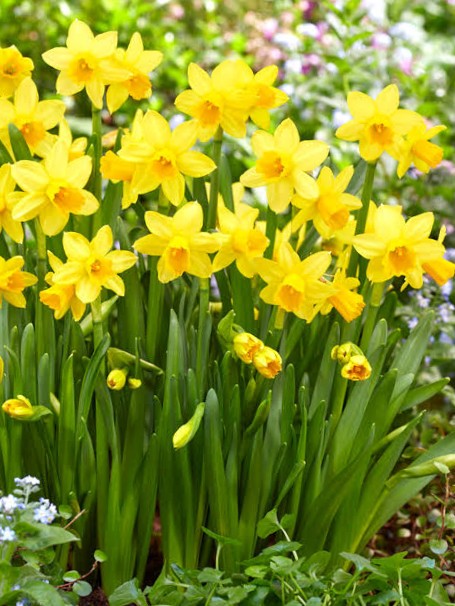
Narcissus plants are perennial geophytes growing from true bulbs. Narrow or strap-shaped leaves emerge from the bulb, while flowers are carried on a generally leafless scape. Each flower usually has six tepals surrounding a central corona that may be trumpet-shaped, cup-shaped, split, flattened, doubled, or greatly reduced.
Flowers may be yellow, white, cream, orange, salmon, pink-toned, greenish, or multicolored. One scape may carry a single large flower or a cluster of smaller flowers. Neither flower color nor corona shape establishes toxin concentration.
The bulb has dry outer tunics surrounding fleshy storage scales attached to a basal plate. Roots arise beneath the basal plate, and offsets may form beside the parent bulb. Bulbs should not be confused with corms, tubers, rhizomes, or edible onions merely because all are underground storage structures.
Daffodils, Jonquils, Paperwhites, and Tazettas
Daffodil is the broad horticultural name used for most members of the genus. It is not restricted to the Common Daffodil, Narcissus pseudonarcissus. A plant sold as a daffodil may be a wild species, a simple hybrid, or a complex cultivar involving several ancestral groups.
Jonquil properly identifies Narcissus jonquilla and related cultivars, often with narrow rush-like leaves and fragrant yellow flowers. Retail and regional use is looser, and many unrelated yellow daffodils are called jonquils. The common name alone cannot establish an exact-species chemical profile.
Paperwhite most often identifies Narcissus papyraceus or white-flowered cultivated material associated with the N. tazetta group. These plants are commonly forced indoors during winter, placing bulbs, roots, leaves, flowers, water, decorative stones, and forcing-container products directly inside pet-accessible spaces.
Seasonal and Year-Round Exposure
Spring flowering creates the most visible exposure period, but Narcissus is a year-round hazard. Autumn planting places loose bulbs in bags, boxes, sheds, garages, vehicles, and freshly disturbed beds. Winter paperwhite forcing brings the plants indoors.
Spring exposure involves emerging leaves, flowers, digging, cut arrangements, and vase water. Summer and post-bloom exposure includes drying foliage, cut stalks, seed heads, bulb lifting, division, mowing, compost, and disposal. Dormancy removes visible foliage but leaves the bulb underground.
Dogs and Digging Exposure
Dogs frequently reach Narcissus bulbs during human garden work. A bag may be opened for only a few minutes, or bulbs may be laid on the ground while a bed is prepared. A dog can carry one away before the missing object is noticed.
Bone meal, blood meal, compost, manure, and fertilizer can increase interest in the bed. Dogs may ingest those products together with bulb tissue, soil, mulch, plastic mesh, wire labels, stones, or irrigation pieces. The entire planting site must be evaluated rather than the plant alone.
Old properties create another risk because naturalized bulbs may be uncovered during excavation, fence installation, plumbing, utility work, or landscaping. The absence of a nursery label does not make the bulb harmless. Photograph and isolate unfamiliar underground structures before animals return.
Cats, Cut Flowers, and Dried Stalks
Cats are more likely to encounter indoor paperwhites, cut arrangements, fallen petals, vase water, or discarded stalks than buried outdoor bulbs. They may chew leaves or flowers, knock over a forcing container, or groom sap and pollen from the coat. Elevated shelves do not reliably prevent access.
The published severe feline case demonstrates the importance of post-bloom material. The stalks had been removed from the garden for disposal and were dry enough that an owner might reasonably have considered them inactive. The cat nevertheless developed prolonged vomiting and severe systemic compromise.
Food refusal must be monitored after the obvious vomiting ends. Cats can hide ongoing nausea, dehydration, hypothermia, and weakness. Any uncertain “lily” identification must also preserve the possibility of true-Lily or Daylily nephrotoxicity.
Horses and Livestock
Horses and livestock are unlikely to seek intact Narcissus where adequate forage is available, but avoidance is not dependable. Uprooted bulbs, landscaping debris, discarded paperwhites, cemetery waste, naturalized plants, and clippings mixed with grass or hay create preventable exposure pathways. Hunger and confinement can overcome normal selectivity.
Garden waste should never be thrown into a paddock or over a livestock fence. Several animals may consume different quantities and develop illness at different times. A group event requires examination of feed, water, chemicals, infectious disease, minerals, algae, and every accessible poisonous plant.
Rabbits, Guinea Pigs, Birds, and Reptiles
Narcissus must not be collected as forage, hay, browse, bedding, nesting material, cage decoration, or a pet-bird perch. Small herbivores may ingest a substantial dose relative to body weight before the plant is recognized. Appetite interruption and gastrointestinal dysfunction may become as important as the original toxin exposure.
Birds may shred flowers and stems into many small pieces and access sap repeatedly. Herbivorous reptiles and tortoises may graze emerging leaves in outdoor enclosures. Wild-animal avoidance or occasional wildlife contact does not establish safety for captive species.
Dried, Wilted, Frosted, Mown, and Composted Material
Drying should not be presented as detoxification. Dried stalks caused the published feline toxicosis, and many alkaloids are sufficiently stable to remain after visible plant death. Wilted, frosted, pressed, or decorative material should remain inaccessible.
Mowing and chopping can increase practical exposure by distributing pieces through grass clippings and destroying identifying features. Compost piles may expose bulbs, flowers, fertilizer, mold, fermentation products, mushrooms, and food waste together. Decomposition does not create a predictable safe interval.
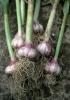
Bulbs Mistaken for Onions, Shallots, Garlic, or Edible Roots
Daffodil bulbs have repeatedly been mistaken for edible onions in human poisonings. Loose bulbs should be stored separately from food, in labeled containers, and outside animal access. They should never be left in kitchens, pantry boxes, grocery bags, or feed rooms where visual similarity can create a mistake.
Narcissus leaves may also resemble chives, leeks, garlic greens, or onion leaves before flowering. Garden trimmings should not be mixed with edible greens or pet forage. Owners should not taste an unknown bulb or plant as an identification method.
Bulbs as Gastrointestinal Foreign Objects
The bulb’s physical size and fibrous scales matter independently of its alkaloids. A bulb may lodge in the esophagus, remain in the stomach, obstruct the pylorus, or pass into the small intestine. Small dogs face greater obstruction risk from a bulb that a larger animal might fragment or pass.
Vomiting caused by lycorine can obscure the developing foreign-body pattern. If vomiting continues after antiemetic treatment or recurs after temporary improvement, retained material must be considered. Radiographs may not outline every plant object clearly, so ultrasound, endoscopy, contrast assessment, or surgery may be needed.
Sap, Florist Exposure, and Contact Dermatitis
Daffodil pickers’ rash is one of the best-known occupational plant dermatoses. Repeated contact with sap from stems and bulbs can cause redness, fissuring, scaling, soreness, and inflammation, particularly on the hands, wrists, and forearms. Calcium oxalate raphides act together with other sap constituents as irritants.
Animal skin exposure is more likely during mowing, bulb chewing, rolling in trimmings, or grooming contaminated fur than from passing an intact flower. Wash contaminated coats promptly and prevent grooming until residue is removed. Persistent dermatitis, ulcers, swelling, or pain requires veterinary examination and investigation of pesticides and other plants.
Paperwhite Forcing Containers
Paperwhites may be forced in soil, water, gravel, glass beads, stones, or decorative media. The exposed bulb sits near the surface and is often easier for a pet to reach than a buried garden bulb. Roots and leaves may extend beyond the container.
Forcing water can contain sap, root exudates, fertilizer, bacterial growth, mold, decorative residue, and broken glass or stone. Some household forcing methods add alcohol-containing liquid to limit plant height. Every ingredient and container component should be reported after an exposure.
Cut Flowers and Mixed Bouquets
Cut stems release sap into vase water, and trimmed pieces may remain on counters or floors. Fallen flowers, leaves, and scapes should be collected immediately. A cat or bird may reach an arrangement that appeared inaccessible when first placed.
Mixed bouquets create more serious uncertainty. True Lilies, Lily of the Valley, Tulips, Hyacinths, Autumn Crocus, Oleander, and other plants may accompany Narcissus. Identifying one daffodil does not exclude a second toxic syndrome.
Alkaloid Variation in Modern Research
A 2025 study of 15 Spanish species identified and quantified 51 alkaloids and found an additional 30 unresolved structures in 13 species. The researchers documented major differences in structural-type distribution and found that related species did not always share highly similar profiles. Several taxa also contained potentially novel compounds.
A 2023 investigation of ten autumn-flowering Narcissus taxa detected 30 alkaloids, 28 of which were identified. Only two taxa contained galanthamine, while seven extracts inhibited acetylcholinesterase through different chemical profiles. The sampled N. papyraceus lacked detectable galanthamine even though other studies had found it in that species.
A 2021 comparison of N. tazetta material and cultivated daffodil bulbs found distinct dominant alkaloid groups among ‘Fortune,’ ‘Carlton,’ ‘Ice Follies,’ ‘Galilee,’ and ‘Ziva.’ Irrigation and pruning conditions also formed part of the analysis. These studies demonstrate why cultivar and environment should not be ignored.
Published Severe Feline Case
The following case is retained because it is the strongest directly documented veterinary Narcissus toxicosis and because it establishes that dried stalks can remain hazardous. The quoted medications, doses, fluid amounts, temperatures, and procedures describe one veterinarian’s management of one patient in 2004. They are not home-treatment instructions or a universal modern protocol.
“A domestic longhair cat with a 3-day history of lethargy and vomiting after ingesting dried daffodil stems (Narcissus spp.) was severely hypothermic (33.0°C), with bradycardia (78 beats/min) and hypotension. Treatment with atropine, dexamethasone, fluid therapy, and supportive care resulted in a complete recovery by 6 days after exposure.
“A 2-year-old, neutered, male domestic longhair was presented with a history of lethargy and vomiting of 3 d duration. Four days earlier (day 1), the cat had expelled a hairball, but this was not considered unusual. Subsequently, on day 2, the cat had vomited food and yellow fluid several times and had displayed a marked decrease in appetite, with polydipsia and polyuria. No vomiting occurred on day 3, but the cat was lethargic and anorexic. The owners attributed these changes to hairballs and treated the cat with a teaspoon of a hairball remedy on the morning of day 4. On further questioning, the owner reported seeing the cat chewing on dried daffodil stalks, which had been removed from the flower garden for disposal on the morning of day 2, and recalled seeing plant material in the vomitus that day.
“When examined, the cat was sternally recumbent, quiet, in thin body condition, and conscious, but only weakly responsive. The extremities were cool to the touch and the rectal temperature averaged 33.5°C for 3 readings. Pale oral mucous membranes were noted, and auscultation of the heart revealed bradycardia (84 beats/min; reference range, 120 to 140 beats/min). Respiratory rate was normal (22 breaths/min). Dehydration was estimated at 10%, and peripheral pulses were weak. The severity of the cat’s condition was discussed with the owner, who agreed to emergency therapy for possible daffodil toxicosis.
“The cat was wrapped in warm towels and catheterization of the left cephalic vein was attempted but was not possible, probably because of hypotension. Accordingly, 180 mL of lactated Ringer’s solution was administered subcutaneously. During this procedure, the rectal temperature of the cat dropped to 33.0°C. Accordingly, the cat was immersed in a water bath at 40°C for approximately 15 min, removed, and immediately dried with warm towels and a hair dryer. Subsequently, the cat was rewrapped in dry towels with warm oat bags and placed under a heat lamp. After 15 min, the body temperature had risen to 36.0°C, and it was possible to catheterize the right cephalic vein. A 2-mL blood sample was drawn for a complete blood cell count and serum biochemical profile. Warmed lactated Ringer’s solution was administered intravenously at shock rate. The heart rate had dropped to 78 beats/min, and atropine, 0.02 mg/kg body weight, intramuscularly, and dexamethasone, 2 mg/kg body weight, intravenously, were also administered. Detoxification procedures, such as induction of emesis, administration of activated charcoal, or gastric lavage, were not elected because more than 48 h had elapsed since the time of exposure to the daffodil stalks. The cat was monitored continuously and the rectal temperature was taken 4 times/h. Thirty minutes after warming and atropine administration, the heart rate had increased to 120 beats/min and the rectal temperature had increased to 37.5°C; however, 30 min later, rectal temperature had dropped to 35.1°C. The described warming protocol was repeated with similar results. Oral mucous membranes remained a normal pink color.
“The complete blood cell counts were within normal range; however, the biochemical profile results revealed elevated urea, hyperglycemia, hyponatremia, hypokalemia, and hypochloremia. The urinary bladder was not palpable, so it was not possible to collect urine either by cystocentesis or digital compression. Because of the difficulty in maintaining normothermia for more than 30 min and to ensure metabolic stability overnight, the cat was transferred to an emergency clinic for continuous observation and warming.
“The cat was returned from the emergency clinic to the admitting clinic on the morning of day 5. With the use of warm towels, oat bags, and warm intravenous fluids, average rectal temperature had reached 38.0°C. The average heart rate, measured hourly, was 120 beats/min and oral mucous membranes remained pink. A serum biochemical profile revealed a return to normal ranges for urea, sodium, and potassium. Chloride remained slightly low; glucose had decreased but remained above the reference range. A free-flow clear yellow urine sample contained trace blood and protein.
“On day 6, the cat began sitting up and walking periodically. Crackles were noted in the ventral lung fields bilaterally. The intravenous fluid rate was decreased to maintenance rate and furosemide, 2 mg/kg body weight, intramuscularly, was administered. The cat remained quiet, alert, and responsive, urine output increased during the 3 h following diuretic administration, and lung sounds returned to normal 4 h after diuretic administration. During the next 8 h, in the absence of exogenous heat sources, rectal temperature, taken hourly, averaged 38.4°C, and the cat consumed 30 mL of a veterinary recovery diet.
“On day 7, with a body temperature of 38.9°C, normal hydration, and a normal complete blood cell count and serum biochemical profile, the cat remained quiet. Fluid therapy was discontinued and the cat remained stable. On day 8, the cat was bright and energetic, with a normal appetite. A complete physical examination was unremarkable and the cat was discharged.”
Interpretation of the Feline Case
The report demonstrates that dried aerial material can remain poisonous and that owners may initially mistake plant-associated vomiting for a hairball. Delayed recognition allowed dehydration, hypothermia, hypotension, bradycardia, and electrolyte abnormalities to become severe. The elevated urea normalized with rehydration, supporting reduced renal perfusion rather than a classic true-lily renal syndrome.
The source was identified only as Narcissus species, so the report cannot define the chemistry of one accepted species or cultivar. It also does not establish that every exposed cat needs atropine, corticosteroids, diuretics, immersion warming, or identical fluid treatment. Those decisions reflected the patient’s measured abnormalities and changing response.
Diagnosis
Diagnosis combines access history, botanical identification, plant part, estimated amount, timing, clinical progression, and exclusion of more dangerous or concurrent exposures. No routine clinic assay confirms every Narcissus ingestion or quantifies the total alkaloid dose. Plant fragments in vomit are useful only when the source plant is identified accurately.
Photographs should show the complete plant, leaves, flower scape, flowers, corona, bulb, basal plate, roots, offsets, seed capsules, planting site, and container. Preserve nursery labels, cultivar names, packaging, forcing products, fertilizer, pesticides, floral preservatives, and material from the exact exposure site. Keep clean reference material separate from vomited specimens.
Veterinary Evaluation
Evaluation may include hydration, pulse quality, blood pressure, body temperature, heart rate and rhythm, respiratory status, neurologic examination, abdominal palpation, gastrointestinal motility, blood glucose, electrolytes, acid-base status, kidney and liver measurements, and urinalysis. Testing is selected according to severity rather than because every Narcissus exposure damages every organ.
Abdominal imaging may be appropriate after whole-bulb or large-fragment ingestion. Chest imaging and oxygen assessment may be needed after aspiration. Serial measurements often provide more useful information than a single normal value because hydration, temperature, electrolytes, and rhythm can change during treatment.
Differential Diagnosis
Botanical differentials include Tulips, Hyacinths, Hippeastrum, true Amaryllis, Lycoris, Clivia, Crinum, Autumn Crocus, Glory Lily, Lily of the Valley, true Lilies, Daylilies, and Squill. These plants may produce other bulb alkaloid syndromes, calcium-oxalate irritation, colchicine-like injury, cardiac-glycoside poisoning, or feline renal failure.
Nonplant differentials include fertilizer, bone meal, pesticide, mold, stimulant medication, gastrointestinal foreign material, dietary indiscretion, pancreatitis, infection, hypoglycemia, electrolyte disease, primary cardiac disease, and neurologic disorders. Severe or atypical findings should expand the investigation rather than be forced into a generic daffodil description.
Prognosis
The prognosis is generally good after a limited exposure that produces controllable gastrointestinal signs and receives prompt guidance. Improvement should include decreasing nausea and vomiting, stable hydration, normal temperature, stronger pulses, return of appetite, comfortable breathing, and ordinary coordination and behavior.
The outlook becomes guarded with major bulb ingestion, prolonged gastrointestinal loss, shock, persistent hypothermia, rhythm abnormalities, seizures, aspiration, gastrointestinal ulceration, obstruction, severe underlying disease, or delayed recognition. The published cat recovered completely after intensive care, but that successful outcome should not be used to justify waiting through several days of progressive illness.
Prevention
Store bulbs in closed, clearly labeled, animal-inaccessible containers separate from food and feed. Keep animals out of planting, lifting, division, and landscape-removal areas until every bulb, scale, offset, root, label, piece of wire, and fertilizer granule has been collected. Mark old bulb beds before future excavation.
Place indoor paperwhites and cut arrangements in rooms animals cannot enter rather than relying on height alone. Secure forcing water, stones, bulbs, leaves, flowers, and packaging. Bag post-bloom stalks, leaves, seed heads, bulbs, and dried material immediately instead of leaving them in open baskets, compost, paddocks, hutches, kennels, or livestock areas.
Immediate Response
- Stop further exposure: Move the animal away from bulbs, leaves, flowers, stalks, capsules, seeds, roots, vase water, forcing containers, clippings, compost, and dried material.
- Preserve complete evidence: Save the plant, bulb with basal plate and roots, loose scales, offsets, leaves, flowers, stalks, labels, packaging, vase or forcing-water ingredients, and representative vomited fragments.
- Identify the plant part: Determine whether the animal swallowed a bulb, bulb scale, leaf, flower, scape, dried stalk, capsule, seed, root, or contaminated liquid.
- Estimate the maximum amount: Record the largest quantity that could be missing and whether a bulb was chewed, fragmented, or swallowed largely intact.
- Record the timeline: Note when access occurred and when drooling, vomiting, diarrhea, pain, low temperature, weakness, tremors, or other signs began.
- Check for co-exposures: Identify fertilizer, bone meal, pesticide, fungicide, mold, potting media, decorative stones, wire, plastic, wax, glitter, alcohol-containing forcing liquid, and other plants.
- Contact a professional promptly: Seek veterinary or animal poison-control guidance after bulb ingestion, a substantial or uncertain amount, persistent signs, a high-risk patient, or uncertain identification.
Uncertain Lily Exposure in a Cat
- Do not rely on the word daffodil or narcissus: Common names, bouquets, and florist labels may be incomplete or wrong.
- Treat uncertainty as urgent: True Lilium and Hemerocallis exposure requires early treatment before renal failure develops.
- Preserve the complete arrangement: Save pollen-bearing anthers, petals, leaves, stems, bulbs, vase water, wrapping, labels, receipts, and photographs.
- Report every plant present: A bouquet can contain Narcissus and a true Lily simultaneously.
- Do not wait for kidney signs: The favorable Narcissus distinction applies only after true Lilies and Daylilies have been excluded confidently.
Narcissus alkaloid poisoning and true-lily feline nephrotoxicity require different monitoring priorities. Botanical identification should occur alongside veterinary assessment rather than consume the early treatment window. A cat should not remain at home while the owner compares damaged flowers with internet photographs.
Assess for Emergency Findings
- Check responsiveness: Profound lethargy, confusion, stupor, collapse, or reduced awareness requires immediate transportation.
- Check breathing: Rapid, labored, shallow, weak, gasping, or open-mouth breathing is an emergency.
- Check circulation: Pale or blue-gray gums, cold limbs, weak pulses, fainting, or collapse may indicate shock or poor oxygenation.
- Check body temperature: A markedly cold animal may be severely dehydrated, hypotensive, or metabolically compromised.
- Check coordination: Staggering, tremors, repeated falling, inability to stand, or seizures requires emergency care.
- Check the abdomen: Severe pain, progressive enlargement, repeated unproductive retching, or reduced stool may indicate obstruction or another gastrointestinal emergency.
Remove Loose Material Safely
- Wear gloves: Gloves reduce contact with sap, calcium oxalate raphides, vomit, pesticide residue, mold, and unknown plant material.
- Remove only visible loose pieces: Carefully take accessible leaves, flowers, stalks, bulb scales, roots, and packaging from the lips and front of the mouth.
- Avoid blind sweeps: Do not reach deeply into the throat or push plant material toward the airway.
- Wipe accessible residue: A damp cloth may be used on the lips and front of the mouth in a fully alert, cooperative animal.
- Rinse only when swallowing is normal: A gentle low-pressure rinse may be considered only when the animal is alert, breathing normally, and protecting its airway.
- Stop if distress develops: Coughing, gagging, panic, weakness, or breathing change makes further mouth cleaning unsafe.
Home cleaning cannot remove absorbed alkaloids or retrieve a large bulb piece already swallowed. Forceful mouth opening and high-pressure rinsing can cause aspiration or injury. Persistent drooling or swallowing difficulty requires examination for lodged material, sap injury, chemical treatment, or another plant.
Do Not Induce Vomiting at Home
- Do not give hydrogen peroxide: Narcissus already causes vomiting, and additional emesis can worsen gastrointestinal injury, dehydration, electrolyte loss, and aspiration risk.
- Never give peroxide to a cat: It can cause serious feline gastric and esophageal injury.
- Do not use salt, mustard, ipecac, dish soap, detergent, oil, fingers, or manual gagging: These methods can create another poisoning or physical injury.
- Never attempt emesis after signs begin: Vomiting, weakness, hypothermia, ataxia, tremors, collapse, seizures, abnormal breathing, sedation, or poor swallowing makes aspiration especially dangerous.
- Do not induce vomiting in horses, rabbits, guinea pigs, birds, reptiles, or other nonvomiting species: Household emesis is physiologically impossible or unsafe in these animals.
- Leave case selection to professionals: A veterinarian may consider controlled emesis after a recent significant ingestion in a fully alert, stable, asymptomatic dog when airway protection and expected benefit justify it.
Activated Charcoal
- Do not administer charcoal at home: Its possible benefit does not justify owner-forced delivery to an animal likely to vomit.
- Never force charcoal into a symptomatic patient: Vomiting, coughing, hypothermia, weakness, tremors, sedation, neurologic abnormalities, or poor swallowing creates severe aspiration risk.
- Do not use household charcoal: Briquettes, fireplace ash, burned food, and homemade carbon are not medical activated charcoal.
- Allow veterinary assessment: A veterinarian may consider properly prepared charcoal after a recent substantial exposure when the patient is stable and the airway can be protected.
- Do not repeat doses yourself: Repeated charcoal can worsen dehydration, electrolyte disturbance, constipation, and gastrointestinal dysfunction.
Do Not Give Household Remedies or Owner-Selected Medication
- Do not give milk, yogurt, cheese, bread, butter, or oil: These do not neutralize lycorine or the broader alkaloid mixture and may worsen vomiting or aspiration.
- Do not give antidiarrheals: Loperamide, bismuth products, kaolin mixtures, and similar medications should not be owner-selected.
- Do not give antacids or sucralfate automatically: Their need depends on examination findings, vomiting control, and safe swallowing.
- Do not give atropine, caffeine, stimulants, or heart medication: Rhythm treatment requires ECG, blood-pressure, temperature, and perfusion assessment.
- Do not give human pain medication: Ibuprofen, naproxen, aspirin, acetaminophen, and similar products can cause an additional poisoning.
- Do not give leftover veterinary drugs: Antiemetics, steroids, sedatives, anticonvulsants, antibiotics, and gastrointestinal medications must be selected for the current patient.
Food and Water
- Do not force food: A nauseated, vomiting, painful, weak, or poorly swallowing animal may choke or aspirate.
- Do not syringe or pour water: Forced liquid can enter the lungs.
- Prevent rapid gulping during active vomiting: Large voluntary drinks may trigger another episode or aspiration.
- Follow veterinary feeding instructions: Food should be reintroduced according to vomiting control, hydration, abdominal findings, species, and underlying disease.
- Do not use human electrolyte drinks: They may contain excessive sugar or sodium, caffeine, artificial sweeteners, or xylitol.
Vomiting, Diarrhea, and Dehydration
- Record every episode: Note frequency, volume, blood, black material, bulb scales, leaves, flowers, stalk fibers, roots, soil, stones, plastic, or chemical granules.
- Save representative material: Place identifiable fragments in a closed disposable container for botanical and veterinary examination.
- Watch for dehydration: Tacky gums, sunken eyes, reduced urination, weak pulses, worsening lethargy, or inability to retain water requires care.
- Watch for shock: Pale gums, cold limbs, collapse, or reduced responsiveness is an emergency.
- Watch for aspiration: Coughing, fever, nasal discharge, rapid breathing, or renewed lethargy after vomiting may indicate lung injury.
- Watch for retained material: Continued vomiting, severe pain, abdominal enlargement, or reduced stool may justify imaging or endoscopic assessment.
Possible Bulb Obstruction
- Report whether the bulb was intact or fragmented: Shape and remaining pieces help estimate the mechanical risk.
- Do not assume a bulb will pass: Patient size, bulb dimensions, location, swelling, and fragmentation affect passage.
- Watch for recurrent vomiting: Temporary improvement followed by renewed vomiting may indicate retained material.
- Watch stool production: Reduced feces, straining, enlargement, or persistent pain requires reassessment.
- Expect possible imaging or retrieval: Ultrasound, radiographs, endoscopy, or surgery may be required even when alkaloid signs are also present.
Low Body Temperature
- Move the animal away from cold and drafts: Use a dry, quiet area while arranging transportation.
- Use gentle insulation: Wrap the patient in dry blankets or towels without delaying emergency care.
- Do not use unmonitored high heat: Heating pads, heat lamps, hair dryers, hot-water bottles, and hot baths can cause burns or dangerous temperature changes.
- Minimize exertion: A hypothermic, hypotensive animal may collapse when forced to walk.
- Seek immediate care: Significant hypothermia requires monitored warming alongside circulation, glucose, electrolytes, and rhythm assessment.
Skin and Coat Exposure
- Remove contaminated equipment: Take off collars, harnesses, wraps, clothing, or bedding holding sap against the skin.
- Remove loose debris: Pick plant fragments from the coat without crushing them further.
- Wash exposed fur and skin: Use lukewarm water and mild pet-safe shampoo.
- Prevent grooming: Stop the animal from licking contaminated fur until residue has been removed.
- Seek care for persistent injury: Continuing redness, swelling, fissures, ulcers, discharge, or pain requires veterinary evaluation.
Eye Exposure
- Begin irrigation promptly: Flush with sterile saline or clean lukewarm water in a sustained gentle flow.
- Do not scrape the eye: Avoid tweezers, cotton swabs, and rough eyelid manipulation.
- Prevent rubbing: Stop the animal from pawing at the eye or rubbing its face against objects.
- Do not use human eye medication: Redness relievers, anesthetic drops, steroids, and leftover prescriptions may worsen injury or interfere with examination.
- Seek examination for persistent signs: Continued squinting, redness, cloudiness, swelling, discharge, or inability to open the eye requires prompt care.
Tremors, Seizures, and Collapse
- Do not put anything in the mouth: Keep hands, food, liquid, medication, spoons, and cloth away during a seizure.
- Do not hold the tongue: Attempting to do so can cause severe injury.
- Protect without pinning: Clear hard objects, stairs, water, traffic, and sharp edges and use folded blankets as barriers when safe.
- Reduce stimulation: Lower noise and light while arranging immediate transportation.
- Time the episode: Record duration, recurrence, breathing, and whether normal awareness returns.
- Seek immediate emergency care: Tremors that prevent standing, any seizure, collapse, or reduced responsiveness requires stabilization.
Safe Transportation
- Call ahead: Tell the clinic that Narcissus, daffodil, jonquil, paperwhite, bulb ingestion, or an uncertain lily exposure is involved.
- Keep the patient quiet: Excitement and forced walking can worsen collapse risk.
- Prevent falls: Use a padded carrier, stretcher, rigid board, sling, or blanket for a weak or uncoordinated animal.
- Keep the airway clear: Position the head so saliva and vomit can drain without compressing the chest.
- Do not muzzle a vomiting or breathing-impaired animal: A muzzle can trap vomit or restrict breathing.
- Bring the evidence: Take the plant, bulb, labels, products, water ingredients, photographs, and securely contained fragments.
Horses and Livestock
- Remove the source quietly: Prevent continued access without strenuous driving or crowding weak animals.
- Do not induce vomiting: Horses cannot vomit, and household emetics are inappropriate in ruminants.
- Do not drench compromised animals: Salivating, weak, bloated, neurologic, coughing, or poorly swallowing animals can aspirate oral fluids and medication.
- Check the entire group: Other animals may have consumed different amounts or another plant in the same material.
- Preserve environmental samples: Save bulbs, clippings, hay, feed, water, chemicals, and neighboring plants before the site is cleared.
- Seek large-animal veterinary care: Colic, diarrhea, hypothermia, marked weakness, tremors, collapse, seizures, or group illness requires prompt evaluation.
Rabbits, Guinea Pigs, Birds, and Reptiles
- Do not attempt vomiting: Household emesis is unsafe or impossible in these species.
- Monitor food intake immediately: Nausea, pain, or weakness can interrupt essential feeding.
- Monitor feces and urine: Reduced fecal production, diarrhea, absent feces, altered urination, or continued weight loss requires veterinary advice.
- Do not force-feed a compromised animal: Bloat, obstruction, severe weakness, regurgitation, or impaired swallowing must be considered first.
- Monitor breathing and posture: Open-mouth breathing, repeated mouth opening, inability to perch, collapse, or abnormal posture requires urgent care.
- Use a species-experienced veterinarian: Restraint, thermal support, fluids, analgesia, gastrointestinal treatment, and nutrition differ substantially among species.
Veterinary Examination
- Confirm botanical identity: Distinguish Narcissus from true Lilies, Daylilies, Lily of the Valley, Autumn Crocus, Glory Lily, Tulips, Hyacinths, Amaryllis, Hippeastrum, and Squill.
- Assess hydration and circulation: Repeated gastrointestinal losses may require blood pressure, electrolytes, glucose, acid-base, kidney-perfusion, and organ-function evaluation.
- Measure body temperature: Hypothermia can materially change cardiovascular stability and treatment.
- Assess rhythm: ECG monitoring is appropriate for bradycardia, abnormal pulse, collapse, hypothermia, or major electrolyte disturbance.
- Evaluate the abdomen: Imaging may be needed when a bulb, decorative stone, plastic, wire, or other foreign material was swallowed.
- Assess aspiration risk: Oxygenation, respiratory effort, lung sounds, gag reflexes, swallowing, and chest imaging may be required.
- Expand the differential for atypical disease: Progressive renal failure, cardiac-glycoside patterns, colchicine-like multisystem injury, or severe stimulation requires investigation for another exposure.
Veterinary Decontamination and Retrieval
Professional decontamination depends on time since exposure, plant part, estimated amount, spontaneous vomiting, cardiovascular stability, neurologic condition, and airway protection. Controlled emesis may be considered in an early, asymptomatic, fully alert dog. Once vomiting, weakness, hypothermia, tremors, altered awareness, respiratory change, or poor swallowing develops, further emesis may be more dangerous than useful.
Activated charcoal may be considered in a selected stable patient, but rapid spontaneous vomiting and aspiration risk can limit its usefulness. Gastric lavage requires anesthesia, endotracheal intubation, and careful risk assessment. Endoscopic retrieval may be preferable when a whole bulb or large fragment remains in the stomach, while surgery may be needed for obstruction or inaccessible retained material.
Veterinary Treatment
There is no specific antidote for lycorine or the complete Narcissus alkaloid mixture. Veterinarian-selected antiemetic medication may reduce nausea, vomiting, fluid loss, and aspiration risk after decontamination and obstruction decisions have been made. Experimental lycorine research supports NK1 and 5-HT3 pathways, but treatment selection must still reflect species, severity, cardiovascular status, and the possibility of retained material.
Intravenous fluids may restore circulating volume, support blood pressure and organ perfusion, and correct dehydration. Electrolyte, glucose, and acid-base abnormalities should be corrected according to measured results. Fluid type and rate must be individualized when cardiac disease, reduced urine production, pulmonary edema, or other limitations are present.
Active warming may be required for significant hypothermia and should occur with temperature, rhythm, blood pressure, and perfusion monitoring. Clinically important bradycardia or another dysrhythmia is treated according to the actual ECG and patient response. Atropine is not an owner remedy and will not correct every cause of a slow heart rate.
Oxygen, suctioning, intubation, assisted ventilation, and treatment for aspiration may be needed. Tremors or seizures may require veterinarian-selected muscle relaxants, anticonvulsants, or anesthetic support. Persistent hypotension may require additional cardiovascular support after appropriate circulating volume has been restored.
Monitoring and Recovery
- Monitor gastrointestinal signs: Vomiting and diarrhea should become less frequent and then stop.
- Monitor hydration and perfusion: Gum moisture, pulses, blood pressure, urination, and ability to retain water should remain adequate.
- Monitor temperature: The patient should maintain normal body temperature without uncontrolled external heat.
- Monitor eating: Appetite should return, with especially close attention to cats and small herbivores.
- Monitor rhythm and coordination: Bradycardia, irregular pulse, weakness, wobbling, tremors, or altered awareness should not recur.
- Watch for delayed aspiration: Coughing, fever, nasal discharge, rapid breathing, or renewed lethargy requires reassessment.
- Watch for delayed obstruction: Recurrent vomiting, pain, abdominal enlargement, or reduced stool after bulb ingestion requires imaging or re-examination.
Recovery means that the animal breathes comfortably, remains hydrated and normothermic, swallows safely, resumes species-appropriate eating, urinates and defecates normally, walks normally, and has no recurrent vomiting or neurologic abnormalities. One quiet interval after antiemetic treatment is not equivalent to complete recovery. Discharge planning should reflect sustained stability and the original mechanical risk.
Prevention and Prognosis
- Secure stored bulbs: Keep every bulb and offset in a closed, labeled, animal-inaccessible container separate from food and feed.
- Supervise garden work: Exclude animals during planting, lifting, division, excavation, and disposal and inspect the area before access resumes.
- Secure indoor paperwhites: Prevent access to bulbs, roots, leaves, flowers, water, stones, and decorative products.
- Remove waste immediately: Bag stalks, leaves, flowers, capsules, dried material, bulbs, and soil-covered fragments rather than leaving open piles.
- Typical prognosis: Limited exposures confined to temporary gastrointestinal illness generally have a good prognosis with appropriate guidance and care.
- Guarded circumstances: Major bulb ingestion, severe dehydration, hypothermia, hypotension, rhythm abnormalities, seizures, aspiration, ulceration, obstruction, or delayed treatment creates a more serious outlook.
Frequently Asked Questions About Narcissus, Daffodils, and Animal Poisoning
My dog dug up one bulb, but most of it is still present. How should I estimate the amount swallowed?
Do not estimate the exposure solely from whether the bulb still looks generally intact. Compare it with untouched bulbs from the same package or clump, inspect for missing inner and outer scales, collect fragments from the soil, and check the dog’s mouth, bedding, vomit, and travel path. Thin fleshy scales can be swallowed without leaving an obvious large gap, and the dog may have carried a fragment elsewhere. Report the greatest plausible missing amount rather than the smallest amount that can be proven.
Does the bulb’s small size make a miniature daffodil safer?
No dependable relationship exists between horticultural miniaturization and alkaloid safety. A miniature cultivar may have a smaller bulb, but the chemical profile depends on ancestry, cultivar, growing conditions, organ, and sample rather than mature plant height alone. A small bulb may also be easier for a toy-breed dog or cat to swallow largely intact, increasing the mechanical obstruction risk. Preserve the cultivar label without using “miniature” as a toxicological downgrade.
My pet vomited recognizable bulb pieces. Does that mean the dangerous material has been removed?
Vomiting may remove part of the exposure, but it does not show how much alkaloid was already absorbed or whether another scale remains in the stomach. Fibrous pieces may be hidden in food, fragmented beyond recognition, or absent from the visible vomit despite retained material. Repeated vomiting also creates dehydration, electrolyte, hypothermia, and aspiration risks that can become more important than the original plant dose. Professional advice should be based on the maximum original ingestion and current patient rather than only on the fragments recovered.
A whole or large bulb segment may remain despite several episodes of vomiting. Persistent abdominal pain, repeated retching, inability to retain water, reduced stool, or renewed vomiting after apparent improvement raises concern for gastric retention or intestinal obstruction. Imaging or endoscopic retrieval may be needed even when the alkaloid-associated nausea appears to be improving.
Why is an indoor paperwhite container more complicated than a simple plant bite?
Indoor forcing places the bulb partly exposed and within easier reach than a garden bulb. The animal may access roots, leaves, flowers, water, gravel, decorative glass, fertilizer, mold, plastic supports, or a broken container during the same event. Some forcing methods use alcohol-containing solutions to control plant height, creating another possible ingestion. Preserve the complete container and every added product rather than reporting only “paperwhite.”
Can vase water from daffodils be treated the same as true-lily vase water in a cat?
No. Correctly identified Narcissus does not cause the characteristic direct feline renal tubular failure associated with Lilium and Hemerocallis. Its vase water may still contain sap, alkaloids, raphides, bacteria, preservatives, fertilizer residue, and material from other flowers, so it should not be accessible or described as harmless. The complete arrangement must be identified because a true Lily may be present in the same vase.
When identification is uncertain, the distinction should not delay veterinary care. Preserve pollen, petals, leaves, stems, labels, wrapping, photographs, and a sample of the water. A cat should receive true-lily precautions until those genera have been excluded confidently.
Are daffodil leaves safe once they have yellowed after flowering?
No. Yellowing is part of natural senescence and does not establish that alkaloids and irritating sap constituents have disappeared. Post-bloom leaves may be mown, pulled, bundled, or placed in compost where animals can access a larger amount than they would from the standing plant. Drying also cannot be relied on, because severe feline poisoning has been documented after chewing dried Narcissus stalks. Bag and secure post-bloom material immediately.
Could fertilizer or bone meal be the reason my dog dug into the daffodil bed?
Yes. Bone meal, blood meal, compost, manure, and some fertilizers can attract dogs strongly and may be swallowed with the bulb. The resulting illness may involve plant alkaloids, gastrointestinal irritation from the product, a dense obstructive mass, excessive minerals, pesticides, plastic mesh, wire, stones, or potting material. Preserve product labels and describe the entire planting site rather than assuming the bulb was the only exposure.
How can I distinguish a daffodil bulb from an onion after my pet has chewed it?
A damaged bulb may lose many useful identifying features, so preserve the basal plate, roots, dry tunics, remaining scales, planting location, packaging, and intact comparison bulbs. Onion and garlic tissues often have a characteristic Allium odor when crushed, whereas Narcissus lacks the familiar culinary smell, but odor alone is not sufficient for an emergency identification. Do not taste the bulb or offer it to another animal. A botanist, horticulturist, poison service, extension specialist, or herbarium may need the complete evidence.
My cat vomited and then became very quiet and cold. Why is that more concerning than ordinary nausea?
Quietness after vomiting may reflect fatigue, but marked coldness and reduced responsiveness can indicate hypothermia, dehydration, hypotension, or poor perfusion. The published feline case involved severe hypothermia, bradycardia, weak pulses, and hypotension after several days of vomiting and reduced intake. Owners cannot distinguish comfortable rest from circulatory compromise reliably at home. A cold, weak, poorly responsive cat requires immediate examination rather than additional food, water, hairball remedy, or home warming experiments.
Can I leave naturalized daffodils in a horse pasture if the horses have ignored them for years?
Past avoidance lowers the evidence that the horses habitually browse the standing plants, but it does not eliminate future risk. Drought, feed shortage, mowing, excavation, storm damage, landscape work, young or newly introduced animals, and disposal of uprooted bulbs can change accessibility and selection. Cut or fragmented material may be harder to recognize and easier to consume than an intact flowering clump. Physical exclusion and secure disposal are more dependable than a history of avoidance.
Could daffodil sap on my dog’s coat cause poisoning during grooming?
Yes, although the likely dose depends on how much sap and plant debris contaminated the coat. Grooming can convert a skin exposure into oral ingestion, while calcium oxalate raphides and alkaloids may irritate the skin, lips, mouth, and eyes. Remove contaminated collars or harnesses, wash the coat with lukewarm water and mild pet-safe shampoo, and prevent licking until the residue is gone. Persistent redness, sores, eye pain, vomiting, or drooling requires veterinary advice.
What evidence is most useful when several bulb plants grow together?
Collect and label each candidate separately. Photograph the entire bed, growth pattern, leaves, flower scapes, flowers, corona, bulbs, basal plates, roots, and the exact disturbed area, and preserve nursery labels, planting plans, receipts, and packaging. Keep clean reference specimens separate from vomited or contaminated fragments so an identifier can distinguish original features from digestive damage. Do not combine Tulip, Hyacinth, Narcissus, Crocus, and other bulbs in one unmarked bag.
The animal’s signs cannot always resolve the identity quickly enough. Several bulb plants cause vomiting, while Autumn Crocus, Lily of the Valley, true Lilies, and other plants introduce much more consequential mechanisms. Stabilization and identification should proceed at the same time.
How should a veterinarian interpret the severe 2004 feline case without overgeneralizing it?
The report establishes that dried Narcissus stalks can remain toxic and that delayed gastrointestinal illness may progress to severe dehydration, hypothermia, hypotension, bradycardia, and electrolyte abnormalities. It also demonstrates complete recovery after intensive supportive care. The source material was identified only to the genus, and the report involved one cat, so it does not establish a species-specific dose, incidence, prognosis, or mandatory treatment protocol.
The medications and procedures should be understood in the context of that patient’s measured abnormalities and the standards of the time. Atropine was used for clinically important bradycardia, fluids for severe dehydration and poor perfusion, and warming for profound hypothermia. Another patient may require different fluid management, antiemetics, respiratory support, imaging, rhythm treatment, or no comparable intervention.
When should a veterinarian prioritize imaging or retrieval over further medical decontamination?
Imaging becomes increasingly important when a bulb was swallowed largely intact, the patient is small relative to the bulb, vomiting persists despite initial care, abdominal pain is focal or severe, stool production falls, or signs recur after temporary improvement. Plant bulbs may not be conspicuous on every plain radiograph, so ultrasound, contrast assessment, or endoscopy may be more informative. The decontamination plan should address both alkaloid absorption and the physical object.
Induced vomiting and oral charcoal become less attractive after spontaneous vomiting, weakness, hypothermia, neurologic change, respiratory compromise, or impaired swallowing develops. A retained gastric bulb may be removed endoscopically under airway protection rather than subjected to repeated uncontrolled emesis. Surgery may be necessary when obstruction, perforation, or inaccessible intestinal material is suspected.
Which monitoring trends matter most after the vomiting has been controlled?
Cessation of vomiting is only one endpoint. Temperature, blood pressure, pulse quality, heart rhythm, mentation, respiratory status, hydration, urine production, glucose, electrolytes, acid-base balance, abdominal findings, and food intake determine whether systemic recovery is occurring. Serial trends are more informative than one reassuring measurement because hypothermia, electrolyte abnormalities, and rhythm changes may recur.
Monitoring should also address aspiration and retained plant material. New coughing, fever, abnormal lung sounds, recurrent vomiting, pain, or reduced stool after initial improvement changes the discharge assessment. A stable patient should maintain normal temperature, circulation, coordination, respiration, hydration, and intake without rescue treatment.
How do the purified-lycorine Beagle studies inform antiemetic treatment?
The studies establish a reproducible emetic action for lycorine and identify important NK1 and 5-HT3 pathway involvement. Maropitant prevented vomiting in the experimental model, while ondansetron reduced vomiting and measured nausea behavior. That evidence provides a mechanistic basis for veterinarian-selected antiemetic therapy after the decontamination decision has been made.
The studies do not prove that every Narcissus case contains the same lycorine dose or that suppressing vomiting is always the first priority. A retained bulb, obstruction, aspiration, hypothermia, shock, and mixed alkaloid exposure may materially alter the plan. Research results should guide reasoning without becoming a rigid plant-specific protocol.
Why can the genus not be assigned one dominant alkaloid profile?
Modern analyses show major chemical heterogeneity. Different species and cultivars have been dominated by lycorine-, galanthamine-, vittatine-, haemanthamine-, homolycorine-, or other structural groups, and many detected compounds remain unidentified. Closely related taxa do not always produce highly similar profiles, while organ, season, environment, and analytical method can change what is detected.
The statement that Narcissus contains Amaryllidaceae alkaloids is well supported at genus level. The stronger statement that every plant contains one fixed set or concentration is not. Exact-species and cultivar claims require authenticated material and direct analysis.
What did the 2025 study of 15 Spanish Narcissus species add to toxicological interpretation?
The study identified and quantified 51 alkaloids and documented 30 unresolved structures across 13 of the examined species. It demonstrated extensive variation in structural-type distribution and highlighted species containing potentially novel compounds. Some taxa within the same traditional section differed substantially, showing that taxonomic proximity alone does not produce a dependable chemical prediction.
The research was phytochemical rather than a veterinary feeding trial. It cannot assign clinical doses or prove that every detected compound contributes materially to poisoning. Its toxicological importance lies in disproving oversimplified claims that all daffodils share one uniform toxin mixture.
Why should galanthamine not be listed as an equally important toxin in every daffodil?
Galanthamine is an established Amaryllidaceae alkaloid and acetylcholinesterase inhibitor, but its distribution and concentration are highly variable. It predominated in some cultivated bulbs examined in one study, while other cultivars were dominated by lycorine- or vittatine-type compounds. Only two of ten autumn-flowering taxa in another study contained detectable galanthamine.
Even within Narcissus papyraceus, one sample lacked detectable bulb galanthamine despite reports from other material. Geography, subspecies, organ, environment, and analytical method may explain the difference. Clinical interpretation should therefore avoid treating a genus name as proof of a pharmaceutical galantamine exposure.
What research is still needed to establish a reliable Narcissus toxic-dose model?
Authenticated species and cultivars would need to be sampled across geography, developmental stage, season, organ, storage condition, and cultivation method. Bulbs, basal plates, roots, leaves, scapes, flowers, capsules, seeds, sap, dried tissue, and vase or forcing water should be quantified separately with validated analytical methods. Major alkaloids and unresolved compounds would then need clinically relevant absorption, metabolism, and pharmacodynamic evaluation.
Prospective veterinary case surveillance should record confirmed botanical identity, cultivar when available, plant part, estimated mass, animal species, co-exposures, timing, clinical course, laboratory findings, imaging, treatment, and outcome. Current poison-center reports often lack enough plant authentication and dose reconstruction for a rigorous threshold. A dependable model will require integrated botanical, analytical, toxicokinetic, and clinical evidence rather than extrapolation from one bulb or purified lycorine experiment.