PAWS Pet Poison Plant Guide
Is Barbados Aloe Poisonous to Dogs, Cats, Horses, and Livestock?
Yes—Barbados Aloe, Aloe vera, is poisonous to dogs and cats, is listed as toxic to horses, and should not be fed to livestock or other animals. The greatest hazard is the bitter yellow, orange, or reddish latex immediately beneath the outer leaf rind. This latex contains aloin and related hydroxyanthracene compounds that act as stimulant laxatives and gastrointestinal irritants. Exposure may cause vomiting, abrupt diarrhea, abdominal cramping, appetite loss, lethargy, depression, dehydration, weakness, urine discoloration, and, in more significant cases, tremors or blood-glucose and electrolyte abnormalities.
The clear inner gel is considerably less hazardous and is considered edible when properly separated and purified. That distinction does not make a raw leaf safe. An animal biting through an intact leaf crushes the rind, latex layer, inner gel, and fibrous tissue together, and gel scraped from a fresh leaf may be contaminated as latex drains from the surrounding tissues. Commercial aloe drinks, lotions, sprays, capsules, gels, and whole-leaf preparations also vary substantially and may contain concentrated latex, lidocaine, alcohol, essential oils, sweeteners, fragrances, preservatives, or other ingredients.
About this guide: This page provides general pet-poisoning information and cannot diagnose or treat an individual animal. For any suspected exposure, contact a veterinarian or animal poison-control service immediately. Do not induce vomiting, give medication, or attempt home decontamination unless directed by a veterinary professional.
Barbados Aloe
Aloe vera (L.) Burm.f.
Important botanical synonyms include Aloe barbadensis Mill., Aloe perfoliata var. vera L., and Aloe indica Royle.
Aloe barbadensis remains especially common on nursery labels, cosmetic and supplement ingredient lists, veterinary references, and herbal-product packaging.
Asphodelaceae Older botanical, horticultural, and veterinary references may place Aloe vera in Aloaceae or Liliaceae.
Barbados Aloe, Barbadoes Aloe, Aloe Vera, True Aloe, Medicinal Aloe, Medicine Plant, Burn Plant, First-Aid Plant, First Aid Plant, Curaçao Aloe, Curacao Aloe, Indian Aloe, Sábila, Gwarpatha, Aloe
American Aloe usually refers to Agave americana, an unrelated species with different irritants and physical hazards, and should not be treated as an exact alternate name for Aloe vera.
Leaf Anatomy Determines the Toxicological Risk
A mature Barbados-Aloe leaf contains several chemically and physically different tissues. The tough green outer rind surrounds a thick inner fillet composed of clear mucilaginous gel. Immediately beneath the rind are specialized cells that release a bitter yellow, orange, or reddish exudate commonly called aloe latex when the leaf is cut, bruised, or chewed.
The latex contains the highest concentration of purgative hydroxyanthracene compounds and accounts for most clinically important acute animal poisoning. The clear inner gel has a substantially different composition and a much lower inherent poisoning risk.
This distinction is easy to describe chemically but difficult to preserve during natural animal exposure. Teeth crush the rind, latex-bearing tissues, gel, and fibrous vascular material together. A pet chewing a raw leaf cannot be assumed to have consumed only the clear gel.
Aloin, Barbaloin, and the Aloin A and B Forms
The principal hydroxyanthracene glycoside in aloe latex is aloin, historically called barbaloin. Naturally occurring aloin consists primarily of two closely related diastereomeric forms, aloin A and aloin B.
Aloin is an anthrone C-glycoside, meaning that a sugar is attached to the anthrone structure through a carbon-carbon bond. This chemical arrangement affects its stability, absorption, and transformation within the digestive tract.
The terms aloin and barbaloin are often used interchangeably in older herbal, pharmacological, and veterinary references. Aloin A is also encountered under the name barbaloin, while aloin B has historically been called isobarbaloin.
No one aloin concentration or leaf amount has been established as a dependable toxic threshold for an individual dog, cat, horse, livestock animal, or other pet.
Other Hydroxyanthracene and Anthraquinone Derivatives
Aloe latex also contains or can give rise to aloe-emodin, emodin, chrysophanol, historically called chrysophanic acid, and related anthraquinone or anthracene derivatives.
These compounds differ chemically and should not all be described as one identical toxin. They belong to a related group capable of contributing to laxative activity, intestinal irritation, pigment formation, and the biological effects measured in concentrated extracts.
Veterinary sources also identify saponins among the plant’s toxic principles. The abrupt purgative response associated with latex ingestion is attributed primarily to the hydroxyanthracene fraction rather than to one generic saponin effect.
Activation in the Large Intestine
A substantial portion of orally ingested aloin can pass through the upper gastrointestinal tract before intestinal microorganisms and host metabolism transform it into more active metabolites, including aloe-emodin anthrone-related compounds.
These metabolites act predominantly within the large intestine. They stimulate intestinal motility, increase mucus and fluid secretion, and reduce normal recovery of water from the colonic contents.
The combined result is accelerated transit, intestinal cramping, urgent defecation, and potentially profuse watery diarrhea. Vomiting may accompany the gastrointestinal irritation, although diarrhea is the more characteristic latex-associated effect.
Fluid and electrolyte loss, rather than immediate destruction of a major internal organ, is the principal acute danger in a typical household plant exposure.
Boudreau and Colleagues’ Whole-Leaf Research
Mary D. Boudreau and colleagues investigated aloin-containing, nondecolorized whole-leaf Aloe vera extract in laboratory rodents.
Whole-leaf extract shortened gastrointestinal-transit time in rats and produced dose-related changes within the cecum and colon, including increased mucus-producing goblet cells and mucosal hyperplasia. Diarrhea, hunched posture, thinness, increased water consumption, and discolored urine occurred during repeated exposure.
Long-term administration of high concentrations of nondecolorized whole-leaf extract produced large-intestinal tumors in rats. The major treatment-related lesions were concentrated within the large intestine, supporting chronic intestinal irritation as a central effect of anthraquinone-rich whole-leaf preparations.
These experiments involved controlled repeated dosing through drinking water and cannot be converted into the amount of a single houseplant leaf required to poison a pet. They remain important because they demonstrate that aloin-rich whole-leaf material is biologically and toxicologically different from purified gel or low-anthraquinone products.
The 2017 Purified-Aloin Study
Boudreau and colleagues later administered purified aloin to male rats to determine whether it could reproduce changes associated with nondecolorized whole-leaf extract.
Aloin produced dose-related increases in mucosal and goblet-cell hyperplasia extending from the cecum through the rectum and altered the composition of the large-intestinal microbiota.
The study supports aloin as a major contributor to the colonic effects of whole-leaf extract. It did not establish a veterinary toxic dose or predict that one brief pet exposure will cause chronic intestinal lesions or cancer.
Why the Chronic Rodent Findings Must Be Used Carefully
The repeated-dose studies are relevant to concentrated, orally consumed whole-leaf and latex-containing preparations. They should not be used to tell an owner that one lick of clear gel will cause cancer or permanent intestinal disease.
Duration, concentration, preparation method, species, body weight, intestinal microbiota, and total cumulative exposure differ substantially between a two-year rodent study and an accidental household nibble.
The acute veterinary concern remains diarrhea, vomiting, abdominal discomfort, dehydration, electrolyte disturbance, and complications caused by another ingredient or swallowed object.
The Clear Inner Gel
The inner leaf gel is mostly water and contains mucilaginous polysaccharides, including acemannan, along with sugars, minerals, organic acids, enzymes, and other constituents.
ASPCA describes the gel as edible, and properly separated inner-leaf gel is substantially less hazardous than the anthraquinone-rich latex.
The safer gel classification applies most clearly to properly filleted and purified material. Gel scraped casually from a freshly cut leaf may be contaminated as yellow latex drains from the surrounding rind and vascular tissues.
The gel should not be promoted as necessary pet food or as a universal veterinary skin treatment merely because its inherent toxicity is lower. Individual products and animals require separate assessment.
Raw Gel, Inner-Leaf Products, Whole-Leaf Products, and Latex Are Not Equivalent
A raw leaf, hand-filleted gel, commercial inner-leaf gel, decolorized whole-leaf beverage, nondecolorized whole-leaf extract, dried latex, and concentrated aloe laxative are chemically distinct exposures.
Decolorization commonly uses activated carbon and filtration to remove anthraquinones and reduce aloin content. A low-anthraquinone purified product therefore cannot be assessed as though it contains the same purgative concentration as untreated leaf latex.
Conversely, the words natural, organic, soothing, purified, juice, whole leaf, decolorized, or food grade do not provide enough information to determine animal safety. The complete formulation, plant fraction, aloin content, concentration, and added ingredients matter.
Research on Purified Low-Anthraquinone Products
Controlled research on decolorized whole-leaf preparations containing very low anthraquinone concentrations has produced a substantially different toxicological profile from nondecolorized extract.
One repeated-dose rat study of purified whole-leaf juice containing total anthraquinones below the analytical reporting threshold found no treatment-related intestinal injury under the tested conditions.
Additional research found no genotoxic response from a purified dry whole-leaf juice containing very low total aloin and nondetectable aloe-emodin.
These results do not certify every commercial aloe product as safe for animals. They demonstrate why the product’s processing and residual anthraquinone concentration must be considered rather than treating every item labeled aloe as toxicologically identical.
Human Topical Products May Contain More Dangerous Ingredients
Aloe-containing burn gels, lotions, sprays, wipes, shampoos, creams, and cosmetic products may contain local anesthetics such as lidocaine, alcohol, salicylates, essential oils, fragrances, preservatives, sunscreens, cooling agents, or other medications.
A pet may ingest the product directly from a tube, lick it from its own coat, groom it from another animal, or lick recently treated human skin.
The additional ingredients may cause neurologic, cardiac, gastrointestinal, renal, hepatic, or blood-cell effects not expected from purified aloe gel alone.
Packaging can create a separate obstruction hazard. The veterinarian needs the complete container and ingredient label, not only the statement that the pet swallowed aloe gel.
Aloe Drinks, Capsules, Powders, and Supplements
Commercial beverages and supplements may contain inner-leaf gel, decolorized whole-leaf material, powdered leaf, concentrated latex, sweeteners, flavorings, vitamins, minerals, herbal blends, preservatives, or medications.
Products marketed for cleansing, detoxification, bowel regularity, or laxative effects deserve particular concern because they may contain active hydroxyanthracene derivatives intentionally retained for purgative activity.
Sugar-free products require evaluation for xylitol or another sweetener. Capsules, blister packs, desiccants, bottle caps, and plastic packaging may be swallowed along with the product.
Younger Leaves May Contain More Anthraquinones
Veterinary reference material reports that anthraquinone concentrations may be higher in younger aloe leaves.
No controlled veterinary comparison has established a safe mature-leaf dose, a more dangerous young-leaf dose, or a dependable difference among household plants.
Every intact raw leaf should therefore be treated as capable of exposing an animal to latex, regardless of age, size, color, or position within the rosette.
Urine Discoloration
Reddish, rust-colored, orange-brown, or dark urine has been reported following aloe exposure. Anthraquinones and their metabolites are strongly colored and can contribute to pigment changes as compounds are absorbed, metabolized, and excreted.
Urine discoloration does not automatically mean that the animal is bleeding or developing kidney failure.
The appearance cannot be interpreted safely without testing. Blood, hemoglobin, muscle pigment, concentrated urine, urinary stones, infection, trauma, reproductive-tract bleeding, and kidney or bladder disease can produce a similar color.
Persistent discoloration, painful urination, straining, reduced urine production, pale gums, weakness, muscle pain, or collapse requires urinalysis and veterinary assessment.
Hypoglycemia, Tremors, and Weakness
Merck includes hypoglycemia among the possible effects of significant aloe-latex ingestion. It is not the expected outcome of every small nibble.
Tremors and marked weakness are less common and more concerning than uncomplicated vomiting or diarrhea. They may reflect a large exposure, dehydration, sodium or potassium abnormalities, low blood glucose, another product ingredient, or a different toxin.
Severe seizures, coma, respiratory paralysis, sudden cardiac death, acute liver failure, and progressive neurologic deterioration are not characteristic of an ordinary uncomplicated aloe exposure.
Pregnancy and Reproductive Concerns
Warnings about aloe latex during pregnancy arise largely from historical stimulant-laxative use, non-veterinary safety literature, and limited reproductive studies involving extracts or repeated dosing.
A specific raw-leaf dose causing miscarriage or uterine stimulation has not been established in pregnant dogs, cats, horses, or livestock.
Pregnant animals should nevertheless be kept away from the plant and concentrated products. Abrupt diarrhea, vomiting, abdominal cramping, dehydration, electrolyte loss, reduced feed intake, and stress are avoidable pregnancy risks even when a direct uterine effect cannot be confirmed.
No Dependable Safe Dose
No safe leaf length, rind quantity, latex volume, aloin concentration, gel amount, supplement dose, or product quantity has been established for an individual animal.
Risk depends on which leaf layer was swallowed, the amount retained, animal species and body size, leaf age, health history, pregnancy, hydration, and every other ingredient or foreign material involved.
A brief lick of properly separated clear gel and consumption of an intact latex-bearing leaf should not be assigned the same expected severity.
Onset and Early Nausea
No precise onset interval applies to every exposure, but gastrointestinal signs may begin within several hours after an animal chews a latex-bearing leaf or swallows a concentrated product.
Early nausea may appear as lip licking, repeated swallowing, drooling, restlessness, grass eating, food refusal, or repeated approaches to food followed by turning away.
The intensely bitter latex may discourage continued chewing. It does not guarantee that only a trivial amount was swallowed before the animal stopped.
Abrupt Diarrhea
Diarrhea is the most characteristic effect of aloe-latex ingestion. Bowel movements may become sudden, frequent, urgent, soft, or profusely watery as hydroxyanthracene metabolites stimulate colonic motility and fluid secretion.
Cramping, mucus, straining, flatulence, repeated requests to go outside, or accidents in a normally house-trained animal may accompany the diarrhea.
Severe fluid loss can occur even when the original plant toxin does not directly damage the kidneys, liver, or heart.
Vomiting
Vomiting may occur before, during, or after the onset of diarrhea. Vomit may contain food, foam, yellow fluid, gel, rind, latex-stained material, or recognizable leaf fragments.
Repeated vomiting increases the risk of dehydration, electrolyte disturbance, esophageal irritation, and aspiration.
An animal that vomits whenever it drinks cannot correct clinically significant dehydration through voluntary water consumption alone.
Abdominal Cramping and Pain
Stimulant-laxative activity can produce intestinal cramping and discomfort. Affected animals may pace, repeatedly stretch, assume a hunched posture, guard the abdomen, vocalize, resist handling, or repeatedly change resting positions.
Profound focal pain, marked abdominal enlargement, repeated unproductive retching, a rigid abdomen, or inability to become comfortable is not explained adequately by a mild laxative response and requires urgent evaluation.
Appetite Loss, Depression, and Lethargy
Reduced appetite, depression, and lethargy may result from nausea, cramping, fluid loss, reduced food intake, or the broader effects of gastrointestinal illness.
A cat may hide, stop grooming, or refuse treats. A dog may become withdrawn, sleep more than usual, or move reluctantly.
Profound unresponsiveness, inability to stand, rapidly worsening weakness, or collapse requires immediate investigation for severe dehydration, hypoglycemia, electrolyte disturbance, shock, another product ingredient, or unrelated disease.
Dehydration and Electrolyte Loss
Repeated watery diarrhea and vomiting can remove substantial amounts of water, sodium, potassium, chloride, bicarbonate, and other electrolytes.
Warning signs include dry or tacky gums, sunken eyes, reduced skin elasticity, increased thirst, reduced urination, rapid heart rate, weak pulses, cold extremities, worsening lethargy, and inability to retain water.
Puppies, kittens, toy-breed dogs, elderly animals, pregnant animals, and patients with kidney, heart, endocrine, or gastrointestinal disease may become unstable more rapidly.
Low Blood Glucose
Hypoglycemia has been reported as a possible effect of significant aloe-latex exposure. Reduced food intake, young age, small body size, underlying endocrine disease, and prolonged gastrointestinal illness may increase concern.
Possible signs include unusual sleepiness, weakness, disorientation, trembling, poor coordination, collapse, or seizures.
These findings are not specific to aloe and require a measured blood-glucose assessment rather than treatment based only on appearance.
Tremors and Abnormal Movement
Tremors are more concerning than an uncomplicated episode of diarrhea. They may reflect substantial exposure, dehydration, electrolyte abnormalities, low blood glucose, pain, another product ingredient, or a different toxin.
An animal may remain conscious and responsive during mild trembling caused by weakness or discomfort. Loss of awareness, rigid extension, paddling, jaw movements, or a confused post-event period is more consistent with seizure activity.
Severe tremors, seizures, marked incoordination, or altered responsiveness requires emergency evaluation.
Reddish, Orange-Brown, or Dark Urine
Urine discoloration may follow aloe exposure because anthraquinone-derived pigments or metabolites can be excreted through the urinary tract.
The color may appear red, rust-colored, orange, reddish brown, or dark brown.
Owners cannot determine from color alone whether the change represents plant pigment, blood, hemoglobin, muscle pigment, severe concentration, urinary infection, stones, or kidney disease.
Persistent discoloration, painful urination, straining, frequent attempts to urinate, reduced urine volume, pale gums, muscle pain, weakness, or collapse requires veterinary testing.
Mouth and Esophageal Irritation
Bitter latex, the tough rind, leaf teeth, and fibrous material may cause drooling, mouth discomfort, gagging, coughing, pawing at the muzzle, repeated swallowing, or reluctance to eat.
Widespread oral blistering, major tongue swelling, progressive throat edema, and airway obstruction are not established as the routine aloe syndrome.
Inability to swallow saliva, continuous gagging, altered vocalization, noisy breathing, open-mouth breathing in a cat, blue-gray gums, or collapse is an emergency regardless of the suspected cause.
Skin and Coat Exposure
Fresh latex, gel, rind sap, pesticides, or ingredients in a prepared product may cause localized redness, itching, repeated licking, rubbing, discomfort, or hair loss in a sensitive animal.
Casual contact with pure inner gel is less likely to produce a major reaction than exposure to concentrated latex or a medicated topical formulation.
Spreading redness, blistering, moist lesions, swelling, discharge, odor, or continuing self-trauma may indicate significant irritation, allergy, or secondary infection.
Eye Exposure
Latex, gel, plant fragments, or a topical product entering an eye may cause tearing, squinting, redness, eyelid spasm, light sensitivity, cloudiness, or pawing at the face.
Persistent pain, bleeding, discharge, cloudiness, or inability to open the eye may indicate a corneal abrasion, ulcer, chemical injury, or retained debris.
Dogs and Cats
Dogs and cats most commonly develop vomiting, diarrhea, appetite loss, lethargy, depression, abdominal discomfort, and dehydration.
A cat that stops eating requires closer attention because prolonged food refusal can create additional metabolic complications even when the original plant exposure was gastrointestinally irritating rather than organ-toxic.
A large dog may tolerate a minor gel lick without illness, while a kitten, puppy, toy breed, elderly animal, or patient with chronic disease may deteriorate more quickly from the same degree of fluid loss.
Horses
Horses are listed as susceptible but cannot vomit. Possible findings include diarrhea, colic, feed refusal, depression, weakness, dehydration, and reduced performance.
Profuse diarrhea can produce substantial fluid and electrolyte loss in a large animal. Continuing colic, tremors, weakness, reduced manure production, fever, or feed refusal requires veterinary examination.
Signs should not be attributed automatically to a harmless laxative effect when another poisonous plant, contaminated feed, sand, infection, medication, or intestinal disease may be present.
Livestock
Detailed species-specific outbreak evidence involving cattle, sheep, goats, alpacas, and llamas is limited. Aloe plants, discarded leaves, and concentrated products should not be provided as browse or feed.
Possible effects include salivation, diarrhea, reduced feed intake, abdominal discomfort, depression, weakness, or dehydration.
Several affected animals, severe diarrhea, recumbency, tremors, respiratory abnormalities, fever, or death requires investigation of every plant, feed source, pesticide, fertilizer, water supply, and infectious cause.
Rabbits, Guinea Pigs, Rodents, Birds, and Reptiles
Published species-specific evidence remains limited, and no dependable toxic dose has been established.
Rabbits and guinea pigs cannot vomit. Reduced appetite, diminished fecal output, a hunched posture, tooth grinding, abdominal discomfort, diarrhea, or lethargy may indicate gastrointestinal stasis or another serious disorder.
Birds may show regurgitation, altered droppings, reduced appetite, weakness, poor balance, or decreased activity. Small animals can become dehydrated or hypoglycemic rapidly.
Atypical Signs Suggest Another Exposure
Acute liver failure, progressive kidney failure, severe cardiac injury, respiratory paralysis, prolonged coma, profound anemia, or sudden death is not the characteristic outcome of an uncomplicated aloe-plant exposure.
These signs require evaluation for another plant, pesticide, fertilizer, medication, topical ingredient, foreign object, infection, metabolic disease, or mixed poisoning.
Expected Course
Most uncomplicated cases begin improving as gastrointestinal irritation resolves and hydration is restored. Mild illness commonly resolves within approximately twenty-four to forty-eight hours.
Severe diarrhea, continuing vomiting, blood, tremors, persistent urine discoloration, reduced urination, inability to retain water, ongoing appetite loss, marked weakness, or signs continuing beyond the expected short course requires veterinary reassessment.
Accepted Identity and Native Range
Barbados Aloe is Aloe vera, a succulent perennial in Asphodelaceae.
Kew identifies its native range as the Hajar Mountains of northern Oman. Centuries of cultivation have spread the species throughout arid, tropical, subtropical, Mediterranean, and indoor environments around the world.
The species has become naturalized in numerous regions and is among the most widely cultivated medicinal and ornamental succulents.
Important Historical Names
Aloe barbadensis is the most important botanical synonym for pet owners because it remains common on nursery labels, cosmetic products, beverages, supplements, veterinary databases, and herbal references.
Aloe perfoliata var. vera is the earliest accepted basionym underlying the current name. Aloe indica also appears in older regional and medicinal literature.
Kew recognizes additional synonyms, but a complete catalog would add little practical value to an animal-poisoning page. The accepted name and a small number of high-value historical names provide better identification support.
Barbados Aloe Is Not American Aloe
American Aloe generally refers to Agave americana, a separate plant in Asparagaceae.
Agave has more rigid, fibrous leaves, a prominent terminal spine, stronger marginal teeth, calcium-oxalate-associated sap irritation, and different saponin and mechanical hazards.
The two plants may both form rosettes of succulent leaves, but their chemistry, growth, injuries, and expected poisoning syndromes should not be merged.
How to Recognize Barbados Aloe
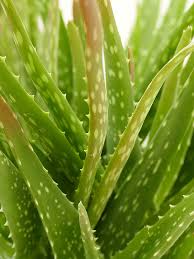
The plant is short-stemmed or nearly stemless and produces a basal rosette of thick, fleshy, lance-shaped leaves.
Young foliage may display pale spots or mottling. Mature leaves are commonly gray-green to green and have small pale teeth along the margins rather than the large hooked spines of many agaves.
Mature outdoor plants may produce upright flower stalks bearing tubular yellow flowers. Indoor specimens may never flower.
Broken leaves release clear inner gel and a distinct bitter yellow to reddish latex from tissues just beneath the rind.
Where Animals Encounter It
Dogs and cats may encounter Barbados Aloe as a windowsill plant, floor-standing houseplant, greenhouse specimen, patio container, office plant, or kitchen-grown medicinal succulent.
In warm climates, animals may reach it in xeriscape beds, succulent gardens, courtyard plantings, farmyards, and discarded landscaping material.
Exposure commonly occurs when a cat bites a leaf tip, a dog overturns a pot, a pet reaches a freshly cut leaf on a counter, or discarded leaves are placed in compost or accessible trash.
Broken, frost-damaged, or freshly cut leaves may be particularly attractive or accessible because gel and latex are already exposed.
The Outer Rind, Latex Layer, and Inner Gel
The outer rind provides mechanical protection and encloses both the latex-bearing tissues and the inner gel.
The yellow or reddish latex lies immediately beneath the rind and contains the highest concentration of aloin and related stimulant-laxative compounds.
The inner gel is a clear, mucilaginous tissue dominated by water and polysaccharides. Properly separated gel has a substantially lower poisoning risk.
An animal chewing a whole leaf receives all three layers together, making the raw plant fundamentally different from a purified inner-leaf product.
The Gel Is Lower Risk, Not a Reason to Feed Raw Leaves
ASPCA describes aloe gel as edible. That statement is often misunderstood as meaning an intact aloe leaf is safe.
The gel inside a raw leaf can be streaked or contaminated with latex during cutting, draining, scraping, storage, or chewing. Home preparation cannot be assumed to remove all anthraquinones.
The gel also contains fibrous material and may be contaminated by soil, fertilizer, pesticide, bacteria, mold, knives, cutting surfaces, or another ingredient.
There is no veterinary need to offer raw aloe leaf to an animal as food.
Whole-Leaf, Decolorized, and Inner-Leaf Products
Whole-leaf processing begins with the rind, latex-bearing tissue, and gel together. Nondecolorized whole-leaf extract may retain substantial hydroxyanthracene concentrations.
Decolorized whole-leaf products undergo additional carbon treatment or filtration designed to remove anthraquinones, especially aloin.
Inner-leaf or inner-fillet products are made primarily from the gel after the outer rind and latex-bearing tissues are removed.
Manufacturing quality, cross-contamination, residual aloin, concentration, storage, and added ingredients determine the finished product’s risk.
Why the Whole-Leaf Rodent Studies Matter
The National Toxicology Program’s repeated-dose research showed that nondecolorized whole-leaf extract can produce persistent colonic irritation, accelerated gastrointestinal transit, diarrhea, mucosal hyperplasia, and, after long-term exposure, intestinal tumors in rats.
The study material contained rind, gel, and latex anthraquinones and was administered repeatedly at high concentrations.
The research should not be used to predict cancer from one accidental pet nibble. It demonstrates why long-term ingestion of anthraquinone-rich whole-leaf preparations should not be treated as equivalent to purified gel.
Commercial Aloe Products Require Ingredient-by-Ingredient Assessment
Aloe products include sunburn gels, moisturizers, after-sun sprays, shampoos, wipes, beverages, capsules, laxatives, juices, powders, veterinary grooming products, and homemade remedies.
Purified aloe gel may be a relatively minor ingredient. Other products contain whole-leaf extract, concentrated latex, alcohol, lidocaine, benzocaine, salicylates, menthol, essential oils, fragrances, preservatives, sweeteners, sunscreen agents, or additional herbs.
A pet licking a medicated burn gel must be evaluated for every active and inactive ingredient rather than only for aloe.
Bring the complete container, label, concentration, and estimate of the missing amount to the veterinarian.
Topical Products and Grooming Exposure
A product applied to an animal’s skin is likely to be swallowed during grooming unless the area is protected.
Even when purified aloe gel itself is low risk, the product may cause stomach upset or contain a medication unsafe for oral exposure.
Human topical creams can be transferred when a pet licks recently treated human skin, rubs against the application site, or contacts contaminated bedding and clothing.
Veterinary guidance should be obtained before applying a human aloe product to an animal.
Reddish or Brown Urine
Urine discoloration is a recognized possible finding after aloe exposure and occurred during repeated-dose whole-leaf research.
Anthraquinone-related compounds and metabolites may contribute pigment to the urine. The color change may be harmless in itself when normal urine production and clinical status are maintained.
It should never be diagnosed by sight alone. Hematuria, hemoglobinuria, myoglobinuria, urinary infection, stones, trauma, kidney injury, reproductive bleeding, and severe dehydration may look similar.
Pregnant Animals
Aloe latex has a long history as a stimulant laxative, and non-veterinary sources frequently warn against oral use during pregnancy.
A specific dose causing reproductive injury has not been established in dogs, cats, horses, cattle, sheep, goats, or other domestic animals.
Pregnant animals should still be protected because diarrhea, vomiting, cramping, dehydration, reduced feed intake, and electrolyte disturbance can threaten maternal health and pregnancy stability even without a proved direct uterine toxin.
Horses and Grazing Animals
Horses are listed as susceptible but cannot vomit. Their likely presentation is therefore dominated by diarrhea, colic, depression, reduced feed intake, weakness, and dehydration.
Landscape trimmings, discarded medicinal leaves, concentrated latex products, and mixed succulent debris should not be placed in pastures or feed areas.
Livestock evidence is less detailed than the dog and cat evidence. The plant should nevertheless not be treated as safe browse or as an herbal laxative for farm animals.
Small and Exotic Animals
Published reports involving rabbits, guinea pigs, pet rodents, birds, and reptiles remain limited.
Small body size can make fluid, electrolyte, and blood-glucose disturbances develop quickly.
Rabbits and guinea pigs are also vulnerable to gastrointestinal stasis if abdominal discomfort or nausea reduces food intake.
No animal should receive raw aloe, latex, whole-leaf juice, or a concentrated product as enrichment or an unsupervised home treatment.
Diagnosis
No routine veterinary test directly confirms aloe ingestion or measures a clinically useful aloin concentration.
Diagnosis depends on identifying the plant or product, determining which leaf portion was swallowed, estimating the amount and time, recognizing the gastrointestinal pattern, and excluding other causes.
Useful evidence includes an intact leaf, nursery label, photographs, product container, ingredient list, residual gel or lotion, chewed packaging, urine photographs, and material found in vomit or stool.
Testing may include hydration assessment, blood glucose, electrolytes, kidney values, complete blood count, urinalysis, abdominal imaging, and examination for another toxin or foreign object.
Differential Diagnoses
Important alternatives include infectious gastroenteritis, dietary indiscretion, pancreatitis, foreign-body obstruction, medications, human laxatives, xylitol, pesticides, fertilizer, another poisonous plant, kidney or urinary disease, and topical-product ingredients.
Tremors, seizures, persistent hypoglycemia, profound weakness, severe blood-pressure changes, or organ abnormalities broaden the investigation beyond uncomplicated aloe-latex irritation.
Prognosis and Prevention
The prognosis is good to excellent for most uncomplicated exposures. The principal determinants are the amount of latex swallowed, severity of diarrhea and vomiting, hydration, animal size, underlying disease, and additional product ingredients.
Keep aloe plants inside a genuinely inaccessible room or enclosure rather than relying only on an elevated shelf. Cats can climb, and long leaves may project into reachable space.
Remove broken, frost-damaged, or cut leaves promptly and dispose of them in a closed container. Prevent access to outdoor aloe beds, compost, drainage water, and propagation material.
Store aloe beverages, supplements, concentrated latex, lotions, sprays, gels, and medicated products as securely as medications.
Immediate Steps After Exposure
- Prevent further access. Secure the plant, broken leaves, exposed latex, gel, roots, cuttings, prepared product, and any chewed packaging.
- Determine what was swallowed. Identify whether the animal chewed an intact leaf or rind, contacted yellow or reddish latex, licked only clear gel, swallowed dried leaf or root material, or ingested a commercial preparation.
- Remove only loose visible material. Carefully lift pieces resting at the lips or front of the mouth when the animal remains calm. Do not reach blindly toward the throat.
- Allow voluntary access to fresh water. An alert animal swallowing normally may drink on its own. Do not pour, syringe, spray, or force fluid into the mouth.
- Preserve identification evidence. Save a plant sample, nursery tag, photographs, product container, full ingredient list, concentration, lot information, and chewed packaging.
- Record the clinical course. Note vomiting, diarrhea frequency, stool appearance, water intake, appetite, urine color and volume, trembling, activity, and the approximate time each sign began.
- Contact veterinary help. Seek prompt guidance after meaningful raw-leaf ingestion, any concentrated-latex exposure, an unknown product ingestion, or the development of vomiting, diarrhea, weakness, tremors, urine discoloration, or appetite loss.
Do Not Attempt Unsupervised Home Treatment
- Do not induce vomiting. Hydrogen peroxide, salt, mustard, syrup of ipecac, detergent, oil, manual gagging, and fingers in the throat can cause aspiration, gastrointestinal injury, sodium poisoning, or trauma.
- Never give hydrogen peroxide to a cat. It can cause severe feline esophagitis, gastritis, ulceration, and bleeding.
- Never attempt to induce vomiting in a horse. Horses cannot vomit.
- Do not force mouth flushing. Pouring or spraying water into the mouth can cause aspiration when an animal is gagging, vomiting, weak, resisting, or swallowing abnormally.
- Do not administer activated charcoal at home. Charcoal is not a universal treatment for aloe latex and may be inhaled by an animal that is vomiting, depressed, weak, sedated, dehydrated, or swallowing poorly.
- Do not force food or fluids. Forced administration does not neutralize aloin and may provoke vomiting or enter the lungs.
- Do not give antidiarrheal medication. Loperamide, bismuth products, kaolin-pectin products, and other intestinal medications may be inappropriate and can obscure or worsen certain conditions.
- Do not give owner-selected stomach medication. Antacids, sucralfate, acid suppressants, antiemetics, and leftover prescriptions should be selected according to the animal’s examination.
- Do not apply another human topical product. Creams, anesthetic gels, essential oils, ointments, and home remedies may add unsafe ingredients that the animal will lick.
After Skin or Coat Exposure
Prevent grooming when yellow latex, raw gel, sap, lotion, spray, or another aloe product is present on the fur.
Wear gloves and wash the exposed coat or skin gently with lukewarm water and a mild species-appropriate cleanser. Rinse thoroughly.
Clean collars, harnesses, bedding, towels, floors, counters, and other surfaces contaminated with latex or topical product.
Do not use solvents, alcohol, vinegar, baking soda, essential oils, or another household neutralizer.
Persistent redness, itching, swelling, blistering, pain, discharge, hair loss, or continuing self-trauma requires veterinary guidance.
Eye Exposure
If latex, gel, or a liquid aloe product entered an eye and no object is embedded, begin gentle irrigation with sterile saline or clean lukewarm water for approximately fifteen minutes when this can be done safely.
Do not rub the eye or use tweezers, cotton swabs, cloth, human redness drops, or leftover ophthalmic medication on the eye surface.
A leaf tooth, plastic fragment, or other object that appears to penetrate the eye should remain in place during transport rather than being removed at home.
Persistent squinting, tearing, redness, cloudiness, discharge, bleeding, light sensitivity, or inability to open the eye requires prompt examination.
When Emergency Examination Is Especially Important
- Severe or repeated diarrhea: Frequent watery stool can cause rapid dehydration, electrolyte loss, acid-base abnormalities, and weakness.
- Repeated vomiting or inability to retain water: The animal may require injectable antiemetic medication and professional fluid support.
- Marked depression, weakness, or collapse: These findings may reflect dehydration, low blood glucose, electrolyte disturbance, shock, another ingredient, or unrelated disease.
- Tremors, incoordination, or seizures: Neurologic signs are not expected after a trivial gel exposure and require immediate blood-glucose, electrolyte, and toxicologic assessment.
- Red, reddish-brown, orange, or dark urine: Pigment discoloration is possible, but blood, muscle pigment, dehydration, urinary disease, and kidney injury must be excluded.
- Reduced or absent urination: Reduced urine production is more concerning than color change alone and requires prompt examination.
- Blood in vomit or stool: Bleeding is not the routine aloe syndrome and may indicate significant gastrointestinal injury or another cause.
- Severe abdominal pain or enlargement: These findings may indicate profound intestinal irritation, pancreatitis, obstruction, gastric dilatation, or another emergency.
- Difficulty swallowing, progressive swelling, or breathing difficulty: These signs require immediate emergency care.
- Pregnant, very young, elderly, very small, or medically fragile animal: These patients may tolerate gastrointestinal fluid and electrolyte loss poorly.
- Unknown commercial aloe product: Immediate assessment is appropriate when the formulation may contain lidocaine, alcohol, essential oils, salicylates, xylitol, medication, or unidentified active ingredients.
Veterinary Decontamination
A veterinarian may consider professionally induced vomiting after a recent substantial ingestion in a fully alert, clinically stable dog or cat that is breathing normally, swallowing safely, and able to protect its airway.
Emesis may provide limited benefit when diarrhea or vomiting has already begun, the animal is weak or dehydrated, swallowing is abnormal, or the exposure involved a topical chemical or sharp packaging.
Activated charcoal is not automatically indicated for every aloe exposure. Its usefulness depends on the preparation, amount, timing, clinical condition, and possibility of another charcoal-bindable toxin.
Charcoal can worsen nausea and dehydration and may be aspirated. Cathartic-containing charcoal is particularly undesirable in an animal already experiencing purgative diarrhea.
Gastric lavage is rarely appropriate for ordinary plant exposure and requires anesthesia, endotracheal intubation, airway protection, and a compelling reason.
Veterinary Evaluation
The veterinarian will assess hydration, perfusion, abdominal comfort, vomiting and diarrhea, body temperature, mental status, blood glucose, urine production, and possible exposure to other ingredients or foreign objects.
Testing may include blood glucose, electrolytes, kidney values, complete blood count, acid-base assessment, urinalysis, urine-pigment evaluation, and blood-pressure measurement.
Abdominal radiographs or ultrasound may be appropriate when severe pain, persistent vomiting, abdominal enlargement, reduced stool production, or swallowed packaging raises concern for obstruction.
Product-specific investigation may be required for lidocaine, salicylates, alcohol, essential oils, xylitol, sunscreens, fragrances, medications, or concentrated herbal mixtures.
Veterinary Supportive Treatment
There is no specific antidote for aloin or aloe-latex poisoning. Treatment is supportive and directed at controlling gastrointestinal losses and correcting their consequences.
Veterinarian-selected antiemetics such as maropitant or ondansetron may control continuing nausea and vomiting.
Subcutaneous or intravenous fluids may replace water losses and correct measured electrolyte and acid-base abnormalities. The route and amount depend on the animal’s dehydration, cardiovascular health, ongoing diarrhea, urine production, and ability to drink safely.
Glucose supplementation may be required when hypoglycemia is documented. It should not be given blindly by mouth to a vomiting, poorly responsive, seizing, or poorly swallowing animal.
Individualized analgesia may be used for significant abdominal discomfort. Human pain relievers must not be substituted.
Sucralfate or acid-suppressive medication may be considered when documented esophageal, gastric, or ulcerative mucosal injury warrants protection. Sucralfate is a barrier medication rather than an aloe antidote.
Urine Discoloration and Kidney Monitoring
A veterinarian may perform urinalysis to determine whether discoloration represents intact red blood cells, free hemoglobin, muscle pigment, concentrated urine, crystals, infection, or likely plant-derived pigment.
Urine output, hydration, kidney values, muscle enzymes, gum color, and the animal’s overall condition help distinguish a transient pigment change from clinically important urinary or systemic disease.
Reduced urine production, straining, pain, pale gums, worsening weakness, or persistent discoloration requires continued investigation.
Tremor and Neurologic Treatment
Blood glucose, electrolytes, body temperature, hydration, blood pressure, oxygenation, and product ingredients should be evaluated when trembling or incoordination occurs.
Severe tremors may require veterinarian-selected muscle relaxants, while true seizures may require anticonvulsant medication and airway support.
Neurologic deterioration should broaden the search beyond aloe latex to include medications, pesticides, essential oils, xylitol, recreational substances, and other toxins.
Horses and Livestock
Remove all animals from aloe plants, discarded leaves, concentrated products, mixed landscaping debris, contaminated feed, and water sources.
Do not drench or force oil, charcoal, feed, water, electrolytes, or medication into an animal that is coughing, bloated, weak, recumbent, or swallowing poorly.
Large-animal veterinary care may include hydration and electrolyte assessment, intravenous fluids, abdominal examination, glucose testing, diarrhea management, and investigation of every available plant, feed source, pesticide, fertilizer, and infectious cause.
Several affected animals or unusually severe disease should not be attributed automatically to Barbados Aloe without a complete environmental investigation.
Rabbits, Guinea Pigs, Birds, and Other Small Animals
Do not force food, water, charcoal, oil, or medication into a weak, regurgitating, bloated, poorly responsive, or poorly swallowing small animal.
Rabbits and guinea pigs with reduced appetite or fecal output require prompt assessment for gastrointestinal stasis and dehydration.
Birds with regurgitation, altered droppings, weakness, reduced activity, or poor balance require species-appropriate examination because their small size can make fluid loss clinically significant.
Recovery, Prognosis, and Prevention
Most uncomplicated exposures have a good to excellent prognosis and improve within approximately twenty-four to forty-eight hours.
Recovery may take longer when diarrhea is severe, vomiting prevents drinking, blood glucose or electrolytes become abnormal, another product ingredient was swallowed, or the animal has underlying disease.
Persistent diarrhea, weakness, tremors, reduced urination, continuing food refusal, or worsening signs requires reassessment rather than continued home observation.
Keep aloe plants and all aloe-containing products inside a genuinely inaccessible room, cabinet, or enclosure. Remove broken leaves promptly, secure trash and compost, and prevent animals from entering outdoor aloe beds or drinking pot drainage water.
Frequently Asked Questions About Barbados Aloe and Animal Poisoning
Is Barbados Aloe poisonous to dogs and cats?
Yes. The yellow, orange, or reddish latex beneath the leaf rind contains aloin and related hydroxyanthracene compounds that act as stimulant laxatives and gastrointestinal irritants. Dogs and cats may develop vomiting, abrupt diarrhea, abdominal discomfort, appetite loss, lethargy, depression, dehydration, weakness, urine discoloration, and occasionally tremors after a meaningful exposure.
Is Barbados Aloe poisonous to horses and livestock?
ASPCA and Merck list aloe as toxic to horses. Horses cannot vomit but may develop diarrhea, colic, reduced appetite, depression, weakness, and dehydration. Detailed livestock reports are limited, but cattle, sheep, goats, alpacas, and llamas should not be allowed to browse the plant or consume discarded leaves and concentrated aloe products.
What is the accepted scientific name?
The accepted name is Aloe vera (L.) Burm.f. The species belongs to Asphodelaceae under current botanical classification.
Is Aloe barbadensis the same plant as Aloe vera?
Yes. Aloe barbadensis Mill. is a botanical synonym of Aloe vera. It remains common on nursery labels, cosmetic products, supplements, beverages, ingredient lists, and older veterinary references.
Why do older references place aloe in Aloaceae or Liliaceae?
Those are historical family placements. Current classification places Aloe vera in Asphodelaceae. A source using Aloaceae or Liliaceae is not necessarily describing a different Barbados-Aloe species.
Is American Aloe another name for Barbados Aloe?
No. American Aloe generally refers to Agave americana, an unrelated rosette-forming succulent. Agave has more rigid fibrous leaves, a prominent terminal spine, and different sap and mechanical hazards. The two plants should not be assessed as one exposure.
Which part of an aloe leaf is most toxic?
The greatest concern is the bitter yellow, orange, or reddish latex immediately beneath the outer green rind. This layer contains aloin and related hydroxyanthracene derivatives. An animal chewing an intact leaf is exposed to the latex even when it also swallows clear gel.
Is clear aloe gel poisonous?
Properly separated clear inner gel is considerably less hazardous, and ASPCA describes the gel as edible. Gel scraped from a freshly cut raw leaf may still be contaminated by latex draining from the surrounding rind. Commercial gels must also be assessed for medications, alcohol, essential oils, fragrances, preservatives, and other ingredients.
Can I safely scrape the clear gel from a leaf for my pet?
Home separation cannot guarantee that all yellow latex and anthraquinones have been removed. There is also no need to feed raw aloe gel or use it as an unsupervised pet treatment. Veterinary advice is preferable when a skin or digestive problem requires care.
What is aloin?
Aloin is the principal stimulant-laxative hydroxyanthracene glycoside in aloe latex. It consists mainly of the related forms aloin A and aloin B and was historically called barbaloin. Intestinal microorganisms and host metabolism convert aloin into more active anthrone-related compounds that stimulate the colon.
Are aloin and barbaloin the same thing?
The terms are often used interchangeably in older literature. Natural aloin is primarily a mixture of aloin A and aloin B. Aloin A has commonly been called barbaloin, while aloin B has historically been called isobarbaloin.
How does aloe latex cause diarrhea?
Aloin reaches the large intestine and is transformed into active metabolites that stimulate intestinal motility, increase mucus and fluid secretion, and reduce normal recovery of water from the colon. The result may be abrupt cramping and frequent watery diarrhea.
What did the Boudreau aloe studies show?
Repeated administration of aloin-containing nondecolorized whole-leaf extract to laboratory rodents shortened gastrointestinal transit and produced dose-related large-intestinal mucosal changes. Long-term high-concentration exposure produced intestinal tumors in rats. These findings support the colonic-irritant mechanism but do not establish a toxic pet dose or mean that one accidental nibble causes cancer.
What is nondecolorized whole-leaf aloe extract?
It is made from the complete leaf, including rind, latex-bearing tissues, and gel, without the additional carbon treatment used to remove most anthraquinones. It may therefore retain substantially more aloin than purified inner-leaf gel or properly decolorized whole-leaf preparations.
What does decolorized aloe mean?
Decolorized whole-leaf aloe has undergone processing, commonly activated-carbon treatment and filtration, intended to remove colored anthraquinones such as aloin. The term does not reveal the exact remaining concentration or guarantee that every added ingredient is safe for an animal.
Are younger aloe leaves more poisonous?
Merck reports that younger leaves may contain higher anthraquinone concentrations. No veterinary study establishes a safe mature-leaf amount or a precise young-versus-old leaf risk. Every intact raw leaf should remain inaccessible.
Why can aloe turn urine red or brown?
Anthraquinones and their metabolites are strongly colored and may produce red, rust, orange-brown, or dark urine. The color does not automatically mean blood, but owners cannot distinguish pigment from bleeding, muscle pigment, urinary disease, or kidney injury without testing.
When is urine discoloration an emergency?
Prompt examination is warranted when discoloration persists or occurs with straining, painful urination, reduced urine production, pale gums, muscle pain, severe weakness, vomiting, or collapse. Reduced urine volume is more concerning than color change alone.
Can aloe cause low blood sugar?
Hypoglycemia is listed as a possible effect of significant latex ingestion but is not the routine outcome of a small nibble. Young or very small animals and patients with prolonged gastrointestinal illness may be more vulnerable. Weakness, trembling, disorientation, collapse, or seizures requires a measured blood-glucose assessment.
Can aloe cause tremors?
Tremors have been reported and are more concerning than uncomplicated diarrhea. They may result from a large exposure, dehydration, electrolyte disturbance, low blood glucose, another product ingredient, or a different toxin. A trembling animal should be evaluated promptly.
Can aloe cause kidney or liver failure?
Direct acute kidney or liver failure is not the characteristic syndrome of uncomplicated aloe-latex ingestion. Severe dehydration can reduce kidney perfusion, and another product ingredient may injure an organ. Reduced urination, jaundice, persistent weakness, or abnormal laboratory results requires a broader investigation.
Can aloe cause blood in vomit or stool?
Bleeding is not the expected routine effect. A tiny streak may follow forceful vomiting or diarrhea-related straining, but clots, coffee-ground vomit, black tarry stool, substantial red blood, pale gums, rapid breathing, or weakness requires veterinary examination.
Are aloe lotions and burn gels safe for pets?
Not automatically. A simple purified gel may present little aloe-related risk, but human products may contain lidocaine, alcohol, salicylates, menthol, essential oils, fragrances, preservatives, sunscreens, or other medications. Pets can ingest these products by licking their own coat or recently treated human skin.
What if the product contains lidocaine?
Lidocaine exposure requires separate assessment because sufficiently large doses can cause vomiting, weakness, tremors, seizures, low blood pressure, abnormal heart rhythm, and collapse. Preserve the container, concentration, amount missing, and animal’s weight when contacting a veterinarian.
Are aloe drinks and supplements safe for animals?
They vary too much for one answer. Some contain purified inner-leaf gel, while others contain whole-leaf material, concentrated latex, sweeteners, flavorings, herbal mixtures, vitamins, or medications. Products marketed as laxatives, cleanses, or bowel aids may intentionally retain active hydroxyanthracenes.
Is aloe dangerous during pregnancy?
A specific raw-leaf dose causing reproductive injury has not been established in domestic animals. Pregnant animals should still avoid aloe because vomiting, diarrhea, cramping, dehydration, electrolyte abnormalities, reduced food intake, and stress are avoidable maternal and pregnancy risks.
What about rabbits, guinea pigs, rodents, birds, and reptiles?
Species-specific evidence is limited, and no toxic dose has been established. These animals should not be offered raw aloe or concentrated products. Appetite loss, reduced fecal output, diarrhea, regurgitation, abnormal droppings, weakness, or reduced activity requires prompt species-appropriate veterinary guidance.
How quickly do symptoms appear?
Vomiting, cramping, or diarrhea may begin within several hours. Timing depends on the amount, latex concentration, product formulation, stomach contents, animal species, body size, and individual sensitivity. A pet may appear normal initially while aloin is moving toward the large intestine.
How long does aloe poisoning last?
Mild uncomplicated illness commonly improves within approximately twenty-four to forty-eight hours. Severe diarrhea, dehydration, electrolyte or glucose abnormalities, another product ingredient, or underlying disease can prolong recovery.
Should I make my pet vomit?
No home vomiting method should be used. Hydrogen peroxide, salt, mustard, ipecac, detergent, and manual gagging can cause additional gastrointestinal injury or aspiration. A veterinarian should determine whether professional emesis is appropriate based on timing, material swallowed, and the animal’s condition.
Should I give activated charcoal?
Do not give charcoal at home. It is not automatically useful for every aloe exposure and may worsen nausea, dehydration, or aspiration risk. Charcoal containing a cathartic is particularly undesirable when the animal already has purgative diarrhea.
How is Barbados-Aloe poisoning treated?
There is no specific antidote. Veterinary treatment may include anti-nausea medication, intravenous or subcutaneous fluids, electrolyte correction, glucose support when hypoglycemia is documented, pain control, dietary management, urinalysis, and monitoring of urine production and kidney function.
What is the prognosis?
The prognosis is good to excellent for most uncomplicated exposures. The outlook depends on the amount of latex swallowed, severity of diarrhea and vomiting, hydration, animal size, pregnancy, underlying illness, and whether another product ingredient or foreign object was involved.