Day Lily Exposure and Feline Acute Kidney Injury
Are Day Lilies Poisonous to Dogs, Cats, Horses, and Livestock?
Yes—Day Lilies, Hemerocallis species, are highly poisonous to cats and can cause rapidly progressive acute kidney injury. Confirmed Day Lily toxicoses have produced vomiting, depression, loss of appetite, renal tubular dysfunction, rising kidney values, reduced urine production, kidney failure, and death. Leaves, flowers, petals, buds, stems, crowns, roots, freshly cut material, and discarded plant debris should all be treated as dangerous to cats.
No safe feline dose has been established. Visible pollen on a cat and water associated with a Day Lily arrangement should also be treated as potentially dangerous because contaminated material may be swallowed during grooming or drinking, the nephrotoxin remains unidentified, and mixed bouquets may contain both Day Lilies and true Lilium lilies. Dogs, horses, and livestock are not known to develop the same characteristic nephrotoxic syndrome, although plant material, roots, garden chemicals, and mixed clippings can cause gastrointestinal or other complications.
About this guide: This page provides general pet-poisoning information and cannot diagnose or treat an individual animal. For any suspected exposure, contact a veterinarian or animal poison-control service immediately. Do not induce vomiting, give medication, or attempt home decontamination unless directed by a veterinary professional.
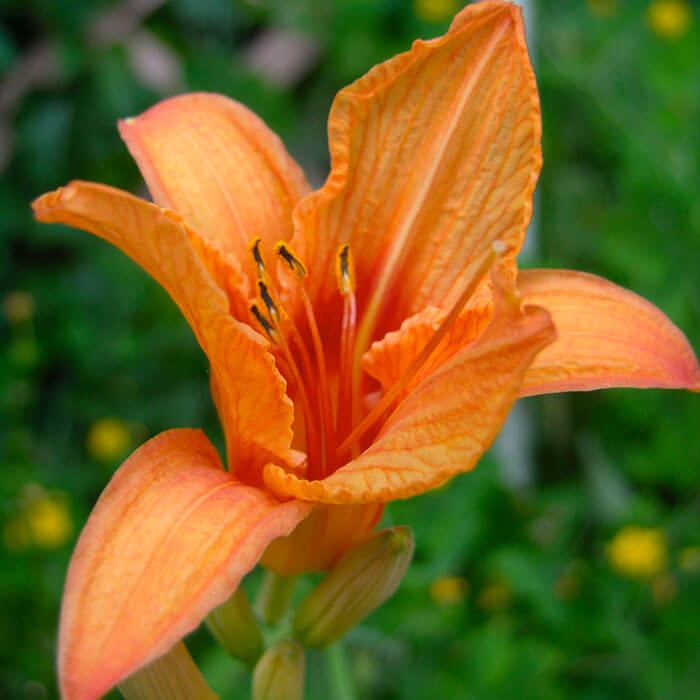
Day Lily
Hemerocallis spp.
Important accepted species include:
Hemerocallis fulva (L.) L. — Tawny Daylily, Orange Daylily, Ditch Lily
Hemerocallis lilioasphodelus L. — Yellow Daylily, Lemon Lily
Hemerocallis citrina Baroni — Citron Daylily
Hemerocallis minor Mill. — Dwarf Yellow Daylily
Hemerocallis dumortieri C.Morren — Early Daylily
Hemerocallis middendorffii Trautv. & C.A.Mey. — Amur Daylily
Hemerocallis thunbergii Barr — Thunberg Daylily
Important historical or horticultural names include:
Hemerocallis graminea Andrews — synonym of Hemerocallis minor
Hemerocallis flava (L.) L. — synonym of Hemerocallis lilioasphodelus
Hemerocallis crocea Lam. — synonym of Hemerocallis fulva
Hemerocallis aurantiaca Baker — currently treated within Hemerocallis fulva var. aurantiaca
Most modern garden Day Lilies are complex cultivated hybrids rather than readily identifiable wild species. A genus-level scientific field is therefore appropriate for a general pet-poisoning page.
Asphodelaceae Juss. — Asphodel Family
Day Lilies belong to the order Asparagales and the subfamily Hemerocallidoideae.
Older botanical systems placed Hemerocallis in Liliaceae or recognized a separate family, Hemerocallidaceae. Those historical placements remain common in older horticultural, veterinary, and poison-control references.
Day Lilies are not botanically true lilies in the genus Lilium. That distinction is taxonomically important, but both Hemerocallis and Lilium can cause the same life-threatening acute kidney-injury syndrome in cats.
Day Lily, Daylily, Day Lilies, Daylilies, Orange Day Lily, Orange Daylily, Tawny Daylily, Tawny Day Lily, Ditch Lily, Ditch Daylily, Common Daylily, Common Orange Daylily, Tiger Daylily, Roadside Daylily, Railroad Daylily, Lemon Lily, Yellow Daylily, Citron Daylily, Hardy Daylily, Hemerocallis, The Perfect Perennial, Hemerocallis spp., Hemerocallis fulva, Hemerocallis lilioasphodelus
“Tiger Daylily” is potentially confusing because Tiger Lily usually refers to Lilium lancifolium. Both plants are dangerous feline nephrotoxins, but they belong to different botanical genera.
“Ditch Lily” most commonly refers to naturalized orange forms of Hemerocallis fulva, which commonly grow along roadsides, drainage ditches, old fence lines, abandoned homes, and woodland edges.
An Unidentified Feline Nephrotoxin
The substance responsible for Day Lily poisoning has not been identified conclusively. No named alkaloid, glycoside, oxalate, protein, amino acid, or other constituent has been proven to account fully for the feline syndrome.
The absence of an identified molecule does not make the risk theoretical. A retrospective investigation of 22 confirmed Hemerocallis toxicoses demonstrated that cats ingesting Day Lilies can develop gastrointestinal distress and acute renal failure.
The study records included Day Lilies identified under the names Hemerocallis dumortieri, Hemerocallis fulva, Hemerocallis graminea, and Hemerocallis sieboldii. Under current botanical treatment, H. graminea is included within H. minor, while H. sieboldii is included within H. dumortieri.
No toxin-specific antidote is available because neither the responsible molecule nor its complete metabolic pathway has been determined.
Acute Renal Tubular Injury
The characteristic target is the kidney. Following absorption, the unknown toxic principle or metabolite causes severe renal tubular dysfunction and can progress to tubular epithelial-cell death.
Early injury impairs the tubules’ ability to concentrate urine and reclaim filtered glucose, proteins, electrolytes, and water. A cat may initially produce an abnormally large volume of dilute urine while continuing to become dehydrated.
Urinalysis may reveal reduced urine concentration, glucose despite a normal blood glucose concentration, protein, epithelial cells, granular material, or casts before blood urea nitrogen and creatinine become substantially elevated.
As damage progresses, tubular debris, cellular swelling, reduced filtration, altered renal blood flow, and extensive epithelial injury can cause oliguria or anuria. Once urine production falls sharply or stops, potassium, phosphorus, acids, nitrogenous waste, and fluid accumulate rapidly.
Day Lily Evidence and True-Lily Evidence Should Not Be Blurred
Both Hemerocallis Day Lilies and Lilium true lilies can produce feline acute kidney injury, and emergency treatment principles are similar. They remain botanically separate genera, however, and not every experimental finding from Lilium has been reproduced directly in Hemerocallis.
Experimental true-lily research supports a water-soluble nephrotoxic fraction and demonstrates substantial toxicity from flowers and leaves. Equivalent controlled studies have not defined the toxic fraction, tissue ranking, or dose for Day Lilies.
The safest clinical approach is to treat every credible Hemerocallis ingestion as an emergency while stating clearly where Day Lily evidence ends and broader lily evidence begins.
Every Day Lily Plant Part Requires Exclusion
Leaves, flowers, petals, buds, stamens, flower stalks, crowns, fibrous or fleshy roots, rhizomatous tissue, freshly cut growth, wilted material, and dried garden debris should all remain inaccessible to cats.
Day Lilies do not form the layered bulbs characteristic of many true lilies. They grow from crowns with dense roots and, in some species or cultivars, short rhizomatous structures. These underground portions should not be called safe merely because the best-known cases involved leaves or flowers.
No evidence establishes that a miniature, double-flowered, reblooming, evergreen, dormant, roadside, edible, hybrid, or named cultivar lacks the feline nephrotoxin.
Pollen and Grooming Exposure
A cat can acquire pollen, sap, or plant particles by brushing against an open flower, walking through cut material, or contacting a contaminated surface. Material carried on the paws, face, chest, or coat can then be swallowed during grooming.
Day Lily-specific dose studies involving pollen alone are limited. The heaviest direct pollen evidence in the lily literature comes from Lilium, whose flowers often produce abundant visible pollen.
That limitation should not be interpreted as reassurance. The Day Lily toxin is unidentified, no safe exposure threshold exists, and a cat with visible pollen or plant debris cannot be assumed to have avoided ingestion. Immediate veterinary consultation remains appropriate.
Water Associated with Day Lily Arrangements
Water holding Day Lilies may contain sap, pollen, damaged plant cells, petal fragments, microorganisms, and commercial floral products. Mixed bouquets may also contain true lilies or other poisonous plants that the owner has not identified.
A Day Lily-specific toxic vase-water concentration has not been established. Water associated with Hemerocallis should nevertheless remain inaccessible to cats because the toxic principle is unknown and plant material may disperse into the liquid.
Removing the flowers while leaving the vase water available does not eliminate the possible exposure.
Why Cats Are Uniquely Susceptible
Cats are the domestic species consistently recognized as susceptible to the characteristic nephrotoxic syndrome. The basis for that susceptibility remains unknown.
Differences in intestinal absorption, hepatic metabolism, renal transport, cellular detoxification, or tubular sensitivity may contribute, but no single mechanism has been proven.
A dog and cat exposed to the same Day Lily may therefore have dramatically different outcomes. The dog may remain normal or develop transient gastrointestinal irritation while the cat develops acute kidney failure.
Dogs, Horses, and Livestock
Day Lilies are not established as causes of the same acute renal tubular syndrome in dogs, horses, cattle, sheep, goats, or other common domestic species.
This species difference does not make unlimited ingestion desirable. Dogs may vomit or develop diarrhea after eating vegetation, and crowns, root masses, plant labels, mulch, fertilizer, pesticides, decorative materials, or garden debris may cause separate toxicity or gastrointestinal obstruction.
Kidney injury in a dog or livestock animal following an apparent Day Lily exposure requires investigation for grapes or raisins, ethylene glycol, nonsteroidal anti-inflammatory drugs, true or incorrectly identified plants, pesticides, infection, dehydration, shock, obstruction, or unrelated renal disease.
No Safe Feline Dose
No dependable petal count, pollen amount, leaf length, stem mass, root weight, plant-water volume, or gram-per-kilogram toxic threshold has been established for cats.
Individual susceptibility may vary, and an owner often cannot determine whether plant material was swallowed, groomed from the coat, vomited completely, or left within the gastrointestinal tract.
A missing petal, bitten leaf tip, chewed root, visible pollen, plant debris on the coat, drinking from an arrangement, or unsupervised access is sufficient reason to obtain immediate veterinary guidance rather than waiting for signs.
A Cat May Initially Appear Completely Normal
Day Lily poisoning does not cause the immediate burning or mouth pain associated with calcium-oxalate plants. A cat may chew or swallow the plant without reacting and may remain outwardly normal during the early absorption period.
The lack of vomiting, drooling, discomfort, or visible plant damage does not establish that no toxin was ingested. Because no rapid test detects the unknown nephrotoxin, treatment decisions must be based on credible exposure rather than waiting for illness.
Early Gastrointestinal Signs
Vomiting, nausea, drooling, lip licking, appetite loss, lethargy, hiding, depression, and reduced interaction may begin within the first several hours.
Vomiting may contain leaves, petals, roots, or other identifiable plant material. Some cats vomit and then appear temporarily brighter, which can create a false impression of recovery while renal tubular injury continues.
Diarrhea may occur but is less characteristic than vomiting, food refusal, and depression. Absence of gastrointestinal signs does not exclude developing kidney injury.
Early Tubular Dysfunction
During the first day, injured renal tubules may lose the ability to conserve water and reclaim normally filtered substances. The cat may drink more, visit the litter box more frequently, or produce larger quantities of dilute urine.
Polyuria can worsen dehydration even when the cat drinks because the damaged kidneys cannot concentrate urine effectively.
Urinalysis may reveal low urine concentration, glucose, protein, cellular debris, or casts before severe azotemia is evident. A normal initial creatinine value does not prove that the kidneys are uninjured.
Development of Acute Kidney Injury
Creatinine, blood urea nitrogen, phosphorus, and other waste products may remain within reference intervals during the earliest hours and rise over the next one to several days.
Progressive kidney injury may cause renewed or persistent vomiting, profound appetite loss, dehydration, muscle weakness, depression, foul or uremic breath, oral ulceration, and increasing azotemia.
Serial blood and urine testing is required because one normal baseline panel cannot exclude an evolving Day Lily-associated injury.
Oliguria and Anuria
Severe tubular injury may cause urine production to decrease substantially or stop. Oliguria means abnormally low urine output; anuria means essentially no urine production.
A dry litter box, repeated visits without measurable urine, or an apparently small bladder can raise concern, but casual household observation cannot quantify renal output reliably.
Failure to urinate must also be distinguished from urethral or ureteral obstruction. Both are emergencies, but postrenal obstruction and intrinsic renal shutdown require different diagnostic and treatment decisions.
Electrolyte, Acid-Base, and Fluid Abnormalities
Falling urine production can cause dangerous potassium retention. Hyperkalemia may produce weakness, bradycardia, abnormal cardiac conduction, ventricular dysrhythmias, or cardiac arrest.
Phosphorus commonly rises as filtration decreases. Sodium, calcium, bicarbonate, blood pH, and fluid balance may also become abnormal.
Continuing high-volume fluid administration after urine output declines can produce pulmonary edema, pleural effusion, tissue edema, hypertension, worsening respiratory effort, and additional cardiovascular instability.
Uremic and Neurologic Deterioration
Advanced kidney failure may cause severe nausea, vomiting, oral ulceration, gastrointestinal bleeding, hypothermia, profound depression, weakness, recumbency, tremors, altered awareness, seizures, collapse, or coma.
Seizures are not usually the first sign of Day Lily poisoning. They more often indicate severe uremia, hypertension, electrolyte disturbance, hypoglycemia, cerebral complications, or another concurrent abnormality.
Expected Timing Is Variable
Early gastrointestinal signs often occur within hours. Tubular dysfunction and abnormal urine concentration may develop during the first day, while rising kidney values and reduced urine output may become apparent later.
The frequently cited progression from early vomiting to polyuria and then oliguria or anuria describes a recognized lily-toxicosis pattern, but individual cats do not always follow an identical timeline.
Treatment, plant amount, uncertain exposure time, vomiting, hydration, underlying kidney reserve, and individual susceptibility can alter both onset and severity.
Findings in Recent Treatment Studies
A retrospective series of 25 cats exposed to Lilium or Hemerocallis found that all survived after receiving gastrointestinal decontamination, intravenous fluid therapy, or both within 48 hours. Most hospitalized cats maintained normal kidney values throughout treatment.
A later study of 112 cats treated after lily exposure found AKI in approximately 44% to 47% of both selected inpatient and outpatient groups. Many affected cats had stable or improved AKI grades by their last measurement, and overall survival was high.
These findings demonstrate that kidney injury may occur more often than older outcome reports suggested while successful recovery remains common with prompt veterinary evaluation and an appropriate treatment plan.
Signs in Dogs
Dogs are not expected to develop the characteristic feline Day Lily nephrotoxic syndrome. They may remain normal or develop drooling, vomiting, diarrhea, appetite reduction, or abdominal discomfort after eating vegetation.
Repeated vomiting, progressive abdominal enlargement, severe pain, inability to pass stool, pronounced thirst, reduced urine production, or abnormal kidney values in a dog requires investigation for a root-mass obstruction, garden products, another toxin, or unrelated disease.
Emergency Warning Signs in Cats
Any credible Day Lily exposure is an emergency before clinical signs appear. Vomiting, appetite loss, lethargy, increased thirst, increased urination, dehydration, rising kidney values, reduced urine production, weakness, abnormal heart rhythm, tremors, seizures, respiratory difficulty, or collapse indicates potentially developing or advanced acute kidney injury.
Do not wait for the cat to become visibly ill or for the litter box to become dry before seeking care.
Plant Identity
Day Lilies are clump-forming herbaceous perennials with arching, strap-shaped leaves arising from a central crown. Tall, usually leafless flower stalks called scapes extend above the foliage and carry multiple buds.
Each individual flower usually remains open for only one day, which gives the genus its common name. Flowers may be yellow, orange, red, pink, purple, cream, near-white, greenish, patterned, ruffled, double, spider-shaped, miniature, or extremely large.
Flower color, size, growth habit, cultivar group, and commercial reputation do not predict feline safety.
Direct Day Lily Evidence
The principal exact-genus veterinary study reviewed 22 confirmed Day Lily toxicoses reported between 1998 and 2002. The investigators concluded that cats ingesting Hemerocallis were at risk for gastrointestinal distress and acute renal failure and that early decontamination and fluid therapy could produce successful outcomes.
The records included plants identified as Hemerocallis dumortieri, Hemerocallis fulva, Hemerocallis graminea, and Hemerocallis sieboldii. Two of those names have since shifted in current botanical treatment: H. graminea is treated as H. minor, and H. sieboldii is treated as H. dumortieri.
Most modern garden Day Lilies are complex hybrids whose parentage may not be obvious from a label. No cultivar-level toxicologic comparison permits one hybrid to be called safe for cats.
Naturalized Day Lilies
Tawny Daylily, Hemerocallis fulva, has naturalized extensively outside its native range. Dense colonies occur along roadsides, drainage ditches, railroad corridors, old farmsteads, fence lines, cemeteries, abandoned gardens, woodland margins, and streambanks.
An outdoor cat can therefore encounter a feline-nephrotoxic Day Lily far from a maintained flower bed or florist arrangement.
Outdoor Cat Exposure
Cats may walk through dense foliage while hunting, hiding, resting, following insects, or moving along garden edges. They may chew grass-like leaves, bite a flower, bat at petals, or rub against open blooms.
Pollen, sap, or plant particles transferred to the face, chest, legs, or paws may later be swallowed during grooming. Spent flowers and detached petals may accumulate beneath the plant where a cat can investigate them.
Division or transplanting exposes crowns and fleshy roots at ground level. Recently disturbed soil, buckets of divided plants, and discarded root clumps create additional access.
Indoor Exposure
Day Lilies may enter homes through garden-cut flowers, farmers’ markets, weddings, flower shows, seasonal displays, mixed bouquets, or plants awaiting division or replanting.
A cat may chew a petal or stem, contact pollen, drink arrangement water, knock over a container, or investigate wilted material placed in a sink or trash bin.
Indoor-only cats can also encounter cut leaves, roots, deadheaded flowers, or divided plants brought through garages, porches, mudrooms, and kitchens.
Pollen Evidence and Practical Risk
Day Lily flowers produce pollen on prominent stamens, although many cultivars produce less loose visible pollen than heavily pollen-bearing true lilies.
Published Day Lily-specific toxic-dose evidence for isolated pollen exposure is limited. Nevertheless, visible pollen on a cat should be treated as a possible ingestion because grooming is predictable, the toxin remains unidentified, and the amount required to injure an individual cat is unknown.
A contaminated cat should be prevented from grooming itself, another cat, bedding, towels, or clothing used during cleanup.
Vase Water and Mixed Bouquets
Water associated with Day Lilies may contain pollen, sap, petal fragments, cut-stem material, microorganisms, and floral preservatives. The exact nephrotoxic concentration of Day Lily vase water has not been established.
Mixed arrangements present an additional danger because they may include true Lilium lilies, Daffodils, Tulips, Alstroemeria, Calla Lilies, or other plants with different toxic mechanisms.
The entire arrangement, water, spilled droplets, scissors, sink, counter, and discarded material should be kept away from cats until the plant identity is resolved and the area is cleaned.
Deadheading, Division, and Garden Cleanup
Spent flowers, seed capsules, cut scapes, yellowing foliage, crowns, and roots may collect in buckets, wheelbarrows, tarps, compost piles, open yard-waste bags, or garage floors.
Wilting, drying, mowing, or short-term composting does not provide a dependable immediate safety test. Cats should remain excluded while Day Lilies are deadheaded, divided, transplanted, cut back, or removed.
Every dropped petal, leaf, crown fragment, and root clump should be secured before cats return to the area.
Day Lilies Versus True Lilies
Day Lilies belong to Hemerocallis in Asphodelaceae. True lilies belong to Lilium in Liliaceae.
Day Lilies form dense basal clumps of strap-shaped leaves and separate flower scapes. True lilies generally emerge from bulbs and produce upright stems bearing leaves along the stem, with flowers near the upper portion.
Both genera can cause life-threatening acute kidney injury in cats. The botanical distinction must never be used to delay emergency care.
Other Plants Called Lilies
Peace Lily and Calla Lily contain insoluble calcium oxalate crystals and primarily cause immediate oral irritation. Lily of the Valley contains cardiac glycosides. Peruvian Lily usually causes milder gastrointestinal or contact effects.
Water Lily, Canna Lily, Spider Lily, Rain Lily, Kaffir Lily, Flame Lily, and other plants containing “lily” in the common name have different botanical identities and toxin profiles.
A clear photograph, complete specimen, florist label, or scientific name is more dependable than the word “lily.”
Human Food Use Does Not Establish Cat Safety
Day Lily buds, flowers, and other parts have been used as food or traditional medicine in some cultures. Species selection, preparation, dose, and human metabolism differ substantially from feline exposure.
Cats possess a unique susceptibility to the unidentified nephrotoxin. No raw, cooked, dried, powdered, preserved, or prepared Day Lily product should be offered to a cat.
Dogs and Multi-Pet Homes
A dog may chew foliage or dig up roots without developing the feline renal syndrome. The same material remains a medical emergency for every cat in the household.
Dogs may carry flowers, stems, or root clumps indoors and leave fragments where cats can reach them. Material in a dog’s mouth, vomit, coat, bedding, or toy area should be removed before cats investigate.
The absence of illness in a dog provides no reassurance for a cat exposed to the same plant.
Current Treatment-Outcome Evidence
A 2013 retrospective study of 25 cats exposed to Lilium or Hemerocallis reported survival of every cat treated with gastrointestinal decontamination, intravenous fluid therapy, or both within 48 hours. Most hospitalized cats retained normal kidney values.
A newer 112-cat study found AKI in 45 of 96 inpatients and 7 of 16 selected outpatients. Inpatient survival was 100 percent, while outpatient survival was 86.5 percent. Many cats that developed AKI had a stable or improved grade by the last documented measurement.
These studies involved mixed lily exposures and retrospective treatment selection. They demonstrate that survival can be excellent but do not establish that every exposed cat can be managed outside a hospital or with one standardized fluid plan.
Diagnosis
No routine test detects the unidentified Day Lily nephrotoxin. Diagnosis depends on credible exposure, plant identification, plant damage, pollen or debris on the coat, fragments in vomit, and development of compatible urinary or renal abnormalities.
Preserve photographs of the complete plant, flowers, foliage, roots, garden location, arrangement label, and material found in vomit. Do not delay transport in an attempt to obtain a perfect specimen.
Veterinary assessment may include a complete blood count, serum chemistry, creatinine, blood urea nitrogen, phosphorus, potassium, sodium, calcium, glucose, albumin, urinalysis, urine concentration, urine sediment, blood pressure, body weight, and direct urine-output measurement.
Normal initial kidney values do not rule out poisoning. Serial blood and urine testing is necessary because tubular injury may become measurable after the toxin has already been absorbed.
Prevention
The safest policy is to exclude both Hemerocallis Day Lilies and Lilium true lilies from homes, bouquets, patios, porches, gardens, and enclosed yards used by cats.
Tell florists specifically that arrangements for a cat household must contain no Hemerocallis or Lilium. “Pet-friendly” or “lily-free” should be confirmed from the complete flower list rather than assumed from appearance.
Outdoor cats should be kept indoors or within a carefully inspected enclosure. Existing Day Lily crowns and roots should be removed completely, debris secured, and the site monitored for regrowth.
Immediate Steps After Possible Feline Exposure
- Treat every credible exposure as an emergency: Contact an emergency veterinarian immediately and begin arranging transport even when the cat appears completely normal.
- Remove the cat from the source: Prevent access to the plant, bouquet, garden bed, fallen petals, pollen, arrangement water, roots, clippings, compost, and contaminated work area.
- Prevent grooming: Calmly supervise the cat or use an appropriately fitted protective collar when pollen, sap, or plant particles may be on the coat. Prevent other animals from licking the cat.
- Remove only loose oral material: When the cat is calm, alert, breathing normally, and swallowing normally, remove a fragment resting at the lips or front of the mouth. Do not reach blindly toward the throat.
- Preserve evidence: Bring photographs, the bouquet tag, nursery label, florist information, safely contained plant material, arrangement ingredients, and any fragments found in vomit.
- Report every possible route: Tell the veterinary team whether the cat chewed foliage, swallowed a petal, contacted pollen, drank water, walked through clippings, or had unsupervised access.
- Do not wait for symptoms: The most effective intervention occurs before renal tubular injury becomes measurable or urine production begins to decline.
Pollen or Plant Material on the Coat
Prevent grooming and obtain instructions from the receiving veterinary team while transport is being arranged.
When immediate cleanup is advised and will not delay departure, visible material may be lifted with a damp disposable cloth or washed from the affected area with lukewarm water and a mild cat-safe cleanser.
Wear gloves and prevent contaminated runoff from entering the mouth, eyes, or clean areas of the coat. Secure used cloths and towels so that the cat or another animal cannot lick them.
Do not use solvents, alcohol, essential oils, household cleaners, adhesive tape, dry shampoo, grooming powders, or fragranced products. Do not delay emergency evaluation for prolonged home bathing when clinic-based decontamination is available.
Do Not Attempt Unsupervised Home Treatment
- Do not induce vomiting at home: Hydrogen peroxide is inappropriate for cats and can cause severe gastric and esophageal injury, aspiration, and treatment delay.
- Do not give activated charcoal yourself: Charcoal can be aspirated and does not replace examination, serial renal testing, and a veterinarian-directed fluid plan.
- Do not force food or water: A nauseated, vomiting, weak, or poorly responsive cat may inhale material into the lungs.
- Do not give household remedies: Milk, oil, butter, yogurt, bread, salt, herbs, and supplements do not neutralize the nephrotoxin.
- Do not administer leftover kidney medication or diuretics: Inappropriate fluids, furosemide, mannitol, antibiotics, phosphate binders, or other drugs can worsen dehydration, electrolyte imbalance, blood pressure, or fluid overload.
- Do not rely on one normal blood test: Kidney injury can develop after normal initial creatinine and blood urea nitrogen values.
- Do not use another species as a safety test: A dog may eat the same plant without kidney failure while the exposed cat develops fatal AKI.
Professional Gastrointestinal Decontamination
A veterinarian may induce vomiting when ingestion was recent and the cat remains alert, neurologically normal, cardiovascularly stable, and capable of protecting its airway.
Clinic-administered feline emetics may recover leaves, petals, roots, or other plant material. Failure to recover visible plant tissue does not prove that no toxin was swallowed or absorbed.
Activated charcoal may be considered after emesis when vomiting is controlled and airway protection is adequate. Because the nephrotoxin remains unidentified, its binding to charcoal has not been quantified.
Decontamination is less appropriate when the cat is repeatedly vomiting, severely depressed, dehydrated, azotemic, poorly coordinated, seizuring, or unable to protect its airway.
Baseline Examination and Renal Testing
The veterinarian will assess hydration, body weight, temperature, heart rate, blood pressure, perfusion, gastrointestinal signs, neurologic status, urinary bladder size, and the likely exposure interval.
Baseline testing may include a complete blood count, serum chemistry, creatinine, blood urea nitrogen, phosphorus, potassium, sodium, calcium, glucose, albumin, and other metabolic measurements.
Urinalysis is especially important. Urine concentration, glucose, protein, epithelial cells, casts, and sediment abnormalities may reveal tubular dysfunction before marked azotemia develops.
Normal baseline values do not automatically justify discharge without a veterinary monitoring plan. Serial bloodwork, urinalysis, body weight, hydration assessment, and urine-output evaluation are needed during the period when injury can emerge.
Inpatient and Outpatient Treatment Decisions
Hospitalization with intravenous fluid therapy, urine-output monitoring, and serial laboratory testing remains the most controlled approach after a significant or uncertain exposure.
A recent retrospective study found favorable overall outcomes among both inpatient and carefully selected outpatient cats, but inpatient survival was higher. The study did not randomly assign treatment, did not establish that the groups had identical risk, and did not demonstrate that home observation without veterinary treatment is safe.
Outpatient management, when considered at all, must be a veterinarian-selected plan involving appropriate decontamination, fluid support, scheduled reassessment, serial kidney testing, and reliable observation. It is not equivalent to an owner watching the cat at home after exposure.
Intravenous Fluid Therapy
Intravenous crystalloid therapy may correct dehydration, maintain renal perfusion, support appropriate urine flow, and replace continuing urinary or gastrointestinal losses.
Fluid treatment must be individualized. The veterinarian should account for body weight, hydration, blood pressure, cardiac function, electrolyte values, vomiting, urine production, and evidence of fluid accumulation.
Body weight, respiratory rate, lung sounds, edema, blood pressure, fluid intake, and measured urine output should be monitored closely. Excess fluid can cause pulmonary edema, pleural effusion, tissue edema, hypertension, and respiratory compromise.
Fluids must be reduced or reformulated promptly when urine production declines. Continuing an arbitrary high rate does not force necrotic kidneys to function and can produce life-threatening overload.
Vomiting, Nausea, and Nutrition
Veterinarian-selected antiemetics such as maropitant or ondansetron may be used after decontamination decisions are complete.
Gastroprotective medication may be appropriate when uremia causes gastritis, oral ulceration, hematemesis, melena, reflux, or painful swallowing. These medications do not prevent renal tubular necrosis.
Food should be offered after vomiting is controlled and the cat is stable. Prolonged anorexia creates a separate risk of hepatic lipidosis, so assisted nutritional support may become necessary during a longer hospitalization.
Urine-Output Monitoring
Urine production is one of the most important clinical and prognostic measurements. Casual observation of a litter box does not provide sufficiently accurate data in a critically ill patient.
A closed urinary collection system, regularly weighed absorbent material, serial bladder measurements, repeated body weights, and complete fluid-balance records may be used.
Early polyuria requires replacement of excessive urinary losses while preventing dehydration. Declining urine output requires reassessment of hydration, obstruction, blood pressure, renal perfusion, fluid rate, and progression of intrinsic tubular injury.
Oliguria and Anuria
Once oliguria or anuria develops, the prognosis becomes substantially more guarded. Fluid administration must be matched to measured losses, metabolic needs, and cardiovascular support rather than continued at an indiscriminate high rate.
A veterinarian may consider furosemide in a fluid-replete patient as a monitored attempt to increase urine production or assess residual tubular function. It does not reverse renal tubular necrosis, increase survival reliably, or function as a Day Lily antidote.
A 2023 case involving confirmed Lilium exposure documented recovery from oligo-anuric AKI after intensive treatment that included furosemide. The authors stated that natural conversion from oligo-anuria to polyuria could not be excluded. The report does not prove that furosemide caused recovery or that the same outcome should be expected after every lily exposure.
Mannitol has significant fluid-overload and osmotic-nephrosis concerns and is not an automatic treatment for oliguric or anuric lily-associated AKI.
Hyperkalemia and Cardiac Complications
Falling urine output can produce life-threatening hyperkalemia. Continuous electrocardiography may be required when potassium rises substantially or cardiac conduction becomes abnormal.
Veterinary treatment may include calcium gluconate to stabilize the myocardium, dextrose with insulin to shift potassium into cells, beta-agonist treatment, or sodium bicarbonate in selected acidotic patients.
These interventions temporarily manage potassium and cardiac risk. They do not remove the nephrotoxin or restore destroyed renal tubules.
Renal Replacement Therapy
Hemodialysis, continuous renal replacement therapy, or peritoneal dialysis may be considered for anuria, refractory hyperkalemia, uncontrolled acidosis, severe azotemia, uremic complications, or dangerous fluid overload.
Renal replacement therapy controls electrolytes, acid-base balance, fluid volume, and waste products while surviving kidney tissue has time to recover.
Availability is limited, and transfer can become unsafe after severe deterioration. Referral should be discussed early when urine output is declining or the patient may require dialysis-level care.
Neurologic and Critical-Care Support
Tremors or seizures require immediate assessment of glucose, sodium, calcium, potassium, blood pressure, oxygenation, temperature, uremia, and acid-base status.
Active seizures may be treated with a veterinarian-selected benzodiazepine followed by additional anticonvulsants or monitored anesthesia when required.
Oxygen, intubation, assisted ventilation, warming, blood-pressure support, and aspiration precautions may be necessary in a profoundly uremic, obtunded, or convulsing cat.
Follow-Up After Hospitalization
Follow-up may include repeat kidney values, electrolytes, phosphorus, blood pressure, urinalysis, urine concentration, body weight, hydration assessment, appetite, and measured or observed urine production.
Owners should monitor drinking, urination, appetite, vomiting, activity, and litter-box use. Renewed vomiting, appetite loss, weakness, increased thirst, or reduced urination requires immediate reassessment.
Some cats recover completely. Cats that developed measurable AKI may retain reduced renal reserve or progress to chronic kidney disease and require longer-term monitoring.
Dogs, Horses, and Other Animals
Dogs, horses, and livestock are not expected to develop the characteristic feline nephrotoxic syndrome. Remove the plant and monitor for gastrointestinal irritation, foreign-body signs, or garden-product exposure.
Veterinary examination is appropriate for repeated vomiting, severe diarrhea, abdominal pain, distention, inability to retain water, marked lethargy, or suspected ingestion of crowns, roots, mulch, fertilizer, pesticides, or plant labels.
A cat sharing the same environment still requires emergency care even when the exposed dog or livestock animal remains unaffected.
Prognosis
The prognosis is excellent when exposure is recognized promptly and treatment begins before substantial kidney injury develops.
A 25-cat retrospective series reported survival of every cat treated with gastrointestinal decontamination, intravenous fluids, or both within 48 hours. A newer 112-cat study also found high overall survival, although AKI was documented more frequently than in several earlier reports and inpatient survival exceeded outpatient survival.
The prognosis becomes more guarded as creatinine and phosphorus rise, urine concentration falls, fluid balance becomes difficult to control, and urine production declines.
Anuria has historically carried a poor prognosis, especially where renal replacement therapy is unavailable. Recovery can occur in selected cases, but treatment becomes substantially more intensive, prolonged, expensive, and uncertain.
Frequently Asked Questions About Day Lily Identification and Feline Kidney Risk
How strong is the evidence that Day Lilies themselves cause kidney failure in cats?
The association is supported by a retrospective study of 22 confirmed Hemerocallis toxicoses, including gastrointestinal illness and acute renal failure. Day Lilies should therefore not be described merely as plants suspected by analogy with true lilies. The exact nephrotoxic compound and dose remain unknown.
Why are pollen and arrangement water treated as emergencies when Day Lily-specific dose studies are limited?
The cat may swallow pollen or plant debris during grooming, the nephrotoxin has not been identified, and no safe amount has been established. Bouquets may also contain true Lilium lilies whose pollen and water-associated risk is better documented. The uncertainty supports prompt treatment rather than waiting to determine whether a Day Lily-specific threshold was exceeded.
Are modern hybrid or edible Day Lilies safer for cats?
No cultivar, hybrid group, flower color, growth form, or culinary selection has been demonstrated to lack the feline nephrotoxin. Human food use involves different species selection, preparation, dose, and metabolism and cannot be used to establish feline safety.
Why can normal initial kidney values be misleading?
Renal tubular injury may begin before enough filtration has been lost to raise creatinine or blood urea nitrogen. Urine concentration, glucose, protein, and casts may become abnormal earlier, and kidney values can rise later. A credible exposure requires serial assessment rather than clearance from one normal blood panel.
Does the recent outpatient study mean a cat can be watched at home?
No. The study involved cats evaluated and treated by veterinarians, and treatment groups were selected retrospectively rather than assigned randomly. Inpatient survival was higher. Any outpatient plan must include veterinarian-directed decontamination or fluids when appropriate, scheduled examinations, and serial kidney testing; it is not passive home observation.
Does the successful furosemide case prove that a diuretic can reverse anuria?
No. The report involved one cat exposed to a true Lilium lily. The cat recovered after intensive care that included furosemide, but the authors could not exclude spontaneous conversion from oligo-anuric to polyuric AKI. Furosemide may increase urine output in a responsive patient but does not repair necrotic tubules or replace dialysis when renal failure remains uncontrolled.
Why can a dog remain well while a cat exposed to the same plant becomes critically ill?
The characteristic nephrotoxic susceptibility is feline-specific. Dogs may experience no signs or temporary gastrointestinal upset without developing the same renal tubular injury. A normal dog provides no evidence that the Day Lily was harmless to a cat in the household.
Can a dog bring enough Day Lily material indoors to endanger a cat?
Yes. A dog may carry a flower, stem, crown, or root clump indoors or leave plant material in vomit, bedding, toys, or on its coat. Every fragment should be removed before a cat can investigate or groom the contaminated animal or surface.
What evidence is most useful when the plant came from a garden or mixed bouquet?
Photograph the complete plant, basal leaves, flower scape, flowers, roots or crown, garden location, arrangement, bouquet tag, and every other flower present. Preserve florist and nursery information, vase additives, and safely contained fragments, but do not delay transport to collect a perfect specimen.