PAWS Pet Poison Plant Guide
Is Bobbins Poisonous to Dogs, Cats, Horses, and Livestock?
Yes—Bobbins or Lords-and-Ladies, Arum maculatum, is poisonous and intensely irritating to dogs, cats, horses, livestock, rabbits, and other animals that chew or swallow it. The principal hazard is insoluble calcium-oxalate raphides: microscopic needle-shaped crystals released from damaged plant cells. They penetrate exposed tissue and can cause immediate mouth pain, head shaking, excessive drooling, pawing at the muzzle, gagging, painful swallowing, localized swelling, reduced appetite, and vomiting.
Every raw part should remain inaccessible, but the upright orange-red berry spike and underground tuber create particular practical risks. Severe airway obstruction is uncommon, yet a substantial tuber exposure or progressive tongue, pharyngeal, or laryngeal swelling can become life-threatening. The plant also contains a cyanogenic glycoside called triglochinin, although clinically important cyanide poisoning has not been established as the usual result of animal exposure.
About this guide: This page provides general pet-poisoning information and cannot diagnose or treat an individual animal. For any suspected exposure, contact a veterinarian or animal poison-control service immediately. Do not induce vomiting, give medication, or attempt home decontamination unless directed by a veterinary professional.
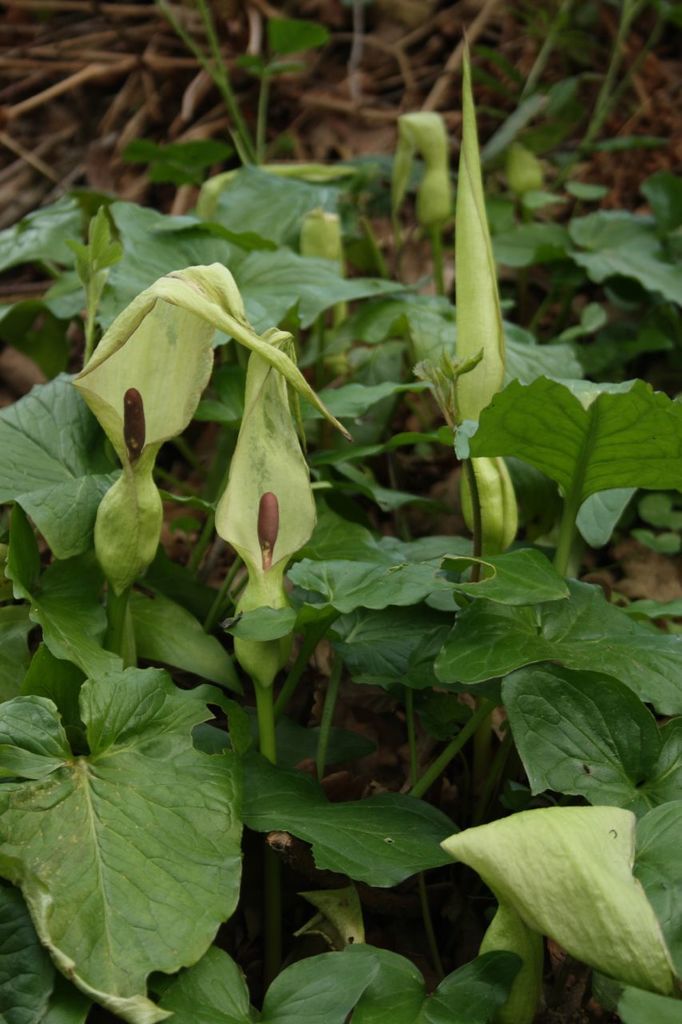
Bobbins
Arum maculatum L.
Relevant botanical synonyms include Arisarum maculatum (L.) Raf., Arum byzantinum Blume, Arum heldreichii Orph. ex Boiss., Arum immaculatum (Rchb.) Rchb., Arum pyrenaeum Dufour, Arum vulgare Lam., and Arum zeleborii Schott.
Historical infraspecific names include Arum maculatum var. immaculatum Rchb., Arum maculatum subvar. immaculatum Mutel, Arum maculatum subsp. pyrenaeum (Dufour) Nyman, and Arum maculatum var. vulgare (Lam.) Engl. These are currently treated within the accepted species.
Arum vernale Salisb. is an illegitimate superfluous historical name associated with this species.
Araceae
Arum is placed in subfamily Aroideae and tribe Areae. Aroideae is a subfamily rather than an alternative family name.
Bobbins, Lords-and-Ladies, Lords and Ladies, Cuckoo-Pint, Cuckoo Pint, Cuckoo Plant, Wild Arum, Adam-and-Eve, Adam and Eve, Devils-and-Angels, Cows-and-Bulls, Naked Boys, Starch Root, Portland Sago, Adder’s Root, Adder’s Meat, Snakeshead, Sneakshead, Friar’s Cowl, Arum maculatum
“Arum Lily” and “Wild Arum” are broad names used for several aroids. “Arum Lily” frequently refers to Zantedeschia species, while “Jack-in-the-Pulpit” and “Wake Robin” usually refer to Arisaema triphyllum in North America. Those plants may cause a similar raphide-irritation syndrome but are not botanical synonyms of Arum maculatum.
Insoluble Calcium-Oxalate Raphides
The principal toxic agents in Bobbins are insoluble calcium-oxalate crystals, especially long needle-shaped raphides. These crystals develop in specialized plant cells called idioblasts and are commonly packed into bundles surrounded by mucilaginous material.
When an animal bites, crushes, grinds, tears, or digs into the plant, idioblasts rupture and release raphides into the sap, saliva, skin, eye, or gastrointestinal contents. The crystals penetrate the lips, gums, tongue, palate, pharynx, and other exposed tissues and produce immediate mechanical injury.
The reaction does not require absorption into the bloodstream. Pain, burning, redness, inflammation, drooling, gagging, and localized edema can begin as soon as damaged tissue contacts the mouth.
Why the Needle Shape Matters
Calcium oxalate is not dangerous merely because calcium and oxalate are present. Crystal shape, sharpness, length, orientation, and delivery into tissue are central to the irritant effect.
Experimental raphide research using another plant demonstrated that needle-shaped crystals greatly intensified the biological activity of an accompanying protease, while amorphous calcium oxalate did not produce the same synergism. The investigators described this as a “needle effect”: microscopic punctures create routes through protective tissue barriers and allow other plant constituents to reach deeper targets.
That experiment used purified kiwifruit raphides, a cysteine protease, and an insect model. It did not study Arum maculatum or poisoned pets. It supports a general mechanism but does not prove that every Bobbins exposure involves the same protease or degree of biochemical synergism.
Exact-Species Tuber Lectins
The underground tuber contains substantial lectin protein. Researchers purified and molecularly characterized an Arum maculatum lectin composed of two related subunits synthesized from one larger precursor. The lectin is sufficiently abundant to function as a major tuber storage protein.
Separate investigations characterized its carbohydrate-binding properties and demonstrated that purified Arum maculatum agglutinin can promote inflammatory-cell migration in experimental rat and cell-culture models.
This exact-species research provides a plausible explanation for inflammation that may exceed simple inert-crystal abrasion, particularly after substantial tuber chewing. It does not establish how much intact lectin survives digestion, enters punctured oral tissue, or contributes to a natural dog, cat, horse, or livestock poisoning.
The correct conclusion is that raphides remain the directly recognizable cause of the immediate syndrome, while tuber lectins may act as additional inflammatory factors rather than a separately proven veterinary toxin.
Triglochinin and the Cyanide Question
Triglochinin, a cyanogenic glycoside, has been identified in the leaves and spathes of Arum maculatum. Cyanogenic glycosides can release hydrogen cyanide when damaged plant tissue brings the glycoside into contact with the appropriate enzymes.
Hydrogen cyanide inhibits mitochondrial cytochrome-c oxidase, preventing cells from using oxygen normally even when oxygen remains present in the blood. A clinically important exposure can cause anxiety, rapid breathing, weakness, tremors, seizures, profound metabolic acidosis, cardiovascular collapse, and death.
The presence of triglochinin establishes a potential mechanism but not a natural toxic dose. Published research has not established the concentration in every plant part, the amount of free cyanide released during animal digestion, or a threshold for dogs, cats, horses, livestock, or other animals.
The immediate burning caused by raphides also tends to stop continued chewing. This may limit the amount swallowed before a systemic cyanide dose can develop.
What the Two-Child Case Report Demonstrates
A published report described an eleven-year-old girl and her thirteen-year-old brother who unintentionally ate an unknown amount of previously cooked Arum maculatum leaves. They developed oral and chest burning and difficulty swallowing, findings consistent with local calcium-oxalate injury.
The children were observed for delayed respiratory, cardiovascular, and neurologic abnormalities but did not develop a cyanide syndrome. The authors believed prior cooking reduced the systemic risk.
This report confirms that oral irritation and dysphagia can occur after exact-species exposure. It does not prove that triglochinin is the principal toxin, that cooking reliably makes the plant safe, or that activated charcoal is routinely necessary for raw-plant exposure.
Substantial Tuber Exposure and Airway Edema
An intentional human ingestion involving a large amount of tuber produced marked angioedema several hours later. The patient required emergency treatment and extended observation because progressive swelling could have compromised the airway.
The case supports treating a substantial tuber exposure more seriously than one brief leaf bite. A compact underground structure allows a digging dog to crush and swallow a larger plant mass before the owner discovers the exposure.
The case did not establish a dog or cat toxic dose, and its treatment should not be copied at home. Its practical importance is the demonstration that severe swelling can occur after a major exact-species ingestion.
Other Secondary Constituents
Chemical surveys and phytochemical investigations have identified additional constituents in Arum maculatum, including saponins, amines, phenolic acids, seed lipids, lectins, and other bioactive compounds.
These substances may influence nausea, gastrointestinal irritation, inflammation, or other effects after substantial ingestion. Their individual clinical contributions have not been separated reliably from raphide injury in natural veterinary exposures.
Laboratory antimicrobial, enzyme-inhibition, cytotoxic, or anti-inflammatory activity of concentrated extracts should not be converted into a prediction that a raw leaf will cause the same systemic effect in an animal.
Insoluble Raphides Are Not Soluble-Oxalate Poisoning
Insoluble calcium-oxalate raphides must be distinguished from soluble oxalate salts found in certain other poisonous plants. Soluble oxalates can be absorbed, bind circulating calcium, cause hypocalcemia, and contribute to calcium-oxalate deposition in renal tissue.
Raphides are poorly soluble and act primarily at the site of contact. Uncomplicated Bobbins chewing is therefore not expected to produce profound hypocalcemia, generalized tetany, oxalate nephropathy, or acute kidney failure.
Reduced urine production may still occur secondarily because of dehydration, shock, urinary obstruction, kidney disease, another toxin, or prolonged systemic illness. It should not be attributed automatically to direct raphide injury.
All Raw Parts Should Be Treated as Poisonous
Leaves, petioles, the spathe, spadix, flowers, stems, sap, orange-red berries, seeds, roots, and the underground tuber should all remain inaccessible.
Most ordinary exposures involve leaves or berries. The fruiting spike is particularly conspicuous because it can remain after the surrounding foliage has declined, leaving brightly colored berries at an animal’s nose or mouth level.
Tubers create a different practical hazard because they contain a compact mass of starch, lectin, raphides, and other plant constituents. Dogs that dig or investigate newly transplanted plants are at greater risk of reaching them.
Chewed Berries Versus Berries Swallowed Whole
Chewing berries releases sap, crystals, seed material, and other constituents directly into the mouth and can cause immediate burning, drooling, gagging, and dysphagia.
A berry swallowed largely intact may cause less immediate oral pain because fewer cells were crushed in the mouth. It can still be disrupted during digestion and expose the stomach and intestines to irritating plant material.
Multiple swallowed berries also present a practical choking or foreign-body concern in a small animal. No safe berry count has been established.
Fresh, Wilted, Dried, and Processed Material
Freshly damaged tissue is expected to produce the most immediate irritation, but wilting and ordinary drying should not be assumed to eliminate mineral raphides or every secondary constituent.
Historical preparation of the tuber as Portland sago and traditional use of specially processed leaves involved prolonged, culturally specific detoxification. Those practices do not validate casual boiling, roasting, soaking, fermenting, drying, or household preparation for an animal.
No part of Bobbins should be offered as food, browse, bedding, decoration, or enrichment in either fresh or processed form.
No Dependable Animal Toxic Dose
No controlled toxic dose, lethal dose, berry count, tuber weight, or amount per kilogram has been established for dogs, cats, horses, cattle, sheep, goats, rabbits, guinea pigs, birds, reptiles, or other animals consuming authenticated Arum maculatum.
Severity depends on the plant part, amount of tissue crushed, quantity swallowed, duration of contact, animal size, airway anatomy, presence of retained fragments, underlying disease, and whether another toxicant was involved.
The absence of a numeric threshold should not be replaced with claims that one berry is invariably fatal or that a particular quantity is safe.
Immediate Oral Pain and Aversion
Signs commonly begin immediately or within minutes because raphides act as soon as damaged plant tissue contacts exposed mucosa.
An animal may stop chewing abruptly, drop the plant, shake the head, lick the lips, swallow repeatedly, paw at the muzzle, rub the face, gag, vocalize, or retreat from the plant.
This rapid onset is diagnostically important. Delayed neurologic collapse or kidney failure without preceding oral irritation is less consistent with an uncomplicated Bobbins exposure.
Drooling and Foamy Saliva
Excessive salivation is one of the most recognizable effects. Saliva may become thick, stringy, or foamy while the animal attempts to dilute the sap and clear crystals and plant fragments.
Dogs may pace, paw at the mouth, or approach water repeatedly. Cats may crouch, hide, resist facial examination, shake the head, or stop grooming.
Drooling does not measure severity reliably. A small exposure can be intensely painful, while continuing drooling accompanied by dysphagia, swelling, or abnormal breathing requires more urgent evaluation.
Redness, Burning, and Swelling
The lips, gums, tongue, palate, and pharynx may become red, painful, and edematous. Individual crystal punctures are microscopic and generally cannot be seen, although the tissue may appear abraded or inflamed.
The animal may approach food or water and then withdraw, drop food, chew cautiously, refuse hard food, or react painfully when swallowing.
Localized swelling is expected more often than massive angioedema. Progressive enlargement of the tongue, throat, or face is not a routine mild sign and requires immediate assessment.
Difficulty Swallowing
Raphide injury at the back of the mouth and pharynx can cause repeated swallowing, gagging, retching, coughing, hoarse vocalization, or reluctance to swallow.
Dysphagia can result from pain, edema, a retained plant fragment, or a combination of these factors. An animal that cannot swallow saliva may drool continuously or allow food and water to fall from the mouth.
Repeated regurgitation immediately after attempted swallowing raises concern for pharyngeal or esophageal obstruction rather than ordinary nausea alone.
Vomiting and Gastrointestinal Signs
Vomiting may occur after swallowed sap, berries, tuber fragments, accumulated saliva, or plant fibers irritate the upper gastrointestinal tract.
Vomit may contain foam, food, fluid, leaves, berry material, portions of the spathe or spadix, or fragments of tuber.
Diarrhea and abdominal discomfort are possible but are less characteristic than immediate mouth pain and salivation. Persistent vomiting, blood, severe abdominal distension, or focal pain warrants investigation for another poison, obstruction, corrosive substance, infection, or gastrointestinal disease.
Airway Warning Signs
Serious airway obstruction is uncommon, but it can become life-threatening when tongue, pharyngeal, or laryngeal edema progresses.
Warning signs include noisy breathing, stridor, neck extension, open-mouth breathing, rapid shallow respiration, inability to swallow saliva, worsening tongue enlargement, blue-gray mucous membranes, extreme anxiety, weakness, or collapse.
A retained stalk, berry cluster, tuber fragment, aspiration, insect sting, or hypersensitivity reaction may produce similar findings. Any respiratory abnormality should be treated as an emergency regardless of the precise mechanism.
Aspiration and Delayed Respiratory Complications
Vomiting, forced mouth flushing, owner-administered liquids, and impaired swallowing can allow saliva, fluid, plant material, or vomit to enter the airway.
Coughing during or after vomiting, fever, increasing respiratory effort, lethargy, abnormal lung sounds, or blue-gray gums may indicate aspiration pneumonitis or pneumonia.
Aspiration may become apparent after the oral pain has begun improving. Later respiratory decline should never be dismissed because the mouth looks less inflamed.
Skin Exposure
Fresh sap or crushed plant material on the skin may cause localized burning, redness, itching, swelling, repeated licking, or dermatitis.
The muzzle and paws are common exposure sites. The abdomen and lower limbs may be affected when an animal lies or rolls in cut vegetation.
Persistent blistering, ulceration, marked swelling, discharge, or hair loss warrants evaluation for retained plant material, secondary infection, another irritant, or an allergic skin disorder.
Eye Injury
Eye exposure may produce sudden tearing, eyelid spasm, forceful squinting, redness, swelling, light sensitivity, and repeated pawing or rubbing.
Raphides and plant fibers can remain trapped beneath the eyelids or abrade the cornea. Corneal injury may cause haze, blue-gray cloudiness, surface irregularity, or apparent visual difficulty.
Continuing eye pain after irrigation requires examination, eyelid eversion, fluorescein staining, and removal of retained material when present.
Possible Cyanide-Like Systemic Signs
Rapid severe weakness, anxiety, very fast or difficult breathing, tremors, seizures, profound metabolic deterioration, cardiovascular collapse, or sudden loss of awareness would be concerning after a substantial exposure.
Those signs are biologically compatible with cyanide but have not been established as the usual exact-species veterinary syndrome. Aspiration, shock, pesticides, another cyanogenic plant, medication, metabolic disease, or a different toxicant may produce the same presentation.
A rapid systemic decline should therefore trigger immediate stabilization and broad diagnostic investigation rather than being classified as an ordinary extension of raphide irritation.
Dogs
Dogs may bite leaves or the flowering structure, swallow fallen berries, carry berry stalks, or dig up and chew the tuber.
Expected signs include immediate mouth pain, drooling, head shaking, pawing at the muzzle, gagging, reduced appetite, dysphagia, and occasional vomiting.
Substantial tuber ingestion deserves particular attention because a dog may crush a compact plant mass and release a greater quantity of raphides, lectin, and secondary constituents before stopping.
Cats
Cats may nibble young leaves or contact cut plant material brought indoors. Possible signs include drooling, pawing at the mouth, hiding, vocalization, vomiting, reduced grooming, and food refusal.
Persistent anorexia requires attention even after oral irritation begins to improve. Prolonged food refusal can produce serious secondary metabolic complications in cats.
Horses
Horses cannot vomit. Exposure may produce salivation, head shaking, feed refusal, mouth pain, repeated swallowing, coughing, dysphagia, colic, or diarrhea.
Neck extension, feed or saliva at the nostrils, repeated attempts to swallow, anxiety, or persistent salivation raises concern for choke or pharyngeal obstruction.
Force-feeding, drenching, or syringing fluids into a horse with impaired swallowing can cause aspiration and should not be attempted.
Cattle, Sheep, Goats, and Other Livestock
Livestock may encounter Bobbins along shaded pasture margins, hedgerows, woodland edges, or where garden waste has been discarded.
Possible signs include salivation, feed refusal, repeated swallowing, mouth pain, tongue or facial swelling, diarrhea, reduced rumination, and weakness.
Ruminant digestion does not protect the mouth and pharynx from direct raphide injury. Several affected animals require inspection of all feed, plants, pesticides, fertilizer, water, and discarded landscaping material.
Rabbits and Guinea Pigs
Rabbits and guinea pigs cannot vomit. They may stop eating because chewing and swallowing are painful and can then deteriorate from gastrointestinal stasis, dehydration, and inadequate caloric intake.
Warning signs include reduced appetite, fewer or smaller fecal pellets, drooling, a hunched posture, tooth grinding, abdominal distension, weakness, or reduced responsiveness.
Birds and Other Exotic Animals
Species-specific evidence is limited. Birds may show regurgitation, repeated beak wiping, abnormal swallowing, reduced appetite, weakness, poor balance, or respiratory effort.
Small body size makes dehydration, inadequate food intake, and respiratory impairment important within a short period. Symptomatic exotic animals require species-appropriate veterinary care.
Signs Not Typical of Uncomplicated Bobbins Exposure
Profound hypocalcemia, generalized tetany, kidney failure, jaundice, major cardiac arrhythmias, prolonged coma, or progressive liver failure are not characteristic of ordinary insoluble-r aphide irritation.
Those findings require investigation for soluble oxalates, another plant, medication, pesticide, shock, metabolic disease, urinary obstruction, or another unrelated condition.
Expected Course
Many uncomplicated chewing exposures improve substantially over several hours as loose plant material is cleared and inflammation subsides.
No dependable veterinary rule guarantees recovery within exactly twelve or twenty-four hours. Recovery depends on the amount chewed, tissue involved, swelling, retained fragments, vomiting, hydration, eye injury, and the animal’s ability to resume eating and drinking.
Persistent pain, continuing drooling, vomiting, inability to eat or drink, progressive swelling, eye abnormalities, weakness, or respiratory signs requires veterinary examination.
Plant Identity and Native Range
Bobbins is Arum maculatum L., a tuberous woodland geophyte in Araceae. Its accepted native range extends through much of Europe to northern Türkiye and the western Caucasus.
The plant grows primarily in temperate deciduous woodland, floodplain forest, hedgerows, shaded banks, old gardens, churchyards, roadside vegetation, and other moist or seasonally shaded habitats.
Relevant Historical Names
Older botanical records may use Arisarum maculatum, Arum immaculatum, or Arum vulgare. These names can help identify older floras, herbarium material, and historical medical or botanical literature.
The species has also accumulated numerous minor varietal and regional names, but listing all of them does not improve veterinary identification or treatment.
Spotted and Unspotted Plants
The species name maculatum refers to spotting, but the leaves are not always conspicuously marked. Individual plants may have numerous dark purple-black patches, a few scattered marks, or entirely plain green leaves.
Unspotted plants were historically separated under names such as Arum maculatum var. immaculatum and Arum immaculatum. They are now included within the same species and should receive identical poisoning precautions.
How to Recognize Bobbins
The plant grows from an underground tuber and produces long-stalked, glossy green leaves that are arrow-shaped or spear-shaped. Mature leaf shape varies, and dark spotting may be present or absent.
The spring inflorescence consists of a slender spadix partially enclosed by a pale green or greenish-white hooded spathe. The exposed upper portion of the spadix is commonly purple or brownish purple but may be paler.
After pollination, the spathe and foliage decline. A short upright stalk remains and develops a compact column of berries that mature from green through orange to bright red.
The Seasonal Berry Hazard
The exposed berry spike may remain after the leaves have disappeared or become difficult to recognize. This creates a seasonal identification problem because an animal may encounter what appears to be an isolated cluster of red-orange fruit.
Dogs may bite or carry the entire spike, while smaller animals may remove individual berries. Fallen berries and detached clusters should be collected promptly.
Distinguishing Bobbins from Italian Arum
Italian Arum, Arum italicum, is a closely related toxic species that is widely cultivated and naturalized. Its leaves commonly have prominent pale, cream, or silvery veins.
Arum maculatum more often has plain green leaves or irregular dark spots rather than a pale vein network. The distinction is not absolute because both species vary, and cultivated or hybrid material can complicate identification.
Both plants contain irritating raphides, so uncertain exposure should be managed conservatively while identification is completed.
Other Common-Name Look-Alikes
“Arum Lily” frequently refers to Zantedeschia species. “Jack-in-the-Pulpit” and “Wake Robin” generally refer to Arisaema triphyllum in North America.
These plants are not botanical synonyms of Arum maculatum, although they are aroids and may produce a similar immediate calcium-oxalate syndrome.
Photographs should show the entire plant, leaf bases, inflorescence, berry cluster, and any underground structure rather than relying on one common name.
Where Dogs and Cats Encounter It
Dogs may encounter Bobbins during walks, hiking, hunting, or access to wooded yards, shaded boundaries, hedgerows, and old gardens. Digging behavior can expose the tuber.
Cats may investigate young foliage, shelter among woodland vegetation, or encounter leaves and berry stalks carried indoors with garden material.
Garden renovation, transplanting, erosion, construction, and composting can expose tubers or fragments that were previously buried.
Where Horses and Livestock Encounter It
Horses and livestock may encounter the plant along shaded pasture margins, hedgerows, woodland edges, old homesteads, and areas where garden waste has been discarded.
The acrid plant is generally avoided when adequate forage is available, but cut vegetation, uprooted tubers, berry stalks, or material mixed with desirable forage can remove that protection.
No part should be thrown into a paddock, pen, pasture, stall, feeder, rabbit run, poultry enclosure, or open compost accessible to animals.
Poisonous Parts and Relative Practical Risk
Leaves, petioles, spathe, spadix, flowers, sap, stems, berries, seeds, roots, and tuber should all be treated as poisonous when raw.
A brief leaf bite often causes enough pain to stop further chewing. A berry spike can permit rapid ingestion of several fruits, while a dog grinding a tuber may crush a substantial compact mass.
No dependable comparison establishes one universally most toxic organ or provides a safe quantity for any animal.
Fresh, Dried, and Processed Material
Freshly damaged material generally causes the strongest immediate irritation, but calcium-oxalate crystals can remain after tissue wilts or dries.
Historical human food use depended on prolonged and specialized preparation. That history does not establish that casual cooking, soaking, fermentation, drying, or household handling reliably makes the plant safe for an animal.
Evidence Limits Surrounding Cyanide
Triglochinin has been found in leaves and spathes, establishing that A. maculatum has cyanogenic potential.
No dependable veterinary dose, tissue map, or natural animal case series has established cyanide as the expected systemic outcome. Immediate oral pain and dysphagia remain much better documented.
Rapid severe breathing difficulty, tremors, seizures, cardiovascular collapse, or profound altered awareness after a major exposure still requires urgent evaluation for cyanide, aspiration, shock, another plant, pesticide, or another toxicant.
Diagnosis
There is no routine blood test that confirms Bobbins ingestion or measures a clinically useful raphide or triglochinin burden.
Diagnosis depends on accurate plant identification, immediate onset of oral pain, salivation, visible inflammation, plant part and amount, swallowing and breathing, and exclusion of corrosive chemicals, foreign bodies, insect stings, and other poisonous plants.
Owners should preserve clear photographs and representative material showing a leaf, spathe, spadix, berry stalk, and tuber when available.
Oral, Pharyngeal, and Esophageal Evaluation
Veterinary examination may include careful inspection of the lips, gums, tongue, palate, tonsillar area, pharynx, and visible upper airway.
Pain or swelling may prevent a complete conscious examination. Sedation or anesthesia may be required after airway stability has been assessed.
Persistent gagging, coughing, regurgitation, or dysphagia may justify radiography, ultrasound, laryngoscopy, or endoscopy to identify retained plant material or an unrelated foreign object.
Prognosis
The prognosis is good to excellent for most uncomplicated exploratory exposures. Immediate pain generally limits the quantity consumed.
The outlook becomes more guarded after substantial tuber ingestion or when progressive swelling, inability to swallow, repeated vomiting, aspiration, ocular injury, seizures, collapse, or a retained fragment develops.
Recovery should be judged by sustained normal breathing, swallowing, eating, drinking, activity, hydration, and eye comfort rather than a fixed number of hours.
Exposure Prevention
Remove berry stalks from animal-accessible areas before the fruit matures. Collect fallen berries, detached stalks, cut leaves, and all visible plant debris.
Prevent digging around established plants and store unplanted tubers in closed rigid containers.
Place uprooted plants and tuber fragments directly into closed waste rather than open compost or areas accessible to pets and livestock.
Immediate Steps After Ingestion
- Prevent further access: Secure the leaves, spathe, spadix, berry stalk, berries, seeds, stems, roots, tuber, and all contaminated garden debris.
- Determine what was eaten: Berry, seed, or tuber ingestion deserves greater caution than one brief leaf bite because a compact amount may have been swallowed.
- Remove only loose visible pieces: If the animal is calm and this can be done safely, remove material resting at the lips or front of the mouth. Do not scrape the tongue, scrub inflamed tissue, or reach blindly toward the throat.
- Wipe accessible residue gently: A clean damp cloth may be used around the lips and very front of the mouth when the animal permits this safely.
- Allow voluntary water intake: An alert animal that is breathing and swallowing normally may drink or lick fresh water. Do not pour, spray, syringe, or force water into the mouth.
- Prevent self-trauma: Stop aggressive pawing at the mouth and rubbing of an exposed eye. A veterinarian-approved protective collar may be needed.
- Preserve identification evidence: Save photographs, a representative leaf, inflorescence, berry stalk, tuber fragment, and safely collected vomited material.
- Contact a veterinarian when signs exceed a brief mild reaction: Prompt guidance is warranted after berry or tuber ingestion, an unknown amount, persistent vomiting, pronounced pain, abnormal swallowing, progressive swelling, weakness, tremors, collapse, or any breathing change.
After Skin or Coat Contact
Prevent grooming and wear gloves while handling contaminated fur or freshly damaged plant material.
Wash the exposed skin or coat gently with lukewarm water and a mild species-appropriate cleanser, then rinse thoroughly. Do not scrub inflamed or abraded tissue.
Clean contaminated collars, harnesses, blankets, bedding, brushes, carriers, and work surfaces before the animal contacts them again.
Persistent redness, pain, swelling, blistering, discharge, repeated licking, or hair loss requires veterinary guidance.
Eye Exposure
If sap, berry juice, or loose plant material entered an eye and no object appears embedded, begin prolonged gentle irrigation with sterile saline or clean lukewarm water when the animal tolerates this safely.
Do not rub the eye, press on it, or use tweezers, cotton swabs, human redness-relief drops, topical anesthetics, leftover antibiotics, or corticosteroid-containing eye medication.
Continuing squinting, tearing, cloudiness, eyelid spasm, redness, swelling, discharge, or pawing requires prompt veterinary examination.
Do Not Attempt Unsupervised Home Treatment
- Do not induce vomiting: Hydrogen peroxide, salt, mustard, syrup of ipecac, detergent, oil, manual gagging, and fingers in the throat can re-expose damaged tissue, worsen swelling, and cause aspiration.
- Never give hydrogen peroxide to a cat: It can cause severe esophageal and gastric inflammation, ulceration, and bleeding.
- Never attempt vomiting in a horse, rabbit, or guinea pig: These animals cannot vomit.
- Do not force mouth flushing: Pouring or spraying water into the mouth can drive plant material backward or enter the lungs when swallowing is painful or impaired.
- Do not give milk, yogurt, cheese, bread, or oil as an antidote: These substances do not remove embedded raphides and may be aspirated.
- Do not administer activated charcoal: Charcoal does not remove crystals embedded in tissue and can worsen gagging or aspiration risk.
- Do not give owner-selected antihistamines: Direct raphide injury is not an ordinary histamine-mediated allergy, and antihistamines do not remove the crystals.
- Do not give owner-selected corticosteroids: Corticosteroids are not a universal antidote and may be inappropriate when infection, gastrointestinal injury, or corneal ulceration is present.
- Do not give human pain or stomach medication: Ibuprofen, naproxen, acetaminophen, aspirin, topical anesthetics, antacids, bismuth products, loperamide, sucralfate, and leftover prescriptions can be dangerous or interfere with treatment.
- Do not assume drying or cooking made the plant safe: Historical food processing cannot be converted into a home detoxification method for animals.
When Emergency Examination Is Especially Important
- Progressive tongue, mouth, throat, or facial swelling: Increasing edema can interfere with swallowing or airflow.
- Noisy, rapid, shallow, labored, or open-mouth breathing: Any respiratory change requires immediate emergency care.
- Inability to swallow saliva or water: Severe pain, swelling, or a lodged fragment may be present.
- Repeated gagging, choking, coughing, or regurgitation: The pharynx or esophagus may be injured or obstructed.
- Substantial tuber ingestion: A compact tuber mass can release more raphides, lectin, and secondary constituents than one exploratory leaf bite.
- Persistent vomiting or diarrhea: Continuing fluid loss can produce dehydration and electrolyte abnormalities.
- Rapid weakness, tremors, seizures, altered awareness, or collapse: These are not typical uncomplicated raphide signs and require investigation for cyanide, aspiration, shock, or another toxin.
- Blue-gray, very pale, or poorly perfused gums: Respiratory or circulatory failure may be present.
- Reduced or absent urination: Dehydration, shock, urinary disease, kidney dysfunction, or another toxin requires evaluation.
- Continuing eye pain or cloudiness: Retained crystals or corneal injury can threaten vision.
- Persistent illness in a horse, livestock animal, rabbit, guinea pig, bird, or other small animal: Pain, dysphagia, anorexia, and dehydration can become serious quickly.
Veterinary Assessment
The veterinarian will assess airway patency, respiratory effort, tongue and pharyngeal swelling, swallowing, hydration, pain, vomiting, eye involvement, neurologic status, perfusion, and the possibility of retained plant material or another toxicant.
A brief mild exposure in an animal that is comfortable, breathing normally, and swallowing normally may require observation rather than aggressive intervention.
Substantial tuber ingestion, progressive edema, inability to swallow, repeated vomiting, respiratory changes, or systemic signs require closer monitoring and a broader diagnostic plan.
Oral and Pharyngeal Examination
The mouth should be examined for loose fragments, abrasions, ulceration, tongue edema, palate injury, and swelling extending toward the pharynx.
Pain or distress may prevent a safe conscious examination. Sedation or anesthesia may be considered after airway and cardiovascular stability have been evaluated.
Blind probing of the throat should be avoided. Laryngoscopy or endoscopy may be needed when a retained berry stalk, tuber fragment, pharyngeal edema, or esophageal obstruction is suspected.
Professional Gastrointestinal Decontamination
Veterinary emesis is generally of limited value once immediate oral pain, drooling, gagging, vomiting, or dysphagia is present. Vomiting can force irritating material back across damaged tissues and increase aspiration risk.
A veterinarian may assess an unusual, very recent ingestion differently when an asymptomatic dog or cat swallowed a substantial intact plant mass and can protect the airway, but emesis is not routine merely because Bobbins was eaten.
Activated charcoal does not remove embedded raphides. It may be considered only in an exceptional stable patient when a substantial systemic co-toxin exposure is suspected and the airway can be protected.
Gastric lavage is not routine and would be reserved for an extraordinary exposure under anesthesia with a secured airway.
Pain, Nausea, and Fluid Support
Veterinarian-selected analgesia may be needed when mouth or pharyngeal pain prevents normal drinking and eating. An opioid or another suitable analgesic may be chosen according to species, respiratory status, hydration, and underlying disease.
Injectable anti-nausea medication such as maropitant or ondansetron may be selected when vomiting or nausea persists. Oral medication may be unsuitable when swallowing is painful or unsafe.
Intravenous crystalloids are appropriate when drooling, vomiting, diarrhea, or refusal to drink causes clinically important dehydration or poor perfusion.
Food should be reintroduced only after swallowing is comfortable and safe. Soft food may be easier to manage, but force-feeding an animal with dysphagia or continuing gagging can cause aspiration.
Airway Monitoring and Treatment of Edema
An animal with significant tongue, pharyngeal, or laryngeal swelling should be monitored where oxygen, intubation equipment, suction, and emergency airway support are immediately available.
Progressive obstruction may require early endotracheal intubation, assisted ventilation, or an emergency surgical airway when ordinary intubation cannot maintain airflow.
Antihistamines do not remove raphides and are not routine antidotes. Epinephrine is reserved for true anaphylaxis or another clinician-diagnosed emergency indication rather than ordinary mechanical irritation.
Veterinarian-selected corticosteroids or other anti-inflammatory medication may be considered as adjunctive treatment in selected patients with clinically important edema, but they have delayed effects and must never substitute for timely airway protection.
Evaluation of a Possible Cyanide Syndrome
An animal with rapid severe respiratory distress, seizures, profound weakness, cardiovascular collapse, marked metabolic acidosis, or very high lactate after a major exposure requires immediate stabilization and toxicologist consultation.
Care may include high-concentration oxygen, intubation and ventilation, cardiovascular support, correction of severe acid-base abnormalities, and treatment of seizures.
When the exposure and clinical syndrome strongly support cyanide poisoning, a veterinarian may consider hydroxocobalamin, sodium thiosulfate, or another established cyanide-antidote protocol. These are not routine treatments for uncomplicated Bobbins chewing.
Nitrite-containing antidote protocols deliberately produce methemoglobin and can worsen hypoxia, hypotension, or an incorrect diagnosis. Antidote selection must therefore follow the patient’s condition and toxicology guidance rather than the plant name alone.
Eye Treatment
Veterinary eye care may include further irrigation, eyelid eversion, removal of retained debris, fluorescein staining, assessment of deeper inflammation, pain control, and repeated examination.
A corneal abrasion or ulcer may require veterinarian-selected topical antimicrobial medication and lubrication.
Corticosteroid-containing eye medication is contraindicated when corneal ulceration or infection is present.
Horses and Livestock
Remove every animal from the plant, garden waste, hay, or contaminated forage. Do not drench, tube, or force-feed an animal showing dysphagia, coughing, nasal discharge containing feed, severe salivation, weakness, or respiratory distress.
Large-animal examination may include inspection of the mouth and pharynx, assessment for choke, passage of an appropriate nasogastric tube when safe, endoscopy, fluid therapy, pain control, and treatment of aspiration or bloat.
Several affected animals require investigation of every shared feed, water source, pesticide, fertilizer, and surrounding plant.
Rabbits, Guinea Pigs, Birds, and Other Small Animals
Small animals that stop eating require prompt attention. Pain control, hydration, temperature support, and nutritional planning may be necessary while swallowing and gastrointestinal function are assessed.
Do not force food or water into a weak, poorly swallowing, regurgitating, severely distended, or respiratory-compromised animal.
Rabbits and guinea pigs may require treatment for gastrointestinal stasis when reduced appetite and fecal production continue after the initial oral irritation.
Recovery and Prognosis
Most uncomplicated Bobbins exposures have a good to excellent prognosis.
Improvement should include less drooling, comfortable swallowing, normal breathing, return of appetite, normal water intake, and absence of progressive swelling.
Recovery may take longer after substantial tuber chewing, dehydration, aspiration, ocular injury, severe edema, or retention of plant material.
Persistent or worsening signs require reassessment rather than continued home observation based on a fixed expected recovery time.
Frequently Asked Questions About Bobbins and Animal Poisoning
Is Bobbins poisonous to dogs and cats?
Yes. Arum maculatum contains insoluble calcium-oxalate raphides that cause immediate mouth pain, head shaking, drooling, pawing at the muzzle, gagging, painful swallowing, localized swelling, appetite loss, and sometimes vomiting. Most exploratory exposures remain localized, but progressive swelling or any breathing change is an emergency.
What is the accepted scientific name?
The accepted name is Arum maculatum L. Relevant historical names include Arisarum maculatum, Arum immaculatum, and Arum vulgare.
Are unspotted Lords-and-Ladies plants a different species?
Not necessarily. Arum maculatum leaves may be heavily spotted, lightly spotted, or completely unspotted. Older names such as Arum maculatum var. immaculatum and Arum immaculatum were used for unspotted plants now included within the accepted species.
Is Bobbins the same as Italian Arum?
No. Italian Arum is Arum italicum. It commonly has prominent pale or silvery leaf veins, while A. maculatum more often has plain green leaves or irregular dark spots. Both are toxic raphide-containing aroids and uncertain exposure should be managed conservatively.
Is it the same as Jack-in-the-Pulpit or Arum Lily?
No. Jack-in-the-Pulpit usually refers to Arisaema triphyllum, while Arum Lily often refers to Zantedeschia. Those plants may cause a similar calcium-oxalate syndrome but are not botanical synonyms of Arum maculatum.
What are calcium-oxalate raphides?
Raphides are microscopic needle-shaped crystals stored in specialized plant cells called idioblasts. Chewing ruptures those cells and releases bundles of crystals that penetrate the lips, gums, tongue, palate, throat, skin, or eye.
Why does the reaction begin so quickly?
The crystals injure tissue directly. They do not need to be absorbed and metabolized before causing pain, so head shaking, drooling, pawing at the mouth, gagging, and food refusal may begin immediately or within minutes.
Does the tuber contain other inflammatory compounds?
Yes. Exact-species research shows that the tuber contains abundant lectin protein, including Arum maculatum agglutinin. Purified lectin has produced inflammatory-cell migration experimentally, but its exact contribution to natural pet poisoning has not been quantified.
Which parts of Bobbins are poisonous?
Leaves, petioles, spathe, spadix, flowers, stems, sap, berries, seeds, roots, and tuber should all remain inaccessible. Most exposures involve foliage or berries, while dogs that dig may reach the tuber.
Are the orange-red berries poisonous?
Yes. Chewed berries release irritating sap and raphides directly into the mouth. Berries swallowed more nearly intact can still be disrupted during digestion and may present a choking or foreign-body risk, especially when several are swallowed.
Is the underground tuber more dangerous?
A tuber can provide a larger and more concentrated practical exposure than one brief leaf bite. It contains raphides, abundant lectin protein, starch, and other constituents. Substantial tuber ingestion deserves prompt veterinary assessment even though no animal toxic dose has been established.
Does Arum maculatum contain a cyanide-forming compound?
Yes. The cyanogenic glycoside triglochinin has been identified in leaves and spathes. Its clinical importance remains uncertain because no dependable released-cyanide amount or veterinary toxic dose has been established. Immediate raphide irritation remains the expected syndrome.
What signs would raise concern for cyanide rather than ordinary mouth irritation?
Rapid severe breathing difficulty, profound weakness, tremors, seizures, sudden altered awareness, marked metabolic deterioration, or cardiovascular collapse after a substantial exposure would be concerning. Those findings also occur with aspiration, pesticides, other cyanogenic plants, shock, and unrelated emergencies, so broad evaluation is necessary.
Can Bobbins cause severe throat swelling?
Yes, although severe airway obstruction appears uncommon. A documented substantial human tuber ingestion produced marked angioedema and airway concern. Progressive tongue or throat swelling, noisy breathing, inability to swallow saliva, neck extension, or blue-gray gums requires immediate emergency care.
Can Bobbins cause kidney failure or low blood calcium?
Those are not characteristic effects of ordinary insoluble-r aphide exposure. Soluble oxalates can be absorbed and cause hypocalcemia and renal injury, while insoluble raphides act mainly at the contact site. Abnormal kidney values or urination requires investigation for dehydration, shock, another poison, or unrelated disease.
Can the sap irritate skin?
Yes. Crushed plant tissue or sap may cause localized burning, redness, itching, swelling, or repeated licking. Wash contaminated fur gently and prevent grooming until the material has been removed.
Can Bobbins injure an animal’s eye?
Yes. Sap, raphides, and plant fibers can irritate the conjunctiva or abrade the cornea. Persistent tearing, squinting, eyelid spasm, cloudiness, or pawing requires prompt examination and fluorescein staining.
Is dried Bobbins still dangerous?
It should be treated as unsafe. Ordinary drying does not automatically destroy solid calcium-oxalate crystals or every secondary constituent. Dried plant fragments should not be placed in hay, bedding, compost, or animal enclosures.
Does cooking make the plant safe for pets?
No household cooking method should be used to prepare it for an animal. Historical food use involved prolonged and specialized processing. That does not establish that casual boiling, roasting, soaking, drying, or fermenting removes the hazard reliably.
Is Bobbins poisonous to horses?
Yes. Horses may develop salivation, mouth pain, feed refusal, repeated swallowing, dysphagia, coughing, colic, or diarrhea. Horses cannot vomit, and persistent salivation, neck extension, or feed and saliva at the nostrils requires examination for choke or pharyngeal injury.
Is it poisonous to cattle, sheep, and goats?
Yes. Direct raphide injury can affect the mouth and pharynx before plant material reaches the rumen. Salivation, feed refusal, repeated swallowing, facial swelling, diarrhea, weakness, or breathing changes warrants veterinary assessment.
What about rabbits and guinea pigs?
No safe dose has been established. These species cannot vomit and may stop eating because chewing and swallowing are painful. Drooling, reduced fecal output, a hunched posture, tooth grinding, abdominal distension, or weakness requires prompt care.
What about poultry, pet birds, and other exotic animals?
Species-specific evidence is limited. No part should be offered as food, browse, bedding, nesting material, or enclosure decoration. Regurgitation, repeated beak wiping, abnormal swallowing, food refusal, weakness, poor balance, or respiratory effort requires species-appropriate care.
Should I make my pet vomit?
No. Vomiting can drag irritating material across already damaged tissues and increase aspiration risk. Hydrogen peroxide, salt, mustard, ipecac, detergent, oil, and manual gagging should not be used.
Should I give milk or yogurt?
No. Dairy products do not remove crystals embedded in tissue and may be aspirated by an animal with impaired swallowing. An alert animal that swallows normally may have voluntary access to fresh water, but liquids should never be forced.
Should I give activated charcoal?
No charcoal should be given at home. It does not remove raphides embedded in oral tissue and can worsen gagging or aspiration risk. A veterinarian might consider it only in an unusual stable patient when a meaningful systemic co-toxin exposure is suspected.
Will an antihistamine stop the swelling?
Not reliably. The primary injury is direct mechanical penetration rather than ordinary allergy. Antihistamines do not remove raphides. Epinephrine or antihistamines may be used professionally when true anaphylaxis or another specific indication is diagnosed.
Is there an antidote?
There is no specific antidote for raphide injury. Treatment focuses on pain control, safe hydration, anti-nausea care, removal of retained material, eye treatment, and airway protection. A cyanide antidote is considered only when a substantial exposure and rapid systemic syndrome genuinely support cyanide poisoning.
When is emergency veterinary care required?
Emergency care is required for progressive tongue or throat swelling, noisy or difficult breathing, inability to swallow saliva, repeated choking or regurgitation, blue-gray gums, severe weakness, tremors, seizures, collapse, continuing eye pain, or an animal unable to eat or drink safely.
What is the prognosis?
The prognosis is good to excellent for most uncomplicated exposures. It becomes more guarded with severe airway swelling, aspiration, persistent vomiting, dehydration, eye injury, a lodged plant fragment, seizures, collapse, or a rapid systemic syndrome.
How can future exposure be prevented?
Remove berry stalks before the fruit matures, collect fallen berries, prevent digging around tubers, secure unplanted underground structures, and dispose of every pulled or cut plant in closed waste rather than open compost or animal areas.