PAWS Pet Poison Plant Guide
Is Cardinal Flower Poisonous to Dogs, Cats, Horses, and Livestock?
Yes—Cardinal Flower, Lobelia cardinalis, should be treated as potentially poisonous to dogs, cats, horses, livestock, and other animals that eat it. Exact-species research identifies lobinaline as its principal alkaloid. Purified lobinaline interacts with neuronal nicotinic acetylcholine receptors and dopamine transport systems, but no controlled veterinary study has established a toxic leaf count, animal dose, or predictable natural-poisoning progression for Cardinal Flower.
Veterinary poison guidance associates Lobelia ingestion with salivation, nausea, vomiting, diarrhea, abdominal discomfort, depression, weakness, and heart-rate abnormalities. Tremors, severe incoordination, seizures, collapse, profound weakness, and breathing impairment are possible concerns after a substantial or uncertain exposure, but the most severe nicotine-like manifestations are based largely on broader Lobelia and related-alkaloid toxicology rather than species-confirmed Cardinal Flower case series.
About this guide: This page provides general pet-poisoning information and cannot diagnose or treat an individual animal. For any suspected exposure, contact a veterinarian or animal poison-control service immediately. Do not induce vomiting, give medication, or attempt home decontamination unless directed by a veterinary professional.
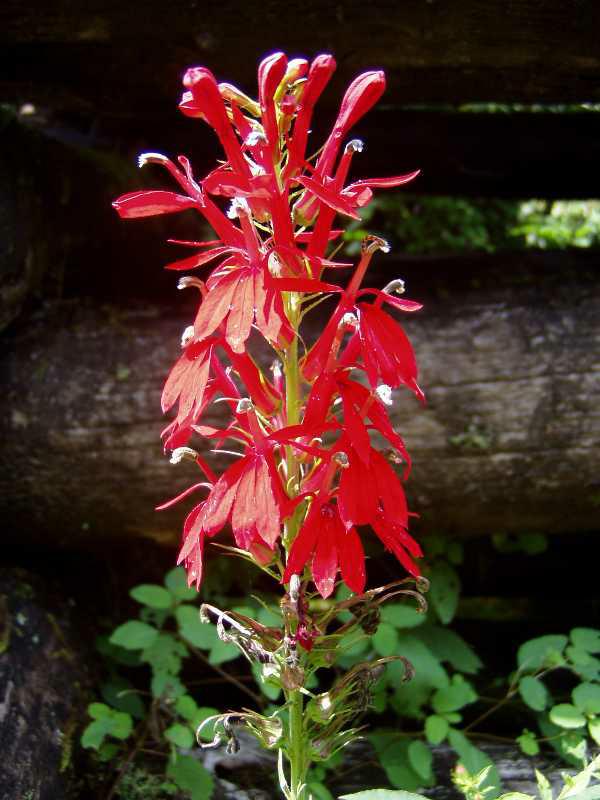
Cardinal Flower
Lobelia cardinalis L.
Important botanical synonyms and historical names include:
Dortmanna cardinalis (L.) Kuntze
Rapuntium cardinale (L.) Mill.
Lobelia coccinea (Moench) Stokes — superfluous name
Rapuntium coccineum Moench — illegitimate superfluous name
Lobelia splendens Humb. & Bonpl. ex Willd.
Lobelia fulgens Humb. & Bonpl. ex Willd.
Lobelia texensis Raf.
Lobelia × speciosa is a horticulturally important hybrid involving Lobelia cardinalis and Lobelia siphilitica; it is not a botanical synonym for pure Lobelia cardinalis.
Campanulaceae Juss. — Bellflower Family
Subfamily: Lobelioideae
Lobeliaceae has historically been treated as a separate family for Lobelia and its relatives, but current classifications generally place Lobelioideae within Campanulaceae.
Cardinal Flower, Cardinalflower, Cardinal Plant, Red Lobelia, Scarlet Lobelia, Scarlet Cardinal Flower, Indian Pink, Water Gladiole, Queen Cardinal Flower, Lobelia cardinalis, Dortmanna cardinalis, Rapuntium cardinale
“Indian Pink” is ambiguous and is also widely used for Spigelia marilandica, a different toxic plant containing neurologically active alkaloids. “Lobelia” may refer to hundreds of species with different alkaloid profiles and should not be used alone for precise identification.
‘Queen Victoria,’ ‘Black Truffle,’ ‘Fried Green Tomatoes,’ and white- or rose-flowered selections are cultivars or horticultural forms associated with Cardinal Flower rather than botanical synonyms.
Lobinaline Is the Principal Exact-Species Alkaloid
Cardinal Flower contains biologically active alkaloids, but the best-supported exact-species compound is lobinaline rather than lobeline. Early chemical investigation of Lobelia cardinalis found essentially one dominant alkaloid and named it lobinaline.
Lobinaline is a complex binitrogenous decahydroquinoline alkaloid. Its structure, biosynthetic origin, receptor activity, and effects on dopamine transport have been investigated directly using Cardinal Flower plants, extracts, cultured cells, isolated nervous-system preparations, and experimental rat models.
This species-specific chemistry matters because the name lobeline has often been copied from Indian Tobacco, Lobelia inflata, into broad poison-plant descriptions of Cardinal Flower. Lobeline and lobinaline are different molecules and should not be used as interchangeable names.
What Exact-Species Research Demonstrates
Bioassay-guided fractionation of extracts prepared from air-dried aerial portions of Lobelia cardinalis identified lobinaline as the main compound responsible for the plant extract’s unusual nicotinic-receptor binding profile.
Purified lobinaline demonstrated similar binding affinity for neuronal α4β2 and α7 nicotinic acetylcholine receptors. It also produced nicotinic-receptor agonist activity in cultured SH-SY5Y neuronal cells.
Separate experiments showed inhibition of dopamine uptake in rat striatal synaptosomes, increased dopamine release from superfused rat brain tissue, and delayed clearance of locally administered dopamine in the striatum of anesthetized rats. Lobinaline also demonstrated free-radical-scavenging activity under laboratory conditions.
These findings establish substantial neuropharmacologic activity. They do not constitute a feeding trial, veterinary poisoning case series, toxic-dose study, or demonstration that raw Cardinal Flower produces the same tissue concentrations after natural ingestion.
Neuronal Receptors Are Not the Same as the Neuromuscular Junction
The directly tested receptor subtypes, α4β2 and α7, are principally neuronal nicotinic acetylcholine receptors. They participate in central and peripheral neuronal signaling but are not the adult muscle-type receptors that transmit impulses from motor nerves to skeletal muscle.
No direct Cardinal Flower study has demonstrated that lobinaline blocks muscle-type nicotinic receptors, produces depolarizing neuromuscular paralysis, or causes respiratory-muscle failure in a naturally exposed animal.
Respiratory weakness and paralysis remain reasonable emergency concerns when a severely ill animal has eaten an unidentified Lobelia, because other nicotinic alkaloids and broader historical Lobelia toxicology can produce serious neuromuscular and respiratory effects. They should not be described as a receptor mechanism proven specifically for lobinaline.
Lobinaline and Lobeline Have Different Pharmacology
Lobeline is most strongly associated with Indian Tobacco, Lobelia inflata, and is one of the most extensively studied alkaloids in the genus. It interacts with nicotinic receptors and monoamine transport systems but possesses a pharmacologic profile distinct from lobinaline.
Experimental comparison found lobinaline to be a more potent dopamine-transporter inhibitor and free-radical scavenger than lobeline under the tested conditions. Lobeline has also been characterized frequently as an antagonist or partial agonist at certain neuronal nicotinic receptors, whereas lobinaline demonstrated agonist activity at the receptor subtypes tested in the exact-species research.
A toxic dose or clinical progression established for purified lobeline, Indian Tobacco, nicotine, or tobacco products cannot be converted into a Cardinal Flower leaf count or gram-per-kilogram dose.
Cardinal Flower Produces Additional Lobinaline-Like Metabolites
Mass-spectrometry analysis of wild-type, transgenic, and mutant Lobelia cardinalis hairy-root cultures detected lobinaline together with several putative lobinaline-like molecules.
The analytical method detected numerous additional chemical features, demonstrating that Cardinal Flower metabolism is more complex than a single-compound label implies.
The identities, concentrations, absorption, and veterinary importance of the putative related metabolites have not been defined sufficiently. They should not be assigned specific toxic effects without further chemical and animal research.
How Gastrointestinal and Autonomic Signs May Develop
Broad veterinary experience with Lobelia species associates ingestion with salivation, nausea, vomiting, diarrhea, abdominal discomfort, appetite loss, depression, and changes in heart rate.
Nicotinic-receptor activity can influence central neuronal signaling and autonomic pathways, while direct plant irritation and activation of vomiting pathways may contribute to gastrointestinal illness. The exact receptor subtypes and tissue concentrations responsible for natural Cardinal Flower poisoning have not been established.
Vomiting may limit further absorption in dogs and cats, but it is not dependable protection. Alkaloid absorption may begin before vomiting occurs, and repeated vomiting increases dehydration, electrolyte loss, esophageal irritation, and aspiration risk.
Stimulation Followed by Depression Is a Possible Pattern
Nicotine and several related nicotinic alkaloids can produce an early stimulatory phase followed by receptor desensitization, weakness, and depression at greater exposure levels.
A similar biphasic course is biologically plausible after substantial Cardinal Flower ingestion, but it has not been reproduced in a controlled veterinary study using authenticated Lobelia cardinalis.
An animal that becomes quieter while its gait, pulse, breathing, or responsiveness worsens should not be assumed to be recovering. Clinical deterioration requires emergency evaluation regardless of whether the mechanism is lobinaline, another plant alkaloid, aspiration, dehydration, or a mixed exposure.
Plant Parts and Alkaloid Distribution
Leaves, stems, flowers, fruits, seeds, roots, and sap-bearing tissues should all be treated as potentially poisonous. Lobinaline has been isolated from aerial plant material, produced and studied in intact plants, and detected in Cardinal Flower root cultures.
No complete organ-by-organ study has established a consistent alkaloid concentration for every leaf, flower, seed, root, or cultivar. It is therefore inappropriate to claim that one plant part is always the most toxic or that another part is safe.
Bright flowers may attract attention, but basal foliage, stems, roots, seed capsules, and dried fragments remain relevant exposure sources before and after flowering.
Latex and Sap-Bearing Tissues
Like many lobelioid plants, Cardinal Flower contains internal latex-bearing tissues. Chewing or cutting the plant releases sap and exposes the animal to the plant’s alkaloid-containing material.
The presence of latex does not establish that every plant part contains the same lobinaline concentration or that sap contact alone produces the full systemic syndrome. The primary concern remains ingestion rather than ordinary brief skin contact.
Fresh, Dried, and Processed Material
Drying should not be assumed to eliminate the alkaloid hazard. The principal modern pharmacologic research successfully isolated lobinaline from air-dried aerial material, demonstrating that biologically active alkaloid remained after drying.
Cardinal Flower mixed into hay, dried bouquets, garden waste, bedding, green chop, herbal material, or stored plant specimens should therefore remain inaccessible.
Grinding, chopping, extracting, or concentrating plant material may allow an animal to consume more alkaloid-containing tissue than it would ordinarily tolerate from an intact bitter plant.
Extracts and Herbal Products Present a Different Exposure
Tinctures, powders, concentrated extracts, smoking preparations, and herbal products made from a Lobelia species are not equivalent to a small bite of a garden plant.
Product concentration, species identity, extraction solvent, dose, additional ingredients, and manufacturing quality can substantially alter the risk.
A product labeled only “Lobelia” should not be assumed to contain Lobelia cardinalis or lobinaline. Indian Tobacco and other species may contain different alkaloid mixtures dominated by lobeline or related piperidine alkaloids.
Evidence Limits for Natural Animal Poisoning
Direct chemistry and receptor pharmacology for Cardinal Flower are stronger than the species-specific veterinary poisoning record.
No controlled dog, cat, horse, cattle, sheep, goat, rabbit, or bird ingestion study has established the natural toxic dose, absorption rate, onset, duration, or probability of severe effects from authenticated Lobelia cardinalis.
The expected syndrome therefore combines exact-species lobinaline research with broader veterinary experience involving Lobelia, lobeline, nicotine-like alkaloids, and poison-exposure reports.
No Established Safe or Toxic Dose
No validated safe leaf count, flower count, seed quantity, root weight, dried-plant percentage, lobinaline concentration, or gram-per-kilogram threshold exists for any animal species.
Risk depends on the amount swallowed, plant part, plant chemistry, animal size and species, stomach contents, repeated access, existing disease, and whether the exposure involved dried forage, an extract, another Lobelia, pesticide, fertilizer, medication, or another poisonous plant.
A brief taste that is immediately abandoned is less concerning than sustained chewing, repeated grazing, contaminated hay, or concentrated product ingestion, but no numerical boundary can guarantee safety.
Evidence Behind the Expected Syndrome
Cardinal Flower contains a directly confirmed neuroactive alkaloid, but detailed species-confirmed veterinary poisoning reports are scarce. The expected clinical picture combines exact-species lobinaline pharmacology with broader poison experience involving Lobelia species and nicotine-like alkaloids.
Salivation, nausea, vomiting, diarrhea, abdominal discomfort, depression, weakness, and heart-rate abnormalities are the most consistently repeated veterinary concerns.
Severe tremors, seizures, collapse, paralysis, coma, and respiratory failure remain possible emergency findings after substantial or uncertain exposure, but they have not been established as a predictable dose-dependent progression in naturally exposed animals eating authenticated Lobelia cardinalis.
Onset
Signs may begin within minutes to several hours after a meaningful ingestion. Timing depends on the amount, plant part, individual plant chemistry, animal species, body size, stomach contents, and whether the material was fresh, dried, chopped, or concentrated.
A minor taste may produce no visible illness. A larger exposure may begin with gastrointestinal signs and progress to weakness or other systemic abnormalities.
Salivation, Nausea, and Vomiting
Early findings may include lip licking, repeated swallowing, excessive salivation, nausea, gagging, retching, vomiting, appetite loss, and depression.
Vomit may contain leaves, flowers, stems, foam, bile, or recently eaten food. Absence of recognizable plant material does not exclude ingestion.
One episode may follow a limited exposure. Repeated vomiting increases the risks of dehydration, electrolyte disturbance, esophageal irritation, and aspiration.
Diarrhea and Abdominal Pain
Diarrhea may be soft, watery, frequent, or accompanied by cramping and urgency.
Dogs and cats may pace, stretch repeatedly, adopt a hunched posture, guard the abdomen, or refuse food. Grazing animals may stop feeding, separate from the group, show reduced rumination, or appear restless.
Blood in vomit or stool is not an expected defining sign and warrants evaluation for severe gastrointestinal injury, another plant, medication, foreign material, infection, or unrelated gastrointestinal disease.
Depression, Exhaustion, and Weakness
Weakness may result from the plant’s neuroactive chemistry, vomiting and diarrhea, dehydration, electrolyte abnormalities, low blood pressure, hypoglycemia, aspiration, or another concurrent exposure.
An affected animal may become reluctant to walk, tire rapidly, hold the head or ears lower than normal, sway, stumble, or lie down repeatedly.
Increasing quietness is not necessarily improvement. A patient whose awareness, gait, pulse, or breathing is deteriorating requires urgent examination.
Tremors and Incoordination
Muscle fasciculations, trembling, an unsteady gait, swaying, stumbling, or inability to place the feet normally may occur after a substantial exposure.
These signs are compatible with nicotinic or central nervous-system dysfunction but are not specific for Cardinal Flower.
Metaldehyde, organophosphate and carbamate pesticides, tremorgenic mycotoxins, nicotine products, toxic mushrooms, hypoglycemia, electrolyte disturbances, and other neurologic diseases must also be considered.
Heart-Rate and Blood-Pressure Changes
The pulse may become slow, rapid, weak, or irregular. Blood pressure may rise or fall depending on the stage of illness, autonomic effects, hydration, oxygenation, and concurrent disease.
Heart-rhythm disturbances cannot be identified reliably from plant exposure alone. Electrocardiography, blood-pressure measurement, perfusion assessment, and electrolyte testing are required when weakness, collapse, or an irregular pulse is present.
Atropine, beta blockers, antiarrhythmics, and blood-pressure medication should not be selected solely from the plant name.
Breathing Abnormalities
Breathing may become rapid because of nausea, pain, anxiety, aspiration, poor circulation, or neurologic stimulation.
Shallow breathing, weak chest movement, an extended-neck posture, open-mouth breathing, falling oxygenation, or increasing carbon dioxide indicates inadequate ventilation or another serious respiratory problem.
Purified lobinaline has not been shown directly to block the adult muscle-type nicotinic receptors at the neuromuscular junction. Respiratory-muscle paralysis remains a broader nicotinic-alkaloid concern rather than a mechanism proven in Cardinal Flower poisoning.
Any decline in ventilation is an emergency regardless of whether it results from neuromuscular weakness, aspiration, sedation, seizures, airway disease, or another toxin.
Seizures, Stupor, and Coma
Seizures, stupor, coma, or complete unresponsiveness indicate severe disease and should not be regarded as routine after a small plant exposure.
Possible contributing causes include major alkaloid exposure, hypoxia, hypoglycemia, severe electrolyte disturbance, hyperthermia, pesticide exposure, another toxic plant, medication ingestion, or primary neurologic disease.
Active seizures require immediate veterinary stabilization and investigation of reversible metabolic and toxic causes.
Dogs and Cats
Dogs and cats are most likely to develop salivation, vomiting, diarrhea, abdominal discomfort, reduced appetite, lethargy, and weakness.
A larger or concentrated exposure may be associated with tremors, incoordination, an abnormal pulse, respiratory abnormalities, seizures, collapse, or reduced responsiveness.
Vomiting may reduce the amount retained in the stomach, but aspiration becomes increasingly likely once the animal is weak, depressed, trembling, or swallowing abnormally.
Horses
Horses may show salivation, feed refusal, sweating, abdominal discomfort, diarrhea, reduced intestinal motility, weakness, tremors, incoordination, an abnormal pulse, or breathing changes.
Horses cannot vomit. Productive vomiting is not expected and may indicate severe esophageal or gastric disease.
Cardinal Flower–specific equine dose and case data are not available. Choke, colic, aspiration, cyanide, nitrate, nicotine products, pesticides, ionophores, toxic mushrooms, and other poisonous plants must remain in the differential diagnosis.
Cattle, Sheep, and Goats
Ruminants may develop salivation, nasal discharge, diarrhea, reduced rumination, abdominal discomfort, depression, weakness, trembling, staggering, recumbency, or breathing abnormalities after a substantial exposure.
Several animals becoming ill together strongly suggests contaminated hay, green chop, clippings, pasture, water, feed, or another shared source.
The complete forage and water supply should be investigated rather than assigning the outbreak to Cardinal Flower solely because it grows nearby.
Birds, Rabbits, and Small Mammals
Species-specific Cardinal Flower evidence is not available for birds, rabbits, guinea pigs, or small rodents.
Salivation, vomiting in species capable of vomiting, diarrhea, food refusal, weakness, tremors, abnormal breathing, or altered behavior warrants prompt veterinary attention.
Food refusal and dehydration can become consequential quickly in small animals even when the original plant exposure was not large.
Expected Course
A limited exposure with mild gastrointestinal signs may improve over several hours after access ends and supportive care is provided.
Substantial exposure may require longer observation because alkaloid absorption, recurrent vomiting, dehydration, aspiration, cardiovascular abnormalities, or neurologic signs can delay recovery.
There is no species-specific clinical timeline that guarantees safety after a fixed symptom-free interval.
Emergency Warning Signs
Repeated vomiting, profuse diarrhea, inability to retain water, marked weakness, staggering, tremors, inability to stand, a slow or irregular pulse, shallow or labored breathing, weak chest movement, pale or blue mucous membranes, seizures, collapse, stupor, or unresponsiveness requires immediate veterinary care.
Unexpected jaundice, kidney failure, persistent gastrointestinal bleeding, severe hyperthermia, or prolonged neurologic disease should prompt investigation for another toxin or unrelated disease rather than automatic attribution to Cardinal Flower.
Identification
Cardinal Flower is an upright herbaceous perennial that commonly grows approximately 2–4 feet tall, although favorable plants may become taller. It develops from a short-lived perennial crown with fibrous roots and may form basal offshoots under suitable conditions.
The leaves are alternate, simple, and lance-shaped to narrowly oval, with pointed tips and finely toothed margins. Lower leaves have short petioles, while upper leaves may attach more directly to the stem.
The vivid scarlet-red flowers occur in an elongated terminal raceme. Each tubular flower has a two-lipped corolla: the lower lip forms three conspicuous lobes and the upper lip forms two narrower lobes. White, pink, burgundy, and dark-leaved cultivated forms also exist, so flower color alone should not be the only identification feature.
Native Range and Exposure Habitat
Lobelia cardinalis is native from southern Canada through much of the United States and Mexico into Central America and northern Colombia. It is associated with wet or consistently moist habitats, including stream banks, marshes, wet meadows, seeps, ditches, pond margins, floodplains, low woods, and riparian areas.
The plant is also widely cultivated in rain gardens, pond margins, native-plant gardens, pollinator plantings, and ornamental wet areas. Dogs may encounter it beside backyard ponds or drainage areas, while horses and livestock may reach natural or planted populations along wet pasture margins, streams, ditches, and fence lines.
How Animals Are Exposed
Most companion-animal exposures involve chewing leaves, stems, roots, flowers, or garden debris. Puppies and plant-chewing dogs may investigate newly planted specimens, while cats may chew cut stems or flowers brought indoors.
Grazing animals generally avoid unfamiliar or unpalatable toxic plants when adequate forage is available. Risk increases during drought, overgrazing, feed shortage, transport, confinement, or sudden access to a wet area containing abundant Cardinal Flower.
Cutting or mowing can create a greater practical exposure by mixing the plant into hay, green chop, bedding, or piles of vegetation. Animals may be unable to select around chopped or dried material as effectively as they can avoid a standing plant.
All Plant Parts Should Be Considered Poisonous
Flowers, fruits, seeds, leaves, stems, sap-bearing tissues, roots, and other plant parts have been identified as poisonous. No plant part has an established safe feeding amount.
The conspicuous red flowers may be the easiest part for an owner to notice, but absence of flowers does not make basal leaves, immature stems, roots, or dried fragments safe. The plant should remain inaccessible before, during, and after flowering.
Cardinal Flower Is Not Indian Tobacco
Cardinal Flower is sometimes described using toxicology developed from Indian Tobacco, Lobelia inflata. Both belong to the same genus and contain biologically active alkaloids, but their principal alkaloid profiles differ. Lobinaline is the major alkaloid identified in L. cardinalis, while lobeline is associated most strongly with L. inflata.
This distinction prevents an inaccurate assumption that every medicinal, pharmacological, or toxic-dose statement for Indian Tobacco applies directly to Cardinal Flower. The two plants can produce overlapping nicotinic syndromes without being chemically interchangeable.
Indian Pink and Other Naming Confusion
“Indian Pink” is also a common name for Spigelia marilandica, an unrelated woodland plant in Loganiaceae. Both plants bear red tubular flowers and both are potentially poisonous, but their leaf arrangement, flower structure, habitat, and toxic chemistry differ.
Great Blue Lobelia, Lobelia siphilitica, has blue to violet flowers and overlaps with Cardinal Flower in wet habitats. Their natural hybrid, Lobelia × speciosa, and numerous horticultural cultivars may have red, pink, purple, or mixed traits.
Annual edging lobelias, such as Lobelia erinus, are different ornamental species. The word “Lobelia” on a label is not enough to determine the exact species, alkaloid profile, or dose risk.
Diagnosis
No routine blood test specifically confirms Cardinal Flower ingestion. Diagnosis depends on identifying the plant, documenting exposure, recognizing a compatible gastrointestinal, nicotinic, cardiovascular, neuromuscular, or respiratory syndrome, and excluding other causes.
Preserve the roots, lower leaves, upper stem, flowers or seed capsules, photographs of the plant in place, and any nursery label. When hay or forage is involved, collect representative samples from multiple portions of the bale, pile, feeder, or field rather than saving one isolated fragment.
Other important diagnostic possibilities include tobacco or nicotine products, Tree Tobacco, organophosphate or carbamate insecticides, metaldehyde slug bait, toxic mushrooms, tremorgenic mycotoxins, cyanogenic plants, nitrate poisoning, ionophore-contaminated feed, medication ingestion, and primary neurologic or cardiac disease.
Prevention
Keep Cardinal Flower out of pet-accessible garden areas when animals habitually chew plants. Collect cut stems, roots, seed heads, and pulled plants immediately rather than leaving them in open compost or landscape-waste piles.
Inspect wet pasture margins, drainage ditches, pond edges, stream banks, and marshy fence lines before allowing hungry livestock into those areas. Provide adequate safe forage before turnout and restrict access when desirable vegetation is scarce.
Do not feed hay, green chop, or bedding that may contain unidentified Lobelia material. When several animals show compatible signs, immediately isolate the suspected feed and water sources so additional animals are not exposed.
Immediate Steps After Cardinal Flower Exposure
- Stop further exposure: Remove the animal from the plant, garden, wetland margin, hay, forage, clipping pile, bedding, or feed source. Prevent other animals from entering the area or eating the same material.
- Keep the animal quiet: Restrict running, excitement, transport stress, and unnecessary handling when weakness, tremors, abnormal breathing, or cardiovascular effects are possible.
- Remove only loose visible material: If the animal is alert and swallowing normally, remove leaves or flowers resting at the lips or front of the mouth. Do not reach blindly toward the throat or force the jaws open.
- Give nothing by mouth when swallowing is abnormal: Food, water, charcoal, medication, and electrolyte products can enter the lungs when the animal is weak, repeatedly vomiting, trembling, seizing, markedly depressed, or unable to swallow normally.
- Document the exposure: Record the approximate time, amount, plant part, whether the material was fresh, dried, chopped, extracted, or mixed into hay or food, and when symptoms began.
- Preserve representative samples: Save roots, basal leaves, upper stems, flowers or seed capsules, photographs of the plant in place, nursery labels, hay, forage, water, and packaging for any pesticide, medication, fertilizer, or herbal preparation that may be relevant.
- Seek prompt veterinary guidance: Contact a veterinarian after a witnessed meaningful ingestion, an unknown amount, repeated grazing, contaminated hay, concentrated product exposure, or development of gastrointestinal, cardiovascular, neurologic, or respiratory signs.
- Treat severe signs as an emergency: Shallow or labored breathing, marked weakness, inability to stand, tremors, severe incoordination, seizures, collapse, or reduced responsiveness requires immediate veterinary transport.
Do Not Attempt Unsupervised Home Treatment
- Do not induce vomiting: Hydrogen peroxide, salt, mustard, syrup of ipecac, detergent, oil, and manual gagging may cause aspiration, gastric injury, electrolyte disturbance, or dangerous delay.
- Do not force food or water: Forced oral material can enter the airway when swallowing, awareness, or neuromuscular function is impaired.
- Do not administer activated charcoal yourself: Charcoal may be considered professionally after a substantial recent exposure, but it can be aspirated by an animal that is vomiting, weak, depressed, tremoring, seizing, or swallowing abnormally.
- Do not give antacids or alkaline remedies: Baking soda, antacid tablets, alkaline lavage solutions, and similar products are not established Cardinal Flower treatments and may alter gastrointestinal absorption unpredictably.
- Do not give tannic acid or potassium permanganate: These are historical poisoning treatments and are not appropriate modern owner-administered antidotes.
- Do not give atropine automatically: Atropine is not a Cardinal Flower antidote and may be inappropriate depending on the actual rhythm, blood pressure, temperature, oxygenation, and mechanism of illness.
- Do not give heart, blood-pressure, respiratory, sedative, or seizure medication yourself: The wrong drug can worsen hypotension, arrhythmia, neurologic depression, or inadequate ventilation.
- Do not give milk, oil, alcohol, herbal products, or human medication: These substances do not neutralize lobinaline and may create additional gastrointestinal, neurologic, or aspiration risks.
When Emergency Examination Is Especially Important
- Weakness is progressing: Staggering, swaying, trembling, a drooping head, inability to remain standing, or increasing recumbency indicates more than a trivial exposure.
- Breathing is abnormal: Neck extension, shallow respiration, weak chest movement, open-mouth breathing, pale or blue mucous membranes, respiratory pauses, or increasing effort requires immediate support.
- The pulse is abnormal: A slow, rapid, weak, or irregular pulse accompanied by poor perfusion, severe lethargy, cold extremities, or collapse requires cardiovascular monitoring.
- Gastrointestinal losses are substantial: Repeated vomiting, profuse diarrhea, inability to retain water, severe abdominal pain, or blood in vomit or stool can cause serious dehydration and aspiration risk.
- Awareness or coordination changes: Marked agitation, profound depression, severe incoordination, seizures, stupor, coma, or failure to respond normally requires immediate stabilization.
- The exposure involved a concentrate: Tinctures, powders, extracts, smoking preparations, herbal products, or material labeled only “Lobelia” may contain a different species or a much greater alkaloid concentration.
- Several animals are affected: Similar illness in multiple horses, cattle, sheep, goats, dogs, or other animals indicates a shared pasture, forage, feed, water, clipping, chemical, or environmental exposure.
Veterinary Examination and Monitoring
Immediate priorities are airway protection, breathing, oxygenation, ventilation, heart rhythm, blood pressure, perfusion, neuromuscular strength, temperature, hydration, glucose, electrolytes, and awareness.
No rapid clinical test confirms lobinaline or Cardinal Flower poisoning. Diagnosis depends on plant identification, exposure history, compatible findings, and exclusion of other toxic, metabolic, cardiovascular, respiratory, and neurologic disorders.
Cardiovascular Assessment
Continuous or repeated electrocardiography, heart-rate assessment, pulse quality, capillary refill, blood pressure, temperature, lactate, and perfusion measurements may be required when weakness, collapse, bradycardia, tachycardia, or an irregular rhythm is present.
Heart-rate abnormalities may result from alkaloid effects, dehydration, hypoxia, pain, aspiration, electrolyte disturbance, hypothermia, medication, or another toxin.
Respiratory Assessment
Respiratory rate and effort, chest movement, oxygen saturation, blood gases, carbon-dioxide measurements, airway reflexes, and repeated lung auscultation help identify hypoventilation, aspiration, fatigue, or another pulmonary complication.
Normal oxygen saturation does not always exclude early inadequate ventilation. Rising carbon dioxide and weakening chest movement can signal deterioration before profound cyanosis develops.
Laboratory Testing
Testing may include blood glucose, electrolytes, complete blood count, packed cell volume, total protein, kidney and liver values, creatine kinase, lactate, acid-base status, blood gases, and urinalysis.
Unexpected findings may identify dehydration, aspiration, muscle injury, hypoglycemia, another toxin, or pre-existing disease rather than a direct effect of Cardinal Flower.
Plant and Exposure Investigation
A complete plant specimen is more useful than one detached flower. Preserve roots, basal foliage, upper leaves, flowering stems, seed capsules, and photographs of the habitat.
When hay, green chop, bedding, or forage is involved, collect representative samples from several portions of the bale, feeder, pile, or field.
Important alternative exposures include tobacco and nicotine products, Tree Tobacco, organophosphate or carbamate pesticides, metaldehyde slug bait, toxic mushrooms, tremorgenic mold toxins, cyanogenic plants, nitrate, ionophores, medications, and contaminated water.
Professional Gastrointestinal Decontamination
Decontamination provides the greatest potential benefit before significant absorption and before weakness, neurologic depression, abnormal swallowing, or breathing impairment develops.
A veterinarian may consider clinic-induced vomiting after a recent substantial ingestion in a fully alert and asymptomatic dog with normal breathing, normal swallowing, and no tremors or spontaneous vomiting.
Emesis is contraindicated when the animal is already vomiting repeatedly, depressed, weak, ataxic, trembling, seizing, swallowing abnormally, unable to protect the airway, or showing respiratory compromise.
Gastric lavage may be considered after an exceptional recent ingestion when emesis is unsafe or unsuccessful and a clinically important amount may remain in the stomach. General anesthesia and a cuffed endotracheal tube are required to protect the airway.
Activated charcoal may be considered after a substantial recent plant or extract exposure when the patient can receive it safely. Repeated charcoal is not routinely supported because clinically important enterohepatic recirculation of lobinaline has not been demonstrated.
Cathartics are generally unnecessary and may worsen diarrhea, dehydration, hypotension, and electrolyte abnormalities.
Control of Vomiting and Gastrointestinal Losses
Persistent vomiting increases fluid loss, aggravates esophageal irritation, and raises aspiration risk.
After decontamination decisions are complete, veterinarian-selected antiemetics such as maropitant or ondansetron may be used according to the patient’s species, cardiovascular condition, neurologic status, swallowing ability, and response.
Antiemetic therapy does not replace investigation for obstruction, foreign material, ileus, gastrointestinal hemorrhage, pancreatitis, aspiration, or another toxin when vomiting remains severe.
Esophageal and Gastric Protection
Sucralfate may be considered when repeated vomiting causes painful swallowing, blood in vomit, suspected esophagitis, or erosive gastric injury.
It forms a temporary barrier over damaged mucosa but does not neutralize lobinaline or other plant alkaloids.
Acid suppression should be reserved for documented or strongly suspected reflux esophagitis, erosive gastritis, hematemesis, melena, or another acid-related complication rather than used routinely after every exposure.
Fluid and Electrolyte Support
Fluid treatment is based on measured dehydration, continuing losses, blood pressure, perfusion, kidney function, urine production, body weight, electrolyte concentrations, and cardiopulmonary status.
Mildly affected animals may need only observation and voluntary water after swallowing is confirmed normal. Repeated vomiting, diarrhea, poor perfusion, hypotension, or inability to drink generally requires intravenous balanced crystalloid therapy.
Glucose, sodium, potassium, chloride, acid-base status, kidney values, blood pressure, body weight, and urine production may require serial reassessment.
Hypotension and Circulatory Support
Low blood pressure may result from dehydration, vasodilation, arrhythmia, hypoxia, aspiration, anaphylaxis, or another toxin.
Measured and reassessed intravenous fluid administration is appropriate when intravascular volume is inadequate. Uncontrolled fluid loading can worsen pulmonary complications.
Persistent hypotension after appropriate volume restoration requires reassessment for continuing gastrointestinal loss, vasodilation, myocardial dysfunction, arrhythmia, sepsis, aspiration, or another poisoning.
A veterinarian may select and titrate a vasopressor or inotrope according to blood pressure, rhythm, perfusion, urine production, and cardiovascular response.
Bradycardia and Other Rhythm Abnormalities
Electrocardiography should identify the rhythm before heart medication is selected.
Atropine may be considered when clinically important bradycardia is contributing to hypotension or poor perfusion and the rhythm is expected to respond. It is not automatically indicated after Cardinal Flower ingestion.
Beta blockers and other antiarrhythmics may worsen hypotension, conduction disturbances, bronchospasm, or heart failure when used for the wrong rhythm.
Tremors, Agitation, and Seizures
Neurologically affected animals should be kept in a quiet, dimly lit area with minimal handling.
A veterinarian may use a benzodiazepine for clinically important agitation, tremors, or active seizures. Severe or recurrent seizures may require additional anticonvulsants, anesthetic support, airway protection, and assisted ventilation.
Sedation must be titrated carefully because a quiet patient may still be deteriorating if ventilation, airway reflexes, blood pressure, or carbon-dioxide elimination worsens.
Persistent tremors or seizures require investigation for hypoglycemia, sodium or calcium disturbance, hyperthermia, hypoxia, pesticides, slug bait, mushrooms, medication, or another neurologic toxin.
Oxygen, Intubation, and Assisted Ventilation
Supplemental oxygen is appropriate when oxygenation is impaired, but oxygen alone cannot correct inadequate ventilation.
Progressively shallow breathing, weak chest movement, rising carbon dioxide, weakening airway reflexes, severe hypoxemia, exhaustion, or loss of consciousness may require endotracheal intubation.
Manual or mechanical positive-pressure ventilation may be necessary until the animal regains sufficient respiratory strength and awareness.
Direct blockade of muscle-type nicotinic receptors by lobinaline has not been demonstrated. Respiratory support is nevertheless required whenever ventilation fails, regardless of whether the cause is alkaloid toxicity, aspiration, seizures, sedation, airway disease, or another exposure.
Aspiration and Pulmonary Complications
Coughing, nasal discharge, fever, abnormal lung sounds, increasing respiratory effort, falling oxygenation, or worsening lethargy after vomiting raises concern for aspiration.
Thoracic radiographs may initially appear normal, so repeat imaging may be required when respiratory signs progress.
Treatment may include oxygen, airway suction, nebulization, chest physiotherapy, cardiopulmonary-adjusted fluid support, and assisted ventilation.
Antimicrobial treatment is appropriate when bacterial aspiration pneumonia is established or strongly suspected rather than automatically after every vomiting episode.
Horses and Grazing Animals
Remove horses, cattle, sheep, and goats from the wetland edge, stream bank, ditch, pasture, hay, clippings, or feed source. Isolate suspect material so no additional animals are exposed.
Horses cannot vomit. Veterinary management may include oral and pharyngeal examination, nasogastric assessment, monitoring for reflux, evaluation of intestinal motility, intravenous fluids, ECG and blood-pressure monitoring, oxygen, and respiratory support when required.
Ruminants require evaluation of salivation, rumen motility, abdominal distention, diarrhea, hydration, coordination, respiratory function, and group exposure.
Activated charcoal, rumen evacuation, or other gastrointestinal procedures may be considered after a substantial recent ingestion, but correct tube placement, safe restraint, patient stability, and aspiration control are essential.
Hay, green chop, silage, pasture plants, water, and rumen contents may require examination when several animals are affected. Other toxic plants, nitrate, cyanide, ionophores, pesticides, mold toxins, feed errors, and infectious disease must remain under consideration.
Recovery and Prognosis
The prognosis is generally favorable when exposure is recognized promptly, further ingestion ends, gastrointestinal signs remain limited, and breathing and cardiovascular function remain normal.
Animals with substantial exposure require observation until respiration, oxygenation, carbon-dioxide elimination, heart rhythm, blood pressure, swallowing, muscle strength, gait, temperature, hydration, and awareness remain normal without support.
Aspiration pneumonia, severe dehydration, electrolyte abnormalities, persistent vomiting, uncontrolled seizures, arrhythmias, and respiratory weakness can delay recovery.
The prognosis becomes guarded to poor with refractory hypotension, recurrent seizures, coma, cardiac arrest, severe aspiration, or prolonged inability to ventilate.
Frequently Asked Questions About Cardinal Flower and Animal Poisoning
Is Cardinal Flower poisonous to dogs and cats?
Yes. It should be treated as potentially poisonous. Expected concerns include salivation, nausea, vomiting, diarrhea, abdominal discomfort, depression, weakness, and an abnormal pulse. Severe neurologic or respiratory illness is possible after a substantial or uncertain exposure but has not been defined through species-confirmed dog or cat dose studies.
Is Cardinal Flower poisonous to horses and livestock?
Yes. Horses and livestock should not be allowed to eat it. Salivation, diarrhea, reduced feeding, weakness, trembling, incoordination, recumbency, abnormal breathing, or pulse changes after substantial exposure requires veterinary examination. Direct Cardinal Flower livestock case data remain limited.
Does Cardinal Flower contain lobeline or lobinaline?
Exact-species chemical research identifies lobinaline as the principal alkaloid of Lobelia cardinalis. Lobeline is associated most strongly with Indian Tobacco, Lobelia inflata, and has often been applied broadly to the genus in poison references. The two compounds are not interchangeable.
What does lobinaline do?
Purified lobinaline binds neuronal α4β2 and α7 nicotinic acetylcholine receptors, acts as an agonist in cultured neuronal cells, and affects dopamine transport in experimental nervous-system preparations. These studies establish neuroactive pharmacology but do not define the toxic dose or natural clinical course in pets or livestock.
Does lobinaline cause respiratory paralysis?
That has not been demonstrated directly. The receptor studies examined neuronal α4β2 and α7 receptors rather than the adult muscle-type receptors at the neuromuscular junction. Respiratory weakness remains an emergency concern after severe Lobelia exposure, but a lobinaline-specific paralysis mechanism has not been proven.
Can Cardinal Flower cause seizures or coma?
Seizures, stupor, and coma are included in broader Lobelia and nicotinic-alkaloid poisoning descriptions. They should be regarded as possible severe findings rather than the expected progression of an ordinary Cardinal Flower nibble. Another toxin, metabolic disorder, or neurologic disease must also be investigated.
Can Cardinal Flower kill an animal?
A sufficiently serious plant-alkaloid exposure could become life-threatening through severe vomiting, aspiration, cardiovascular instability, seizures, inadequate breathing, or another complication. A species-confirmed lethal plant dose for Lobelia cardinalis has not been established.
How much Cardinal Flower is poisonous?
No reliable toxic leaf count, flower number, root weight, seed quantity, plant percentage in forage, or gram-per-kilogram dose exists. Risk depends on the plant material, amount, animal species and size, individual plant chemistry, repeated access, and whether the exposure involved dried material or an extract.
Which parts are poisonous?
Leaves, stems, flowers, fruits, seeds, roots, and sap-bearing tissues should all be treated as potentially poisonous. Research has identified lobinaline in aerial plant material and Cardinal Flower root cultures, but no complete organ-by-organ veterinary toxicity comparison exists.
Does dried Cardinal Flower remain poisonous?
It should be treated as unsafe. Lobinaline has been isolated successfully from air-dried Cardinal Flower material. Hay, dried garden waste, floral material, chopped vegetation, and stored plant samples may therefore retain biologically active alkaloid.
Is Cardinal Flower the same as Indian Tobacco?
No. Cardinal Flower is Lobelia cardinalis, whose principal exact-species alkaloid is lobinaline. Indian Tobacco is Lobelia inflata, the species most strongly associated with lobeline. Their toxic effects may overlap, but their chemistry and dose information are not interchangeable.
Is Cardinal Flower the same as Indian Pink?
“Indian Pink” is ambiguous. It may be applied to Cardinal Flower, but it is also widely used for Spigelia marilandica, an unrelated poisonous plant. The complete plant must be identified rather than relying on this common name.
Should I make my dog vomit?
Do not induce vomiting at home. A veterinarian may consider professional emesis after a recent substantial ingestion in a fully alert, asymptomatic dog with normal breathing and swallowing. It becomes unsafe after vomiting, weakness, tremors, depression, incoordination, abnormal swallowing, or respiratory signs develop.
Does activated charcoal help?
Activated charcoal may be considered professionally after a substantial recent ingestion because many plant alkaloids can be adsorbed. It should not be administered at home, particularly when vomiting, weakness, tremors, seizures, depression, or abnormal swallowing creates an aspiration risk.
Is there an antidote?
No specific antidote has been established for lobinaline or whole-plant Cardinal Flower poisoning. Treatment addresses absorption, vomiting, dehydration, cardiovascular abnormalities, seizures, aspiration, oxygenation, and inadequate ventilation according to the animal’s actual condition.
When is emergency care required?
Repeated vomiting, profuse diarrhea, marked weakness, staggering, tremors, inability to stand, an abnormal pulse, shallow or labored breathing, weak chest movement, pale or blue mucous membranes, seizures, collapse, stupor, or unresponsiveness requires immediate veterinary care.
What is the prognosis?
The prognosis is generally favorable when exposure is recognized promptly and signs remain mild. It becomes guarded with severe aspiration, persistent hypotension, recurrent seizures, coma, cardiac arrest, or prolonged inability to breathe adequately without support.