PAWS Pet Poison Plant Guide
Is Blue Cardinal flower Poisonous to Dogs, Cats, Horses, and Livestock?
Yes, Blue Cardinal flower, Lobelia siphilitica, is poisonous if a dog, cat, horse, livestock animal, rabbit, or other animal eats enough of it. The plant contains piperidine and tetrahydropyridine alkaloids, including lobeline and related compounds, that can disrupt gastrointestinal, autonomic, neuromuscular, cardiovascular, and respiratory function. Most small exposures are expected to cause drooling, nausea, vomiting, diarrhea, abdominal discomfort, appetite loss, lethargy, or weakness. A substantial ingestion may cause dilated pupils, incoordination, tremors, an abnormal pulse, shallow or difficult breathing, collapse, seizures, profound depression, or respiratory failure.
About this guide: This page provides general pet-poisoning information and cannot diagnose or treat an individual animal. For any suspected exposure, contact a veterinarian or animal poison-control service immediately. Do not induce vomiting, give medication, or attempt home decontamination unless directed by a veterinary professional.
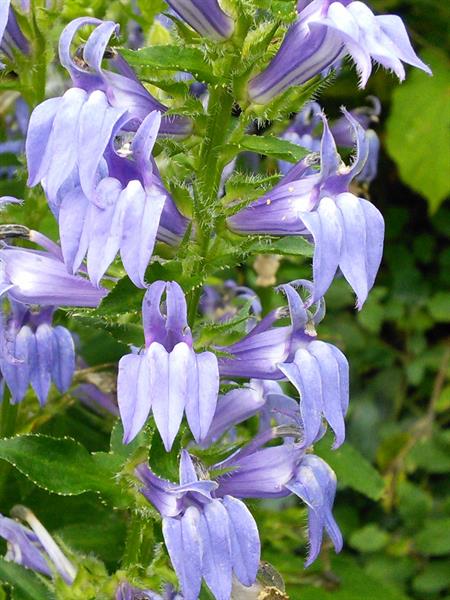
Blue cardinal flower
Lobelia siphilitica L.
Relevant botanical synonyms and historical names include Dortmanna siphilitica (L.) Kuntze, Rapuntium siphiliticum (L.) Mill., Lobelia antisyphilitica Hayne, Lobelia reflexa Stokes, Lobelia belgica De Jonghe, Lobelia coelestis Nutt. ex Loudon, Lobelia densiflora Paxton, and Lobelia grandis F.C.Schmidt.
Lobelia siphilitica var. ludoviciana A.DC., Lobelia siphilitica var. siphilitica, and several named white, rose, and purple forms occur in regional or historical treatments. Kew currently places var. ludoviciana and those forms within the accepted species. Lobelia syphilitica is a frequent misspelling of Lobelia siphilitica.
Campanulaceae
Older botanical, horticultural, and regional references may place Lobelia in Lobeliaceae. Lobeliaceae is now generally treated as Lobelioideae, a subfamily within Campanulaceae.
Blue Cardinal flower, Blue Cardinal Flower, Great Blue Lobelia, Great Lobelia, Blue Lobelia, Great Blue Cardinal flower, Great Blue Cardinal Flower, Tall Blue Lobelia, Blue Giant Lobelia, Lobelia siphilitica, Dortmanna siphilitica, Rapuntium siphiliticum, Lobelia antisyphilitica, Lobelia reflexa, Lobelia belgica, Lobelia bollii, Lobelia coelestis, Lobelia densiflora, Lobelia grandis, Lobelia siphilitica var. ludoviciana, Rapuntium syphiliticum
Lobelia syphilitica is a frequent misspelling or orthographic variant of the accepted Lobelia siphilitica.
“Cardinal Flower” without a color qualifier ordinarily refers to the red-flowered Lobelia cardinalis. “Indian Tobacco” refers primarily to Lobelia inflata. “Downy Lobelia” refers to Lobelia puberula, while “Pale-Spike Lobelia” or “Palespike Lobelia” refers to Lobelia spicata.
The accepted horticultural hybrid name Lobelia × speciosa has been applied to tall garden lobelias involving Lobelia cardinalis, Lobelia siphilitica, and related cultivated material. It is a hybrid name rather than a synonym of pure Lobelia siphilitica.
Piperidine and Tetrahydropyridine Alkaloids
Blue Cardinal flower contains nitrogen-bearing piperidine and tetrahydropyridine alkaloids capable of affecting the gastrointestinal tract, autonomic nervous system, central nervous system, neuromuscular transmission, cardiovascular function, and breathing. Lobeline is the most frequently named and most extensively studied Lobelia alkaloid, but the plant’s chemistry should not be reduced to one compound.
Historical literature attributes lobeline and lobelanine to Great Blue Lobelia. Exact-species work also identified lophilin and lophilacrin in the alkaloid fraction of Lobelia siphilitica. Later instrumental research demonstrated that the chemical environment surrounding this species includes additional piperidine and tetrahydropyridine structures rather than a uniform preparation of pure lobeline.
The concentrations of individual compounds have not been mapped adequately across Blue Cardinal flower roots, basal shoots, leaves, stems, flowers, capsules, and seeds. Population genetics, plant age, tissue, season, moisture, soil, herbivory, and other environmental factors may alter the mixture.
Lophilin and Lophilacrin
Historical phytochemical research isolated two alkaloids named lophilin and lophilacrin from Lobelia siphilitica. Their identification is important because it provides direct exact-species evidence that Blue Cardinal flower possesses alkaloids beyond the better-known lobeline family descriptions.
The old study did not establish an animal toxic dose, compare every plant part, or determine which compound was responsible for particular clinical signs. Lophilin and lophilacrin should therefore be retained as confirmed chemical constituents without assigning them an unsupported independent veterinary syndrome.
The Kesting Alkaloid Investigation
Julie R. Kesting, Inge-Lise Tolderlund, Anders F. Pedersen, Matthias Witt, Jerzy W. Jaroszewski, and Dan Stærk investigated alkaloids from Lobelia siphilitica and the related Hippobroma longiflora using high-performance liquid chromatography, mass spectrometry, solid-phase extraction, and nuclear magnetic resonance.
The study reported lobeline, a related bis-phenylethyl piperidine alcohol, and two previously undescribed alkaloids. It also reported lobetyolin, a chemically different polyacetylene glycoside.
The article analyzed two species. Its abstract does not assign every reported constituent exclusively to one of the two plants. The study proves that L. siphilitica formed part of a chemically detailed alkaloid investigation, but it should not be used to claim that every isolated compound was independently confirmed in every Blue Cardinal flower tissue.
Lobetyolin Is Not a Lobeline-Type Alkaloid
Lobetyolin is a polyacetylene glycoside rather than a piperidine or tetrahydropyridine alkaloid. It has been investigated in several plant genera for biological activities unrelated to acute livestock or companion-animal poisoning.
Its appearance in the paired-species chemical study is relevant to the broader phytochemistry but does not establish it as the cause of salivation, vomiting, weakness, tremors, or respiratory impairment after Blue Cardinal flower ingestion.
The acute toxidrome remains most defensibly associated with the plant’s piperidine and related alkaloid fraction.
Why “Nicotine-Like” Requires Qualification
Lobeline is often described as nicotine-like because it interacts with neuronal nicotinic acetylcholine receptors. That shorthand is useful only when its limits are explained.
Lobeline can produce agonist, partial agonist, antagonist, or desensitizing effects depending on receptor subtype, concentration, tissue, and duration of exposure. It is not a simple substitute for nicotine and does not produce one uniform sequence of signs in every animal.
Experimental work has shown inhibition of nicotine-evoked dopamine release and nicotinic-receptor-mediated ion movement. Lobeline also interacts with vesicular monoamine transporter 2 and changes the handling of dopamine and other monoamines.
These mechanisms help explain a syndrome that can begin with nausea, salivation, altered autonomic activity, respiratory stimulation, agitation, or tremors and progress toward exhaustion, depression, muscular weakness, and impaired breathing.
Nicotinic Acetylcholine Receptors and Neuromuscular Function
Nicotinic acetylcholine receptors participate in autonomic ganglia, the central nervous system, and communication between motor nerves and skeletal muscles. Their activation normally permits rapid transmission of electrical signals.
Excessive or prolonged stimulation can be followed by receptor desensitization and functional blockade. The affected nerve-muscle junction then fails to transmit normal repeated impulses.
This progression provides a plausible explanation for early twitching or tremors followed by profound weakness, reduced reflexes, recumbency, shallow respiration, or respiratory-muscle failure.
The diaphragm and intercostal muscles are skeletal muscles. Severe impairment of neuromuscular transmission can therefore become life-threatening even when the lungs themselves were initially normal.
Respiratory Stimulation Can Precede Respiratory Depression
Purified lobeline has historically been studied as a respiratory stimulant. It activates sensory pathways associated with pulmonary and vascular receptors and can provoke coughing, respiratory discomfort, and increased ventilation.
That early stimulation does not make the plant a respiratory treatment. Greater or prolonged exposure can produce central depression, receptor desensitization, neuromuscular weakness, exhaustion, and inadequate ventilation.
An animal may therefore breathe rapidly or forcefully early in the poisoning and later develop shallow, slow, irregular, or weak respirations. Apparent improvement because the breathing rate has fallen can be dangerously misleading when respiratory depth and oxygenation are also declining.
Gastrointestinal and Emetic Effects
Lobeline-class alkaloids strongly stimulate nausea and vomiting pathways. They can also alter autonomic signaling and gastrointestinal motility.
Dogs and cats may develop lip licking, repeated swallowing, salivation, gagging, nausea, vomiting, abdominal discomfort, and diarrhea. Spontaneous vomiting may limit absorption, but it does not guarantee that all plant material or alkaloid has been removed.
Repeated vomiting can cause dehydration, potassium and chloride losses, esophageal irritation, acid-base abnormalities, aspiration, and worsening weakness. A vomiting animal may become a poorer candidate for additional decontamination as the neurologic and respiratory syndrome progresses.
Autonomic and Cardiovascular Effects
Nicotinic receptors participate in both sympathetic and parasympathetic autonomic ganglia. Disordered ganglionic transmission can therefore produce apparently conflicting signs.
Heart rate may become slow, rapid, or irregular. Blood pressure may rise transiently during stimulation and later fall because of autonomic failure, dehydration, reduced cardiac output, or severe systemic depression.
Salivation, pupil dilation, sweating in species capable of generalized sweating, nasal discharge, gastrointestinal hyperactivity, cold extremities, and weak pulses may accompany the changing autonomic state.
No single arrhythmia has been characterized as diagnostic of authenticated Blue Cardinal flower poisoning. Electrocardiography and blood-pressure measurement are more reliable than assigning treatment from the plant name alone.
Latex Production Varies Within the Species
Exact-species ecological research confirms that Lobelia siphilitica produces latex and that latex production varies among plants. Plants flowering later in the season also tended to produce less latex.
The study evaluated plant defense and flowering phenology rather than veterinary toxicity. It did not measure lobeline, lophilin, lophilacrin, or total alkaloids in the latex.
Latex volume should therefore not be used as a visual toxicity test. A plant producing little visible latex cannot be assumed safe, and a plant producing more latex has not been proven to contain a proportionally greater alkaloid dose.
False Claims About LSD and Lysosomal Storage Disease
Contrary to widespread secondary internet databases and popular media blogs, raw Lobelia seeds do not contain lysergic acid diethylamide (LSD), nor does ingestion induce congenital lysosomal storage diseases.
LSD is a semisynthetic lysergic-acid compound, and it has not been identified in credible phytochemical research involving Lobelia siphilitica. Reports that its raw seeds contain LSD are false.
Ingesting Blue Cardinal flower also does not cause an inherited lysosomal storage disease. Those disorders result from genetic defects affecting lysosomal enzymes or related proteins. Certain unrelated plant toxins, particularly swainsonine in locoweeds, can produce an acquired lysosomal-storage-like toxicosis, but that is not the documented mechanism of Lobelia siphilitica.
The genuine poisoning concern is the plant’s piperidine and tetrahydropyridine alkaloid chemistry. These compounds can disrupt gastrointestinal function, autonomic signaling, neuromuscular transmission, cardiovascular function, and breathing.
Historical Livestock Account and Its Limits
A livestock fact sheet based on older range-plant literature summarized the reported syndrome as follows:
“Clinical signs include dilated pupils, salivation, nausea, vomiting, diarrhea, ulceration about the mouth and on the eyes, nasal discharge, and coma.”
The same historical account discussed weak pulse, exhaustion, difficult breathing, convulsions, limb paralysis, respiratory-muscle paralysis, oral or corneal ulceration, gastrointestinal inflammation and hemorrhage, renal congestion, and fatty liver change.
Those observations should be preserved because they describe the full historical concern attached to the plant. They should not be presented as routine findings after one small garden bite. Modern species-confirmed clinical reports are sparse, and several historical conclusions were extrapolated from Indian Tobacco or from incompletely documented livestock incidents.
Oral, Ocular, and Gastrointestinal Lesions
Oral ulceration and corneal injury are not established as the ordinary direct effects of every Blue Cardinal flower ingestion. Mechanical plant debris, repeated rubbing, prolonged sap contact, vomiting, dehydration, another plant, or an agricultural chemical could contribute.
Severe gastrointestinal inflammation and hemorrhage may occur after a major irritant or alkaloid exposure but are not required for diagnosis. Blood in vomit, diarrhea, or manure should trigger a complete evaluation rather than automatic attribution to lobeline.
Renal congestion and fatty liver change described at necropsy are nonspecific findings that may accompany shock, hypoxia, terminal circulatory failure, prolonged illness, or another toxicant.
All Raw Plant Parts Should Remain Inaccessible
Roots, the basal crown, emerging shoots, stems, leaves, flowers, sap or latex, capsules, and seeds should all be treated as potentially poisonous.
No dependable exact-species study establishes one universally most toxic organ. A dog chewing an uprooted crown may consume a compact mass of root and basal tissue, while grazing animals are more likely to consume leaves and flowering stems.
Seeds and capsules should not be dismissed merely because they are small. Numerous capsules or seed-bearing stalks can be incorporated into cut vegetation or garden waste.
Blue Cardinal flower and Indian Tobacco Are Not Chemically Identical
Indian Tobacco, Lobelia inflata, has supplied much of the detailed lobeline chemistry, historical pharmacology, seasonal-concentration information, and medical literature associated with the genus.
That evidence is useful for understanding the toxin class, but it should not be transferred automatically to Lobelia siphilitica. The two species differ in growth form, reproductive structures, phytochemistry, and documented exposure patterns.
Claims that the flowering stage always contains the highest alkaloid concentration are better established for Indian Tobacco than for Blue Cardinal flower. Flowers and capsules remain unsafe, but their presence does not prove a known exact-species peak concentration.
Fresh, Wilted, and Dried Material
Drying, wilting, mowing, or hay curing should not be assumed to eliminate all relevant alkaloids. No exact-species processing study has established a safe drying period or a dependable detoxification method.
Dried fragments may be more difficult for horses and livestock to recognize and sort from desirable forage. Cut vegetation placed at ground level can also be consumed more readily than a standing bitter plant.
Hay, bedding, green chop, garden waste, and dried decorative material containing Blue Cardinal flower should not be fed or made accessible.
No Dependable Toxic Dose
No controlled toxic dose has been established for dogs, cats, horses, cattle, sheep, goats, llamas, alpacas, rabbits, guinea pigs, poultry, pet birds, reptiles, or other animals eating authenticated Lobelia siphilitica.
Risk depends on the amount, plant part, alkaloid profile, freshness, animal species, body size, gastrointestinal physiology, existing disease, hydration, breathing reserve, and how quickly treatment begins.
The rarity of confirmed poisonings does not establish a safe leaf count, flower number, root weight, seed quantity, or percentage of body weight.
Onset
Clinical signs may begin within minutes to several hours after a meaningful ingestion. Repeated low-level grazing or exposure to contaminated forage may produce a less obvious timeline.
No dependable one-to-two-day delay has been established for Blue Cardinal flower. Plant part, amount, alkaloid concentration, stomach contents, species, chewing, and the animal’s underlying condition all influence onset.
An animal that appears normal immediately after an unknown or substantial ingestion should not be considered safe solely because signs have not yet appeared.
Early Oral and Gastrointestinal Signs
Early signs commonly include lip licking, repeated swallowing, salivation, foamy drool, gagging, nausea, appetite loss, abdominal discomfort, vomiting, and diarrhea.
Vomit may contain food, foam, bile, leaves, blue or white flowers, stems, capsules, seeds, crown tissue, or roots. Spontaneous vomiting can reduce the plant burden but does not prove that absorption has ended.
Abdominal pain may appear as pacing, repeated stretching, a hunched posture, guarding of the abdomen, looking toward the flank, vocalization, or reluctance to be handled.
Diarrhea may range from soft stool to repeated watery output. Blood is possible during severe gastrointestinal injury but should also prompt investigation for infection, parasites, medication injury, another plant, or an intestinal foreign body.
Signs in Animals That Cannot Vomit
Horses, rabbits, and guinea pigs cannot vomit. Ruminants may regurgitate forestomach contents but do not vomit in the same manner as dogs and cats.
These animals may show salivation, repeated swallowing, feed refusal, nasal discharge, abdominal discomfort, diarrhea, altered manure or fecal production, distension, tooth grinding, or progressive depression.
Head and neck extension may reflect nausea, difficulty swallowing, respiratory distress, choke, regurgitation, or an attempt to clear oral and nasal secretions.
Autonomic Signs
Disordered nicotinic signaling in autonomic ganglia can produce dilated pupils, increased secretions, gastrointestinal hyperactivity, sweating, altered heart rate, changing vascular tone, and abnormal blood pressure.
The historical combination of drooping ears, nasal discharge, sweating, and a weak pulse is not specific to Blue Cardinal flower. It may reflect nausea, autonomic disturbance, exhaustion, shock, another toxin, or severe systemic disease.
Pupil dilation after exposure does not establish an atropine-like antimuscarinic syndrome. The entire pattern of secretions, heart rate, intestinal activity, temperature, awareness, and plant identification must be considered.
Weakness and Exhaustion
Weakness may become the dominant sign as alkaloid exposure increases. An affected animal may move slowly, stand with the legs spread apart, sway, stumble, lie down repeatedly, or become unable to rise.
Weakness can result from nicotinic-receptor desensitization, impaired neuromuscular transmission, low blood pressure, dehydration, electrolyte disturbance, inadequate oxygen delivery, or central nervous system depression.
Exercise and excitement can increase oxygen demand and expose marginal respiratory-muscle function. A weak animal should be kept quiet during transport and evaluation.
Incoordination, Tremors, and Reduced Reflexes
Neurologic signs may include an unsteady gait, abnormal limb placement, muscle twitching, fasciculations, tremors, reduced reflexes, altered responsiveness, or inability to maintain posture.
Early stimulation can be followed by depression and functional blockade. The transition may make the animal appear restless or tremulous before it becomes profoundly weak or recumbent.
These signs are not unique to Lobelia. Nicotine products, tobacco plants, poison hemlock, pesticides, medications, blue-green algae, metabolic disease, and other neurologic toxins can produce overlapping findings.
Respiratory Stimulation
Early in the syndrome, breathing may become rapid or forceful. Coughing, respiratory discomfort, nostril flaring, neck extension, and increased abdominal effort may occur as pulmonary sensory and autonomic pathways are stimulated.
A rapid respiratory rate does not establish adequate ventilation. Shallow breaths may move too little air even when they occur frequently.
Respiratory Depression and Muscle Failure
Progressive poisoning may produce shallow, slow, irregular, weak, or labored breathing. The animal may extend its neck, breathe with pronounced abdominal effort, open its mouth, become blue-gray around the gums, or lose the ability to remain standing.
Respiratory compromise can result from central depression, neuromuscular transmission failure, exhaustion of the diaphragm and intercostal muscles, aspiration, severe hypotension, seizure activity, or a combination of these problems.
Respiratory-muscle paralysis is the most important historically described life-threatening endpoint. It appears uncommon, but any reduction in respiratory depth, irregular pattern, cyanosis, or declining awareness requires immediate ventilation-capable emergency care.
Cardiovascular Findings
The pulse may become slow, rapid, weak, difficult to detect, or irregular. Blood pressure may change as autonomic stimulation gives way to dysfunction, dehydration, reduced cardiac output, or systemic depression.
Pale or gray mucous membranes, delayed capillary refill, cold extremities, weak pulses, fainting, recumbency, or collapse may indicate inadequate circulation.
Detailed rhythm abnormalities have not been characterized sufficiently in authenticated species-confirmed cases to assign one diagnostic arrhythmia. Electrocardiography and repeated blood-pressure measurements are necessary when cardiovascular involvement is suspected.
Convulsions, Coma, and Collapse
Severe poisoning may progress to repeated tremors, convulsions, seizures, profound depression, impaired reflexes, coma, respiratory arrest, or cardiovascular collapse.
Convulsive movements can result from direct nervous-system toxicity, inadequate oxygen, severe hypotension, electrolyte disturbance, hypoglycemia, or terminal respiratory failure.
Seizures or collapse require immediate evaluation of breathing, oxygenation, blood glucose, temperature, electrolytes, blood pressure, and cardiac rhythm.
Historical Oral, Ocular, and Internal Lesions
Historical livestock descriptions include oral ulceration, corneal injury, conjunctival edema, gastrointestinal inflammation and hemorrhage, renal congestion, and fatty liver change.
These findings came from older reports involving substantial presumed exposures and should not be treated as the predictable course of every case. Corneal ulceration may reflect direct plant contact or rubbing, while internal congestion and fatty change can accompany shock, hypoxia, terminal illness, or another toxicant.
Blood, eye pain, cloudiness, marked abdominal tenderness, jaundice, or reduced urine production warrants a full diagnostic investigation rather than diagnosis from the historical list alone.
Dogs
Dogs may bite leaves or flowers, investigate wetland vegetation, chew uprooted crowns, or gain access to garden divisions and discarded stalks.
Likely signs include drooling, nausea, vomiting, diarrhea, abdominal pain, lethargy, weakness, incoordination, tremors, pupil changes, abnormal pulse quality, and altered breathing.
Vomiting may limit the absorbed dose, but it is not dependable protection. Repeated vomiting can produce dehydration and aspiration, while plant material may remain in the stomach or intestines.
Cats
Cats may nibble leaves, flowers, or cut stems in native plantings or floral material. Their smaller body size can make a limited amount proportionally important.
Possible signs include drooling, vomiting, diarrhea, hiding, food refusal, lethargy, weakness, tremors, an unsteady gait, pupil changes, and respiratory depression.
Continued food refusal requires prompt attention because prolonged anorexia can produce serious secondary metabolic complications in cats.
Horses
Horses may encounter Blue Cardinal flower along wet pasture margins, ditches, stream crossings, seeps, or in contaminated hay. They cannot vomit.
Possible signs include salivation, nasal discharge, feed refusal, colic, diarrhea, sweating, weakness, incoordination, abnormal pupils, an altered pulse, difficult breathing, recumbency, convulsions, or collapse.
Persistent salivation, coughing, feed or saliva at the nostrils, repeated swallowing, or neck extension also requires evaluation for choke and aspiration.
Cattle, Sheep, Goats, Llamas, and Alpacas
Grazing and browsing animals may consume the plant with mixed vegetation in wet ground, especially when desirable forage is scarce or cut material has been incorporated into feed.
Possible findings include salivation, nasal discharge, reduced appetite, diarrhea, altered rumen activity, weakness, tremors, ataxia, recumbency, abnormal breathing, and cardiovascular depression.
Several affected animals require investigation of all shared pasture, hay, water, pesticides, fertilizers, feed additives, and surrounding toxic plants. Group illness should not be attributed to Blue Cardinal flower merely because it grows nearby.
Rabbits and Guinea Pigs
Rabbits and guinea pigs cannot vomit. They may show drooling, food refusal, reduced fecal output, diarrhea, abdominal discomfort, a hunched posture, tooth grinding, weakness, tremors, or collapse.
Reduced eating can lead to gastrointestinal stasis, dehydration, altered intestinal flora, and metabolic deterioration even when direct neurologic signs remain limited.
Poultry and Pet Birds
Species-specific evidence is sparse. Poultry may encounter seed heads, low foliage, or cut plants placed in a run, while pet birds may chew material used mistakenly as enclosure decoration.
Possible warning signs include reduced appetite, regurgitation, altered droppings, weakness, poor balance, tremors, reduced activity, abnormal breathing, or collapse.
No plant quantity has been established as safe for chickens, ducks, geese, turkeys, or pet birds.
Other Exotic Animals
Published information involving hamsters, gerbils, other rodents, reptiles, and many exotic pets is limited. Absence of published cases does not establish resistance.
No portion should be offered as food, browse, bedding, nesting material, enclosure decoration, or enrichment.
Expected Course
Mild gastrointestinal illness may begin improving within several hours after exposure ends. Appetite and strength may require a day or longer to return fully.
No fixed recovery time applies to every animal. Continuing absorption, dehydration, aspiration, neurologic depression, cardiovascular dysfunction, or respiratory weakness can prolong illness.
Repeated vomiting or diarrhea, progressive weakness, incoordination, tremors, abnormal pupils, an altered pulse, shallow breathing, seizures, collapse, or failure to improve requires veterinary examination.
Accepted Identity and Scientific Synonyms
Blue Cardinal flower is Lobelia siphilitica L., a herbaceous perennial in Campanulaceae. Older classifications may place Lobelia in Lobeliaceae, which is now generally treated as Lobelioideae within Campanulaceae.
Important historical combinations include Dortmanna siphilitica (L.) Kuntze and Rapuntium siphiliticum (L.) Mill. The names Lobelia antisyphilitica Hayne and Lobelia reflexa Stokes are illegitimate superfluous names based on the same taxon.
Other accepted synonyms include Lobelia belgica, Lobelia bollii, Lobelia coelestis, Lobelia densiflora, and the later illegitimate homonym Lobelia grandis.
Numerous white, rose, purple, compact, spotted, and regional forms or varieties were named historically. Modern broad treatment includes these within Lobelia siphilitica.
Accepted Spelling
The accepted spelling is Lobelia siphilitica. The spelling Lobelia syphilitica appears frequently in horticultural writing, older references, labels, and online material but is not the accepted modern spelling.
The orthographic variant Rapuntium syphiliticum also appears in historical nomenclature.
Native Range
Blue Cardinal flower is native from south-central and southeastern Canada through much of the central and eastern United States, extending westward into portions of the central plains and Rocky Mountain region.
Its accepted native distribution includes moist habitats from Ontario and Manitoba through the northeastern, southeastern, midwestern, and south-central United States.
It has also been introduced outside its native North American range, particularly through horticulture.
Habitat
The plant grows primarily in consistently moist or seasonally wet ground. Typical habitats include streambanks, springs, floodplains, lake margins, wet meadows, ditches, low woodland, swamp forests, marshy openings, seeps, pond margins, and drainage channels.
It may grow in natural wetlands, rain gardens, stormwater plantings, restoration projects, wildlife gardens, and ornamental native-plant borders.
Wet habitat can increase exposure because animals may enter these areas for drinking water, shade, grazing, hunting, or play.
The Historical Species Name
The epithet “siphilitica” reflects a discarded historical belief that the plant could treat syphilis. The name records a period of medicinal history rather than an established modern treatment.
That history does not make the plant medicinally useful or safe for animals. Deliberate administration of roots, foliage, extracts, tinctures, teas, or powders creates an avoidable poisoning risk.
How to Recognize Blue Cardinal flower
Blue Cardinal flower commonly grows approximately two to five feet tall from a basal crown. The stems are stout, leafy, angular, and usually upright, with little branching except sometimes near the upper portion.
The alternate leaves are oval, oblong, elliptic, or lance-shaped and have distinctly toothed margins. Upper leaves may attach directly to the stem, while lower leaves can have short stalks.
The flowers occur in a dense, narrow terminal raceme. Each flower is blue to violet-blue and has a tubular, bilaterally symmetrical corolla divided into two narrow upper lobes and three broader lower lobes. Pale or white markings commonly occur near the throat.
White-flowered plants occur naturally and horticulturally. Lack of blue pigment does not exclude the species or eliminate the toxicological concern.
The fruit is a capsule containing numerous small seeds. Mature seed stalks can remain after the showy flowers have disappeared.
Red Cardinal Flower
Red Cardinal Flower is Lobelia cardinalis, a distinct species with brilliant red tubular flowers. It often occupies the same moist habitats and may grow close to Blue Cardinal flower.
The two species can participate in horticultural hybridization, but color alone is not a complete taxonomic test. Cultivated tall lobelias may have red, pink, purple, blue, or intermediate flowers.
Red Cardinal Flower also contains biologically active alkaloids and should not be substituted as safe browse merely because it is not the species covered on this page.
Indian Tobacco
Indian Tobacco is Lobelia inflata, usually a smaller plant with pale flowers and conspicuously inflated capsules.
Much of the detailed lobeline toxicology, medicinal history, seasonal chemistry, and older clinical literature concerns L. inflata. That evidence helps explain the toxin class but does not establish identical concentrations or toxic doses in Blue Cardinal flower.
Other Look-Alike Lobelias
Downy Lobelia, Lobelia puberula, may have blue flowers and noticeably hairy stems or leaves. Pale-Spike Lobelia, Lobelia spicata, generally has smaller, paler flowers in a more slender spike.
An unidentified wild or ornamental Lobelia should be treated conservatively after ingestion. Exact identification is useful, but waiting for botanical certainty should not delay emergency respiratory or cardiovascular care.
Horticultural Hybrids
The name Lobelia × speciosa is used for an accepted hybrid taxon and has also been applied broadly in horticulture to tall garden lobelias involving L. cardinalis, L. siphilitica, and related cultivated material.
Hybrid cultivars may be red, scarlet, pink, purple, blue, or white. Their exact alkaloid profiles and safe animal doses have not been established.
A nursery label containing “speciosa,” “cardinalis hybrid,” or “siphilitica hybrid” should be preserved after an exposure.
Where Dogs and Cats Encounter It
Dogs may encounter Blue Cardinal flower while hiking, hunting, swimming, working, or exploring wet meadows, streambanks, springs, pond margins, ditches, rain gardens, and native plantings.
They may bite flowering stems, carry uprooted plants, dig into the crown, or investigate divided plants and discarded garden material.
Cats may nibble foliage or flowers in a garden or encounter cut stalks brought indoors. A large ingestion is less likely than in grazing animals, but a small cat receives a greater dose relative to body weight.
Where Horses and Livestock Encounter It
Horses, cattle, sheep, goats, llamas, and alpacas may encounter the plant at wet pasture margins, marshy depressions, ditches, stream crossings, springs, seeps, and poorly drained fields.
Animals may consume it accidentally with desirable forage, especially where wet areas are heavily grazed or alternative forage is limited.
Cut plants, divided crowns, seed stalks, and restoration debris should never be discarded into paddocks, pens, stalls, feeders, or open compost accessible to animals.
Poisonous Parts
Roots, basal shoots, crowns, stems, leaves, flowers, sap or latex, capsules, and seeds should all remain inaccessible.
No exact-species comparison establishes which tissue contains the greatest total toxic dose. Flowering-season concentration claims derived from Indian Tobacco should not be transferred automatically to Blue Cardinal flower.
An uprooted crown can create a concentrated practical exposure for a digging dog, while leaves and stems are the more realistic route for grazing animals.
Fresh and Dried Material
Fresh Blue Cardinal flower is usually bitter and poorly palatable, reducing the likelihood of a large voluntary ingestion when better forage is available.
Drying has not been proven to eliminate every relevant alkaloid. Cut or dried fragments mixed into hay may be harder for an animal to identify and avoid.
No safe hay concentration, drying period, ensiling process, or household preparation method has been established.
Evidence Limitations
Only a small number of animal poisonings have been attributed confidently to Great Blue Lobelia. Modern exact-species clinical reports are particularly sparse.
The limited case record probably reflects poor palatability, vomiting after ingestion, underrecognition, incomplete plant identification, and genuinely infrequent large exposures.
It does not establish that the plant is harmless. Treatment recommendations combine exact-species phytochemistry and historical observations with broader pharmacology involving purified lobeline and related Lobelia alkaloids.
Diagnosis
There is no routine clinical test that confirms Blue Cardinal flower ingestion or measures a treatment-guiding lobeline, lophilin, or lophilacrin concentration.
Diagnosis depends on identification of the plant, the part and amount eaten, timing, gastrointestinal and neurologic signs, breathing pattern, cardiovascular findings, and exclusion of competing causes.
Owners should preserve the whole plant when possible or provide photographs showing the upright stem, alternate toothed leaves, flower spike, individual two-lipped flowers, capsules, crown, and growing site.
Vomited plant fragments, hay, forage, stomach contents, nursery labels, and photographs taken before the plant is removed may be useful.
Differential Diagnoses
Important alternatives include nicotine liquid, cigarettes, chewing tobacco, nicotine pouches, tobacco plants, tree tobacco, poison hemlock, water hemlock, organophosphate or carbamate pesticides, medications, blue-green algae, toxic mushrooms, and other Lobelia species.
Nicotine and coniine can also produce early stimulation followed by nicotinic receptor blockade, weakness, tremors, and respiratory failure. Accurate exposure history and plant identification are therefore important.
Several grazing animals becoming ill together requires investigation of pasture, water, feed, pesticides, fertilizers, cyanogenic plants, nitrate, ionophores, and infectious disease.
Veterinary Monitoring
Evaluation may include hydration status, blood pressure, electrocardiography, blood glucose, electrolytes, kidney and liver values, blood-gas or acid-base measurements, oxygen saturation, body temperature, and serial respiratory assessment.
Pulse oximetry can be helpful but does not replace observation of respiratory depth, effort, blood gases, and ventilation. An animal can have inadequate carbon-dioxide elimination before oxygen saturation falls dramatically.
Persistent gagging, regurgitation, abdominal pain, or inability to swallow may justify imaging or endoscopy to exclude another plant fragment or foreign body.
Prognosis
The prognosis is generally good when the exposure is small and signs remain limited to transient gastrointestinal illness.
The outlook becomes more guarded with repeated vomiting, severe dehydration, hypotension, unstable rhythm, profound weakness, seizures, aspiration, inadequate ventilation, coma, or cardiac arrest.
Recovery depends on sustained normal breathing, circulation, strength, awareness, swallowing, hydration, and food intake rather than one fixed observation period.
Exposure Prevention
Maintain adequate desirable forage and prevent livestock from overgrazing wet areas where Blue Cardinal flower grows.
Inspect hay and cut vegetation when contamination is possible. Do not feed hay or green chop containing an unidentified Lobelia.
In gardens and restoration plantings, keep animals away from uprooted crowns, divided roots, cut flower stalks, seed heads, and disposal piles.
Place all plant waste in closed disposal rather than animal enclosures, open compost, paddocks, rabbit runs, poultry areas, or kennels.
Immediate Steps After Ingestion
- Stop further exposure: Remove the animal from the living plant, wet pasture, ditch, streambank, hay, cut vegetation, garden bed, pond margin, seed stalks, or discarded material.
- Determine what may have been eaten: Identify whether the exposure involved leaves, stems, flowers, capsules, seeds, roots, crown tissue, dried material, contaminated forage, or an unknown amount.
- Remove only loose visible pieces: If the animal is calm and this can be done safely, remove plant material resting at the lips or front of the mouth. Do not reach blindly toward the throat.
- Keep the animal quiet: Restrict running, exertion, excitement, and unnecessary handling because weakness, hypotension, incoordination, and respiratory impairment can worsen with activity.
- Allow only voluntary water intake: An alert animal swallowing normally may have access to fresh water. Do not pour, spray, syringe, or force water, food, milk, oil, electrolyte products, or another substance into the mouth.
- Preserve identification evidence: Save the complete plant, photographs, nursery labels, hay or forage samples, and safely collected vomited material.
- Contact a veterinarian promptly: A substantial or unknown ingestion deserves professional guidance before advanced weakness or respiratory signs develop.
After Skin or Coat Contact
Blue Cardinal flower is principally an ingestion hazard. If sap, latex, or crushed plant material is present on the coat, prevent grooming and gently wash the exposed area with lukewarm water and a mild species-appropriate cleanser.
Rinse thoroughly and clean contaminated collars, harnesses, blankets, bedding, towels, grooming tools, carriers, and equipment.
Persistent redness, pain, swelling, blistering, discharge, or repeated licking warrants veterinary guidance and consideration of another irritant or chemical exposure.
Eye Exposure
If loose plant debris or sap entered an eye and no object appears embedded, begin gentle irrigation with sterile saline or clean lukewarm water when the animal tolerates this safely.
Do not rub the eye or use tweezers, cotton swabs, human redness-relief drops, topical anesthetics, leftover antibiotics, or corticosteroid-containing eye medication.
Continuing redness, tearing, squinting, cloudiness, eyelid spasm, swelling, discharge, or pawing at the face requires veterinary examination and possible fluorescein staining.
Do Not Attempt Unsupervised Home Treatment
- Do not induce vomiting: Hydrogen peroxide, salt, mustard, syrup of ipecac, detergent, oil, manual gagging, and fingers in the throat can cause repeated vomiting, gastrointestinal injury, aspiration, or dangerous delay.
- Never give hydrogen peroxide to a cat: It can cause severe esophageal and gastric inflammation, ulceration, and bleeding.
- Never attempt vomiting in a horse, rabbit, or guinea pig: These animals cannot vomit.
- Do not force mouth flushing: Water can enter the lungs when an animal is drooling, vomiting, weak, depressed, uncoordinated, or swallowing abnormally.
- Do not administer activated charcoal at home: A vomiting, trembling, weak, recumbent, poorly swallowing, or respiratory-compromised animal can aspirate charcoal.
- Do not give historical chemical remedies: Tannic acid, potassium permanganate, acidic or alkaline mixtures, and household oxidizing agents can cause additional poisoning and tissue injury.
- Do not give owner-selected autonomic or cardiovascular medication: Atropine, phentolamine, propranolol, vasopressors, antiarrhythmics, or another heart or blood-pressure drug can worsen the wrong abnormality.
- Do not give owner-selected sedatives or seizure medication: These medications can suppress ventilation and must be chosen according to the animal’s neurologic and respiratory condition.
- Do not give milk, oil, bread, yogurt, or food as an antidote: These do not neutralize the alkaloids and may worsen vomiting or aspiration risk.
- Do not assume spontaneous vomiting ended the exposure: Plant material may remain in the gastrointestinal tract, and absorbed alkaloids can continue affecting nerves and muscles.
When Emergency Examination Is Especially Important
- Roots, crown tissue, a large amount, or contaminated forage was eaten: These exposures may deliver a substantial and difficult-to-estimate plant mass.
- Repeated vomiting or severe diarrhea develops: Fluid and electrolyte losses can worsen weakness, circulation, and respiratory-muscle function.
- Pronounced drooling, nasal discharge, gagging, or neck extension occurs: Significant nausea, swallowing difficulty, aspiration, choke, or respiratory distress may be present.
- Marked depression, weakness, or exhaustion develops: Progressive autonomic, neuromuscular, or circulatory toxicity may be occurring.
- Stumbling, tremors, pupil changes, or inability to stand appears: These findings indicate neurologic or neuromuscular involvement.
- The pulse is slow, rapid, weak, or irregular: Cardiovascular abnormalities require ECG and blood-pressure assessment.
- Breathing becomes shallow, slow, labored, weak, or irregular: Central respiratory depression or respiratory-muscle impairment is an emergency.
- Gums become pale, gray, or blue: Inadequate oxygenation or circulation may be present.
- Convulsions, collapse, coma, or unresponsiveness occurs: These are immediately life-threatening findings.
- Coughing or worsening breathing follows vomiting: Aspiration injury may be developing.
- Several grazing animals are affected: Stop the pasture, hay, green chop, feed, or water source and preserve representative samples.
Veterinary Assessment and Monitoring
The veterinarian will evaluate respiratory rate and depth, oxygenation, ability to protect the airway, heart rate and rhythm, blood pressure, hydration, swallowing, pupil responses, muscle strength, coordination, reflexes, awareness, temperature, and the amount and form of plant material involved.
Repeated examinations may be necessary because gastrointestinal stimulation can precede progressive neuromuscular weakness and respiratory impairment.
Blood testing may include glucose, electrolytes, kidney and liver values, hydration markers, packed cell volume, total solids, blood-gas or acid-base measurements, lactate, and other tests selected for the presentation.
Electrocardiography, repeated blood-pressure measurements, pulse oximetry, capnography, chest imaging, and serial blood-gas analysis may be appropriate when cardiovascular or respiratory signs are present.
Professional Gastrointestinal Decontamination
A veterinarian may consider medically induced vomiting after a substantial recent ingestion when a dog or cat remains fully alert, neurologically normal, cardiovascularly stable, breathing normally, swallowing safely, and capable of protecting its airway.
Emesis is inappropriate when the patient is already vomiting repeatedly, drooling profoundly, weak, trembling, ataxic, recumbent, sedated, seizing, breathing abnormally, or unable to swallow normally.
Horses, rabbits, and guinea pigs cannot vomit and must not undergo attempted emesis.
Gastric lavage is not routine and would be reserved for an exceptional major exposure under anesthesia with a protected airway.
Activated Charcoal
A veterinarian may consider activated charcoal in a selected stable patient after a recent meaningful ingestion. Its potential benefit depends on timing, material remaining in the gastrointestinal tract, airway safety, motility, and the amount involved.
Charcoal should not be treated as mandatory. Spontaneous vomiting, profound salivation, neurologic weakness, respiratory impairment, ileus, or inability to swallow can make administration dangerous.
Cathartic-containing products can worsen diarrhea, dehydration, sodium disturbance, and weakness.
Anti-Nausea and Gastrointestinal Support
Veterinarian-selected antiemetic treatment may be used after decontamination decisions have been completed. Injectable medication may be needed when vomiting is persistent or oral treatment cannot be retained safely.
Gastrointestinal protectants may be selected when repeated vomiting has caused esophageal or gastric injury. They do not neutralize the plant alkaloids.
Food should be reintroduced only after vomiting is controlled, swallowing is safe, and respiratory function is stable. Force-feeding a weak or poorly swallowing animal can cause aspiration.
Fluid and Electrolyte Therapy
Intravenous crystalloids are appropriate when clinically important dehydration, poor perfusion, hypotension, repeated vomiting or diarrhea, or systemic illness is present.
Fluid therapy should be tailored to body size, cardiovascular status, kidney function, urine production, blood pressure, and continuing losses.
Potassium, sodium, chloride, glucose, magnesium, calcium, and acid-base abnormalities require measured correction rather than owner-administered electrolyte products.
Blood-Pressure Support
Reduced circulating volume should be addressed with appropriate intravenous crystalloid resuscitation when dehydration or gastrointestinal losses contribute to hypotension.
When clinically important hypotension persists after appropriate volume correction and management of rhythm and ventilation, a veterinarian may add a monitored vasopressor or inotropic drug.
Blood-pressure treatment requires frequent reassessment because autonomic effects may change during the poisoning.
Respiratory Support
Respiratory assessment must consider depth and effectiveness rather than rate alone. Rapid shallow breathing may provide inadequate ventilation, while a falling respiratory rate can represent worsening depression rather than improvement.
Supplemental oxygen is appropriate for respiratory distress, hypoxemia, aspiration, shock, seizures, or reduced perfusion.
An animal with inadequate ventilation, respiratory-muscle failure, severe central depression, or loss of airway reflexes may require endotracheal intubation and mechanical ventilation until the alkaloid effects diminish.
Capnography or blood-gas testing can identify inadequate carbon-dioxide elimination that may not be obvious from oxygen saturation alone.
Tremor and Seizure Treatment
Severe tremors may require veterinarian-selected muscle-relaxant or sedative treatment. True seizures require anticonvulsant medication, glucose and electrolyte assessment, oxygen, temperature management, and airway protection.
Medication must be titrated cautiously because excessive sedation can worsen respiratory depression and hypotension.
Cardiovascular Treatment
An abnormal heart rate or rhythm should be treated according to the electrocardiogram, blood pressure, perfusion, electrolytes, oxygenation, and acid-base status.
No antiarrhythmic drug is appropriate for every Blue Cardinal flower exposure. A medication that slows the heart may worsen bradycardia or conduction failure, while a drug that raises heart rate can worsen tachyarrhythmia or myocardial oxygen demand.
Correction of oxygenation, ventilation, dehydration, glucose, and electrolyte abnormalities may improve the rhythm without a primary antiarrhythmic drug.
The Limited Role of Atropine
Atropine is not a plant-specific antidote and does not reverse nicotinic neuromuscular blockade or respiratory-muscle paralysis.
A veterinarian may consider it for selected clinically significant vagal or muscarinic manifestations, such as symptomatic bradycardia or excessive secretions, when the patient’s rhythm and blood pressure support its use.
Atropine can be inappropriate when the heart rate is already rapid, secretions are helping clear material, or another toxic mechanism is present. It must never be administered by an owner based solely on the plant name.
Aspiration Assessment and Treatment
Coughing, fever, nasal discharge, hypoxemia, abnormal lung sounds, or worsening respiratory effort after vomiting may justify chest imaging and treatment directed at aspiration injury.
Care may include oxygen, airway suctioning, nebulization, physiotherapy, ventilation support, and other measures selected for the patient.
Antibiotics are used when bacterial aspiration pneumonia is suspected or documented, not automatically after every vomiting episode.
Horses and Livestock
Remove every animal from the suspected pasture, hay, cut vegetation, or feed. Do not continue feeding the material while waiting for botanical or laboratory confirmation.
Do not drench, tube, or force-feed an animal that is weak, recumbent, coughing, regurgitating, drooling profoundly, or swallowing poorly.
Large-animal care may include cardiovascular and neurologic examination, gastrointestinal assessment, fluid support, ECG, blood-pressure monitoring, oxygen, treatment of bloat or choke, and investigation of the complete feed and environment.
Representative pasture, plant, hay, green-chop, stomach-content, or rumen-content samples should be preserved from several locations.
Rabbits and Guinea Pigs
Do not force food or water into a weak, poorly swallowing, severely distended, trembling, or respiratory-compromised animal.
Reduced appetite and fecal production may require treatment for gastrointestinal stasis, dehydration, pain, hypothermia, and altered motility.
Nutritional support should begin only after obstruction, severe distension, respiratory compromise, and unsafe swallowing have been addressed.
Birds and Other Exotic Animals
Small animals may require species-specific fluid therapy, oxygen, temperature support, seizure treatment, nutritional planning, and assisted ventilation.
Regurgitating, weak, poorly coordinated, or respiratory-compromised birds should not be force-fed.
Recovery and Prognosis
Animals with limited gastrointestinal illness and stable neurologic, cardiovascular, and respiratory findings generally have a good prognosis.
Improvement should include cessation of vomiting and diarrhea, return of normal muscle strength and coordination, comfortable effective breathing, stable circulation, normal awareness, and restored appetite.
The prognosis becomes guarded with severe dehydration, persistent hypotension, unstable rhythm, aspiration, repeated seizures, respiratory-muscle failure, coma, or cardiac arrest.
Hospital monitoring should continue until breathing, circulation, strength, swallowing, and mental status remain normal without support.
Frequently Asked Questions About Blue Cardinal flower and Animal Poisoning
Is Blue Cardinal flower poisonous to dogs and cats?
Yes, when enough plant material is eaten. Small exposures may cause drooling, nausea, vomiting, diarrhea, abdominal discomfort, appetite loss, or lethargy. A substantial exposure can cause weakness, incoordination, tremors, pupil changes, abnormal cardiovascular findings, respiratory depression, seizures, collapse, or respiratory failure.
What is the accepted scientific name?
The accepted name is Lobelia siphilitica L. The “L.” records Carl Linnaeus as the author who formally published the species name.
Is Lobelia syphilitica the correct spelling?
No. The accepted spelling is Lobelia siphilitica. The spelling Lobelia syphilitica is common in horticultural material and older references but is not the accepted species spelling.
What scientific synonyms may appear in older literature?
Important historical names include Dortmanna siphilitica (L.) Kuntze, Rapuntium siphiliticum (L.) Mill., Lobelia antisyphilitica Hayne, Lobelia reflexa Stokes, Lobelia belgica De Jonghe, Lobelia bollii E.Wimm., Lobelia coelestis Nutt. ex Loudon, Lobelia densiflora Paxton, and Lobelia grandis F.C.Schmidt.
What happened to Lobelia siphilitica var. ludoviciana?
Lobelia siphilitica var. ludoviciana A.DC. appears in regional and historical treatments. Modern global taxonomy generally includes it within the accepted species rather than maintaining it as a separate currently accepted variety.
Does Blue Cardinal flower belong to Campanulaceae or Lobeliaceae?
The accepted family is Campanulaceae. Older botanical references frequently use Lobeliaceae, which is now generally treated as Lobelioideae, a subfamily within Campanulaceae.
Why does the name refer to syphilis?
The species epithet records a discarded historical belief that the plant could treat syphilis. The name does not represent an established modern treatment and does not make the plant safe for medicinal use in animals.
Is Blue Cardinal flower the same as red Cardinal Flower?
No. Blue Cardinal flower is Lobelia siphilitica. Red Cardinal Flower is Lobelia cardinalis. They are closely related and can contribute to horticultural hybrids, but they are distinct species.
Is Blue Cardinal flower the same as Indian Tobacco?
No. Indian Tobacco is Lobelia inflata. It has supplied much of the detailed lobeline chemistry and historical toxicology associated with the genus. Its seasonal alkaloid pattern and toxic-dose claims should not be transferred automatically to L. siphilitica.
What is Lobelia × speciosa?
Lobelia × speciosa is an accepted hybrid name and is also used broadly in horticulture for tall garden lobelias involving Blue Cardinal flower, Red Cardinal Flower, and related cultivated material. It is not an exact synonym of pure L. siphilitica, and no safe animal dose has been established for the hybrids.
Can Blue Cardinal flower have white flowers?
Yes. White-flowered forms occur naturally and horticulturally. Historical names were published for white, rose, purple, compact, and other forms. Flower color does not determine whether the plant is safe.
What toxins are confirmed in Blue Cardinal flower?
The plant contains piperidine and tetrahydropyridine alkaloids. Historical exact-species research identified lophilin and lophilacrin. Lobeline and lobelanine are also repeatedly associated with the species, while modern paired-species research demonstrates a broader and more complex alkaloid environment.
What are lophilin and lophilacrin?
Lophilin and lophilacrin are alkaloids isolated historically from the alkaloid fraction of Lobelia siphilitica. Their precise independent roles in natural animal poisoning have not been established, so they should not be assigned separate clinical syndromes.
Did the modern alkaloid study examine only Lobelia siphilitica?
No. The Kesting study examined Lobelia siphilitica together with Hippobroma longiflora. It reported lobeline, related piperidine compounds, two previously undescribed alkaloids, and lobetyolin across the analyzed material. The abstract does not establish that every reported compound occurred exclusively in Blue Cardinal flower.
What is lobetyolin?
Lobetyolin is a polyacetylene glycoside rather than a lobeline-type alkaloid. Its chemical presence is relevant to the broader plant profile, but it has not been established as the main cause of acute Blue Cardinal flower poisoning.
Does lobeline act exactly like nicotine?
No. Lobeline interacts with nicotinic acetylcholine receptors, but its action varies by receptor subtype and concentration. It can produce stimulatory, antagonistic, and desensitizing effects and also interacts with vesicular monoamine transporter 2. The resulting syndrome can resemble nicotine poisoning without being pharmacologically identical.
Why can the animal appear stimulated and then become weak?
Early nicotinic and autonomic stimulation may produce nausea, secretions, rapid breathing, twitching, or tremors. Prolonged receptor activation can be followed by desensitization and functional blockade, leading to exhaustion, neuromuscular weakness, reduced reflexes, recumbency, and respiratory depression.
Does the plant affect dopamine?
Purified lobeline interacts with vesicular monoamine transporter 2 and alters dopamine handling in experimental systems. That is useful mechanistic information but does not prove that dopamine effects dominate every natural Blue Cardinal flower poisoning.
Does the plant contain latex?
Yes. Exact-species ecological research confirms latex production and shows that the amount can vary among plants and flowering schedules. The research did not prove that latex volume corresponds directly to alkaloid concentration or poisoning severity.
Which parts are poisonous?
Roots, crowns, basal shoots, stems, leaves, flowers, sap or latex, capsules, and seeds should all remain inaccessible. No exact-species study establishes one universally most toxic plant part.
Are the roots more dangerous?
Roots and crown tissue can create a concentrated practical exposure when a dog digs up and chews an entire clump. However, no reliable part-by-part alkaloid comparison proves that the roots always contain the highest concentration.
Is the plant most poisonous while flowering?
That seasonal claim is better documented for Indian Tobacco than for Blue Cardinal flower. Flowers and seed heads remain unsafe, but their presence does not prove that L. siphilitica has reached a known peak toxin concentration.
Is dried Blue Cardinal flower still poisonous?
It should be treated as poisonous. No exact-species study establishes that ordinary drying or hay curing neutralizes every relevant alkaloid. Dried fragments mixed with forage may also be harder for animals to recognize and avoid.
Can Blue Cardinal flower contaminate hay?
Yes. Plants growing along wet hayfield margins, drainage areas, or ditches may be cut with desirable forage. Suspect hay should be withheld and sampled from several locations because contamination can be uneven.
How quickly can signs begin?
Signs may begin within minutes to several hours after a meaningful ingestion. Repeated grazing can produce a more gradual course. No universal one-to-two-day delay has been established.
Can Blue Cardinal flower cause respiratory paralysis?
Severe lobeline-class poisoning can impair central respiratory drive and communication between nerves and respiratory muscles. Respiratory-muscle failure appears uncommon but is the most important life-threatening concern when breathing becomes shallow, weak, slow, or irregular.
Why can breathing speed up before it slows?
Lobeline can initially stimulate pulmonary sensory and autonomic pathways, producing coughing or increased ventilation. Greater exposure can cause receptor desensitization, central depression, neuromuscular weakness, and exhaustion, resulting in inadequate ventilation.
Can it cause an abnormal heartbeat?
Yes. Autonomic disruption, dehydration, low blood pressure, hypoxia, and systemic depression may produce a slow, rapid, weak, or irregular pulse. No one rhythm has been established as diagnostic of exact-species poisoning.
Are the historical ulcers and internal lesions expected in every case?
No. Older livestock literature describes oral or corneal ulceration, gastrointestinal hemorrhage, renal congestion, and fatty liver change after substantial presumed exposures. Modern species-confirmed case evidence is sparse, and these findings are not required or expected after every ingestion.
Is Blue Cardinal flower poisonous to horses?
Yes. Horses may develop salivation, nasal discharge, feed refusal, colic, diarrhea, weakness, incoordination, an altered pulse, abnormal breathing, recumbency, convulsions, or collapse. Horses cannot vomit, and contaminated hay creates additional concern.
Is it poisonous to cattle, sheep, goats, llamas, and alpacas?
It should be treated as poisonous. Grazing animals may consume it with mixed wetland vegetation or cut forage. Possible signs include salivation, diarrhea, altered rumen activity, weakness, tremors, incoordination, respiratory impairment, recumbency, and collapse.
What about rabbits and guinea pigs?
No safe dose has been established. These species cannot vomit and may show drooling, food refusal, reduced fecal output, diarrhea, abdominal discomfort, weakness, tremors, or collapse. Reduced eating can progress to gastrointestinal stasis.
What about poultry and pet birds?
Species-specific evidence is limited. No plant part should be offered as food, green feed, bedding, nesting material, cage decoration, or enrichment. Regurgitation, altered droppings, weakness, poor balance, tremors, or breathing changes requires veterinary care.
Should I make my dog or cat vomit?
No home vomiting method should be used. Hydrogen peroxide, salt, mustard, ipecac, detergent, oil, and manual gagging may cause injury or aspiration. A veterinarian may consider professional emesis only in a recent exposure involving a fully alert, stable dog or cat with a protected airway.
Should I give activated charcoal?
Do not give charcoal at home. A veterinarian may consider it in a selected stable patient, but vomiting, salivation, weakness, tremors, impaired swallowing, and respiratory abnormalities can make administration dangerous.
Are tannic acid or potassium permanganate appropriate treatments?
No. These are historical chemical remedies and should not be administered by an owner. They can cause additional poisoning, chemical burns, gastrointestinal injury, or aspiration and have no place in modern home first aid.
Is atropine an antidote?
No. Atropine does not bind the plant alkaloids and cannot reverse nicotinic neuromuscular blockade or respiratory-muscle failure. A veterinarian may consider it only for selected vagal or muscarinic manifestations, such as clinically important bradycardia or excessive secretions, after evaluating the rhythm and blood pressure.
Is there a specific antidote?
No plant-specific antidote is routinely available. Treatment focuses on safe decontamination, anti-nausea medication, fluids, electrolyte correction, oxygen, blood-pressure and ECG monitoring, tremor or seizure control, airway protection, and mechanical ventilation when necessary.
When is emergency veterinary care required?
Emergency care is warranted for repeated vomiting or diarrhea, pronounced drooling or nasal discharge, marked weakness, stumbling, tremors, pupil changes, an abnormal pulse, shallow or difficult breathing, blue-gray gums, seizures, inability to stand, collapse, or an exposure involving roots, contaminated forage, or an unknown amount.
What is the prognosis?
The prognosis is generally good when exposure is limited and signs remain mild. It becomes guarded with severe dehydration, persistent hypotension, unstable rhythm, aspiration, repeated seizures, respiratory-muscle failure, coma, or cardiac arrest.
How can future exposure be prevented?
Maintain adequate forage, restrict access to heavily grazed wet areas, inspect hay and cut vegetation, prevent pets from chewing uprooted crowns, and place every clipping, seed stalk, and divided plant in closed disposal rather than open compost or animal enclosures.