PAWS Pet Poison Plant Guide
Is Carolina Maple Poisonous to Dogs, Cats, Horses, and Livestock?
Carolina Maple, Acer rubrum, is not considered poisonous to dogs or cats, but its wilted or dried leaves and bark are highly poisonous to horses, ponies, donkeys, mules, zebras, and susceptible camelids. The toxin damages red blood cells and converts functional hemoglobin into methemoglobin, causing hemolytic anemia, impaired oxygen delivery, dark urine, muddy or brown mucous membranes, weakness, rapid breathing, jaundice, collapse, and potentially death. Cattle, sheep, and goats are not known to develop the classic equine Red Maple syndrome.
About this guide: This page provides general pet-poisoning information and cannot diagnose or treat an individual animal. For any suspected exposure, contact a veterinarian or animal poison-control service immediately. Do not induce vomiting, give medication, or attempt home decontamination unless directed by a veterinary professional.
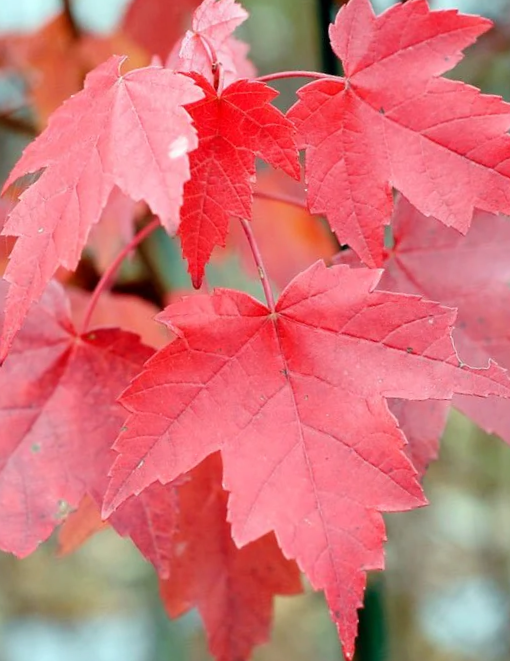
Carolina Maple
Acer rubrum L.
Important botanical synonyms and historical names include:
Rufacer rubrum (L.) Small
Acer coccineum F.Michx.
Acer glaucum Marshall
Acer hypoleucum K.Koch
Acer sanguineum Spach
Acer splendens Dippel
Acer rubrum var. coccineum Aiton
Acer rubrum var. sanguineum (Spach) Pax
Acer rubrum var. drummondii (Hook. & Arn. ex Nutt.) Sarg., commonly called Drummond Red Maple, is an accepted southeastern variety rather than a synonym of every Acer rubrum plant.
Sapindaceae Juss. — Soapberry Family
Historical family placement: Aceraceae Juss. — Maple Family
Older veterinary, horticultural, and poison-plant references commonly place Acer in Aceraceae. Modern botanical classifications generally include the maples within Sapindaceae.
Carolina Maple, Red Maple, American Red Maple, Eastern Red Maple, Swamp Maple, Scarlet Maple, Water Maple, Soft Maple, Curled Maple, Drummond Maple, Drummond Red Maple, Trident Red Maple, Acer rubrum, Rufacer rubrum, Acer coccineum, Acer sanguineum
“Red Maple” refers to the species Acer rubrum, not merely to any maple with red autumn foliage. Japanese Maple, Acer palmatum; Norway Maple, Acer platanoides; Sugar Maple, Acer saccharum; Silver Maple, Acer saccharinum; and hybrid maples are different taxa and should not be identified by fall color alone.
Gallotannins, Gallic Acid, and Pyrogallol
Carolina Maple is the same species as Red Maple, Acer rubrum. Its equine toxicity is produced by an oxidative toxin system rather than by one simple preformed poison. Red Maple leaves contain hydrolyzable gallotannins and free gallic acid, which can be metabolized by microorganisms in the equine intestinal tract to form pyrogallol.
Pyrogallol is a powerful oxidizing compound capable of damaging hemoglobin and the membranes of equine red blood cells. The toxic sequence therefore depends both on compounds within the leaf and on their microbial conversion within the digestive tract.
Methemoglobinemia and Loss of Oxygen-Carrying Capacity
Normal hemoglobin binds and transports oxygen. Oxidative injury converts the iron within hemoglobin into a form that creates methemoglobin, which cannot carry oxygen effectively. A severely affected horse may continue breathing rapidly while its tissues remain starved of oxygen because much of the circulating hemoglobin is no longer functional.
Methemoglobinemia causes the characteristic muddy, gray-brown, or chocolate-brown discoloration of mucous membranes and blood. As functional oxygen delivery falls, the horse may become depressed, weak, tachycardic, tachypneic, dyspneic, ataxic, recumbent, or unresponsive.
Heinz Bodies and Hemolytic Anemia
Oxidation also denatures the globin portion of hemoglobin, creating aggregates called Heinz bodies within red blood cells. Damaged erythrocytes become rigid, fragile, and more likely to be removed by the spleen or rupture within the bloodstream.
Widespread erythrocyte destruction produces acute hemolytic anemia. The total number of circulating red blood cells falls while many of the cells that remain are impaired by methemoglobinemia. This combination can produce much more severe tissue hypoxia than either process alone.
Hemoglobinuria and Kidney Injury
When red blood cells rupture within the circulation, free hemoglobin enters the plasma and is filtered through the kidneys. This produces red, brown, port-wine, or tea-colored urine known as hemoglobinuria.
Free hemoglobin can damage renal tubules, particularly when the horse is dehydrated, hypotensive, or poorly perfused. Acute kidney injury may therefore develop as a secondary consequence of massive intravascular hemolysis rather than from a separate kidney-specific maple toxin.
Wilted Leaves, Dried Leaves, and Bark
Wilted and dried leaves are the primary poisoning hazard. Storm-damaged branches, pruned limbs, autumn leaf fall, leaves blown into paddocks, and contaminated hay can suddenly place toxic plant material within reach of horses.
Fresh leaves attached to a healthy tree are not generally considered toxic in the same manner. Once leaves are detached, damaged, wilted, or dried, however, they can become dangerous. Fallen leaves may retain toxicity for approximately four weeks, although they are not generally believed to remain hazardous into the following spring.
Bark is also considered capable of causing poisoning. Horses deprived of forage, animals with poor teeth, bored horses, and equids confined near accessible trunks or fallen branches may strip and consume bark.
How Much Is Dangerous?
Common warning estimates indicate that approximately 1.5–3 pounds of wilted or dried leaves may poison a 1,000-pound horse. The lower end of that range can produce severe illness, while ingestion near the upper end has been associated with death.
These figures are warning points rather than safe thresholds. Leaf chemistry varies with season, weather, drying, tree genetics, and plant material, while susceptibility varies with body size, health, hydration, age, and amount consumed. Ponies, miniature horses, donkeys, and smaller equids require proportionally less plant material to receive a comparable exposure.
Species Susceptibility
Horses, ponies, donkeys, mules, zebras, and other equids are the principal susceptible animals. Red Maple-associated hemolysis and Heinz body formation have also been reported in alpacas, and camelids should be kept away from wilted or dried leaves.
Dogs and cats are not considered susceptible to the classic Red Maple oxidative blood disorder. Cattle, sheep, goats, and deer are also not known to develop the characteristic syndrome. Consumption of large amounts of any leaves may still cause nonspecific digestive upset or physical obstruction, but that is different from equine Red Maple toxicosis.
Onset and Early Clinical Signs
Clinical signs may appear within approximately 12–24 hours, but some horses do not become visibly ill until several days after ingesting wilted or dried leaves. Earlier onset may follow a larger exposure, while progressive erythrocyte damage can continue after all plant material has passed from the stomach.
Early signs may include depression, reduced appetite, mild colic, lethargy, weakness, reluctance to move, and unusual fatigue. Fever, laminitis, or systemic inflammation may also develop during hospitalization.
Changes in Mucous Membranes and Blood
The gums, inner eyelids, and other mucous membranes may become pale from anemia, yellow from bilirubin accumulation, blue-gray from inadequate oxygen delivery, or muddy to chocolate-brown from methemoglobinemia.
Blood collected from a severely affected horse may appear dark brown rather than normally red. The abnormal color does not correct simply by exposing the sample to air because the hemoglobin itself has been oxidized.
Weakness, Rapid Breathing, and Cardiovascular Strain
As oxygen delivery declines, the horse may breathe rapidly, flare the nostrils, extend the head and neck, develop increased respiratory effort, or appear distressed despite having no primary lung disease. Severe cases may progress to shallow breathing, recumbency, collapse, or coma.
The heart rate usually increases as the cardiovascular system attempts to deliver more oxygen with fewer functional red blood cells. Pulses may become weak, capillary refill may be prolonged, and peripheral tissues may become cool as perfusion deteriorates.
Red-Brown Urine, Jaundice, and Renal Complications
Red, brown, tea-colored, or port-wine urine is a major warning sign. It commonly represents hemoglobinuria caused by intravascular erythrocyte destruction rather than bleeding directly into the urinary tract.
Jaundice may develop as the body processes large quantities of hemoglobin released from damaged red blood cells. Kidney values may rise if filtered hemoglobin, dehydration, and poor perfusion injure renal tubules. Urine production may fall in advanced renal failure.
Colic, Laminitis, and Pregnancy Loss
Abdominal discomfort and colic may accompany the toxicosis. Laminitis can also develop, potentially as a consequence of systemic inflammation, hypoxia, poor perfusion, or the broader metabolic effects of severe hemolysis.
Abortion has been reported in pregnant mares. Any pregnant mare with known exposure requires urgent examination even when she initially appears normal.
Laboratory Findings
Expected clinicopathologic findings include falling packed cell volume, anemia, Heinz bodies, eccentrocytes, free plasma hemoglobin, methemoglobinemia, hemoglobinuria, increased bilirubin, and evidence of intravascular hemolysis.
Kidney abnormalities, electrolyte disturbances, acid-base changes, systemic inflammation, increased muscle enzymes, and coagulation abnormalities may appear as complications rather than as primary diagnostic markers.
Course and Emergency Warning Signs
Death may occur within approximately 18–24 hours in rapidly progressive cases or several days after ingestion. Some horses worsen over five to ten days as hemolysis, renal injury, laminitis, inflammation, and tissue hypoxia continue.
Emergency warning signs include muddy or brown mucous membranes, pale or blue gums, red-brown urine, jaundice, rapid or labored breathing, marked tachycardia, severe weakness, inability to stand, collapse, reduced urination, abortion, profound depression, or loss of consciousness.
Carolina Maple Is Red Maple
Carolina Maple is an alternate common name for Acer rubrum, the tree more widely called Red Maple, Swamp Maple, Scarlet Maple, Water Maple, or Soft Maple. It is not a separate maple species limited to the Carolinas.
This page retains the Carolina Maple title because that name appears in older poison-plant references and animal-poison databases. Any warning issued for Carolina Maple applies to the same species identified elsewhere as Red Maple.
Identification
Red Maple is a medium to large deciduous tree with opposite branches, buds, and leaves. The leaves are generally three- to five-lobed, with coarsely toothed or jagged margins and pointed lobes. Leaf size and shape vary considerably among individual trees and regional varieties.
Young twigs, buds, petioles, flowers, and developing fruits commonly show red coloration. The paired winged fruits, called samaras, often mature in spring or early summer. Leaf undersides are paler than the upper surface and may be whitish or bluish.
Autumn color can range from yellow and orange to brilliant scarlet or deep red. Fall color alone is not a dependable identification feature because many unrelated maple species and cultivars also become red.
Range and Exposure Habitat
Acer rubrum is native from eastern Canada through the central and eastern United States. It grows in swamps, bottomlands, wet woods, stream margins, uplands, disturbed ground, fencerows, residential landscapes, roadsides, and woodland edges.
Its ability to grow in both wet and comparatively dry conditions makes it common around horse farms. Trees may occur inside pastures, outside fence lines, beside lanes, around barns, or on neighboring properties from which leaves and branches can blow into equine areas.
Fresh Leaves Versus Wilted and Dried Leaves
Fresh leaves attached to the tree are not generally considered toxic. The danger increases sharply after leaves are detached and begin to wilt or dry.
Storms, high winds, pruning, tree removal, lightning damage, autumn leaf fall, and dumped landscape waste create the most common exposure situations. A healthy pasture can become dangerous within hours when a large branch falls and places wilting foliage at ground level.
Dried leaves may remain toxic for approximately four weeks. Leaf litter should therefore be removed or fenced away rather than assumed safe merely because it is crisp and brown.
Bark and Forage Deprivation
Red Maple bark is also considered toxic. Horses generally do not seek it when adequate forage is available, but bored, hungry, elderly, or dentally compromised horses may chew trees and fallen limbs.
Continuous access to suitable hay is an important preventive measure. Horses denied forage or turned into a bare lot beneath Red Maple trees are more likely to consume leaves, twigs, and bark that they would otherwise ignore.
Equids, Camelids, and Other Animal Species
The classic oxidative toxicosis primarily affects Equidae, including horses, ponies, miniature horses, donkeys, mules, and zebras. Smaller equids may receive a dangerous dose from much less plant material than a full-sized horse.
Hemolysis and Heinz body formation have also been reported after Red Maple ingestion in alpacas, so llamas and alpacas should be protected from the leaves and bark. Cattle, sheep, goats, and deer are not known to develop the same syndrome.
Red Maple is considered non-toxic to dogs and cats. A dog or cat that becomes severely ill after chewing maple material should be evaluated for another plant, pesticide, mold, foreign object, medication, or unrelated disease.
Reported Toxic Amount
Approximately 1.5–3 pounds of wilted or dried leaves per 1,000 pounds of body weight is commonly cited as a potentially toxic range. Experimental work has also reproduced the syndrome with measured dried-leaf exposure.
No owner should use these figures to decide that a smaller amount is safe. The actual quantity eaten is often underestimated, leaves vary in toxic potential, and red-cell injury may begin before outward illness becomes obvious.
Diagnosis
There is no rapid plant-specific blood test that proves Red Maple ingestion. Diagnosis depends on a history of access, identification of the tree or leaves, compatible oxidative erythrocyte injury, and exclusion of other causes of hemolytic anemia or methemoglobinemia.
Blood smears may reveal Heinz bodies and eccentrocytes. Laboratory testing may document anemia, methemoglobinemia, free plasma hemoglobin, increased bilirubin, hemoglobinuria, kidney injury, electrolyte disturbance, and systemic inflammation.
Differential diagnoses include onion or garlic exposure, phenothiazine-associated oxidation, equine infectious anemia, piroplasmosis, immune-mediated hemolytic anemia, snake envenomation, liver disease, congenital methemoglobinemia, nitrate or nitrite poisoning, and other oxidizing chemicals or plants.
Prevention
Red Maple trees should not overhang paddocks, dry lots, sacrifice areas, feeding areas, or other places where leaves can accumulate. Trees outside a fence may still present a hazard when branches extend over the enclosure or leaves blow across the boundary.
Inspect horse areas immediately after storms, pruning, high winds, and tree work. Remove fallen branches and leaves before horses return, and continue excluding animals while remaining material wilts and dries.
During autumn leaf fall, provide ample safe forage and remove or fence away concentrated leaf litter. Inspect hay for maple leaves, particularly when forage was harvested near woodland edges or trees.
Immediate Steps After Carolina Maple Exposure
- Remove the equid from the source immediately. Move the horse, pony, donkey, mule, zebra, llama, or alpaca away from fallen branches, leaf litter, contaminated hay, bark, or storm debris. Prevent every other susceptible animal from entering the area.
- Call an equine or large-animal veterinarian immediately. Known or suspected ingestion of wilted or dried Red Maple leaves is an emergency even when the animal still appears normal. Oxidative blood damage may begin before visible signs develop.
- Keep the animal quiet. Minimize walking, exercise, excitement, and unnecessary transport stress. An affected horse may have critically impaired oxygen delivery, and exertion increases tissue oxygen demand.
- Identify the material and exposure form. Determine whether the animal ate freshly attached leaves, wilted leaves, dried leaves, bark, storm-damaged branches, autumn leaf litter, or contaminated hay. Record when access began and how long it may have continued.
- Estimate the amount without delaying treatment. Preserve any estimate of missing leaves or consumed hay, but do not wait to calculate an exact dose before calling the veterinarian.
- Preserve representative samples. Save a branch with attached leaves, photographs of the tree, upper and lower leaf surfaces, buds, bark, fruits, leaf litter, hay, and any urine passed by the horse when this can be collected without stressing the animal.
- Observe mucous membranes and urine. Note pale, yellow, blue-gray, muddy, or chocolate-brown gums; rapid breathing; dark urine; weakness; colic; reduced appetite; or abnormal behavior, and report these findings immediately.
Do Not Attempt Unsupervised Home Treatment
- Do not wait for obvious illness. Dark urine, jaundice, severe weakness, and breathing difficulty indicate that substantial red-cell injury may already have occurred.
- Do not force the horse to walk or exercise. Exercise increases oxygen demand when anemia and methemoglobinemia may already be limiting tissue oxygen delivery.
- Do not administer activated charcoal or mineral oil without veterinary control. These treatments require correct nasogastric-tube placement, appropriate timing, and assessment of gastrointestinal function and aspiration risk.
- Do not give human iron products or “blood-building” supplements. Red Maple toxicosis is caused by acute oxidative destruction of red cells, not ordinary nutritional iron deficiency. Unsupervised supplementation will not restore oxygen delivery and may complicate treatment.
- Do not give methylene blue. Methylene blue has not been rewarding for equine Red Maple methemoglobinemia and may itself contribute to oxidative injury under some circumstances.
- Do not administer corticosteroids routinely. Controlled evidence does not support them as a standard antidote, and retrospective data have associated corticosteroid treatment with reduced survival in affected horses.
- Do not give nonsteroidal anti-inflammatory drugs without veterinary assessment. Drugs used for colic or laminitis may worsen kidney risk or gastrointestinal injury in a dehydrated or poorly perfused horse.
- Do not use a numeric leaf estimate as permission to monitor at home. Reported toxic amounts are approximate, and the amount actually eaten is rarely known with confidence.
Emergency Signs
- Impaired oxygen delivery: Rapid or labored breathing, flared nostrils, neck extension, muddy or brown mucous membranes, cyanosis, severe weakness, staggering, recumbency, or collapse may reflect profound anemia or methemoglobinemia.
- Hemolysis: Pale gums, jaundice, red-brown urine, dark plasma, chocolate-brown blood, increasing lethargy, or a rapidly falling packed cell volume indicates ongoing erythrocyte destruction.
- Kidney compromise: Reduced urination, worsening depression, dehydration, rising kidney values, or persistent hemoglobinuria may signal pigment-associated renal injury.
- Cardiovascular deterioration: Marked tachycardia, weak pulses, prolonged capillary refill, cool extremities, hypotension, or collapse indicates inadequate tissue perfusion.
- Pregnancy or limb complications: Abortion, signs of impending pregnancy loss, severe foot pain, bounding digital pulses, reluctance to move, or a laminitic stance requires immediate management.
Veterinary Examination and Diagnostic Priorities
The veterinarian will assess mucous-membrane color, heart rate and rhythm, respiratory effort, pulse quality, blood pressure, temperature, hydration, perfusion, mentation, urine color and production, abdominal comfort, and digital pulses.
No rapid test identifies the Red Maple toxin directly. Diagnosis rests on exposure history, tree identification, acute oxidative erythrocyte injury, and exclusion of other causes.
- Red-cell evaluation: Packed cell volume, total solids, complete blood count, serial blood smears, reticulocyte response where interpretable, Heinz bodies, eccentrocytes, plasma color, and bilirubin help document hemolysis.
- Methemoglobin and oxygenation: Co-oximetry or another validated methemoglobin measurement, blood-gas analysis, oxygen saturation trends, lactate, respiratory assessment, and mucous-membrane color help define impaired oxygen delivery.
- Kidney and urine monitoring: Serum kidney values, electrolytes, urinalysis, urine color, urine output, urine sediment, and repeated hydration assessment help identify pigment-associated renal injury.
- Complication surveillance: Electrocardiography, blood pressure, coagulation testing, liver values, inflammatory markers, abdominal assessment, and laminitis monitoring may be required according to the presentation.
Early Veterinary Decontamination
Decontamination is most useful when exposure is recognized soon after ingestion and before substantial toxin metabolism and systemic erythrocyte injury have occurred. By the time dark urine, jaundice, methemoglobinemia, or severe anemia is evident, preventing absorption is less likely to change the course.
A veterinarian may administer activated charcoal through a nasogastric tube after a recent exposure. The decision depends on timing, quantity, gastrointestinal motility, hydration, clinical stability, and whether the animal can be managed without aspiration or excessive stress.
Mineral oil has historically been used as a gastrointestinal transit aid in early cases, particularly when charcoal is unavailable or retained leaf material is suspected. It does not neutralize the oxidative toxin and should not replace systemic monitoring and treatment.
Gastric lavage or recovery of stomach contents is not routine but may be considered in selected very recent, substantial exposures when retained plant material is likely and the procedure can be performed safely. Decontamination should never delay oxygenation, cardiovascular stabilization, or transfusion in a critically affected horse.
Oxygen Therapy and Respiratory Support
Supplemental oxygen may increase the amount of dissolved oxygen available to tissues, but it cannot make methemoglobin functional or replace red cells that have been destroyed. Oxygen is therefore an adjunct rather than a complete treatment.
Horses with severe dyspnea, marked methemoglobinemia, profound anemia, collapse, or evidence of tissue anoxia may require high-flow oxygen and intensive monitoring. Respiratory effort, blood gases, methemoglobin, lactate, mucous-membrane color, and neurologic status should be followed repeatedly.
Severe respiratory exhaustion or loss of effective ventilation may require airway support and assisted ventilation, although the logistics of prolonged mechanical ventilation in adult horses are substantial.
Intravenous Fluids and Kidney Protection
Intravenous isotonic fluids may be used to correct dehydration, support circulating volume and tissue perfusion, maintain urine flow, and reduce additional renal injury associated with filtered free hemoglobin.
Fluid therapy must be individualized. Anemic horses with systemic inflammation or altered vascular permeability can develop peripheral, pulmonary, or intestinal edema if fluids are administered without repeated reassessment.
Body weight, pulse quality, blood pressure, urine output, kidney values, hydration, lung sounds, peripheral edema, lactate, electrolytes, and continuing losses should guide fluid administration. Oliguria or anuria requires reassessment rather than automatic escalation of fluid volume.
Blood Transfusion and Oxygen-Carrying Support
Whole-blood transfusion may be necessary when anemia, ongoing hemolysis, methemoglobinemia, and clinical hypoxia have reduced effective oxygen-carrying capacity to a dangerous level. The decision should be based on the complete clinical picture rather than one packed cell volume measurement alone.
Transfusion can supply functional erythrocytes while the horse’s damaged cells are being removed and replaced. Appropriate donor selection, compatibility assessment, close observation for transfusion reactions, and repeated measurement of red-cell parameters are required.
Hemoglobin-based oxygen-carrying solutions have been used in published cases involving a miniature horse and pony. Such products may temporarily support oxygen delivery when available, but product access, regulatory status, cost, and individual risk limit routine use.
Ascorbic Acid and Oxidative Injury
Ascorbic acid, or vitamin C, has been used as an antioxidant intended to promote nonenzymatic reduction of methemoglobin and limit oxidative injury. Merck veterinary guidance continues to describe early ascorbic acid treatment as potentially important, but other equine specialists note that controlled evidence proving benefit remains limited.
A published two-horse case report described dramatic stabilization after high-dose ascorbic acid was added to blood transfusions and intravenous fluid therapy. Both horses had Heinz body anemia, marked methemoglobinemia, depression, and severe tissue anoxia, with stabilization reported approximately 36 hours after ascorbic acid treatment began.
McConnico RS, Brownie CF. The use of ascorbic acid in the treatment of 2 cases of red maple (Acer rubrum)-poisoned horses. Cornell Vet. 1992;82:293–300.
This report supports ascorbic acid as a possible adjunct, not as a stand-alone antidote or proof that every horse will respond. Treatment still depended on transfusion, intravenous fluids, and intensive supportive care.
Methylene Blue and Other Antioxidant Treatments
Methylene blue is effective for some forms of methemoglobinemia in other species, but equine red blood cells respond poorly and the treatment has not been rewarding in Red Maple toxicosis. It should not be regarded as a standard equine antidote.
Other proposed antioxidant or free-radical-scavenging treatments have limited or inconsistent clinical evidence. They should not replace restoration of oxygen-carrying capacity, perfusion support, renal monitoring, and treatment of ongoing complications.
Pain, Colic, Laminitis, and Inflammation
Colic and laminitis may require analgesia, cryotherapy, hoof support, controlled movement, and frequent reassessment. The medication selected must account for hydration, kidney function, gastrointestinal integrity, perfusion, and the severity of systemic illness.
Nonsteroidal anti-inflammatory medication may be considered in a well-hydrated horse with adequate renal function. Alternative analgesic strategies may be needed when kidney injury, dehydration, or gastrointestinal risk makes conventional anti-inflammatory treatment undesirable.
Corticosteroids should not be administered routinely. A retrospective series of 32 horses found a significant association between corticosteroid treatment and death, although retrospective data cannot prove that the drug itself caused every poor outcome.
Pregnant Mares
Pregnant mares require monitoring for fetal distress, placental compromise, premature udder development, vaginal discharge, colic, and abortion. Maternal hypoxia and severe systemic disease may threaten both mare and fetus.
Obstetric monitoring and treatment should occur alongside stabilization of the mare’s oxygenation, circulating red-cell mass, hydration, kidney function, and perfusion.
Recovery and Prognosis
The prognosis is guarded once clinical hemolysis and methemoglobinemia develop. In a retrospective series of 32 affected horses, 19 died, demonstrating the high mortality associated with recognized clinical disease.
Prognosis is more favorable when exposure is identified before systemic signs appear and treatment begins before severe anemia, methemoglobinemia, hemoglobinuria, renal insufficiency, laminitis, or collapse develops.
Improvement should include clearer mucous-membrane color, reduced respiratory effort and heart rate, increasing strength, stabilization of packed cell volume, falling methemoglobin, improving urine color, adequate urine production, stable kidney values, and return of appetite.
Ongoing hemolysis, refractory hypoxia, severe renal insufficiency, anuria, repeated transfusion need, recumbency, laminitis, abortion, cardiovascular collapse, or coma carries a poor prognosis. Death may occur rapidly or be delayed for several days after ingestion.
Frequently Asked Questions About Carolina Maple and Equine Poisoning
Are Carolina Maple and Red Maple the same tree?
Yes. Carolina Maple is an alternate common name for Acer rubrum, the species more widely called Red Maple, Swamp Maple, Scarlet Maple, Water Maple, or Soft Maple.
Is Carolina Maple poisonous to dogs and cats?
Red Maple is not considered poisonous to dogs or cats. The severe oxidative blood disorder is primarily an equine and camelid concern. Serious illness in a dog or cat after access to maple material should prompt investigation for another exposure or disease.
Which animals are most at risk?
Horses, ponies, miniature horses, donkeys, mules, and zebras are susceptible. Hemolytic injury has also been reported in alpacas, so llamas and alpacas should be protected from wilted or dried leaves and bark.
Are fresh Red Maple leaves poisonous?
Fresh leaves attached to a healthy tree are not generally considered toxic. The major danger comes from leaves that have been detached and allowed to wilt or dry, including storm-damaged branches and autumn leaf litter.
How long do fallen Red Maple leaves remain toxic?
Dried leaves may remain toxic for approximately four weeks. They are not generally believed to retain meaningful toxicity into the following spring, but concentrated leaf litter should still be removed rather than used as forage.
Is Red Maple bark poisonous to horses?
Yes. Bark is also considered toxic. Horses with limited forage, dental problems, boredom, or access to fallen limbs may chew enough bark to create concern.
How much Red Maple can poison a horse?
Approximately 1.5–3 pounds of wilted or dried leaves per 1,000 pounds of body weight is commonly cited as a dangerous range. This is not a safe threshold, and any known ingestion should be reported immediately.
Why does Red Maple turn a horse’s urine brown?
The toxin causes red blood cells to rupture within the bloodstream. Released hemoglobin is filtered through the kidneys and discolors the urine red, brown, tea-colored, or port-wine.
Why can a horse suffocate even while breathing?
Methemoglobin cannot carry oxygen effectively, while hemolysis reduces the number of circulating red blood cells. The horse may breathe rapidly but still fail to deliver adequate oxygen to its organs and muscles.
Should activated charcoal be given after exposure?
A veterinarian may administer activated charcoal through a nasogastric tube when ingestion was recent enough for decontamination to help. It should not be given casually because timing, gastrointestinal function, tube placement, hydration, and aspiration risk must be considered.
Can a blood transfusion save a poisoned horse?
A transfusion may supply functional red blood cells when anemia and methemoglobinemia have critically impaired oxygen delivery. It can be lifesaving, but donor compatibility, transfusion reactions, continuing hemolysis, and the horse’s overall condition must be managed closely.
Does vitamin C treat Red Maple poisoning?
Ascorbic acid has been used as an antioxidant adjunct, and a two-horse case report described dramatic improvement when it was combined with transfusions and intravenous fluids. Controlled evidence remains limited, so it should not be treated as a stand-alone antidote.
Why is methylene blue not routinely used?
Methylene blue can treat certain forms of methemoglobinemia in other species, but it has not produced reliable benefit in horses with Red Maple toxicosis and may add oxidative risk.
What is the prognosis?
The prognosis is guarded once anemia, methemoglobinemia, dark urine, jaundice, kidney injury, laminitis, or collapse develops. Early recognition before visible red-cell destruction provides the best opportunity for survival.