PAWS Pet Poison Plant Guide
Is Climbing Bittersweet Poisonous to Dogs, Cats, Horses, and Livestock?
Yes, Climbing Bittersweet, Celastrus scandens, is considered mildly poisonous to dogs, cats, horses, and livestock when its fruits, seeds, leaves, bark, roots, or other plant material are eaten. The exact toxin has not been established conclusively, but possible cardenolides and alkaloid-type compounds have been reported. Most ordinary exposures cause vomiting, diarrhea, abdominal discomfort, appetite loss, depression, or weakness rather than life-threatening cardiac poisoning. Large fruit or seed ingestions and any exposure followed by severe weakness, tremors, convulsions, collapse, or an abnormal pulse require veterinary assessment.
About this guide: This page provides general pet-poisoning information and cannot diagnose or treat an individual animal. For any suspected exposure, contact a veterinarian or animal poison-control service immediately. Do not induce vomiting, give medication, or attempt home decontamination unless directed by a veterinary professional.
Climbing Bittersweet
Celastrus scandens L.
Important botanical synonyms and historical names include:
Celastrus bullatus L.
Euonymus scandens (L.) E.H.L.Krause
Evonymoides scandens (L.) Medik.
Celastrus scandens Thunb. is a later homonym and should not be confused with the accepted North American species name Celastrus scandens L.
Celastraceae R.Br. — Stafftree or Bittersweet Family
American Bittersweet belongs to the order Celastrales. Other Celastraceae include Celastrus, Euonymus, Maytenus, and Tripterygium, but compounds documented in one member of the family should not be assigned automatically to another.
Climbing Bittersweet, American Bittersweet, Native Bittersweet, Bittersweet, False Bittersweet, Shrubby Bittersweet, Waxwork, Staff-Vine, Staffvine, Climbing Stafftree, American Stafftree, Climbing Orange-Root, Orange-Root, Fever-Twig, Fever-Twitch, Jacob’s-Ladder, Bourreau-des-Arbres, Celastrus scandens, Celastrus bullatus, Euonymus scandens, Evonymoides scandens
‘Indian Brave’ is a male horticultural cultivar and ‘Indian Maiden’ is a female fruiting cultivar of American Bittersweet. Cultivar names are not botanical synonyms.
“Bittersweet” is highly ambiguous. Oriental Bittersweet is Celastrus orbiculatus, while Bittersweet Nightshade, European Bittersweet, Woody Nightshade, and Climbing Nightshade generally refer to Solanum dulcamara, an unrelated plant with a different toxin profile.
The Toxic Principle Remains Incompletely Defined
The precise compound responsible for Climbing Bittersweet poisoning has not been identified conclusively. Modern veterinary references agree that the plant can cause illness but differ in how they describe its chemistry.
Some sources list cardenolides and alkaloids. Others state that the plant may contain euonymin and sesquiterpene alkaloids. Still others describe the toxic principle simply as an unidentified gastrointestinal irritant.
This uncertainty is important. Climbing Bittersweet should be treated as poisonous, but it should not be given the same predictable cardiac-glycoside profile as oleander, foxglove, lily of the valley, or yellow oleander without clinical evidence supporting that conclusion.
Euonymin Is a Historical Toxicology Term
Older livestock literature proposed that the plant’s bitter toxic material was euonymin. The name was historically used for glycosidic or resinous preparations obtained from members of Celastraceae, especially Euonymus and related plants.
Euonymin was not one modern, structurally defined molecule produced consistently by every bittersweet plant. Its historical use helps explain older descriptions of a bitter purgative with mild digitalis-like effects, but it does not provide a precise species-specific toxin or dose.
Sesquiterpene Alkaloids and Agarofuran Compounds
The stafftree family is chemically notable for sesquiterpene pyridine alkaloids and dihydroagarofuran sesquiterpene esters. Various compounds in these groups have been isolated from other Celastrus species and related genera.
Pet-toxicology references therefore state that American Bittersweet may contain sesquiterpene alkaloids. However, the compounds responsible for spontaneous dog, cat, horse, or livestock poisoning have not been isolated and linked definitively to a characteristic clinical syndrome in Celastrus scandens.
These compounds may contribute to gastrointestinal irritation, weakness, or neurologic abnormalities after a substantial ingestion, but the available evidence does not support predicting seizures after every berry exposure.
Reported Cardenolides
Cardenolides are steroidal compounds capable of inhibiting sodium-potassium ATPase and disrupting cardiac conduction. Several veterinary and horticultural references list cardenolides among the toxic principles of American Bittersweet.
Species-specific information identifying the particular cardenolides, their concentrations in different plant parts, and their oral toxicity in domestic animals is sparse. A clinically important digitalis-like syndrome is therefore possible in theory but appears uncommon in practice.
An abnormal heart rate or rhythm after a substantial exposure deserves electrocardiographic assessment. The plant should not, however, be publicly framed as predictably cardiotoxic in the same category as plants with well-established lethal cardiac glycosides.
Triterpenes and Other Plant Constituents
Phytochemical investigation of American Bittersweet has identified triterpenoid and sterol compounds, and celastrol has historically been isolated from its roots. These substances have significant biological activity in laboratory systems.
The presence of a biologically active compound in an extract does not prove that ordinary chewing produces a clinically meaningful dose. No individual triterpene has been established as the principal cause of routine pet gastroenteritis after American Bittersweet ingestion.
Fruits and Seeds Create the Main Practical Exposure
The showy structures commonly called berries begin as rounded yellow-orange or orange capsules. At maturity, each capsule splits into valves and exposes scarlet or orange-red fleshy arils surrounding the seeds.
These terminal fruit clusters remain conspicuous after the leaves fall and are frequently gathered for wreaths, garlands, dried arrangements, and winter decorations. Their color and accessibility make them the plant parts most likely to be swallowed by dogs, cats, children, poultry, or other curious animals.
The fruit and seeds should be treated as poisonous even though the exact toxin burden is unknown. A dog may eat several fallen fruits rapidly, and decorative branches can place a concentrated cluster indoors at floor or table level.
Leaves and Other Plant Parts
Reports generally treat bark, flowers, fruits, leaves, roots, sap, seeds, and stems as potentially poisonous. Horses have occasionally been reported poisoned after eating the leaves, and poisoning has also been described in cattle and sheep.
All parts should therefore be kept away from animals. The fruit may present the most likely household exposure, but a horse browsing leaves along a fence or a dog chewing fresh roots and vines should not be dismissed merely because no fruit was present.
Purgative and Gastrointestinal Effects
The most consistently described action is gastrointestinal irritation or purgation. The plant can cause nausea, vomiting in species capable of vomiting, abdominal discomfort, diarrhea, appetite loss, depression, and weakness.
Severe vomiting or diarrhea can produce dehydration, electrolyte disturbance, reduced tissue perfusion, and secondary collapse even when no direct organ toxin is involved.
Wildlife Consumption Does Not Establish Pet Safety
Songbirds, ruffed grouse, pheasants, squirrels, and other wildlife consume the fruit and help disperse the seeds. Their use of the plant does not establish a safe mammalian dose.
Birds and mammals differ in digestive anatomy, metabolism, body size, feeding behavior, and tolerance of plant compounds. A fruit that serves as wildlife food can still cause vomiting or diarrhea in a dog, cat, horse, or human.
No Established Toxic Dose
No dependable berry count, seed number, leaf weight, or gram-per-kilogram toxic threshold has been established for dogs, cats, horses, cattle, sheep, goats, poultry, or other animals.
Risk depends on the plant part, amount eaten, animal size, individual sensitivity, fruit maturity, chewing, concurrent disease, and whether decorative wire, ribbon, preservatives, or another plant was swallowed at the same time.
Expected Gastrointestinal Signs
Most symptomatic Climbing Bittersweet exposures produce gastrointestinal illness. Signs may include lip licking, salivation, nausea, vomiting, abdominal discomfort, diarrhea, appetite reduction, depression, lethargy, and generalized weakness.
Signs may develop within several hours, but no reliable onset period has been established. The clinical course depends on the amount and plant part swallowed, stomach contents, animal size, and whether seeds, woody stems, or decorative material remain in the gastrointestinal tract.
Vomiting and Diarrhea
Vomiting may occur once or repeatedly as the stomach attempts to expel bitter or irritating plant material. Diarrhea may range from soft stool to frequent watery bowel movements.
Persistent vomiting or diarrhea can cause dry or tacky gums, reduced urination, sunken eyes, weakness, poor perfusion, and electrolyte abnormalities. Puppies, kittens, toy-breed dogs, elderly animals, and patients with preexisting kidney, heart, endocrine, or gastrointestinal disease may become dehydrated more quickly.
Abdominal Pain and Purgation
Older livestock descriptions characterize the plant as a mild to severe purgative. An affected animal may become restless, assume a hunched posture, repeatedly stretch, look at the abdomen, kick at the belly, or resist handling.
Severe pain, abdominal enlargement, repeated unproductive vomiting, absent stool, or progressively reduced gastrointestinal movement suggests obstruction, retained woody material, another plant, or a separate gastrointestinal disease rather than uncomplicated mild irritation.
Weakness and Prostration
Weakness may accompany nausea, reduced food intake, diarrhea, dehydration, or a larger toxic exposure. Older livestock reports describe prostration after substantial consumption.
An animal that becomes unable to stand, profoundly depressed, poorly responsive, or progressively weaker requires examination. Those findings are more severe than the expected response to one or two fruits.
Rare Tremors or Convulsions
Pet poison references describe convulsions as possible but rare after large ingestion. Species-specific case documentation is limited, and the mechanism has not been established.
Tremors, loss of coordination, seizures, altered awareness, or loss of consciousness should prompt investigation for a substantial bittersweet ingestion, pesticide, toxic mushroom, medication, another plant, hypoglycemia, electrolyte disturbance, or unrelated neurologic disease.
Possible Cardiovascular Effects
Older livestock sources describe a mild digitalis-like cardiac effect, while modern databases sometimes list cardenolides. A substantial ingestion could theoretically produce a slow, rapid, weak, or irregular pulse.
Clinically important arrhythmias appear uncommon. Fainting, weak pulses, pale or gray mucous membranes, prolonged capillary refill, collapse, or an irregular heartbeat requires electrocardiography and broader investigation rather than assumption based solely on the plant name.
Signs in Horses and Livestock
Horses may develop salivation, feed refusal, abdominal discomfort, colic, diarrhea, weakness, depression, or prostration after consuming leaves or other plant material. Horses cannot vomit.
Cattle and sheep may show reduced appetite, diarrhea, abdominal discomfort, weakness, poor rumen activity, or recumbency. Several animals becoming ill together should prompt immediate examination of the complete pasture, hay, water, clippings, pesticides, and other possible shared exposures.
Decorative-Material Complications
Wreaths and floral arrangements may contain wire, staples, ribbon, string, glue, floral foam, preservatives, artificial snow, candles, or several plant species. Swallowing these materials can cause obstruction, perforation, aspiration, or an entirely different toxicosis.
Repeated unproductive vomiting, abdominal distention, severe pain, inability to pass stool, coughing, or blood in vomit or feces may indicate a mechanical complication rather than the inherent low-severity plant toxicity alone.
Signs That Do Not Fit an Ordinary Exposure
Profound persistent arrhythmias, severe hyperkalemia, liver failure, kidney failure, respiratory paralysis, prolonged coma, or sudden unexplained death are not expected outcomes of a routine American Bittersweet exposure.
Those findings should prompt investigation for oleander, foxglove, lily of the valley, yew, bittersweet nightshade, pesticides, medication, toxic mushrooms, another decorative plant, or underlying disease.
Expected Course and Warning Signs
Mild vomiting, diarrhea, appetite reduction, or lethargy generally improves after access ends and the irritating material passes. Most uncomplicated cases are expected to recover with observation or supportive care.
Veterinary evaluation is warranted for repeated vomiting, inability to retain water, profuse or bloody diarrhea, marked abdominal pain, dehydration, continuing food refusal, progressive weakness, loss of coordination, tremors, seizures, collapse, an abnormal pulse, or failure to improve as expected.
Plant Identity
Climbing Bittersweet, Celastrus scandens, is a deciduous, woody, twining vine native to central and eastern North America. It can climb approximately 20–30 feet or more when supported by trees, shrubs, fences, arbors, or trellises.
The vine lacks tendrils and aerial roots. Instead, its woody stems wind around supporting vegetation. Older stems become gray or brown and may develop visible lenticels and flaking bark.
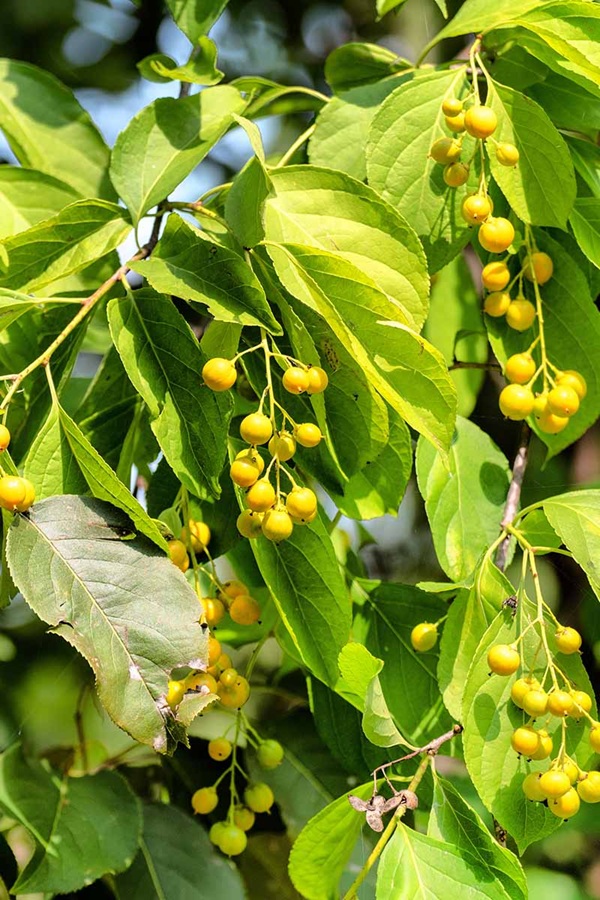
Leaves are alternate, simple, oval to elliptic, and usually longer than wide. They have finely serrated margins and a tapered, pointed tip. Autumn foliage commonly becomes yellow.
Flowers and Fruit
The small greenish-white or yellowish flowers occur mainly during late spring or early summer. American Bittersweet is primarily dioecious, meaning that male and female flowers usually occur on separate plants.
A female vine generally requires nearby male pollen to produce a strong fruit display. Horticultural cultivars may be labeled by sex, including the male ‘Indian Brave’ and female ‘Indian Maiden.’
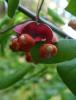
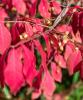
Female flowers develop rounded yellow-orange or orange capsules in terminal clusters. The capsules split during autumn to expose scarlet-red or orange-red fleshy arils around the seeds. Fruit may remain on bare vines into winter.
Native Range and Habitat
The native distribution extends from southeastern Canada across much of the central and eastern United States. Habitats include dry-mesic and mesic woodlands, thickets, forest margins, rocky slopes, bluffs, glade margins, riparian areas, fencerows, and disturbed sites.
The vine often grows on rich or somewhat alkaline soil but can tolerate a range of conditions. It may scramble across the ground when no vertical support is available.
American Versus Oriental Bittersweet
American Bittersweet is frequently confused with Oriental or Asian Bittersweet, Celastrus orbiculatus, an invasive East Asian vine that has spread through much of eastern North America.
American Bittersweet produces flowers and fruits in relatively large terminal clusters at the ends of branches. Oriental Bittersweet generally produces numerous smaller clusters in the leaf axils along the full length of the stem.
American Bittersweet leaves are usually longer than wide with a more tapered point. Oriental Bittersweet leaves are commonly broader, rounder, and shorter-pointed, although leaf shape overlaps and should not be used alone.
The outer capsule valves of American Bittersweet are generally orange or orange-red, while Oriental Bittersweet more often has yellow capsule valves surrounding red arils. Fruit position remains the most useful field distinction.
Hybrid Bittersweet Plants
American and Oriental Bittersweet can hybridize. Hybrid plants may show intermediate leaf shape, fruit position, capsule color, or other characteristics, making visual identification more difficult.
For animal-safety purposes, an uncertain Celastrus vine should be treated as potentially irritating and poisonous. For habitat management, the distinction remains important because American Bittersweet is native and declining in portions of its range, while Oriental Bittersweet is highly invasive.
Bittersweet Nightshade Is a Different Plant
Bittersweet Nightshade, Solanum dulcamara, belongs to the nightshade family, Solanaceae. It has purple star-shaped flowers with yellow centers and red oval berries rather than orange capsules exposing red arils.
Its toxicology involves steroidal glycoalkaloids and differs from the poorly characterized toxins of American Bittersweet. Common names such as European Bittersweet, Woody Nightshade, Climbing Nightshade, and Bitter Nightshade generally refer to Solanum dulcamara.
Plant identification should be confirmed before predicting clinical effects or treatment from the word “bittersweet” alone.
Decorative and Seasonal Exposure
The terminal clusters of orange and red fruit are collected for wreaths, garlands, table decorations, and dried flower arrangements. Indoor use creates one of the most realistic pet exposures because fruits and seeds may fall onto floors or furniture.
Decorative material may remain attractive and accessible for weeks. Dried branches should not be assumed safe, because the relevant plant compounds have not been shown to disappear reliably with drying.
Mixed arrangements may also contain holly, mistletoe, yew, lilies, amaryllis, pine, cedar, preservatives, or artificial materials with different hazards.
Wildlife Use and Mammalian Risk
Songbirds and game birds eat the arils and disperse the seeds. Squirrels and other wildlife may also consume the fruit.
This ecological use does not make the vine appropriate pet food. Wildlife species can differ substantially from dogs, cats, horses, and livestock in gastrointestinal transit, metabolism, body size, and tolerance.
Historical Use Does Not Establish Safety
Ethnobotanical records describe historical use of the inner bark, roots, and other plant parts in prepared foods, decoctions, poultices, emetics, and remedies for gastrointestinal, respiratory, reproductive, and skin complaints.
These practices involved specific preparation and intended pharmacologic effects. They do not establish that raw fruit, roots, bark, or foliage is safe for an animal to chew casually.
The historical use of the root or bark to induce vomiting is consistent with the plant’s recognized purgative and gastrointestinal activity.
Conservation and Responsible Management
American Bittersweet has declined in some regions because of habitat loss, competition from Oriental Bittersweet, hybridization, and collection of fruiting branches for decoration.
Animal-safety management does not always require destruction of a correctly identified native vine. Fruit can be kept away from pet areas, vines can be trained outside paddocks and kennels, and fallen material can be collected without unnecessarily removing a native plant population.
Oriental Bittersweet requires a different ecological-management decision and should be identified accurately before control work begins.
Diagnosis
No routine laboratory test confirms American Bittersweet poisoning or identifies the responsible toxin. Diagnosis usually depends on plant identification, witnessed ingestion, compatible gastrointestinal signs, and exclusion of another exposure when illness is severe.
Preserve a complete branch showing leaf shape and fruit position, photographs of the entire vine, fruits and seeds, any nursery label, the decorative arrangement, and vomited plant fragments.
Persistent gastrointestinal signs may justify evaluation of hydration, electrolytes, glucose, kidney function, packed cell volume, total solids, and abdominal imaging. Weakness, collapse, tremors, seizures, or an abnormal pulse may require electrocardiography and broader toxicologic testing.
Prevention
Keep fruiting vines outside dog runs, kennels, poultry yards, paddocks, stalls, and other areas where animals can reach terminal fruit clusters or fallen seeds.
Do not place fruiting branches in pet-accessible wreaths or indoor arrangements. Collect dropped capsules, arils, seeds, leaves, and decorative fragments promptly.
Do not throw fresh or dried vines into horse pastures, goat pens, cattle lots, open compost, or animal-accessible brush piles. Inspect mixed landscaping debris before livestock can browse it.
Immediate Steps After Climbing Bittersweet Ingestion
- Stop further ingestion. Remove the animal from the vine, terminal fruit clusters, fallen seeds, roots, clippings, wreaths, garlands, and other decorative material.
- Remove only loose visible fragments. If the animal is calm, alert, and swallowing normally, take away fruits, seeds, leaves, or vine pieces resting at the lips or front of the mouth. Do not reach blindly toward the throat.
- Check the entire exposure. Determine whether the animal swallowed fruit, hard seeds, woody vines, roots, wire, staples, ribbon, floral foam, preservatives, artificial snow, or another plant in the arrangement.
- Allow voluntary water when swallowing is normal. An alert animal that is not vomiting repeatedly may have access to fresh water. Do not syringe, pour, or spray liquid into the mouth.
- Preserve identification material. Save a branch showing the terminal fruit cluster, leaves, capsules, seeds, photographs of the entire vine, the arrangement, and any vomited fragments.
- Record the amount and timing. Estimate how many fruits or plant pieces are missing, when exposure occurred, whether the material was fresh or dried, and when vomiting, diarrhea, weakness, or other signs began.
- Monitor more than the stomach. Observe appetite, vomiting, diarrhea, abdominal comfort, water intake, urination, coordination, strength, awareness, and apparent heart rate.
- Contact a veterinarian when the exposure is not clearly minor. Prompt guidance is appropriate after a large or unknown fruit ingestion, consumption of roots or concentrated material, persistent symptoms, or exposure involving a very small, young, elderly, pregnant, or medically fragile animal.
Do Not Attempt Unsupervised Home Treatment
- Do not induce vomiting at home. Hydrogen peroxide, salt, mustard, syrup of ipecac, and manual gagging can cause gastric injury, aspiration, electrolyte abnormalities, and more harm than this ordinarily low-severity exposure.
- Do not force water or food. Vomiting, weakness, neurologic abnormalities, or impaired swallowing can allow material to enter the lungs.
- Do not give activated charcoal routinely. The toxin is poorly characterized, most exposures remain gastrointestinal, and charcoal can be aspirated by a vomiting, weak, or depressed animal.
- Do not give laxatives or cathartics. Mineral oil, castor oil, sorbitol, magnesium products, and similar treatments can worsen diarrhea, dehydration, and aspiration risk.
- Do not give anti-diarrheal medication automatically. Loperamide, bismuth, kaolin-pectin products, and similar drugs may obscure obstruction, hemorrhage, infection, or another toxic exposure.
- Do not give antihistamines for routine gastrointestinal signs. American Bittersweet is not known primarily as an allergic or airway-swelling plant, and sedating medication may obscure weakness or neurologic deterioration.
- Do not give heart medication based on a home pulse check. A slow, rapid, or irregular rhythm requires electrocardiographic identification and assessment of hydration, blood pressure, oxygenation, and electrolytes.
- Do not give human pain relievers or leftover prescriptions. Ibuprofen, naproxen, acetaminophen, aspirin, and other medications can create a more serious secondary poisoning.
When Veterinary Examination Is Especially Important
- Persistent gastrointestinal illness: Repeated vomiting, inability to retain water, profuse diarrhea, blood in vomit or feces, continuing appetite loss, or marked abdominal pain warrants examination.
- Dehydration or poor perfusion: Dry or tacky gums, sunken eyes, reduced urination, cool extremities, weak pulses, worsening lethargy, or collapse requires fluid and circulatory assessment.
- Possible obstruction: Repeated unproductive vomiting, abdominal enlargement, constipation, inability to pass stool, or ingestion of woody vines, wire, ribbon, staples, or floral picks requires imaging.
- Neurologic abnormalities: Loss of coordination, tremors, seizures, profound depression, loss of consciousness, or failure to respond normally is more serious than expected mild gastroenteritis.
- Cardiovascular concerns: Fainting, a weak or irregular pulse, pale or gray gums, prolonged capillary refill, or collapse requires electrocardiography and blood-pressure monitoring.
- Livestock group illness: Several horses, cattle, sheep, or goats becoming ill after browsing one fence line or pile of clippings suggests a shared exposure that may include a more dangerous plant.
Veterinary Examination and Diagnostic Priorities
The veterinarian will assess hydration, perfusion, abdominal pain, gastrointestinal motility, neurologic function, heart rate and rhythm, blood pressure, and the possibility of a foreign body or mixed decorative exposure.
Most mild cases do not require extensive diagnostic testing. Testing should be based on the patient’s actual signs rather than predictions from a poorly characterized toxin.
- Hydration and gastrointestinal assessment: Body weight, packed cell volume, total solids, electrolytes, glucose, abdominal palpation, stool characteristics, and continuing losses may guide treatment.
- Organ-function testing: Kidney and liver values, urinalysis, acid-base status, and lactate may be selected when vomiting, diarrhea, weakness, or poor perfusion is significant.
- Cardiac assessment: Electrocardiography, blood pressure, pulse quality, electrolytes, oxygenation, and repeated rhythm evaluation are appropriate when an abnormal pulse, fainting, or collapse occurs.
- Neurologic assessment: Glucose, temperature, electrolytes, neurologic examination, and screening for other toxins may be needed after tremors, ataxia, seizures, or altered awareness.
- Foreign-body imaging: Abdominal radiographs or ultrasound may be necessary when woody stems, decorative wire, ribbon, foam, or numerous seeds were swallowed.
Professional Decontamination
A small exposure followed by no signs or mild transient gastrointestinal irritation ordinarily does not justify aggressive decontamination.
Clinic-induced vomiting may be considered after a recent, substantial fruit or seed ingestion in an alert, asymptomatic dog with normal breathing, swallowing, coordination, heart rhythm, and gastrointestinal function.
Emesis is inappropriate when the animal is already vomiting repeatedly, weak, depressed, ataxic, tremoring, seizing, collapsed, swallowing abnormally, or suspected of ingesting sharp wire, woody material, or another object that should not be returned through the esophagus.
Activated charcoal may be considered after an unusually large recent ingestion when the animal can protect its airway and gastrointestinal motility is normal. Its benefit is uncertain because the responsible toxin and its charcoal binding have not been defined adequately.
Repeated charcoal is not routinely warranted. Gastric lavage would be reserved for an exceptional recent ingestion when a large amount remains in the stomach, emesis is unsafe or unsuccessful, and the expected benefit outweighs anesthesia and aspiration risks.
Vomiting, Diarrhea, and Gastrointestinal Support
Persistent nausea or vomiting may be treated with a veterinarian-selected antiemetic such as maropitant or ondansetron after obstruction, foreign material, pancreatitis, infectious disease, and another toxin have been considered.
Abdominal pain may require clinician-selected analgesia. Nonsteroidal anti-inflammatory drugs may be inappropriate when dehydration, hypotension, gastrointestinal bleeding, or kidney compromise is present.
Sucralfate may be considered when repeated vomiting has caused painful swallowing, hematemesis, suspected esophagitis, melena, or erosive gastric injury. It protects damaged mucosa but does not neutralize bittersweet toxins.
Acid suppression may be useful when reflux esophagitis, erosive gastritis, hematemesis, or melena is documented or strongly suspected. It is not automatically necessary after one episode of vomiting.
Anti-diarrheal drugs are generally unnecessary. Hydration, electrolyte replacement, nutrition, and investigation of persistent, painful, or bloody diarrhea are more important than suppressing intestinal movement.
Fluid and Electrolyte Support
Most animals with no signs or one mild gastrointestinal episode do not require parenteral fluids. Fluid support becomes relevant when vomiting, diarrhea, or appetite loss causes measurable dehydration.
Oral, subcutaneous, or intravenous fluids should be selected according to swallowing ability, dehydration, perfusion, continuing losses, body weight, kidney function, urine production, electrolytes, and cardiopulmonary condition.
Intravenous balanced crystalloids may be used for clinically important dehydration or poor perfusion. Treatment should be reassessed using blood pressure, pulse quality, capillary refill, body weight, urine production, lung sounds, electrolytes, and ongoing losses.
Weakness, Tremors, and Seizures
Weak animals should be kept quiet and protected from falls while hydration, glucose, electrolytes, blood pressure, oxygenation, and other possible toxins are evaluated.
Active seizures may be controlled initially with a veterinarian-selected benzodiazepine. Recurrent or refractory activity may require additional anticonvulsants or anesthetic support.
Severe neurologic signs are unusual enough that another toxicant, metabolic abnormality, or intracranial disease should be investigated concurrently rather than assuming American Bittersweet alone explains the presentation.
Possible Cardiac Effects
An animal with an abnormal pulse, fainting, collapse, or significant weakness should receive electrocardiographic monitoring. Electrolyte abnormalities, dehydration, hypoxia, and acid-base disturbance should be corrected because they can produce or worsen arrhythmias.
Antiarrhythmic medication should be selected only after the rhythm has been identified and its effect on blood pressure and perfusion assessed. A medication useful for one rhythm may worsen another.
Digoxin-specific antibody fragments are not a routine treatment for American Bittersweet exposure because the species-specific cardenolide burden and clinical syndrome are not established. Their use would require compelling evidence of a life-threatening cardiac-glycoside toxicosis and specialist consultation.
Decorative Foreign-Body Treatment
Endoscopic removal may be possible when wire, ribbon, floral picks, woody stems, or a concentrated plant burden remains accessible within the stomach.
Surgery may be required for confirmed obstruction, perforation, linear foreign material, or an object that cannot pass safely. Foreign-body treatment addresses the physical complication rather than the plant’s mild inherent toxicity.
Horses and Livestock
Remove horses, cattle, sheep, goats, and other animals from vines growing through fences, fruiting woodland margins, mixed clippings, and decorative waste.
Horses cannot vomit. Veterinary management may include oral examination, colic assessment, evaluation of intestinal motility, fluid and electrolyte support, pain control, and electrocardiography when weakness or an abnormal pulse is present.
Ruminants may require assessment of rumen motility, abdominal distention, manure production, hydration, and the complete plant mixture. Serious group illness should prompt investigation for yew, oleander, rhododendron, cherry, nitrate accumulators, pesticides, or another shared exposure.
Recovery and Prognosis
The prognosis is good to excellent for most uncomplicated American Bittersweet exposures. Mild vomiting, diarrhea, appetite reduction, or lethargy should improve after further ingestion ends and hydration is maintained.
Improvement should include cessation of vomiting, decreasing diarrhea, comfortable behavior, voluntary drinking, return of appetite, normal urination and stool production, and restoration of normal strength.
Recovery may take longer when repeated gastrointestinal losses cause dehydration or when woody stems, seeds, wire, ribbon, or another plant complicates the exposure.
A guarded or poor course would be unusual for Climbing Bittersweet alone and should prompt investigation for obstruction, a mixed decorative exposure, a more toxic plant, pesticide, medication, infection, or underlying disease.
Frequently Asked Questions About Climbing Bittersweet and Animal Poisoning
Is American Bittersweet poisonous to dogs and cats?
Yes. The plant is considered toxic, but most ordinary exposures produce vomiting, diarrhea, abdominal discomfort, appetite reduction, depression, or weakness rather than life-threatening systemic poisoning.
Is Climbing Bittersweet poisonous to horses?
Yes. Horses have occasionally been poisoned after eating the leaves. Signs may include salivation, feed refusal, colic, diarrhea, weakness, depression, or prostration. Horses cannot vomit.
Which part is most poisonous?
No plant part has a well-defined toxin concentration. Fruits and seeds create the greatest practical pet exposure because they are colorful and may fall from decorative branches, while livestock poisoning has also followed leaf consumption.
What toxin does American Bittersweet contain?
The toxic principle remains uncertain. Veterinary sources mention possible cardenolides, euonymin, and sesquiterpene alkaloids, but no single compound has been established conclusively as the cause of spontaneous animal poisoning.
Does American Bittersweet cause heart poisoning?
Some sources report cardenolides or a mild digitalis-like effect, but clinically important cardiac poisoning appears uncommon and the responsible compounds have not been defined adequately. An abnormal pulse or collapse still requires immediate examination.
Can American Bittersweet cause seizures?
Convulsions are listed as a rare possibility after large ingestion. Because species-specific case evidence is limited, seizures should also prompt investigation for another plant, pesticide, medication, metabolic disorder, or neurologic disease.
Why can birds eat the fruit?
Birds differ from mammals in digestive anatomy, metabolism, feeding behavior, and plant-compound tolerance. Wildlife consumption does not establish that the fruit is safe for dogs, cats, horses, livestock, or people.
How can I distinguish American from Oriental Bittersweet?
American Bittersweet produces relatively large flower and fruit clusters at branch tips. Oriental Bittersweet usually bears numerous smaller clusters along the stems in the leaf axils. American leaves are generally narrower and more pointed.
Is Bittersweet Nightshade the same plant?
No. Bittersweet Nightshade is Solanum dulcamara, an unrelated nightshade with purple flowers, red berries, and steroidal glycoalkaloids. Its toxicology differs from that of Celastrus scandens.
Are dried bittersweet wreaths safe around pets?
No. Dried fruiting branches still contain fruits and seeds, and the disappearance of relevant toxins with drying has not been established. Wreaths may also contain wire, ribbon, glue, preservatives, or other poisonous plants.
Should I make my dog vomit after eating the berries?
Do not attempt home vomiting. A veterinarian may induce vomiting after an unusually large, recent ingestion in an alert, asymptomatic dog, but home peroxide can cause gastric injury and aspiration.
Does activated charcoal help?
Activated charcoal is not routinely necessary. It may be considered professionally after a large recent ingestion, but its benefit is uncertain because the principal toxin and its charcoal binding have not been established.
How long do symptoms last?
Mild gastrointestinal signs commonly improve within several hours to approximately one day. Persistent vomiting, diarrhea, weakness, dehydration, neurologic abnormalities, or failure to improve requires veterinary evaluation.
Should a native American Bittersweet vine be destroyed?
Not necessarily. American Bittersweet is a native species that has declined in some areas. Animal access can often be prevented by relocating fruiting branches, collecting fallen fruit, and keeping the vine outside kennels and paddocks. Confirm that it is not invasive Oriental Bittersweet before making a removal decision.
What is the prognosis?
The prognosis is good to excellent for uncomplicated exposure. A severe or prolonged course should prompt investigation for dehydration, foreign material, another toxic plant, a pesticide, medication, or underlying disease.