Spindle Tree Cardenolides, Digitalis-Like Cardiac Glycosides, Chewed Seed Risk, Alkaloidal Irritation, and ECG-Monitored Emergency Care
Is Spindle Tree Poisonous to Dogs, Cats, Horses, and Livestock?
Yes—Spindle Tree or Eastern Wahoo, Euonymus atropurpureus Jacq., is poisonous to dogs, cats, horses, livestock, rabbits, guinea pigs, birds, reptiles, and other animals that ingest it. The plant contains digitalis-like cardiac glycosides, also called cardenolides or digitaloids, along with a poorly characterized alkaloidal fraction and other irritating plant constituents. Most recognized exposures begin with vomiting, diarrhea, abdominal pain, drooling, reduced appetite, lethargy, and weakness, but a large ingestion—especially one involving chewed fruits or seeds—can disrupt heart rate, rhythm, blood pressure, and potassium balance.
No reliable number of berries, fruits, seeds, leaves, or bark pieces defines a safe exposure. Root bark contains exact-species digitalis-like glycoside evidence; fruits and seeds are repeatedly associated with cardenolides; and leaves, bark, stems, twigs, cut branches, and clippings should also be treated as poisonous. A pet that swallows one intact fruit is not necessarily exposed the same way as a dog, goat, parrot, or child that crushes the seeds, but whole-fruit ingestion must never be dismissed as harmless. “Spindle Tree,” “Wahoo,” “Burning Bush,” and “Hearts-a-Bustin’” are all ambiguous names, so identification should use the scientific name, opposite leaves, maroon-purple flowers, four-lobed capsules, exposed scarlet-orange seed coverings, twigs, bark, and whole-plant photographs.
About this guide: This page provides general pet-poisoning information and cannot diagnose or treat an individual animal. For any suspected exposure, contact a veterinarian or animal poison-control service immediately. Do not induce vomiting, give medication, or attempt home decontamination unless directed by a veterinary professional.
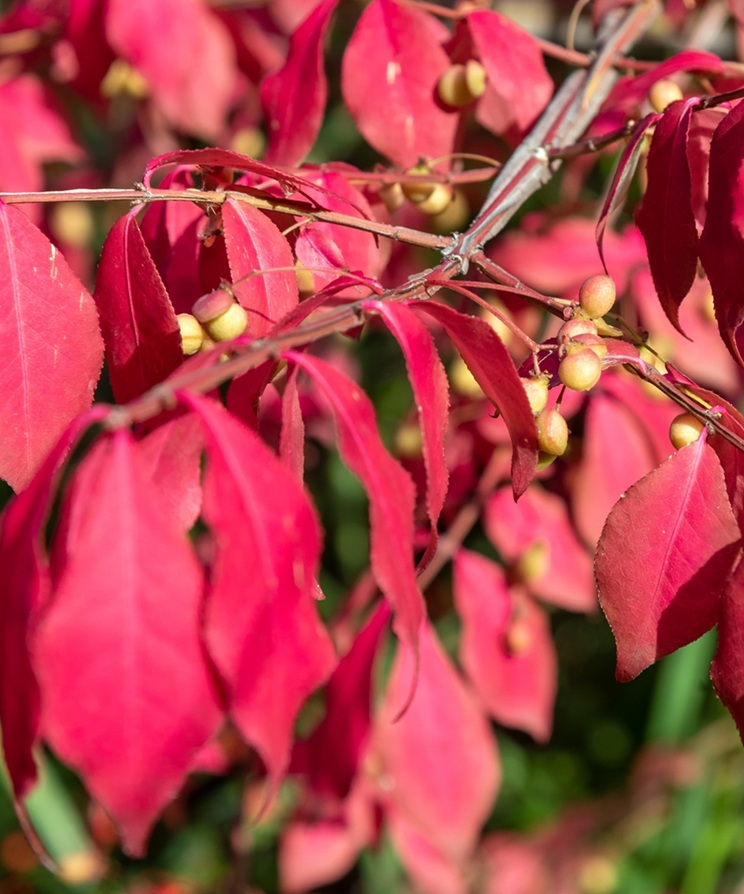
Spindle Tree
Euonymus atropurpureus Jacq.
Historical synonyms and orthographic variants include:
- Euonymus atropurpurea Jacq.
- Euonymus caroliniensis Marshall
- Euonymus latifolius Marshall
- Euonymus tristis Salisb.
Historical variety and infraspecific names include:
- Euonymus atropurpureus var. atropurpureus
- Euonymus atropurpureus var. cheatumii Lundell
- Euonymus atropurpurea var. cheatumii Lundell
- Euonymus atropurpureus var. grandifolius Raf.
- Euonymus atropurpureus var. latifolius Raf.
- Euonymus atropurpureus var. oblongifolius Raf.
Important non-synonym confusion names:
- Euonymus alatus (Thunb.) Siebold — Winged Burning Bush; invasive Asian ornamental with conspicuous cork-winged stems, not Euonymus atropurpureus
- Euonymus europaeus L. — European Spindle; separate Eurasian species often meant by “spindle tree” in European references
- Euonymus americanus L. — Strawberry Bush, Hearts-a-Bustin’, or Hearts Bursting with Love; related North American species, not eastern wahoo
- Euonymus occidentalis Nutt. ex Torr. — Western Wahoo; separate western North American species
- Euonymus fortunei (Turcz.) Hand.-Mazz. — Wintercreeper; separate evergreen/vining Euonymus species
- Euonymus japonicus Thunb. — Japanese Euonymus; separate ornamental species
- Celastrus scandens L. — American Bittersweet; related Celastraceae vine with superficially colorful capsules, not Euonymus atropurpureus
- Taxus spp. — yews; unrelated conifers with red arils and highly dangerous taxine alkaloids
- Nerium oleander L., Digitalis spp., Convallaria majalis L., and Kalanchoe spp. — unrelated cardiac-glycoside plants with overlapping emergency cardiac concerns
Celastraceae
Commonly called the Bittersweet, Staff-Vine, or Spindle-Tree Family. Celastrineae is an older family-level name encountered in historical pharmaceutical literature.
Spindle Tree; Spindletree; Eastern Wahoo; American Wahoo; Wahoo; Waahoo; Wahoo Euonymus; Eastern Burningbush; Eastern Burning Bush; Burningbush; Burning Bush; Indian Arrowwood; Indian Arrow-Wood; Bitter-Ash; Skewerwood; Prickwood.
Historical and botanical search names include Euonymus atropurpureus Jacq., Euonymus atropurpurea Jacq., Euonymus caroliniensis Marshall, Euonymus latifolius Marshall, Euonymus tristis Salisb., Euonymus atropurpureus var. atropurpureus, and Euonymus atropurpureus var. cheatumii Lundell.
“Burning Bush” more commonly refers in modern horticulture to winged burning bush, Euonymus alatus, an Asian ornamental with conspicuously cork-winged stems. “Spindle Tree” is used broadly for several Euonymus species and especially for European spindle, Euonymus europaeus, in European references. “Wahoo” may also refer to western wahoo, Euonymus occidentalis, and occasionally to other North American Euonymus. Names such as Hearts Bursting with Love, Hearts-a-Bustin’, Strawberry Bush, and Bleeding Heart are sometimes applied loosely to eastern wahoo but more often identify the related native strawberry bush, Euonymus americanus. Correct identification during a poisoning case should rely on the scientific name and whole-plant features rather than common names alone.
Digitalis-Like Cardenolides
Eastern wahoo contains digitalis-like cardiac glycosides, also called cardenolides or digitaloids. This toxin class can affect the heart by interfering with the sodium-potassium adenosine triphosphatase pump, written as Na+/K+-ATPase. When this pump is inhibited, sodium and potassium gradients across cell membranes are disrupted, intracellular calcium handling changes, and cardiac impulse formation and conduction can become unstable.
This mechanism explains why many exposures begin with gastrointestinal signs while larger or more concentrated ingestions can become cardiac emergencies. Vomiting and diarrhea may occur first because the plant is bitter, irritating, emetic, and purgative. A sufficiently large dose, especially one involving chewed seeds, root bark, or substantial plant material, can then cause slow rhythm, fast rhythm, irregular rhythm, weak pulses, low blood pressure, electrolyte disturbance, fainting, collapse, or seizures secondary to poor circulation.
Exact-Species Root-Bark Research: Euatroside and Euatromonoside
The strongest exact-species chemical evidence comes from 1957 research on the root bark of Euonymus atropurpureus, then commonly spelled Euonymus atropurpurea. Cephas A. Bliss and Egil Ramstad demonstrated at least seven digitalis-like glycosides through chemical reactions, chromatographic separation, and pharmacological testing in frogs. One isolated glycoside was named euatroside.
A companion structural investigation showed that euatroside was a β-glucoside of euatromonoside. Euatromonoside contained the cardenolide aglycone digitoxigenin joined to arabinose, while euatroside contained digitoxigenin joined through arabinose and glucose. These details are worth preserving because they anchor the page to exact-species research rather than repeating only general Euonymus warnings.
Euatromonoside should not be confused with evomonoside merely because the names look similar and both involve digitoxigenin-type cardiac glycoside chemistry. Sugar attachments alter solubility, absorption, distribution, receptor interaction, metabolism, and elimination. Two compounds sharing a cardenolide aglycone are not automatically the same toxin.
Reported Fruit and Seed Cardenolides
Evonoside, evomonoside, and evobioside are repeatedly reported from Euonymus fruits or seeds, including toxicological listings for Euonymus atropurpureus. Evomonoside is generally described as a digitoxigenin rhamnoside, meaning its sugar portion differs from that of euatromonoside. Seeds and fruits deserve special concern because autumn capsules split open and expose vivid scarlet or orange-red seed coverings that attract animals, children, and birds.
The evidence boundary is important. Some foundational isolation and structural work involving evonoside, evomonoside, and evobioside comes from European spindle and other genus-level sources rather than modern exact-species animal poisoning cases involving eastern wahoo. The compounds remain relevant because toxicological compendia and veterinary references report them for E. atropurpureus, but the page should not pretend that every older Euonymus chemical statement was established through modern tissue-by-tissue analysis of the North American species.
Alkaloidal Fraction and Gastrointestinal Irritation
Older toxicological compendia report approximately 0.1% alkaloids in Euonymus atropurpureus, including evonine, evozine, and evorine. Alkaloids are described more broadly across plant tissues, while cardenolides are often emphasized in fruits, seeds, bark, and root bark. The exact receptors, dose-response relationship, and clinical contribution of the eastern-wahoo alkaloidal fraction remain poorly characterized.
The alkaloidal material is best treated as part of the plant’s bitter, emetic, purgative, and gastrointestinally irritating profile rather than as a separate fully defined syndrome. This helps explain why an animal may vomit or develop diarrhea after a smaller exposure without obvious cardiac instability, while a larger ingestion still raises ECG and electrolyte concerns.
How Cardenolides Disrupt the Heart
Cardenolides inhibit Na+/K+-ATPase, a membrane pump essential for normal sodium and potassium gradients. In cardiac cells, pump inhibition raises intracellular sodium and indirectly raises intracellular calcium by reducing sodium-calcium exchange. More intracellular calcium can strengthen contraction, which explains the historical medicinal interest in digitalis-like compounds. The same mechanism narrows the safety margin and can destabilize the heart electrically.
Impulse formation, automaticity, and conduction can all be affected. Bradycardia, tachycardia, atrioventricular block, premature beats, ventricular arrhythmias, weak pulses, hypotension, fainting, collapse, or a changing combination of rhythms may occur in significant poisoning. Potassium may rise outside cells because the inhibited pump cannot move potassium inward normally. Severe hyperkalemia is an important marker of serious cardiac-glycoside poisoning, but it is not inevitable after every eastern-wahoo exposure.
Plant Parts That Should Be Treated as Poisonous
No dependable analysis establishes one universally safe plant part. Bark, root bark, stems, twigs, leaves, fruits, seed capsules, seeds, roots, suckers, flowers, and cut branches should all be treated as poisonous. Root bark has direct exact-species evidence for digitalis-like glycosides; fruits and seeds are repeatedly associated with cardenolides and alkaloids; and leaves, stems, and bark are all listed in toxicological references.
Seeds deserve particular concern because toxic constituents may be concentrated internally and can be exposed when the four-lobed capsules split open in autumn. An animal that swallows a fruit whole may not release the same amount as one that chews and crushes seeds, but whole-fruit ingestion must not be assumed safe. Digestion, chewing, seed handling, body size, species, and individual susceptibility differ too much for a universal rule.
Fresh, Wilted, Dried, and Cut Material
Dried or wilted branches should not be considered detoxified. Garden clippings, storm-damaged limbs, berry-bearing decorative branches, brush-clearing waste, native-plant trimmings, and compost material can still expose animals to bitter, purgative, and cardiac-active constituents. Cutting branches may actually increase risk by placing fruits, seeds, leaves, and bark directly at feeding height.
Landscape crews, neighbors, property owners, and well-meaning gardeners sometimes throw native shrub or ornamental debris into animal areas because the material looks natural. That is unsafe. Eastern wahoo should not be discarded in horse paddocks, goat pens, livestock pastures, rabbit enclosures, aviaries, poultry runs, tortoise areas, dog yards, or accessible compost piles.
No Reliable Safe Dose or Berry Count
No veterinary toxic dose has been established for fresh leaves, bark, fruits, seeds, stems, or roots of Euonymus atropurpureus. Historical warnings that a certain number of berries may be fatal are useful as cautionary folklore but not as reliable dose thresholds. Fruit size, seed maturity, toxin concentration, chewing, body weight, gastrointestinal contents, and individual susceptibility can all change the risk.
Owners should not count fruits or seeds and declare the exposure safe because it falls below a remembered number. A single small taste with no signs is a different risk from multiple chewed seeds, swallowed capsules, root-bark chewing, or browsing of cut branches. The practical triage question is whether the exposure was credible and whether cardiac monitoring, electrolyte testing, or professional decontamination is needed.
Early Gastrointestinal Signs
The most frequently reported effects of spindle-tree ingestion are gastrointestinal. Dogs and cats may drool, lick their lips, refuse food, vomit, develop diarrhea, appear painful through the abdomen, or become quiet and weak. Vomiting, diarrhea, abdominal pain, and weakness are more consistently recognized than older descriptions of constipation or vague “purgative” effects.
Blood in vomit or stool suggests substantial mucosal irritation, repeated retching, another toxin, or an unrelated gastrointestinal disorder and should not be dismissed as routine. Vomiting may remove some plant material, but it does not prove that all cardenolides have been expelled or that cardiac effects cannot follow.
Onset and Progression
A precise onset interval has not been established for naturally occurring Euonymus atropurpureus poisoning. Gastrointestinal signs would generally be expected within several hours, while significant cardiac-glycoside toxicosis can also become apparent early. The amount chewed, plant part, seed disruption, stomach contents, body size, and individual susceptibility can change the timing.
An animal that initially vomits and then appears quiet may still require monitoring because weakness, dehydration, electrolyte disturbance, or rhythm abnormalities can follow the early digestive phase. A normal pulse at the first glance does not rule out later conduction disturbance, and some dysrhythmias require electrocardiography rather than visual observation.
Cardiovascular Signs
Cardiovascular effects become the central concern after a large exposure. The pulse may become unusually slow, unusually rapid, irregular, weak, or intermittently absent. Affected animals may be lethargic, exercise-intolerant, pale, cold, disoriented, unable to stand, or prone to fainting and collapse.
Some rhythm disturbances are not detectable by watching the animal. A credible ingestion of multiple chewed fruits, seeds, root bark, or substantial plant material deserves professional assessment even before an obvious abnormal rhythm is seen. Electrocardiography, pulse quality, blood pressure, potassium, magnesium, hydration, kidney perfusion, and acid-base status may all matter.
Weakness, Collapse, and Electrolyte Effects
Weakness can result from direct cardiac dysfunction, low blood pressure, electrolyte disturbance, gastrointestinal fluid loss, or a combination of these effects. Severe vomiting and diarrhea may cause dehydration, tacky gums, reduced urination, sunken eyes, and worsening depression. Secondary shock or poor kidney perfusion is possible in a seriously dehydrated or cardiovascularly unstable patient.
Primary liver destruction and direct renal failure are not established defining features of eastern-wahoo poisoning. If major liver or kidney abnormalities develop, the veterinarian should consider shock, dehydration, poor circulation, another toxin, another plant, medication exposure, infection, obstruction, or unrelated disease.
Neurologic Signs
Neurologic abnormalities such as tremors, disorientation, collapse, or seizures are possible in severe cardiac-glycoside toxicosis because of electrolyte disturbance, impaired circulation, hypoxia, and effects on excitable tissue. Hallucinations cannot be diagnosed reliably in an animal and should not be listed as an ordinary observable veterinary sign.
Fixed coma timelines, inevitable unconsciousness, and predictable fatal windows have not been established for eastern wahoo. A patient with seizures, severe tremors, collapse, coma, abnormal temperature, or profound weakness requires emergency evaluation and a broader diagnostic plan rather than assumptions based on older genus-level poison descriptions.
Dogs and Cats
Dogs and cats most often develop vomiting, diarrhea, drooling, abdominal discomfort, reduced appetite, weakness, or lethargy. Fallen autumn fruits may be more attractive than leaves, and a dog may swallow several while playing before the plant’s bitter or irritating qualities discourage further ingestion. Cats may encounter cut branches, fallen capsules, or decorative native-plant material brought indoors.
A pet with a small exposure may remain stable with professional guidance and monitoring. Multiple chewed seeds, repeated vomiting, bloody diarrhea, marked weakness, abnormal pulse, fainting, collapse, or suspected substantial consumption warrants emergency assessment and cardiac monitoring.
Horses, Ponies, and Donkeys
Horses cannot vomit. Possible signs include salivation, feed refusal, abdominal pain, diarrhea, weakness, depression, sweating, abnormal pulse, colic-like behavior, faintness, or collapse. A horse with repeated rolling, severe abdominal distress, collapse, marked weakness, irregular pulse, or signs of shock requires emergency examination.
Direct horse-specific case data for eastern wahoo are limited, so serious signs should also prompt investigation for yew, oleander, red maple, ionophores, contaminated feed, gastrointestinal disease, colic, moldy material, and other more frequently documented equine hazards. Do not drench, force exercise, or repeatedly walk a weak or uncoordinated horse.
Goats, Sheep, Cattle, Camelids, and Pigs
Goats, sheep, cattle, camelids, pigs, and other livestock may encounter eastern wahoo along woodland edges, stream corridors, fence lines, naturalized plantings, or in landscape clippings. Gastrointestinal irritation and weakness may predominate after limited ingestion, while cardiac abnormalities are possible after a larger dose. Goats and pigs may be more likely than cattle or horses to sample woody cuttings or colorful fallen fruits.
No exact livestock toxic dose or characteristic outbreak pattern has been established for E. atropurpureus. Illness affecting several animals should trigger examination of all plants, clippings, hay, feed, water, and dumped landscape material in the area. Mixed debris may contain yew, oleander, azalea, cherry laurel, nightshade, mold, pesticides, or other hazards.
Birds, Poultry, Rabbits, Guinea Pigs, and Other Small Animals
Wild birds consume the colorful arils and disperse seeds, but that ecological relationship does not prove safety for pet birds, poultry, mammals, or livestock. Fruit-eating birds may remove the fleshy covering and pass the seed without crushing it. Parrots, poultry, or other captive birds may break seeds with the beak and create a different exposure.
Rabbits, guinea pigs, and other small mammals should not receive eastern-wahoo branches, fruiting stems, leaves, seeds, bark, or twigs as forage, bedding, chew material, or enrichment. Small body size and limited species-specific data make prevention the safest approach. Food refusal, reduced fecal output, weakness, diarrhea, tremors, collapse, or abnormal behavior after exposure warrants veterinary guidance.
Prognosis and Course
Most reported companion-animal exposures to Euonymus produce stomach upset rather than life-threatening cardiotoxicity. The prognosis is generally favorable when the amount was limited and the heart rhythm, blood pressure, potassium, hydration, and mental status remain normal. Many mild cases recover with removal from the source, professional guidance, and supportive care.
The prognosis becomes guarded when persistent arrhythmia, severe hyperkalemia, hypotension, collapse, profound weakness, uncontrolled vomiting or diarrhea, aspiration, or significant dehydration develops. Access to intensive monitoring and digoxin-specific antibody fragments may materially affect the outcome in severe cardiac-glycoside toxicosis.
The Correct Name Is Euonymus atropurpureus
Spindle Tree or Eastern Wahoo is botanically recognized as Euonymus atropurpureus Jacq. The spelling Euonymus atropurpurea appears throughout older pharmaceutical, medical, botanical, and veterinary literature and is still used by some poison-control databases. It usually refers to the same North American species rather than a separate plant.
The species belongs to Celastraceae, the Bittersweet, Staff-Vine, or Spindle-Tree Family. Two varieties may be recognized: the widespread Euonymus atropurpureus var. atropurpureus and Euonymus atropurpureus var. cheatumii Lundell, a narrowly distributed Texas taxon. Some regional floras treat the variety question differently, but the animal-safety message does not change: eastern wahoo material should not be eaten.
“Spindle Tree,” “Wahoo,” and “Burning Bush” Are Ambiguous
Eastern wahoo and American wahoo are the most useful exact common names for E. atropurpureus. The page title Spindle Tree remains valid, but the name is also used generically for numerous Euonymus species and especially for European spindle, Euonymus europaeus. European information about spindle-tree fruit poisoning is toxicologically relevant but should not be treated as exact-species proof for every eastern-wahoo detail.
Burning bush usually refers in the modern nursery trade to Euonymus alatus, the invasive Asian winged burning bush. That species can be recognized by prominent corky wings running along the twigs. Eastern wahoo may have angled or narrowly lined young stems, but it does not usually develop the broad cork wings characteristic of mature E. alatus. Western wahoo is Euonymus occidentalis, a separate western North American species. Strawberry bush, hearts-a-bustin’, and hearts bursting with love more often refer to Euonymus americanus.
Native Range and Habitat
Eastern wahoo is native from southern Ontario across much of the central and eastern United States. Its range extends through the Great Lakes, Northeast, Midwest, and parts of the Southeast and Great Plains, reaching Florida and Texas in the south and Montana or the Dakotas toward the west. It may be uncommon or localized in parts of that range while still appearing in native-plant nurseries and restoration plantings.
The plant commonly occupies open woodland, forest margins, wooded slopes, thickets, floodplain forest, stream banks, river corridors, and relatively rich bottomland soils. It may grow as an understory shrub in partial shade or develop heavier fruiting where more sunlight reaches the canopy. Animals may encounter native plants along hiking trails, wooded yards, streamside pasture, fence lines, field margins, naturalized landscaping, and wildlife plantings.
How to Identify Eastern Wahoo
Eastern wahoo is an upright, spreading deciduous shrub or small tree with an irregular crown. It often grows approximately 10 to 20 feet tall and may reach about 25 feet under favorable conditions. Multiple stems or root suckers can produce a clump or small colony. The leaves occur in opposite pairs. They are simple, elliptical to ovate, finely serrated along the margin, and usually drawn into a pointed tip. The upper surface is dark green, while the underside is paler and may be finely hairy.
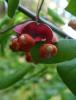
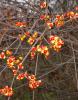
The flowers are small but distinctive on close inspection. They develop in branching clusters from the leaf axils and generally have four dark maroon, brown-purple, or reddish-purple petals. Flowering usually occurs from late spring into early summer. The fruit creates the greatest identification and exposure interest. Smooth pinkish, reddish, or purplish capsules are usually divided into four rounded lobes. As the capsules mature in autumn, they split open and display vivid scarlet or orange-red fleshy coverings around the seeds. The exposed seed structures may persist after leaves fall, making them conspicuous to children, pets, birds, and browsing animals.
All Parts Should Be Treated as Poisonous
Bark, root bark, stems, leaves, fruits, and seeds have all been associated with toxic or pharmacologically active constituents. Root bark has direct exact-species evidence for several digitalis-like glycosides, while fruits and seeds are repeatedly identified as important sources of cardenolides and alkaloids. Leaves and stems should not be treated as safe merely because fruit and seed warnings receive more attention.
The bright aril surrounding each seed attracts fruit-eating birds. The seed itself presents greater toxicological concern when it is crushed or chewed because disruption can release concentrated internal constituents. An intact swallowed fruit cannot be assumed safe, however, because chewing, digestion, and species-specific seed handling differ. Dried or wilted branches should not be considered detoxified.
Exact-Species Cardiac-Glycoside Research
Eastern wahoo has unusually important historical pharmaceutical research behind its toxicology. Bliss and Ramstad examined root bark and demonstrated at least seven digitalis-like compounds. Their separation work used cellulose-column fractionation and chromatography, while pharmacological testing in frogs helped establish cardiac activity. One isolated compound was named euatroside.
Structural work showed that euatroside contained digitoxigenin and the sugars arabinose and glucose. Enzymatic hydrolysis produced euatromonoside, a secondary glycoside containing digitoxigenin joined to arabinose. These studies prove that the exact North American species contains compounds capable of digitalis-like cardiac action. They do not establish the amount in every root, bark sample, leaf, fruit, or seed, and frog experiments cannot be converted into a dog, cat, horse, livestock, or bird dose.
Reported Fruit and Seed Cardenolides
Evonoside, evomonoside, and evobioside are repeatedly listed among the cardenolides of Euonymus fruits or seeds. Evomonoside has digitoxigenin as its aglycone and rhamnose as its sugar. Related glycosides occur in more than one member of the genus. Some older accounts have flattened European-spindle and eastern-wahoo chemistry into one undifferentiated list.
The compounds remain relevant because toxicological compendia report them for E. atropurpureus, but euatroside and euatromonoside are the glycosides most clearly tied to direct structural research on eastern-wahoo root bark. The practical conclusion is not changed by uncertainty over one compound name: eastern wahoo contains cardenolides capable of digitalis-like activity, and chewed fruits, seeds, bark, root bark, or substantial foliage should be treated as a potentially important exposure.
Alkaloids and Gastrointestinal Irritation
Older analyses and toxicological compendia report a sesquiterpene-alkaloid fraction of approximately 0.1%, including compounds named evonine, evozine, and evorine. Alkaloids are described more broadly across plant tissues than the seed-concentrated cardenolides. The exact clinical action of this alkaloid mixture has not been resolved.
The alkaloidal fraction is generally considered part of the plant’s bitter, irritant, emetic, and purgative activity. Gastrointestinal signs may therefore arise before or without detectable cardiotoxicity, and a vomiting animal should not automatically be assumed to have emptied every toxic constituent from the stomach.
How Cardenolides Disrupt the Heart
Cardenolides inhibit Na+/K+-ATPase, a membrane pump essential to normal electrical and chemical gradients. In cardiac cells, pump inhibition raises intracellular sodium and indirectly raises intracellular calcium by reducing sodium-calcium exchange. Additional intracellular calcium can strengthen contraction, which explains the historical medicinal interest in digitalis-like compounds. The same mechanism narrows the margin between pharmacological and toxic effects.
Electrical conduction may slow while abnormal impulses arise from irritable cardiac tissue. Bradycardia, tachycardia, atrioventricular block, premature complexes, ventricular rhythms, and changing combinations of arrhythmias are possible. Potassium may accumulate outside cells, and severe hyperkalemia can accompany dangerous poisoning. These effects require ECG and laboratory monitoring rather than owner interpretation from appearance alone.
Why Ordinary Exposures Often Remain Gastrointestinal
Euonymus poisoning is reported infrequently despite the widespread cultivation of the genus. The plant is not ordinarily palatable, and its gastrointestinally irritating constituents may cause an animal to stop chewing or vomit before a larger dose is retained. This self-limiting tendency helps explain why stomach upset is more common than collapse.
Self-limiting does not mean safe. A puppy playing with fruits, a dog consuming fallen capsules, a goat browsing cut branches, a horse chewing clippings, a parrot cracking seeds, or a child chewing colorful fruit may receive more toxin than an animal that tastes one leaf and stops. Owners should not wait for heart signs before calling when the exposure involves multiple fruits, chewed seeds, or substantial plant material.
The Four-Berry Fatality Claim
Historical poison references sometimes state that a small number of spindle-tree berries may be fatal to a child. That statement is useful as a warning against casual ingestion but is not a validated dose threshold for animals or people. A “berry” or capsule may contain a different number of mature seeds, and toxin concentration can vary among plants, seasons, and tissues.
No owner should count fruits or seeds and conclude that an exposure below a particular number is safe. Body weight, chewing, seed disruption, time since ingestion, medical history, and clinical signs all matter more than an unsupported universal berry count.
Historical Medicinal Use
Eastern-wahoo bark and root bark were historically used as strong purgatives, emetics, laxatives, tonics, diuretics, cholagogues, and so-called physic medicines. Preparations were also used for various liver, digestive, and skin complaints. These practices reflected genuine pharmacological activity but also exposed users to an unpredictable mixture of irritants and cardiac glycosides.
Historical use does not make the plant safe. A purgative dose and a toxic dose can overlap, and bark preparations may concentrate constituents beyond what an animal receives from a casual leaf bite. Eastern wahoo should not be prepared as a tea, tincture, powder, poultice, livestock drench, dewormer, “liver tonic,” or homemade veterinary remedy.
The Genus Name Does Not Come From Eurynome
Euonymus comes from an ancient Greek plant name meaning approximately “well named” or “of good name.” The favorable name is commonly interpreted as euphemistic—an intentionally pleasant designation for plants with poisonous, purgative, or otherwise undesirable properties.
The name is not derived botanically from Eurynome, the mythological mother of the Furies. That older story may have been encouraged by the plant’s painful effects and the similarity between the names, but it is not the accepted linguistic origin of the genus.
Dogs and Cats
Dogs and cats most often develop vomiting, diarrhea, drooling, abdominal discomfort, reduced appetite, weakness, or lethargy. Fallen autumn fruits may be more attractive than leaves, and a dog may swallow several while playing before the plant’s bitter or irritating qualities discourage further ingestion. Cats may be exposed through cut branches, indoor decorations, fallen capsules, or garden debris brought into a screened porch or patio.
A pet with a small exposure may remain stable with professional guidance and monitoring. Multiple chewed seeds, repeated vomiting, marked weakness, abnormal pulse, collapse, or a history suggesting substantial consumption warrants emergency assessment and cardiac monitoring.
Horses and Livestock
Horses and grazing animals may encounter eastern wahoo where woodland, thicket, or streamside vegetation overlaps a paddock or pasture. Landscape clippings create an additional risk by placing cut branches and fruit directly at feeding height. Horses cannot vomit, so possible illness may appear as colic, diarrhea, feed refusal, salivation, depression, weakness, sweating, or an abnormal pulse.
Goats and other browsers may be more willing to sample woody material than cattle or horses. Direct exact-species livestock cases are limited. A sick animal should therefore be evaluated for other plants and feed hazards rather than having every severe sign attributed automatically to wahoo.
Birds and Wildlife
Wild birds consume the colorful arils and disperse seeds. This does not prove that the entire fruit is harmless or that all birds share the same resistance. Fruit-eating birds may remove the fleshy covering and pass the seed without crushing it. That is a different exposure from a parrot cracking seeds or poultry pecking crushed fruit from the ground.
No validated avian dose exists, so eastern-wahoo fruiting branches should not be placed in cages or offered as enrichment. Captive birds, poultry, rabbits, guinea pigs, and small mammals should not receive leaves, fruits, seeds, stems, bark, or twigs as natural browse.
Diagnosis and Differential Diagnosis
Diagnosis begins with accurate plant identification and an exposure history. Photographs should show the full shrub, opposite leaves, flowers or fruit, twigs, bark, and any corky ridges or wings. A representative branch bearing leaves and fruit is more useful than a photograph of one red capsule. The veterinarian may assess heart rate and rhythm, pulse quality, blood pressure, hydration, abdominal comfort, temperature, neurologic status, blood glucose, potassium, magnesium, kidney values, and acid-base balance.
Electrocardiography is particularly important because significant conduction disturbance may not be obvious from outward behavior. Some plant cardiac glycosides cross-react with digoxin immunoassays, but a positive or negative result does not identify eastern wahoo conclusively or quantify every plant cardenolide accurately. Treatment should not be delayed when exposure and clinical findings support serious poisoning.
Winged burning bush, European spindle, strawberry bush, wintercreeper, Japanese euonymus, and other Euonymus may produce overlapping gastrointestinal or cardiac effects. American bittersweet, Celastrus scandens, has superficially similar capsules and belongs to the same family, but its plant form and documented poisoning history differ. Oleander, foxglove, lily-of-the-valley, Kalanchoe, milkweed, desert rose, and yellow oleander are better-known cardiac-glycoside plants. Yew can cause sudden cardiovascular collapse through taxine alkaloids rather than cardenolides. Severe diarrhea, liver abnormalities, kidney abnormalities, hallucination-like behavior, hyperthermia, seizures, or coma may also arise from pesticides, medications, mushrooms, contaminated feed, infectious disease, intestinal obstruction, heat illness, or another poisonous plant.
Veterinary Treatment, Prognosis, and Prevention
There is no eastern-wahoo-specific antidote, but severe cardenolide poisoning can be treated using established cardiac-glycoside protocols. Initial priorities are airway, breathing, circulation, heart rhythm, blood pressure, hydration, and electrolyte status. A veterinarian may induce vomiting after a recent ingestion only in an alert, clinically appropriate animal that has not already developed neurologic, cardiovascular, respiratory, or swallowing abnormalities. Activated charcoal may be administered to reduce absorption, and repeated doses may be considered because some cardiac glycosides undergo enterohepatic recirculation. These procedures are not safe automatic owner treatments.
Intravenous fluids support circulation and correct gastrointestinal losses, but fluid selection and rate must account for cardiac function and potassium concentration. Continuous or repeated electrocardiography may be needed because the rhythm can change during treatment. Bradycardia and other dysrhythmias require rhythm-specific treatment. Atropine or another medication may be appropriate for clinically important bradycardia, while ventricular arrhythmias require a different approach. Calcium should not be administered casually in suspected cardiac-glycoside poisoning because electrolyte treatment must be guided by laboratory values and cardiac status. Digoxin-specific antibody fragments can bind several plant-derived cardiac glycosides and may be lifesaving in severe poisoning involving dangerous arrhythmias, marked hyperkalemia, or cardiovascular collapse.
The prognosis is generally good when exposure was limited and illness remains confined to short-lived gastrointestinal irritation. The outlook becomes guarded when persistent arrhythmias, severe hyperkalemia, hypotension, collapse, uncontrolled vomiting or diarrhea, aspiration, or significant dehydration develops. Fatal liver destruction within eight hours and coma predictably beginning at twelve hours are not established eastern-wahoo patterns. Any animal developing progressive organ abnormalities or profound neurologic dysfunction requires investigation for complications, mixed ingestion, or a different diagnosis.
Keep fruiting branches out of reach of dogs, cats, horses, livestock, rabbits, and captive birds. Collect fallen capsules before pets can play with or eat them, and supervise animals in wooded or streamside areas where eastern wahoo grows naturally. Never place hedge trimmings, berry-bearing branches, or woodland cuttings in an animal enclosure. Identify every plant in mixed landscape debris because invasive burning bush, yew, oleander, azalea, and other toxic shrubs may be discarded together. Label cultivated specimens with Euonymus atropurpureus and note the older spelling Euonymus atropurpurea.
Immediate Steps After Exposure
Stop further ingestion immediately. Move the animal away from the shrub, fallen fruits, exposed seeds, bark, root bark, clippings, chewed branches, or mixed ornamental debris and prevent other animals from reaching the same material. Keep a weak or possibly cardiotoxic patient quiet. Do not exercise, chase, repeatedly walk, or stress an animal that may have an abnormal pulse, faintness, collapse risk, or electrolyte disturbance.
- Remove loose plant material safely: If the animal is alert and cooperative, take visible fragments from the lips and front of the mouth. Do not reach deeply into the throat or place yourself at risk of being bitten.
- Preserve identification evidence: Photograph the entire plant, opposite leaves, stems, flowers, capsules, exposed seeds, bark, and surrounding vegetation. Save a representative sample in a secure bag or container.
- Estimate the exposure without relying on a berry threshold: Note how many fruits, seeds, leaves, or branches may be missing, whether seeds were crushed, and when access occurred. Do not assume that fewer than a particular number is safe.
- Contact a veterinarian or animal poison-control service immediately: Report the animal’s species, weight, amount and plant part involved, time of ingestion, current symptoms, and any heart, kidney, electrolyte, or gastrointestinal disease.
- Check for mixed exposure: Inspect the area for winged burning bush, yew, oleander, bittersweet, azalea, rhododendron, pesticides, fertilizer, moldy debris, mushrooms, or other hazards.
Do Not Attempt Unsupervised Home Treatment
- Do not induce vomiting automatically: Do not give hydrogen peroxide, salt, mustard, syrup of ipecac, or use manual gagging. Vomiting may be unsafe after weakness, collapse, tremors, rhythm disturbance, respiratory signs, or impaired swallowing develops.
- Do not give activated charcoal on your own: Charcoal may be useful in selected hospital-managed cases, but it can be aspirated and may worsen fluid or electrolyte problems when administered improperly.
- Do not force food or fluids: Milk, water, oil, broth, or food may trigger additional vomiting or enter the lungs of a weak, nauseated, poorly coordinated, or collapsing animal.
- Do not give calcium, potassium, magnesium, or electrolyte products: Cardiac glycosides can alter potassium and heart conduction, and inappropriate supplementation may worsen the patient’s condition.
- Do not administer heart medication: Atropine, digoxin, beta blockers, antiarrhythmics, blood-pressure drugs, and other cardiovascular medications can be dangerous unless the actual rhythm, potassium, and blood pressure are known.
- Do not give antidiarrheal or gastrointestinal medication without direction: Sucralfate, bismuth products, loperamide, antiemetics, and pain medication should be selected for the individual animal by a veterinarian.
- Do not drench horses or livestock: Forced oral treatment can cause aspiration, particularly in a weak, coughing, recumbent, or poorly coordinated animal. Horses cannot vomit.
When Emergency Examination Is Especially Important
- Several fruits, seeds, or substantial plant material may have been consumed: Chewed seeds deserve particular concern because disruption can release concentrated toxic constituents.
- The pulse is slow, rapid, weak, or irregular: Fainting, collapse, pale gums, cold extremities, or sudden exercise intolerance may indicate cardiovascular instability.
- Vomiting or diarrhea is repeated: Continuing gastrointestinal loss can cause dehydration and electrolyte disturbance while toxic material may still be absorbed.
- Blood appears in vomit or stool: Bloody gastrointestinal signs are not a reason for continued home observation.
- Weakness is progressive: Staggering, inability to stand, severe depression, tremors, seizures, or collapse requires immediate care.
- A horse shows colic or an abnormal pulse: Sweating, repeated rolling, severe abdominal pain, diarrhea, weakness, or collapse requires emergency veterinary assessment.
- Several animals had access: Different animals may consume different amounts and deteriorate at different times. Every exposed animal should be assessed or monitored under veterinary direction.
- The plant identity is uncertain: Winged burning bush, yew, bittersweet, oleander, azalea, rhododendron, and other shrubs may occur in the same landscaping or clipping pile and have different treatment priorities.
Veterinary Decontamination and Monitoring
A veterinarian may induce vomiting after a recent ingestion in an alert dog or cat that has no cardiovascular, neurologic, respiratory, or swallowing abnormality. Emesis is avoided when the patient is already vomiting repeatedly, weak, collapsed, tremoring, seizuring, poorly coordinated, or unable to protect the airway. Horses, rabbits, guinea pigs, and several other animals cannot vomit and require different management.
Veterinarian-administered activated charcoal may reduce gastrointestinal absorption of cardenolides. Repeated doses may be considered when enterohepatic recirculation is a concern, but hydration, sodium concentration, bowel function, aspiration risk, and cardiovascular status must be considered. Charcoal is not an owner-administered universal antidote.
Heart rate, electrocardiogram, pulse quality, blood pressure, potassium, magnesium, glucose, hydration, kidney values, and acid-base status may be monitored. Observation may continue after gastrointestinal signs improve because conduction abnormalities can emerge or change during the course of poisoning.
Cardiovascular and Supportive Treatment
Intravenous fluids may be used to replace gastrointestinal losses and support circulation. The type and rate of fluid therapy are adjusted to the animal’s blood pressure, cardiac function, electrolyte results, and urine production rather than administered as a universal regimen. Excessive or poorly chosen fluids can be problematic in a patient with unstable cardiac function.
Bradycardia, atrioventricular block, ventricular premature complexes, tachyarrhythmias, and other rhythm disturbances require different treatments. Veterinarians select medication according to the electrocardiographic pattern and hemodynamic effect. Clinically important hyperkalemia requires monitored hospital treatment. Owners should not attempt to correct potassium or administer calcium, insulin, dextrose, bicarbonate, or electrolyte supplements at home.
Digoxin-specific antibody fragments may be considered when severe cardenolide poisoning causes dangerous arrhythmias, marked hyperkalemia, hypotension, or cardiovascular collapse. These antibody fragments have been effective against several plant cardiac glycosides, although the required amount cannot be calculated precisely from an unknown quantity and mixture of eastern-wahoo cardenolides.
Dogs and Cats
Dogs should be monitored for vomiting, diarrhea, abdominal pain, appetite, hydration, gum color, pulse quality, weakness, fainting, tremors, collapse, and whether fruits or seeds were chewed. A dog that vomits visible fruit material still needs monitoring when seed exposure was substantial or the amount is uncertain. Cats should be monitored for hiding, drooling, vomiting, diarrhea, weakness, appetite loss, pulse abnormalities, and collapse.
If the exposure involved decorative branches, mixed native-plant material, or yard debris, identify every plant present. A cat or dog may have access to yew, oleander, azalea, rhododendron, true lilies, sago palm, pesticides, fertilizer, floral foam, ribbon, wire, or other hazards at the same time.
Horses and Livestock
Horses, goats, sheep, cattle, camelids, pigs, and other livestock should be moved away from wahoo shrubs, woodland edges, berry-bearing branches, storm debris, dumped trimmings, and mixed brush piles. Provide safe forage and clean water so hungry animals are not forced to browse unfamiliar woody material. Save representative samples from the entire debris pile because other toxic plants may be present.
Do not drench affected livestock. Oil, water, charcoal, electrolyte mixtures, milk, or medication can be aspirated when an animal is weak, coughing, gagging, regurgitating, bloated, recumbent, or poorly coordinated. Horses cannot vomit, so gastrointestinal illness may appear as feed refusal, salivation, diarrhea, sweating, depression, or colic-like behavior. Severe colic, abnormal pulse, collapse, or neurologic signs warrants urgent large-animal evaluation.
Birds, Rabbits, Guinea Pigs, Reptiles, and Small Pets
Do not place eastern-wahoo fruiting branches in bird cages, aviaries, rabbit runs, guinea-pig enclosures, tortoise pens, reptile enclosures, or small-pet play areas. Wild birds dispersing seed does not establish safety for captive birds that may crush seeds. A bird with weakness, regurgitation, poor perching, diarrhea, abnormal droppings, tremors, collapse, or appetite loss after chewing fruit or seeds needs avian veterinary guidance.
Rabbits and guinea pigs cannot vomit. Food refusal, reduced fecal output, soft stool, diarrhea, tooth grinding, weakness, tremors, or quiet behavior after exposure requires prompt veterinary advice. Reptiles and tortoises should not receive eastern-wahoo leaves, fruits, seeds, twigs, or bark as browse or enclosure material.
Recovery and Prognosis
Animals that develop only mild gastrointestinal signs generally have a good prognosis and may recover fully with supportive care. Normal appetite, hydration, strength, pulse, and stool should return before the exposure is considered resolved. Continued monitoring is appropriate because cardiac effects may not be obvious at the same time as the first vomiting episode.
The prognosis becomes guarded when persistent arrhythmias, severe potassium abnormalities, low blood pressure, collapse, uncontrolled vomiting or diarrhea, aspiration, or profound weakness develops. Intensive monitoring and access to digoxin-specific antibody fragments may substantially affect the outcome in severe cases. Primary liver failure, permanent kidney damage, a fixed eight-hour fatal interval, and predictable coma after twelve hours are not established features of eastern-wahoo poisoning. Abnormal organ values or prolonged neurologic illness should prompt investigation for secondary complications, another plant, mixed exposure, or an unrelated disease.
Prevention After the Incident
Collect fallen autumn capsules before pets can play with or eat them. Keep berry-bearing branches outside dog yards, catios, horse paddocks, livestock pens, rabbit areas, bird cages, poultry runs, and tortoise enclosures. Prevent animals from accessing woodland edges, stream corridors, fence lines, or naturalized plantings where eastern wahoo grows naturally.
Never place hedge trimmings, berry-bearing branches, root bark, or woodland cuttings in an animal enclosure. Identify every plant in mixed landscape debris because invasive burning bush, yew, oleander, azalea, rhododendron, cherry laurel, and other toxic shrubs may be discarded together. Label cultivated plants with Euonymus atropurpureus and the historical spelling Euonymus atropurpurea so the shrub can be identified quickly during an emergency.
Frequently Asked Questions About Spindle Tree and Animal Poisoning
Is Spindle Tree poisonous to dogs and cats?
Yes. Eastern wahoo or Spindle Tree contains digitalis-like cardenolides and gastrointestinally irritating constituents. Dogs and cats may develop vomiting, diarrhea, drooling, abdominal pain, reduced appetite, lethargy, and weakness. Larger exposures, especially chewed fruits or seeds, may cause abnormal heart rhythm, weakness, fainting, collapse, electrolyte disturbance, and life-threatening cardiotoxicity.
Is the correct scientific name Euonymus atropurpureus or Euonymus atropurpurea?
The currently accepted name is Euonymus atropurpureus Jacq. The spelling Euonymus atropurpurea is widespread in older pharmaceutical, botanical, medical, and veterinary literature and still appears in some poison-control resources. Both spellings usually refer to eastern wahoo, but current taxonomy uses the masculine ending atropurpureus.
Is eastern wahoo the same plant as invasive burning bush?
No. Eastern wahoo is the North American native Euonymus atropurpureus. The invasive ornamental usually called burning bush is Euonymus alatus, an Asian species recognized by broad corky wings that commonly develop along its stems. Both belong to Euonymus and may cause gastrointestinal or cardiac effects, but they are separate species.
Is eastern wahoo the same as European spindle?
No. European spindle is Euonymus europaeus, a separate Eurasian species often meant by “spindle tree” in European references. Its fruit and seed toxicology overlaps with eastern wahoo at the genus level, but European-spindle reports should not be treated as exact-species proof for every eastern-wahoo statement.
Which parts of eastern wahoo are poisonous?
Bark, root bark, stems, leaves, fruits, seed capsules, seeds, roots, flowers, and cut branches should all be treated as poisonous. Root bark contains directly demonstrated digitalis-like glycosides, while fruits and seeds are repeatedly associated with cardenolides and alkaloids. Seeds are especially concerning when chewed or crushed because disruption can release internal constituents.
What cardiac glycosides have actually been found in Euonymus atropurpureus?
Direct research on eastern-wahoo root bark demonstrated at least seven digitalis-like glycosides and led to the isolation of euatroside and euatromonoside. Both contain the cardiac aglycone digitoxigenin. Evonoside, evomonoside, and evobioside are also reported from Euonymus fruits or seeds, including toxicological listings for this species, but some foundational chemistry came from related spindle trees.
Are euatromonoside and evomonoside the same toxin?
No. Their names are similar, and both are digitoxigenin glycosides, but they have different sugar components. Euatromonoside was identified from eastern-wahoo root bark as a digitoxigenin arabinoside. Evomonoside is generally described as a digitoxigenin rhamnoside and is especially well known from European-spindle and genus-level cardiac-glycoside chemistry.
How do eastern-wahoo cardiac glycosides affect the heart?
They inhibit Na+/K+-ATPase, the membrane pump that maintains sodium and potassium gradients. This indirectly increases calcium inside cardiac cells and can strengthen contraction while destabilizing impulse formation and conduction. The result may be bradycardia, tachycardia, atrioventricular block, premature beats, ventricular arrhythmias, hyperkalemia, weakness, fainting, or collapse.
How many wahoo berries or seeds are dangerous?
No dependable berry or seed count has been established for dogs, cats, horses, livestock, birds, or children. Historical statements that a particular number is fatal do not account for fruit size, seed maturity, chewing, toxin concentration, body weight, or individual susceptibility. Any ingestion involving several fruits or chewed seeds should be discussed promptly with a veterinarian or poison-control specialist.
Are the red-orange seed coverings safe because birds eat them?
No. Wild fruit-eating birds may consume the fleshy aril and pass the seed without crushing it, reducing exposure to seed contents. Birds also differ from mammals in digestion and toxin susceptibility. This ecological relationship does not establish safety for parrots, poultry, pets, livestock, rabbits, or children that may crush and swallow seeds.
What symptoms usually occur after a dog or cat eats Spindle Tree?
Vomiting, diarrhea, drooling, abdominal pain, food refusal, lethargy, and weakness are the most frequently reported signs. A large ingestion can cause an abnormally slow, rapid, or irregular heart rhythm and may lead to fainting or collapse. Gastrointestinal improvement does not guarantee that cardiac effects will not develop after a significant exposure.
Can eastern wahoo cause an abnormal pulse?
Yes. Digitalis-like cardiac glycosides can produce a slow, rapid, weak, irregular, or intermittently absent pulse depending on the rhythm disturbance and circulation. Some dangerous dysrhythmias cannot be recognized by appearance alone and require ECG monitoring. A credible ingestion of multiple chewed fruits or seeds deserves professional evaluation even before obvious heart signs appear.
Can eastern wahoo cause hyperkalemia?
Serious cardiac-glycoside poisoning can interfere with the sodium-potassium pump and contribute to high blood potassium. Hyperkalemia is an important severity marker in dangerous cardiac-glycoside poisoning, but it has not been shown to occur after every eastern-wahoo exposure. Owners should not give potassium, calcium, magnesium, electrolyte products, or heart drugs at home.
Can eastern wahoo cause liver failure or kidney failure?
Primary liver destruction and direct kidney failure are not established defining effects of eastern-wahoo poisoning. Severe vomiting, diarrhea, low blood pressure, cardiac dysfunction, or collapse can cause dehydration, poor kidney perfusion, electrolyte disturbance, and secondary organ abnormalities. Significant liver or kidney changes should prompt investigation for complications, another plant, or another toxic exposure.
Can eastern wahoo cause tremors, seizures, or collapse?
Yes, severe poisoning may lead to tremors, seizures, fainting, collapse, or abnormal awareness through electrolyte disturbance, poor circulation, low blood pressure, or severe cardiac rhythm abnormalities. These signs are emergencies. They should also trigger investigation for other toxins because yew, oleander, pesticides, mushrooms, medications, heat illness, and other hazards can produce severe neurologic or cardiovascular signs.
Can hallucinations be diagnosed in a poisoned animal?
No. Older poison descriptions sometimes mention hallucinations in humans or in broad plant summaries, but hallucinations cannot be diagnosed reliably in animals. Veterinarians can observe disorientation, agitation, tremors, altered awareness, abnormal responsiveness, collapse, or seizures. Those observable signs are more useful and safer for a public veterinary page.
Is eastern wahoo poisonous to horses?
Yes, it should be kept away from horses. Horses cannot vomit, so illness may appear as feed refusal, salivation, colic, diarrhea, sweating, weakness, abnormal pulse, or collapse. Direct horse-specific case data for eastern wahoo are limited, so severe signs should also prompt investigation for yew, oleander, red maple, ionophores, contaminated feed, colic, mold, and other equine hazards.
Is eastern wahoo poisonous to goats, sheep, cattle, or camelids?
Yes, it should not be available to livestock. Goats and other browsers may be especially willing to sample woody cuttings or colorful fruiting branches. Gastrointestinal irritation and weakness may predominate after limited exposure, while cardiac abnormalities are possible after larger ingestion. Mixed clipping piles should be inspected for other poisonous plants as well.
Is eastern wahoo safe for birds, rabbits, or guinea pigs?
No. Wild birds eating arils does not prove safety for captive birds, poultry, rabbits, or guinea pigs. Parrots may crush seeds, and small mammals may chew leaves, bark, or twigs. The plant should not be used as cage greenery, browse, bedding, chew material, or enrichment. Food refusal, abnormal droppings, weakness, tremors, or collapse requires veterinary advice.
Should I make my dog vomit after eating Spindle Tree?
Do not induce vomiting unless a veterinarian or animal poison-control specialist specifically directs it. Vomiting may be unsafe after weakness, rhythm disturbance, tremors, collapse, or impaired swallowing develops. The decision depends on species, timing, amount, plant part, symptoms, and airway safety. Cats should not receive hydrogen peroxide as a home emetic.
Should I give activated charcoal?
Not at home. Activated charcoal may be useful in selected hospital-managed cases, and repeated doses may be considered for some cardiac glycosides because enterohepatic recirculation can occur. It can also be aspirated or worsen fluid and electrolyte problems when given improperly. A veterinarian must decide whether it is appropriate.
Should I give calcium, potassium, magnesium, or electrolytes?
No. Cardiac glycoside poisoning can disturb potassium and heart conduction, and the wrong supplement may make the situation worse. Calcium, potassium, magnesium, bicarbonate, insulin, dextrose, and other electrolyte-directed treatments belong in monitored veterinary care based on bloodwork and ECG findings.
Can digoxin immune Fab treat severe eastern-wahoo poisoning?
Possibly. Digoxin-specific antibody fragments can bind several plant-derived cardiac glycosides and may be considered when dangerous arrhythmias, severe hyperkalemia, hypotension, or cardiovascular collapse develops. Their use is a hospital decision because the dose cannot be calculated precisely from an unknown quantity and mixture of eastern-wahoo cardenolides.
Do digoxin blood tests diagnose eastern-wahoo poisoning?
Not reliably by themselves. Some plant cardiac glycosides may cross-react with digoxin immunoassays, but a positive or negative result does not prove or exclude eastern wahoo and does not quantify every cardenolide. Diagnosis depends on plant identification, exposure history, clinical signs, ECG, electrolytes, and veterinary assessment.
Is dried eastern-wahoo material still dangerous?
Yes. Dried branches, wilted leaves, old capsules, root bark, and cut berry-bearing stems should not be treated as detoxified. Drying may change moisture and texture, but it does not establish safety. Dried material may also be mixed with other poisonous plants, pesticides, mold, or foreign debris.
Can eastern wahoo be used as an herbal or livestock remedy?
No. Historical use of wahoo bark and root bark as purgatives, emetics, laxatives, tonics, diuretics, or cholagogues reflects real pharmacological activity, not safety. Homemade teas, powders, tinctures, poultices, drenches, dewormers, liver remedies, and digestive remedies can concentrate unpredictable cardiac glycosides and irritants and should not be used in animals.
What should veterinarians monitor after a significant exposure?
Important monitoring includes heart rate, electrocardiogram, pulse quality, blood pressure, hydration, vomiting and diarrhea frequency, potassium, magnesium, glucose, kidney values, acid-base status, neurologic status, and signs of shock or aspiration. Observation may need to continue after vomiting improves because rhythm abnormalities can emerge or change during the course of poisoning.
What other plants can look or act similar?
Other Euonymus plants such as winged burning bush, European spindle, strawberry bush, wintercreeper, and Japanese euonymus may overlap in signs. American bittersweet has colorful capsules and belongs to the same family. Oleander, foxglove, lily-of-the-valley, Kalanchoe, milkweed, desert rose, and yellow oleander contain other cardiac glycosides. Yew can cause sudden collapse through taxine alkaloids rather than cardenolides.
What research gaps remain for eastern-wahoo poisoning?
The main gaps are modern tissue-by-tissue cardenolide and alkaloid measurements for Euonymus atropurpureus, fruit and seed concentration data by maturity and season, species-specific toxic doses for dogs, cats, horses, livestock, birds, rabbits, and reptiles, and well-documented natural poisoning cases with ECG and electrolyte findings. The exact-species root-bark chemistry is strong, but clinical dose-response data remain limited.
What is the prognosis after Spindle Tree ingestion?
The prognosis is generally good when exposure is limited and signs remain confined to mild gastrointestinal irritation. Persistent arrhythmias, severe potassium abnormalities, collapse, low blood pressure, uncontrolled vomiting or diarrhea, and marked weakness make the outlook more guarded. Early identification, ECG and electrolyte monitoring, supportive care, and access to antidotal treatment can materially improve management of a severe case.
How can eastern-wahoo poisoning be prevented?
Collect fallen autumn capsules before pets can play with them, keep berry-bearing branches outside animal enclosures, and prevent livestock from reaching woodland edges or discarded clippings containing wahoo. Do not use bark or root bark in homemade medicines or livestock remedies. Label cultivated plants with Euonymus atropurpureus and the historical spelling Euonymus atropurpurea so the shrub can be identified quickly during an emergency.