Western Wahoo, Euonymus Cardenolides, Seed and Fruit Capsule Risk, Gastrointestinal Purgation, and Digitalis-Like Rhythm Disturbance
Is Wahoo Poisonous to Dogs, Cats, Horses, and Livestock?
Yes—Wahoo on this page, Euonymus occidentalis Nutt. ex Torr., more precisely Western Wahoo or Western Burning Bush, should be considered poisonous to dogs, cats, horses, livestock, rabbits, birds, reptiles, and other animals. The common name “Wahoo” is shared with several other Euonymus species, especially Eastern Wahoo, Euonymus atropurpureus, and the toxicology literature often discusses Euonymus at genus level rather than with exact Western Wahoo chemistry. That limitation does not make the plant safe. Euonymus species are associated with gastrointestinally irritating or purgative compounds, alkaloids, and cardenolide-type cardiac glycosides. Seeds, fruit capsules, leaves, bark, roots, stems, pruning debris, homemade preparations, and dried or fallen material should all be treated as unsafe.
A small exposure most often causes drooling, nausea, vomiting in species capable of vomiting, diarrhea, abdominal pain, appetite loss, and weakness. A larger exposure—especially involving seeds, fruiting capsules, leaves, bark or root-bark preparations, concentrated teas, powders, extracts, or an unknown amount—may disturb the heart’s electrical system. Possible serious signs include an abnormally slow, fast, weak, or irregular pulse; conduction block; dangerous dysrhythmias; electrolyte disturbance, including possible hyperkalemia; trembling; confusion; faintness; collapse; shock; seizures secondary to severe poisoning; and cardiac arrest. Because visible fruit capsules contain seeds and the dose cannot be judged reliably by appearance, meaningful seed or fruit ingestion deserves veterinary guidance even before severe signs appear.
About this guide: This page provides general pet-poisoning information and cannot diagnose or treat an individual animal. For any suspected exposure, contact a veterinarian or animal poison-control service immediately. Do not induce vomiting, give medication, or attempt home decontamination unless directed by a veterinary professional.
Wahoo
Euonymus occidentalis Nutt. ex Torr.
Accepted infraspecific names include:
- Euonymus occidentalis var. occidentalis
- Euonymus occidentalis var. parishii (Trel.) Jeps.
Historical names and synonym-linked search terms associated with Euonymus occidentalis or its varieties include:
- Euonymus acuminatus Benth.
- Euonymus cuneatus Kellogg
- Euonymus occidentalis var. parviflorus Jeps.
- Euonymus occidentalis var. scandens S.Watson
Important non-synonym confusion names:
- Euonymus atropurpureus Jacq. — Eastern Wahoo, American Wahoo, Burning Bush, Waahoo, Indian Arrow Wood; historically important medicinal “wahoo,” but not the western species on this page
- Euonymus europaeus L. — European Spindle, Common Spindle, Spindle Tree, Spindleberry; source for some European spindle toxicology and named glycosides
- Euonymus alatus (Thunb.) Siebold — Winged Burning Bush or Winged Euonymus; common Asian ornamental shrub with corky winged stems
- Euonymus americanus L. — Strawberry Bush, Hearts-a-Bustin’, American Strawberry Bush; another North American Euonymus with colorful fruit
- Euonymus fortunei (Turcz.) Hand.-Mazz. — Wintercreeper; common evergreen ornamental and groundcover
- Euonymus japonicus Thunb. — Japanese Euonymus; common evergreen landscape shrub
- Celastrus species — bittersweets; same family, Celastraceae, but not Wahoo
- Ilex vomitoria Aiton — Yaupon Holly, sometimes pronounced “yaupon” in ways that sound vaguely similar to wahoo; unrelated holly, not Euonymus
Celastraceae
Wahoo; Western Wahoo; Western Burning Bush; Western Burning-Bush; Western Euonymus; Western Spindle Tree; Western Spindletree; Spindle Tree; Spindletree; Pacific Wahoo; California Wahoo; Oregon Wahoo; Parish’s Burning Bush; Parish's Burning Bush; Parish Wahoo; Pawnbroker Bush.
Scientific, variety, and historical search names include Euonymus occidentalis, Euonymus occidentalis var. occidentalis, Euonymus occidentalis var. parishii, Euonymus acuminatus, Euonymus cuneatus, Euonymus occidentalis var. parviflorus, and Euonymus occidentalis var. scandens.
Naming caution: unqualified “Wahoo,” American Wahoo, Eastern Wahoo, Waahoo, Indian Arrow Wood, and Burning Bush often refer to Euonymus atropurpureus, not Western Wahoo. European Spindle, Common Spindle, and Spindleberry refer to Euonymus europaeus. Winged Burning Bush usually refers to the Asian ornamental Euonymus alatus. Strawberry Bush, Hearts-a-Bustin’, or American Strawberry Bush usually refers to Euonymus americanus. Wintercreeper and Japanese Euonymus refer to additional ornamental species. These plants share some genus-level Euonymus toxicology, especially concern for gastrointestinal irritation and cardenolide-type compounds, but they are not the same plant and should not be collapsed into one exact species identity.
Western Wahoo Toxicology Must Be Evidence-Bound
Western Wahoo belongs to Euonymus, a genus known to contain biologically active compounds, including cardenolide-type cardiac glycosides, alkaloids, triterpenoids, and strongly gastrointestinally irritating or purgative constituents. Exact chemical work on Euonymus occidentalis is sparse. The safest and most accurate wording is that Western Wahoo should be treated as a Euonymus-type poisonous plant with potential gastrointestinal and cardiac-glycoside risk, while acknowledging that many named compounds come from other Euonymus species rather than from a complete Western Wahoo chemical profile.
That boundary matters. The page should not pretend that every compound isolated from European Spindle, Eastern Wahoo, Winged Euonymus, or another species has been measured in Western Wahoo seeds, bark, leaves, and fruit. It should also not reassure owners that Western Wahoo is harmless simply because exact-species studies are limited. In poisoning work, a poorly studied native shrub in a toxic genus is handled cautiously, especially when the animal ate seeds, fruit capsules, leaves, bark, or an unknown amount.
Cardenolide-Type Cardiac Glycosides
The best-established serious warning applies to Euonymus as a genus. Seeds and leaves of several species are associated with cardenolide-type cardiac glycosides capable of producing a digitalis-like effect on the heart. Poisoning reports are uncommon compared with the number of Euonymus shrubs in landscapes, hedges, natural areas, and gardens, but uncommon does not mean impossible. The low number of reports may reflect unpalatability, limited ingestion, underdiagnosis, misidentification, vomiting before absorption, or the simple fact that animals often ignore the plant.
The original toxin list names evobioside, evomonoside, and evonoside. These are legitimate cardiac-glycoside names from Euonymus and related literature. Evobioside has been reported from European Spindle and related cardenolide chemistry; evonoside has been isolated from seeds of other Euonymus species; and evomonoside is repeatedly discussed in toxicological descriptions of spindle-tree poisoning and is known as a digitoxigenin glycoside in cardiac-glycoside literature.
Those names belong on the page as evidence of Euonymus genus chemistry and as toxicological analogues. They should not be written as though every Western Wahoo seed contains a fixed measured concentration of all three. A stronger page is honest: Western Wahoo’s precise glycoside profile is insufficiently characterized, but the genus-level evidence, the attractive seed-bearing capsules, and the digitalis-like mechanism make meaningful ingestion medically important.
Evomonoside, Digitoxigenin, and Digitalis-Like Mechanism
A glycoside consists of a non-sugar portion joined to one or more sugar units. Evomonoside is described in the literature as a digitoxigenin glycoside. Digitoxigenin-based cardenolides act through the same fundamental cellular target as digitalis drugs: the sodium-potassium ATPase pump. Inhibiting that pump changes sodium, potassium, and calcium movement across cell membranes and has especially important consequences in cardiac muscle and the heart’s conduction system.
As intracellular sodium rises, the sodium-calcium exchanger removes less calcium from cardiac cells. Calcium accumulates within the cells and their storage structures. At controlled medicinal concentrations, related compounds can increase the force of cardiac contraction. At toxic concentrations, calcium overload and altered membrane potentials make the heart electrically unstable.
The result can be bradycardia, tachycardia, premature beats, atrioventricular conduction block, atrial or ventricular dysrhythmias, hypotension, shock, or cardiac arrest. Increased vagal activity may slow conduction through the atrioventricular node, while abnormal automaticity can create fast ectopic rhythms elsewhere in the heart. A patient may move from one rhythm disturbance to another as poisoning progresses, which is why one brief normal pulse check at home is not enough after a serious seed or fruit exposure.
Potassium Disturbance and Why Bloodwork Matters
Sodium-potassium ATPase inhibition can shift potassium out of cells. Acute cardiac-glycoside poisoning may therefore produce hyperkalemia, and the degree of potassium elevation may reflect the severity of pump inhibition. Potassium and magnesium abnormalities can further destabilize cardiac conduction and increase the risk of fatal dysrhythmias.
Potassium concentration cannot be judged from behavior alone. Depression, weakness, bradycardia, conduction block, collapse, or abnormal pulse quality may raise suspicion, but laboratory testing is needed. Home treatment with potassium supplements, salt substitutes, electrolyte drinks, diuretics, heart medication, or another animal’s prescription can be dangerous because the actual electrolyte and rhythm status are unknown.
Gastrointestinal Purgative and Irritant Constituents
The gastrointestinal tract is often affected before unmistakable cardiac signs appear. Euonymus plants have a long reputation as emetics, purgatives, and strongly irritating laxative plants. The same pharmacologic and irritant activity that once led people to use wahoo preparations as laxatives can cause nausea, salivation, vomiting, cramping, diarrhea, tenesmus, abdominal pain, weakness, and occasionally bloody intestinal discharge when the dose is uncontrolled.
Vomiting and diarrhea are not “good” just because they may reduce some absorption. They can cause dehydration, electrolyte disturbance, aspiration, shock, and worsened cardiac instability. A dog that vomits fruit capsules may still have crushed seeds, leaves, or bark material in the stomach or intestine. A horse, rabbit, guinea pig, or adult ruminant cannot use vomiting as an outlet in the same way a dog can, so species differences matter.
Alkaloids and Other Euonymus Compounds
Alkaloids, including compounds historically described as evonine or related Euonymus alkaloids, have been reported from members of the genus. Older sources describe alkaloids in some Euonymus seeds and plant parts, but their exact contribution to Western Wahoo poisoning has not been established. The alkaloidal fraction should not be presented as a fully characterized second poison system with a known Western Wahoo dose.
The practical public message is simpler and safer: Western Wahoo belongs to a toxic Euonymus group that can irritate the gastrointestinal tract and may affect the heart after meaningful ingestion. Exact compound names help explain the warning, but they do not let an owner calculate safety from a handful of fruit or leaves.
Seeds, Fruit Capsules, Leaves, and Other Plant Parts
All parts of Western Wahoo should be considered potentially toxic. Seeds and leaves carry the strongest genus-level cardiac-glycoside warning, but fruit capsules, fleshy arils, bark, stems, roots, flowers, pruning debris, and dried material should not be assumed safe. Historical medicinal preparations made from wahoo bark or root bark were concentrated exposures, not evidence that bark or roots are harmless.
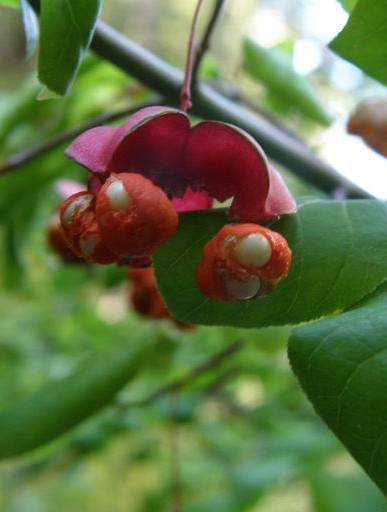
The fruit deserves special caution because it is attractive and visually distinctive. Western Wahoo produces a capsule that opens to reveal seeds partly or fully covered by reddish-orange arils. A pet may chew the aril and swallow the seed, or a child may be drawn to the bright structure. The visible aril is not a safety wrapper. The seed inside is the more important concern.
Fruit appearance also creates miscommunication. Older summaries may call Euonymus fruit “berries,” but botanically the visible structure is a capsule containing seeds, not a simple fleshy berry. Counting “berries” is therefore a poor way to estimate dose. The number of seeds, whether they were chewed, the exact species, plant chemistry, animal size, and timing of treatment all matter.
Drying, Pruning Waste, Hay, and Homemade Preparations
Drying does not guarantee safety. Cardiac glycosides are not volatile oils that simply evaporate from a fallen branch, dried leaf, or stored plant fragment. Dried fruit capsules, herbarium-like leaves, brush piles, pruning waste, contaminated hay, homemade powders, teas, tinctures, extracts, and root-bark preparations may remain hazardous.
Landscape clippings are a common route by which toxic shrubs reach horses, goats, sheep, cattle, pigs, poultry, rabbits, and dogs. Animals that would never browse a standing shrub may eat cut material dumped in a paddock, pen, compost pile, or brush pile. Wilted or dried trimmings may lose some bitter deterrent qualities while retaining toxic glycosides. The safest rule is never to discard Euonymus cuttings where animals can browse them.
No Validated Safe Dose
No dependable toxic dose has been established for Euonymus occidentalis in dogs, cats, horses, cattle, sheep, goats, pigs, rabbits, birds, reptiles, or people. Risk depends on exact species, plant part, seed chewing, amount swallowed, animal size, preexisting heart or kidney disease, vomiting, hydration, electrolyte status, timing of care, and whether another toxic plant or chemical was present.
There is no safe fruit count, seed count, or leaf count that can be applied across species. A tiny taste of one leaf is not the same as chewing multiple seeds, but “probably small” is not enough when fruit capsules are missing or the exposure was unsupervised. Any meaningful seed, fruit, bark, root-bark, or concentrated-preparation exposure should be discussed with a veterinarian or poison-control service.
Gastrointestinal Signs Are Often First
Gastrointestinal irritation is the most likely result of a limited Wahoo ingestion. Dogs and cats may drool, lick the lips, appear nauseated, vomit, develop diarrhea, show abdominal pain, refuse food, or become quiet and lethargic. Vomit may contain leaves, capsule fragments, reddish-orange aril material, seeds, bark, root, or pieces of pruning debris. Diarrhea may be soft, watery, cramping, or occasionally bloody after a more substantial exposure.
The gastrointestinal phase is not automatically mild just because it begins with vomiting and diarrhea. Repeated vomiting and diarrhea can cause dehydration, electrolyte disturbance, weakness, acid-base changes, aspiration, and poor circulation. These secondary problems can worsen cardiac-glycoside risk because abnormal potassium, magnesium, hydration, and perfusion all affect heart rhythm.
Constipation appears in some broad Euonymus poisoning descriptions, but vomiting and diarrhea are more consistent with the plant’s purgative reputation. A patient may also alternate between cramping, tenesmus, diarrhea, and reduced fecal output if severe abdominal pain, dehydration, ileus, foreign material, or another plant is involved. Persistent abdominal pain should not be watched passively.
Fruit, Seeds, and Delayed Escalation
The brightly colored fruiting structures create a particular exposure risk. A dog, cat, pig, goat, poultry bird, or curious child may chew the fleshy reddish-orange aril and swallow the seed inside. Several leaves or a small amount of plant material may cause only stomach upset, but the likelihood of cardiac involvement increases as the amount rises, especially when seeds, fruiting capsules, leaves, bark, or concentrated preparations are involved.
Cardiac signs may not be obvious at the first moment of exposure. Gastrointestinal signs can appear first, followed later by weakness, abnormal pulse quality, conduction disturbances, electrolyte abnormalities, or collapse. Apparent improvement in vomiting does not prove that serious toxicity has passed if seeds or a large amount were swallowed.
Weakness, Collapse, and Poor Circulation
Weakness may develop through several mechanisms. Vomiting and diarrhea cause dehydration and electrolyte loss. Direct cardiac-glycoside effects can reduce effective circulation. Pain, nausea, hypotension, low blood sugar in small or young animals, or co-ingested toxins can contribute. An affected animal may tire quickly, stagger, lie down, appear faint, resist standing, become cold in the limbs, or collapse.
Pale gums, gray gums, weak pulse, cold ears or feet, prolonged capillary refill time, reduced responsiveness, or collapse should be treated as an emergency. These signs may indicate shock, dangerous dysrhythmia, severe dehydration, or poor cardiac output. Waiting for the animal to “sleep it off” is unsafe when Euonymus seed or fruit ingestion is possible.
Heart Rhythm Abnormalities
Cardiac signs can include an abnormally slow heart rate, an abnormally fast rate, pauses, dropped beats, a weak pulse, an irregular pulse, or a rhythm that changes repeatedly. The animal may appear weak, anxious, nauseated, dizzy, or distressed even when the owner cannot feel an obvious rhythm abnormality. Some rhythm disturbances are intermittent, and others require an electrocardiogram to recognize.
Acute sodium-potassium ATPase inhibition can raise blood potassium. Severe hyperkalemia may contribute to depression, profound muscular weakness, bradycardia, conduction disturbances, ventricular dysrhythmias, and cardiac arrest. Potassium concentration cannot be judged from symptoms alone and requires laboratory testing. Home potassium supplements, salt substitutes, electrolyte drinks, or heart medications can worsen the situation.
There is no single heart rate that proves or excludes plant cardiac-glycoside poisoning. A poisoned animal may be slow, fast, irregular, or unstable in different ways at different times. Continuous ECG monitoring is the safer standard when seeds, a large amount, cardiovascular signs, or unknown exposure amount are involved.
Neurologic and Mental-Status Signs
Neurologic signs reported with severe cardiac-glycoside or historical Euonymus poisoning include dizziness-like behavior, confusion, delirium, visual disturbance, dilated pupils, tremors, weakness, hallucination-like behavior, seizures, and coma. In animals, the visible equivalents may be pacing, staring, disorientation, abnormal reaction to the environment, stumbling, trembling, vocalization, reduced responsiveness, or collapse.
These signs do not prove that Western Wahoo has directly attacked the brain. They may result from poor circulation, severe electrolyte disturbance, shock, hypoxia, dehydration, seizures secondary to systemic collapse, or another toxin entirely. Cannabis, tremorgenic mold, pesticides, nicotine, medications, metaldehyde, yew, oleander, foxglove, lily of the valley, Kalanchoe, and other sources can overlap. A neurologic presentation after a suspected Wahoo exposure needs full emergency evaluation.
Hyperthermia, Bloody Diarrhea, Liver and Kidney Findings
Severe gastrointestinal injury may produce bloody diarrhea, abdominal guarding, dehydration, and circulatory shock. Fever or hyperthermia is not a defining Western Wahoo effect and may instead accompany agitation, tremors, seizures, dehydration, infection, heat stress, pesticide exposure, or another toxicant. A high temperature means the illness is more complicated than a minor plant taste.
Rigid claims that Wahoo predictably causes fatal liver damage within a set number of hours are not supported as exact clinical rules for Western Wahoo. Liver and kidney values may become abnormal during severe poisoning because of shock, dehydration, impaired circulation, hypoxia, muscle injury, medication, or another exposure. Direct fulminant hepatic destruction is not the primary established Euonymus mechanism.
Reduced urination may reflect dehydration, hypotension, poor kidney perfusion, urinary obstruction, or preexisting disease rather than a direct Euonymus kidney poison. Any animal with reduced urination, abnormal urine color, persistent collapse, jaundice, or bloodwork abnormalities needs veterinary diagnostics rather than assumptions from a plant list.
Dogs
Dogs are most likely to chew fallen branches, colorful fruit capsules, seeds, leaves, bark, roots, or landscaping debris. Puppies may strip leaves and twigs from a shrub during play. Dogs may also eat compost, mulch, plant labels, herbicide-treated clippings, or other poisonous shrubs in the same brush pile. Because many dogs swallow before owners can count the missing seeds, unknown fruit ingestion deserves caution.
Common early signs include vomiting, diarrhea, drooling, abdominal pain, appetite loss, and lethargy. More serious signs include weakness, staggering, collapse, abnormal pulse, trembling, pale gums, cold limbs, seizures, or reduced responsiveness. A dog with preexisting heart disease, kidney disease, electrolyte problems, or medication exposure may have less margin for safety.
Cats
Cats may nibble leaves, play with fruit capsules, bat loose seeds onto the floor, or chew small fallen pieces. Cats are less likely than dogs to consume large amounts of woody shrub material, but they are not immune to Euonymus risk. A small cat that chews several seeds could receive a meaningful dose relative to body weight.
Possible signs include drooling, vomiting, diarrhea, hiding, appetite loss, abdominal discomfort, weakness, and lethargy. Any abnormal pulse, collapse, tremors, marked weakness, or repeated vomiting requires care. Home vomiting attempts are unsafe for cats, and force-feeding or force-watering a nauseated or weak cat can cause aspiration.
Horses, Ponies, and Donkeys
Horses cannot vomit. Western Wahoo is a moist-woodland and streamside shrub rather than a typical open-pasture forage plant, so routine grazing exposure is uncommon. Risk increases when horses enter wooded margins, forage is scarce, branches fall into an enclosure, a shrub grows through a fence, or landscape clippings are dumped into a paddock.
Equine signs may include salivation, feed refusal, colic, diarrhea, depression, sweating, weakness, abnormal pulse, incoordination, recumbency, or collapse. Nasal reflux, severe colic, abnormal heart rate, cold extremities, or inability to stand requires emergency equine care. Do not drench a horse with water, oil, charcoal, or home remedies when weakness, colic, abnormal swallowing, or dysrhythmia is possible.
Cattle, Sheep, Goats, Pigs, Camelids, and Other Livestock
Livestock may be exposed when Western Wahoo or other Euonymus clippings are thrown into pens, when animals browse wooded edges, when goats strip shrubs, when pigs root through brush or compost, or when contaminated hay or bedding contains shrub material. Group exposure is especially important because one animal may show signs first while others are still absorbing toxin.
Signs may include salivation, reduced appetite, diarrhea, abdominal discomfort, weakness, abnormal rumination, bloat-like discomfort, depression, tremors, abnormal pulse, collapse, or sudden death in severe cases. Severe group illness should prompt removal of the entire browse source and investigation for yew, oleander, foxglove, Kalanchoe, Pieris, rhododendron, toxic bulbs, pesticides, contaminated feed, and other poisonous plants. A Western Wahoo shrub nearby is evidence of access, not proof that it is the only hazard.
Rabbits, Guinea Pigs, Birds, Reptiles, and Small Animals
Rabbits and guinea pigs should not be offered Wahoo leaves, twigs, fruit, bark, seeds, or dried material as browse or enrichment. They cannot vomit, so signs may appear as food refusal, drooling, diarrhea, soft stool, abdominal pain, tooth grinding, reduced fecal output, weakness, collapse, or sudden deterioration. Small herbivores tolerate dehydration and anorexia poorly.
Birds may peck bright arils or fruit capsules and may react differently depending on whether they swallow the aril, crush the seed, or consume leaves. Wildlife fruit use does not establish safety for pet birds or poultry. Reptiles and tortoises may show reduced appetite, abnormal stool, weakness, inactivity, dehydration, or collapse rather than the dog-and-cat pattern. Species-specific safe doses are not established.
Prognosis
Most animals that consume a small amount and develop only brief gastrointestinal signs recover with appropriate observation and supportive care. The prognosis becomes more guarded when seed ingestion, unknown amount, persistent vomiting, bloody diarrhea, hyperkalemia, conduction block, ventricular dysrhythmia, severe hypotension, shock, seizures, or cardiac arrest develops.
Recovery from significant cardiac-glycoside exposure requires more than stopping vomiting. The ECG, pulse quality, blood pressure, potassium, magnesium, hydration, kidney perfusion, and clinical condition must remain stable. Apparent improvement at home is not a reliable endpoint after meaningful seed or fruit ingestion.
This Page Covers Western Wahoo
The scientific species on this page is Euonymus occidentalis, Western Wahoo or Western Burning Bush, a western North American shrub in Celastraceae. It is not the eastern medicinal wahoo, European spindle, Strawberry Bush, Wintercreeper, Japanese Euonymus, or the winged ornamental burning bush most Americans picture when they hear “burning bush.”
That distinction matters because common names have caused several different species’ chemistry, folk medicine, lethal-dose claims, and poisoning descriptions to become mixed together. Western Wahoo may share genus-level cardenolide and gastrointestinal-irritant risk with other Euonymus species, but it does not have the same distribution, appearance, medicinal history, or exact phytochemical record as every other plant called wahoo, spindle, burning bush, or strawberry bush.
Accepted Taxonomy and Native Range
Euonymus occidentalis Nutt. ex Torr. is accepted in Celastraceae. Two varieties are commonly recognized: E. occidentalis var. occidentalis and E. occidentalis var. parishii. The nominate variety occurs from Vancouver Island and southwestern Washington through western Oregon into northern and central California. Variety parishii is associated with southern California.
The plant is an uncommon western native rather than a ubiquitous Asian hedge shrub. It grows principally in moist woodland, shaded streambanks, forested canyons, riparian margins, and other cool low- to middle-elevation habitats west of the Cascade crest and through suitable parts of California. It is considered sensitive in Washington, and exact wild locations may be withheld because populations are scattered and uncommon. For the poisoning page, this means the most realistic exposure is not a suburban hedge everywhere in the country; it is a western native shrub, a fruiting branch, a wooded-edge plant, or clippings from someone who knows or cultivates it.
How to Identify Western Wahoo
Western Wahoo is a straggling deciduous shrub or small tree generally reaching approximately 6 to 16 feet, although some plants may become taller. Its slender, hairless branches are marked by narrow parallel longitudinal ridges or lines rather than the broad corky wings associated with Winged Burning Bush. The plant may look loose, open, and woodland-adapted rather than like a clipped ornamental hedge.
The leaves are opposite, thin, deciduous, and oblong to lance-shaped or narrowly oval. They commonly measure a few inches long, have finely serrated margins, and taper to a pointed tip. Opposite leaf arrangement is a useful field feature because many unrelated shrubs with attractive fruit have alternate leaves. The flowers are small and hang from long slender stalks in clusters arising from the leaf axils. They normally have five sepals, five petals, and five stamens, with greenish, purple-mottled, bronze-purple, brown-purple, or dark reddish-purple coloring.
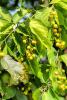
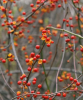
The fruit is one of the most important identification and poisoning features. Western Wahoo produces a rounded, often three-lobed capsule. When mature, the capsule opens to reveal one seed within each developed lobe, covered or partly surrounded by a conspicuous reddish-orange fleshy aril. A photograph of one loose orange-coated seed is less useful than photographs showing the entire shrub, branches, opposite leaves, flowers, intact fruit capsules, and the exact site where the animal was chewing.
The Three-Lobed Fruit Helps Separate It From Other Wahoos
Western Wahoo commonly has five-parted flowers and a three-lobed fruit capsule. Eastern Wahoo, Euonymus atropurpureus, more commonly has four-parted dark-purple flowers and a four-lobed reddish capsule. European Spindle, Euonymus europaeus, generally produces four-parted greenish flowers and four-lobed pink to red fruit. Winged Burning Bush, Euonymus alatus, is most easily recognized by corky wings running along the twigs and by brilliant red autumn foliage.
These distinctions matter most when seeds or fruit were eaten, because the common names overlap heavily and the toxicology literature is often copied from one species to another. If a dog ate “burning bush berries,” the veterinarian needs to know whether the plant was Western Wahoo, Winged Burning Bush, European Spindle, Eastern Wahoo, Strawberry Bush, or another Euonymus. The first-aid response remains cautious, but the botanical record should be accurate.
What Is Known About Euonymus Cardiac Glycosides
Veterinary toxicology references treat Euonymus species as containing cardenolides with digitalis-like effects. The seeds are considered the most important source, followed by leaves, although alkaloids and gastrointestinally irritating compounds may occur throughout the plant. Evobioside, evomonoside, and evonoside are repeatedly named in Euonymus literature and derivative plant-poisoning summaries.
These compounds are not fictional placeholders. Older work on Euonymus atropurpureus demonstrated cardiac glycosides in that species. Evonoside has been isolated from seeds of other Euonymus species. Evomonoside is known as a digitoxigenin glycoside and appears in broader cardiac-glycoside literature. What has not been shown is that Euonymus occidentalis contains the same three compounds in the same tissues and concentrations. The chemically honest toxin statement is therefore cardenolide-type cardiac glycosides and alkaloids known from Euonymus, with named compounds used as genus-level evidence and toxicological analogues rather than exact Western Wahoo quantification.
Evomonoside, Digitoxigenin, and Glycoside Metabolism
A glycoside consists of a non-sugar portion joined to one or more sugar units. The non-sugar steroidal portion of evomonoside is reported as digitoxigenin, an aglycone closely associated with digitalis-like cardiac action. The attached sugars influence solubility, absorption, tissue distribution, potency, and elimination. Removing or metabolizing those sugars can leave the aglycone or related products, but the intact glycoside and free aglycone should not be assumed to have identical pharmacokinetics.
Both intact glycosides and metabolites matter because gastrointestinal digestion, rumen fermentation, gut bacteria, liver metabolism, and species differences can alter plant glycosides after ingestion. Dogs, cats, horses, ruminants, pigs, birds, and reptiles may not absorb or transform Euonymus glycosides in identical ways. That uncertainty is another reason owners should not try to calculate a safe dose from old human herbal use or from a visible fruit count.
How Sodium-Potassium ATPase Inhibition Affects the Heart
The sodium-potassium ATPase pump normally uses energy to move sodium out of cells and potassium into them. This maintains the electrical and chemical gradients required for nerve transmission, muscle contraction, and normal cardiac rhythm. Cardiac glycosides bind to and inhibit that pump. Sodium accumulates inside cardiac cells, potassium shifts outward, and calcium removal through the sodium-calcium exchanger becomes less effective. Intracellular calcium rises.
The increased calcium initially strengthens contraction, which explains the historical medical use of digitalis-related drugs. At toxic concentrations, however, calcium overload increases automaticity and electrical instability. At the same time, increased vagal tone can slow the sinus node and atrioventricular node. That combination can produce slow rhythms, fast rhythms, conduction blocks, premature beats, ventricular tachycardia, ventricular fibrillation, or asystole.
There is no single heart rate that identifies or excludes cardiac-glycoside poisoning. A patient can be bradycardic, tachycardic, irregular, hypotensive, weak, or unstable in changing patterns. The only safe way to define the rhythm is veterinary examination and ECG monitoring when the exposure is meaningful.
The Medicinal Wahoo History Belongs Primarily to Eastern Wahoo
Wahoo was historically used as a stimulant, laxative, emetic, purgative, cholagogue, diuretic, and general “physic.” Bark or root-bark preparations were used to provoke bowel movements, vomiting, or bile flow, and poultices were applied to sores. Those records refer mainly to Eastern Wahoo, Euonymus atropurpureus, not specifically to Western Wahoo.
The common name traveled more freely than the botanical species name, causing eastern medicinal claims to be copied into western plant records. The distinction does not make Western Wahoo safe. It means historical medical evidence cannot be presented as exact-species pharmacology for E. occidentalis. Uncontrolled Euonymus preparations should never be used as home medicine for an animal or person. A plant capable of causing vomiting, purgation, electrolyte disturbance, and digitalis-like cardiac effects has no reasonable place in do-it-yourself pet care.
Where the Name Wahoo Came From
The name Wahoo is most strongly associated with Eastern Wahoo and has been described as deriving from a Dakota name interpreted as arrow-wood. That history should not be converted into a claim that every Indigenous nation used Western Wahoo in the same manner. Western Wahoo occurs in a different region and represents a different species.
Specific Indigenous uses require tribal, geographic, and ethnobotanical documentation rather than one generalized “Native American medicine” label. The toxicology page does not need romanticized ethnobotany to justify the warning. The plant’s irritating, purgative, and potentially cardiotoxic effects are enough.
The Euonymus Name and the Furies
The genus name does not come directly from the goddess Eurynome, and Eurynome was not the mother of the Furies in the standard Greek tradition. The Greek word behind Euonymus is euōnymos, meaning well-named, auspiciously named, or of good name.
The pleasant name is sometimes interpreted as euphemistic or ironic for plants with unpleasant or poisonous properties. That is a better explanation than connecting the shrub directly to Eurynome and the avenging Furies. The mythology should not carry the toxicology. The toxicology is based on Euonymus chemistry and clinical mechanism, not a story about the name.
The “Four-Berry” Fatality Claim
Older herbal and poison summaries sometimes state that as few as four Wahoo berries can kill a small child. The warning reflects appropriate concern about attractive fruit and small body size, but it is not a validated dose for Euonymus occidentalis. The visible fruit is a capsule containing seeds rather than a simple fleshy berry. The amount of toxin depends on species, number of seeds, whether seeds were chewed, plant chemistry, body size, absorption, vomiting, and treatment.
There is no safe berry count for a dog, cat, horse, livestock animal, rabbit, bird, reptile, or child. An exact number should not be used either to predict death or to dismiss an exposure. A missing fruit cluster, scattered seeds, chewed capsules, or unsupervised access is enough to justify professional guidance.
The FDA Unsafe-Herb Claim
Older herbal summaries state that Wahoo appears on an FDA “unsafe herb list.” Regulatory wording around plant lists has changed over time, and the exact modern legal status of every Wahoo preparation is less useful to owners than the safety conclusion. Euonymus bark, roots, seeds, fruit, teas, powders, tinctures, and extracts should not be used as home remedies because their cardenolide and purgative content is not standardized and the therapeutic-to-toxic margin is unknown.
For PAWS public content, the important message is direct: do not prepare Western Wahoo, Eastern Wahoo, Spindle Tree, Burning Bush, or other Euonymus material as a laxative, emetic, heart remedy, bile remedy, poultice, supplement, tea, tincture, or animal treatment. If a pet or livestock animal has already received a homemade Euonymus preparation, that should be treated as a concentrated exposure and reported honestly to the veterinarian.
Birds Eating the Fruit Does Not Make It Safe
Birds and some small wild mammals eat the fleshy arils of Euonymus fruit and help disperse the seeds. Their behavior does not prove safety for pets or livestock. Species differ in digestive anatomy, absorption, metabolism, gut transit, body temperature, cardiac-glycoside sensitivity, and whether the seed is chewed or passed intact.
A wild bird may consume aril tissue and pass the seed with limited damage, while a dog may chew and crush the seed before swallowing it. Poultry or pet birds may not behave like the wild dispersers that evolved with the plant. Wildlife use is an ecological observation, not a dosing guide.
Dogs and Cats
Dogs are most likely to chew fallen branches, colorful fruit capsules, seeds, or landscaping debris. Puppies may strip leaves and twigs during play. Dogs may also access Euonymus through compost piles, brush piles, hedge trimmings, or clippings dumped over a fence. A small exposure most often causes stomach upset. Any ingestion involving several seeds, concentrated plant material, or an unknown amount deserves more caution because cardiac signs can be delayed until after gastrointestinal symptoms begin.
Cats may nibble leaves or bat fruit capsules onto the floor before chewing them. Cats are less likely to consume large woody amounts, but their smaller body size means seed exposure is still meaningful. Vomiting, hiding, appetite loss, diarrhea, weakness, collapse, abnormal pulse, or tremors after access to fruiting Euonymus should be taken seriously.
Horses and Livestock
Western Wahoo grows in moist woodland and along streams rather than open pasture, so routine grazing exposure is uncommon. Risk increases when animals enter wooded margins, forage becomes scarce, branches fall into an enclosure, shrubs grow through fencing, or landscape clippings are dumped into a paddock. Horses cannot vomit and may show colic, diarrhea, weakness, abnormal heart rhythm, sweating, incoordination, recumbency, or collapse.
Livestock group exposure requires immediate removal of the entire browse or clipping source, even when only one animal initially appears ill. Goats may browse shrubs more readily than cattle. Pigs may root through brush piles or compost and swallow seeds, soil, mold, and other waste. Cattle, sheep, alpacas, and llamas may eat cut material that they would have avoided on the standing plant. Group illness after shrub clippings should trigger a full plant and feed investigation, not a narrow diagnosis from one shrub name.
Diagnosis
Diagnosis begins with plant identification, the number and type of plant parts missing, the time of exposure, gastrointestinal signs, pulse quality, heart rhythm, blood pressure, perfusion, neurologic status, and any preexisting heart or kidney disease. Useful evidence includes the entire branch, opposite leaves, flowers or fruit capsules, loose seeds, photographs of the shrub and habitat, vomited material, clippings, hay, compost, and any homemade herbal product or supplement involved.
Veterinary testing may include continuous electrocardiography, blood pressure, serum potassium, magnesium, sodium, calcium, kidney and liver values, glucose, acid-base status, hydration assessment, and urinalysis. A commercial digoxin assay may cross-react with some plant cardiac glycosides, but a negative result does not reliably exclude every Euonymus cardenolide. A positive result may not correspond precisely to the dose or severity of Western Wahoo poisoning. The patient’s ECG, potassium, perfusion, and clinical condition matter more than one screening number.
Important Differential Diagnoses
Foxglove, oleander, lily of the valley, milkweed, dogbane, Kalanchoe, Star of Bethlehem, and several other plants contain cardiac glycosides and may produce similar vomiting, weakness, hyperkalemia, and dysrhythmias. Yew, azalea, rhododendron, Pieris, nicotine products, tremorgenic mold, pesticides, metaldehyde, medications, electrolyte disorders, and heart disease can also produce gastrointestinal, cardiovascular, and neurologic signs.
Finding a Wahoo shrub near a sick animal is evidence of access, not proof of dose. Plant fragments in vomit or stomach contents, chewed capsules, missing seeds, compatible ECG findings, and electrolyte changes strengthen the diagnosis. Severe neurologic signs, unusual temperature, jaundice, kidney failure, or group death may require a broader investigation even when Euonymus was present.
Veterinary Treatment
No antidote has been validated specifically for Western Wahoo. Treatment is directed at limiting additional absorption, correcting fluid and electrolyte abnormalities, controlling vomiting, supporting blood pressure, and treating the specific rhythm disturbance present. Veterinary decontamination may include carefully selected emesis after a recent ingestion in an alert, coordinated, symptom-free dog capable of protecting its airway. Emesis is generally avoided once spontaneous vomiting, marked weakness, neurologic abnormalities, bradycardia, dysrhythmia, or collapse has developed.
Activated charcoal may be administered in selected cases, sometimes with repeat dosing when enterohepatic recirculation is a concern for cardiac glycosides. Neither charcoal nor repeat dosing should be attempted by an owner. A vomiting, weak, sedated, seizing, or poorly swallowing animal can aspirate charcoal into the lungs. Horses, rabbits, ruminants, and other species require species-specific decontamination decisions.
Continuous ECG monitoring is important when seeds, a large amount, unknown amount, or cardiovascular signs are involved. Intravenous fluids, antiemetic medication, electrolyte correction, oxygen, blood-pressure support, and rhythm-specific treatment may be required. Hyperkalemia requires controlled treatment and repeated monitoring rather than automatic potassium restriction, potassium supplementation, or home electrolyte therapy.
Digoxin Immune Fab
Digoxin immune Fab consists of antibody fragments produced against digoxin. It can bind some structurally related plant cardiac glycosides and may be considered for life-threatening hyperkalemia, high-grade heart block, refractory ventricular dysrhythmias, severe hypotension, or cardiac arrest associated with plant cardiac-glycoside poisoning. It is not a home treatment, and it is not given just because a plant contains “glycosides.”
Fab treatment is not guaranteed to neutralize every Euonymus cardenolide, and the dose cannot be calculated from an unmeasured number of Western Wahoo seeds with the same precision used for a known digoxin tablet overdose. Its use is a specialist emergency decision based on the patient’s clinical condition, ECG, potassium, blood pressure, and response to other care.
Prognosis and Prevention
The prognosis is generally good after a limited exposure producing only temporary gastrointestinal signs. It becomes guarded when hyperkalemia, persistent bradycardia, conduction block, ventricular dysrhythmia, severe hypotension, shock, seizure activity, prolonged poor circulation, or cardiac arrest develops. Early recognition and continuous cardiovascular monitoring materially improve the chance of recovery.
Keep fruiting branches away from kennels, paddocks, barns, poultry areas, rabbit runs, tortoise pens, and areas used by small children. Collect fallen capsules and seeds rather than relying on animals to ignore them. Do not dump Euonymus pruning waste into pastures, livestock pens, compost piles, or dog-accessible brush piles. Never prepare bark, roots, leaves, or seeds as a laxative, emetic, heart remedy, poultice, tea, tincture, or supplement for a pet.
Immediate Steps After Exposure
Stop further ingestion. Move the animal away from the shrub, fallen branches, leaves, fruit capsules, seeds, roots, bark, pruning debris, compost, contaminated hay, herbal product, tea, tincture, powder, or homemade preparation. Remove access for every animal in the area, not only the one currently showing signs.
- Keep the animal quiet: Restrict running, excitement, play, transport stress, and unnecessary exertion because heart rhythm and circulation may become unstable after a substantial exposure.
- Remove loose material safely: If the animal is alert and cooperative, remove visible plant pieces and seeds from the lips and front of the mouth. Do not reach deeply into the throat or risk being bitten.
- Preserve the entire plant specimen: Collect a branch with opposite leaves and flowers or intact fruit whenever possible. Save loose seeds, fruit capsules, vomited material, product packaging, and photographs of the original shrub.
- Record exposure details: Note the animal’s species, weight, plant part, estimated amount, number of missing capsules or seeds, time of exposure, vomiting, diarrhea, weakness, pulse changes, medications, and known heart or kidney disease.
- Contact a veterinarian or animal poison-control service: Seed, fruit, unknown amount, repeated gastrointestinal signs, weakness, abnormal pulse, or group exposure should not be managed by home observation alone.
- Remove the source from every animal: Isolate contaminated browse, landscaping clippings, hay, compost, brush piles, or homemade herbal material before additional animals ingest it.
Do Not Attempt Unsupervised Home Treatment
- Do not induce vomiting: Do not give hydrogen peroxide, salt, mustard, syrup of ipecac, dish soap, or use manual gagging. An animal developing weakness, confusion, dysrhythmia, or collapse can aspirate vomit.
- Do not administer activated charcoal yourself: Charcoal may be useful in selected veterinary cases, but it can be inhaled into the lungs by a vomiting, weak, sedated, seizing, or poorly swallowing animal.
- Do not force milk, oil, food, water, broth, or electrolyte drinks: These do not neutralize cardenolides and may provoke vomiting or aspiration.
- Do not give antidiarrheal or stomach medication: Loperamide, bismuth products, Kapectolin, sucralfate, antacids, probiotics, and antiemetics are not antidotes and may complicate assessment.
- Do not give heart medication: Digoxin, beta blockers, calcium-channel blockers, atropine, antiarrhythmic drugs, diuretics, potassium supplements, or another animal’s prescription can dangerously worsen the rhythm disturbance.
- Do not administer human pain medication: Ibuprofen, naproxen, acetaminophen, aspirin, and similar drugs can create a second poisoning.
- Do not drench horses or livestock: Forced oral fluids or charcoal can enter the lungs of an animal with colic, weakness, incoordination, bloat, abnormal swallowing, or impaired consciousness.
When Emergency Examination Is Especially Important
- Seeds or fruit capsules were swallowed: Seeds carry the strongest genus-level cardenolide concern, and the dose cannot be estimated reliably from the visible fruit alone.
- The amount is unknown: Missing branches, multiple opened capsules, scattered seeds, vomited plant material, or unsupervised access makes home observation unsafe.
- Vomiting or diarrhea is repeated: Continuing gastrointestinal signs may precede weakness, electrolyte abnormalities, dehydration, or cardiac involvement.
- The pulse is slow, fast, weak, or irregular: Any suspected rhythm abnormality after Euonymus ingestion requires prompt ECG evaluation.
- Weakness or collapse develops: Staggering, faintness, inability to stand, pale gums, cold limbs, or reduced responsiveness may indicate poor circulation or a dangerous dysrhythmia.
- Neurologic signs occur: Confusion, abnormal staring, tremors, seizures, hallucination-like behavior, or coma requires emergency treatment.
- Stool is bloody or abdominal pain is severe: These findings suggest more substantial gastrointestinal injury, shock risk, or another poisoning.
- Urination changes: Markedly reduced urination may indicate dehydration, poor kidney perfusion, urinary disease, or another complication.
- Several animals share the exposure: Group illness after access to clippings, forage, compost, or a homemade preparation requires immediate removal of the source and veterinary investigation.
Veterinary Evaluation and Treatment
The veterinarian will assess mental status, hydration, blood pressure, pulse quality, heart rate and rhythm, perfusion, vomiting, diarrhea, abdominal pain, neurologic signs, and the amount and plant part involved. Continuous electrocardiographic monitoring may be needed even when the animal initially appears stable. A patient can change rhythm as cardiac-glycoside poisoning evolves.
Veterinary induction of vomiting may be considered after a recent substantial ingestion when a dog remains alert, coordinated, symptom-free, and capable of protecting its airway. Emesis is generally avoided once spontaneous vomiting, marked weakness, neurologic abnormalities, bradycardia, dysrhythmia, or collapse has developed. Vomiting is not a routine solution for every Wahoo exposure.
Activated charcoal may be administered after professional assessment of aspiration risk. Repeat charcoal dosing may be considered for some cardiac glycosides, but this decision depends on the patient, bowel function, hydration, electrolyte status, swallowing ability, and severity of exposure. Charcoal should not be forced at home.
Laboratory evaluation may include potassium, magnesium, sodium, calcium, glucose, kidney and liver values, acid-base status, hydration markers, and urinalysis. A digoxin immunoassay may show cross-reactivity with some plant cardenolides, but the numerical result may not correspond directly to the concentration or severity of a particular Euonymus glycoside. A negative assay does not reliably rule out every plant cardiac glycoside.
Supportive treatment can include intravenous fluids, veterinarian-selected antiemetic medication, oxygen, blood-pressure support, electrolyte management, and rhythm-specific cardiovascular medication. Hyperkalemia requires controlled treatment and repeated monitoring rather than automatic owner correction. The correct rhythm medication depends on the ECG pattern; the wrong medication can worsen the poisoning.
Digoxin Immune Fab and Advanced Care
Digoxin immune Fab may be considered when severe hyperkalemia, high-grade conduction block, refractory ventricular dysrhythmia, profound hypotension, or cardiac arrest suggests life-threatening cardenolide poisoning. Its effectiveness against the exact glycosides in Western Wahoo has not been established, so treatment is guided by clinical response rather than an assumed perfect antidote effect.
Patients with serious signs may require emergency hospitalization, repeated bloodwork, serial ECGs, blood pressure support, oxygen, antiarrhythmic therapy, seizure control, and prolonged monitoring. Apparent improvement in vomiting does not prove that cardiac risk has ended.
Dogs and Cats
Dogs should be monitored for vomiting, diarrhea, abdominal pain, appetite loss, weakness, staggering, gum color, pulse quality, collapse, tremors, seizures, urination, and responsiveness. A dog that ate fruit or seeds should not be exercised, played with, or allowed to run while waiting for veterinary advice. Save all fruit capsules and seeds found nearby.
Cats should be monitored for hiding, vomiting, diarrhea, appetite loss, drooling, weakness, tremors, collapse, and abnormal pulse or breathing. Home vomiting attempts are unsafe for cats. A cat that chewed seeds or fruit, vomits repeatedly, becomes weak, or acts neurologically abnormal needs veterinary care, not online reassurance from a plant list.
Horses and Livestock
Horses, ponies, and donkeys should be removed from Western Wahoo shrubs, fallen branches, clippings, fruiting limbs, contaminated hay, and brush piles. They cannot vomit. Salivation, colic, diarrhea, sweating, weakness, abnormal pulse, incoordination, recumbency, collapse, or reduced manure requires equine veterinary guidance. Do not force water, oil, charcoal, feed, or electrolyte drenches into a horse with possible cardiac-glycoside poisoning.
Cattle, sheep, goats, pigs, alpacas, llamas, poultry, and other livestock should be removed from all cuttings, fruiting branches, compost, contaminated hay, and mixed browse. Preserve the plant material. Group exposure should be treated as a group event even if only one animal looks sick first. Severe group illness should widen the investigation to other cardiotoxic plants, pesticides, contaminated feed, toxic bulbs, yew, oleander, foxglove, Kalanchoe, Pieris, rhododendron, and other hazards.
Birds, Rabbits, Guinea Pigs, Reptiles, and Small Pets
Birds may be attracted to bright arils or fruit capsules, but pet birds and poultry should not be allowed to eat Wahoo seeds, fruit, leaves, bark, or clippings. Weakness, poor perching, regurgitation, diarrhea, tremors, collapse, or abnormal behavior after access requires avian veterinary guidance. Remove all plant material from cages, runs, food dishes, and water areas.
Rabbits and guinea pigs cannot vomit. Food refusal, diarrhea, reduced fecal output, tooth grinding, abdominal pain, weakness, collapse, or abnormal behavior after Wahoo exposure requires prompt species-specific care. Reptiles and tortoises may show reduced appetite, abnormal stool, inactivity, weakness, dehydration, or collapse rather than obvious vomiting. Species-specific safe doses are not established.
Recovery and Prognosis
Most animals with limited exposure and only mild gastrointestinal illness are expected to recover completely. Improvement may occur within several hours, although appetite and stool quality can take a day or two to return to normal. Hydration, appetite, stool, urination, energy, and pulse should improve steadily.
Animals with rhythm abnormalities require monitoring until the ECG, blood pressure, potassium, hydration, and clinical condition remain stable without continuing treatment. Severe hyperkalemia, ventricular dysrhythmia, high-grade heart block, shock, seizure activity, prolonged poor circulation, or cardiac arrest makes the prognosis guarded. Early recognition and continuous cardiovascular monitoring materially improve the chance of recovery.
Prevention After the Incident
Keep fruiting branches away from kennels, paddocks, barns, poultry runs, rabbit areas, tortoise pens, and areas used by children. Collect fallen capsules and seeds promptly. Do not dump Euonymus pruning waste into pastures, goat pens, pig pens, rabbit runs, open compost, or dog-accessible brush piles.
Never prepare Wahoo bark, root bark, leaves, fruit, seeds, tea, tincture, powder, extract, poultice, laxative, emetic, or “heart remedy” for a pet or livestock animal. Label Western Wahoo separately from Eastern Wahoo, European Spindle, Winged Burning Bush, Strawberry Bush, Wintercreeper, and other Euonymus species so future exposures can be identified quickly and accurately.
Frequently Asked Questions About Wahoo and Animal Poisoning
Is Euonymus occidentalis the Wahoo used in old herbal medicine?
Not usually. Historical medicinal Wahoo generally refers to Eastern Wahoo, Euonymus atropurpureus. Its bark and root bark were used as purgatives, emetics, tonics, and bile-stimulating remedies. Western Wahoo is Euonymus occidentalis, a separate Pacific-region species. The historical use does not make either plant safe for pets or livestock.
Is Western Wahoo the same as ornamental Burning Bush?
No. The common ornamental Winged Burning Bush is usually Euonymus alatus, an Asian species with conspicuous corky wings along its stems. Western Wahoo lacks those broad wings and is native from southwestern Canada through western Oregon and California. Both are Euonymus, but they are not the same species.
Is Western Wahoo the same as European Spindle?
No. European Spindle is Euonymus europaeus. Several named cardiac glycosides in traditional spindle-tree toxin lists were isolated from European Spindle or other Euonymus species rather than directly from E. occidentalis. Western Wahoo should still be treated as poisonous because the genus-level cardiac-glycoside and gastrointestinal-irritant warning is medically important.
What toxins occur in Western Wahoo?
Western Wahoo should be treated as containing Euonymus-type cardenolides, alkaloids, and gastrointestinally irritating compounds. The exact phytochemical profile of E. occidentalis has not been characterized well enough to assign every glycoside reported from another Euonymus species directly to it. The practical risk is gastrointestinal irritation plus potential digitalis-like cardiac effects after meaningful ingestion.
Are evobioside, evomonoside, and evonoside real toxins?
Yes. They are genuine glycosides reported in Euonymus or related cardiac-glycoside literature. Evobioside is associated with European Spindle and related cardenolide chemistry, evonoside has been isolated from other Euonymus seeds, and evomonoside is described as a digitoxigenin glycoside. Their exact concentrations in Western Wahoo remain unknown, so they should be used as genus-level evidence rather than exact-species dosing data.
How do Wahoo cardiac glycosides affect the heart?
Cardiac glycosides inhibit sodium-potassium ATPase, changing sodium, potassium, and calcium movement across cardiac-cell membranes. The heart may beat too slowly, too rapidly, weakly, or irregularly, and electrical conduction through the atrioventricular node may fail. Severe poisoning can cause hyperkalemia, shock, ventricular dysrhythmias, and cardiac arrest.
Which parts of Wahoo are most dangerous?
Seeds and leaves carry the strongest genus-level cardenolide warning, but fruit capsules, fleshy arils, bark, stems, roots, flowers, and pruning debris should all be considered unsafe. Historical use of bark or root bark as medicine does not establish safety. Concentrated teas, powders, extracts, or homemade preparations are especially concerning.
Can four Wahoo berries kill a child or pet?
No validated exact-species dose supports four fruit as a universal lethal threshold. The visible structure is a capsule containing seeds, and risk depends on the Euonymus species, number of seeds, amount chewed, body size, absorption, vomiting, and treatment. Any meaningful seed or fruit ingestion deserves professional advice rather than relying on an old berry-count rule.
Does Wahoo cause liver failure within eight hours?
That rigid timing claim is not supported by modern exact-species evidence. Liver or kidney abnormalities may occur secondarily through dehydration, shock, impaired circulation, oxygen deprivation, medication, or another toxin. The primary life-threatening concern is cardiac-glycoside disruption of cellular ion transport and heart rhythm, not a predictable clock-timed liver-failure syndrome.
Why can birds eat the fruit?
Birds may eat the fleshy aril and disperse the seed without chewing and absorbing it in the same way a dog, cat, horse, or livestock animal might. Differences in digestion, metabolism, gut transit, and seed handling make wildlife feeding behavior an unreliable safety test for pets. A dog that chews the seed has a different exposure than a wild bird that passes it.
What symptoms are most likely after a small ingestion?
Vomiting, diarrhea, abdominal pain, appetite loss, drooling, nausea, and weakness are the most likely signs after a limited exposure. Large or unknown exposures may produce irregular heart rhythm, an unusually slow or fast pulse, profound weakness, collapse, confusion, tremors, seizures, shock, or cardiac arrest. Seeds and fruit capsules deserve more caution than a tiny leaf taste.
How quickly do symptoms appear?
Gastrointestinal signs may appear within hours, but timing is variable. Cardiac signs may follow or become apparent after vomiting and diarrhea begin. Apparent improvement in nausea does not prove safety after seed or fruit ingestion because electrolyte and rhythm problems can evolve. The amount, plant part, chewing, species, and treatment timing all affect onset.
Can Wahoo cause hyperkalemia?
Potentially, yes, in significant cardiac-glycoside poisoning. Sodium-potassium ATPase inhibition can shift potassium out of cells and raise blood potassium. Severe hyperkalemia can worsen weakness, bradycardia, conduction block, dysrhythmias, and cardiac arrest. Potassium must be measured by a veterinarian; it cannot be guessed from behavior at home.
Should an owner induce vomiting after Wahoo ingestion?
No. Hydrogen peroxide, salt, mustard, ipecac, dish soap, and manual gagging can cause aspiration or additional gastrointestinal injury. An animal developing weakness, dysrhythmia, confusion, or collapse is especially unsafe to vomit at home. A veterinarian may consider emesis only in selected early cases when the patient can protect the airway.
Should activated charcoal be given?
Do not administer activated charcoal yourself. Charcoal may be useful in selected veterinary cases and repeat dosing may be considered for some cardiac glycosides, but it can enter the lungs of an animal that is vomiting, weak, sedated, seizing, or swallowing abnormally. A veterinarian must weigh benefit against aspiration risk.
Should heart medication be given at home?
No. Do not give digoxin, beta blockers, calcium-channel blockers, atropine, antiarrhythmics, diuretics, potassium supplements, or another animal’s heart medication. Cardiac-glycoside poisoning can produce different rhythm disturbances at different times, and the wrong medication can be dangerous. ECG and electrolyte testing are needed before rhythm-specific treatment.
Can digoxin immune Fab treat Wahoo poisoning?
Digoxin immune Fab may be considered in life-threatening plant cardiac-glycoside poisoning because the antibody fragments can bind some compounds related to digoxin. Its effectiveness against the precise glycosides in Western Wahoo is not established, so use depends on severe clinical findings, ECG changes, potassium, blood pressure, and specialist veterinary judgment.
Is Wahoo poisonous to horses?
Yes. Horses should not have access to Western Wahoo leaves, fruit, seeds, branches, bark, roots, or clippings. Horses cannot vomit and may show colic, diarrhea, sweating, weakness, abnormal pulse, incoordination, recumbency, or collapse. Do not drench a horse with water, oil, charcoal, or home remedies when cardiac-glycoside poisoning is possible.
Is Wahoo poisonous to cattle, sheep, goats, and pigs?
Yes. Wahoo and other Euonymus clippings should not be placed in livestock pens, pastures, compost, or feed. Cattle, sheep, goats, pigs, alpacas, and llamas may develop vomiting-like distress where possible, salivation, diarrhea, abdominal discomfort, weakness, abnormal pulse, collapse, or group illness after unusual access. Goats and pigs may be especially likely to browse or root through clippings.
Is Wahoo safe for rabbits, guinea pigs, birds, or reptiles?
No. Wahoo leaves, fruit, seeds, bark, stems, roots, and clippings should not be used as browse, treats, enrichment, cage greenery, or enclosure décor. Rabbits and guinea pigs cannot vomit and may deteriorate from diarrhea, food refusal, or weakness. Pet birds and reptiles should not be allowed to test fruit or leaves because species-specific safe doses are not established.
How do veterinarians diagnose Wahoo poisoning?
Diagnosis uses plant identification, missing plant parts, fruit or seed exposure, vomiting or diarrhea, weakness, pulse quality, ECG findings, blood pressure, potassium, magnesium, kidney values, liver values, glucose, hydration, and neurologic status. A digoxin assay may cross-react with some plant cardenolides, but a negative result does not exclude every Euonymus glycoside.
What differentials matter most?
Important differentials include foxglove, oleander, lily of the valley, milkweed, dogbane, Kalanchoe, Star of Bethlehem, yew, azalea, rhododendron, Pieris, nicotine, tremorgenic mold, pesticides, metaldehyde, medications, electrolyte disorders, heart disease, contaminated feed, and other poisonous brush. Finding Wahoo nearby is evidence of access, not proof it is the only cause.
How do veterinarians treat Wahoo poisoning?
Treatment is directed at limiting additional absorption, maintaining hydration and blood pressure, correcting electrolytes, controlling vomiting, and treating the exact rhythm disturbance present. Care may include ECG monitoring, bloodwork, IV fluids, antiemetics, oxygen, electrolyte management, activated charcoal in selected cases, rhythm-specific medications, and possibly digoxin immune Fab in life-threatening cardiac-glycoside poisoning.
What is the usual prognosis?
The prognosis is generally good after a limited exposure producing only brief gastrointestinal illness. It becomes guarded when hyperkalemia, high-grade heart block, persistent bradycardia, ventricular dysrhythmias, severe hypotension, shock, seizures, prolonged poor circulation, or cardiac arrest develops. Early recognition and continuous cardiovascular monitoring improve the chance of recovery.
How can Wahoo poisoning be prevented?
Keep fruiting branches away from dogs, cats, horses, livestock, poultry, rabbits, reptiles, and children. Collect fallen capsules and seeds promptly, remove clippings from animal areas, and never dump Euonymus brush into pastures or pens. Do not prepare Wahoo bark, roots, leaves, seeds, teas, tinctures, or powders as medicine for any animal.