PAWS Pet Poison Plant Guide
Is Cowbane Poisonous to Dogs, Cats, Horses, and Livestock?
Yes—Cowbane or Water Hemlock, Cicuta species, is acutely and potentially fatally poisonous to dogs, cats, horses, cattle, sheep, goats, pigs, and other animals that eat it. Its C17 polyacetylenes, especially cicutoxin and related compounds, disrupt inhibitory GABAA-receptor signaling and can cause hypersalivation, vomiting, agitation, muscle twitching, tremors, violent generalized seizures, respiratory failure, collapse, and death.
The chambered rootstock, fleshy roots, tubers, and swollen stem base present the greatest practical danger, but early vegetative growth and green seed heads can also cause lethal poisoning. An animal may appear normal briefly before deteriorating, and the absence of symptoms during the first few minutes does not establish that the exposure was safe.
About this guide: This page provides general pet-poisoning information and cannot diagnose or treat an individual animal. For any suspected exposure, contact a veterinarian or animal poison-control service immediately. Do not induce vomiting, give medication, or attempt home decontamination unless directed by a veterinary professional.
Cowbane
Accepted genus: Cicuta L.
This genus-level page covers the four currently accepted Water Hemlock species:
Cicuta bulbifera L. — Bulblet-Bearing Water Hemlock
Cicuta douglasii (DC.) J.M.Coult. & Rose — Western or Douglas Water Hemlock
Cicuta maculata L. — Spotted Water Hemlock or Spotted Cowbane
Cicuta virosa L. — Northern, European, or Mackenzie’s Water Hemlock
Accepted infraspecific taxa under Cicuta maculata include:
Cicuta maculata var. angustifolia Hook.
Cicuta maculata var. bolanderi (S.Watson) G.A.Mulligan
Cicuta maculata var. maculata
Cicuta maculata var. victorinii (Fernald) B.Boivin
Important botanical synonyms and historical names include:
Cicuta mackenzieana Raup — synonym of Cicuta virosa
Cicuta virosa var. maculata (L.) J.M.Coult. & Rose — synonym of Cicuta maculata
Cicutaria bulbifera Lam. — synonym of Cicuta bulbifera
Cicuta sp. means one unidentified species in the genus. Cicuta spp. is the correct notation for a page collectively covering multiple Water Hemlock species.
Apiaceae Lindl. — Carrot, Celery, Parsley, or Umbellifer Family
Umbelliferae Juss. is a legitimate alternative family name commonly encountered in older botanical, veterinary, toxicological, and chemical literature.
Cowbane belongs to the order Apiales and the tribe Oenantheae. Apiaceae also includes edible carrots, celery, parsley, parsnips, and dill, but it contains several dangerously poisonous genera, including Cicuta, Conium, and Oenanthe. Family resemblance alone cannot establish whether a wild white-flowered plant is edible.
Cowbane, Water Hemlock, Water-Hemlock, Spotted Water Hemlock, Spotted Cowbane, Spotted Parsley, Western Water Hemlock, Douglas Water Hemlock, Douglas’s Water Hemlock, Northern Water Hemlock, European Water Hemlock, Mackenzie’s Water Hemlock, Bulblet-Bearing Water Hemlock, Bulb-Bearing Water Hemlock, Bulbous Water Hemlock, Beaver Poison, Children’s Bane, Death-of-Man, False Parsley, Musquash Root, Muskrat Weed, Poison Parsnip, Poison Root, Water Parsnip, Cicuta, Cicuta bulbifera, Cicuta douglasii, Cicuta maculata, Cicuta virosa
“Poison Parsnip,” “Water Parsnip,” and “Wild Parsnip” are dangerously ambiguous names. True Wild Parsnip is generally Pastinaca sativa, a yellow-flowered phototoxic plant rather than a cicutoxin-containing Water Hemlock.
“Hemlock” is also ambiguous. Poison Hemlock is Conium maculatum, while Hemlock Water-Dropwort is Oenanthe crocata. Neither is a species of Cicuta, although all three plants can cause fatal poisoning.
The evergreen conifer trees commonly called hemlocks belong to the genus Tsuga and are botanically unrelated to Water Hemlock.
Cicutoxin and Related C17 Polyacetylenes
The principal toxic constituents of Cowbane are unsaturated C17 polyacetylenes. Cicutoxin is the best-known and most intensively studied compound, but Water Hemlock contains a chemically related mixture rather than one uniform poison.
Cicutoxin is a seventeen-carbon polyacetylenic alcohol containing alternating double and triple bonds. Its lipophilic structure permits rapid biological activity after gastrointestinal absorption, helping explain why an animal may deteriorate soon after eating a toxic plant part.
Related compounds reported within the genus include isocicutoxin, cicutol-type compounds, cicudiol, and virols A, B, and C. The exact mixture varies among species and plant tissues. Compounds characterized from Cicuta virosa should not be assigned automatically at identical concentrations to every C. maculata, C. douglasii, or C. bulbifera population.
Loss of GABA-Mediated Inhibition
Gamma-aminobutyric acid, or GABA, is the principal inhibitory neurotransmitter in the mammalian central nervous system. Activation of GABAA receptors normally opens chloride-conducting channels and restrains excessive neuronal firing.
A direct receptor study using aqueous extract from Cicuta douglasii tubers demonstrated noncompetitive blockade of GABAA-receptor-mediated activity. Increasing the amount of GABA could not simply overcome the blockade, supporting disruption of receptor-channel function rather than competitive occupation of the normal GABA-binding site.
Separate structure-activity research involving isolated Water Hemlock polyacetylenes found that acute toxicity correlated with their ability to interact with GABA-gated chloride-channel systems. The length and geometry of the conjugated carbon chain and the arrangement of oxygen-containing groups materially affected neurotoxicity.
Loss of inhibitory control permits increasingly synchronized neuronal discharge. Fine muscle twitching and tremors can progress abruptly into generalized tonic-clonic seizures and status epilepticus.
Tubers, Roots, and the Chambered Rootstock
The chambered rootstock, fleshy roots, tubers, and swollen lower stem usually contain the greatest toxin concentrations and present the greatest practical risk. Roots may also be comparatively palatable and easy to consume once exposed.
Controlled goat research using freeze-dried Cicuta douglasii tuber material found that 0.25 gram per kilogram could be lethal, whereas 0.1 gram per kilogram did not produce toxicity in that small experimental group. The investigators concluded that one or two fresh tubers could be lethal to a goat.
These experimental findings demonstrate potency; they are not an owner-usable safe-dose calculation. Species, plant population, tuber size, moisture, toxin concentration, animal susceptibility, and laboratory preparation all affect the relationship between raw plant mass and outcome.
Roots become accessible after flooding, erosion, ditch cleaning, excavation, plowing, wetland maintenance, streambank collapse, hoof traffic, or deliberate plant removal. Any suspected root or rootstock ingestion should be treated as a medical emergency regardless of the visible fragment’s size.
Green Seeds and Immature Seed Heads
Reproductive material is not a secondary or theoretical hazard. Nine mature cattle from a herd of eighty-one died after consuming immature Cicuta maculata seed heads along a streambank. Chemical comparison and bioassay supported the diagnosis.
A separate mouse investigation compared aqueous extracts of tubers, green seeds, dry seeds, flowers, and stems. Tubers and green seeds caused seizures and death under the study conditions, while the tested dry-seed, flower, and stem extracts did not produce the same acute lethality.
The result does not establish that every dry seed, flower, or stem is safe. It demonstrates that toxin distribution changes with plant part and developmental stage and that green reproductive tissue can remain highly dangerous after the commonly emphasized spring-root exposure period.
Early Vegetative Growth and Mature Aerial Tissue
Young leaves, developing stems, and lower stem tissue can contain substantial C17 polyacetylene concentrations. Early spring grazing is particularly concerning because toxic underground tissue may be exposed and tender green growth may be one of the first available forage sources.
Geographical and seasonal analysis of Cicuta maculata found a high toxic risk from tubers, early vegetative stems, and reproductive tissues. Mature stems and leaves contained considerably less toxin and were considered less likely to poison livestock under ordinary grazing conditions.
This evidence corrects the idea that every gram of every plant part has equal potency. It does not justify allowing animals to graze mature Water Hemlock, retaining it in hay, or deciding that a particular old stem is harmless without chemical analysis.
Drying and Storage Do Not Provide a Reliable Safety Test
Cicutoxin and related compounds can degrade under some environmental and storage conditions, and fully mature aerial tissue may lose substantial toxicity. Drying is nevertheless too inconsistent to serve as an intentional detoxification method.
Hay, silage, ditch debris, compost, or cut vegetation may contain unevenly dried material, concealed tubers, lower stems, young growth, or green seed heads. Visual dryness does not reveal the remaining polyacetylene concentration.
Forage containing identifiable Cicuta material should not be fed. Mechanical processing, ensiling, burning, or mixing contaminated material into clean forage does not create a dependable safety margin.
Experimental Hemolysis, Organ Injury, and Secondary Effects
Water Hemlock is primarily a convulsant neurotoxin. It should not be described as a routine direct liver, kidney, or red-blood-cell poison after ordinary ingestion.
Severe seizures can nevertheless produce secondary multisystem injury. Sustained muscle contraction causes hyperthermia, lactic acidosis, skeletal-muscle breakdown, potassium release, myoglobinuria, and potential acute kidney injury.
Hypoxia, acidosis, catecholamine release, hyperthermia, and muscle injury may also damage the myocardium or provoke dysrhythmias. Experimental sheep poisoning produced skeletal and cardiac muscle degeneration when seizures continued uncontrolled.
Oenanthotoxin Is Related but Botanically Distinct
Oenanthotoxin is a structurally related convulsant found principally in Hemlock Water-Dropwort, Oenanthe crocata, and certain related Oenanthe species.
Oenanthotoxin and cicutoxin can produce broadly similar seizure syndromes through disruption of inhibitory neurotransmission, but they occur in different botanical genera. Oenanthotoxin should not be listed as a confirmed toxin of every Cicuta plant.
No Dependable Safe Plant Dose
Controlled experiments have quantified selected tuber and extract preparations in goats, sheep, and mice, but no universal safe root length, tuber weight, leaf amount, seed-head count, or gram-per-kilogram threshold applies to naturally occurring exposures.
Toxicity varies with species, population, plant part, season, developmental stage, moisture, storage, extraction, amount swallowed, and individual susceptibility. The experimental dose that failed to poison one small study group must not be treated as a safe amount for another animal.
Any suspected tuber, rootstock, early-growth, or green-seed ingestion warrants emergency veterinary care before symptoms begin.
Rapid but Sometimes Uneven Onset
Clinical signs may begin within minutes, but onset varies with plant part, amount, chewing, stomach contents, toxin concentration, and absorption. Livestock cases have appeared from approximately fifteen minutes to several hours after ingestion.
An animal may remain outwardly normal during an early absorption period and then deteriorate abruptly. A brief symptom-free interval must not be used to justify home observation after a credible Water Hemlock ingestion.
Early Behavioral and Gastrointestinal Signs
Early findings may include apprehension, unusual alertness, agitation, restlessness, repeated swallowing, lip licking, hypersalivation, frothing, vomiting, diarrhea, abdominal discomfort, frequent urination or defecation, weakness, and loss of coordination.
Dogs, cats, pigs, and people may vomit. Horses cannot vomit, while ruminants do not empty the forestomachs in the same manner. Spontaneous vomiting may remove some material but does not establish that a nontoxic amount remains.
Gastrointestinal signs are important chiefly because they may precede severe neurologic toxicity. They should not be mistaken for a self-limiting stomach upset after suspected Cicuta exposure.
Muscle Fasciculations, Tremors, and Ataxia
Fine twitching may begin around the face, neck, shoulders, flank, or limbs before becoming generalized. Jaw movements, head tremors, stiff gait, stumbling, falling, or whole-body shaking may follow.
The animal may become increasingly difficult to handle as stimulation, struggling, movement, or transport intensifies muscle activity. Tremors can progress quickly into tonic rigidity, paddling, opisthotonus, jaw clenching, and generalized convulsions.
Generalized Seizures and Status Epilepticus
Repeated violent seizures are the hallmark of severe cicutoxin poisoning. Convulsions may occur in clusters separated by short periods of apparent relaxation, exhaustion, or profound depression.
When consciousness and normal motor control do not return between seizures, the animal has entered status epilepticus. This is immediately life-threatening.
Uncontrolled seizures consume enormous quantities of oxygen and glucose, interfere with ventilation, generate heat, worsen lactic acidosis, damage skeletal and cardiac muscle, and increase the risk of trauma, aspiration, respiratory arrest, and cardiovascular collapse.
Quietness Between Seizures Does Not Prove Recovery
Mouse research documented seizures interspersed with periods of central motor depression. Clinically, an animal may appear temporarily quiet after violent convulsions because of postictal exhaustion, hypoxia, medication effects, worsening brain dysfunction, or coma.
Normal recovery requires more than cessation of visible paddling. Mental awareness, airway reflexes, breathing, oxygenation, circulation, temperature, glucose, and acid-base status must all be reassessed.
Salivation, Vomiting, and Aspiration
Profuse salivation and frothing may collect in the mouth and pharynx as swallowing and consciousness deteriorate. Vomit, regurgitated rumen contents, saliva, charcoal, forced liquids, or plant material may enter the lungs during a seizure.
Aspiration can worsen the immediate oxygen crisis and later produce chemical pneumonitis or bacterial pneumonia. Coughing, nasal discharge, abnormal lung sounds, fever, falling oxygen saturation, or increasing respiratory effort may emerge after the initial seizures have been controlled.
Respiratory Distress and Failure
Rapid breathing may occur initially because of fear, muscular work, rising temperature, acidosis, and increased oxygen demand. Breathing may then become irregular, shallow, or temporarily absent during or after convulsions.
Death can result from anoxia during seizure activity, respiratory-muscle exhaustion, prolonged apnea, aspiration, loss of airway reflexes, or medication-associated respiratory depression during emergency seizure treatment.
Blue-gray mucous membranes, weak chest movement, prolonged apnea, severe hypercapnia, falling oxygen saturation, or loss of protective airway reflexes requires immediate intubation and assisted ventilation.
Hyperthermia and Metabolic Acidosis
Continuous muscle contraction can raise body temperature rapidly. Severe hyperthermia damages the brain, muscles, gastrointestinal tract, kidneys, cardiovascular system, and coagulation pathways.
Lactate accumulates when muscular oxygen demand exceeds delivery. Apnea, poor circulation, shock, and continuing seizures deepen the metabolic and respiratory acid-base disturbance.
Extreme temperature elevation, deep-red or muddy mucous membranes, weak pulses, persistent convulsions, worsening consciousness, and poor perfusion indicate critical systemic deterioration.
Cardiovascular Abnormalities
The heart rate may initially become rapid and forceful. Severe poisoning can progress to weak pulses, hypotension, impaired perfusion, conduction abnormalities, ventricular dysrhythmias, and cardiac arrest.
Rhythm abnormalities may reflect hypoxia, hyperthermia, acidosis, potassium disturbance, catecholamine release, direct myocardial stress, or muscle degeneration rather than one isolated direct cardiac mechanism.
Rhabdomyolysis and Secondary Kidney Injury
Repeated violent contractions can break down skeletal muscle. Creatine kinase may rise markedly, and myoglobin released from damaged muscle can turn the urine red-brown or dark brown.
Myoglobin, dehydration, hypotension, hyperthermia, acidosis, and electrolyte disturbance can combine to injure the kidneys. Reduced urine production, worsening kidney values, muscle pain, weakness, or hyperkalemia may appear after the initial neurologic crisis.
Kidney injury is therefore a secondary complication of severe convulsions and shock rather than the characteristic primary action of cicutoxin.
Experimental Sheep Findings
Controlled Cicuta douglasii poisoning in sheep produced excessive salivation, tremors, generalized seizures, skeletal- and cardiac-muscle degeneration, and death. Seizures occurred intermittently with periods of relaxation until the animals died from anoxia during convulsive activity.
Sheep treated with intravenous pentobarbital at the onset of the first seizure did not develop further convulsions or the same muscle degeneration and recovered rapidly. This demonstrates how strongly outcome depends on stopping seizures before secondary injury accumulates.
Dogs and Cats
Companion-animal cases may begin with drooling, vomiting, restlessness, unusual behavior, twitching, tremors, ataxia, collapse, or a first generalized seizure. Dogs are most likely to encounter exposed roots, ditch debris, uprooted plants, hollow stems, or material brought home for identification or gardening.
Cats are less likely to graze wetland plants but remain fully susceptible when roots, cut plants, floral material, or contaminated forage is brought into their environment. Sparse feline case reporting does not establish reduced biological sensitivity.
Horses and Livestock
Cattle are affected commonly because they may pull plants from saturated soil or encounter roots exposed along water sources. Horses, sheep, goats, and pigs are also susceptible.
Livestock may show salivation, apprehension, twitching, tremors, staggering, falling, repeated convulsions, respiratory distress, and sudden death. Some animals may be found dead before signs are observed.
If one animal develops compatible signs, additional herd or flock members may have eaten the plant but not yet reached a visible seizure threshold.
Collapse, Coma, and Death
After repeated seizures, an animal may become profoundly depressed, unresponsive, or comatose. Apparent stillness can represent severe hypoxia, postictal depression, medication effects, or terminal neurologic failure.
Death may occur within minutes to hours from refractory status epilepticus, respiratory arrest, aspiration, hyperthermia, severe acidosis, dysrhythmia, or circulatory collapse.
Emergency Warning Signs
Any credible ingestion is an emergency before signs begin. Hypersalivation, frothing, agitation, repeated vomiting, muscle twitching, tremors, dilated pupils, rapid breathing, stumbling, weakness, collapse, or even one seizure indicates that systemic poisoning may already be advanced.
Do not delay transport while attempting to prove the plant identity. A recent wetland Apiaceae ingestion followed by rapidly developing neurologic abnormalities warrants immediate treatment for a possible convulsant poisoning.
Why This Is a Genus-Level Cowbane Page
Cowbane and Water Hemlock are names applied to multiple members of the genus Cicuta. The accepted genus currently contains four species distributed across temperate and subarctic portions of the Northern Hemisphere.
All four species should be treated as dangerously poisonous. Their ranges, leaf shapes, reproductive features, and exact polyacetylene profiles differ, but none is appropriate forage or a safe wild edible.
The Four Accepted Species
Cicuta maculata is the widespread North American Spotted Water Hemlock. Four accepted varieties occur within the species, including the geographically restricted var. victorinii.
Cicuta douglasii is Western or Douglas Water Hemlock and occurs from western Canada through the western United States into northern Mexico. Its large chambered base and fleshy tubers are especially important in livestock exposure.
Cicuta bulbifera is Bulblet-Bearing Water Hemlock. It often has narrower foliage and produces small vegetative bulbils in upper leaf axils. Its smaller stature does not make it safe.
Cicuta virosa is Northern or European Water Hemlock, with a broad subarctic and temperate Northern Hemisphere range. Cicuta mackenzieana, formerly used for northern North American material, is now treated as a synonym of C. virosa.
Wetland Habitat and Exposure Settings
Water Hemlock grows in saturated or seasonally wet soil along streams, ponds, springs, marshes, irrigation canals, drainage ditches, lake margins, wet meadows, low pastures, and shallow standing water.
Flooding, erosion, ditch cleaning, dredging, excavation, plowing, utility work, bank collapse, and heavy hoof traffic may expose roots that were previously buried.
The plant is often conspicuous during spring and early summer, but green seed heads can remain dangerous later in the growing season.
General Plant Identification
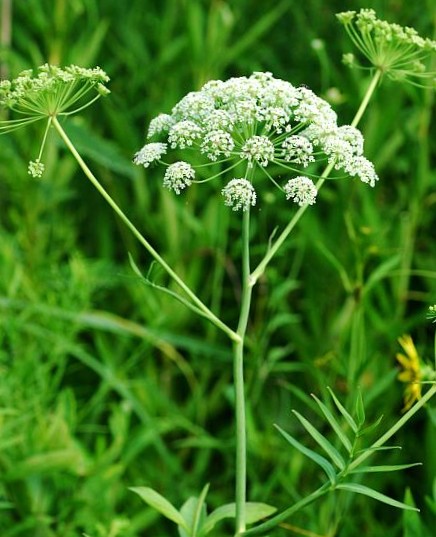
Water Hemlocks are perennial herbs with upright, usually hollow stems and compound umbels of numerous small white or greenish-white flowers.
The leaves are compound and divided into sharply toothed lance-shaped or narrowly elliptic leaflets. In many Water Hemlocks, lateral leaflet veins run toward the notches between the marginal teeth rather than terminating at the tooth tips.
The lower stem may be swollen. The root crown or lower stem can contain horizontal internal partitions forming chambers, with fleshy roots or tubers extending below.
No untrained person should cut open a suspected root merely to confirm those chambers. Cutting may release oily or watery toxin-containing material and contaminate hands, tools, vehicles, feed, and water.
The Chambered Rootstock Is a Clue, Not a Home Test
A chambered root crown is an important identification feature, but it is safest when documented by a qualified botanist, agricultural specialist, or trained removal professional.
Do not taste an unknown root, smell it closely, chew a stem, or rely on a carrot-, parsnip-, or celery-like odor. Several deadly Apiaceae smell deceptively familiar.
Photograph the complete standing plant, leaflets and veins, lower stem, flower heads, habitat, and exposed root structure without crushing or cutting it. Obtain handling instructions before collecting a physical specimen.
Water Hemlock Versus Poison Hemlock
Poison Hemlock, Conium maculatum, is a different genus containing piperidine alkaloids such as coniine and gamma-coniceine. It commonly has finely divided fernlike foliage, relatively smooth hollow stems with purple blotches, and a more conventional taproot.
Water Hemlock usually occupies wetter habitat, has broader sharply toothed leaflets, and may develop a swollen chambered root crown with clustered fleshy roots.
Poison Hemlock primarily causes nicotinic neuromuscular dysfunction, weakness, paralysis, and respiratory failure. Water Hemlock is especially associated with abrupt tremors, generalized seizures, and status epilepticus.
Both are medical emergencies. Treatment should not be delayed during active poisoning while an owner tries to decide which “hemlock” was eaten.
Water Hemlock Versus Wild Parsnip
Wild Parsnip, Pastinaca sativa, generally produces yellow compound umbels and causes sap-associated phytophotodermatitis when contacted skin is exposed to ultraviolet light.
Water Hemlock generally produces white flower umbels and causes rapidly developing convulsant poisoning after ingestion. Ambiguous regional names such as Poison Parsnip or Water Parsnip should never substitute for botanical identification.
Water Hemlock Versus Hemlock Water-Dropwort
Hemlock Water-Dropwort, Oenanthe crocata, is a European and western Eurasian wetland plant containing oenanthotoxin. Its pale fleshy roots have been mistaken for edible vegetables.
Oenanthotoxin and cicutoxin are related C17 convulsants, but Oenanthe and Cicuta are separate genera. Geographic investigation and environmental control depend on identifying the correct plant.
Livestock Exposure Patterns
Cattle may pull Water Hemlock from soft saturated soil or encounter roots exposed beside streams, ponds, ditches, and irrigation channels. Adequate forage does not eliminate the risk because fleshy roots may be investigated independently of hunger.
Horses, sheep, goats, and pigs may also consume roots, spring growth, cut material, or seed heads. Exposure can occur after flooding, ditch maintenance, pasture renovation, herbicide application, or disposal of uprooted plants.
When one animal is affected, remove the entire herd or flock from the source immediately. Other animals may have consumed plant material but remain temporarily asymptomatic.
Companion-Animal Exposure
Dogs may dig up roots, retrieve uprooted plants, chew hollow stems, investigate ditch-cleaning material, or encounter Water Hemlock collected mistakenly as an edible or ornamental plant.
Exposure may also occur when unknown wetland vegetation is transported home for identification, photography, crafts, feeding, or gardening.
Cats are less likely to forage in wet pasture but can be exposed to roots, cut stems, flowers, or contaminated material brought into the yard, barn, or home.
Green Seed Heads Are a Late-Season Hazard
The exceptional toxicity of roots does not confine poisoning to spring. Immature seed heads have caused fatal cattle poisoning later in the season.
Seed-producing plants should be removed through a planned control program before animals can graze them. Cut seed heads must be secured immediately rather than left on the ground, in an open vehicle, or along a fence line.
Herbicide and Mechanical-Control Hazards
Herbicide treatment does not neutralize cicutoxin immediately. Wilting may temporarily make treated foliage easier to chew or more attractive to livestock.
Animals must be excluded during treatment and until the plants, including roots and reproductive material, have been removed according to the herbicide label and site-specific management plan.
Ditch cleaning, excavation, mowing, cutting, and pulling may scatter roots and contaminated debris into water, feed areas, roadways, trailers, and adjoining pasture.
Diagnosis
No routine rapid clinic test confirms Water Hemlock poisoning. Diagnosis depends on exposure setting, rapid clinical progression, compatible neurologic signs, plant identification, stomach or rumen contents, and exclusion of other convulsant toxicants.
Cicutoxin and related compounds are chemically unstable and may degrade during delayed, warm, wet, or improperly handled storage. A negative analytical result does not necessarily exclude poisoning when the history and syndrome are compelling.
Plant material, vomit, gastrointestinal contents, rumen contents, feed, water, and environmental specimens may be useful. Contact the veterinary diagnostic laboratory before sampling so that appropriate containers, freezing, chain of custody, and shipping methods can be selected.
Important Differential Diagnoses
Other causes of violent tremors and seizures include metaldehyde, strychnine, bromethalin, tremorgenic mycotoxins, organochlorine insecticides, pyrethroids, methylxanthines, amphetamines, serotonin-active drugs, isoniazid, toxic mushrooms, severe hypoglycemia, electrolyte abnormalities, heat stroke, and intracranial disease.
Wetland plant differentials include Poison Hemlock, Hemlock Water-Dropwort, Water Parsnip, Cow Parsnip, Angelica species, and other white-flowered members of Apiaceae.
Prognosis
The prognosis is guarded to poor after violent recurrent seizures, prolonged apnea, severe hyperthermia, profound acidosis, aspiration, or cardiovascular collapse develops.
Survival becomes more likely when the exposure is recognized before symptoms, convulsions are stopped quickly, ventilation is maintained, and secondary muscle and organ injury is minimized.
Animals successfully stabilized through the early neurologic crisis may recover completely but still require monitoring for aspiration, traumatic injury, rhabdomyolysis, dysrhythmias, hyperkalemia, and acute kidney injury.
Prevention
Inspect wet pasture margins, streams, ditches, irrigation channels, springs, pond edges, and low meadows before animal access. Repeat inspections after floods, excavation, ditch maintenance, or pasture renovation.
Secure every pulled root, tuber, lower stem, seed head, and plant fragment in a container inaccessible to animals and wildlife. Do not leave removed material in open compost, road ditches, trailers, manure piles, or along fence lines.
Reject hay, silage, or mixed forage containing identifiable Water Hemlock. Drying, aging, or dilution into other forage does not provide a dependable safety guarantee.
Immediate Actions After Suspected Ingestion
- Treat the exposure as life-threatening: Contact an emergency veterinarian or livestock veterinarian immediately and begin transport or arrange urgent field response before signs appear.
- Remove all animals from the source: Close access to the wet pasture, ditch, streambank, pond edge, uprooted roots, green seed heads, clippings, feed, or potentially contaminated water.
- Keep the animal quiet: Reduce exercise, noise, handling, struggling, and visual stimulation because excitement increases oxygen demand, heat production, and seizure risk.
- Remove only loose visible material: This is appropriate only when the animal is calm, fully alert, breathing normally, swallowing normally, and not twitching or trembling. Do not reach deeply into the mouth.
- Do not approach the mouth during neurologic signs: Jaw clenching and uncontrolled movement can cause severe bites. Animals do not swallow their tongues, and nothing should be placed between the teeth.
- Protect the animal from injury: Clear hard, sharp, elevated, or water-filled hazards and use padded barriers without forcibly restraining the limbs, chest, neck, or head.
- Warn the veterinary team: Report suspected Water Hemlock, the plant part involved, time of ingestion, current signs, and whether roots or green seed heads may have been consumed.
- Preserve evidence safely: Photograph the plant and habitat. Collect material only with protective gloves, secure containment, laboratory instructions, and no delay in emergency care.
Do Not Attempt Unsupervised Home Treatment
- Do not wait for symptoms: Once tremors or seizures begin, the opportunity for safe oral decontamination may already have passed.
- Do not induce vomiting: Hydrogen peroxide, salt, mustard, ipecac, detergent, and manual gagging can cause aspiration, gastric injury, critical delay, or seizures during emesis.
- Do not force activated charcoal: Charcoal can enter the lungs when salivation, agitation, tremors, seizures, weakness, or impaired swallowing develops.
- Do not force food or liquids: Water, milk, oil, food, or oral medication may be aspirated by a neurologically abnormal animal.
- Do not restrain a convulsing animal tightly: Forceful restraint increases trauma, stress, oxygen demand, and heat production.
- Do not place objects in the mouth: Fingers, spoons, sticks, towels, or bite blocks can injure the animal, obstruct breathing, or be bitten and aspirated.
- Do not give human seizure medication or another animal’s prescription: Drug selection and route depend on circulation, airway control, ventilation, species, and prior treatment.
- Do not assume vomiting ended the danger: Enough toxin may already have been absorbed to cause seizures after plant fragments are expelled.
Transport During Tremors or Seizures
Obtain veterinary direction whenever possible. A continuously convulsing horse or large livestock animal may require field stabilization before movement can be attempted safely.
Keep the environment dark, quiet, and cool. Limit noise, movement, bright light, unnecessary personnel, and repeated handling.
Position a recumbent animal so saliva and vomit can drain without obstructing the airway. Do not twist the neck, compress the chest, or place the animal where it can fall into water.
Use blankets, hay bales, mats, or padded barriers to reduce impact injuries. Do not wrap the animal so tightly that breathing or heat loss is impaired.
Veterinary Triage and Stabilization
Immediate priorities are airway protection, effective ventilation, oxygenation, rapid seizure control, intravenous or intraosseous access, glucose assessment, cardiovascular stabilization, and temperature management.
Monitoring may include electrocardiography, blood pressure, oxygen saturation, exhaled carbon dioxide, body temperature, blood gases, glucose, electrolytes, lactate, kidney values, creatine kinase, and acid-base status.
An animal with severe salivation, vomiting, absent airway reflexes, recurrent seizures, prolonged apnea, or inadequate ventilation should be intubated early rather than after respiratory arrest.
Seizure Control
A veterinarian may use a benzodiazepine such as diazepam or midazolam for rapid initial seizure control. Controlled goat research found diazepam capable of producing nearly immediate control of Water Hemlock convulsions.
Repeated treatment may be necessary because additional toxin can continue to be absorbed. High sedative requirements increase the need for airway protection and ventilatory monitoring.
Persistent or recurrent seizures may require phenobarbital, pentobarbital, propofol, or another general-anesthetic strategy selected by the treating veterinarian.
Experimental sheep poisoning demonstrated that pentobarbital administered at the onset of the first seizure prevented further convulsions, skeletal- and cardiac-muscle degeneration, and death.
Refractory status epilepticus may require continuous anesthesia, inhalant anesthetic support, and mechanical ventilation until toxin effects subside.
Airway Protection, Oxygen, and Ventilation
Supplemental oxygen should be provided during stabilization. Oxygen alone cannot correct apnea, airway obstruction, respiratory-muscle exhaustion, or severe hypoventilation.
A cuffed endotracheal tube protects the airway from saliva, vomit, rumen contents, charcoal, and plant material. Suction may be required to clear secretions.
Manual or mechanical positive-pressure ventilation may be lifesaving during apnea, respiratory paralysis, severe hypercapnia, anesthesia, or exhaustion following status epilepticus.
Professional Gastrointestinal Decontamination
Decontamination must never delay seizure control, airway stabilization, oxygenation, or circulation. Its potential value is greatest during the short interval before substantial toxin absorption.
A veterinarian may consider induced vomiting after a very recent witnessed ingestion in a completely asymptomatic dog that remains alert, coordinated, cardiovascularly stable, and able to protect its airway. Because onset can be rapid, this opportunity may be brief or absent.
Emesis is contraindicated once distressing salivation, agitation, twitching, tremors, weakness, ataxia, altered awareness, abnormal breathing, or any seizure activity appears.
Gastric lavage may be considered after a major recent ingestion only after anesthesia, endotracheal intubation, seizure stabilization, and airway protection.
Activated charcoal may be administered through a secured tube when clinically appropriate. Repeated charcoal has no established routine role and can worsen ileus, dehydration, sodium disturbance, or aspiration risk.
Horse and Ruminant Decontamination
Horses cannot vomit. Nasogastric evaluation, lavage, and activated charcoal are veterinarian-directed options considered only after neurologic status, airway safety, and handling risk have been assessed.
Cattle, sheep, and goats may retain roots, stems, or seed heads in the rumen. Rumen evacuation, lavage, or rumenotomy may be considered after a substantial recent ingestion when material is likely to remain and the animal is stable enough for the procedure.
Manipulating a neurologically unstable large animal may trigger additional seizures and endanger handlers. Seizure control and airway planning take priority.
Temperature and Acid-Base Management
Stopping seizures is the most effective method of reducing heat production. Controlled external cooling may also be required when body temperature becomes dangerously elevated.
Cooling should be reduced as temperature approaches the normal range to avoid rebound hypothermia. Methods that provoke intense shivering may increase heat production.
Severe metabolic acidosis often improves with seizure control, oxygenation, ventilation, and restoration of circulation. Additional acid-base treatment should be based on blood-gas findings rather than given automatically.
Fluid Therapy and Cardiovascular Support
Intravenous balanced crystalloids may support circulation, correct dehydration, improve renal perfusion, and help manage muscle breakdown. Treatment should be adjusted to blood pressure, perfusion, urine output, electrolytes, pulmonary status, and cardiac function.
Persistent hypotension after appropriate volume replacement may require a titrated vasopressor such as norepinephrine or another clinician-selected agent.
Dysrhythmias should be identified electrocardiographically before antiarrhythmic treatment is selected. Correction of hypoxia, acidosis, hyperthermia, and electrolyte abnormalities may improve the rhythm without a separate antiarrhythmic drug.
Rhabdomyolysis and Kidney Monitoring
Creatine kinase, potassium, phosphorus, calcium, kidney values, urine color, urinalysis, and urine production should be monitored after prolonged tremors or seizures.
A urinary catheter may help measure output in a critically ill patient. Dark red-brown urine may indicate myoglobin released from damaged skeletal muscle.
Fluid therapy can support renal perfusion and reduce pigment-associated tubular injury but must be balanced against pulmonary complications, cardiac dysfunction, and inadequate urine production.
Hyperkalemia caused by severe muscle breakdown can produce dangerous cardiac conduction abnormalities and requires immediate monitored correction.
Aspiration and Pulmonary Complications
Coughing, nasal discharge, fever, abnormal lung sounds, falling oxygen saturation, or worsening respiratory effort after seizures or vomiting raises concern for aspiration.
Thoracic imaging may be normal early and may need to be repeated as pulmonary abnormalities develop. Treatment may include oxygen, suction, nebulization, coupage, and ventilatory support.
Antimicrobial therapy is appropriate when bacterial aspiration pneumonia is established or strongly suspected rather than administered automatically after every possible aspiration event.
Monitoring After Seizures Stop
Apparent quietness may represent recovery, postictal depression, medication effects, severe hypoxia, or coma. Continuous respiratory, cardiovascular, neurologic, temperature, and metabolic monitoring remains necessary.
Additional seizures may occur as toxin continues to enter the circulation. Muscle, kidney, electrolyte, cardiac, and pulmonary complications can progress after visible convulsions cease.
Animals surviving the acute phase may require intensive care for aspiration, traumatic injuries, rhabdomyolysis, acute kidney injury, dysrhythmias, or prolonged neurologic impairment.
Herd and Environmental Response
Remove the entire herd or flock immediately and provide uncontaminated feed and water while the pasture, ditch, streambank, excavation site, or forage source is investigated.
Inspect every exposed animal for salivation, twitching, unusual behavior, weakness, tremors, or increased respiratory effort. Apparently normal animals may still deteriorate.
Secure uprooted plants and roots in containers inaccessible to animals and people. Do not leave them in an open trailer, compost pile, equipment yard, roadside ditch, or along a fence.
Water containing crushed roots or ditch-cleaning debris should be isolated until the contamination source has been assessed and removed.
Recovery and Prognosis
The prognosis is guarded to poor once violent seizures, apnea, severe hyperthermia, profound acidosis, or cardiovascular collapse develops.
Survival becomes more likely when exposure is recognized before symptoms, convulsions are stopped rapidly, ventilation and oxygenation are maintained, and secondary muscle and organ injury is limited.
An animal that remains alive with controlled seizures and stable cardiopulmonary function through the first several hours has an improved outlook but still requires monitoring for recurrent seizures, aspiration, muscle breakdown, dysrhythmias, and kidney injury.
Permanent neurologic or organ damage is possible after prolonged hypoxia or status epilepticus. Animals treated early and stabilized successfully may recover completely.
Frequently Asked Questions About Cowbane and Water Hemlock Exposure
Why does this page use Cicuta spp. instead of one species name?
Cowbane and Water Hemlock are applied to four accepted Cicuta species with overlapping convulsant toxicology. A genus-level page prevents an unidentified Western, Spotted, Northern, or Bulblet-Bearing Water Hemlock from being treated as harmless merely because the exact species has not yet been determined. The individual species and accepted varieties remain listed so regional identification can be refined later.
Why is an exposed root found after flooding or ditch work especially concerning?
Flooding, excavation, erosion, and ditch cleaning can uncover the chambered rootstock and fleshy tubers, which generally contain the greatest toxin concentrations. The roots may be detached from the recognizable leaves and flower heads, leaving an object that resembles an edible parsnip, carrot, or harmless wetland root. Any credible root ingestion warrants emergency treatment even when the animal remains asymptomatic.
Can green seed heads poison livestock even when no roots were eaten?
Yes. Immature Cicuta maculata seed heads were implicated in the deaths of nine cattle from one herd. Experimental work also found green-seed extracts capable of producing seizures and death in mice. Water Hemlock management therefore cannot stop after the spring root-exposure period; flowering and fruiting plants remain a serious pasture hazard.
Can mature Water Hemlock foliage ever become less toxic?
Seasonal research found substantially lower toxin concentrations in mature stems and leaves than in tubers, early vegetative tissue, or reproductive material. That evidence explains why some older stands may be ignored by grazing animals without an outbreak. It does not provide a field method for proving that a particular mature plant is safe, and it does not justify leaving Water Hemlock in animal-accessible pasture or forage.
Can contaminated hay or silage be salvaged by drying it longer?
No dependable drying interval guarantees safety. A bale or silage mass may contain concealed root pieces, lower stems, green seed heads, or unevenly dried material. Because the remaining toxin cannot be judged by appearance or smell, forage containing identifiable Cicuta should be rejected rather than diluted into clean feed.
Does herbicide treatment make Water Hemlock immediately safe?
No. Herbicide does not neutralize the existing polyacetylenes immediately, and wilting may make some plants easier or more attractive to eat. Animals should be excluded during treatment and until all roots, stems, and reproductive material have been removed according to the product label and site-specific control plan.
How can the plant be documented without cutting open the dangerous rootstock?
Photograph the standing plant, complete leaf, leaflet teeth and veins, hollow stem, lower stem swelling, flower or seed head, wet habitat, and any naturally exposed roots. Do not cut the root merely to look for chambers. A qualified botanist, agricultural specialist, diagnostic laboratory, or extension professional can advise whether and how a sealed specimen should be collected.
Why can laboratory testing be negative after a convincing poisoning?
Cicutoxin and related polyacetylenes are unstable and may degrade during delayed, warm, wet, or otherwise unsuitable sample storage. The toxin may also be distributed unevenly in gastrointestinal material. A negative result therefore does not automatically outweigh a compatible wetland exposure, rapid seizure syndrome, plant identification, and examination of rumen or stomach contents.
What research supports the use of diazepam or barbiturate anesthesia?
In a controlled goat model, diazepam produced rapid control of Water Hemlock convulsions. Earlier sheep research found that pentobarbital administered at the first seizure prevented further convulsions, muscle degeneration, and death. These findings support aggressive veterinarian-directed enhancement of inhibitory signaling and anesthesia when seizures persist; they do not create a safe home-treatment protocol.
Why can an animal become quiet after a seizure and still be critically ill?
Water Hemlock poisoning may alternate convulsions with central motor depression. Quietness may represent postictal exhaustion, hypoxia, medication effects, worsening brain dysfunction, or coma rather than recovery. Breathing, oxygenation, airway reflexes, temperature, circulation, glucose, electrolytes, and acid-base status must be evaluated before the animal is considered stable.
What should happen to the rest of a herd when one animal is affected?
The entire group should be removed from the pasture, ditch, streambank, water source, or contaminated feed immediately. Every animal should be observed for salivation, abnormal behavior, twitching, tremors, weakness, or respiratory changes. Some animals may have eaten the plant later or consumed a smaller amount and can deteriorate after the first case is already receiving treatment.
Can ditch-cleaning debris contaminate a water or feeding area?
Yes. Excavation may scatter root fragments and toxin-containing plant material into standing water, along banks, or beside feeders and access roads. Suspect water and debris should be isolated while the area is inspected and cleaned. Removed plants must be secured rather than left where livestock, dogs, wildlife, or equipment can redistribute them.
What complications remain after the seizures have been controlled?
Survivors may still develop aspiration pneumonia, traumatic injuries, rhabdomyolysis, hyperkalemia, dysrhythmias, kidney injury, recurrent seizures, or delayed respiratory failure. Continued intensive monitoring is necessary even when the animal becomes quiet and appears neurologically improved.