Garden Parsley Furanocoumarins, Primary Photosensitization, Seed and Essential-Oil Risk, Nitrate Boundaries, and Spring Parsley Name Confusion
Is Garden Parsley or Spring Parsley Poisonous to Dogs, Cats, Horses, and Livestock?
Yes—Garden Parsley, Petroselinum crispum (Mill.) Fuss, is listed as toxic to dogs, cats, and horses because sufficiently large exposures can cause furanocoumarin-associated photosensitization, and large amounts should also be kept away from livestock, pigs, rabbits, guinea pigs, birds, reptiles, and other animals. Ordinary culinary amounts of fresh parsley used as garnish or seasoning are unlikely to produce serious poisoning in most healthy animals. The risk changes when an animal eats a large quantity of foliage, repeatedly raids an herb bed, consumes seed-bearing plants, receives crop waste, contacts crushed sap over the skin, or is exposed to concentrated parsley oil, seed oil, extract, powder, or medicinal preparation.
Parsley furanocoumarins such as psoralen, bergapten, xanthotoxin, oxypeucedanin, and related compounds become damaging when activated by ultraviolet light. Affected animals may develop painful redness, swelling, blistering, ulceration, crusting, tissue sloughing, and eye inflammation on sun-exposed, lightly pigmented, sparsely haired, freshly clipped, or otherwise vulnerable skin. This page covers culinary garden parsley, not western Spring Parsley, Cymopterus watsonii, a separate low-growing rangeland plant strongly associated with photosensitization in sheep and cattle. Any exposure report using only the common name “spring parsley” must be identified botanically before risk is judged.
About this guide: This page provides general pet-poisoning information and cannot diagnose or treat an individual animal. For any suspected exposure, contact a veterinarian or animal poison-control service immediately. Do not induce vomiting, give medication, or attempt home decontamination unless directed by a veterinary professional.
Spring Parsley
Petroselinum crispum (Mill.) Fuss
Historical synonyms include:
- Apium crispum Mill.
- Carum petroselinum var. crispum (Mill.) Beck
- Petroselinum crispum (Mill.) Nyman ex A.W.Hill
- Petroselinum hortense var. crispum (Mill.) L.H.Bailey
- Petroselinum sativum var. crispum (Mill.) Gaudin
- Petroselinum vulgare var. crispum (Mill.) Gray
Important cultivated forms and horticultural names include:
- Petroselinum crispum — curly parsley, curled parsley, or common parsley leaf forms
- Petroselinum crispum — Italian parsley or flat-leaf parsley forms
- Petroselinum crispum — Hamburg parsley, turnip-rooted parsley, or root parsley forms
Important non-synonym confusion names:
- Cymopterus watsonii (J.M.Coult. & Rose) M.E.Jones — western Spring Parsley; separate rangeland Apiaceae plant associated with photosensitization in sheep and cattle, not culinary garden parsley
- Conium maculatum L. — Poison Hemlock; separate highly dangerous Apiaceae plant with neuromuscular-paralytic alkaloids
- Cicuta spp. — Water Hemlocks; separate highly dangerous Apiaceae plants with violent convulsant toxins concentrated especially in roots and root crowns
- Aethusa cynapium L. — Fool’s Parsley; separate Apiaceae plant, not culinary parsley
- Pastinaca sativa L. — Wild Parsnip or cultivated parsnip; separate Apiaceae plant with strong contact phytophotodermatitis risk from sap
- Heracleum mantegazzianum Sommier & Levier and related giant hogweeds — separate Apiaceae plants with severe sap-and-sun phytophotodermatitis risk
- Anthriscus cerefolium (L.) Hoffm. — Chervil; separate culinary Apiaceae herb
- Coriandrum sativum L. — Cilantro or coriander; separate culinary Apiaceae herb
Apiaceae
Umbelliferae is the traditional alternative family name encountered in older botanical, agricultural, medical, and veterinary literature.
Garden Parsley; Parsley; Common Parsley; Curly Parsley; Curled Parsley; Moss-Curled Parsley; Italian Parsley; Flat-Leaf Parsley; Flat Parsley; Plain Parsley; Hamburg Parsley; Turnip-Rooted Parsley; Root Parsley; Spring Parsley.
Scientific and historical search names include Petroselinum crispum (Mill.) Fuss, Apium crispum Mill., Carum petroselinum var. crispum (Mill.) Beck, Petroselinum hortense var. crispum (Mill.) L.H.Bailey, Petroselinum sativum var. crispum (Mill.) Gaudin, and Petroselinum vulgare var. crispum (Mill.) Gray.
Curly parsley and Italian or flat-leaf parsley are leaf forms cultivated for foliage. Hamburg parsley, turnip-rooted parsley, and root parsley are cultivated for an enlarged edible root as well as leaves. These forms remain within Petroselinum crispum and should be treated as having the same potential furanocoumarin hazard when consumed in unusually large amounts or used as concentrated preparations. “Spring Parsley” is ambiguous and potentially misleading for this species. In western North American toxic-plant references it usually identifies Cymopterus watsonii, also called wild carrot or cymopterus, a separate low-growing rangeland plant with a more established history of photosensitizing sheep and cattle. Parsley should also not be confused with poison hemlock, water hemlock, fool’s parsley, wild parsnip, giant hogweed, chervil, cilantro, coriander, or other parsley-like Apiaceae plants.
Furanocoumarins Are the Principal Photosensitizing Compounds
The principal veterinary toxicants in garden parsley are linear furanocoumarins, a group of light-activated defensive compounds common in portions of Apiaceae and Rutaceae. Compounds identified from Petroselinum crispum include psoralen, bergapten or 5-methoxypsoralen, xanthotoxin or 8-methoxypsoralen, oxypeucedanin, oxypeucedanin hydrate, isopimpinellin, and related coumarin derivatives. Their presence does not make an ordinary culinary garnish equivalent to a concentrated poison, but it gives the plant a genuine capacity to cause primary photosensitization when enough photoreactive material reaches susceptible tissue.
Exact parsley chemistry is not uniform. The furanocoumarin profile varies with plant part, cultivar, age, growth stage, light, fertilization, physical damage, fungal or insect stress, harvesting, storage, and analytical method. Older chemical work identified oxypeucedanin as a major parsley furanocoumarin, and later food surveys measured substantial total furocoumarin concentrations in fresh parsley. Those values demonstrate measurable phototoxic chemistry, but they cannot be converted directly into a safe or poisonous amount for a dog, cat, horse, pig, bird, rabbit, or grazing animal.
How Ultraviolet Light Activates Parsley Furanocoumarins
The toxic reaction requires both a photoreactive compound and activating light. Linear furanocoumarins absorb ultraviolet A radiation, generally in the longer ultraviolet wavelengths that pass through ordinary daylight. Once energized, the molecules can bind cellular DNA, form photoadducts and cross-links, disturb cell division, and generate additional oxidative injury. Affected cells become inflamed and may die, producing erythema, edema, blistering, ulceration, necrosis, and eventual sloughing of damaged tissue.
This dual requirement explains why a parsley exposure may look minor until the animal returns to sunlight. A fully shaded or indoor animal may show little visible skin injury, while the same exposure followed by strong midday sun can produce painful lesions. Window glass, partial shade, reflective surfaces, and thin shade cloth may not protect severely affected animals enough once signs are active.
Primary Photosensitization Versus Liver-Associated Photosensitization
Parsley-associated photosensitization is classified as primary photosensitization because the plant supplies the photodynamic compound directly. The liver does not have to be damaged before the skin becomes light-sensitive. An animal with parsley-associated primary photosensitization may have normal liver function.
The clinical skin pattern can still resemble hepatogenous photosensitization, in which liver or bile-duct disease prevents normal elimination of phylloerythrin, a chlorophyll breakdown product. Veterinarians may therefore test liver enzymes, bilirubin, bile acids, and related values even when parsley exposure is suspected. A matching skin pattern alone cannot safely prove which photosensitization category is present.
Plant Parts and Exposure Routes
Furanocoumarins are found in the edible foliage and have also been identified from parsley roots and other tissues. Seeds and fruits contain concentrated aromatic oils and deserve particular caution because the chemical profile shifts as the plant flowers and matures. No dependable study establishes that one part is universally harmless, although ordinary food use of small amounts of fresh leaves presents a much lower exposure than grazing a dense crop, consuming seed-bearing plants, drinking a concentrated preparation, or contacting expressed sap over a large skin surface.
Parsley can cause injury through more than one route. After a large ingestion, furanocoumarins may be absorbed and distributed to light-exposed tissues. Direct contact between crushed parsley, sap, seed material, essential oil, or concentrated plant material and the skin can also produce phytophotodermatitis when the contaminated area is exposed to sunlight. Wet skin, hairless areas, freshly clipped skin, abrasions, thin eyelid skin, pink noses, white markings, and prolonged plant contact may increase local exposure.
Essential Oils, Seed Preparations, Apiole, and Myristicin
The plant’s essential-oil chemistry creates a separate risk from its furanocoumarins. Parsley leaf, fruit, and seed oils may contain apiole, myristicin, and other volatile phenylpropanoids. Concentrated parsley oils, oleoresins, seed preparations, and purified apiole have been associated experimentally or historically with uterine stimulation, abortion, hepatic injury, renal injury, hemorrhage, neurologic signs, gastrointestinal injury, and death at high or intentional doses.
These findings apply to concentrated products and cannot be used to claim that a few fresh leaves routinely damage the liver, kidneys, or pregnancy. They do justify a stronger warning against parsley essential oil, seed oil, medicinal extracts, concentrated powders, homemade reproductive remedies, “natural” diuretics, flea treatments, and oil diffusion around birds. A concentrated product can deliver a very different chemical exposure from the intact herb.
Nitrate Is a Conditional Crop Hazard
Nitrate is best treated as a conditional agricultural hazard rather than a defining parsley toxin. Like other leafy vegetables, parsley can accumulate nitrate when heavily fertilized, grown under low light, stressed by drought or interrupted growth, or harvested under conditions in which nitrate uptake exceeds plant metabolism. Ruminants convert nitrate to nitrite in the rumen, and excessive nitrite oxidizes hemoglobin to methemoglobin, reducing the blood’s ability to transport oxygen.
A bunch of ordinary culinary parsley is not expected to cause nitrate poisoning. A large mass of unusually nitrate-rich crop material, greenhouse waste, heavily fertilized foliage, or feed waste could create an additional livestock risk. Nitrate poisoning is not a sunlight-dependent skin disease. It produces an oxygen-transport emergency with rapid breathing, weakness, tremors, staggering, rapid pulse, brown or blue-gray mucous membranes, collapse, and death risk.
No Reliable Toxic Dose
No validated toxic dose exists for ordinary fresh parsley in companion animals, livestock, birds, rabbits, or reptiles. ASPCA’s practical warning that large amounts are needed for photosensitization is important because it prevents overstatement of ordinary garnish exposure. Risk depends on species, body size, plant chemistry, amount eaten, repeated exposure, skin pigmentation, hair or feather coverage, sunlight intensity, sunlight duration, pregnancy status, liver function, and whether the exposure involved fresh foliage, roots, seed heads, bolted plants, crop waste, essential oil, seed oil, extract, or fertilized crop material.
Owners should not try to calculate safety from one laboratory concentration or one food-survey value. A few fresh leaves in food are a very different exposure from a dog eating an herb planter, pigs receiving barrels of parsley waste, ostriches or ducks repeatedly eating parsley, livestock entering a crop, or a pregnant animal receiving concentrated parsley seed oil. Prevention and correct identification are more useful than invented dose thresholds.
Photosensitization Requires Plant Exposure and Light
Parsley-associated photosensitization does not necessarily begin at the moment the plant is eaten. The animal must absorb or contact enough photoreactive material and then receive sufficient ultraviolet exposure for tissue injury to develop. Early signs may appear within hours of sunlight exposure but can be delayed, particularly when the amount ingested was uncertain, exposure continues over several days, or plant sap remains on the skin.
An animal kept indoors or under complete shade may show little or no visible skin injury until it returns to direct sunlight. Once lesions develop, continued light exposure can rapidly worsen inflammation and tissue loss. This is why removing the animal from ultraviolet light is not an optional comfort measure; it is part of the treatment.
Skin Lesion Pattern
The characteristic lesions occur on skin that receives the most light and has the least protection from pigment, hair, wool, feathers, or anatomical shade. Common sites include the ears, eyelids, muzzle, lips, nose, face, vulva, teats, udder, lower limbs, and patches of white or lightly pigmented skin. Dogs and cats may be affected on sparsely haired ears, eyelids, noses, lips, bellies, recently clipped areas, or sunbathing surfaces.
Early changes include redness, warmth, swelling, tenderness, and itching. Continued ultraviolet exposure can produce serum leakage, crusting, thick exudate, blisters, fissures, ulcers, and sharply defined areas of tissue necrosis. Damaged skin may become dry, wrinkled, leathery, or separated from viable tissue before it sloughs. Open lesions attract flies and permit bacterial infection, while severe pain can prevent grazing, nursing, resting, or normal movement.
Eye and Eyelid Signs
The eyes and surrounding tissues may be affected because the eyelids, conjunctiva, and cornea receive direct light. Signs can include excessive tearing, conjunctival redness, swollen eyelids, squinting, avoidance of bright light, and reluctance to open the eyes. Severe photosensitization may progress to conjunctivokeratitis, corneal edema, cloudiness, ulceration, or scarring.
Temporary visual impairment is possible, and permanent loss of vision may occur after extensive corneal damage, but blindness should not be presented as the expected result of routine parsley exposure. Any cloudy cornea, persistent eye closure, severe tearing, obvious eye pain, or apparent vision loss after plant and sun exposure requires prompt veterinary examination.
Dogs and Cats
Companion animals are more likely to develop no signs or mild gastrointestinal upset after eating a small amount of fresh culinary parsley than to develop extensive photosensitization. Dogs and cats consuming a larger quantity may vomit, drool, refuse food, develop diarrhea, or become lethargic because of indigestible vegetation, aromatic oils, and gastrointestinal irritation. These signs do not prove photosensitization; skin or ocular lesions require subsequent light-associated injury.
Photosensitization becomes more plausible when a pale, sparsely haired, recently clipped, or sunbathing animal eats a substantial amount, repeatedly chews the plant, or contacts crushed parsley on the skin before going outdoors. Skin redness, painful ears or muzzle, squinting, light avoidance, or lesions on white markings after a substantial exposure deserves veterinary attention rather than dismissal as ordinary sunburn.
Horses, Cattle, Sheep, Goats, Camelids, and Pigs
Horses, cattle, sheep, goats, camelids, and pigs may develop pronounced disease when a large quantity of parsley crop, garden waste, seed-bearing plants, crop residue, greenhouse discard, or another phototoxic Apiaceae becomes available. Light-skinned areas become painful and inflamed, animals may crowd into shade, stop grazing, lose weight, or refuse to allow young to nurse because the udder and teats are painful.
Severe lesions can lead to dehydration, secondary infection, fly strike, and prolonged disability even when the phototoxic compound itself is no longer being absorbed. Pigs can be vulnerable when vegetable waste is supplied in concentrated piles and skin is lightly pigmented or sparsely haired. A group outbreak should prompt investigation of all feed, crop waste, pasture plants, water, fertilizer, liver disease, and photosensitizing medications.
Birds and Poultry
Documented veterinary cases show that avian risk is not purely theoretical. Ostriches naturally exposed to parsley developed acute photosensitivity, and characteristic lesions were reproduced experimentally in ducks. Reported features included skin lesions and ocular involvement such as conjunctivitis and tearing. These cases involved substantial or repeated exposure and should not be generalized to every pet bird that receives one small piece of parsley.
Pet birds, poultry, ostriches, ducks, geese, and other birds should not receive large or repeated parsley feedings, seed heads, crop waste, or essential oil. Possible signs include redness or crusting on exposed skin, eyelid swelling, tearing, light avoidance, reluctance to stand or move, reduced feeding, abnormal droppings from reduced intake, and secondary infection of damaged skin. Birds often hide illness, so quiet behavior after exposure deserves attention.
Rabbits, Guinea Pigs, and Other Small Mammals
Rabbits, guinea pigs, chinchillas, rats, and other small mammals should not be used to test tolerance to large parsley servings, seed heads, or concentrated preparations. Small body size makes the dose proportionally larger, and some of these species cannot vomit. Ordinary dietary herb exposure is different from repeated feeding or access to an entire plant.
Possible signs after excessive ingestion include reduced appetite, soft stool, diarrhea, tooth grinding, abdominal discomfort, quiet behavior, and reduced fecal output. If photosensitization develops, lesions may occur on ears, eyelids, nose, lips, feet, sparsely haired areas, or white markings after light exposure. A rabbit or guinea pig that stops eating or producing normal feces after exposure should receive veterinary guidance.
Nitrate Poisoning Looks Different
Nitrate poisoning would produce a different emergency pattern and should not be confused with furanocoumarin photosensitization. Animals consuming a large amount of nitrate-loaded vegetation may develop rapid breathing, weakness, tremors, staggering, rapid heart rate, brown or blue-gray mucous membranes, collapse, and death from impaired oxygen transport. Those signs may begin within hours and do not require sunlight.
This syndrome would be unexpected after ordinary culinary exposure and should prompt evaluation of the entire feed, water, fertilizer, and crop history. Nitrate or nitrite poisoning requires different treatment priorities from skin photosensitization, and livestock veterinarians may need to test forage, water, blood, ocular fluid, or rumen contents depending on the case.
Concentrated Oil or Seed-Extract Exposure
Concentrated parsley oil or seed extract can produce a syndrome different from photosensitization. High-dose exposure may cause gastrointestinal irritation, weakness, neurologic abnormalities, uterine contractions, hemorrhage, hepatic injury, renal injury, or other systemic effects depending on product concentration and amount. Pregnant animals require particular caution because concentrated seed and oil preparations have a history of reproductive effects.
A bottle of essential oil, medicinal extract, seed preparation, or concentrated supplement should never be judged by the safety of ordinary fresh leaves. Product label, ingredients, concentration, amount missing, species, body weight, pregnancy status, and time of exposure should be reported to a veterinarian or poison-control service.
Duration and Prognosis
Recovery from mild primary photosensitization is usually favorable once the source is removed and ultraviolet exposure is prevented. Pain and superficial inflammation may improve over several days, while ulcerated or necrotic lesions can require weeks to heal. Scarring, altered pigmentation, chronic skin sensitivity, corneal scarring, or secondary infection may complicate severe cases.
Continued sunlight exposure markedly worsens prognosis because newly injured and healing tissues remain vulnerable. An animal should not return to direct sunlight merely because the skin looks better for one day. Veterinary guidance should determine when ultraviolet exposure can be increased safely.
This Page Covers Culinary Garden Parsley
The scientific name assigned to this record, Petroselinum crispum, identifies culinary garden parsley. This is the familiar herb used fresh or dried in European, Middle Eastern, Mediterranean, and American cooking. The existing “Spring Parsley” title is retained as a legacy and search term only, because it creates an important identification problem.
Veterinary range-plant references normally use Spring Parsley for Cymopterus watsonii, a separate western North American plant that causes primary photosensitization in sheep and cattle. When an exposure report uses only “spring parsley,” the scientific name, photograph, habitat, plant height, leaf arrangement, flowers, roots, and geographic location must be checked before toxicology is assigned.
Garden Parsley and Western Spring Parsley Look Different
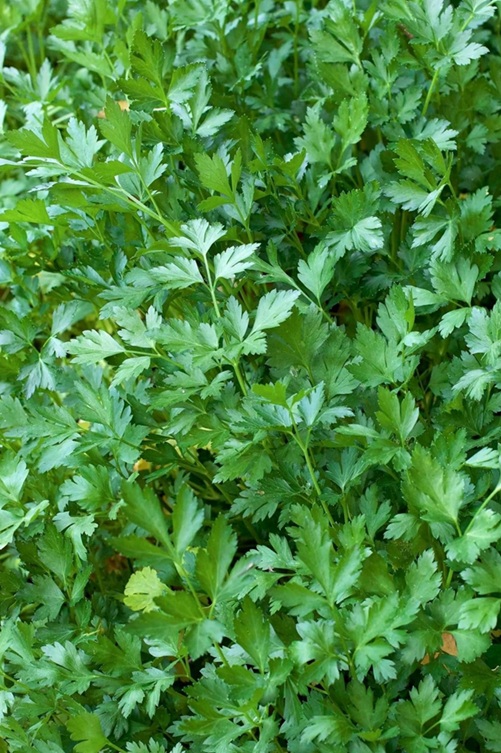
Garden parsley is generally a bright green biennial cultivated in gardens, containers, farms, and greenhouses. It forms a leafy basal rosette during its first year and commonly grows about 12 to 18 inches tall before producing a taller flowering stem during its second season. Curly forms have densely crimped leaf divisions, while flat-leaf forms have broader, flatter, sharply toothed segments.
Western spring parsley, Cymopterus watsonii, is a much shorter perennial rangeland plant, commonly only about four to six inches tall. It emerges early in spring on dry, well-drained foothills and sagebrush country, bears finely divided parsley-like foliage, and produces small white or cream compound umbels above a long taproot. The two plants belong to Apiaceae and share phototoxic furanocoumarin concerns, but their exposure settings differ greatly. Kitchen gardens and crop waste suggest Petroselinum; early spring grazing in western foothills suggests Cymopterus.
Accepted Taxonomy and Native Range
The accepted name is Petroselinum crispum (Mill.) Fuss. Historical literature may use Apium crispum, Petroselinum hortense, Petroselinum sativum, or Petroselinum vulgare in older combinations. The plant belongs to Apiaceae, traditionally called Umbelliferae, the carrot or parsley family.
Current taxonomic sources recognize parsley as native to northwestern Africa and the Balkan Peninsula. Centuries of cultivation have spread it far beyond its native range into Europe, the Americas, temperate and subtropical growing regions, gardens, herb farms, greenhouses, and indoor containers worldwide.
Curly, Flat-Leaf, and Root Parsley
Common or curly parsley produces densely curled, frilled leaf segments and is often used as a garnish. Italian or flat-leaf parsley has flatter, more open divisions and generally a stronger culinary aroma because its foliage often contains more essential oil than many tightly curled forms. Hamburg parsley, turnip-rooted parsley, or root parsley is cultivated for an enlarged pale taproot resembling a slender parsnip, while its leaves are also edible.
These forms are cultivated selections within the same species rather than toxicologically separate plants. No evidence establishes a curly, flat-leaf, or root form as completely free of furanocoumarins. Likewise, no cultivar should be treated as pet-safe when consumed in unusually large quantities, fed repeatedly, or concentrated into oils, powders, supplements, or extracts.
How to Identify Garden Parsley
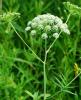
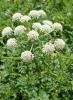
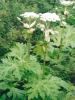
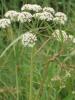
During its first year, parsley forms a basal rosette of bright green leaves on long stalks. The leaves are divided two or three times into toothed segments. Curly forms are tightly crimped, while Italian parsley has broader, flatter, sharply toothed divisions. A mature second-year plant produces an upright branching flower stalk that may reach about two to three feet.
The upper leaves become smaller and less divided as the flowering stem develops. Small yellow-green flowers occur in compound umbels characteristic of Apiaceae. The fruits, commonly called seeds, are small, ridged, aromatic, and ovoid. The plant usually declines after flowering and seed production. Roots, foliage, flowering stems, and fruits all have a characteristic parsley odor, strongest in some root and seed preparations, but odor alone should never be used to distinguish parsley from dangerous look-alikes.
Poisonous Parsley Look-Alikes
Correct identification is especially important because Apiaceae includes poison hemlock, water hemlock, fool’s parsley, wild parsnip, giant hogweed, and other hazardous plants. Several produce divided leaves and umbrella-shaped flower clusters. Poison hemlock, Conium maculatum, commonly develops smooth hollow stems marked with purple blotches and can cause progressive neuromuscular paralysis. Water hemlocks, Cicuta species, contain violent convulsants concentrated especially in their roots and root crowns.
Wild parsnip and giant hogweed can cause severe contact phytophotodermatitis. Fool’s parsley can be confused with edible herbs by inexperienced foragers. A person or animal exposed to an unidentified parsley-like weed should not taste it, crush it barehanded, or rely on odor alone for identification. Whole-plant photographs, roots, stems, leaf bases, umbels, fruit, location, and season are important.
Where Animal Exposures Occur
Dogs and cats usually encounter parsley in kitchen gardens, herb pots, grocery bundles, food scraps, compost, garnished meals, supplements, or spilled dried herbs. A few leaves mixed into food represent a much smaller exposure than eating an entire plant, seed head, concentrated extract, or bottle of essential oil. A pet that repeatedly grazes an herb bed has a different risk from a pet that licks one plate garnish.
Horses and livestock may gain access to garden waste, commercial crop residue, bolted seed-bearing parsley, spoiled produce, greenhouse discard, or a field planted for culinary production. Pigs and poultry may receive vegetable waste in concentrated amounts and have less opportunity to select around one plant. Birds may encounter fresh leaves, seed heads, or chopped food mixtures. Ostrich and duck cases demonstrate that avian photosensitization can occur when exposure is substantial enough.
Furanocoumarins Are Activated by Ultraviolet Light
Psoralen, bergapten, xanthotoxin, oxypeucedanin, and related furanocoumarins are capable of absorbing ultraviolet A radiation. Before light activation, exposed tissue may look normal or only mildly irritated. After absorption of ultraviolet energy, the compounds enter excited molecular states and react with DNA and other cellular targets.
Photoadduct formation, DNA cross-linking, oxidative stress, and inflammatory signaling damage epidermal and ocular cells. The resulting injury is therefore determined by both dose and sunlight. The same plant exposure may cause little visible disease in a fully shaded animal but severe dermatitis after prolonged midday sun.
Primary Photosensitization Does Not Require Liver Failure
Parsley-associated disease is classified as primary photosensitization because the plant supplies the photodynamic compound directly. The liver does not have to be damaged before the skin becomes light-sensitive. This is different from hepatogenous photosensitization, where liver or bile-duct disease prevents normal elimination of phylloerythrin from chlorophyll metabolism.
Ragworts, lantana, certain grasses, fungi, and other agents may cause hepatogenous photosensitization. Veterinarians often evaluate liver enzymes, bilirubin, bile acids, and related indicators because the clinical appearance alone may not distinguish primary parsley exposure from liver-associated disease. This is especially important in livestock outbreaks.
Skin Color, Hair, Wool, and Feathering Affect Lesion Pattern
Dark pigment absorbs and disperses some ultraviolet radiation before it reaches deeper tissue. Dense hair, wool, or feathers also provides physical protection. Lesions therefore concentrate on pale, thinly covered, freshly clipped, or naturally exposed surfaces. White facial markings, pink noses, eyelids, ears, teats, udders, vulvas, and unpigmented lower limbs are common sites in livestock.
Dogs and cats may develop lesions on sparsely haired ears, eyelids, noses, lips, bellies, or recently clipped skin. Pigmented or covered skin is not absolutely immune. A sufficiently intense exposure, direct sap contamination, skin abrasion, prolonged wet contact, or unusually strong ultraviolet radiation can overcome partial protection.
Documented Photosensitization in Ostriches and Ducks
A natural outbreak of acute photosensitivity was reported in ostriches after parsley exposure. Investigators reproduced characteristic lesions experimentally in ducks, supporting a causal relationship rather than a coincidental skin disease. Ocular involvement included conjunctival inflammation and excessive tearing.
The study remains important because it shows that edible garden parsley can become clinically phototoxic to birds when exposure is sufficient. The findings do not mean that one chopped parsley leaf offered to every pet bird will produce the same syndrome. Dose, repeated feeding, ultraviolet exposure, species, skin or feather coverage, and individual susceptibility remain essential.
Documented Phytophotodermatitis in Pigs
Veterinary literature also records phytophotodermatitis in pigs exposed to Petroselinum crispum. Pigs can be vulnerable because portions of the skin may be lightly pigmented and sparsely haired, and vegetable waste may be supplied in concentrated piles. A pig outbreak involving parsley supports the exact-species hazard more strongly than general statements copied from unrelated Apiaceae.
The pig evidence also demonstrates why culinary use by people does not guarantee safety when a production animal consumes a substantially greater proportion of its diet as one plant. A bowl garnish and a pile of crop waste are not comparable exposures.
Garden Parsley Is Not as Predictably Hazardous as Cymopterus
Western Spring Parsley, Cymopterus watsonii, has a stronger and more familiar history as a livestock range poison. Sheep and cattle may graze it early in spring when other green forage is limited, and the plant contains xanthotoxin and bergapten. Affected animals develop severe sunburn-like lesions, particularly on light skin and the udder.
Death from the plant itself is uncommon, but lambs and calves may be lost when painful dams refuse to nurse them. That well-described rangeland syndrome should not be transferred wholesale to a dog or cat that ate a small amount of kitchen parsley. The common-name confusion explains why some parsley descriptions overstate ordinary companion-animal risk while underexplaining western grazing risk.
How Much Garden Parsley Is Dangerous?
No dependable toxic dose has been established for dogs, cats, horses, pigs, birds, or livestock. The practical veterinary qualifier is that large amounts are needed to produce the photosensitizing effect. Risk increases when parsley forms a substantial portion of the diet, repeated access occurs over several days, the plant is flowering or seed-bearing, material is crushed against skin, intense sunlight follows exposure, or the animal consumes a concentrated product.
A few fresh leaves used as food seasoning represent a very different exposure from a dog eating an herb planter, pigs receiving barrels of parsley waste, birds fed parsley repeatedly, or livestock entering a commercial crop. When the amount is uncertain, the species is small, the animal is pregnant, or concentrated oil or seed extract is involved, professional guidance is appropriate.
Parsley Seeds, Essential Oil, Apiole, and Myristicin
Parsley fruits and seeds contain aromatic oils whose composition differs from ordinary fresh leaf tissue. Important constituents may include apiole, myristicin, and related volatile compounds. High-dose parsley oil and isolated apiole have been associated experimentally and historically with uterine stimulation, abortion, hemorrhage, hepatic injury, renal injury, neurologic signs, and death. These outcomes involve concentrated oils or preparations rather than normal culinary use.
Parsley essential oil should not be applied to an animal’s skin, placed in food or water, diffused around birds, or used as a homemade diuretic, breath freshener, flea treatment, reproductive remedy, or urinary remedy. Product concentration and species sensitivity can make an oil exposure far less predictable than contact with the intact herb.
Pregnancy Requires Special Caution
The traditional use of parsley preparations to stimulate menstruation or abortion is linked primarily to concentrated seed preparations, apiole, myristicin, and essential oils. Fresh culinary foliage at normal food amounts does not carry the same demonstrated potency. The important distinction is concentration and preparation, not the word parsley alone.
Pregnant dogs, cats, mares, cows, ewes, does, sows, rabbits, and birds should not be given concentrated parsley extracts, seed oil, essential oil, medicinal doses, or homemade reproductive preparations. A significant accidental exposure warrants veterinary advice even when the animal initially appears normal.
Nitrate Is a Conditional Crop Hazard
Parsley can accumulate nitrate because it is a leafy vegetable with active nitrogen uptake. Heavy nitrogen fertilization, low light, drought, cloudy weather, plant stress, and interrupted growth can raise concentrations. Nitrate itself is less immediately toxic than nitrite. In ruminants, rumen microorganisms convert nitrate to nitrite, which oxidizes hemoglobin into methemoglobin.
The blood then carries oxygen poorly even though the lungs may function normally. Ordinary parsley is not a classic high-risk nitrate forage, and nitrate poisoning should not be listed as an expected effect of a household pet eating fresh leaves. It becomes relevant when livestock consume a substantial amount of heavily fertilized crop material, greenhouse waste, or vegetation already suspected of abnormal nitrate accumulation.
Diagnosis
Diagnosis requires a credible exposure, compatible lesion distribution, and confirmation that sunlight followed plant contact or ingestion. Photographs should document the parsley, flowering structures, roots, crop setting, feed pile, supplement label, oil bottle, and all other parsley-like plants in the area. For grazing animals, the veterinarian may need to distinguish culinary parsley waste from western spring parsley, poison hemlock, water hemlock, wild parsnip, giant hogweed, and liver-associated photosensitization.
Veterinary examination may include a complete skin and eye assessment, hydration evaluation, body temperature, pain level, liver enzymes, bilirubin, bile acids, kidney values, electrolytes, and urinalysis. Nitrate testing of forage, water, plant material, blood, or ocular fluid may be appropriate when respiratory distress or brown mucous membranes occur. Skin biopsy can help distinguish photosensitization from immune-mediated disease, chemical burns, infection, vasculitis, frostbite, and other causes of ulcerative dermatitis.
Veterinary Treatment, Prognosis, and Prevention
The first and most important treatment for photosensitization is complete protection from ultraviolet light. Shade cloth that still transmits substantial light may be inadequate for a severely affected animal; indoor housing or a fully darkened, well-ventilated area may be necessary during peak daylight. Treatment may include fluids, pain control, veterinarian-selected anti-inflammatory medication, nutritional support, gentle wound cleansing, protective dressings, fly control, and antibiotics when secondary bacterial infection is present.
Ocular lesions require specific examination and treatment. Fluorescein staining, topical medication, systemic pain control, and protection from bright light may be needed when conjunctivitis, keratitis, corneal edema, or ulceration is present. Laboratory testing may be used to distinguish primary photosensitization from liver-associated disease. When nitrate exposure is suspected, veterinarians may test feed, water, blood, or ocular fluid and administer methylene blue in a confirmed or strongly suspected methemoglobinemia case.
Most animals recover when exposure ends and sunlight is prevented. Superficial lesions may improve within days, while deep ulceration, necrosis, eye injury, or secondary infection can require weeks of care. Scarring and altered pigmentation may remain after severe tissue loss. Do not allow animals to consume large quantities of parsley crop, bolted seed-bearing plants, greenhouse waste, or concentrated supplements. Culinary scraps should not be dumped into livestock or poultry enclosures in amounts that permit one herb to dominate the diet. Keep parsley essential oil, seed oil, medicinal extracts, and concentrated powders away from pets and pregnant animals.
Immediate Steps After Exposure
Confirm which parsley was involved. Culinary garden parsley, Petroselinum crispum, and western Spring Parsley, Cymopterus watsonii, are different plants. Unidentified parsley-like weeds may also include poison hemlock, water hemlock, wild parsnip, giant hogweed, fool’s parsley, chervil, cilantro, or other Apiaceae plants with different risks.
- Photograph and save the plant: Preserve the complete plant, leaves, stems, flowers, umbels, fruits, roots, seed heads, crop setting, package, supplement label, oil container, or waste pile.
- Prevent further ingestion: Remove the animal from the garden, crop, waste pile, supplement, essential oil, or unidentified parsley-like vegetation and secure the material from other animals.
- Remove loose mouth material safely: If the animal is alert and cooperative, clear visible plant fragments from the front of the mouth. Do not reach deeply into the throat or place yourself at risk of being bitten.
- Report key details: Tell the veterinarian the animal’s species, weight, plant identification, amount and preparation involved, time of exposure, sunlight exposure, pregnancy status, and any skin, eye, gastrointestinal, respiratory, or neurologic signs.
- Move symptomatic animals out of sunlight: Use a fully shaded or indoor area immediately when redness, swelling, painful skin, squinting, tearing, or light avoidance develops. Window glass and partial shade may not eliminate all relevant ultraviolet exposure.
Skin or Eye Exposure
Rinse contaminated skin gently with cool or lukewarm water to remove sap and crushed plant material. Avoid hard scrubbing, which may worsen inflamed or blistered tissue. Do not break blisters, peel damaged skin, or remove sloughing tissue at home. The tissue beneath may be extremely painful and vulnerable to infection.
Flush an exposed eye with sterile saline or clean lukewarm water and prevent rubbing. Persistent squinting, cloudiness, redness, tearing, swelling, light sensitivity, or pain requires prompt veterinary examination. Livestock with open wounds require effective fly-strike prevention, and pets may need an e-collar or other protection to prevent licking and self-trauma.
Do Not Attempt Unsupervised Home Treatment
- Do not induce vomiting automatically: Hydrogen peroxide, salt, mustard, syrup of ipecac, and manual gagging can cause gastrointestinal injury or aspiration and may offer little benefit after plant compounds have already been absorbed.
- Do not give activated charcoal without veterinary direction: Its usefulness depends on the preparation, amount, timing, species, and aspiration risk. It is not a routine response to every culinary-parsley exposure.
- Do not give cathartics or force fluids: Parsley, gastrointestinal irritation, vomiting, diarrhea, and a cathartic can combine to worsen dehydration. Forced liquids may enter the lungs of a weak or poorly coordinated animal.
- Do not apply human sunburn products or essential oils: Zinc-containing creams, local anesthetics, salicylates, fragrances, essential oils, and other ingredients may be unsafe if licked or used on the wrong species.
- Do not give corticosteroids, antihistamines, antibiotics, or pain medication on your own: Treatment depends on lesion depth, eye involvement, infection, pregnancy, liver function, and the animal’s species.
- Do not treat suspected nitrate poisoning at home: Brown or blue-gray mucous membranes, rapid breathing, tremors, and collapse require professional diagnosis and treatment.
When Emergency Examination Is Especially Important
- Skin is blistering, ulcerating, or sloughing: Extensive tissue damage can cause severe pain, fluid loss, infection, and fly strike.
- The eyes are affected: Photophobia, persistent squinting, cloudy corneas, marked redness, severe tearing, or apparent visual impairment requires urgent ophthalmic assessment.
- The animal cannot remain comfortable in light: Persistent shade-seeking, agitation, head shaking, or pain when exposed to daylight suggests active photosensitization.
- Breathing is rapid or difficult: Brown, blue-gray, pale, or muddy mucous membranes, weakness, tremors, collapse, or sudden death risk raises concern for nitrate or nitrite poisoning rather than uncomplicated photosensitization.
- A concentrated oil, extract, or seed preparation was consumed: These products can create reproductive, neurologic, hepatic, renal, and gastrointestinal risks beyond those of fresh culinary leaves.
- The animal is pregnant: Significant exposure to parsley oil, seed extract, or another concentrated preparation requires prompt veterinary advice because of potential uterine effects.
- Several animals are affected: Group illness requires investigation of pasture plants, crop waste, feed, water, fertilizer, medications, liver disease, and other photosensitizing agents.
Veterinary Treatment
Veterinary treatment begins with strict protection from ultraviolet light. Severely affected animals may require indoor or fully darkened housing during daylight rather than ordinary tree shade. Exposure is restricted until circulating or locally retained photodynamic compounds have cleared and the skin is healing.
Supportive care may include fluid and electrolyte therapy, pain control, veterinarian-selected anti-inflammatory medication, nutritional support, gentle cleansing, protective wound dressings, and treatment of secondary infection. Livestock may require management of fly strike, nursing disruption, recumbency, dehydration, and loss of access to feed or water. Ocular lesions require specific examination and treatment. Fluorescein staining, topical medication, systemic pain control, and protection from bright light may be needed when conjunctivitis, keratitis, corneal edema, or ulceration is present.
Laboratory testing may be used to distinguish primary photosensitization from liver-associated disease. Liver enzymes, bilirubin, bile acids, kidney values, electrolytes, hydration status, and urinalysis may be useful depending on the case. When nitrate exposure is suspected, veterinarians may test feed, water, blood, rumen contents, or ocular fluid and may administer methylene blue in a confirmed or strongly suspected methemoglobinemia case.
Dogs and Cats
Dogs and cats that ate a small amount of fresh culinary parsley and remain normal often need only prevention of additional access and observation after professional guidance. A larger exposure, repeated herb-bed access, concentrated supplement, seed head, essential oil, or unexplained skin or eye lesion changes the concern. Monitor vomiting, diarrhea, appetite, thirst, urination, energy, skin redness, squinting, and whether sun exposure occurred after ingestion.
Move a symptomatic pet indoors or into complete shade. Recently clipped, pale, white-marked, sparsely haired, or sunbathing animals deserve closer monitoring. A pet with painful ears, muzzle lesions, swollen eyelids, cloudy corneas, persistent vomiting, weakness, or light avoidance should be examined rather than treated as routine sunburn.
Horses and Livestock
Horses, cattle, sheep, goats, camelids, and pigs should be removed from parsley crop waste, bolted seed-bearing plants, greenhouse discard, heavily fertilized vegetable waste, and unidentified parsley-like rangeland plants. Provide safe feed and clean water so hungry animals are not forced to consume the same material again. Inspect the entire area for western spring parsley, poison hemlock, water hemlock, wild parsnip, giant hogweed, ragworts, lantana, molds, and other photosensitizing or neurologic hazards.
Affected livestock should be brought under full ultraviolet protection. Ordinary tree shade may not be enough for severe photosensitization. Painful udders and teats can interfere with nursing, so calves and lambs may require monitoring or assistance. Open lesions require fly control, infection control, hydration support, and pain management selected by a veterinarian.
Birds, Rabbits, Guinea Pigs, Reptiles, and Small Pets
Birds should not receive large or repeated parsley feedings, seed heads, parsley oil, or concentrated extracts. A bird with eyelid swelling, tearing, skin redness, food refusal, weakness, abnormal droppings, or light avoidance after exposure needs avian veterinary advice. Do not diffuse parsley essential oil around birds.
Rabbits and guinea pigs that stop eating, produce fewer fecal pellets, develop diarrhea, appear painful, or show skin or eye lesions after exposure need prompt veterinary guidance. Reptiles and tortoises should not be offered unidentified parsley-like weeds or concentrated parsley products as browse. Species-specific safe doses are not established for these animals.
Recovery and Prognosis
The prognosis is generally good when the exposure is recognized early, the animal is removed from sunlight, and lesions remain superficial. Mild redness and discomfort may resolve over several days. Deep ulceration, necrosis, eye injury, dehydration, infection, fly strike, or refusal to eat can extend recovery over several weeks.
Scarring, altered pigmentation, chronic sensitivity, or permanent visual impairment is possible after severe tissue destruction. An animal should not return to direct sunlight merely because the skin looks better for one day. Veterinary guidance should determine when ultraviolet exposure can be increased safely without reactivating injury.
Prevention After the Incident
Do not allow animals to consume large quantities of parsley plants, seed heads, crop residue, bolted plants, greenhouse waste, or garden discard. Culinary scraps should not be dumped into livestock or poultry enclosures in amounts that permit one herb to dominate the diet. Store parsley essential oil, seed oil, medicinal extracts, and concentrated powders separately from ordinary dried culinary parsley so the products cannot be confused.
Pregnant animals should never receive medicinal parsley preparations. On western grazing land, identify and control Cymopterus watsonii rather than assuming all “spring parsley” is culinary garden parsley. Remove unidentified parsley-like weeds carefully because poison hemlock, water hemlock, wild parsnip, and giant hogweed require different precautions.
Frequently Asked Questions About Spring Parsley, Garden Parsley, and Animal Poisoning
Is this page about culinary parsley or the western rangeland plant called Spring Parsley?
This page covers culinary garden parsley, Petroselinum crispum, because that is the scientific species assigned to the record. Western veterinary and rangeland references usually use “spring parsley” for Cymopterus watsonii, a separate low-growing plant that poisons sheep and cattle through primary photosensitization. The shared common name is a major source of confusion, so the plant should be identified scientifically whenever possible.
Is a small amount of fresh parsley garnish dangerous to a dog or cat?
A small culinary amount is unlikely to cause serious poisoning in most healthy dogs or cats. The practical poison-control warning is that large amounts are needed to produce the photosensitizing effect. A pet that eats an entire plant, repeatedly raids an herb bed, consumes seed-bearing material, or receives a concentrated extract has a different exposure and should be discussed with a veterinarian or poison-control specialist.
What is the accepted scientific name for garden parsley?
The accepted scientific name is Petroselinum crispum (Mill.) Fuss. Older names include Apium crispum, Petroselinum hortense, Petroselinum sativum, and Petroselinum vulgare in historical combinations. The older names remain useful for searching older botanical, culinary, agricultural, and toxicology references.
How does parsley cause photosensitization?
Parsley contains furanocoumarins such as psoralen, bergapten, xanthotoxin, oxypeucedanin, and related compounds. After these compounds enter or contact tissue, ultraviolet A radiation activates them. The energized molecules damage DNA and other cellular structures, producing painful inflammation, blistering, ulceration, and necrosis in sun-exposed skin and eyes.
Does photosensitization begin immediately after the animal eats parsley?
Not necessarily. The plant compounds must be absorbed or remain on the tissue and then receive enough ultraviolet exposure. Lesions may become visible within hours of sunlight exposure or may emerge after repeated feeding and several days outdoors. An animal kept in complete shade may appear normal until it returns to direct sunlight.
Which parts of parsley present the greatest concern?
Leaves, roots, flowering stems, fruits, and seeds all contain biologically active constituents, but their chemical profiles differ. Fresh leaves are the most common culinary exposure. Seed-rich plants, concentrated seed or leaf oils, medicinal extracts, and large crop quantities deserve greater concern because they may deliver more furanocoumarins, apiole, myristicin, or other aromatic compounds than a small serving of foliage.
Can parsley really damage an animal’s eyes or cause blindness?
Severe photosensitization can inflame the eyelids, conjunctiva, and cornea, causing tearing, photophobia, squinting, corneal edema, keratitis, ulceration, and visual impairment. Permanent blindness is possible after extensive corneal scarring but is not an expected result of an ordinary culinary exposure. Any cloudy cornea, persistent eye closure, or apparent vision loss requires urgent veterinary examination.
Which animals have actually developed photosensitization from garden parsley?
Published veterinary reports document parsley-induced photosensitivity in ostriches, with typical lesions reproduced experimentally in ducks. Phytophotodermatitis has also been reported in pigs exposed to Petroselinum crispum. Detailed companion-animal case series and exact dog or cat toxic doses remain limited, so public guidance should be dose-bound rather than alarmist.
Why are white or lightly pigmented animals more severely affected?
Melanin absorbs and disperses ultraviolet radiation, while dense hair, wool, and feathers provide physical shade. Pale skin, white markings, pink noses, eyelids, ears, teats, udders, vulvas, and sparsely haired areas receive more activating light. Dark or well-covered skin is better protected but is not completely immune after a sufficiently intense exposure.
Can direct skin contact with parsley cause a reaction without ingestion?
Yes. Crushed plant material, sap, seed material, or concentrated parsley preparation on the skin can produce phytophotodermatitis when the contaminated area is exposed to ultraviolet light. Wet, abraded, recently clipped, or hairless skin may be more vulnerable. The skin should be rinsed gently and protected from sunlight while veterinary advice is obtained.
Is parsley dangerous during pregnancy?
Ordinary food quantities of fresh parsley are not equivalent to concentrated parsley oil or seed extract. High-dose apiole- and myristicin-containing preparations have been associated with uterine contractions, abortion, hemorrhage, and organ injury. Pregnant animals should not receive parsley essential oil, medicinal seed preparations, concentrated extracts, or homemade reproductive remedies.
Is parsley essential oil safe for pets?
No. Parsley essential oil is a concentrated product and should not be applied to skin, placed in food or water, used as a flea treatment, used as a diuretic, diffused around birds, or given as a reproductive remedy. Oil exposure is not comparable to a small amount of fresh culinary parsley. The product label, concentration, amount missing, and species should be reported to a veterinarian after exposure.
Is nitrate an important parsley toxin?
Nitrate is a conditional crop and feed hazard rather than the principal explanation for ordinary parsley poisoning. Parsley can accumulate nitrate under heavy nitrogen fertilization, low light, drought, or interrupted growth. A substantial amount of nitrate-loaded vegetation may cause methemoglobinemia in livestock, producing rapid breathing, weakness, brown or blue-gray mucous membranes, collapse, and death without requiring sunlight.
How can nitrate poisoning be distinguished from parsley photosensitization?
Photosensitization produces painful skin and eye lesions after ultraviolet exposure, especially on pale or sparsely covered areas. Nitrate or nitrite poisoning develops more rapidly as an oxygen-transport emergency, causing respiratory distress, weakness, tremors, rapid heartbeat, brown mucous membranes, and collapse. Veterinary testing of blood, forage, water, or plant material may be required because both exposures can occur in heavily fertilized crop waste.
Is Garden Parsley the same as western Spring Parsley?
No. Garden parsley is Petroselinum crispum, a cultivated culinary herb. Western Spring Parsley is Cymopterus watsonii, a low-growing rangeland Apiaceae plant associated with sheep and cattle photosensitization in western North America. The shared common name can cause major confusion in poisoning reports, so the scientific name and habitat should be confirmed.
Can Spring Parsley poison sheep or cattle?
Yes, when the plant is western Spring Parsley, Cymopterus watsonii. That plant is strongly associated with primary photosensitization in sheep and cattle, especially during early spring grazing on western foothills and rangeland. Painful lesions on udders and teats can prevent nursing and cause lamb or calf losses even when the adult animal survives.
Can dogs or cats get sick from eating a whole parsley plant?
Yes. A whole plant or repeated herb-bed access is much more exposure than a small garnish. Dogs or cats may develop vomiting, diarrhea, drooling, reduced appetite, or lethargy from plant bulk and aromatic constituents, and photosensitization becomes more plausible if enough furanocoumarin exposure is followed by sunlight. Veterinary guidance is appropriate after a substantial or uncertain ingestion.
Can parsley poison birds?
Large or repeated exposure can be risky. Published reports document photosensitization in ostriches with experimental reproduction in ducks after parsley exposure. A single small culinary fragment is not the same exposure, but pet birds should not receive large parsley feedings, seed heads, concentrated extracts, or essential oils. Tearing, eyelid swelling, light avoidance, weakness, or skin lesions after exposure needs avian veterinary advice.
Can rabbits or guinea pigs eat parsley?
Small culinary amounts are commonly encountered, but this page is about poisoning risk after excessive, concentrated, or unusual exposure. Rabbits and guinea pigs should not be given seed heads, essential oils, extracts, or large piles of parsley that dominate the diet. Reduced appetite, reduced fecal output, diarrhea, tooth grinding, or painful skin or eye lesions after exposure should prompt veterinary guidance.
Should vomiting be induced or activated charcoal be given?
Do not induce vomiting or administer charcoal unless a veterinarian or animal poison-control specialist specifically directs it. The likely benefit depends on the amount, preparation, time, and animal. Hydrogen peroxide can cause gastrointestinal injury or aspiration, while charcoal may be unsafe in a vomiting, weak, poorly coordinated, or dehydrated patient.
What is the most important first step when photosensitization appears?
Remove the animal completely from ultraviolet light. Indoor or fully darkened, well-ventilated housing may be necessary because ordinary shade can still transmit enough light to worsen severe lesions. The source plant must also be removed, and painful skin or eye injury should be assessed by a veterinarian.
Can I put sunscreen or sunburn cream on the lesions?
Do not apply human sunburn products, sunscreen, essential oils, anesthetic creams, zinc products, salicylate products, or herbal salves unless a veterinarian directs it. Damaged skin may absorb ingredients differently, and animals may lick products from the skin. Veterinary treatment may include species-appropriate wound care, pain control, fly control, and protective dressings.
What should veterinarians consider in a group outbreak?
A group outbreak requires more than blaming parsley. Important considerations include western Spring Parsley, wild parsnip, giant hogweed, hepatogenous photosensitization, liver disease, mycotoxins, ragworts, lantana, photosensitizing medications, nitrate accumulation, fertilizer history, feed changes, crop waste, water quality, and all plants available in the pasture, pen, or waste pile.
What is the prognosis after parsley-associated photosensitization?
The prognosis is generally good when exposure ends early, sunlight is prevented, and lesions remain superficial. Ulcerated or necrotic skin, corneal injury, secondary infection, fly strike, dehydration, or refusal to eat can extend recovery over several weeks. Deep tissue loss may leave scars or altered pigmentation, and severe corneal damage may leave permanent visual impairment.
How can parsley poisoning be prevented around animals?
Do not allow animals to consume large quantities of parsley plants, seed heads, crop residue, or garden waste, and keep concentrated oils and extracts locked away. Pregnant animals should never receive medicinal parsley preparations. On western grazing land, identify and control Cymopterus watsonii rather than assuming all “spring parsley” is culinary garden parsley. Any unidentified parsley-like weed should be treated cautiously because poison hemlock, water hemlock, wild parsnip, and giant hogweed may occur in similar settings.