Dracaena Toxicity and Saponin-Related Pet Illness
Is Dracaena Poisonous to Dogs, Cats, Horses, and Livestock?
Yes, Dracaena species—including Corn Plant, Dragon Tree, Mass Cane, Song of India, Janet Craig, Warneckii, and Lucky Bamboo—are poisonous to dogs and cats, and several common species are also listed as toxic to horses. The primary modern toxicologic concern is steroidal saponins and related glycosides that irritate the stomach and intestines. Exposure may cause drooling, nausea, vomiting, occasionally blood-streaked vomit, appetite loss, diarrhea, abdominal discomfort, depression, lethargy, weakness, and dehydration. Cats may additionally develop widely dilated pupils, an elevated heart rate, abnormal coordination, and more pronounced weakness.
About this guide: This page provides general pet-poisoning information and cannot diagnose or treat an individual animal. For any suspected exposure, contact a veterinarian or animal poison-control service immediately. Do not induce vomiting, give medication, or attempt home decontamination unless directed by a veterinary professional.
Dracaena
Dracaena spp.
Important accepted ornamental species and currently accepted names include:
Dracaena fragrans (L.) Ker Gawl. — Corn Plant, Cornstalk Plant, Mass Cane, Janet Craig, Warneckii, Lemon Lime Dracaena
Dracaena reflexa Lam. — Song of India, Song of Jamaica, Pleomele
Dracaena reflexa var. angustifolia Baker — Red-Margined Dracaena, Madagascar Dragon Tree
Dracaena sanderiana Mast. — Lucky Bamboo, Ribbon Dracaena
Dracaena surculosa Lindl. — Gold Dust Dracaena, Florida Beauty
Important synonyms, former names, and horticultural names include:
Dracaena deremensis Engl. — synonym of Dracaena fragrans
Dracaena deremensis var. warneckei Engl. — synonym within Dracaena fragrans
Dracaena fragrans var. massangeana (Rodigas) É.Morren — synonym of Dracaena fragrans
Pleomele fragrans (L.) Salisb. — synonym of Dracaena fragrans
Dracaena marginata Lam. — synonym of Dracaena reflexa var. angustifolia
Pleomele marginata (Lam.) N.E.Br. — synonym of Dracaena reflexa var. angustifolia
Pleomele reflexa (Lam.) N.E.Br. — synonym of Dracaena reflexa
Pleomele sanderiana (Mast.) N.E.Br. — synonym of Dracaena sanderiana
Dracaena vanderystii De Wild. — synonym of Dracaena sanderiana
Modern botanical treatment also incorporates former Sansevieria species into the genus Dracaena. This page is centered on the familiar Corn Plant, Dragon Tree, Pleomele, Gold Dust Dracaena, and Lucky Bamboo group rather than the separately recognized household search intent associated with Snake Plants.
Asparagaceae Juss. — Asparagus Family
Dracaena belongs to the order Asparagales and subfamily Nolinoideae.
Historical and alternative family placements include:
Agavaceae — still common in older veterinary, horticultural, and poison-control listings
Dracaenaceae — formerly recognized as a separate family in some classifications
Ruscaceae — used in several earlier broad classifications before incorporation into Asparagaceae
The modern placement in Asparagaceae does not change the practical pet-safety conclusion. Common Dracaena houseplants contain steroidal saponins or related glycosides capable of causing gastrointestinal illness and, particularly in cats, pupil, heart-rate, strength, and coordination abnormalities.
Dracaena, Corn Plant, Cornstalk Plant, Corn Stalk Plant, Dragon Tree, Ribbon Plant, Mass Cane, Mass Cane Plant, Cane Plant, Striped Dracaena, Red-Margined Dracaena, Red Margin Dracaena, Red-Edge Dracaena, Madagascar Dragon Tree, Janet Craig Plant, Janet Craig Dracaena, Warneckii, Warneckei, Lemon Lime Dracaena, Lucky Bamboo, Ribbon Dracaena, Pleomele, Song of India, Song of Jamaica, Malaysian Dracaena, Lance Pleomele, Gold Dust Dracaena, Florida Beauty, Green Dracaena, Compact Dracaena, Dracaena spp., Dracaena fragrans, Dracaena reflexa, Dracaena reflexa var. angustifolia, Dracaena sanderiana, Dracaena surculosa
Common Corn Plant cultivars and trade names include ‘Massangeana,’ ‘Janet Craig,’ ‘Compacta,’ ‘Warneckii,’ ‘Lemon Lime,’ ‘Limelight,’ ‘Lisa,’ ‘Hawaiian Sunshine,’ and ‘Sol.’ These cultivated forms remain part of the Dracaena toxicity concern despite differences in color, leaf width, size, or growth habit.
“Lucky Bamboo” is Dracaena sanderiana, not a true bamboo. True bamboos belong to the grass family, Poaceae, and do not share the same steroidal-saponin profile merely because they have segmented stems.
“Dragon Tree” may refer to several accepted Dracaena species, including Red-Margined Dracaena and the much larger Dragon’s Blood Tree group. A nursery label or scientific name is preferable when identifying an exposure.
Steroidal Saponins
The primary modern toxicologic concern in common Dracaena houseplants is steroidal saponins. Saponins are glycosides composed of a non-sugar aglycone joined to one or more sugar groups and are named for their soap-like ability to form foam in water.
Dracaena chemistry is complex rather than uniform. Investigators have isolated numerous spirostanol and furostanol saponins from species across the genus, and approximately 180 steroidal saponins have been described from Dracaena and the former genus Sansevieria.
The presence and concentration of each compound vary among species, cultivars, leaves, bark, stems, roots, maturity stages, and growing conditions. No single named saponin should be presented as the universal toxin in every Corn Plant, Dragon Tree, or Lucky Bamboo exposure.
Species-Specific Chemical Evidence
Red-Margined Dracaena, traditionally called Dracaena marginata and currently treated as Dracaena reflexa var. angustifolia, has direct chemical evidence supporting the saponin classification.
Researchers isolated multiple steroidal saponins from its bark and roots, including both previously known compounds and newly characterized furostanol and spirostanol glycosides.
This does not prove that every commercial Dracaena cultivar contains an identical mixture. It does support the modern conclusion that steroidal saponins, rather than an undefined lethal alkaloid, explain much of the recognized houseplant syndrome.
Gastrointestinal Irritation
Saponins have detergent-like interactions with cell membranes and can irritate the stomach and intestinal lining. Nausea, drooling, vomiting, appetite loss, abdominal discomfort, and diarrhea are therefore the most consistent effects.
Dracaena leaves are also fibrous and poorly digestible. Physical plant material can contribute to nausea and vomiting, but the repeated poison-control pattern involving several Dracaena species cannot be explained solely as ordinary grass or indigestible fiber.
Vomiting may contain mucus, foam, bile, leaf material, or occasionally blood. Blood-streaked vomit is more likely to reflect gastric or esophageal irritation and repeated retching than a primary bleeding disorder.
Why Cats May Show a Different Pattern
Cats may develop mydriasis, or widely dilated pupils, in addition to drooling and gastrointestinal illness. Some species-specific Dracaena listings also describe abdominal pain, an increased heart rate, weakness, and incoordination in cats.
The exact mechanism behind the feline pupil and neurologic-type findings has not been established fully. Direct saponin effects, gastrointestinal distress, autonomic changes, individual susceptibility, and additional plant glycosides may contribute.
Mydriasis alone is not diagnostic of Dracaena exposure. Dilated pupils may also accompany fear, pain, low light, eye disease, hypertension, neurologic disease, medication exposure, or other toxins.
Weakness and Incoordination
Larger exposures may produce depression, weakness, poor balance, stumbling, or reduced coordination. These signs are reported most consistently in cats but may occur in dogs.
Weakness may be worsened by repeated vomiting, dehydration, reduced food intake, low blood glucose in a small or young animal, pain, or another product in the plant container.
Persistent or severe neurologic abnormalities are not typical of a minor leaf-tip nibble and warrant investigation for a larger ingestion, pesticide, fertilizer, medication, another plant, or unrelated disease.
Older “Unknown Toxin” and Alkaloid Descriptions
Some older references described Dracaena toxicity as uncertain, listed “possible alkaloidal content,” or considered certain plants low enough in risk to appear on general child-safe houseplant lists.
Several current species-specific poison-control entries still say “unknown” even while describing a consistent syndrome of vomiting, drooling, appetite loss, weakness, incoordination, mydriasis, abdominal discomfort, and elevated heart rate.
Those older descriptions reflect incomplete chemical identification rather than proof that the plant is non-toxic. Modern genus-level references and direct phytochemical studies support steroidal saponins as the principal practical concern.
Leaves, Stems, Canes, Roots, and Flowers
All accessible plant tissue should be treated as unsafe for habitual chewing, including leaves, leaf tips, stems, cane sections, bark, roots, flowers, fruit, propagation cuttings, and plant fragments.
Most household exposures involve foliage because the leaves are accessible and attractive to cats. Puppies may also shred leaves or gnaw the outer surface of a cane.
Indoor Dracaena plants flower or fruit infrequently, and there is insufficient evidence to rank every plant part by toxicity. No part should be deliberately fed to an animal.
Lucky Bamboo Water
Lucky Bamboo is frequently grown in water with its stems supported by stones, glass beads, or gravel. The water may contain plant exudates, leaf or root fragments, fertilizer, algae-control products, bacteria, mold, decorative additives, or residues from the container.
No dependable toxic concentration has been established for ordinary Lucky Bamboo water. Drinking the water is generally less concerning than chewing a substantial amount of the plant, but the complete container contents must be considered.
No Established Toxic Dose
No dependable leaf count, cane length, plant weight, or gram-per-kilogram threshold has been established for dogs, cats, horses, rabbits, or other animals.
Risk depends on the species, cultivar, tissue eaten, amount swallowed, animal size, repeated exposure, gastrointestinal sensitivity, hydration, existing disease, and whether the container introduced another toxic or foreign-body hazard.
Vomiting
Vomiting is the most consistently recognized sign. It may begin soon after chewing or swallowing the plant, although onset varies with the amount eaten, stomach contents, and individual susceptibility.
Vomit may contain partially chewed leaves, foam, bile, mucus, or occasionally streaks of blood. Repeated retching can inflame the esophagus and stomach even after the original plant material has been expelled.
One isolated episode followed by normal appetite, behavior, drinking, and coordination is less concerning than repeated vomiting or inability to retain water.
Drooling, Nausea, and Appetite Loss
Affected animals may drool, lick their lips, swallow repeatedly, approach food and then turn away, eat grass, hide, or appear unsettled.
Dracaena does not ordinarily produce the immediate severe mouth-burning syndrome associated with Dieffenbachia, Pothos, or Philodendron. Heavy drooling more often reflects nausea and gastrointestinal discomfort than calcium oxalate injury.
Diarrhea and Abdominal Discomfort
Soft stool or diarrhea may accompany vomiting. The animal may hunch, stretch, tense the abdomen, resist being picked up, or become restless before passing stool.
Profuse diarrhea, black tarry stool, substantial fresh blood, severe abdominal enlargement, or persistent focal pain is not expected after a minor exposure and requires veterinary evaluation.
Depression and Lethargy
An affected dog or cat may become quiet, withdrawn, sleepy, less playful, or uninterested in food. Mild depression commonly accompanies nausea.
Profound unresponsiveness, inability to stand, collapse, coma, or rapidly worsening mental status should not be attributed casually to a small Dracaena nibble.
Cat-Specific Mydriasis
Cats may develop noticeably dilated pupils. Both pupils are generally affected, although pupil size may be influenced by room lighting, pain, stress, and preexisting eye disease.
Mydriasis accompanied by vomiting, drooling, weakness, abnormal walking, abdominal discomfort, or known plant damage strengthens the exposure history.
Unequal pupils, apparent blindness, eye pain, head tilt, circling, or persistent dilation after the gastrointestinal illness resolves requires broader ophthalmic or neurologic investigation.
Elevated Heart Rate
Some cats develop an increased heart rate. Pain, nausea, stress, dehydration, and autonomic effects may all contribute.
A rapid heartbeat should be interpreted with hydration, mucous-membrane color, pulse quality, temperature, blood pressure, respiratory effort, and behavior rather than assumed to represent primary cardiac poisoning.
Fainting, weak pulses, persistent rhythm irregularity, pale or gray gums, or collapse is not the ordinary Dracaena syndrome and requires emergency assessment.
Weakness and Incoordination
Cats and dogs may become weak or poorly coordinated after a larger exposure. Affected animals may stumble, sway, misjudge a jump, hesitate on stairs, or remain reluctant to walk.
Repeated vomiting, dehydration, low food intake, and concurrent container products can worsen these signs.
Tremors, seizures, rigid posture, paralysis, or coma is uncommon and should prompt investigation for another or mixed exposure.
Dehydration
Persistent vomiting or diarrhea can produce dry or tacky gums, reduced skin elasticity, sunken eyes, weakness, decreased urination, and poor circulation.
Kittens, puppies, very small animals, older pets, and animals with kidney, heart, endocrine, or gastrointestinal disease may become dehydrated more rapidly.
Signs in Horses and Other Animals
Several common Dracaena species are listed as toxic to horses. Affected horses may develop salivation, feed refusal, depression, abdominal discomfort, diarrhea, weakness, or other nonspecific gastrointestinal signs. Horses cannot vomit.
Dracaena is primarily an indoor ornamental exposure rather than a pasture poison. Horses or livestock are more likely to encounter it through discarded houseplants, greenhouse waste, landscaping debris, or deliberate access to tropical ornamentals.
Emergency Warning Signs
Veterinary care is especially important for repeated vomiting, inability to retain water, blood in vomit or stool, severe abdominal pain, substantial dehydration, prolonged appetite loss, marked weakness, persistent mydriasis, rapid heart rate with poor perfusion, incoordination, collapse, or signs suggesting another toxic substance.
A Large and Taxonomically Complex Genus
Dracaena is a large tropical and subtropical genus containing trees, shrubs, succulent species, rhizomatous plants, cane-forming houseplants, and species formerly classified as Sansevieria.
The familiar indoor Dracaenas generally have elongated leaves arranged in rosettes or clusters on woody or cane-like stems. Growth form differs substantially among Corn Plant, Red-Margined Dracaena, Song of India, Gold Dust Dracaena, and Lucky Bamboo.
A genus-level poisoning page is appropriate because many commercial labels provide only “Dracaena,” a cultivar name, or a broad trade name rather than a complete scientific identification.
Why Dracaena Is Common in Homes and Businesses
Dracaena plants tolerate indoor light, dry air, irregular watering, and periods of neglect better than many tropical foliage plants. They are widely used in homes, offices, hotels, shopping centers, schools, hospitals, waiting rooms, assisted-living facilities, apartment lobbies, and indoor commercial landscapes.
Large Corn Plants and Mass Canes are commonly placed directly on the floor. Red-Margined Dracaena and Song of India may be displayed on low stands, while Lucky Bamboo is often kept on counters, tables, desks, and windowsills.
These placements create different exposure routes for dogs, cats, puppies, kittens, rabbits, birds, and other animals.
Corn Plant and Mass Cane
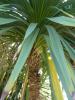
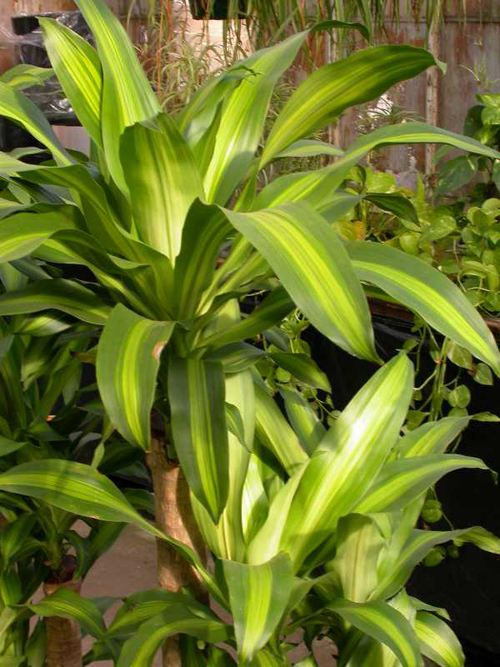
Corn Plant, Dracaena fragrans, develops thick woody canes topped by rosettes of broad arching leaves. The foliage may be solid green or striped with pale green, cream, yellow, or lime.
‘Massangeana’ or Mass Cane commonly has a broad yellow-green stripe along the leaf center. ‘Janet Craig’ and related forms are generally darker green, while ‘Warneckii’ and ‘Lemon Lime’ have contrasting pale or yellow striping.
The long lower leaves frequently hang at dog or puppy height. A dog may pull off an entire leaf or shred several leaves while playing near the floor plant.
Red-Margined Dracaena and Dragon Tree
Red-Margined Dracaena, traditionally sold as Dracaena marginata, is currently treated botanically as Dracaena reflexa var. angustifolia.
It has slender branching canes topped with clusters of narrow, flexible leaves, commonly edged in dark red, burgundy, or purple.
Cats often chew the thin leaf tips, leaving shredded ends or rows of small tooth marks. Repeated nibbling may expose the cat several times before the owner recognizes the pattern.
Song of India and Song of Jamaica
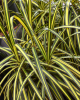
Dracaena reflexa develops branching stems and rosettes of shorter, broader leaves than Red-Margined Dracaena. Song of India commonly has green leaves edged broadly in yellow or cream.
Song of Jamaica generally has darker green foliage with contrasting central or marginal striping, depending on the commercial selection.
Older labels may use the genus name Pleomele. That name is now included within Dracaena but remains common in nursery and houseplant literature.
Lucky Bamboo Is Not Bamboo
Lucky Bamboo is Dracaena sanderiana, an accepted African Dracaena species. It is trained into straight, curved, spiral, or braided cane arrangements and commonly grown in water.
It is not a member of the bamboo or grass family. Its bamboo-like common name does not make it equivalent to a true edible or ornamental bamboo.
Cats may chew the narrow leaves, while dogs may pull the stems from a low container. The water, stones, glass beads, wire, ribbon, fertilizer, and container must all be considered after an exposure.
Gold Dust Dracaena
Gold Dust Dracaena, Dracaena surculosa, has thinner branching stems and oval leaves spotted or splashed with pale yellow, cream, or white.
Its bushier appearance differs from the cane-and-rosette structure of Corn Plant and Dragon Tree, but its foliage remains part of the Dracaena poisoning concern.
How Cats Encounter Dracaena
Cats may chew leaf tips, pull leaves toward themselves from a shelf or plant stand, climb into a large pot, drink from Lucky Bamboo containers, or play with pruned foliage.
Narrow Dragon Tree leaves resemble grass and move easily when touched, making them particularly attractive to some cats.
Repeated minor nibbling can be difficult to recognize. Tooth marks, torn margins, leaf tips on the floor, vomited green fibers, and unexplained episodes of drooling or mydriasis may reveal the exposure.
How Dogs and Puppies Encounter Dracaena
Dogs may chew the lower leaves of Corn Plant and Mass Cane, investigate fallen foliage, or pull an entire leaf from a floor specimen.
Puppies may dig in the pot, gnaw a cane, chew discarded leaf sections, or overturn the container during play.
A recently purchased or repotted plant temporarily placed on the floor may create an exposure even when its permanent location is normally inaccessible.
Pruning and Cane Propagation
Dracaena plants are commonly shortened by cutting through the cane. New shoots may emerge below the cut, while the removed top can be rooted as a new plant.
Propagation creates fresh cane sections, leaves, roots, potting soil, tools, and water containers at floor or counter level. Pets should remain outside the work area until every plant fragment has been collected.
Cut leaves and stems remain capable of causing gastrointestinal illness and should not be treated as harmless once detached.
Plant Water and Hydroponic Containers
Lucky Bamboo and Dracaena cuttings may be maintained in water. Containers may include liquid fertilizer, algae-control products, decorative dyes, preservatives, stones, glass beads, or metal supports.
A pet drinking plain propagation water is generally less concerning than one chewing the plant, but the complete container must be inspected. Fertilizer concentrates, algaecides, essential oils, and foreign objects can create a different and more serious syndrome.
Why Older Sources Disagree About Toxicity
Dracaena was historically regarded by some sources as non-toxic, minimally toxic, or a plant with “possible alkaloidal content.” Other lists identified compatible illness but left the toxic principle unknown.
The disagreement reflects the generally mild clinical course, limited controlled animal research, variation among species, and incomplete early chemical analysis.
Modern poison-control reporting and species chemistry support a more precise conclusion: Dracaena is not ordinarily a lethal houseplant, but steroidal saponins and related compounds can cause genuine gastrointestinal illness and characteristic feline abnormalities.
Dracaena Versus Cordyline or Ti Plant
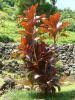
Ti Plant or Good-Luck Plant is generally Cordyline fruticosa, not Dracaena. It often has broader, more colorful leaves in shades of red, purple, pink, or green.
Cordyline has also been associated with saponin-related gastrointestinal illness. The plants should not be treated as botanical synonyms merely because both may be called Good-Luck Plant or resemble cane-forming tropical foliage plants.
Dracaena Versus Yucca
Indoor Yucca commonly has rigid, sword-shaped leaves arranged on thick woody trunks. The leaves are generally stiffer and sharper than those of Corn Plant or many Dragon Trees.
Yucca also contains steroidal saponins and may cause vomiting, diarrhea, drooling, weakness, and poor coordination. Accurate identification is useful, but neither plant is suitable for habitual chewing.
Dracaena Versus True Palms
Dracaena species are sometimes sold as palm-like plants, but they are not true palms. Their leaves arise in rosettes from canes or branches rather than as true palm fronds.
Areca Palm, Parlor Palm, and several other true palms are generally considered pet-safer, while Sago Palm is not a true palm and is a highly dangerous cycad. A plant should never be judged safe from the word “palm” alone.
Dracaena Versus Dieffenbachia
Dieffenbachia has broader soft leaves and thick moist stems containing insoluble calcium oxalate raphides. Chewing it causes immediate severe oral burning, tongue swelling, drooling, and difficulty swallowing.
Dracaena more commonly causes nausea, vomiting, appetite loss, depression, and feline mydriasis without the immediate crystal-mediated mouth injury.
Horses, Livestock, Rabbits, and Birds
Dracaena is not a normal pasture plant. Horses and livestock are most likely to encounter it through discarded houseplants, greenhouse debris, tropical landscaping, or clippings placed in a pen or paddock.
Rabbits and rodents may gnaw leaves, roots, or cane sections. Birds may shred foliage or chew Lucky Bamboo stems.
Limited species-specific evidence does not establish a safe dose. Ornamental plant waste should not be used as animal feed.
Container and Foreign-Body Hazards
An animal that overturns or digs in a Dracaena container may ingest fertilizer granules, systemic insecticide, moldy soil, decorative stone, water-retaining crystals, support stakes, wire, plant labels, glass beads, or broken pottery.
Long fibrous leaves and large cane pieces may cause gagging, choking, or gastrointestinal obstruction independently of the saponins.
Repeated unproductive vomiting, progressive abdominal distention, focal pain, absent stool, or continued illness after the expected toxin period may justify diagnostic imaging.
Diagnosis
No routine veterinary assay confirms Dracaena ingestion or measures its complete saponin mixture.
Diagnosis depends on plant identification, visible plant damage, fragments in vomit, the quantity and plant part involved, gastrointestinal signs, feline pupil changes, strength, coordination, hydration, and exclusion of another cause.
Preserve photographs of the complete plant, leaf pattern, cane, nursery label, water container, fertilizer, pesticides, and any plant material found in vomit.
Prevention
Keep Dracaena in a room inaccessible to habitual plant-chewers rather than relying only on elevation. Long leaves may extend beyond a shelf, and climbing cats can reach many plant stands.
Remove fallen leaves and pruning debris promptly. Keep Lucky Bamboo containers where pets cannot drink the water or pull out the stems.
Provide veterinarian-approved cat grass or other safe enrichment for animals that repeatedly seek foliage. In persistent cases, replacing Dracaena with a verified pet-safer plant is more reliable than repeated correction or bitter sprays.
Immediate Steps After Dracaena Ingestion
- Stop further ingestion. Remove the animal from the Dracaena plant, fallen leaves, cane sections, Lucky Bamboo stems, propagation cuttings, plant water, pruning debris, and spilled potting material.
- Identify the plant and container contents. Determine whether the exposure involved Corn Plant, Dragon Tree, Song of India, Gold Dust Dracaena, Lucky Bamboo, another Dracaena species, or an uncertain look-alike. Record any fertilizer, pesticide, algae-control product, decorative material, or additive in the container.
- Estimate the amount. Look for missing leaf tips, shredded leaves, chewed canes, disturbed roots, scattered plant fragments, or repeated previous damage. A minor leaf-tip bite and the ingestion of several leaves are different risk levels.
- Remove only loose visible material. If the animal is calm, alert, breathing normally, and able to swallow, take away leaf or stem fragments resting at the lips or front of the mouth. Do not reach blindly toward the throat.
- Gently wipe the mouth. A soft cloth dampened with water may be used to remove visible plant residue from the lips, muzzle, tongue tip, and accessible gums. Do not forcefully flush the mouth.
- Offer voluntary water only when appropriate. An alert animal that swallows normally and is not vomiting repeatedly may drink fresh water on its own. Do not syringe, pour, or force liquid.
- Preserve identification material. Save photographs, the nursery label, a representative leaf, product labels, and any plant fragments found in vomit.
- Monitor cats closely. Watch pupil size, walking, balance, strength, heart rate, drooling, vomiting, appetite, and behavior in addition to ordinary gastrointestinal signs.
Do Not Attempt Unsupervised Home Treatment
- Do not induce vomiting at home. Hydrogen peroxide, salt, mustard, syrup of ipecac, and manual gagging can cause gastric injury, aspiration, and treatment delay.
- Do not repeat vomiting attempts. Dracaena commonly causes spontaneous vomiting. Additional emesis can worsen mucosal irritation, dehydration, hematemesis, and aspiration risk.
- Do not administer activated charcoal routinely. Most uncomplicated cases are managed with observation and supportive care. Charcoal adds aspiration, dehydration, constipation, and sodium risks while providing uncertain benefit for ordinary leaf chewing.
- Do not force food, milk, oil, yogurt, bread, antacids, or water. These substances do not neutralize steroidal saponins and may worsen nausea or be aspirated.
- Do not give anti-diarrheal medication automatically. Loperamide, bismuth, kaolin-pectin products, and similar treatments can obscure bleeding, ileus, obstruction, or another diagnosis.
- Do not give human pain relievers or leftover prescriptions. Ibuprofen, naproxen, acetaminophen, aspirin, and similar medications can create a more serious secondary poisoning.
- Do not treat dilated pupils or a rapid heartbeat at home. These findings require assessment in the context of pain, stress, hydration, blood pressure, neurologic status, and possible alternative toxins.
When Veterinary Consultation Is Appropriate
- More than a minor nibble: Contact a veterinarian or animal poison-control professional when several leaves, a substantial cane section, roots, repeated exposures, or an uncertain quantity was involved.
- Persistent gastrointestinal signs: Repeated vomiting, inability to retain water, continuing diarrhea, severe abdominal discomfort, or appetite refusal lasting beyond the initial upset warrants evaluation.
- Blood in vomit or stool: Small streaks may follow repeated irritation, but recurring blood, substantial hematemesis, black tarry stool, weakness, or pale gums requires prompt care.
- Cat-specific abnormalities: Markedly dilated pupils, an elevated heart rate, stumbling, weakness, poor coordination, or abnormal behavior after Dracaena access deserves veterinary assessment.
- Higher-risk patient: Kittens, puppies, very small animals, older pets, and animals with kidney, heart, liver, endocrine, or gastrointestinal disease should be evaluated at a lower threshold.
- Mixed container exposure: Fertilizer, pesticide, algae-control product, decorative stones, wire, glass, water-retaining crystals, or a broken container may create a different emergency.
When Emergency Examination Is Needed
- Severe dehydration or poor circulation: Dry gums, reduced urination, weak pulses, cold extremities, pale or gray mucous membranes, inability to stand, or collapse requires urgent treatment.
- Major neurologic abnormalities: Profound incoordination, tremors, seizures, altered awareness, apparent blindness, or coma is not expected after a minor exposure and requires emergency investigation.
- Cardiovascular or respiratory abnormalities: Fainting, a persistently irregular pulse, rapid heart rate with weakness, labored breathing, blue-gray gums, or collapse requires immediate care.
- Possible obstruction: Repeated unproductive vomiting, abdominal enlargement, focal pain, absent stool, or continued vomiting after swallowing a long leaf or cane section may indicate retained foreign material.
Veterinary Examination
The veterinarian will assess hydration, abdominal discomfort, vomiting frequency, stool changes, mucous-membrane color, body temperature, heart rate and rhythm, pupil size, vision-related behavior, strength, coordination, and possible exposure to container products.
A minor exposure in a clinically normal animal may require only examination, home-monitoring instructions, and prevention of further access.
Persistent vomiting, hematemesis, weakness, mydriasis, tachycardia, incoordination, or an uncertain mixed exposure may justify a complete blood count, serum chemistry, glucose, electrolytes, urinalysis, blood pressure, electrocardiography, abdominal imaging, or other case-specific testing.
Professional Gastrointestinal Decontamination
Professional emesis is not routinely necessary after a small Dracaena nibble. The plant commonly causes spontaneous vomiting, and the expected syndrome is usually self-limiting gastrointestinal irritation.
A veterinarian may consider induced vomiting after an unusually large and very recent ingestion when the animal remains alert, asymptomatic, cardiovascularly stable, neurologically normal, and able to protect its airway.
Emesis is inappropriate after repeated vomiting, hematemesis, weakness, depression, incoordination, abnormal breathing, collapse, or impaired swallowing.
Activated charcoal and gastric lavage are rarely indicated for an uncomplicated Dracaena exposure. They may be considered only when an exceptionally large or mixed ingestion changes the expected risk.
Vomiting and Nausea Control
Persistent nausea or vomiting may be treated with a veterinarian-selected antiemetic such as maropitant or ondansetron after obstruction, foreign material, and another toxin have been considered.
Food may be withheld briefly while active vomiting is occurring and then reintroduced in small digestible portions once the animal can retain water and shows voluntary interest in eating.
Prolonged food refusal is particularly important in overweight cats because continuing anorexia creates a separate risk of hepatic lipidosis.
Fluid and Electrolyte Support
Oral, subcutaneous, or intravenous fluids may be used according to hydration, vomiting and diarrhea losses, circulation, kidney function, electrolytes, and the animal’s ability to drink safely.
Small animals with repeated vomiting may require glucose monitoring and more rapid fluid intervention than a healthy adult animal with one isolated episode.
Blood in Vomit and Gastrointestinal Protection
Small blood streaks may result from gastric irritation or repeated retching. Recurrent hematemesis, substantial bleeding, black stool, painful swallowing, or pallor requires broader assessment.
Sucralfate or acid suppression may be considered when erosive gastritis, esophagitis, hematemesis, or melena is documented or strongly suspected. These medications are not Dracaena antidotes and are unnecessary after every exposure.
Cat-Specific Neurologic and Cardiovascular Monitoring
A cat with mydriasis, weakness, incoordination, or tachycardia should receive a neurologic examination, cardiovascular assessment, blood-pressure measurement, glucose testing, and review of possible medication or chemical exposure.
Electrocardiography may be appropriate when the heart rate remains markedly elevated, the pulse is irregular, perfusion is poor, or fainting occurs.
Treatment should target the documented abnormality rather than administering a heart or neurologic drug solely because the cat’s pupils are large.
Foreign Material and Imaging
Long fibrous leaves may lodge temporarily in the mouth, pharynx, esophagus, stomach, or intestines. Cane fragments, stones, glass beads, wire, and plant labels create additional foreign-body risks.
Radiographs, ultrasound, endoscopy, or another imaging method may be considered when vomiting persists, the abdomen becomes painful or distended, stool production stops, or the animal swallowed non-plant container material.
Horses and Other Animals
Remove horses, livestock, rabbits, birds, and other animals from discarded Dracaena plants, greenhouse waste, and tropical-landscape clippings.
Horses cannot vomit. Veterinary care may include oral and abdominal examination, gastrointestinal-motility assessment, hydration support, manure monitoring, and investigation of the complete clipping or feed mixture.
Birds, rabbits, and rodents require species-appropriate care because small body size, inability to vomit in some species, gastrointestinal-stasis risk, and limited published dose information complicate home assessment.
Prognosis and Recovery
The prognosis is good to excellent for most ordinary Dracaena exposures. Mild vomiting, drooling, appetite reduction, and depression generally improve after access ends and hydration is maintained.
Recovery may take longer after repeated vomiting, hematemesis, dehydration, prolonged food refusal, substantial weakness, or poor coordination.
Severe progressive illness is unusual and should prompt reassessment of the plant identification, amount eaten, container contents, medications, chemicals, and alternative diagnoses.
Frequently Asked Questions About Dracaena and Animal Poisoning
How dangerous is Dracaena to dogs and cats?
Dracaena is generally a low-to-moderate or moderate-toxicity houseplant rather than a commonly lethal poison. A small nibble may cause one or two episodes of vomiting, drooling, appetite loss, or mild diarrhea. Larger or repeated ingestions can cause depression, weakness, dehydration, and incoordination, while cats may also develop dilated pupils, abdominal discomfort, and an elevated heart rate.
Why do cats sometimes develop dilated pupils after eating Dracaena?
Mydriasis is a repeatedly reported feline sign, but its exact mechanism has not been established fully. It may reflect autonomic or neurologic effects of steroidal saponins and related plant glycosides, individual feline sensitivity, pain, or systemic illness. Persistent dilation, unequal pupils, apparent blindness, or pupil changes accompanied by severe weakness or incoordination warrants veterinary evaluation.
Can Dracaena cause bloody vomit?
Yes. Occasional blood-streaked vomit is reported after Dracaena ingestion and most likely reflects irritation of the stomach or esophagus, especially after repeated vomiting. A small isolated streak is different from recurring hematemesis, large quantities of blood, black stool, pale gums, or weakness, all of which require prompt veterinary assessment.
Is Lucky Bamboo poisonous to pets?
Yes. Lucky Bamboo is Dracaena sanderiana, not a true bamboo, and should be treated like other Dracaena houseplants. Chewing the leaves or stems may cause vomiting, drooling, appetite loss, depression, or feline pupil and coordination abnormalities. The water container may add separate risks from fertilizer, algae products, stones, glass beads, or decorative wire.
Are Corn Plant, Mass Cane, Janet Craig, and Warneckii the same species?
Most of these names refer to forms or cultivars of Dracaena fragrans. Dracaena deremensis and D. fragrans var. massangeana are currently treated as synonyms within D. fragrans. Their different leaf colors and growth habits do not make any of them safe for habitual chewing.
Is Dracaena marginata still the accepted name for Madagascar Dragon Tree?
The name remains extremely common in horticulture and veterinary poison lists, but current Kew taxonomy treats Dracaena marginata as a synonym of Dracaena reflexa var. angustifolia. Both names identify the familiar narrow-leaved, red-edged Dragon Tree and refer to the same practical pet-poisoning concern.
Should I make my dog vomit after it eats Dracaena?
Do not attempt home vomiting. Dracaena commonly causes spontaneous vomiting, and peroxide or other household methods can worsen gastric irritation, bleeding, dehydration, and aspiration risk. A veterinarian may consider professional emesis only after an unusually large and very recent ingestion in a completely stable, asymptomatic dog.
Does activated charcoal help with Dracaena poisoning?
Activated charcoal is generally unnecessary after ordinary Dracaena chewing because the expected syndrome is usually self-limiting gastrointestinal irritation and its binding benefit is uncertain. It may add aspiration, constipation, dehydration, and sodium risks. A veterinarian might consider it only when an exceptionally large or mixed ingestion creates a different toxicologic concern.
When can a Dracaena exposure be monitored at home?
A minor nibble may be monitored after professional guidance when the animal remains bright, coordinated, interested in water, and has no more than mild transient gastrointestinal signs. Repeated vomiting, blood, prolonged appetite loss, dehydration, dilated pupils with weakness, rapid heartbeat, incoordination, or an uncertain amount lowers the threshold for veterinary examination.
What is the usual prognosis?
The prognosis is good to excellent for most exposures. Mild cases commonly improve after the plant is removed and vomiting resolves. Recovery may take longer when dehydration, hematemesis, prolonged appetite loss, weakness, or incoordination develops. Severe progressive illness is unusual and should prompt investigation for another plant, chemical, medication, fertilizer, or foreign object.