PAWS Pet Poison Plant Guide
Is Baby Doll Ti Plant Poisonous to Dogs, Cats, Horses, and Livestock?
Yes—Baby Doll Ti Plant, Cordyline fruticosa ‘Baby Doll’, is poisonous to dogs and cats, is listed as toxic to horses, and should be kept away from livestock and other animals. The plant contains steroidal saponins capable of irritating the mouth, stomach, and intestines. Recognized signs include excessive drooling, vomiting that may occasionally contain blood, appetite loss, depression, and lethargy. Diarrhea and abdominal discomfort may accompany gastrointestinal irritation, and cats may develop dilated pupils.
Most uncomplicated exposures are expected to cause gastrointestinal illness rather than kidney, liver, cardiac, or neurologic failure. Repeated vomiting, blood in vomit or stool, inability to retain water, marked depression, persistent food refusal, abnormal pupil responses, weakness, or continuing illness requires veterinary assessment. Severe neurologic signs, collapse, breathing difficulty, or illness affecting several animals should prompt investigation for another plant, a pesticide, fertilizer, medication, foreign material, or a mixed exposure.
About this guide: This page provides general pet-poisoning information and cannot diagnose or treat an individual animal. For any suspected exposure, contact a veterinarian or animal poison-control service immediately. Do not induce vomiting, give medication, or attempt home decontamination unless directed by a veterinary professional.
Baby Doll Ti Plant
Cordyline fruticosa (L.) A.Chev.
Cultivar or trade designation: ‘Baby Doll’
Important historical botanical names include Cordyline terminalis Kunth, Dracaena terminalis L., and Taetsia fruticosa (L.) Merr.
Baby Doll is a horticultural designation within Cordyline fruticosa rather than a separate accepted botanical species.
Asparagaceae
Formerly placed in Agavaceae or Laxmanniaceae in older horticultural and veterinary references.
Baby Doll Ti Plant, Baby Doll Cordyline, Baby Ti, Ti Plant, Hawaiian Ti Plant, Hawaiian Ti, Hawaiian Good-Luck Plant, Good-Luck Plant, Good Luck Tree, Ti Tree, Cordyline
Palm Lily, Cabbage Palm, and Giant Dracaena are sometimes applied to ti plants but are ambiguous names also used for other Cordyline species. Red Sister, Kiwi, Firebrand, Tricolor, and similar names identify related cultivars or horticultural forms rather than alternate names for Baby Doll itself.
Steroidal Saponins Are the Principal Toxicological Concern
Baby Doll Ti Plant contains a chemically diverse group of steroidal saponins. These compounds consist of a steroid-like aglycone, also called a sapogenin, attached to one or more sugar chains.
Saponins are amphipathic, meaning that one portion interacts with water while another interacts with lipids. This gives them detergent-like membrane activity and helps explain the oral and gastrointestinal irritation that may follow chewing or swallowing the plant.
The natural-detergent comparison describes molecular behavior. It does not mean that the plant acts like a household cleaning chemical or produces the same corrosive injuries associated with bleach, drain cleaner, or concentrated detergent.
In ordinary companion-animal exposures, the expected consequences are hypersalivation, nausea, vomiting, appetite loss, depression, abdominal discomfort, and sometimes diarrhea. Repeated gastrointestinal losses may then cause dehydration and electrolyte abnormalities.
Fouedjou and Colleagues’ Leaf Study
Romuald T. Fouedjou, Rémy B. Teponno, Luana Quassinti, Massimo Bramucci, Dezemona Petrelli, Luca A. Vitali, Dennis Fiorini, Léon A. Tapondjou, and Luciano Barboni published “Steroidal Saponins from the Leaves of Cordyline fruticosa (L.) A. Chev. and Their Cytotoxic and Antimicrobial Activity” in Phytochemistry Letters in 2014.
The researchers isolated three previously undescribed steroidal saponins named fruticoside H, fruticoside I, and fruticoside J. Fruticosides H and I possess spirostan-type steroidal structures, while fruticoside J is a cholestane glycoside.
The leaf material also contained rutin, technically quercetin 3-O-rutinoside, and other glycosylated flavonoids. Some isolated compounds demonstrated antimicrobial or cytotoxic activity in laboratory testing.
The study directly confirms biologically active steroidal glycosides in the leaves. It was not a dog, cat, horse, or livestock poisoning experiment and did not establish the quantity of leaf material required to cause vomiting, hematemesis, pupil dilation, or another veterinary sign.
Ponou and Colleagues’ Colored-Foliage Study
Beaudelaire K. Ponou, Rémy B. Teponno, Azefack L. Tapondjou, Marie-Aleth Lacaille-Dubois, Luana Quassinti, Massimo Bramucci, and Luciano Barboni published “Steroidal Saponins from the Aerial Parts of Cordyline fruticosa L. var. strawberries” in Fitoterapia in 2019.
The investigators isolated a new sulfated steroidal derivative named fruticogenin A and three new spirostan steroidal saponins named fruticoside K, fruticoside L, and fruticoside M.
The characterized compounds included sulfated spirostan derivatives carrying rhamnose- and fucose-containing sugar chains. The findings confirm complex steroidal-saponin chemistry within the above-ground tissues of a red-foliaged horticultural form.
This study is relevant to colorful ornamental ti plants because it demonstrates that red pigmentation and horticultural selection do not remove saponin chemistry. It does not prove that Baby Doll, Red Sister, Kiwi, Tricolor, or every other cultivar contains identical compounds or concentrations.
Furostan-Type Saponins in the Roots
Thi Hai Yen Nguyen, Hoang Mau Chu, and Duc Hung Nguyen reported two previously undescribed furostan-type steroidal saponins from the roots of Cordyline fruticosa. The work was published online in 2022 and appeared in the 2024 issue of Natural Product Research.
Their findings demonstrate that biologically active steroidal glycosides are not confined to the foliage. Roots and underground tissues must not be assumed safe merely because poison-control reports more commonly involve leaves.
Dogs may encounter roots while digging in an outdoor planting or pulling a plant from its container. Root exposure may also include potting substrate, fertilizer granules, stones, plastic mesh, moisture-retaining polymers, or broken container material.
All Accessible Tissues Should Be Treated as Potentially Harmful
Leaves create the most likely household exposure because they are broad, accessible, and attractive to cats and plant-chewing dogs. Direct chemical evidence also confirms steroidal saponins in above-ground tissues and roots.
Leaf bases, cane-like stems, roots, sap, flowers, berries, propagation cuttings, and discarded plant sections should all remain inaccessible. No study has established that every tissue contains an identical concentration or produces an equal clinical effect.
Fallen or wilted leaves should not be considered detoxified. Drying changes moisture and texture but has not been shown to remove the plant’s steroidal glycosides reliably.
How Saponins Produce Gastrointestinal Illness
Saponins can interact with cholesterol and other lipids in biological membranes. Direct exposure at the gastrointestinal surface may increase irritation and permeability and stimulate nausea, salivation, vomiting, abdominal discomfort, and abnormal intestinal motility.
Vomiting may be triggered both by direct gastric irritation and by nausea arising from the broader gastrointestinal response. Diarrhea is biologically plausible and may occur, although it is less specifically emphasized in authoritative Baby Doll Ti Plant poison summaries than vomiting, anorexia, depression, hypersalivation, and feline pupil dilation.
The bitter or unpleasant taste may limit continued chewing in some animals. It does not prevent poisoning when a cat repeatedly plays with the leaves or a puppy shreds and swallows a substantial amount.
Occasional Vomiting with Blood
Veterinary poison-control guidance specifically recognizes occasional vomiting with blood after ti-plant exposure. The evidence does not establish how frequently this occurs, which individual saponin causes it, or how much plant material is required.
Fresh red streaks may follow forceful retching or superficial mucosal injury. Larger quantities, clots, dark red material, coffee-ground vomit, black stool, pale gums, weakness, or rapid breathing may indicate more significant gastrointestinal bleeding.
Blood should never be dismissed automatically as an ordinary harmless plant effect. Foreign material, ulceration, medication, another toxin, clotting disease, severe inflammation, or unrelated gastrointestinal disease may be responsible.
Dilated Pupils in Cats
Dilated pupils are repeatedly included in veterinary poison-control descriptions of feline ti-plant exposure. The responsible compound, mechanism, incidence, and dose-response relationship have not been established adequately.
Pupil size changes normally with ambient light and can also be influenced by stress, pain, fear, autonomic stimulation, medications, blood pressure, ocular disease, and neurologic illness.
Persistent dilation in bright light, unequal pupils, impaired vision, disorientation, tremors, weakness, or altered responsiveness requires a broader ocular, cardiovascular, neurologic, and toxicologic assessment rather than attribution to saponins alone.
Laboratory Cytotoxicity Does Not Predict Whole-Animal Organ Failure
Some isolated ti-plant compounds have demonstrated cytotoxic, antimicrobial, or other biological activity in cultured cells and laboratory assays.
Those experiments expose selected cells or microorganisms to purified compounds under controlled conditions. A pet chewing an intact leaf receives unpurified plant material, digests it, absorbs only part of its chemistry, and generally encounters a substantially lower concentration.
The laboratory findings confirm that the plant produces active chemicals. They do not establish that a routine household exposure causes generalized cell death, bone-marrow failure, kidney failure, liver failure, cancer-cell effects, or widespread organ necrosis.
Other Constituents Are Not Equally Established Toxins
Flavonoids, polyphenols, tannins, phytosterols, polysaccharides, glucofructans, and other natural constituents have been reported from Cordyline fruticosa.
These compounds contribute to the plant’s broader chemistry but are not equally supported as causes of the recognized veterinary syndrome.
Steroidal saponins remain the most defensible principal toxic agents and provide the clearest explanation for salivation, vomiting, appetite loss, depression, and gastrointestinal irritation.
Hemolysis Is Not an Established Routine Clinical Effect
Some purified saponins can damage red blood cells when placed in direct contact with them in laboratory systems. Routine Baby Doll Ti Plant ingestion has not been established as a common cause of clinically important hemolytic anemia in dogs or cats.
Pale gums, jaundice, dark urine, rapid breathing, severe weakness, or collapse requires investigation for blood loss, oxidative injury, immune-mediated disease, onion or garlic exposure, medication, another plant, or a systemic illness.
No Dependable Safe Dose
No safe leaf area, stem length, root quantity, berry count, saponin concentration, or fruticoside dose has been established for an individual dog, cat, horse, livestock animal, rabbit, bird, or other pet.
Risk depends on the plant part, amount retained, animal size, health, stomach contents, individual sensitivity, and whether fertilizer, pesticide, leaf shine, potting material, another plant, or a foreign object was swallowed.
The available evidence supports a usually gastrointestinal syndrome with occasional hematemesis and reported feline mydriasis rather than predictable organ failure. Persistent or atypical illness still requires investigation rather than continued home observation.
Early Oral and Gastrointestinal Signs
Clinical signs are usually dominated by nausea and gastrointestinal irritation. A dog or cat may drool, lick the lips, swallow repeatedly, gag, paw briefly at the mouth, eat grass, or become restless after chewing the plant.
Some animals vomit promptly. Others first become quiet, refuse food, hide, stop grooming, or show discomfort when the abdomen is touched.
The plant does not contain insoluble calcium oxalate crystals of the type responsible for the immediate intense burning and pronounced tongue swelling associated with many aroids. Severe mouth pain or major swelling should prompt investigation for another plant, caustic material, electrical injury, or retained foreign material.
Vomiting and Nausea
Vomiting is one of the most consistently recognized signs and may occur once or repeatedly. Vomit may contain chewed leaf material, food, mucus, foam, or blood.
Nausea may appear as lip licking, drooling, repeated swallowing, pacing, restlessness, food refusal, or repeated approaches to food followed by turning away.
An animal that vomits each time it drinks cannot correct clinically important dehydration through voluntary water intake alone and may require injectable antiemetic medication and professionally managed fluids.
Blood in Vomit
Blood has occasionally been reported in vomit after ti-plant exposure. It may appear as fresh red streaks, clots, darker red material, or partially digested blood resembling coffee grounds.
Small fresh streaks can follow repeated forceful retching, but the amount and appearance cannot determine the cause reliably at home.
Large quantities, repeated hematemesis, coffee-ground material, black tarry stool, pale gums, weakness, rapid breathing, abdominal pain, or collapse requires prompt veterinary examination.
Foreign material, ulceration, medication, another toxin, clotting disease, pancreatitis, severe gastritis, or unrelated gastrointestinal illness must remain in the differential diagnosis.
Diarrhea and Abdominal Discomfort
Diarrhea may accompany gastrointestinal irritation and can range from soft stool to repeated watery bowel movements. It may be accompanied by mucus, urgency, straining, intestinal cramping, or repeated requests to go outside.
Bloody diarrhea is less specifically documented than bloody vomiting. Fresh red blood, black stool, persistent straining, or continuing watery diarrhea should therefore be treated as a complication rather than an expected harmless sign.
An affected animal may stretch repeatedly, assume a hunched posture, resist abdominal handling, or move from one resting place to another because it cannot become comfortable.
Depression, Appetite Loss, and Lethargy
Depression, anorexia, and lethargy are recognized signs. These changes may result from nausea, abdominal discomfort, fluid loss, or the broader physiologic effect of saponin exposure.
A cat may hide, become less interactive, stop grooming, or refuse treats. A dog may sleep more than usual, move reluctantly, or appear withdrawn.
Profound depression, inability to stand, loss of responsiveness, or progressive weakness is more severe than expected after a minor nibble and requires evaluation for dehydration, blood loss, hypoglycemia, another toxin, obstruction, or unrelated disease.
Dilated Pupils in Cats
Cats may develop dilated pupils. This sign should be evaluated in relation to ambient light, pupil symmetry, response to light, vision, behavior, blood pressure, heart rate, and possible exposure to medication or another toxin.
Temporary symmetric dilation in a frightened or painful cat may be difficult to distinguish from a toxin-associated change without examination.
Unequal pupils, pupils that remain widely dilated in bright light, apparent blindness, disorientation, abnormal eye movements, tremors, seizures, weakness, or altered responsiveness requires urgent ocular and neurologic evaluation.
Dehydration and Secondary Weakness
Repeated vomiting and diarrhea can cause clinically important dehydration. Kittens, puppies, toy-breed dogs, elderly animals, and pets with kidney, heart, endocrine, or chronic gastrointestinal disease may deteriorate more quickly.
Warning signs include dry or tacky gums, sunken eyes, reduced skin elasticity, increased thirst, reduced urination, rapid heart rate, weakness, and worsening lethargy.
Pale gums or collapse may indicate blood loss, poor circulation, another toxin, or systemic disease rather than dehydration alone.
Horses and Livestock
Baby Doll Ti Plant is listed as toxic to horses, but detailed equine case reports involving authenticated Cordyline fruticosa are limited.
Possible signs include salivation, feed refusal, abdominal discomfort, depression, loose manure, or diarrhea. Horses cannot vomit, so colic, choke, oral injury, another poisonous plant, contaminated landscaping material, and gastrointestinal disease must also be considered.
A comparable livestock syndrome has not been characterized adequately in cattle, sheep, goats, alpacas, or llamas. Several affected animals or severe illness requires investigation of every plant, feed source, fertilizer, pesticide, chemical, and water supply.
Atypical Signs Require a Broader Investigation
Acute kidney failure, liver failure, severe cardiac injury, respiratory paralysis, persistent arrhythmia, profound incoordination, seizures, coma, and progressive multisystem deterioration are not characteristic expected effects of an uncomplicated ti-plant exposure.
These findings may indicate pesticide, fertilizer, medication, another poisonous plant, caustic material, foreign-body disease, infection, metabolic illness, or a mixed exposure.
Expected Course
Most mildly affected animals begin improving after exposure stops and commonly recover within approximately twenty-four to forty-eight hours.
Continuing vomiting, hematemesis, inability to retain water, prolonged food refusal, dehydration, abnormal pupils, marked depression, severe abdominal pain, or signs extending beyond the expected short course requires veterinary reassessment.
Accepted Name and Current Family
The accepted scientific name is Cordyline fruticosa. The species belongs to Asparagaceae under current botanical classification.
Cordyline terminalis remains widespread on nursery labels, veterinary poison pages, horticultural databases, and older scientific literature. Dracaena terminalis and Taetsia fruticosa are additional historical names useful when researching older records.
Agavaceae and Laxmanniaceae appear in older classifications. Those family names reflect historical taxonomic systems rather than a different Baby Doll Ti Plant.
Baby Doll Is a Horticultural Designation
Baby Doll is not a separate botanical species. The name is used horticulturally for a compact, colorful form of Cordyline fruticosa and may appear as Cordyline fruticosa ‘Baby Doll’ in the nursery trade.
The designation is not applied consistently enough to guarantee that every plant sold under it is genetically identical. Plants may differ somewhat in leaf color, width, compactness, variegation, and parent stock.
Identification should therefore be based first on the accepted species and recognizable ti-plant form rather than on the assumption that one trade label predicts one precise toxin concentration.
Related Cultivars Are Not Alternate Names for Baby Doll
Red Sister, Kiwi, Firebrand, Tricolor, Hawaiian Bonsai, Margaret Storey, Mayi, Negri, Amabilis, Baptistii, and Guilfoylei appear in horticultural literature as cultivars, horticultural forms, historical names, or nursery selections within the broad ti-plant complex.
They should not be listed as though each were an exact synonym for Baby Doll. A person searching one of those names may be looking at a related but visually and genetically different selection.
The toxicologic precaution remains similar: green, red, burgundy, bronze, pink, purple, cream, striped, and variegated ti plants should all be kept away from animals. Leaf color does not establish safety or predict saponin concentration.
Identification
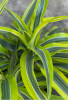
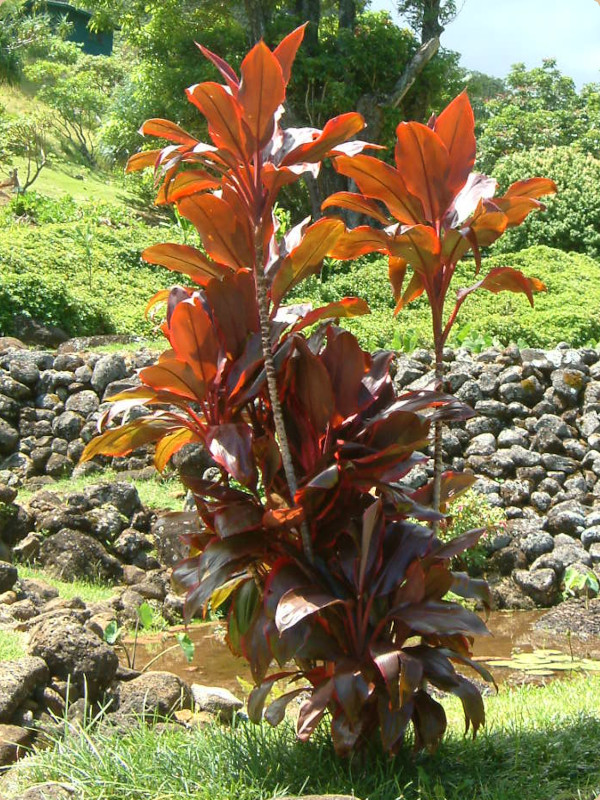
Ti plant is an evergreen shrub or small tree with upright, cane-like stems. Broad, leathery, lance-shaped leaves arise in spiraled clusters near the stem tips.
Baby Doll plants are generally sold for compact growth and colorful foliage, often combining green with pink, red, burgundy, or purple tones. Nursery stock may vary.
Mature outdoor plants may produce branched, drooping flower clusters containing numerous small pale, yellowish, pinkish, or reddish flowers. Rounded red or dark berries may follow.
Indoor plants do not always flower or fruit. The absence of reproductive structures does not alter the risk presented by accessible foliage.
It Is Not a True Palm or a Modern Dracaena
Ti plant may resemble a small palm because leaves cluster near the tops of upright stems, but it is not a member of the palm family.
It was historically placed in or confused with Dracaena, explaining names such as Giant Dracaena, Red Dracaena, and Dracaena terminalis. Current classification treats Cordyline and Dracaena as separate genera.
Palm Lily, Cabbage Palm, and Giant Dracaena are ambiguous names and may also identify other Cordyline species. A scientific name or clear plant photograph is therefore more reliable than one broad nursery common name.
Native Range and Long Cultivation
Kew places the native range of Cordyline fruticosa from Papuasia through the western Pacific. The plant has been transported, cultivated, selected, and naturalized across tropical and subtropical regions.
Long human cultivation contributed to extensive variation in color, growth form, names, and traditional uses. It also helped generate a very large botanical synonymy that is not useful to reproduce in full on a pet-poison page.
Where Animals Encounter Baby Doll Ti Plant
Baby Doll Ti Plant is grown in indoor containers, offices, entryways, patios, tropical landscape beds, courtyards, and mixed ornamental plantings.
Its long leaves may hang below shelves, stands, or tabletops and become moving play targets for cats. Puppies may pull leaves from low containers, chew cane sections, or dig around exposed roots.
Outdoor plants produce fallen lower leaves and pruning debris. Cut stems root readily and may be left in water or damp substrate for propagation, creating another accessible exposure.
Plants obtained from retail nurseries may also carry fertilizer granules, systemic pesticides, surface insecticides, leaf-shine products, decorative moss, stones, foam, wire, or plastic mesh.
Severe or atypical illness after chewing a newly purchased plant may reflect one of these associated products rather than saponins alone.
Fouedjou and Colleagues’ 2014 Study
Fouedjou and colleagues isolated the new steroidal saponins fruticoside H, fruticoside I, and fruticoside J from Cordyline fruticosa leaves.
The study also identified rutin and other glycosylated flavonoids and evaluated selected antimicrobial and cytotoxic effects under laboratory conditions.
This work directly supports steroidal saponins as the principal toxicological concern in the foliage. It does not establish that the isolated compounds are absorbed unchanged during natural ingestion or that laboratory cytotoxicity predicts systemic organ damage in an exposed pet.
Ponou and Colleagues’ 2019 Study
Ponou and colleagues examined the aerial portions of a red-foliaged form identified as Cordyline fruticosa var. strawberries.
They isolated the sulfated steroidal derivative fruticogenin A and the new spirostan saponins fruticoside K, fruticoside L, and fruticoside M.
The study confirms that colored ornamental foliage retains complex steroidal-saponin chemistry. It does not establish that red cultivars are more toxic than green cultivars or that every nursery selection contains an identical chemical profile.
Nguyen and Colleagues’ Root Study
Nguyen, Chu, and Nguyen isolated two new furostan-type steroidal saponins from the roots of Cordyline fruticosa.
The findings support treating underground tissues as potentially harmful rather than limiting concern to the leaves.
Root exposure may be accompanied by ingestion of fertilizer, stones, bark, potting substrate, plastic mesh, or container fragments. Those associated materials must be evaluated separately.
Vomiting with Blood
ASPCA specifically includes occasional vomiting with blood among the recognized clinical signs of Baby Doll Ti Plant exposure.
The available poison summary does not state how often hematemesis occurs, which individual compound causes it, or what amount of plant material is required.
Blood may follow significant gastric irritation or repeated forceful vomiting, but foreign material, ulceration, medication, another toxin, clotting disease, pancreatitis, and unrelated gastrointestinal disease remain possible.
Fresh blood, clots, coffee-ground vomit, black stool, pale gums, weakness, or rapid breathing requires professional assessment.
Dilated Pupils in Cats
Dilated pupils are repeatedly reported in cats after ti-plant exposure, but the biochemical mechanism and frequency remain unclear.
Mydriasis may also accompany fear, pain, low light, medication exposure, hypertension, retinal disease, glaucoma, or neurologic illness.
Persistent dilation, unequal pupils, poor response to light, apparent blindness, disorientation, tremors, or weakness requires ocular, neurologic, cardiovascular, and toxicologic evaluation.
Traditional Human Use Does Not Establish Animal Safety
Ti plant has substantial cultural importance across the tropical Pacific. It has been planted around homes and ceremonial sites and used in lei, decoration, clothing, food wrapping, rituals, and other traditional practices.
This history explains names such as Hawaiian Ti and Good-Luck Plant and helps explain why the species is frequently planted near homes, patios, paths, and entrances.
Human use does not establish safety for dogs, cats, or horses. Traditional preparation may involve selected cultivars, particular plant parts, cooking, prolonged processing, or uses that do not involve swallowing raw ornamental foliage.
Diagnosis
No routine laboratory test directly confirms ti-plant saponin exposure. Diagnosis usually depends on witnessed chewing, reliable identification, timing, compatible signs, and exclusion of more serious causes.
Useful evidence includes a leaf, stem section, root material, nursery tag, photographs showing the entire plant and leaf pattern, and information about fertilizer, pesticide, leaf shine, potting substrate, and container materials.
Mild short-lived illness may not require extensive testing. Repeated vomiting, blood, dehydration, severe abdominal pain, marked depression, persistent pupil abnormalities, unknown exposure, or atypical signs may justify bloodwork, packed-cell-volume measurement, blood-pressure assessment, urinalysis, ocular or neurologic examination, and abdominal imaging.
Prognosis and Prevention
The prognosis is good to excellent for most uncomplicated exposures. Mild gastrointestinal signs commonly resolve within approximately twenty-four to forty-eight hours.
The outlook becomes more guarded when repeated vomiting or diarrhea causes dehydration, blood loss is significant, food refusal persists, or abnormal ocular or neurologic findings continue.
Keep Baby Doll Ti Plant outside realistic climbing and chewing access. A higher shelf is not dependable when long leaves hang within reach.
Remove fallen leaves promptly, secure propagation cuttings, cover accessible substrate with a barrier that cannot be swallowed, and collect pruning debris before animals return.
Retain labels for fertilizers, pesticides, leaf-shine products, and other treatments applied to the plant.
Immediate Steps After Exposure
- Prevent further access. Move the animal away from the plant and secure leaves, stems, roots, flowers, berries, cuttings, and fallen debris.
- Remove only loose visible material. If the animal is calm and this can be done safely, remove plant pieces resting at the lips or front of the mouth. Do not reach blindly toward the throat.
- Allow voluntary access to fresh water. An alert animal swallowing normally may drink on its own. Do not pour, syringe, spray, or force water into the mouth.
- Preserve identification evidence. Save a leaf, stem section, root material, nursery label, and clear photographs showing the whole plant and its coloration.
- Check for associated products. Determine whether fertilizer, pesticide, leaf shine, decorative moss, potting substrate, stones, plastic mesh, foam, wire, or container pieces were also swallowed.
- Record the signs. Note vomiting frequency, blood, diarrhea, appetite, water intake, urination, activity, pupil appearance, and the approximate time each change began.
- Contact a veterinarian promptly when signs occur. Professional guidance is appropriate after a substantial or unknown ingestion or when vomiting, blood, appetite loss, depression, weakness, dehydration, or abnormal pupils develops.
Do Not Attempt Unsupervised Home Treatment
- Do not induce vomiting. Hydrogen peroxide, salt, mustard, syrup of ipecac, detergent, oil, manual gagging, and fingers in the throat can cause aspiration, gastric injury, sodium poisoning, or trauma.
- Never give hydrogen peroxide to a cat. It can cause severe feline esophagitis, gastritis, ulceration, and bleeding.
- Never attempt to induce vomiting in a horse. Horses cannot vomit.
- Do not administer activated charcoal at home. It is not routinely necessary after a mild foliage exposure and may be inhaled by an animal that is vomiting, depressed, weak, sedated, or swallowing poorly.
- Do not force food or fluids. Forced administration can provoke vomiting or aspiration and does not neutralize steroidal saponins.
- Do not give milk, oil, bread, broth, or another supposed antidote. These substances do not detoxify the plant and may worsen nausea.
- Do not give owner-selected stomach medication. Bismuth products, antacids, antidiarrheal medicines, sucralfate, and human or leftover veterinary prescriptions must be selected according to the animal’s actual condition.
- Do not give human pain medication. Acetaminophen, ibuprofen, naproxen, aspirin, and similar drugs can cause additional gastrointestinal, renal, hepatic, or blood-cell injury.
- Do not dismiss blood as a routine mild sign. Blood in vomit or stool requires veterinary guidance and may indicate significant mucosal injury or another disease.
When Emergency Examination Is Especially Important
- Repeated vomiting: Continuing vomiting increases the risk of dehydration, electrolyte disturbance, esophageal injury, and aspiration.
- Blood in vomit or stool: Fresh blood, clots, coffee-ground material, black tarry stool, pale gums, or weakness requires prompt assessment.
- Inability to retain water: An animal that vomits after drinking may require injectable antiemetic treatment and professional fluid therapy.
- Marked depression or weakness: Profound lethargy is not expected after a trivial nibble and may reflect dehydration, blood loss, another toxin, or unrelated disease.
- Persistent food refusal: Continued anorexia is especially concerning in cats, kittens, puppies, toy breeds, elderly animals, and patients with existing illness.
- Abnormal pupils: Persistent dilation, unequal pupils, poor light response, apparent blindness, disorientation, or abnormal eye movements requires examination.
- Severe abdominal pain or enlargement: These findings may indicate obstruction, pancreatitis, gastric dilatation, or another gastrointestinal emergency.
- Tremors, seizures, collapse, or breathing difficulty: These are not characteristic of an uncomplicated ti-plant nibble and require immediate investigation.
- Horse or livestock illness: Salivation, feed refusal, colic, diarrhea, weakness, or several affected animals requires veterinary evaluation and inspection of every available plant and product.
Veterinary Decontamination
A veterinarian may consider professionally induced vomiting after a recent meaningful ingestion in a clinically stable dog or cat that remains alert, is breathing and swallowing normally, and has not already developed repeated vomiting, blood, weakness, or aspiration risk.
Many animals have already vomited spontaneously by the time they are examined. Additional emesis may provide little benefit and may worsen gastric or esophageal irritation.
Activated charcoal is not a universal treatment for saponin-containing plants. It may be unnecessary in a mild case and unsafe in a vomiting or depressed animal.
Gastric lavage is rarely justified for an ordinary foliage exposure and requires anesthesia, intubation, airway protection, and a specific medical reason.
Veterinary Evaluation
The veterinarian will assess hydration, abdominal comfort, vomiting frequency, stool changes, appetite, gum color, pupil size and response, neurologic status, and the possibility of another exposure.
Blood in vomit or stool may justify a complete blood count, packed-cell-volume measurement, blood chemistry, clotting evaluation, fecal assessment, or abdominal imaging.
Persistent pupil dilation may require blood-pressure measurement, direct ocular examination, pupil-response testing, retinal evaluation, and a neurologic examination.
Imaging may be appropriate when plant cane, root material, potting stones, plastic mesh, container fragments, or another foreign object could have been swallowed.
Veterinary Supportive Treatment
There is no specific antidote for ti-plant steroidal saponins. Treatment is supportive and selected according to vomiting, pain, hydration, bleeding, appetite, and any associated product exposure.
Veterinarian-selected antiemetics such as maropitant or ondansetron may control continuing nausea and vomiting.
Subcutaneous or intravenous fluids may correct dehydration and measured electrolyte abnormalities. The route and amount depend on the patient’s hydration, cardiovascular health, ongoing losses, and ability to drink safely.
Individualized analgesia may be used when abdominal or esophageal pain is clinically important.
Sucralfate or acid-suppressive medication may be considered under veterinary care when hematemesis, esophagitis, erosive gastritis, ulceration, or another documented mucosal injury warrants treatment. Sucralfate is a protective barrier medication rather than a ti-plant antidote.
Nutritional support may be needed when nausea or pain prevents normal eating, particularly in cats with prolonged food refusal.
Horses and Livestock
Remove all animals from the plant, fallen leaves, pruning debris, contaminated feed, and treated landscaping material.
Do not drench or force oil, charcoal, feed, water, or medication into an animal that is coughing, bloated, weak, recumbent, or swallowing poorly.
Large-animal evaluation may include oral examination, assessment of hydration and abdominal function, fluid therapy, and investigation of every available plant, fertilizer, pesticide, chemical, feed source, and water supply.
Several affected animals or severe systemic illness should not be assigned automatically to Baby Doll Ti Plant without a complete environmental investigation.
Recovery, Prognosis, and Prevention
Most uncomplicated cases improve within approximately twenty-four to forty-eight hours, and the prognosis is good to excellent.
Recovery may take longer when repeated vomiting or diarrhea causes dehydration, blood is present, or the animal continues refusing food.
Persistent or worsening vomiting, blood, weakness, abdominal pain, pupil abnormalities, or food refusal requires reassessment rather than continued home observation.
Keep the plant outside realistic climbing and chewing range, remove fallen leaves, secure propagation cuttings, collect pruning debris, and prevent animals from digging around exposed roots.
Frequently Asked Questions About Baby Doll Ti Plant and Animal Poisoning
Is Baby Doll Ti Plant poisonous to dogs and cats?
Yes. The plant contains steroidal saponins and is associated with excessive drooling, vomiting that may occasionally contain blood, appetite loss, depression, and lethargy. Gastrointestinal irritation may also produce abdominal discomfort or diarrhea. Cats may develop dilated pupils. Most uncomplicated cases recover, but continuing vomiting, blood, dehydration, prolonged food refusal, or abnormal pupils requires veterinary care.
Is Baby Doll Ti Plant poisonous to horses and livestock?
ASPCA lists Baby Doll Ti Plant as toxic to horses, although detailed authenticated equine cases are limited. Possible signs include salivation, feed refusal, depression, abdominal discomfort, or diarrhea. A specific syndrome has not been characterized adequately in other livestock. Colic, weakness, or illness affecting several animals requires a broad investigation of all plants, feed, fertilizers, pesticides, and chemicals.
What is the correct scientific name?
The accepted name is Cordyline fruticosa (L.) A.Chev. Cordyline terminalis, Dracaena terminalis, and Taetsia fruticosa are important historical names that remain common in older horticultural, scientific, and veterinary sources.
Is Baby Doll a separate species or a cultivar?
Baby Doll is a horticultural or trade designation within Cordyline fruticosa, not a separate botanical species. It is commonly written as Cordyline fruticosa ‘Baby Doll’. Nursery use may not be completely uniform, so plants sold under the name can differ somewhat in coloration, compactness, and parent stock.
Why does ASPCA call it Cordyline terminalis and place it in Agavaceae?
Those are older taxonomic labels. Current botanical classification accepts Cordyline fruticosa in Asparagaceae. The older scientific name and family identify the same ti plant rather than a different poisoning hazard.
Is Baby Doll Ti Plant a palm or a dracaena?
It is not a true palm. It was historically classified with or confused with Dracaena, which explains names such as Giant Dracaena, Red Dracaena, and Dracaena terminalis. Modern classification treats Cordyline and Dracaena as separate genera.
Are Red Sister, Kiwi, Firebrand, and Tricolor alternate names for Baby Doll?
No. These names identify other cultivars, historical horticultural forms, or nursery selections within the broad Cordyline fruticosa group. They are related ti plants but should not be presented as exact synonyms for Baby Doll. All should still be kept away from animals because foliage color does not establish safety.
Which parts of Baby Doll Ti Plant are poisonous?
Leaves are involved most often because they are accessible, but all tissues should remain unavailable to animals. Chemical studies have confirmed steroidal saponins in leaves, aerial growth, and roots. Stems, leaf bases, sap, flowers, berries, roots, propagation cuttings, and pruning debris should not be treated as edible or harmless.
What toxins does the plant contain?
The best-supported toxic principles are steroidal saponins, including spirostan-, furostan-, and cholestane-type glycosides. Researchers have isolated fruticosides H through M and additional root saponins. No one compound has been proved to cause every veterinary sign, and no toxic dose has been established for an individual animal.
What did the scientific saponin studies establish?
The 2014 leaf study identified fruticosides H, I, and J. The 2019 study of red aerial growth identified fruticogenin A and fruticosides K, L, and M. A later root study identified two new furostan-type saponins. Together, these studies confirm widespread steroidal-saponin chemistry but do not establish pet toxic doses, cultivar rankings, or a predictable dose-response syndrome.
Does laboratory cytotoxicity mean the plant causes organ failure?
No. Laboratory cytotoxicity involves purified compounds applied to selected cells under controlled conditions. A pet chewing an intact leaf receives a mixed and generally much lower exposure that is altered by digestion and absorption. Kidney failure, liver failure, bone-marrow suppression, and generalized cell death are not expected consequences of an uncomplicated ti-plant nibble.
Can Baby Doll Ti Plant cause vomiting with blood?
Yes. ASPCA specifically lists occasional vomiting with blood. The frequency and required exposure are not known. Any fresh blood, clots, coffee-ground vomit, black stool, pale gums, weakness, or rapid breathing requires veterinary guidance because significant irritation, ulceration, a foreign object, another toxin, or unrelated disease may be present.
Can the plant cause bloody diarrhea?
Diarrhea may occur, but bloody diarrhea is less specifically documented than bloody vomiting. Blood in stool may indicate severe irritation, forceful straining, parasites, infection, another toxin, clotting disease, or unrelated intestinal illness. It should not be accepted automatically as a routine mild reaction.
Why can cats develop dilated pupils?
Dilated pupils are repeatedly reported after feline ti-plant exposure, but the mechanism and frequency remain unclear. Stress, pain, low light, medication, hypertension, ocular disease, and neurologic illness can produce the same appearance. Persistent, unequal, nonresponsive, or vision-associated pupil changes require veterinary examination.
How quickly do symptoms begin?
Drooling, nausea, vomiting, appetite loss, or abdominal discomfort may begin within several hours of chewing the plant. Diarrhea, depression, dehydration, or pupil dilation may become apparent later. Timing varies with the amount, plant tissue, animal size, stomach contents, and individual sensitivity.
How much Baby Doll Ti Plant is poisonous?
No safe leaf count, leaf area, root quantity, stem length, berry count, or saponin dose has been established. A brief taste may cause no signs, while a larger shredded-leaf exposure may cause repeated vomiting. Risk also changes when fertilizer, pesticide, potting material, or another plant was swallowed.
Can Baby Doll Ti Plant cause seizures, coma, or kidney failure?
Those are not characteristic expected effects of an uncomplicated exposure. Tremors, seizures, collapse, profound unresponsiveness, kidney or liver abnormalities, or severe incoordination requires investigation for another toxin, pesticide, medication, metabolic disease, foreign material, or mixed exposure.
Should I make my pet vomit?
No home vomiting method should be used. Hydrogen peroxide, salt, mustard, ipecac, detergent, and manual gagging can cause gastrointestinal injury or aspiration. A veterinarian may consider professional emesis only after a suitable recent exposure in a fully alert, stable dog or cat that has not already developed repeated vomiting, weakness, blood, or swallowing difficulty.
Should I give activated charcoal or stomach medicine?
Do not give activated charcoal, bismuth products, antacids, antidiarrheal medicines, sucralfate, or another stomach remedy without veterinary direction. Charcoal may be unnecessary and can be aspirated by a vomiting or depressed animal. Sucralfate is used under veterinary care for documented mucosal injury and is not a ti-plant antidote.
How is Baby Doll Ti Plant poisoning treated?
There is no specific antidote. Veterinary treatment may include anti-nausea medication, fluid therapy, pain control, nutritional support, and gastrointestinal protection when documented injury warrants it. Blood may require laboratory monitoring, while persistent pupil dilation may require ocular, neurologic, and blood-pressure evaluation.
What is the prognosis?
The prognosis is good to excellent for most uncomplicated exposures, and mild signs commonly resolve within approximately twenty-four to forty-eight hours. Repeated vomiting, dehydration, blood loss, continuing food refusal, marked depression, or persistent ocular or neurologic abnormalities can prolong recovery and require more intensive care.
How can exposure be prevented?
Keep the plant beyond realistic climbing and chewing access, remembering that long leaves can hang below a high shelf. Remove fallen leaves, secure propagation cuttings, prevent digging around exposed roots, collect pruning debris, and retain the labels for fertilizers, pesticides, leaf-shine products, and potting materials used around the plant.