English Ivy Toxicity, Gastrointestinal Irritation, and Contact Dermatitis
Is English Ivy Poisonous to Dogs, Cats, Horses, and Livestock?
Yes, English Ivy, Hedera helix, is poisonous to dogs, cats, horses, and livestock that eat it. Its triterpenoid saponins can cause drooling, nausea, vomiting, diarrhea, abdominal pain, appetite reduction, and depression. The foliage is generally more toxic than the dark fruits, while sap and crushed plant material contain falcarinol-related irritants capable of causing contact dermatitis. Serious life-threatening poisoning is uncommon after an ordinary exposure, but large ingestion, persistent gastrointestinal illness, severe dermatitis, or unexpected neurologic or cardiovascular signs requires veterinary evaluation.
About this guide: This page provides general pet-poisoning information and cannot diagnose or treat an individual animal. For any suspected exposure, contact a veterinarian or animal poison-control service immediately. Do not induce vomiting, give medication, or attempt home decontamination unless directed by a veterinary professional.
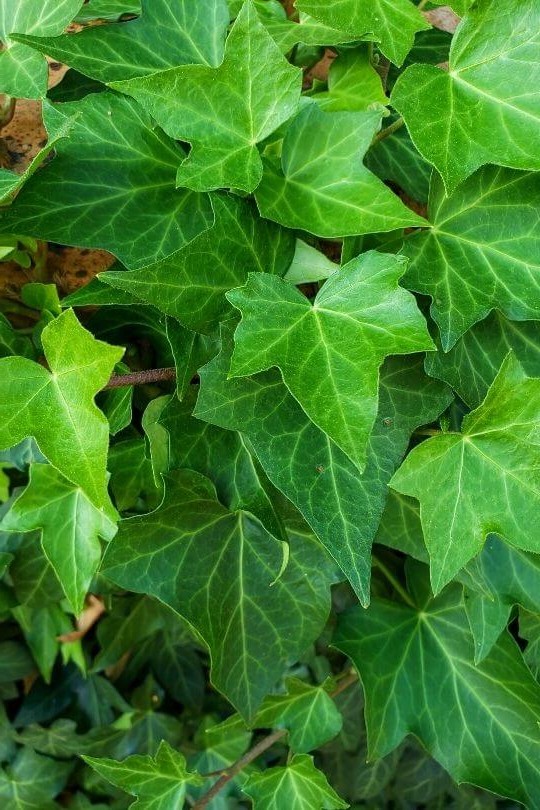
English Ivy
Hedera helix L.
Important botanical synonyms and former names include:
Hedera communis Gray
Hedera helix var. vulgaris DC.
Hedera poetarum Bertol.
Hedera poetica Salisb.
Accepted infraspecific forms include Hedera helix f. helix and Hedera helix f. poetarum (Nicotra) McAll. & A.Rutherf.
Araliaceae Juss. — Ginseng or Ivy Family
Order: Apiales
English Ivy, Common Ivy, European Ivy, Ivy, Branching Ivy, California Ivy, Baltic Ivy, Baltic English Ivy, Glacier Ivy, Needlepoint Ivy, Sweetheart Ivy, Hahn’s Self-Branching English Ivy, Self-Branching Ivy, Variegated English Ivy, Hedera, Hedera helix, Hedera communis, Hedera poetica, Hedera poetarum
Several familiar names are associated with cultivars rather than separate species. Baltic Ivy is commonly associated with ‘Baltica’; Glacier Ivy with ‘Glacier’; Needlepoint Ivy with narrow pointed-leaved selections; Sweetheart Ivy with heart-shaped cultivars; and Hahn’s Self-Branching English Ivy with compact self-branching horticultural forms.
Other cultivated selections include ‘Arborescens,’ ‘Buttercup,’ ‘Goldchild,’ ‘Ivalace,’ ‘Green California,’ ‘Midas Touch,’ ‘Gnome,’ and numerous cream-, silver-, yellow-, or white-variegated forms. Leaf shape, variegation, dwarf growth, or cultivar name does not remove the saponin or sap-contact hazard.
Atlantic Ivy or Irish Ivy often refers to the separately accepted species Hedera hibernica. Algerian Ivy is Hedera algeriensis or plants historically sold under related Canary Island ivy names. These plants belong to the same genus but are not exact synonyms for Hedera helix.
Triterpenoid Saponins
The principal toxic constituents in English Ivy are triterpenoid saponins. These compounds can interact with lipid-containing cell membranes and irritate the tissues lining the mouth, stomach, and intestines. The practical result in dogs, cats, and other animals is usually hypersalivation, nausea, vomiting, abdominal discomfort, and diarrhea rather than delayed failure of a specific internal organ.
Veterinary references often identify hederagenin as the toxic principle because it is the triterpene aglycone, or non-sugar portion, shared by several ivy saponins. Hederagenin should not be treated as the only biologically relevant constituent, however. The intact plant contains a mixture of glycosides whose absorption, membrane activity, metabolism, and local irritant effects differ.
Saponins may have hemolytic activity under laboratory conditions because of their interactions with cell membranes, but clinically important destruction of red blood cells is not an expected consequence of an ordinary English Ivy nibble. Severe anemia, widespread hemolysis, liver failure, or kidney failure should not be presented as the routine pet-poisoning syndrome without separate supporting evidence.
Hederacoside C, Alpha-Hederin, and Related Saponins
Important English Ivy saponins and related compounds include hederacoside C, which is also called hederasaponin C in parts of the literature; hederasaponin B; alpha-hederin; and hederagenin. Older and translated sources may use overlapping terms such as hederasaponoside B or C, but those names should not be treated as though they identify entirely unrelated toxins.
Hederacoside C is a major saponin in ivy-leaf extracts. Alpha-hederin can be formed through removal of sugar residues from larger glycosides, while hederagenin is the aglycone released after additional cleavage. These structural relationships help explain why several names appear together in pharmacological and toxicological descriptions of the plant.
Experimental research has shown biological activity from alpha-hederin, including effects on cell membranes and beta-2 adrenergic receptor regulation. Those laboratory findings help explain why processed ivy-leaf extracts have been studied for respiratory uses, but they do not establish that a dog or cat chewing raw foliage will receive a predictable medicinal, cardiovascular, or respiratory dose.
Foliage Is More Toxic Than the Fruits
The foliage is generally considered more toxic than the dark blue-black fruits. This distinction is important because owners may focus on the conspicuous fruits while overlooking the more accessible leaves and trailing stems.
Juvenile groundcover and climbing growth places foliage directly within reach of dogs, puppies, cats, rabbits, horses, goats, and other animals. A pet may chew several leaves from a hanging basket or pull an entire vine from a wall or container before any fruit is present.
The fruits should still be treated as unsafe. Mature adult shoots can produce clusters of small greenish flowers followed by dark fruits containing saponins, pigments, seeds, and fibrous material. Fallen fruits may be swallowed by dogs, birds, or small mammals, and larger ingestion can intensify vomiting or diarrhea even though the leaves carry the greater routine toxic concern.
Falcarinol and Contact Dermatitis
English Ivy contains polyacetylene compounds capable of causing direct irritation and allergic sensitization. Falcarinol and didehydrofalcarinol are the best-established contact allergens and are present in plant tissue throughout the year.
Experimental work described these polyacetylenes as powerful irritants and moderate sensitizers. Falcarinol has also produced strong allergic reactions in human patch-testing research. Although most detailed evidence comes from people, the finding is relevant to animals repeatedly exposed to cut vines, sap, crushed leaves, contaminated tools, or plant material trapped against the skin.
A susceptible pet may develop redness, itching, raised lesions, blister-like irritation, licking, rubbing, or localized hair loss. Repeated exposure may produce a stronger reaction after sensitization. Direct irritation, allergic dermatitis, spine or stem abrasion, pesticide residue, and secondary infection can overlap and may require clinical examination to distinguish.
Other Plant Constituents and Medicinal Extracts
English Ivy also contains caffeic acid, chlorogenic acid, rutin, flavonoids, sterols, pigments, and numerous other secondary metabolites. These compounds contribute to the plant’s broader pharmacological profile but are not all established causes of naturally occurring animal poisoning.
Processed ivy-leaf extracts have been used in regulated or standardized cough preparations because of expectorant and antispasmodic effects attributed in part to the saponin fraction. That medicinal use does not make raw leaves safe for pets. A commercial preparation and a chewed vine differ in concentration, extraction method, inactive ingredients, plant part, dose, and quality control.
Concentrated extracts, syrups, tinctures, essential-oil products, supplements, or herbal medicines require a separate assessment. They may expose an animal to a much greater concentration of ivy constituents or to alcohol, sweeteners, flavorings, preservatives, or additional medications not present in the raw plant.
Evidence Limits and Severe-Systemic Claims
No dependable toxic dose has been established for dogs, cats, horses, livestock, rabbits, birds, or other pets. Severity depends on the amount and plant part eaten, whether a concentrated preparation was involved, animal size, existing disease, and the duration of vomiting or diarrhea.
Most credible veterinary descriptions emphasize drooling, vomiting, abdominal pain, and diarrhea. Historical accounts describe excitement, staggering, and loud vocalization after cattle consumed large quantities of vine, demonstrating that very large exposures can produce a broader syndrome in livestock.
Marked hypotension, persistent bradycardia or tachycardia, tremors, seizures, coma, and severe loss of coordination should be treated as emergency findings, but they are not the expected result of a routine dog-or-cat exposure. Those signs require investigation for a massive ingestion, concentrated product, mistaken plant identity, pesticide, medication, another toxic plant, or unrelated disease.
Early Oral and Gastrointestinal Signs
The most common signs are excessive drooling, lip smacking, repeated swallowing, nausea, vomiting, abdominal discomfort, reduced appetite, and diarrhea. Signs may begin soon after chewing because the sap and saponins contact the mouth and stomach directly.
A dog may eat grass, pace, stretch, assume a tense posture, or repeatedly approach water before vomiting. Cats may hide, refuse food, drool, lick the lips, or vomit plant fragments. Some animals experience one brief episode and recover, while others develop continued gastrointestinal irritation.
The foliage is generally more toxic than the fruits, so a pet that chewed several leaves or a length of vine may develop stronger signs than one that mouthed a single fruit. No plant quantity can reliably predict an individual animal’s response.
Vomiting, Diarrhea, and Dehydration
Repeated vomiting or diarrhea is the principal route by which a low-to-moderate exposure becomes medically significant. Continuing fluid loss can cause dehydration, electrolyte abnormalities, weakness, poor circulation, and prolonged appetite loss.
Dry or tacky gums, reduced urination, sunken eyes, loss of skin elasticity, weakness, cool extremities, or collapse indicates that supportive home monitoring is no longer sufficient. Puppies, kittens, toy-breed dogs, elderly animals, and patients with kidney, heart, endocrine, or gastrointestinal disease may deteriorate more quickly.
Substantial blood in vomit, black stool, severe abdominal swelling, repeated unproductive retching, or persistent focal pain is not expected after a minor exposure. Those findings may indicate erosive injury, pancreatitis, obstruction, a retained plant mass, another toxin, or unrelated disease.
Mouth, Throat, and Airway Irritation
Chewing leaves and fibrous stems may produce pawing at the mouth, head shaking, coughing, gagging, hoarse vocalization, painful swallowing, or visible redness of the lips, gums, tongue, and inner cheeks. The irritation usually reflects sap contact and mechanical abrasion rather than insoluble calcium oxalate crystals.
A length of tough vine or a woody stem fragment can become lodged between the teeth, beneath the tongue, in the pharynx, or in the esophagus. Continued gagging, repeated regurgitation, blood-tinged saliva, neck extension, or refusal to swallow requires a careful veterinary examination.
Progressive tongue swelling, inability to swallow saliva, noisy breathing, blue-gray gums, or respiratory distress is not the ordinary English Ivy presentation. These findings may indicate severe local inflammation, an allergic reaction, aspiration, a foreign body, or another exposure and require immediate emergency care.
Skin and Eye Signs
Sap or crushed foliage can cause redness, itching, licking, rubbing, rash, swelling, or blister-like lesions. Reactions are most likely on the paws, muzzle, lips, eyelids, lower abdomen, and other sparsely haired areas after direct contact with damaged vines or pruning debris.
Repeated exposure may produce a stronger allergic contact reaction in a sensitized animal. Continued licking and scratching can then create hair loss, open sores, moist dermatitis, and secondary bacterial or yeast infection even after the original plant residue has been removed.
Sap transferred into an eye may cause blinking, squinting, tearing, conjunctival redness, eyelid swelling, discharge, or apparent visual discomfort. Persistent signs after irrigation may indicate retained debris, corneal abrasion, or ulceration rather than simple transient irritation.
Dogs, Cats, Horses, and Livestock
Dogs and cats most often develop gastrointestinal and local contact signs. Dogs may graze groundcover or pull vines from containers, while cats may chew trailing houseplant stems or contact sap while playing with the foliage.
Horses and livestock may encounter English Ivy growing along fences, trees, outbuildings, walls, or woodland edges. They may also receive a larger concentrated exposure when pruning waste is dumped into a paddock or mixed with other landscape clippings.
Horses cannot vomit. Equine signs may include salivation, feed refusal, colic-like discomfort, diarrhea, depression, abnormal behavior, or incoordination after substantial ingestion. Group illness requires evaluation of all plants, chemicals, and foreign material in the clipping pile.
Historical Large-Ingestion Signs
An older cattle account describes illness, excitement, staggering, and loud bellowing after consumption of large quantities of English Ivy vine. The odor of crushed leaves was reportedly detectable on the breath and in the milk, and the animals recovered fully within three days.
This account supports the possibility of a broader clinical syndrome after unusually high-volume livestock ingestion. It does not establish that routine dog, cat, or horse exposures should be expected to cause neurologic disease.
Weakness, pronounced incoordination, tremors, collapse, seizures, markedly abnormal heart rate, low blood pressure, or profound depression requires immediate evaluation. Another toxic plant, pesticide, drug, concentrated ivy product, metabolic disorder, or neurologic disease may be responsible.
Expected Course
Mild drooling, nausea, isolated vomiting, soft stool, or abdominal discomfort commonly begins improving within several hours after access ends. Uncomplicated animals are often substantially better within approximately one day.
Dermatitis may persist longer, especially after repeated exposure or continued self-trauma. Recovery may also be delayed by large ingestion, dehydration, erosive gastrointestinal injury, retained vine material, eye damage, aspiration, or an incorrect plant identification.
Plant Identity
English Ivy is a woody, evergreen climbing or ground-creeping vine in the family Araliaceae. It attaches to bark, masonry, fences, walls, and other rough surfaces through numerous short aerial rootlets produced along juvenile stems.
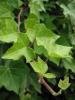
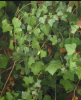
The familiar juvenile leaves are glossy, leathery, and usually divided into three to five pointed lobes. Leaf size, lobe depth, color, vein pattern, curling, and variegation vary substantially among cultivars.
Established plants may form dense groundcover, trail from containers, climb into tree canopies, or develop thick woody trunks. Every growth form remains the same species and should be kept away from animals that chew plants.
Juvenile and Adult Growth Look Different
English Ivy develops two visually different growth phases. Juvenile stems creep or climb, produce adventitious rootlets, and bear the recognizable lobed leaves. These nonflowering shoots create most groundcover, wall, fence, houseplant, and hanging-basket exposures.
When established climbing growth reaches sufficient maturity and light, some stems enter the adult reproductive phase. Adult shoots become more self-supporting, lack clinging rootlets, and bear less-lobed or completely unlobed oval to diamond-shaped leaves.
Adult shoots produce clusters of small greenish-white or greenish-yellow flowers followed by dark blue-black fruits. Mature flowering branches near the top of a wall or tree can look sufficiently different from the lower juvenile vines that owners mistake them for another plant.
English Ivy Is Not Devil’s Ivy
English Ivy is Hedera helix, an araliad containing triterpenoid saponins and polyacetylene contact irritants. Devil’s Ivy or Golden Pothos is Epipremnum aureum, an aroid containing insoluble calcium oxalate raphides.
Both plants can cause drooling, vomiting, and appetite refusal, but the mechanisms and typical mouth findings differ. Devil’s Ivy commonly produces immediate intense oral burning, tongue swelling, and painful swallowing, while English Ivy more often causes saponin-associated gastrointestinal irritation and sap dermatitis.
Identifying the complete plant, leaf attachment, growth habit, stem structure, and nursery label is more reliable than relying on the word “ivy.”
Other Plants Called Ivy
Poison Ivy is Toxicodendron radicans and contains urushiol, which causes severe allergic dermatitis in susceptible people. Dogs and cats are less likely to develop the classic human rash but can carry urushiol on their fur and transfer it to people.
Boston Ivy is Parthenocissus tricuspidata, a grape relative that climbs by adhesive tendrils. Swedish Ivy commonly refers to Plectranthus verticillatus, while Ivy Geranium is Pelargonium peltatum. Ground Ivy or Creeping Charlie is commonly Glechoma hederacea.
Atlantic or Irish Ivy is generally Hedera hibernica, a separately accepted species that may be difficult to distinguish from vigorous forms of English Ivy. Other true ivies include Algerian, Persian, Azores, Canary Island, Himalayan, and Madeira ivies in the genus Hedera.
Indoor and Hanging-Basket Exposure
English Ivy is grown indoors as a trailing houseplant, topiary, dish-garden plant, hanging-basket plant, and mixed-container filler. Cats may pull or chew dangling stems, while puppies may overturn containers or drag vines across the floor.
High placement does not guarantee safety when stems trail below a basket or when dry leaves fall. A pet that knocks down a container may also ingest fertilizer, systemic pesticide, moldy potting medium, decorative stones, water-retaining crystals, plant labels, wire, or broken pottery.
Cuttings root readily and may be placed temporarily in glasses, jars, propagation trays, sinks, or work areas. These small pieces can be easier for pets to reach than the parent plant.
Landscape, Fence, and Woodland Exposure
English Ivy is widely used as groundcover and as a wall, fence, trellis, slope, and tree covering. Dogs may graze leaves while walking through ivy beds, pull vines during play, or lie against freshly cut vegetation.
Horses, goats, and other livestock may encounter vines on fences, outbuildings, trees, woodland margins, or discarded landscape material. Large exposure is more likely after clipping disposal than through ordinary selective grazing.
The plant is native from Europe and the Mediterranean region east to Iran. It has been introduced throughout much of North America and has escaped cultivation into urban forests, riparian areas, woodland edges, and disturbed sites. In some regions it forms extensive evergreen mats and climbs into mature tree canopies.
Pruning and Removal Create Concentrated Contact
Cutting, pulling, mowing, shredding, or removing established English Ivy releases sap and creates large piles of damaged foliage. Pets may walk through the debris, lie on cut vines, chew exposed stems, or lick sap from their paws and coat.
People handling the plant should wear gloves and protective clothing because falcarinol and related polyacetylenes can cause dermatitis. Tools, gloves, clothing, floors, vehicles, and work surfaces may carry sap after removal work.
Clippings should be secured immediately and should never be dumped into paddocks, kennels, rabbit enclosures, livestock pens, or open compost piles accessible to animals.
Raw Ivy and Medicinal Ivy-Leaf Products
Ivy-leaf preparations have a history of use as cough remedies, and standardized extracts are marketed in some countries for expectorant or antispasmodic effects. Those products are manufactured to defined specifications and cannot be compared directly with raw leaves.
A pet chewing fresh foliage receives an uncontrolled mixture of saponins, polyacetylenes, fibers, sap, surface contaminants, and potentially pesticide residue. A pet drinking cough syrup may be exposed to concentrated extract plus sweeteners, alcohol, flavorings, preservatives, or additional active ingredients.
A published veterinary case described severe gastroenteritis in a dog after unprescribed administration of a human ivy-leaf syrup. The dog improved after the product was discontinued and supportive veterinary treatment was provided. That case involved a processed concentrated preparation rather than ordinary chewing of a few fresh leaves.
Bring the complete product label to the veterinarian after exposure to an extract, syrup, supplement, tincture, tea, or herbal preparation. The risk assessment must include every ingredient rather than the plant name alone.
Historical Cattle Exposure
In Poisonous Plants in Britain and Their Effects on Animals and Man, Cooper and Johnson described an older cattle exposure:
“Cattle that ingested large quantities of English ivy vine became ill and excitable, started staggering, and bellowed loudly. The odor of crushed ivy leaves was on the breath and in the milk. Recovery was quick and complete in three days.”
This complete account demonstrates that a sufficiently large ingestion can produce more than simple gastrointestinal upset, particularly when livestock consume a large volume of vine. Excitement, staggering, and unusual vocalization should therefore not be dismissed after a documented high-volume exposure.
The same passage also records quick and complete recovery. It does not support describing every small pet exposure as likely to cause severe neurologic poisoning or death, nor does it establish a toxic dose for dogs, cats, horses, or modern English Ivy cultivars.
Dogs, Cats, Horses, and Other Animals
Dogs and cats most commonly develop hypersalivation, vomiting, abdominal pain, and diarrhea. Contact dermatitis may become the dominant problem in animals repeatedly exposed to sap or cut foliage.
Horses and livestock rarely consume large quantities when adequate forage is available, but hunger, curiosity, mixed clippings, storm-damaged vines, or access to yard-waste piles can increase ingestion. Horses cannot vomit, so salivation, feed refusal, colic, diarrhea, excitement, or incoordination may be the more visible signs.
Published species-specific evidence for rabbits, guinea pigs, rodents, birds, reptiles, and other exotic pets is limited. Rabbits and guinea pigs cannot vomit and may instead develop appetite loss, abnormal feces, diarrhea, abdominal discomfort, or gastrointestinal stasis.
Diagnosis
No routine laboratory test confirms English Ivy ingestion or measures a circulating ivy saponin. Diagnosis depends on plant identification, witnessed chewing, missing leaves, fruits or vines, sap contact, plant fragments in vomit or stool, and compatible gastrointestinal or dermatologic findings.
Preserve photographs of juvenile and adult foliage, the complete vine, flowers or fruits, the nursery label, damaged growth, clippings, and any concentrated product involved. Adult unlobed leaves should be photographed with the connected lower lobed growth whenever possible.
Persistent vomiting, diarrhea, dehydration, weakness, incoordination, cardiovascular abnormalities, or uncertain identification may justify bloodwork, electrolyte measurement, urinalysis, blood-pressure assessment, imaging, or other testing directed at complications and alternative diagnoses.
Prognosis and Prevention
The prognosis is good to excellent after most ordinary English Ivy exposures. Mild gastrointestinal illness generally improves after access ends and hydration and appetite remain adequate.
Prognosis becomes less predictable after a very large ingestion, prolonged vomiting or diarrhea, significant dehydration, severe dermatitis, aspiration, retained vine material, abnormal cardiovascular or neurologic findings, or exposure to a concentrated product.
Keep indoor plants and propagation cuttings beyond reach, prevent access to groundcover used for grazing, clean pruning areas thoroughly, and dispose of vines securely. In homes with persistent plant-chewing animals, replacing English Ivy with verified pet-safer plants is more dependable than relying on height or supervision.
Immediate Steps After English Ivy Exposure
- Stop further access. Move the animal away from the groundcover, climbing vine, hanging basket, leaves, fruits, stems, roots, clippings, propagation cuttings, or concentrated ivy product.
- Identify the plant. Confirm whether it is Hedera helix rather than Devil’s Ivy, Poison Ivy, Boston Ivy, Swedish Ivy, Ivy Geranium, Ground Ivy, or another plant carrying “ivy” in its common name.
- Determine the exposure type. Record whether the animal chewed foliage, swallowed fruits, pulled down a length of vine, contacted sap, entered a pruning pile, or consumed an ivy-leaf syrup or extract.
- Remove only loose visible material. If the animal is calm and cooperative, lift away leaves, fruits, or stem pieces resting at the lips or front of the mouth. Do not force the jaws open or probe the throat.
- Gently wipe accessible residue. Use a soft cloth dampened with water to remove visible sap and plant particles from the lips and muzzle. Avoid forceful mouth flushing.
- Allow voluntary water when swallowing is normal. An alert animal that is not gagging or vomiting repeatedly may drink fresh water on its own. Do not syringe or pour liquid into the mouth.
- Preserve identification evidence. Save the plant label, photographs, representative leaves, fruits, vine sections, product packaging, ingredient list, and any plant fragments found in vomit.
Skin, Coat, and Eye Contact
Wear gloves and wash sap-contaminated paws, muzzle, abdomen, or coat with lukewarm water and a mild species-appropriate cleanser. Rinse thoroughly and prevent grooming until the residue has been removed.
Inspect the contacted skin for redness, raised lesions, blistering, scratches, or retained stem fragments. Wash collars, harnesses, bedding, carriers, and grooming tools that may carry sap.
If sap or plant debris enters an eye, irrigate gently with sterile saline or clean room-temperature water and prevent rubbing. Continuing squinting, tearing, redness, discharge, cloudiness, or apparent visual difficulty requires veterinary examination.
Do Not Attempt Unsupervised Home Treatment
- Do not induce vomiting with hydrogen peroxide, salt, mustard, syrup of ipecac, or manual gagging. English Ivy already causes nausea, drooling, coughing, gagging, and vomiting, while home emesis can cause gastric injury or aspiration.
- Do not forcefully rinse the mouth. Pouring or spraying liquid toward the throat may carry plant material, saliva, or vomit into the lungs.
- Do not give activated charcoal routinely. The expected syndrome is principally local gastrointestinal irritation, and charcoal’s benefit for an ordinary exposure is uncertain. It may be aspirated by a drooling, vomiting, weak, or poorly swallowing animal.
- Do not give milk, yogurt, oil, food, electrolyte products, or herbal remedies as antidotes. They do not neutralize the saponins and may provoke further vomiting.
- Do not give Kapectolin, Kaopectate, bismuth products, loperamide, or another antidiarrheal medication at home. Formulations differ, and reducing gastrointestinal movement may be inappropriate when plant fibers, obstruction, infection, or another toxin is involved.
- Do not give sucralfate, antacids, omeprazole, famotidine, antihistamines, corticosteroids, or leftover prescriptions automatically. These medications have specific indications and are not universal ivy antidotes.
- Do not give human pain relievers. Ibuprofen, naproxen, acetaminophen, aspirin, and similar products can create a much more dangerous secondary poisoning.
When Emergency Examination Is Especially Important
- Persistent gastrointestinal illness: Repeated vomiting, inability to retain water, frequent watery diarrhea, blood in vomit or stool, black stool, severe abdominal pain, or continued appetite refusal requires examination.
- Dehydration or circulatory changes: Dry or tacky gums, reduced urination, sunken eyes, weakness, cool extremities, poor pulse quality, inability to stand, or collapse indicates significant fluid loss or another serious problem.
- Oral or esophageal injury: Continued drooling, blood in saliva, gagging, coughing, repeated regurgitation, painful swallowing, neck extension, or refusal to drink may indicate a retained vine or deeper injury.
- Severe skin or eye reaction: Extensive blistering, facial swelling, widespread hives, continuing eye pain, corneal cloudiness, or self-trauma requires veterinary treatment.
- Cardiovascular or neurologic signs: Marked weakness, staggering, tremors, abnormal heart rate, low blood pressure, collapse, seizures, profound depression, or coma requires emergency evaluation.
- Concentrated or mixed exposure: Ivy-leaf syrup, extract, tincture, supplement, pesticide-treated vines, fertilizer, another toxic plant, string, wire, stones, or broken container material may require a different treatment plan.
Veterinary Examination and Risk Assessment
The veterinarian will assess the amount and plant part ingested, time since exposure, vomiting and diarrhea frequency, swallowing ability, hydration, circulation, mental status, coordination, skin reaction, eye involvement, and all products or chemicals that were accessible.
The mouth and pharynx may require examination for retained leaves, vine fibers, or woody stem fragments. Sedation may be necessary when pain or patient resistance prevents a safe examination, but airway protection and neurologic status must be considered.
Bloodwork is often unnecessary after a minor exposure that is improving. Persistent illness, dehydration, abnormal coordination, cardiovascular changes, blood loss, or uncertain plant identity may justify a complete blood count, serum chemistry, electrolytes, glucose, blood-pressure monitoring, urinalysis, imaging, or other targeted testing.
Professional Gastrointestinal Decontamination
Most ordinary English Ivy exposures do not require induced vomiting because the plant commonly produces spontaneous nausea and vomiting, and the expected systemic toxicity is limited.
A veterinarian may consider clinic-induced emesis after an unusually large, very recent ingestion in an alert dog that can protect its airway and is not already drooling heavily, gagging, coughing, vomiting, weak, or neurologically abnormal.
Emesis is inappropriate in a collapsed, sedated, dysphagic, respiratory-compromised, repeatedly vomiting, or neurologically abnormal patient. It is also inappropriate when long woody stems, foreign material, or a concentrated caustic product may have been swallowed.
Activated charcoal is rarely needed for an uncomplicated raw-plant exposure. It may be considered when a substantial ingestion or mixed toxin creates a separate indication and the animal can protect its airway. Gastric lavage would be highly unusual and limited to exceptional circumstances in an anesthetized and intubated patient.
Vomiting, Diarrhea, and Gastrointestinal Protection
A veterinarian may administer an antiemetic such as maropitant or ondansetron when vomiting persists or nausea prevents drinking and eating. Medication choice depends on species, hydration, medical history, and whether obstruction or another toxin has been excluded.
Sucralfate may be appropriate when repeated vomiting, hematemesis, painful swallowing, esophagitis, or documented erosive gastrointestinal injury indicates a need for mucosal protection. It creates a protective barrier rather than neutralizing ivy saponins and can interfere with absorption of other medications.
Acid suppression with a proton-pump inhibitor or H2-receptor antagonist is not required after every exposure. It may be selected when there is evidence of esophagitis, erosive gastritis, gastrointestinal bleeding, or another acid-related complication.
Diarrhea management prioritizes hydration, electrolyte balance, an appropriate diet, and exclusion of obstruction, infection, parasites, hemorrhagic disease, or another toxin. Antimotility medication may be counterproductive when intestinal clearance of irritating plant material is desirable.
Fluid and Nutritional Support
An animal with no signs or one mild vomiting episode may need only monitoring and voluntary access to water. Oral, subcutaneous, or intravenous fluids may be selected when examination identifies dehydration, poor intake, continuing vomiting, diarrhea, or impaired circulation.
Fluid therapy is individualized according to body weight, measured dehydration, perfusion, maintenance requirements, continuing losses, urine production, and heart and kidney function. One fixed volume is not appropriate for every animal.
Electrolytes, glucose, kidney values, acid-base status, and blood pressure may require monitoring after prolonged gastrointestinal illness. Intravenous crystalloids are used first when volume loss has caused poor perfusion; persistent hypotension after appropriate volume replacement requires reassessment and, when indicated, veterinarian-directed vasopressor support.
Food may be reintroduced gradually after vomiting has stopped and the animal shows voluntary interest. Force-feeding a nauseated, vomiting, sedated, painful, dysphagic, or neurologically abnormal patient creates aspiration risk.
Dermatitis and Allergic Reactions
Mild contact irritation may require thorough washing, prevention of licking and scratching, and temporary separation from the plant. Veterinary treatment may include species-appropriate itch control, pain relief, wound care, or treatment of secondary infection.
An antihistamine may be useful when hives or another histamine-mediated reaction is suspected, but it does not remove falcarinol-containing sap. Corticosteroids may be considered for selected allergic or inflammatory reactions after infection, ulceration, species, age, and concurrent disease have been assessed.
True anaphylaxis is uncommon but requires immediate treatment. Facial swelling accompanied by breathing difficulty, weak pulses, collapse, or profound gastrointestinal signs may require epinephrine, oxygen, airway protection, intravenous fluids, and blood-pressure support.
Eye and Respiratory Treatment
Persistent eye signs require examination of the eyelids, conjunctiva, cornea, and tissue beneath the third eyelid. Fluorescein staining may identify a corneal abrasion or ulcer, while magnification can reveal retained plant fibers.
Treatment may include continued sterile irrigation, lubrication, removal of debris, veterinarian-selected pain control, and topical antimicrobial medication when the corneal surface is damaged. Steroid-containing eye medication should not be used until ulceration has been excluded.
Coughing, nasal discharge, fever, abnormal lung sounds, falling oxygen levels, or worsening respiratory effort after vomiting raises concern for aspiration. Treatment may include thoracic imaging, oxygen, airway support, and antimicrobial therapy when bacterial aspiration pneumonia is established or strongly suspected.
Horses and Livestock
Remove horses and livestock from the vine and from all discarded clippings. Inspect the complete material for yew, oleander, ornamental cherry, pesticides, wire, plastic, and other hazards.
Because horses cannot vomit, assessment focuses on salivation, oral injury, swallowing, feed intake, colic, hydration, gastrointestinal motility, manure production, behavior, and coordination. Nasogastric evaluation, fluid therapy, analgesia, and laboratory testing may be considered after substantial ingestion or persistent signs.
Excitement, staggering, bellowing, or unusual behavior after a documented large-volume exposure should be taken seriously. Group illness requires immediate examination of the full feed, pasture, clipping pile, and chemical history.
Prognosis and Recovery
The prognosis is good to excellent for most ordinary English Ivy exposures. Mild drooling, vomiting, diarrhea, and abdominal discomfort usually improve after access ends and hydration remains adequate.
Dermatitis may take longer to resolve, especially after sensitization or repeated contact. Recovery may also be delayed by substantial ingestion, dehydration, gastrointestinal bleeding, retained vine material, aspiration, eye injury, concentrated-product exposure, or another toxin.
The prognosis becomes more guarded when severe weakness, incoordination, cardiovascular abnormalities, seizures, respiratory compromise, or prolonged fluid loss develops. Those cases require reassessment of the plant identity and the possibility of a mixed exposure.
Frequently Asked Questions About English Ivy and Animal Poisoning
Is English Ivy poisonous to dogs and cats?
Yes. Its triterpenoid saponins can cause hypersalivation, nausea, vomiting, diarrhea, abdominal pain, reduced appetite, and lethargy. Sap and damaged foliage can also cause irritant or allergic contact dermatitis.
Are English Ivy leaves more toxic than the fruits?
Yes. Veterinary poison references identify the foliage as more toxic than the dark fruits. The fruits remain unsafe, but chewing several leaves or a length of vine is the more significant routine exposure.
What toxins are in English Ivy?
The principal toxins are triterpenoid saponins associated with hederagenin. Important compounds include hederacoside C, also called hederasaponin C, hederasaponin B, alpha-hederin, and hederagenin. Falcarinol and didehydrofalcarinol are important contact irritants and allergens.
Is English Ivy the same as Devil’s Ivy?
No. English Ivy is Hedera helix and contains saponins and polyacetylene irritants. Devil’s Ivy is Epipremnum aureum and causes immediate oral injury through insoluble calcium oxalate raphides.
Is English Ivy the same as Poison Ivy?
No. Poison Ivy is Toxicodendron radicans and contains urushiol. English Ivy belongs to Araliaceae and has a different growth form, chemistry, and poisoning syndrome.
Why do some English Ivy leaves have lobes while others do not?
Juvenile creeping and climbing shoots usually bear three- to five-lobed leaves. Mature reproductive shoots become more self-supporting and produce less-lobed or unlobed leaves, flowers, and dark fruits. Both growth phases belong to the same plant and remain unsafe to eat.
Can English Ivy cause a skin rash?
Yes. Falcarinol, didehydrofalcarinol, sap, and damaged plant tissue can cause direct irritation or allergic contact dermatitis. Sensitive animals may develop redness, itching, raised lesions, blistering, or persistent licking after exposure.
Can English Ivy cause neurologic signs?
A historical cattle exposure involving a large quantity of vine produced excitement, staggering, and loud bellowing, followed by complete recovery. These are not expected signs after an ordinary dog-or-cat exposure. Weakness, incoordination, tremors, seizures, or collapse requires emergency evaluation for massive or mixed exposure.
Should I make my dog vomit after it eats English Ivy?
No home vomiting method should be used. The plant already causes drooling, gagging, nausea, and vomiting, while hydrogen peroxide, salt, mustard, ipecac, or manual gagging can cause gastric injury or aspiration. A veterinarian may consider clinic-induced emesis only after an unusual, substantial, recent ingestion in a suitable patient.
Does a pet need activated charcoal after eating English Ivy?
Activated charcoal is not routinely required. The expected syndrome is primarily local gastrointestinal irritation, and charcoal’s benefit after an ordinary exposure is uncertain. It can also be aspirated or worsen dehydration in a vomiting animal.
How long do English Ivy symptoms usually last?
Mild drooling, vomiting, diarrhea, and abdominal discomfort often improve within several hours to approximately one day. Recovery may take longer after large ingestion, dehydration, gastrointestinal injury, dermatitis, aspiration, or exposure to a concentrated product.
Is English Ivy dangerous to horses and livestock?
Yes, although severe poisoning is uncommon. Horses and livestock may develop salivation, feed refusal, colic, diarrhea, excitement, or incoordination after substantial ingestion. Horses cannot vomit, and mixed landscape clippings may contain more dangerous plants.
Are ivy-leaf cough syrups safe for pets?
They should not be given unless prescribed or specifically approved by a veterinarian. A processed extract differs from raw foliage and may contain concentrated ivy constituents, alcohol, sweeteners, flavorings, preservatives, or other active ingredients that require separate assessment.