European Holly Berry Ingestion and Spiny-Leaf Injury
Is European Holly Poisonous to Dogs, Cats, Horses, and Livestock?
Yes, European Holly, Ilex aquifolium, is mildly poisonous to dogs, cats, horses, livestock, and other animals that eat it. Its saponin-containing tissues can irritate the stomach and intestines, causing drooling, nausea, vomiting, diarrhea, abdominal discomfort, appetite reduction, lethargy, and depression. Brightly colored fruits are the most likely part to be swallowed in quantity, while the stiff, sharply pointed leaves can scratch or puncture the lips, gums, tongue, throat, paws, or eyes. Serious systemic poisoning is not expected after an ordinary exposure, but numerous fruits, continuing gastrointestinal illness, dehydration, or significant mechanical injury requires veterinary evaluation.
About this guide: This page provides general pet-poisoning information and cannot diagnose or treat an individual animal. For any suspected exposure, contact a veterinarian or animal poison-control service immediately. Do not induce vomiting, give medication, or attempt home decontamination unless directed by a veterinary professional.
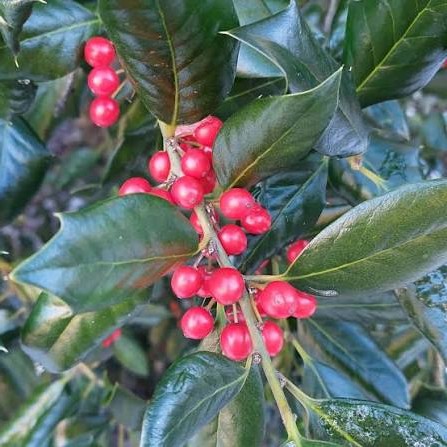
European Holly
Ilex aquifolium L.
Important botanical synonyms and former names include:
Aquifolium ilex Scop.
Aquifolium spinosum Lam.
Aquifolium vulgare St.-Lag.
Ilex vulgaris Gray
Ilex balearica Desf.
Ilex ferox (Aiton) Reider
Ilex aquifolium var. ferox Aiton
Ilex aquifolium f. heterophylla (Aiton) Loes.
The species has accumulated numerous historical horticultural variety and form names because cultivated European Holly varies extensively in leaf shape, spine development, variegation, growth habit, and fruit color.
Aquifoliaceae Bercht. & J.Presl — Holly Family
Order: Aquifoliales
European Holly, English Holly, Common Holly, Christmas Holly, Christmas-Holly, Holly, European Evergreen Holly, Common European Holly, English Christmas Holly, Prickly Holly, Evergreen Holly, Hollin, Hollen, Holm, Holme, Hulver, Ilex aquifolium, Aquifolium ilex, Aquifolium spinosum, Aquifolium vulgare, Ilex vulgaris, Ilex balearica
Frequently cultivated forms include ‘Alaska,’ ‘J.C. van Tol,’ ‘Pyramidalis,’ ‘Ferox Argentea,’ ‘Argentea Marginata,’ ‘Aurea Marginata,’ ‘Golden King,’ ‘Madame Briot,’ and ‘Silver Queen.’ Green, variegated, yellow-fruited, spineless, or heavily spined cultivars remain the same poisonous species.
“Holm” is ambiguous because Holm Oak is the unrelated species Quercus ilex.
American Holly is Ilex opaca; Winterberry is usually Ilex verticillata; Inkberry is Ilex glabra; Yaupon Holly is Ilex vomitoria; and Yerba Mate is Ilex paraguariensis. These are related hollies but are not botanical synonyms for European Holly.
Oregon Grape or Oregon Grape Holly generally refers to Berberis aquifolium, formerly Mahonia aquifolium, in the Barberry Family. “Oregon Holly” is not a dependable identification name.
Saponins and Gastrointestinal Irritation
The primary practical toxicologic concern in European Holly is its saponin-containing plant tissue. Saponins are glycosides capable of interacting with biological membranes and irritating the lining of the stomach and intestines after fruits, leaves, or other plant material are swallowed.
Direct chemical research confirms that Ilex aquifolium produces saponin and terpenoid fractions. However, the specific compounds and concentrations responsible for naturally occurring vomiting or diarrhea in dogs, cats, horses, or other animals have not been defined sufficiently to establish a dependable toxic dose.
The expected clinical effects are drooling, nausea, vomiting, diarrhea, abdominal discomfort, appetite reduction, lethargy, and mild depression. Ordinary European Holly ingestion is not expected to cause a predictable syndrome of hemolysis, liver failure, kidney failure, severe cardiac poisoning, or progressive neurologic dysfunction.
Laboratory studies involving isolated saponins, purified fractions, concentrated extracts, or experimentally administered compounds are not equivalent to an animal eating several fruits or chewing one leaf. Extraction can substantially change the concentration and relative proportions of the plant’s constituents.
Fruits and Seeds
The structures commonly called berries are botanically fleshy drupes containing several hard seeds. They are the principal household ingestion concern because they are brightly colored, may loosen from cut branches, roll beneath furniture, and can be swallowed rapidly by dogs, puppies, birds, or small mammals.
The pulp and other fruit tissues contain irritating plant compounds capable of causing vomiting, diarrhea, abdominal pain, appetite reduction, and lethargy. The hard seeds and indigestible fruit material may add mechanical gastrointestinal irritation.
The fruits should not be described as uniformly more chemically toxic than every other plant part because comparative pet-toxicology concentrations have not been established. They create greater practical risk because an animal can swallow several fruits more readily than it can consume an equivalent amount of leathery foliage.
No dependable fruit count can be used as a universal safe or toxic threshold. Risk depends on animal size, age, health, number swallowed, persistence of gastrointestinal losses, and whether the arrangement contained another plant, chemical coating, or foreign object.
Spiny Leaves and Mechanical Injury
European Holly leaves are thick, leathery, and often armed with stiff marginal spines. Chewing can scratch or puncture the lips, gums, tongue, palate, pharynx, and esophagus independently of any absorbed plant toxin.
Mechanical injury may cause head shaking, pawing at the mouth, drooling, lip smacking, gagging, coughing, painful swallowing, appetite refusal, or blood-tinged saliva after only a small leaf exposure.
A rigid leaf fragment or short woody stem can lodge between the teeth, beneath the tongue, against the palate, or farther back in the mouth. Continued gagging, regurgitation, neck extension, blood in saliva, or refusal to swallow requires direct examination rather than blind probing.
Dried holiday foliage can become harder and more brittle than fresh foliage. Broken points and stiff fragments may therefore create greater mechanical risk even when little plant material is swallowed.
Other European Holly Phytochemicals
European Holly has a chemically diverse profile that includes triterpenoid acids, sterols, flavonoids, phenolic acids, pigments, volatile compounds, and related secondary metabolites.
Documented or reported constituents include ursolic acid, oleanolic acid, alpha-amyrin-related compounds, beta-sitosterol, caffeic acid, caffeoylquinic acids, rutin, quercetin derivatives, anthocyanins, and ilex-associated saponins.
The presence of a compound in a laboratory extract does not prove that an intact fruit or leaf supplies a clinically important amount during an ordinary pet exposure. Many of these compounds have been studied for metabolic, antioxidant, antimicrobial, or cell-culture effects rather than naturally occurring animal poisoning.
European Holly Is Not a Methylxanthine Poison
Yerba Mate, Ilex paraguariensis, Yaupon Holly, Ilex vomitoria, and certain other members of the genus contain caffeine or related methylxanthines and have been used to prepare stimulating beverages.
That genus-level chemistry should not be transferred automatically to European Holly. Modern direct chemical analysis of European Ilex aquifolium material found no xanthine fraction, including caffeine or theobromine.
European Holly should therefore not be presented as a predictable caffeine- or chocolate-like exposure. Marked agitation, persistent tachycardia, arrhythmias, hyperthermia, tremors, or seizures requires investigation for chocolate, coffee, tea, stimulant medication, another holly species, pesticides, or another toxin.
Menisdaurin and the Older Cyanogenic-Glucoside Claim
A compound isolated from ripe European Holly fruit was originally described as a cyanogenic glucoside. Subsequent structural investigation revised the proposed identity to menisdaurin, a nitrile glycoside.
This correction does not establish that ordinary European Holly fruit ingestion releases a clinically important cyanide dose. The recognized companion-animal pattern remains gastrointestinal irritation rather than rapid cyanide toxicosis.
Severe respiratory distress, bright-red mucous membranes, sudden profound weakness, seizures, cardiovascular collapse, or rapid death is not the expected European Holly syndrome and requires investigation for another plant, chemical, or disease.
No Established Toxic Dose
No dependable fruit count, leaf amount, branch weight, or gram-per-kilogram threshold has been established for dogs, cats, horses, livestock, rabbits, rodents, birds, or other animals.
Risk depends on the amount and plant part swallowed, animal size and health, persistence of vomiting or diarrhea, presence of sharp material, and whether seasonal decorations introduced another plant, coating, chemical, or foreign object.
Large ingestion, continuing illness, a concentrated extract, signs outside the expected gastrointestinal pattern, or uncertain plant identification requires individual veterinary assessment.
Expected Gastrointestinal Signs
The most likely signs after European Holly ingestion are drooling, lip smacking, nausea, vomiting, diarrhea, abdominal discomfort, appetite reduction, lethargy, and mild depression.
Signs may begin within several hours, although timing varies with the amount swallowed, stomach contents, plant part, animal size, and individual gastrointestinal sensitivity.
A small exposure may cause no visible illness or one brief vomiting episode. Swallowing numerous fruits or a substantial amount of plant material is more likely to cause continuing vomiting, loose stool, diarrhea, or abdominal pain.
Dehydration and Secondary Complications
The principal medical complication of a larger exposure is continuing fluid loss. Repeated vomiting or diarrhea can cause dehydration, electrolyte abnormalities, weakness, poor circulation, and prolonged appetite loss even when the original plant toxicity is mild.
Dry or tacky gums, reduced urination, sunken eyes, poor skin elasticity, cool extremities, weak pulses, inability to stand, or collapse indicates clinically important dehydration or another serious condition.
Substantial blood in vomit, black tarry stool, repeated unproductive retching, severe abdominal enlargement, or pronounced focal pain is not expected after an uncomplicated fruit exposure. Those findings may indicate gastrointestinal injury, obstruction, another toxin, hemorrhagic disease, or unrelated illness.
Mouth and Throat Injury
An animal that bites a rigid spiny leaf may immediately shake its head, paw at the face, drool, gag, cough, lip smack, or refuse food.
Small cuts or punctures may be visible on the lips, gums, tongue, palate, or inner cheeks. Blood-tinged saliva can result from mechanical injury without severe chemical poisoning.
Continued swallowing, neck extension, gagging, coughing, regurgitation, or painful swallowing may indicate a retained leaf or stem fragment or deeper pharyngeal or esophageal injury.
Pronounced tongue swelling, inability to swallow saliva, noisy breathing, or respiratory distress is not the characteristic European Holly syndrome and requires immediate evaluation for significant trauma, allergy, aspiration, another plant, or another cause.
Eye and Skin Signs
A sharp leaf can scratch the eyelid, conjunctiva, or cornea. Eye exposure may cause sudden blinking, squinting, tearing, redness, discharge, swelling, rubbing, cloudiness, or apparent visual difficulty.
Sap or plant residue may also cause localized skin irritation, particularly on the muzzle, paws, eyelids, damaged skin, or sparsely haired areas. Mechanical scratches, decorative coatings, pesticides, and retained plant fragments may contribute.
Persistent eye pain after irrigation requires veterinary examination because a corneal abrasion, ulcer, or retained fragment cannot be diagnosed reliably at home.
Dogs and Cats
Dogs and puppies are more likely to eat fallen fruits in quantity, investigate discarded greenery, or chew cut branches. Cats may bat loose fruits from decorations, mouth leaves, or contact sharp foliage while playing.
Most dogs and cats develop no signs or transient gastrointestinal upset. Puppies, kittens, toy-breed dogs, older animals, and patients with kidney, heart, endocrine, or gastrointestinal disease may tolerate fluid loss less well.
Prolonged appetite refusal is particularly important in cats because continuing anorexia can create a separate metabolic risk.
Horses and Livestock
Horses cannot vomit. They may instead develop salivation, feed refusal, mild colic, soft manure, diarrhea, depression, or evidence of oral injury after eating fruits, leaves, or discarded branches.
Severe livestock poisoning from European Holly appears uncommon. Exposure is most likely when hedge trimmings, wreaths, garlands, or mixed landscape waste are thrown into paddocks or pens.
Several animals becoming ill together requires investigation of the complete clipping pile, feed, water, pesticides, decorative material, neighboring plants, and foreign objects rather than assuming European Holly was the only exposure.
Rabbits, Guinea Pigs, Birds, and Other Small Animals
Published species-specific evidence is limited. Rabbits and guinea pigs cannot vomit and may instead develop appetite reduction, abnormal feces, diarrhea, abdominal discomfort, or gastrointestinal stasis.
Birds may swallow fruits or show regurgitation, altered droppings, reduced food intake, weakness, or lethargy. Small body size can make dehydration and appetite loss medically important even when the plant itself is a low-severity irritant.
Signs Suggesting Another Exposure
Marked agitation, persistent tachycardia, arrhythmias, hyperthermia, tremors, seizures, severe incoordination, respiratory collapse, kidney failure, liver failure, coma, or progressive multisystem illness is not expected after uncomplicated European Holly ingestion.
Those findings require investigation for chocolate, caffeine products, medication, yew, mistletoe, pesticide, rodenticide, another holiday plant, a concentrated herbal product, or unrelated disease.
Expected Course
Mild nausea, isolated vomiting, soft stool, drooling, or temporary appetite reduction should begin improving within several hours to approximately one day after access ends.
Recovery may take longer after numerous fruits, repeated gastrointestinal losses, dehydration, spiny-leaf injury, retained plant material, eye damage, aspiration, or a mixed seasonal exposure.
Persistent or worsening illness is not consistent with an uncomplicated minor ingestion and warrants veterinary examination.
European Holly and English Holly Are the Same Species
European Holly and English Holly are two common names for Ilex aquifolium. They do not represent different plants, toxins, or veterinary syndromes.
The name European Holly emphasizes the species’ broader native distribution across western, central, and southern Europe, parts of northwestern Africa, and portions of western Asia. The name English Holly reflects the plant’s cultural importance, abundance, and long history in Britain.
A nursery label, landscape plan, florist invoice, or poison record using either name should therefore be interpreted as the same botanical species.
Plant Identity
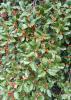
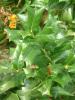
European Holly is a broadleaf evergreen shrub or tree with gray bark, dense branching, and glossy leathery foliage. It may remain a clipped hedge or develop into a substantial tree with a rounded or conical crown.
Young growth and foliage on lower branches commonly have strongly wavy margins armed with prominent spines. Leaves higher in mature trees may become flatter and considerably less spiny, making one tree appear to carry two different types of foliage.
The small pale flowers are usually inconspicuous. European Holly is generally dioecious, meaning pollen-producing and fruit-producing flowers occur on separate plants. Female plants normally require a compatible male nearby to produce a heavy fruit crop.
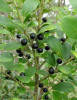
The fruits are drupes rather than true berries. They generally mature to orange-red or scarlet, although yellow- and orange-fruited cultivars also exist.
Why the European Name Matters
European Holly is closely associated with native woodland understories, hedgerows, churchyards, estate plantings, shelter belts, and winter landscapes throughout much of Europe.
In Britain and Ireland, regional names such as Hollin, Hollen, Holm, Holme, and Hulver may appear in local history, place names, older botanical writing, and nursery descriptions.
Some of these names are ambiguous. Holm Oak is Quercus ilex, an unrelated evergreen oak, and should not be confused with European Holly merely because both have been called Holm.
Christmas and Seasonal Exposure
European Holly is one of the traditional plants used in Christmas wreaths, garlands, mantel decorations, church displays, table arrangements, floral centerpieces, and cut winter greenery.
Indoor use changes the exposure pattern. Fruits may loosen as branches dry, fall beneath furniture, and remain accessible after the arrangement itself appears secure. Dogs may swallow several fruits rapidly, while cats may bat them from branches or chew dangling foliage.
Dried leaves may become brittle and sharp. A pet chewing an old wreath can suffer mouth or throat injury even when little plant tissue is swallowed.
Wreath wire, ribbon, hooks, artificial snow, glitter, paint, candles, floral foam, wooden picks, preservative solution, plastic ornaments, and other plants may create hazards more serious than the holly itself.
European Landscapes, Hedges, and Woodland Exposure
European Holly tolerates shade and may grow beneath taller woodland trees. It is also planted as a hedge, screen, specimen tree, topiary, foundation shrub, or winter-fruiting ornamental.
Dogs may eat fallen fruits beneath female trees, investigate cut branches, or carry a pruned stem like a stick. Horses, goats, cattle, sheep, poultry, and other animals are more likely to encounter the plant through discarded hedge trimmings than through ordinary selective grazing.
Cut branches should not be thrown into pastures, pens, dog runs, rabbit enclosures, poultry areas, or open compost piles accessible to animals.
Introduced and Naturalized Populations
European Holly has been cultivated outside its native range and has naturalized in suitable climates. Birds distribute its seeds into woodland edges, urban forests, parks, and disturbed areas.
In parts of the Pacific Northwest, escaped European Holly may occur beyond maintained gardens. Pets can therefore encounter it during walks, hiking, hunting, or woodland exploration as well as in residential landscaping.
Its ability to spread outside cultivation does not change the expected poisoning syndrome, but it makes plant identification and outdoor prevention relevant beyond European gardens.
European Holly and Other Ilex Species
American Holly is Ilex opaca; Winterberry is usually Ilex verticillata; Inkberry is Ilex glabra; Yaupon Holly is Ilex vomitoria; and Yerba Mate is Ilex paraguariensis.
These plants belong to the same genus but are not botanical synonyms. They may differ in leaf shape, fruit color, growth habit, chemistry, regional use, and exposure pattern.
Yaupon Holly and Yerba Mate contain methylxanthines and have been used in beverages. Modern direct research does not support transferring that stimulant profile to European Holly.
Oregon Grape Holly is not a true holly. It is usually Berberis aquifolium, formerly Mahonia aquifolium, and has compound leaves, yellow flower clusters, and blue-purple fruit.
Wildlife Consumption Does Not Establish Pet Safety
Thrushes, blackbirds, and other birds consume European Holly fruit and distribute the seeds. Wildlife use reflects species differences in digestion, metabolism, feeding behavior, and natural adaptation.
It does not establish a safe quantity for dogs, cats, horses, rabbits, captive birds, or people. An animal eating numerous fruits can still develop vomiting, diarrhea, appetite loss, and dehydration.
Animal Evidence and the Burrows Account
Toxic Plants of North America by George E. Burrows and Ronald J. Tyrl provides a measured account of holly exposure in animals:
“Rarely, digestive tract problems are reported for horses or other animal species. Effects in pets are usually limited to apparent irritation of the gastrointestinal tract with salivation, vomiting, and perhaps diarrhea in some cases. Feeding trials in young calves fed frozen Ilex myrtifolia, myrtle holly, every third day over 16 days or daily for 35 days produced no adverse clinical or pathologic effects.”
This passage supports a proportionate clinical assessment. Ordinary companion-animal holly exposures are generally expected to cause gastrointestinal irritation rather than a predictable lethal systemic syndrome.
The feeding experiment involved Ilex myrtifolia, Myrtle Holly, rather than European Holly. Researchers conducted intermittent and continuous feeding trials in young calves and found no clinical signs, significant clinical-pathology changes, gross lesions, or histologic lesions consistent with the original suspected herd problem.
The experiment does not prove that every holly species, plant part, amount, or animal exposure is harmless. It provides comparative evidence that severe livestock toxicity is not a consistent effect of all Ilex material.
European Holly Is Not a Caffeine or Cyanide Exposure
Older poison lists sometimes describe European Holly as containing theobromine or a cyanogenic glucoside. More recent direct work requires a more precise interpretation.
Modern analysis of European Ilex aquifolium material found no caffeine or theobromine fraction. The fruit compound initially described as cyanogenic was structurally revised as menisdaurin.
The practical veterinary syndrome remains drooling, vomiting, diarrhea, abdominal discomfort, and possible mechanical injury from the leaves. Severe stimulant or cyanide-like signs should prompt immediate reconsideration of the plant identity and the complete exposure.
Diagnosis
No routine laboratory test confirms European Holly ingestion or measures a specific circulating holly saponin.
Diagnosis depends on identifying the plant, documenting access, estimating missing fruit, finding chewed leaves or branches, recovering plant fragments, and matching the exposure with gastrointestinal or mechanical signs.
Useful photographs show the complete plant, upper and lower leaf surfaces, spine development, fruit, bark, growth habit, nursery label, seasonal arrangement, and any damaged branch.
Blood testing is usually unnecessary after a minor exposure in an animal that remains normal or improves promptly. Persistent vomiting, diarrhea, dehydration, blood loss, abnormal heart rate, neurologic signs, or uncertain identification may justify serum chemistry, electrolytes, a complete blood count, urinalysis, imaging, or toxin-specific testing for another suspected substance.
Continued gagging, painful swallowing, or vomiting may require oral examination, radiographs, endoscopy, or another evaluation for retained leaves, cut stems, wire, ribbon, or foreign material.
Prevention
Keep wreaths, garlands, centerpieces, and cut branches beyond reach and inspect the surrounding floor daily for fallen fruits and dried leaves.
Collect outdoor fruit beneath shrubs when a dog habitually eats fallen plant material. Secure hedge trimmings immediately and never use them as livestock browse.
In homes with persistent plant-chewing animals, pet-safer seasonal greenery or realistic artificial decorations may reduce plant exposure. Artificial items must still be protected from animals that swallow plastic fruit, wire, hooks, ribbon, or string.
Immediate Steps After European Holly Exposure
- Stop further access. Remove the animal from shrubs, fallen fruits, spiny leaves, cut branches, hedge clippings, wreaths, garlands, floral arrangements, compost, and discarded holiday greenery.
- Identify the plant. Confirm whether the material is Ilex aquifolium, European or English Holly, rather than American Holly, Winterberry, Inkberry, Yaupon, Oregon Grape, yew, mistletoe, or another seasonal plant.
- Determine what was swallowed. Estimate the number of fruits, whether fresh or dried spiny leaves were eaten, and whether woody stems, wire, ribbon, hooks, foam, coatings, or another plant were accessible.
- Remove only loose visible material. If the animal is calm and cooperative, lift away fruit, leaf, or stem fragments resting at the lips or front of the mouth. Do not force the jaws open or probe the throat.
- Check for mechanical injury. Look for bleeding, scratches, retained leaf points, painful swallowing, gagging, coughing, or obvious eye irritation.
- Gently wipe accessible residue. Use a soft cloth dampened with water to remove visible fruit pulp or plant residue from the lips and muzzle. Avoid vigorous rubbing and forceful mouth flushing.
- Allow voluntary water when safe. An alert animal that swallows normally and is not gagging or vomiting repeatedly may drink fresh water on its own. Do not syringe or pour liquid into the mouth.
- Preserve identification evidence. Save photographs, the nursery label, representative leaves and fruit, florist information, decoration packaging, and any material recovered from vomit.
After Eye, Skin, or Coat Contact
If a sharp leaf or plant debris contacts an eye, irrigate gently with sterile saline or clean room-temperature water and prevent rubbing. Continuing squinting, tearing, redness, discharge, cloudiness, swelling, or apparent visual difficulty requires prompt veterinary examination.
Wash sap or fruit residue from exposed paws, muzzle, abdomen, or coat with lukewarm water and a mild species-appropriate cleanser. Rinse thoroughly and prevent grooming until the residue has been removed.
Inspect the skin and coat for retained leaf points, scratches, decorative wire, artificial snow, paint, glitter, or other material from the arrangement.
Do Not Attempt Unsupervised Home Treatment
- Do not induce vomiting at home. Hydrogen peroxide, salt, mustard, syrup of ipecac, and manual gagging can cause gastric injury, aspiration, sodium poisoning, or more serious illness than the plant itself.
- Do not induce vomiting after spiny-leaf ingestion. Returning rigid foliage through the esophagus and mouth can create additional scratches, punctures, or lodging.
- Do not forcefully rinse the mouth. Pouring or spraying liquid toward the throat may push a leaf fragment deeper or cause aspiration.
- Do not administer activated charcoal routinely. Severe systemic absorption is not expected after most exposures, and charcoal may be aspirated or worsen dehydration.
- Do not force milk, oil, food, electrolyte solution, or coating remedies. They do not neutralize saponins or remove a retained leaf and may provoke additional vomiting.
- Do not give antidiarrheal or stomach medication automatically. Bismuth products, loperamide, kaolin-pectin products, sucralfate, antacids, and acid suppressants require case-specific veterinary selection.
- Do not give antihistamines or corticosteroids as universal antidotes. Gastrointestinal irritation and mechanical leaf injury are not routine allergic reactions.
- Do not give human pain relievers or leftover prescriptions. Ibuprofen, naproxen, acetaminophen, aspirin, and many other medications can cause a substantially more dangerous secondary poisoning.
When Veterinary Examination Is Especially Important
- Persistent gastrointestinal illness: Repeated vomiting, inability to retain water, frequent watery diarrhea, blood in vomit or stool, black stool, severe abdominal pain, or continued appetite refusal requires examination.
- Dehydration or poor circulation: Dry or tacky gums, reduced urination, sunken eyes, weakness, cool extremities, weak pulses, inability to stand, or collapse indicates clinically important fluid loss or another disorder.
- Mouth or throat injury: Blood in the mouth, persistent drooling, repeated gagging, coughing, neck extension, regurgitation, painful swallowing, or refusal to eat may indicate a retained leaf or penetrating injury.
- Eye injury: Continuing squinting, tearing, cloudiness, redness, discharge, swelling, or visual difficulty after irrigation requires prompt examination.
- Foreign or decorative material: Swallowed wire, ribbon, string, hooks, foam, wooden picks, plastic fruits, broken glass, candle material, or treated foliage may require imaging or separate treatment.
- Large or uncertain exposure: Numerous fruits, substantial foliage, concentrated extract, unidentified holly, or mixed seasonal arrangement requires individual risk assessment.
- Unexpected systemic signs: Marked agitation, abnormal heart rhythm, hyperthermia, tremors, seizures, severe incoordination, breathing difficulty, coma, or organ failure suggests another toxin or mixed exposure.
Veterinary Examination and Diagnostic Priorities
The veterinarian will determine whether the animal has uncomplicated gastrointestinal irritation, dehydration, oral trauma, a retained leaf or stem, esophageal injury, foreign-body ingestion, aspiration, or exposure to another plant or decorative chemical.
The lips, gums, tongue, palate, spaces between the teeth, floor of the mouth, and visible pharynx may require examination. Sedation may be necessary when a painful or deeply positioned fragment cannot be assessed safely in an awake animal.
Testing is often unnecessary when the exposure was small and signs are mild and improving. Continued vomiting, diarrhea, weakness, blood loss, abnormal examination findings, or uncertain plant identification may justify bloodwork, electrolyte measurement, urinalysis, abdominal or thoracic imaging, ultrasound, or endoscopy.
Professional Decontamination
Most ordinary European Holly exposures do not require induced vomiting. Spontaneous vomiting may already have occurred, and the expected systemic toxicity is low.
A veterinarian may consider clinic-induced emesis after a very recent ingestion of numerous fruits in an alert animal that can protect its airway and has not swallowed spiny leaves, stems, wire, ribbon, or another sharp object.
Emesis is inappropriate in an animal that is weak, collapsed, sedated, neurologically abnormal, repeatedly vomiting, unable to swallow, experiencing respiratory difficulty, or suspected of ingesting sharp material.
Activated charcoal is rarely indicated because clinically important systemic absorption is not expected and binding of the relevant holly compounds has not been demonstrated adequately. Gastric lavage would be extraordinary and limited to an unusual large-volume exposure in an anesthetized and intubated patient.
Oral, Pharyngeal, and Esophageal Injury
A retained leaf or stem should be removed under direct visualization rather than by blind probing. Examination may include the areas beneath the tongue, between the teeth, around the tonsillar region, and within the pharynx.
Veterinarian-selected pain control may be required when spines have caused oral lacerations or painful swallowing. Medication and route depend on species, hydration, gastrointestinal status, injury severity, and concurrent disease.
Imaging or endoscopy may be considered when gagging, regurgitation, blood in saliva, or painful swallowing continues despite a normal initial oral examination.
Vomiting, Diarrhea, and Gastrointestinal Treatment
A veterinarian may use an antiemetic such as maropitant or ondansetron when vomiting persists or nausea prevents drinking and eating. Medication choice depends on species, age, hydration, medical history, and whether obstruction or sharp plant material has been excluded.
Sucralfate may be considered when repeated vomiting or spiny material has caused painful esophagitis, hematemesis, erosive gastritis, or another documented mucosal injury. It is a protective medication rather than a holly antidote.
Acid suppression is not routine after a simple fruit exposure. It may be selected when there is evidence of esophagitis, erosive gastritis, gastrointestinal bleeding, or another acid-related complication.
Diarrhea treatment prioritizes hydration, electrolyte balance, an appropriate diet, and exclusion of obstruction, infection, hemorrhagic disease, or another toxin.
Fluid and Nutritional Support
An animal with no signs or one mild vomiting episode may need only monitoring and voluntary access to water. Oral, subcutaneous, or intravenous fluids may be selected when examination identifies dehydration, poor intake, continuing vomiting, diarrhea, or impaired circulation.
Fluid therapy is individualized according to body weight, measured dehydration, perfusion, maintenance requirements, continuing losses, urine production, and heart and kidney function.
Food may be reintroduced gradually after vomiting has stopped and the animal shows voluntary interest. Force-feeding a nauseated, vomiting, sedated, painful, or dysphagic animal creates aspiration risk.
Eye Treatment
Persistent ocular signs require examination of the eyelids, conjunctiva, cornea, and tissue beneath the third eyelid. Fluorescein staining may identify a corneal abrasion or ulcer.
Treatment may include continued sterile irrigation, removal of retained debris, lubrication, veterinarian-selected pain control, and topical antimicrobial medication when the corneal surface is damaged.
Steroid-containing eye medication should not be used until corneal ulceration has been excluded because it can delay healing and worsen infection.
Horses, Livestock, and Small Herbivores
Remove horses and livestock from holly clippings and inspect the complete material for yew, ornamental cherry, oleander, pesticides, wire, plastic, and other hazards.
Horses cannot vomit, so assessment focuses on salivation, mouth injury, feed intake, colic, hydration, gastrointestinal motility, and manure production. Nasogastric evaluation, fluid therapy, analgesia, or laboratory testing may be considered after substantial ingestion or persistent signs.
Rabbits and guinea pigs cannot vomit. Reduced appetite, declining fecal production, abdominal distention, diarrhea, or lethargy requires prompt veterinary care because gastrointestinal stasis and dehydration may become more serious than the original mild irritation.
Prognosis and Recovery
The prognosis is excellent for most ordinary European Holly exposures. Animals with no signs or brief mild gastrointestinal upset generally recover completely after access ends and hydration and appetite remain adequate.
Improvement should include cessation of vomiting, firmer stool, normal interest in food and water, adequate urination, normal activity, and resolution of drooling or mouth discomfort.
Recovery may be delayed by numerous fruit ingestion, dehydration, oral or esophageal injury, retained material, aspiration, eye damage, preexisting disease, or another component of a seasonal decoration.
Frequently Asked Questions About European Holly and Animal Poisoning
Are European Holly and English Holly the same plant?
Yes. Both names refer to Ilex aquifolium. European Holly emphasizes the species’ wider native European distribution, while English Holly reflects its long cultural and horticultural association with Britain. Their toxins, fruits, leaf hazards, and veterinary treatment are the same.
How poisonous is European Holly to dogs and cats?
European Holly is considered a low-severity poisonous plant. Fruits and foliage may cause drooling, vomiting, diarrhea, abdominal discomfort, appetite reduction, lethargy, or depression. Serious systemic poisoning is not expected after an ordinary exposure, but persistent gastrointestinal illness can cause clinically important dehydration.
Are the red fruits or the leaves more dangerous?
The fruits are more likely to be swallowed in quantity because they are colorful and may fall from shrubs or seasonal decorations. The leaves add a separate mechanical hazard because their stiff spines can cut or lodge in the mouth, throat, or esophagus and can scratch an eye.
Can a European Holly leaf become stuck in an animal’s mouth or throat?
Yes. A rigid leaf or short stem can lodge between the teeth, beneath the tongue, against the palate, or farther back in the pharynx. Persistent gagging, coughing, blood in saliva, neck extension, regurgitation, or refusal to eat requires veterinary examination rather than blind removal attempts.
Does European Holly contain caffeine or theobromine?
Modern direct chemical analysis of European Ilex aquifolium material found no xanthine fraction, including caffeine or theobromine. The plant should not be treated as a predictable chocolate-like stimulant exposure. Marked agitation, tachycardia, tremors, or seizures suggests another or mixed exposure.
Does European Holly cause cyanide poisoning?
Ordinary European Holly ingestion is not recognized as a cyanide-poisoning syndrome. A fruit compound once described as cyanogenic was subsequently identified as menisdaurin. The expected animal effects remain gastrointestinal irritation and possible mechanical injury from spiny foliage.
Are European Holly fruits deadly to dogs?
Death is not expected after an ordinary fruit exposure. A dog eating numerous fruits may nevertheless develop repeated vomiting, diarrhea, appetite loss, abdominal discomfort, and dehydration. Severe or progressive illness should prompt investigation for another plant, chemical, medication, or foreign object.
Should I make my dog vomit after it eats European Holly?
No home vomiting method should be used. Hydrogen peroxide, salt, mustard, ipecac, and manual gagging can cause gastric injury, aspiration, or electrolyte poisoning. Vomiting is especially inappropriate when spiny leaves, stems, wire, ribbon, or another sharp object may have been swallowed.
Does an animal need activated charcoal after eating European Holly?
Activated charcoal is rarely justified after an ordinary exposure because severe systemic absorption is not expected and its benefit for holly compounds has not been established. It may also be aspirated or worsen dehydration in a vomiting animal.
Are dried wreaths and garlands still hazardous?
Yes. Dried leaves can become hard, brittle, and sharply pointed, increasing the risk of mouth, throat, paw, and eye injury. Seasonal decorations may also contain wire, hooks, ribbon, artificial snow, glitter, paint, floral foam, preservatives, and other poisonous plants.
Is European Holly dangerous to horses and livestock?
Serious poisoning appears uncommon, but fruits and leaves may cause salivation, feed refusal, mild colic, diarrhea, depression, or mouth injury. Horses cannot vomit. Persistent colic, dehydration, painful swallowing, or illness affecting several animals after access to mixed clippings requires veterinary investigation.
What about rabbits, guinea pigs, birds, and other small animals?
Published species-specific evidence is limited. Rabbits and guinea pigs may develop appetite reduction, abnormal feces, diarrhea, or gastrointestinal stasis, while birds may show regurgitation or altered droppings. Persistent appetite, fecal, hydration, or behavior changes warrant species-appropriate veterinary care.