Holly Toxicity, Irritating Saponins, Sharp Leaves, and Species-Specific Caffeine Risk
Is Holly Poisonous to Dogs, Cats, Horses, and Livestock?
Yes—true Holly plants in the genus Ilex should be treated as poisonous to dogs, cats, horses, livestock, and other animals that eat them, although most common ornamental species have relatively low chemical toxicity. Fruits and other tissues of several commonly encountered hollies contain triterpenoid saponins capable of irritating the mouth, stomach, and intestines. Exposure may cause excessive drooling, lip licking, nausea, vomiting, abdominal discomfort, diarrhea, appetite loss, lethargy, or depression.
The hazards are not identical across the genus. American, English, Chinese, Japanese, Winterberry, Inkberry, and many hybrid ornamental hollies are primarily gastrointestinal and mechanical concerns. Yaupon Holly, Yerba Mate, and Guayusa contain caffeine and can cause stimulant poisoning after substantial leaf, tea, powder, extract, beverage, or supplement exposure. Hollies with rigid spine-tipped leaves can also cut or puncture the lips, gums, tongue, palate, throat, eyes, paws, and skin. Wreaths and other decorations may contain wire, ribbon, hooks, batteries, florist foam, preservatives, artificial fruit, and additional poisonous plants.
About this guide: This page provides general pet-poisoning information and cannot diagnose or treat an individual animal. For any suspected exposure, contact a veterinarian or animal poison-control service immediately. Do not induce vomiting, give medication, or attempt home decontamination unless directed by a veterinary professional.
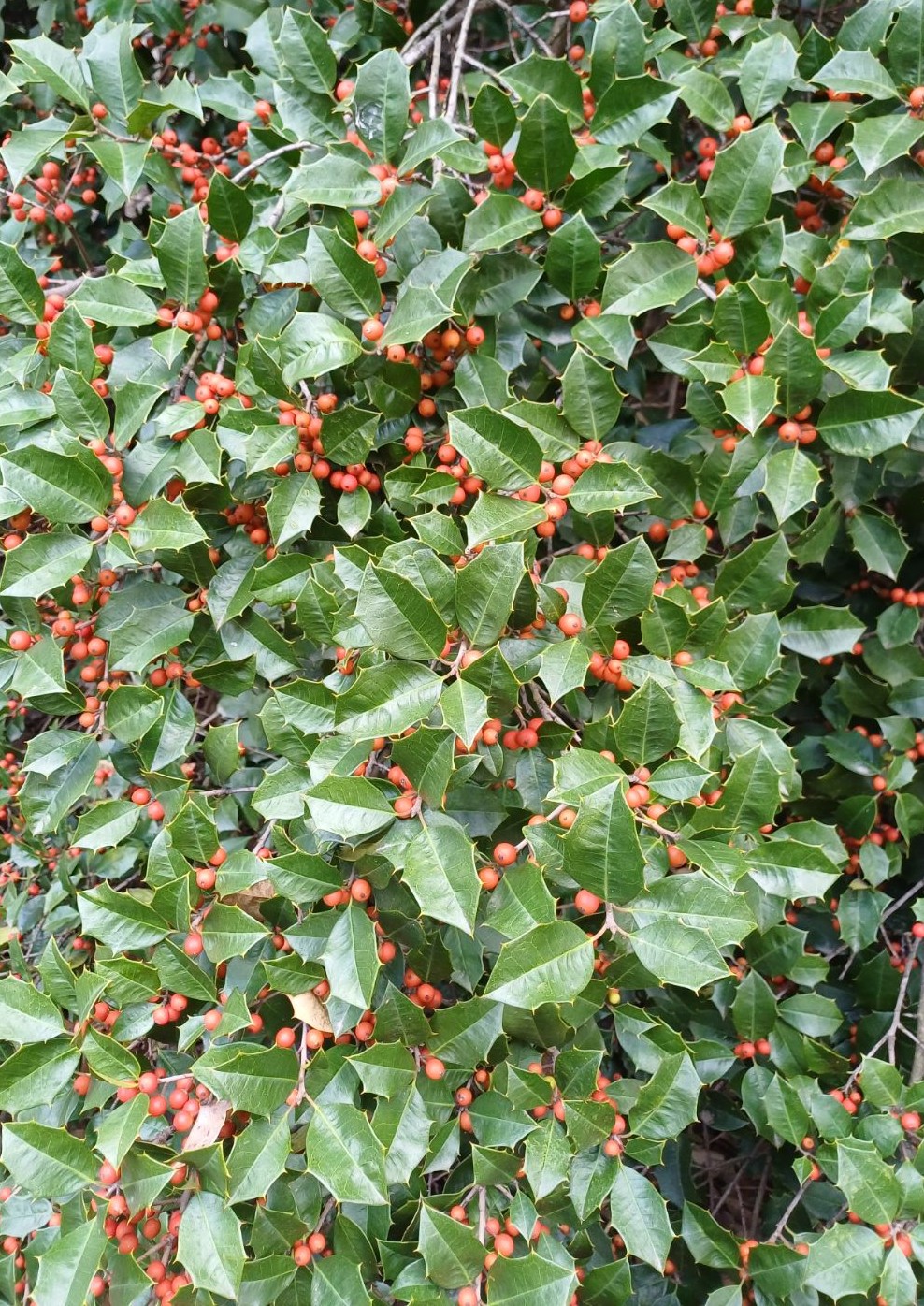
Holly
Ilex Tourn. ex L.
This page covers Holly species, cultivated hybrids, and named cultivars in the genus Ilex, especially ornamental and wild plants commonly encountered by pets and livestock.
Frequently encountered species and hybrids include:
Ilex opaca Aiton — American Holly
Ilex aquifolium L. — English or European Holly
Ilex cornuta Lindl. & Paxton — Chinese or Horned Holly
Ilex crenata Thunb. — Japanese Holly
Ilex verticillata (L.) A.Gray — Winterberry
Ilex glabra (L.) A.Gray — Inkberry or Gallberry
Ilex vomitoria Aiton — Yaupon Holly
Ilex cassine L. — Dahoon Holly
Ilex decidua Walter — Possumhaw
Ilex montana Torr. & A.Gray ex A.Gray — Mountain Holly
Ilex paraguariensis A.St.-Hil. — Yerba Mate
Ilex × attenuata Ashe — Topel Holly, commonly represented by ‘Foster’ hybrids
Ilex × meserveae S.Y.Hu — Meserve, Blue, or Cold-Hardy Holly hybrids
The genus contains hundreds of additional accepted species. Their chemistry, fruit color, leaf armament, growth form, and veterinary evidence are not identical, so species identification remains important.
Aquifoliaceae Bercht. & J.Presl — Holly Family
Order: Aquifoliales
Holly; Hollies; Holly Tree; Holly Shrub; Christmas Holly; Christmas Berry; Evergreen Holly; Deciduous Holly; Winter Holly; Prickly Holly; Thorny Holly; Ilex; Ilex Species; Ilex spp.; American Holly; White Holly; Yule Holly; Ilex opaca; English Holly; European Holly; Common Holly; Oregon Holly; Ilex aquifolium; Chinese Holly; Horned Holly; Ilex cornuta; Japanese Holly; Box-Leaved Holly; Sky Pencil Holly; Soft Touch Holly; Ilex crenata; Winterberry; Common Winterberry; Black Alder; Fever Bush; Michigan Holly; Ilex verticillata; Inkberry; Gallberry; Appalachian Tea; Evergreen Winterberry; Ilex glabra; Yaupon; Yaupon Holly; Cassina; Cassena; Black Drink Plant; Ilex vomitoria; Dahoon; Dahoon Holly; Ilex cassine; Possumhaw; Possumhaw Holly; Ilex decidua; Mountain Holly; Mountain Winterberry; Ilex montana; Yerba Mate; Yerba Maté; Mate; Maté; Paraguay Tea; Ilex paraguariensis; Guayusa; Wayusa; Ilex guayusa; Blue Holly; Meserve Holly; Cold-Hardy Holly; Blue Princess; Blue Prince; China Girl; China Boy; Castle Spire; Castle Wall; Ilex × meserveae; Foster Holly; Foster’s Holly; Topel Holly; Ilex × attenuata
American Holly, White Holly, and Yule Holly refer to Ilex opaca.
English Holly, European Holly, Common Holly, and Oregon Holly refer to Ilex aquifolium. “Oregon Holly” reflects the species’ naturalized presence and horticultural use in the Pacific Northwest and should not be confused with Oregon Grape Holly.
Chinese Holly and Horned Holly refer to Ilex cornuta.
Japanese Holly, Box-Leaved Holly, Sky Pencil Holly, and Soft Touch Holly refer to Ilex crenata. Sky Pencil and Soft Touch are cultivar names rather than separate species.
Winterberry, Common Winterberry, Black Alder, Fever Bush, and Michigan Holly refer to Ilex verticillata.
Inkberry, Gallberry, Appalachian Tea, and Evergreen Winterberry refer to Ilex glabra.
Yaupon, Yaupon Holly, Black Drink Plant, and Ilex vomitoria identify a caffeine-containing North American Holly.
Dahoon and Dahoon Holly refer to Ilex cassine. The names “Cassina” and “Cassena” have been applied inconsistently to both Yaupon and Dahoon Holly. Modern chemical research confirms caffeine in Yaupon but did not corroborate older caffeine reports for Dahoon Holly.
Possumhaw and Possumhaw Holly refer to Ilex decidua.
Mountain Holly and Mountain Winterberry refer to Ilex montana.
Yerba Mate, Yerba Maté, Mate, Maté, Paraguay Tea, and Ilex paraguariensis identify a caffeine-containing South American beverage species.
Guayusa, Wayusa, and Ilex guayusa identify another caffeine-containing South American Holly species.
Blue Holly, Meserve Holly, Cold-Hardy Holly, Blue Princess, Blue Prince, China Girl, China Boy, Castle Spire, Castle Wall, and similar names identify Ilex × meserveae hybrids and cultivars rather than separate species.
Foster Holly, Foster’s Holly, Topel Holly, and similar Foster cultivar names generally refer to selections associated with Ilex × attenuata.
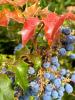
Oregon Grape Holly and Holly-Leaved Barberry refer to Mahonia aquifolium, not a true Holly in the genus Ilex.
False Holly usually refers to Osmanthus heterophyllus.
Sea Holly refers to Eryngium species.
Holly Fern refers to Cyrtomium species.
Hollyhock is Alcea rosea.
Brazilian Holly, Australian Holly, and other regional names may refer to unrelated plants or to particular Ilex species. The common name “Holly” alone is not sufficient for exact toxicologic identification.
Saponins Are the Best-Supported Shared Concern
Triterpenoid saponins are the best-supported shared toxic constituents among many commonly encountered Holly species. These compounds contain a water-compatible sugar portion joined to a lipid-compatible triterpene structure. Their amphipathic, detergent-like properties allow concentrated saponins to interact with cell membranes.
When an animal chews or swallows Holly fruit or foliage, the mouth, esophagus, stomach, and intestines are exposed directly to the plant mixture. The expected syndrome is therefore primarily irritant: excessive drooling, repeated swallowing, nausea, vomiting, abdominal discomfort, diarrhea, appetite loss, lethargy, and depression.
The genus contains hundreds of species, and no single saponin profile applies to all of them. A general Holly page should describe a broadly supported risk while avoiding claims that every species, cultivar, plant part, or fruit contains the same compounds at the same concentrations.
Direct Evidence from American Holly and Winterberry Fruit
A comparative study of ripe American Holly, Ilex opaca, and Winterberry, Ilex verticillata, confirmed saponins and phenolics as major classes of fruit secondary metabolites. The concentration differed between species, among individual plants, and between collection years.
American Holly fruit was more persistent and contained more phenolics but less saponin and soluble carbohydrate than Winterberry fruit in the tested populations. This variability helps explain why one shrub, season, or fruit cluster should not be used to create a universal toxic-fruit count.
Separate exact-species work also isolated saponins and triterpenes from American Holly. These studies support the gastrointestinal-warning language for American Holly without establishing a dog, cat, horse, or livestock lethal dose.
Japanese Holly Fruit Saponins
Fresh Japanese Holly fruit, Ilex crenata, contains multiple pentacyclic triterpenoid saponins. Separate investigations isolated several groups of compounds named ilexosides from the fruit.
Japanese Holly usually has comparatively small, soft, or finely toothed leaves and dark fruit. It therefore presents less rigid-leaf puncture risk than English, American, or Chinese Holly, but its fruit should not be treated as chemically inert.
Chinese Holly Saponins
Chinese Holly, Ilex cornuta, contains numerous triterpenoid saponins in its aerial tissues. Direct studies have isolated both newly characterized and previously known ursane- and oleanane-related glycosides.
The stiff horn-like points produced by many Chinese Holly cultivars create a substantial mechanical hazard in addition to the chemical exposure. Oral cuts or a lodged leaf may be more clinically important than the quantity of saponin swallowed during some incidents.
Fruit Is the Most Common Chemical Exposure
Holly fruits are conspicuous, persistent, easily detached, and commonly swallowed. Botanically, they are drupes rather than true berries. Each consists of pulp and skin surrounding several hard seed-bearing stones.
Fruit may be red, orange, yellow, white, purple, brown, or nearly black. Color does not establish safety. Winterberry cultivars may have red, orange, or yellow fruit, while Japanese Holly and Inkberry commonly have dark fruit.
Fruit composition changes during development and differs among species and individual plants. No universal statement that ripe fruit is always more or less toxic than green fruit can be applied to the entire genus.
Leaves, Bark, Stems, Roots, and Flowers
Saponins, triterpenes, phenolics, and other defensive compounds occur in several Holly tissues, but organ-specific concentrations vary by species. Leaves and twigs should therefore remain unsuitable for deliberate animal consumption even when fruit is absent.
Drying, freezing, pruning, storm damage, or incorporation into a wreath does not establish that plant material has become harmless. Cut branches may remain chemically irritating and mechanically sharp.
A concentrated tea, tincture, powder, capsule, extract, or herbal preparation can deliver much more chemical material than one fruit or small leaf bite.
English Holly Menisdaurin Is Not a Proven Cyanide Syndrome
A nitrile-containing glucoside was isolated from ripe English Holly fruit and initially described as cyanogenic. Structural reinvestigation revised the compound’s identity to menisdaurin.
This chemistry should not be converted into a public claim that ordinary English Holly ingestion predictably releases a clinically important cyanide dose. Rapid breathing, seizures, cherry-red blood, or sudden collapse after a minor Holly exposure should prompt investigation for another plant, medication, pesticide, decoration component, or medical emergency.
Menisdaurin is species-specific evidence from English Holly and should not be assigned automatically to American Holly, Winterberry, Japanese Holly, or every member of the genus.
Caffeine Occurs in Particular Holly Species
Comparative metabolomic analysis confirmed purine alkaloids in Yaupon Holly, Yerba Mate, and Guayusa. These beverage species can contain caffeine and related methylxanthines in their leaves.
Yaupon leaf caffeine varies with plant biology and growing conditions. Yerba Mate leaves and prepared products also contain caffeine, with the final exposure affected by leaf concentration, processing, extraction, serving size, and repeated infusion.
Dahoon Holly has sometimes been associated historically with caffeinated “cassina” preparations, but modern comparative analysis did not corroborate caffeine in tested Ilex cassine. Caffeine should not be assigned automatically to Dahoon or to ornamental hollies as a group.
A meaningful Yaupon, Yerba Mate, or Guayusa leaf, tea, powder, energy product, extract, or supplement exposure may cause restlessness, agitation, repeated vomiting, excessive thirst, rapid breathing, tachycardia, arrhythmias, tremors, hyperthermia, seizures, or collapse.
Sharp Leaves Are a Species-Dependent Mechanical Hazard
Not every Holly has sharp foliage. English, American, Chinese, Meserve, and several hybrid or cultivated hollies may produce rigid leaves with spine-tipped marginal teeth. Japanese Holly, Inkberry, Winterberry, Yaupon, and Dahoon generally have softer, smaller, finely toothed, or spineless leaves.
Rigid leaf points can cut or puncture the lips, gums, tongue, palate, throat, eyelids, cornea, paws, or skin. A leaf may lodge across the roof of the mouth or behind the teeth, while a twig may become trapped within the pharynx or esophagus.
Mechanical trauma is independent of chemical toxicity. A pet may swallow very little plant material but still require sedation and removal of a lodged leaf, treatment of a corneal ulcer, or repair of a deeper puncture.
Holiday Decorations and Mixed Exposures
Fresh, dried, and artificial Holly decorations may contain florist wire, staples, pins, hooks, ribbon, string, floral foam, adhesive, glitter, paint, artificial snow, preservatives, flame retardants, plastic fruit, lights, electrical cords, button batteries, or other small components.
Mixed greenery may contain Yew, Mistletoe, Ivy, Bittersweet, Nandina, Pine, Cedar, Juniper, Jerusalem Cherry, or other plants with very different toxic mechanisms.
A decoration-associated emergency should never be evaluated solely as Holly saponin exposure. The complete arrangement and every missing component must be inventoried.
Artificial Holly
Artificial Holly contains no natural saponins, but detachable plastic fruit, wire stems, foam, staples, paint, glitter, string, lights, and batteries can cause choking, oral injury, obstruction, perforation, caustic burns, or electrical injury.
Vomiting after an artificial decoration exposure does not prove that no serious foreign material remains in the digestive tract.
No Dependable Safe Dose
No universal safe fruit count, leaf amount, saponin concentration, caffeine dose for an unidentified product, or toxic threshold has been established for every dog, cat, horse, livestock animal, rabbit, bird, or other species.
A few fruits from a common low-toxicity ornamental Holly often cause no signs or temporary gastrointestinal upset. Risk still depends on exact species, animal size, amount swallowed, individual sensitivity, prior disease, sharp foliage, product concentration, co-ingredients, and foreign materials.
Expected Gastrointestinal Signs
The most likely effects after an animal eats fruit or foliage from an ordinary ornamental Holly are excessive drooling, lip licking, repeated swallowing, nausea, vomiting, abdominal discomfort, intestinal cramping, diarrhea, reduced appetite, lethargy, and depression.
Signs may begin within several hours. A dog may pace, eat grass, stretch repeatedly, assume a hunched posture, or resist abdominal handling. A cat may hide, crouch, vomit, refuse food, groom less, or become unusually quiet.
One or two fruits may cause no visible illness. Repeated access, a large fruit cluster, substantial foliage, concentrated extracts, a small patient, or preexisting gastrointestinal disease increases concern.
Vomiting, Diarrhea, and Dehydration
Vomiting and diarrhea are usually self-limiting after a limited ornamental exposure, but repeated fluid loss can cause dry or tacky gums, sunken eyes, reduced urination, weakness, rapid heart rate, electrolyte disturbance, cool extremities, poor circulation, or collapse.
An animal that vomits whenever it drinks cannot correct significant dehydration through unrestricted water access alone. Injectable anti-nausea medication and professionally directed fluid therapy may be necessary.
Repeated fresh blood, coffee-ground vomit, black stool, substantial bloody diarrhea, pale gums, severe abdominal pain, or collapse is not expected after one minor fruit exposure and requires prompt assessment.
Mouth and Throat Injuries
Rigid Holly leaves may cause immediate mouth pain, head shaking, lip smacking, pawing at the face, bleeding, reluctance to eat, drooling, gagging, coughing, or painful swallowing.
A leaf lodged across the palate or behind the teeth can cause continuous salivation and repeated unsuccessful swallowing. A pointed twig or decoration component may become trapped farther back in the mouth, pharynx, or esophagus.
Blood in saliva, a changed bark or meow, neck extension, regurgitation, coughing after drinking, inability to handle saliva, or refusal to open the mouth requires controlled examination rather than blind removal attempts.
Eye Injuries
A pointed leaf, twig, florist wire, hook, or decoration fragment can scratch or penetrate the cornea, eyelid, or deeper structures around the eye.
Possible signs include tearing, rapid blinking, squinting, conjunctival redness, eyelid swelling, discharge, cloudiness, blood, rubbing, light sensitivity, or apparent visual difficulty.
A penetrating object should not be pulled at home. Even a superficial-looking corneal injury can deepen or become infected without appropriate examination and treatment.
Choking and Gastrointestinal Foreign Bodies
Fruit clusters, hard stones, stiff leaves, twigs, artificial fruit, florist foam, wire, hooks, ribbon, string, plastic, batteries, and other decoration material can cause choking or obstruction independently of plant chemistry.
Frantic pawing, inability to inhale, blue-gray gums, collapse, or complete airway obstruction is an immediate emergency.
Persistent vomiting, abdominal enlargement, reduced stool, straining, worsening pain, or symptoms recurring after temporary improvement may indicate retained foreign material within the stomach or intestine.
Linear material such as ribbon, string, or wire protruding from the mouth or rectum should not be pulled without veterinary direction.
Caffeine and Methylxanthine Signs
Yaupon Holly, Yerba Mate, Guayusa, and their concentrated teas, powders, extracts, energy products, or supplements can produce a stimulant syndrome distinct from ordinary ornamental Holly irritation.
Signs may include restlessness, pacing, agitation, repeated vomiting, excessive thirst, increased urination, rapid breathing, tachycardia, abnormal heart rhythm, hypertension, tremors, hyperthermia, weakness, seizures, or collapse.
These findings should also prompt investigation for chocolate, coffee, caffeine tablets, energy drinks, nicotine, decongestants, stimulant medication, or a mixed herbal product.
Dogs and Cats
Dogs most commonly develop drooling, vomiting, diarrhea, abdominal discomfort, appetite reduction, or mild depression. Dogs are also likely to swallow entire fruit clusters, twigs, decorations, or artificial components.
Cats may lip-smack, repeatedly swallow, hide, vomit, refuse food, or become quiet. Cats climbing into holiday greenery may sustain eye injuries or ingest ribbon, string, wire, artificial snow, or preservative-contaminated arrangement water.
Prolonged appetite refusal is particularly important in cats because continued fasting can create additional metabolic complications.
Horses and Livestock
Horses cannot vomit and may instead develop salivation, reduced appetite, oral pain, abdominal discomfort, diarrhea, depression, or weakness after substantial ingestion.
Cattle, sheep, goats, and other livestock may show reduced intake, gastrointestinal discomfort, diarrhea, or depression after eating hedge clippings, storm debris, fruiting branches, or discarded decorations.
Several affected animals or severe illness requires examination of all available forage, water, chemicals, landscape waste, and other plants. Ordinary low-level Holly irritation should not be used to explain sudden herd collapse or major neurologic disease without investigation.
Rabbits, Guinea Pigs, Birds, and Other Animals
Rabbits and guinea pigs may stop eating, produce fewer fecal pellets, develop abdominal discomfort, diarrhea, or gastrointestinal stasis after ingesting irritating plant material.
Companion birds may develop regurgitation, abnormal droppings, appetite loss, weakness, fluffed posture, tremors, or altered behavior. Wild-bird use of Holly fruit does not establish safety for a captive bird species.
Reptiles and other exotic animals require species-specific advice because digestive physiology and plant tolerance differ substantially.
Signs Suggesting Another or Additional Exposure
Profound paralysis, severe incoordination, respiratory failure, jaundice, kidney failure, uncontrolled bleeding, prolonged coma, or rapid multisystem deterioration is not the expected syndrome after a small exposure to a common ornamental Holly.
These findings require investigation for Yew, Mistletoe, Nandina, Bittersweet, Jerusalem Cherry, Nightshade, medication, pesticide, battery contents, electrical injury, another holiday plant, or unrelated disease.
Expected Course and Prognosis
Brief drooling, nausea, vomiting, loose stool, or mild depression often improves within several hours. More substantial gastrointestinal irritation may continue for one or two days and require veterinary anti-nausea treatment or fluids.
Prognosis is good to excellent after most limited ornamental exposures. Recovery becomes more complicated with dehydration, caffeine intoxication, aspiration, a corneal injury, airway trauma, batteries, sharp objects, or gastrointestinal obstruction.
A Large and Chemically Diverse Genus
Ilex is a cosmopolitan genus in the Aquifoliaceae containing more than 570 accepted species. Hollies occur as evergreen and deciduous shrubs, trees, and less commonly climbing or scrambling woody plants.
The genus includes compact foundation shrubs, tall forest trees, fruiting winter ornamentals, traditional beverage species, tropical plants, and numerous cultivated hybrids. No single leaf shape, fruit color, or toxin list represents all of them.
Leaves, Flowers, and Fruit
Holly leaves are simple and alternate. They may be tiny or several inches long, glossy or dull, soft or leathery, spineless, finely toothed, or strongly armed with rigid marginal points.
Flowers are commonly small, pale, and inconspicuous. Many hollies are functionally dioecious, meaning that separate male and female plants are normally needed for a full fruit crop, although reproductive behavior varies among species and hybrids.
Only female plants normally produce the familiar fruits after compatible pollination. The fruit is a drupe containing several hard stones rather than one botanical berry containing free seeds.
Fruit can be red, orange, yellow, white, purple, brown, or black. A true Holly does not need red fruit or sharp evergreen leaves.
American Holly
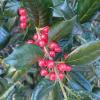
American Holly, Ilex opaca, is an evergreen tree native to eastern and central North America. Its leaves are generally dull to moderately glossy and commonly bear several sharp marginal spines.
Female trees produce persistent red fruit. Direct chemical research confirms saponins and triterpenes in the species and saponins in its ripe fruit.
The combination of gastrointestinal irritation and rigid foliage makes American Holly particularly relevant to pets encountering fruiting branches, hedge clippings, or holiday greenery.
English Holly
English or European Holly, Ilex aquifolium, is native to Europe, northwestern Africa, and southwestern Asia and has naturalized beyond that range.
Its glossy evergreen foliage may be strongly undulating and spiny, particularly on lower or younger growth. Upper foliage on mature trees may be less heavily armed.
English Holly is widely used in winter decorations. Menisdaurin has been identified in its ripe fruit, but the compound’s history as a supposedly cyanogenic glycoside should not be used to predict routine cyanide poisoning.
Chinese and Meserve Hollies
Chinese Holly, Ilex cornuta, commonly produces stiff leaves with several prominent horn-like points. Cultivars vary widely in size, shape, and armament.
Exact-species research confirms multiple triterpenoid saponins in its aerial tissues. Its rigid leaves also create one of the more substantial oral and eye-injury risks within commonly cultivated hollies.
Meserve or Blue Hollies are cultivated hybrids selected for cold tolerance and ornamental foliage. Many retain stiff spine-tipped leaves and persistent fruit and should be assessed according to the actual branch and cultivar rather than the hybrid-group name alone.
Japanese Holly and Inkberry
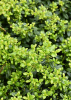
Japanese Holly, Ilex crenata, is an evergreen East Asian shrub or small tree with small leaves and dark fruit. It is frequently mistaken for Boxwood and includes cultivars such as ‘Sky Pencil’ and ‘Soft Touch.’
Its foliage is usually less mechanically hazardous than English or Chinese Holly, but direct fruit studies have isolated numerous triterpenoid saponins.
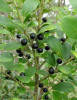
Inkberry, Ilex glabra, is an evergreen North American shrub with comparatively soft foliage and black fruit. It lacks the dramatic spines associated with traditional Christmas Holly but should not be used as animal forage.
Winterberry and Other Deciduous Hollies
Winterberry, Ilex verticillata, is a deciduous North American shrub whose abundant fruit remains conspicuous after the leaves fall. Fruit colors include red, orange, and yellow.
Direct chemical comparison with American Holly confirmed saponins and phenolics in Winterberry fruit. Concentrations varied among individual plants and years.
Possumhaw and Mountain Holly are also deciduous. Leafless winter stems covered in fruit may not resemble the evergreen Holly image familiar to an owner, but they remain true Ilex plants.
Yaupon Holly
Yaupon, Ilex vomitoria, is an evergreen southeastern North American Holly whose leaves naturally contain caffeine and related purine alkaloids.
Indigenous communities developed carefully prepared Yaupon beverages within specific cultural settings. The scientific name’s reference to vomiting does not mean that an ordinary raw leaf is a predictable emetic, and historical ceremonial effects cannot be separated from preparation, volume, fasting, context, and possible additional ingredients.
Raw leaves, homemade extracts, concentrated tea, powdered products, and human energy preparations should not be given to animals.
Yerba Mate and Guayusa
Yerba Mate, Ilex paraguariensis, and Guayusa, Ilex guayusa, are South American caffeinated beverage hollies. Their dried leaves, powders, teas, extracts, beverages, capsules, and energy products may contain medically meaningful caffeine concentrations.
These products may also contain sugar, xylitol, chocolate, guarana, herbs, alcohol, flavorings, preservatives, or medications. The complete ingredient panel is more important than the word “Holly” alone.
Dahoon Holly and the Cassina Name
Dahoon Holly, Ilex cassine, is a separate southeastern North American species. The common names cassina and cassena have been applied historically to both Dahoon and Yaupon.
Modern comparative metabolomic research confirmed caffeine in Yaupon but did not corroborate caffeine in tested Dahoon Holly. A common-name overlap should therefore not be converted into identical chemistry.
Plants Incorrectly Called Holly
Oregon Grape Holly or Holly-Leaved Barberry is Mahonia aquifolium, an unrelated member of the barberry family. False Holly is commonly Osmanthus heterophyllus.
Sea Holly refers to Eryngium, Holly Fern to Cyrtomium, and Hollyhock to Alcea rosea. Australian Holly, Brazilian Holly, and other regional names may refer to additional unrelated plants.
These plants should not be assigned Ilex saponin or caffeine toxicology based solely on a common name.
Holiday Decorations and Mixed Greenery
Holly is incorporated into wreaths, garlands, swags, centerpieces, church greenery, cemetery arrangements, fireplace displays, floral gifts, and gift wrapping.
Fruit and leaves may detach as branches dry. Dogs may chew an entire branch, while cats may climb to an elevated arrangement or bat fruit and decoration pieces onto the floor.
Mixed arrangements may contain Yew, Mistletoe, Ivy, Bittersweet, Nandina, Pine, Cedar, Juniper, artificial foliage, and chemically treated materials. The most dangerous ingredient may not be the Holly.
Arrangement Water and Preservatives
Water beneath cut greenery may contain sap, decaying plant material, bacteria, fertilizer, floral preservative, sugar, bleach-like disinfectants, dyes, or residues from other plants.
It should remain inaccessible even when the Holly itself is considered low in chemical toxicity. The exact preservative packet or ingredient label should accompany an animal exposed to the water.
Wildlife Use Does Not Establish Pet Safety
Holly fruit provides food for songbirds, wild turkeys, deer, squirrels, and other wildlife. Evergreen crowns also provide shelter and nesting habitat.
Wild animals differ from pets and livestock in digestive physiology, metabolism, body size, feeding rate, and dietary adaptation. A bird eating several fruits over time is not equivalent to a dog swallowing an entire fruiting branch, stones, wire, and ribbon.
Diagnosis
No routine laboratory test confirms general Holly ingestion or measures a clinically meaningful saponin dose. Diagnosis depends on exact plant or product identification, the amount and material swallowed, symptoms, and examination for mouth, throat, eye, airway, stimulant, and foreign-body complications.
Useful evidence includes the entire plant, representative leaves, fruit, flowers, bark, nursery label, photographs, decoration packaging, vomited material, ingredient panels, and an inventory of every missing nonplant component.
Bloodwork may be appropriate after persistent vomiting, diarrhea, dehydration, weakness, blood, or concentrated product exposure. Electrocardiography, blood-pressure measurement, temperature monitoring, electrolyte testing, and neurologic assessment may be needed after caffeine exposure.
Radiographs, ultrasound, contrast imaging, endoscopy, or surgery may be required when wire, ribbon, string, foam, artificial fruit, hooks, batteries, twigs, or other foreign material may have been swallowed.
Prevention and Prognosis
Identify the Holly species, keep fruiting branches beyond realistic climbing and jumping range, collect fallen fruits and leaves, and prevent livestock access to hedge clippings and storm debris.
Inspect decorations for exposed wire, loose fruit, hooks, batteries, cords, and other detachable components. Secure arrangement water and preservative packets.
Place discarded greenery directly into a closed waste container rather than on a porch, floor, curb, open compost pile, paddock, kennel, rabbit enclosure, or poultry run.
Most limited exposures to common ornamental hollies have a good to excellent prognosis. Risk increases with dehydration, stimulant poisoning, airway or eye injury, batteries, sharp foreign material, aspiration, and obstruction.
Immediate Steps After Holly Exposure
- Stop further access. Move the animal away from the tree, shrub, fallen fruit, leaves, branches, hedge clippings, wreath, garland, centerpiece, arrangement water, and discarded greenery.
- Identify the species or product. Preserve representative leaves, fruit, flowers, bark, the nursery label, photographs, beverage packaging, supplement bottle, or complete decoration.
- Estimate what is missing. Record the approximate number of fruits, amount of foliage, missing twig sections, animal’s size, and earliest and latest possible exposure time.
- Check for a caffeinated exposure. Determine whether the material was Yaupon, Yerba Mate, Guayusa, Holly tea, powdered leaves, an extract, energy product, supplement, or beverage.
- Inventory the decoration. Check for missing wire, staples, pins, hooks, ribbon, string, florist foam, artificial fruit, glitter, paint, artificial snow, batteries, lights, preservatives, or other plants.
- Remove only loose visible material. Carefully lift fruit, leaves, or decoration fragments resting freely at the lips or front of the mouth.
- Check for injury. Look for blood, cuts, punctures, lodged leaves, broken spines, or painful areas involving the lips, gums, tongue, palate, and visible front of the mouth.
- Contact veterinary help. Obtain guidance after a substantial ingestion, uncertain species, repeated symptoms, mouth or eye injury, suspected foreign-material ingestion, stimulant signs, or any serious abnormality.
Do Not Attempt Unsupervised Home Treatment
Do not induce vomiting automatically. Most ornamental Holly exposures cause limited gastrointestinal irritation, while vomiting can drag sharp leaves, twigs, wire, hooks, plastic, or other material back through the esophagus and throat.
- Do not use hydrogen peroxide, salt, mustard, ipecac, detergent, dish soap, oil, or manual gagging.
- Never use hydrogen peroxide as a feline emetic.
- Never attempt to induce vomiting in a horse.
- Do not induce vomiting in an animal that is already vomiting, gagging, weak, uncoordinated, trembling, seizuring, collapsed, breathing abnormally, or unable to swallow normally.
- Do not give activated charcoal routinely. It is generally unnecessary after a minor ornamental exposure and may be aspirated.
- Do not force milk, oil, bread, food, water, or electrolyte products. These substances do not neutralize saponins or caffeine.
- Do not administer diphenhydramine, antidiarrheals, antacids, bismuth products, pain relievers, sucralfate, acid suppressants, heart medication, or leftover prescriptions automatically.
Mouth and Throat Injuries
Persistent head shaking, pawing at the mouth, crying, bleeding, food refusal, repeated swallowing, drooling, gagging, coughing, regurgitation, or a changed bark or meow may indicate a cut or lodged object.
Remove only material resting freely at the front of the mouth. Do not perform a blind finger sweep or pull firmly embedded leaves, twigs, wire, ribbon, string, or hooks.
Give nothing by mouth when the animal cannot swallow normally, repeatedly gags, regurgitates, or has breathing difficulty.
Veterinary examination may require sedation, inspection beneath the tongue and across the palate, pharyngeal examination, radiographs, or endoscopy.
Airway Emergency
Frantic pawing, inability to inhale, repeated unsuccessful gagging, noisy breathing, open-mouth breathing in a cat, blue-gray gums, loss of consciousness, or collapse requires immediate emergency care.
Do not delay transport while repeatedly attempting to reach a deeply lodged object. Blind removal can push material farther into the airway or cause additional trauma.
Veterinary treatment may require oxygen, sedation or anesthesia, laryngoscopy, endoscopic removal, intubation, assisted ventilation, or emergency airway access.
Eye Exposure and Injury
If loose plant material, sap, glitter, artificial snow, soil, or preservative enters an eye, flush gently with sterile saline or clean lukewarm water for at least 15 to 20 minutes.
- Do not rub the eye.
- Prevent pawing. Use safe restraint or an Elizabethan collar when available.
- Do not remove an embedded object. A leaf point, twig, hook, or wire penetrating the eye should be stabilized during transport.
- Do not use human redness drops or leftover eye medication. Steroid-containing medication can worsen an undiagnosed corneal ulcer.
Persistent squinting, tearing, redness, cloudiness, discharge, eyelid swelling, blood, light sensitivity, or apparent vision loss requires prompt veterinary examination.
When Emergency Examination Is Required
- Airway or swallowing difficulty: Continuous gagging, choking behavior, inability to swallow saliva, abnormal breathing, blue-gray gums, or collapse requires immediate care.
- Persistent gastrointestinal illness: Repeated vomiting, inability to retain water, frequent diarrhea, blood, black stool, or severe abdominal pain requires examination.
- Dehydration: Dry or tacky gums, sunken eyes, reduced urination, rapid heart rate, weakness, cool extremities, or collapse requires fluid assessment.
- Eye injury: Continuing pain, squinting, cloudiness, bleeding, swelling, discharge, or visual difficulty requires treatment.
- Possible foreign body: Missing wire, ribbon, string, foam, artificial fruit, hooks, plastic, batteries, lights, or large twig sections may require imaging or removal.
- Possible caffeine poisoning: Marked restlessness, tachycardia, irregular heartbeat, tremors, hyperthermia, seizures, or collapse after Yaupon, Yerba Mate, Guayusa, tea, extract, powder, or supplement exposure requires urgent care.
- Atypical systemic signs: Paralysis, respiratory failure, jaundice, kidney abnormalities, uncontrolled bleeding, coma, or rapid deterioration suggests another or additional exposure.
Gastrointestinal and Hydration Monitoring
Record every vomiting and diarrhea episode and note whether fruit, leaves, twigs, blood, coffee-ground material, black stool, ribbon, wire, foam, plastic, batteries, or another plant appears.
Small voluntary amounts of fresh water may be available when the animal is fully alert, swallowing normally, and not repeatedly vomiting. Do not syringe or pour water into the mouth.
Monitor appetite, gum moisture, activity, urination, abdominal comfort, breathing, and ability to stand. Continued food refusal is especially important in cats, rabbits, guinea pigs, and other small animals.
An animal that repeatedly vomits after drinking may require injectable anti-nausea medication and subcutaneous or intravenous fluids.
Caffeine-Containing Holly or Product Exposure
Bring the exact Yaupon, Yerba Mate, Guayusa, beverage, tea, powder, capsule, extract, energy product, or supplement packaging to the clinic.
Record the product concentration, container size, amount missing, preparation method, and every additional ingredient. Check specifically for chocolate, coffee, guarana, xylitol, nicotine, alcohol, decongestants, medications, and other stimulants.
Veterinary decontamination may include professional emesis in a fully alert, stable, asymptomatic dog after a sufficiently recent exposure. Activated charcoal may be considered for selected caffeine exposures when the patient can protect its airway.
Treatment may include intravenous fluids, electrocardiographic monitoring, blood-pressure measurement, temperature management, control of tremors or seizures, veterinarian-selected antiarrhythmic medication, correction of electrolyte abnormalities, oxygen, and intensive observation.
Professional Emesis and Activated Charcoal
Professional emesis may be considered only after a meaningful recent ingestion in a fully alert, stable, asymptomatic dog that can protect its airway and did not swallow sharp leaves, stiff twigs, wire, hooks, ribbon, batteries, glass, or another dangerous object.
Activated charcoal is generally unnecessary after a few ornamental Holly fruits. It may be considered after a substantial concentrated-product or caffeine exposure when potential benefit outweighs aspiration and gastrointestinal risks.
Charcoal must not be forced into an animal that is vomiting, gagging, weak, sedated, trembling, seizuring, collapsed, or unable to swallow normally.
Veterinary Examination and Treatment
The veterinarian may examine the lips, gums, tongue, palate, pharynx, eyes, hydration, abdomen, breathing, blood pressure, heart rhythm, temperature, neurologic status, and possible foreign-material exposure.
Persistent vomiting may be treated with veterinarian-selected antiemetics such as maropitant or ondansetron. Subcutaneous or intravenous fluids may correct dehydration and electrolyte losses.
Sucralfate or acid-reducing medication may be considered when repeated vomiting, blood, painful swallowing, esophagitis, or documented mucosal injury indicates a need for gastrointestinal protection. These medications are not Holly antidotes.
Bloodwork may evaluate hydration, electrolytes, glucose, blood-cell measurements, kidney and liver values, blood proteins, and abnormalities related to a co-ingredient or another disease.
Foreign-Body Diagnosis and Removal
Radiographs, ultrasound, contrast imaging, endoscopy, or surgery may be needed when wire, ribbon, string, foam, artificial fruit, twigs, hooks, batteries, or other material may have been swallowed.
Some plant material, plastic, foam, ribbon, and thin wire may not be obvious on every routine radiograph. Persistent clinical signs may justify additional imaging or endoscopic evaluation despite an inconclusive initial study.
Do not pull string, ribbon, wire, or plant fiber protruding from the mouth or rectum unless a veterinarian has determined that traction is safe.
Battery and Electrical Hazards
Chewed or swallowed batteries can cause caustic tissue injury, heavy-metal exposure, electrical burns, obstruction, or perforation. Button batteries are especially dangerous when lodged against moist tissue.
Unplug damaged light strings before approaching them. Oral burns, drooling, coughing, breathing difficulty, seizures, collapse, or an electrical injury requires immediate veterinary care.
Do not induce vomiting after battery ingestion.
Horses and Livestock
Remove horses and livestock from standing Holly, hedge clippings, fallen branches, storm debris, discarded arrangements, and contaminated forage. Supply safe hay, feed, and clean water.
Do not force water, oil, charcoal, feed, or medication into a weak, colicky, coughing, bloated, recumbent, seizuring, or poorly swallowing animal.
Large-animal evaluation may include oral examination, hydration assessment, abdominal evaluation, cardiovascular monitoring, fluids, electrolyte support, and investigation of every plant and chemical available to the group.
Several affected animals or severe signs should trigger a complete feed, water, chemical, and pasture investigation rather than an assumption that low-toxicity Holly alone explains the outbreak.
Rabbits, Guinea Pigs, Birds, and Other Animals
Rabbits and guinea pigs require prompt care for appetite loss, reduced fecal output, abdominal enlargement, tooth grinding, diarrhea, or lethargy. They should not receive dog or cat emesis instructions.
Birds and other exotic animals require species-specific veterinary guidance. Do not force food, water, charcoal, or medication into a weak or poorly swallowing bird.
Recovery and Prevention
Most limited exposures to common ornamental hollies have a good to excellent prognosis. Brief drooling, nausea, vomiting, or loose stool often improves within several hours, while more substantial gastrointestinal irritation may require one or two days.
Recovery may take longer after dehydration, caffeine intoxication, corneal injury, deep throat trauma, aspiration, battery exposure, or foreign-body removal.
Keep greenery beyond realistic climbing and jumping range, collect fallen fruit immediately, identify caffeine-containing species, inspect decorations for exposed wire and loose components, and secure arrangement water and preservative packets.
Place discarded Holly directly into a closed waste container rather than leaving it on a floor, porch, curb, compost pile, paddock, kennel, rabbit enclosure, or poultry run.
Frequently Asked Questions About Holly and Animal Poisoning
How poisonous are common ornamental hollies to dogs and cats?
Most commonly cultivated ornamental hollies have relatively low chemical toxicity. Their saponins can cause drooling, nausea, vomiting, diarrhea, abdominal discomfort, appetite reduction, lethargy, and depression. The more serious risks often involve dehydration, rigid leaf spines, a lodged twig, foreign material from a decoration, or an incorrectly identified plant rather than predictable organ failure from a few fruits.
Does direct research confirm saponins in Holly fruit?
Yes. Researchers measured saponins as major secondary metabolites in ripe American Holly and Winterberry fruit. Multiple individual triterpenoid saponins have also been isolated from Japanese Holly fruit, while saponins and triterpenes have been identified in American Holly and Chinese Holly tissues. The particular compounds and concentrations differ among species and individual plants.
How many Holly fruits can poison a dog or cat?
No universal safe or toxic count exists. A few fruits from a common low-toxicity ornamental Holly often cause no signs or temporary stomach upset. The assessment changes with exact species, animal size, quantity, fruit chemistry, attached twigs, sharp foliage, repeated vomiting, underlying disease, and whether wire, ribbon, foam, batteries, or another plant was swallowed at the same time.
Are Holly fruits actually berries?
Botanically, they are drupes. The colored pulp surrounds several hard seed-bearing stones. This distinction does not make them safe, but the stones and attached stems can add to the physical burden when an animal swallows an entire fruit cluster.
Does English Holly cause cyanide poisoning?
A compound from ripe English Holly fruit was initially described as a cyanogenic glucoside but was later structurally revised as menisdaurin. Available evidence does not justify presenting an ordinary English Holly exposure as a predictable cyanide emergency. Rapid breathing, seizures, cherry-red blood, or collapse after a minor exposure requires investigation for another plant, chemical, medication, or medical condition.
Do all Holly species contain caffeine?
No. Modern comparative analysis confirmed caffeine-related purine alkaloids in Yaupon, Yerba Mate, and Guayusa. Caffeine was not corroborated in tested Dahoon Holly, despite historical overlap in the names cassina and cassena. American Holly, English Holly, Winterberry, Inkberry, Japanese Holly, and Chinese Holly should not be described as caffeinated solely because they belong to Ilex.
What signs suggest Yaupon, Yerba Mate, or Guayusa caffeine poisoning?
Marked restlessness, pacing, repeated vomiting, excessive thirst or urination, rapid breathing, an unusually fast or irregular heartbeat, hypertension, tremors, hyperthermia, seizures, or collapse suggests a methylxanthine exposure rather than simple ornamental Holly irritation. The complete tea, powder, extract, beverage, supplement, or energy-product label is essential because additional stimulants or sweeteners may be present.
Which hollies create the greatest sharp-leaf injury risk?
English, American, Chinese, Meserve, and several hybrid or cultivated hollies may produce rigid spine-tipped foliage. Chinese Holly often has especially prominent horn-like points. Japanese Holly, Inkberry, Winterberry, Yaupon, and Dahoon generally have softer or less heavily armed leaves. The actual branch should be examined because armament varies within species and cultivars.
Can a Holly leaf become lodged in a pet’s mouth or throat?
Yes. A stiff leaf may lodge across the roof of the mouth or behind the teeth, and a pointed twig may become trapped in the pharynx or esophagus. Continuous drooling, gagging, repeated swallowing, bleeding, coughing after drinking, regurgitation, food refusal, or inability to manage saliva requires examination. Deep blind probing can push the object farther back or cause additional trauma.
Why can a Holly wreath be more dangerous than the plant itself?
Wreaths and garlands may contain wire, staples, pins, hooks, ribbon, string, florist foam, glue, glitter, paint, artificial snow, flame retardants, preservatives, batteries, lights, artificial fruit, and other poisonous plants. These materials can cause choking, puncture, obstruction, caustic injury, electrical burns, or a different poisoning syndrome. The entire decoration must be inventoried.
Is artificial Holly safe around pets?
Artificial Holly contains no natural saponins, but detachable plastic fruit, foam, wire stems, hooks, staples, glitter, paint, ribbon, lights, and batteries can be more dangerous than real foliage. Persistent vomiting after chewing an artificial decoration may indicate retained foreign material rather than temporary stomach irritation.
Why can wild birds eat Holly fruit?
Wildlife species differ from pets in digestive physiology, metabolism, natural diet, feeding rate, and adaptation. A bird may consume several fruits gradually and disperse the stones, while a dog may swallow an entire cluster with stiff twigs, wire, or ribbon. Wildlife value and low-level pet toxicity can both be true.
When is home monitoring no longer appropriate?
Direct veterinary examination is warranted for repeated vomiting or diarrhea, inability to retain water, blood, black stool, dehydration, severe abdominal pain, continued gagging, failed swallowing, mouth bleeding, eye pain, missing decoration components, marked agitation, tachycardia, tremors, seizures, breathing changes, profound weakness, or collapse. Persistent symptoms also require reassessment for another plant, caffeine product, obstruction, battery, pesticide, or incorrect identification.