Fiddle Leaf Philodendron Toxicity and Calcium Oxalate Raphide Injury
Is Fiddle Leaf Philodendron Poisonous to Dogs, Cats, Horses, and Livestock?
Yes—Fiddle Leaf Philodendron, Philodendron bipennifolium, is poisonous and intensely irritating when chewed by dogs, cats, horses, livestock, rabbits, birds, or other animals. Exact-species anatomical research has confirmed bundles of insoluble calcium oxalate raphides and several other crystal forms in its mature leaves. Crushing the plant can release needle-shaped crystals that penetrate the lips, gums, tongue, mouth, throat, skin, or eyes.
Most brief chewing exposures cause immediate localized pain, profuse drooling, pawing at the mouth, gagging, vomiting, or difficulty swallowing rather than systemic oxalate poisoning. Rapidly increasing tongue or throat swelling, inability to swallow saliva, repeated vomiting, apparent eye injury, or any noisy or difficult breathing requires urgent veterinary care.
About this guide: This page provides general pet-poisoning information and cannot diagnose or treat an individual animal. For any suspected exposure, contact a veterinarian or animal poison-control service immediately. Do not induce vomiting, give medication, or attempt home decontamination unless directed by a veterinary professional.
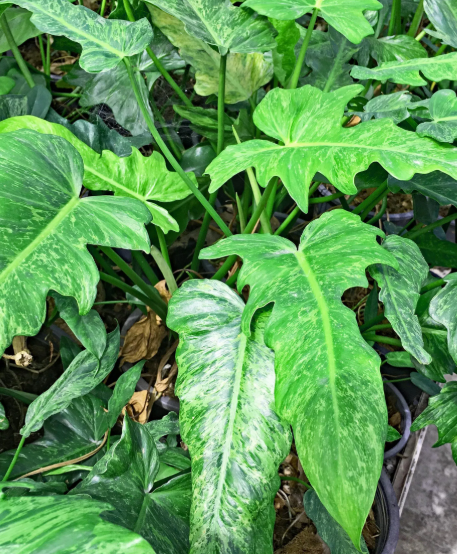
Fiddle Leaf Philodendron
Philodendron bipennifolium Schott
Accepted botanical synonym:
- Philodendron wayombense A.M.E.Jonker & Jonker
Important name exclusions:
- Philodendron bipinnatifidum Schott ex Endl. is a separate species with a similar-looking name.
- Philodendron panduriforme Schott is a separate species and should not be treated as a synonym merely because its leaves may also be fiddle-shaped.
- Philodendron hederaceum (Jacq.) Schott, including plants historically labeled Philodendron oxycardium, is the Heartleaf Philodendron and is not this species.
- Ficus lyrata Warb. is the unrelated Fiddle-Leaf Fig.
Araceae
Fiddle Leaf Philodendron; Fiddleleaf Philodendron; Fiddle-Leaf Philodendron; Horsehead Philodendron; Horse-Head Philodendron; Horse Head Philodendron; Violin Philodendron; Violin-Leaf Philodendron; Saddle Leaf Philodendron; Saddleleaf Philodendron; Saddle-Leaf Philodendron; Geigenblatt-Philodendron; Philodendron bipennifolium; Philodendron wayombense
Fiddle Leaf Philodendron should not be confused with Fiddle-Leaf Fig, Ficus lyrata. The fig is a woody latex-producing member of Moraceae, while Philodendron bipennifolium is a climbing aroid with aerial roots and calcium oxalate crystals.
Heartleaf Philodendron, Cordatum, and Philodendron oxycardium normally refer to Philodendron hederaceum or historical names associated with that species. They are not exact synonyms of Philodendron bipennifolium.
Split-Leaf Philodendron may refer to Monstera deliciosa or Philodendron bipinnatifidum. Fruit Salad Plant normally refers to Monstera deliciosa. These plants share an insoluble-calcium-oxalate hazard but are botanically separate.
Panda Plant is highly ambiguous and more commonly refers to Kalanchoe tomentosa. It should not be used as a dependable synonym for Fiddle Leaf Philodendron.
Philodendron panduriforme and Philodendron bipinnatifidum are separate botanical species despite occasional horticultural mislabeling and similar leaf-shape terminology.
Calcium Oxalate Crystals Confirmed in the Exact Species
The defining toxic constituents of Fiddle Leaf Philodendron are insoluble calcium oxalate crystals. Exact-species anatomical research examined mature leaves of Philodendron bipennifolium and confirmed several crystal forms in its petioles, leaf blades, and midribs, including raphides, druses, styloids, and simple prisms.
Raphides are the crystal form most important to acute animal exposure. They are elongated microscopic needles packed together within specialized plant cells. In the exact-species study, spindle-shaped raphide-bearing cells in P. bipennifolium reached approximately 152.7 micrometers in length, and packed crystal bundles reached approximately 131.8 micrometers long and 24.5 micrometers wide. These measurements describe microscopic anatomy, not a toxic dose.
Druses are rounded aggregates of many crystals, styloids are elongated pencil-like crystals, and prisms are more block-shaped. Their relative contributions to oral pain have not been quantified. The long, narrow, penetrating geometry of raphides makes them the principal concern when plant tissue is crushed against moist animal tissue.
Idioblasts and Crystal Release
Calcium oxalate crystals form within specialized cells called idioblasts. An idioblast differs from surrounding tissue in its structure and contents and may contain one densely packed raphide bundle suspended within mucilage.
Chewing, crushing, cutting, or snapping the plant disrupts these cells. Crystals and sap are released into saliva and onto the lips, gums, tongue, palate, pharynx, skin, or ocular surface. The animal may receive thousands of microscopic punctures before it drops the plant.
Some aroid idioblasts have specialized shapes that help direct crystals outward when pressure changes within the tissue. The exact release mechanics of every idioblast type in P. bipennifolium have not been experimentally demonstrated, but the confirmed leaf anatomy provides a direct structural basis for the expected oral-irritation syndrome.
Needle Shape Versus Chemical Co-Toxins
The injury is not equivalent to poisoning by freely soluble oxalic acid. The mineral crystal’s physical shape is central: sharp raphides penetrate and abrade tissue, create microscopic channels, and increase exposure of deeper tissue to plant sap.
Experiments with other raphide-bearing plants have shown that raphides can intensify the effects of coexisting proteases through a “needle effect.” Related Araceae research has also found that isolated raphides may remain strongly irritating even when no unique toxin coating can be demonstrated on their surface.
No exact-species study has identified a particular cysteine protease, trypsin-like enzyme, histamine-releasing protein, or kinin-forming enzyme as the principal toxin of Philodendron bipennifolium. It is therefore accurate to say that sap and other constituents may intensify local inflammation, but inaccurate to present a named proteolytic enzyme as conclusively established in this species.
Insoluble Oxalates Are Different from Soluble Oxalates
The calcium oxalate in Fiddle Leaf Philodendron is organized largely as insoluble crystals that remain at the point of contact. This differs from soluble oxalate salts that can be absorbed from the gastrointestinal tract, bind circulating calcium, cause systemic hypocalcemia, and contribute to renal crystal deposition.
An ordinary Philodendron chewing exposure is not expected to cause the classic soluble-oxalate syndrome of profound hypocalcemia, widespread muscle fasciculation, tetany, cardiac instability, or primary oxalate nephrosis.
Kidney abnormalities can occur secondarily if repeated vomiting, inability to drink, aspiration, shock, or another illness causes dehydration or poor perfusion. Their presence should not be interpreted automatically as direct systemic absorption of the plant’s raphides.
Which Plant Parts Are Hazardous?
Leaves and petioles have direct exact-species crystal evidence. Climbing stems, aerial roots, underground roots, developing shoots, sap, inflorescences, fruiting structures, and propagation cuttings should also be treated as unsafe because they are living aroid tissues and no study has established a crystal-free or pet-safe part.
The concentration and crystal morphology may differ among organs and stages of growth. A quick bite of a thin leaf margin may deliver less crushed tissue than prolonged chewing of a thick petiole or stem, but no comparative toxic-dose study has quantified that difference.
Freshly cut propagation material is particularly important because exposed internal tissue releases sap without requiring the animal to chew through an intact outer surface. Cut stems, trimmed aerial roots, discarded leaves, and sap-covered moss or paper towels remain hazards after they are separated from the parent plant.
Fresh, Wilted, and Dried Material
Wilting or drying does not dissolve calcium oxalate crystals. A dry leaf may release less liquid sap, but crushing it can still expose an animal to rigid mineral particles and plant fibers.
Cooking, soaking, fermentation, or processing can alter the irritancy of certain edible aroids, but no validated household treatment makes Fiddle Leaf Philodendron safe for pets. The plant should never be offered as food, forage, browse, or chewing enrichment.
No Established Toxic Dose
No dependable leaf count, stem length, plant weight, crystal concentration, or gram-per-kilogram toxic dose has been established for Philodendron bipennifolium in dogs, cats, horses, livestock, rabbits, or birds.
Severity depends on how forcefully and how long the tissue was chewed, the part involved, the amount of sap released, tissue contacted, animal size, swallowing ability, pre-existing airway disease, and whether another substance such as fertilizer, pesticide, moss-pole material, or foreign debris was swallowed.
Immediate Oral Pain and Defensive Behavior
Clinical signs usually begin while the plant is being chewed or within minutes. The animal may abruptly drop the leaf, cry out, shake the head, run from the plant, rub the muzzle against the floor, paw at the mouth, lick the lips repeatedly, or resist anyone attempting to examine the face.
Drooling may become profuse and stringy. Saliva can soak the chin, chest, front legs, bedding, or floor. The lips, gums, tongue, palate, and visible oral mucosa may become reddened, tender, or swollen.
Small punctate erosions, abrasions, localized bleeding, vesicle-like lesions, or ulcers may develop after extensive chewing. Plant fibers may remain beneath the tongue, between teeth, or against the gums and prolong irritation.
Gagging, Vomiting, and Painful Swallowing
Repeated swallowing, gagging, retching, coughing, nausea, and vomiting may follow oral exposure. Vomiting can result from swallowed fibers, pharyngeal irritation, gagging, pain, or gastric contact with plant tissue.
Odynophagia means painful swallowing. Dysphagia means mechanically or neurologically difficult swallowing. An exposed animal may approach water or food, attempt to take it, and then drop it because moving the tongue or pharynx is painful.
Other swallowing signs include coughing while drinking, food falling from the mouth, repeated neck extension, holding the mouth partly open, nasal reflux, abnormal tongue movement, or inability to swallow saliva. A hoarse bark, altered meow, weak vocalization, or reluctance to vocalize may reflect painful oral or pharyngeal movement.
Tongue, Pharyngeal, and Upper-Airway Swelling
Most exposures remain localized and do not obstruct the airway. Nevertheless, edema can progress after the plant is dropped as inflammatory fluid accumulates in the tongue, floor of the mouth, pharynx, or laryngeal region.
Warning signs include increasing tongue size, continuous drooling because saliva cannot be swallowed, stertor, stridor, wheezing, harsh inspiration, open-mouth breathing, repeated neck extension, panic, blue-gray gums, weakness, or collapse.
Severe airway cases are much better documented after exposure to other highly irritating aroids such as Dieffenbachia than after exact-species Fiddle Leaf Philodendron exposure. Those related cases demonstrate that airway obstruction is biologically possible; they do not prove that it commonly follows one Philodendron leaf nibble.
Gastrointestinal and Foreign-Material Complications
Transient vomiting, reduced appetite, soft stool, diarrhea, or abdominal discomfort may occur. These signs are usually secondary to oral distress and swallowed plant material rather than systemic calcium depletion.
Large pieces of petiole, stem, aerial root, coir, sphagnum moss, wooden support, plastic ties, wire, decorative stones, or potting material may create choking or gastrointestinal obstruction independently of the plant crystals.
Persistent vomiting, repeated unproductive retching, abdominal enlargement, severe pain, absent or reduced stool, blood in vomit, black stool, or inability to retain water requires evaluation for deeper mucosal injury, aspiration, or a swallowed foreign body.
Skin and Fur Exposure
Sap on the skin may cause burning, redness, itching, localized swelling, or irritant dermatitis. Contact is more likely after pruning, propagation, snapped stems, or an unstable climbing plant falling onto an animal.
Sap transferred to the paws or coat may later reach the mouth or eyes during grooming. Persistent licking, chewing at the paws, facial rubbing, redness between the toes, or a contact-pattern rash may be the first sign when no one witnessed the plant damage.
Eye Exposure
Sap or crushed plant material entering an eye can cause immediate pain, tearing, squinting, redness, eyelid spasm, conjunctival swelling, light sensitivity, cloudiness, or reduced vision.
Exact-species Fiddle Leaf Philodendron ocular case reports are lacking. Closely related aroid exposures have produced corneal epithelial defects, crystalline deposits, stromal inflammation, keratitis, and prolonged pain. Calcium oxalate particles may remain within the cornea after loose surface contamination has been rinsed away.
Continued squinting, corneal haze, discharge, apparent blindness, unequal pupils, or persistent rubbing after irrigation requires prompt veterinary examination.
Kidney, Liver, and Neurologic Findings
Primary kidney failure, systemic hypocalcemia, seizures, coma, and major cardiac abnormalities are not the recognized expected effects of ordinary Fiddle Leaf Philodendron chewing. These findings require investigation for another toxin, mistaken plant identity, severe dehydration, hypoxia, aspiration, medication exposure, metabolic disease, or concurrent illness.
A 2026 report described a cat that developed anorexia, jaundice, increased liver-enzyme activities, and hyperbilirubinemia after suspected ingestion of an unidentified Philodendron. The plant was not identified as P. bipennifolium, and direct causation was not proven. The authors considered unidentified phytochemicals and secondary hepatic lipidosis from prolonged anorexia among the explanations.
This case supports checking liver values when a cat remains anorexic, jaundiced, or systemically ill. It does not justify listing direct liver failure as the routine calcium oxalate syndrome.
Dogs, Cats, Horses, Livestock, Rabbits, and Birds
Dogs and cats are the most likely household patients. Puppies may bite a thick stem or pull down the climbing support, while cats may chew elevated leaves or dangling aerial roots.
Horses and livestock are unlikely to encounter the plant as normal forage but may be exposed when greenhouse waste, houseplants, landscaping debris, or frost-damaged material is discarded into an enclosure. Horses cannot vomit and may instead show salivation, mouth pain, feed refusal, repeated swallowing, colic, or difficulty drinking.
Rabbits and guinea pigs may stop eating because of oral pain. Reduced food intake and fecal production require prompt care because gastrointestinal stasis can become serious. Birds may shred plant tissue and expose the tongue, choana, glottis, face, and eyes; swelling in a small avian airway can become critical quickly.
Expected Course and Prognosis
Mild oral pain and drooling often begin improving within several hours once further exposure stops. Appetite may remain reduced through the remainder of the day or longer when the tongue or oral mucosa is substantially inflamed.
The prognosis is good to excellent when breathing and swallowing remain normal. It becomes more serious with progressive swelling, dehydration, persistent vomiting, esophageal injury, aspiration, corneal ulceration, airway compromise, or ingestion of foreign support material.
Accepted Identity and Natural Range
Fiddle Leaf Philodendron is the accepted species Philodendron bipennifolium Schott. Its recognized botanical synonym is Philodendron wayombense A.M.E.Jonker & Jonker.
The species is native from southern Venezuela through northern and eastern Brazil and grows primarily in wet tropical forest. It is a climbing or hemiepiphytic aroid rather than a self-supporting woody shrub.
A hemiepiphytic plant maintains part of its life cycle in contact with a supporting tree or other vertical structure while using aerial or ground-connected roots. Cultivated plants reproduce that growth pattern by climbing poles, planks, trellises, walls, or greenhouse supports.
Mature Leaves and Ontogenetic Change
Mature leaf blades develop anterior and posterior divisions that create the horsehead, fiddle, violin, or saddle outline behind the common names. Botanical descriptions report substantial variability in the size and proportions of the mature blade.
Young plants may have much simpler, narrower, or weakly lobed leaves. Leaf shape changes as the plant matures, climbs, anchors itself, and produces larger adult foliage. A juvenile plant may therefore look unlike photographs of a mature specimen without being a different species.
This developmental change is one reason nursery stock is frequently mislabeled. Identification should consider the climbing stem, nodes, petioles, aerial roots, mature leaf form, and inflorescence rather than relying on one juvenile leaf.
Stems, Nodes, Aerial Roots, and Inflorescences
The plant develops jointed climbing stems with distinct nodes. Leaves, buds, and aerial roots emerge from the nodal regions. Older stem portions may become firmer and more brown or gray while remaining capable of producing roots and new shoots.
Aerial roots attach the vine to bark, moss poles, wood, coir, or other surfaces. They may also hang freely and attract cats, puppies, birds, or other animals that investigate moving or string-like objects.
The inflorescence consists of a central spadix surrounded by a modified leaf called a spathe. Flowering is uncommon in ordinary indoor conditions but more likely in mature greenhouse or tropical landscape plants. Flowers and later fruiting tissue should not be treated as safe merely because household exposures usually involve leaves.
Fiddle Leaf Philodendron Versus Fiddle-Leaf Fig
Fiddle-Leaf Fig is Ficus lyrata in Moraceae. It is a woody tree or shrub with large simple violin-shaped leaves and irritating white latex.
Fiddle Leaf Philodendron is a climbing aroid with nodes, aerial roots, a spadix-and-spathe inflorescence, and calcium oxalate crystals. The plants share a common-name description but are unrelated and should have separate poison entries.
Other Commonly Confused Aroids
Heartleaf Philodendron is Philodendron hederaceum, historically sold under names including Philodendron oxycardium. It has simple heart-shaped leaves and is not a synonym of Fiddle Leaf Philodendron.
Philodendron bipinnatifidum has a confusingly similar spelling but is a different species with deeply divided, self-supporting or trunk-forming growth. Its older horticultural name Selloum also remains common.
Fruit Salad Plant and one use of Split-Leaf Philodendron usually refer to Monstera deliciosa. Monstera develops perforations and splits in mature leaves and belongs to a different aroid lineage.
Philodendron panduriforme is another separate species whose name refers to a fiddle-shaped or pandurate blade. Similar leaf terminology does not establish botanical synonymy.
Exact-Species Crystal Anatomy
A study of nineteen Philodendron taxa directly examined mature P. bipennifolium leaves. The investigators documented calcium oxalate crystals in the petiole, lamina, and midrib and recorded raphides, druses, styloids, and prisms.
The direct anatomical evidence is important because many houseplant poison pages repeat genus-level statements without checking whether the featured species was actually examined. In this case, the principal raphide hazard is supported by exact-species microscopy.
The study did not feed the plant to animals, determine a toxic dose, compare juvenile and adult plants, or measure every organ. Anatomy establishes the presence and form of crystals; it does not predict the severity of every exposure.
What Older Exposure Studies Show
A poison-center review reported 127 human Philodendron exposures. Only one patient developed brief lip swelling, supporting the conclusion that most small exploratory ingestions are localized and self-limiting rather than routinely fatal.
A 1978 study administered minced leaves of the plant then called Philodendron oxycardium to three cats at approximately 2.8, 5.6, and 9.1 grams per kilogram. The cats did not develop acute clinical signs or gross or microscopic lesions attributable to the exposure.
That study involved a different Philodendron and a very small number of animals. It cannot establish a safe dose for P. bipennifolium, and artificial administration of minced material does not perfectly reproduce chewing intact tissue, which mechanically discharges crystals into the mouth.
The 2026 Suspected Feline Hepatopathy Report
A 2026 case report described a cat with anorexia, lethargy, jaundice, increased liver-enzyme activities, and hyperbilirubinemia after suspected ingestion of an unidentified Philodendron. The cat recovered after prolonged supportive gastrointestinal and hepatic management.
The plant was identified only to the genus, no plant toxin was measured, and abdominal ultrasonography or liver biopsy was not performed. The authors specifically acknowledged that another cause could not be excluded and that oral pain and reduced food intake may have contributed to secondary hepatic lipidosis.
The report is clinically valuable because cats that stop eating can develop complications beyond the initial mouth injury. It does not demonstrate that Fiddle Leaf Philodendron contains a primary liver toxin or that ordinary chewing routinely damages the liver.
Climbing Supports and Mixed Exposures
A pet may ingest more than the plant. Moss poles can contain sphagnum moss, coir fiber, plastic mesh, wire, glue, wood, fertilizer residue, mold, or insecticide. Plant ties and clips can become foreign bodies.
A dog pulling down a climbing specimen may swallow stem pieces, moss, potting soil, fertilizer granules, decorative stones, or part of the support. Persistent vomiting or abdominal signs should therefore not be attributed automatically to raphides.
Pruning and Propagation Risk
Propagation usually involves cutting a stem below or around a node. The fresh wound exposes sap and crystal-bearing internal tissue. Every viable cutting may remain hazardous while rooting in water, moss, perlite, or potting medium.
Discarded leaves, aerial roots, stem sections, damp paper towels, gloves, knives, pruning shears, counters, floors, and rooting containers can transfer sap. Pets should remain outside the work area until all debris and contaminated rinse water have been removed.
Diagnosis
There is no routine blood test that confirms Fiddle Leaf Philodendron exposure. Diagnosis depends on the damaged plant, rapid onset of oral signs, examination of the mouth and pharynx, and exclusion of another toxin or foreign body.
Useful evidence includes the complete plant, nursery label, mature and juvenile leaves, photographs of the climbing stem and aerial roots, cuttings, support-pole material, pot contents, vomited fragments, and any pesticide or fertilizer packaging.
Severe oral pain may prevent a complete awake examination. Sedation or anesthesia may be needed to inspect beneath the tongue, remove retained material, assess deeper swelling, or examine the larynx safely.
Laboratory testing may evaluate dehydration, electrolyte abnormalities, kidney perfusion, liver values, inflammation, and competing illness. Marked hypocalcemia, primary kidney failure, or jaundice should broaden the investigation rather than being accepted automatically as the expected raphide syndrome.
Persistent respiratory signs after vomiting may require thoracic imaging. Continued vomiting or evidence of swallowed support material may require abdominal radiographs, ultrasound, endoscopy, or surgery.
Prevention
Securing only the pot is insufficient. Cats may climb furniture to reach elevated leaves, and dogs may pull down a pole by grabbing a low leaf, aerial root, or stem.
Use a stable container and support, remove dangling aerial roots from pet reach, block access routes, collect fallen material, and propagate only in a closed pet-inaccessible area.
In a home with a persistent plant-chewing cat, puppy, rabbit, bird, or other animal, removal and replacement with a genuinely pet-safer plant is more dependable than repeated correction or supervision.
Immediate Steps After Fiddle Leaf Philodendron Exposure
- Stop further chewing. Move the animal away from leaves, petioles, stems, aerial roots, underground roots, inflorescences, propagation cuttings, and contaminated support material.
- Determine what was damaged. Establish whether the animal nibbled a leaf edge, crushed a thick petiole or stem, chewed an aerial root, or pulled down the plant and swallowed pot or pole material.
- Remove only loose visible fragments. If the animal is calm, alert, breathing normally, and swallowing normally, use gloves, damp gauze, or a damp cloth to lift plant material resting at the lips or front of the mouth.
- Wipe accessible oral surfaces gently. A damp cloth can be used on the lips, front gums, and front of the tongue when this can be done without force. Do not scrape irritated tissue.
- Do not reach blindly into the throat. Deep examination can worsen distress, push material farther back, interfere with breathing, or result in a bite injury.
- Prevent grooming after sap exposure. Keep the animal from licking contaminated fur or paws until they have been washed.
- Preserve the evidence. Save the plant label, photographs, a leaf and stem sample, the damaged cutting, and any missing support material or product packaging.
- Monitor breathing and swallowing continuously. Do not leave an animal unattended when tongue swelling, repeated gagging, voice change, or difficulty swallowing is present.
Do Not Induce Vomiting or Give Home Antidotes
- Do not induce vomiting. Do not use hydrogen peroxide, salt, mustard, syrup of ipecac, detergent, dish soap, manual gagging, or fingers in the throat.
- Vomiting cannot remove embedded crystals. The principal injury has already occurred in the lips, mouth, and pharynx before swallowed plant material reaches the stomach.
- Do not give activated charcoal at home. Charcoal does not extract calcium oxalate needles from tissue and can be aspirated when swallowing is painful or impaired.
- Do not give milk, yogurt, cottage cheese, ice cream, oil, bread, or food as an antidote. These products do not dissolve or neutralize embedded raphides and may be inhaled if dysphagia or swelling is developing.
- Do not force water. Pouring or syringing water toward the throat can cause aspiration in a gagging, swollen, weak, panicked, or poorly swallowing animal.
- Do not give owner-selected antihistamines or corticosteroids. They do not remove the crystals, may delay airway examination, and require species-appropriate veterinary selection.
- Do not give human pain relievers, antacids, anti-diarrheal drugs, sucralfate, or leftover medication. The wrong medication may worsen gastrointestinal, kidney, liver, or airway complications.
When Emergency Examination Is Required
- Breathing is changing. Stridor, stertor, wheezing, harsh inspiration, open-mouth breathing, neck extension, blue-gray gums, increasing respiratory effort, weakness, or collapse requires immediate emergency care.
- Swelling is increasing. Progressive enlargement of the tongue, lips, floor of the mouth, throat, or face can precede airway obstruction.
- Saliva cannot be swallowed. Continuous drooling, pooling saliva, repeated gagging, coughing while swallowing, or inability to drink indicates clinically important dysphagia.
- Vomiting is persistent. Repeated vomiting, inability to retain water, blood in vomit, marked lethargy, or abdominal pain requires evaluation.
- The eye was exposed. Continued squinting, pain, redness, cloudiness, discharge, or apparent visual difficulty after irrigation warrants prompt examination.
- A support or foreign material may be missing. Wire, plastic ties, coir, sphagnum moss, wood, stones, fertilizer, or pieces of the pot may require imaging or removal.
- A cat stops eating. Persistent anorexia requires prompt care because oral pain can lead to dehydration and secondary metabolic complications.
Skin, Paw, and Fur Decontamination
Wear gloves and prevent grooming. Wash contaminated skin, paws, and fur with mild liquid soap and generous lukewarm water. Work away from the eyes and mouth and rinse thoroughly.
Do not use alcohol, peroxide, bleach, essential oils, solvents, or abrasive cleaners. Remove contaminated collars, harnesses, bedding, or towels until they have been washed.
Persistent redness, swelling, pain, blistering, open skin, or continued licking and chewing requires veterinary examination.
Eye Exposure
Begin irrigation immediately with sterile saline or clean lukewarm water. Flush continuously and gently for at least 15–20 minutes, allowing runoff to drain away from the other eye and mouth.
Do not rub the eye or attempt to remove embedded particles with fingers, tweezers, gauze, or a cotton swab. Do not use milk, soap, peroxide, contact-lens cleaner, human redness-relief drops, or leftover eye medication.
Prevent pawing with an Elizabethan collar when one is readily available and can be placed without delaying irrigation or transport. Continued pain, squinting, cloudiness, discharge, abnormal pupils, or impaired vision requires prompt veterinary care.
Veterinary Oral and Airway Examination
The veterinarian will assess respiratory effort, oxygenation, mucous-membrane color, tongue and pharyngeal swelling, ability to handle saliva, voice changes, hydration, lung sounds, and aspiration risk.
The lips, gums, tongue, floor of the mouth, and visible pharynx may be examined for retained plant material, punctate erosions, ulcers, hemorrhage, or edema. Sedation or anesthesia may be necessary when pain prevents safe and complete examination.
Progressive swelling may require intravenous access, oxygen, continuous respiratory monitoring, and preparation for controlled endotracheal intubation. Advanced airway intervention is rarely required after Philodendron exposure, but it should not be delayed when airflow is deteriorating.
Pain, Inflammation, and Nausea Control
Veterinary analgesia may be needed when oral pain prevents drinking, eating, grooming, or rest. Medication selection should account for hydration, kidney and liver function, gastrointestinal injury, species, and swallowing safety.
Antihistamines or corticosteroids may be considered when clinically important edema is present, but their benefit depends on the mechanism and timing of the inflammation. Neither medication removes raphides or replaces airway observation.
Persistent vomiting or retching may be treated with a veterinarian-selected antiemetic after obstruction, retained plant material, and useful diagnostic procedures have been considered.
Hydration, Nutrition, and Gastrointestinal Care
Intravenous fluids may be required when oral pain prevents drinking, vomiting causes fluid loss, or dehydration is already present. Subcutaneous fluids may be appropriate only in selected stable patients.
Food and water should be withheld temporarily when dysphagia, repeated gagging, severe swelling, sedation, vomiting, or airway instability makes oral intake unsafe.
Once swallowing is normal and pain and nausea are controlled, water and an appropriate soft diet may be reintroduced gradually. Force-feeding is inappropriate in a painful, nauseated, weak, sedated, or poorly swallowing animal.
Gastrointestinal protectants may be considered when painful swallowing, hematemesis, melena, esophagitis, or erosive gastric injury is documented or strongly suspected. They are not routine raphide antidotes.
Professional Gastrointestinal Decontamination
Routine emesis, activated charcoal, and gastric lavage are generally not useful because the principal injury occurs during chewing and the plant’s immediate pain usually limits ingestion.
A veterinarian may manage a different or mixed exposure when the animal also swallowed fertilizer, pesticide, medication, potting material, a toxic support treatment, or another plant. The decontamination plan should address the complete exposure rather than the Philodendron alone.
Imaging, endoscopy, or surgery may be necessary when stem pieces, wire, plastic ties, wood, stones, or another foreign body was swallowed.
Veterinary Eye Treatment
The eye may require additional irrigation, fluorescein staining, magnified corneal examination, eyelid eversion, and assessment of pupil function and intraocular pressure when appropriate.
Treatment may include veterinary ocular analgesia, lubrication, topical antimicrobial medication when an epithelial defect creates infection risk, and an Elizabethan collar.
Topical corticosteroids require ophthalmic judgment and should not be used blindly when an untreated corneal ulcer, infection, or impaired epithelial healing may be present.
Fine corneal particles or inflammation may persist after the surface has been irrigated. Follow-up should continue until pain resolves, the corneal epithelium is intact, and vision remains normal.
Dogs and Cats
A dog or cat that took one brief bite, immediately dropped the plant, and remains able to breathe and swallow normally often has a favorable outcome. Close observation is still appropriate because inflammation can progress after the initial contact.
Persistent drooling, vomiting, reduced appetite, hiding, facial rubbing, or reluctance to drink warrants veterinary guidance. Cats that remain anorexic require particular attention because secondary hepatic complications can develop from prolonged food refusal.
Horses, Livestock, Rabbits, and Birds
Horses and livestock should be removed from greenhouse waste, houseplants, landscaping debris, and frost-damaged material. Horses cannot vomit and should never receive an emetic.
Rabbits and guinea pigs with drooling, reduced appetite, tooth grinding, reduced fecal output, or abnormal quietness require prompt care because oral pain can precipitate gastrointestinal stasis.
Birds may expose the tongue, choana, glottis, face, and eyes while shredding plant tissue. Keep an affected bird quiet, do not force-feed or syringe water, and obtain avian veterinary care promptly when swelling, respiratory effort, or eye pain is present.
Prognosis and Recovery
The prognosis is good to excellent after most brief exposures. Mild drooling and mouth discomfort often begin improving within several hours.
Moderate oral inflammation may interfere with eating or drinking for a day or longer and may require pain control or fluids. Recovery is longer when ulcers, esophagitis, aspiration, foreign-body ingestion, or corneal injury occurs.
The prognosis becomes guarded when airway swelling, prolonged hypoxia, aspiration pneumonia, severe dehydration, persistent anorexia, or another toxic exposure complicates the case.
Frequently Asked Questions About Fiddle Leaf Philodendron and Animal Poisoning
Has calcium oxalate actually been demonstrated in Philodendron bipennifolium, or is the warning based only on related plants?
It has been demonstrated directly. Microscopic examination of mature P. bipennifolium leaves documented calcium oxalate raphides, druses, styloids, and prisms in the petiole, lamina, and midrib. The exact-species evidence therefore supports the raphide warning independently of general statements about the Araceae family.
Is Philodendron wayombense a different poisonous plant?
No. It is currently treated as a heterotypic botanical synonym of Philodendron bipennifolium. A plant or herbarium record carrying that older name refers to the same accepted species. It should not be confused with Philodendron panduriforme, which remains a separate species.
Why does the spelling bipennifolium matter?
Philodendron bipennifolium and Philodendron bipinnatifidum are separate species. The latter name has been associated with Tree Philodendron or Selloum and differs in growth form and mature leaf division. Search engines, nursery labels, and handwritten tags frequently substitute one spelling for the other, so the complete name should be checked before identification is considered settled.
Do the druses, styloids, and prisms cause the same injury as raphides?
Not necessarily. All are forms of calcium oxalate, but their geometry differs. Raphides are long needle-like crystals capable of puncturing moist tissue, while druses are rounded aggregates and prisms are more block-like. Exact contributions from each crystal type have not been measured in exposed animals. The clinical warning centers on raphides because their penetrating shape is best suited to producing immediate oral trauma.
Are proteolytic enzymes proven toxins in Fiddle Leaf Philodendron?
No particular protease has been established as the principal toxin of this exact species. Research in other raphide-bearing plants shows that needle-shaped crystals can intensify the effects of a coexisting protease, while other Araceae studies suggest that crystal shape itself can account for substantial irritation. It is reasonable to recognize a possible contribution from sap constituents, but not to name a specific enzyme as confirmed without exact-species evidence.
How can one small bite cause so much drooling and distress?
The animal does not need to absorb a systemic poison before reacting. Crushing one area of the leaf can discharge many microscopic crystal needles directly into highly sensitive oral tissue. Immediate pain triggers salivation, gagging, pawing, head shaking, and refusal to continue chewing. The visible reaction may therefore appear disproportionate to the amount swallowed.
Can the airway worsen after the animal has already dropped the plant?
Yes. Mechanical injury occurs during chewing, but inflammatory fluid can continue accumulating afterward. A pet that initially has only drooling may later develop increasing tongue or pharyngeal swelling. Inability to swallow saliva, voice change, stridor, neck extension, or increasing respiratory effort requires emergency examination even when the original bite was brief.
Why are milk, yogurt, or ice cream not recommended as first aid?
They do not dissolve or neutralize calcium oxalate crystals already embedded in tissue. More importantly, an animal developing dysphagia or pharyngeal swelling may inhale food or liquid into the lungs. Gentle removal of loose visible material, limited surface wiping when safe, airway monitoring, and veterinary pain management provide a safer response.
Can Fiddle Leaf Philodendron cause liver damage in cats?
Direct liver injury is not an established expected effect of P. bipennifolium. A 2026 report described hepatopathy after suspected ingestion of an unidentified Philodendron, but the plant species and causal toxin were not confirmed. The authors also considered secondary hepatic lipidosis caused by reduced food intake. The practical lesson is that a cat that remains anorexic or develops jaundice needs prompt veterinary testing—not that every Philodendron bite directly poisons the liver.
Can a blood calcium test determine the severity of the exposure?
No. The crystals are predominantly insoluble and produce local injury rather than the systemic calcium binding associated with soluble oxalates. Blood calcium is not expected to correlate with the degree of mouth pain or swelling. A marked calcium abnormality suggests another exposure, metabolic disorder, severe systemic illness, or laboratory issue and warrants a broader investigation.
Can normal kidney values prove that the exposure was minor?
No. Kidney values do not measure the amount of oral raphide injury. A pet can have substantial mouth or throat pain with normal kidney results. Conversely, dehydration from persistent vomiting or inability to drink may eventually affect kidney perfusion even though the crystals did not directly cause oxalate nephrosis.
Can a normal-looking mouth rule out deeper throat swelling?
No. The lips and front of the tongue may appear only mildly affected while edema or retained material is present beneath the tongue or farther back in the pharynx. Persistent drooling, repeated swallowing, gagging, voice change, or respiratory noise may justify sedated oral examination or laryngeal assessment despite modest visible lip swelling.
Why is propagation a high-risk time for exposure?
Cutting through a node or stem exposes internal crystal-bearing tissue and fresh sap. The resulting cuttings, trimmed aerial roots, discarded leaves, wet moss, knives, gloves, paper towels, and rooting containers may all remain within reach. A pet can contact more exposed sap during propagation than it would by brushing against an intact plant.
Can dried leaves or old cuttings still cause irritation?
Yes. Calcium oxalate is a mineral and does not disappear merely because tissue wilts or dries. Old material may contain less liquid sap, but crushing or chewing can still release rigid crystals and plant fibers. Dried leaves and failed propagation cuttings should be discarded securely.
Why can eye exposure last longer than mouth irritation?
The mouth continuously produces saliva and sheds superficial cells, while crystals entering the eye may abrade the corneal epithelium or become embedded within corneal tissue. Related aroid cases have produced persistent keratitis and crystalline deposits. Immediate irrigation is important, but continuing squinting or cloudiness requires veterinary examination even when no plant fragment remains visible.
Should severe seizures, coma, or kidney failure be blamed on the Philodendron?
Not automatically. These are not the established direct effects of an ordinary insoluble-calcium-oxalate exposure. Severe systemic illness should trigger confirmation of the plant identity and investigation for pesticides, medications, soluble-oxalate plants, toxic lilies, ethylene glycol, metabolic disease, hypoxia, aspiration, or another toxin.