Lord-and-Ladies Toxicity and Calcium Oxalate Injury
Is Lord-and-Ladies Poisonous to Dogs, Cats, Horses, and Livestock?
Yes—Lord-and-Ladies, Arum maculatum, is poisonous to dogs, cats, horses, livestock, rabbits, birds, and other animals. The plant contains bundles of microscopic, needle-shaped insoluble calcium oxalate crystals called raphides. Chewing or crushing the leaves, stalks, flowering structure, berries, roots, or underground tuber releases these crystals into the lips, mouth, tongue, throat, and esophagus, causing immediate burning, pain, inflammation, drooling, gagging, vomiting, and difficulty swallowing.
Most animals stop chewing rapidly because the irritation begins within moments, but a dog may gulp several berries or swallow tuber pieces before the full pain develops. Severe tongue, pharyngeal, or laryngeal swelling is uncommon but can interfere with breathing and become life-threatening. Repeated vomiting, retained plant fragments, painful swallowing, dehydration, esophageal injury, and aspiration can prolong illness beyond the initial mouth irritation.
Lord-and-Ladies primarily causes local insoluble-raphide injury rather than the systemic hypocalcemia and kidney damage associated with soluble-oxalate plants. The species also contains other biologically active material, including the cyanogenic glycoside triglochinin and tuber lectins, but their contribution to ordinary pet exposures is uncertain. Seizures, profound weakness, cardiac abnormalities, unusual mucous-membrane color, or rapid systemic collapse requires immediate investigation for a major exposure, another toxic constituent, a mixed poisoning, or incorrect plant identification.
About this guide: This page provides general pet-poisoning information and cannot diagnose or treat an individual animal. For any suspected exposure, contact a veterinarian or animal poison-control service immediately. Do not induce vomiting, give medication, or attempt home decontamination unless directed by a veterinary professional.
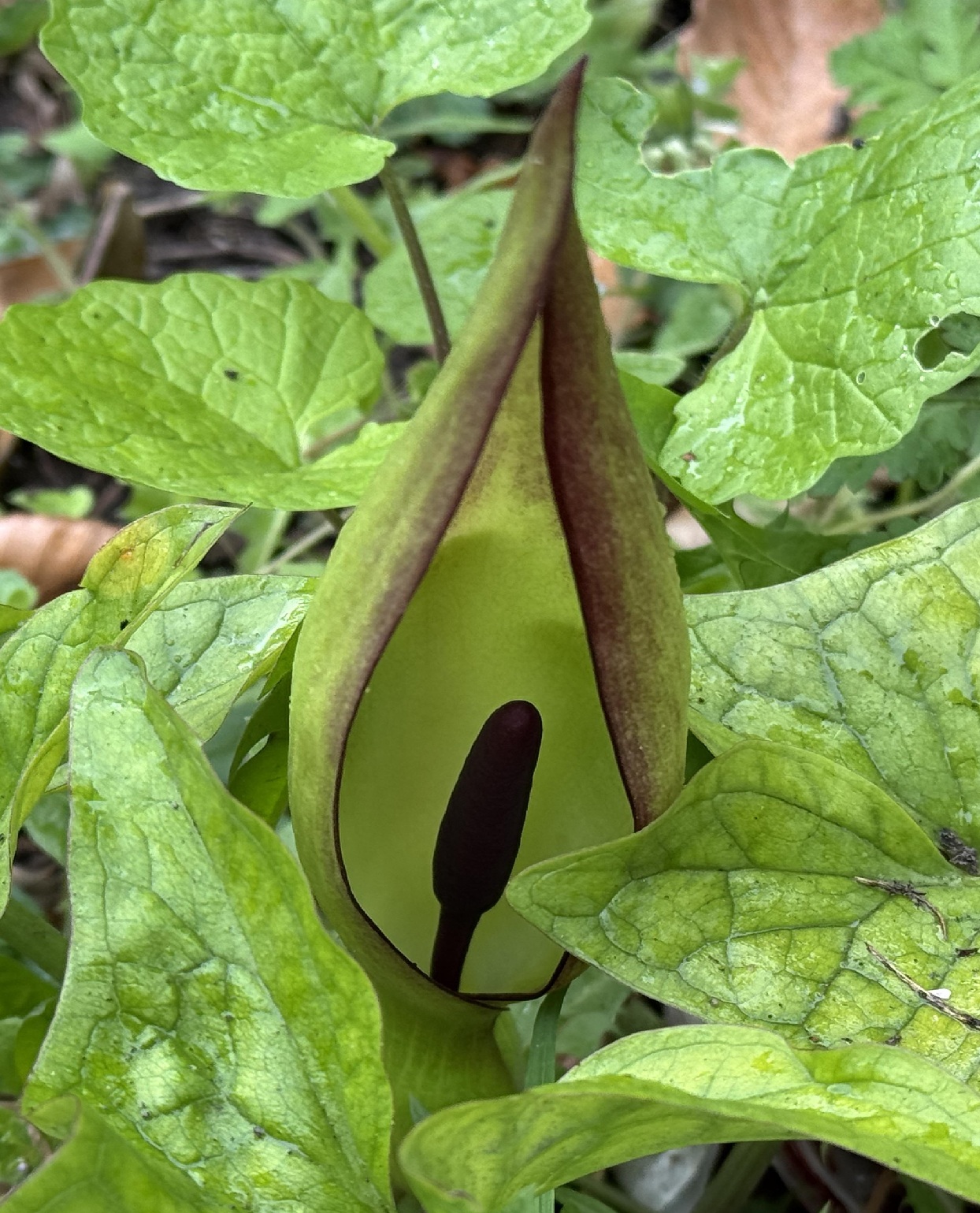
Lord-and-Ladies
Arum maculatum L.
The accepted scientific name was published by Carl Linnaeus in 1753. The botanical author abbreviation “L.” should remain attached to the name when authorship is displayed.
Important botanical synonyms and historical combinations include:
- Arisarum maculatum (L.) Raf.
- Arum vernale Salisb., an illegitimate superfluous name
- Arum immaculatum (Rchb.) Rchb.
- Arum vulgare Lam.
- Arum pyrenaeum Dufour
- Arum malyi Schott
- Arum byzantinum Blume
- Arum heldreichii Orph. ex Boiss.
Historical names such as Arum maculatum var. immaculatum and Arum maculatum f. immaculatum were used for plants lacking the dark leaf spots associated with the name maculatum. Spotted and unspotted plants remain within the same toxicologic concern, and absence of leaf markings does not establish a nontoxic form.
Arum italicum Mill., Italian Arum, is a separate accepted species with overlapping common names, a similar spathe-and-spadix flowering structure, orange-red berries, underground tubers, and insoluble calcium oxalate raphides. Uncertainty between the two species does not create a safe exposure.
Araceae — Arum Family
Lords-and-Ladies; Lords and Ladies; Lord-and-Lady; Lord and Lady; Wild Arum; Common Arum; Spotted Arum; Arum; Arum Lily; Cuckoo-Pint; Cuckoo Pint; Cuckoopint; Cuckoo Plant; Adam-and-Eve; Adam and Eve; Devils-and-Angels; Devils and Angels; Cows-and-Bulls; Cows and Bulls; Bobbins; Starch Root; Starch-Root; Wake Robin; Naked Boys; Friar’s Cowl; Adder’s Root; Adder’s Meat; Snake’s Meat; Snakeshead; Jack-in-the-Pulpit; Lamb-in-a-Pulpit; Calves’ Foot; Parson-and-Clerk; Soldiers-and-Sailors; Red-Hot Poker
Historical botanical names that may appear in older publications, labels, and collections include Arisarum maculatum, Arum vernale, Arum immaculatum, and Arum vulgare. These names do not identify pet-safe alternatives.
Arum Lily is also used for species of Zantedeschia; Jack-in-the-Pulpit usually refers to species of Arisaema; Wake Robin commonly refers to Trillium; Snakeshead may refer to Fritillaria meleagris; and Red-Hot Poker usually refers to species of Kniphofia. Common-name reports should therefore be verified with the scientific name, complete plant structure, berries, underground parts, and photographs.
Insoluble Calcium Oxalate Raphides
The principal toxic mechanism in Lord-and-Ladies is exposure to insoluble calcium oxalate arranged in bundles of microscopic needle-shaped crystals called raphides. These crystals do not need to be digested, metabolized, or absorbed before causing injury. They act at the point of contact by penetrating moist tissue in the lips, gums, tongue, palate, pharynx, and esophagus. The resulting burning, stinging, inflammation, pain, drooling, gagging, and swelling can begin immediately after the plant is bitten.
The raphides are composed of an insoluble calcium oxalate salt rather than freely soluble oxalate. Saliva does not rapidly dissolve or neutralize the embedded needles, and the crystals may remain within damaged mucosa after the visible plant has been expelled. Mouth wiping or gentle rinsing is intended to remove loose crystals and plant fragments rather than chemically deactivate them. Pain control and airway assessment become more important when inflammation extends beyond the front of the mouth.
Idioblasts and Crystal Discharge
Raphides are stored within specialized plant cells called idioblasts. These cells accumulate crystal bundles separately from neighboring tissue and function as part of the plant’s defense against herbivores. Biting, cutting, crushing, or grinding the plant ruptures or activates the idioblasts and releases large numbers of sharp crystals into exposed tissue. Leaves, berries, petioles, the spathe and spadix, roots, and tuber tissue can all deliver raphides when damaged.
The injury is often described as mechanical because the needle shape is central to the effect. The crystals create microscopic punctures that intensify pain and inflammation and may allow other plant constituents to contact deeper tissue. The mechanism resembles exposure to numerous tiny needles rather than poisoning by a compound that first circulates throughout the bloodstream. This immediate local action explains why most animals spit out the plant or stop chewing rapidly.
Raphides and Other Defensive Factors
Raphides may work together with proteins, enzymes, or other plant-defense compounds that intensify inflammation after the crystals breach tissue barriers. Experimental work with raphides from other plants demonstrated that needle-shaped crystals can markedly amplify the activity of a cysteine protease. This supports the broader “needle effect” theory in which raphides create access for a second defensive factor. It does not prove that one specific protease occurs at a clinically important concentration in every *Arum maculatum* leaf, berry, or tuber.
Proteinaceous irritants and proteolytic enzymes should therefore be described as possible contributors rather than as independently established universal toxins of Lord-and-Ladies. Variability in accompanying proteins may help explain why some raphide-bearing plants or tissues are more acrid than others despite containing similar crystal forms. The clinically dominant response remains immediate mouth and throat irritation. Treatment is based on the animal’s pain, swelling, swallowing, respiration, and gastrointestinal signs rather than an assumed enzyme concentration.
Insoluble Versus Soluble Oxalates
Insoluble raphides are toxicologically different from the soluble oxalates found in plants capable of causing systemic calcium depletion and renal oxalate deposition. Insoluble crystals primarily remain at contact surfaces and produce local tissue injury. They are not readily absorbed in a form expected to bind large amounts of circulating calcium. Routine Lord-and-Ladies exposure should therefore not be described as a classic hypocalcemia or primary oxalate-nephrosis syndrome.
The words calcium oxalate can create confusion because the same chemical name is associated with urinary crystals and kidney stones. Plant raphides embedded in oral tissue are not equivalent to absorbing a large systemic dose of soluble oxalate or forming urinary stones through metabolic and urinary processes. Kidney values may still become abnormal after severe dehydration, shock, hypoxia, reduced blood pressure, or another toxin. Such secondary changes do not convert the ordinary raphide mechanism into primary soluble-oxalate poisoning.
Triglochinin and Cyanogenic Potential
Exact-species chemical research identified triglochinin as a cyanogenic glycoside in *Arum maculatum*. Cyanogenic glycosides can release hydrogen cyanide when plant tissue is disrupted and the compound encounters the appropriate enzymes and conditions. This establishes a credible additional chemical constituent but does not show that an ordinary leaf bite delivers a clinically important cyanide dose to a dog or cat. The consistently recognized companion-animal presentation remains immediate raphide-induced oral irritation.
A major tuber or berry exposure may deliver a different mixture and quantity from a brief bite of one leaf. Rapid profound weakness, unusual bright-red or dark mucous membranes, severe breathing difficulty, seizures, cardiac abnormalities, collapse, or severe metabolic acidosis would be atypical for uncomplicated local raphide injury. Those findings require immediate testing for cyanogenic exposure, another plant constituent, pesticide contamination, a mixed poisoning, or mistaken identification. Cyanide antidotal treatment should never be initiated by an owner.
Lectins and Other Exact-Species Constituents
Biologically active lectins have been isolated and characterized from *Arum maculatum* tubers. Research identified an N-acetyllactosamine-binding lectin and showed that a major tuber storage protein is itself a lectin. Additional experimental work demonstrated insecticidal activity from an *A. maculatum* tuber lectin. These findings document complex tuber chemistry but do not establish the amount absorbed during natural veterinary exposure or a separate predictable lectin syndrome in pets.
Other chemical surveys of aroids have reported saponins, volatile amines, alkaloid-like compounds, terpenes, phenolics, and additional secondary metabolites. Their presence and concentration vary among species, tissues, developmental stages, and methods of extraction. These constituents may contribute to unexpectedly severe gastrointestinal or systemic effects after a large tuber or berry ingestion. They should not be used to predict convulsions, liver failure, or cardiovascular collapse after every brief leaf exposure.
Poisonous Parts and Seasonal Risk
Young leaves, mature leaves, petioles, the spathe, spadix, flowers, pollen, green berries, ripe orange-red berries, seeds, sap, roots, and underground tubers should all be treated as poisonous. The appearance of the plant changes substantially during the year, but no growth stage is reliably safe. Spring leaves create a foraging and woodland-walk exposure, while the exposed berry spike becomes a prominent later-season hazard after surrounding foliage has died back. Disturbed soil and plant-removal work can expose the tuber at any time.
The berry spike deserves particular attention because several bright fruits may be swallowed quickly. Immediate pain often stops prolonged leaf chewing, but an animal that gulps berries with limited crushing may ingest more material before the full oral reaction develops. Dogs may also carry the entire fruit stalk or uproot the tuber while digging. The maximum possible plant mass should therefore be estimated from the disturbed plant rather than only from what was witnessed in the mouth.
Fresh, Wilted, Dried, and Processed Material
Fresh crushed tissue and sap generally create the most immediate acridity because intact idioblasts are ruptured directly against moist tissue. Wilting or drying may alter texture and reduce some accompanying irritants, but it does not remove every calcium oxalate crystal or make the material predictably safe. Dried specimens, hay contamination, discarded root material, pressed plants, and old berry stalks should remain inaccessible. An animal can still be exposed when dried material is chewed or powdered.
Lord-and-Ladies tubers and leaves have a history of specialized human processing involving combinations of drying, fermentation, repeated washing, prolonged boiling, or starch separation. These practices were intended to reduce acridity and other toxic constituents and were not simple household cooking instructions. Raw, partly cooked, roasted, dried, or discarded material should never be offered to animals. Historical food or starch use does not establish a safe veterinary preparation.
Toxic-Dose and Evidence Limitations
No validated safe or toxic dose exists for dogs, cats, horses, cattle, sheep, goats, rabbits, guinea pigs, birds, or other animals. Severity depends on the tissue, degree of chewing, number of idioblasts ruptured, quantity swallowed, animal size, individual inflammatory response, airway anatomy, and presence of other constituents or contaminants. A brief taste is less likely to cause severe illness than ingestion of multiple berries or tuber tissue. No number of leaves, berries, or tuber pieces can be guaranteed safe.
Detailed modern veterinary case reports involving confirmed *Arum maculatum* are limited. Historical livestock accounts and human cases demonstrate that larger exposures can cause severe mucosal, gastrointestinal, and upper-airway disease, but they do not establish a veterinary dose-response curve. Owners should neither assume that every nibble will be fatal nor dismiss a meaningful berry or tuber ingestion. The actual plant identification and the animal’s airway, swallowing, pain, and gastrointestinal condition determine the urgency.
Immediate Oral Pain and Irritation
Clinical signs usually begin immediately or within minutes after fresh Lord-and-Ladies tissue is bitten or crushed. Sudden head shaking, violent pawing at the mouth, face rubbing, repeated lip licking, gagging, retching, crying, agitation, or abrupt refusal to continue eating reflects the rapid raphide injury. Most animals spit out the plant or stop chewing because the pain is intense. A dog that gulps berries or tuber pieces may swallow a larger amount before the full irritation becomes obvious.
Excessive salivation can range from wet lips to long strings of drool or foamy saliva. Small amounts of blood may appear when the sharp crystals and rough plant material puncture or abrade the mucosa. The lips, gums, tongue, and palate may become visibly red, painful, and swollen. Heavier exposures can produce erosions, blister-like lesions, ulceration, or reluctance to allow examination of the mouth.
Tongue, Pharyngeal, and Laryngeal Swelling
Swelling may remain limited to the lips and front of the tongue, but inflammation can extend into the pharynx or larynx. Difficulty swallowing may appear as repeated swallowing attempts, drooling, dropping food, coughing when water is offered, stretching the neck, or refusing to drink. Hoarseness or a changed voice can indicate pain or swelling deeper in the throat. An inability to swallow saliva is an emergency finding rather than ordinary mild mouth irritation.
Most exposed animals do not develop complete airway obstruction, but rapidly increasing tongue or throat swelling can reduce airflow quickly. Warning signs include high-pitched or harsh inspiratory noise, open-mouth breathing, marked neck extension, abdominal respiratory effort, panic, blue-gray gums, weakness, or collapse. Retained plant fragments can compound the obstruction. Emergency intubation or another airway procedure may be required before swelling becomes impossible to manage conventionally.
Esophageal and Gastrointestinal Effects
Swallowed crystals and plant tissue may irritate the pharynx, esophagus, and stomach. Gagging, painful swallowing, retching, vomiting, appetite loss, and abdominal discomfort can follow the initial oral reaction. Repeated vomiting re-exposes already injured tissue and can worsen pain, dehydration, and aspiration risk. Vomiting should never be deliberately induced after this exposure.
Diarrhea is possible after a larger ingestion but is less characteristic than immediate oral pain, drooling, and swallowing difficulty. Severe, persistent, or bloody diarrhea should prompt investigation for a major exposure, another plant constituent, contaminated material, or unrelated gastrointestinal disease. Continued regurgitation, coughing after drinking, blood-streaked saliva, or persistent food refusal may indicate esophageal injury. These findings warrant examination even when the visible tongue swelling has improved.
Skin and Coat Exposure
Fresh sap and crushed plant tissue can irritate skin, particularly when material remains against damaged skin or becomes trapped beneath a collar, harness, bandage, or dense coat. Redness, burning, itching, swelling, or blister-like lesions may develop at the contact site. Animals can create a secondary oral exposure by grooming contaminated paws or fur. Plant debris should be removed with gloves and the affected coat washed before grooming resumes.
Persistent pain, swelling, blistering, erosions, or open sores requires veterinary examination. Skin irritation alone does not usually predict airway disease, but the animal should be checked for simultaneous mouth or eye exposure. Owners should avoid transferring sap or crystals from their hands to their own face or eyes. Contaminated collars, bedding, carriers, and grooming tools should also be cleaned.
Eye Exposure
Raphides, sap, and small plant fragments can cause immediate tearing, blinking, squinting, redness, eyelid swelling, light sensitivity, and persistent rubbing. The discomfort may result from direct conjunctival irritation, corneal abrasion, or material trapped beneath an eyelid. The eye should be irrigated promptly rather than allowing the animal to continue rubbing. Continued pain or cloudiness requires examination for corneal injury.
Eye exposure does not become harmless when the initial tearing decreases. Persistent squinting, discharge, inability to open the eye, visible surface irregularity, or increasing eyelid swelling requires veterinary care. Human redness-relief drops, anesthetic drops, leftover antibiotics, and ointments should not be applied without direction. Some products can delay healing or obscure important examination findings.
Dogs and Cats
Dogs frequently stop after one painful bite, but puppies may chew an uprooted plant, carry the fruiting stalk, or swallow several berries during play. Dogs that dig can expose the underground tuber and receive a much larger tissue dose. Immediate pawing and drooling are typical, while persistent vomiting, swelling, inability to drink, or respiratory noise indicates a more consequential exposure. The disturbed plant should be inspected for missing berries and tuber pieces.
Cats may bite young leaves, bat at the spadix or berry stalk, walk through crushed plant material, or groom sap from the paws and coat. A cat may hide, drool quietly, refuse food, or resist mouth examination rather than display dramatic pawing. Repeated swallowing, vomiting, reduced grooming, inability to eat, or open-mouth breathing requires prompt assessment. A cat with respiratory distress should not be forced into a position that makes breathing more difficult.
Horses and Livestock
Horses may develop salivation, mouth pain, repeated swallowing, feed refusal, coughing, respiratory noise, colic, and occasionally diarrhea after consuming contaminated forage or plants along shaded pasture margins. Horses cannot vomit, so owners should not expect swallowed material to be expelled. Drooling and feed refusal can also lead to dehydration when the animal will not drink. Noisy breathing or inability to swallow requires emergency large-animal care.
Cattle, sheep, and goats may show salivation, reduced grazing, repeated swallowing, mouth swelling, abdominal discomfort, diarrhea, weakness, or respiratory distress. More serious exposure is plausible when whole plants, roots, berries, or tubers become mixed into cut green forage. Several animals may be affected at different severities because individual intake varies. The entire group and the complete feed source should be evaluated.
Rabbits, Guinea Pigs, and Birds
Rabbits and guinea pigs may drool, grind their teeth, refuse food, sit abnormally, show abdominal discomfort, or produce fewer feces. Oral pain can interrupt eating long enough to contribute to gastrointestinal stasis even when the direct irritation is otherwise limited. These species cannot vomit and must not receive an emetic. Persistent food refusal or reduced fecal production requires species-experienced veterinary care.
Pet birds may wipe the beak repeatedly, hold the mouth open, regurgitate, refuse food, squint, or develop respiratory distress after shredding leaves, berries, stems, or tuber tissue. Wild birds may disperse berries without displaying the same clinical response as mammals, but that does not establish safety for captive species. Small birds can receive a large relative exposure from one berry or fragment. Mouth, eye, and respiratory findings require avian veterinary advice.
Atypical Systemic Findings
Convulsions, coma, primary renal failure, permanent liver damage, and severe cardiovascular collapse are not characteristic outcomes of an ordinary limited insoluble-raphide exposure. When these findings occur, the diagnosis should not stop at Lord-and-Ladies merely because the plant was present. Severe hypoxia, shock, dehydration, another toxic constituent, cyanogenic exposure, pesticide contamination, medication, mushrooms, or mistaken plant identification may be responsible. Rapid systemic deterioration requires emergency testing and treatment.
Unusual bright-red or very dark mucous membranes, profound weakness without substantial mouth injury, seizures, severe acidosis, or sudden cardiovascular collapse may be compatible with a different or additional toxic mechanism. A large tuber or berry ingestion deserves more caution than a brief leaf bite because it can deliver a greater and chemically different exposure. The veterinarian should be told about every possible plant and chemical in the area. Preserving a complete specimen is essential when the clinical pattern is atypical.
Clinical Course and Prognosis
Most limited oral exposures improve substantially within several hours after loose plant material is removed and pain and inflammation are controlled. Mild mouth tenderness, food hesitation, or reduced appetite may continue into the following day. Persistent signs lasting several days are more likely when there is extensive swelling, mucosal erosion, retained material, esophageal injury, dehydration, or aspiration. Recurrent symptoms over two weeks are not the expected routine course and require reevaluation.
The prognosis is generally good to excellent when breathing remains normal and the animal can swallow saliva and maintain hydration. The outlook becomes more guarded with rapidly progressive laryngeal swelling, aspiration, severe esophageal injury, repeated vomiting, major dehydration, or delayed airway management. Blue-gray gums, collapse, or reduced responsiveness indicates a critical emergency. Early recognition of airway compromise materially improves the chance of recovery.
Plant Identity
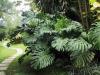
Lord-and-Ladies, Arum maculatum, is a tuberous woodland perennial in Araceae. It develops glossy arrow-shaped leaves, a hooded spathe surrounding a central spadix, and a later upright spike of orange-red berries. The plant’s appearance changes dramatically through the year, so leafy growth, the flowering structure, and the exposed fruit spike may be mistaken for unrelated plants. The underground tuber allows the colony to persist after the visible foliage has disappeared.
Native Range
The accepted native range extends across much of Europe into northern Türkiye and the western Caucasus. Outside that range, the species may occur in botanical collections, woodland gardens, imported plantings, old estates, discarded soil, or locations where tubers have persisted unnoticed. Introduced plants can survive without an obvious nursery label or maintained garden bed. Geographic location can help identification but does not replace examination of the complete plant.
Where Animals Encounter It
Lord-and-Ladies commonly grows beneath deciduous trees, in shaded hedgerows, beside woodland tracks, along rivers and streams, in floodplain woods, and on damp shaded banks. Dogs may encounter it while exploring off lead, drinking near water, digging beneath trees, or investigating hedges. Horses and livestock may contact whole plants in wooded grazing margins, cut green forage, hedge trimmings, or material discarded into an enclosure. Collected leaves, berries, and tubers can also create indoor exposure for cats, rabbits, and birds.
Spring Leaves
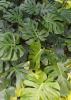
The leaves emerge individually from the ground on long petioles and are broadly arrow-shaped or spear-shaped, with two backward-pointing basal lobes. They are usually glossy green and may display purple, brown, or nearly black spots. Other plants have few or no visible markings, and the absence of spots does not exclude *Arum maculatum*. Young leaves may be confused with edible woodland plants before the flowering structure appears.
The Spathe and Spadix
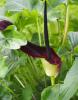
The inflorescence is not a single conventional flower. A pale green, yellow-green, or greenish-white hood called the spathe surrounds a central column called the spadix. The exposed upper portion of the spadix may be purple, brownish purple, yellow, or pale, while the small male and female flowers occur lower within the enclosed chamber. The spathe, spadix, flower chamber, pollen, stalk, and sap should all be treated as poisonous.
Orange-Red Berries
After flowering, a compact upright cylinder of green berries develops and later ripens to bright orange-red or scarlet. The leaves and spathe commonly wither before the fruit is fully mature, leaving an exposed berry spike that looks unrelated to the earlier leafy plant. Dogs may carry the stalk or swallow several berries rapidly, while livestock may encounter the fruiting material in cut vegetation. Green and ripe berries, their skins, pulp, and seeds should all remain inaccessible.
Underground Tuber
The plant survives through a starchy underground tuber that can remain hidden well below the soil surface. Dogs may uncover it while digging, and removal or construction work can leave whole tubers or broken pieces exposed. Exact-species studies confirm that the tuber contains raphides, lectins, and additional biologically active constituents. Raw, partly processed, dried, or discarded tuber tissue can cause severe oral and gastrointestinal injury.
All Parts Are Poisonous
Young shoots, leaves, petioles, the spathe, spadix, flowers, pollen, berries, seeds, sap, roots, and tubers should all remain inaccessible. Fresh cuttings, pulled plants, woodland debris, dried specimens, contaminated soil, and water containing crushed plant material should also be treated cautiously. No reliably nontoxic tissue has been established for domestic animals. Seasonal disappearance of the leaves does not make the remaining berry stalk or underground tuber safe.
Raphide-Containing Idioblasts
Raphides are formed and stored inside specialized cells called idioblasts. These cells hold the crystals separately until chewing, crushing, cutting, or grinding damages the plant tissue. Once released, the crystals penetrate moist mucous membranes and create numerous microscopic injuries. Saliva does not immediately dissolve them, so decontamination focuses on removing loose material rather than neutralizing the mineral chemically.
Why the Pain Begins Immediately
The crystals act as soon as plant tissue is bitten and do not need to pass through the stomach or liver first. This produces the abrupt head shaking, pawing, drooling, gagging, and refusal to continue chewing associated with aroid exposure. Immediate pain often limits the amount consumed and contributes to the generally favorable prognosis of small exposures. Animals that gulp berries or tuber pieces may bypass part of that protective response.
Possible Proteinaceous Irritants
Raphide-bearing plants may contain proteases or other proteins that intensify irritation after the crystals puncture tissue. Experimental work supports the general ability of needle-shaped raphides to amplify a coexisting protease, but the exact protein mixture in *Arum maculatum* has not been defined well enough to name one universal enzyme toxin. Differences in accompanying defensive compounds may influence how acrid particular tissues or populations appear. Clinical treatment remains directed at pain, swelling, swallowing, and airway function.
Other Reported Constituents
Research on *Arum* and related aroids has identified lectins, saponins, volatile amines, alkaloid-like substances, terpenes, phenolic compounds, and other secondary constituents. Exact-species tuber studies confirmed several biologically active lectins. These compounds may help explain why a very large tuber or berry exposure can appear more severe than a brief leaf bite. Their veterinary dose-response and individual contribution to natural poisoning remain incompletely defined.
Triglochinin and Cyanogenic Claims
Triglochinin has been chemically identified as a cyanogenic glycoside in *Arum maculatum*. Cyanogenic compounds can release hydrogen cyanide when damaged plant material and the necessary enzymes interact under suitable conditions. Direct evidence that routine companion-animal exposures produce a clinically important cyanide dose is lacking, and the expected presentation remains immediate raphide injury. Rapid systemic respiratory, cardiovascular, or neurologic deterioration should nevertheless trigger emergency investigation rather than being attributed automatically to mouth irritation.
Insoluble Versus Soluble Oxalates
Insoluble calcium oxalate raphides primarily injure the tissue they contact. Soluble oxalates are more readily absorbed, bind circulating calcium, can cause hypocalcemia, and may contribute to calcium oxalate deposition in the kidneys. Lord-and-Ladies belongs primarily to the first category. Its expected syndrome is immediate oral pain, swelling, drooling, and swallowing difficulty rather than delayed systemic calcium depletion.
Why Kidney Failure Is Not Expected
Plant raphides embedded in the lips or tongue are not equivalent to urinary calcium oxalate crystals or a large absorbed dose of soluble oxalate. The shared chemical words can lead owners to expect urinary stones or primary renal failure, but those are not the characteristic consequences of a routine Lord-and-Ladies exposure. Kidney values may still be assessed after severe dehydration, shock, hypoxia, or reduced blood pressure. Abnormal renal findings should prompt consideration of secondary injury or another toxin.
Dogs
Dogs are most likely to chew leaves, carry a fruiting stalk, swallow berries, dig up the tuber, or investigate plants removed from woodland or hedges. Immediate pawing and drooling commonly stops further chewing, but puppies may continue playing with an uprooted plant despite the discomfort. An intact berry stalk or missing tuber can represent a much larger exposure than one observed bite. The entire disturbed plant should be examined and preserved.
Cats
Cats may bite young leaves, rub against broken foliage, walk through sap, or groom contaminated paws and fur. A cat may hide rather than display obvious distress, allowing drooling and food refusal to go unnoticed. Repeated swallowing, pawing at the face, vomiting, reduced grooming, or resistance to mouth examination warrants prompt attention. Open-mouth breathing or inability to swallow saliva requires immediate emergency transport.
Horses
Horses may encounter Lord-and-Ladies along wooded paddock boundaries, streambanks, shaded tracks, or in green forage containing whole plants. Because horses cannot vomit, salivation, mouth pain, feed refusal, repeated swallowing, coughing, colic, diarrhea, or respiratory noise may predominate. A horse with swelling or swallowing difficulty should not be drenched. Complete plants and forage samples should be retained for identification.
Cattle, Sheep, and Goats
Meaningful livestock exposure is more likely when whole plants become incorporated into cut forage or when animals consume larger quantities during feed scarcity. Salivation, reduced grazing, mouth swelling, abdominal discomfort, respiratory distress, weakness, or recumbency requires immediate large-animal veterinary attention. The entire exposed group should be checked because intake may vary among individuals. Hay, cut forage, roots, berries, and rumen material should be preserved when possible.
Rabbits and Guinea Pigs
Lord-and-Ladies should never be offered as forage, bedding, nesting material, enrichment, or a chew plant. Oral pain may cause sudden appetite loss, and small herbivores can deteriorate when normal eating and fecal production are interrupted. Drooling, teeth grinding, reduced feces, abdominal discomfort, or food refusal requires prompt veterinary care. These species cannot vomit and should not receive household emetics.
Birds
Wild birds may consume berries and disperse seeds without showing the same response expected in mammals, but this does not establish safety for companion birds. Pet birds may crush plant material differently and receive a larger exposure relative to body size. Beak wiping, an open mouth, regurgitation, eye irritation, food refusal, or breathing difficulty requires avian veterinary guidance. Berry stalks and dried material should not be used as cage decoration.
Skin Exposure
Fresh sap and crushed tissue may irritate skin, especially damaged skin or areas where material remains trapped under a collar, harness, bandage, or dense coat. Redness, burning, itching, swelling, or blister-like lesions can develop. Visible fragments should be removed without crushing them further, and the coat should be washed thoroughly. Continued pain, swelling, or open injury requires examination.
Eye Exposure
Raphides and sap can cause immediate eye pain, tearing, redness, squinting, eyelid swelling, and persistent rubbing. Prompt irrigation helps remove loose crystals before they remain trapped beneath the eyelids or abrade the cornea. Continued pain, cloudiness, discharge, or inability to open the eye requires veterinary examination. Human eye drops and leftover prescriptions should not be used without direction.
Airway Swelling
Most exposures cause painful mouth irritation without complete airway obstruction. Swelling involving the tongue, pharynx, or larynx can occasionally become severe, particularly after extensive chewing or retained plant material. Noisy inspiration, neck extension, inability to swallow saliva, open-mouth breathing, blue-gray gums, or rapidly increasing swelling is an emergency. Airway management must not be delayed while waiting for an antihistamine to work.
Esophageal and Gastrointestinal Injury
Swallowed crystals may irritate the esophagus and stomach, causing gagging, retching, vomiting, food refusal, and abdominal discomfort. Persistent regurgitation, coughing after drinking, blood-streaked saliva, or continued inability to eat may indicate deeper mucosal injury. Repeated vomiting can worsen the injured tissue and increase aspiration risk. Imaging or endoscopic examination may be needed when retained material or significant esophageal damage is suspected.
Lord-and-Ladies and Italian Arum
Italian Arum is Arum italicum, a closely related species with arrow-shaped leaves, a spathe and spadix, orange-red berries, underground tubers, and insoluble calcium oxalate raphides. Italian Arum commonly displays pale or silvery veins, while Lord-and-Ladies more often has plain green or dark-spotted leaves. Both species vary, and one detached leaf may not be diagnostic. Uncertain identification between them does not change the initial response because both are poisonous.
Lord-and-Ladies and Jack-in-the-Pulpit
Jack-in-the-Pulpit usually refers to North American species of Arisaema, particularly Arisaema triphyllum. These plants also contain insoluble calcium oxalate raphides and can cause immediate burning, drooling, swelling, and swallowing difficulty. The shared common name should not be used to claim that the species are identical. Immediate mouth and airway precautions remain similar while botanical identification continues.
Lord-and-Ladies and Calla Lily
Calla Lilies belong to the genus Zantedeschia and generally have larger, showier funnel-like spathes. They are separate aroids but also contain insoluble calcium oxalate raphides and produce a similar oral-irritation syndrome. Calla Lilies are not true Lilies of the genus Lilium. Mistaken identity therefore changes the exact plant name but not the need to assess pain, swelling, swallowing, and breathing.
Lord-and-Ladies Is Not a True Lily
Despite the name Arum Lily, *Arum maculatum* is not a species of Lilium. True Lilies can cause catastrophic acute kidney injury in cats after very small exposures, whereas Lord-and-Ladies primarily causes immediate raphide injury to the mouth and upper gastrointestinal tract. Both require prompt attention, but their mechanisms and monitoring priorities differ. An unidentified plant called Lily should be preserved until the genus is confirmed.
Lord-and-Ladies and Wild Garlic
Young Lord-and-Ladies leaves may grow among Wild Garlic, Allium ursinum, and can be collected accidentally with it. Wild Garlic releases a strong garlic odor when damaged, while Lord-and-Ladies lacks that odor and has glossy arrow-shaped leaves that may bear dark spots. No plant should be tasted to confirm identification. Wild Garlic and other Allium species are themselves poisonous to dogs and cats through oxidative red-blood-cell injury.
Lord-and-Ladies and Sorrel
The arrow-shaped leaves may be mistaken for edible sorrel by inexperienced foragers. Sorrel differs in texture, petiole attachment, venation, and overall growth pattern, but identification can be difficult from damaged leaves alone. Foraged vegetation should remain inaccessible to animals until every plant has been identified. A mixed bundle can contain both Arum and other toxic species.
Lord-and-Ladies and Wake Robin
Wake Robin commonly refers to North American species of Trillium but is also recorded as a common name for *Arum maculatum*. Trillium usually has three broad leaves in a whorl beneath a three-parted flower. Lord-and-Ladies has individual arrow-shaped leaves and a spathe surrounding a spadix. The common name alone is insufficient for poison assessment.
Lord-and-Ladies and Snakeshead
Snakeshead is also used for Snake’s-Head Fritillary, Fritillaria meleagris. That plant has narrow leaves and a nodding, checkered, bell-shaped flower rather than an aroid spathe and spadix. The shared historical name can create substantial identification errors. Preserve the entire plant and underground structure whenever possible.
Historical Starch and Food Use
The name Starch Root reflects historical extraction of starch from the underground tuber for laundry and occasional food substitutes. Traditional processing could involve prolonged drying, fermentation, repeated washing, long boiling, or separation of purified starch from the irritating plant material. These practices required specialized knowledge and do not establish that ordinary cooking removes every hazard. Raw, partly processed, or discarded tubers remain poisonous to animals.
Diagnosis
Diagnosis is usually based on reliable plant identification and the rapid onset of intense mouth irritation after chewing an aroid. Preserve leaves, the spathe and spadix, berries, roots, tuber pieces, photographs of the original colony, labels, and representative vomited fragments. The exposure history should distinguish one leaf bite from ingestion of several berries or a substantial tuber piece. Report pesticides, herbicides, mushrooms, foraged plants, true Lilies, and other berries present in the same area.
Further Testing
Most mild cases do not require extensive laboratory testing, but persistent vomiting, severe swelling, respiratory distress, weakness, or uncertain identification may justify additional evaluation. Testing can include oxygen measurement, blood gases, complete blood count, electrolytes, kidney and liver measurements, urinalysis, and acid-base assessment. Neck or chest imaging may be needed when severe swelling, retained material, esophageal injury, or aspiration is suspected. Sedated oral examination or endoscopy may be required when the pharynx or larynx cannot be assessed safely in an awake animal.
Differential Diagnosis
Similar immediate oral pain occurs with Dieffenbachia, Philodendron, Monstera, Pothos, Calla Lily, Peace Lily, Caladium, Alocasia, Colocasia, Syngonium, and Jack-in-the-Pulpit. Caustic cleaners, electrical burns, caterpillar hairs, insect stings, oral foreign bodies, bones, fishing hooks, dental disease, and thermal burns can produce overlapping findings. Severe systemic illness should broaden the differential to cyanogenic plants, pesticides, medications, soluble oxalates, mushrooms, and other poisonous berries. True-Lily exposure must remain a separate concern in cats when identification is uncertain.
Prognosis
The prognosis is good to excellent after most limited exposures because the immediate burning discourages continued chewing. Recovery may take longer when tongue or throat swelling is substantial, swallowing remains painful, or repeated vomiting causes dehydration. Aspiration, extensive mucosal injury, esophageal damage, and delayed airway intervention create a more guarded outlook. Breathing, swallowing, hydration, and appetite should be stable before the animal returns to normal activity and diet.
Prevention
Keep dogs from carrying exposed berry stalks or digging tubers from shaded woodland soil. Prevent cats, rabbits, birds, and other small animals from accessing collected plants, cuttings, foraged leaves, dried specimens, roots, and berry stalks. Removed plants should be placed directly into closed or otherwise inaccessible disposal rather than open compost, forage, hay, bedding, paddocks, or brush piles. Preserve labels and teach household members that the same plant can look entirely different during its leaf, flower, and fruit stages.
Immediate Response
- Stop further exposure: Move the animal away from the plant, fruiting stalk, tuber, woodland debris, cuttings, compost, contaminated forage, or foraged vegetation.
- Preserve the complete plant: Save representative leaves, the spathe and spadix, green or ripe berries, seeds, roots, tuber pieces, photographs, labels, and vomited fragments.
- Estimate the maximum amount: Report the greatest number of leaves or berries and the largest tuber or root mass that could be missing, together with the time of exposure.
- Contact a professional: Obtain veterinary or animal poison-control guidance when more than a brief nibble occurred, berries or tuber pieces may have been swallowed, or pain, drooling, vomiting, or swelling persists.
- Identify additional hazards: Report pesticides, herbicides, mushrooms, other berries, Wild Garlic, true Lilies, discarded chemicals, or additional plants present in the same area.
- Report the exposure route: Tell the veterinarian whether plant material entered the mouth, eyes, coat, skin, forage, water, or gastrointestinal tract.
Assess the Airway First
- Check breathing: Noisy, high-pitched, rapid, labored, gasping, open-mouth, or weak breathing requires immediate emergency transportation.
- Watch tongue and lip swelling: Rapidly increasing enlargement can progress toward the throat and restrict airflow.
- Check swallowing: Inability to swallow saliva, continuous choking, coughing whenever water is offered, or saliva pouring continuously from the mouth requires emergency care.
- Check gum color: Pale, gray, or blue-tinged gums indicate inadequate circulation or oxygenation.
- Listen for voice change: Hoarseness, a weak voice, or unusual respiratory noise can indicate deeper pharyngeal or laryngeal involvement.
- Prioritize stabilization: Airway, breathing, circulation, and severe weakness take priority over prolonged mouth cleaning or gastrointestinal treatment.
Most exposures do not obstruct the airway, but swelling can progress quickly when the tongue, pharynx, or larynx is involved. Do not wait for the animal to become blue or collapse before arranging emergency care. Antihistamines cannot be relied upon to reverse a mechanically and inflammatory narrowed airway. Calling ahead allows the clinic to prepare oxygen, sedation, intubation equipment, and alternative airway support.
Remove Loose Plant Material
- Wear gloves: Fresh sap and raphides can irritate human skin and eyes, and a painful animal may bite unexpectedly.
- Remove only visible pieces: Carefully take loose leaves, berry skins, seeds, fibers, or tuber fragments from the lips and front of the mouth when this can be done safely.
- Avoid blind finger sweeps: Do not reach deeply into the throat or push plant material toward the airway or esophagus.
- Wipe accessible surfaces: Use a wet cloth to remove loose residue from the lips, front of the gums, tongue surface, and accessible mouth in a fully alert animal.
- Rinse only when safe: A gentle water rinse may be used only when the animal is conscious, breathing normally, swallowing normally, and capable of protecting the airway.
- Do not use high pressure: Forceful spraying can drive fragments backward or cause aspiration.
Mouth cleaning removes loose plant material but cannot extract every microscopic crystal already embedded in tissue. Stop if the animal becomes distressed, attempts to bite, coughs, cannot swallow, or develops breathing difficulty. Repeated invasive mouth handling can worsen swelling and trauma. A veterinarian may need sedation and appropriate airway preparation before examining the back of the mouth or throat.
Do Not Induce Vomiting
- Do not give hydrogen peroxide: Vomiting re-exposes the mouth and esophagus to sharp plant material and increases aspiration risk.
- Never give peroxide to a cat: Hydrogen peroxide can cause serious feline gastric and esophageal injury.
- Do not use salt or household emetics: Mustard, oil, syrup, ipecac, dish soap, manual gagging, and fingers in the throat can cause additional injury.
- Do not induce vomiting after berry or tuber ingestion: A larger swallowed amount does not make unsupervised emesis appropriate when the airway or esophagus may already be injured.
- Do not repeat spontaneous vomiting: An animal that vomits naturally should not be subjected to additional home emesis attempts.
- Never induce vomiting in horses, rabbits, or guinea pigs: These species cannot vomit and must not receive an emetic.
Vomiting offers little advantage for crystals that injure tissue during both swallowing and return through the esophagus. It can intensify pain, bleeding, swelling, and aspiration risk. Even when several berries or tuber pieces were swallowed, decontamination decisions belong to a veterinarian who can assess the airway and identify the plant. Stabilization and pain control are more important than forcing the material back across injured tissue.
Activated Charcoal
- Do not give charcoal automatically: Activated charcoal has limited value for insoluble mineral crystals that cause mechanical contact injury.
- Use only under veterinary direction: A veterinarian may consider charcoal when another absorbable toxin, cyanogenic exposure, pesticide, or mixed plant ingestion is suspected.
- Never force charcoal: Do not give it to a drooling, vomiting, swollen, weak, sedated, distressed, or poorly swallowing animal.
- Protect the airway: Charcoal aspiration can cause severe and potentially fatal lung injury.
- Do not use household charcoal: Barbecue briquettes, fireplace ash, burned food, and homemade products are not veterinary activated charcoal.
- Do not repeat doses at home: Repeated charcoal can contribute to dehydration, constipation, electrolyte abnormalities, and aspiration.
Charcoal does not remove raphides embedded in the tongue or throat and does not treat airway swelling. Its role is limited to selected mixed or absorbable toxic exposures identified by a veterinarian. A patient with continuous drooling or uncertain swallowing is a poor candidate for oral charcoal unless the airway has first been secured. Pain, inflammation, breathing, and hydration remain the principal treatment priorities.
Do Not Give Household Remedies
- Do not force milk or dairy: Milk, yogurt, cheese, and ice cream can be aspirated by an animal with mouth pain, swelling, nausea, or uncertain swallowing.
- Do not give oil: Cooking oil and mineral oil do not remove embedded raphides and create an aspiration hazard.
- Do not give honey or syrup: Thick liquids can be difficult to swallow and do not neutralize the crystals.
- Do not give antacids: Human antacids do not extract raphides and may contain ingredients inappropriate for animals.
- Do not give kaolin-pectin products: Gastrointestinal coating products do not treat tongue or throat swelling.
- Do not give owner-selected sucralfate: Its need and timing should be determined after the veterinarian assesses esophageal or gastrointestinal injury.
Some general discussions of aroid exposure mention soothing foods, but forcing any substance into a painful or swollen mouth can worsen distress and aspiration risk. The immediate objective is to remove loose material and confirm that the animal can breathe and swallow. Oral products should be withheld when swallowing is uncertain. The veterinarian can decide whether a safe oral rinse, soft diet, or prescription mucosal medication is appropriate later.
Do Not Give Antihistamines Automatically
- Do not give diphenhydramine at home: It does not remove embedded crystals and may cause sedation that complicates observation of breathing and swallowing.
- Do not delay airway care: Antihistamines cannot be relied upon to reverse severe tongue, pharyngeal, or laryngeal swelling.
- Do not use combination products: Cold, allergy, sleep, and sinus products may contain decongestants, acetaminophen, xylitol, alcohol, or other dangerous ingredients.
- Allow veterinary selection: A veterinarian may choose an antihistamine, anti-inflammatory medication, analgesic, or airway treatment based on the location and severity of swelling.
- Continue direct observation: A patient that receives professional medication still requires monitoring for worsening respiratory noise or swallowing difficulty.
Raphide injury is not simply an allergic reaction. Mechanical puncture and local inflammatory damage continue even when histamine contributes to some swelling. Sedation can make a weak or poorly oxygenated patient appear quieter without correcting the obstruction. Severe respiratory findings require airway management rather than reliance on an oral allergy medication.
Food and Water
- Do not force food: Chewing and swallowing can increase pain, and a swollen or poorly swallowing animal may aspirate.
- Remove hard food: Dry kibble, bones, chews, and abrasive treats can worsen injured oral tissue.
- Offer water only when safe: Small amounts of cool water may remain available only when the animal is alert, breathing normally, swallowing normally, and not vomiting.
- Do not force fluids: Syringed or poured water can enter the lungs.
- Stop after coughing or gagging: Any difficulty handling water indicates that oral intake is unsafe until examination.
- Follow veterinary feeding instructions: Soft food may be reintroduced after swallowing becomes comfortable and airway risk has passed.
Recognize an Airway Emergency
- Listen for respiratory noise: Whistling, high-pitched inspiration, harsh breathing, or repeated choking can indicate upper-airway narrowing.
- Watch body position: Neck extension, elbows held away from the chest, open-mouth breathing, or refusal to lie down can signal respiratory distress.
- Watch the tongue: A rapidly enlarging, darkening, or abnormally protruding tongue requires immediate care.
- Watch saliva control: Inability to swallow saliva indicates clinically important pharyngeal or laryngeal involvement.
- Watch mental status: Panic followed by weakness, confusion, collapse, or reduced responsiveness may indicate inadequate oxygen.
- Transport immediately: Do not wait to see whether severe throat swelling resolves without treatment.
Keep the animal calm because struggling increases oxygen demand and can worsen swelling. Remove a tight collar and avoid pressure on the throat. Do not place fingers or instruments into the back of the mouth while transporting the patient. The animal should remain in the posture that permits the easiest breathing.
Vomiting and Gastrointestinal Signs
- Track every episode: Record vomiting, retching, regurgitation, diarrhea, and the presence of berries, leaves, tuber fragments, mucus, red blood, or dark material.
- Save plant fragments: Place representative material recovered from vomit or stool in a sealed disposable container.
- Watch for dehydration: Tacky gums, reduced urination, worsening lethargy, weakness, or inability to retain water requires veterinary care.
- Watch for aspiration: Coughing, fever, nasal discharge, rapid breathing, or renewed lethargy after vomiting may indicate material entered the lungs.
- Report swallowing pain: Continued gagging, blood-streaked saliva, regurgitation, or refusal to drink may indicate esophageal injury.
- Report severe diarrhea: Persistent, bloody, or unusually profuse diarrhea requires investigation for a major or mixed exposure.
Repeated vomiting can prolong the injury by carrying plant material and stomach acid across damaged mucosa. Intravenous fluids and veterinarian-selected anti-nausea medication may be necessary when the animal cannot maintain hydration. Persistent regurgitation differs from vomiting and can indicate esophageal dysfunction or obstruction. Respiratory monitoring remains important because aspiration signs can appear later.
Skin Exposure
- Wear gloves: Avoid transferring sap or crystals to your own mouth or eyes.
- Remove plant material: Pick visible leaves, berries, roots, and fibers from the coat without crushing them further.
- Wash the coat: Rinse affected fur and skin thoroughly with lukewarm water and mild pet-safe shampoo.
- Prevent grooming: Stop the animal from licking contaminated fur until the plant material and sap have been removed.
- Clean equipment: Wash contaminated collars, harnesses, bedding, carriers, and grooming tools.
- Obtain care for persistent injury: Continued redness, pain, swelling, blistering, or open sores requires examination.
Eye Exposure
- Begin irrigation immediately: Flush the affected eye with sterile saline or clean lukewarm water for at least 15 to 20 minutes.
- Flush beneath the eyelids: Allow fluid to reach the inner and outer corners and beneath the lids without scraping the eye surface.
- Prevent rubbing: Stop the animal from scratching the eye or rubbing it against furniture or the ground.
- Do not remove embedded material with tools: Tweezers, cotton swabs, or fingernails can worsen corneal injury.
- Do not apply human eye drops: Redness drops, anesthetic drops, ointments, and leftover prescriptions may worsen injury or obscure findings.
- Obtain prompt examination: Continued squinting, redness, tearing, cloudiness, discharge, swelling, or inability to open the eye requires care.
Safe Transportation
- Keep the animal calm: Excitement and struggling increase oxygen demand and can worsen respiratory difficulty.
- Allow an airway-friendly position: Let the animal sit or lie in the posture that permits the easiest breathing.
- Do not compress the neck: Remove a tight collar and use a harness, carrier, stretcher, or blanket when practical.
- Do not muzzle: A muzzle can interfere with open-mouth breathing, vomiting, and drainage of saliva.
- Prevent falls: Carry a weak animal rather than forcing it to walk.
- Call ahead: Tell the clinic that insoluble calcium oxalate raphide exposure with possible tongue or laryngeal swelling is suspected.
- Bring all evidence: Take the plant, berries, tuber pieces, photographs, labels, and recovered fragments.
Veterinary Examination
- Inspect the mouth: The veterinarian may assess the lips, gums, tongue, palate, visible pharynx, and retained plant fragments.
- Assess the larynx: Sedated examination or endoscopy may be required when breathing noise, voice change, or swallowing difficulty suggests deeper swelling.
- Monitor oxygenation: Respiratory rate, pulse oximetry, blood gases, and lung sounds help identify airway obstruction or aspiration.
- Assess hydration: Vomiting, drooling, and reduced water intake may require intravenous fluids.
- Consider imaging: Neck or chest imaging may be used when retained material, severe swelling, esophageal injury, or aspiration is suspected.
- Investigate atypical findings: Seizures, cardiac abnormalities, renal changes, unusual mucous-membrane color, or profound collapse requires testing for another toxic mechanism.
Veterinary Treatment
Veterinarian-selected analgesia may be necessary because embedded raphides can cause substantial mouth and throat pain. Anti-nausea medication can reduce further vomiting, fluid loss, and aspiration risk. Intravenous fluids may be required when drooling, poor intake, vomiting, or diarrhea causes dehydration. Oral treatment should not be attempted until swallowing has been assessed.
Clinically important inflammation may be treated with veterinarian-selected anti-inflammatory or other medication according to the severity and location of swelling. Antihistamines may occasionally be included but do not replace direct airway management. Oxygen, sedation, suctioning, endotracheal intubation, or another emergency airway procedure may be required when swelling obstructs airflow. Delaying intubation until severe obstruction is complete can make airway placement substantially more difficult.
Aspiration requires separate evaluation and treatment, potentially including oxygen, airway suctioning, chest imaging, and additional respiratory support. Persistent swallowing pain or documented esophageal injury may justify veterinarian-selected mucosal protection and nutritional management. Large retained berry or tuber material may require imaging or endoscopic assessment. No specific antidote dissolves or removes raphides already embedded in tissue.
Horses and Livestock
- Remove the source: Prevent access to woodland growth, contaminated forage, hedge cuttings, berry stalks, roots, and uprooted plants.
- Do not attempt vomiting: Horses cannot vomit, and household emetics are unsafe for livestock.
- Do not drench a symptomatic animal: Salivating, coughing, swollen, weak, or poorly swallowing livestock can aspirate water, oil, charcoal, or medication.
- Check the complete group: Other animals may have received the same forage and should be examined for salivation, feed refusal, swelling, or respiratory difficulty.
- Retain feed samples: Preserve complete plants, cut forage, hay, berries, roots, tubers, and representative rumen or stomach material.
- Prevent unnecessary exercise: An animal with airway or circulatory compromise should not be chased or forced to walk.
- Obtain large-animal veterinary care: Airway management, fluids, pain control, gastrointestinal care, and respiratory monitoring may be required.
Large-animal treatment is directed by airway patency, swallowing, hydration, oral injury, gastrointestinal function, and respiratory status. A contaminated forage batch should be removed immediately and examined for other poisonous plants. Animals that appear unaffected may have consumed less material and can develop signs at different times. Do not use unaffected herd or flock members to test whether the forage is safe.
Monitoring and Recovery
- Monitor breathing closely: Swelling should not be increasing, and respiration should remain quiet and effortless.
- Monitor swallowing: The animal should be able to swallow saliva and small amounts of water without coughing, gagging, or regurgitating.
- Monitor eating: Continued food refusal can indicate persistent mouth, throat, or esophageal pain.
- Monitor hydration: Reduced urination, tacky gums, weakness, or inability to retain water requires reassessment.
- Watch for aspiration: Coughing, fever, rapid breathing, nasal discharge, or renewed lethargy may develop after the original oral signs improve.
- Report persistent signs: Swelling, drooling, vomiting, diarrhea, pain, or appetite loss continuing beyond the expected short course requires reevaluation.
- Restrict rough food and activity: Follow veterinary instructions until swallowing, hydration, appetite, and breathing have normalized.
Prevention and Prognosis
- Prevent berry access: Keep animals away from the exposed orange-red fruit spikes that remain after the leaves disappear.
- Prevent digging: Do not allow dogs to uncover or carry underground tubers.
- Secure removed plants: Place leaves, fruiting stalks, roots, and tubers directly into a closed or otherwise inaccessible container.
- Inspect foraged material: Do not bring unidentified woodland leaves, roots, or berries into a home or animal area.
- Protect forage and compost: Do not place the plant in open compost, hay, bedding, pasture, paddocks, or livestock feed.
- Typical prognosis: Most limited exposures have a good-to-excellent prognosis and improve substantially within several hours.
- Guarded prognosis: Severe laryngeal swelling, aspiration, extensive mucosal injury, persistent vomiting, or delayed airway management creates a more serious outlook.
Frequently Asked Questions About Lord-and-Ladies and Animal Poisoning
What makes Lord-and-Ladies poisonous?
The principal toxic mechanism is exposure to insoluble calcium oxalate raphides. These microscopic needles are released from specialized cells when the plant is bitten or crushed and penetrate the lips, tongue, mouth, throat, and esophagus.
The plant also contains other biologically active constituents, including triglochinin and tuber lectins. Their role in ordinary pet exposures is less clearly established than the immediate raphide injury.
What is an idioblast?
An idioblast is a specialized plant cell that stores material different from surrounding cells. In raphide-bearing aroids, idioblasts contain bundles of calcium oxalate needles.
Chewing or crushing the plant disrupts these cells and releases the crystals directly into moist tissue. That immediate discharge explains the sudden burning and drooling.
Does Lord-and-Ladies contain cyanide?
Exact-species research identified the cyanogenic glycoside triglochinin in *Arum maculatum*. Cyanogenic glycosides can release hydrogen cyanide under appropriate enzymatic conditions.
The expected dog-and-cat syndrome remains immediate local raphide injury, and clinically important cyanide release after an ordinary nibble has not been established. Rapid systemic collapse, seizures, unusual mucous-membrane color, or severe cardiovascular abnormalities require emergency investigation for an additional toxic mechanism.
Does Lord-and-Ladies contain proteolytic enzymes?
Proteases and other proteinaceous irritants have been proposed as factors that can intensify raphide injury. Experimental work with other plants confirms that sharp raphides can amplify a coexisting protease.
The exact enzyme mixture and clinically important concentration in every *Arum maculatum* plant have not been established. Raphides remain the dominant proven explanation for immediate mouth pain.
Are the orange-red berries more dangerous than the leaves?
Both are poisonous. Leaves often cause pain as soon as they are chewed, while several berries may be gulped rapidly from the exposed fruit spike before the animal fully reacts.
No controlled veterinary comparison has established a universal toxic ranking for every plant part. Berry exposure deserves particular attention because the quantity swallowed can be underestimated.
Can the underground tuber cause more serious poisoning?
The tuber contains raphides, lectins, and other biologically active constituents and can provide a much larger tissue mass than one leaf. Dogs may uncover it while digging or gain access during plant removal.
Substantial tuber ingestion has produced severe mucosal and upper-airway disease in human reports. A missing or partly eaten tuber warrants prompt professional assessment.
Can Lord-and-Ladies cause kidney failure?
Primary oxalate kidney injury is not the characteristic outcome. The plant contains insoluble raphides that injure contact tissue rather than readily absorbed soluble oxalates that bind circulating calcium and deposit in the kidneys.
Kidney abnormalities could occur secondarily after severe dehydration, shock, reduced blood pressure, or another toxin. Such findings require broader investigation.
Can Lord-and-Ladies block a pet’s airway?
Severe airway obstruction is uncommon but possible when tongue, pharyngeal, or laryngeal swelling becomes extensive. Retained plant fragments can make the narrowing worse.
Noisy or high-pitched breathing, inability to swallow saliva, neck extension, open-mouth breathing, blue-gray gums, or rapidly increasing swelling requires immediate emergency treatment.
Why do most animals stop eating the plant?
The raphides produce immediate intense burning and puncture-like pain. This usually causes the animal to spit out the plant, paw at the mouth, or stop chewing.
That reaction limits many exposures but does not guarantee safety. Berries, tuber pieces, or material gulped during play may be swallowed before the animal stops.
Is dried Lord-and-Ladies still poisonous?
Dried material may be less immediately acrid than freshly crushed tissue, but drying does not remove every calcium oxalate crystal or other constituent. Dried leaves, berry stalks, roots, tubers, pressed specimens, and contaminated hay should remain inaccessible.
An animal can release retained crystals by chewing the dried material. Drying is not a dependable household detoxification method.
Does cooking make the plant safe?
Historical food use involved extensive and specialized processing such as prolonged boiling, repeated washing, fermentation, drying, or starch separation. These practices were intended to remove or reduce several hazards.
Ordinary cooking, roasting, partial boiling, or drying should not be relied upon to make the plant safe for animals. Raw or incompletely processed material remains poisonous.
What should I do if sap gets in my pet’s eye?
Flush the eye immediately with sterile saline or clean lukewarm water for at least 15 to 20 minutes. Prevent the animal from rubbing the eye during and after irrigation.
Persistent squinting, redness, tearing, cloudiness, discharge, swelling, or inability to open the eye requires veterinary examination for retained material or corneal injury.
Is Lord-and-Ladies the same as Italian Arum?
No. Italian Arum is Arum italicum, a separate species that often has conspicuous pale or silvery leaf veins. Lord-and-Ladies more commonly has plain green or dark-spotted leaves.
Both contain irritating calcium oxalate raphides and produce similar flowers and orange-red berries. Uncertain identification between them does not make the exposure safe.
Is Lord-and-Ladies the same as Jack-in-the-Pulpit?
No. Jack-in-the-Pulpit usually refers to species of Arisaema, especially Arisaema triphyllum. It is a separate aroid with its own spathe-and-spadix structure.
Jack-in-the-Pulpit also contains insoluble calcium oxalate raphides, so the initial response to mouth pain, drooling, swelling, and swallowing difficulty is similar.
Does Lord-and-Ladies cause the same kidney failure as true Lilies in cats?
No. Lord-and-Ladies is an aroid and causes immediate raphide-related mouth and airway injury. True Lilies of the genus Lilium and Daylilies of the genus Hemerocallis can cause acute kidney injury in cats through a separate toxin.
An unidentified plant called Lily should be treated according to the most dangerous plausible identity until reliable identification is obtained.
Can Lord-and-Ladies be mistaken for Wild Garlic?
Yes. The plants may grow together and their young leaves can be collected accidentally. Wild Garlic releases a strong garlic odor when crushed, while Lord-and-Ladies does not.
Do not taste a plant to identify it. Wild Garlic is also poisonous to dogs and cats because it can damage red blood cells.
Should I make my dog vomit after eating Lord-and-Ladies?
No. Vomiting carries sharp plant material and stomach contents back across already painful tissue and increases the risk of aspiration.
Do not give hydrogen peroxide, salt, mustard, oil, syrup, or another emetic. This prohibition also applies after berry or tuber ingestion.
Does activated charcoal help?
Activated charcoal has limited value for insoluble crystals that injure tissue mechanically. It does not remove raphides embedded in the tongue, throat, or esophagus.
A veterinarian may consider charcoal when another absorbable toxin, cyanogenic exposure, pesticide, or mixed plant ingestion is suspected. It must not be forced into a drooling or poorly swallowing animal.
Should I give milk, yogurt, cheese, or ice cream?
Do not force dairy products into an animal with mouth pain, swelling, nausea, vomiting, or uncertain swallowing ability. Thick or liquid food can be aspirated when the pharynx or larynx is involved.
Remove loose plant material and obtain professional guidance instead. A veterinarian can determine when cool water or a soft diet can be introduced safely.
Should I give diphenhydramine or another antihistamine?
Do not administer an owner-selected dose. Diphenhydramine does not remove the crystals, may cause sedation, and cannot be relied upon to prevent or reverse upper-airway obstruction.
A veterinarian may select an antihistamine or anti-inflammatory medication after examining the animal. Respiratory distress requires direct airway care rather than waiting for an oral medication to work.
How long does Lord-and-Ladies poisoning last?
Most limited exposures improve substantially within several hours after loose material is removed and pain is controlled. Mild tenderness or food hesitation may continue into the following day.
Significant swelling, esophageal injury, repeated vomiting, dehydration, or aspiration can prolong recovery. Persistent or recurring signs require reevaluation rather than continued home observation.
What findings require immediate emergency care?
Noisy or high-pitched breathing, rapidly increasing tongue or throat swelling, inability to swallow saliva, open-mouth breathing, blue-gray gums, repeated vomiting with weakness, collapse, or reduced responsiveness requires immediate emergency care.
Seizures, profound systemic weakness, cardiac abnormalities, or unusual mucous-membrane color is not typical of a simple limited raphide exposure and requires investigation for another or additional toxic mechanism.