Green Gold Arrowhead Vine Toxicity and Calcium Oxalate Raphide Injury
Is Green Gold Arrowhead Vine Poisonous to Dogs, Cats, Horses, and Livestock?
Yes—Green Gold Arrowhead Vine, Syngonium podophyllum ‘Green Gold’, is poisonous to dogs, cats, horses, livestock, rabbits, birds, and other animals. Chewing a leaf, petiole, vine, node, aerial root, terrestrial root, or fresh cutting can expose the animal to insoluble calcium oxalate crystals. Needle-shaped raphides penetrate the lips, gums, tongue, palate, throat, and esophagus, causing immediate burning pain, excessive drooling, pawing at the mouth, gagging, vomiting, swelling, and difficulty swallowing.
Most small exploratory bites produce a painful but recoverable local reaction because the immediate discomfort discourages continued chewing. Significant tongue or pharyngeal swelling, inability to swallow saliva, altered vocalization, noisy breathing, eye injury, repeated vomiting, dehydration, or ingestion of a long vine or root mass requires prompt veterinary assessment.
About this guide: This page provides general pet-poisoning information and cannot diagnose or treat an individual animal. For any suspected exposure, contact a veterinarian or animal poison-control service immediately. Do not induce vomiting, give medication, or attempt home decontamination unless directed by a veterinary professional.
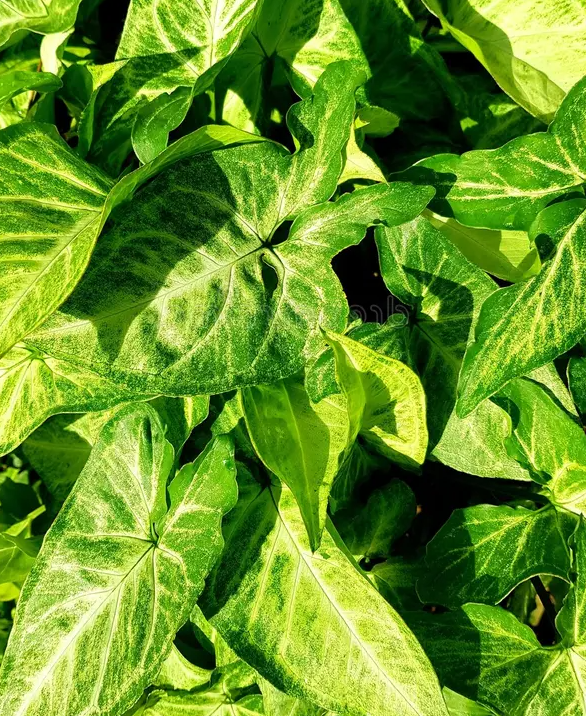
Green Gold Arrowhead Vine
Syngonium podophyllum Schott ‘Green Gold’
The accepted species name is Syngonium podophyllum Schott. ‘Green Gold’ is a horticultural cultivar or trade selection rather than a separate botanical species. Commercial plants sold under this name may vary in the amount and arrangement of green, lime, yellow-green, or golden coloration.
Important botanical synonyms formerly applied to material now included within Syngonium podophyllum include:
- Pothos auritus Willd.
- Syngonium affine Schott
- Syngonium amazonicum Engl.
- Syngonium decipiens Schott
- Syngonium gracile (Miq.) Schott
- Syngonium poeppigii Schott
- Syngonium riedelianum Schott
- Syngonium ruizii Schott
- Syngonium ternatum Gleason
- Syngonium vellozianum Schott
- Syngonium willdenowii Schott
- Syngonium xanthophilum Schott
- Xanthosoma gracile Miq.
Syngonium angustatum Schott is currently accepted as a separate species. Older names such as Syngonium podophyllum var. albolineatum and var. oerstedianum are now associated with S. angustatum rather than treated as synonyms of S. podophyllum.
Araceae
Green Gold Arrowhead Vine; Green Gold Arrowhead Plant; Green Gold Syngonium; Syngonium Green Gold; Green Gold Nephthytis; Green-Gold Nephthytis; Green Gold Naphthysis; Green Gold Nephthysis; Arrowhead Vine; Arrowhead Plant; Arrow-Head Vine; American Evergreen; African Evergreen; Goosefoot Plant; Goosefoot Vine; Trileaf Wonder; Five Fingers; Five-Fingers; Arrowhead Philodendron; Nephthytis; Syngonium; Syngonium podophyllum ‘Green Gold’
Nephthytis is the traditional horticultural name most often attached to Syngonium podophyllum. The true genus Nephthytis consists of separate African aroids and is not a botanical synonym of Syngonium.
Nephthysis and Naphthysis are recurring trade, catalog, and database misspellings of Nephthytis. They remain useful search terms but are not accepted botanical spellings.
African Evergreen is geographically misleading because Syngonium podophyllum is native to tropical America. Arrowhead Philodendron is also inaccurate because this plant belongs to Syngonium rather than Philodendron.
“Green Gold,” “Gold,” “Golden,” “Lemon Lime,” “Aurea,” and similarly colored Syngonium names are inconsistently applied in the horticultural trade. A plant label and photographs should be preserved because these names do not always identify genetically identical stock.
Exact-Species Calcium Oxalate Evidence
The established toxic structures in Green Gold Arrowhead Vine are insoluble calcium oxalate crystals produced within specialized plant cells called idioblasts. Exact-species microscopic research on Syngonium podophyllum leaves documented both needle-filled raphide idioblasts and rounded druse idioblasts rather than relying solely on assumptions transferred from other aroids.
Additional anatomical research found calcium oxalate druses distributed through the stem, petiole, leaf lamina, and midrib. Together, these studies show that calcium oxalate is not confined to one decorative portion of the plant. They do not establish that every root, flower, fruit, seed, cultivar, or commercial propagation medium contains an identical crystal concentration.
The toxicology of the named ‘Green Gold’ selection has not been studied separately from the species. Its green-and-gold coloration should not be interpreted as evidence that its crystal content is greater or lower than another S. podophyllum cultivar.
Raphides and Druses Have Different Clinical Importance
Raphides are long, narrow, sharply pointed calcium oxalate needles packed in bundles within elongated idioblasts. When plant tissue is crushed or chewed, the containing cells rupture or discharge their contents, placing large numbers of microscopic needles directly against the lips, gums, tongue, palate, pharynx, or esophagus.
Druses are rounded aggregates containing many radiating calcium oxalate crystals. They are botanically important and occur widely in S. podophyllum tissues, but they are not shaped like the tightly bundled penetrating needles most strongly associated with the immediate burning oral syndrome.
The page should therefore identify insoluble calcium oxalate as the overall toxin class while distinguishing raphides as the principal structures responsible for acute mouth and throat injury. The presence of druses should not be used to imply a separate systemic poisoning mechanism.
Young and Mature Leaf Evidence
Microscopic comparison of differently aged S. podophyllum foliage found the greatest idioblast density in young leaves, followed by intermediate and mature leaves. This suggests that newly expanding foliage may contain more crystal-bearing cells per examined area than older foliage.
That finding does not create a safe mature leaf. Mature leaves remain calcium-oxalate-containing tissue and can be larger, thicker, and capable of delivering more total plant material during a substantial bite. Crystal density per microscopic field and the total exposure delivered by an entire leaf are not the same measurement.
The relationship also has not been tested specifically in ‘Green Gold’. Light level, cultivar, plant age, growth stage, and tissue type may affect leaf appearance and anatomy without eliminating the hazard.
How Raphides Produce Immediate Tissue Injury
Chewing compresses and ruptures plant tissue while saliva wets the released crystals. Raphides penetrate moist epithelial surfaces and produce numerous microscopic punctures. The immediate sensation may resemble exposure to fiberglass or countless tiny splinters.
Mechanical penetration damages surface cells and allows sap and other plant constituents to reach tissue below the normal protective barrier. Injured cells and local inflammatory pathways then increase pain, redness, vascular leakage, swelling, and sensitivity.
Experimental work in other raphide-containing plants demonstrates that needle-shaped crystals can enhance delivery of a proteolytic enzyme or another bioactive substance through a “needle effect.” That mechanism is biologically plausible for aroids, but no particular proteinase has been isolated and demonstrated to be the defining toxic principle of Syngonium podophyllum.
Proteinases, histamine, kinins, or other proposed irritants should therefore not be listed as confirmed Green Gold Arrowhead Vine toxins without exact-species evidence. Insoluble calcium oxalate raphides remain the best-established cause of the acute syndrome.
Local Insoluble-Oxalate Injury Versus Systemic Oxalate Poisoning
The calcium oxalate crystals in Arrowhead Vine are insoluble and act primarily where they contact tissue. They do not ordinarily dissolve, enter the bloodstream in a major quantity, remove substantial circulating calcium, or precipitate throughout the renal tubules.
This syndrome is fundamentally different from poisoning by plants containing appreciable soluble sodium or potassium oxalates. Soluble oxalates can cause hypocalcemia, calcium oxalate nephropathy, oliguria, seizures, and systemic organ injury after sufficient ingestion.
Primary kidney failure, systemic hypocalcemia, diffuse renal crystal deposition, or delayed multiple-organ collapse is not the expected course of a correctly identified S. podophyllum exposure. Those findings require investigation for another plant, ethylene glycol, medication, pesticide, fertilizer, dehydration, oxygen deprivation, or independent disease.
Plant Parts and Practical Exposure Limits
Direct research confirms crystal-containing tissue in leaves, stems, petioles, and midribs. Aerial roots, terrestrial roots, nodes, inflorescences, fruit, seed, sap, and fresh cuttings should also be treated as unsafe because exact organ-by-organ safety has not been established and animals may chew several structures during one exposure.
Propagation cuttings remain capable of causing injury. A node-bearing section is living stem tissue, and freshly cut surfaces release sap. Water holding cuttings may contain sap, detached tissue, fertilizer, microbes, or decaying material, although clear propagation water should not be described as containing a uniform dissolved dose of insoluble raphides.
Wilting and drying do not reliably remove mineral crystals. A fallen leaf, discarded cutting, dried petiole, or pruned vine may remain mechanically irritating after some fresh sap activity has declined.
Mechanical and Mixed-Exposure Hazards
Long vines, thick petioles, mature leaf sections, and root bundles create physical hazards independent of crystal toxicity. Plant material may lodge around the tongue, become trapped in the pharynx or esophagus, remain within the stomach, or contribute to an intestinal foreign body.
A disturbed container may expose the animal to fertilizer, systemic insecticide, fungicide, leaf-shine product, mold, decorative stone, plant tie, moss pole material, potting media, or broken ceramic. These substances may cause signs that differ substantially from ordinary raphide irritation.
No Established Safe or Lethal Dose
No dependable leaf count, vine length, root weight, or gram-per-kilogram dose has been established for dogs, cats, horses, livestock, rabbits, birds, or other animals. Exact-species studies describe crystal type and anatomical distribution rather than controlled veterinary dose-response.
Severity depends on the amount crushed, tissue involved, depth of chewing, site of contact, patient size, ability to spit out the plant, swallowing function, and whether a foreign body or chemical product was consumed simultaneously. The rapid pain often limits intake, but it does not create a guaranteed safe bite.
Immediate Oral Pain and Defensive Behavior
Clinical signs normally begin while the plant is being chewed or within minutes. A dog may abruptly release the plant, shake its head, rub the muzzle against the floor, paw at the face, drool heavily, gag, retch, or vomit. A cat may hold the mouth partly open, repeatedly swallow, paw at the lips, hide, refuse food, or react defensively when the head is touched.
The lips, gums, tongue, palate, and oral mucosa may become red, tender, and swollen. Erosions, ulcerated areas, or blister-like lesions can develop after substantial contact. Individual raphide punctures are microscopic, but the combined injury may be intensely painful.
Saliva may become thick or rope-like because swallowing hurts. An animal may approach food or water repeatedly, then pull away after attempting to chew or swallow. These behaviors reflect genuine tissue injury rather than simple dislike of the plant’s taste.
Difficulty Swallowing and Upper-Airway Risk
Pain and swelling may impair movement of the tongue and pharynx. Signs include repeated unsuccessful swallowing, coughing while drinking, gagging, reluctance to eat, inability to manage saliva, neck extension, and a weak, hoarse, or otherwise altered bark or meow.
Most exposures do not progress to airway obstruction. Severe edema involving the back of the tongue, pharynx, epiglottic region, or larynx remains an uncommon but potentially life-threatening complication.
Harsh or noisy inspiration, stridor, open-mouth breathing, rapidly increasing effort, panic, blue-gray gums, weakness, or collapse requires immediate emergency treatment. A normal-looking front portion of the tongue does not exclude swelling farther back in the airway.
Gastrointestinal Irritation and Dehydration
Plant material reaching the esophagus, stomach, or intestine may cause nausea, vomiting, reduced appetite, abdominal discomfort, diarrhea, lethargy, or depression. These findings reflect local irritation and swallowed plant material rather than systemic soluble-oxalate poisoning.
Repeated vomiting can move plant fragments and acidic gastric contents across already injured oral and esophageal surfaces. It also increases the risk of dehydration, electrolyte disturbance, weakness, and aspiration.
Kittens, puppies, toy-breed dogs, elderly animals, and patients with existing kidney, heart, endocrine, or gastrointestinal disease may become clinically unstable more quickly when painful swallowing or vomiting reduces fluid intake.
A small red streak can follow forceful retching, but repeated fresh blood, coffee-ground material, black stool, bloody diarrhea, increasing abdominal pain, or pale gums warrants examination for substantial gastrointestinal injury, retained material, another toxin, or unrelated disease.
Eye and Skin Exposure
Sap, raphides, potting debris, or plant fragments entering an eye can cause immediate pain, tearing, blinking, squinting, conjunctival redness, eyelid swelling, corneal edema, abrasion, or ulceration. Cloudiness, light avoidance, or refusal to open the eye indicates more than minor surface discomfort.
Rubbing can drag retained crystals or plant debris across the cornea and deepen the injury. Persistent ocular signs after irrigation require fluorescein staining and examination beneath the eyelids.
Sap on damaged or sensitive skin may cause burning, redness, itching, swelling, or contact irritation. Sap carried on paws or fur can subsequently reach the mouth or eyes during grooming.
Vine, Petiole, and Root Foreign Bodies
Persistent gagging, repeated swallowing, regurgitation, unproductive retching, or inability to swallow water may indicate a vine, petiole, root bundle, or mature leaf section lodged in the mouth, pharynx, or esophagus.
Continuing vomiting after the oral pain begins to improve, abdominal enlargement, escalating pain, inability to retain water, or reduced fecal production raises concern for retained plant material in the stomach or intestine.
A plant strand protruding from the mouth or rectum should not be pulled blindly. It may be anchored beneath the tongue or extend through the digestive tract, where traction can cause laceration, bunching, or perforation.
Species Considerations
Dogs and cats are the most likely household patients. Dogs may tug down or carry an entire vine, while cats may chew hanging leaves, play with cuttings, or transfer sap from the coat during grooming.
Horses may develop salivation, painful chewing, dropped feed, reluctance to swallow, coughing while eating, reduced appetite, colic, or diarrhea. Horses cannot vomit, so the absence of vomiting does not establish a minor exposure.
Rabbits and guinea pigs also cannot vomit. Drooling, food refusal, reduced fecal output, facial rubbing, abdominal enlargement, or lethargy requires species-specific veterinary attention. Birds may develop oral irritation, reduced feeding, head shaking, regurgitation, weakness, or eye injury after chewing foliage or contaminated material.
Atypical Signs and Expected Course
Primary kidney failure, systemic hypocalcemia, major cardiac failure, jaundice, prolonged coma, or direct systemic oxalate death is not expected after an uncomplicated exposure. Seizures or collapse may occur secondarily if severe airway obstruction causes oxygen deprivation, but another toxicant should also be investigated.
Most limited oral exposures begin improving within several hours once further contact stops. Mild pain and drooling may resolve during the same day, while moderate inflammation can interfere with eating or drinking into the following day.
Signs continuing for several days should not be accepted automatically as the routine course. Persistent pain, vomiting, inability to eat, cough, eye abnormalities, or recurrent swelling warrants reassessment for extensive ulceration, aspiration, dehydration, retained plant material, infection, chemical co-exposure, or another diagnosis.
Accepted Identity and the ‘Green Gold’ Trade Name
Green Gold Arrowhead Vine is a cultivated form of Syngonium podophyllum Schott, an evergreen climbing aroid native from Mexico through Central America and across substantial portions of tropical South America. The accepted species grows primarily in wet tropical forest and related humid habitats.
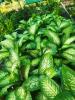
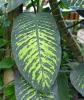
‘Green Gold’ is used in the horticultural trade for plants with green, lime, yellow-green, or golden patterning. Descriptions and photographs are not completely uniform. Some plants are predominantly lime green, while others show darker margins, irregular gold areas, or multicolored mottling.
No cultivar-specific crystal comparison or veterinary toxicology study was located. The name should be retained because it matches the page and search intent, but its color pattern should not be used to claim a unique toxin concentration or clinical syndrome.
Juvenile Houseplant and Mature Climbing Vine
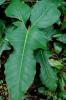
A young commercial plant often appears compact and bush-like because several cuttings are planted together and repeatedly pruned. Juvenile leaves are usually simple and sagittate, with a central point and two backward-directed basal lobes that create the familiar arrowhead form.
When allowed to trail or climb, the stem elongates and produces increasingly substantial nodes, petioles, and aerial roots. Intermediate leaves become more lobed. Mature plants can produce pedate foliage divided into several radiating segments and may look completely unlike the juvenile houseplant.
Research on S. podophyllum leaf development and biomechanics confirms substantial anatomical and mechanical change as leaves expand and mature. Tissue-culture research likewise describes the species’ juvenile creeping form and adult epiphytic or hemiepiphytic climbing form.
The mature transformation explains the common names Five Fingers and Trileaf Wonder and is important during identification. A large divided outdoor vine may still be the same toxic species as a small arrow-leaved plant sold for a desk or hanging basket.
Aerial Roots, Nodes, and Propagation
Aerial roots arise at the nodes and attach stems to bark, poles, masonry, fences, furniture, and other rough surfaces. Some remain short and adhesive, while others extend toward soil or moisture. Nodes also produce new roots and shoots when a stem fragment contacts suitable growing material.
Commercial and household propagation commonly uses a stem section containing at least one viable node. Tissue-culture research has also regenerated large numbers of S. podophyllum plants from petiole tissue and demonstrates how extensively cultivars can be multiplied.
Every cutting should be treated as potentially irritating. Detached cuttings are easier for cats to carry and dogs to chew than an anchored plant, while fresh cut surfaces can contaminate hands, tools, counters, floors, clothing, and pet fur.
Nephthytis and Other Naming Confusion
Nephthytis is a separate African aroid genus. Historical horticultural confusion caused Syngonium podophyllum to be sold under that name, and “nephthytis” remains common on nursery tags, in household-plant books, and in poison databases.
Nephthysis and Naphthysis are recurring misspellings rather than accepted botanical names. They are worth preserving in the plain-text search field because owners may encounter them on old records or commercial listings.
African Evergreen is geographically inaccurate because the species is native to tropical America. Arrowhead Philodendron is equally misleading because Syngonium and Philodendron are separate genera.
Look-Alikes and Retail Misidentification
Juvenile Syngonium may be confused with Heartleaf Philodendron, Pothos, juvenile Alocasia, Caladium, or other arrow- and heart-leaved aroids. Mature divided foliage can be confused with Philodendron or another tropical climber.
The distinction matters for accurate botanical records, but many of these look-alikes also contain insoluble calcium oxalate crystals. Emergency care should not be delayed merely because the exact aroid genus remains uncertain.
Syngonium angustatum is a separate species sometimes confused with S. podophyllum, particularly where older varieties were assigned inconsistently. Photographs of the complete plant, juvenile and mature leaves, petioles, nodes, roots, and label provide better evidence than one damaged leaf.
Flowers, Fruit, and Outdoor Spread
Mature plants produce a typical aroid inflorescence consisting of a fleshy spadix surrounded by a spathe. Flowering and fruiting are uncommon on repeatedly pruned indoor plants but occur more readily on established outdoor vines in warm climates.
The species has escaped cultivation in Florida, Hawaii, Caribbean islands, tropical Asia, Australia, and Pacific islands. It spreads through viable stem fragments as well as sexual reproduction and can form dense groundcover or climb over native vegetation.
Outdoor cuttings should be bagged or otherwise contained rather than discarded into woodland, roadside vegetation, drainage areas, or open compost. Plant waste accessible to animals creates both a poisoning risk and a source of new invasive growth.
What the Exact Crystal Studies Establish
Leaf microscopy identified both raphide and druse idioblasts and found more crystal-containing cells in young foliage than in intermediate or mature leaves. Separate anatomical work documented druses in the stem, petiole, leaf lamina, and midrib.
These studies strengthen the species-specific toxin assessment but do not establish the number of crystals released by one bite, a safe leaf age, a toxic dose for pets, or the comparative concentration in ‘Green Gold’ and other cultivars.
The immediate onset after chewing, the needle shape of the raphides, and the local distribution of the syndrome support mechanical penetration as the primary clinical mechanism. A named proteinase or systemic toxin should not be added without direct evidence.
Diagnosis and Evidence Collection
There is no routine blood or urine test that confirms Arrowhead Vine exposure. Diagnosis relies on plant identification, witnessed chewing, missing foliage, abrupt oral pain, visible plant material, and exclusion of an airway problem, foreign body, or chemical co-exposure.
Useful evidence includes the nursery label, photographs of the complete plant and its color pattern, damaged vines, representative leaves, roots, propagation containers, material found in vomit, and packaging for fertilizer or pesticide associated with the pot.
Blood calcium and kidney values are not expected to diagnose an uncomplicated exposure because the syndrome involves local insoluble crystals rather than systemic soluble oxalate. Testing remains appropriate when dehydration, organ abnormalities, severe weakness, or another toxicant is suspected.
Exposure Prevention and Prognosis
A pot placed high on a shelf does not remain inaccessible if the vine grows down toward furniture, a kennel, bird cage, aquarium, or cat tree. Climbing stems may also cross into an animal’s space by attaching to walls, poles, room dividers, and adjacent plants.
Trim vines before they become reachable, collect every leaf and cutting immediately, stabilize containers, secure propagation material, and wash sap from tools and surfaces. Do not rely on hot pepper, essential oils, concentrated citrus, or caustic deterrents that may create another poisoning hazard.
Most limited exposures have a good to excellent prognosis. Risk increases with progressive airway swelling, inability to maintain hydration, aspiration, eye injury, or retained vine and root material. In a household with a persistent plant chewer, a closed plant room, secure display enclosure, or genuinely pet-safer replacement is more dependable than repeated correction.
Immediate Steps After Green Gold Arrowhead Vine Exposure
- Stop further access. Move the animal away from leaves, petioles, vines, nodes, aerial roots, terrestrial roots, cuttings, sap, propagation containers, and plant debris.
- Check breathing before examining the mouth. Noisy inhalation, open-mouth breathing, neck extension, blue-gray gums, rapidly increasing effort, weakness, or collapse requires immediate emergency transport.
- Remove only loose visible material. When the animal is calm and breathing normally, lift away plant pieces resting at the lips or front of the mouth.
- Do not reach behind the tongue. Deep examination of a painful or gagging animal can worsen panic and expose the handler to a defensive bite.
- Protect your hands and eyes. Wear gloves or use clean gauze when handling sap-covered plant material, saliva, or vomit.
- Gently clear surface contamination. Wipe the lips, gums, and front of the tongue with a cool damp cloth. A gentle forward-directed rinse may be used only when the animal is cooperative and swallowing normally.
- Save identification evidence. Preserve the label, photographs, representative leaf and vine material, roots, and recognizable plant fragments found in vomit.
- Contact a veterinarian. Report the amount missing, plant structures involved, current swallowing ability, breathing, vomiting, eye exposure, and whether a long vine or root mass may have been swallowed.
Do Not Attempt Unsupervised Home Treatment
Do not induce vomiting. The principal injury occurs while the plant is being crushed in the mouth, and an emetic cannot pull crystals from the lips, tongue, pharynx, or esophagus. Vomiting can carry plant fragments and stomach acid across injured tissue and increase aspiration risk.
- Do not use hydrogen peroxide, salt, mustard, ipecac, detergent, dish soap, manual gagging, or fingers in the throat.
- Do not administer activated charcoal at home. Charcoal cannot extract mineral needles embedded in tissue and may be aspirated by a drooling, gagging, vomiting, weak, or sedated animal.
- Do not give milk, yogurt, cottage cheese, oil, bread, calcium tablets, antacids, or another supposed antidote. These substances do not remove embedded raphides.
- Do not force food or water. Forced swallowing is dangerous when the tongue or throat is painful or swollen.
- Do not give diphenhydramine, corticosteroids, pain medication, antacids, antidiarrheals, or leftover veterinary medication unless directed by a veterinarian.
- Do not scrub the mouth. Aggressive rubbing may worsen microscopic penetration, pain, and bleeding.
An animal that is fully alert, breathing quietly, swallowing saliva normally, and not gagging or vomiting may be allowed a small voluntary amount of cool water. Stop if coughing, regurgitation, repeated swallowing, or distress occurs. Give nothing by mouth to an animal unable to swallow saliva.
Airway Emergency Signs
- Progressive tongue or facial swelling: Visible enlargement may accompany deeper pharyngeal inflammation.
- Inability to swallow saliva: Continuous drooling with repeated unsuccessful swallowing indicates important swallowing impairment.
- Voice change: A hoarse bark, weak meow, unusual cough, or loss of normal vocalization may accompany laryngeal involvement.
- Stridor or harsh inspiration: Noisy inhalation indicates possible upper-airway narrowing.
- Abnormal posture: Neck extension, elbows held away from the body, refusal to lie down, or panic may indicate respiratory distress.
- Blue-gray mucous membranes, weakness, or collapse: These findings indicate inadequate oxygen and require immediate emergency care.
Keep a breathing-impaired animal quiet and minimize handling. Do not repeatedly force the mouth open, press on the tongue, or attempt to place medication into the throat. Struggling increases oxygen demand and can worsen a narrowing airway.
Skin, Coat, and Environmental Decontamination
Prevent grooming until sap and plant debris have been removed. Wash affected paws, skin, and fur with lukewarm water and mild soap or pet-safe shampoo, then rinse thoroughly without aggressive scrubbing.
Direct contaminated rinse water away from the eyes and mouth. Do not use bleach, alcohol, peroxide, solvents, concentrated vinegar, essential oils, or abrasive cleaners.
Clean floors, counters, furniture, tools, gloves, clothing, plant stands, bedding, and propagation equipment before animals regain access. Continued redness, pain, swelling, rash, or licking warrants veterinary guidance.
Eye Exposure
Begin irrigation immediately with sterile saline or clean lukewarm water. Flush continuously for at least 15 to 20 minutes, allowing fluid to carry sap, crystals, soil, and plant fragments away from the eye.
- Do not rub or wipe the cornea. Rubbing can drag retained debris across the surface.
- Prevent pawing. Use safe restraint or an Elizabethan collar when available.
- Seek prompt examination. Continued squinting, tearing, redness, cloudiness, discharge, eyelid swelling, light sensitivity, or visual uncertainty requires veterinary care.
- Do not use leftover eye medication. Human redness-relief drops and old veterinary products may be inappropriate. Steroid-containing medication can worsen an undiagnosed corneal ulcer.
Veterinary examination may include fluorescein staining, magnification, eyelid eversion, removal of retained material, lubrication, pain control, and treatment of a corneal abrasion or ulcer.
Veterinary Airway, Oral, and Gastrointestinal Care
The veterinarian first determines whether the animal can maintain an open airway and protect it during swallowing. Assessment may include respiratory examination, oxygen measurement, oral inspection, and evaluation of the pharynx or larynx under sedation when necessary.
Clinically important airway swelling may require oxygen, injectable medication, sedation, endotracheal intubation, assisted ventilation, or an emergency surgical airway. Antihistamines or corticosteroids may be considered in selected patients, but neither removes crystals or replaces airway protection.
Veterinary analgesia may be required for substantial stomatitis, tongue injury, pharyngeal inflammation, or esophageal pain. Prescription anti-nausea medication and intravenous fluids may be used when vomiting or painful swallowing interferes with hydration.
Gastrointestinal protectants may be considered when repeated vomiting, blood, regurgitation, or suspected esophageal injury is present. Food is reintroduced gradually only after vomiting is controlled and swallowing is safe.
Professional Decontamination
Professional emesis is generally inappropriate because the primary injury is local and most meaningful exposures are already symptomatic by the time assistance is sought. It is contraindicated in animals with drooling, oral swelling, gagging, vomiting, weakness, abnormal breathing, impaired awareness, or inability to protect the airway.
Activated charcoal is not routinely useful for insoluble mineral needles. Gastric lavage does not correct oral injury and would be reserved for exceptional mixed or massive exposures under anesthesia with a protected airway.
Loose plant material may be removed during a controlled oral examination. Sedation or anesthesia may be necessary to inspect beneath the tongue and into the pharynx safely.
Vine, Petiole, and Root Foreign Bodies
Persistent gagging, regurgitation, vomiting, abdominal enlargement, pain, or reduced fecal production may prompt radiographs, ultrasound, contrast imaging, or endoscopy. Plant fibers may not be conspicuous on every routine radiograph.
Endoscopy may permit removal of a vine, petiole, root bundle, or leaf mass from the esophagus or stomach. Surgery may be required when material obstructs the intestine or cannot be retrieved safely by another method.
Do not pull a plant strand protruding from the mouth or rectum unless a veterinarian has determined that traction is safe.
Horses, Livestock, Rabbits, Birds, and Other Animals
Do not induce vomiting in horses, rabbits, guinea pigs, or other species incapable of vomiting. Remove all animals from the plant and provide uncontaminated feed and water without forcing intake.
Horses and livestock should be monitored for salivation, dropped feed, painful chewing, difficulty swallowing, coughing while eating, reduced appetite, colic, diarrhea, or abnormal breathing.
Rabbits and guinea pigs require prompt attention for food refusal, reduced fecal production, abdominal enlargement, diarrhea, or lethargy. Birds and other small animals may receive a meaningful exposure from an amount that appears minor to a person and require species-specific veterinary advice.
Recovery and Prognosis
Most limited exposures improve substantially within several hours after further contact stops. Mild oral discomfort and drooling may resolve during the same day, while moderate inflammation can interfere with eating and drinking into the following day.
Re-examination is appropriate when the animal cannot eat, cannot drink comfortably, continues vomiting, develops a cough, shows recurrent swelling, or remains markedly painful or depressed. Persistent ocular pain, cloudiness, discharge, or squinting also requires follow-up.
The prognosis becomes more serious when swelling affects breathing, but prompt airway protection can be lifesaving. Recovery from foreign-body ingestion depends on whether the swallowed vine or root material passes normally or requires endoscopic or surgical removal.
Frequently Asked Questions About Green Gold Arrowhead Vine and Animal Poisoning
Has ‘Green Gold’ been proven more or less toxic than another Syngonium cultivar?
No. Exact-species research confirms calcium oxalate crystals in Syngonium podophyllum, but no comparative veterinary or microscopic study was located for ‘Green Gold’ versus ‘White Butterfly’, ‘Pink Allusion’, ‘Neon’, or another named cultivar. Leaf color and variegation should not be used to rank toxicity.
What is the difference between a raphide and a druse?
A raphide is a long needle-shaped crystal stored in a bundle and capable of penetrating moist tissue when released. A druse is a rounded cluster of radiating crystals. Both forms occur in Syngonium podophyllum, but raphides best explain the abrupt burning, drooling, and swelling after chewing.
Are new leaves more dangerous than old leaves?
Microscopic research found more crystal-containing idioblasts per examined area in young leaves than in intermediate or mature leaves. That does not make an older leaf safe. Mature foliage may be larger and deliver more total tissue, while no safe leaf age or amount has been established.
Why can the mature plant look nothing like the small houseplant?
Juvenile Syngonium podophyllum produces simple arrow-shaped leaves and may remain compact when pruned. A climbing plant develops longer stems, larger petioles, aerial roots, and increasingly divided mature foliage. A large vine with several radiating leaf segments may still be the same species and retain the same calcium oxalate hazard.
Why is the plant called Nephthytis when that is a separate genus?
Early horticultural confusion attached the African genus name Nephthytis to Syngonium podophyllum. The name persisted in nursery and household-plant use even after the plants were separated botanically. Nephthysis and Naphthysis are later spelling variants rather than accepted scientific names.
Does propagation water contain dissolved raphides?
Raphides are insoluble crystals held within plant cells rather than a uniform toxin dissolved throughout clear water. Propagation water may still contain fresh sap, detached cells, leaf or stem debris, fertilizer, bacteria, algae, or decaying tissue and should remain inaccessible to animals.
Why might gagging continue after the visible mouth swelling improves?
Deeper pharyngeal or esophageal irritation may not be visible at the front of the mouth. Continuing gagging can also indicate a retained vine, petiole, root bundle, or leaf section. Persistent swallowing attempts, regurgitation, unproductive retching, or inability to retain water may require sedation, imaging, or endoscopy.
Can Green Gold Arrowhead Vine cause kidney crystals?
Not through the expected ordinary poisoning mechanism. The plant contains insoluble calcium oxalate crystals that act primarily where they contact the mouth, throat, skin, or eyes. Systemic hypocalcemia and renal crystal deposition are associated with sufficiently large soluble-oxalate exposures, not uncomplicated Arrowhead Vine chewing.
Can rinsing remove all the crystals?
No. Gentle wiping or rinsing can remove loose sap, plant fragments, and unembedded crystals from accessible surfaces. It cannot pull out raphides already driven into tissue. Continued pain, swelling, difficulty swallowing, or eye irritation therefore requires veterinary assessment even after decontamination.
Could another product in the pot cause more serious signs than the plant?
Yes. Fertilizer, systemic insecticide, fungicide, leaf-shine product, mold, decorative stone, plant ties, moss-pole material, and broken ceramic may be consumed during the same event. Tremors, seizures, major cardiac abnormalities, kidney failure, jaundice, or prolonged collapse is atypical for uncomplicated raphide injury and should trigger a search for a mixed exposure.