Hahn’s Self-Branching English Ivy Toxicity, Saponins, and Falcarinol Dermatitis
Is Hahn’s Self-Branching English Ivy Poisonous to Dogs, Cats, Horses, and Livestock?
Yes—Hahn’s Self-Branching English Ivy, Hedera helix ‘Hahn’s Self-Branching’, is poisonous to dogs, cats, horses, livestock, rabbits, birds, and other animals. Its leaves and fruit contain triterpenoid saponins capable of irritating the mouth and gastrointestinal tract, while its sap contains falcarinol and related polyacetylenes that can cause painful irritant or allergic contact dermatitis.
Eating the plant may cause drooling, coughing, gagging, nausea, vomiting, abdominal pain, diarrhea, appetite loss, lethargy, or weakness. Sap contact may cause burning, redness, itching, swelling, papules, vesicles, or blistering. Most small household exposures are recoverable, but repeated vomiting or diarrhea, blood, dehydration, facial swelling, hives, breathing difficulty, marked weakness, or collapse requires prompt veterinary care.
About this guide: This page provides general pet-poisoning information and cannot diagnose or treat an individual animal. For any suspected exposure, contact a veterinarian or animal poison-control service immediately. Do not induce vomiting, give medication, or attempt home decontamination unless directed by a veterinary professional.
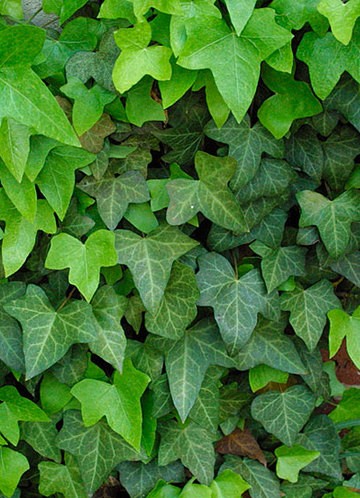
Hahn’s Self-Branching English Ivy
Hedera helix L. ‘Hahn’s Self-Branching’
The accepted species name is Hedera helix L. ‘Hahn’s Self-Branching’ is a horticultural cultivar name referring to a compact English Ivy selected for dense lateral branching rather than a separate botanical species.
The cultivar name may also appear commercially as:
- Hedera helix ‘Hahn Self-Branching’
- Hedera helix ‘Hahn’s Self Branching’
- Hedera helix Hahn’s Self-Branching
No cultivar-specific veterinary toxicology or controlled comparison establishes that ‘Hahn’s Self-Branching’ contains more or less saponin or falcarinol than other Hedera helix cultivars.
Araliaceae
Hahn’s Self-Branching English Ivy; Hahn’s Self Branching English Ivy; Hahn Self-Branching English Ivy; Hahn’s Self-Branching Ivy; Hahn’s Self Branching Ivy; Hahn English Ivy; Self-Branching English Ivy; Self Branching English Ivy; Branching Ivy; English Ivy; Common Ivy; European Ivy; Hedera helix ‘Hahn’s Self-Branching’
Glacier Ivy, Needlepoint Ivy, Sweetheart Ivy, Baltic Ivy, Duckfoot Ivy, and other named English Ivy forms belong to Hedera helix but are not exact synonyms for Hahn’s Self-Branching.
California Ivy is an ambiguous commercial name that has been applied to English Ivy, Canary Island Ivy, Hedera canariensis, and other cultivated ivies. A scientific label should be preserved whenever accurate identification matters.
English Ivy is unrelated to Poison Ivy, Toxicodendron radicans. English Ivy contains saponins and falcarinol-related polyacetylenes; Poison Ivy causes urushiol dermatitis through a different chemical mechanism.
Triterpenoid Saponins in English Ivy
The principal ingestion hazards in Hahn’s Self-Branching English Ivy are triterpenoid saponins. Exact-species chemical research has isolated numerous saponins from Hedera helix leaves and fruit, confirming that English Ivy contains a complex mixture rather than one isolated toxin.
Hederacoside C, also called hederasaponin C, is the dominant and most frequently measured leaf saponin. Other documented constituents include hederacoside B, α-hederin, β-hederin, hederagenin glycosides, oleanolic-acid glycosides, and additional hederacosides or related triterpenoid compounds.
Hederagenin is the non-sugar triterpenoid core, or sapogenin, of several ivy saponins. Veterinary poison references sometimes name hederagenin as the toxic principle, but an animal chewing a leaf encounters intact glycosides, sapogenins, polyacetylenes, plant fiber, and other constituents together.
Hederacoside C, α-Hederin, and Processing
Hederacoside C is a bidesmosidic saponin containing sugar groups at two positions. α-Hederin is a related monodesmosidic saponin with a different sugar arrangement and biological activity. They should not be treated as interchangeable names for the same molecule.
α-Hederin may already occur in the plant or extract and may also increase when hederacoside C is partially hydrolyzed during harvesting, drying, extraction, storage, digestion, or metabolism. The final chemical profile therefore depends on whether the exposure involved a fresh leaf, dried herb, standardized extract, homemade preparation, or commercial medicine.
Analytical studies of commercial leaf extracts have found substantial variation in measured α-hederin and hederacoside C. A syrup or capsule cannot be evaluated solely by comparing its volume with the number of leaves a pet might have chewed.
How Ivy Saponins Affect the Gastrointestinal Tract
Saponins contain both water-compatible and lipid-compatible regions and can interact with cell membranes. Contact with the oral, esophageal, gastric, and intestinal lining can produce irritation, salivation, nausea, vomiting, abdominal discomfort, diarrhea, and appetite loss.
Exact-species experimental work provides an additional mechanism. α-Hederin produced concentration-dependent contraction of isolated rat stomach muscle, while sufficiently concentrated hederacoside C and whole dry ivy-leaf extract also produced strong gastric contraction. A follow-up study implicated cholinergic signaling in α-hederin-induced contraction.
These laboratory preparations do not provide a dog or cat toxic dose, but they support the clinical association between ivy ingestion and gastrointestinal cramping, retching, vomiting, and diarrhea rather than requiring an undocumented alkaloid such as emetine to explain the syndrome.
Falcarinol and Related Contact Allergens
The most important contact allergen in English Ivy is falcarinol, a reactive polyacetylene also called a polyyne. Didehydrofalcarinol and related polyacetylenes contribute additional irritant or sensitizing activity.
Experimental and chemical investigation identified falcarinol and didehydrofalcarinol as powerful irritants and moderate sensitizers present through the year in common ivy. Human maximization testing with isolated falcarinol produced sensitization in half of the tested subjects, and some subsequently developed strong vesicular or bullous reactions to much lower concentrations.
Falcarinol can therefore produce two overlapping patterns. Direct irritant dermatitis may occur during a sufficiently intense first exposure, while allergic contact dermatitis develops after immune sensitization and may become more severe during later contact.
The delayed allergic pattern may not appear until hours after pruning, lying in ivy, walking through cut material, or grooming sap-contaminated fur. Previous exposure without visible dermatitis does not guarantee that future exposure will remain harmless.
Fruit Chemistry and Toxicity Boundaries
English Ivy fruit also contains triterpene saponins. Exact-species research isolated six fruit saponins, including newly described helixosides. Birds consuming ripe berries do not establish safety for dogs, cats, horses, or other domestic animals.
Direct controlled veterinary evidence does not establish a universal rule that every leaf is more toxic than every berry. Leaves are the best-characterized medicinal and household exposure and are more likely to be chewed by pets, while fruit may be eaten rapidly when accessible. Both should be considered unsafe.
Green unripe fruit, ripe blue-black fruit, seeds, fruit pulp, flowering shoots, and fallen berries have not been compared through a complete veterinary dose-response study.
Emetine Is Not an Established English Ivy Toxin
Emetine has been repeated in some older English Ivy toxin lists, but convincing modern evidence does not establish it as a consistent constituent of Hedera helix. The documented saponins and polyacetylenes adequately explain the recognized gastrointestinal and contact syndromes.
Emetine should therefore not be used to predict the cardiotoxicity, prolonged vomiting, or systemic effects associated with concentrated ipecac alkaloids. Severe cardiovascular or neurologic disease after ordinary ivy chewing requires investigation for another cause.
Concentrated Extracts and Mixed Products
Standardized ivy-leaf extracts are used in some human cough medicines. Pharmaceutical use does not establish that a raw leaf or human syrup is safe for an animal. Extraction can concentrate saponins, alter the α-hederin-to-hederacoside profile, and remove or enrich other plant constituents.
Commercial syrups, tinctures, powders, capsules, and combination cold remedies may also contain alcohol, xylitol, acetaminophen, codeine, decongestants, antihistamines, essential oils, sweeteners, preservatives, or other active ingredients. The complete formulation may be more dangerous than ivy extract alone.
Plant Parts and Mechanical Hazards
Leaves and fruit contain directly confirmed saponins, while sap and fresh plant surfaces contain falcarinol-related irritants. Stems, vines, aerial rootlets, terrestrial roots, flowers, seeds, cuttings, dried material, and pruning debris should remain inaccessible because organ-specific safety has not been established and multiple parts may be consumed together.
Long vines, woody stems, aerial-root mats, and compacted leaf material can also cause choking, pharyngeal or esophageal obstruction, or a gastrointestinal foreign body independently of the chemical toxicity.
No Established Safe or Lethal Veterinary Dose
No dependable leaf count, berry count, vine length, plant weight, extract concentration, or gram-per-kilogram dose has been established as safe or lethal for dogs, cats, horses, livestock, rabbits, birds, or other animals.
Risk depends on the amount consumed, plant structure, fresh versus extracted material, product formulation, patient size, existing disease, previous sensitization, hydration, and whether a foreign body or another chemical was involved.
Early Oral and Gastrointestinal Signs
Signs may begin during chewing or within the following hours. Dogs and cats may lick their lips, swallow repeatedly, drool, cough, gag, retch, paw at the mouth, or show obvious discomfort around the lips and tongue.
Swallowed ivy can cause nausea, vomiting, abdominal cramping, diarrhea, appetite loss, lethargy, depression, or weakness. The animal may repeatedly approach food or water but turn away because of nausea or oral irritation.
One small bite may cause no signs or only brief salivation. A larger foliage exposure, multiple berries, dried material, or concentrated leaf extract can cause more persistent gastrointestinal disease.
Blood, Dehydration, and Secondary Complications
Forceful retching or substantial mucosal irritation may produce red streaks in vomit. Severe intestinal irritation can produce mucus or blood in diarrhea, although this is not expected after every limited ingestion.
Repeated fresh blood, coffee-ground material, black tarry stool, substantial bloody diarrhea, pale gums, increasing abdominal pain, or collapse requires prompt examination. These signs may indicate significant mucosal injury, a foreign body, another toxin, medication exposure, or unrelated gastrointestinal disease.
Persistent vomiting and diarrhea can cause dehydration, dry or tacky gums, reduced urination, sunken eyes, electrolyte disturbance, rapid heart rate, worsening weakness, and poor circulation. Puppies, kittens, toy-breed dogs, elderly animals, and patients with existing kidney, heart, endocrine, or gastrointestinal disease may deteriorate more quickly.
Irritant and Allergic Contact Dermatitis
Direct sap contact can cause burning, redness, itching, tenderness, papules, swelling, vesicles, or blistering. Commonly exposed areas include the muzzle, lips, paws, lower legs, sparsely haired abdomen, groin, and skin beneath sap-contaminated fur or equipment.
Direct irritant dermatitis may begin soon after an intense exposure. Allergic contact dermatitis is often delayed and may appear or worsen several hours after contact. Repeated exposure can produce sensitization and a more pronounced response during later contact.
Persistent licking, scratching, biting, or rubbing can produce hair loss, erosions, moist dermatitis, bacterial or yeast infection, and delayed healing.
Immediate Allergy and Anaphylaxis
Contact dermatitis is the best-documented allergic syndrome associated with English Ivy. A more generalized immediate reaction may cause facial or eyelid swelling, hives, widespread itching, coughing, wheezing, vomiting, diarrhea, or respiratory distress.
Severe anaphylaxis may produce throat swelling, pale gums, weak pulses, low blood pressure, profound weakness, disorientation, or collapse. Gastrointestinal signs occurring together with facial swelling, hives, or abnormal breathing should not be treated as routine ivy-related stomach upset.
Any rapidly developing airway or circulatory sign requires immediate veterinary treatment rather than an attempt to control the reaction with an owner-selected oral antihistamine.
Eye Exposure
Sap, leaf fragments, falcarinol-containing plant material, dust, or potting debris may cause tearing, blinking, squinting, conjunctival redness, eyelid swelling, pain, or persistent rubbing.
Mechanical plant material can abrade the cornea. Cloudiness, inability to keep the eye open, marked light sensitivity, discharge, or apparent visual difficulty requires irrigation followed by veterinary examination.
Concentrated Extract and Mixed-Product Signs
Concentrated ivy-leaf extract may produce more pronounced vomiting, diarrhea, abdominal pain, weakness, or altered behavior than one small plant exposure. A published canine report has described poisoning after ingestion of an ivy-extract syrup, but the exact formulation and dose remain essential to interpretation.
Human cough and cold products may produce additional signs unrelated to ivy, including sedation, agitation, tremors, abnormal heart rate, low blood sugar, liver injury, or neurologic depression. Every ingredient must be reviewed.
Foreign-Body and Choking Signs
Persistent coughing, gagging, repeated swallowing, regurgitation, neck extension, or unproductive retching may indicate a vine, root mat, woody stem, berry cluster, or leaf mass lodged in the mouth, pharynx, or esophagus.
Continuing vomiting after the expected irritant period, abdominal enlargement, progressive pain, inability to retain water, or reduced fecal production raises concern for retained material in the stomach or intestine.
A vine or fiber protruding from the mouth or rectum should not be pulled blindly because it may extend through or be anchored within the digestive tract.
Horses, Livestock, and Other Animals
Horses may develop salivation, reduced appetite, dropped feed, coughing while eating, abdominal discomfort, diarrhea, depression, weakness, or contact dermatitis. Horses cannot vomit, so the absence of vomiting does not establish a mild exposure.
Historical livestock accounts describe excitement, bellowing, abnormal gait, and a strong ivy odor after heavy consumption, followed by recovery over several days. These descriptions support the possibility of behavioral or neurologic signs after extreme exposure but do not establish them as the expected modern syndrome.
Rabbits, guinea pigs, and other species unable to vomit may show food refusal, reduced fecal production, abdominal discomfort, diarrhea, or lethargy. Birds may develop oral irritation, regurgitation, reduced feeding, weakness, or eye and skin exposure.
Atypical Signs and Expected Course
Profound coma, persistent seizures, primary kidney failure, jaundice, marked bradycardia, severe hypotension, or progressive multiple-organ failure is not expected after an ordinary limited foliage exposure. Another plant, medication, pesticide, concentrated product, aspiration, oxygen deprivation, or unrelated disease should be investigated.
Most mild cases improve within several hours once exposure stops. More substantial vomiting, diarrhea, oral irritation, or dermatitis may continue into the following day or require one or more days of treatment.
Persistent illness should not be accepted as the normal course. Continuing vomiting, inability to drink, cough, recurrent swelling, eye pain, extensive dermatitis, or symptoms lasting several days warrants reassessment.
Accepted Identity and Cultivar Status
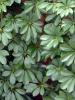
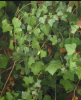
Hahn’s Self-Branching English Ivy is a cultivated selection of Hedera helix L., an evergreen woody vine in Araliaceae. The cultivar was selected for dense lateral growth and a compact appearance suitable for pots, hanging baskets, groundcover, topiary, and short trailing displays.
The cultivar name may be printed with different hyphenation, but these variants do not identify separate species. No controlled study establishes a toxin profile unique to Hahn’s Self-Branching, so its poisoning assessment appropriately follows verified Hedera helix chemistry while avoiding unsupported claims about cultivar potency.
Glacier, Needlepoint, Sweetheart, Duckfoot, Baltic, and other English Ivy cultivars share the same species-level concerns but have different leaf shapes, coloration, growth rates, or branching patterns.
Native Range and Growth Habit
Hedera helix is native across much of Europe and the Mediterranean region eastward toward Iran. The broader genus Hedera extends into Macaronesia, northwestern Africa, and temperate eastern Asia, which explains why genus-level range descriptions are often broader than the native range of English Ivy itself.
English Ivy grows as a creeping groundcover when no support is available and as a climbing vine when juvenile stems contact bark, masonry, stone, fences, or other rough surfaces. It attaches through dense aerial rootlets rather than twining around the support or producing tendrils.
Individual stems can root where nodes contact soil, and discarded cuttings may establish new plants. Viable ivy waste should not be dumped into woodland, drainage areas, roadsides, stream banks, or open compost where it can spread.
Juvenile and Adult Growth Phases
English Ivy has markedly different juvenile and adult phases. Juvenile creeping and climbing stems produce the familiar glossy three- to five-lobed leaves and numerous adhesive aerial rootlets.
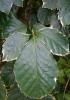
Adult fertile stems become thicker, more self-supporting, and less dependent on clinging roots. Their leaves are usually unlobed, oval, diamond-shaped, or broadly heart-shaped. Adult shoots generally develop only after prolonged growth and greater light exposure.
Because both leaf forms can occur on one established plant, an unlobed fruiting branch may be mistaken for a different species. The toxicity concern does not disappear when the plant enters its adult phase.
Flowers, Fruit, and Wildlife Exposure
Adult shoots produce rounded umbels of small greenish-yellow flowers, usually late in the growing season. The nectar and pollen provide a late-season resource for insects.
The flowers develop into blue-black or purple-black berry-like fruits that commonly mature during winter or spring. Birds consume and disperse the fruit, but avian feeding does not establish safety for dogs, cats, horses, or people.
Exact-species research confirms triterpene saponins in the fruit. No complete veterinary comparison establishes a universal leaf-versus-berry toxicity ratio, so fruiting branches, fallen berries, and bird-dispersed seeds should remain inaccessible.
Why English Ivy Causes Gastrointestinal Illness
English Ivy leaf extract is chemically rich in hederacoside C, α-hederin, hederagenin derivatives, and related triterpenoid saponins. These amphipathic compounds interact with biological membranes and can irritate the gastrointestinal lining.
Experimental studies using rat stomach strips found that α-hederin produced concentration-dependent contraction and that sufficiently concentrated whole leaf extract generated a strong contractile response. Cholinergic pathways contributed to the α-hederin effect.
These findings do not create a veterinary dose, but they provide direct mechanistic support for abdominal cramping, nausea, retching, vomiting, and diarrhea after ivy ingestion.
Falcarinol Dermatitis and Sensitization
Falcarinol is the major recognized English Ivy contact allergen. Didehydrofalcarinol and related polyacetylenes provide additional irritant or sensitizing activity.
Contact may occur during pruning, repotting, propagation, hand-pulling, storm cleanup, removal from walls, or grooming sap-contaminated fur. Gloves, clothing, tools, floors, bedding, and pet equipment can continue transferring plant material after the original work has ended.
Clinical patch-testing literature documents delayed contact allergy among gardeners, nursery workers, and other exposed people. Sensitization can develop despite previous uneventful handling, and a later exposure may cause a more intense reaction.
English Ivy dermatitis is unrelated to the urushiol reaction produced by Poison Ivy. A person or animal reacting to one does not automatically react to the other because the allergenic chemicals differ.
Raw Ivy and Medicinal Extracts Are Not Equivalent
Standardized English Ivy leaf extracts are used in regulated human cough medicines. These products use selected raw material, controlled extraction, chemical standardization, measured human dosing, and manufacturing quality controls.
A raw leaf, homemade tea, concentrated tincture, spilled syrup, powder, capsule, or improvised animal remedy is not equivalent. Processing can alter saponin concentration and the proportion of hederacoside C and α-hederin.
Combination cough products may contain alcohol, xylitol, codeine, acetaminophen, decongestants, antihistamines, essential oils, sweeteners, and other ingredients. The container and complete ingredient list must accompany the animal to veterinary care.
Emetine and Severe-Systemic Claims
Emetine has appeared in older English Ivy constituent lists, but later evidence has not established it as a dependable constituent of the species. It should not be used to explain every episode of vomiting or to predict the cardiotoxic effects associated with concentrated ipecac alkaloids.
Likewise, historical descriptions of convulsions, profound bradycardia, coma, or death should not be presented as the normal progression after one or two fresh leaves. Severe findings require a search for concentrated extract, mixed medication, pesticide, another toxic plant, aspiration, obstruction, or unrelated disease.
Mechanical Hazards and Asphyxia
English Ivy creates a physical hazard independent of its chemistry. Long vines, tough stems, root mats, dense leaves, and berries can lodge in the mouth, throat, esophagus, stomach, or intestine.
A human fatality involving an extraordinary quantity of leaves in the mouth and throat was determined to be mechanical suffocation rather than fatal systemic saponin poisoning. This case demonstrates that a mass of ivy can obstruct the airway even when chemical poisoning is not the cause of death.
Pets are unlikely to reproduce that exact exposure, but a swallowed vine, woody cutting, root mass, or compact wad of leaves can cause gagging, regurgitation, obstruction, or aspiration.
Diagnosis and Evidence Collection
No routine veterinary blood or urine test confirms that a dog or cat chewed English Ivy. Diagnosis relies on plant identification, exposure history, missing material, compatible gastrointestinal or skin signs, and exclusion of other causes.
Useful evidence includes the nursery label, whole-plant photographs, juvenile and adult leaves, fruiting stems, cuttings, material found in vomit, and packaging for every fertilizer, pesticide, leaf product, or medicine involved.
Blood testing may be appropriate when vomiting or diarrhea causes dehydration, when weakness is pronounced, when blood is present, or when a concentrated product or another toxin is possible. Persistent gagging, regurgitation, abdominal enlargement, or reduced fecal production may require imaging or endoscopy.
Prevention and Prognosis
A compact plant placed on a high shelf may become accessible when trailing vines reach furniture, pet beds, cages, aquariums, or cat trees. Outdoor vines can spread beneath fences or drop pruning waste and berries into animal areas.
Trim accessible growth, stabilize containers, collect cuttings and berries promptly, wash contaminated tools and surfaces, and keep propagation containers in a closed area. Do not rely on bitter taste or one previous exposure without symptoms.
Most limited exposures have a good prognosis. Risk increases with persistent gastrointestinal losses, dehydration, anaphylaxis, extensive dermatitis, eye injury, aspiration, or mechanical obstruction.
Immediate Steps After English Ivy Exposure
- Stop further access. Move the animal away from leaves, vines, aerial roots, terrestrial roots, flowers, berries, seeds, cuttings, sap, propagation containers, and pruning debris.
- Identify the exposure. Determine whether the animal chewed the living plant, swallowed berries or vines, contacted sap, or consumed a cough syrup, tincture, powder, capsule, or extract.
- Remove only loose visible material. When the animal is calm and breathing normally, lift away leaves, berries, or vine pieces resting at the lips or front of the mouth.
- Do not reach into the throat. Deep examination of a gagging, painful, frightened, or struggling animal can cause injury and expose the handler to a defensive bite.
- Gently clear surface residue. Wipe the lips and front of the mouth with a clean damp cloth. Do not force liquid toward the throat.
- Preserve evidence. Save the plant label, photographs, representative leaves and fruit, product packaging, complete ingredient list, lot information, and material found in vomit.
- Contact a veterinarian. Report the plant or product, estimated quantity, time, current symptoms, medications, and whether a long vine or root mass may have been swallowed.
Do Not Attempt Unsupervised Home Treatment
Do not automatically induce vomiting. Ivy commonly causes nausea and vomiting without an emetic, while additional vomiting can worsen esophageal and gastric irritation or lead to aspiration.
- Do not use hydrogen peroxide, salt, mustard, ipecac, detergent, dish soap, manual gagging, or fingers in the throat.
- Never use hydrogen peroxide as a feline emetic.
- Do not induce vomiting in horses, rabbits, guinea pigs, birds, or other species incapable of safe emesis.
- Do not induce vomiting in a symptomatic animal. Vomiting, weakness, facial swelling, hives, abnormal breathing, poor coordination, collapse, or impaired swallowing creates aspiration risk.
- Do not force activated charcoal. It may be aspirated by a vomiting, weak, sedated, allergic, or uncoordinated animal.
- Do not give milk, oil, bread, salt, herbs, vitamins, household charcoal, or another supposed antidote.
- Do not administer owner-selected antihistamines, corticosteroids, antacids, antidiarrheals, pain medication, or leftover veterinary drugs.
Allergic-Reaction and Airway Emergency
Facial swelling, hives, breathing changes, weakness, or collapse may indicate a serious hypersensitivity reaction. These signs can progress rapidly and require immediate veterinary treatment.
- Watch the face and tongue. Increasing swelling of the muzzle, lips, eyelids, tongue, or throat requires prompt examination.
- Watch breathing. Wheezing, harsh or noisy inhalation, open-mouth breathing, rapid effort, or blue-gray gums is an emergency.
- Watch circulation. Pale gums, weak pulses, cold extremities, disorientation, profound weakness, or collapse suggests shock.
- Keep the animal quiet. Minimize exertion and unnecessary handling during transport.
- Give nothing by mouth. Do not attempt food, water, charcoal, or oral medication when airway swelling or impaired swallowing is possible.
Veterinary treatment may include injectable epinephrine, oxygen, intravenous fluids, airway support, bronchodilators, antihistamines, corticosteroids, vasopressors, and continuous cardiovascular and respiratory monitoring. An oral antihistamine alone is not adequate treatment for anaphylaxis.
Skin and Coat Decontamination
Wear waterproof gloves and long sleeves when handling sap-covered fur, plant debris, bedding, tools, or clothing. Remove collars, harnesses, blankets, or wraps holding contaminated material against the skin.
Wash affected paws, skin, and fur thoroughly with lukewarm water and mild soap or pet-safe shampoo. Rinse completely and prevent grooming until the coat is clean and dry.
Do not scrub aggressively. Friction can intensify direct irritation and worsen inflamed or blistered skin. Do not apply alcohol, peroxide, bleach, solvents, concentrated vinegar, essential oils, or harsh disinfectants.
Eye Exposure
Flush an exposed eye immediately with sterile saline or clean lukewarm water for at least 15 to 20 minutes. Allow the fluid to carry sap, dust, soil, and plant fragments away from the eye.
- Do not rub or wipe the cornea.
- Prevent pawing. Use safe restraint or an Elizabethan collar when available.
- Seek veterinary care. Continued squinting, tearing, redness, cloudiness, discharge, eyelid swelling, or visual uncertainty requires examination.
- Do not use leftover eye medication. Human redness drops and old veterinary products may be inappropriate, particularly before corneal ulceration has been excluded.
Veterinary examination may include fluorescein staining, eyelid eversion, removal of retained debris, corneal magnification, lubrication, pain control, and treatment of an abrasion or ulcer.
Gastrointestinal Monitoring
- Track vomiting. Record the number of episodes and whether leaves, berries, foam, fresh blood, or coffee-ground material appears.
- Track diarrhea. Note frequency, volume, mucus, red blood, or black coloration.
- Monitor drinking. An alert animal that is swallowing normally and not repeatedly vomiting may take small voluntary amounts of fresh water.
- Do not force food or fluids. Forced intake can provoke vomiting or aspiration.
- Monitor hydration. Dry or tacky gums, sunken eyes, reduced urination, rapid heart rate, worsening lethargy, or weakness requires veterinary care.
- Monitor appetite. Prolonged food refusal is especially important in cats, rabbits, guinea pigs, and small animals.
Veterinary Gastrointestinal Treatment
Persistent vomiting may require a prescription antiemetic such as maropitant or ondansetron selected for the patient. Intravenous or subcutaneous fluids may be used when vomiting, diarrhea, or poor intake causes dehydration.
Gastrointestinal protectants such as sucralfate or an acid-reducing medication may be considered when repeated vomiting, blood, painful swallowing, regurgitation, or suspected esophageal and gastric injury is present.
Blood testing may assess hydration, electrolytes, glucose, blood-cell measurements, kidney and liver values, blood proteins, and abnormalities related to another ingredient or medical condition.
Activated charcoal is generally unnecessary after one small foliage ingestion. A veterinarian may consider it after a selected substantial recent ingestion or concentrated-extract exposure only when potential benefit outweighs aspiration risk and the animal can protect its airway.
Dermatitis Treatment
Localized irritant or allergic dermatitis may require gentle cleansing, prevention of licking and scratching, and veterinarian-selected topical or systemic treatment.
Prescription analgesia and anti-inflammatory medication may be needed for painful or extensive lesions. Antihistamines or corticosteroids may be used in selected allergic cases, but neither removes falcarinol from contaminated fur and neither substitutes for epinephrine and circulatory support during anaphylaxis.
Antibiotics are reserved for secondary bacterial infection rather than every red or itchy lesion. Cytology or culture may be appropriate when the skin is moist, crusted, foul-smelling, spreading, or poorly responsive.
Concentrated Ivy Products
Human ivy-leaf cough syrup, tincture, powder, capsule, or concentrated extract must be evaluated from the exact container. Do not estimate product risk from the number of fresh leaves an animal might tolerate.
Check the formulation for alcohol, xylitol, acetaminophen, codeine, decongestants, antihistamines, essential oils, sweeteners, or additional herbs. These ingredients may determine the emergency more than the ivy itself.
Do not give an animal a human ivy medicine as a home cough remedy. Veterinary respiratory disease requires diagnosis, and suppressing or altering a cough can delay treatment of pneumonia, heart disease, airway obstruction, or another serious condition.
Foreign-Body and Choking Concerns
Persistent gagging, repeated swallowing, regurgitation, vomiting, abdominal enlargement, pain, or reduced fecal production may prompt radiographs, ultrasound, contrast imaging, or endoscopy.
Plant fibers and vines may not be conspicuous on every routine radiograph. Endoscopy may permit removal of material from the pharynx, esophagus, or stomach, while intestinal obstruction may require surgery.
Do not pull a vine or fiber protruding from the mouth or rectum unless a veterinarian has determined that traction is safe.
Horses, Livestock, Rabbits, Birds, and Other Animals
Remove all exposed animals from standing ivy, fruiting branches, cut vines, hedge trimmings, uprooted roots, and contaminated hay. Provide clean forage and water without forcing intake.
Horses and livestock should be monitored for salivation, dropped feed, abdominal pain, diarrhea, depression, weakness, abnormal gait, or dermatitis. Do not force oral drenches, oil, charcoal, or cathartics into a weak or uncoordinated animal.
Rabbits and guinea pigs require prompt care for food refusal, reduced fecal production, abdominal enlargement, diarrhea, or lethargy. Birds and other small animals may receive a meaningful exposure from an amount that appears minor to a person and require species-specific veterinary advice.
Recovery and Prognosis
Most limited foliage exposures have a good to excellent prognosis. Mild drooling, nausea, vomiting, diarrhea, or skin irritation may improve within several hours.
Persistent gastrointestinal disease, dehydration, oral injury, or dermatitis may require one or more days of treatment. Contact allergy can continue developing after the original exposure and may recur more rapidly during future contact.
Prognosis becomes more serious with anaphylaxis, respiratory compromise, aspiration, severe dehydration, extensive dermatitis, eye injury, or gastrointestinal obstruction.
Frequently Asked Questions About Hahn’s Self-Branching English Ivy and Animal Poisoning
Has Hahn’s Self-Branching been proven less toxic because it is a compact cultivar?
No. Compact growth reflects horticultural selection for branching and form, not demonstrated removal of saponins or falcarinol. No cultivar-specific veterinary study establishes that Hahn’s Self-Branching is safer than another Hedera helix cultivar.
Are hederacoside C and α-hederin the same toxin?
No. They are related triterpenoid saponins with different sugar arrangements and biological activity. Hederacoside C is generally the dominant measured leaf saponin, while α-hederin can occur in smaller amounts and increase through partial hydrolysis during processing, digestion, or metabolism.
Why can ivy cause vomiting if it is also used in cough medicine?
Standardized medicines use controlled extracts and measured human doses. α-Hederin and concentrated ivy-leaf extract can stimulate stomach smooth-muscle contraction, providing a plausible mechanism for cramping, nausea, vomiting, and diarrhea after excessive or uncontrolled exposure.
Can English Ivy dermatitis develop after the plant has been removed?
Yes. Direct irritation may appear promptly, while allergic contact dermatitis can be delayed for hours. Falcarinol-containing sap may also remain on fur, gloves, tools, clothing, bedding, or equipment and continue exposing the skin until it is washed away.
Is English Ivy related to Poison Ivy?
No. English Ivy is Hedera helix in Araliaceae. Poison Ivy is Toxicodendron radicans in Anacardiaceae. English Ivy dermatitis is associated mainly with falcarinol-related polyacetylenes, while Poison Ivy dermatitis is caused by urushiol.
Are the blue-black berries safer than the leaves?
No controlled veterinary comparison establishes a dependable safety ranking. Exact-species research confirms triterpene saponins in English Ivy fruit. Both leaves and berries should remain inaccessible, even though birds commonly eat and disperse the fruit.
Does English Ivy contain emetine?
Emetine has appeared in older constituent lists, but modern evidence does not establish it as a consistent English Ivy toxin. The documented triterpenoid saponins and falcarinol-related polyacetylenes explain the recognized gastrointestinal and contact syndromes more reliably.
Why might a pet become sicker from ivy cough syrup than from one leaf?
A syrup may contain concentrated leaf extract and additional ingredients such as alcohol, xylitol, codeine, acetaminophen, decongestants, antihistamines, flavorings, or other herbs. The complete formulation, concentration, and amount swallowed determine the risk.
Can English Ivy physically block the airway or digestive tract?
Yes. Long vines, woody stems, roots, berry clusters, and compact leaf masses can lodge in the mouth, throat, esophagus, stomach, or intestine. Persistent gagging, regurgitation, abdominal enlargement, reduced stool, or inability to retain water requires veterinary examination.
Why do flowering English Ivy branches have unlobed leaves?
English Ivy has separate juvenile and adult growth phases. Juvenile creeping and climbing stems produce lobed leaves and aerial rootlets. Mature flowering stems become more self-supporting and produce unlobed leaves together with flowers and fruit.