Hyacinth Bulb Toxicity, Polyhydroxy Alkaloids, and Gastrointestinal Injury
Is Hyacinth Poisonous to Dogs, Cats, Horses, and Livestock?
Yes—Common Hyacinth, Hyacinthus orientalis, is poisonous to dogs, cats, horses, livestock, rabbits, birds, and other animals that eat it. The bulb presents the greatest practical danger because its fleshy scales contain abundant irritating calcium oxalate crystals and a complex mixture of polyhydroxy alkaloids. Bulb chewing or ingestion can cause mouth irritation, profuse drooling, repeated vomiting, abdominal pain, diarrhea, appetite loss, depression, weakness, dehydration, and, after a substantial exposure, tremors or cardiovascular instability.
Leaves, flower stalks, flowers, roots, developing capsules, seeds, bulb offsets, and dried plant debris should also remain inaccessible, although they are generally less concerning than the bulb. A whole bulb or large bulb section can create a separate choking, esophageal-obstruction, or gastrointestinal foreign-body emergency. Hyacinth does not cause the characteristic acute kidney-failure syndrome associated with true lilies in cats.
About this guide: This page provides general pet-poisoning information and cannot diagnose or treat an individual animal. For any suspected exposure, contact a veterinarian or animal poison-control service immediately. Do not induce vomiting, give medication, or attempt home decontamination unless directed by a veterinary professional.
Hyacinth
Hyacinthus orientalis L.
Important homotypic synonym:
- Scilla coronaria Salisb. — illegitimate superfluous name
Accepted infraspecific names include:
- Hyacinthus orientalis subsp. orientalis
- Hyacinthus orientalis subsp. chionophilus Wendelbo
Important botanical and horticultural distinctions:
- Most large, densely flowered Dutch and Garden Hyacinths are cultivated selections or hybrids derived principally from Hyacinthus orientalis.
- Grape Hyacinths belong to Muscari and related genera rather than Hyacinthus.
- Water Hyacinth is Pontederia crassipes, formerly Eichhornia crassipes, an unrelated aquatic plant.
- Hyacinth Bean is Lablab purpureus, an unrelated legume whose pods and seeds require a separate toxicological assessment.
Asparagaceae — Asparagus Family; subfamily Scilloideae
Formerly classified in Liliaceae or Hyacinthaceae
Common Hyacinth; Garden Hyacinth; Dutch Hyacinth; Dutch Garden Hyacinth; Oriental Hyacinth; Common Garden Hyacinth; Hyacinth; Hyacinthus orientalis; Scilla coronaria
Grape Hyacinth refers primarily to species of Muscari and related genera, not to Hyacinthus orientalis. These smaller plants have narrow leaves and clusters of rounded or urn-shaped flowers resembling miniature bunches of grapes.
Water Hyacinth is Pontederia crassipes, formerly Eichhornia crassipes, an unrelated floating aquatic plant. Its identity, chemistry, invasive behavior, and animal-safety profile should be evaluated separately.
Hyacinth Bean is Lablab purpureus, an unrelated climbing legume. Its leaves, pods, and seeds do not share the same bulb-associated calcium oxalate and polyhydroxy-alkaloid profile as Common Hyacinth.
The Bulb Is the Principal Toxicological Concern
Common Hyacinth contains more than one potentially harmful component, and the bulb presents the most important practical exposure. Its thick storage scales contain abundant calcium oxalate crystals together with a chemically complex group of nitrogen-containing polyhydroxy compounds commonly described as iminosugars or polyhydroxy alkaloids. A dog digging up a bulb, a cat biting an exposed bulb in a decorative pot, or an animal gaining access to a bag of unplanted bulbs can receive a much larger dose of irritating tissue than an animal taking one brief bite from a flower.
The bulb’s compact structure also creates a physical-dose problem. A bulb several centimeters across contains substantially more plant tissue than a leaf tip or single flower, and a pet may continue tearing or swallowing it before the owner recognizes the exposure. Commercial packages frequently contain several bulbs together, creating the possibility of repeated ingestion rather than one isolated bite.
Bulb scales, basal tissue, roots, offsets, and papery outer material should all be treated cautiously. Fresh cutting, peeling, crushing, or chewing exposes internal scales and produces dust, fragments, and sap-bearing surfaces. Dormancy does not mean that the bulb is dead or detoxified; stored, lifted, dried, chilled, and pretreated bulbs remain living plant organs and potential exposure sources.
Exact-Species Polyhydroxy Alkaloids
Research on authenticated Hyacinthus orientalis bulbs has identified a broad group of nitrogen-containing sugar analogues. Geoffrey C. Kite, Chloe Sellwood, Paul Wilkin, and Monique S. J. Simmonds examined four accessions and found α-homonojirimycin to be the major polyhydroxy alkaloid. Reported concentrations varied among the examined accessions, demonstrating that one measured plant cannot define a universal alkaloid concentration for every cultivar, subspecies, bulb, or growing environment.
The same investigation detected deoxynojirimycin, homoDMDP, deoxymannojirimycin, β-homonojirimycin, β-homomannojirimycin, and related compounds. α-Homonojirimycin was also detected in examined flower material from one accession, showing that the chemistry is not necessarily confined completely to underground tissue even though the bulb remains the principal practical risk.
Naoki Asano and colleagues subsequently isolated eleven nitrogen-containing furanose and pyranose analogues from aqueous-methanol bulb extracts. These included DMDP, homoDMDP, 6-deoxy-homoDMDP, 1-deoxynojirimycin, 1-deoxymannojirimycin, α- and β-homonojirimycin, α- and β-homomannojirimycin, and a glycoside of α-homonojirimycin.
Several of the isolated compounds inhibited bacterial, plant, or mammalian glycosidases under experimental conditions. HomoDMDP inhibited bacterial β-glucosidase, mammalian β-galactosidases, and mammalian trehalases; another compound inhibited rice α-glucosidase and rat intestinal maltase. These findings establish biochemical activity but do not prove that one isolated compound accounts for vomiting, diarrhea, tremors, or cardiovascular changes in naturally exposed pets.
Why the Alkaloid Chemistry Does Not Equal a Veterinary Dose
The exact clinical contribution of each polyhydroxy alkaloid remains unresolved. The chemistry studies isolated compounds from laboratory extracts and evaluated selected enzyme systems. They were not controlled feeding trials in dogs, cats, horses, cattle, sheep, goats, rabbits, or birds, and they did not establish a toxic bulb weight or blood concentration associated with illness.
Glycosidase inhibition provides a plausible route by which concentrated bulb constituents could disrupt intestinal carbohydrate processing or contribute to gastrointestinal disturbance. However, natural poisoning also includes direct mucosal irritation, mechanical crystal injury, stress, vomiting, fluid loss, and possible exposure to other bulb compounds. The syndrome should therefore not be reduced to one enzyme or one alkaloid.
Older veterinary lists frequently describe Hyacinth as containing “narcissus-like alkaloids.” That phrase communicates that both plants can produce bulb-associated gastrointestinal poisoning, but it is chemically imprecise. Daffodils belong to Amaryllidaceae and are well known for lycorine and other Amaryllidaceae alkaloids. Direct chemical studies of H. orientalis instead emphasize polyhydroxy alkaloids, and lycorine should not be listed as a confirmed principal Hyacinth toxin without exact-species evidence.
Calcium Oxalate and Hyacinth Itch
Hyacinth bulbs are a well-documented cause of irritant contact dermatitis among bulb growers, sorters, packers, florists, gardeners, and other people who handle them repeatedly. The reaction historically called “hyacinth itch” is associated primarily with needle-like calcium oxalate crystals released from bulb scales and contaminated bulb dust.
Older occupational investigations reported calcium oxalate representing approximately six percent of some examined bulb-scale material, with comparable contamination in dust collected from sorting and packing surfaces. That value is historically important but should not be treated as a universal concentration. Crystal content and exposure intensity can vary with the cultivar, bulb layer, handling method, storage condition, and the amount of contaminated dust or sap transferred to skin.
The crystals can penetrate or abrade superficial tissue and produce itching, burning, erythema, swelling, fissures, scaling, and inflammation around the fingertips and nails. Repeated occupational contact can produce more extensive dermatitis. Allergic mechanisms and unidentified sensitizers may contribute in some individuals, but the common immediate reaction is principally irritant.
Oral exposure can similarly add a mechanical component to the gastrointestinal syndrome. A chewed bulb may irritate the lips, tongue, mouth, pharynx, esophagus, and stomach. Hyacinth is not an aroid such as Dieffenbachia, and dramatic instantaneous airway swelling is not its best-characterized syndrome; nevertheless, significant mouth pain, drooling, gagging, dysphagia, or respiratory difficulty requires prompt examination.
Plant-Part Evidence and Relative Risk
The bulb has the strongest evidence for concentrated irritating crystals and polyhydroxy alkaloids. Leaves, flower stalks, flowers, roots, capsules, seeds, and sap-bearing plant debris should still be treated as unsafe to ingest. Exact quantitative comparisons across all plant organs, cultivars, and developmental stages are not available, so a lower practical risk must not be converted into a claim that flowers or leaves are non-toxic.
Flowers and leaves are generally less likely than bulbs to produce serious poisoning because an animal usually consumes less tissue and because the concentrated underground storage organ is absent. A brief taste may produce no signs or only mild drooling, nausea, vomiting, or diarrhea. Repeated grazing, consumption of an entire forced plant, or access by a small animal can still produce clinically important illness.
Developing seed capsules and seeds are less commonly involved because most ornamental flower spikes are removed or do not mature fully. They should not be offered as bird food, small-herbivore forage, or enrichment merely because veterinary reports are limited.
Fresh, Stored, Dried, and Forced Bulbs
Drying, chilling, curing, or storing does not dissolve calcium oxalate or remove the bulb’s alkaloids. Unplanted autumn bulbs, bulbs lifted after foliage dies back, offsets separated from a parent bulb, and bulbs sold for indoor forcing remain poisonous.
Fresh damage increases practical exposure by breaking scale tissue and distributing sap, crystal-bearing fragments, and dust. Chewed bulbs, sliced bulbs, rotten bulbs, and bulbs crushed beneath a tool or paw may contaminate the mouth, skin, coat, floor, packaging, and nearby objects.
Forced Hyacinths are often planted shallowly with the upper portion of the bulb exposed. Bulb glasses place the bulb almost completely above the water line. These displays create greater access than an outdoor bulb buried several inches below soil and are particularly hazardous around climbing cats, puppies, rabbits, and pet birds.
Water from a forcing vase is not equivalent to eating the bulb, but it should not be treated as drinking water. It may contain plant exudates, decaying root or bulb material, microorganisms, fertilizer, floral additives, or chemicals used during production. The precise risk depends on what was added and whether the animal also chewed the bulb or roots.
Foreign-Body and Mixed-Exposure Hazards
A whole Hyacinth bulb or large section may create choking, esophageal obstruction, gastric retention, or intestinal obstruction independently of its chemical toxicity. Bulbs are rounded, firm, fibrous, and sometimes large enough to lodge in a small dog’s esophagus or gastrointestinal tract.
Bulb beds may also contain bone meal, blood meal, manure products, systemic insecticides, slug bait, fertilizer, fungicide, decorative stone, wire baskets, plastic mesh, or broken plant labels. Dogs may be attracted to the fertilizer amendment rather than the plant and ingest several hazards during the same digging episode.
Persistent vomiting after the initial gastrointestinal irritation should not automatically be attributed to toxin absorption. A swallowed bulb, packaging fragment, stone, or plastic item may require imaging, endoscopy, or surgery. Activated charcoal cannot remove a physical obstruction.
No Established Safe or Lethal Dose
No dependable safe bulb fraction, bulb count, plant weight, or lethal dose has been established for natural Hyacinthus orientalis exposure in dogs, cats, horses, livestock, rabbits, guinea pigs, or birds.
Risk depends on the plant part, bulb size, number of bulbs, degree of chewing, amount swallowed, animal size, time since exposure, stomach contents, concurrent disease, and whether vomiting or diarrhea leads to dehydration. A single large bulb can represent a meaningful exposure for a puppy or small dog, while several bulbs present a substantial concern for any companion animal.
The absence of a validated dose means neither that every bite is fatal nor that one bulb is predictably safe. Known bulb ingestion deserves timely veterinary consultation based on the individual circumstances.
Expected Onset and Early Gastrointestinal Irritation
Clinical signs generally begin within a few hours after a meaningful ingestion, although direct mouth irritation may appear sooner when a bulb is chewed vigorously. An animal may suddenly drool, lick its lips, swallow repeatedly, gag, retch, or refuse additional food after biting into the fleshy scales.
Nausea and vomiting are among the most characteristic findings. Vomiting may occur once after a limited exposure or become frequent and forceful after substantial bulb consumption. Bulb fragments, fibrous scale material, foam, bile, or food may be visible in the vomit.
A small taste of a flower or leaf may produce no observable illness or only brief gastrointestinal upset. Bulb chewing is more concerning because it exposes the animal to a much larger mass of crystal-rich and alkaloid-containing tissue.
Abdominal Pain, Diarrhea, and Mucosal Injury
Abdominal pain may appear as restlessness, whining, a tense abdomen, repeated stretching, a hunched posture, a prayer position, reluctance to lie down, or resistance when the abdomen is touched. Cats may hide, crouch, stop grooming, or refuse food rather than show obvious outward distress.
Diarrhea may range from soft stool to frequent watery bowel movements. Mucus, fresh red blood, or dark tarry material indicates more consequential gastrointestinal irritation or bleeding and requires prompt veterinary assessment.
Blood in vomit or stool should not be described as an inevitable Hyacinth sign. It is a warning finding associated with substantial mucosal irritation, forceful vomiting, another swallowed object, an additional toxin, or unrelated gastrointestinal disease. Repeated blood, pale gums, weakness, or collapse is an emergency.
Dehydration, Electrolyte Disturbance, and Weakness
Repeated vomiting and diarrhea can rapidly produce dehydration. Early findings include tacky gums, reduced skin elasticity, thirst, reduced urination, lethargy, and reluctance to move. Progressive fluid loss may cause sunken eyes, a rapid heart rate, weak pulses, cool extremities, poor perfusion, and collapse.
Electrolyte and acid-base disturbances may develop when gastrointestinal losses are substantial or when an animal cannot retain water. Potassium, sodium, chloride, glucose, and bicarbonate abnormalities can contribute to weakness, tremors, abnormal heart rhythm, altered mental status, or delayed recovery.
Puppies, kittens, small mammals, birds, elderly animals, and patients with kidney, heart, endocrine, or gastrointestinal disease may become unstable more quickly because they have less physiologic reserve.
Depression, Trembling, and Cardiovascular Changes
Depression, reduced activity, weakness, and appetite loss may reflect nausea, abdominal pain, dehydration, or a direct effect of absorbed bulb constituents. An affected animal may remain quiet, avoid interaction, resist standing, or appear poorly coordinated.
Muscle trembling or tremors have been associated with more substantial Hyacinth exposures in veterinary poison references, but authenticated exact-species case data are limited. Tremors should therefore be treated as an emergency finding without claiming that they prove a specific alkaloid effect.
An increased heart rate may result from pain, stress, dehydration, electrolyte disturbance, or toxin exposure. A slow, irregular, weak, or very rapid pulse; pale mucous membranes; fainting; or sudden deterioration warrants ECG, blood-pressure, electrolyte, and perfusion assessment.
Persistent generalized seizures, coma, jaundice, primary acute kidney failure, or progressive organ failure is not the expected uncomplicated Hyacinth syndrome. Such findings require investigation for another plant, pesticide, medication, metabolic disease, prolonged hypoxia, or severe secondary complications.
Oral, Skin, and Eye Irritation
Chewing a bulb can cause burning, tingling, redness, or tenderness of the lips, tongue, gums, and mouth. Drooling and repeated swallowing may reflect both nausea and direct irritation. Marked tongue enlargement, inability to swallow saliva, persistent voice change, or noisy breathing is not a routine mild presentation and requires urgent airway examination.
Bulb sap, scale fragments, and dust may irritate the skin. An animal that walks through bulb debris or rolls on damaged bulbs may develop localized redness, itching, paw licking, facial rubbing, or dermatitis. People cleaning the exposure can develop the characteristic itching and fissuring known as hyacinth itch.
Eye contamination may cause immediate burning, squinting, tearing, conjunctival redness, swelling, light sensitivity, and rubbing. Continued pain or cloudiness after irrigation raises concern for a corneal abrasion, retained material, or deeper surface injury.
Choking, Esophageal Obstruction, and Gastrointestinal Foreign Body
A whole bulb may lodge in the pharynx or esophagus, particularly in a puppy or small dog. Choking produces panic, pawing at the mouth, inability to move air, blue-gray gums, weakness, or collapse. Esophageal obstruction more commonly causes profuse drooling, repeated swallowing, neck extension, regurgitation, coughing, or immediate return of water after drinking.
A bulb that reaches the stomach or intestine may remain as a foreign body. Continued vomiting, abdominal pain, distention, food refusal, reduced fecal production, or apparent improvement followed by renewed illness requires diagnostic imaging and examination.
Bulb material may not be sharply outlined on an ordinary radiograph. Secondary gas patterns, ultrasound, contrast studies, endoscopy, or surgery may be required when the history strongly suggests that a large piece was swallowed.
Species-Specific Presentation
Dogs are the most likely companion animals to dig up, carry, chew, or swallow bulbs. Puppies and dogs attracted to bone meal or compost may consume several bulbs during one episode. The combination of dose, repeated vomiting, and foreign-body risk makes bulb exposures more serious than casual contact with flowers.
Cats may chew leaves or flowers from a forced indoor plant, pull a bulb from a shallow pot, or drink from a forcing vase. Persistent feline appetite loss deserves attention even when vomiting has stopped because prolonged anorexia can create serious secondary metabolic complications.
Horses and livestock are unlikely to seek buried bulbs under normal grazing conditions but may consume discarded pots, greenhouse waste, lifted bulbs, landscape clippings, or contaminated feed. Horses cannot vomit and may instead develop salivation, appetite loss, colic, diarrhea, depression, tremors, or recumbency.
Rabbits and guinea pigs cannot vomit. Oral irritation, reduced appetite, abdominal discomfort, diarrhea, reduced fecal output, or gastrointestinal stasis may be the principal findings. Birds and other small pets can consume a significant dose relative to body weight by shredding bulb scales, roots, flowers, or leaves.
Expected Course and Emergency Warning Signs
A limited leaf or flower exposure may improve within several hours. Mild gastrointestinal signs after a small ingestion commonly resolve with removal of access and appropriate supportive care. Bulb exposures may produce more prolonged vomiting, diarrhea, appetite loss, or abdominal discomfort and deserve professional guidance even before severe signs appear.
Recovery should show a clear downward trend in vomiting and diarrhea, improving hydration, return of appetite, normal coordination, and comfortable abdominal movement. Signs that continue into the following day, recur after apparent improvement, or become progressively worse require reassessment.
Emergency warning signs include repeated vomiting, inability to keep water down, bloody vomit or diarrhea, black stool, severe abdominal pain, a swollen or tense abdomen, tremors, marked weakness, abnormal heart rhythm, collapse, choking, breathing difficulty, regurgitation, pale or blue-gray gums, reduced responsiveness, or suspected ingestion of a whole bulb.
Accepted Identity and Family Placement
Common Hyacinth is Hyacinthus orientalis L., a spring-flowering bulbous geophyte in Asparagaceae. It is placed within subfamily Scilloideae, the group that includes several genera historically classified in Hyacinthaceae or placed broadly within Liliaceae.
Older horticultural, medical, and toxicological sources may therefore list Hyacinth under Liliaceae or Hyacinthaceae. Those historical placements remain useful when searching older literature but do not make the plant a true lily in the genus Lilium.
Current botanical treatment recognizes H. orientalis subsp. orientalis and subsp. chionophilus. Most large, densely flowered garden plants are cultivated selections developed from the species rather than exact replicas of a wild population.
Native Range and Exposure-Relevant Habitat
The native range extends from southern Türkiye through parts of the eastern Mediterranean and northern Levant, including Lebanon-Syria, Iraq, Palestine, and northern Israel. Wild plants grow in seasonally moist temperate habitats where cool conditions support winter and early spring development.
Cultivation has carried the species far beyond its native range. Hyacinths are planted in temperate gardens, displayed as forced indoor bulbs, grown in greenhouses, and occasionally naturalized near former gardens or discarded plantings.
Pet exposure occurs far more often through cultivation than through wild plant encounters. Autumn bulb storage, spring garden digging, indoor forcing, landscape cleanup, and discarded decorative pots create the principal risk settings.
How to Recognize the Bulb, Leaves, and Flower Spike
Hyacinth grows from a rounded to broadly oval tunicate bulb composed of fleshy storage scales enclosed by dry papery outer layers. Depending on cultivar and storage condition, the outer covering may be cream, tan, reddish, purple, or brown. Color alone cannot distinguish it safely from edible or unrelated ornamental bulbs.
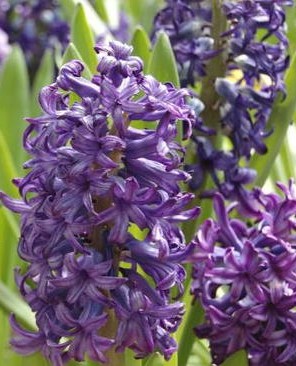
Several thick, smooth, strap-shaped leaves emerge directly from the bulb in a basal cluster. The leaves have parallel veins and surround an upright leafless flower stalk. Garden cultivars typically produce a dense cylindrical raceme containing many waxy, tubular flowers whose six lobes spread or curve backward.
Flowers may be blue, violet, purple, white, cream, yellow, apricot, pink, rose, red, or nearly dark blue. Double-flowered forms also occur. Flower color does not indicate toxicity, and white or pale cultivars should not be considered safer than blue forms.
Why Bulbs Are Commonly Exposed to Pets
Unplanted bulbs are commonly stored together in mesh bags, paper sacks, cardboard boxes, garages, sheds, closets, and potting areas. A dog gaining access may eat several before anyone notices. Loose papery scales can also scatter across the floor during sorting or planting.
Outdoor bulbs are planted during autumn and may remain attractive to digging dogs because the soil has recently been disturbed. Bone meal, blood meal, manure-based fertilizer, compost, or rodent activity can increase interest in the planting bed.
Indoor forced plants are often set in shallow pots or decorative baskets with the top of each bulb exposed. Several bulbs may be crowded into one container, placing a concentrated group of toxic organs at nose level. Decorative moss, ribbon, plastic liners, wire, stones, and fertilizer may add separate ingestion hazards.
Hyacinth forcing glasses hold the bulb above a water reservoir while roots extend downward. A pet may knock over the vase, drink the water, chew the bulb, swallow roots, or be injured by broken glass. The water and bulb must both be assessed after such an incident.
Common-Name Confusion
Grape Hyacinths belong primarily to Muscari and related genera. They are generally smaller plants with narrow grass-like leaves and clusters of rounded or urn-shaped flowers. Their chemistry and veterinary risk must be assessed by the actual species rather than borrowed from Hyacinthus orientalis.
Water Hyacinth is Pontederia crassipes, formerly Eichhornia crassipes. It is a floating South American aquatic plant with broad leaves, swollen buoyant petioles, dark hanging roots, and lavender flowers. It has no bulb and is not closely related to Garden Hyacinth.
Hyacinth Bean, Lablab purpureus, is a climbing legume with trifoliate leaves, pea-like flowers, pods, and seeds. Raw beans and pods present an unrelated food-safety problem and should not be discussed as if they contain Hyacinth bulb alkaloids.
Bluebells, Squill, Star of Bethlehem, Tulips, Daffodils, Autumn Crocus, and true lilies may all be stored or planted as bulbs and can be confused when labels are lost. Some produce more dangerous or fundamentally different poisoning syndromes. An unidentified bulb should be treated as an unknown ornamental exposure rather than assumed to be Hyacinth.
Hyacinth Is Not a True Lily
Hyacinth and true lilies are both monocotyledonous flowering plants, but they belong to different modern families. True lilies in the genus Lilium, as well as daylilies in Hemerocallis, can cause severe acute kidney injury in cats after ingestion of very small amounts.
Hyacinth poisoning is expected primarily to cause gastrointestinal and local irritant effects. A cat exposed to an uncertain plant with large lily-like flowers should not be assumed safe merely because the owner calls it a Hyacinth.
When true-lily exposure remains possible, emergency feline treatment must not be delayed while waiting for kidney signs. Photographs of the entire plant, leaves, stem, flowers, bulb, roots, pollen-bearing structures, and packaging may be necessary to resolve the identification.
Poisonous Parts and Preparation Differences
The bulb presents the greatest practical risk. Leaves, flowers, stalks, roots, bulb offsets, seed capsules, seeds, and discarded debris should also remain inaccessible. No plant part has been validated as animal forage or enrichment.
Freshly damaged bulbs release sap, scale fragments, and crystal-bearing dust. Stored and dried bulbs remain toxic because neither dormancy nor ordinary storage eliminates the mineral crystals or polyhydroxy alkaloids.
Cooking, soaking, freezing, drying, composting, or prolonged storage has not been validated as a method for making Hyacinth safe for animals. Rotten bulbs may add bacterial, fungal, or mold exposure and can still contain irritating plant material.
Diagnosis
No routine blood assay confirms Hyacinth poisoning. Diagnosis depends on correct plant identification, the plant part involved, estimated amount, onset of gastrointestinal signs, physical examination, and exclusion of another bulb, chemical, foreign body, or medical disorder.
Useful evidence includes all remaining bulbs, pieces recovered from the mouth or vomit, leaves, flowers, nursery labels, packaging, purchase receipts, photographs of the planting or container, and labels from fertilizers, pesticides, floral preservatives, or other additives.
Laboratory testing may include a complete blood count, electrolytes, glucose, kidney and liver values, acid-base assessment, and urinalysis when vomiting or diarrhea is substantial. These tests evaluate dehydration and complications rather than confirming a specific Hyacinth alkaloid.
Persistent regurgitation, repeated vomiting, abdominal pain, or suspected whole-bulb ingestion may justify radiographs, ultrasound, contrast imaging, or endoscopy. A physical foreign body and chemical irritation can occur in the same patient.
Prognosis
The prognosis is generally good to excellent after a limited leaf, flower, or small bulb exposure when vomiting and diarrhea remain controlled and hydration is maintained. Many animals recover with removal of access and appropriately timed supportive treatment.
The outlook becomes more guarded with repeated vomiting, bloody gastrointestinal signs, severe dehydration, electrolyte disturbance, tremors, aspiration, cardiovascular instability, prolonged appetite loss, or obstruction by a bulb or other material.
There is insufficient evidence to promise recovery within a fixed number of hours or to define a universally fatal dose. Prognosis must be based on the actual amount, patient size, clinical progression, laboratory abnormalities, and response to treatment.
Prevention
Store unplanted and lifted bulbs in clearly labeled, closed containers that pets cannot open. Keep ornamental bulbs separate from onions, garlic, shallots, and other food so that a dormant bulb is not carried into a kitchen or feed area by mistake.
Supervise dogs around newly planted beds and use a secure physical barrier where digging is likely. Avoid leaving bulb scales, offsets, damaged bulbs, packaging, bone meal, or potting debris on the soil surface.
Place forced indoor Hyacinths where pets cannot reach the exposed bulbs, foliage, roots, or water reservoir and cannot knock the container over. Cats may reach high shelves by climbing furniture, while hanging leaves or roots can extend below an otherwise inaccessible pot.
Remove spent plants, lifted bulbs, and greenhouse or landscape waste directly into a secure container. Never dump Hyacinth bulbs or debris into a paddock, pasture, stall, poultry yard, rabbit enclosure, compost pile, or woodland area accessible to animals.
Immediate Steps After Hyacinth Exposure
- Stop further access: Move the animal away from planted bulbs, unplanted bulbs, leaves, flowers, roots, forcing vases, potting material, bulb-storage areas, and contaminated garden debris.
- Identify the plant part: Determine whether the animal mouthed a flower or leaf, chewed bulb scales, swallowed part or all of a bulb, drank forcing water, or accessed several stored bulbs.
- Recover the remaining material: Collect all bulb pieces and compare them with the number and size originally present. Do not discard vomited fragments before speaking with the veterinarian.
- Remove only loose visible pieces: When the animal is calm, alert, breathing normally, and not likely to bite, remove material resting at the lips or front of the mouth. Do not reach blindly toward the throat.
- Preserve evidence: Save the bulb, plant, nursery label, packaging, photographs, vomited pieces, forcing-water additives, fertilizer, pesticide, bone-meal, and potting-product labels.
- Record the timeline: Note the earliest and latest possible exposure, animal’s body weight, number and approximate size of missing bulbs, plant part involved, and time each sign began.
- Contact a veterinarian promptly: Any confirmed bulb ingestion deserves professional guidance because the appropriate response depends on amount, time, symptoms, species, and foreign-body risk.
Do Not Attempt Unsupervised Home Decontamination
- Do not induce vomiting yourself: Do not use hydrogen peroxide, salt, mustard, ipecac, dish soap, detergent, manual gagging, or fingers in the throat.
- Do not make a cat vomit: Hydrogen peroxide and other home emetics are unsafe for cats.
- Do not give activated charcoal at home: Charcoal may be aspirated by a vomiting, weak, trembling, sedated, or poorly swallowing animal and cannot remove calcium oxalate crystals or a whole bulb.
- Do not force food or liquid: Milk, oil, yogurt, bread, broth, water, or food does not neutralize the plant and may enter the lungs when nausea or swallowing impairment is present.
- Do not administer human medication: Human pain relievers, antacids, antidiarrheals, anti-nausea drugs, antihistamines, corticosteroids, and leftover prescriptions may cause additional toxicity or obscure progression.
- Do not delay care while searching for an antidote: No specific home antidote neutralizes the bulb’s alkaloids or crystal irritation.
When Professional Emesis May Be Considered
A veterinarian may consider medically controlled vomiting after a recent meaningful bulb ingestion in a dog that remains fully alert, neurologically normal, able to swallow, free of repeated vomiting, and at low risk for aspiration. The decision also depends on whether the bulb was chewed into pieces or swallowed whole.
Emesis is inappropriate when the animal is already vomiting repeatedly, depressed, trembling, collapsed, seizuring, breathing abnormally, unable to swallow, or suspected of having a bulb lodged in the esophagus. Horses, rabbits, guinea pigs, rodents, and other species incapable of vomiting must never receive an emetic.
Professional judgment is essential because the potential benefit of recovering recently swallowed bulb tissue must be weighed against aspiration, esophageal obstruction, mucosal irritation, and delayed treatment.
Activated Charcoal and Gastric Decontamination
Activated charcoal is not a routine universal treatment for Hyacinth exposure. It does not bind or remove insoluble calcium oxalate crystals and cannot treat a physical foreign body. Evidence showing that charcoal meaningfully improves outcome after natural Hyacinth ingestion is lacking.
A veterinarian may consider charcoal after a substantial recent bulb ingestion when the patient can protect the airway, is not vomiting uncontrollably, and obstruction is not suspected. Administration must be avoided or delayed when neurologic depression, tremors, repeated vomiting, dysphagia, or respiratory compromise creates an aspiration risk.
Gastric lavage is a hospital procedure reserved for selected serious exposures under anesthesia with a protected airway. It is not routine and may be inappropriate when a whole bulb requires endoscopic removal rather than washing.
Vomiting, Diarrhea, and Abdominal Pain
- Track each episode: Record the timing, frequency, and appearance of vomit and diarrhea, including bulb fragments, foam, mucus, red blood, coffee-ground material, or black stool.
- Observe abdominal comfort: Hunching, prayer posture, whining, repeated stretching, a tense abdomen, restlessness, bloating, or resistance to handling requires examination.
- Permit water only when safe: An alert animal that is swallowing normally and not repeatedly vomiting may have voluntary access to small amounts of fresh water.
- Never force water: Do not pour, syringe, or drench liquid into a nauseated, weak, trembling, gagging, or poorly swallowing animal.
- Watch hydration: Tacky gums, sunken eyes, reduced urination, weakness, cool extremities, or worsening depression suggests clinically important fluid loss.
- Report blood promptly: Repeated blood, black stool, pale gums, collapse, or inability to keep water down requires urgent care.
Choking and Foreign-Body Warning Signs
- Choking is an immediate emergency: Panic, inability to move air, blue-gray gums, collapse, or a visible object blocking the mouth requires emergency intervention.
- Watch for esophageal obstruction: Profuse drooling, repeated swallowing, neck extension, regurgitation, coughing, or immediate return of water may indicate a lodged bulb.
- Watch for gastrointestinal obstruction: Persistent vomiting, abdominal distention, pain, appetite loss, reduced stool, or illness returning after temporary improvement requires imaging.
- Do not push material deeper: Never force food, water, fingers, spoons, or tools toward the throat.
- Do not pull a long fragment blindly: A strip of bulb scale, plant fiber, mesh, or string protruding from the mouth or rectum may be anchored internally.
Skin and Coat Exposure
Wear gloves before handling chewed bulbs, sap, vomit, damaged scales, contaminated coat, or bulb-storage dust. Remove contaminated collars, harnesses, clothing, and bedding.
Wash exposed skin, paws, and fur gently with lukewarm water and a mild pet-safe cleanser. Rinse thoroughly and prevent licking until cleanup is complete. Avoid aggressive scrubbing, which may drive crystal-bearing material into irritated skin.
Do not apply alcohol, peroxide, bleach, concentrated vinegar, essential oils, solvents, or human anti-itch products. Continued redness, fissuring, swelling, blistering, intense itching, pain, or open skin requires veterinary assessment.
Eye Exposure
Flush the affected eye immediately with sterile saline or clean lukewarm water for approximately 15 to 20 minutes. Direct a gentle stream across the ocular surface and beneath the eyelids rather than forcefully against the cornea.
Prevent rubbing and keep contaminated runoff away from the other eye. Do not use contact-lens cleaner, redness-relief drops, numbing medication, corticosteroid drops, antibiotic ointment, milk, or soap in the eye.
Continued squinting, tearing, redness, swelling, cloudiness, light sensitivity, unequal pupils, discharge, or apparent visual difficulty requires prompt veterinary examination.
Veterinary Examination and Monitoring
The veterinarian will evaluate hydration, abdominal pain, body temperature, mental status, heart rate and rhythm, respiratory status, swallowing, and the estimated amount of bulb missing. The mouth and pharynx may be examined for retained scale material or local irritation.
Blood testing may assess packed-cell volume, total protein, electrolytes, glucose, kidney and liver values, and acid-base status when vomiting or diarrhea is significant. ECG and blood-pressure monitoring may be appropriate when weakness, tremors, abnormal pulses, fainting, or suspected cardiovascular instability is present.
Radiographs, ultrasound, contrast imaging, or endoscopy may be required when a whole bulb or large section was swallowed. Endoscopy can sometimes remove material from the esophagus or stomach. Surgery may be necessary when obstruction develops farther along the gastrointestinal tract or tissue has been damaged.
Veterinary Supportive Treatment
There is no established Hyacinth-specific antidote. Treatment is directed at the patient’s clinical problems and may include veterinarian-selected anti-nausea medication, intravenous crystalloids, electrolyte correction, pain control, gastrointestinal protection, and nutritional support after vomiting and swallowing safety have been addressed.
Intravenous fluids are used to restore appropriate circulating volume and correct dehydration caused by vomiting, diarrhea, and poor intake. Fluid administration must be tailored to the animal’s hydration, perfusion, electrolyte status, kidney function, urine production, and cardiopulmonary condition.
Persistent tremors or neurologic excitation may require injectable medication and close temperature, glucose, electrolyte, and cardiovascular monitoring. Seizures, profound depression, or coma should trigger investigation for another toxin or secondary complication rather than being assumed to be routine Hyacinth poisoning.
Vasopressors may be considered when clinically important hypotension persists after appropriate volume correction. They are not substitutes for needed fluid resuscitation in a hypovolemic patient.
Horse, Livestock, Rabbit, Guinea Pig, and Bird Exposure
Remove the entire group from discarded bulbs, greenhouse waste, forced plants, landscape debris, contaminated forage, or an open compost pile. Examine all animals sharing access rather than only the first visibly affected individual.
Horses cannot vomit and should never receive a home emetic. Colic, salivation, appetite loss, diarrhea, depression, tremors, recumbency, abnormal heart rate, or reduced manure production warrants large-animal veterinary assessment.
Do not drench a weak, colicky, trembling, coughing, salivating, recumbent, or poorly swallowing animal. Forced oil, water, charcoal, feed, or medication can be aspirated.
Rabbits and guinea pigs require prompt attention when eating or fecal production declines because gastrointestinal stasis may follow nausea or abdominal pain. Birds should not be force-watered because aspiration can occur rapidly.
Recovery and Prognosis
Most limited exposures have a good to excellent prognosis when vomiting and diarrhea are controlled and hydration is maintained. Improvement should include decreasing gastrointestinal signs, comfortable abdominal movement, return of appetite, normal urination, normal coordination, and ordinary activity.
Repeated vomiting, bloody diarrhea, major dehydration, electrolyte disturbance, tremors, aspiration, cardiovascular instability, persistent anorexia, or obstruction prolongs recovery and makes the prognosis more guarded.
Re-examination is necessary when signs recur after apparent improvement, the animal remains unable to eat or drink, vomiting continues into the following day, abdominal pain increases, stool production decreases, or weakness and tremors develop.
Frequently Asked Questions About Hyacinth and Animal Poisoning
Why is the bulb more dangerous than the flowers?
The bulb is a compact storage organ containing a much greater mass of fleshy tissue than one flower. Exact-species research has isolated numerous polyhydroxy alkaloids from the bulb, while occupational studies document abundant calcium oxalate in its scales and handling dust. A dog can also eat several stored bulbs in one episode, making the practical dose much larger than a brief nibble of foliage.
What alkaloids have actually been identified in Hyacinthus orientalis?
Researchers have identified α-homonojirimycin, β-homonojirimycin, α- and β-homomannojirimycin, DMDP, homoDMDP, 6-deoxy-homoDMDP, 1-deoxynojirimycin, 1-deoxymannojirimycin, and related compounds. Several inhibit glycosidase enzymes experimentally. Their presence is confirmed, but the individual contribution of each compound to natural veterinary poisoning has not been established.
Does Hyacinth contain lycorine like a daffodil?
Lycorine is well established in daffodils and other members of Amaryllidaceae, but it should not be listed automatically as a principal toxin of Hyacinthus orientalis. Hyacinth belongs to Asparagaceae and has a documented polyhydroxy-alkaloid profile. The phrase “narcissus-like alkaloids” describes a broadly similar bulb-associated gastrointestinal syndrome, not identical chemistry.
What is “hyacinth itch”?
Hyacinth itch is the irritant skin reaction historically experienced by bulb growers, sorters, packers, florists, and gardeners. Calcium oxalate crystals from bulb scales and contaminated dust can cause intense itching, burning, redness, fissuring, scaling, and inflammation, particularly around the fingers and nails. Gloves and prompt washing reduce exposure, but some individuals may also react to incompletely identified allergens.
Does the historical six-percent calcium oxalate figure apply to every bulb?
No. Older occupational analyses reported calcium oxalate at approximately six percent in examined bulb scales and similar levels in packing-table dust. That is useful evidence of a substantial crystal burden, but it is not a guaranteed concentration for every cultivar, bulb layer, age, storage condition, or growing environment.
Can a dormant or dried Hyacinth bulb still poison an animal?
Yes. Dormancy and storage do not dissolve calcium oxalate crystals or remove the documented alkaloids. Unplanted autumn bulbs, lifted bulbs, offsets, old bulb scales, and bulbs prepared for indoor forcing must remain inaccessible.
Why might a veterinarian order imaging after the vomiting improves?
A swallowed bulb may create a foreign body independently of its toxins. Oral and gastrointestinal irritation can improve while a large bulb section remains lodged in the esophagus, stomach, or intestine. Regurgitation, recurrent vomiting, abdominal pain, bloating, reduced stool, or relapse after temporary improvement may justify radiographs, ultrasound, contrast imaging, or endoscopy.
Can a Hyacinth bulb be mistaken for an onion?
Yes. Both are layered bulbs with papery outer coverings, and dormant ornamental bulbs may lack leaves or flowers that make identification easy. Outer color is unreliable. Hyacinth bulbs must be stored in labeled containers away from onions, garlic, shallots, animal feed, and kitchen produce.
What other bulbs are important when the identification is uncertain?
Daffodils, Tulips, Autumn Crocus, Star of Bethlehem, Amaryllis, true lilies, onions, and several other ornamental or edible bulbs can be confused after labels are lost. Their toxins and urgency differ substantially. Autumn Crocus can cause severe multi-organ toxicity, true lilies can cause acute kidney failure in cats, and onion-family plants can damage red blood cells. An unknown bulb should not be managed as a minor Hyacinth exposure without identification.
Why is Hyacinth not treated like an Easter Lily exposure in a cat?
Hyacinth is not a true lily and does not produce the characteristic feline acute kidney-failure syndrome associated with Lilium and Hemerocallis. Hyacinth primarily causes gastrointestinal and local irritant effects. The distinction depends on correct identification; an uncertain lily-like plant still requires urgent assessment until a true lily is excluded.
Is the water in a forcing glass poisonous because the roots touched it?
The water should not be offered to animals, but its risk cannot be defined from root contact alone. It may contain plant exudates, decaying organic material, mold, bacteria, fertilizer, floral preservative, or another additive. Determine what was placed in the water and whether the pet also chewed the bulb or roots. Save the product labels for the veterinarian.
Why are bone meal and blood meal relevant to a Hyacinth exposure?
These garden products can attract dogs to newly planted bulbs. A dog may ingest several bulbs along with concentrated organic fertilizer, soil, plastic mesh, stones, or packaging. Bone meal can also form a dense gastrointestinal mass. The entire planting area and all missing products should be included in the exposure history.
Does a racing heart prove that the Hyacinth alkaloids affected the heart?
No. Tachycardia can result from pain, stress, dehydration, poor perfusion, fever, or electrolyte abnormalities. A direct toxin effect is possible but has not been defined adequately in natural exact-species cases. ECG, blood pressure, electrolytes, hydration, and the complete exposure history are needed to interpret an abnormal heart rate.
Why are tremors treated seriously when the evidence is limited?
Tremors indicate that the illness is no longer a simple episode of mild stomach upset. They may accompany a substantial exposure, electrolyte or glucose disturbance, dehydration, pain, another garden chemical, or a different plant. Because the cause cannot be determined safely at home, a trembling animal requires prompt examination rather than observation alone.
Can the strong fragrance poison an animal without ingestion?
Ordinary flower fragrance does not reproduce the bulb-ingestion syndrome. A heavily scented display may still irritate or distress an animal with sensitive airways, and fragrance products or essential oils are different exposures from the living flower. Respiratory difficulty should not be dismissed as “only the smell,” particularly when the bulb, pollen, mold, or another household product may also be involved.
Why should several animals be checked after bulbs are discarded into a pasture?
One visibly ill horse, goat, sheep, or other animal may indicate that an entire group had access. Different animals may consume different amounts, and horses cannot vomit. Remove all bulbs and debris, preserve samples, inspect every animal, and monitor appetite, manure production, abdominal comfort, coordination, and cardiovascular status.
What finding most strongly suggests that the problem is not uncomplicated Hyacinth poisoning?
Progressive kidney failure, jaundice, severe hemolytic anemia, persistent seizures, profound coma, or multi-organ deterioration is not the expected routine syndrome. Those findings require investigation for plant misidentification, pesticide or fertilizer exposure, medication, metabolic disease, severe dehydration, hypoxia, aspiration, or another toxicant.