Kalanchoe Toxicity, Bufadienolide Cardiac Steroids, and Species-Level Risk
Is Kalanchoe Poisonous to Dogs, Cats, Horses, and Livestock?
Yes—an unidentified Kalanchoe should be treated as potentially poisonous to dogs, cats, horses, livestock, rabbits, birds, and other animals that eat it. The genus contains many chemically different species. Mother-of-Millions, Mother-of-Thousands, Life Plant, several former Bryophyllum species, and their hybrids contain confirmed bufadienolide cardiac steroids capable of disturbing the heart, circulation, gastrointestinal tract, nervous system, and muscles.
Most small household exposures involving a compact florist Kalanchoe cause no illness or temporary drooling, nausea, vomiting, diarrhea, abdominal discomfort, appetite reduction, or lethargy. A larger ingestion, a flowering Mother-of-Millions plant, numerous fallen plantlets, repeated grazing, an unknown species, or an animal with existing heart or kidney disease creates greater concern. Severe poisoning may produce weakness, an abnormally slow, rapid, or irregular heartbeat, low blood pressure, difficult breathing, tremors, poor coordination, seizures, collapse, cardiac arrest, and death.
Risk cannot be determined from the word “Kalanchoe” alone. Bufadienolides have been confirmed in only a subset of the large genus, and concentrations differ greatly by species, hybrid, plant part, developmental stage, and individual plant. Until the specimen is identified, leaves, stems, roots, flowers, seeds, sap, leaf-edge plantlets, cuttings, dried growth, partially burned material, and discarded plants should all remain inaccessible.
About this guide: This page provides general pet-poisoning information and cannot diagnose or treat an individual animal. For any suspected exposure, contact a veterinarian or animal poison-control service immediately. Do not induce vomiting, give medication, or attempt home decontamination unless directed by a veterinary professional.
Kalanchoe
Kalanchoe Adans. spp.
This is a genus-level poisoning page. Important species, hybrids, and former scientific names include:
- Kalanchoe blossfeldiana Poelln. — Florist Kalanchoe, Flaming Katy, Christmas Kalanchoe, and many Calandiva cultivars
- Kalanchoe delagoensis Eckl. & Zeyh. — Mother of Millions and Chandelier Plant; formerly Bryophyllum delagoense, Bryophyllum tubiflorum, or Kalanchoe tubiflora
- Kalanchoe daigremontiana Raym.-Hamet & H.Perrier — Mother of Thousands; formerly Bryophyllum daigremontianum
- Kalanchoe × houghtonii — hybrid Mother of Millions involving K. daigremontiana and K. delagoensis ancestry
- Kalanchoe pinnata (Lam.) Pers. — Life Plant, Air Plant, Miracle Leaf, and Cathedral Bells; formerly Bryophyllum pinnatum, Bryophyllum calycinum, or Vereia pinnata
- Kalanchoe lanceolata (Forssk.) Pers. — a species associated with serious livestock poisoning in Africa
- Kalanchoe fedtschenkoi Raym.-Hamet & H.Perrier — Lavender Scallops
- Kalanchoe tomentosa Baker — Panda Plant, Pussy Ears, or Chocolate Soldier
- Kalanchoe luciae Raym.-Hamet — Flapjack or Paddle Plant
- Kalanchoe thyrsiflora Harv. — a separate paddle-leaved species frequently confused with K. luciae
Important taxonomic distinctions:
- Bryophyllum remains common in older toxicology and agricultural publications but is currently treated as part of Kalanchoe in the botanical treatment followed here.
- Jade Plant is usually Crassula ovata, a related but separate genus.
- Snake Plant is Dracaena trifasciata, and the latex-producing Devil’s Backbone is usually Euphorbia tithymaloides. Neither is a Kalanchoe.
Crassulaceae — Stonecrop Family
Kalanchoe; Kalanchoë; Flaming Katy; Florist Kalanchoe; Christmas Kalanchoe; Madagascar Widow’s-Thrill; Widow’s-Thrill; Calandiva; Mother of Millions; Mother-of-Millions; Mother of Thousands; Mother-of-Thousands; Chandelier Plant; Mexican Hat Plant; Alligator Plant; Hybrid Mother of Millions; Life Plant; Air Plant; Miracle Leaf; Resurrection Plant; Cathedral Bells; Goethe Plant; Leaf of Life; Never-Die Plant; Lavender Scallops; Panda Plant; Pussy Ears; Chocolate Soldier; Felt Bush; Flapjack Plant; Paddle Plant; Copper Spoons; Kalanchoe spp.; Bryophyllum spp.
Flaming Katy, Florist Kalanchoe, Christmas Kalanchoe, Madagascar Widow’s-Thrill, and Calandiva generally refer to Kalanchoe blossfeldiana or cultivars derived from it.
Mother of Millions and Chandelier Plant most commonly refer to Kalanchoe delagoensis, formerly Bryophyllum delagoense or Bryophyllum tubiflorum. The same names are also applied to the hybrid Kalanchoe × houghtonii.
Mother of Thousands, Mexican Hat Plant, and Alligator Plant generally refer to Kalanchoe daigremontiana. Its broad triangular leaves normally produce numerous plantlets along much of the leaf margin.
Life Plant, Air Plant, Miracle Leaf, Resurrection Plant, Cathedral Bells, Goethe Plant, Leaf of Life, and Never-Die Plant commonly refer to Kalanchoe pinnata, formerly Bryophyllum pinnatum.
Panda Plant, Pussy Ears, and Chocolate Soldier usually refer to Kalanchoe tomentosa. Lavender Scallops refers to Kalanchoe fedtschenkoi. Flapjack and Paddle Plant are applied most often to Kalanchoe luciae but are also used for Kalanchoe thyrsiflora.
Mother-in-Law Plant is ambiguous and more commonly refers to Snake Plant, Dracaena trifasciata. Devil’s Backbone may refer to a Kalanchoe or to the unrelated Euphorbia tithymaloides. A photograph and scientific label are more dependable than either common name.
Bufadienolide Cardiac Steroids Are Confirmed in Only Part of the Genus
Kalanchoe toxicity is associated principally with bufadienolides, a group of C-24 steroidal compounds containing a six-membered unsaturated lactone ring. Some occur as glycosides, while others occur as free steroidal compounds, orthoacetate derivatives, acetates, or related structures.
More than one hundred Kalanchoe species and numerous natural and horticultural hybrids exist, but detailed bufadienolide chemistry has been established in only a minority. Direct evidence is strongest for Kalanchoe daigremontiana, Kalanchoe pinnata, Kalanchoe delagoensis, their hybrids, and several related former Bryophyllum species.
An unidentified Kalanchoe should still be treated as potentially poisonous because plant labels are frequently absent or wrong, several dangerous species are easily confused, and one ornamental plant may contain ancestry from more than one species. That precaution is different from claiming that every species contains an identical toxin mixture.
Confirmed Compounds in Mother-of-Thousands and Life Plant
Kalanchoe daigremontiana has one of the most extensively documented bufadienolide profiles in the genus. Investigators have isolated daigremontianin, bersaldegenin derivatives, bryophyllins, daigredorigenin-related compounds, and numerous additional bufadienolides from its roots and aerial tissues.
A root investigation isolated fifteen bufadienolides, several of which had not been reported previously. Modern analysis of fresh leaf juice identified bersaldegenin-1,3,5-orthoacetate as the dominant detected compound together with bryophyllin-related molecules, daigremontianin, bersaldegenin acetates, and additional steroidal constituents.
Kalanchoe pinnata contains bryophyllin A, bryophyllin C, bryotoxin-related compounds, bersaldegenin derivatives, and other bufadienolides. Bryophyllin C was isolated directly from the leaves during bioassay-guided research.
The hybrid historically described as Kalanchoe daigremontiana × Kalanchoe tubiflora also yielded insecticidal bufadienolides. Hybridization therefore does not dilute or remove the chemical hazard.
Bryotoxins, Bryophyllins, Bersaldegenins, and Daigremontianin
Bryotoxins, bryophyllins, bersaldegenin derivatives, and daigremontianin are related but not interchangeable names. Each label describes a particular chemical structure or group of related structures rather than a universal Kalanchoe poison.
The letters assigned to bryotoxins or bryophyllins do not represent a simple severity scale. Bryophyllin A is not automatically more dangerous than bryophyllin B, and bryotoxin C is not a statement that poisoning has reached a third clinical stage.
Different bufadienolides vary in affinity for sodium-potassium ATPase, absorption, metabolism, distribution, elimination, cytotoxicity, neurotoxicity, and cumulative behavior. Natural ingestion exposes the animal to a mixture whose composition changes with the species and plant part.
Inhibition of Sodium-Potassium ATPase
Sodium-potassium ATPase is a membrane pump that uses cellular energy to move sodium out of cells and potassium into them. This gradient supports electrical excitability, fluid balance, nerve function, and coordinated heart-muscle contraction.
Bufadienolides bind to and inhibit the pump. Intracellular sodium rises, potassium distribution changes, and the sodium-calcium exchanger removes less calcium from cardiac cells. Intracellular calcium consequently increases.
A limited pharmacologic effect can strengthen contraction, but toxic inhibition destabilizes cardiac automaticity and conduction. The animal may develop premature complexes, sinus bradycardia, tachycardia, atrioventricular block, ventricular tachyarrhythmias, fibrillation, inadequate cardiac output, or arrest.
Because several rhythm abnormalities may occur sequentially or simultaneously, there is no single antiarrhythmic medication appropriate for every Kalanchoe patient.
Gastrointestinal Effects Can Precede Cardiac Signs
Bufadienolides and other plant constituents can stimulate nausea and irritate the gastrointestinal tract before an abnormal rhythm is recognized. Drooling, vomiting, diarrhea, abdominal discomfort, appetite loss, and depression therefore dominate many household exposures.
Repeated vomiting and diarrhea add dehydration, sodium and potassium disturbance, acid-base abnormalities, hypotension, and poor tissue perfusion to the direct cardiac effects. These secondary changes can intensify an unstable rhythm.
Temporary improvement after vomiting does not prove that the cardiovascular risk has ended. Absorbed cardiac steroids may continue circulating after the stomach appears empty, and plant fragments may remain within the gastrointestinal tract.
Flowers Can Be Substantially More Toxic Than Vegetative Material
Controlled cattle investigations demonstrated that the flower heads of several former Bryophyllum species and hybrids caused more severe poisoning than equivalent amounts of leaves and stems. In one exact study, flower heads of a hybrid were the most toxic material tested, followed by Mother-of-Millions and other related species.
Flower concentration is particularly important for Kalanchoe delagoensis and its hybrids, which produce tall stalks carrying dense groups of pendulous orange-red flowers. Grazing animals can consume a concentrated floral mass quickly when ordinary forage is scarce.
The finding should not be converted into a claim that every flower from every Kalanchoe species is five times more poisonous than every leaf. The magnitude varies by species, plant, moisture content, analytical method, and experiment.
Removing flowers reduces one important exposure route but does not make the remaining leaves, stems, roots, or plantlets safe.
Florist Kalanchoe Has Conflicting Toxicological Evidence
Florist Kalanchoe, Kalanchoe blossfeldiana, is the species most commonly encountered in homes, offices, retail displays, and gift arrangements. Veterinary guidance has long classified it as poisonous, and a documented cattle outbreak followed access to discarded flowering prunings.
In that outbreak, seventeen cattle became ill and thirteen died after plant material was discarded into pasture during a period of forage scarcity. Gastrointestinal, cardiovascular, and neuromuscular abnormalities were reported.
Other evidence is less alarming. Four Kalanchoe blossfeldiana cultivars did not poison chicks at the highest tested amounts in one comparative experiment. Modern chemical analyses also failed to detect bufadienolides in the particular leaf extracts and fresh leaf juice examined.
The apparent conflict may reflect cultivar, plant organ, flowering stage, environmental chemistry, analytical detection, dose, species susceptibility, or another unmeasured constituent. It does not establish that a florist plant is edible. It does show that a small bite of Florist Kalanchoe should not be equated automatically with grazing a flowering stand of Mother of Millions.
Not Every Kalanchoe Species Produced Toxicity in Comparative Testing
In addition to the tested Florist Kalanchoe cultivars, Kalanchoe tomentosa and one hybrid involving K. tomentosa did not produce poisoning in chicks at the highest tested exposure. In the same experiment, K. daigremontiana, K. delagoensis under its former name K. tubiflora, and K. fedtschenkoi caused depression, incoordination, tremors, convulsions, paralysis, and death.
That experiment demonstrates substantial species-level variation. It does not prove that Panda Plant or every Florist Kalanchoe cultivar is safe for dogs, cats, rabbits, or birds. Different animal species can absorb, metabolize, and respond to cardiac steroids differently.
Acute Cardiotoxic Bufadienolides and Cumulative Neurotoxic Bufadienolides
Acute Kalanchoe poisoning follows ingestion of a clinically important toxin burden over a short period. Gastrointestinal illness may progress to conduction disturbance, arrhythmia, circulatory failure, breathing difficulty, collapse, and death.
Some southern African Crassulaceae contain cumulative neurotoxic bufadienolides capable of producing krimpsiekte, also called cotyledonosis or nenta. This chronic paretic or paralytic syndrome is best documented in sheep and goats after repeated exposure to particular Kalanchoe, Cotyledon, and Tylecodon species.
Krimpsiekte compounds include lanceotoxins and other cumulative bufadienolides whose clinical behavior differs from rapidly acting cardiac toxins. Progressive stiffness, abnormal posture, neck weakness, reluctance to move, paresis, and paralysis may develop after repeated consumption.
Krimpsiekte is not the expected outcome after one household bite from Florist Kalanchoe. It remains relevant where livestock or another animal repeatedly grazes an implicated species over several days.
Every Accessible Plant Part Should Be Controlled
In confirmed toxic species, leaves, stems, roots, flowers, flower stalks, fruits, seeds, sap, and plantlets can contain biologically active material. Exact concentration differs by organ and cannot be assumed from size or color.
Leaf-edge plantlets are complete miniature plants rather than inert debris. They can detach, remain viable, root in neighboring containers or floor cracks, and create repeated exposure sites.
Drying, wilting, uprooting, frost damage, ordinary composting, or partial burning does not provide dependable detoxification. Discarded plants, clippings, dead flower stalks, and partially burned pasture debris should remain inaccessible.
Skin Contact Is Different from Ingestion
Ordinary handling of intact Kalanchoe is not expected to produce the cardiac syndrome caused by swallowing it. A modern in-vitro membrane experiment did not detect passage of the tested K. daigremontiana or K. pinnata bufadienolides through the synthetic skin model during the experiment.
That result does not establish complete safety for damaged skin, concentrated extracts, prolonged occlusion, eye exposure, or every animal species. Sap on the coat also becomes an oral exposure when a pet grooms.
The principal veterinary concern remains ingestion. Gloves, coat washing, and prevention of grooming are appropriate after a crushed plant or concentrated preparation contaminates the animal.
No Dependable Safe or Lethal Dose
No validated safe leaf count, flower count, plantlet count, plant weight, juice volume, bufadienolide concentration, toxic dose, or lethal dose exists for an individual dog or cat.
Published cattle and chick experiments cannot be converted into a household calculator because plant chemistry, moisture, species susceptibility, body size, chewing, stomach contents, and health differ.
Risk assessment should consider the precise species, flowers versus foliage, amount missing, repeated access, patient size, existing cardiac disease, current signs, and possible ingestion of soil, fertilizer, pesticide, packaging, or another plant.
Early Gastrointestinal Illness
Drooling, lip licking, repeated swallowing, nausea, vomiting, diarrhea, abdominal discomfort, appetite reduction, depression, and lethargy are the most common signs reported after household Kalanchoe exposure.
Signs may begin within several hours, but the timing varies with the species, plant part, amount, chewing, stomach contents, and individual susceptibility. A pet may remain outwardly normal during the early absorption period.
Vomited material may contain thick leaf pieces, flowers, stems, roots, or small plantlets. Expelling visible plant material does not prove that all toxins or plant fragments have been removed.
Abdominal Pain, Diarrhea, and Gastrointestinal Bleeding
Abdominal discomfort may cause restlessness, whining, repeated stretching, prayer posture, a hunched stance, tense abdominal muscles, hiding, or reluctance to be touched.
Diarrhea may become watery, mucoid, or persistent. Severe livestock cases involving highly toxic species have included dark or hemorrhagic intestinal discharge.
Repeated fresh blood, coffee-ground vomit, black stool, or substantial bloody diarrhea requires emergency examination. These findings may reflect major gastrointestinal injury, poor perfusion, another toxin, or an unrelated disease.
Dehydration and Electrolyte Disturbance
Repeated vomiting and diarrhea can cause tacky gums, sunken eyes, reduced urination, weakness, rapid or weak pulses, cold extremities, and worsening depression.
Cardiac-glycoside poisoning can also alter potassium distribution directly through sodium-potassium ATPase inhibition. The measured blood potassium may therefore reflect both gastrointestinal losses and abnormal movement between intracellular and extracellular compartments.
Calcium, magnesium, sodium, glucose, acid-base status, kidney function, and hydration can further influence cardiac stability. No electrolyte supplement should be given from symptoms alone.
Slow, Rapid, or Irregular Heart Rhythm
A poisoned animal may develop an abnormally slow, rapid, weak, irregular, or intermittently absent pulse. Premature complexes, atrioventricular block, ventricular tachyarrhythmias, fibrillation, and terminal arrest are possible after substantial exposure.
A pet may appear weak, suddenly sit or lie down, stagger, faint during movement, or lose consciousness because cardiac output has fallen.
The rhythm may change over time. One normal pulse check at home does not rule out later conduction or ventricular abnormalities after a meaningful ingestion.
Poor Perfusion, Hypotension, and Collapse
Cold paws or ears, pale or gray mucous membranes, weak pulses, delayed capillary refill, profound weakness, fainting, and reduced responsiveness indicate inadequate circulation.
Hypotension can result from vomiting and diarrhea, rhythm disturbance, impaired cardiac contraction, vascular effects, or combined shock.
An animal may collapse when forced to walk or become excited. Activity should be minimized whenever a cardiac-glycoside exposure is possible.
Breathing Difficulty
Rapid breathing, labored respiration, neck extension, open-mouth breathing, gasping, or blue-gray gums can develop when the heart cannot maintain adequate circulation and oxygen delivery.
Aspiration after vomiting, pulmonary edema, severe acidosis, seizure activity, or terminal circulatory failure can also cause respiratory distress.
Difficult breathing after Kalanchoe ingestion is never a routine symptom to monitor casually at home.
Weakness, Incoordination, Tremors, and Seizures
Neurologic or neuromuscular findings may include weakness, abnormal eye movement, confusion, stumbling, swaying, muscle twitching, tremors, stiffness, tetany, convulsions, paralysis, or coma.
Some findings may reflect direct effects of particular compounds. Others result from poor cerebral perfusion, hypoxia, electrolyte disturbance, shock, or prolonged seizure activity.
Comparative chick research produced depression, incoordination, neck spiraling, tremors, convulsions, paralysis, and death after exposure to several confirmed toxic Kalanchoe species.
Dogs
Dogs may chew one leaf, pull an entire plant from its container, swallow flower clusters, eat fallen plantlets, raid compost, or consume a discarded bag of invasive plants.
One limited bite from Florist Kalanchoe commonly causes no signs or temporary gastrointestinal illness. Risk rises when the species is unknown, the plant bears leaf-edge plantlets or hanging flowers, several leaves or flowers are missing, or an entire pot was disturbed.
Bulky leaves, roots, ceramic pieces, plastic, wire, foil, labels, stones, or compacted potting material can produce choking or gastrointestinal obstruction independently of the toxins.
Cats
Cats may bite succulent leaves, chew flower stalks, bat fallen plantlets across the floor, knock over a pot, or groom sap and fragments from the coat.
Early signs may be limited to vomiting, hiding, food refusal, or lethargy. Continued feline anorexia deserves attention even after vomiting stops because prolonged food refusal can cause serious secondary metabolic disease.
A weak, vomiting, depressed, or poorly swallowing cat is at high risk of aspirating forced water, charcoal, food, or medication. Hydrogen peroxide must never be used as a feline emetic.
Horses and Livestock
Livestock poisoning most often follows access to dense invasive stands, flowering plants, discarded garden material, prunings, uprooted plants, contaminated forage, or pasture during drought and feed scarcity.
Cattle may develop salivation, persistent or dark diarrhea, weakness, staggering, dyspnea, abnormal rhythms, collapse, and sudden death. One animal may be found dead before the rest of the group appears obviously ill.
Horses cannot vomit and may instead show salivation, colic, diarrhea, feed refusal, weakness, arrhythmia, respiratory distress, tremors, seizures, or collapse.
Repeated exposure to particular cumulative species can produce progressive stiffness, abnormal posture, neck or limb weakness, paresis, and paralysis rather than a single acute cardiac episode.
Birds, Rabbits, and Other Small Animals
Chicks are susceptible to several Kalanchoe species, but comparative testing also demonstrated substantial differences among plants. Results in poultry cannot be used to declare a species safe for pet birds.
Rabbits and guinea pigs cannot vomit. Gastrointestinal illness may appear as food refusal, salivation, abdominal discomfort, diarrhea, reduced fecal output, weakness, or gastrointestinal stasis.
A small plantlet or flower can represent a larger body-weight exposure for a bird, rabbit, or other small patient than it does for an adult dog.
Acute Versus Cumulative Clinical Courses
Acute poisoning may progress from gastrointestinal signs to rhythm disturbance, weakness, breathing difficulty, collapse, and death over hours or several days.
Cumulative poisoning follows repeated access to specific neurotoxic bufadienolides. The animal may initially appear mildly stiff or reluctant to move before developing progressive paresis and paralysis.
A dog or cat taking one small household bite is not expected to develop classic krimpsiekte. Repeated unsupervised chewing of an unidentified species still warrants investigation rather than assuming each exposure is too small to matter.
Emergency Warning Signs
Emergency findings include persistent or bloody vomiting or diarrhea, profound weakness, fainting, a slow, rapid, weak, or irregular pulse, cold extremities, pale or blue-gray gums, difficult breathing, abnormal eye movement, tremors, seizures, paralysis, collapse, or reduced responsiveness.
Temporary improvement in vomiting does not clear a substantial or high-risk exposure. Cardiac monitoring may still be necessary when the species or quantity creates concern.
A Large and Chemically Uneven Genus
Kalanchoe is a large genus of succulent herbs, subshrubs, shrubs, and occasional small trees in Crassulaceae. Most species store water in thick leaves and stems, but their size, leaf arrangement, hairiness, coloration, flowers, reproductive strategy, and chemistry vary greatly.
Many familiar species are native to Madagascar, with additional members occurring naturally in continental Africa, Arabia, and parts of tropical Asia. Cultivation has carried the genus throughout warm regions of the world.
In colder climates, exposure usually involves a potted houseplant, florist gift, office plant, greenhouse specimen, patio container, or indoor collection. In frost-free regions, former Bryophyllum species may escape cultivation and invade roadsides, waste areas, waterways, woodland, grassland, and pasture.
Kalanchoe and the Former Genus Bryophyllum
Plantlet-producing species were historically separated into the genus Bryophyllum. Modern treatment generally includes them within Kalanchoe, while recognizing their distinctive reproductive and floral characteristics.
Older poison records consequently use names such as Bryophyllum tubiflorum, Bryophyllum daigremontianum, and Bryophyllum pinnatum. These names refer to plants now accepted as Kalanchoe delagoensis, Kalanchoe daigremontiana, and Kalanchoe pinnata.
The taxonomic change did not alter the toxicology. Former Bryophyllum species include several of the best-documented serious livestock poisons in the genus.
Florist Kalanchoe and Calandiva
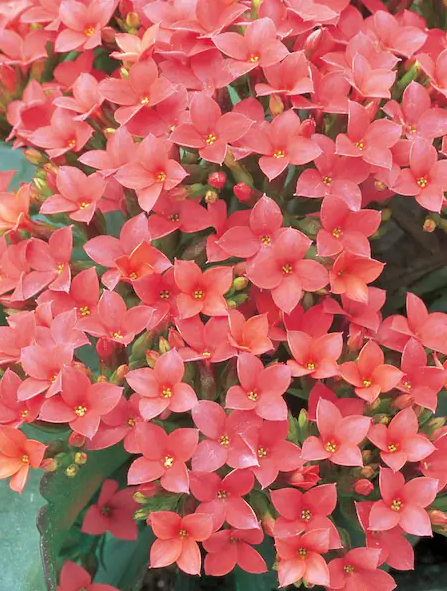
Florist Kalanchoe, Kalanchoe blossfeldiana, is the compact flowering succulent sold widely as a gift or seasonal houseplant. It has thick glossy opposite leaves with scalloped margins and dense clusters of small four-parted flowers.
Flower colors include red, pink, orange, yellow, white, purple, and multicolored combinations. Calandiva is a trade and cultivar group of double-flowered Kalanchoe blossfeldiana rather than a different nontoxic genus.
Most limited pet exposures to florist plants produce gastrointestinal signs rather than catastrophic cardiac disease. The direct evidence remains mixed, however, and severe cattle poisoning has been associated with discarded flowering material.
A Calandiva label, compact size, double flower, or decorative foil wrapper does not establish edibility.
Mother of Millions, Mother of Thousands, and the Hybrid
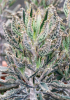
Kalanchoe delagoensis usually has narrow tubular or pencil-shaped leaves, often with darker markings. Plantlets form near the leaf tips, and mature plants produce tall clusters of hanging orange-red tubular flowers.
Kalanchoe daigremontiana has broader triangular or boat-shaped leaves. Numerous plantlets form along much of the serrated margin, and dark purple or brown markings may appear on the lower leaf surface.
Kalanchoe × houghtonii is a hybrid involving both species. Its leaves are generally narrower than those of K. daigremontiana but broader and more flattened than the tubular leaves of K. delagoensis. It also produces many marginal plantlets.
The hybrid can retain substantial bufadienolide chemistry and must not be considered safer because it is not a naturally occurring pure species.
Life Plant, Air Plant, and Miracle Leaf
Kalanchoe pinnata commonly grows as a taller succulent subshrub. Young leaves may be simple, while mature leaves can become divided into several fleshy oval leaflets.
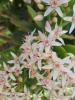
Plantlets may develop from notches along detached or attached leaves. Mature plants produce hanging greenish, reddish, or purplish flowers.
The species has an extensive history in traditional medicine and has also caused fatal cattle poisoning. Direct chemical studies isolated bryophyllin C and other bufadienolides from its leaves.
A medicinal-use history does not establish a safe raw-leaf, juice, tea, tincture, or veterinary dose.
Other Ornamental Kalanchoes
Panda Plant, Kalanchoe tomentosa, has thick gray-green leaves covered with fine hairs and commonly marked with brown along the margins. Lavender Scallops, Kalanchoe fedtschenkoi, has blue-green or lavender-gray scalloped leaves.
Flapjack or Paddle Plant usually refers to Kalanchoe luciae, which develops broad flat leaves capable of turning red in bright light. The name is also applied to Kalanchoe thyrsiflora, a separate related species.
Copper Spoons, Felt Bush, trailing Kalanchoes, and numerous collectors’ species can look unlike either a florist plant or Mother of Millions. Most have not received detailed veterinary dose-response study.
Absence from a published poisoning report should not be converted into proof of safety.
Plantlets Create a Repeated and Mobile Exposure
Marginal plantlets are one reason former Bryophyllum species spread so aggressively. Each miniature plant can detach, remain viable, produce roots, and establish in a neighboring pot, floor crack, gravel bed, kennel, drainage area, or pasture.
A pot moved from one windowsill can leave dozens of plantlets behind. Cats may bat them under furniture, birds may pick at them, and dogs may ingest them while scavenging spilled soil.
Plantlets should be collected with the same care as mature leaves. Vacuum contents, sweeping debris, and discarded potting mix should be secured where animals cannot reach them.
Why Flowering Mother of Millions Is Especially Dangerous
Mother-of-Millions plants can produce tall flowering stalks carrying a dense mass of pendulous flowers. This allows a grazing animal to consume a concentrated amount quickly.
Controlled cattle work demonstrated that flower heads of several implicated species and hybrids were substantially more toxic than leaves and stems. Most historical outbreaks occurred during flowering periods.
Cutting off flower stalks reduces seed production and one concentrated toxin source, but the remaining plant and its plantlets remain potentially poisonous and invasive.
Household Exposure Often Includes More Than the Plant
A knocked-over container can expose a pet to potting soil, fertilizer granules, systemic insecticides, slug products, decorative stones, ceramic shards, plastic, wire, foil, ribbon, labels, and stagnant drainage water.
Severe tremors, sustained seizures, corrosive oral injury, major liver failure, or a gastrointestinal obstruction may originate from one of those accompanying materials rather than the succulent itself.
Bring every product associated with the pot to the clinic rather than assuming the leaves explain the complete syndrome.
Livestock Poisoning Evidence
Between 1960 and 1984, four former Bryophyllum species were associated with 41 recorded poisoning incidents affecting 379 cattle in Queensland. Flowering plants were the most important exposures.
Controlled work ranked the toxicity of flower heads from six species or hybrids and confirmed a relationship between bufadienolide content and acute cattle poisoning. Mother-of-Millions flower heads produced severe cardiotoxic disease at comparatively small plant amounts.
Two cattle later died after being fed a large amount of Kalanchoe pinnata collected from a house garden. Hypersalivation, incoordination, severe arrhythmia, and labored breathing developed before death.
A Brazilian outbreak followed disposal of Kalanchoe blossfeldiana prunings into pasture during drought. Seventeen cattle became ill, and thirteen died several days after clinical signs began.
Kalanchoe lanceolata has also caused field outbreaks of acute cardiac-glycoside poisoning in cattle in Zimbabwe.
Comparative Chick Research and Species Differences
Leaves of Kalanchoe daigremontiana, Kalanchoe delagoensis under the former name K. tubiflora, and Kalanchoe fedtschenkoi caused depression, incoordination, neck twisting, tremors, convulsions, paralysis, and death in chicks.
Kalanchoe tomentosa, a related hybrid, and four Kalanchoe blossfeldiana cultivars did not produce poisoning at the highest amounts tested.
The experiment found neither cyanogenic glycosides nor aliphatic nitro compounds in the tested plants, helping distinguish the syndrome from cyanide or nitrotoxin poisoning.
These results demonstrate species variation but cannot identify a dog- or cat-safe ornamental.
Acute Poisoning and Krimpsiekte Are Different Syndromes
Acute poisoning is dominated by gastrointestinal irritation and cardiac dysfunction after a substantial exposure. It can progress rapidly to shock, respiratory distress, arrhythmia, and sudden death.
Krimpsiekte is a chronic neuromuscular syndrome caused by cumulative bufadienolides in particular southern African Crassulaceae. Sheep and goats develop stiffness, abnormal posture, reluctance to move, torticollis, paresis, and paralysis.
Not every bufadienolide produces krimpsiekte, and not every Kalanchoe species contains a recognized cumulative toxin. The syndrome should not be used to exaggerate the consequence of one small Florist Kalanchoe exposure.
Traditional Medicine and Concentrated Preparations
Kalanchoe pinnata, Kalanchoe daigremontiana, and other species have been used traditionally for wounds, inflammation, infection, pain, digestive problems, respiratory complaints, urinary disorders, pregnancy-related indications, and other conditions.
Modern research has investigated their polyphenols, flavonoids, bufadienolides, antimicrobial activity, cytotoxicity, antioxidant effects, and other biological properties.
Laboratory or traditional use does not establish a safe veterinary dose. Juice, tincture, alcohol extract, tea, powder, concentrated topical product, or repeated raw-leaf administration can deliver a substantially different exposure from one accidental bite.
Common-Name Confusion
Mother-in-Law Plant more commonly refers to Snake Plant, Dracaena trifasciata. Snake Plant contains saponins and is associated principally with gastrointestinal irritation rather than confirmed bufadienolide cardiotoxicity.
Devil’s Backbone frequently refers to Euphorbia tithymaloides, a zigzag-stemmed plant containing intensely irritating milky latex. Oral, skin, and eye injury dominate that exposure.
Jade Plant, Crassula ovata, belongs to the same family but is a separate genus. Its documented pet syndrome is primarily vomiting, depression, and incoordination rather than the well-established Mother-of-Millions cardiac-glycoside syndrome.
Cotyledon and Tylecodon are related genera that may also contain dangerous acute or cumulative bufadienolides. A succulent does not have to be a Kalanchoe to create a cardiac or neuromuscular hazard.
Diagnosis
No routine rapid blood test definitively confirms every Kalanchoe exposure. Diagnosis depends on plant identification, amount and plant part, exposure timing, clinical progression, electrocardiography, perfusion, blood pressure, electrolytes, and exclusion of other poisons or diseases.
Useful evidence includes the complete plant, attached flowers, plantlets, roots, nursery label, receipt, pot, photographs of all surfaces of the leaves, vomited fragments, and every chemical or fertilizer associated with the container.
Blood testing may evaluate potassium, calcium, magnesium, sodium, glucose, kidney and liver values, acid-base status, lactate, and evidence of dehydration or shock.
A routine digoxin immunoassay may cross-react inconsistently with some plant-derived cardiac steroids. A positive or negative result does not reliably prove or exclude Kalanchoe poisoning.
Specialized chromatographic and mass-spectrometric testing may identify bufadienolides in plant material, gastrointestinal contents, blood, urine, or tissues, but treatment cannot wait for those results.
Treatment Evidence
Experimental Mother-of-Millions poisoning in calves demonstrated that early veterinary administration of activated charcoal, electrolyte replacement, and rhythm-specific treatment could improve survival. Treatment begun later was less successful.
That evidence supports prompt gastrointestinal decontamination when the airway and cardiovascular status permit. It does not support force-feeding charcoal or electrolyte solution to a weak or dyspneic animal at home.
There is no validated universal antidote. Digoxin immune Fab, pacing, defibrillation, antiarrhythmics, vasopressors, oxygen, ventilation, and other advanced measures may be considered according to the actual rhythm and severity.
Prognosis and Prevention
The prognosis is generally good after a small household exposure limited to brief vomiting or diarrhea and without cardiac abnormalities.
The outlook becomes more guarded after ingestion of flowers from a high-risk species, an entire plant, numerous plantlets, repeated pasture exposure, persistent or bloody gastrointestinal disease, an abnormal ECG, respiratory distress, seizures, collapse, or cardiac arrest.
The safest prevention is complete inaccessibility. Plantlet-producing species are poor choices for areas used by scavenging dogs, cats, birds, rabbits, horses, or livestock because the exposure spreads beyond the original container.
Discard unwanted plants in sealed waste rather than open compost, brush piles, pasture, feed areas, kennels, rabbit runs, poultry yards, or partially burned debris piles.
Immediate Response
- Stop further access: Remove the animal from leaves, stems, roots, flowers, flower stalks, plantlets, seeds, sap, cuttings, dried material, and discarded plants.
- Keep the animal quiet: Prevent running, excitement, rough handling, and unnecessary walking because exertion increases demand on a potentially unstable heart.
- Identify the plant: Determine whether it is Florist Kalanchoe, Calandiva, Mother of Millions, Mother of Thousands, Life Plant, Panda Plant, Jade Plant, Snake Plant, a latex-producing Euphorbia, or another succulent.
- Preserve a complete specimen: Save leaves, stems, flowers, plantlets, roots, nursery labels, packaging, photographs, and any vomited material.
- Record the exposure: Note the animal’s weight, amount missing, whether flowers or plantlets were eaten, and the earliest and latest possible exposure time.
- Check for co-exposures: Look for fertilizer, pesticide, potting mix, stagnant water, ceramic pieces, plastic, wire, ribbon, foil, stones, and plant labels.
Remove Loose Plant Material Safely
When the animal is fully alert, breathing normally, swallowing normally, and unlikely to bite, remove visible leaves, flowers, plantlets, or stem pieces resting at the lips or front of the mouth.
Use a damp disposable cloth to wipe visible sap and plant residue from accessible oral surfaces.
Do not perform a blind finger sweep or reach toward the back of the throat. Material can be pushed deeper, and a frightened animal may bite.
Do not force a mouth rinse. Pouring or syringing water can cause aspiration and does not neutralize bufadienolides.
Do Not Automatically Induce Vomiting
Hydrogen peroxide must never be used as a feline emetic. It can cause serious stomach and esophageal injury.
Do not give hydrogen peroxide automatically to a dog. A veterinarian or animal poison-control specialist may consider emesis after a recent meaningful ingestion only when the dog is fully alert, stable, asymptomatic, breathing normally, swallowing normally, and able to protect the airway.
Never attempt vomiting after vomiting, weakness, depression, tremors, poor coordination, an abnormal pulse, breathing difficulty, collapse, seizures, or impaired swallowing begins.
Do not use salt, mustard, ipecac, dish soap, detergent, oil, syrup, fingers, tools, or physical gagging.
Activated Charcoal and Veterinary Decontamination
Medical activated charcoal can bind some toxin remaining in the gastrointestinal tract. Experimental cattle evidence supports its use after serious Mother-of-Millions exposure when administered professionally and early enough.
Do not force charcoal into a vomiting, depressed, weak, trembling, dyspneic, seizuring, collapsed, or poorly swallowing animal. Aspiration can cause severe lung injury.
Barbecue charcoal, fireplace ash, burned food, and homemade carbon are not medical activated charcoal.
Repeated charcoal, cathartics, or lavage requires veterinary judgment because vomiting, dehydration, ileus, electrolyte abnormalities, and aspiration risk may outweigh the benefit.
Gastric lavage is a veterinary critical-care procedure requiring anesthesia, endotracheal airway protection, ECG monitoring, and direct assessment of whether the remaining exposure justifies the risk.
Vomiting and Diarrhea
- Track every episode: Record the timing and appearance of vomit and stool, including leaves, flowers, plantlets, blood, black material, soil, plastic, or ceramic pieces.
- Save plant fragments: Place recognizable material in a sealed disposable container for identification.
- Offer water only when safe: An alert animal that is swallowing normally and not vomiting repeatedly may have voluntary access to small amounts of fresh water.
- Never force fluids: Syringed or poured water can enter the lungs and cannot correct significant dehydration or shock.
- Monitor urination: Reduced urine may indicate dehydration, poor perfusion, kidney injury, or obstruction.
- Report blood promptly: Repeated blood, coffee-ground vomit, black stool, substantial bloody diarrhea, pale gums, or collapse requires urgent treatment.
Cardiac Warning Signs
Watch for an unusually slow, rapid, weak, irregular, or intermittently absent pulse. Sudden weakness, staggering, fainting, or collapse may be the first recognizable evidence of an unstable rhythm.
Cold paws or ears, pale or gray gums, weak pulses, or reduced responsiveness indicates poor cardiac output or shock.
Keep the animal quiet and carry or support it when possible rather than requiring it to walk.
Do not give atropine, lidocaine, beta blockers, potassium, calcium, magnesium, blood-pressure medication, stimulants, or another heart treatment without examination and ECG guidance.
Calcium and Electrolyte Products
Do not give calcium tablets, antacids containing calcium, injectable calcium, electrolyte powders, sports drinks, salt substitutes, potassium supplements, or magnesium products at home.
Cardiac-glycoside poisoning can cause complex electrolyte shifts. A blood potassium value may be high from pump inhibition even while vomiting produces total-body losses. Treatment based on guesswork can intensify an arrhythmia.
Veterinary calcium is not categorically prohibited in every patient. A veterinarian may correct a documented clinically important calcium disorder while monitoring the ECG and circulation. The decision must be based on measured values and the individual rhythm rather than an automatic home remedy or an absolute refusal to treat hypocalcemia.
Breathing Difficulty and Collapse
Rapid or labored breathing, open-mouth breathing, gasping, neck extension, blue-gray gums, weak respiratory movement, or collapse requires immediate critical care.
Do not give anything by mouth to a weak, dyspneic, seizuring, collapsed, or poorly swallowing animal.
Keep the neck in a neutral extended position and avoid compressing the chest during transport.
If the animal becomes unresponsive and is not breathing normally, begin pet cardiopulmonary resuscitation when trained and able to do so safely while emergency assistance is obtained.
Tremors, Seizures, and Neurologic Signs
- Clear the area: Move hard and sharp objects away.
- Prevent falls: Keep the animal away from stairs, water, roads, and elevated surfaces.
- Do not restrain the jaw: Animals do not swallow their tongues, and hands near the mouth can be bitten.
- Time the episode: Record seizure duration and whether awareness returns between events.
- Reduce stimulation: Keep the surroundings quiet and dim during emergency transportation.
- Seek immediate treatment: Repeated seizures, paralysis, collapse, or reduced responsiveness requires airway, cardiovascular, metabolic, and neurologic support.
Do Not Give Routine Home Medication
- Avoid human antidiarrheals: Do not give loperamide, bismuth products, kaolin mixtures, or another gastrointestinal drug without veterinary direction.
- Avoid human pain relievers: Ibuprofen, naproxen, acetaminophen, aspirin, and similar products can create another serious poisoning.
- Do not give milk, oil, or extra food: These products do not neutralize bufadienolides and may worsen vomiting or aspiration risk.
- Do not administer herbal Kalanchoe preparations: Juice, tea, tincture, powder, leaf extract, and traditional remedies can contain concentrated and unpredictable compounds.
- Do not use leftover heart medication: A treatment appropriate for one rhythm can worsen another.
Skin, Coat, and Eye Exposure
Wear gloves while handling crushed plants, concentrated extracts, vomit, or contaminated fur.
Brush away loose plantlets and leaf fragments before wetting the coat. Remove contaminated collars, harnesses, clothing, and bedding.
Wash the fur and skin with lukewarm water and a mild pet-safe cleanser, rinse thoroughly, and prevent grooming until cleanup is complete.
Flush an exposed eye with sterile saline or clean lukewarm water for at least 15 to 20 minutes. Continued redness, squinting, tearing, swelling, cloudiness, or rubbing requires examination.
Veterinary Examination
The veterinarian may assess heart rate and rhythm, pulse quality, blood pressure, perfusion, hydration, body temperature, respiratory effort, oxygenation, abdominal comfort, mental status, and coordination.
Continuous or repeated electrocardiography may identify premature complexes, bradycardia, atrioventricular block, tachyarrhythmia, or ventricular instability.
Blood testing may evaluate potassium, calcium, magnesium, sodium, glucose, kidney and liver values, acid-base status, lactate, and consequences of dehydration or shock.
Radiographs or ultrasound may be needed when an animal swallowed roots, compacted soil, ceramic, stones, plastic, wire, foil, or another foreign object.
Veterinary Treatment
There is no proven universal Kalanchoe antidote. Treatment is directed at decontamination, nausea, gastrointestinal injury, hydration, electrolyte balance, perfusion, oxygenation, neurologic signs, and the actual cardiac rhythm.
Veterinarian-selected anti-nausea medication may reduce vomiting and aspiration risk after decontamination decisions are complete. Gastrointestinal protectants may be used when substantial irritation or bleeding is present.
Intravenous crystalloids may correct dehydration and support circulation, but fluid composition and rate must account for cardiac function, blood pressure, urine production, electrolyte values, and the risk of overload.
Atropine may be considered for selected clinically important bradyarrhythmias or atrioventricular block. Lidocaine or another rhythm-specific agent may be considered for selected ventricular arrhythmias. No medication should be selected without ECG interpretation.
Vasopressors or inotropes may be required when hypotension persists despite appropriate volume assessment. Oxygen, endotracheal intubation, ventilation, defibrillation, pacing, and cardiopulmonary resuscitation may be necessary in severe cases.
Veterinarian-selected anticonvulsants or muscle-relaxant medication may be required for tremors or seizures.
Digoxin-Specific Immune Fab
Digoxin immune Fab binds digoxin and can also cross-react with some structurally related plant and animal cardiac steroids. It has been used for several non-digoxin cardiac-glycoside poisonings.
No dependable study establishes its binding efficiency, dose calculation, or expected response for the variable mixture of Kalanchoe bufadienolides. A routine digoxin concentration cannot be used to calculate a reliable Kalanchoe dose.
A veterinary toxicologist or critical-care specialist may consider Fab in a life-threatening refractory case. It should not be described as a guaranteed antidote, and ECG, blood-pressure, electrolyte, oxygenation, and supportive management remain essential.
Horse and Livestock Exposure
- Remove the entire group: Move livestock calmly away from flowering stands, discarded plants, prunings, contaminated forage, and partially burned material.
- Stop suspect feed immediately: Do not dilute or gradually reintroduce forage containing Kalanchoe.
- Call the veterinarian: One sudden death may indicate that apparently normal herd mates have consumed the same plant.
- Minimize exertion: Do not chase or force weak, dyspneic, staggering, or arrhythmic animals to travel unnecessarily.
- Preserve representative samples: Save complete flowering plants, plantlets, feed, gastrointestinal contents, and photographs of the exposure site.
- Do not drench unstable animals: Never force charcoal, oil, electrolyte solution, water, feed, or medication into a weak, dyspneic, seizuring, recumbent, or poorly swallowing animal.
Veterinary Management of Herd Exposure
Veterinary-managed activated charcoal, electrolyte replacement, and rhythm-specific medication improved survival in experimentally poisoned calves when treatment began before terminal deterioration.
Large-animal decontamination requires safe restraint, airway assessment, rumen or stomach evaluation, and cardiovascular monitoring. Owner-administered drenching can cause aspiration or collapse.
Animals remaining in the exposed group require observation because bufadienolide ingestion may be cumulative over several days.
Progressive stiffness, abnormal posture, neck weakness, paresis, or paralysis should raise concern for cumulative neurotoxic bufadienolides rather than only acute cardiac disease.
Recovery and Prognosis
The outlook is generally good after a small household exposure limited to brief gastrointestinal illness and without an abnormal ECG or circulatory impairment.
Recovery should include controlled vomiting and diarrhea, normal hydration, normal appetite, stable blood pressure and rhythm, normal breathing, warm extremities, ordinary coordination, and adequate urination.
Flower ingestion from a high-risk species, an entire plant, numerous plantlets, repeated pasture access, persistent bloody diarrhea, arrhythmia, breathing difficulty, seizures, collapse, or cardiac arrest creates a guarded prognosis.
Renewed vomiting, weakness, fainting, cold extremities, an abnormal pulse, coughing, or breathing difficulty after apparent improvement requires immediate reassessment.
Prevention
Keep Kalanchoe plants completely inaccessible rather than relying on bitter taste or a high shelf.
Plantlet-producing species can scatter living toxic material far beyond the original container and are particularly difficult to manage safely in homes with scavenging animals.
Collect fallen flowers, plantlets, leaves, and potting debris whenever a plant is moved, pruned, knocked over, or discarded.
Bag unwanted plants securely. Never place them in open compost, pasture, feed piles, kennels, rabbit enclosures, poultry runs, or debris fires that leave partially burned material accessible.
Frequently Asked Questions About Kalanchoe and Animal Poisoning
My dog took one bite from a Florist Kalanchoe and still seems normal. How worried should I be?
A single small bite from a compact Florist Kalanchoe often causes no illness or temporary nausea, vomiting, diarrhea, or lethargy. The risk cannot be decided from “one bite” alone, however. Confirm that the plant truly is Kalanchoe blossfeldiana, check whether flowers or several leaves are missing, account for the dog’s size and medical history, and make sure no fertilizer, insecticide, ceramic, foil, plastic, or potting material was swallowed.
Remove access and obtain veterinary or animal poison-control guidance when the amount is uncertain. Repeated vomiting, weakness, fainting, an abnormal pulse, cold paws, difficult breathing, tremors, or collapse changes the situation from observation to emergency treatment.
The label only says “Kalanchoe.” What photographs help identify whether it is a high-risk Mother-of-Millions type?
Photograph the entire plant, both surfaces of a mature leaf, the leaf margins, stem, flowers, flower stalk, and nursery label. Include an object for scale without covering the plant.
Narrow tubular leaves with plantlets near their tips suggest Kalanchoe delagoensis. Broad triangular leaves lined with plantlets suggest Kalanchoe daigremontiana. Intermediate narrow, flattened leaves with marginal plantlets may indicate Kalanchoe × houghtonii. Thick scalloped leaves with a compact cluster of small upright flowers more strongly suggest Florist Kalanchoe.
Is Calandiva safer because it has double flowers and a different store name?
Calandiva is a cultivar and trade group derived from Kalanchoe blossfeldiana, not a separate nontoxic genus. Its many-petaled flowers change appearance, not the basic plant identity.
Direct evidence suggests Florist Kalanchoe chemistry and toxicity can vary greatly among cultivars and experiments. That makes Calandiva less predictable, not edible. Keep it inaccessible and treat a meaningful ingestion according to the amount and the animal’s signs.
My Kalanchoe grows tiny baby plants along every leaf. Are those plantlets dangerous even after they fall off?
Yes. A plantlet is a complete miniature plant containing the same species’ tissues, not a harmless seed husk. It can remain alive after falling, develop roots, and establish in soil, gravel, carpet edges, neighboring pots, kennels, or cracks.
Collect plantlets whenever the pot is moved or watered. Check beneath furniture and adjacent containers. A cat may bat them across a room, and a small animal may consume several before anyone notices.
If Mother of Millions flowers are the most dangerous part, can I make the plant safe by cutting off the flower stalk?
Removing the stalk reduces access to one particularly concentrated source and helps limit spread. It does not make the remaining plant safe. Leaves, stems, roots, sap, and plantlets of confirmed toxic Mother-of-Millions species still contain biologically active material.
Cut flower stalks must also be discarded securely. Leaving them on a patio, compost pile, pasture edge, or garage floor may create a larger exposure than leaving them attached to the plant.
Why do some studies suggest Florist Kalanchoe is mild while another report describes fatal cattle poisoning?
The studies examined different cultivars, plant material, preparation methods, animal species, doses, and environments. Four Florist Kalanchoe cultivars did not poison chicks at the highest tested amounts, and modern analyses did not detect bufadienolides in the particular leaf samples examined.
The cattle outbreak involved discarded prunings consumed during forage scarcity, and thirteen animals died. Flowering material, cultivar chemistry, quantity, ruminant susceptibility, environmental effects, or compounds not detected in the leaf-juice studies may explain part of the difference. The responsible conclusion is that Florist Kalanchoe is not uniformly as potent as Mother of Millions, but it is not established as safe to eat.
My pet vomited once and now appears normal. Could a heart problem still develop?
Yes, particularly after a substantial ingestion or exposure to Mother of Millions, Mother of Thousands, Life Plant, a hybrid plantlet-producing species, or an unidentified flowering Kalanchoe. Vomiting may occur before enough toxin is absorbed to produce a detectable rhythm abnormality.
One normal pulse check does not replace an ECG. Obtain professional guidance based on the species and amount rather than assuming that vomiting removed every toxin. Fainting, weakness during movement, cold extremities, pale gums, or an irregular pulse requires immediate care.
Can my pet be poisoned by merely touching Kalanchoe or brushing against it?
Ordinary contact with an intact plant is not expected to produce the systemic cardiac syndrome caused by ingestion. A laboratory membrane study did not detect passage of the tested bufadienolides through its synthetic skin model.
The practical concern is secondary ingestion. Crushed sap, leaf fragments, or plantlets on the paws and coat may be swallowed during grooming. Wash contaminated fur, prevent licking until cleanup is complete, and flush exposed eyes promptly. Concentrated extracts, damaged skin, and prolonged exposure have not been proved safe by the membrane experiment.
What should I check when my dog knocks over the entire Kalanchoe pot?
Account for the plant first, but also inspect the pot and growing medium. Determine whether ceramic or glass is broken and whether plastic, wire, ribbon, foil, fertilizer pellets, systemic insecticide granules, decorative stones, plant labels, or drainage-tray water is missing.
Persistent gagging, abdominal enlargement, repeated vomiting, reduced stool, severe tremors, corrosive oral injury, or illness that returns after apparent recovery may be caused by a foreign body or accompanying product rather than the Kalanchoe alone. Bring every associated package to the clinic.
Can repeated small bites cause krimpsiekte in a dog or cat?
Classic krimpsiekte is a chronic paretic or paralytic syndrome documented mainly in southern African sheep and goats repeatedly eating particular cumulative-bufadienolide plants. It is not the expected result of one small Florist Kalanchoe bite.
Repeated access still should not be ignored. Species identity may be wrong, an animal may consume more than observed, and cumulative effects have not been studied adequately across all pets and Kalanchoe species. Remove the plant rather than allowing repeated trial exposures.
Can I use Life Plant or Miracle Leaf juice on my pet because it is used medicinally in people?
No. Life Plant is Kalanchoe pinnata, a species with directly isolated bufadienolides and documented cattle poisoning. Traditional use and laboratory research do not establish a safe veterinary dose.
Juicing, grinding, extracting, or steeping the leaves can concentrate compounds and remove the natural limit imposed by chewing one intact leaf. Topical use also creates oral exposure when the animal licks the application site.
Can a digoxin blood test prove that Kalanchoe caused the illness?
Not reliably. Some plant-derived cardiac steroids cross-react with digoxin immunoassays, while others may react weakly or not at all. A positive result may support exposure to a digoxin-like compound but does not identify the Kalanchoe species or quantify the active toxin accurately.
A negative result does not rule out poisoning. Plant identification, ECG findings, blood pressure, electrolytes, clinical progression, and specialized toxicology testing provide a more complete assessment.
Can I safely keep Kalanchoe in a home with pets if the plant is placed high up?
A high location may reduce access to a compact Florist Kalanchoe, but it does not eliminate falling flowers, leaves, spilled soil, or a knocked-over pot. Cats can also reach locations assumed to be inaccessible.
Plantlet-producing species are much harder to contain because miniature plants fall and spread beyond the pot. In a home with a habitual plant chewer, scavenging dog, free-flying bird, rabbit, or curious cat, replacing Mother of Millions or Mother of Thousands with a genuinely pet-safer plant is more dependable than continual cleanup.