Mother-In-Law Plant Bufadienolide Poisoning and Cardiac Rhythm Instability
Is Mother-In-Law Plant or Mother of Millions Poisonous to Dogs, Cats, Horses, and Livestock?
Yes—Mother-In-Law Plant or Mother of Millions, Kalanchoe delagoensis, is poisonous to dogs, cats, horses, cattle, sheep, goats, rabbits, birds, reptiles, and other animals. The plant contains digitalis-like cardiac glycosides called bufadienolides, including bryotoxins A, B, and C. These toxins can cause drooling, nausea, vomiting, abdominal pain, diarrhea, appetite loss, depression, weakness, unstable heart rate and rhythm, poor circulation, breathing difficulty, collapse, seizures, and death.
Every portion should be considered poisonous, including the narrow tubular leaves, succulent stems, roots, crown, plantlets, flower stalks, hanging flowers, fruits, seeds, fresh cuttings, wilted plants, frost-damaged material, herbicide-treated plants, and dried fragments. The flowers present the greatest documented acute hazard because experimental cattle research found a substantially greater bufadienolide burden and toxicity in flowering material than in ordinary leaves and stems.
Most limited dog and cat exposures produce gastrointestinal irritation rather than a life-threatening arrhythmia, but vomiting alone cannot establish that the heart will remain unaffected. Cardiac rhythm can change as poisoning progresses, and an animal may alternate between a rapid rhythm, slow rhythm, conduction block, premature beats, and dangerous ventricular arrhythmias. A brief home pulse count cannot exclude intermittent electrical instability.
The tiny plantlets produced near the leaf tips create a distinctive household and environmental hazard. They detach easily, roll or scatter away from the parent plant, root in neighboring pots and gravel, and can fall into pet bowls, cages, bedding, patios, kennels, poultry areas, tortoise enclosures, greenhouse floors, and livestock feed zones. Their small size does not prove that they are toxin-free.
Mother of Millions does not cause the classic insoluble-calcium-oxalate injury associated with Pothos, Philodendron, Dieffenbachia, Caladium, or Peace Lily. It also does not produce soluble-oxalate hypocalcemia and calcium oxalate nephrosis like Sorrel or Rhubarb. Milk, cheese, yogurt, calcium tablets, and calcium-containing antacids therefore do not neutralize this plant and may complicate cardiac management.
The name Mother-In-Law Plant is dangerously ambiguous. It is also used for Snake Plant, Dracaena trifasciata, while Mother of Thousands, Mexican Hat Plant, Devil’s Backbone, and Alligator Plant are applied inconsistently to Kalanchoe daigremontiana, Kalanchoe × houghtonii, other kalanchoes, and even latex-producing euphorbias. Accurate treatment begins with a complete specimen and scientific identification.
About this guide: This page provides general pet-poisoning information and cannot diagnose or treat an individual animal. For any suspected exposure, contact a veterinarian or animal poison-control service immediately. Do not induce vomiting, give medication, or attempt home decontamination unless directed by a veterinary professional.
Mother-In-Law Plant / Mother of Millions
Kalanchoe delagoensis Eckl. & Zeyh.
Christian Friedrich Ecklon and Carl Ludwig Philipp Zeyher published the accepted name Kalanchoe delagoensis in 1837. The species is native to south-central and southern Madagascar and is now naturalized widely in warm temperate, subtropical, and tropical regions.
Accepted taxonomic synonyms and historically important names include:
- Bryophyllum delagoense (Eckl. & Zeyh.) Schinz
- Bryophyllum tubiflorum Harv. — an illegitimate superfluous name used extensively in foundational veterinary and chemical research
- Kalanchoe tubiflora Raym.-Hamet — another illegitimate historical name common in horticultural, toxicological, and phytochemical literature
- Bryophyllum verticillatum (Scott Elliot) A.Berger
- Kalanchoe verticillata Scott Elliot
- Geaya purpurea Costantin & Poiss.
The genus Bryophyllum was historically separated from Kalanchoe because its members commonly produce plantlets along their leaves and show several floral and reproductive distinctions. Modern treatments generally include these plants within Kalanchoe, often as a subgenus or section. Older names beginning with Bryophyllum remain indispensable when searching veterinary poisoning and bufadienolide literature.
Kalanchoe × houghtonii D.B.Ward is an accepted hybrid between Kalanchoe daigremontiana and Kalanchoe delagoensis. It is not a synonym of either parent. The hybrid is commonly sold or naturalized under Mother of Thousands, Mother of Millions, Devil’s Backbone, Mexican Hat Plant, or Hybrid Mother of Millions and must also be treated as poisonous.
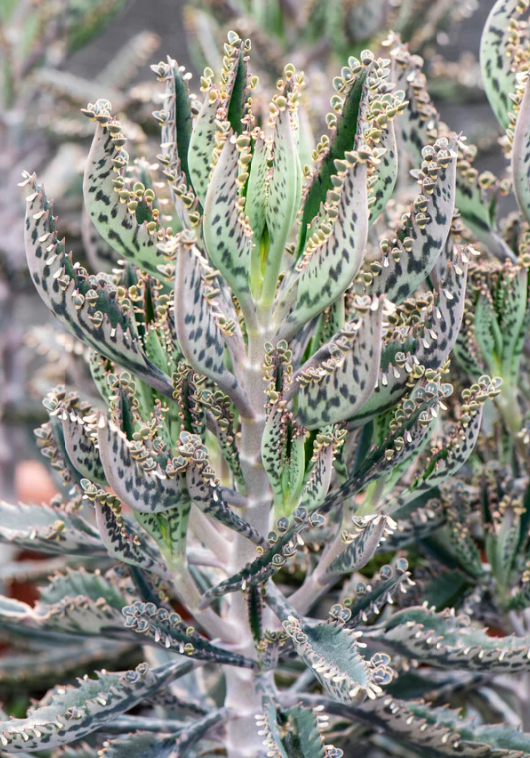
Kalanchoe daigremontiana Raym.-Hamet & H.Perrier is a separate broad-leaved Madagascan species generally called Mother of Thousands, Mexican Hat Plant, or Alligator Plant. Kalanchoe delagoensis has much narrower, nearly cylindrical or tubular leaves with plantlets concentrated near their tips, while Kalanchoe daigremontiana typically has broad triangular leaves carrying plantlets along much of the margin.
Commercial plants may be labeled only “Bryophyllum,” “Mother of Millions,” “Mother of Thousands,” “Chandelier Plant,” or “Devil’s Backbone.” A scientific name, complete plant, flowers, leaf shape, and plantlet distribution should be preserved because nursery common names frequently fail to distinguish the species and hybrid.
Crassulaceae — Stonecrop Family; subfamily Kalanchoideae
Mother-In-Law Plant; Mother of Millions; Mother-of-Millions; Millions Plant; Chandelier Plant; Chandelier Kalanchoe; Chandelier Mother of Millions; Tube-Leaf Kalanchoe; Tubular Kalanchoe; Tubeflower Kalanchoe; Tube Plant; Mother of Millions Kalanchoe; Mother of Millions Succulent
Historical scientific and research names include Bryophyllum delagoense; Bryophyllum tubiflorum; Kalanchoe tubiflora; Bryophyllum verticillatum; Kalanchoe verticillata; and Geaya purpurea.
Mother of Thousands, Mother-of-Thousands, Mexican Hat Plant, Alligator Plant, Devil’s Backbone, and Maternity Plant are sometimes applied loosely to Kalanchoe delagoensis, but they more commonly refer to Kalanchoe daigremontiana, Kalanchoe × houghtonii, or another plantlet-producing kalanchoe.
Hybrid Mother of Millions, Hybrid Mother of Thousands, Houghton’s Hybrid, and Houghton’s Kalanchoe generally refer to Kalanchoe × houghtonii, the accepted hybrid between Kalanchoe daigremontiana and Kalanchoe delagoensis.
Mother-In-Law Plant and Mother-in-Law’s Tongue are also used widely for Snake Plant, Dracaena trifasciata, formerly Sansevieria trifasciata. Snake Plant has stiff sword-shaped leaves arising from rhizomes and does not have tubular spotted leaves, apical plantlets, or hanging chandelier-like flowers.
Devil’s Backbone may also refer to Euphorbia tithymaloides, a zigzag-stemmed spurge that releases irritating white latex. Common-name overlap must not be used to assign one plant’s toxins or treatment to another.
Bufadienolide Cardiac Glycosides
The principal established toxins in Kalanchoe delagoensis are cardioactive steroids called bufadienolides. These compounds act in a digitalis-like manner and differ structurally from cardenolides by carrying a six-membered unsaturated lactone ring rather than the five-membered ring characteristic of compounds such as digoxin.
Bufadienolides occur throughout several Crassulaceae genera and can cause either acute cardiac-glycoside poisoning or, after repeated exposure to certain cumulative compounds, a chronic paretic syndrome known as krimpsiekte. The exact clinical pattern depends on the plant species, compound profile, tissue, quantity, duration of exposure, and animal.
Bryotoxins A, B, and C
Bryotoxins A, B, and C are the best-established exact-species toxins. They were isolated or quantified from material historically identified as Bryophyllum tubiflorum, now accepted as Kalanchoe delagoensis.
Bryotoxin A was isolated from the flowers and characterized as a bufadienolide toxin. Bryotoxins B and C were subsequently separated and identified as bufadienolide orthoacetates. High-performance liquid chromatography detected bryotoxins A, B, and C in flower heads, combined leaf-and-stem material, and roots.
Experimental comparison between measured bufadienolide concentrations and disease in calves indicated that these three bryotoxins accounted for much of the acute cardiac-glycoside syndrome produced by the plant. Other cardiac glycosides may also contribute, particularly because later exact-species research has identified a broader chemical profile.
Kalantubolides, Kalantubosides, and Additional Cardiac Glycosides
Modern investigation of material identified under the historical name Kalanchoe tubiflora isolated two cardenolides, kalantubolides A and B, and two bufadienolide glycosides, kalantubosides A and B, together with additional known compounds. These findings demonstrate that the plant cannot be reduced chemically to bryotoxins alone.
Several isolated glycosides showed strong cytotoxic activity in cultured human tumor-cell systems. That laboratory activity does not establish a therapeutic pet dose or prove that ordinary plant ingestion produces the same cellular outcome throughout a living animal. Raw plant material and homemade extracts remain unsafe.
Inhibition of Sodium-Potassium ATPase
Cardiac glycosides bind to and inhibit sodium-potassium ATPase, a membrane enzyme that normally moves sodium out of cells and potassium into them. Inhibition raises intracellular sodium and disrupts normal potassium distribution.
The altered sodium gradient reduces the ability of the sodium-calcium exchanger to remove calcium from cardiac muscle cells. Intracellular calcium rises, initially increasing the force of contraction but also making cardiac cells more excitable and electrically unstable.
The same mechanism affects automaticity, conduction through the atrioventricular node, refractory periods, autonomic input, and the tendency of abnormal electrical impulses to arise. Poisoning can therefore produce several competing rhythm disturbances rather than one consistent heart rate.
Electrical Instability and Arrhythmias
An affected animal may develop sinus bradycardia, sinus tachycardia, premature atrial or ventricular beats, atrioventricular block, junctional rhythms, ventricular tachycardia, multifocal ventricular activity, fibrillation, or periods in which different abnormalities alternate.
Vomiting, diarrhea, dehydration, low blood pressure, hypoxia, acid-base disturbance, and abnormal potassium or magnesium can intensify this electrical instability. A medication appropriate for one documented rhythm may worsen another, making ECG-guided treatment essential.
Direct Gastrointestinal Effects
Bufadienolides can act directly on the gastrointestinal tract and central vomiting pathways. Drooling, lip licking, nausea, vomiting, abdominal pain, diarrhea, appetite loss, depression, and ruminal stasis often appear before an arrhythmia is recognized.
Severe livestock poisoning may include persistent or hemorrhagic diarrhea and gastrointestinal congestion or hemorrhage. Repeated vomiting and diarrhea can cause dehydration, electrolyte disturbance, reduced kidney perfusion, weakness, and aspiration.
Flowers Carry the Greatest Documented Acute Risk
Experimental cattle research demonstrated that Mother of Millions flower heads were substantially more toxic than ordinary leaf material. Veterinary synthesis of those studies described a severalfold difference between estimated lethal amounts of flowers and leaves under controlled calf experiments.
Flowers also yielded bryotoxin A and the mixture of bryotoxins B and C used as analytical standards. The dense terminal flower cluster can provide a concentrated mass of high-risk material within reach of livestock or after a flowering stem is cut and discarded.
This greater flower toxicity does not establish that every individual blossom contains the same dose. Plant age, growing conditions, stage of flowering, moisture, genetics, hybridization, and analytical variability remain important.
Leaves and Stems
The narrow tubular leaves and succulent stems contain measurable bufadienolides and must be considered poisonous. Combined leaf-and-stem material contained bryotoxins A, B, and C in analytical work, although generally at a lower concentration than flower heads.
A small vegetative nibble is more likely to produce no signs or gastrointestinal upset than fatal arrhythmia, but no safe leaf count exists. A dog pulling down an entire plant, a tortoise repeatedly grazing low growth, or livestock consuming a dense colony creates a materially different exposure.
Roots and Crown
Roots also contained measurable bryotoxins in direct research. Dogs, pigs, poultry, and livestock may gain access during repotting, mechanical removal, herbicide treatment, landscaping work, erosion, or disposal of uprooted plants.
Root-ball exposure frequently includes potting mix, fertilizer, systemic pesticide, perlite, bark, gravel, plastic mesh, landscape fabric, and container fragments. These accompanying materials may alter the clinical syndrome or create obstruction and trauma.
Plantlets
The miniature plants produced near the leaf tips are living clonal propagules capable of rooting and developing independently. Their bufadienolide concentration has not been characterized sufficiently to define a safe number or prove that they contain the same concentration as mature flowers or leaves.
They should nevertheless be treated as poisonous. Their small size allows unnoticed contamination of bowls, cages, bedding, soil, drains, gravel, greenhouse benches, aviaries, rabbit rooms, and tortoise enclosures.
Fruits and Seeds
After flowering, the plant may form dry follicles containing many small seeds. Vegetative plantlets are the more conspicuous means of spread, but seed production contributes to persistence and creates another source of fallen plant material.
No controlled veterinary comparison establishes fruits or seeds as toxin-free or identifies a safe dose. Reproductive material should be collected with the flowers and kept out of animal environments.
Fresh, Wilted, Dried, Frost-Damaged, and Herbicide-Treated Material
Wilting, drying, frost injury, cutting, uprooting, or plant death does not reliably destroy bufadienolides. Dried plant fragments can remain toxic in hay, feed, mulch, landscape waste, compost, or greenhouse debris.
Herbicide-treated plants present two simultaneous concerns. The cardiac glycosides can remain active while wilting makes the plant easier to chew, and the herbicide or surfactant may create an additional exposure.
Animals should remain excluded until treated plants and every fallen fragment have been removed and the product’s grazing, reentry, and disposal instructions have been satisfied.
Phenolic Acids and Flavonoids
Exact-species research has demonstrated nonuniform distributions of flavonoids and phenolic-acid derivatives along the tubular leaves. Flavonoids were particularly associated with exposed apical regions and plantlet-producing tissue, while phenolic-acid derivatives were more prominent toward the leaf base.
Flowers also contain gallic acid and flavonol glycosides. These compounds contribute to the plant’s broader phytochemistry and may have antioxidant or biological activity in laboratory systems, but they are not established as the principal cause of the acute cardiac-glycoside syndrome.
Acute Cardiac Poisoning Versus Krimpsiekte
Acute Kalanchoe delagoensis poisoning develops after a sufficiently large bufadienolide exposure and is dominated by gastrointestinal irritation, rhythm disturbance, impaired circulation, breathing difficulty, weakness, collapse, and possible neurologic complications.
Krimpsiekte is a chronic paresis and paralysis syndrome associated with repeated ingestion of cumulative bufadienolides from certain southern African Crassulaceae, including some Kalanchoe species. Affected sheep and goats may develop a characteristic crouched or contracted posture, progressive weakness, abnormal neck carriage, paresis, recumbency, and paralysis.
Krimpsiekte should not be diagnosed automatically in a dog or cat that vomits after one houseplant exposure. The acute and chronic syndromes can share weakness and neurologic findings, but their dose pattern, duration, and pathological basis differ.
Sap and Contact Exposure
Plant fluid may irritate sensitive skin, lips, and eyes, but direct contact is not the defining systemic mechanism. Severe cardiac poisoning ordinarily requires ingestion.
Sap, crushed plantlets, or pesticide residue on fur, feathers, feet, scales, or equipment can be swallowed later during grooming. External contamination should therefore be removed while oral exposure is prevented.
Not an Oxalate Poison
Mother of Millions does not characteristically contain the insoluble calcium oxalate raphides that produce immediate needle-like mouth injury in aroids. Severe tongue swelling, intense immediate oral burning, or inability to swallow should prompt consideration of another plant, chemical burn, electrical injury, insect sting, or foreign body.
It also does not cause the classic soluble-oxalate syndrome of acute hypocalcemia and renal calcium oxalate deposition associated with Rhubarb, Sorrel, and certain pasture plants. Primary oxalate nephrosis is therefore not the expected kidney lesion.
Calcium and Potassium Are Not Household Antidotes
Giving milk, yogurt, cheese, calcium tablets, calcium antacids, electrolyte products, or mineral mixtures does not bind or neutralize bufadienolides. Calcium can affect myocardial excitability and must not be given casually during cardiac-glycoside poisoning.
Potassium concentration may be high, low, or changing depending on cellular pump inhibition, vomiting, diarrhea, kidney function, acid-base balance, and treatment. Potassium supplementation or restriction must be based on measured laboratory results and the documented ECG rhythm.
No Validated Veterinary Safe Dose
No controlled research defines a safe or toxic number of leaves, flowers, plantlets, roots, or seeds for dogs, cats, horses, birds, rabbits, reptiles, or other household animals. Experimental livestock doses cannot be converted directly across species or into an owner-facing threshold.
Risk assessment should consider the exact plant and hybrid, flower involvement, total mass, repeated access, body size, existing heart or kidney disease, clinical signs, chemical treatments, and associated foreign material.
No Household Antidote
No household treatment neutralizes the plant’s cardiac glycosides. Veterinary care may require carefully selected decontamination, activated charcoal when the airway is protected, anti-nausea medication, individualized fluid therapy, continuous ECG monitoring, repeated electrolyte testing, rhythm-specific medication, oxygen, seizure control, ventilation, and intensive nursing.
Digoxin-specific antibody fragments may be considered by a veterinary toxicologist in selected life-threatening cardiac-glycoside cases. Their binding and clinical effectiveness against the particular bufadienolides in Kalanchoe delagoensis are not established as reliably as they are for pharmaceutical digoxin.
Onset and Clinical Course
Clinical signs generally begin within several hours after ingestion, although timing depends on the plant part, dose, flower involvement, whether tissue was crushed, repeated access, stomach contents, body size, and individual susceptibility. Flowers or concentrated extracts may produce a more consequential exposure than a brief bite of one vegetative leaf.
The course is often rapid in severe acute poisoning, but gastrointestinal or cardiac abnormalities may persist for several days. Repeated smaller ingestions can create a more gradual presentation and make the plant connection difficult to recognize.
Early Gastrointestinal Signs
Early findings commonly include excessive salivation, lip licking, repeated swallowing, nausea, vomiting, abdominal discomfort, diarrhea, appetite loss, depression, and reluctance to move. Ruminants may develop reduced rumination or ruminal atony.
Vomiting and diarrhea may remain the only signs after a limited exposure. Their presence does not prove that arrhythmias will not develop later, especially when flowers, multiple leaves, or an unknown amount was consumed.
Hemorrhagic Gastrointestinal Disease
Substantial livestock poisoning can cause severe diarrhea that may contain blood, together with congestion or hemorrhage in the gastrointestinal tract. Dogs and cats with repeated vomiting may develop blood-streaked vomit from mucosal irritation or forceful retching.
Black stool, large amounts of fresh blood, persistent hematemesis, profound abdominal pain, or continued fluid loss requires urgent examination. Other toxins, foreign material, infection, pancreatitis, clotting disease, and gastrointestinal ulceration must also be considered.
Variable Heart Rate and Rhythm
The pulse may be rapid, slow, irregular, weak, intermittently absent, or difficult to detect. Rhythm abnormalities can change during the illness as toxin absorption, autonomic activity, electrolytes, perfusion, oxygenation, and treatment change.
Possible abnormalities include sinus bradycardia, sinus tachycardia, premature beats, atrioventricular block, ventricular tachycardia, multifocal ventricular activity, fibrillation, and cardiac arrest. One apparently normal home pulse count does not exclude intermittent conduction disturbance.
Weakness and Poor Circulation
Reduced cardiac output can cause marked weakness, reluctance to stand, exercise intolerance, pale or muddy gums, cool feet or extremities, weak pulses, low blood pressure, fainting, collapse, or sudden loss of consciousness.
Some animals appear quiet or depressed before rhythm instability is obvious. Sudden collapse after earlier vomiting should be treated as a possible cardiac emergency rather than uncomplicated stomach upset.
Breathing Abnormalities
Respiratory findings may include panting, rapid breathing, labored breathing, neck extension, open-mouth breathing, gasping, weak respiration, or blue-gray mucous membranes. Causes include poor cardiac output, congestive failure, pulmonary edema, aspiration after vomiting, seizure activity, profound weakness, or terminal cardiopulmonary collapse.
Coughing, fever, nasal discharge, increased respiratory effort, or renewed depression after the initial gastrointestinal illness may indicate aspiration pneumonia.
Neurologic Findings
Neurologic signs are less common than gastrointestinal upset but have been described in severe Kalanchoe poisoning. Findings may include dilated pupils, nystagmus, delirium, altered awareness, muscle twitching, tetany, tremors, staggering, weakness, seizures, stupor, or coma.
Neurologic signs may result from direct toxin effects, poor cerebral perfusion, abnormal heart rhythm, electrolyte disturbance, hypoxia, severe dehydration, or a concurrent poison. They should trigger a broad toxicologic and metabolic assessment.
Electrolyte and Metabolic Abnormalities
Sodium-potassium ATPase inhibition disrupts normal cellular ion handling, while vomiting, diarrhea, dehydration, kidney dysfunction, and treatment further affect electrolytes. Potassium is particularly important because both excessive and deficient concentrations can worsen arrhythmias.
Glucose, magnesium, calcium, sodium, acid-base balance, kidney values, and hydration may also influence cardiovascular and neurologic stability. These measurements must be interpreted with the ECG and clinical condition rather than treated in isolation.
Dogs
Dogs may chew leaves and stems, swallow plantlets from the floor, pull down a pot, raid pruning debris, or eat flowers from a low outdoor plant. Most develop drooling, vomiting, diarrhea, abdominal pain, appetite loss, and depression.
Severe exposure may cause weakness, an irregular heartbeat, poor pulse quality, cold extremities, collapse, nystagmus, delirium, tremors, seizures, or breathing difficulty. Puppies and small dogs can consume numerous plantlets or flowers relative to body weight before the damage is discovered.
Cats
Cats may bite succulent tissue, knock plantlets from a windowsill, walk through potting debris, or groom sap and treatment chemicals from the coat. They may show quiet drooling, vomiting, hiding, food refusal, diarrhea, weakness, or reduced activity.
Because cats conceal illness, cardiac or circulatory abnormalities may not be recognized until marked weakness, collapse, difficult breathing, or reduced responsiveness develops. Continued anorexia also creates a separate risk of hepatic lipidosis.
Horses
Horses cannot vomit. Exposure may produce salivation, feed refusal, colic, diarrhea, depression, sweating, weakness, altered heart rate or rhythm, labored breathing, recumbency, collapse, or sudden death.
The most likely pathway is discarded garden material, contaminated hay, a naturalized colony near a fence, or deliberate feeding of pulled plants. Horses should never be used to clear Mother of Millions from a property.
Cattle
Cattle are prominent victims of documented Mother of Millions outbreaks and experimental poisoning. Signs may include salivation, anorexia, ruminal atony, diarrhea that may become bloody, depression, weakness, altered heart rate, arrhythmia, dyspnea, collapse, heart failure, and death.
Large group outbreaks are particularly associated with dense flowering plants, inadequate alternative forage, unfamiliar grazing areas, droving routes, drought conditions, or dumped ornamental waste.
Sheep, Goats, and Other Livestock
Sheep and goats are susceptible to acute cardiac-glycoside poisoning and to chronic cumulative bufadienolide syndromes caused by some Crassulaceae. Salivation, diarrhea, weakness, abnormal rhythm, breathing difficulty, recumbency, and sudden death may occur after a substantial acute exposure.
Repeated ingestion of cumulative bufadienolides can produce progressive paresis, a crouched or contracted gait, torticollis, weakness, recumbency, and paralysis. The chronic syndrome should be investigated in the context of every plant species available rather than assigned automatically to Kalanchoe delagoensis.
Rabbits and Guinea Pigs
Rabbits and guinea pigs may encounter fallen plantlets, indoor plants, succulent trimmings, or accidentally gathered garden forage. They cannot vomit, so nausea and gastrointestinal irritation may appear as salivation, food refusal, tooth grinding, diarrhea, reduced fecal output, abdominal discomfort, or hiding.
Weakness, abnormal heart rate, collapse, tremors, or altered breathing requires emergency care. Food refusal can itself cause gastrointestinal stasis and rapid secondary deterioration.
Birds and Poultry
Parrots may shred tubular leaves, plantlets, and flowers, while poultry may investigate outdoor colonies, uprooted plants, seeds, insects, potting material, and fertilizer. Small body size can make an uncertain amount important.
Possible signs include regurgitation, diarrhea, food refusal, fluffed posture, weakness, altered balance, abnormal heart rhythm, respiratory difficulty, tremors, collapse, or reduced responsiveness. Plantlets and flower fragments should not be used as cage vegetation or enrichment.
Reptiles and Other Exotic Animals
Tortoises and herbivorous lizards may mistake young plants or plantlets for harmless succulent weeds. Small mammals and pigs may excavate roots and consume the crown.
Food refusal, regurgitation, abnormal feces, weakness, altered posture, breathing change, tremors, collapse, or reduced responsiveness requires a species-experienced veterinarian. Lack of published cases does not establish safety.
Secondary Kidney and Liver Abnormalities
Primary calcium oxalate nephrosis is not the expected mechanism. Kidney values may rise because of dehydration, shock, reduced cardiac output, impaired renal perfusion, prolonged recumbency, muscle injury, or another concurrent exposure.
Primary liver failure is also not characteristic. Abnormal liver enzymes in a severely ill patient may reflect hypoxia, shock, medication, muscle injury, preexisting disease, or another toxin.
Acute Versus Repeated Exposure
A single substantial exposure, especially to flowering material, usually produces an acute gastrointestinal and cardiovascular syndrome over hours to days. Repeated smaller ingestion may create intermittent diarrhea, depression, weakness, or progressive cardiovascular or neurologic disease.
Animals sharing a pasture, feed source, greenhouse, or landscape area should all be removed when one becomes ill. Different intake amounts can produce widely different onset times within the same group.
Duration and Prognosis
Mild gastrointestinal illness after a limited exposure may improve within a day or two with appropriate care. Clinically important arrhythmias, myocardial injury, aspiration, severe diarrhea, or metabolic abnormalities can require several days of hospitalization and repeated ECG and laboratory monitoring.
The prognosis becomes guarded with persistent ventricular arrhythmias, high-grade atrioventricular block, profound weakness, severe dyspnea, hypotension, collapse, extensive myocardial injury, seizures, delayed treatment, or prolonged recumbency. Sudden death may occur before a lengthy illness is observed.
Animals that remain hemodynamically stable, maintain normal breathing, respond to rhythm-specific treatment, and do not develop major myocardial or aspiration complications may recover completely.
Botanical Identity
Kalanchoe delagoensis is an upright succulent subshrub best known as Mother of Millions or Chandelier Plant. It belongs to the plantlet-producing lineage historically classified as Bryophyllum.
The plant is distinctive when mature, but common-name confusion is substantial. Mother-In-Law Plant is also used for Snake Plant, while Mother of Thousands, Devil’s Backbone, Mexican Hat Plant, and Alligator Plant may refer to related kalanchoes, hybrids, or unrelated euphorbias.
Native Range and Habitat
The accepted native range is south-central and southern Madagascar. The plant is adapted to seasonally dry, rocky, desert, and dry-shrubland environments where succulent tissues, crassulacean acid metabolism, and prolific vegetative reproduction help it tolerate limited water.
Its ability to survive drought, root from detached plantlets, and reproduce from seed has allowed it to establish far beyond Madagascar.
Introduced and Invasive Distribution
Mother of Millions is introduced across extensive parts of Africa, Australia, Asia, Europe, the Caribbean, Central and South America, Pacific islands, and warm regions of the United States. Naturalized colonies occur along roadsides, fence lines, dry woodland, riverbanks, rubbish sites, abandoned properties, rocky ground, pasture margins, and disturbed soil.
Dense colonies displace other vegetation and produce large numbers of toxic plantlets and flowering stems. Invasive control is therefore both an ecological and animal-safety concern.
Growth Form
The plant usually develops upright, relatively simple succulent stems and may range from a compact container specimen to a shrub approaching several feet in favorable outdoor conditions. Strong light and drought can produce reddish, brownish, or purple coloration on stems and leaves.
Stems may be hollow or partly hollow and can break during handling, transport, mowing, grazing, or storm damage. Every fragment capable of rooting must be collected during removal.
Tubular Leaves
The leaves are narrow, elongated, partly cylindrical or tubular, and grooved along the upper surface. They are typically gray-green to reddish-green and often marked with dark green, purple, or reddish-brown spots.
Near the apex, the leaf margin bears a small number of teeth or notches from which plantlets develop. This concentration of propagules near the tip is one of the most useful distinctions from broad-leaved Mother of Thousands.
Plantlets and Vegetative Reproduction
Each plantlet is a miniature clonal plant with the capacity to detach, fall, root, and establish independently. A mature specimen can release hundreds or thousands over time.
Plantlets may travel farther than expected through wind, sweeping, irrigation, footwear, animal paws, pot movement, landscape equipment, and discarded potting mix. Removing the parent plant does not eliminate seedlings and plantlets already established nearby.
Animal areas should be inspected repeatedly after removal, including cracks, gravel, drains, neighboring pots, mulch, aviaries, kennel edges, rabbit rooms, poultry runs, and tortoise enclosures.
Flowers
Mature plants produce a tall terminal inflorescence containing many hanging tubular or bell-shaped flowers. Flower color may include orange-red, coral, salmon, reddish-purple, or greenish tissue marked with red.
The cluster resembles a chandelier and may remain on the plant for an extended period. Entire flower heads can fall or be cut during landscape maintenance, delivering a concentrated mass of the most toxic documented plant part.
Why Flowering Season Is Especially Dangerous
Experimental work demonstrated markedly greater toxicity of flower heads than ordinary vegetative material. Livestock outbreaks are especially likely when large colonies flower while desirable forage is limited.
A flowering plant in a home or greenhouse also presents increased risk because dropped flowers and cut stalks may become available to dogs, cats, birds, rabbits, or tortoises. Flower removal must be completed without leaving fragments on the floor or soil.
Fruits and Seeds
After flowering, the plant can develop dry follicles containing many small seeds. Vegetative propagation is conspicuous, but seed production contributes to long-distance spread and persistence.
Fruit and seed toxicity has not been compared adequately with flower heads, leaves, and roots. They should remain inaccessible and be included in cleanup and identification.
Mother of Millions Versus Mother of Thousands
Kalanchoe delagoensis has narrow tubular leaves with plantlets concentrated near their tips. Kalanchoe daigremontiana usually has broader triangular or lance-shaped leaves with plantlets extending along much of the toothed margin.
Both contain bufadienolides and should be treated as poisonous. Correct identification remains important because exact compound profiles, growth habits, invasive behavior, and experimental evidence differ.
Mother of Millions Hybrid
Kalanchoe × houghtonii is the accepted hybrid between Kalanchoe daigremontiana and Kalanchoe delagoensis. Its leaves are often broader than those of pure Kalanchoe delagoensis but narrower and more elongated than typical Kalanchoe daigremontiana, with plantlets along more of the margin.
The hybrid is highly invasive in many warm regions and has produced severe livestock poisoning. It must not be assumed to have an intermediate or reduced toxin concentration merely because it is a hybrid.
Mother-In-Law Plant Versus Snake Plant
Snake Plant, Dracaena trifasciata, produces stiff sword-shaped leaves arising from underground rhizomes. It lacks branching succulent stems, narrow mottled tubes, apical plantlets, and hanging orange-red flowers.
Snake Plant is associated primarily with saponin-related gastrointestinal irritation rather than the bryotoxin-rich bufadienolide profile of Mother of Millions. The two plants should never share one toxicology description.
Devil’s Backbone Confusion
Devil’s Backbone may refer to Kalanchoe daigremontiana, Kalanchoe × houghtonii, or other plantlet-producing kalanchoes. It is also used for Euphorbia tithymaloides, which has a zigzag stem and irritating milky latex.
Caustic latex exposure and cardiac-glycoside ingestion require different immediate priorities. Preserve the whole plant and do not rely on the verbal common name.
Houseplant Exposure
In cooler climates, Mother of Millions is commonly grown indoors, in a greenhouse, or as a seasonal patio succulent. Plantlets may fall continuously, making a high shelf less protective than it appears.
Nearby pet bowls, cages, windowsills, heating vents, furniture, and neighboring planters can collect plantlets. A cat may knock the parent plant over, while a puppy may eat plantlets scattered on the floor.
Outdoor Garden and Xeriscape Exposure
The plant is used in rock gardens, succulent beds, drought-tolerant landscapes, retaining walls, containers, gravel areas, and dry borders. Detached plantlets readily establish in the surrounding substrate.
Escaped colonies may grow outside the originally planted bed, across fence lines, or beneath other ornamentals. Pet owners should inspect the broader property rather than only the original pot.
Pasture and Livestock Exposure
Mother of Millions is a major poisonous weed in parts of Australia. Cattle, sheep, goats, horses, and other animals may eat it during drought, feed shortage, transport, droving, pasture change, or access to unfamiliar vegetation.
Flowering plants create the greatest acute hazard. Hungry animals may consume substantial material quickly, and different individuals in the same group may receive very different doses.
Controlled Cattle Research
Experimental work reproduced acute cardiac-glycoside poisoning in calves given Mother of Millions flower heads. Investigators documented gastrointestinal dysfunction, rhythm abnormalities, circulatory failure, breathing difficulty, and death in untreated severe exposures.
Pathological findings included myocardial degeneration or necrosis, cardiac and gastrointestinal hemorrhage, pulmonary changes in animals with severe breathing difficulty, and mild renal changes in some cases. The renal findings did not represent primary soluble-oxalate nephrosis.
Experimental Treatment Evidence
Controlled cattle work showed that timely gastrointestinal adsorption, electrolyte and fluid support, and rhythm-specific antiarrhythmic treatment could improve survival after otherwise lethal flower exposure. Survival decreased when treatment began later.
The historical study used large-animal doses and procedures that must not be copied into owner instructions. Its lasting value is the demonstration that rapid decontamination and treatment of the actual ECG abnormality can be lifesaving.
Repeated Exposure
Livestock do not necessarily consume the full toxic burden in one meal. Smaller amounts eaten repeatedly over several days can accumulate sufficiently to produce diarrhea, depression, weakness, rhythm disturbance, or chronic neurologic disease depending on the compound mixture.
Finding one sick animal requires removal and examination of the entire group. Apparently normal animals may have eaten less or may still be within the preclinical interval.
Dogs
Dogs may pull down a potted plant, chew succulent stems, eat fallen flowers, swallow plantlets from the floor, or investigate uprooted outdoor colonies. Flowers and large unknown exposures warrant urgent assessment even when vomiting is the only initial sign.
Container destruction can add fertilizer, systemic insecticide, gravel, perlite, bark, plastic, ceramic, and wire to the event. Persistent vomiting, abdominal pain, or absent stool may reflect a foreign body as well as plant toxicity.
Cats
Cats may nibble leaves, bat plantlets across the floor, climb into pots, or groom plant and pesticide residue from the paws. Plantlets can remain hidden beneath furniture and create repeated access.
A cat that hides, vomits, stops eating, becomes weak, or breathes abnormally after contact requires veterinary evaluation. Continued anorexia creates a separate hepatic-lipidosis risk.
Horses
Horses are exposed primarily through landscape waste, pasture infestation, contaminated hay, or plants growing over a fence. They cannot vomit and should not receive oral drenches when weak, salivating, recumbent, or swallowing poorly.
Discarded ornamental material should never be placed in a paddock even when it is wilted, dried, sprayed, or frost-damaged.
Rabbits, Guinea Pigs, Birds, and Reptiles
Mother of Millions should not be offered as forage, browse, chew material, bedding, perch vegetation, nesting material, or edible enclosure landscaping. Small animals can consume a large dose relative to body weight.
Plantlets are particularly difficult to control in cages and naturalistic enclosures. The parent plant should not be kept anywhere that propagules can fall or blow into animal housing.
Dead and Dried Plants
Plant death does not establish detoxification. Bufadienolides can persist after wilting, drying, frost injury, cutting, uprooting, or herbicide application.
Dried fragments can contaminate hay, feed, mulch, potting mix, open compost, sweepings, and landscape debris. Recognizable material should be removed rather than diluted into a larger feed or waste load.
Herbicide Treatment
Herbicide may cause wilting that makes plants easier for livestock to consume while cardiac glycosides remain active. Certain formulations, surfactants, and concentrated spray residues add their own gastrointestinal, neurologic, respiratory, or skin hazards.
Animals must be excluded during treatment, throughout the label-specified reentry or grazing interval, and until dead material has been physically removed where required.
Hay, Silage, Green Chop, and Feed
Drying cannot be relied upon to make Mother of Millions safe in hay. Chopping or ensiling distributes the plant through feed and prevents selective avoidance.
Suspected contaminated forage should be isolated rather than diluted. Representative samples should be collected from several portions because toxic plants may be unevenly distributed.
Compost and Garden Waste
Open compost allows dogs, pigs, poultry, livestock, and wildlife to reach fresh plants and plantlets. Compost may also contain mold toxins, mushrooms, spoiled food, pesticides, and other poisonous ornamentals.
Waste should be enclosed and managed in a way that prevents rooting and animal access. Every plantlet must be contained because a small surviving propagule can establish a new colony.
Diagnosis
Diagnosis begins with identification of Kalanchoe delagoensis, the plant part consumed, flower involvement, amount, timing, repeated access, clinical signs, and associated products. No routine rapid test proves exposure to bryotoxins.
Useful evidence includes the complete parent plant, narrow leaves, plantlets, flowers, flower stalks, fruits, seeds, roots, nursery labels, photographs, vomit, stool, rumen or feed material, potting mix, herbicide, pesticide, fertilizer, and every other plant in a mixed display.
Electrocardiography
Continuous or repeated ECG monitoring is central after a substantial exposure or any abnormal pulse, weakness, collapse, or breathing difficulty. Cardiac-glycoside arrhythmias may be intermittent and may change rapidly.
Treatment must be selected for the actual rhythm. A drug that improves symptomatic bradycardia or atrioventricular block may be inappropriate for ventricular tachycardia, while a ventricular antiarrhythmic may be dangerous in another conduction state.
Electrolytes and Perfusion
Potassium, sodium, magnesium, calcium, glucose, acid-base status, kidney values, hydration, blood pressure, and urine production help guide treatment and prognosis. These variables can change because of pump inhibition, vomiting, diarrhea, shock, kidney dysfunction, or therapy.
Electrolytes should never be supplemented blindly. The relationship between potassium and cardiac-glycoside toxicity makes repeated measurement particularly important.
Digoxin Immunoassays
Some plant cardiac glycosides cross-react with commercial digoxin assays, but sensitivity and interpretation vary substantially among compounds and testing platforms. A negative result does not exclude Kalanchoe poisoning.
A positive result may support exposure to a digoxin-like compound but does not identify the plant, determine exact severity, or replace the ECG and clinical assessment.
Differential Diagnosis
Other plant cardiac glycoside sources include Oleander, Yellow Oleander, Foxglove, Lily-of-the-Valley, Milkweed, Dogbane, Desert Rose, and pharmaceutical digoxin. Rhythm abnormalities can also result from electrolyte disease, myocarditis, primary heart disease, medication, pesticide, and severe systemic illness.
Tremors, seizures, collapse, and weakness require consideration of slug bait, pyrethroids, organophosphates, carbamates, tremorgenic mold, mushrooms, cannabis, medications, hypoglycemia, heatstroke, and neurologic disease.
Prognosis
The prognosis is usually good after a small exposure that produces limited gastrointestinal signs and no cardiovascular abnormality. Early identification and professional guidance are important because cardiac signs may follow the initial vomiting.
Persistent ventricular arrhythmias, high-grade conduction block, profound weakness, severe dyspnea, hypotension, myocardial injury, collapse, seizures, extensive flowering-plant ingestion, or delayed treatment carries a guarded-to-poor prognosis.
Prevention
Do not keep Mother of Millions inside homes, kennels, aviaries, rabbit rooms, classrooms, greenhouses, or animal facilities where the parent plant or falling plantlets can be reached.
Remove escaped plants before flowering, inspect repeatedly for new plantlets, preserve the scientific label, record all chemical treatments, and dispose of every fragment in a manner that prevents animal access and rerooting.
Immediate Response
- Stop further exposure: Remove the animal from the parent plant, flowers, plantlets, leaves, stems, roots, dead material, hay, pasture, compost, and landscaping waste.
- Keep the animal calm: Restrict running, excitement, struggling, and unnecessary handling because stress can worsen cardiovascular instability.
- Contact professional help promptly: Flower ingestion, repeated access, an unknown amount, a small animal, or any developing signs deserves immediate veterinary or animal poison-control guidance.
- Preserve the entire plant: Save narrow tubular leaves, plantlets, flowers, flower stalks, fruits, seeds, roots, nursery labels, photographs, and recognizable fragments.
- Preserve every associated product: Retain pesticide, herbicide, fertilizer, slug bait, potting mix, feed, hay, and container information.
- Protect other animals: Remove every animal sharing the houseplant, pasture, feed source, compost, or waste pile.
Emergency Findings
- Repeated vomiting or diarrhea: Continued losses can cause dehydration, electrolyte disturbance, aspiration, and circulatory compromise.
- Rapid, slow, weak, or irregular pulse: Any rhythm concern after exposure requires veterinary ECG evaluation.
- Marked weakness or collapse: Poor cardiac output, arrhythmia, shock, or another toxin may be involved.
- Cold feet or extremities: Reduced peripheral circulation can indicate significant cardiovascular compromise.
- Labored or open-mouth breathing: Cardiac failure, pulmonary edema, aspiration, severe weakness, or terminal collapse may be developing.
- Staggering, tremors, tetany, or seizures: Severe poisoning, electrolyte disturbance, hypoxia, or a concurrent neurotoxin requires emergency treatment.
- Reduced responsiveness: Stupor, coma, or inability to stand indicates critical illness.
Remove Loose Plant Material
- Wear gloves: Handle plant material, vomit, stool, feed, and herbicide-treated fragments carefully.
- Remove visible loose pieces: Carefully lift accessible flowers, plantlets, leaves, and stems from the lips and front of the mouth when safe.
- Avoid blind finger sweeps: Do not reach deeply into the throat or push material toward the airway.
- Do not struggle with a weak animal: Stress and restraint can worsen cardiac demand and create bite risk.
- Save representative fragments: Preserve enough material for botanical identification.
Gentle Mouth Rinsing
- Rinse only a fully alert animal: Breathing, awareness, coordination, and swallowing must be normal.
- Use clean lukewarm water: Allow a gentle flow across the front of the mouth and outward.
- Do not aim toward the throat: Forceful syringing can cause aspiration.
- Stop if coughing or gagging begins: Difficulty managing water makes further rinsing unsafe.
- Do not delay transport: Rinsing removes loose material but does not neutralize absorbed cardiac glycosides.
Do Not Induce Vomiting at Home
- Do not give hydrogen peroxide automatically: Cardiac-glycoside poisoning can produce spontaneous vomiting, weakness, collapse, tremors, seizures, and poor airway protection.
- Never give hydrogen peroxide to a cat: It can cause serious feline stomach and esophageal injury.
- Never induce vomiting after signs begin: Vomiting, weakness, staggering, trembling, collapse, seizures, abnormal breathing, or poor swallowing makes emesis unsafe.
- Do not use salt, mustard, dish soap, oil, ipecac, or manual gagging: These methods can create another poisoning or cause aspiration and injury.
- Allow veterinarian-selected emesis only: A veterinarian may consider controlled vomiting after a recent ingestion in a fully alert, stable, asymptomatic dog with normal swallowing and airway protection.
Activated Charcoal
- Do not give charcoal at home: Vomiting, weakness, neurologic signs, and cardiovascular instability increase the risk of inhaling charcoal.
- Never force charcoal: It must not be administered to a vomiting, weak, staggering, trembling, seizing, sedated, recumbent, or poorly swallowing animal.
- Do not use barbecue charcoal or ash: These products are not medical activated charcoal.
- Do not add a cathartic: Sorbitol, magnesium salts, sodium salts, and other cathartics can worsen diarrhea, dehydration, and electrolyte abnormalities.
- Allow professional case selection: A veterinarian may use activated charcoal after evaluating timing, quantity, airway safety, cardiovascular status, hydration, and bowel function.
Do Not Give Milk, Cheese, Yogurt, or Calcium
- Do not treat this as oxalate poisoning: The recognized toxins are bufadienolide cardiac glycosides.
- Do not give dairy products: Milk, cheese, yogurt, and cream do not bind the cardiac glycosides and may worsen nausea or diarrhea.
- Do not give calcium tablets: Calcium can influence myocardial excitability and must not be administered casually.
- Do not give calcium antacids: Calcium carbonate does not neutralize bryotoxins and can complicate electrolyte management.
- Allow laboratory-guided correction: A veterinarian may correct a documented calcium abnormality when the benefit outweighs the cardiac risk.
Do Not Give Potassium, Electrolytes, or Heart Medication
- Do not give potassium: Potassium treatment must be based on measured blood values, kidney function, acid-base status, and ECG findings.
- Do not give electrolyte drinks: Human products may contain unsuitable sodium, potassium, sugar, caffeine, artificial sweeteners, or xylitol.
- Do not give antiarrhythmic drugs: Medication appropriate for one rhythm can worsen another.
- Do not give human heart medication: Digoxin, beta blockers, calcium-channel blockers, and blood-pressure drugs can create an additional emergency.
- Do not rely on a home pulse count: Intermittent block and premature beats may be missed without ECG monitoring.
Do Not Give Other Household Remedies
- Do not give cooking oil or mineral oil: They do not neutralize bufadienolides and may be aspirated.
- Do not give antidiarrheal medication: Loperamide, bismuth products, kaolin mixtures, and similar products should not be owner-selected.
- Do not give antacids or sucralfate automatically: These products do not treat the cardiac toxin and may interfere with decontamination decisions.
- Do not give human pain medication: Ibuprofen, naproxen, aspirin, and acetaminophen can cause additional poisoning.
- Do not give herbal remedies: Teas, tinctures, plant extracts, essential oils, and detox products may add toxic ingredients or delay effective treatment.
Food and Water
- Do not force food: A nauseated, vomiting, weak, collapsed, or poorly swallowing animal may choke or aspirate.
- Do not syringe or drench water: Forced liquid can enter the lungs.
- Offer water only when stable: The animal must be fully alert, swallowing normally, and not vomiting repeatedly.
- Prevent rapid drinking: Gulping can provoke further vomiting.
- Follow veterinary instructions: Food and water may need to be withheld when decontamination, sedation, anesthesia, or advanced cardiac procedures are anticipated.
Vomiting and Diarrhea
- Track every episode: Record frequency, blood, plantlets, flowers, leaf fragments, potting material, and chemical residue.
- Prevent re-ingestion: Keep every other animal away from vomited plant material and contaminated stool.
- Save representative material: Place recognizable fragments in a secure container for identification.
- Watch for dehydration: Tacky gums, sunken eyes, worsening weakness, reduced urination, or inability to retain water requires treatment.
- Watch for aspiration: Coughing, nasal discharge, fever, rapid breathing, or renewed depression after vomiting can indicate pneumonia.
Seizures, Tremors, and Collapse
- Treat neurologic signs as an emergency: Tremors, tetany, repeated falling, seizures, collapse, or reduced awareness requires immediate veterinary care.
- Clear the area: Move furniture, tools, bowls, and sharp objects away from the animal.
- Do not put anything in the mouth: Keep hands, food, water, and medication away during a seizure.
- Do not restrain the limbs: Protect the animal from impact without pinning it down.
- Record the duration: Note how long each episode lasts and whether normal awareness returns.
Skin and Coat Exposure
- Prevent grooming: Stop the animal from licking plant fluid, pesticide, herbicide, or potting residue from the coat and paws.
- Wear protective gloves: Chemical treatment and plant residue may irritate human skin.
- Remove contaminated equipment: Take off collars, harnesses, blankets, boots, or clothing holding residue against the body.
- Wash stable animals gently: Use lukewarm water and mild pet-safe shampoo, then rinse thoroughly.
- Seek care for persistent irritation: Continued redness, pain, swelling, blistering, or open lesions requires examination.
Eye Exposure
- Begin irrigation promptly: Flush the eye with sterile saline or clean lukewarm water for approximately 15 to 20 minutes.
- Use a gentle flow: Avoid scraping the eye or forcing fragments beneath the eyelids.
- Prevent rubbing: Pawing can create a corneal abrasion.
- Do not apply human eye medication: Redness relievers, anesthetics, and leftover prescriptions may worsen or conceal injury.
- Seek examination for persistent signs: Squinting, redness, cloudiness, swelling, discharge, or inability to open the eye requires veterinary care.
Safe Transportation
- Call ahead: Tell the clinic that Mother of Millions, Chandelier Plant, Kalanchoe delagoensis, or bufadienolide poisoning is suspected.
- Keep the animal quiet: Reduce excitement, exertion, and struggling.
- Do not muzzle a vomiting animal: A muzzle can trap vomit and interfere with breathing.
- Prevent falls: Use a padded carrier, stretcher, rigid board, sling, or blanket for a weak or uncoordinated animal.
- Keep the airway accessible: Position the animal so saliva and vomit can drain without forcing a conscious patient into distress.
- Bring all evidence: Transport the plant, flowers, plantlets, labels, photographs, chemical containers, feed samples, and recovered material securely.
Veterinary Evaluation
Veterinary assessment may include plant confirmation, cardiovascular examination, ECG, blood pressure, hydration, perfusion, respiratory function, temperature, mental status, and evaluation for gastrointestinal, neurologic, and foreign-body complications.
Laboratory testing may include potassium, sodium, calcium, magnesium, glucose, acid-base status, complete blood count, kidney values, liver values, urinalysis, and other measurements selected from the clinical syndrome. Serial testing may be necessary because electrolytes and rhythm can change during absorption and treatment.
Veterinary Decontamination
A veterinarian may induce vomiting after a recent ingestion only when the animal remains fully alert, neurologically normal, cardiovascularly stable, and able to protect its airway. Gastric lavage may be considered after a major exposure when the patient is anesthetized, intubated, and continuously monitored.
Activated charcoal may reduce gastrointestinal absorption in an appropriate patient. Airway protection, vomiting, hydration, bowel function, electrolyte status, and the possibility of repeated administration must be evaluated carefully.
Continuous ECG Monitoring
Significant exposure or any abnormal pulse, weakness, collapse, or breathing difficulty may require continuous ECG monitoring. Rhythm can alternate between bradyarrhythmia, conduction block, premature complexes, and tachyarrhythmia.
Auscultation or a single short tracing may miss intermittent abnormalities. Treatment decisions should be revised as the rhythm changes.
Rhythm-Specific Treatment
Veterinarians may use atropine for clinically important bradycardia or atrioventricular block and lidocaine, procainamide, beta blockade, or another antiarrhythmic for selected ventricular or supraventricular abnormalities. The drug choice depends on the ECG, blood pressure, electrolytes, perfusion, and response.
No antiarrhythmic should be selected solely because the plant is a Kalanchoe. Treatment inappropriate for the documented rhythm can worsen conduction or blood pressure.
Fluids and Electrolytes
Intravenous fluids may support hydration, circulation, and kidney perfusion after vomiting or diarrhea. Fluid type and rate must reflect cardiac function, blood pressure, urine production, electrolyte values, and the risk of congestion or pulmonary edema.
Potassium, magnesium, calcium, sodium, and acid-base abnormalities are corrected from measured results. Calcium-containing fluids or supplements require particular caution because calcium can influence the myocardial effects of cardiac glycosides.
Control of Gastrointestinal and Neurologic Signs
Veterinarian-selected anti-nausea medication may reduce vomiting, fluid loss, esophageal irritation, and aspiration. Gastrointestinal protection and analgesia may be used when indicated.
Tremors or seizures may require veterinarian-selected anticonvulsants, muscle relaxants, oxygen, airway protection, temperature control, and intensive monitoring. Neurologic findings should also prompt investigation of pesticides, slug bait, mold toxins, and other exposures.
Oxygen and Respiratory Support
Animals with dyspnea, aspiration, pulmonary edema, hypoxia, severe weakness, or reduced consciousness may require oxygen, airway suctioning, chest imaging, intubation, ventilation, and lesion-specific treatment.
Respiratory status can deteriorate after the initial vomiting or cardiac episode. Continued observation is necessary even when the rhythm initially improves.
Digoxin-Specific Immune Fab
Digoxin-specific antibody fragments bind pharmaceutical digoxin and have also been used in selected poisonings involving other cardiac glycosides. A veterinary toxicologist may consider them in severe, refractory, life-threatening cases.
Their ability to bind individual Kalanchoe bufadienolides and the dose needed are less predictable than for digoxin. Patient size, availability, cost, ECG findings, potassium concentration, hemodynamic instability, and treatment response influence the decision.
Horses and Livestock
- Remove the entire group: Move every animal away from flowering plants, pasture colonies, hay, sprayed vegetation, and dumped garden waste.
- Do not drive affected animals: Stress and exertion may worsen cardiac instability.
- Do not attempt vomiting: Horses and ruminants must never receive household emetics.
- Do not drench weak animals: Salivating, recumbent, dyspneic, or poorly swallowing livestock can aspirate oral fluids and charcoal.
- Preserve pasture and feed samples: Collect flowers, leaves, stems, roots, hay, feed, and rumen material from several locations.
- Seek treatment early: Survival decreases substantially once severe myocardial dysfunction, dyspnea, or collapse develops.
Monitoring and Recovery
- Monitor heart rhythm: Arrhythmias may appear after gastrointestinal signs and can change during treatment.
- Monitor circulation: Pulse quality, blood pressure, gum color, temperature of the extremities, and mental status should improve.
- Monitor breathing: Dyspnea, aspiration, or cardiac failure may appear or worsen after the original ingestion.
- Monitor hydration and urination: Vomiting, diarrhea, shock, and reduced cardiac output can impair kidney perfusion.
- Monitor coordination: Weakness, nystagmus, delirium, tetany, tremors, or seizures should not develop or progress.
- Expect continued observation: A clinically important cardiac-glycoside exposure may require hospitalization beyond the first improvement in vomiting.
Recovery means that vomiting and diarrhea have stopped, hydration and appetite are normal, blood pressure and perfusion are stable, the ECG remains free of dangerous abnormalities, breathing is normal, electrolytes are controlled, neurologic findings have resolved, and no aspiration or myocardial complication is emerging.
Prevention and Prognosis
- Remove the plant from animal areas: A high shelf does not control falling plantlets, flowers, or leaves.
- Inspect repeatedly: Plantlets can establish in neighboring pots, gravel, cracks, drains, kennels, paddocks, and animal enclosures.
- Remove before flowering: Flowering plants present the greatest documented bufadienolide concentration and livestock hazard.
- Contain every fragment: Do not discard plants into hay, pasture, poultry areas, rabbit runs, open compost, or animal-accessible landscaping waste.
- Typical prognosis: Limited exposures producing only mild gastrointestinal signs generally carry a favorable prognosis with prompt care.
- Guarded prognosis: Persistent arrhythmia, high-grade conduction block, severe weakness, dyspnea, myocardial injury, hypotension, collapse, seizures, delayed treatment, or extensive livestock exposure creates a guarded-to-poor outlook.
Frequently Asked Questions About Mother of Millions and Animal Poisoning
Why is Mother-In-Law Plant an unsafe name for identifying this exposure?
Mother-In-Law Plant is used for both Kalanchoe delagoensis and the unrelated Snake Plant, Dracaena trifasciata. The kalanchoe has branching succulent stems, narrow mottled tubular leaves, plantlets near the leaf tips, and hanging orange-red flowers; Snake Plant has stiff sword-shaped leaves arising from rhizomes. Their principal toxicological concerns differ substantially. A complete specimen and scientific label are more reliable than the common name.
Which toxins have been confirmed directly in Kalanchoe delagoensis?
Foundational research identified bryotoxins A, B, and C in historical Bryophyllum tubiflorum material, now accepted as Kalanchoe delagoensis. Later exact-species work isolated kalantubolides A and B, kalantubosides A and B, and other cardiac glycosides. The plant also contains flavonoids and phenolic compounds, but these are not the primary explanation for acute rhythm instability. The complete toxic mixture varies by organ and plant condition.
Why are the flowers more dangerous than the leaves?
Direct cattle experiments found a much greater acute toxic burden in flower heads than in ordinary leaf material. The flowers were also the source of isolated bryotoxin A and bryotoxins B and C used in analytical research. Historical veterinary estimates suggest that flowers may be several times more toxic by weight under the study conditions. That relationship does not create a safe number of flowers for a dog, cat, horse, bird, or other animal.
Are the tiny plantlets poisonous even though they are immature?
Plantlets should be treated as poisonous living tissue. Their exact bufadienolide concentration and dose-response have not been defined adequately, so it is not appropriate to claim that they are equal to mature flowers or completely harmless. Their practical danger is the ability to scatter far from the parent plant and be swallowed unnoticed. Several plantlets can fall into a bowl, cage, bed, or neighboring pot before the owner recognizes the exposure.
Can one small bite kill a dog or cat?
One small bite of nonflowering vegetative tissue is more likely to cause no signs or temporary gastrointestinal upset than fatal arrhythmia in a healthy medium-sized animal. No bite can be guaranteed safe because plant concentration, tissue, body size, chewing, repeated access, and underlying heart disease differ. Flower ingestion, a destroyed plant, multiple plantlets, or an unknown amount warrants greater concern. Repeated vomiting, weakness, pulse abnormality, collapse, or breathing difficulty requires immediate care.
How do the toxins disturb the heart?
Bufadienolides inhibit sodium-potassium ATPase in cardiac and other cells. Intracellular sodium rises, potassium handling becomes abnormal, and calcium accumulates within heart muscle cells through altered sodium-calcium exchange. Contractility may increase initially, but electrical conduction and automaticity become unstable. The result can be bradycardia, tachycardia, atrioventricular block, premature beats, ventricular tachycardia, fibrillation, or cardiac arrest.
Why can the heart rate be fast in one animal and slow in another?
Cardiac glycosides affect the sinus node, atrioventricular conduction, automaticity, vagal tone, sympathetic activity, calcium movement, and cellular excitability simultaneously. Vomiting, dehydration, potassium abnormalities, low blood pressure, hypoxia, and treatment further alter the rhythm. An animal can even change from one rhythm to another during the same poisoning. That variability is why treatment must be based on ECG findings rather than the plant name alone.
Does vomiting mean the toxin has been removed?
No. Vomiting may expel part of the plant but does not prove that the stomach is empty or that absorbed cardiac glycosides are no longer active. Flowers, leaves, and plantlets may remain in the gastrointestinal tract, and cardiac signs can appear after the initial vomiting. Repeated vomiting also creates dehydration, electrolyte disturbance, and aspiration risk. The animal’s rhythm, circulation, breathing, and laboratory values must guide the assessment.
Is this a calcium oxalate plant, and should milk or calcium be given?
No. Mother of Millions is a bufadienolide cardiac-glycoside plant, not a classic insoluble-raphide or soluble-oxalate poison. Milk, cheese, yogurt, calcium tablets, and calcium antacids do not neutralize bryotoxins. Unsupervised calcium may alter myocardial excitability during an already unstable cardiac state. Calcium should be given only when a veterinarian identifies a specific indication and can monitor the heart and electrolytes.
Are dead, dried, frost-damaged, or herbicide-treated plants still poisonous?
Yes. Wilting, drying, frost, cutting, uprooting, and herbicide application do not reliably destroy bufadienolides. Dead material can remain hazardous in hay, feed, mulch, compost, or a clipping pile. Herbicide-treated plants may become easier to consume after wilting, while chemical residue adds another possible exposure. Animals should remain excluded until the material has been removed and label restrictions have been satisfied.
Can Mother of Millions contaminate hay or silage?
Yes. Dried fragments remain poisonous, and chopping distributes plant material throughout feed so animals cannot avoid it selectively. Ensiling has not been validated as complete detoxification. Suspected feed should be isolated rather than diluted, and samples should be collected from several locations because contamination may be uneven. Every animal sharing the feed source should be observed and assessed.
Is Mother of Millions the same as Mother of Thousands?
No. Mother of Millions is Kalanchoe delagoensis, with narrow tubular leaves and plantlets concentrated near the tips. Mother of Thousands usually refers to Kalanchoe daigremontiana, which has broad triangular leaves with plantlets along much of the margin. Both are poisonous and contain cardiac glycosides. Correct identification matters because tissue chemistry, growth pattern, and the likelihood of hybridization differ.
What is Kalanchoe × houghtonii, and is it also poisonous?
Kalanchoe × houghtonii is the accepted hybrid between Kalanchoe daigremontiana and Kalanchoe delagoensis. It often has elongated boat-shaped leaves with plantlets distributed along more of the margin than pure Mother of Millions. The hybrid is highly invasive and has been implicated in serious livestock poisoning. Hybrid status does not establish weaker toxicity or make the plant safe for pets.
What is krimpsiekte, and does every Mother of Millions exposure cause it?
Krimpsiekte is a chronic paretic or paralytic disease caused by repeated exposure to cumulative bufadienolides from certain Crassulaceae, including some Kalanchoe species. Affected sheep or goats may develop progressive weakness, a crouched posture, abnormal neck carriage, paresis, recumbency, and paralysis. It is not the expected result of every one-time Mother of Millions exposure. Acute Kalanchoe delagoensis poisoning is more often dominated by gastrointestinal and cardiac effects.
Why are cattle outbreaks more prominent than dog and cat case reports?
Livestock can consume large quantities from dense pasture colonies, flowering stands, hay contamination, or discarded garden waste. A single flowering plant can provide a concentrated toxic mass, and multiple animals may be exposed together. Dogs and cats usually encounter smaller ornamental plants and therefore more often develop gastrointestinal upset. Severe companion-animal poisoning remains possible when flowers, an entire plant, or an unknown amount is consumed.
How is poisoning diagnosed when there is no definitive blood test?
Diagnosis combines botanical identification, the tissue and amount consumed, flower involvement, timing, clinical signs, ECG abnormalities, electrolytes, blood pressure, and exclusion of other causes. Plantlets, flowers, roots, vomit, stool, feed, and nursery labels can be diagnostically important. Routine bloodwork identifies complications rather than proving bryotoxin exposure. A normal early ECG or laboratory panel may need to be repeated after a meaningful ingestion.
Can a digoxin blood test confirm Kalanchoe poisoning?
Not reliably. Some non-digoxin cardiac glycosides cross-react with particular commercial digoxin assays, while others produce a weak or negative result. A positive result may support exposure to a digoxin-like substance but cannot identify the species or measure the full toxic burden. A negative result does not exclude Kalanchoe poisoning. Plant identification, ECG, electrolytes, perfusion, and clinical progression remain more important.
Can digoxin-specific immune Fab be used?
A veterinary toxicologist may consider digoxin-specific antibody fragments in severe, refractory, life-threatening cardiac-glycoside poisoning. The product is designed for pharmaceutical digoxin, and binding to individual Kalanchoe bufadienolides is less predictable. Availability, cost, patient size, potassium concentration, rhythm, blood pressure, and response to ordinary treatment affect the decision. It is not a routine home or first-line treatment for every nibble.
Should vomiting be induced after ingestion?
Do not induce vomiting at home. Weakness, spontaneous vomiting, rhythm instability, tremors, seizures, or reduced awareness can develop and leave the animal unable to protect its airway. Hydrogen peroxide is particularly dangerous in cats, while salt, mustard, dish soap, oil, and manual gagging can create another emergency. A veterinarian may consider controlled emesis only after a recent exposure in a fully alert, stable, asymptomatic dog.
Does activated charcoal help?
Veterinarians may use activated charcoal to reduce gastrointestinal absorption when timing, airway safety, hydration, bowel function, and cardiovascular status permit. It should never be forced into a vomiting, weak, staggering, trembling, seizing, sedated, or poorly swallowing animal. Owner-added cathartics can worsen diarrhea and electrolyte disturbance. Barbecue charcoal, fireplace ash, and burned food are not substitutes.
Can an owner decide whether the heart is normal by checking the pulse?
No. Cardiac-glycoside arrhythmias may be intermittent, rapidly changing, or difficult to distinguish by touch. A brief count can miss premature beats, atrioventricular block, pauses, or alternating rhythms. Pulse quality and heart rate are useful warning signs but do not replace ECG monitoring. Weakness, cold extremities, collapse, or difficult breathing requires examination even when the counted rate appears normal.
What treatment may a veterinarian provide?
Treatment may include controlled decontamination, activated charcoal with airway protection, anti-nausea medication, individualized intravenous fluids, continuous ECG monitoring, repeated electrolyte testing, blood-pressure support, rhythm-specific antiarrhythmics, oxygen, seizure control, airway protection, ventilation, aspiration treatment, and intensive nursing. Atropine may be used for selected symptomatic bradyarrhythmias or conduction block, while lidocaine, procainamide, beta blockade, or other agents may be selected for particular tachyarrhythmias. No single drug protocol fits every rhythm.
What is the prognosis?
The prognosis is generally favorable after a small exposure that causes limited gastrointestinal illness and no ECG or circulatory abnormality. It becomes guarded with persistent ventricular arrhythmias, high-grade atrioventricular block, hypotension, marked weakness, dyspnea, myocardial injury, collapse, seizures, or delayed treatment. Flower involvement and large unknown exposures increase uncertainty. Prompt recognition and treatment before advanced cardiac dysfunction substantially improve the opportunity for recovery.
What is the most dependable prevention strategy?
Do not keep Mother of Millions where animals can reach the parent plant or where plantlets can fall into their environment. Remove naturalized colonies before flowering, collect every plantlet and fragment, inspect neighboring pots and gravel repeatedly, and prevent landscapers from dumping clippings into animal areas. Dead and sprayed plants must also be removed. When reliable containment is impossible, complete removal is safer than attempting to monitor continuous plantlet production.