Lesser Periwinkle Alkaloids and Potential Hypotensive Poisoning
Is Lesser Periwinkle Poisonous to Dogs, Cats, Horses, and Livestock?
Yes—Lesser Periwinkle, Vinca minor, is poisonous to dogs, cats, horses, livestock, rabbits, birds, and other animals. The plant contains a complex mixture of monoterpene indole alkaloids, particularly vincamine and related compounds capable of producing gastrointestinal, vascular, and neurologic effects. A small exploratory nibble is unlikely to cause severe poisoning in most companion animals, but no amount can be guaranteed safe.
Early effects may include drooling, nausea, vomiting, diarrhea, abdominal discomfort, appetite loss, depression, or weakness. A larger ingestion, a mass of loose runners, dried medicinal material, or a concentrated vincamine, vinpocetine, tincture, extract, powder, or supplement exposure may cause clinically important low blood pressure, poor circulation, incoordination, tremors, seizures, collapse, or severe depression of awareness.
Lesser Periwinkle is not the principal botanical source of the chemotherapy drugs vincristine and vinblastine. Those compounds are associated primarily with Madagascar Periwinkle, Catharanthus roseus, formerly called Vinca rosea. Bone-marrow suppression, severe constipation, and prolonged chemotherapy-type peripheral neuropathy are therefore not the best-supported expected effects of ordinary Vinca minor ingestion.
About this guide: This page provides general pet-poisoning information and cannot diagnose or treat an individual animal. For any suspected exposure, contact a veterinarian or animal poison-control service immediately. Do not induce vomiting, give medication, or attempt home decontamination unless directed by a veterinary professional.
Lesser Periwinkle
Vinca minor L.
The accepted name was published by Carl Linnaeus in 1753. The standard author abbreviation “L.” should remain attached to the scientific name when botanical authorship is displayed.
Important botanical synonyms and historical combinations include:
- Pervinca minor (L.) Garsault
- Vinca humilis Salisb., an illegitimate superfluous name
- Pervinca heterophylla Raf.
- Pervinca procumbens Gilib.
- Pervinca repens Raf.
- Vinca acutiflora Bertol. ex W.D.J.Koch
- Vinca ellipticifolia Stokes
- Vinca intermedia Tausch
Names such as Vinca minor var. alba, Vinca minor var. atropurpurea, and several historical variegated or double-flowered forms refer to ornamental variation within the species rather than separate pet-safe plants.
Vinca major L. is Greater Periwinkle, a separate accepted species. Catharanthus roseus (L.) G.Don is Madagascar Periwinkle and was historically published as Vinca rosea L.; that older placement is responsible for much of the confusion surrounding “Vinca alkaloids,” vincristine, and vinblastine.
Apocynaceae — Dogbane Family
Lesser Periwinkle; Lesser Vinca; Common Periwinkle; Common Vinca; Small Periwinkle; Dwarf Periwinkle; Creeping Myrtle; Running Myrtle; Ground Myrtle; Lesser Myrtle; Evergreen Periwinkle; Trailing Periwinkle; Blue Periwinkle; Graveyard Myrtle; Graveyard Periwinkle; Vinca minor
The names Creeping Myrtle, Running Myrtle, Ground Myrtle, and Myrtle are especially common in North America. “Myrtle” alone is ambiguous and can also refer to true Myrtle, Myrtus communis; Crape Myrtle, Lagerstroemia species; and several unrelated regional plants. A poisoning investigation should use the scientific name, photographs, and a complete plant sample rather than the word “Myrtle” by itself.
Periwinkle is also ambiguous. Greater Periwinkle is Vinca major, while Madagascar Periwinkle is Catharanthus roseus, formerly Vinca rosea. The latter is the plant historically associated with vinblastine, vincristine, vindoline, catharanthine, and the familiar chemotherapy alkaloid story.
White-flowered, purple-flowered, double-flowered, and cream-, yellow-, silver-, or pale-green-variegated cultivars remain Vinca minor. Ornamental color and variegation do not establish a nontoxic form.
Monoterpene Indole Alkaloids in Vinca minor
Lesser Periwinkle contains a chemically diverse group of monoterpene indole alkaloids rather than one single poison. Approximately 50 or more alkaloids have been reported from the species as analytical methods and chemical investigations have expanded. The mixture includes eburnamine-, aspidosperma-, strychnos-, and related structural types, and the relative proportions vary among tissues and growing conditions. The clinical effect of swallowing the intact plant therefore reflects a mixture of compounds rather than a predictable dose of one purified pharmaceutical.
Important exact-species constituents include vincamine, vincadifformine, strictamine, 10-hydroxycathofoline, minovine, minovincine, minovincinine, vincadine, vincanorine, vincorine, vincaminoreine, akuammicine, lochnericine, eburnamonine, 1,2-dehydroaspidospermidine, vinoxine, vincarubine, and numerous minor indole or oxindole alkaloids. Some older chemical names and spellings vary among publications, and individual compounds may be reported only from a particular collection, tissue, extraction method, or geographic population. The presence of a compound in one research sample does not establish a uniform concentration in every cultivated or escaped patch.
Modern genomic and transcriptomic work confirms that *Vinca minor* possesses a highly developed monoterpene indole alkaloid biosynthetic system. These pathways arise from tryptamine- and iridoid-derived precursors and branch repeatedly to produce compounds with different structures and biological properties. The term “Vinca alkaloids” is therefore chemically broad and should not be treated as though every member of the group acts identically. Vasodilating, hypotensive, cytotoxic, cholinesterase-inhibiting, antioxidant, antimicrobial, and other laboratory activities have been reported, but each activity depends on the particular compound, preparation, concentration, and experimental model.
Vincamine and Distribution Within the Plant
Vincamine is one of the best-known and most prominent alkaloids in Lesser Periwinkle leaves. It has vascular and neurologic pharmacology and has been used or investigated for effects on cerebral blood flow, oxygen use, and neuronal metabolism. Those pharmacologic uses do not make the intact plant a safe circulatory or cognitive treatment for animals. Excessive exposure to a vascularly active alkaloid mixture can contribute to nausea, weakness, dizziness-like behavior, poor perfusion, low blood pressure, fainting, or collapse.
Research has demonstrated that vincamine and several other monoterpene indole alkaloids are not distributed uniformly throughout the plant. Vincamine, akuammicine, minovincinine, lochnericine, and vincadifformine have been detected in association with leaf-surface secretion, while studies comparing tissues have found different dominant compounds in leaves, stems, and roots. Some analytical work identified vincamine as the most abundant measured leaf alkaloid, whereas 1,2-dehydroaspidospermidine was comparatively prominent in roots or stems in other material. These findings support treating every plant part as potentially active without claiming that one universal concentration applies.
Young and mature tissues may also differ because alkaloid biosynthesis, transport, storage, and secretion change during development. A puppy pulling up actively growing runners may therefore encounter a different tissue mixture from an animal chewing old leathery leaves. Rooted nodes, underground material, flowering stems, and loose cuttings can expand the practical dose even when their exact concentrations have not been compared in a controlled animal-toxicity study. The most useful exposure history records the plant parts involved rather than reporting only that the animal ate “periwinkle.”
Vincadifformine and Other Biologically Active Alkaloids
Vincadifformine is another well-documented *Vinca minor* alkaloid. Older experimental pharmacology reported a blood-pressure-lowering effect in anesthetized cats for one stereochemical form, supporting a plausible hypotensive mechanism after a substantial plant or concentrated-product exposure. That experiment involved an isolated alkaloid under controlled conditions and does not establish how many leaves would reproduce the effect in a pet. It nevertheless provides stronger mechanistic support for hypotension than simply transferring claims from Madagascar Periwinkle.
Laboratory studies have also examined vincadifformine, vincarubine, vallesiachotamine, and alkaloid-rich *Vinca minor* fractions for cytotoxic or antiproliferative activity. These findings confirm that the species contains biologically active molecules, but cell-culture toxicity is not equivalent to clinical poisoning in a dog, cat, horse, or rabbit. An extract can expose cultured cells directly to concentrations that may never be reached after a small plant bite. Laboratory cytotoxicity should therefore support caution without being rewritten as proof of chemotherapy-like bone-marrow failure.
Alkaloidal extracts of *Vinca minor* and related *Vinca* species have shown acetylcholinesterase inhibition in laboratory testing. If sufficiently strong in a living animal, cholinesterase inhibition could theoretically contribute to salivation, gastrointestinal activity, weakness, tremors, or neurologic disturbance. The contribution of this mechanism to naturally occurring veterinary cases remains uncertain because intact-plant dose-response studies are lacking. It should not be used to justify an owner-selected antidote or to predict a classic organophosphate syndrome after every exposure.
Environmental, Developmental, and Stress-Related Variation
The alkaloid profile of Lesser Periwinkle changes with genetics, tissue, age, season, geography, light, temperature, water availability, physical injury, and plant stress. Experimental methyl-jasmonate treatment dramatically altered the pattern in mature leaves, reducing vincamine and vincadifformine while other major alkaloids remained more stable. Separate research showed stress-related conversion of vincamine- and vincadifformine-type compounds into additional specialized metabolites. These studies demonstrate that visual similarity does not guarantee chemical identity between two patches.
Extraction method also changes what is recovered and measured. Water, alcohol, methanol, acid-base extraction, and other laboratory methods can concentrate different fractions, while herbal manufacturing may produce a mixture unlike the fresh plant. A tea, tincture, powder, macerate, supplement, or purified vincamine or vinpocetine product can therefore deliver a substantially different exposure from one fresh leaf. Concentrated products deserve greater concern even when the visible volume is small.
No dependable evidence shows that flower color, leaf variegation, mat density, growth vigor, or the age of a planting predicts toxicity. White, violet, double-flowered, dwarf, and variegated cultivars should receive the same practical precautions. Plants growing in separate climates or soil conditions may have different concentrations, but that uncertainty cannot be converted into a safe cultivar list. The animal’s symptoms and the actual material swallowed remain more informative than ornamental appearance.
Fresh, Wilted, Dried, and Concentrated Material
Fresh leaves, stems, flowers, rooted runners, and roots are the most likely ordinary animal exposures because they are accessible within or around a dense groundcover. The plant does not rely on an unstable irritant that predictably disappears during drying, so wilted or dried material should not be assumed safe. Dried Lesser Periwinkle has historically been used in medicinal preparations precisely because alkaloids remain recoverable. Herbarium material, wreaths, dried arrangements, hay contamination, powders, teas, and discarded herbal products can therefore retain biologically active compounds.
Loose cuttings create a practical dose problem even when drying has begun. An intact mat may encourage only brief nibbling, while a pile of uprooted runners lets a dog carry, shred, and swallow a connected mass. Roots attached at multiple nodes can increase the amount further. Yard waste may also contain pesticides, herbicides, fertilizer, mushrooms, mold, sharp foreign material, or other poisonous plants, creating a mixed exposure.
Vincamine and vinpocetine products require separate attention. Vinpocetine is a semisynthetic compound related to vincamine and is not equivalent to chewing one leaf. Capsules, tablets, powders, liquid extracts, or combination supplements can contain concentrated active ingredients and additional substances not present in the plant. Product packaging and the remaining contents should accompany the animal to the veterinary clinic.
Why Lesser Periwinkle Is Not Chemotherapy Exposure
Vinblastine and vincristine are potent dimeric monoterpene indole alkaloids associated primarily with Madagascar Periwinkle, Catharanthus roseus. That species was historically classified as Vinca rosea, and the term “Vinca alkaloids” remains widely used for the chemotherapy drug class. This nomenclatural history has caused the drug profile to be copied onto pages about true *Vinca* species. Lesser Periwinkle is chemically characterized much more strongly by vincamine-related and other monomeric alkaloids.
An ordinary *Vinca minor* ingestion should not automatically be expected to cause the predictable mitotic inhibition, bone-marrow suppression, severe constipation, ileus, peripheral neuropathy, jaw pain, or tissue injury associated with purified vincristine or vinblastine. Those findings should prompt investigation for access to chemotherapy medication, *Catharanthus roseus*, another toxicant, or unrelated disease. This distinction does not make Lesser Periwinkle harmless; it identifies the correct evidence base for its risk. Gastrointestinal illness, vascular depression, weakness, and possible neurologic effects remain the more defensible concerns.
No validated toxic dose has been established for dogs, cats, horses, cattle, sheep, goats, rabbits, guinea pigs, birds, or other animals consuming intact *Vinca minor*. A cell-culture concentration, isolated-alkaloid experiment, pharmaceutical dose, or result from another species cannot be converted into a safe number of leaves. A minor exploratory nibble is unlikely to produce severe illness in most companion animals, but larger plant masses, concentrated products, symptoms, uncertain identification, and individual medical vulnerability require professional assessment.
Expected Onset and Early Gastrointestinal Effects
The clinical course depends on the amount swallowed, plant part, alkaloid profile, animal species, body size, health status, stomach contents, and whether the exposure involved intact groundcover or a concentrated product. Exact veterinary dose-response studies are not available, and published dog and cat case documentation specific to *Vinca minor* is limited. Small exploratory ingestions may cause no observable illness or only transient gastrointestinal effects. Signs that do occur would generally be expected within the first several hours as plant material is digested and alkaloids are absorbed.
Early abnormalities may include lip licking, drooling, nausea, repeated swallowing, reduced appetite, vomiting, abdominal discomfort, soft stool, or diarrhea. These signs are not unique to Lesser Periwinkle and can also follow ingestion of mulch, mushrooms, fertilizer, pesticides, garbage, or another plant hidden within the mat. Visible runners in vomit support plant ingestion but do not prove that *Vinca minor* is the sole cause. The complete exposure area should be inspected for additional hazards.
Repeated vomiting and diarrhea can cause clinically important dehydration even when the original toxic effect is mild. Dry or tacky gums, reduced urination, worsening lethargy, weakness, sunken eyes, inability to retain water, or collapse indicates that fluid losses are no longer minor. Vomiting also creates a risk of aspiration, particularly when weakness, tremors, altered awareness, or poor swallowing develops. Coughing, nasal discharge, fever, rapid breathing, or increased respiratory effort after vomiting requires examination.
Hypotension, Weakness, and Cardiovascular Effects
Vincamine-related vascular activity and experimental hypotensive effects of vincadifformine provide a plausible mechanism for falling blood pressure after a sufficiently large or concentrated exposure. Early hypotension may appear only as unusual quietness, reluctance to stand, weakness, apparent dizziness, or an unsteady gait. A pet lying still after vomiting may be resting, but it may also have reduced circulation. Pulse quality, gum color, body temperature, and blood pressure are more reliable than behavior alone.
Progressive hypotension can produce weak pulses, pale or gray mucous membranes, cold ears or extremities, delayed capillary refill, fainting, collapse, reduced responsiveness, and inadequate blood flow to the kidneys, brain, and other organs. The heart rate may rise as the body attempts to compensate for low blood pressure or dehydration. A slower or irregular rate is also possible when alkaloid effects, electrolyte abnormalities, pre-existing heart disease, or another toxin alters cardiac function. No single home pulse rate rules poisoning in or out.
Electrolyte abnormalities may develop secondarily through vomiting, diarrhea, reduced intake, or poor perfusion rather than from a single defined alkaloid mechanism. These changes can worsen weakness or contribute to an abnormal rhythm. Continuous or repeated ECG assessment may be appropriate in an animal with fainting, pulse irregularity, marked weakness, concentrated-product exposure, or significant hypotension. Blood pressure should be measured repeatedly because it may change as absorption, vomiting, fluid treatment, and vascular tone evolve.
Neurologic Progression and Severe Poisoning
Depression, sleepiness, reduced activity, apparent dizziness, incoordination, muscle weakness, or difficulty remaining upright may reflect alkaloid activity, dehydration, hypotension, hypoglycemia, or another toxicant. These signs are more concerning than isolated vomiting because they suggest systemic involvement. A stumbling animal should not be forced to walk, fed, or given water by syringe. Falls, aspiration, and rapid deterioration become greater risks as awareness or muscle control declines.
Trembling or tremors are possible after a substantial ingestion and require veterinary evaluation. Seizures, stupor, coma, weak breathing, or profound neurologic depression are severe possibilities described in broad periwinkle poisoning resources, but they appear to be exceptionally uncommon after ordinary *Vinca minor* nibbling and are not supported by a robust species-specific veterinary case series. When severe neurologic signs occur, the differential diagnosis should remain broad. Pesticides, nicotine, cannabis, mushrooms, medications, hypoglycemia, *Catharanthus roseus*, Yew, Oleander, and other plants may be more likely explanations.
Continuous tremors, any seizure, repeated seizures, failure to regain normal awareness, collapse, or inability to stand requires emergency care. Respiratory difficulty can develop through aspiration, seizure activity, severe hypotension, profound weakness, central nervous system depression, or an unrelated co-exposure. Open-mouth breathing in a cat, blue-gray gums, gasping, weak respiratory movement, or reduced responsiveness is an immediate emergency. Severe signs should never be dismissed because the original plant exposure appeared small.
Species-Specific Exposure Patterns
Dogs are the companion animals most likely to pull, shred, or carry the long runners. A puppy may expose a much larger connected section than the first stem suggests because multiple nodes have rooted beneath leaves or mulch. Early canine signs are most likely to involve vomiting, diarrhea, abdominal discomfort, lethargy, or weakness. Fainting, marked incoordination, tremors, seizures, or collapse indicates either an unusually consequential exposure or another concurrent problem.
Cats may nibble leaves, bat at flowers, walk through a dense patch, or groom fragments from the paws and coat. A cat may respond to nausea or weakness by hiding, crouching, refusing food, becoming unusually still, or losing the ability to jump normally. Persistent vomiting and food refusal are important even without dramatic neurologic signs because cats can become dehydrated and develop secondary complications. Open-mouth breathing, collapse, tremors, or seizures requires immediate emergency transport.
Horses may encounter the plant along landscaped fence lines, in dumped yard waste, or when runners become mixed with hay or bedding. Possible findings after a meaningful ingestion include salivation, feed refusal, colic, diarrhea, depression, weakness, low blood pressure, trembling, incoordination, or recumbency. Because horses cannot vomit, owners should not expect plant material to be expelled. Serious natural equine poisoning appears uncommon, but unfamiliar debris placed directly in a paddock can bypass ordinary avoidance.
Cattle, sheep, and goats may consume nursery waste, uprooted groundcover, contaminated forage, or cuttings placed in pasture or feed areas. Hungry animals and browsing goats may consume material that well-fed grazers avoid. Group exposure can produce different onset and severity among individuals because the amount eaten is uneven. Salivation, diarrhea, weakness, trembling, abnormal behavior, incoordination, or recumbency warrants large-animal veterinary evaluation and inspection of the full herd or flock.
Rabbits and guinea pigs may develop appetite loss, diarrhea, weakness, reduced fecal output, trembling, or abnormal behavior. Reduced eating can contribute to gastrointestinal stasis even when direct alkaloid effects are limited. Birds may show beak wiping, regurgitation, diarrhea, weakness, loss of balance, tremors, seizures, or unusual quietness after shredding fresh or dried material. Evidence specific to these species is sparse, so the actual clinical condition should guide treatment rather than an assumed safe amount.
Clinical Course, Complications, and Alternative Diagnoses
Most minor plant exposures that produce no signs or limited gastrointestinal upset should have a good prognosis with removal of access and appropriate observation or supportive care. Persistent vomiting, diarrhea, dehydration, hypotension, weakness, or food refusal can extend the illness beyond the first day. Aspiration, electrolyte disturbance, kidney hypoperfusion, continuous tremors, seizures, or collapse creates a more serious course. Concentrated extracts or supplements cannot be expected to follow the same timeline as fresh foliage.
Bone-marrow suppression, unexplained bruising or bleeding, profound constipation, ileus, jaw pain, or prolonged peripheral neuropathy is not the expected *Vinca minor* syndrome. Those findings should raise concern for chemotherapy medication, Madagascar Periwinkle, another toxic exposure, or unrelated disease. Progressive paralysis should likewise prompt investigation beyond Lesser Periwinkle because direct species-specific evidence for that presentation is weak. Avoid allowing a broad common name such as “Vinca” to end the diagnostic process prematurely.
Emergency findings include repeated vomiting with inability to retain water, profound weakness, pale or gray gums, weak pulses, fainting, an abnormal heartbeat, cold extremities, inability to stand, continuous tremors, any seizure, breathing difficulty, collapse, stupor, coma, or reduced responsiveness. Blood in vomit or stool, abdominal distention, severe pain, or failure to urinate may indicate a complication or another swallowed object. These findings require veterinary examination rather than continued home observation.
Plant Identity
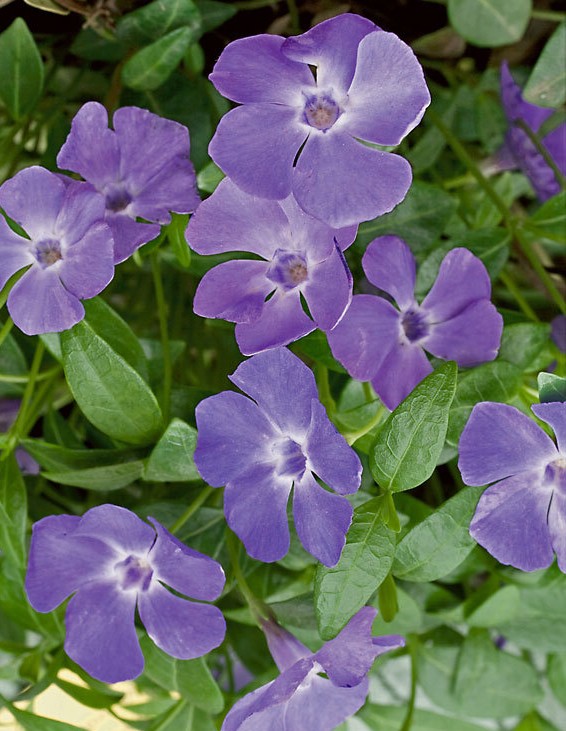
Lesser Periwinkle, Vinca minor, is a low evergreen perennial or trailing subshrub in Apocynaceae, the dogbane family. It spreads horizontally across the ground and forms persistent mats of glossy opposite leaves. Shorter ascending shoots rise from the trailing stems and carry the flowers. The plant is frequently cultivated as groundcover, but established colonies can survive long after the original landscaping has been neglected or abandoned.
The word Periwinkle is used for several plants and does not establish a precise identity. True *Vinca* species are Eurasian trailing plants, while Madagascar Periwinkle belongs to the separate genus Catharanthus. Creeping Myrtle, Running Myrtle, Ground Myrtle, and Myrtle are common names for *Vinca minor*, but “Myrtle” also refers to unrelated shrubs and trees. Veterinary identification should therefore rely on the scientific name, complete stems, leaves, flowers, roots, and photographs rather than a common name alone.
Native and Introduced Range
Lesser Periwinkle is native across Europe eastward to the Caucasus. Its accepted native range includes portions of western, central, southern, and eastern Europe together with the Caucasus region. The species grows primarily within the temperate biome and has been transported widely through cultivation. Introduced populations are established through large parts of North America and in additional temperate regions outside the native range.
Escaped colonies commonly persist around old homesites, cemeteries, historic properties, parks, woodland edges, stream terraces, roadsides, gardens, and sites where yard waste was dumped. The plant’s ability to survive for decades means an exposure can occur where no active garden is visible. Dense mats found around foundations, grave markers, abandoned structures, or old tree plantings may represent horticultural remnants rather than native vegetation. This history is relevant when determining how a dog, horse, or livestock animal encountered the plant.
Habitat and Growth Form
Lesser Periwinkle tolerates shade and commonly grows beneath deciduous trees, along woodland margins, on moist slopes, near stream terraces, beneath shrubs, and in landscaped beds. It can persist across a range of moisture and light conditions once established, especially where leaf litter and surrounding vegetation protect its runners. The stems may extend several feet through mulch, grass, fencing, neighboring plants, or accumulated leaves. A pet may therefore contact runners well beyond the visible center of the planting.
The long vegetative stems remain flexible and root where nodes contact suitable soil. A single planting can become a network of connected rooted sections, each capable of surviving when separated from the original crown. Small rooted fragments discarded with yard waste may establish new colonies. During removal, one visible stem can lead to a much larger connected mass, increasing the amount available to a dog that pulls or carries it.
Leaves, Flowers, Fruit, and Roots
The leaves occur opposite one another along the stems and remain evergreen in suitable climates. They are leathery, glossy, narrow elliptic to oval, and generally smaller and narrower than those of Greater Periwinkle. The margins are smooth rather than conspicuously hairy, and a lighter central vein may be visible against the dark-green surface. Variegated cultivars can have cream, yellow, silver, or pale-green margins without becoming nontoxic.
Flowers arise singly from leaf axils on short ascending shoots and are usually violet-blue or blue-lavender. Cultivated forms may have deeper purple, pale-blue, white, or double flowers. The corolla has a narrow tubular base opening into five asymmetrical lobes arranged in a characteristic pinwheel pattern. Flowering is most abundant during spring, although scattered flowers can appear later in the growing season.
The fruit consists of a paired set of slender follicles that split when mature to release seeds. Seed production may be limited in many introduced populations because vegetative spread is much more important. Nevertheless, follicles, seeds, flowers, leaves, stems, roots, and sap should all remain inaccessible. Rooted nodes and fibrous roots are especially relevant during removal because they remain attached to long runners and can be swallowed with the stems.
All Parts Should Be Treated as Poisonous
Leaves, stems, flowers, developing follicles, seeds, roots, sap, fresh cuttings, dried material, teas, tinctures, extracts, powders, supplements, and material contaminated with plant fragments should all be treated as potentially poisonous. Exact alkaloid concentrations are not identical among tissues, and research has identified different dominant compounds in leaves, stems, roots, and secretions on leaf surfaces. There is no reliably nontoxic part that should be offered as food, forage, bedding, enrichment, or a chew object. The lack of a validated toxic dose prevents calculation of a guaranteed safe number of leaves or flowers.
Fresh foliage and runners create the most common ordinary exposure because they form a dense mat at nose and paw level. Roots and rooted nodes increase the practical quantity when a connected section is pulled from the ground. Dried leaves and medicinal preparations remain relevant because monoterpene indole alkaloids survive processing and have historically been extracted from dried material. Concentrated products may deliver far more active compound than an animal would obtain from one brief nibble.
Lesser Periwinkle and Madagascar Periwinkle
Lesser Periwinkle is Vinca minor, an evergreen trailing plant native to Europe and the Caucasus. Madagascar Periwinkle is Catharanthus roseus, an upright tropical or subtropical flowering plant native to Madagascar. The latter was historically classified as Vinca rosea, creating lasting confusion in botanical, medical, and veterinary references. Pages using only “Vinca” or “Periwinkle” may combine two different genera and two substantially different chemical profiles.
Vinblastine and vincristine were developed through research on *Catharanthus roseus*. They inhibit microtubule formation and are used as chemotherapy drugs. Vindoline and catharanthine are important biosynthetic precursors within the Madagascar Periwinkle pathway. These compounds should not be presented as the defining principal toxins of ordinary *Vinca minor* groundcover without direct species-specific evidence.
An animal chewing Lesser Periwinkle has not received an injected or pharmaceutical chemotherapy dose. Bone-marrow suppression, severe constipation, ileus, and prolonged peripheral neuropathy are not the most defensible routine expectations. If those abnormalities occur, access to chemotherapy medication, Madagascar Periwinkle, or another diagnosis must be investigated. Lesser Periwinkle still warrants caution because its own vincamine-related alkaloids can cause gastrointestinal, vascular, and neurologic effects.
Lesser Periwinkle and Greater Periwinkle
Greater Periwinkle is Vinca major, a separate accepted species that is larger in most visible features. Its leaves are broader, often heart-shaped or triangular near the base, and commonly have visibly hairy margins and petioles. The flowers are generally larger, and the plant can form taller, more robust trailing growth. Lesser Periwinkle has smaller, narrower elliptic leaves with smooth margins and more compact flowers.
Both species contain biologically active alkaloids and should remain inaccessible to animals. Chemical findings from one species should not automatically be assigned quantitatively to the other, but the shared genus and overlapping alkaloid classes support similar caution. Preserve enough plant material to compare leaf size, margin hairs, stems, and flowers. One detached leaf may be inadequate when the specimen is damaged or dried.
Exposure in Dogs and Cats
Dogs may graze leaves, pull runners from the ground, carry long stems, dig through rooted nodes, eat fresh cuttings, or ingest the plant while chewing grass. A puppy can pull up a connected section much larger than the first visible shoot because stems root repeatedly beneath leaves and mulch. Loose runners may be more attractive as play objects than the established mat. Dense vegetation can also conceal fertilizer, pesticide granules, mushrooms, slugs, garbage, sharp objects, or other toxic plants that change the clinical risk.
Cats may nibble leaves, bat at flowers, walk through dense growth, or groom fragments from the paws and coat. A cat can therefore receive oral exposure without being seen actively eating the plant. Indoor exposure may occur when runners, wreath material, dried medicinal leaves, or potted plants are brought into the home. Vomiting followed by hiding, food refusal, weakness, or loss of normal jumping ability requires veterinary attention rather than assuming that the cat is simply resting.
The exposure history should record the maximum connected plant mass that could be missing, not merely the number of bites witnessed. Photographs should show the disturbed patch, nearby chemicals, mushrooms, mulch, and all surrounding plants. Preserve complete stems with opposite leaves, flowers, rooted nodes, and any plant material recovered from vomit. Small gastrointestinal cases and concentrated-product exposures should not be managed as though they represent the same dose.
Horses, Cattle, Sheep, and Goats
Horses are unlikely to select a large amount of Lesser Periwinkle when adequate forage is available, but exposure can occur when cuttings are thrown into a paddock, when old groundcover grows along a fence, or when runners become mixed with hay or bedding. Nursery waste, cemetery flowers, abandoned landscaping, storm debris, and material dumped near a pasture create additional routes. Because horses cannot vomit, a meaningful exposure may appear as salivation, feed refusal, colic, diarrhea, depression, weakness, low blood pressure, trembling, incoordination, or recumbency.
Cattle, sheep, and goats may consume uprooted mats, landscaping debris, contaminated forage, or plant material placed in feed areas. Serious naturally occurring livestock poisoning appears uncommon, but rarity does not establish resistance. Goats should not be used as an assumed safe disposal method merely because they browse unfamiliar vegetation. Hunger, forage shortage, confinement, or access to a concentrated pile can produce an exposure that would not occur during normal grazing.
When one herd or flock member becomes ill, every animal with access should be examined or observed according to veterinary guidance. Individuals may consume different quantities and develop signs at different times. Retain samples from the standing colony, cuttings, hay, feed, and any professionally collected gastrointestinal contents. The material should also be inspected for Yew, Oleander, pesticides, mold, or other hazards capable of producing more severe signs.
Rabbits, Guinea Pigs, Birds, and Other Animals
Lesser Periwinkle should not be offered to rabbits or guinea pigs as forage, bedding, nesting material, or enrichment. These animals can consume a substantial amount relative to body size, while nausea and weakness may be difficult to recognize early. Appetite loss, diarrhea, reduced fecal production, trembling, abdominal discomfort, unusual behavior, or weakness requires prompt veterinary evaluation. Reduced intake can contribute to gastrointestinal stasis even when direct alkaloid toxicity is limited.
Pet birds may shred leaves, stems, flowers, or dried material, exposing the beak, tongue, eyes, feet, skin, and gastrointestinal tract. Beak wiping, regurgitation, diarrhea, weakness, loss of balance, tremors, seizures, or unusual quietness requires avian veterinary advice. Poultry and other outdoor birds may encounter cuttings placed in runs or material growing through fencing. Species-specific dose information is unavailable, so absence of a published case should not be interpreted as proof of safety.
Rodents, reptiles, and other small animals may encounter runners or dried material used inadvertently as bedding or enclosure decoration. Plant fragments can also fall into food or water dishes from landscaping above an outdoor pen. Remove the material and identify every plant involved before assuming that Lesser Periwinkle alone explains the signs. Treatment should follow the animal’s condition and species-specific needs.
Fresh and Dried Material
Drying should not be assumed to destroy Lesser Periwinkle alkaloids. Dried leaves have historically been used in herbal preparations because active compounds remain extractable. Fresh cuttings, dried wreath material, herbarium specimens, teas, powders, tinctures, extracts, supplements, and contaminated hay should all remain inaccessible. Wilting may change palatability or moisture content without making the material harmless.
Connected cuttings can create a larger practical exposure than intact groundcover. An animal pulling one runner may obtain several rooted nodes, leaves, flowers, and attached roots. Piles created during removal allow repeated chewing without the animal moving through a dense mat. Every load of cut material should be contained immediately, and animals should remain outside the work area until loose fragments have been collected.
Medicinal and supplement exposures require the original packaging because concentration, excipients, and additional ingredients affect treatment. Vincamine, vinpocetine, Periwinkle extracts, and combination cognitive or circulatory supplements should not be given to animals without direct veterinary oversight. A manufactured product cannot be assessed from the plant name alone. Tablets, capsules, powders, and liquids may contain a much higher active dose than the intact plant.
Herbal, Pharmacologic, and Laboratory Evidence
Lesser Periwinkle has a long history in European herbal practice for bleeding, digestive complaints, headache, circulatory disorders, memory problems, and other conditions. Vincamine was isolated and developed as a pharmacologic or research compound because of its vascular and neurologic activity, while vinpocetine is a semisynthetic derivative. Historical use and pharmaceutical development document biological activity rather than veterinary safety. Teas, tinctures, powders, extracts, and supplements may create more risk than a small fresh-leaf exposure.
Exact-species studies have isolated numerous indole alkaloids and demonstrated cytotoxic, antioxidant, antimicrobial, cholinesterase-inhibiting, and other laboratory effects. These investigations are valuable for identifying compounds and mechanisms, but they do not establish the dose or expected syndrome after natural ingestion. A cell-culture experiment cannot be converted into a prediction that one leaf will cause bone-marrow suppression or cancer-drug toxicity. The distinction between pharmacologic activity and veterinary dose-response must remain explicit.
Older experimental pharmacology provides a plausible basis for hypotension from vincadifformine and related alkaloids. Modern chemical studies also show substantial variation in the alkaloid profile with tissue, stress, treatment, and environment. These findings support monitoring blood pressure and perfusion after a substantial exposure without predicting collapse in every case. Direct clinical evidence in naturally poisoned dogs, cats, horses, and livestock remains much more limited than the phytochemical literature.
Invasive Growth and Exposure During Removal
Lesser Periwinkle can form broad evergreen mats beneath trees and shrubs and may persist long after a landscaped bed is no longer recognizable. Repeated pet exposure can therefore occur around old properties, woodland edges, cemeteries, and dumped yard waste. Runners may extend beneath fences or into animal areas from a neighboring patch. The plant’s persistence matters to poisoning prevention because removing only the visible central clump can leave many rooted sections accessible.
Removal temporarily increases exposure by producing loose runners, roots, and leaves. Dogs may carry the material, livestock may investigate discarded piles, and small fragments may enter compost, hay, bedding, water dishes, or neighboring enclosures. Cuttings should not be dumped into woods, roadsides, stream corridors, vacant lots, or behind fences where they can root and create new exposure sites. Local invasive-plant guidance may assist with control, but chemical treatment areas must remain inaccessible to animals until the product label permits re-entry.
The poisoning page does not need cultivation instructions, but the exposure consequences of removal are directly relevant. Account for the entire plant mass, contain it immediately, and inspect the work area for rooted nodes. Do not allow goats or other livestock to consume the material as a disposal method. Preserve a sample before disposal when identification may later be needed.
Diagnosis and Clinical Evaluation
Diagnosis relies on accurate plant identification, the maximum amount and form swallowed, the time of exposure, observed symptoms, and exclusion of other plants, chemicals, medications, mushrooms, or diseases. Preserve complete stems showing opposite leaves, flowers, rooted nodes, follicles, roots, nursery labels, herbal packaging, and plant fragments recovered from vomit or stool. Photographs should document the original colony and all surrounding materials. The words “Vinca,” “Myrtle,” or “Periwinkle” are not specific enough by themselves.
Veterinary examination may include hydration, gum color, pulse quality, heart rate and rhythm, repeated blood-pressure measurement, neurologic status, respiratory function, temperature, abdominal comfort, and urine production. Laboratory testing may include blood glucose, electrolytes, acid-base status, kidney and liver measurements, complete blood count, and urinalysis. ECG monitoring is appropriate when the pulse is abnormal, fainting occurs, or hypotension is significant. Chest or abdominal imaging may be needed when aspiration, obstruction, a large swallowed plant mass, or another foreign object is suspected.
No laboratory test specifically confirms Lesser Periwinkle poisoning. Plant alkaloid testing is not routinely available for veterinary patients, and a positive result for a single compound would not necessarily establish clinical causation. Diagnosis is therefore clinical and circumstantial, supported by reliable identification, evidence that the plant was disturbed, compatible signs, and exclusion of more likely causes. A patient with severe or atypical signs should not be assigned the diagnosis solely because Periwinkle grows nearby.
Differential Diagnosis
Other causes of vomiting, diarrhea, weakness, hypotension, tremors, or seizures include Madagascar Periwinkle, Greater Periwinkle, Yew, Oleander, nicotine products, cannabis, mushrooms, pesticides, medications, hypoglycemia, electrolyte disease, gastrointestinal obstruction, and numerous other poisonous plants. Dense Periwinkle mats can conceal many of these hazards. Fertilizer, herbicide, slug bait, rodenticide, or discarded medication may be more clinically important than the visible groundcover. The entire environment should be evaluated rather than stopping at the first plant identified.
Bone-marrow suppression, unexplained bruising, bleeding, severe constipation, ileus, jaw pain, or prolonged peripheral neuropathy should raise concern for chemotherapy medication or another diagnosis. Progressive paralysis, profound respiratory depression, or rapidly fatal collapse is not well established as the typical result of ordinary *Vinca minor* ingestion. These findings require investigation for additional toxicants and underlying disease. Accurate separation from *Catharanthus roseus* is particularly important when chemotherapy-type effects are suspected.
Prognosis and Prevention
The prognosis is good to excellent after most small exposures that cause no symptoms or limited gastrointestinal upset. The outlook becomes more guarded with persistent vomiting, severe dehydration, clinically important hypotension, abnormal cardiac rhythm, continuous tremors, seizures, aspiration, collapse, respiratory depression, concentrated products, or an unidentified mixed exposure. Recovery depends on maintaining circulation, hydration, breathing, body temperature, glucose, electrolytes, and neurologic function while the compounds are eliminated. A symptomatic animal should remain under observation until strength, blood pressure, appetite, gait, and awareness are stable.
Do not plant Lesser Periwinkle inside dog runs, cat enclosures, rabbit exercise areas, horse paddocks, livestock pasture, bird-accessible rooms, or areas where runners can enter food and water dishes. Remove accessible stems that cross fencing or spread into animal-use areas. Secure dried medicinal material, vincamine, vinpocetine, extracts, powders, tinctures, and supplements. White-flowered and variegated cultivars require the same precautions as the common violet form.
During removal, place runners and roots directly into closed or otherwise inaccessible containers rather than temporary piles, open compost, or brush heaps. Inspect the soil and mulch for rooted nodes, and prevent animal access until the work area is clear. Do not dump cuttings near woodland, pasture, roadsides, streams, vacant land, hay storage, or neighboring fences. Prevention depends on controlling both the established mat and the concentrated debris created when it is disturbed.
Immediate Steps After Exposure
- Stop further exposure: Move the animal away from the groundcover, rooted runners, cuttings, compost, dried material, herbal preparation, supplement, or contaminated food and bedding.
- Identify the plant: Preserve complete stems with opposite leaves and flowers, rooted nodes, follicles, roots, nursery labels, product packaging, and photographs of the original patch.
- Estimate the maximum amount: Report the largest connected plant mass that could be missing, when exposure occurred, whether vomiting has begun, and whether the material was fresh, dried, powdered, extracted, or concentrated.
- Contact a professional: Obtain veterinary or animal poison-control guidance when more than a small nibble may have been swallowed, a concentrated product was involved, the amount is uncertain, or any symptom develops.
- Report mixed exposures: Identify fertilizer, herbicide, pesticide, mushrooms, compost, medication, mulch, foreign objects, and other plants accessible in the same area.
Remove Loose Material Without Creating Aspiration Risk
Carefully remove loose leaves or stems visible at the lips and front of the mouth when this can be done safely. Do not perform a blind finger sweep, reach deeply into the throat, or push plant material toward the airway. A damp cloth may be used to wipe loose residue from the lips and accessible front of the mouth in a fully alert animal. Do not pour or syringe water into the mouth because nausea, weakness, tremors, or poor swallowing can allow fluid to enter the lungs.
Wear gloves when removing crushed plant material from the coat. Wash contaminated fur with lukewarm water and mild pet-safe shampoo and prevent grooming until the fragments have been removed. Clean collars, harnesses, carriers, blankets, and surfaces that hold plant debris. Continued eye irritation, squinting, redness, or rubbing requires veterinary examination rather than owner-selected eye medication.
Do Not Induce Vomiting or Give Activated Charcoal at Home
Do not induce vomiting unless a veterinarian or animal poison-control specialist specifically directs it after assessing the species, timing, amount, symptoms, product form, and aspiration risk. Hydrogen peroxide must never be given to a cat and should not be given to a dog without direct professional instruction. Salt, mustard, ipecac, oil, syrup, dish soap, detergent, manual gagging, and fingers in the throat are unsafe. Horses, rabbits, guinea pigs, and other species incapable of vomiting must never be given an emetic.
Never attempt vomiting in an animal that is already vomiting repeatedly, weak, depressed, trembling, uncoordinated, sedated, seizuring, collapsed, breathing abnormally, unable to swallow, or unable to protect the airway. A veterinarian may consider controlled emesis after a substantial recent ingestion only when the patient remains alert, stable, asymptomatic, and capable of protecting the airway. The decision should also account for the possibility that the animal swallowed roots, string-like runners, mulch, wire, or another foreign object.
Activated charcoal is not an owner treatment. A veterinarian may consider it after a significant recent plant or concentrated-product ingestion when the expected benefit exceeds the aspiration and gastrointestinal risks. Do not force charcoal into a vomiting, weak, sedated, trembling, seizuring, collapsed, or poorly swallowing animal. Barbecue briquettes, fireplace ash, burned food, and homemade charcoal are not veterinary activated charcoal, and repeated doses require professional monitoring.
Do Not Give Household Medication, Food, or Forced Fluids
Do not give kaolin-pectin mixtures, loperamide, bismuth products, sucralfate, antacids, human pain medication, antihistamines, corticosteroids, stimulants, caffeine, decongestants, blood-pressure medication, heart medication, anticonvulsants, herbal remedies, essential oils, or leftover veterinary medication. None of these products neutralizes the Lesser Periwinkle alkaloid mixture, and several can worsen hypotension, alter mental status, interact with other drugs, or obscure the diagnosis. Prescription gastrointestinal protectants may have a role in selected patients, but their timing and use should be determined by the veterinarian.
Do not give milk, yogurt, bread, cooking oil, mineral oil, or another improvised antidote. Do not force food into a nauseated, weak, trembling, or poorly responsive animal because vomiting and aspiration may follow. Small amounts of fresh water may remain available only when the animal is fully alert, swallowing normally, and not vomiting repeatedly. Forced oral fluids cannot correct clinically important dehydration or hypotension and may enter the lungs.
Recognize Hypotension and Neurologic Deterioration
- Watch for weakness: Sudden reluctance to stand, repeated lying down, an unsteady gait, fainting, or collapse can indicate poor circulation or neurologic impairment.
- Check mucous membranes: Pale, gray, or blue-tinged gums require urgent veterinary assessment.
- Observe the pulse: A rapid, slow, irregular, weak, or difficult-to-detect pulse may accompany hypotension, dehydration, arrhythmia, or another toxic exposure.
- Feel the extremities: Unusually cold ears, feet, or limbs can accompany reduced peripheral circulation.
- Watch awareness: Confusion, extreme quietness, reduced response to surroundings, stupor, or coma may reflect inadequate brain perfusion or severe systemic illness.
- Watch breathing: Rapid, shallow, labored, gasping, open-mouth, or weak breathing requires immediate emergency care.
Record every episode of vomiting and diarrhea and note plant fragments, mucus, red blood, or black material. Save representative fragments in a sealed disposable container. Tackiness of the gums, reduced urination, inability to retain water, or worsening lethargy indicates dehydration or poor perfusion. Coughing, nasal discharge, fever, rapid breathing, or increased respiratory effort after vomiting may indicate aspiration.
Tremors, Seizures, Collapse, and Transportation
During a seizure, clear nearby objects and keep hands, spoons, cloth, food, water, and medication away from the mouth. Do not hold the tongue or pin the limbs. Reduce noise and light when this can be done without delaying transport, and record when the episode begins and ends. Continuous tremors, any seizure, repeated seizures, collapse, loss of consciousness, or failure to return to normal awareness is an emergency.
Keep the animal quiet and limit walking, excitement, barking, struggling, and heat because these increase circulatory and neurologic demand. Prevent falls around stairs, pools, traffic, furniture edges, and hard obstacles. Carry a weak animal in a carrier or use a stretcher, rigid board, or blanket rather than forcing it to walk. Do not muzzle a vomiting or breathing-impaired animal, and call the emergency clinic before arrival.
Veterinary Examination and Decontamination
The veterinarian may repeatedly measure blood pressure and assess gum color, capillary refill, pulse quality, heart rate, ECG rhythm, temperature, hydration, urine production, respiratory function, and neurologic status. Blood testing may include glucose, electrolytes, acid-base status, kidney and liver measurements, complete blood count, and other tests needed to exclude an alternative diagnosis. Chest imaging may be necessary after vomiting or respiratory signs, while abdominal imaging may be indicated when a large mass of runners, mulch, roots, or another foreign object was swallowed.
Professional gastrointestinal decontamination is individualized. Controlled emesis may be useful soon after a substantial ingestion in an alert asymptomatic dog that can protect the airway, while it may be inappropriate after symptoms begin or when foreign material is involved. Activated charcoal may be considered for a meaningful recent exposure, particularly a concentrated product, but the evidence for routine use after a small *Vinca minor* nibble is limited. Intubation may be required before decontamination when swallowing or consciousness is impaired.
Veterinary Treatment of Vomiting, Dehydration, and Hypotension
Veterinarian-selected anti-nausea medication may reduce continuing fluid loss, discomfort, and aspiration risk after decontamination decisions have been made. Intravenous crystalloids are used to correct clinically important dehydration and restore appropriate circulating volume. Fluid delivery must be adjusted to blood pressure, heart function, urine production, electrolyte status, and respiratory condition. An animal with severe cardiac disease, reduced urine output, or pulmonary complications may require particularly careful fluid management.
Persistent clinically important hypotension may require veterinarian-selected vasopressor support after appropriate volume deficits have been addressed. Vasopressors are not substitutes for necessary fluid resuscitation in a hypovolemic patient, and they require blood-pressure, ECG, and perfusion monitoring. The specific agent depends on the patient’s rhythm, vascular response, concurrent disease, and suspected co-exposures. Human decongestants or stimulants must never be used as improvised blood-pressure treatment.
Electrolyte abnormalities, hypoglycemia, kidney hypoperfusion, aspiration pneumonia, gastrointestinal injury, or a mixed poisoning require individualized care. Urine output and renal measurements help determine whether circulation has been adequately restored. Oxygen, airway suctioning, intubation, or assisted ventilation may be needed for aspiration, severe hypotension, seizure activity, respiratory depression, or collapse. Nutritional support may be required when nausea or neurologic impairment prevents safe eating.
Veterinary Treatment of Tremors and Seizures
Veterinarian-selected anticonvulsants, muscle relaxants, sedatives, or anesthetic support may be required when tremors or seizures interfere with oxygenation, temperature control, circulation, or safe handling. Treatment should occur alongside correction of glucose, electrolytes, acid-base disturbance, hypoxia, and hypotension. Persistent neurologic abnormalities should broaden the search for pesticides, nicotine, mushrooms, medication, cannabis, *Catharanthus roseus*, Yew, or another cause. There is no specific antidote that neutralizes the complete *Vinca minor* alkaloid mixture.
Horses and Livestock
- Remove the source: Prevent access to groundcover, cuttings, contaminated hay, nursery waste, compost, and dumped landscaping material.
- Do not drench a symptomatic animal: Weak, salivating, trembling, recumbent, or poorly swallowing livestock can aspirate oil, water, charcoal, or medication.
- Evaluate the group: Other animals may have consumed the same material and can develop signs later or at a different severity.
- Retain representative samples: Preserve fresh plants, roots, hay, feed, product labels, and professionally collected gastrointestinal contents.
- Obtain large-animal veterinary care: Blood-pressure support, intravenous fluids, neurologic monitoring, treatment of colic or diarrhea, and seizure control may be required.
Horses cannot vomit, and emesis should never be attempted. Weak ruminants should be maintained safely in sternal recumbency when possible to reduce bloat and aspiration risk. Do not force a recumbent animal to walk. The veterinarian may need to assess rumen function, hydration, perfusion, respiratory status, and the possibility of a more dangerous plant mixed into the forage or yard waste.
Monitoring, Recovery, and Prognosis
Continue monitoring food and water intake, vomiting, diarrhea, strength, gait, awareness, urine production, pulse quality, blood pressure, and breathing. Renewed vomiting, coughing, weakness, tremors, seizures, fainting, or collapse requires prompt reassessment. Activity should remain restricted until hydration, appetite, circulation, gait, and neurologic function have returned to normal. Animals treated for significant hypotension or neurologic signs may require longer observation than those with isolated gastrointestinal upset.
Most small ordinary plant ingestions have a good-to-excellent prognosis and may produce no signs or only limited vomiting or diarrhea. Persistent hypotension, severe dehydration, continuous tremors, seizures, aspiration, respiratory depression, collapse, concentrated-product ingestion, or an unidentified mixed exposure creates a more guarded outlook. Prevention requires removing accessible runners, containing every cutting during removal, securing herbal products and supplements, and preventing yard waste from entering animal-use areas.
Frequently Asked Questions About Lesser Periwinkle and Animal Poisoning
Is one Lesser Periwinkle leaf likely to cause severe poisoning?
One small leaf or flower is unlikely to cause severe poisoning in most dogs or cats, although mild nausea, vomiting, diarrhea, or lethargy remains possible. The assessment becomes less reassuring when the amount is uncertain, a connected runner was pulled from the ground, roots were swallowed, the animal is very small or medically fragile, or symptoms develop.
No validated safe dose exists, so “unlikely to be severe” does not mean that a particular number of leaves is guaranteed safe. Preserve the plant, estimate the largest possible amount, and obtain veterinary guidance when more than a minor nibble may have been swallowed.
Does Lesser Periwinkle contain vincristine or vinblastine?
Vincristine and vinblastine are associated principally with Madagascar Periwinkle, Catharanthus roseus, formerly called Vinca rosea. They should not be listed as the defining principal toxins of ordinary Vinca minor groundcover.
Lesser Periwinkle contains its own extensive monoterpene indole alkaloid mixture, including vincamine and vincadifformine. It remains poisonous, but its expected clinical profile should not be replaced with the full toxicity profile of purified chemotherapy medication.
Why do so many poison references confuse the two Periwinkles?
Madagascar Periwinkle was historically classified as Vinca rosea, and vincristine and vinblastine are still called Vinca alkaloids in oncology. That terminology makes it easy to assume that every species remaining in the genus Vinca contains the same major compounds.
Modern taxonomy places Madagascar Periwinkle in Catharanthus. Lesser Periwinkle remains Vinca minor, a separate Eurasian groundcover with a different dominant alkaloid profile.
What is vincamine, and why does it matter after ingestion?
Vincamine is a prominent monoterpene indole alkaloid in Lesser Periwinkle leaves. It has vascular and neurologic pharmacology and has been used or investigated for effects on cerebral blood flow and metabolism.
Uncontrolled exposure does not provide a therapeutic benefit. In the context of poisoning, vincamine and related alkaloids support concern for nausea, weakness, poor perfusion, low blood pressure, fainting, or collapse after a sufficiently large or concentrated exposure.
What is vincadifformine?
Vincadifformine is another alkaloid documented in *Vinca minor*. Older experimental pharmacology found that one stereochemical form lowered blood pressure in anesthetized cats, providing a plausible mechanism for hypotension.
That experiment involved an isolated compound and does not establish a toxic number of leaves for a dog or cat. It supports cardiovascular monitoring after a substantial exposure without proving that every nibble will cause low blood pressure.
Can Lesser Periwinkle cause bone-marrow suppression or chemotherapy neuropathy?
Those are not the best-supported expected effects of ordinary *Vinca minor* ingestion. Predictable marrow suppression and peripheral neuropathy are associated with therapeutic or accidental exposure to purified chemotherapy agents such as vincristine and vinblastine.
Unexplained bleeding, severe constipation, ileus, prolonged neuropathy, or marked blood-cell abnormalities should prompt investigation for chemotherapy medication, Madagascar Periwinkle, another toxin, or unrelated disease rather than being assigned automatically to Lesser Periwinkle.
Can Lesser Periwinkle lower a pet’s blood pressure?
Yes, hypotension is biologically plausible because the plant contains vascularly active alkaloids, and experimental work supports a blood-pressure-lowering effect for vincadifformine. Affected animals may become weak, unusually quiet, unsteady, cold at the extremities, faint, or collapse.
Low blood pressure cannot be reliably diagnosed by behavior alone. Repeated veterinary measurements may be needed, particularly after a large ingestion, concentrated-product exposure, fainting, weak pulses, or pale gums.
Can a normal heart rate at home rule out poisoning?
No. An animal may have low blood pressure despite an apparently normal rate, and owners may miss a weak pulse, pulse deficit, or intermittent rhythm abnormality. The rate can also rise as compensation for dehydration or hypotension.
Clinical assessment should include pulse quality, gum color, perfusion, blood pressure, hydration, neurologic status, and ECG findings when indicated. One home pulse count cannot exclude a meaningful exposure.
Are Lesser Periwinkle roots and rooted runners poisonous?
They should be treated as poisonous. Research shows that alkaloid distribution differs among tissues, and rooted runners allow an animal to pull up a much larger connected plant mass than one visible stem suggests.
Direct comparative animal-toxicity studies have not proved that roots always contain the highest concentration. Their practical importance comes from the quantity and accessibility created when a dog uproots or carries a connected section.
Is dried Lesser Periwinkle still poisonous?
Yes. Drying should not be assumed to destroy its monoterpene indole alkaloids, and dried leaves have historically been used for herbal extraction. Dried wreath material, medicinal leaves, powder, contaminated hay, and discarded supplements should remain inaccessible.
A dried exposure may also be harder to identify visually. Preserve the material and compare it with fresh plants remaining at the source whenever possible.
Are vincamine and vinpocetine supplements safe for pets?
They should not be given without direct veterinary oversight. Vincamine is a plant alkaloid, while vinpocetine is a semisynthetic related compound used in some supplements and pharmaceutical products.
A capsule, powder, tablet, or liquid can contain a much greater and more readily absorbed dose than one plant nibble and may include additional ingredients. Preserve the complete package and remaining product after an accidental exposure.
How can I distinguish Lesser Periwinkle from Greater Periwinkle?
Lesser Periwinkle has smaller, narrower, elliptic leaves with generally smooth, hairless margins. Greater Periwinkle, Vinca major, has larger and broader leaves that are often more heart-shaped near the base, with visibly hairy margins or petioles.
Greater Periwinkle also tends to have larger flowers and more robust growth. Both contain biologically active alkaloids and should remain inaccessible, so the distinction refines identification rather than creating a safe alternative.
Can Lesser Periwinkle contaminate hay or livestock bedding?
It is not a common hay contaminant, but runners or uprooted landscaping material can become mixed with forage, bedding, or yard debris. Drying does not guarantee that the alkaloids have been destroyed.
Remove affected material, prevent group access, and retain representative samples. When one animal becomes ill, evaluate the complete exposed herd or flock because individual intake may differ.
Why are cuttings more concerning than the intact groundcover?
An intact mat may prompt only brief nibbling, while a loose pile allows a dog, horse, goat, or other animal to consume repeated mouthfuls. One runner can include numerous leaves, flowers, rooted nodes, and attached roots.
Cuttings may also be mixed with fertilizer, herbicide, mold, mushrooms, garbage, or other poisonous plants. Place removed material directly into closed or inaccessible containers instead of leaving temporary piles.
Is there a specific veterinary test or antidote for Lesser Periwinkle?
No routine laboratory test specifically confirms *Vinca minor* poisoning, and no specific antidote neutralizes the complete alkaloid mixture. Diagnosis relies on plant identification, amount and form, timing, compatible symptoms, blood pressure, neurologic findings, laboratory testing, and exclusion of other causes.
Treatment controls vomiting, corrects dehydration, supports blood pressure and organ perfusion, protects the airway, treats tremors or seizures, and manages complications while the compounds are eliminated.
Should I make my dog vomit after eating Lesser Periwinkle?
Do not induce vomiting unless a veterinarian or animal poison-control specialist specifically directs it after assessing the dog. The decision depends on the amount, timing, symptoms, product form, other material swallowed, and ability to protect the airway.
Do not give peroxide to a cat under any circumstances, and do not attempt vomiting in a weak, trembling, vomiting, collapsed, seizuring, sedated, neurologically abnormal, or poorly swallowing animal. Horses, rabbits, and guinea pigs cannot vomit and must never receive an emetic.
What findings require immediate emergency care?
Repeated vomiting with inability to retain water, profound weakness, pale or gray gums, weak pulses, fainting, inability to stand, an abnormal heartbeat, continuous tremors, any seizure, breathing difficulty, collapse, or reduced responsiveness requires immediate care.
Blood in vomit or stool, severe abdominal pain, distention, reduced urination, coughing after vomiting, or rapidly worsening lethargy can indicate dehydration, aspiration, obstruction, another toxicant, or a mixed exposure and also warrants urgent examination.