Cardinal Flower Alkaloids and Potential Neuromuscular Poisoning
Is Lobelia or Cardinal Flower Poisonous to Dogs, Cats, Horses, and Livestock?
Yes—Cardinal Flower, Lobelia cardinalis, is poisonous to dogs, cats, horses, livestock, rabbits, birds, and other animals. Direct chemical research identifies lobinaline as the plant’s characteristic major alkaloid, while veterinary toxicology also considers the broader effects of lobeline and related alkaloids from the chemically varied genus Lobelia. Ingestion may cause excessive drooling, nausea, vomiting, diarrhea, abdominal discomfort, appetite loss, depression, or weakness.
A substantial ingestion, repeated access, dried medicinal material, smoking mixtures, powders, tinctures, extracts, or an unidentified Lobelia species may create greater concern for dilated pupils, trembling, loss of coordination, abnormal heart rate or rhythm, low blood pressure, respiratory weakness, seizures, collapse, or profound depression of awareness. These severe effects are supported more strongly by genus-level and purified-alkaloid evidence than by a large series of confirmed Cardinal Flower cases. A minor witnessed nibble and a concentrated herbal preparation should not be treated as equivalent exposures.
Leaves, stems, flowers, pollen, capsules, seeds, basal shoots, roots, sap, fresh cuttings, wilted plants, dried material, teas, powders, tinctures, extracts, and smoking products should remain inaccessible. No dependable safe number of Cardinal Flower leaves, flowers, or stems has been established for any animal species.
About this guide: This page provides general pet-poisoning information and cannot diagnose or treat an individual animal. For any suspected exposure, contact a veterinarian or animal poison-control service immediately. Do not induce vomiting, give medication, or attempt home decontamination unless directed by a veterinary professional.
Lobelia
Lobelia cardinalis L.
The accepted scientific name was published by Carl Linnaeus in 1753. The botanical author abbreviation “L.” should remain attached to the name when authorship is displayed.
Important historical scientific names and combinations include:
- Dortmanna cardinalis (L.) Kuntze
- Rapuntium cardinale (L.) Mill.
- Lobelia coccinea (Moench) Stokes, an illegitimate superfluous name
- Rapuntium coccineum Moench, an illegitimate superfluous name
- Lobelia fulgens Humb. & Bonpl. ex Willd.
- Lobelia splendens Humb. & Bonpl. ex Willd.
- Lobelia cordigera Cav.
- Lobelia graminea Lam.
- Lobelia phyllostachya Engelm.
White- and pink-flowered forms have historically been named Lobelia cardinalis f. alba and Lobelia cardinalis f. rosea. Ornamental forms historically treated as Lobelia fulgens or Lobelia splendens are closely associated with the broader Lobelia cardinalis complex and should not be assumed nontoxic because the flower or foliage color differs.
Lobelia inflata L. is Indian Tobacco, the species most closely associated with lobeline in medicinal and pharmacologic literature. Lobelia siphilitica L. is Great Blue Lobelia or Blue Cardinal Flower. Neither name is an exact synonym for Lobelia cardinalis.
Campanulaceae — Bellflower Family
Cardinal Flower; Cardinal-Flower; Cardinalflower; Cardinal Plant; Red Lobelia; Scarlet Lobelia; Scarlet Cardinal Flower; Indian Pink; Bog Sage; Hog’s Physic; Red Bay; Slinkweed; Water Gladiole; Lobelia
Indian Pink is ambiguous and is also widely used for Spigelia marilandica, an unrelated red-and-yellow flowering plant with its own alkaloid toxicity. Indian Tobacco more properly refers to Lobelia inflata, while Great Lobelia, Great Blue Lobelia, and Blue Cardinal Flower generally refer to Lobelia siphilitica.
Historical nursery, botanical, or herbal material may use Lobelia fulgens, Lobelia splendens, Dortmanna cardinalis, or Rapuntium cardinale. Pink-, white-, burgundy-leaved, and hybrid ornamental selections should receive the same initial animal-safety precautions as the typical scarlet-flowered plant.
Lobinaline: The Characteristic Cardinal Flower Alkaloid
Direct chemical research on Lobelia cardinalis identified lobinaline as the plant’s characteristic alkaloid. An early isolation study reported that the tested plant material contained essentially one detectable alkaloid, which was named lobinaline, and later structural and biosynthetic investigations established its unusual binitrogenous framework. Modern bioassay-guided work again identified lobinaline as the major bioactive alkaloid in dried aerial material. These findings provide substantially stronger exact-species support for lobinaline than for the frequent claim that lobeline is the principal toxin of Cardinal Flower.
Lobinaline has a complex pharmacologic profile. Purified compound bound to both α4β2 and α7 neuronal nicotinic acetylcholine receptors, displayed agonist activity in a cultured neuronal cell model, inhibited dopamine uptake, slowed dopamine clearance after local application in the rat striatum, and demonstrated free-radical-scavenging activity in laboratory assays. These findings show that lobinaline can interact with neuronal signaling and monoamine transport. They do not establish the swallowed dose, tissue concentration, expected syndrome, or prognosis in a naturally exposed dog, cat, horse, or livestock animal.
Modern analysis of experimental Lobelia cardinalis hairy-root cultures also detected lobinaline and multiple putative lobinaline-like molecules. Their relative abundance changed in engineered or experimentally treated cultures, demonstrating that the plant can produce more chemical complexity than early extraction methods revealed. Hairy-root cultures are artificial research systems and cannot be treated as direct measurements of every root, leaf, flower, or seed in a wild or cultivated plant. The results support chemical variability without providing a household toxic-dose calculation.
Lobeline and the Limits of Genus-Level Evidence
Lobeline is the best-known alkaloid of Lobelia inflata and is frequently listed by veterinary poison references as the toxic principle of Cardinal Flower or the genus Lobelia. Direct exact-species chemistry does not establish lobeline as the dominant alkaloid of ordinary Lobelia cardinalis. The distinction matters because lobinaline and lobeline have different structures and different measured pharmacologic profiles. A page about Cardinal Flower should therefore identify lobinaline first and use lobeline only as related-genus or reference-level evidence.
Lobeline has high affinity for several neuronal nicotinic acetylcholine-receptor sites but can act as an agonist, partial agonist, antagonist, or channel inhibitor depending on receptor subtype, concentration, preparation, and duration of exposure. It also interacts with plasma-membrane and vesicular monoamine transporters, including the vesicular monoamine transporter VMAT2. This pharmacology is considerably more complicated than saying that lobeline acts exactly like nicotine. Stimulation, receptor desensitization, channel inhibition, altered monoamine handling, and neuromuscular effects may contribute at different concentrations.
Purified lobeline pharmacology and poisoning associated with other Lobelia species help explain why broader references describe salivation, vomiting, pupil changes, tremors, weakness, autonomic instability, respiratory depression, seizures, or collapse. Those findings should not be assigned automatically to a dog that swallowed one Cardinal Flower leaf. The evidence is most useful for defining what may become possible after a substantial, concentrated, or unidentified Lobelia exposure. Exact species, plant part, preparation, dose, and clinical findings remain essential.
Related Lobelia Alkaloids
The genus Lobelia produces numerous piperidine, pyridine, and structurally related alkaloids. Depending on the species, reported compounds include lobeline, lobelanine, lobelanidine, lobelamine, norlobeline, norlobelanine, sedamine-related compounds, and Δ3-piperideine alkaloids. The toxic pasture plant Lobelia berlandieri, for example, contains a different alkaloid mixture from Cardinal Flower and has produced documented disease in cattle and sheep. Compounds established in that species cannot be assigned quantitatively to Lobelia cardinalis.
Older literature sometimes divided Lobelia constituents into groups called lobelines, lelobines, and lobinines or referred broadly to volatile oils and alkaloidal fractions. Those historical groupings were developed before modern analytical separation and do not always identify one pure substance. The most defensible public description is that Cardinal Flower contains lobinaline and potentially additional related bioactive alkaloids, while broader severe effects are informed partly by other members of the genus. This preserves the toxicologic warning without creating false chemical precision.
Nicotinic-Receptor and Neuromuscular Effects
Nicotinic acetylcholine receptors participate in communication within autonomic ganglia, the brain, and neuromuscular junctions. Alkaloids that activate, desensitize, block, or otherwise alter these receptors can create mixed stimulation and depression rather than one uniform response. Early effects may include nausea, salivation, increased gastrointestinal activity, restlessness, pupil changes, trembling, or an increased pulse. Greater exposure may be followed by weakness, poor coordination, impaired neuromuscular transmission, reduced awareness, respiratory-muscle dysfunction, or collapse.
Lobinaline’s measured receptor profile differs from that of lobeline. Lobinaline showed similar affinity for α4β2 and α7 neuronal receptor sites and agonist activity in one cell model, while lobeline often behaves as a complex weak agonist, antagonist, or channel blocker depending on receptor subtype. Neither compound should be reduced to a simple nicotine equivalent. The mixed pharmacology also explains why atropine cannot be treated as a universal antidote.
Monoamine-Transport Effects
Lobinaline inhibited dopamine uptake and prolonged dopamine clearance in experimental nervous-system preparations. Lobeline and several analogues also interact with dopamine transporters and VMAT2, altering the storage and release of monoamine neurotransmitters. These effects are relevant to agitation, altered behavior, autonomic changes, tremors, and later depression in experimental pharmacology. Their specific contribution to naturally occurring Cardinal Flower poisoning in domestic animals has not been established.
A laboratory effect on dopamine transport does not prove that a pet will experience a predictable stimulant phase or a particular heart-rate response. Absorption, metabolism, tissue distribution, receptor sensitivity, and the complete plant mixture can change the clinical presentation. Dehydration, hypoxia, stress, pain, electrolyte abnormalities, and co-exposures may become more important than a direct monoamine effect. Clinical monitoring should therefore follow the patient rather than one isolated mechanism.
Gastrointestinal and Emetic Effects
Species throughout Lobelia have a long history as emetic plants, and nausea, vomiting, abdominal pain, diarrhea, and salivation are among the most consistently reported toxic effects. These signs may reflect direct gastrointestinal activity, central nausea pathways, autonomic effects, or several mechanisms acting together. Spontaneous vomiting can limit the retained dose but also creates dehydration and aspiration risks. Persistent vomiting must not be interpreted as proof that all alkaloid-bearing material has been expelled.
Severe oral burning or corrosive injury is not established as the defining effect of Cardinal Flower. Persistent gagging, painful swallowing, blood-streaked saliva, or food refusal still requires examination because plant fibers, repeated vomiting, another toxicant, or esophageal injury may be involved. Tannic acid and potassium permanganate appear in obsolete alkaloid-poisoning protocols but are not safe modern owner treatments. Neither should be presented as a neutralizing antidote.
Respiratory and Cardiovascular Risk
Severe Lobelia alkaloid poisoning may impair breathing through central nervous system depression, neuromuscular weakness, respiratory-muscle dysfunction, aspiration, seizures, hypotension, or a significant cardiac abnormality. Early stimulation of breathing has been described with purified lobeline, but a later or larger exposure can produce respiratory depression. Neck extension, abdominal respiratory effort, open-mouth breathing, gasping, or weak chest movement is an emergency regardless of the exact mechanism. Ventilatory support may be required until toxin effects decline.
Veterinary poison references also recognize cardiac-rhythm disturbance after Cardinal Flower or broader Lobelia exposure. The heart rate may become rapid, slow, irregular, or too weak to maintain adequate circulation through autonomic imbalance, direct alkaloid effects, hypoxia, dehydration, hypotension, acid-base disturbance, or electrolyte abnormalities. One home pulse count cannot identify the rhythm or determine whether circulation is adequate. ECG and blood-pressure monitoring are appropriate when systemic signs develop.
Plant Parts, Processing, and Dose Limitations
Leaves, stems, flower spikes, flowers, pollen, capsules, seeds, basal shoots, roots, sap, fresh cuttings, wilted material, dried plants, powders, teas, tinctures, extracts, and smoking mixtures should all remain inaccessible. Exact-species research has identified lobinaline in aerial material and in experimental root cultures, but available studies do not establish one universally most toxic plant part. A large root mass, pile of cut stems, or concentrated product may create a greater practical dose without proving that the tissue always contains the highest concentration.
Drying should not be assumed to destroy the alkaloids. Dried Lobelia has historically been used in smoking and herbal preparations precisely because biologically active constituents remain. Grinding, tincturing, or extracting plant material can deliver alkaloids without the physical limit imposed by chewing intact vegetation. Smoke, ash, nicotine products, matches, essential oils, or other ingredients may create a mixed exposure when dried material is burned.
No validated toxic dose exists for intact Lobelia cardinalis in dogs, cats, horses, cattle, sheep, goats, rabbits, guinea pigs, birds, or other animals. Dose estimates for purified lobeline, dried Lobelia inflata, or poisonous *Lobelia berlandieri* cannot be converted into a safe number of Cardinal Flower leaves. A minor nibble is less likely to cause severe systemic disease than a large ingestion or concentrated extract, but no amount can be guaranteed safe for every individual. Symptoms, preparation, amount, and animal vulnerability determine the response.
Expected Onset and Evidence Limitations
Clinical effects may begin within hours of a meaningful exposure, but an exact onset window has not been established for naturally occurring Cardinal Flower poisoning in every animal species. Timing depends on the amount swallowed, plant part, alkaloid concentration, preparation, animal size, health status, stomach contents, and quantity retained after vomiting. A dependable one- or two-day symptom-free delay is not supported and should not be used to postpone veterinary guidance. Concentrated tinctures, powders, extracts, or smoking products may behave differently from a brief bite of fresh foliage.
Confirmed detailed companion-animal reports involving chemically verified *Lobelia cardinalis* are uncommon. Gastrointestinal signs are the most defensible expectation after an ordinary garden exposure, while the complete respiratory, neurologic, and cardiovascular syndrome is informed partly by purified lobeline studies and poisoning by other *Lobelia* species. Severe effects remain possible after a substantial or concentrated exposure but should not be predicted automatically after every nibble. An animal with advanced signs should also be evaluated for another toxin or disease.
Early Gastrointestinal and Autonomic Signs
Early signs may include lip licking, repeated swallowing, nausea, excessive salivation, drooling, retching, vomiting, abdominal discomfort, intestinal cramping, diarrhea, reduced appetite, or depression. Spontaneous vomiting is consistent with the emetic history of several *Lobelia* alkaloids and may occur before neurologic or cardiovascular abnormalities are recognized. Plant pieces, flowers, capsules, or fibrous stems may be visible in vomit. Their presence supports ingestion but does not measure the absorbed dose.
Repeated vomiting and diarrhea can cause dehydration, tacky gums, reduced urination, weakness, low blood pressure, electrolyte abnormalities, and collapse. Vomiting also creates a risk of aspiration, especially after tremors, weakness, sedation, or reduced awareness develops. Coughing, nasal discharge, fever, rapid breathing, or worsening respiratory effort after vomiting requires examination. An animal that cannot retain water may need intravenous treatment.
Abdominal Pain, Oral Findings, and Appetite Loss
Abdominal pain may appear as restlessness, a hunched posture, guarding, repeated stretching, vocalization, kicking at the belly in a horse, teeth grinding in livestock, or reluctance to move. Appetite loss may reflect nausea, abdominal discomfort, altered awareness, weakness, or another concurrent gastrointestinal problem. In rabbits and guinea pigs, interruption of normal eating can contribute to gastrointestinal stasis. Prolonged food refusal therefore remains clinically important even when dramatic neurologic signs are absent.
Visible mouth or esophageal injury is not a defining exact-species effect. Pawing at the mouth, face rubbing, head shaking, abnormal licking, or sudden refusal to continue chewing may reflect nausea, plant texture, altered sensation, or oral discomfort. Persistent gagging, inability to swallow saliva, blood-streaked saliva, or coughing while drinking requires examination for retained plant material, esophageal injury, aspiration, or another caustic exposure. Forced rinsing or oral medication may worsen the risk.
Depression, Pupil Changes, and Neurologic Dysfunction
Depression may appear as hiding, unusual stillness, excessive sleeping, lowered head carriage, reduced interest in surroundings, refusal to walk, or delayed response to the owner. Pupillary dilation has been described in broader *Lobelia* toxicity, but unequal pupils, loss of vision, persistent dilation, or abnormal eye movements are nonspecific and require investigation for another neurologic or ocular emergency. Behavioral change can also result from hypotension, dehydration, hypoxia, pain, or a mixed exposure. One isolated pupil finding does not confirm Cardinal Flower poisoning.
Neurologic abnormalities may include agitation, apparent dizziness, tremors, twitching, a wide-based stance, stumbling, loss of coordination, weakness, inability to stand, or collapse. More severe neuromuscular dysfunction may cause recumbency, paresis, or paralysis, although these are not expected after every limited plant taste. Continuous tremors and seizures increase oxygen consumption, temperature, acidosis, and aspiration risk. Any seizure or progressive reduction in awareness requires emergency care.
Cardiovascular Effects
The pulse may become rapid, slow, irregular, weak, or intermittently difficult to detect. Potential contributors include autonomic effects of plant alkaloids, direct cardiac activity, hypotension, stress, pain, dehydration, hypoxia, electrolyte abnormalities, and acid-base disturbance. A rapid pulse is not necessarily benign, and a slow pulse does not identify the underlying conduction pattern. ECG monitoring is needed when the rhythm appears abnormal or the animal is weak, faint, or collapsed.
Low blood pressure may cause pale or gray gums, weak pulses, cold ears or paws, delayed capillary refill, profound lethargy, fainting, reduced urination, or collapse. An animal lying quietly after vomiting may have inadequate circulation rather than simply be resting. Blue-gray gums indicate poor oxygenation or advanced circulatory compromise. Owner-selected heart or blood-pressure medication can worsen the wrong abnormality and should not be given.
Respiratory Weakness and Aspiration
Breathing may become rapid, shallow, labored, irregular, gasping, or weak. Severe poisoning may impair central respiratory drive or neuromuscular transmission, while vomiting, aspiration, seizures, shock, or cardiac dysfunction can create additional respiratory injury. Neck extension may be an attempt to improve airflow but is not specific to *Lobelia*. Open-mouth breathing in a cat, abdominal respiratory effort, flared nostrils, blue-gray gums, or weak chest movement requires immediate emergency transport.
Aspiration pneumonia may emerge after the initial vomiting or neurologic signs appear to improve. Plant material, vomit, saliva, water, charcoal, or medication can enter the lungs when swallowing or consciousness is impaired. Delayed coughing, fever, nasal discharge, rapid breathing, or renewed depression requires reassessment. Respiratory monitoring should continue until the animal can maintain normal ventilation and oxygenation without support.
Dogs and Cats
Dogs may chew Cardinal Flower beside ponds and streams, pull up nursery plants, carry cut flower spikes, raid wetland-management debris, or swallow the plant while grazing grass. Puppies may shred a larger amount during play before taste or vomiting stops them. Most limited canine exposures are more likely to cause gastrointestinal illness than the complete severe livestock syndrome. Repeated vomiting, profound weakness, an abnormal pulse, tremors, or breathing difficulty requires immediate examination.
Cats may nibble leaves, bat at flower spikes, investigate cut stems, drink water holding plant debris, or groom juice from the paws and coat. Hiding, food refusal, repeated vomiting, inability to jump normally, trembling, weakness, or unusual quietness should not be dismissed. Open-mouth breathing, collapse, or seizure activity is an emergency. Direct exact-species feline case evidence is limited, so the credible exposure and actual clinical condition must guide urgency.
Horses and Grazing Livestock
Horses may encounter Cardinal Flower along streams, ponds, ditches, wet pastures, floodplains, or landscaping near barns and riding facilities. Horses cannot vomit, so salivation, nasal discharge, colic, diarrhea, sweating, pupil changes, weakness, an abnormal pulse, ataxia, labored breathing, or recumbency may be more prominent. Cardinal Flower should never be included in hay or thrown into a paddock with wetland cuttings. A weak or breathing-impaired horse should not be forced to exercise.
Cattle, sheep, and goats may develop salivation, regurgitation, diarrhea, appetite loss, weakness, incoordination, tremors, respiratory difficulty, recumbency, coma, or death after substantial ingestion of toxic *Lobelia* species. The strongest documented livestock syndrome involves species such as *Lobelia berlandieri* rather than confirmed Cardinal Flower. That related-species evidence supports caution but does not establish that every *L. cardinalis* exposure will follow the same course. Complete plant identification remains important.
Rabbits, Guinea Pigs, and Birds
Rabbits and guinea pigs may show salivation, appetite refusal, abdominal discomfort, diarrhea, reduced fecal production, weakness, tremors, or collapse. These animals cannot vomit, and food refusal can lead to gastrointestinal stasis before other systemic signs become obvious. Cardinal Flower should never be offered as forage, bedding, nesting material, or enrichment. Forced oral treatment can be aspirated when weakness or swallowing dysfunction is present.
Pet birds may shred flowers, leaves, capsules, seeds, roots, or dried stems and expose the beak, mouth, eyes, feet, and gastrointestinal tract. Regurgitation, diarrhea, weakness, altered balance, tremors, seizures, breathing difficulty, or unusual quietness requires avian veterinary guidance. Small birds can receive a substantial exposure relative to body size from a small-looking piece of plant. Species-specific dose information is unavailable.
Clinical Course and Prognosis
Most limited exposures should have a favorable outcome when gastrointestinal signs remain mild and breathing, circulation, awareness, and coordination remain normal. Persistent vomiting, dehydration, hypotension, aspiration, respiratory depression, a dangerous arrhythmia, progressive weakness, repeated seizures, or coma worsens the prognosis. Concentrated preparations and unidentified mixed exposures create greater uncertainty than a witnessed small foliage taste. Recovery should be judged by stable breathing, circulation, hydration, appetite, strength, gait, and neurologic condition rather than elapsed time alone.
Plant Identity
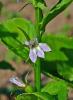
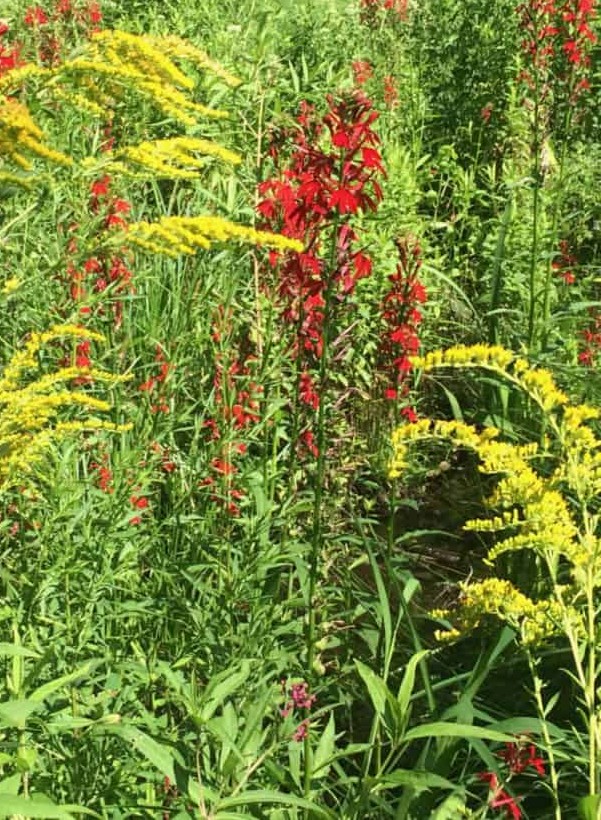
Cardinal Flower, Lobelia cardinalis, is an upright herbaceous perennial in Campanulaceae. This page addresses that specific scarlet-flowered species rather than treating every member of the chemically varied genus Lobelia as interchangeable. The plant commonly develops one or more erect stems with alternate leaves and a long terminal cluster of two-lipped tubular flowers. Its wetland habitat and vivid color make it distinctive during flowering, but basal shoots can be difficult to identify earlier in the season.
Accepted Name and Historical Names
The accepted name is Lobelia cardinalis L. Older scientific names include Dortmanna cardinalis, Rapuntium cardinale, Lobelia coccinea, Lobelia fulgens, Lobelia splendens, and several names applied to regional or ornamental forms. These names may appear in historical herbals, seed records, nursery catalogs, botanical books, poison lists, and preserved plant collections. They should not be interpreted as separate nontoxic plants.
Common-Name Variations
Cardinal Flower is also called Cardinal-Flower, Cardinalflower, Cardinal Plant, Red Lobelia, Scarlet Lobelia, Scarlet Cardinal Flower, Indian Pink, Bog Sage, Hog’s Physic, Red Bay, Slinkweed, and Water Gladiole. Some names are regional or historical and may also refer to unrelated plants. Indian Pink is particularly ambiguous because it is widely used for Spigelia marilandica. Accurate poisoning assessment should use the scientific name, a complete plant sample, and photographs.
Why It Is Called Cardinal Flower
The name Cardinal Flower was adopted after the North American plant entered European cultivation during the seventeenth century. It refers to the intense scarlet or crimson color associated with the ceremonial garments of Roman Catholic cardinals. The name does not refer to the cardinal bird and has no relationship to the plant’s alkaloid mechanism. Pink- or white-flowered forms remain part of the same toxicologic concern.
Native Range
Cardinal Flower is native from southern Canada through extensive portions of the United States, Mexico, Central America, and northern Colombia. Within this broad range it occurs principally in temperate and subtropical wet habitats. Animals may encounter naturally occurring colonies, restored wetlands, nursery plants, ornamental pond-edge installations, public native-plant gardens, or material discarded after habitat management. Native status does not make the plant suitable forage for pets or livestock.
Where Animals Encounter It
The plant grows around streams, rivers, springs, ponds, lakes, marshes, wet meadows, floodplains, swamp edges, ditches, seeps, ravines, and wet woodland openings. Dogs may chew leaves while drinking or exploring near water, while horses and livestock may consume the plant accidentally with other wet vegetation. Nursery specimens, cut flower spikes, restoration-project debris, aquarium plants, and landscaping clippings create additional exposure routes. Wetland-management material should never be deposited in animal areas without plant identification.
Growth Form
Cardinal Flower commonly produces upright, ridged stems approximately two to five feet tall. Stems may be unbranched or only sparsely branched below the flowering raceme, while basal rosettes and offsets can develop around established plants. Young growth lacks the unmistakable flower spike and may resemble other wetland vegetation. An unknown basal plant should not be assumed safe because it has not yet flowered.
Leaves
The leaves are alternate rather than opposite and are usually lance-shaped, oblong, or oval with pointed tips and toothed margins. Lower leaves may be larger and sometimes narrowed into short petioles, while upper leaves become progressively smaller along the stem. Broken foliage and stems can release plant juice containing alkaloid-bearing material. Leaves should remain inaccessible when fresh, wilted, or dried.
Flowers
The flowers occur along an elongated terminal raceme and are strongly two-lipped. Three prominent lower lobes form a broad landing surface, while two smaller upper lobes rise beside the projecting staminal column. Wild plants are usually brilliant scarlet, but cultivated forms may be pink, white, or associated with dark burgundy foliage. Flower color does not establish alkaloid concentration or animal safety.
Fruit and Seeds
After flowering, capsules develop within the persistent calyx and eventually open to release numerous tiny seeds. Capsules and seeds should be treated as potentially poisonous along with leaves, stems, flowers, and roots because no reliably safe plant part has been established. Their small size makes them difficult to identify in feed, bedding, water, or gastrointestinal contents. Dried seed stalks should not be used as bird, rabbit, or small-mammal enrichment.
All Parts Should Be Treated as Poisonous
Leaves, stems, flowers, pollen, capsules, seeds, roots, basal growth, sap, fresh cuttings, wilted plants, dried material, teas, tinctures, powders, extracts, and smoking mixtures should remain inaccessible. Exact comparative alkaloid concentrations have not been established for every tissue and population. The absence of flowers or seeds does not make the foliage or roots safe. No part should be offered as forage, bedding, browse, or a chew item.
Lobinaline
Lobinaline is the characteristic major alkaloid identified by direct research on Lobelia cardinalis. It is a complex binitrogenous alkaloid with a substantially different structure from lobeline. Laboratory research found neuronal nicotinic-receptor activity, dopamine-transporter inhibition, delayed dopamine clearance, and free-radical-scavenging effects. The amount needed to cause any particular veterinary sign after natural ingestion has not been established.
Lobeline
Lobeline is the best-known pharmacologically active alkaloid of Lobelia inflata and remains the representative toxin listed for Cardinal Flower by several veterinary poison references. Its exact role and concentration in ordinary Lobelia cardinalis are less clearly supported than the presence of lobinaline. Lobeline interacts with nicotinic receptors and monoamine transporters through several concentration-dependent mechanisms. It should be used as related-genus mechanistic evidence rather than called the proven primary exact-species toxin.
Why Sources Disagree About the Main Toxin
Many poison references classify multiple *Lobelia* species together and use lobeline as the representative genus-level toxin. Early and modern chemical research focused specifically on Cardinal Flower instead identified lobinaline as its characteristic or major alkaloid. Older analytical methods reported essentially one alkaloid, while modern experimental cultures detected additional lobinaline-like metabolites. The practical safety conclusion remains that Cardinal Flower contains active alkaloids, but the page should not erase the exact-species chemical distinction.
Other Lobelia Alkaloids
Different *Lobelia* species contain different mixtures of lobeline, lobelanine, lobelanidine, lobelamine, sedamine-related compounds, Δ3-piperideine alkaloids, and other constituents. The severe livestock disease associated with *Lobelia berlandieri* reflects a species and chemical profile different from Cardinal Flower. Those cases remain useful for recognizing the potential seriousness of a large unidentified *Lobelia* exposure. They should not be rewritten as confirmed *L. cardinalis* poisoning in dogs, cats, or livestock.
Nicotinic-Receptor Effects
Nicotinic acetylcholine receptors transmit signals in autonomic ganglia, the brain, and neuromuscular junctions. Lobinaline and lobeline interact with these receptor systems differently and can produce a mixture of stimulation, desensitization, channel inhibition, or functional depression. Salivation, nausea, gastrointestinal activity, pupil changes, agitation, tremors, weakness, poor coordination, and respiratory dysfunction may therefore occur at different exposure levels. Atropine does not neutralize these alkaloids or reverse every nicotinic effect.
Respiratory Risk
Severe *Lobelia* poisoning may impair breathing through central nervous system depression, respiratory-muscle weakness, neuromuscular dysfunction, aspiration, seizures, shock, or cardiac instability. Early respiratory stimulation associated with purified lobeline does not prevent later respiratory depression at a larger or prolonged exposure. Shallow breathing, gasping, blue-gray gums, weak chest movement, or inability to remain upright requires immediate emergency care. Assisted ventilation may be lifesaving until the toxin effects resolve.
Cardiovascular Effects
Veterinary poison references recognize rhythm and circulatory abnormalities after Lobelia exposure. The pulse may become rapid, slow, irregular, or weak through direct alkaloid effects, autonomic imbalance, hypotension, dehydration, hypoxia, acid-base disturbance, or electrolyte abnormalities. One home pulse count cannot distinguish sinus tachycardia, bradycardia, conduction disturbance, or ventricular ectopy. ECG and blood-pressure monitoring are warranted when weakness, fainting, or pulse abnormalities develop.
Dogs
Dogs may chew Cardinal Flower beside streams or ponds, pull up nursery plants, carry flower stalks, raid wetland-management debris, or swallow material while grazing grass. Loose cuttings can permit a larger ingestion than the standing plant because multiple stems and leaves are concentrated in one pile. Puppies may shred plant material during play before nausea or taste stops them. Preserve the complete plant and estimate the maximum amount missing rather than reporting only the witnessed bite.
Cats
Cats may nibble leaves, bat at flowers, investigate cut stems, drink water containing plant debris, or groom juice from the paws and coat. Hiding, appetite refusal, vomiting, reduced jumping, weakness, trembling, or unusual stillness following exposure requires prompt attention. Indoor cut stems or aquarium specimens can create access for a cat that never encounters the plant outdoors. Open-mouth breathing or collapse is an emergency.
Horses
Horses may encounter Cardinal Flower along natural watercourses, pond edges, wet pastures, ditches, or landscaping around barns and riding facilities. The plant should never be mixed into hay, thrown into a paddock, or left where forage-deprived animals can investigate it. Because horses cannot vomit, salivation, colic, diarrhea, sweating, weakness, pupil changes, respiratory difficulty, an abnormal pulse, ataxia, or recumbency may predominate. Large-animal veterinary assessment should include nearby wetland plants and possible look-alikes.
Cattle, Sheep, and Goats
Grazing-animal poisoning is more thoroughly documented with other species, particularly *Lobelia berlandieri*. Cardinal Flower may still be eaten accidentally with wetland vegetation, when preferred forage is scarce, or when restoration or garden cuttings are placed within reach. Salivation, regurgitation, diarrhea, weakness, incoordination, respiratory difficulty, recumbency, or altered awareness requires examination. Preserve complete plants because species-level identification materially affects the interpretation of the evidence.
Rabbits and Guinea Pigs
Cardinal Flower should never be offered as forage, bedding, nesting material, enrichment, or a chew plant. Small herbivores can consume a clinically important amount relative to body size and may stop eating because of nausea or systemic weakness. Salivation, abdominal discomfort, diarrhea, reduced fecal output, weakness, tremors, or abnormal behavior requires prompt treatment. These animals cannot vomit and should not receive household emetics.
Birds
Pet birds may shred flowers, leaves, capsules, seeds, roots, or dried stems, exposing the beak, mouth, eyes, feet, and gastrointestinal tract. Regurgitation, diarrhea, weakness, balance loss, tremors, seizures, breathing difficulty, or unusual quietness requires avian veterinary guidance. Plant fragments can also fall into cages, aviaries, food dishes, or water cups from nearby cut arrangements. Remove contaminated food and water without forcing oral treatment.
Pond, Stream, and Aquarium Exposure
Cardinal Flower is associated with wet habitats and may be planted near ponds, partially submerged in water gardens, or sold in forms used by aquarium hobbyists. Dogs may encounter it while drinking, swimming, or exploring the shoreline, while cats may investigate cut stems or aquarium material indoors. Water containing broken or cut plant tissue should not be assumed safe to drink. The concentration of any transferred alkaloid cannot be estimated from the water’s appearance.
Cut Flowers and Plant Debris
Cut flower spikes, restoration-project debris, wetland-management material, uprooted nursery plants, and yard waste can give animals access to a larger mass than the standing plant. Loose stems should be placed directly into closed or otherwise inaccessible disposal rather than open compost, pasture, hay, bedding, brush piles, or water troughs. Plant fragments mixed with other vegetation may be difficult to recognize later. Preserve a representative complete specimen before disposal when exposure has occurred.
Fresh, Wilted, and Dried Material
Wilting does not immediately eliminate alkaloids, and drying should not be relied upon to make Cardinal Flower safe. Dried *Lobelia* has historically been used in herbal and smoking preparations precisely because active constituents remain. Hay contamination, pressed specimens, dried bouquets, powders, teas, tinctures, and discarded herbal products should all be treated as possible exposures. Extracts and tinctures may deliver a larger absorbable dose than a small plant nibble.
Historical Medicinal and Smoking Use
Several *Lobelia* species were historically used as emetics, respiratory remedies, tobacco substitutes, poultices, and ceremonial or traditional preparations. Cardinal Flower leaves and roots also appear in regional ethnobotanical records. Historical use demonstrates pharmacologic activity but does not provide a safe veterinary dose or prove effectiveness. Smoking products can expose animals simultaneously to plant material, smoke residue, nicotine, ash, matches, and other substances.
Cardinal Flower and Indian Tobacco
Indian Tobacco is Lobelia inflata, an annual or biennial species with small pale flowers and conspicuously inflated seed capsules. It is the classic medicinal source of lobeline and has a different appearance and alkaloid profile from scarlet-flowered Cardinal Flower. The common name Indian Tobacco is sometimes applied loosely to other *Lobelia* plants, but it should not be treated as an exact synonym for Lobelia cardinalis. Product packaging may be necessary to identify dried herbal material.
Cardinal Flower and Great Blue Lobelia
Great Blue Lobelia or Blue Cardinal Flower is Lobelia siphilitica. It has blue to violet flowers and a similar upright, two-lipped floral structure but is a separate species. It also contains biologically active *Lobelia* alkaloids and should not be considered a safe substitute. Species separation remains important because exact chemical findings from one plant should not be assigned automatically to another.
Cardinal Flower and Mexican Lobelia
Lobelia berlandieri is a drier-habitat species associated with documented cattle and sheep poisoning in northeastern Mexico. Chemical research identified Δ3-piperideine alkaloids in that plant, and clinical reports describe the syndrome historically called moradilla. Its livestock evidence helps define the potential seriousness of substantial *Lobelia* alkaloid exposure. It should not be presented as a species-specific Cardinal Flower case history.
Cardinal Flower and Lobelia Hybrids
Cardinal Flower can hybridize with related species, and horticultural plants may be sold as members of the Lobelia × speciosa hybrid group. Flowers may be scarlet, pink, purple, violet, blue, or intermediate, while foliage may be green or burgundy. Hybrid ancestry can alter the alkaloid profile, and flower color cannot predict toxicity. Unknown hybrids should receive the same initial precautions as their poisonous parent species.
Indian Pink Name Confusion
Indian Pink is also the established common name of Spigelia marilandica, an unrelated plant with red tubular flowers opening into yellow star-shaped tips. Spigelia has separate alkaloid toxicity and requires its own evidence assessment. Preserve the complete plant rather than relying on the words Indian Pink. Leaf arrangement and flower-tip color help distinguish the two plants.
Cardinal Flower and Scarlet Beebalm
Scarlet Beebalm, Monarda didyma, can grow in moist areas and also bears vivid red tubular flowers. Beebalm has opposite aromatic leaves and dense rounded flower heads, while Cardinal Flower has alternate leaves and flowers distributed along an elongated terminal raceme. Photographs of the entire plant are more useful than one red flower. Common habitat and color do not establish botanical identity.
Seasonal Exposure
Animals can encounter basal leaves before flowering, flowering stems during summer and early fall, capsules later in the season, and dried or discarded material after aboveground growth declines. A universally highest-toxin flowering period has not been established for *Lobelia cardinalis*. Bright flowers mainly make the plant easier to identify and can attract investigation. Every stage should remain inaccessible.
Diagnosis
Diagnosis uses reliable plant identification, the maximum amount and form swallowed, time of exposure, gastrointestinal signs, respiratory condition, heart rhythm, blood pressure, neurologic findings, and exclusion of more strongly supported alternative toxins. Preserve complete stems with leaves and flowers, capsules, roots, nursery labels, photographs of the original location, vomited fragments, hay, water-source plants, and herbal or smoking-product packaging. Report access to nicotine, tobacco, pesticides, medications, mushrooms, algae, Aconite, False Hellebore, and Water Hemlock. The presence of Cardinal Flower nearby does not prove that it caused every sign.
Veterinary Evaluation
A veterinarian may assess hydration, abdominal pain, pupil size, mental status, gait, muscle strength, swallowing, respiratory effort, pulse quality, blood pressure, and cardiac rhythm. Testing may include a complete blood count, serum chemistry, glucose, electrolytes, acid-base status, blood gases, kidney and liver measurements, urinalysis, ECG, and oxygen monitoring. Chest imaging may be needed after vomiting, coughing, low oxygen, fever, or worsening breathing. Additional testing is guided by the possibility of nicotine, pesticides, cyanobacterial toxins, another plant, or gastrointestinal obstruction.
Differential Diagnosis
Similar signs can result from nicotine products, tobacco and Tree Tobacco, organophosphate or carbamate insecticides, mushrooms, cyanobacterial toxins, Water Hemlock, Poison Hemlock, Aconite, False Hellebore, medications, gastrointestinal obstruction, infection, and primary cardiac or neurologic disease. Organophosphate and carbamate poisoning may produce marked salivation, diarrhea, tremors, weakness, and respiratory compromise but has different treatment priorities. Water Hemlock can cause abrupt violent seizures, while nicotine products can produce rapid autonomic and neuromuscular changes. Accurate history and environmental inspection are essential.
Evidence Limitations
Cardinal Flower is recognized as a poisonous plant, but detailed confirmed natural cases in dogs, cats, horses, and livestock remain limited. Exact-species research is strongest for lobinaline chemistry and experimental pharmacology rather than veterinary dose-response. Much of the expanded severe syndrome comes from purified lobeline or poisonings involving other *Lobelia* species. This uncertainty supports prompt professional assessment without claiming that every small nibble will inevitably be fatal.
Prognosis
The prognosis is generally favorable after a limited exposure when gastrointestinal effects remain mild and the animal maintains normal breathing, circulation, awareness, and coordination. The outlook becomes guarded with respiratory depression, aspiration, persistent hypotension, dangerous arrhythmia, progressive weakness, repeated seizures, coma, or delayed access to ventilatory support. Concentrated products and mixed exposures create greater uncertainty. Recovery should include normal appetite, hydration, strength, gait, respiration, and cardiovascular function.
Prevention
Keep Cardinal Flower outside dog runs, cat enclosures, rabbit exercise areas, bird rooms, horse paddocks, livestock pasture, feed-storage locations, and places where cut material can fall into food or water. Prevent pets from chewing unidentified wetland plants during walks and remove every clipping from animal areas. Inspect hay, browse, restoration debris, and pond-edge vegetation for unfamiliar *Lobelia*. Secure dried herbal material, smoking mixtures, tinctures, extracts, and supplements.
Immediate Response
- Stop further exposure: Move the animal away from the plant, cuttings, wetland vegetation, hay, dried material, tea, tincture, smoking mixture, extract, or contaminated water.
- Contact a professional promptly: Obtain veterinary or animal poison-control guidance after a known or credible ingestion, especially when the amount is uncertain or any symptom has developed.
- Preserve the complete plant: Save stems with leaves and flowers, capsules, seeds, roots, nursery tags, photographs, and representative vomited fragments.
- Estimate the maximum amount: Report the greatest amount that could be missing, time of exposure, animal’s weight, plant part, and whether the material was fresh, dried, powdered, smoked, extracted, or mixed with another product.
- Report mixed exposures: Identify nicotine, tobacco, insecticides, fertilizers, pond chemicals, algae, mushrooms, medications, aquarium products, and other plants accessible in the same area.
- Distinguish the species when possible: Report whether the plant was confirmed Cardinal Flower, Indian Tobacco, Great Blue Lobelia, Mexican Lobelia, or an unidentified ornamental hybrid.
Assess Breathing, Awareness, and Swallowing First
- Check breathing immediately: Shallow, labored, irregular, gasping, open-mouth, or weak breathing requires emergency transportation.
- Check gum color: Pale, gray, or blue-tinged gums indicate poor circulation or oxygenation and require immediate care.
- Check responsiveness: Severe depression, inability to stand, collapse, stupor, coma, or failure to respond normally is an emergency.
- Check swallowing: Coughing, choking, inability to swallow saliva, or loss of a normal gag response makes oral treatment unsafe.
- Watch muscle strength: Progressive weakness, trembling, a wide-based stance, or inability to hold up the head can precede respiratory failure.
- Prioritize stabilization: Airway, breathing, circulation, seizures, and severe neuromuscular weakness take priority over gastrointestinal decontamination.
Severe alkaloid exposure can compromise respiratory drive or neuromuscular transmission while vomiting and salivation increase the risk of aspiration. A weak animal may deteriorate rapidly during handling or forced oral treatment. Do not delay transportation while attempting multiple home remedies. Call the emergency clinic before arrival so oxygen and airway equipment can be prepared.
Remove Loose Plant Material
- Remove only visible pieces: Carefully take loose leaves, flowers, stems, or capsules from the lips and front of the mouth when this can be done safely.
- Avoid blind finger sweeps: Do not reach deeply into the throat or push plant material toward the airway.
- Wipe accessible residue: Use a damp cloth to remove loose plant juice and fragments from the lips and front of the mouth in a fully alert animal.
- Do not force rinsing: Pouring or syringing water into the mouth can cause aspiration when nausea, weakness, tremors, or poor swallowing is present.
- Wash contaminated fur: Remove plant fragments with gloves and wash affected fur using lukewarm water and mild pet-safe shampoo.
- Prevent grooming: Keep the animal from licking its coat until plant juice and debris have been removed.
Do Not Induce Vomiting at Home
- Do not give hydrogen peroxide automatically: Whether emesis is appropriate depends on species, timing, amount, symptoms, neurologic condition, breathing, and aspiration risk.
- Never give peroxide to a cat: Hydrogen peroxide is not a safe feline emetic and can cause serious gastric and esophageal injury.
- Do not use household emetics: Salt, mustard, oil, syrup, ipecac, dish soap, manual gagging, and fingers in the throat are unsafe.
- Never induce vomiting after symptoms begin: Do not attempt emesis in an animal that is vomiting, drooling heavily, weak, ataxic, trembling, seizuring, collapsed, breathing abnormally, or swallowing poorly.
- Never induce vomiting in horses, rabbits, or guinea pigs: These species cannot vomit and must not receive an emetic.
- Reserve emesis for professional direction: A veterinarian may consider controlled vomiting after a recent ingestion only when the patient remains alert, stable, asymptomatic, breathing normally, and capable of protecting the airway.
A recent significant ingestion may justify professional emesis in a neurologically normal dog, but respiratory and neurologic stability must be assessed first. Spontaneous vomiting should not be followed by repeated owner attempts to empty the stomach. Large fibrous stems, aquatic debris, mulch, or another swallowed object may alter the decision. Once systemic signs appear, stabilization becomes more important than further emesis.
Activated Charcoal
- Use charcoal only under veterinary direction: A veterinarian may consider activated charcoal after a substantial recent exposure when it can be administered safely.
- Never force charcoal: Do not give it to an animal that is vomiting, weak, sedated, ataxic, trembling, seizuring, collapsed, or swallowing poorly.
- Protect the airway: A neurologically impaired patient may require endotracheal intubation before gastrointestinal decontamination.
- Do not induce vomiting after charcoal: Aspiration of charcoal can cause severe lung injury.
- Do not use household charcoal: Barbecue briquettes, fireplace ash, burned food, and homemade carbon are not veterinary activated charcoal.
- Do not repeat doses at home: Additional charcoal can worsen dehydration, constipation, sodium abnormalities, and aspiration risk.
Activated charcoal may reduce absorption of some alkaloid remaining in the gastrointestinal tract, but it does not reverse toxin already affecting receptors, nerves, muscles, breathing, or circulation. Evidence does not support automatic charcoal after every small Cardinal Flower nibble. The decision should account for preparation, amount, time, gastrointestinal motility, airway safety, and clinical signs. Continued respiratory and cardiovascular monitoring remains necessary after decontamination.
Do Not Use Obsolete Chemical Remedies
- Do not give tannic acid: Tannic-acid solutions appear in outdated alkaloid-poisoning protocols and may cause additional gastrointestinal injury.
- Do not give potassium permanganate: Potassium-permanganate lavage can cause serious caustic damage and is not an appropriate home or routine modern treatment.
- Do not give acids or alkalis: Vinegar, baking soda, alkaline drinks, and acidifying products do not safely neutralize plant alkaloids.
- Do not give purgatives: Laxatives, mineral oil, salts, and owner-administered cathartics can worsen dehydration or aspiration.
- Do not treat charcoal as a universal antidote: Charcoal cannot reverse toxin already affecting the nervous, respiratory, or cardiovascular systems.
Do Not Give Household Medication
- Do not give atropine: Atropine may be selected for particular muscarinic findings or bradycardia but does not neutralize lobinaline, lobeline, or all nicotinic effects.
- Do not give propranolol or another heart medication: A beta blocker or antiarrhythmic can worsen hypotension, bradycardia, conduction disturbance, or respiratory compromise when used for the wrong rhythm.
- Do not give phentolamine or blood-pressure medication: Hemodynamic drugs require measured blood pressure, ECG findings, and professional monitoring.
- Do not give diazepam or other sedatives: Sedatives can worsen respiratory depression and must be selected according to the patient’s breathing and neurologic status.
- Do not give human pain medication: Ibuprofen, naproxen, acetaminophen, and aspirin can produce additional poisoning.
- Do not give antidiarrheal products: Loperamide, bismuth, kaolin mixtures, and owner-selected gastrointestinal drugs may be unsafe or obscure deterioration.
- Do not use leftover veterinary drugs: Treatment must match the animal’s species, rhythm, blood pressure, oxygenation, and neurologic condition.
Food and Water
- Do not force food: A nauseated, weak, trembling, or poorly responsive animal may vomit or aspirate.
- Do not give milk or oil: Milk, dairy products, cooking oil, and mineral oil do not neutralize plant alkaloids.
- Offer water only when safe: Small amounts may remain available only when the animal is fully alert, swallowing normally, and not vomiting repeatedly.
- Do not force oral fluids: Syringed or poured water cannot correct hypotension or serious dehydration and may enter the lungs.
- Remove contaminated water: Prevent access to containers, aquariums, ponds, or buckets holding broken or cut plant material.
- Follow veterinary feeding instructions: Food may be withheld temporarily or reintroduced gradually according to vomiting, swallowing, respiration, and neurologic status.
Recognize a Respiratory Emergency
- Watch respiratory effort: Neck extension, abdominal effort, flared nostrils, open-mouth breathing, gasping, or weak chest movement requires immediate care.
- Watch respiratory rate: A very rapid, unusually slow, irregular, or progressively weakening pattern is dangerous.
- Watch gum color: Gray or blue mucous membranes indicate inadequate oxygenation.
- Watch for aspiration: Coughing, gagging, nasal discharge, fever, or worsening breathing after vomiting may indicate material entered the lungs.
- Do not force oral products: Food, water, medication, or charcoal is unsafe when swallowing or breathing is impaired.
- Transport immediately: Respiratory-muscle or central respiratory failure can become fatal without oxygen, intubation, and assisted ventilation.
Respiratory failure may develop through neuromuscular weakness, central depression, aspiration, seizures, shock, or a cardiovascular complication. The exact mechanism cannot be distinguished reliably at home. Allow the animal to maintain the position that permits the easiest breathing and minimize handling. Do not delay transport while attempting mouth-to-snout breathing unless emergency personnel specifically direct it.
Recognize a Cardiovascular Emergency
- Watch for profound weakness: Sudden inability to stand, repeated lying down, fainting, or collapse can indicate low blood pressure or an abnormal rhythm.
- Observe the pulse: A markedly rapid, slow, irregular, weak, or intermittently absent pulse requires emergency evaluation.
- Check gum color: Pale, gray, or blue gums indicate poor perfusion or oxygenation.
- Feel the extremities: Unusually cold ears, paws, or limbs can accompany inadequate circulation.
- Watch awareness: Confusion, extreme quietness, stupor, or reduced responsiveness may reflect inadequate cerebral perfusion.
- Keep the animal quiet: Exercise and struggling increase oxygen demand and can worsen cardiovascular instability.
Vomiting, Diarrhea, and Abdominal Pain
- Track every episode: Record vomiting and diarrhea and note plant fragments, mucus, red blood, black material, or an unusual odor.
- Save representative material: Place plant fragments recovered from vomit or stool in a sealed disposable container.
- Watch for dehydration: Tacky gums, reduced urination, worsening weakness, sunken eyes, or inability to retain water requires veterinary treatment.
- Report blood: Blood in vomit, saliva, or stool requires prompt examination for gastrointestinal injury or another toxin.
- Report persistent pain: Repeated stretching, guarding, severe restlessness, vocalization, kicking at the abdomen, or abdominal enlargement requires urgent assessment.
- Watch for delayed aspiration: Coughing, fever, nasal discharge, or renewed lethargy can appear after vomiting improves.
Tremors and Seizures
- Do not put anything in the mouth: Keep hands, spoons, cloth, food, water, and medication away from the mouth during a seizure.
- Do not hold the tongue: Dogs and cats do not swallow their tongues, and attempting to hold it can cause severe injury.
- Protect without pinning: Clear nearby objects and use folded blankets as barriers without restraining the limbs.
- Reduce stimulation: Lower light and noise when possible without delaying emergency transport.
- Time the episode: Record when tremors or seizures begin and end and whether normal awareness returns.
- Seek immediate care: Continuous tremors, any seizure, repeated seizures, collapse, or failure to regain normal awareness is an emergency.
Tremors and seizures can worsen temperature, oxygen demand, acidosis, aspiration risk, and cardiovascular instability. Treatment must correct oxygenation, glucose, circulation, electrolytes, and temperature while controlling abnormal motor activity. An unconscious or seizuring animal cannot safely receive oral products. Repeated or prolonged seizures may require anesthetic-level support and assisted ventilation.
Safe Transportation
- Prevent falls: Keep an ataxic or weak animal away from stairs, pools, traffic, furniture edges, and hard obstacles.
- Carry when safe: Use a carrier, stretcher, rigid board, or blanket rather than forcing a weak animal to walk.
- Position for breathing: Allow the animal to maintain the posture that permits the easiest respiration unless cardiopulmonary resuscitation is required.
- Do not muzzle a vomiting animal: A muzzle can interfere with breathing and prevent vomit from leaving the mouth.
- Keep the animal quiet: Limit unnecessary activity, excitement, heat, and handling.
- Call ahead: Tell the emergency clinic that Cardinal Flower or another Lobelia alkaloid exposure with possible respiratory, neurologic, and cardiac effects is suspected.
- Bring all evidence: Take the plant, photographs, labels, herbal packaging, water-source samples, and recovered fragments.
Veterinary Examination and Monitoring
- Assess the airway: The veterinarian may evaluate swallowing, gag reflex, aspiration risk, respiratory-muscle strength, and need for intubation.
- Monitor oxygenation: Respiratory pattern, pulse oximetry, blood gases, and lung sounds help identify hypoventilation or aspiration.
- Monitor the heart: ECG and pulse assessment may identify tachycardia, bradycardia, conduction disturbance, or ventricular ectopy.
- Measure blood pressure: Repeated measurements detect hypotension and guide fluids or vasopressor support.
- Assess neurologic function: Awareness, pupils, gait, muscle strength, tremors, reflexes, and seizure activity help determine severity.
- Check laboratory values: Glucose, electrolytes, acid-base status, blood gases, kidney and liver measurements, complete blood count, and urinalysis may identify complications.
- Evaluate aspiration: Chest imaging may be required after vomiting, coughing, fever, low oxygen, or worsening respiratory effort.
Veterinary Decontamination
A veterinarian may consider controlled emesis after a recent ingestion when the patient remains fully alert, stable, asymptomatic, breathing normally, and able to protect the airway. Emesis becomes inappropriate after repeated vomiting, marked salivation, weakness, ataxia, tremors, seizures, hypotension, respiratory abnormalities, or altered consciousness develops. Gastric lavage is reserved for selected serious exposures and requires anesthesia, endotracheal intubation, and monitoring. Stabilization always takes priority.
Activated charcoal may be considered when the expected benefit exceeds the aspiration and gastrointestinal risks. It should not be forced into an impaired patient and does not reverse receptor or transporter effects already underway. Additional doses are not automatically indicated and require monitoring of hydration, sodium, bowel function, and airway safety. Large retained plant masses or foreign material may require imaging or endoscopic assessment.
Veterinary Treatment
Supplemental oxygen may be required for respiratory weakness, aspiration, seizures, shock, or low blood oxygen. Endotracheal intubation and mechanical or assisted ventilation can be lifesaving when respiratory-muscle strength or central respiratory drive fails. Airway suctioning may be necessary after aspiration or profuse secretions. Respiratory support may need to continue until neuromuscular function recovers.
Intravenous fluids can correct dehydration and support blood pressure and organ perfusion. Fluid delivery should be adjusted to blood pressure, heart rhythm, urine production, electrolyte status, and respiratory condition. Veterinarian-selected anti-nausea medication may reduce continued fluid loss and aspiration risk after decontamination decisions are complete. Persistent hypotension may require a carefully selected vasopressor after appropriate circulating-volume deficits have been addressed.
Cardiac medication must match the documented rhythm. Atropine may be considered for selected clinically important bradycardia or excessive muscarinic manifestations, but it does not neutralize plant alkaloids or reverse all nicotinic neuromuscular effects. Tachyarrhythmia, conduction disturbance, or ventricular ectopy may require a different intervention. ECG, blood pressure, oxygenation, and electrolyte status must guide treatment.
Significant tremors may be treated with a veterinarian-selected muscle relaxant that minimizes additional respiratory depression. Seizures may require anticonvulsants, sedatives, or anesthetic support while glucose, oxygenation, circulation, temperature, acid-base status, and electrolytes are corrected. Aspiration pneumonia, respiratory failure, and gastrointestinal complications require separate targeted care. No specific antidote has been established for the complete Cardinal Flower alkaloid mixture.
Horses and Livestock
- Remove the source: Prevent further access to wetland plants, pasture vegetation, hay, browse, clippings, pond margins, and discarded nursery material.
- Do not attempt vomiting: Horses cannot vomit, and household emetics are unsafe for livestock.
- Do not drench a symptomatic animal: Weak, salivating, regurgitating, recumbent, or poorly swallowing animals can aspirate water, oil, charcoal, or medication.
- Do not force exercise: An animal with respiratory weakness or cardiovascular instability may collapse when driven or loaded unnecessarily.
- Keep weak ruminants sternal when safe: Appropriate positioning may reduce aspiration and bloat complications while care is arranged.
- Examine the complete group: Other animals may have eaten the same vegetation and can develop signs at different times.
- Retain samples: Preserve complete plants, hay, feed, rumen material, water-source vegetation, and photographs of the exposure site.
- Obtain large-animal veterinary care: Fluids, ECG monitoring, respiratory assistance, bloat management, and treatment of tremors or seizures may be required.
The severe cattle and sheep syndrome is documented most strongly with *Lobelia berlandieri* and should not be assumed to prove an identical dose response for Cardinal Flower. Complete plant identification remains important even when initial supportive treatment is similar. Large-animal care should follow respiratory function, cardiovascular status, rumen or intestinal motility, hydration, and neurologic findings. The entire exposed group should be removed from the suspected vegetation.
Monitoring and Recovery
- Continue respiratory observation: Breathing strength and oxygenation should remain stable without support before discharge after a serious exposure.
- Continue cardiac observation: Heart rate, rhythm, blood pressure, and perfusion should remain normal through an appropriate monitoring period.
- Monitor eating and drinking: Continued nausea, food refusal, painful swallowing, or inability to retain water requires reassessment.
- Monitor strength and gait: Worsening weakness, stumbling, tremors, or inability to stand requires immediate care.
- Monitor urination: Reduced output may indicate dehydration, hypotension, or impaired organ perfusion.
- Watch for delayed aspiration: Coughing, fever, nasal discharge, rapid breathing, or renewed lethargy may appear after vomiting improves.
- Restrict activity: Keep recovering animals quiet until breathing, circulation, hydration, appetite, strength, and coordination have normalized.
Prevention and Prognosis
- Exclude the plant from animal areas: Keep Cardinal Flower outside dog runs, cat enclosures, rabbit pens, bird rooms, horse paddocks, livestock pasture, and feed-storage locations.
- Secure cut material: Place every stem, flower spike, capsule, root, and uprooted plant directly into a closed or otherwise inaccessible container.
- Inspect wetland forage: Prevent grazing or hay collection where unidentified Lobelia plants are abundant or preferred forage is scarce.
- Protect water sources: Do not allow broken stems or wetland-management debris to remain in drinking water, troughs, aquariums, or pond-access areas.
- Secure herbal products: Keep dried Lobelia, smoking mixtures, teas, tinctures, extracts, and supplements away from animals.
- Typical prognosis: Limited exposures treated promptly generally have a good prognosis when breathing, circulation, and neurologic function remain normal.
- Guarded prognosis: Respiratory paralysis, aspiration, severe hypotension, dangerous arrhythmia, progressive weakness, repeated seizures, or coma creates a guarded-to-poor outlook.
Frequently Asked Questions About Cardinal Flower and Animal Poisoning
What is the principal alkaloid in Cardinal Flower?
Direct species-specific research identifies lobinaline as the characteristic and major alkaloid of Lobelia cardinalis. It is a complex binitrogenous compound that interacts with neuronal nicotinic receptors and dopamine-transport systems.
The dose required to produce particular signs after natural ingestion has not been established for dogs, cats, horses, or livestock.
Does Cardinal Flower contain lobeline?
Veterinary poison references often list lobeline for Cardinal Flower or the genus Lobelia, but direct exact-species chemistry supports lobinaline much more strongly. Lobeline is best established as a major alkaloid of Indian Tobacco, Lobelia inflata.
Lobeline pharmacology remains useful related-genus evidence, but it should not replace the more specific chemistry of Lobelia cardinalis.
Are lobeline and lobinaline the same compound?
No. They have different chemical structures and different measured pharmacologic profiles. Lobinaline contains two nitrogen atoms and is characteristic of Cardinal Flower, while lobeline is a piperidine alkaloid associated particularly with Indian Tobacco.
Both can interact with neuronal signaling systems, but findings involving one compound cannot be transferred automatically to the other.
Why do some poison sources describe lobeline as the Cardinal Flower toxin?
Many plant-poison references group several Lobelia species together and use lobeline as a representative genus-level toxin. Older resources also predate modern exact-species chemical studies.
The practical warning that Cardinal Flower is poisonous remains appropriate. The more accurate chemistry identifies lobinaline first and labels lobeline claims as broader Lobelia evidence.
Does Cardinal Flower act exactly like nicotine?
No. Lobinaline and lobeline interact with some nicotinic acetylcholine-receptor systems, but their effects differ by compound, receptor subtype, concentration, and duration. They also affect dopamine or other monoamine transport processes.
The resulting syndrome can include mixed stimulation and depression rather than a simple nicotine-equivalent response.
Can a small Cardinal Flower nibble cause severe poisoning?
A very small witnessed nibble is less likely to cause severe systemic poisoning than a large ingestion, repeated chewing, or concentrated herbal product. Mild nausea, salivation, vomiting, diarrhea, or depression may still occur.
No validated safe number of leaves exists, and the amount may be underestimated when plant material is missing. Obtain guidance when the quantity is uncertain or any symptom develops.
Can Cardinal Flower affect breathing?
Potentially. Severe broader Lobelia alkaloid poisoning can impair central respiratory drive or neuromuscular function, while vomiting, aspiration, seizures, shock, and cardiovascular instability can also compromise breathing.
Shallow, labored, irregular, gasping, open-mouth, or weak breathing requires immediate emergency treatment.
Can Cardinal Flower affect the heart?
Veterinary poison references recognize cardiac-rhythm disturbance after Cardinal Flower or broader Lobelia exposure. The pulse may become rapid, slow, irregular, or weak through direct alkaloid effects and secondary dehydration, hypotension, hypoxia, or electrolyte changes.
The exact rhythm cannot be identified reliably at home. Weakness, fainting, pale gums, or an abnormal pulse requires ECG and blood-pressure assessment.
Is atropine an antidote for Lobelia poisoning?
No. Atropine may be selected by a veterinarian for particular muscarinic findings or clinically important bradycardia, but it does not neutralize lobinaline or lobeline and does not reverse every nicotinic or neuromuscular effect.
Giving it without an ECG and clinical assessment can worsen the wrong cardiovascular or neurologic problem.
Should tannic acid or potassium permanganate be used?
No. Both appear in obsolete poisoning protocols. Tannic-acid solutions can cause additional gastrointestinal injury, while potassium permanganate can cause severe caustic damage.
Neither is an appropriate owner-administered or routine modern antidote for Cardinal Flower poisoning.
Is dried Cardinal Flower still poisonous?
Yes. Drying should not be relied upon to destroy the plant’s alkaloids. Dried Lobelia has historically been used in herbal and smoking preparations because biologically active constituents remain.
Dried stems, pressed specimens, hay contamination, powders, teas, tinctures, and smoking mixtures should remain inaccessible.
Can Cardinal Flower contaminate pond or aquarium water?
Pets should not drink water containing cut, broken, or decaying Cardinal Flower material. The amount of alkaloid transferred into the water has not been quantified and cannot be judged from color or odor.
Aquarium products, fertilizers, algae treatments, or other plants may also create a mixed exposure, so preserve labels and samples.
Is Cardinal Flower the same as Indian Tobacco?
No. Indian Tobacco is Lobelia inflata, a smaller plant with pale flowers and inflated capsules and is the classic medicinal source of lobeline. Cardinal Flower is Lobelia cardinalis, a tall wetland perennial with vivid scarlet flowers.
Both contain active alkaloids and should remain inaccessible, but their exact chemistry is not identical.
Is Cardinal Flower the same as Great Blue Lobelia?
No. Great Blue Lobelia is Lobelia siphilitica and has blue or violet flowers. Cardinal Flower usually has vivid scarlet flowers.
Great Blue Lobelia also contains active Lobelia alkaloids, so mistaken identity does not create a safe exposure. It does affect which chemical evidence can be applied accurately.
Why is Mexican Lobelia discussed on this page?
Lobelia berlandieri has produced documented poisoning in cattle and sheep and contains a different mixture of piperideine alkaloids. Those cases demonstrate the potential seriousness of a large Lobelia exposure.
They are related-species evidence and should not be presented as confirmed Cardinal Flower cases or used to calculate a toxic number of L. cardinalis leaves.
Are Cardinal Flower hybrids poisonous?
They should be treated cautiously. Hybrid ornamental plants may contain ancestry from Lobelia cardinalis, Lobelia siphilitica, or other species, and their precise alkaloid profiles may not have been measured.
Red, pink, purple, blue, white, or burgundy-leaved forms should not be declared safe from appearance alone.
Should I make my dog vomit after it eats Cardinal Flower?
Do not induce vomiting unless a veterinarian or animal poison-control specialist specifically directs it after evaluating the dog. Timing, amount, symptoms, breathing, neurologic status, and aspiration risk all affect the decision.
Never give peroxide to a cat and never attempt vomiting in an animal that is already vomiting, weak, ataxic, trembling, seizuring, collapsed, breathing abnormally, or swallowing poorly.
What findings require immediate emergency care?
Repeated vomiting with inability to retain water, profound weakness, pale or blue-gray gums, fainting, an abnormally rapid, slow, or irregular pulse, continuous tremors, any seizure, breathing difficulty, collapse, or reduced responsiveness requires immediate care.
Coughing, fever, nasal discharge, or worsening breathing after vomiting may indicate aspiration and also requires urgent reassessment.