Medicine Plant Toxicity, Aloe Latex, Aloin-Induced Diarrhea, and Product-Ingredient Hazards
Is the Medicine Plant Poisonous to Dogs, Cats, Horses, and Livestock?
Yes—Medicine Plant, Aloe vera, is poisonous to dogs, cats, horses, livestock, rabbits, guinea pigs, birds, reptiles, and other animals when they chew the whole leaf or ingest its bitter yellow latex. The latex contains aloin A and aloin B, historically called barbaloin and isobarbaloin, together with related hydroxyanthracene compounds. Exposure most often causes nausea, vomiting, abdominal cramping, urgent or profuse diarrhea, appetite loss, lethargy, dehydration, and weakness.
The yellow latex is not the same material as the clear gel in the center of the leaf. Latex travels through specialized tissue near the outer leaf pulp and may appear as yellow, amber, or yellow-brown liquid when a leaf is cut. Properly separated inner gel contains substantially less aloin, but home-filleted gel can be contaminated as latex drains across the cut surface, knife, cutting board, rind, or stored gel.
Most uncomplicated living-plant exposures cause gastrointestinal illness rather than primary catastrophic neurologic, hepatic, renal, or cardiac poisoning. Serious complications can develop indirectly when vomiting and diarrhea cause major fluid, potassium, sodium, chloride, and acid-base losses. Weakness, tremulousness, poor intestinal motility, hypotension, collapse, kidney hypoperfusion, and rhythm disturbances are more plausible after substantial dehydration or a concentrated product than after one small exploratory bite.
The word Aloe on a bottle does not identify the complete hazard. Whole-leaf juice, inner-leaf juice, decolorized juice, dried latex, colon-cleanse capsules, herbal powders, burn gels, sprays, cosmetics, shampoos, beverages, and veterinary or human topical products may contain different amounts of anthraquinones. Alcohol, xylitol, lidocaine, benzocaine, menthol, camphor, salicylates, essential oils, fragrances, preservatives, detergents, and swallowed packaging may be more dangerous than the Aloe ingredient itself.
About this guide: This page provides general pet-poisoning information and cannot diagnose or treat an individual animal. For any suspected exposure, contact a veterinarian or animal poison-control service immediately. Do not induce vomiting, give medication, or attempt home decontamination unless directed by a veterinary professional.
Medicine Plant
Aloe vera (L.) Burm.f.
The accepted name is based on Aloe perfoliata var. vera L., published by Carl Linnaeus in 1753. Nicolaas Laurens Burman elevated the taxon to species rank as Aloe vera in 1768.
Important botanical synonyms and former names include:
- Aloe perfoliata var. vera L., the basionym
- Aloe barbadensis Mill.
- Aloe barbadensis var. chinensis Haw.
- Aloe chinensis Loudon
- Aloe elongata Murray
- Aloe flava Pers.
- Aloe indica Royle
- Aloe lanzae Tod.
- Aloe perfoliata var. barbadensis (Mill.) Aiton
- Aloe rubescens DC.
- Aloe vera var. chinensis (Loudon) Baker
- Aloe vulgaris Lam.
Aloe barbadensis Mill. remains extremely common on cosmetic labels, veterinary poison lists, dietary supplements, nursery tags, pharmacologic publications, and ingredient panels. It refers to the same accepted species as Aloe vera rather than to a separate toxic plant.
The family is Asphodelaceae. Older botanical, horticultural, cosmetic, and veterinary literature may place Aloe in Aloaceae or Liliaceae. Those historical placements help explain why some pet-poison references still describe Aloe as a lily-family plant, but Medicine Plant is not a true Lily in the genus Lilium.
Asphodelaceae — Asphodel Family; formerly classified in Aloaceae or Liliaceae
Medicine Plant; Medicinal Aloe; Aloe Vera; Aloe; True Aloe; Common Aloe; Barbados Aloe; Barbadoes Aloe; Curaçao Aloe; Curacao Aloe; West Indian Aloe; Burn Plant; Burn Aloe; First-Aid Plant; First Aid Plant; Healing Plant; Miracle Plant; Household Aloe; Indian Aloe; Chinese Aloe; Yellow Aloe; Sábila; Sabila; Zábila; Acíbar; Acibar; Luhui; Aloe vera; Aloe barbadensis
Historical and synonymized scientific names include Aloe perfoliata var. vera, Aloe barbadensis, Aloe chinensis, Aloe indica, Aloe vulgaris, Aloe elongata, Aloe flava, and Aloe perfoliata var. barbadensis.
“Medicine Plant” and “Healing Plant” are descriptive common names rather than unique botanical identities. They may be applied informally to unrelated household remedies, succulents, and regional medicinal plants. A poisoning assessment should use the complete plant, nursery label, photograph, or product ingredient list rather than the common name alone.
“Aloe” is also a genus containing hundreds of species and several formerly included groups now treated as separate genera. Cape Aloe products may be derived largely from Aloe ferox, Lace Aloe is now Aristaloe aristata, and Tree Aloes may be classified in Aloidendron. Their anthraquinone profiles and concentrations cannot be assumed to match Aloe vera.
The Leaf Contains Three Toxicologically Different Zones
An Aloe leaf should not be treated as chemically uniform. The tough green rind forms the outer protective layer. Just inside it, vascular bundles and adjacent pericyclic tubules carry bitter yellow latex. The broad central region consists of water-rich, translucent mucilaginous tissue commonly called inner gel.
This anatomy explains why apparently contradictory statements about Aloe can both contain part of the truth. Properly separated inner gel has a much lower anthraquinone burden than yellow latex, yet a dog chewing the intact leaf consumes rind, latex, gel, vascular tissue, and plant fiber together. A person cutting gel at home may also drag latex from the outer tissues across the supposedly clear center.
Risk assessment must therefore begin with the actual fraction involved. “Aloe ingestion” may mean one lick of purified inner gel, several bites through a living leaf, a spoonful of homemade whole-leaf material, a bottle of decolorized beverage, concentrated dried latex, or a multi-ingredient burn product. Those are not interchangeable exposures.
Aloin A, Aloin B, and Historical Names
The principal cathartic constituents of Aloe latex are aloin A and aloin B, two closely related diastereoisomeric C-glycosides. Aloin A has historically been called barbaloin, while aloin B is often called isobarbaloin. Commercial or laboratory “aloin” may refer to a mixture of both forms.
Aloin is an anthrone C-glycoside rather than a simple free anthraquinone. The glucose group is attached directly through a carbon-carbon bond, which makes the molecule more resistant to ordinary acid hydrolysis than many oxygen-linked plant glycosides. That structural stability helps a portion of ingested aloin reach the lower intestinal tract.
The concentration of aloin varies with plant genetics, leaf age, growing conditions, tissue sampled, harvesting, storage, extraction, and processing. A single concentration obtained from one cultivated lot cannot define the dose contained in every household Medicine Plant.
Activation by Intestinal Bacteria
Aloin does not produce its full stimulant-laxative action merely by contacting the stomach. Intestinal microorganisms can convert barbaloin to aloe-emodin anthrone, also described as aloe-emodin-9-anthrone. Experimental work demonstrated that rats colonized with a bacterium capable of making this conversion developed marked diarrhea, while animals lacking that metabolic pathway did not respond in the same way.
The active anthrone affects the colon by increasing fluid within the lumen, altering electrolyte transport, stimulating motility, and changing mucosal function. The resulting illness may include urgency, cramping, mucus, frequent defecation, and watery diarrhea.
Microbial dependence adds biologic variability. Different animal species, individuals, ages, diets, antibiotics, intestinal diseases, and microbiomes may not activate an identical amount of aloin at the same rate. This is one reason a universal leaf-based toxic dose cannot be calculated reliably.
Colon Secretion, Motility, and Fluid Loss
The laxative syndrome combines increased propulsive activity with altered water and electrolyte handling. Less fluid is recovered from intestinal contents, and additional secretion may enter the colon. Rapid transit then limits the time available for normal reabsorption.
A limited exposure may cause only one or two loose stools. Greater latex exposure may produce repeated cramping, tenesmus, mucus, and profuse diarrhea. Severe cases lose water, potassium, sodium, chloride, bicarbonate, and other solutes fast enough to affect circulation, muscle function, acid-base balance, kidney perfusion, and cardiac stability.
Diarrhea is therefore not merely an inconvenient endpoint. In puppies, kittens, small mammals, birds, geriatric animals, and patients with kidney, cardiac, endocrine, or gastrointestinal disease, secondary dehydration can become the principal life-threatening complication.
Stomach and Upper-Gastrointestinal Irritation
Although the colon is central to the cathartic mechanism, the bitter latex, plant fiber, rind, and commercial additives can also irritate the mouth, esophagus, and stomach. Animals may drool, lip lick, repeatedly swallow, gag, vomit, refuse food, or show abdominal discomfort before substantial diarrhea develops.
Whole-leaf pieces can be physically difficult to digest. Thick rind, fibrous strands, plant clumps, tube caps, foil seals, applicators, and plastic packaging may create a foreign-body concern independent of anthraquinone toxicity.
Other Hydroxyanthracene Compounds
Aloe latex contains additional hydroxyanthracene-related compounds, including aloe-emodin and smaller or variable amounts of emodin, chrysophanol-related constituents, oxidation products, and structurally related molecules. Their abundance depends on the plant and preparation.
Aloe-emodin may be formed through metabolism or oxidation of aloin-related compounds. It is biologically active, but the acute household-pet syndrome should not be presented as the independent action of a long list of equally important anthraquinones. Aloin-rich latex and its bacterial activation provide the clearest explanation for the characteristic stimulant-laxative illness.
Saponins and the Limits of Secondary Toxin Lists
Veterinary summaries frequently list “saponins and anthraquinones” as the toxic principles of Aloe. Saponin-like constituents may contribute to taste, membrane irritation, foaming, or gastrointestinal upset, but the best-developed exact-species mechanistic evidence concerns the hydroxyanthracene-rich latex and aloin.
The presence of a phytochemical in Aloe does not establish that it contributes materially to poisoning at the amount reached by a pet. Acemannan, glucomannans, sterols, enzymes, amino acids, organic acids, minerals, flavonoids, and many other compounds have been identified in Aloe tissues. They should not all be elevated into a toxin list.
The Clear Inner Gel
The clear central gel consists predominantly of water held within large parenchymal cells, together with complex polysaccharides and smaller amounts of additional constituents. Proper industrial separation and purification can produce gel with very low aloin concentrations.
“Low risk” is more accurate than “universally nontoxic.” Analytical studies have detected aloin in both latex and gel samples, and contamination can occur during harvesting, filleting, grinding, storage, or processing. Whole-leaf gel and inner-leaf gel are not the same material.
Even purified gel can be clinically unsuitable when offered in quantity, when the patient has underlying disease, or when the finished product contains unsafe flavorings, sweeteners, alcohols, minerals, botanicals, local anesthetics, or essential oils. A pet should not be encouraged to lick directly from a cut leaf.
Home Filleting Does Not Guarantee Latex Removal
When a leaf is cut, yellow latex may emerge rapidly from tissues beneath the rind. It can run down the knife blade, coat the cutting board, stain the clear gel, remain on the rind, or collect in a storage container. Rinsing the outside of the leaf does not remove anthraquinones already spread through the prepared material.
Color is an imperfect guide. A small amount of latex contamination may not make the entire preparation visibly yellow, and aloin itself can change during oxidation, storage, heating, drying, or changes in acidity. A clear homemade product is not proof of negligible anthraquinone content.
Whole-Leaf Extract
Whole-leaf extract is produced from the rind, latex-bearing outer tissue, and inner gel together. Unless anthraquinones are removed effectively, the resulting preparation retains a materially different chemical profile from purified inner gel.
Controlled rodent studies of non-decolorized whole-leaf extract found accelerated gastrointestinal transit, mucosal and goblet-cell hyperplasia, inflammation, and—with prolonged high exposure—large-intestinal tumors in rats. Those studies involved repeated experimental administration and should not be misrepresented as evidence that one leaf bite causes cancer in a dog or cat.
The findings remain important because they show that the anthraquinone-rich whole-leaf fraction is a biologically active intestinal irritant, not simply a food-grade version of clear gel.
Decolorized Whole-Leaf Products
Decolorization commonly uses activated-carbon adsorption and filtration to remove colored anthraquinone constituents, especially aloins, from a whole-leaf preparation. Low-anthraquinone decolorized products have produced substantially different toxicologic findings from non-decolorized extracts in controlled rodent studies.
The word decolorized does not guarantee that every product is identical, free of aloin, accurately labelled, or safe for every animal. Processing quality, residual concentration, other ingredients, serving size, contamination, and product storage still matter.
Decolorization is also a manufacturing distinction, not an emergency treatment. Owners must not attempt to treat a pet’s ingestion by giving household activated charcoal or by filtering a product at home.
Chronic Intestinal Findings Versus Acute Pet Poisoning
Long-term rodent carcinogenicity and mucosal-hyperplasia findings apply to repeated experimental exposure, not to the usual acute pet incident. Including them without context can cause unnecessary panic, while omitting them entirely understates the biological difference between anthraquinone-rich and purified products.
After one accidental exposure, the immediate veterinary priorities are vomiting, diarrhea, hydration, electrolytes, abdominal pain, urine production, and co-ingredients. A history of repeated administration of whole-leaf juice, dried latex, colon-cleansing products, or homemade remedies deserves a broader assessment than one isolated leaf nibble.
Urine Discoloration
Red, orange, tea-colored, or brown urine is repeatedly described after Aloe or anthraquinone exposure in veterinary summaries. Aloin and related compounds are absorbed, conjugated, metabolized, and excreted partly through urine, providing a plausible basis for pigment-related color change.
Direct exact-species evidence tying a particular urine color reliably to an Aloe dose in dogs or cats is limited. Discoloration should therefore be described as possible rather than inevitable. It cannot be used to confirm Aloe poisoning.
Blood, hemoglobin, myoglobin, bilirubin, concentrated urine, urinary infection, stones, trauma, liver disease, and urinary obstruction may create a similar appearance. Reduced output, straining, pain, clots, pallor, jaundice, or inability to urinate requires immediate evaluation rather than reassurance that the color is merely plant pigment.
Electrolyte and Cardiovascular Consequences
Potassium depletion is a recognized complication of persistent stimulant-laxative diarrhea. Clinically important hypokalemia can produce weakness, tremulousness, cervical ventroflexion in cats, reduced intestinal motility, abnormal heart rhythms, poor exercise tolerance, and collapse.
Sodium, chloride, bicarbonate, magnesium, glucose, and acid-base abnormalities may coexist. The correct replacement depends on measured laboratory results, ongoing losses, kidney function, cardiovascular status, and species. Human sports drinks and improvised salt mixtures cannot correct these abnormalities safely.
Kidney Risk Is Usually Secondary
Primary acute kidney failure is not the expected consequence of one ordinary leaf bite. Kidney values may worsen when severe vomiting and diarrhea reduce circulating volume and renal perfusion, especially in an older animal or one with pre-existing renal disease.
Concentrated herbal products introduce additional uncertainty. Human cases of kidney or liver injury have involved Aloe preparations, other Aloe species, poorly characterized remedies, repeated use, or mixed ingredients. Those reports support caution but should not be presented as a predictable result of every household *Aloe vera* exposure.
Tremors and Neurologic Findings
Tremors are included in veterinary Aloe summaries, but they are not the defining primary mechanism. They may reflect severe dehydration, potassium loss, hypoglycemia, weakness, pain, another ingredient, or a different toxin.
Seizures, coma, paralysis, profound disorientation, or severe persistent ataxia is atypical for uncomplicated latex-induced diarrhea. These findings require immediate investigation for xylitol, local anesthetics, alcohol, essential oils, pesticides, medications, metabolic illness, or another poisonous plant.
Pregnancy and Reproductive Caution
Oral Aloe latex and stimulant-laxative preparations are traditionally avoided during pregnancy. The concern is based on strong cathartic activity, possible smooth-muscle effects, maternal dehydration, electrolyte loss, reduced circulation, and the vulnerability of pregnancy to systemic illness.
A validated reproductive toxic dose has not been established for pregnant dogs, cats, mares, cows, ewes, does, or sows. The page should therefore avoid claiming that every Aloe exposure directly induces abortion while still recognizing that whole-leaf juice, concentrated latex, and laxative products are inappropriate for pregnant animals.
Skin and Contact Reactions
Fresh latex, homemade gel, whole-leaf preparations, and commercial products may cause burning, redness, itching, papules, eczema-like lesions, or allergic contact dermatitis in susceptible individuals. Human case reports include positive patch-test reactions to raw leaf and macerated Aloe material.
Veterinary prevalence is not known. An animal may react to Aloe itself, a preservative, fragrance, local anesthetic, essential oil, surfactant, adhesive, or another component of the topical product. Continued exposure beneath a bandage or through repeated licking can intensify injury.
Eye Exposure
Yellow latex, plant debris, sprays, shampoos, and burn products can irritate the ocular surface. Alcohol, menthol, camphor, detergents, fragrances, and local anesthetics may add chemical injury.
Immediate irrigation is appropriate, but persistent squinting, redness, cloudiness, discharge, eyelid swelling, or inability to open the eye requires examination for corneal abrasion, ulceration, retained material, or product-specific toxicity.
Commercial Product Co-Toxins
Aloe burn products may contain lidocaine or benzocaine, which can cause neurologic or cardiovascular toxicity at sufficient exposure. Alcohol-containing tinctures may produce depression, vomiting, hypoglycemia, and respiratory compromise. Menthol, camphor, salicylates, and essential oils have their own species-specific hazards.
Sugar-free beverages, gummies, gels, or supplements may contain xylitol, which can cause rapid hypoglycemia and hepatic injury in dogs. Tubes, caps, foil seals, spray mechanisms, pumps, applicators, and plastic containers may cause choking, trauma, or gastrointestinal obstruction.
The product’s marketing name and Aloe percentage are not enough. The complete ingredient panel, strength, total container size, amount missing, route, and packaging damage determine the emergency.
No Validated Animal Toxic Dose or Specific Antidote
No validated toxic dose exists for dogs, cats, horses, cattle, sheep, goats, pigs, rabbits, guinea pigs, birds, or reptiles. The same mass of material can contain radically different anthraquinone amounts depending on whether it is clear gel, intact leaf, yellow latex, dried exudate, whole-leaf powder, or decolorized product.
There is no specific antidote that neutralizes absorbed aloin or aloe-emodin anthrone. Treatment stops further exposure, controls vomiting and diarrhea, replaces fluid and electrolyte losses, protects the airway, monitors cardiovascular and kidney function, evaluates abnormal urine, and treats every additional ingredient or foreign body separately.
Expected Onset and Clinical Course
Signs commonly begin within several hours after an animal chews a whole leaf or swallows latex-containing material. The interval depends on the amount, leaf fraction, stomach contents, formulation, intestinal microbiome, co-ingredients, and whether exposure involved fresh plant tissue or a concentrated preparation.
Direct bitterness, mouth irritation, or product flavorings may cause immediate lip licking, drooling, gagging, or refusal. The stimulant-laxative effect may develop later as aloin reaches the lower intestine and is converted to active metabolites.
A normal first hour does not establish safety after ingestion of dried latex, multiple leaves, whole-leaf juice, capsules, colon-cleansing products, or a bottle with unknown ingredients.
Nausea, Drooling, and Vomiting
Dogs and cats may lip lick, repeatedly swallow, drool, hide, appear restless, refuse food, gag, or vomit. Vomit may contain thick green rind, translucent gel, yellow-brown fluid, fibrous strands, capsule material, lotion, product packaging, food, foam, bile, or blood.
Vomiting may result from the bitter plant, stomach irritation, a product additive, swallowed packaging, or another concurrent exposure. Persistent retching, abdominal enlargement, repeated unproductive attempts to vomit, or severe pain requires evaluation for obstruction, bloat, pancreatitis, or another emergency.
Cramping, Urgency, and Diarrhea
Abdominal cramping may appear as restlessness, repeated stretching, a hunched posture, looking at the abdomen, crying, guarding, inability to settle, or frequent requests to go outside. Increased colonic activity may produce urgent defecation before fully watery diarrhea develops.
Stool may become soft, unformed, watery, mucous-coated, frequent, or forceful. Tenesmus can continue after little stool remains. Bright-red blood may result from severe colonic irritation, but blood is not required for Aloe poisoning and should not be treated as routine.
Black tarry stool, large amounts of blood, marked abdominal tenderness, or progressive distension requires a broader investigation. A simple stimulant-laxative effect should improve as exposure stops and hydration is restored rather than progressing to uncontrolled hemorrhage.
Dehydration and Shock
Repeated vomiting and diarrhea can reduce circulating blood volume. Early dehydration may cause tacky gums, thirst, reduced skin elasticity, sunken eyes, lower activity, and concentrated urine. Continued losses can produce weak pulses, delayed capillary refill, cold extremities, low blood pressure, reduced urination, collapse, or reduced responsiveness.
Young, small, elderly, pregnant, and medically fragile animals have less reserve. Patients with kidney disease, heart disease, diabetes, adrenal disease, or existing gastrointestinal illness may become unstable after losses that a healthy adult might tolerate more easily.
Electrolyte Abnormalities
Potassium depletion may cause generalized weakness, tremulousness, an abnormal gait, muscle fatigue, reduced neck strength, poor intestinal motility, or cardiac-rhythm disturbance. Severe diarrhea can also disturb sodium, chloride, bicarbonate, magnesium, glucose, and acid-base status.
Marked tremors, collapse, severe weakness, irregular pulse, inability to stand, or altered consciousness is not a sign to treat with an over-the-counter electrolyte drink. Laboratory measurement and controlled replacement are required.
Urine Color and Urinary Findings
Urine may reportedly appear red, orange, tea-colored, or brown after Aloe exposure. Pigment or metabolite excretion is possible, but the color is not specific and may be influenced by concentration, lighting, bedding, litter, diet, medication, or another disease.
Blood, hemoglobin, myoglobin, bilirubin, urinary infection, stones, trauma, dehydration, and obstruction can look similar. Straining, frequent attempts with little output, pain, clots, abdominal tension, reduced urine production, or inability to urinate requires urgent examination.
Kidney injury is more likely to arise through severe dehydration, hypotension, another product ingredient, or pre-existing disease than as the expected direct outcome of one small Aloe bite.
Dogs
Dogs commonly bite the thick leaves, carry broken sections, raid a trimming pile, lick gel from treated human skin, chew a lotion tube, drink a beverage, or consume supplement capsules. Puppies may shred a large leaf before the bitterness stops them.
Expected signs include vomiting, diarrhea, cramping, appetite loss, lethargy, thirst, weakness, and possible urine discoloration. A dog that swallowed a tube, cap, applicator, foil seal, or large wad of rind also requires foreign-body assessment.
Xylitol, lidocaine, benzocaine, alcohol, camphor, salicylates, and essential oils can change the syndrome completely. Tremors or collapse after a commercial product must not be attributed automatically to aloin-induced fluid loss.
Cats
Cats may bite leaf tips, lick a cut surface, step in spilled gel, groom residue from the paws, or lick a human or another animal treated with an Aloe product. They may hide, drool, vomit, develop diarrhea, stop eating, or become weak.
Continued food refusal matters even when diarrhea is mild. Cats that eat inadequately for a prolonged period can develop serious secondary metabolic complications, and dehydration may worsen underlying kidney disease.
Hydrogen peroxide must never be used to induce vomiting in a cat. Essential oils, local anesthetics, salicylates, and concentrated fragrances in human topical products may be especially concerning.
Horses
Horses cannot vomit. Exposure may cause salivation, feed refusal, abdominal cramping, pawing, flank watching, repeated lying down, increased intestinal sounds, frequent defecation, watery diarrhea, depression, dehydration, or weakness.
Large-animal exposure is uncommon but may follow discarded landscaping plants, greenhouse waste, whole-leaf processing residue, herbal preparations, or intentional use of Aloe as a laxative or wound remedy. A colicky, weak, salivating, or poorly swallowing horse should not be drenched.
Cattle, Sheep, Goats, and Pigs
Livestock may encounter intact plants, greenhouse or processing waste, discarded leaves, supplements, whole-leaf juice, or contaminated feed. Signs may include reduced appetite, salivation, abdominal discomfort, increased manure passage, diarrhea, lethargy, dehydration, and declining production.
A group exposure may not affect every animal equally. Individual intake, access to the latex-rich tissues, age, pregnancy, hydration, and underlying disease can produce different clinical courses within the same herd or flock.
Rabbits and Guinea Pigs
Medicine Plant should not be offered as forage or chewing enrichment. Rabbits and guinea pigs cannot vomit and may show food refusal, abdominal discomfort, soft stool, diarrhea, reduced fecal production, weakness, dehydration, tooth grinding, or a hunched posture.
Stimulant diarrhea can coexist with later gastrointestinal slowing when dehydration, pain, anorexia, or electrolyte abnormalities develop. Complete cessation of eating or fecal production requires prompt species-experienced veterinary care.
Birds
Birds may shred a leaf, ingest supplement powder, drink contaminated water, or contact sprays and topical products. Possible signs include regurgitation, altered droppings, diarrhea, reduced appetite, fluffed posture, weakness, poor balance, skin irritation, and eye inflammation.
A small amount of concentrated latex, alcohol-containing tincture, local anesthetic, or essential oil may represent a substantial exposure relative to body weight. Birds should not be allowed to chew Aloe as cage enrichment.
Reptiles and Tortoises
Herbivorous reptiles may bite Aloe planted in an enclosure or offered mistakenly as edible succulent forage. Possible findings include food refusal, regurgitation, loose feces, increased stool water, weakness, reduced activity, or dehydration.
Evidence is limited, and reptile metabolism, environmental temperature, renal physiology, and hydration requirements differ substantially from those of dogs. Forced oral fluids, charcoal, or feeding can be dangerous in a weak or regurgitating animal.
Skin and Coat Exposure
Raw leaf juice and topical products may cause redness, itching, burning, papules, scaling, moist dermatitis, or swelling. Irritation may be concentrated beneath a bandage, collar, harness, diaper, dense coat, or skin fold where moisture and product remain trapped.
The reaction may come from Aloe, latex contamination, preservatives, fragrances, detergents, adhesives, local anesthetics, essential oils, or the underlying wound. Persistent licking and scratching can create secondary bacterial or yeast infection.
Eye Exposure
Eye contact may cause tearing, blinking, conjunctival redness, eyelid swelling, discharge, light sensitivity, and squinting. Products containing alcohol, menthol, camphor, detergents, or anesthetics may cause more severe injury than clear plant gel alone.
Cloudiness, severe pain, inability to open the eye, unequal pupils, or continued squinting after irrigation requires examination. An owner cannot rule out a corneal abrasion or ulcer by looking at the eye without staining and magnification.
Commercial-Product Syndromes
Lidocaine or benzocaine may produce vomiting, weakness, tremors, seizures, abnormal heart rhythms, collapse, or methemoglobinemia depending on the compound and dose. Xylitol may cause rapid hypoglycemia and hepatic injury in dogs. Alcohol can cause depression, vomiting, hypoglycemia, hypothermia, and respiratory compromise.
Camphor and some essential oils can cause drooling, vomiting, tremors, seizures, or hepatic injury. Salicylates can cause gastrointestinal, acid-base, respiratory, and neurologic abnormalities. These findings must be treated according to the exact ingredient rather than under a generic Aloe protocol.
Findings That Do Not Fit Uncomplicated Aloe Latex Exposure
Repeated seizures, coma, severe ataxia, profound hypoglycemia, blue or chocolate-brown gums, jaundice, major bleeding, acute paralysis, extreme temperature abnormalities, or severe respiratory depression is not the expected result of a simple leaf nibble.
These findings should prompt investigation for product additives, pesticides, medications, another plant, metabolic illness, head trauma, aspiration, shock, or foreign material. The presence of an Aloe plant nearby does not prove that every abnormality came from aloin.
Duration and Prognosis
Mild vomiting or diarrhea may improve within one or two days after exposure stops and hydration remains adequate. Appetite, stool consistency, activity, and urine production should move steadily toward normal.
Persistent fluid loss, electrolyte disturbance, kidney hypoperfusion, pancreatitis from a fatty product, aspiration, pregnancy complications, topical chemical injury, or a toxic co-ingredient can extend recovery. A fixed twenty-four-hour recovery promise is inappropriate when the product or amount is uncertain.
The prognosis is good to excellent for most limited living-plant exposures. It becomes guarded with profound dehydration, shock, severe hypokalemia, cardiac instability, kidney injury, aspiration, obstruction, toxic additives, or delayed treatment.
What “Medicine Plant” Means
Medicine Plant is a traditional household name for Aloe vera, the familiar succulent whose clear inner gel has been applied to minor burns and irritated skin. The same plant is sold as Medicinal Aloe, Burn Plant, True Aloe, Barbados Aloe, and First-Aid Plant.
The name creates a predictable safety error. A plant with a medicinal reputation may still contain a poisonous fraction, and a material used topically by people is not automatically safe when swallowed by an animal.
Accepted Botanical Identity
The accepted name is Aloe vera (L.) Burm.f. The frequently used name Aloe barbadensis Mill. is a botanical synonym and appears extensively on cosmetics, foods, supplements, nursery labels, and research publications.
The species belongs to Asphodelaceae in the order Asparagales. Aloaceae and Liliaceae are historical family placements rather than proof that Medicine Plant shares the feline renal toxicity of true Lilies.
Native Range and Centuries of Cultivation
Modern botanical references treat the species as native to northern Oman’s Hajar Mountains. It has been cultivated, transported, naturalized, and traded for so long that older literature proposed several other origins.
For animal poisoning, the practical range is nearly global. Medicine Plant is grown indoors on windowsills, in kitchens and bathrooms, in greenhouses, on patios, in medicinal gardens, and outdoors in warm climates.
Rosette Growth and Offsets
The plant forms a basal rosette of thick, succulent leaves rather than a woody trunk. Mature plants often produce offsets or “pups” around the base. These can be broken away during repotting and left on floors, benches, or outdoor work areas where animals investigate them.
Young offsets contain the same basic tissue zones as mature leaves. Small size does not make them suitable as pet chew material.
Leaves
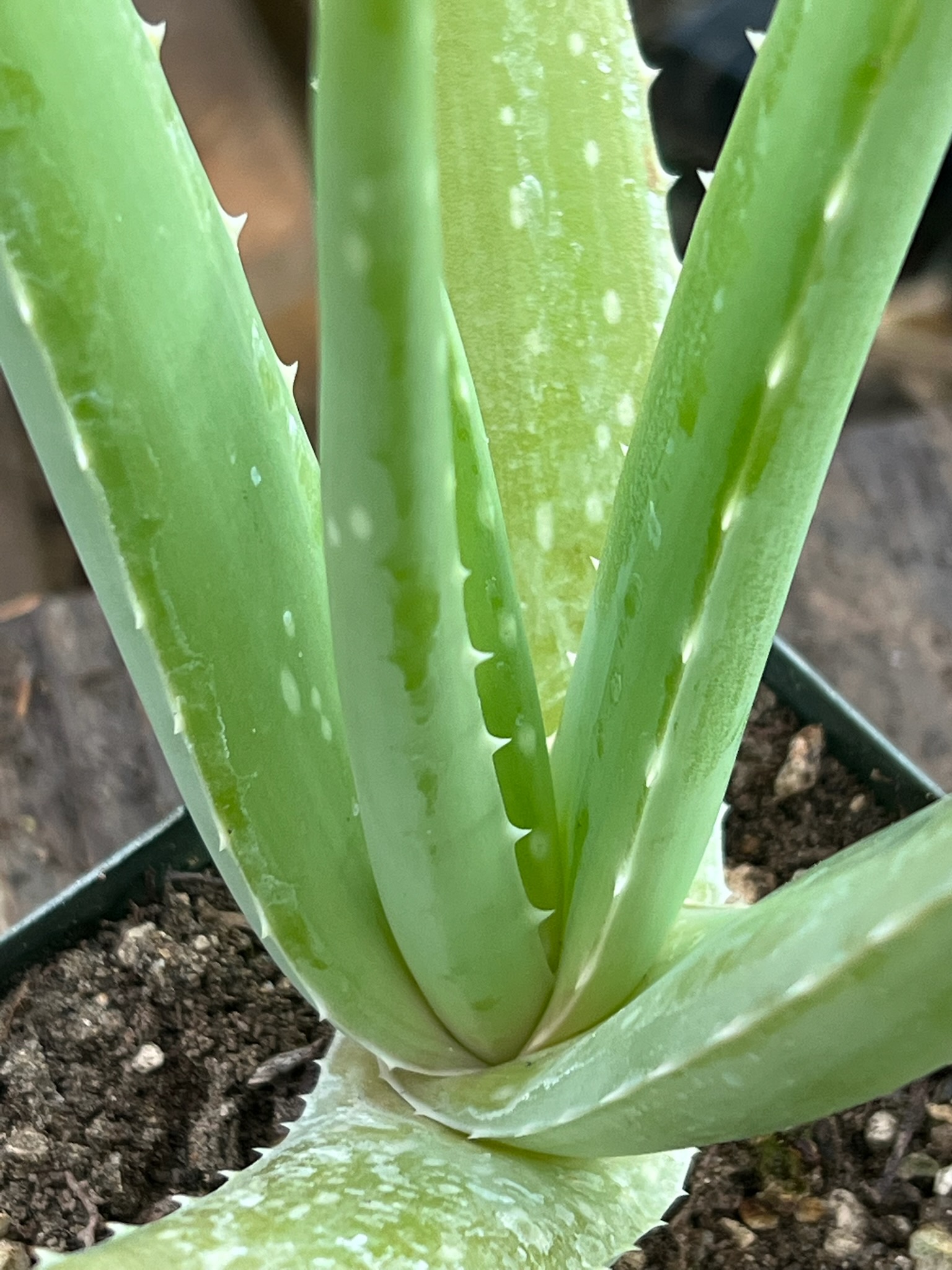
Leaves are fleshy, lance-shaped, tapering, and green to gray-green. Juvenile or stressed plants may show pale spotting. Small firm teeth run along the margins, but the leaf generally lacks the hard terminal spine typical of many Agaves.
A single mature leaf can contain a large volume of gel and substantial outer tissue. A dog does not need to swallow the entire leaf to rupture several latex-bearing bundles.
Flowers
Mature plants may send up a tall leafless flowering stalk bearing tubular yellow flowers. Indoor plants may fail to flower when light, age, nutrition, or growing conditions are inadequate.
Flowers are not regarded as the principal anthraquinone source, but no animal-feeding study establishes them as safe. The stalk, flowers, fallen floral material, and associated sap should remain inaccessible.
The Green Rind
The outer rind provides mechanical protection and contains vascular structures associated with latex movement. It is tougher and more fibrous than the gel.
When an animal chews through the rind, it reaches latex-bearing tissue before consuming much of the center. The rind may also contribute to vomiting, gastrointestinal irritation, and foreign-material concerns when swallowed in large pieces.
The Yellow Latex Layer
Yellow or amber latex lies near the inner surface of the rind and the outer margin of the gel. It may emerge immediately after cutting, especially when the leaf is held vertically with the cut end downward.
This latex contains the highest practical concentration of aloin-related stimulant-laxative compounds. The botanical term latex here refers to Aloe exudate, not to natural rubber and not to the proteins associated with rubber-latex allergy.
The Clear Central Gel
The clear gel fills the central water-storage tissue. It contains polysaccharides such as acetylated mannans and is the fraction most commonly associated with topical household use.
Proper industrial filleting can separate the gel from the rind and latex more effectively than casual kitchen preparation. Even then, the finished product must be assessed from its processing, residual anthraquinone concentration, additives, and intended route.
Why Homemade Gel Is Unpredictable
Home preparation often involves cutting the leaf, scraping out the center, blending the tissue, or storing it in a container. Each step can spread latex from the rind into the gel. The unused rind, knife, cutting board, paper towel, and floor drips may contain more anthraquinone than the portion applied to the skin.
Some people soak or drain cut leaves before use. That may reduce visible exudate but does not provide laboratory confirmation that the prepared gel is aloin-free. The procedure should not be converted into a pet-safety method.
How Dogs Reach the Plant
Dogs may bite a low window plant, carry a broken leaf, dig up an outdoor specimen, raid compost, or consume trimmings left after repotting. Leaves placed on a kitchen counter for home remedies may be pulled down with towels or cutting boards.
Dogs also lick burn gel from a person’s skin, chew product tubes, swallow capsules, drink discarded Aloe beverages, or consume flavored supplements. The most serious exposures may leave no recognizable plant fragments.
How Cats Are Exposed
Cats may bite leaf tips, climb into the planter, rub against a cut leaf, step in spilled gel, or groom residue from their paws. A long leaf extending beyond a shelf may remain reachable even when the pot appears safely positioned.
Topical exposure becomes oral exposure when a cat grooms. Human lotions and veterinary products should never be assumed safe merely because the amount of Aloe is high or the label says natural.
Cut Leaves and Household Burn Remedies
A common exposure begins after a person cuts an Aloe leaf for a burn or skin complaint. The remaining leaf, yellow drainage, gel-coated knife, cutting board, paper towel, and rind may be left unattended while attention is focused on the injury.
A pet may then lick the treated skin or retrieve the plant waste. Treated areas should be covered or kept inaccessible according to medical advice, and all preparation surfaces should be cleaned promptly.
Whole-Leaf Juice Versus Inner-Leaf Juice
Whole-leaf juice begins with the rind, latex-bearing tissue, and gel together. It requires effective purification if anthraquinones are to be reduced. Inner-leaf juice is intended to come from the central gel after removal of outer tissues.
Labels are not always used consistently. “Aloe juice,” “Aloe water,” “whole leaf,” “inner fillet,” “leaf extract,” “purified,” and “decolorized” describe different manufacturing claims, not guaranteed chemical equivalence.
Decolorized Products
Decolorization commonly passes whole-leaf material through activated carbon to adsorb aloins and other colored anthraquinones. Properly processed low-anthraquinone products produced different results from non-decolorized whole-leaf extract in controlled toxicology studies.
This distinction matters when a pet drinks a commercial beverage, but it does not remove the need to inspect sweeteners, flavors, minerals, preservatives, botanicals, serving size, and packaging. A decolorized drink can still be unsuitable for an animal.
Dried Latex, Powders, and Colon-Cleanse Products
Dried Aloe exudate has historically been used as a stimulant laxative. Removing water concentrates the active plant solids, so a small amount of dried latex or powder may represent more anthraquinone than an exploratory bite of fresh gel.
Colon-cleanse capsules, detox teas, whole-leaf powders, compounded remedies, and herbal laxatives may combine Aloe with Senna, Cascara, Rhubarb, magnesium salts, caffeine, essential oils, or additional botanicals. Preserve the complete supplement panel.
Burn Gels, Sprays, and Lotions
Commercial burn preparations may contain purified Aloe, but the product’s acute hazard often depends on its other ingredients. Local anesthetics such as lidocaine or benzocaine, alcohol, menthol, camphor, salicylates, essential oils, fragrances, and preservatives require separate evaluation.
A lotion tube or spray mechanism can also become a foreign body. Report whether the animal punctured the package, swallowed the cap, consumed the contents, or merely licked residue from skin.
Topical Use on Animals
Owners sometimes apply fresh gel or human Aloe products to hot spots, wounds, burns, surgical sites, paw irritation, and insect bites. This can introduce latex contamination, unsafe additives, excessive moisture, and immediate grooming exposure.
A clear gel may mask redness, odor, discharge, necrosis, or wound progression. It can delay diagnosis of infection, chemical burn, allergic disease, pressure injury, or a lesion requiring surgery.
Only a veterinarian-approved product should be used, and the animal must be prevented from ingesting it when the label or veterinarian requires that precaution.
Pregnant and Nursing Animals
Whole-leaf Aloe, yellow latex, dried exudate, and stimulant-laxative products should not be administered to pregnant animals. Severe diarrhea, cramping, dehydration, hypotension, and electrolyte disturbance can threaten the mother and pregnancy even when a direct uterine effect cannot be quantified.
Evidence establishing a specific reproductive dose in domestic species is limited. The appropriate public guidance is precautionary avoidance rather than a claim that any tiny accidental contact inevitably causes miscarriage.
Horses and Livestock
Medicine Plant is not normal forage. Large-animal exposure usually results from greenhouse waste, landscape trimmings, discarded household plants, Aloe-processing residue, supplements, or intentional administration as a traditional remedy.
Do not throw leaves into paddocks or mix them with browse. Horses cannot vomit, and ruminants or pigs consuming a concentrated batch may develop diarrhea, dehydration, weakness, and production losses.
Group exposure requires inspection of the full feed and disposal history. Processing waste may contain cleaning chemicals, machinery lubricants, preservatives, or other Aloe species in addition to plant anthraquinones.
Rabbits and Guinea Pigs
Aloe should not be offered as forage, moisture-rich food, chewing enrichment, or a treatment for gastrointestinal stasis. Its water content does not make it a safe hydration source.
Food refusal, diarrhea, reduced feces, weakness, or dehydration requires rapid assessment. Rabbits and guinea pigs cannot vomit, and owner-administered stimulant-laxative plants can worsen an already unstable gastrointestinal tract.
Birds and Reptiles
Medicine Plant should not be placed in cages, aviaries, tortoise pens, or planted grazing enclosures. Birds may shred leaves, and herbivorous reptiles may consume large succulent bites.
Species-specific evidence is limited. Regurgitation, diarrhea, abnormal droppings, reduced appetite, weakness, dehydration, or reduced activity warrants an avian or exotic-animal veterinarian rather than a dog-based treatment assumption.
Medicine Plant Versus Agave
Agaves often form similar rosettes but usually have stiffer, more fibrous leaves and frequently carry a prominent hard terminal spine. Aloe leaves are softer, more gel-filled, and edged by smaller teeth.
Agave sap can cause substantial skin, mouth, and gastrointestinal irritation. Uncertainty between Aloe and Agave does not make the exposure harmless, and the complete plant should be preserved.
Medicine Plant Versus Haworthia and Gasteria
Haworthia-related plants are generally smaller and often display translucent leaf windows, raised white markings, or compact geometric rosettes. Gasteria species frequently have tongue-shaped leaves arranged in two ranks when young.
These look-alikes do not establish the classic aloin-rich Aloe-latex syndrome, but nursery hybrids and mislabeled succulents can complicate identification. A photograph should show the entire plant, leaf margins, cut surface, offsets, and any flowers.
Medicine Plant Versus Other Aloes
The genus and related segregate genera contain hundreds of species, including Cape Aloe, Soap Aloe, Tree Aloe, and ornamental dwarf forms. Anthraquinone concentration, gel characteristics, leaf anatomy, and traditional use differ.
An unidentified Aloe-like plant should be managed from its actual morphology and exposure rather than assuming that all species are chemically identical to *Aloe vera*. Cape Aloe products derived from *Aloe ferox* may be especially rich in dried laxative exudate.
Diagnosis
Diagnosis combines plant or product identification with the leaf fraction, amount, route, onset, gastrointestinal signs, hydration, electrolyte status, urine production, and co-ingredients. Preserve the plant, a cut cross-section, yellow drainage, nursery tag, bottle, supplement facts, lot number, packaging, and photographs.
No routine veterinary blood or urine test confirms Aloe exposure. Laboratory work evaluates consequences such as dehydration, hypokalemia, kidney hypoperfusion, acid-base disturbance, hypoglycemia, hepatic injury, methemoglobinemia, or another toxin.
Differential Diagnosis
Vomiting and diarrhea may result from garbage, dietary indiscretion, pancreatitis, obstruction, parasites, infection, medications, pesticides, mushrooms, or another plant. Red or brown urine requires consideration of blood, hemolysis, muscle injury, bilirubin, infection, stones, toxins, and urinary obstruction.
Tremors, seizures, collapse, blue-brown gums, or profound depression raises concern for local anesthetics, xylitol, alcohol, camphor, essential oils, salicylates, hypoglycemia, severe electrolyte disturbance, or unrelated neurologic disease.
Prognosis
The prognosis is good to excellent after a limited living-plant exposure when vomiting and diarrhea remain mild, the animal maintains hydration, and no dangerous product ingredient or foreign object is involved.
The outlook becomes more serious with concentrated dried latex, persistent fluid loss, severe hypokalemia, shock, kidney injury, pregnancy complications, aspiration, pancreatitis, obstruction, methemoglobinemia, xylitol, local anesthetics, alcohol, or delayed treatment.
Prevention
Keep living plants, cut leaves, offsets, trimmings, yellow drainage, homemade gel, beverages, capsules, lotions, burn products, applicators, and contaminated bandages inaccessible. A high windowsill is not sufficient when leaves extend outward or cats can climb.
Clean knives, cutting boards, countertops, floors, and skin after preparing a leaf. Place rind, latex-covered pieces, and unused plant material directly into a closed animal-resistant trash container.
Immediate Response
- Stop further exposure: Remove the animal from the living plant, cut leaf, yellow latex, spilled gel, beverage, supplement, lotion, spray, topical treatment, or discarded material.
- Identify the fraction: Determine whether exposure involved clear inner gel, green rind, yellow latex, a whole leaf, whole-leaf juice, inner-leaf juice, dried exudate, powder, capsule, or multi-ingredient product.
- Preserve the evidence: Save the complete plant, cut leaf, nursery label, product container, supplement facts, ingredient panel, lot number, packaging, applicator, and representative material recovered from vomit or stool.
- Estimate the maximum amount: Report the greatest number of bites, leaves, capsules, servings, or product volume that could be missing.
- Record the time: Note the earliest and latest possible exposure and when vomiting, diarrhea, weakness, tremors, or urine discoloration began.
- Contact a professional: Call a veterinarian or animal poison-control service after more than a minor leaf bite, any concentrated-product exposure, pregnancy, repeated signs, or exposure involving a medically fragile animal.
Read the Entire Product Label
- Look beyond Aloe: Identify every active and inactive ingredient rather than relying on the front label or Aloe percentage.
- Check for xylitol: Sugar-free drinks, gummies, oral gels, and flavored supplements can cause rapid hypoglycemia and liver injury in dogs.
- Check for local anesthetics: Lidocaine and benzocaine can produce neurologic, cardiovascular, or blood-oxygen complications.
- Check for alcohol: Tinctures and sprays may contain ethanol or isopropyl alcohol.
- Check for essential oils and camphor: These may cause gastrointestinal, neurologic, respiratory, or hepatic effects.
- Check for salicylates: Pain-relief and cosmetic products may contain methyl salicylate or related compounds.
- Check the package: Determine whether the cap, pump, nozzle, foil seal, tube, applicator, glass, or plastic was swallowed.
Assess the Animal Before Giving Anything by Mouth
- Check responsiveness: Profound lethargy, confusion, collapse, stupor, or reduced responsiveness requires immediate care.
- Check breathing: Rapid, shallow, irregular, labored, gasping, or weak breathing is an emergency.
- Check hydration: Tacky gums, sunken eyes, weakness, reduced skin elasticity, weak pulses, or reduced urination may indicate significant fluid loss.
- Check coordination: Marked tremors, staggering, inability to stand, or seizures suggests severe metabolic disturbance or another toxin.
- Check gum color: Pale, gray, blue, or chocolate-brown gums may indicate shock, inadequate oxygenation, or methemoglobinemia.
- Check the abdomen: Severe guarding, distension, repeated retching, or inability to settle requires prompt examination.
Remove Visible Plant Material
- Wear gloves: Yellow latex and commercial ingredients may irritate human skin and eyes.
- Remove loose pieces carefully: Take visible leaf and rind fragments from the lips and front of the mouth only when handling is safe.
- Avoid blind sweeps: Do not reach deeply into the throat or push fibrous material toward the airway.
- Wipe accessible residue: Use a damp cloth to remove visible yellow sap or product from the lips and front of the mouth in a fully alert animal.
- Rinse only when safe: A gentle low-pressure rinse may be used only when the animal is alert, breathing normally, swallowing normally, and able to protect the airway.
- Stop if coughing or gagging occurs: Difficulty managing a rinse means further oral cleaning is unsafe without veterinary assessment.
Do Not Induce Vomiting at Home
- Do not give hydrogen peroxide automatically: Aloe can cause spontaneous vomiting, weakness, and dehydration, while commercial products may contain ingredients or packaging that make emesis unsafe.
- Never give peroxide to a cat: Hydrogen peroxide can cause serious feline gastric and esophageal injury.
- Never induce vomiting after signs begin: Do not attempt emesis in an animal that is vomiting, weak, trembling, collapsed, sedated, breathing abnormally, or swallowing poorly.
- Do not induce vomiting after a tube or sharp package was swallowed: Caps, pumps, applicators, foil, and plastic may injure the esophagus on return.
- Do not use household emetics: Salt, mustard, ipecac, dish soap, oil, syrup, fingers in the throat, and manual gagging are unsafe.
- Do not induce vomiting in horses, rabbits, guinea pigs, birds, reptiles, or symptomatic livestock: These animals either cannot vomit normally or face unacceptable risk.
- Reserve controlled emesis for professional direction: A veterinarian may consider it after a recent significant exposure in an appropriate, fully alert, stable, asymptomatic dog with a protected airway.
Activated Charcoal
- Do not give charcoal routinely: Most living-plant cases are dominated by gastrointestinal irritation and fluid loss, and home charcoal may worsen vomiting or dehydration.
- Use only under veterinary direction: A veterinarian may consider charcoal after selected concentrated or mixed-product exposures.
- Never force charcoal: Do not give it to a vomiting, weak, trembling, sedated, recumbent, seizing, or poorly swallowing animal.
- Do not repeat doses yourself: Repeated charcoal can cause dehydration, electrolyte abnormalities, constipation, high blood sodium, aspiration, or obstruction.
- Do not use household charcoal: Barbecue briquettes, fireplace ash, burned food, and homemade carbon are not medical activated charcoal.
Activated-carbon decolorization is an industrial manufacturing process used to remove anthraquinones from Aloe preparations. It does not mean that giving activated charcoal after exposure is automatically useful or safe.
Do Not Give Household Remedies or Owner-Selected Medication
- Do not give milk or dairy: Milk, yogurt, cheese, cream, and ice cream do not neutralize aloin or stop stimulant diarrhea.
- Do not give oil: Cooking oil, coconut oil, and mineral oil can worsen nausea and create aspiration risk.
- Do not give anti-diarrheal medication: Loperamide, bismuth products, kaolin mixtures, and owner-selected remedies may be inappropriate or harmful.
- Do not give antacids: They do not reverse bacterial activation of aloin or correct dehydration.
- Do not give sucralfate without direction: Sucralfate is a prescription medication whose indication and administration must be determined by a veterinarian.
- Do not give human pain medication: Ibuprofen, naproxen, acetaminophen, aspirin, and similar drugs can cause an additional poisoning.
- Do not give diuretics or urinary remedies: Abnormal urine color does not justify attempts to increase urine production at home.
- Do not give another Aloe product: Purified gel, juice, or supplements do not act as an antidote to whole-leaf or latex exposure.
Food and Water
- Do not force water: Syringed, poured, or drenched liquid can enter the lungs when the animal is nauseated, weak, or swallowing poorly.
- Offer small amounts cautiously: Water may remain available only when the animal is fully alert, swallowing normally, and not vomiting repeatedly.
- Do not force food: Feeding during active vomiting or severe cramping can worsen discomfort and aspiration risk.
- Avoid sports drinks: Human electrolyte products may contain excessive sugar, sodium, artificial sweeteners, caffeine, or xylitol.
- Follow veterinary feeding instructions: Food can be reintroduced gradually after vomiting is controlled, swallowing is safe, and hydration is stable.
Vomiting and Diarrhea
- Track every episode: Record the number, volume, and appearance of vomit and stool.
- Save representative material: Preserve leaf pieces, yellow fluid, capsule fragments, lotion, packaging, blood, or unusual material.
- Watch for dehydration: Tacky gums, sunken eyes, worsening weakness, reduced urination, or inability to retain water requires veterinary care.
- Watch for shock: Pale gums, cold limbs, weak pulses, collapse, or reduced responsiveness is an emergency.
- Watch for blood: Red vomit, coffee-ground material, bright-red diarrhea, or black tarry stool requires prompt examination.
- Watch for obstruction: Persistent vomiting, repeated unproductive retching, abdominal enlargement, or reduced stool may indicate swallowed rind or packaging.
- Do not muzzle a vomiting animal: A muzzle can trap vomit and interfere with breathing.
Abnormal Urine Color
- Report the color: Red, orange, tea-colored, or brown urine may be associated with anthraquinone exposure but is not diagnostic.
- Observe urine production: Reduced output, repeated straining, pain, frequent unproductive attempts, or inability to urinate requires immediate care.
- Collect a fresh sample when practical: Use a clean container without delaying transportation.
- Photograph the urine or litter: Lighting and substrate can alter appearance, so a photograph may help document the finding.
- Do not treat the color yourself: Antibiotics, urinary supplements, cranberry products, diuretics, or extra salt may be inappropriate.
Skin and Coat Exposure
- Wear gloves: Avoid transferring yellow latex, fragrances, local anesthetics, or essential oils to your own eyes and mouth.
- Remove contaminated equipment: Take off collars, harnesses, clothing, diapers, and bandages holding product against the skin.
- Remove visible debris: Pick leaf pieces from the coat without crushing them farther.
- Wash the coat: Rinse affected fur and skin with lukewarm water and mild pet-safe shampoo, then rinse completely.
- Prevent grooming: Do not allow the animal to lick the area until plant material and product residue have been removed.
- Seek care for persistent injury: Continued redness, swelling, blistering, pain, discharge, or open lesions requires examination.
Do not use alcohol, bleach, solvents, vinegar, essential oils, concentrated detergent, human burn cream, calamine, topical anesthetic, or steroid cream without veterinary direction.
Eye Exposure
- Begin irrigation immediately: Flush the affected eye with sterile saline or clean lukewarm water for at least fifteen to twenty minutes.
- Use a gentle continuous flow: Allow fluid to move across the eye without scraping the surface or forcing material beneath the eyelids.
- Prevent rubbing: Stop the animal from pawing at the eye or rubbing against furniture, carpet, fencing, or the ground.
- Do not use tools: Tweezers, cotton swabs, cloth, and fingernails can worsen corneal injury.
- Do not apply human eye medication: Redness drops, anesthetic drops, ointments, and leftover prescriptions may worsen or conceal injury.
- Seek prompt examination: Continued squinting, cloudiness, discharge, swelling, light sensitivity, or inability to open the eye requires veterinary care.
Pregnant Animals
- Contact a veterinarian after meaningful exposure: Pregnancy reduces the margin for prolonged diarrhea, dehydration, hypotension, and electrolyte loss.
- Do not administer Aloe as a laxative: Whole-leaf juice, latex, powders, and colon-cleanse products are inappropriate during pregnancy.
- Report reproductive stage: Species, gestational age, prior complications, and current medication affect the assessment.
- Monitor for systemic illness: Persistent cramping, weakness, collapse, reduced intake, or abnormal discharge requires immediate evaluation.
Safe Transportation
- Call ahead: Tell the clinic whether exposure involved a leaf, yellow latex, juice, supplement, lotion, local anesthetic, xylitol, alcohol, or another ingredient.
- Keep the airway clear: Position a vomiting or weak animal so saliva and stomach contents can drain from the mouth.
- Do not muzzle a vomiting animal: A muzzle can trap vomit and interfere with breathing.
- Prevent falls: Carry weak small animals in a padded carrier or use a stretcher, rigid board, sling, or blanket.
- Maintain a comfortable temperature: Avoid direct heating pads or excessive cooling in weak animals.
- Bring all evidence: Take the plant, product, label, packaging, photographs, and samples of abnormal urine, vomit, or stool when practical.
Veterinary Evaluation
- Assess hydration and perfusion: Gum moisture, pulse quality, blood pressure, body weight, capillary refill, and urine production help determine fluid loss.
- Measure electrolytes and glucose: Potassium, sodium, chloride, bicarbonate, glucose, and acid-base abnormalities may require controlled correction.
- Assess kidney function: Chemistry, urinalysis, urine concentration, and output help distinguish pigment change from renal or urinary disease.
- Evaluate the abdomen: Pain, distension, intestinal sounds, and imaging may identify pancreatitis, obstruction, or swallowed packaging.
- Evaluate co-ingredients: Local anesthetics, xylitol, alcohol, salicylates, camphor, essential oils, and other botanicals require toxin-specific assessment.
- Monitor the heart when indicated: Severe hypokalemia, collapse, weak pulses, or cardiotoxic ingredients may justify ECG monitoring.
- Examine skin and eyes separately: Contact dermatitis and ocular injury may require targeted testing and treatment.
Veterinary Treatment
Veterinarian-selected anti-nausea medication may reduce vomiting, discomfort, fluid loss, and aspiration risk. Subcutaneous or intravenous fluids may be used according to dehydration severity, circulation, kidney function, cardiovascular status, species, and ongoing losses.
Electrolyte replacement must be based on measured abnormalities. Potassium correction that is too rapid or poorly calculated can itself be dangerous. Blood pressure, glucose, acid-base status, urine output, and ECG findings may need continued monitoring in a substantially affected patient.
Prescription gastrointestinal protectants may be selected when erosive irritation or bleeding is suspected, but they do not neutralize aloin. Persistent abdominal pain, vomiting, or failure to pass stool may require imaging and removal of rind, packaging, caps, tubes, or applicators.
Co-ingredients receive their own treatment. Xylitol may require glucose monitoring and hepatic support; local anesthetics may require seizure, cardiovascular, or methemoglobinemia management; alcohol exposure may require glucose, temperature, respiratory, and neurologic support.
Horses and Livestock
- Remove all contaminated material: Prevent access to discarded plants, greenhouse waste, processing residue, supplements, and treated feed.
- Examine the entire group: Animals may consume different quantities and develop signs at different times.
- Do not induce vomiting: Horses and ruminants should never receive household emetics.
- Do not drench weak animals: Salivating, colicky, recumbent, neurologically abnormal, or poorly swallowing animals can aspirate oral fluids or medication.
- Monitor manure and hydration: Frequent watery manure, reduced drinking, weakness, or falling production requires large-animal veterinary care.
- Retain samples: Preserve plants, feed, supplements, processing waste, product labels, and photographs.
Rabbits, Guinea Pigs, Birds, and Reptiles
- Do not attempt vomiting: Household emesis is inappropriate and dangerous in these species.
- Monitor food intake immediately: Refusal can become a serious secondary gastrointestinal or metabolic emergency.
- Monitor feces or droppings: Diarrhea, reduced output, abnormal color, blood, or complete cessation requires species-specific advice.
- Do not force feed before assessment: Regurgitation, poor swallowing, obstruction, and severe abdominal disease must be excluded.
- Monitor hydration and urine: Small animals can deteriorate quickly after fluid loss.
- Use a species-experienced veterinarian: Fluid routes, nutritional support, temperature management, and medication differ substantially among species.
Monitoring and Recovery
- Monitor vomiting and diarrhea: Frequency and volume should decline rather than remain constant or worsen.
- Monitor hydration: Gum moisture, activity, drinking, circulation, and urine production should return toward normal.
- Monitor strength: Weakness and tremulousness should improve as fluids and electrolytes normalize.
- Monitor appetite: Continued food refusal may indicate nausea, pain, pancreatitis, obstruction, or species-specific secondary disease.
- Monitor urine: Discoloration should resolve, and painful or reduced urination should not develop.
- Watch for aspiration: Coughing, fever, nasal discharge, rapid breathing, or renewed lethargy after vomiting requires reassessment.
- Attend laboratory rechecks: Persistent electrolyte, kidney, glucose, liver, or co-toxin abnormalities may require repeat testing.
Prevention and Prognosis
- Restrict living-plant access: Keep pots in a physically inaccessible pet-free area rather than relying only on shelf height.
- Secure cut leaves and waste: Place rind, yellow drainage, trimmings, offsets, paper towels, and contaminated utensils beyond animal reach.
- Lock products away: Store drinks, supplements, powders, burn gels, lotions, sprays, and herbal laxatives in animal-resistant storage.
- Prevent licking: Do not allow animals to lick Aloe products from their own skin or from another person or animal.
- Typical prognosis: Most limited living-plant exposures carry a good-to-excellent prognosis with timely hydration and supportive care.
- Guarded circumstances: Concentrated latex, severe dehydration, electrolyte abnormalities, kidney injury, aspiration, obstruction, pregnancy complications, or toxic product additives creates a more serious outlook.
Frequently Asked Questions About the Medicine Plant, Aloe Latex, and Pets
Is Medicine Plant the same plant as Aloe Vera?
Yes. Medicine Plant is a traditional common name for Aloe vera, the familiar succulent kept for the clear gel inside its leaves. It is also called Medicinal Aloe, Burn Plant, True Aloe, Barbados Aloe, and First-Aid Plant. Because Medicine Plant can be used informally for unrelated remedies, the scientific name or complete plant should still be confirmed. The accepted name is Aloe vera (L.) Burm.f.
Why is Medicine Plant poisonous when Aloe gel is used on skin?
An Aloe leaf contains chemically different tissues. The bitter yellow latex near the rind contains aloin-related stimulant laxatives, while the clear central gel generally contains much less aloin when properly separated. A pet chewing the whole leaf consumes both fractions. Home-prepared gel can also be contaminated when yellow latex drains across the knife, rind, cutting board, or clear tissue.
What is the yellow liquid that comes from a cut Aloe leaf?
The yellow or amber liquid is Aloe latex, an exudate carried through specialized tissue near the outer leaf pulp. It contains aloin A, aloin B, and related hydroxyanthracene compounds responsible for the stimulant-laxative syndrome. It is chemically different from natural rubber latex. Yellow Aloe latex should not be applied to an animal or allowed to contaminate food, water, fur, wounds, or homemade gel.
What are aloin, barbaloin, and isobarbaloin?
Aloin is commonly a mixture of two closely related forms. Aloin A has historically been called barbaloin, while aloin B is often called isobarbaloin. Intestinal microorganisms convert these compounds into aloe-emodin anthrone, the metabolite principally responsible for increased colonic water, altered electrolyte handling, cramping, and diarrhea. Product labels and older literature may use the names differently, but they describe the same core toxin family.
Is properly separated clear Aloe gel poisonous?
Properly purified inner gel carries much less anthraquinone risk than yellow latex or the whole leaf. That does not make every clear product automatically safe for pets. Analytical studies can detect aloin in gel, home preparation may spread latex into the center, and commercial products may contain alcohol, xylitol, local anesthetics, essential oils, salicylates, or other ingredients. The exact preparation and amount still matter.
Can I cut an Aloe leaf and prepare safe gel for my pet at home?
Home preparation cannot verify that the gel is free of yellow latex or rind contamination. Latex can run down the cut surface, coat the knife, remain on the gel, or mix into material stored for later use. An animal may also lick the treated site and swallow whatever was applied. Use only a veterinarian-approved product and follow instructions for preventing ingestion.
What is the difference between whole-leaf juice and inner-leaf juice?
Whole-leaf juice begins with the rind, latex-bearing outer tissue, and central gel together. It must be processed effectively to reduce anthraquinones. Inner-leaf juice is intended to be made from the central gel after the outer tissues are removed. Label terminology is not always consistent, so “Aloe juice” alone does not establish the aloin concentration or pet safety of a product.
What does decolorized Aloe mean?
Decolorization is a manufacturing process that commonly uses activated carbon and filtration to remove aloins and other colored anthraquinone constituents from whole-leaf material. Properly processed low-anthraquinone products have shown different toxicologic results from non-decolorized whole-leaf extracts. Decolorized does not guarantee that every product is identical, accurately labelled, free of all aloin, or safe for animals when other ingredients are present.
Do whole-leaf Aloe products cause cancer after one pet exposure?
No study establishes that one accidental pet exposure causes cancer. Large-intestinal tumors occurred in rats receiving non-decolorized whole-leaf extract repeatedly in drinking water over a prolonged experimental period. Those findings demonstrate chronic biologic activity and reinforce the distinction between anthraquinone-rich and purified products. Acute veterinary care after one incident remains focused on vomiting, diarrhea, hydration, electrolytes, urine production, packaging, and co-ingredients.
Can Aloe turn a dog’s or cat’s urine red or brown?
Red, orange, tea-colored, or brown urine is repeatedly reported in veterinary Aloe summaries, and urinary excretion of aloin-related compounds provides a plausible explanation. Exact-species evidence connecting a particular color reliably to a dog or cat dose is limited, so the finding is possible rather than diagnostic. Blood, muscle pigment, bilirubin, dehydration, infection, stones, and obstruction can look similar. Pain, straining, reduced output, or inability to urinate requires immediate care.
Can Aloe cause tremors?
Tremulousness is possible, especially after significant vomiting, diarrhea, dehydration, potassium loss, hypoglycemia, weakness, or exposure to another product ingredient. Tremors are not the principal direct action of aloin and should not be dismissed as routine. Marked shaking, seizures, inability to stand, collapse, or altered consciousness requires urgent assessment for severe metabolic disturbance, xylitol, local anesthetics, alcohol, essential oils, pesticides, or another toxin.
Can Medicine Plant damage the kidneys?
Primary kidney failure is not expected after every leaf bite. Kidney values may worsen when severe vomiting and diarrhea cause dehydration, hypotension, and reduced renal perfusion, particularly in older animals or those with pre-existing kidney disease. Concentrated or mixed herbal preparations create additional uncertainty. Reduced urination, worsening weakness, persistent vomiting, painful urination, or abnormal laboratory results requires veterinary monitoring.
Is Aloe dangerous during pregnancy?
Yellow latex, whole-leaf juice, dried exudate, and stimulant-laxative Aloe products should not be administered during pregnancy. Strong diarrhea, cramping, dehydration, hypotension, and electrolyte loss can threaten the mother and pregnancy. A validated reproductive toxic dose has not been established for domestic animals, so it is inaccurate to claim that every tiny accidental contact causes abortion. A meaningful exposure in a pregnant animal still deserves prompt veterinary guidance.
Can a dog or cat lick commercial Aloe burn gel?
No commercial burn product should be judged safe from the word Aloe alone. Products may contain lidocaine, benzocaine, alcohol, menthol, camphor, methyl salicylate, essential oils, fragrances, preservatives, detergents, or xylitol. Some ingredients can cause neurologic, cardiovascular, hepatic, respiratory, or blood-oxygen emergencies. Preserve the entire tube or bottle and report whether the animal swallowed the cap, applicator, foil seal, or packaging.
Are Aloe supplements more dangerous than a living leaf?
They can be. Dried latex, whole-leaf powders, colon-cleansing capsules, tinctures, and herbal laxatives may concentrate anthraquinones into a small volume. They may also combine Aloe with Senna, Cascara, Rhubarb, magnesium salts, caffeine, sweeteners, alcohol, or additional botanicals. A few missing capsules may therefore represent a different exposure from one brief leaf bite. Bring the supplement facts panel and total container size to the veterinarian.
Is one bite of an Aloe leaf an emergency?
One small bite often causes no signs or temporary gastrointestinal irritation, but no universal safe bite count exists. Risk depends on how deeply the animal reached the latex-bearing tissue, its size and health, the amount swallowed, vomiting or diarrhea, and whether packaging or another product was involved. Prompt advice is warranted for repeated signs, a large missing section, a small or medically fragile animal, pregnancy, or uncertain exposure.
Should I make my dog vomit after it eats Aloe?
Do not induce vomiting unless a veterinarian or animal poison-control professional specifically directs it. Aloe can cause spontaneous vomiting, weakness, and dehydration, while topical products may contain ingredients or packaging that make emesis dangerous. Hydrogen peroxide must never be used in cats. Salt, mustard, oil, dish soap, syrup, fingers in the throat, and manual gagging are unsafe.
Does activated charcoal help with Medicine Plant poisoning?
Activated charcoal is not routinely required for a living-leaf exposure dominated by gastrointestinal irritation and fluid loss. A veterinarian may consider it after selected concentrated or mixed-product ingestions when the airway and gastrointestinal tract can be managed safely. It must not be forced into a vomiting, weak, trembling, sedated, recumbent, or poorly swallowing animal. Industrial activated-carbon decolorization of Aloe juice is not the same as giving charcoal to a poisoned pet.
How long do Aloe poisoning signs last?
Mild vomiting or diarrhea may improve within one or two days after exposure stops and hydration remains adequate. Concentrated latex, major fluid loss, electrolyte abnormalities, kidney hypoperfusion, pancreatitis, aspiration, obstruction, or toxic additives can prolong recovery. The animal should show progressively less vomiting and diarrhea, improving strength, normal urine production, and renewed appetite. Failure to improve requires reassessment rather than waiting for a fixed deadline.
What findings require immediate emergency care?
Repeated vomiting or profuse diarrhea, inability to retain water, severe abdominal pain, marked weakness, tremors, seizures, collapse, pale or blue-brown gums, reduced urination, inability to urinate, blood in vomit or stool, abnormal breathing, or reduced responsiveness requires emergency treatment. Exposure to xylitol, lidocaine, benzocaine, alcohol, camphor, salicylates, a large amount of dried latex, or swallowed packaging also raises concern before every sign appears. Give nothing by mouth when awareness, breathing, or swallowing is abnormal.