Oregon Holly Saponin Exposure, Spiny-Leaf Injury, and Holiday-Decoration Hazards
Is Oregon Holly Poisonous to Dogs, Cats, Horses, and Livestock?
Yes—Oregon Holly, as identified on this page by the accepted scientific name Ilex opaca, is poisonous to dogs, cats, horses, livestock, rabbits, guinea pigs, birds, and other animals that swallow its fruit or foliage. This species is more widely known as American Holly. Exact-species research confirms saponins and triterpenes in the foliage and saponins and phenolic compounds in the red fruit. The expected poisoning pattern is usually gastrointestinal irritation rather than progressive injury to the brain, heart, liver, kidneys, or blood.
Possible signs include lip licking, drooling, nausea, vomiting in animals capable of vomiting, diarrhea, abdominal discomfort, appetite loss, lethargy, and temporary depression. Repeated vomiting or diarrhea can still cause clinically important dehydration, particularly in small animals, elderly patients, and animals with kidney, cardiac, endocrine, or gastrointestinal disease. No dependable safe fruit count or toxic plant weight applies to every species and patient.
The stiff evergreen leaves create a separate physical hazard. Their sharp marginal spines can scratch or puncture the lips, gums, tongue, palate, throat, esophagus, or other tissues. A leaf, twig, floral pick, wire, hook, ribbon, artificial berry, or compact mass of greenery may also become lodged or form a gastrointestinal foreign body even when the plant’s chemical toxicity is relatively low.
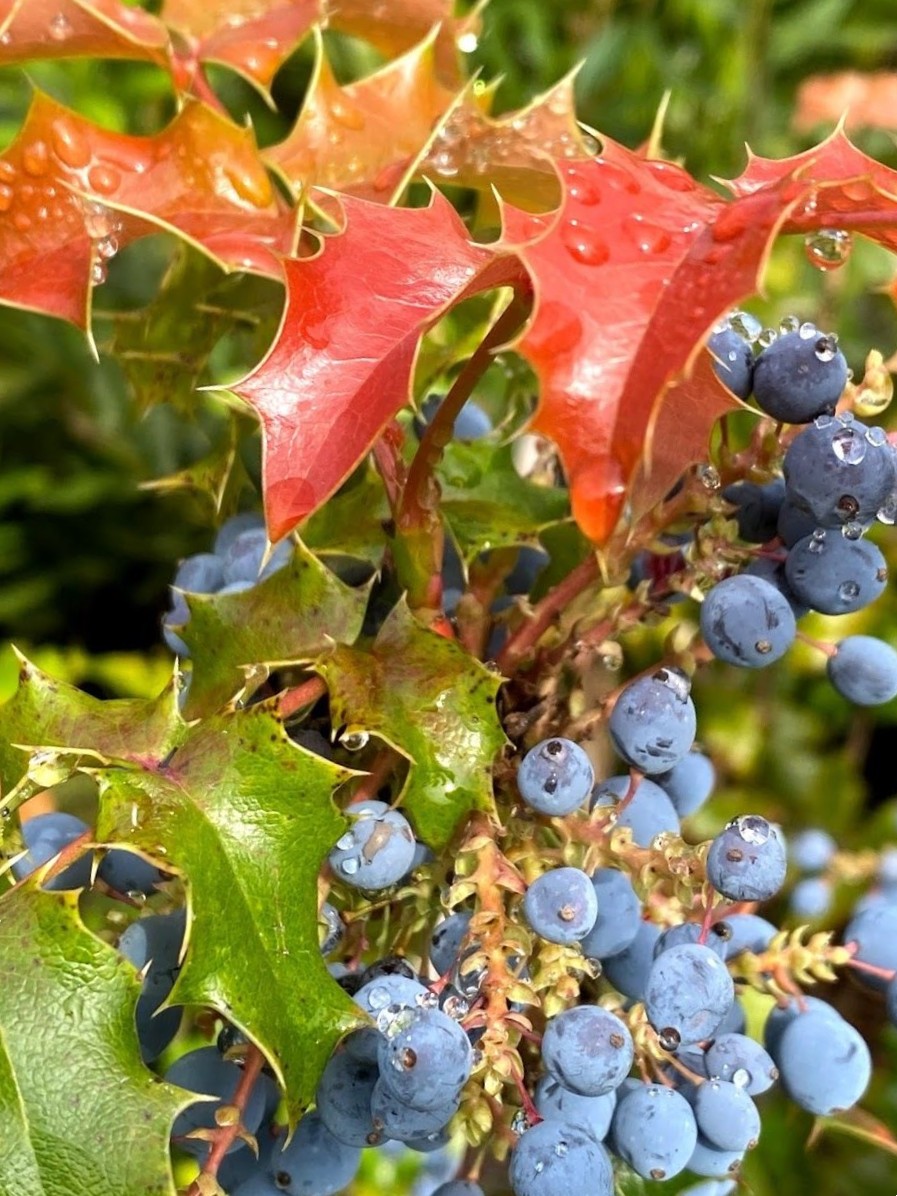
Oregon Holly must not be confused with Oregon Grape, Berberis aquifolium, formerly Mahonia aquifolium, or with English Holly, Yaupon, Winterberry, Inkberry, Japanese Holly, or another plant called Holly. Mixed holiday greenery may contain yew, mistletoe, boxwood, ivy, cherry laurel, or another plant with a substantially different and potentially more dangerous poisoning syndrome.
About this guide: This page provides general pet-poisoning information and cannot diagnose or treat an individual animal. For any suspected exposure, contact a veterinarian or animal poison-control service immediately. Do not induce vomiting, give medication, or attempt home decontamination unless directed by a veterinary professional.
Oregon Holly
Ilex opaca Aiton
- Ageria opaca (Aiton) Raf. — homotypic synonym and historical placement in the genus Ageria
- Ilex aquifolium var. opaca (Aiton) Laurentius — historical varietal placement under English Holly
- Ilex americana Lam. — historical heterotypic synonym
- Ilex canadensis Marshall — historical heterotypic synonym
- Ilex laxiflora Lam. — historical heterotypic synonym
- Ilex quercifolia Meerb. — historical heterotypic synonym
- Ilex opaca f. subintegra Weath. — historical form with less strongly spined or nearly entire leaf margins
- Ilex opaca f. xanthocarpa Rehder — historical yellow-fruited form
- Ilex arenicola Ashe — Scrub Holly; a separate accepted Florida species formerly treated by some authorities as Ilex opaca var. or subsp. arenicola
- Ilex aquifolium L. — English or European Holly; a separate Eurasian species frequently confused with American Holly in holiday greenery
Aquifoliaceae — Holly Family
Oregon Holly; American Holly; American Holly Tree; White Holly; Christmas Holly; American Christmas Holly; Evergreen Holly; Prickly Holly; Yule Holly; Dune Holly; Hummock Holly; Appalachian Tea; Holly
Historical and taxonomic search variations include Ageria opaca, Ilex americana, Ilex canadensis, Ilex laxiflora, Ilex quercifolia, Ilex aquifolium var. opaca, Ilex opaca f. subintegra, and Ilex opaca f. xanthocarpa. The accepted name for the species covered by this page is Ilex opaca Aiton.
“Oregon Holly” is highly ambiguous and does not describe this species’ native geography. On this page it refers only to American Holly, Ilex opaca. Oregon Grape or Oregon Grape-Holly is Berberis aquifolium, formerly Mahonia aquifolium, an unrelated western shrub with compound leaves, yellow flowers, and blue-purple fruit. English Holly, Yaupon, Inkberry, Winterberry, Japanese Holly, and Scrub Holly are also separate species rather than alternate scientific names for Ilex opaca.
Exact-Species Evidence for Saponins and Triterpenes
Exact-species chemical research confirms that American Holly, Ilex opaca, contains saponins and triterpenes. Saponins are glycosides composed of a sugar portion attached to a steroidal or triterpenoid aglycone. Their amphiphilic structure gives them soap-like surface activity and allows them to interact with biological membranes.
In ordinary plant ingestion, the expected veterinary effect is irritation of the gastrointestinal tract rather than efficient absorption followed by a predictable systemic organ syndrome. Sufficient exposure may cause nausea, salivation, vomiting, abdominal discomfort, diarrhea, appetite loss, and temporary depression. Continued fluid loss can produce dehydration even when the original toxic effect remains localized to the digestive tract.
The 1977 exact-species chemical study established saponins and triterpenes in American Holly but did not define a toxic dose for dogs, cats, horses, livestock, rabbits, birds, or other animals. It also did not establish that every isolated compound produces the same clinical effect or occurs at the same concentration in every leaf, fruit, stem, cultivar, or season.
Saponins in Young and Mature Leaves
American Holly changes its defensive strategy as its leaves develop. Young expanding leaves contain relatively strong chemical defenses, including higher saponin and phenolic levels, while mature foliage becomes tougher, drier, less nutritious, and more structurally defended.
Mature leaves have a thick cuticle, rigid texture, tough margins, and commonly prominent spinose teeth. These physical defenses deter many herbivores and can injure an animal’s mouth independently of the chemical constituents. A young soft-looking leaf is not necessarily chemically safer, while an older leathery leaf may present the greater mechanical hazard.
Seasonal and age-related variation means that one laboratory sample cannot define the chemistry of every branch. It also prevents creation of a reliable universal ranking such as “young leaves are twice as poisonous” or “mature leaves are harmless.” Both stages should remain inaccessible.
Saponins and Phenolics in the Fruit
The red structures commonly called Holly berries are botanically drupes. Exact-species research found both saponins and phenolic compounds in ripe American Holly fruit. Soluble carbohydrates were an important nutritional component, helping explain the fruit’s ecological role as a winter wildlife food.
In comparative research, ripe Ilex opaca fruit contained less saponin on average than fruit of Winterberry, Ilex verticillata. Concentrations also varied significantly among individual trees and growing seasons. This variation makes a single universal fruit count scientifically unreliable.
Lower average saponin concentration than another species does not make American Holly fruit appropriate animal food. Rapid consumption of numerous drupes may still cause vomiting, diarrhea, abdominal discomfort, appetite loss, or dehydration, while the hard internal stones and associated decoration material create additional mechanical concerns.
Fruit Stones, Leaves, Twigs, and Other Plant Parts
Each American Holly drupe contains several hard pyrenes commonly described as stones or seeds. A few small drupes may pass without difficulty in a large animal, but numerous fruits or fruit consumed with twigs, wire, ribbon, or other material may contribute to gastrointestinal irritation or obstruction.
Leaves and twigs should not be used as chew sticks, fetch toys, perches, browse, bedding, wreath enrichment, or livestock forage. Their saponins and other secondary metabolites are accompanied by a rigid structure capable of abrading the mouth, throat, esophagus, stomach, or intestine.
Flowers, flower stalks, bark, roots, sap, immature fruit, mature fruit, and seeds have not been compared in a veterinary dose-response study sufficiently detailed to identify one harmless part. All plant material should remain inaccessible even though fruit and foliage are the most common exposures.
Mechanical Injury from Spiny Foliage
American Holly leaves are thick and leathery, and many carry sharp teeth along the margin. A dog chewing or carrying a branch may develop head shaking, pawing at the mouth, drooling, blood-tinged saliva, gagging, food dropping, or reluctance to chew even when little material was swallowed.
Leaf points and twig ends can lodge between teeth, beneath the tongue, across the palate, behind the last molars, or near the pharynx. Swelling and patient resistance may make a retained fragment difficult to identify without sedation and a complete veterinary oral examination.
A swallowed rigid twig or compact mass of foliage may cause esophageal, gastric, or intestinal foreign-body disease. The resulting gagging, regurgitation, recurrent vomiting, abdominal pain, or reduced stool is mechanical rather than a manifestation of systemic saponin poisoning.
Caffeine, Theobromine, and Other Methylxanthines
The genus Ilex includes caffeinated beverage plants such as Yaupon, Ilex vomitoria, Yerba Maté, Ilex paraguariensis, and Guayusa, Ilex guayusa. Their methylxanthine chemistry should not be transferred automatically to American Holly.
Modern reviews of beverage hollies report that American Holly leaves apparently do not contain caffeine. The expected syndrome after ordinary Ilex opaca ingestion is therefore gastrointestinal irritation, not persistent hyperactivity, severe tachycardia, hypertension, tremors, hyperthermia, or stimulant-type seizures.
Those stimulant findings after a suspected Holly exposure should prompt investigation for coffee, tea, energy products, chocolate, medication, a caffeine-containing Ilex species, or another toxin. A concentrated unidentified herbal extract also requires a different assessment from chewing an ornamental American Holly branch.
Cyanogenic Compounds and Species Transfer
A cyanogenic glucoside has been reported from English Holly, Ilex aquifolium. That exact-species finding does not establish a cyanide-poisoning syndrome for American Holly. Related species can differ substantially in secondary chemistry even when their leaves and fruit look similar.
Abrupt respiratory distress, bright-red venous blood, rapidly developing seizures, severe metabolic acidosis, or sudden collapse is not the expected presentation after uncomplicated Ilex opaca ingestion. Such findings require immediate investigation for another plant, chemical, fire exposure, or unrelated medical emergency.
Dry, Cut, and Preserved Holly
Drying does not convert Holly into animal food. Wreaths, garlands, centerpieces, dried branches, pressed leaves, cut greenery, and discarded decorations may retain irritating plant constituents while becoming increasingly brittle and capable of splintering.
Cut holiday greenery may also have been treated with pesticide, fungicide, preservative, fire-retardant coating, leaf-shine product, artificial snow, glitter, paint, fragrance, or adhesive. Those products require formulation-specific assessment and should not be described simply as Holly poisoning.
Mixed Holiday Arrangements
American Holly may be bundled with yew, mistletoe, boxwood, ivy, pine, cedar, fir, cherry laurel, bittersweet, or other greenery. These plants do not share one toxicological profile. Yew is particularly important because ingestion can cause rapid fatal cardiac poisoning with little warning.
Floral wire, ornament hooks, ribbon, string, artificial berries, glass, plastic, batteries, electrical lights, foam, wooden picks, and metal fasteners may be more dangerous than the American Holly itself. Preserve the entire arrangement rather than selecting one recognizable branch and discarding the rest.
Pesticides, Fertilizers, and Landscape Products
Outdoor trees may carry insecticide, horticultural oil, fungicide, herbicide drift, fertilizer residue, bird-repellent product, or road contaminant. Nursery plants and florist greenery may have treatment histories unavailable to the animal owner.
Tremors, seizures, excessive secretions, marked pupil changes, profound weakness, severe cardiovascular effects, abnormal bleeding, or organ failure after access to a treated plant requires product-specific investigation. These findings should not be attributed automatically to low-severity Holly saponins.
Toxic-Dose Limitations
No validated toxic fruit count, leaf number, branch length, plant weight, or body-weight dose has been established for American Holly in domestic animals. One or two fruits may cause no signs in one patient, while rapid consumption of many fruits may produce clinically important gastrointestinal illness in another.
Risk depends on animal size, species, age, underlying disease, number and maturity of fruits, amount of foliage, individual plant chemistry, presence of sharp material, concurrent chemicals, and whether exposure was repeated. Human berry-count claims must not be converted into veterinary thresholds.
Statements that a fixed number of berries is fatal or universally safe are unsupported. The current clinical condition, maximum possible exposure, plant identity, hydration, swallowing function, and accompanying materials provide more useful guidance.
Expected Clinical Pattern
Many animals remain normal after swallowing a very small amount of correctly identified American Holly. When illness occurs, signs are usually gastrointestinal and begin within several hours. The expected syndrome is generally mild to moderate rather than a delayed progressive systemic poisoning.
Possible early findings include lip licking, nausea, drooling, reduced appetite, restlessness, abdominal discomfort, flatulence, lethargy, or temporary depression. Dogs and cats may vomit food, mucus, fluid, fruit skins, stones, leaves, or recognizable plant material.
Diarrhea may be soft or watery and may occur with urgency, straining, intestinal gas, or abdominal cramping. Most uncomplicated cases improve as access ends and plant material passes, but persistent or worsening illness requires reassessment.
Vomiting, Diarrhea, and Dehydration
Repeated vomiting and diarrhea can produce dehydration even though American Holly is considered low in systemic toxicity. Small animals, elderly patients, and animals with kidney, cardiac, endocrine, or gastrointestinal disease may lose physiologic reserve more quickly.
Tacky or dry gums, sunken eyes, reduced urination, worsening lethargy, weakness, poor skin elasticity, cold extremities, or inability to retain water indicates clinically important fluid loss. Blood in vomit or stool, coffee-ground material, or black feces requires evaluation for significant gastrointestinal injury, a foreign body, medication, infection, or another toxin.
Oral Injury from Leaves and Twigs
Spiny foliage may produce signs immediately rather than after a delay. An affected animal may shake its head, paw at the mouth, drool, cough, gag, swallow repeatedly, drop food, chew on one side, resist opening its mouth, or refuse hard food.
Blood-tinged saliva may result from a sharp leaf margin or twig scratching the lips, gums, tongue, palate, or pharynx. Minor superficial bleeding may stop quickly, but continued bleeding, marked pain, swelling, or inability to eat requires an oral examination.
A retained leaf spine or twig may be hidden beneath the tongue, behind the molars, across the palate, or near the back of the throat. Persistent signs after the plant has been removed should not be dismissed as ordinary stomach irritation.
Choking and Esophageal Obstruction
Panic, silent attempts to breathe, blue-gray gums, collapse, or inability to move air may indicate choking. Continuous drooling, repeated swallowing, regurgitation, neck extension, coughing whenever water is offered, or inability to swallow saliva may indicate material lodged in the pharynx or esophagus.
Holly twigs, rigid leaves, floral picks, wire, hooks, artificial berries, ribbon, string, and plastic decoration parts can cause mechanical emergencies. Blind probing may push an object farther inward or injure the animal and handler.
Gastrointestinal Foreign Bodies
Persistent vomiting, repeated unproductive retching, abdominal pain, abdominal enlargement, appetite loss, reduced stool, or signs recurring after temporary improvement may indicate a swallowed foreign body. Plant fibers, woody fragments, wire, ribbon, foam, and decoration material may not all be visible on ordinary radiographs.
String or ribbon visible from the mouth or rectum must not be pulled because it may be anchored internally. Linear foreign material can bunch or cut the intestine as normal contractions pull against it.
Aspiration Complications
Repeated vomiting or impaired swallowing can allow plant material, food, saliva, or stomach contents to enter the lungs. Coughing, nasal discharge, fever, rapid breathing, increased respiratory effort, or renewed lethargy after gastrointestinal signs improve may indicate aspiration pneumonia.
Aspiration is a secondary complication rather than a direct saponin effect. It may become more medically important than the original plant ingestion and can require oxygen support, chest imaging, and hospital care.
Dogs
Dogs are especially likely to eat fallen fruit rapidly, carry branches, raid pruning piles, dig around trees, or pull apart wreaths and garlands. Possible signs include nausea, vomiting, diarrhea, abdominal discomfort, drooling, food refusal, and temporary lethargy.
Persistent gagging, blood-tinged saliva, difficulty chewing, recurrent vomiting, abdominal pain, or missing decoration hardware raises concern for oral injury or a foreign body. Puppies may swallow artificial berries, wire, foam, and ribbon along with plant material.
Cats
Cats may bat at fruit, chew leaf tips, climb into arrangements, or swallow ribbon and other string-like decorations. They may develop drooling, vomiting, diarrhea, oral pain, reduced appetite, or hiding behavior.
Continued food refusal deserves attention even when the gastrointestinal signs appear mild. Prolonged inadequate intake can create secondary metabolic complications in cats that are unrelated to the intrinsic toxicity of Holly.
Horses
Horses may encounter American Holly through overhanging branches, storm debris, contaminated hay, hedge clippings, discarded wreaths, or landscape waste thrown into a paddock. Horses cannot vomit.
Possible findings include salivation, feed refusal, difficulty chewing, repeated swallowing, diarrhea, altered manure production, mild colic, depression, or dehydration. Choking, coughing, nasal discharge containing feed, marked colic, weakness, or abnormal breathing requires urgent large-animal veterinary care.
Cattle, Sheep, Goats, and Other Livestock
Livestock may develop salivation, feed refusal, loose manure, abdominal discomfort, or depression after substantial access to fruit or ornamental waste. Severe systemic poisoning is not the expected presentation from correctly identified Ilex opaca alone.
Mixed landscaping debris creates the greater concern because it may contain yew, oleander, cherry or laurel species, azalea, rhododendron, boxwood, pesticide, wire, or mold. Several affected animals should prompt immediate inspection of every shared feed and waste source.
Rabbits and Guinea Pigs
Holly should not be offered as forage, bedding, a chew branch, or enrichment. Spiny leaves can injure the mouth, while nausea, abdominal discomfort, or pain may reduce food intake.
Rabbits and guinea pigs cannot vomit and depend on continued eating to maintain normal gastrointestinal movement. Drooling, food refusal, reduced fecal production, abdominal enlargement, diarrhea, or weakness requires prompt exotic-animal veterinary guidance.
Companion Birds
Companion birds may shred fruit, leaves, bark, and decorative branches. Possible findings include beak wiping, oral discomfort, regurgitation, altered droppings, reduced feeding, weakness, or inability to perch normally.
Wire, artificial coatings, pesticide, metal fasteners, and treated holiday greenery may be more significant than the plant’s saponins. Open-mouth breathing, tremors, severe weakness, recumbency, or reduced responsiveness requires avian veterinary attention.
Findings That Do Not Fit Uncomplicated Oregon Holly Exposure
Persistent hyperactivity, severe agitation, marked tachycardia, hypertension, tremors, hyperthermia, or stimulant-type seizures is not the expected American Holly syndrome. These findings require investigation for caffeine, chocolate, medication, Yaupon, Yerba Maté, or another methylxanthine source.
Sudden collapse, severe arrhythmia, respiratory paralysis, primary kidney or liver failure, major anemia, uncontrolled bleeding, coma, or rapidly fatal illness also does not fit ordinary Ilex opaca ingestion. Yew, oleander, cyanogenic plants, pesticides, batteries, electrical injury, and other holiday hazards must be considered immediately.
Duration and Prognosis
Most uncomplicated gastrointestinal signs should improve over several hours and resolve within approximately one day. Continued vomiting, diarrhea, oral pain, gagging, food refusal, or lethargy beyond the expected short course suggests dehydration, retained plant material, obstruction, aspiration, chemical treatment, another plant, infection, or unrelated gastrointestinal disease.
The prognosis is generally good to excellent after a small uncomplicated ingestion. Prognosis depends on the actual complication when exposure includes significant dehydration, embedded foliage, a swallowed twig, wire, ribbon, pesticide, toxic mixed greenery, aspiration, or gastrointestinal obstruction.
Why This Page Uses the Name Oregon Holly
The controlling scientific identification is Ilex opaca Aiton, the species more widely known as American Holly. Veterinary poison lists and secondary plant references have used Oregon Holly as an alternate name for this species even though it is native to the central and eastern United States rather than Oregon.
The scientific name prevents the page from being confused with Oregon Grape, Berberis aquifolium, formerly Mahonia aquifolium. A label stating only “Oregon Holly” is not sufficient for a high-confidence poisoning assessment unless the leaves, fruit, growth form, and botanical identity agree with Ilex opaca.
Accepted Name and Historical Synonyms
William Aiton published the accepted name Ilex opaca in 1789. Historical names now placed in synonymy include Ageria opaca, Ilex americana, Ilex canadensis, Ilex laxiflora, Ilex quercifolia, and Ilex aquifolium var. opaca.
Several varieties and forms were named for differences in leaf margins, fruit color, crown form, or horticultural appearance. These historical names do not establish separate toxicological syndromes.
Scrub Holly, Ilex arenicola, was formerly treated by some authorities as a variety or subspecies of American Holly. Current taxonomy recognizes it as a separate species associated with xeric scrub habitats in Florida. Its presence in an older synonym list should not be interpreted as proof that all data from Ilex opaca apply directly to it.
Native Range and Habitat
American Holly is native across much of the central and eastern United States. Its range extends from portions of southern New England and the Mid-Atlantic south through Florida and west into eastern Texas, southeastern Missouri, and nearby inland regions.
It grows in forest understories, moist woods, bottomlands, coastal forests, swamp margins, slopes, and other temperate habitats. The species tolerates shade but grows slowly, particularly beneath a closed canopy.
Growth Form
American Holly is a broadleaf evergreen tree rather than a low western barberry shrub. Mature specimens commonly develop a dense pyramidal or conical crown, gray bark, and a straight trunk, although growth form varies with light, pruning, cultivar, storms, and site conditions.
Landscape cultivars include compact shrubs, narrow columnar forms, broad trees, variegated selections, and plants selected for heavy fruit production or unusual fruit color. Cultivar differences do not establish animal safety.
Leaves and Structural Defenses
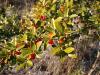
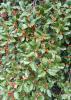
Leaves are alternate, simple, thick, leathery, and evergreen. The upper surface is commonly dull to moderately glossy dark green rather than the highly polished appearance often associated with English Holly.
Leaf margins vary from nearly entire to strongly spine-edged. Young and lower branches frequently carry prominent sharp teeth, while some upper-canopy or mature leaves may have fewer spines. A nearly smooth leaf does not exclude American Holly.
Exact-species ecological research shows a developmental shift from chemical defense in young foliage toward tougher, less nutritious, more structurally defended mature leaves. Both young and mature leaves remain unsuitable for chewing.
Male and Female Trees
American Holly is generally dioecious, meaning male and female flowers occur on separate plants. Both sexes produce small pale greenish-white flowers, but only pollinated female plants produce the familiar fruit.
A female tree usually requires a compatible male flowering nearby for a substantial crop. A nonfruiting tree may therefore be male, too young, poorly pollinated, stressed, recently transplanted, or growing without a compatible pollinator.
Flowers, Fruit, and Stones
Flowers are small and borne near the leaf axils. They are far less conspicuous than the red fruit and are not a common animal exposure.
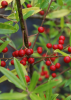
The rounded structures commonly called berries are drupes containing several hard internal pyrenes. Fruit usually ripens during autumn and may persist into winter, particularly before preferred wildlife foods become scarce.
Cultivars may produce red, orange, or yellow fruit. Fruit color does not establish absence of saponins or suitability as animal food.
American Holly and Oregon Grape
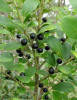
Oregon Grape, Berberis aquifolium, is generally a shrub with pinnately compound leaves divided into several glossy, spine-edged leaflets. It produces clusters of yellow flowers followed by blue-purple or nearly black fruit with a pale waxy bloom.
American Holly has simple individual leaves rather than compound leaves and typically produces red drupes. The red-versus-blue fruit distinction is useful when fruit is present, but leaves, stems, flowers, label information, and full growth form should also be preserved.
American Holly and English Holly
English Holly is Ilex aquifolium, a separate species native to Europe, western Asia, and northern Africa. It commonly has darker, more highly polished foliage and is widely used in holiday decorations and ornamental landscapes.
The two species may be difficult to distinguish in cut greenery, cultivars, and hybrids. Their expected household ingestion patterns overlap, but exact-species chemistry should not be transferred without qualification.
Winterberry, Inkberry, and Other Native Hollies
Winterberry, Ilex verticillata, is a deciduous shrub that loses its leaves while retaining abundant red fruit on bare branches. Exact-species fruit research found chemical differences between Winterberry and American Holly, including higher average saponin concentration in the sampled Winterberry fruit.
Inkberry, Ilex glabra, is an evergreen shrub with relatively small leaves and dark purple-black fruit. Yaupon, Ilex vomitoria, is a separate caffeinated beverage species. Neither is an exact synonym of American Holly.
Yaupon, Yerba Maté, and Caffeine Confusion
Yaupon, Yerba Maté, and Guayusa are Ilex species used to produce caffeinated beverages. Their leaves contain measurable methylxanthines, but American Holly is not recognized as a comparable caffeine source.
The shared genus does not establish identical chemistry. Severe agitation, hyperactivity, tremors, persistent tachycardia, or other stimulant findings require investigation beyond an uncomplicated American Holly exposure.
Dogs and Cats
Dogs may rapidly consume fallen fruit, carry branches, raid pruning debris, dig beneath a tree, or dismantle holiday decorations. A curious dog may swallow artificial berries, wire, foam, ribbon, or hooks along with plant material.
Cats may bat at drupes, chew leaf tips, climb into arrangements, or ingest string-like decorations. Although cats often consume less plant material than dogs, oral injury, vomiting, diarrhea, and persistent food refusal remain important.
Horses and Livestock
Horses and livestock are most likely to encounter American Holly through overhanging branches, storm debris, hedge trimmings, contaminated hay, discarded wreaths, or mixed landscaping waste. The plant should not be intentionally offered as browse.
A large pile of ornamental clippings must be treated as an unidentified mixed exposure until every plant is examined. Yew, oleander, cherry laurel, azalea, rhododendron, boxwood, and pesticide-treated material can produce much more severe disease than American Holly.
Rabbits, Guinea Pigs, Birds, and Other Exotics
Holly fruit and branches should not be offered as food, nesting material, bedding, perches, chew branches, or enrichment. Spiny margins can injure small mouths, while gastrointestinal irritation may reduce food intake enough to create secondary complications.
Birds feeding naturally on American Holly fruit are adapted wildlife species consuming fruit under ecological conditions. Their behavior does not establish safety for companion birds, rabbits, guinea pigs, reptiles, or other captive animals.
Wildlife Consumption
American Holly fruit provides winter food for numerous bird and mammal species. Fruit persistence, sugar content, ripening, saponin concentration, phenolic content, and changing food availability influence when wildlife consumes it.
A dog swallowing numerous drupes rapidly is not equivalent to a wild bird selecting a few ripe fruits over time. Species-specific digestive physiology, body size, feeding behavior, and adaptation prevent direct transfer of wildlife tolerance to pets.
Holiday Decorations
American Holly is used in wreaths, garlands, table arrangements, fireplace displays, swags, outdoor decorations, and mixed winter greenery. As cut material dries, leaves become brittle and fruit may fall onto floors, furniture, bedding, and areas accessible to animals.
Artificial snow, glitter, adhesive, preservative, paint, fragrance, fire retardant, floral foam, wire, hooks, ribbon, string, plastic berries, glass, batteries, and electrical lights can transform a low-severity plant exposure into a chemical, caustic, electrical, or foreign-body emergency.
Mixed Winter Greenery
Holiday arrangements may contain yew, mistletoe, ivy, boxwood, pine, fir, cedar, cherry laurel, bittersweet, eucalyptus, or other foliage. One visible American Holly branch does not identify every piece in the arrangement.
Yew deserves particular caution because its needles and seeds contain potent cardiotoxic taxines and can cause sudden death. Preserve the complete arrangement and any discarded packaging when an animal develops severe or atypical signs.
Pruning, Storm Debris, and Compost
Fallen fruit and cut branches should be collected promptly from yards, kennels, paddocks, rabbit areas, poultry runs, and other animal spaces. Pruning debris should go directly into a closed container or otherwise secure disposal area.
Compost and brush piles may contain Holly mixed with moldy food, mushrooms, pesticides, fertilizers, bones, string, or more dangerous plants. Access to the pile should be treated as a mixed exposure rather than a known single-plant ingestion.
Diagnosis
Diagnosis generally relies on reliable plant identification, witnessed access, compatible gastrointestinal or oral signs, and exclusion of more serious causes. Preserve a complete leafy branch with fruit when available rather than one damaged leaf or isolated drupe.
Useful evidence includes the nursery or florist label, photographs of the entire tree or arrangement, leaves from several branch levels, fruit, twigs, vomited material, decoration hardware, chemical-treatment labels, and samples of every plant in mixed waste.
No routine blood, urine, or toxin assay confirms American Holly saponin exposure. Laboratory testing becomes appropriate when vomiting or diarrhea is persistent, dehydration is important, blood is present, systemic findings are atypical, or another toxin may be involved.
Veterinary Evaluation
The veterinarian may examine the lips, gums, tongue, palate, teeth, pharynx, swallowing ability, hydration, abdomen, respiratory status, and neurologic condition. Sedation may be required to locate or remove a retained leaf, spine, twig, wire, or hook safely.
Blood testing may assess hydration, electrolytes, glucose, kidney function, liver values, inflammation, or another toxin. Radiographs, ultrasound, contrast imaging, endoscopy, or surgery may be required when foreign material is missing or obstruction is suspected.
Differential Diagnosis
Gastrointestinal signs may result from dietary indiscretion, spoiled food, infection, parasites, pancreatitis, medication, fertilizer, pesticide, mold, another plant, or gastrointestinal obstruction. Drooling and gagging may reflect dental disease, electrical injury, oral foreign material, caustic exposure, or an insect sting.
Severe cardiovascular, neurologic, respiratory, hematologic, renal, or hepatic disease does not fit uncomplicated American Holly ingestion and requires an immediate broader investigation.
Prognosis and Prevention
The prognosis is generally good to excellent after limited ingestion when breathing and swallowing remain normal and signs are confined to temporary gastrointestinal irritation. Dehydration, aspiration, oral penetration, esophageal injury, obstruction, chemical treatment, or another poisonous plant changes the outlook.
Remove fallen fruit, prevent chewing of low branches, secure decorations, inspect mixed greenery, and collect pruning material immediately. Never discard ornamental clippings into pastures, kennels, rabbit runs, poultry areas, animal enclosures, or accessible compost.
Immediate Response After Exposure
- Stop further access: Move the animal away from the tree, fallen fruit, branches, pruning debris, wreaths, garlands, centerpieces, and discarded decorations.
- Preserve the complete plant: Save a leafy branch with fruit when available, photographs of the entire tree or arrangement, and all nursery or florist labels.
- Preserve exposure evidence: Save chewed material, contained vomit, fruit, twigs, artificial berries, wire, hooks, ribbon, batteries, coatings, pesticide products, and every other plant involved.
- Estimate the maximum exposure: Record the greatest number of fruits, leaves, branches, or decoration components that could be missing.
- Record the timeline: Note when access occurred and when drooling, vomiting, diarrhea, gagging, pain, or lethargy began.
- Contact a professional: Obtain veterinary or animal poison-control guidance when the amount is substantial, the animal is symptomatic, foreign material is missing, or identification is uncertain.
Small uncomplicated American Holly ingestions usually cause no signs or temporary gastrointestinal irritation. The response changes immediately when the exposure includes yew, another unidentified plant, pesticide, wire, ribbon, hooks, batteries, electrical components, or evidence of obstruction.
Inspect the Mouth Safely
- Remove only loose visible pieces: Carefully clear accessible leaves, fruit, or twig fragments from the lips and front of the mouth.
- Do not perform a blind sweep: Reaching deeply into the throat may push a rigid fragment farther inward or result in a bite.
- Look for oral injury: Blood-tinged saliva, head shaking, food dropping, one-sided chewing, gagging, or persistent pawing may indicate a retained spine or twig.
- Do not scrub: Vigorous wiping may worsen abrasions or drive sharp material more deeply into tissue.
- Do not pull resistant material: A twig, wire, hook, ribbon, or string may be lodged or attached internally.
Persistent mouth pain after visible pieces are removed requires examination rather than continued home probing. Sedation may be necessary to inspect beneath the tongue, behind the teeth, across the palate, and near the pharynx safely.
Check Breathing and Swallowing
- Recognize choking: Panic, silent respiratory effort, blue-gray gums, collapse, or inability to move air is an immediate emergency.
- Recognize esophageal obstruction: Continuous drooling, repeated swallowing, regurgitation, neck extension, or inability to swallow water requires prompt examination.
- Watch for coughing: Coughing during drinking or after vomiting may indicate impaired swallowing or aspiration.
- Do not give anything by mouth: Food, water, pills, and liquid medication may enter the lungs when swallowing is abnormal.
- Leave for emergency care: Do not delay transportation while attempting to locate every missing fragment.
Do Not Induce Vomiting
- Do not give hydrogen peroxide automatically: Vomiting may worsen gastrointestinal irritation or return sharp foliage and twigs through the esophagus.
- Never give peroxide to a cat: Hydrogen peroxide can cause severe feline gastric and esophageal injury.
- Do not use household emetics: Salt, mustard, dish soap, detergent, oil, syrup, manual gagging, and fingers in the throat are unsafe.
- Do not induce vomiting after sharp material: Twigs, wire, hooks, batteries, glass, floral picks, or rigid foliage may cause additional injury.
- Do not induce vomiting after symptoms begin: Repeated vomiting, weakness, coughing, abnormal breathing, collapse, or poor swallowing increases aspiration risk.
- Never attempt vomiting in horses, rabbits, or guinea pigs: These animals cannot vomit.
Routine emesis is generally unnecessary for a low-severity Holly exposure. A veterinarian may evaluate an unusual recent ingestion individually, but owner-induced vomiting should not be used as automatic first aid.
Activated Charcoal and Household Remedies
- Do not give activated charcoal routinely: It is generally unnecessary for uncomplicated American Holly ingestion and does not address sharp material or obstruction.
- Do not force charcoal: Vomiting, weakness, gagging, or poor swallowing creates a serious aspiration risk.
- Do not use household charcoal: Barbecue briquettes, fireplace ash, burned food, and homemade carbon are not medical activated charcoal.
- Do not give milk or oil as an antidote: They do not neutralize saponins or protect against mechanical injury.
- Do not give anti-diarrheal medication: Slowing intestinal movement may be inappropriate when plant or foreign material remains present.
- Do not give sucralfate or antacids without direction: These products do not remove an embedded spine, twig, wire, or obstruction.
- Do not give human pain medication: Ibuprofen, naproxen, aspirin, and acetaminophen may create a second poisoning.
Food and Water
- Allow cautious voluntary drinking: Small amounts of clean water may remain available when the animal is fully alert, swallowing normally, and not vomiting repeatedly.
- Prevent rapid gulping: Drinking a large volume quickly may trigger additional vomiting.
- Do not syringe water: Forced liquid can enter the lungs and cannot correct clinically important dehydration.
- Do not force food: Allow appetite to return and seek guidance when food refusal continues.
- Give nothing during gagging: Difficulty swallowing, coughing, weakness, or repeated vomiting increases aspiration risk.
Vomiting and Diarrhea
- Track each episode: Record frequency, volume, blood, dark material, fruit, leaves, stones, wire, ribbon, or other recovered objects.
- Preserve representative material: Save recognizable plant or decoration fragments in a sealed container.
- Watch hydration: Tacky gums, sunken eyes, reduced urination, increasing weakness, or inability to retain water requires treatment.
- Watch for bleeding: Repeated fresh blood, coffee-ground vomit, black stool, pale gums, or collapse requires urgent examination.
- Watch for worsening pain: Continued abdominal guarding, repeated unproductive retching, or enlargement may indicate obstruction.
- Watch for aspiration: Coughing, nasal discharge, fever, rapid breathing, or renewed lethargy after vomiting requires reassessment.
One brief vomiting or diarrhea episode in an otherwise normal animal differs from progressive gastrointestinal disease. Persistent fluid loss may require veterinarian-selected antiemetic medication, fluid therapy, electrolyte assessment, and diagnostic testing.
Foreign-Body and Decoration Hazards
- Inventory the arrangement: Identify missing wire, hooks, ribbon, string, artificial berries, foam, wooden picks, plastic, glass, batteries, and electrical components.
- Never pull visible string: Ribbon, thread, or string extending from the mouth or rectum may be anchored internally.
- Do not induce vomiting after sharp objects: Hooks, wire, glass, batteries, and rigid picks can cause additional injury while returning through the esophagus.
- Bring a matching object: An identical hook, battery, artificial berry, or pick helps the veterinarian evaluate size and shape.
- Report all missing material: Plant and decoration foreign bodies can occur together.
Radiographs do not reveal every twig, ribbon, foam, or plastic object. Ultrasound, contrast imaging, endoscopy, serial examination, or surgery may be necessary when clinical evidence remains strong.
Mixed Greenery and Uncertain Identification
- Preserve every plant: Do not discard branches simply because one has been identified as Holly.
- Look specifically for yew: Flat dark-green needles and red fleshy arils may indicate a substantially more dangerous cardiotoxic exposure.
- Inspect for mistletoe and other berries: White, translucent, orange, blue, or unfamiliar fruit may belong to another plant.
- Report severe or atypical signs immediately: Tremors, seizures, major heart-rate abnormalities, profound weakness, or sudden collapse does not fit uncomplicated American Holly ingestion.
- Preserve florist information: The supplier may be able to identify every species and chemical treatment used.
Pesticides and Decorative Coatings
- Save product labels: Artificial snow, glitter adhesive, preservative, fragrance, fire retardant, pesticide, and leaf-shine products require individual assessment.
- Do not attempt chemical neutralization: Milk, oil, vinegar, baking soda, and improvised mixtures may worsen injury.
- Prevent grooming: Wash contaminated fur before the animal can lick coatings or pesticide residue.
- Seek prompt guidance for concentrated products: Formulation and amount determine the risk more than the Holly name.
Skin, Fur, and Eye Exposure
- Remove contaminated equipment: Take off collars, harnesses, blankets, or clothing holding sap, coating, or pesticide against the skin.
- Wash exposed fur: Use lukewarm water and mild pet-safe shampoo, followed by thorough rinsing.
- Prevent licking: Stop grooming until plant residue and chemicals are removed.
- Flush exposed eyes: Irrigate with sterile saline or clean lukewarm water for at least 15 to 20 minutes.
- Do not rub the eye: A leaf spine or particle may scratch the corneal surface.
- Seek care for persistent signs: Squinting, cloudiness, discharge, swelling, or inability to open the eye requires examination.
When Veterinary Examination Is Especially Important
- Repeated vomiting or diarrhea: Frequent episodes, blood, marked pain, or inability to retain water requires treatment.
- Dehydration: Tacky gums, sunken eyes, reduced urination, worsening weakness, or collapse requires fluid assessment.
- Persistent gagging or drooling: A leaf, twig, wire, hook, or another object may be lodged in the mouth, throat, or esophagus.
- Abdominal pain or enlargement: Recurrent vomiting, unproductive retching, reduced stool, or swelling may indicate obstruction.
- Breathing changes: Choking, coughing, rapid breathing, or labored breathing requires urgent assessment.
- Atypical systemic signs: Tremors, seizures, extreme agitation, profound weakness, major heart-rate abnormalities, or collapse requires investigation for another exposure.
- Uncertain identification: Yew, mistletoe, Oregon Grape, English Holly, and other red-fruited ornamentals require different assessments.
Dogs and Cats
- Monitor gastrointestinal signs: Watch vomiting, stool, appetite, water intake, urination, comfort, and normal activity.
- Check for decoration hardware: A missing wire, hook, ribbon, battery, artificial berry, or plastic part may be more dangerous than the Holly.
- Watch for oral pain: Continued drooling, food dropping, one-sided chewing, or reluctance to open the mouth may indicate retained material.
- Seek care for continued food refusal: Persistent anorexia is especially important in cats.
Horses and Livestock
- Remove all ornamental waste: Prevent access to the entire clipping pile rather than trying to separate one plant inside the enclosure.
- Inspect every exposed animal: Monitor appetite, salivation, chewing, swallowing, manure, abdominal comfort, hydration, and behavior.
- Do not attempt vomiting: Horses and ruminants must not receive household emetics.
- Do not drench a compromised animal: Salivation, colic, weakness, coughing, or poor swallowing increases aspiration risk.
- Preserve representative samples: Save complete branches and samples from different parts of the pile, hay, or feed.
- Investigate severe group illness: Yew, oleander, cherry, azalea, rhododendron, pesticide, or mold may be present with Holly.
Rabbits, Guinea Pigs, and Birds
- Remove all plant access: Collect fruit, leaves, twigs, contaminated bedding, and decoration material.
- Do not attempt vomiting: Rabbits and guinea pigs cannot vomit, and home emesis is unsafe for birds.
- Do not force food or water: Painful swallowing, weakness, or abnormal breathing creates an aspiration risk.
- Monitor intake and output: Reduced eating, fewer feces, regurgitation, diarrhea, or abdominal enlargement requires prompt care.
- Seek emergency care for severe signs: Open-mouth breathing, tremors, inability to perch, recumbency, or reduced responsiveness is an emergency.
Veterinary Examination and Treatment
There is no Oregon Holly-specific antidote. Veterinary care focuses on controlling nausea and fluid loss, correcting dehydration, identifying oral or esophageal injury, and excluding foreign material, chemical treatments, or another poisonous plant.
A detailed oral examination may identify embedded leaves, spines, twigs, wire, hooks, or other material. Sedation or anesthesia may be necessary when pain and patient movement prevent safe inspection and removal.
Veterinarian-selected antiemetic medication may reduce vomiting, dehydration, and aspiration risk. Subcutaneous or intravenous fluids may be used according to hydration, cardiovascular condition, kidney function, electrolyte findings, and the severity of ongoing losses.
Analgesia and appropriate gastrointestinal medication may be selected for oral or abdominal discomfort. Radiographs, ultrasound, endoscopy, or surgery may be required when obstruction, penetration, or swallowed decoration material is suspected.
Monitoring, Recovery, and Prevention
- Monitor hydration: Drinking, gum moisture, urination, and activity should remain normal or improve.
- Monitor vomiting and diarrhea: Episodes should become less frequent rather than worsen or contain blood.
- Monitor swallowing: Persistent coughing, gagging, food dropping, or drooling requires reassessment.
- Monitor appetite: Continued food refusal may indicate nausea, oral injury, obstruction, or another illness.
- Monitor breathing: Coughing or increased respiratory effort after vomiting may indicate aspiration.
- Remove fallen fruit: Routine cleanup prevents repeated ingestion.
- Secure decorations and waste: Keep fruit, branches, wire, hooks, mixed greenery, and pruning material inaccessible.
Small uncomplicated exposures generally have a good to excellent prognosis. Failure to improve, new symptoms, or recurrence after apparent recovery should prompt reevaluation for dehydration, aspiration, retained material, obstruction, chemical exposure, another poisonous plant, or unrelated disease.
Frequently Asked Questions About Oregon Holly and Animal Poisoning
Is Oregon Holly the same plant as American Holly?
On this page, yes. Oregon Holly is identified by the accepted scientific name Ilex opaca Aiton, which is the same species more widely known as American Holly. The Oregon name appears in some veterinary poison lists and secondary plant references, but it does not describe the species’ native geography. The scientific name should control the identification whenever common names conflict.
Is Oregon Holly poisonous to dogs and cats?
Yes, although severe systemic poisoning is uncommon after an uncomplicated exposure to correctly identified Ilex opaca. Dogs and cats may develop nausea, drooling, vomiting, diarrhea, abdominal discomfort, appetite loss, lethargy, or temporary depression. Sharp leaves may also scratch the mouth or throat and cause head shaking, gagging, food dropping, blood-tinged saliva, or reluctance to eat. Persistent illness, dehydration, difficulty swallowing, or suspected decoration ingestion requires veterinary care.
Is Oregon Holly poisonous to horses and livestock?
American Holly should not be fed to horses, cattle, sheep, goats, pigs, or other livestock. Substantial access may cause salivation, feed refusal, loose manure, abdominal discomfort, depression, or mild colic-like signs. Horses cannot vomit. Severe systemic disease is not expected from Ilex opaca alone, but discarded ornamental waste may contain yew, oleander, cherry laurel, azalea, pesticide, wire, or another substantially more dangerous hazard.
Is Oregon Holly poisonous to rabbits and guinea pigs?
Holly should not be offered as forage, bedding, a chew branch, or enrichment. Spiny leaves may injure the mouth, while gastrointestinal irritation and pain may reduce food intake. Rabbits and guinea pigs cannot vomit and depend on continued eating for normal gastrointestinal movement. Drooling, food refusal, fewer feces, abdominal enlargement, diarrhea, or weakness requires prompt exotic-animal veterinary guidance.
Can companion birds eat Oregon Holly fruit?
The fact that wild birds consume American Holly fruit does not establish safety for companion birds. Wild species differ in digestive physiology, feeding rate, fruit selection, and adaptation. Companion birds may also shred leaves, bark, artificial coatings, wire, or pesticide-treated branches. Regurgitation, altered droppings, reduced feeding, weakness, inability to perch, or abnormal breathing requires avian veterinary attention.
What is the accepted scientific name for Oregon Holly?
The accepted scientific name is Ilex opaca Aiton. Historical synonyms include Ageria opaca, Ilex americana, Ilex canadensis, Ilex laxiflora, and Ilex quercifolia. Scrub Holly, Ilex arenicola, is currently treated as a separate accepted species even though older sources may place it beneath Ilex opaca.
Is Oregon Holly the same as Oregon Grape?
No. Oregon Grape is Berberis aquifolium, formerly Mahonia aquifolium, an unrelated western shrub in the Barberry family. It has compound leaves divided into several glossy spine-edged leaflets, clusters of yellow flowers, and blue-purple fruit. American Holly has simple individual leaves and usually red fruit. Preserve the entire specimen and label when the name Oregon Holly is the only identification available.
Is Oregon Holly the same as English Holly?
No. English or European Holly is Ilex aquifolium, a separate Eurasian species. It commonly has darker and more highly polished foliage, although cultivars, hybrids, and cut branches may be difficult to distinguish. Both species are associated with gastrointestinal irritation and spiny-leaf injury, but exact-species chemistry and research findings should not be transferred automatically.
Is Scrub Holly a type of American Holly?
Older authorities sometimes treated Scrub Holly as Ilex opaca var. or subsp. arenicola. Current taxonomy recognizes Ilex arenicola as a separate species associated with Florida scrub habitats. Older naming remains useful for searching historical records, but the two plants should not be treated as exact modern synonyms.
What toxins are present in American Holly?
Exact-species chemical research confirms saponins and triterpenes in American Holly foliage. Research on ripe fruit also identified saponins and phenolic compounds. Saponins have soap-like membrane activity and can irritate the mouth, stomach, and intestines, producing nausea, vomiting, diarrhea, abdominal discomfort, appetite loss, and temporary depression. No single isolated compound has been shown to produce a predictable systemic veterinary syndrome after ordinary ingestion.
Do American Holly fruits contain saponins?
Yes. Exact-species research found saponins in ripe Ilex opaca fruit together with phenolic compounds and soluble carbohydrates. Concentrations varied among individual trees and years. The sampled American Holly fruit contained less saponin on average than Winterberry fruit, but that comparative result does not establish a universally safe fruit count for pets or livestock.
Are young or mature Holly leaves more toxic?
Young American Holly leaves use stronger chemical defenses, including relatively high saponin and phenolic levels. As the leaves mature, saponin levels decline while toughness, thick cuticle, spinose margins, low water content, and poor nutritional quality become more important defenses. Young leaves may therefore contain more chemical deterrent, while mature leaves may create greater mechanical injury. Neither stage should be considered safe for chewing.
Are Oregon Holly berries or leaves more dangerous?
The red fruit is more likely to be swallowed rapidly and may cause gastrointestinal irritation from saponins and other secondary compounds. Leaves present both chemical and physical hazards because their rigid spines can scratch or puncture the lips, gums, tongue, throat, or digestive tract. A twig or leaf fragment may also become lodged. The practical risk depends on what was eaten and whether the animal has gastrointestinal signs, mouth pain, or difficulty swallowing.
Are the red structures true berries?
Botanically, they are drupes rather than true berries. Each fruit contains several hard internal pyrenes or stones. The everyday word berry remains useful for recognition, but the hard contents and attached twigs add a mechanical component to the exposure in addition to gastrointestinal irritation.
How many Oregon Holly berries can make a dog sick?
No dependable number applies to every dog. One or two fruits may cause no signs in one patient, while rapid consumption of numerous fruits can produce vomiting, diarrhea, abdominal discomfort, or dehydration in another. Fruit chemistry varies among trees, and body size, health, repeated access, attached twigs, stones, pesticide, and decoration material all affect the risk. Human berry-count claims should not be used as veterinary thresholds.
Can one Oregon Holly berry kill a dog or cat?
Fatal plant-only poisoning from one correctly identified American Holly fruit would be highly unexpected. Serious illness is more plausible when the plant was misidentified, numerous fruits were consumed, dehydration became severe, vomit was aspirated, or the animal swallowed a twig, wire, battery, hook, toxic coating, or another plant. Contact a veterinarian or animal poison-control service when the amount or identity is uncertain rather than relying on a numerical cutoff.
Does American Holly contain caffeine or theobromine?
American Holly is not recognized as a caffeine-rich beverage species, and modern reviews report that its leaves apparently do not contain caffeine. Yaupon, Yerba Maté, and Guayusa are separate Ilex species with documented methylxanthines. Persistent agitation, severe tachycardia, tremors, hypertension, or stimulant-type seizures after a suspected Holly exposure should prompt investigation for another plant, coffee, tea, chocolate, medication, or concentrated extract.
Does Oregon Holly contain cyanide?
Cyanogenic chemistry reported from English Holly or another member of the genus should not be assigned automatically to American Holly. Classic cyanide poisoning is not the recognized syndrome after ordinary Ilex opaca ingestion. Rapid respiratory distress, bright-red venous blood, severe metabolic acidosis, sudden seizures, or abrupt collapse requires immediate investigation for another exposure.
Can Oregon Holly leaves cut an animal’s mouth?
Yes. The leathery leaves may have long rigid marginal spines capable of scratching or puncturing the lips, gums, tongue, palate, or throat. Head shaking, pawing at the mouth, blood-tinged saliva, food dropping, repeated swallowing, or reluctance to chew may indicate injury or retained material. Persistent signs require a complete oral examination, sometimes under sedation.
Can a Holly twig or leaf cause an obstruction?
Yes. A rigid twig, compact mass of foliage, floral pick, wire, ribbon, artificial berry, or decoration component may lodge in the throat, esophagus, stomach, or intestine. Persistent gagging, regurgitation, recurrent vomiting, abdominal pain, enlargement, appetite loss, or reduced stool may require imaging, endoscopy, or surgery. Do not pull resistant material from deep in the mouth or throat.
How quickly do symptoms begin?
Gastrointestinal signs generally begin within several hours. Mechanical mouth or throat injury may cause immediate drooling, gagging, coughing, or pain. Most uncomplicated cases improve during the same day, but foreign-body obstruction, aspiration, dehydration, or another toxic plant may produce delayed or progressive signs.
How long should uncomplicated symptoms last?
Mild nausea, vomiting, soft stool, diarrhea, or lethargy should improve over several hours and usually resolve within approximately one day. Continued or worsening signs suggest dehydration, retained plant material, oral injury, obstruction, aspiration, pesticide, another plant, infection, or unrelated gastrointestinal disease. Persistent illness should not be dismissed as routine Holly irritation.
Can Oregon Holly cause kidney or liver failure?
Primary kidney or liver failure is not the expected syndrome after uncomplicated American Holly ingestion. Severe dehydration can reduce kidney perfusion secondarily, and another plant, pesticide, medication, infection, or underlying disease may cause abnormal organ values. Progressive azotemia, jaundice unrelated to gastrointestinal illness, reduced urination, or major laboratory abnormalities requires a broader investigation.
Can Oregon Holly cause tremors, seizures, or heart problems?
Tremors, seizures, extreme agitation, severe tachycardia, major arrhythmias, or sudden cardiovascular collapse is not the expected uncomplicated Ilex opaca syndrome. These findings require immediate investigation for yew, caffeine, chocolate, medication, pesticide, batteries, electrical injury, another toxic plant, or an unrelated emergency.
Are dried Holly leaves and berries still dangerous?
Drying does not convert Holly into animal food. Dried leaves, fruit, wreaths, garlands, centerpieces, and pruning debris may still cause gastrointestinal irritation and can become more brittle and mechanically hazardous. Cut greenery may also carry preservative, pesticide, glitter, artificial snow, adhesive, wire, or another decoration product.
Are Holly wreaths and holiday decorations dangerous to pets?
They can be. Fruit and brittle leaves may fall where pets can reach them, and spiny foliage can injure the mouth. Wreaths and arrangements may contain wire, hooks, ribbon, artificial berries, floral foam, glitter, artificial snow, preservatives, batteries, electrical lights, yew, mistletoe, or another plant more dangerous than American Holly. Preserve the complete arrangement after an exposure.
Why is yew in mixed greenery especially concerning?
Yew contains potent cardiotoxic taxines and may cause severe arrhythmias, collapse, or sudden death with limited warning. Its flat evergreen needles and red arils can occur beside Holly in ornamental clippings or arrangements. Severe cardiovascular or neurologic signs should never be attributed automatically to low-toxicity Holly when yew could be present.
Should I make my dog vomit after eating Oregon Holly?
Do not induce vomiting unless a veterinarian or animal poison-control professional specifically directs it. Hydrogen peroxide can irritate the stomach and may worsen injury when spiny leaves, twigs, wire, hooks, batteries, or another rigid object was swallowed. Hydrogen peroxide must never be given to cats. Routine home emesis is generally unnecessary for an uncomplicated low-severity Holly exposure.
Does activated charcoal help?
Activated charcoal is not routinely needed after uncomplicated American Holly ingestion and does not address sharp material, lodged twigs, decoration hardware, or obstruction. It can be aspirated by a vomiting, weak, coughing, or poorly swallowing animal. A veterinarian may consider charcoal only when another adsorbable toxin was involved.
Should I give milk, oil, food, or anti-diarrheal medication?
These products do not neutralize Holly saponins or protect against mechanical injury. Do not force food, milk, oil, or water into a vomiting, gagging, weak, or poorly swallowing animal. Human and veterinary anti-diarrheal formulations differ, and slowing intestinal movement may be inappropriate when plant or foreign material remains present. Oral treatment should be selected by a veterinary professional.
How do veterinarians treat Oregon Holly ingestion?
There is no specific antidote. Treatment is based on the animal’s findings and may include a detailed oral examination, removal of retained leaves or twigs, veterinarian-selected antiemetic medication, pain control, fluid therapy for dehydration, and appropriate gastrointestinal support. Radiographs, ultrasound, endoscopy, or surgery may be required when a twig, wire, hook, ribbon, artificial berry, or another foreign object was swallowed.
When is Oregon Holly exposure an emergency?
Emergency findings include choking, inability to swallow saliva, blue-gray gums, abnormal breathing, repeated unproductive retching, severe abdominal pain, abdominal enlargement, collapse, seizures, or reduced responsiveness. Prompt examination is also necessary for repeated vomiting or diarrhea, blood, significant dehydration, persistent gagging, a missing twig or decoration component, or uncertainty about whether the plant was yew or another dangerous species.
What is the prognosis after Oregon Holly ingestion?
The prognosis is generally good to excellent after a small uncomplicated exposure. Most gastrointestinal signs resolve as the irritant material passes and hydration is maintained. The outlook depends on the accompanying complication when exposure includes severe dehydration, aspiration, an embedded spine, a swallowed twig, wire, battery, pesticide, toxic mixed greenery, or gastrointestinal obstruction.
How can Oregon Holly poisoning be prevented?
Remove fallen fruit from pet-accessible areas, prevent animals from chewing low branches, and collect pruning debris immediately. Secure wreaths and arrangements where dropped fruit, brittle leaves, wire, hooks, ribbon, batteries, and mixed greenery cannot be reached. Never discard ornamental clippings into pastures, kennels, rabbit runs, poultry areas, animal enclosures, or accessible compost.
What should I do if an animal eats Oregon Holly?
Remove access, preserve a complete plant specimen and the entire arrangement, and save labels, photographs, chewed material, vomit, wire, hooks, coatings, and every other plant involved. Carefully remove only loose visible material from the front of the mouth. Do not induce vomiting or give peroxide, charcoal, milk, oil, food, forced water, anti-diarrheal medication, sucralfate, human medicine, or leftover veterinary drugs. Seek prompt care for repeated vomiting or diarrhea, blood, dehydration, persistent gagging, swallowing difficulty, abnormal breathing, severe lethargy, collapse, or uncertain identification.