Red Maple Gallotannins, Pyrogallol Formation, Methemoglobinemia, and Equine Hemolytic Anemia
Is Red Maple Poisonous to Dogs, Cats, Horses, and Livestock?
Yes—Red Maple, Acer rubrum L., is highly poisonous to horses, ponies, donkeys, zebras, and susceptible camelids such as alpacas when wilted or dried leaves or bark are eaten. The principal syndrome is oxidative red-blood-cell destruction. Hydrolyzable gallotannins and free gallic acid in wilted or dried red-maple material appear to function as protoxins that can be converted by equine intestinal microorganisms into pyrogallol, a much stronger oxidant. The resulting injury can cause methemoglobinemia, Heinz-body formation, eccentrocytes, intravascular hemolysis, severe anemia, tissue hypoxia, hemoglobinuria, jaundice, systemic inflammation, secondary acute kidney injury, laminitis, shock, and death.
Fresh attached leaves are generally considered nonpoisonous or markedly less hazardous, but that distinction should never be used to encourage browsing. The danger begins after branches break, trees are pruned, bark is chewed, leaves wilt after storm damage, leaves fall in autumn, or maple leaves contaminate hay. Wilted leaves can remain hazardous for roughly four weeks, and dried leaves or bark in hay may be consumed unknowingly. The classic oxidative hemolytic syndrome is not established in dogs, cats, cattle, sheep, or goats, but any dark urine, anemia, jaundice, breathing difficulty, weakness, collapse, or abnormal mucous-membrane color in any animal requires veterinary evaluation and should not be casually attributed to red maple without ruling out other oxidants and diseases.
About this guide: This page provides general pet-poisoning information and cannot diagnose or treat an individual animal. For any suspected exposure, contact a veterinarian or animal poison-control service immediately. Do not induce vomiting, give medication, or attempt home decontamination unless directed by a veterinary professional.
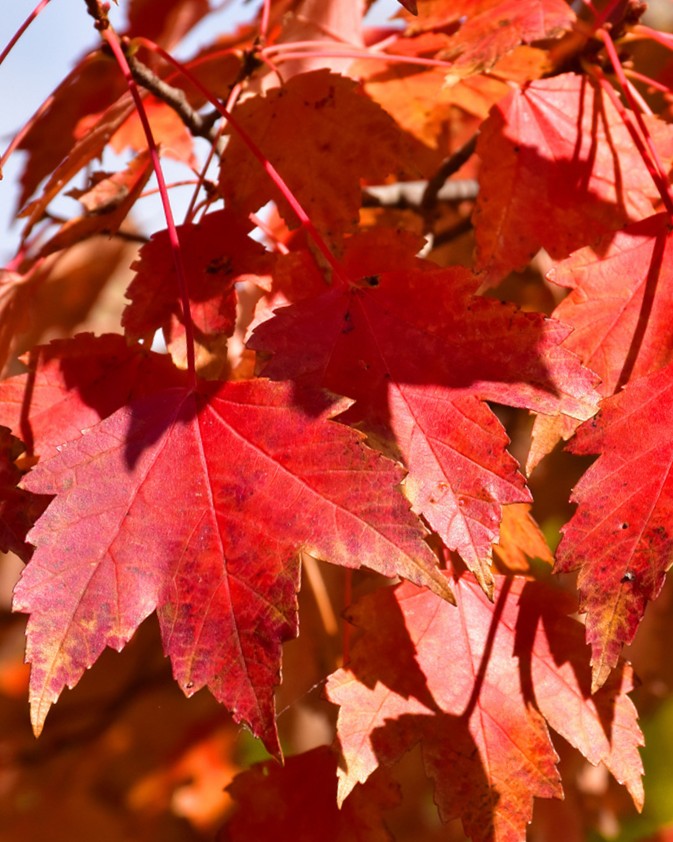
Red Maple
Acer rubrum L.
- Acer rubrum var. rubrum — accepted infraspecific taxon in many botanical treatments
- Acer rubrum var. drummondii (Hook. & Arn. ex Nutt.) Sarg. — Drummond Red Maple or Swamp Red Maple form used in regional and botanical literature
- Acer rubrum var. trilobum Torr. & A.Gray ex K.Koch — infraspecific name encountered in floristic treatments
- Acer × freemanii A.E.Murray — Freeman Maple, the hybrid between Red Maple and Silver Maple; not automatically chemically identical to pure Acer rubrum, but uncertain maple debris should be kept away from horses
- Acer saccharinum L. — Silver Maple; a separate species and one parent of Freeman Maple, with related maple-leaf oxidative toxicosis evidence in horses
- Acer saccharum Marshall — Sugar Maple; a separate species sometimes discussed in broader maple-leaf oxidative toxicosis literature
Sapindaceae Juss. — Soapberry Family
Aceraceae, or the Maple Family, is the traditional family placement used in many older botanical, forestry, and veterinary references. That historical family name remains useful when searching older red-maple toxicosis literature, even though modern broad-family treatments place maples within Sapindaceae.
Red Maple; Scarlet Maple; Swamp Maple; Red Swamp Maple; Water Maple; Soft Maple; Carolina Red Maple; Drummond Red Maple; Drummond’s Maple; Drummond’s Red Maple; Swamp Red Maple.
Historical and taxonomic search variations include Acer rubrum L., Acer rubrum var. rubrum, Acer rubrum var. drummondii (Hook. & Arn. ex Nutt.) Sarg., Acer rubrum var. trilobum Torr. & A.Gray ex K.Koch, Acer × freemanii A.E.Murray, Acer saccharinum L., and Acer saccharum Marshall when searching related maple-leaf oxidative toxicosis reports.
Several maple names are ambiguous. “Soft maple” may refer to Red Maple or Silver Maple, and “red maple” is sometimes used casually for any maple with red autumn or ornamental foliage. “Curly maple” or “curled maple” usually describes figured wood grain rather than one botanical species. Japanese Red Maple generally refers to red-leaved forms of Acer palmatum, not Acer rubrum. Boxelder, Acer negundo, and European Sycamore Maple, Acer pseudoplatanus, are associated with hypoglycin A and atypical pasture myopathy rather than the classic Red Maple oxidative hemolytic syndrome, so maple identity matters.
Gallotannins, Gallic Acid, and Pyrogallol as a Protoxin Model
Red-maple poisoning was historically attributed broadly to tannins or to an unidentified oxidant in wilted leaves. Current evidence supports a more specific but still incomplete protoxin model. Wilted and dried Acer rubrum leaves contain hydrolyzable gallotannins and free gallic acid. Within the equine intestinal tract, microbial metabolism can convert these compounds into pyrogallol, a substantially stronger oxidant capable of damaging hemoglobin and red-cell membranes. The full naturally occurring toxic mixture and the relative contribution of each compound remain incompletely resolved, so pyrogallol should be described as the leading mechanistic explanation rather than as a proven single toxin responsible for every case.
The microbial step is clinically important because the plant does not merely act as inert tannic plant material after swallowing. Research has shown that gallotannins can be broken down to gallic acid and that gallic acid can be decarboxylated to pyrogallol by microorganisms from equine ileal contents. Bacteria capable of carrying out this conversion included Klebsiella pneumoniae and Enterobacter cloacae. Their involvement does not mean that the horse has an intestinal infection requiring antibiotics. These organisms may be part of intestinal microbial populations, and the poisoning results from metabolic conversion of plant compounds into stronger oxidants.
This protoxin model helps explain why horses and closely related animals are much more susceptible than ordinary ruminants. Cattle, sheep, and goats have rumen fermentation patterns that differ from the intestinal environment in equids and camelids, and they are not recognized as developing the same classic syndrome from red-maple exposure. That species distinction should not be stretched into a claim that any maple-contaminated forage is automatically safe for every non-equid, because mold, other toxic plants, pesticides, fermentation, and foreign material can still create separate hazards.
Oxidative Hemoglobin Injury, Methemoglobinemia, and Heinz Bodies
Pyrogallol and related oxidants attack hemoglobin and the red-cell membrane. Normal hemoglobin contains iron in a reduced state that binds and releases oxygen. Oxidation converts part of that hemoglobin to methemoglobin, whose iron cannot carry oxygen effectively. Blood can become chocolate brown, and mucous membranes can look muddy brown, blue, or gray before the total number of circulating red cells has fallen enough to explain the horse’s hypoxia by anemia alone.
Oxidative injury also denatures hemoglobin into Heinz bodies and damages the red-cell membrane. Eccentrocytes form when opposing portions of the injured red-cell membrane adhere, displacing hemoglobin to one side. Damaged erythrocytes become fragile and either rupture within the circulation or are removed by the spleen. The horse therefore develops two oxygen-delivery problems at the same time: fewer intact red cells because of hemolysis and impaired oxygen transport by the methemoglobin remaining in circulation.
Equine red cells are particularly vulnerable to oxidative injury and have limited reserve for methemoglobin reduction compared with some other mammals. This is why a horse may be in serious trouble even while standing quietly. Exercise, forced walking, prolonged chasing, or stressful loading increases oxygen demand at the exact time oxygen-carrying capacity is impaired. First aid should therefore prioritize quiet restraint, immediate veterinary contact, and planned transport rather than “walking it off.”
Hemoglobinuria, Pigment Nephrosis, and Secondary Kidney Injury
Red or brown urine in red-maple toxicosis results primarily from hemoglobin released during intravascular hemolysis. The urine may resemble blood, but microscopic examination can show pigment without a matching number of intact red cells. Hemoglobinuria must also be distinguished from myoglobinuria caused by muscle injury and from true hematuria caused by urinary-tract bleeding.
Free hemoglobin filtered through the kidneys can form pigmented casts and directly injure renal tubules, particularly when dehydration, poor perfusion, acidosis, shock, or ongoing hemolysis is also present. Acute kidney injury is therefore an important secondary complication rather than proof that red maple is primarily a kidney poison. Kidney histology in affected cases can show acute tubular injury and orange-red granular hemoglobin casts. Clinically, kidney injury may appear as rising creatinine and urea nitrogen, electrolyte and acid-base abnormalities, abnormal urine concentration, reduced urine output, oliguria, or anuria.
The liver and spleen also process large quantities of damaged red cells and hemoglobin. Jaundice, bilirubin changes, splenic enlargement, inflammatory changes, and laboratory abnormalities can follow. These findings are part of the systemic burden of oxidant hemolysis and tissue hypoxia, not separate evidence that every organ was directly poisoned by a different red-maple compound.
Wilted Leaves, Dried Leaves, Bark, Hay, and Seasonal Risk
The established toxic material is found principally in wilted or dried leaves and in bark. Fresh attached leaves are generally considered nonpoisonous or markedly less hazardous, but this distinction should not be used to encourage browsing. Leaves begin changing after branches break, trees are pruned, frost occurs, foliage falls, or storm debris remains in a pasture. A branch that looked fresh when it first fell can become dangerous as the leaves wilt while still lying at horse height.
Wilted fallen leaves may remain hazardous for approximately four weeks. Dried leaves mixed into hay may be consumed unknowingly because the animal cannot sort them as easily as loose pasture debris. Drying does not reliably eliminate the equine hazard; it may instead preserve the material in a form that can be eaten later. Hay contaminated with red-maple leaves should not be fed to horses, ponies, donkeys, zebras, alpacas, or llamas.
Bark deserves equal respect. Red-maple bark reproduced the same oxidative hemolytic syndrome when fed with leaves to ponies. Horses that chew wood, horses kept in dry lots, young horses, bored horses, and horses unable to consume enough safe hay because of dental disease or another medical problem may strip bark. Fencing only the leaf canopy while leaving the trunk accessible does not eliminate the hazard.
Toxic-Dose Evidence and Why Dose Numbers Are Not Safe Boundaries
Experimental ponies given approximately 3 grams of dried leaves per kilogram of body weight became ill and died within one to five days. Field guidance commonly warns that roughly 1.5 pounds of red-maple leaves may make a 1,000-pound horse severely ill and that roughly 3 pounds may be fatal. These numbers are important because they show that a horse does not need to eat an enormous tree’s worth of material to be in danger.
Those figures are risk estimates, not a safe-dose calculator. Toxicity varies with leaf condition, season, collection date, weather, tree chemistry, amount consumed, whether bark was included, animal susceptibility, intestinal microbial metabolism, hydration, timing of decontamination, and speed of treatment. A single ordinary leaf is unlikely to reproduce the dose involved in severe experimental or field cases, but no safe leaf count has been established. The dangerous scenario is access to a fallen branch, a pile of autumn leaves, bark, cut logs, pruning debris, or contaminated hay that allows repeated or unrecognized consumption.
Species Susceptibility and Evidence Boundaries
Red-maple poisoning is documented predominantly in equids, including horses, ponies, donkeys, and zebras. Experimental pony studies, field reports, a 32-horse referral series, and a Grevy’s zebra report all support broad equid susceptibility. The syndrome has also been confirmed in alpacas, with intravascular hemolysis, anemia, and Heinz-body formation after wilted red-maple ingestion. Llamas should be managed cautiously because of the close camelid relationship, even if the strongest published cases involve alpacas.
Cattle, sheep, and goats are not considered susceptible to the same classic red-maple oxidative syndrome. Dogs and cats are not recognized as developing the characteristic equine methemoglobinemia and Heinz-body hemolytic anemia syndrome after confirmed red-maple exposure. Chewed bark, fibrous leaves, or foreign material could still cause gastrointestinal upset, choking, or obstruction, but brown urine, jaundice, anemia, or breathing difficulty in a dog or cat should prompt investigation for onions, garlic, acetaminophen, zinc, copper, naphthalene, benzocaine, autoimmune hemolysis, infection, or another oxidant rather than automatic attribution to red maple.
Related Maples, Freeman Maple, and Different Maple Syndromes
Most established equine poisoning reports involve Acer rubrum. Oxidative maple-leaf poisoning has also been reported or suspected with Silver Maple and Sugar Maple. Freeman Maple, Acer × freemanii, is a hybrid of Red Maple and Silver Maple, and newer in-vitro research indicates that Freeman Maple leaf extract can produce even greater oxidative effects in equine erythrocytes than Red Maple extract under the conditions tested. That does not mean every Freeman Maple exposure is chemically identical to pure Red Maple, but it does support keeping uncertain red/silver/Freeman maple debris away from horses.
Not every “maple poisoning” is the same syndrome. Boxelder and European Sycamore Maple are associated with hypoglycin A and atypical pasture myopathy, a muscle-destruction syndrome, rather than the red-cell destruction typical of red maple. Dark urine may occur in both hemoglobinuria and myoglobinuria, so correct maple identification prevents different mechanisms from being merged under the word maple.
Onset and Early Progression
Clinical signs usually begin approximately 12 to 48 hours after ingestion, although onset may be delayed for three to five days and the course can vary with amount eaten, leaf condition, seasonal chemistry, inclusion of bark, animal susceptibility, hydration, and speed of treatment. A horse may appear normal during a clinically important period after eating wilted or dried red-maple material. That quiet interval should not reassure an owner who witnessed meaningful ingestion because treatment is most useful before severe hemolysis, methemoglobinemia, renal injury, or collapse develops.
Early illness is often nonspecific and may begin as depression, reduced appetite, dullness, fatigue, mild colic, reluctance to move, poor exercise tolerance, or a horse that seems unusually quiet. Horses do not vomit, so vomiting should not be included as an expected equine sign. Early behavioral change may be subtle: the horse may stand apart, move less, resist being led, breathe harder than expected, seem anxious or weak, or become uncomfortable when asked to walk. These early signs can precede dramatic pigmenturia, abnormal gum color, severe anemia, respiratory distress, and collapse.
The first visible abnormality noticed by an owner may be dark urine or abnormal mucous membranes rather than obvious leaf ingestion. Because horses in the same field may eat different amounts or be at different stages of disease, every exposed equid or camelid in the group should be assessed rather than waiting for each animal to show the same signs.
Methemoglobinemia, Anemia, and Oxygen Delivery Failure
As oxidative injury progresses, the horse develops methemoglobinemia and hemolytic anemia. The heart and lungs attempt to compensate for inadequate oxygen delivery by increasing heart rate and respiratory effort. Tachycardia, tachypnea, flared nostrils, sweating, anxiety, exercise intolerance, weakness, stumbling, reluctance to move, and collapse may occur. A severely affected horse can have dangerously little oxygen-carrying capacity even while standing quietly, making forced exercise, chasing, prolonged walking, or stressful transport hazardous.
Mucous-membrane color can change with the dominant stage of disease. Gums may appear muddy or chocolate brown from methemoglobin, pale from anemia, yellow from bilirubin accumulation during hemoglobin breakdown, or blue-gray when oxygenation is critically poor. Blood collected from an affected horse may have an abnormal brown coloration that does not brighten normally after exposure to air. No single color rules in every stage, so abnormal membranes after maple exposure deserve immediate veterinary attention.
Methemoglobinemia and anemia are related but not identical. Methemoglobin remains inside red cells but cannot carry oxygen normally. Hemolysis destroys red cells and reduces the circulating red-cell mass. A horse can therefore be hypoxic because some red cells cannot transport oxygen and because other red cells have ruptured or been removed. Packed cell volume alone may not fully describe oxygen delivery when methemoglobin is high.
Hemoglobinuria, Kidney Injury, and Pigment Complications
Hemoglobin released from ruptured red cells passes into the urine, producing red, dark brown, coffee-colored, or nearly black urine. Hemoglobinuria must be distinguished from bleeding into the urinary tract and from myoglobinuria caused by muscle damage. A horse with dark urine after maple exposure needs veterinary evaluation of blood, urine, kidney values, hydration, and muscle injury markers rather than a visual guess based on color alone.
Kidney injury may cause rising creatinine and urea nitrogen, abnormal electrolytes, reduced urine concentration, altered urine output, or, in severe cases, oliguria or anuria. Free hemoglobin filtered through the kidneys can damage tubules directly and obstruct tubular flow, especially when dehydration, poor perfusion, acidosis, shock, or ongoing hemolysis is present. Renal insufficiency affected a substantial minority of horses with available data in the major referral series, so kidney monitoring is essential even though renal injury is secondary to the hemolytic process.
Fluid balance can become difficult once urine production falls. A dehydrated horse may need intravenous fluids to support circulation and renal perfusion, but an oliguric or anuric horse can become overloaded if fluid administration continues without accurate monitoring. Rapid weight gain, edema, pleural fluid, pulmonary edema, increasing respiratory rate, or breathing difficulty requires immediate reassessment.
Systemic Inflammation, Colic, Laminitis, Fever, and Pregnancy Loss
Systemic inflammation, fever, colic, abdominal discomfort, jaundice, laminitis, and renal insufficiency are documented complications. In the 32-horse referral series, anemia occurred in nearly every horse, systemic inflammation was common, renal insufficiency affected 12 of 30 horses with available data, colic occurred in 13 of 30, and laminitis occurred in 9 of 28. Those complications may reflect tissue hypoxia, inflammation, hemolysis, pigment burden, circulatory instability, and secondary organ stress rather than a separate gastrointestinal or hoof toxin.
Laminitis signs may include reluctance to move, shifting weight, increased digital pulses, heat in the feet, a rocked-back stance, or worsening pain during recovery. Colic signs may be mild or may accompany severe systemic disease. Nonsteroidal anti-inflammatory drugs can be useful in selected horses but require caution when dehydration or renal insufficiency is present, so owner-administered pain medication is unsafe.
Pregnancy loss has been reported in two Percheron mares with suspected red-maple toxicosis that developed fatal hemolytic anemia after exposure to wilted leaves. That report establishes abortion as a possible severe complication, not as a routine direct reproductive effect. Maternal hypoxia, severe anemia, fever, shock, and systemic illness can threaten the fetus even when the plant does not act as a predictable abortifacient.
Advanced Disease and Fatal Presentations
Advanced disease can produce profound weakness, recumbency, severe respiratory distress, cardiac strain, shock, neurologic depression, coma, and death. Death may occur within roughly 18 to 24 hours in rapidly developing cases or several days after the initial signs. Horses that survive the immediate oxidative crisis may still require monitoring for kidney injury, laminitis, cardiac complications, delayed anemia, infection, transfusion reaction, and prolonged recovery.
No single initial laboratory value reliably predicts survival. Methemoglobin measurement documents impaired oxygen transport, but one value does not fully describe ongoing hemolysis, renal function, cardiovascular reserve, laminitis risk, or response to transfusion. A horse that looks stable early can deteriorate, and a horse with severe findings may still recover if oxygen delivery, circulation, kidney function, and complications can be supported.
Alpacas, Llamas, Donkeys, Ponies, Zebras, and Other Large Animals
Ponies have been poisoned experimentally, and they should be managed with the same precautions as full-sized horses. Donkeys and zebras are equids and should be treated as susceptible. A presumptive Grevy’s zebra case supports the expectation that the syndrome can extend beyond domestic horses. The clinical picture in equids centers on oxidative anemia, methemoglobinemia, pigmenturia, hypoxia, weakness, and possible renal injury.
Alpacas have developed intravascular hemolysis, anemia, and Heinz-body formation after eating wilted red-maple leaves, confirming that susceptibility is not limited to equids. Both alpacas and llamas should be protected from wilted leaves, dried leaves, bark, and contaminated hay. Camelids may show weakness, depression, pale mucous membranes, hemoglobinuria, anemia, and signs consistent with hemolysis, but species-specific handling, restraint, transfusion logistics, and stress risk differ from horses.
Cattle, sheep, and goats are not considered susceptible to the classic red-maple oxidative syndrome. That does not make unidentified maple-contaminated hay automatically safe to transfer. The plant should be identified, and the forage should be inspected for mold, pesticides, other poisonous plants, foreign material, and storage problems before feeding any livestock.
Dogs, Cats, and Atypical Findings
Dogs and cats are not expected to develop the classic equine syndrome after contact with confirmed red maple. Chewing bark or fibrous leaves could still cause mild gastrointestinal irritation, choking, or obstruction, but detailed reports of red-maple methemoglobinemia and Heinz-body hemolytic anemia are concentrated in equids and camelids. This evidence boundary should be clear so pet owners are not frightened into treating red maple like onion, garlic, acetaminophen, or zinc exposure in dogs and cats.
Brown urine, jaundice, anemia, pale or muddy mucous membranes, collapse, or breathing difficulty in a dog or cat is still an emergency. More likely causes include onions, garlic, chives, acetaminophen, zinc, copper, benzocaine, naphthalene, autoimmune hemolytic anemia, infectious disease, toxin exposure, trauma, urinary disease, or another oxidant. Red maple should not be blamed automatically just because a maple tree is present in the yard.
Plant Identity and Modern Classification
Red Maple is the accepted common name for Acer rubrum L., a deciduous North American maple now classified in Sapindaceae. Older references place maples in Aceraceae, and that family name remains familiar in forestry, horticulture, pasture-management, and veterinary toxicology literature. Keeping the historical family name in the page helps owners and veterinarians connect older red-maple poisoning reports with current taxonomy.
The species is native from eastern Canada through much of the central and eastern United States and is widely planted outside that native range because it grows rapidly, tolerates many soil and moisture conditions, and provides conspicuous autumn color. Red Maple can grow in swamps, floodplains, moist woods, uplands, roadsides, yards, fencerows, hay fields, and horse pastures. Its ability to tolerate both wet and relatively dry sites explains why “swamp maple” describes only part of its habitat.
How to Recognize Red Maple
Red Maple leaves are opposite, simple, and usually three- to five-lobed. Each blade is commonly about 2 to 6 inches across, with sharply serrated margins and relatively shallow V-shaped spaces between the lobes. The upper leaf surface is green, while the underside is paler, whitish, or slightly bluish. Red coloration may appear in the petioles, young twigs, buds, flowers, samaras, and autumn foliage. The veins and leaf stalks often retain a reddish cast even when the summer blade is green.
Small red, yellowish-red, or orange flowers appear in late winter or early spring before or as the leaves emerge. Paired winged fruits called samaras mature in spring, and their wings commonly spread at a relatively narrow angle compared with some other maples. Young bark is smooth and light gray. Mature trunks develop darker gray bark with narrow ridges and plates. Horses deprived of forage or inclined to chew wood may strip bark, creating a poisoning risk even when leaves are unavailable.
Useful identification photographs should show the upper and lower leaf surfaces, petiole, twig, opposite leaf arrangement, bark, buds, and paired samaras when present. A single red autumn leaf is not enough to identify the tree reliably because numerous maple species and cultivars turn red or orange.
Red Maple Versus Other Maples
Red Maple is most readily confused with Silver Maple, Sugar Maple, Freeman Maple, and red-leaved Japanese Maple cultivars. Silver Maple, Acer saccharinum, generally has much more deeply cut lobes and a strongly silver-white leaf underside. Sugar Maple, Acer saccharum, usually has smoother lobe margins with fewer fine teeth. Freeman Maple, Acer × freemanii, is a hybrid of Red Maple and Silver Maple and can display intermediate features.
Japanese Maple, Acer palmatum, is a separate Asian species with smaller, more deeply divided leaves and many ornamental red-leaved forms. The phrase “red maple” is sometimes used casually for any red-leaved ornamental maple, which can lead to incorrect plant identification. Most established equine poisoning reports involve Acer rubrum, but oxidative maple-leaf poisoning has also been reported or suspected with Silver Maple and Sugar Maple, and in-vitro research supports caution with Freeman Maple. Uncertain maple material should be identified rather than assigned one mechanism from the word maple alone.
Boxelder, Acer negundo, and European Sycamore Maple, Acer pseudoplatanus, are associated with hypoglycin A and atypical pasture myopathy rather than the classic Red Maple red-cell syndrome. Both syndromes can involve weakness and dark urine, but one is primarily oxidative hemolysis and methemoglobinemia, while the other is severe muscle injury and energy-metabolism disruption. Correct maple identification is therefore a treatment issue, not just a botany detail.
Why Wilted and Dried Leaves Are Dangerous
Fresh attached Red Maple leaves have not produced the classic disease consistently and are generally considered nonpoisonous or substantially less toxic. The important exposure begins after a branch is broken or cut and the leaves wilt, or after foliage falls and dries. Wilting appears to change the availability of gallotannins, gallic acid, or related precursors and may facilitate production of the oxidant compounds responsible for disease. Seasonal chemistry also matters; experimental leaves collected later in the year produced a more rapidly fatal syndrome in some ponies than some earlier-season collections.
Storms create one of the most common exposure scenarios. A green branch may fall into a pasture while the leaves still look fresh and palatable. Over the following hours, the leaves wilt while remaining attached at horse height or lying among grass. Autumn leaf fall creates a second risk, particularly where horses have limited safe forage. Fallen leaves can remain toxic for about four weeks. The following spring they are generally considered much less hazardous, but pasture management should not depend on animals avoiding piles of old leaves.
Pruned limbs and landscape trimmings should never be thrown into horse paddocks. Red-maple leaves can also contaminate hay, making visual inspection of bales important in regions where the tree grows near hay fields. Hay containing maple leaves should be rejected for horses, ponies, donkeys, zebras, alpacas, and llamas rather than fed with the assumption that drying during hay production neutralized the toxin.
Bark Exposure and Wood Chewing
Red-maple bark has reproduced the same oxidative hemolytic syndrome when fed with leaves to ponies. In an experimental report, two ponies received approximately one kilogram of a leaf-and-bark mixture and developed methemoglobinemia and intravascular hemolysis within 48 hours; both died five to six days later. Bark therefore belongs in the poisoning warning and should not be treated as a harmless wood-chewing issue.
Bark chewing is especially important in bored horses, young horses, horses kept on dry lots, and animals unable to consume enough hay because of dental disease, chronic illness, poor forage access, or another medical problem. Fencing only the leaf canopy while leaving the trunk, cut logs, or branches accessible does not eliminate the hazard. Wood-chewing behavior should prompt review of forage availability, dental health, boredom, social stress, and access to toxic trees.
Equine Intestinal Conversion of Protoxins
Current evidence indicates that gallotannins and free gallic acid in the leaves can be transformed by equine intestinal bacteria. Gallotannins are broken down to gallic acid, which can then be decarboxylated to pyrogallol. Pyrogallol was substantially more effective than tannic or gallic acid at producing methemoglobin in equine blood under laboratory conditions. This supports a protoxin model: the leaf contains precursors, and the animal’s intestinal microbiota generate the more powerful oxidant.
The identified bacteria included Klebsiella pneumoniae and Enterobacter cloacae. Their involvement should not be misread as an infectious-disease diagnosis. The important point is metabolism, not invasion. The susceptibility of horses and camelids compared with ordinary ruminants likely reflects differences in digestive anatomy, microbial conversion, red-cell vulnerability, and handling of oxidant stress.
Oxidative Red-Cell Injury and Pigmenturia
Methemoglobinemia and hemolysis are related but distinct injuries. Methemoglobin remains inside a red cell but cannot carry oxygen normally. Hemolysis destroys the entire red cell and lowers the circulating red-cell mass. Heinz bodies are clumps of denatured hemoglobin attached to the inner red-cell membrane. Eccentrocytes form when oxidative injury causes opposing portions of the membrane to adhere, pushing the remaining hemoglobin to one side. Both findings support oxidant injury when examined on an appropriately prepared blood smear.
Red or brown urine results primarily from hemoglobin released during intravascular hemolysis. The urine color may resemble blood, but microscopic examination can show pigment without a corresponding number of intact red cells. Filtered hemoglobin can cause oxidative and obstructive injury to renal tubules. Dehydration and reduced blood flow concentrate the pigment and increase the risk of nephrosis. Kidney histology may reveal acute tubular injury and orange-red granular hemoglobin casts. Kidney monitoring is therefore essential, but kidney injury is not inevitable in every poisoned horse.
Documented Horse, Zebra, and Alpaca Evidence
One early field report described four adult horses from two Georgia farms that developed acute hemolytic anemia three to four days after consuming wilted leaves from cut red-maple trees. The exposure history, timing, methemoglobinemia, free plasma hemoglobin, decreased packed cell volume, Heinz bodies, brown blood, and hemoglobinuria helped establish the syndrome as a recognizable plant toxicosis.
Experimental ponies given 3 grams per kilogram of dried Red Maple leaves became ill and died within one to five days. Leaves collected after mid-September produced a rapidly developing syndrome in some ponies, while earlier-season leaves produced a slower hemolytic course. A separate bark-and-leaf feeding report reproduced methemoglobinemia and intravascular hemolysis within 48 hours and fatal disease within several days. These experiments demonstrate that plant part, collection date, and leaf condition matter.
The largest clinical series reviewed 32 horses treated at southeastern referral hospitals. Nineteen died or were euthanized, representing approximately 59% mortality in this selected group of clinically affected referral cases. That figure should not be applied to every witnessed leaf ingestion because the study involved horses already sick enough to reach referral hospitals. No initial physical examination or methemoglobin measurement predicted survival reliably, supporting early assessment even when the horse does not initially appear moribund.
Two alpacas fed wilted Red Maple leaves developed intravascular hemolysis, anemia, and Heinz-body formation, confirming that susceptibility is not limited to horses. A presumptive Grevy’s zebra case is consistent with susceptibility in other equids. Ponies, donkeys, zebras, alpacas, and llamas should receive the same pasture and hay precautions as full-sized horses.
Pregnant Mares and Abortion
Two Percheron mares reportedly aborted and developed fatal hemolytic anemia after suspected ingestion of wilted Red Maple leaves. Other causes of abortion and hemolysis could not be excluded absolutely, but red-maple toxicosis was considered a reasonable diagnosis. The report establishes pregnancy loss as a possible severe complication, not as a predictable direct reproductive toxin.
Maternal hypoxia, anemia, shock, fever, systemic inflammation, and severe illness can threaten a fetus even when the plant does not act directly on the reproductive tract. Pregnant mares with meaningful wilted-leaf or bark exposure should therefore be triaged urgently, but the article should not imply that every exposure causes abortion.
Dogs, Cats, and Ordinary Ruminants
Red Maple is not recognized as a major dog or cat poison. Detailed reports of the classic methemoglobinemia and hemolytic-anemia syndrome are concentrated in equids and camelids. Chewing bark or fibrous leaves could still cause mild gastrointestinal irritation, choking, or obstruction. A dog or cat with anemia, brown mucous membranes, dark urine, jaundice, or breathing difficulty requires immediate evaluation, but more likely oxidant causes include onions, garlic, acetaminophen, zinc, copper, benzocaine, naphthalene, autoimmune hemolysis, infection, or another toxic substance.
Cattle, sheep, and goats are not considered susceptible to the classic Red Maple oxidative syndrome and may be able to consume maple-contaminated material without the same equine risk. That distinction should not be used to move suspect forage casually from a horse barn to a cattle or goat pen. Forage may contain other toxic plants, mold, fermentation products, pesticides, hardware, or nutrient imbalance. Plant identity and hay quality should be confirmed first.
Diagnosis and Important Differential Diagnoses
There is no single routine test that detects “red-maple toxin” in a live horse. Diagnosis is based on access to wilted leaves or bark, compatible season and clinical signs, plant identification, hematology, blood-gas or co-oximetry findings, urinalysis, serum chemistry, and exclusion of other causes of hemolysis and pigmenturia. A complete blood count may reveal falling packed cell volume, anemia, altered red-cell indices, and inflammatory changes. A fresh blood smear can demonstrate Heinz bodies, eccentrocytes, ghost cells, or other oxidative morphology, and special stains may make Heinz bodies easier to recognize.
Methemoglobin measurement helps document impaired oxygen transport, but a single value does not predict survival reliably. Blood may look chocolate brown and fail to turn bright red after exposure to air. Serum chemistry and urinalysis are used to monitor bilirubin, kidney values, electrolytes, acid-base status, hemoglobinuria, and hydration. Cardiac evaluation, lactate measurement, coagulation testing, blood pressure, serial packed-cell-volume measurements, urine output, body weight, and laminitis monitoring may be needed in severe cases.
Other causes of oxidative hemolysis include onions, garlic, Brassica plants, oak-associated oxidants, naphthalene, phenothiazines, benzocaine, acetaminophen, copper, and zinc. Equine infectious anemia, piroplasmosis, immune-mediated hemolytic anemia, neonatal isoerythrolysis, leptospirosis, clostridial disease, and other systemic diseases may also cause anemia or pigmenturia. Dark urine can result from hemoglobin, myoglobin, or intact blood, so exertional rhabdomyolysis, atypical pasture myopathy, selenium or vitamin E deficiency, urinary stones, cystitis, and trauma remain important differentials.
Historical Vitamin C, Oxygen-Carrier, and Hemodialysis Evidence
Two horses with Heinz-body anemia and marked methemoglobinemia recovered after high-dose ascorbic acid was used along with blood transfusions and intravenous fluids. Their stabilization was reported within approximately 36 hours of beginning the combined treatment. The cases are medically relevant but do not prove that vitamin C caused the recovery because there was no untreated comparison group and both horses simultaneously received transfusions and intensive supportive care. Vitamin C should therefore be described as a veterinarian-selected adjunct with limited case evidence, not as an antidote or owner-administered treatment.
An ultrapurified bovine hemoglobin solution was used with supportive treatment in a miniature horse and a pony with presumed red-maple toxicosis. A hemoglobin-based oxygen carrier can theoretically transport oxygen temporarily when the patient’s own erythrocytes are severely damaged. This treatment is not a routine modern field option, availability is limited, and it does not stop continued hemolysis. Historical product names should not be presented as treatments owners can request or administer without specialist oversight.
A 2024 report described an adult Quarter Horse mare with intravascular hemolysis and acute kidney injury after Silver Maple leaf exposure. Conventional treatment included whole-blood transfusion, oxygen, intravenous fluids, and supportive care, but azotemia persisted. After two intermittent hemodialysis treatments over three days, azotemia nearly resolved, clinical signs improved, and kidney values remained normal six months later. This was a Silver Maple rather than confirmed Red Maple case, but it demonstrates that hemodialysis can be technically feasible for severe maple-associated acute kidney injury when equipment, vascular access, and expertise are available.
Prognosis and Prevention
The prognosis depends on the amount eaten, speed of recognition, degree of methemoglobinemia and hemolysis, oxygen delivery, kidney function, cardiovascular stability, urine production, laminitis, pregnancy status, and response to treatment. The approximately 59% mortality in the 32-horse referral series demonstrates how dangerous established disease can be. It does not mean that 59% of horses observed eating one wilted leaf will die. A horse treated before severe anemia, renal insufficiency, recumbency, or shock develops has a better chance than one presented after several days of pigmenturia and respiratory distress. Initial laboratory values still cannot guarantee outcome, so serial monitoring is essential.
Red-maple trees do not necessarily need to be removed from every property, but horses must be protected from wilted leaves, fallen branches, bark, cut logs, pruning debris, and contaminated hay. Fence trunks and low branches where practical, especially if horses chew wood. Inspect pastures immediately after thunderstorms, high winds, ice, pruning, and heavy frost. Remove fallen branches before leaves wilt in reach of horses, and continue collecting dropped foliage through autumn.
Provide adequate palatable forage at all times. Young, bored, underfed, dentally impaired, socially stressed, or forage-deprived horses are more likely to eat leaves or bark they would normally ignore. Inspect hay for maple leaves and reject contaminated bales for horses, donkeys, ponies, zebras, alpacas, and llamas. Do not assume that drying during hay production neutralized the toxin.
Immediate Steps After Exposure
Red Maple exposure in an equid or susceptible camelid is a large-animal emergency when wilted leaves, dried leaves, bark, fallen branches, cut logs, pruning debris, or contaminated hay may have been eaten. The animal may look normal early, but clinically important oxidative injury can develop during the following hours or days. The first priorities are removing access, keeping the animal quiet, preserving plant evidence, and contacting an equine or large-animal veterinarian before signs become severe.
- Remove access immediately: Move all horses, ponies, donkeys, zebras, alpacas, and llamas away from wilted leaves, fallen branches, damaged trees, bark, cut logs, pruning piles, and suspect hay.
- Call an equine or large-animal veterinarian: Report the species, weight, approximate amount eaten, leaf condition, bark exposure, earliest possible exposure time, current gum color, urine color, breathing, heart rate, pregnancy status, and ability to stand.
- Keep the animal quiet: Do not exercise the horse or force it to walk merely to test weakness. Anemia and methemoglobinemia can leave very little oxygen available for exertion.
- Preserve plant evidence: Save representative leaves, bark, branch material, and contaminated hay. Photograph the entire tree, upper and lower leaf surfaces, opposite leaf arrangement, petioles, bark, buds, and samaras when available.
- Observe urine and mucous membranes: Note red, brown, coffee-colored, or black urine and whether gums are pale, yellow, blue, gray, muddy brown, or chocolate brown.
- Remove exposure from herd mates: Horses, ponies, donkeys, zebras, alpacas, and llamas can be at different stages despite sharing the same pasture. Every exposed animal should be discussed with the veterinarian.
Do Not Attempt Unsupervised Home Treatment
Do not try to manage suspected Red Maple ingestion with household treatment. The syndrome involves oxygen delivery failure, red-cell destruction, pigmenturia, possible renal injury, shock risk, and species-specific large-animal handling concerns. Drenching, forced movement, and owner-administered medications can worsen aspiration risk, hypoxia, kidney injury, or collapse.
- Do not induce vomiting: Horses, donkeys, ponies, zebras, alpacas, and llamas cannot be treated as vomiting species.
- Do not drench the animal: Activated charcoal, mineral oil, water, or other material delivered incorrectly can enter the lungs. Nasogastric treatment requires veterinary examination and correct tube placement.
- Do not give methylene blue: Its safety and effectiveness are problematic in horses, and inappropriate dosing can worsen oxidative injury or cause additional hemolysis.
- Do not give vitamin C as a home antidote: Historical cases used ascorbic acid alongside transfusion and intensive care, but independent benefit is unproved and it must not delay oxygen, transfusion, fluids, or other critical treatment.
- Do not administer corticosteroids automatically: Corticosteroids are not an antidote, and corticosteroid treatment was associated with lower survival in a retrospective horse series.
- Do not give human pain, heart, or kidney medication: Nonsteroidal anti-inflammatory drugs, diuretics, iron, blood-building supplements, potassium products, and leftover prescriptions can worsen kidney injury or delay appropriate treatment.
- Do not force transport without planning: A severely hypoxic horse may collapse during loading or travel. Follow the veterinarian’s directions about stabilization, oxygen, route, destination, and timing.
When Emergency Examination Is Especially Important
Known ingestion of wilted Red Maple leaves, dried leaves, or bark warrants immediate consultation even before signs begin. Treatment is most useful before severe hemolysis develops. Waiting for dark urine, obvious weakness, or abnormal gums can cost valuable time because by then the horse may already have significant methemoglobinemia, anemia, pigment load, and renal risk.
- Known wilted-leaf or bark ingestion: Witnessed or strongly suspected eating should be discussed immediately even when the animal appears normal.
- Abnormal gum color: Muddy brown, chocolate brown, pale, yellow, blue, or gray mucous membranes indicate impaired oxygen transport, anemia, bilirubin accumulation, or severe hypoxia.
- Dark urine: Red, brown, coffee-colored, or black urine may represent hemoglobinuria from intravascular red-cell destruction.
- Respiratory or cardiovascular strain: Rapid breathing, flared nostrils, fast or irregular heartbeat, weakness, sweating, exercise intolerance, or collapse requires urgent treatment.
- Colic or laminitis: Abdominal pain, reluctance to move, shifting weight, hot feet, or increased digital pulses may accompany severe systemic disease.
- Reduced urine output: Kidney injury, dehydration, shock, or pigment nephrosis may reduce urine production and substantially worsen prognosis.
- Pregnant mare exposure: Maternal anemia and hypoxia can threaten both mare and fetus, and pregnancy loss has been reported in suspected cases.
- Multiple animals exposed: Herd mates may have eaten different amounts and may not show signs at the same time.
Veterinary Decontamination
If ingestion was recent and the horse or camelid remains stable, a veterinarian may administer activated charcoal through a correctly placed nasogastric tube. Mineral oil or another cathartic approach may be considered in selected cases, but the ability of any decontaminant to prevent disease after several hours is uncertain. The decision depends on exposure timing, amount, clinical status, aspiration risk, gastrointestinal motility, and whether the patient is already hypoxic or weak.
Gastric lavage or retrieval is not routine in every horse and may be inappropriate when severe hypoxia, weakness, aspiration risk, delayed exposure, or cardiovascular instability is present. Stabilizing oxygen delivery and circulation takes priority over aggressive gastrointestinal procedures in a clinically affected animal. Owners should not attempt tubing, drenching, or charcoal administration at home.
Veterinary Diagnostics and Monitoring
Veterinary evaluation may include repeated packed cell volume, total protein, complete blood count, blood smear examination, methemoglobin measurement when available, serum chemistry, bilirubin, kidney values, electrolytes, blood-gas or lactate assessment, urinalysis, urine output, blood pressure, heart rhythm, respiratory status, and careful cardiovascular monitoring. A fresh blood smear can help identify Heinz bodies, eccentrocytes, ghost cells, or other oxidative red-cell changes.
Methemoglobin measurement documents impaired oxygen transport, but one value does not reliably predict survival. Serial trends are more useful than a single number. Kidney values and urine output must be followed because hemoglobin pigment can injure tubules after the initial hemolytic crisis. Laminitis monitoring, digital pulses, foot comfort, hydration, body weight, respiratory rate, and signs of fluid overload also matter during hospitalization.
Oxygen, Blood Transfusion, Fluids, and Supportive Treatment
Supplemental oxygen can improve the amount of oxygen dissolved in plasma even though it cannot make methemoglobin carry oxygen. Nasal insufflation, an oxygen mask, or more advanced respiratory support may be used depending on the horse’s condition. Whole-blood transfusion supplies functional erythrocytes and hemoglobin when anemia and impaired oxygen transport become critical. The decision depends on packed cell volume, clinical hypoxia, continuing hemolysis, cardiovascular status, donor compatibility, and transfusion risk rather than one universal threshold.
Intravenous crystalloids may correct dehydration, support circulating volume, maintain renal perfusion, and reduce the concentration of filtered hemoglobin in the kidneys. Fluid rates must be individualized because an animal with renal failure, cardiac compromise, pulmonary edema, or reduced urine output can become dangerously overloaded. Vasopressors or inotropes, when considered, are not substitutes for needed volume correction and require careful monitoring of perfusion, blood pressure, heart rhythm, and renal status.
Colic, fever, acidosis, electrolyte abnormalities, laminitis, shock, and kidney injury are treated according to measured findings. Nonsteroidal anti-inflammatory medication must be used cautiously in dehydrated or azotemic horses because it can worsen renal perfusion. Pain management may require alternatives chosen by the veterinarian when kidney function is compromised. Nutritional support, stall rest, laminitis prevention, and controlled return to activity may be needed during recovery.
Vitamin C, Methylene Blue, Corticosteroids, Oxygen Carriers, and Dialysis
Ascorbic acid or another antioxidant may be considered by the attending veterinarian, but evidence is limited. Two historical horses recovered when high-dose vitamin C was used along with blood transfusions and intravenous fluids, yet that report cannot prove vitamin C caused the recovery. It should not be described as an antidote or owner-administered home treatment.
Methylene blue is used for some forms of methemoglobinemia in other species, but it has not shown dependable benefit in horses and can itself be oxidizing at inappropriate doses. Corticosteroids are not routine treatment and were associated with reduced survival in retrospective data. A veterinarian may still make individualized decisions in a complex case, but neither drug should be presented as a standard red-maple antidote.
Hemoglobin-based oxygen carriers have been used historically as an oxygen bridge in selected presumed red-maple cases, but availability is limited and they do not stop continued hemolysis. Hemodialysis may be considered at a specialized center when severe acute kidney injury and persistent azotemia do not respond to conventional management. Equine dialysis requires substantial equipment, vascular access, expertise, and intensive monitoring, and it does not guarantee recovery.
Camelids, Zebras, Donkeys, and Herd Management
Alpacas have documented susceptibility, and llamas should be protected with the same caution. Donkeys, ponies, and zebras should be managed as susceptible equids. In a mixed-species property, do not assume that because cattle or goats may not develop the classic syndrome, the same hay or debris is safe for horses or camelids. Separate suspect material and discuss each species with the veterinarian.
Herd management matters after a storm or hay-contamination event. One animal may show signs first because it ate more, while another may still be in the preclinical window. Remove the source, identify the tree, inspect all hay, check every exposed animal’s attitude, appetite, mucous membranes, heart rate, respiratory rate, urine color, and ability to stand, and follow the veterinarian’s monitoring plan for the group.
Recovery and Prognosis
Prognosis is guarded once clinical hemolysis and methemoglobinemia are present. Horses that remain standing, maintain urine production, respond to transfusion, and avoid severe renal injury have a better chance of survival, but deterioration can continue after the original plant source has been removed. Survivors require continued monitoring because packed cell volume may continue falling while damaged red cells are removed.
Kidney values, urine output, bilirubin, hydration, feet, cardiovascular function, and respiratory status may remain abnormal after visible urine color improves. Recovery can take days to weeks. Horses that develop renal injury or laminitis may require prolonged treatment, restricted activity, repeat laboratory testing, careful farrier and veterinary management, and gradual return to normal exercise.
Prevention After the Immediate Event
Prevention is the only dependable strategy. Inspect horse and camelid areas after thunderstorms, high winds, ice, pruning, heavy frost, and autumn leaf fall. Remove fallen branches before leaves wilt in reach of animals. Continue collecting dropped foliage through autumn. Keep cut limbs and landscape trimmings out of paddocks, pastures, dry lots, compost areas, and hay-storage areas.
Fence trunks and low branches where practical, especially if horses chew wood. Provide adequate safe forage at all times so hungry, bored, young, dentally impaired, or restricted animals are not pushed toward leaves or bark. Inspect hay for maple leaves and reject contaminated bales for horses, ponies, donkeys, zebras, alpacas, and llamas. Do not assume that dried leaves in hay are safe.
Frequently Asked Questions About Red Maple and Animal Poisoning
Is Red Maple poisonous to horses?
Yes. Wilted or dried Red Maple leaves and bark can cause severe methemoglobinemia, oxidative hemolytic anemia, hemoglobinuria, tissue hypoxia, secondary kidney injury, laminitis, shock, and death in horses. The poisoning is uncommon compared with everyday colic or lameness problems, but it is a genuine emergency when a horse has eaten wilted leaves, dried leaves, bark, storm debris, pruning debris, or contaminated hay. The horse may look normal early, so a witnessed meaningful exposure should be discussed with an equine veterinarian before dark urine or abnormal gum color appears.
Are fresh Red Maple leaves poisonous?
Fresh attached Red Maple leaves are generally considered nonpoisonous or markedly less hazardous and have not produced the classic syndrome consistently. The established danger is from wilted or dried leaves and bark. A freshly fallen green branch becomes concerning because its leaves can wilt while still lying in a paddock or hanging at horse height. Owners should remove fallen branches immediately rather than waiting to see whether the leaves dry or whether the horses choose to avoid them.
How long do fallen Red Maple leaves remain toxic?
Wilted and fallen leaves may remain toxic for approximately four weeks. They are generally considered much less hazardous by the following spring, but piles of leaves and storm debris should still be removed rather than left available. The practical risk is highest after storms, pruning, heavy wind, ice damage, frost, and autumn leaf fall, especially when horses have limited forage and begin eating material they would normally ignore.
Is Red Maple bark toxic?
Yes. Bark has reproduced methemoglobinemia and intravascular hemolysis when fed with Red Maple leaves to ponies. Horses that chew wood should be prevented from reaching Red Maple trunks, fallen branches, cut logs, bark strips, and stacked limbs. Bark exposure is especially important in dry lots, bored horses, young horses, and horses with inadequate forage or dental disease. Fencing only the leaf canopy does not eliminate the hazard when the trunk remains accessible.
What toxins are in Red Maple?
The leading model involves hydrolyzable gallotannins and free gallic acid that can be converted by equine intestinal microorganisms into pyrogallol, a stronger oxidant. Pyrogallol and related oxidants damage hemoglobin and red-cell membranes, producing methemoglobinemia, Heinz bodies, eccentrocytes, and hemolysis. The full natural toxic mixture has not been completely resolved, so the article should not reduce the syndrome to “tannin poisoning” alone or claim that pyrogallol is the only possible contributor in every case.
What is methemoglobinemia?
Methemoglobinemia occurs when the iron in hemoglobin is oxidized into a form that cannot carry oxygen normally. Blood may become chocolate brown, and mucous membranes may appear muddy brown, blue, or gray. A horse can be dangerously hypoxic even before the packed cell volume has fallen enough to explain the clinical signs by anemia alone. This is one reason forced exercise, chasing, or stressful loading is unsafe after suspected Red Maple ingestion.
Why does Red Maple cause anemia?
Oxidants generated from the leaf compounds denature hemoglobin and damage the red-cell membrane. Damaged hemoglobin can appear as Heinz bodies, and injured red-cell membranes can form eccentrocytes. The damaged cells rupture within circulation or are removed by the spleen, reducing the number of red blood cells available to carry oxygen. The horse then faces both anemia and methemoglobinemia, so oxygen delivery can be worse than the red-cell count alone suggests.
Why does the urine become red or brown?
Intravascular hemolysis releases hemoglobin into the plasma. The kidneys filter that free hemoglobin into the urine, producing red, brown, coffee-colored, or black pigmenturia. This pigment can also damage renal tubules, especially when dehydration, poor perfusion, acidosis, or shock is present. Dark urine should be evaluated as hemoglobinuria, myoglobinuria, or true blood in the urine rather than identified by color alone.
How much Red Maple can poison a horse?
Experimental ponies died after receiving approximately 3 grams of dried leaves per kilogram of body weight. Practical field guidance often warns that roughly 1.5 pounds can make a 1,000-pound horse very ill and that roughly 3 pounds can be fatal. Those figures are risk estimates, not safe-dose boundaries. Leaf condition, season, bark exposure, tree chemistry, amount eaten, animal susceptibility, hydration, and speed of treatment all influence the outcome.
Can one Red Maple leaf kill a horse?
A single ordinary leaf is unlikely to reproduce the dose involved in severe reported cases, but no safe leaf count has been established. The danger rises when a horse has access to a fallen branch, a pile of autumn leaves, bark, cut logs, pruning debris, or contaminated hay and can eat repeatedly. The correct response to a meaningful exposure is not to calculate a “safe number” but to remove access, preserve the plant evidence, keep the horse quiet, and call an equine veterinarian.
How quickly do signs develop?
Signs commonly appear within 12 to 48 hours but may take three to five days. Some late-season leaf exposures and substantial exposures have caused more rapid disease. A horse should be assessed before symptoms begin when meaningful ingestion is witnessed because the early clinical window may look deceptively quiet. Waiting for obvious dark urine, collapse, or severe weakness can mean waiting until substantial red-cell injury has already occurred.
What are the first signs?
Early signs may include depression, poor appetite, fatigue, mild colic, reluctance to move, poor exercise tolerance, fast breathing, fast heart rate, and darkening urine. Gum color may become muddy brown, pale, yellow, blue, or gray as the disease progresses. A horse may simply seem dull or unwilling to move before more dramatic pigmenturia and respiratory signs appear. Horses in the same field may show signs at different times because they may have eaten different amounts.
Do horses vomit after eating Red Maple?
No. Horses cannot vomit. Gastrointestinal signs may include loss of appetite, mild colic, reduced manure production, abdominal discomfort, or reluctance to move, but vomiting should not be listed as an equine symptom. Material coming from the nostrils or mouth in a horse raises concern for choke, reflux, severe disease, or another problem and should be discussed with a veterinarian immediately.
Can Red Maple poisoning cause kidney failure?
Yes. Free hemoglobin from destroyed red cells can obstruct and injure renal tubules, particularly when the horse is dehydrated, acidotic, poorly perfused, or in shock. Renal insufficiency occurred in 12 of 30 horses with available data in the 32-case referral series. Kidney injury is best understood as a secondary pigment and perfusion complication of severe hemolysis, not as proof that Red Maple acts primarily as a kidney poison.
Can Red Maple cause abortion in mares?
Pregnancy loss has been reported in two Percheron mares with suspected fatal Red Maple toxicosis. It appears to be an uncommon complication associated with severe maternal anemia, hypoxia, shock, fever, and systemic illness rather than a predictable direct abortifacient effect. Pregnant mares should receive urgent veterinary assessment after meaningful wilted-leaf or bark exposure because severe maternal disease can threaten both mare and fetus.
Are donkeys, ponies, and zebras susceptible?
Yes. Ponies have been poisoned experimentally, and a presumptive case has been reported in a Grevy’s zebra. Donkeys and other equids should be managed with the same precautions as horses. Smaller body size may also make a given amount of leaf material more important. All equids should be kept away from wilted Red Maple leaves, dried leaves, bark, cut branches, and contaminated hay.
Are alpacas and llamas susceptible?
Alpaca poisoning has been confirmed, with intravascular hemolysis, anemia, and Heinz-body formation after wilted Red Maple ingestion. Both alpacas and llamas should be protected from leaves, bark, branches, and contaminated hay. Camelid cases require species-appropriate handling and veterinary treatment because restraint, stress, transfusion planning, and supportive care differ from horse management.
Is Red Maple poisonous to cattle, sheep, and goats?
Cattle, sheep, and goats are not considered susceptible to the characteristic equine oxidative syndrome. Their rumen metabolism appears to differ from the intestinal conversion occurring in equids and camelids. This does not make unidentified or multiply contaminated forage automatically safe. Hay or pasture debris may contain mold, other toxic plants, pesticides, hardware, or another maple species, so questionable forage should be identified before being fed to any animal.
Is Red Maple poisonous to dogs or cats?
The classic methemoglobinemia and hemolytic-anemia syndrome has not been established in dogs or cats. Chewed bark or fibrous leaves may cause gastrointestinal upset, choking, or obstruction, but Red Maple is not recognized as a major dog or cat poison in the same way it is for horses. A dog or cat with anemia, jaundice, brown gums, dark urine, weakness, or breathing difficulty needs urgent evaluation for more likely oxidants such as onions, garlic, acetaminophen, zinc, copper, benzocaine, naphthalene, immune-mediated hemolysis, infection, or another disease.
Can Red Maple leaves remain toxic in hay?
Yes. Drying does not reliably eliminate the equine hazard. Hay containing Red Maple leaves should not be fed to horses, ponies, donkeys, zebras, alpacas, or llamas. Hay contamination can be especially dangerous because leaves are mixed with desirable forage and may be consumed without selective avoidance. Bales from fields near maples should be inspected, and suspect bales should be isolated rather than blended into clean hay.
Why are storms a common cause of poisoning?
Storms drop leafy branches directly into paddocks, often while the leaves still look fresh and palatable. Over the following hours the leaves wilt while remaining easy to reach. Horses may consume a dangerous amount before the owner notices the branch. Pastures should be inspected after thunderstorms, high winds, ice, heavy rain, pruning, and frost, and branches should be removed before the leaves wilt in reach of animals.
Should an exposed horse be walked or exercised?
No. Methemoglobinemia and anemia reduce oxygen delivery, so exercise increases demand on an already compromised system. Keep the horse quiet and move it only as directed by the veterinarian. Chasing, forced walking, repeated loading attempts, or unnecessary transport can worsen hypoxia or lead to collapse. Transport should be planned with the veterinarian, especially if the horse is weak, breathing hard, or showing abnormal mucous membranes.
Will activated charcoal help?
A veterinarian may administer activated charcoal through a correctly placed nasogastric tube when ingestion was recent and the animal is stable. Benefit decreases after absorption and established hemolysis. Owners should never attempt to tube or drench a horse, alpaca, llama, donkey, or pony themselves because aspiration and esophageal injury are serious risks. Charcoal is a professional decontamination tool, not a home antidote.
Is vitamin C an antidote?
No. Two horses recovered when high-dose vitamin C was used alongside blood transfusions and intravenous fluids, but the report could not prove that vitamin C caused the recovery. It may be considered by a veterinarian as an adjunct in selected cases, but it does not replace oxygen support, transfusion, fluid management, kidney monitoring, or treatment of complications. Owners should not give vitamin C as home treatment or delay veterinary care while trying it.
Does methylene blue reverse the methemoglobinemia?
Methylene blue is used for some forms of methemoglobinemia in other species, but it has not shown dependable benefit in horses with Red Maple toxicosis and can worsen oxidative injury at inappropriate doses. It should not be treated as a standard antidote and must never be given by an owner. A veterinarian may choose therapy based on the horse’s methemoglobin level, anemia, oxygenation, kidney status, and overall stability.
Why might a blood transfusion be necessary?
A transfusion supplies functional red blood cells capable of transporting oxygen while the horse’s own red cells are being oxidized and destroyed. It may be needed when anemia and tissue hypoxia become clinically important. The decision depends on packed cell volume, methemoglobinemia, breathing, heart rate, weakness, ongoing hemolysis, donor compatibility, transfusion risk, and available monitoring. It is not a simple one-number decision.
Can dialysis help a horse with maple-associated kidney injury?
Potentially. A 2024 Silver Maple case demonstrated successful intermittent hemodialysis in an adult horse with persistent acute kidney injury after maple-leaf toxicity. Dialysis may be considered at specialized centers when potassium, phosphorus, acid-base balance, uremic waste, or fluid volume cannot be controlled safely with conventional treatment. It requires advanced equipment, vascular access, expertise, and intensive monitoring, and it does not guarantee recovery.
What should veterinarians monitor in suspected Red Maple toxicosis?
Important monitoring includes packed cell volume, total protein, complete blood count, blood smear evaluation for Heinz bodies and eccentrocytes, methemoglobin measurement when available, serum chemistry, bilirubin, kidney values, electrolytes, acid-base status, lactate, urinalysis, hemoglobinuria, urine output, blood pressure, heart and respiratory rate, oxygenation, body weight, hydration, and laminitis indicators. Serial trends matter more than one early value because hemolysis, pigment nephropathy, and laminitis can evolve after the plant has been removed.
Can initial methemoglobin or packed cell volume predict survival?
No single initial value reliably predicts survival. In the 32-horse referral series, initial physical examination findings and methemoglobin measurements did not reliably identify which horses would live or die. Packed cell volume, methemoglobin, urine output, kidney values, lactate, perfusion, ability to stand, respiratory effort, and response to transfusion or fluids must be interpreted together over time. This is why a horse that seems only mildly affected still needs serious monitoring after a credible exposure.
How should veterinarians interpret dark urine in this syndrome?
Dark urine may be hemoglobinuria from intravascular hemolysis, myoglobinuria from muscle injury, or true hematuria from urinary-tract bleeding. In Red Maple toxicosis, hemoglobinuria is a major concern because free hemoglobin can injure renal tubules. Urinalysis, sediment examination, serum muscle enzymes, kidney values, hydration assessment, and exposure history help distinguish pigment sources. Boxelder or sycamore maple atypical myopathy, exertional rhabdomyolysis, trauma, urinary disease, and other causes should remain on the differential list when the history is unclear.
What are the main research uncertainties in Red Maple toxicosis?
The major unanswered questions include the complete natural toxic mixture, how much pyrogallol is produced in vivo after different leaf conditions, why susceptibility varies among individual horses, how season and tree chemistry alter risk, whether Freeman Maple and other maples should be ranked differently in real-world exposures, and which treatments improve survival independently rather than appearing helpful in uncontrolled case reports. The gallotannin-gallic-acid-pyrogallol model is strong, but it does not close every mechanistic or treatment question.
What is the prognosis?
Prognosis is guarded once clinical hemolysis and methemoglobinemia develop. Nineteen of 32 affected referral horses died or were euthanized in one study, showing how serious established disease can be. Earlier recognition, preserved ability to stand, preserved urine production, successful transfusion, stable oxygen delivery, and absence of severe kidney injury, shock, or laminitis improve the outlook. The 59% referral-case mortality should not be applied to every horse seen eating a small amount, but it justifies treating credible exposure as urgent.
How can poisoning be prevented?
Inspect horse and camelid areas after storms, pruning, high winds, ice, frost, and autumn leaf fall. Remove branches and leaves promptly, prevent bark chewing, fence trunks where practical, provide adequate safe forage, and reject hay contaminated with maple leaves. Apply the same precautions to ponies, donkeys, zebras, alpacas, and llamas. Red Maple trees do not necessarily need to be removed from every property, but animals must be protected from wilted leaves, dried leaves, bark, and contaminated hay.