Starch Root Raphide Injury, Berry and Tuber Risk, Cuckoo-Pint Confusion, Airway Monitoring, and Historical Starch-Use Boundaries
Is Starch Root Poisonous to Dogs, Cats, Horses, and Livestock?
Yes—Starch Root, Arum maculatum L., is poisonous to dogs, cats, horses, livestock, rabbits, guinea pigs, birds, reptiles, and other animals that chew or swallow it. Every part should be treated as toxic, including the leaves, petioles, sap, spathe, spadix, flowers, bright red-orange berries, seeds, roots, and starchy underground tuber. The principal confirmed toxic structures are insoluble calcium oxalate raphides, which are microscopic needle-shaped crystals that injure the mouth and throat immediately when plant tissue is crushed.
Most limited bites are self-limiting because the plant becomes painfully acrid as soon as it is chewed, but that deterrent is not complete protection. Large exposures, especially berries or raw tuber material, can cause severe mouth pain, drooling, tongue and throat swelling, vomiting, diarrhea, dehydration, painful swallowing, eye injury, and dangerous pharyngeal or laryngeal swelling. Starch Root should not be confused with Italian arum, North American jack-in-the-pulpit, calla lilies, wild garlic, trillium, or any plant identified only by ambiguous names such as arum, wake robin, Adam and Eve, or arum lily.
About this guide: This page provides general pet-poisoning information and cannot diagnose or treat an individual animal. For any suspected exposure, contact a veterinarian or animal poison-control service immediately. Do not induce vomiting, give medication, or attempt home decontamination unless directed by a veterinary professional.
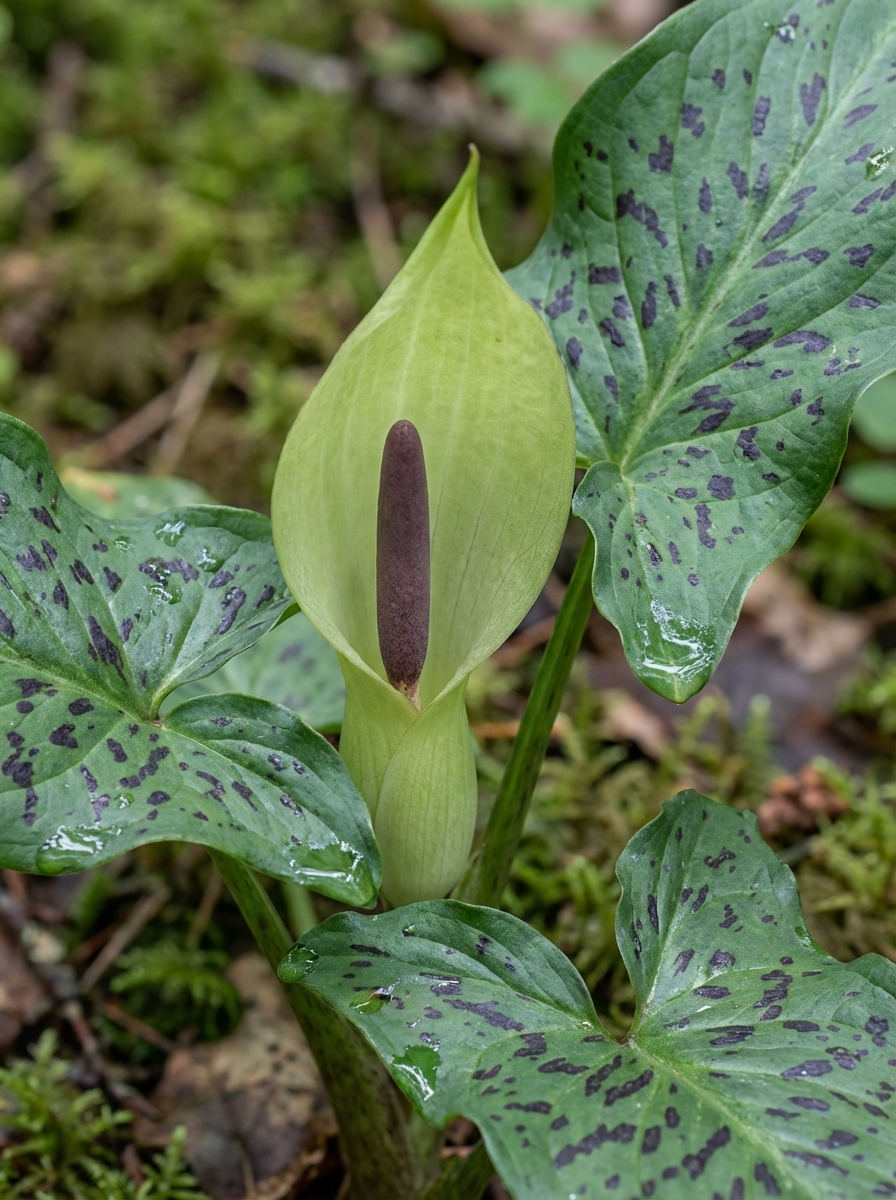
Starch Root
Arum maculatum L.
Historical synonyms include:
- Arisarum maculatum (L.) Raf.
- Arum vernale Salisb.
- Arum immaculatum (Rchb.) Rchb.
- Arum byzantinum Blume
- Arum heldreichii Orph. ex Boiss.
- Arum malyi Schott
- Arum pyrenaeum Dufour
- Arum vulgare Lam.
Historical variety, form, and infraspecific names include:
- Arum maculatum var. immaculatum Rchb.
- Arum maculatum f. immaculatum (Mutel) Topa
- Arum maculatum subvar. immaculatum Mutel
- Arum maculatum var. heldreichii (Orph. ex Boiss.) Nyman
- Arum maculatum var. malyi (Schott) Nyman
- Arum maculatum var. pyrenaeum (Dufour) P.Fourn.
- Arum maculatum subsp. pyrenaeum (Dufour) Nyman
- Arum maculatum f. roseum (Grembl. ex Engl.) Riedl
- Arum maculatum var. vulgare (Lam.) Engl.
- Arum vulgare var. immaculatum Gray
Important non-synonym confusion names:
- Arum italicum Mill. — Italian Arum, Italian Lords-and-Ladies, or Italian Cuckoo-Pint; separate but closely related poisonous species
- Arisaema triphyllum (L.) Schott and other Arisaema spp. — North American Jack-in-the-Pulpit species; separate raphide-containing aroids
- Zantedeschia spp. — Calla Lilies or Arum Lilies; separate raphide-containing aroids, not Arum maculatum
- Calla palustris L. — Wild Calla; separate northern wetland aroid
- Trillium spp. — Wake Robin; unrelated woodland plants sharing one common name
- Aplectrum hyemale (Muhl. ex Willd.) Torr. — Putty-Root Orchid or Adam and Eve; unrelated orchid sharing one common name
- Allium ursinum L. — Wild Garlic or Ramsons; edible allium that may grow with young arum leaves but has a different toxic profile for pets
- Dracunculus vulgaris Schott — Dragon Arum; separate aroid sometimes confused historically through arum food and folk-name literature
Araceae
Commonly called the Arum or Aroid Family.
Starch Root; Starch-Root; Wild Arum; Arum; Cuckoo-Pint; Cuckoopint; Cuckoo Pint; Cuckoo Plant; Lords-and-Ladies; Lord-and-Ladies; Lords and Ladies; Adam and Eve; Devils and Angels; Devil’s and Angels; Cows and Bulls; Naked Boys; Naked Girls; Bobbins; Wake Robin; Wake-Robin; Friar’s Cowl; Adder’s Root; Adder’s Meat; Snake’s Head; Snakeshead; Jack-in-the-Pulpit; Portland Arrowroot; Portland Sago.
Scientific and historical search names include Arum maculatum L., Arisarum maculatum (L.) Raf., Arum vernale Salisb., Arum immaculatum (Rchb.) Rchb., Arum vulgare Lam., and historical spotted or unspotted form names such as Arum maculatum var. immaculatum.
“Italian Arum,” “Italian Lords-and-Ladies,” and “Italian Cuckoo-Pint” refer more properly to Arum italicum. Its leaves are commonly more strongly marbled with pale veins, often emerge during autumn or winter, and remain visible longer than those of Arum maculatum. “Jack-in-the-Pulpit” more commonly identifies North American Arisaema species. “Wake Robin” is also widely used for Trillium, while “Adam and Eve” may refer to the putty-root orchid, Aplectrum hyemale. “Arum Lily” is especially ambiguous because it is often used for calla lilies in Zantedeschia. Common names should not be relied upon without a scientific identification, especially when an animal chewed berries, tubers, or an unidentified woodland aroid.
Insoluble Calcium Oxalate Raphides Are the Confirmed Principal Toxin
The principal confirmed toxic structures in Starch Root are water-insoluble calcium oxalate crystals, especially bundles of narrow needle-shaped raphides stored within specialized plant cells called idioblasts. When an animal bites through a leaf, petiole, spathe, berry, stem, seed, root, or underground tuber, the tissue is crushed and crystal-bearing cells are broken or compressed. The liberated raphides become mixed with plant sap and saliva and are pressed directly into the lips, gums, tongue, palate, pharynx, and esophagus.
The injury is primarily mechanical and local. Raphides puncture and abrade soft tissue rather than behaving like a conventional absorbed poison that must first enter the bloodstream. The animal’s efforts to lick, swallow, paw at the mouth, rub the face, shake the head, or spit out the plant can distribute crystal-bearing sap over a larger surface. Plant fragments retained between the teeth, beneath the tongue, or toward the back of the mouth may continue releasing crystals after chewing has stopped.
Idioblasts, Crystal Release, and the “Needle” Effect
Arum tissues may contain calcium oxalate crystals of different shapes and dimensions, and the crystal pattern can vary among species and plant parts. Some members of Araceae possess specialized ejector-type idioblasts that release raphide bundles forcefully after tissue damage and fluid entry. An equally detailed discharge mechanism has not been established for every tissue of Arum maculatum, so mechanical crushing remains the most defensible exact-species explanation: chewing opens crystal-bearing cells and physically drives the needles into sensitive tissue.
The shape of raphides matters. Needle-shaped crystals penetrate wet epithelial surfaces more readily than blunt or rounded mineral forms, and experimental work in other raphide-bearing plants shows that raphides can act synergistically with defensive proteins. For Starch Root, public veterinary toxicology should therefore describe the crystal injury clearly while avoiding unsupported claims that every arum tissue “shoots” crystals in the same way documented for some other aroids.
Inflammation Is Not Simply Allergy
Raphide injury activates pain fibers and the animal’s inflammatory response. Local cells release mediators that increase blood flow, vascular permeability, redness, pain, and edema. Histamine and kinins may participate in that response, but they come largely from injured animal tissue and do not mean the exposure is simply an allergic reaction.
This distinction matters for first aid. Diphenhydramine or another antihistamine cannot remove embedded crystals, undo mechanical puncture injury, assess swallowing, protect the airway, or treat eye damage. A veterinarian may choose medications for swelling, pain, vomiting, or airway inflammation, but home antihistamine treatment should not be treated as a substitute for professional evaluation when swelling or breathing signs are present.
Proteinase Is Plausible but Not Fully Established for Exact-Species Veterinary Toxicity
Proteolytic enzymes can intensify raphide injury in some aroids by entering tissue through microscopic puncture channels. Veterinary references have referred to oxalates and proteolytic enzymes in arum or aroid intoxications, and protease activity has been demonstrated in related Arum species. A clinically important proteinase has not been characterized sufficiently in Arum maculatum, however, to list it as a confirmed primary toxin equal to insoluble calcium oxalate.
The best wording is therefore evidence-bound: insoluble calcium oxalate raphides are the directly supported principal toxin, while proteolytic activity or other proteinaceous irritants may plausibly contribute to swelling and tissue injury. This keeps the page scientifically stronger than generic aroid summaries that either ignore enzyme activity entirely or overstate it as though one exact protein has been proven to drive every Arum maculatum case.
Additional Reported Constituents Need Boundaries
Raw Arum maculatum has also been reported to contain saponins, alkaloids, volatile amines, cyanogenic compounds, lectins, mucilage, gum, starch, terpenic compounds, and other incompletely characterized constituents. Triglochinin is identified in phytochemical literature as a cyanogenic glycoside from leaves or spathes. These reports help explain why substantial exposures, especially tuber or berry ingestion, should not be dismissed as pure mouth irritation.
The evidence does not establish that every bite releases enough hydrogen cyanide or another systemic toxin to produce a classic cyanide syndrome. Most accidental exposures cause immediate local burning, drooling, swelling, dysphagia, and gastrointestinal irritation rather than rapid systemic oxygen failure. Severe breathing difficulty, tremors, seizures, cardiovascular instability, collapse, or profound weakness should trigger broader veterinary evaluation rather than being attributed automatically to a small uncomplicated raphide exposure.
Insoluble Raphides Are Not Soluble Oxalate Poisoning
Insoluble raphides must be distinguished from soluble oxalate poisoning. Soluble oxalate salts can be absorbed, bind circulating calcium, produce hypocalcemia, and contribute to calcium oxalate deposition in the kidneys. The mineral needles in Starch Root act mainly at the site of contact and do not ordinarily produce the renal-tubular syndrome associated with soluble-oxalate plants or ethylene glycol.
Primary kidney failure, permanent liver damage, and systemic oxalosis are not expected effects of a limited bite. Kidney abnormalities after a massive tuber ingestion may arise through dehydration, shock, hypoxia, additional plant constituents, severe gastrointestinal losses, or another diagnosis rather than representing the expected outcome of ordinary oral raphide exposure.
Poisonous Parts and Seasonal Risk
Every plant part should be considered poisonous. Leaves and inflorescences are available during spring, berries become conspicuous during late summer or autumn, and the starch-rich tuber persists below ground throughout dormancy. Dogs may dig up the tuber, livestock may uproot plants in soft soil, and garden removal can leave broken tuber sections exposed. The raw tuber may deliver a much larger mass of irritating material than a brief bite of one leaf.
Fresh tissue and sap are generally more irritating than old dried material, but drying does not guarantee safety because calcium oxalate crystals are mineral structures that can remain in dead plant pieces. Wilted leaves, dried berry spikes, cut stems, dead roots, and broken tuber fragments should not be placed in animal enclosures, used as enrichment, fed to livestock, composted where animals can reach them, or left where pets can chew them.
Historical Starch Processing Does Not Establish Animal Safety
The name Starch Root comes from the plant’s starchy underground tuber and historical processing into Portland arrowroot or Portland sago. Historical starch production involved pounding, grating, soaking, repeated washing, straining, settling, discarding liquid, boiling, drying, fermentation, acidification, or other region-specific techniques designed to reduce acridity. The raw tuber remained intensely irritating and could injure the hands of people processing it.
Those historical practices were food-survival technologies for people, not safe preparation instructions for dogs, cats, horses, goats, rabbits, birds, or livestock. No owner should attempt to detoxify Starch Root for an animal. Animals should never receive raw tuber, processed arum flour, boiled leaves, leftover cooking material, discarded preparation water, starch slurry, fermentation waste, or any historical arum food product.
Onset and Early Progression
Clinical signs commonly begin while an animal is biting Starch Root or within minutes afterward. Dogs and cats may abruptly release the plant, shake the head, paw vigorously at the mouth, rub the muzzle, lick repeatedly, drool in long strings, foam at the lips, gag, retch, or run from the source. The animal may cry, hide, resist examination, or approach food and water and then back away because movement of the tongue and swallowing are painful.
The lips, gums, tongue, palate, and other oral tissues may become red, tender, and swollen. Blisters or small areas of ulceration can occur after more substantial contact. Veterinary findings may include hypersalivation, tongue edema, repeated swallowing attempts, painful swallowing, food refusal, and inability to handle normal saliva. The animal cannot describe burning or tingling directly, but the rapid behavioral reaction and oral inflammation reflect the severe acridity reported after human exposure.
Gagging, Vomiting, Diarrhea, and Dehydration
Vomiting may occur in dogs, cats, pigs, and other species capable of vomiting when swallowed crystals and plant material irritate the pharynx, esophagus, stomach, or intestines. Abdominal discomfort, diarrhea, dehydration, and temporary depression may follow a larger exposure. Severe or bloody gastrointestinal signs are not the expected result of one small taste and should prompt assessment for substantial berry or tuber ingestion, another plant, foreign material, chemical contamination, or unrelated disease.
Repeated vomiting can worsen esophageal pain, increase fluid loss, and raise aspiration risk. Diarrhea can further dehydrate a patient that already refuses water because swallowing hurts. Dry or tacky gums, sunken eyes, reduced urination, weakness, persistent food refusal, blood in vomit or stool, or inability to keep water down requires veterinary evaluation.
Throat Swelling, Voice Change, and Airway Risk
Voice changes may develop when inflammation extends toward the pharynx or larynx. A dog’s bark may become weak or hoarse, and a cat may produce an altered meow. Hoarseness becomes more concerning when combined with repeated choking, neck extension, inability to swallow saliva, noisy inspiration, open-mouth breathing, or rapid shallow respirations.
Progressive tongue, pharyngeal, glottic, or laryngeal swelling can obstruct the airway, although this complication is uncommon after a limited bite. Warning signs include stridor, open-mouth breathing, neck extension, blue or gray gums, agitation, collapse, saliva pooling because the animal cannot swallow, or worsening respiratory effort after chewing has stopped. These signs require emergency care, not home observation.
Berry Exposure
The red-orange berries create a different exposure pattern from spring foliage. They remain on an upright spike after the leaves and spathe have disappeared, making the fruit cluster look isolated from an obviously poisonous plant. Dogs, children, poultry, parrots, and curious animals may investigate the berry spike because it is bright, low, and conspicuous.
Small accidental exposures usually produce immediate mouth irritation and salivation, while larger berry ingestions have been associated with acute gastrointestinal illness and severe swelling. No fixed berry count establishes safety for an animal because body size, chewing, seed disruption, plant chemistry, and species susceptibility differ. A history of multiple berries, crushed berries, or seed chewing should be treated as more important than one brief mouth contact.
Tuber Exposure
Consumption of the starchy tuber can produce a larger and more prolonged exposure. Dogs may dig tubers during garden work, puppies may chew loose tuber pieces, pigs may root through discarded material, and livestock may uproot plants in soft soil. Raw tuber contains a greater mass of acrid material than one leaf edge and can continue irritating the mouth, throat, stomach, and intestines.
A reported human tuber-poisoning case developed angioedema several hours after ingestion and required hospital observation and airway-focused treatment. Tuber ingestion in an animal may similarly cause continuing oral and gastrointestinal irritation, severe swelling, dehydration, or systemic illness. Any credible consumption of a substantial tuber section deserves veterinary consultation even when early signs appear limited.
Skin and Eye Signs
Skin contact with sap may cause localized burning, redness, swelling, or blister-like irritation, particularly on damaged skin. Grooming can transfer sap from paws or fur into the mouth. People digging or clearing the plant may also transfer crystals from gloves, tools, or hands to animals, food bowls, bedding, or eyes.
Eye contamination can produce immediate tearing, blinking, squinting, conjunctival redness, light sensitivity, and pain. Persistent cloudiness, swelling, inability to open the eye, or continuing discomfort after rinsing requires veterinary examination because microscopic crystals can injure the corneal surface.
Dogs and Cats
Dogs and cats commonly react immediately after chewing the plant. Drooling, head shaking, pawing, face rubbing, gagging, and food refusal may be dramatic even when little material was swallowed. A pet that stops chewing after one bite may recover quickly, but progressive swelling, continuing vomiting, difficulty swallowing, or a history of consuming several berries or tuber material deserves professional assessment.
Berries can attract dogs because they are brightly colored and exposed close to ground level. Digging dogs may encounter the tuber during garden work, and puppies may chew loose tuber sections as though they were roots or toys. Cats are less likely to dig tubers but may chew leaves, transfer sap to the eyes while pawing, or encounter cut material brought indoors with woodland plants.
Horses, Ponies, and Donkeys
Horses cannot vomit. Possible signs include salivation, repeated chewing motions, muzzle rubbing, feed refusal, coughing, painful swallowing, diarrhea, abdominal discomfort, or respiratory noise. Water or feed appearing at the nostrils raises concern for choke, impaired swallowing, or aspiration.
Horses may encounter the plant in wooded pasture, hedgerows, stream margins, estate grounds, garden waste, or uprooted vegetation. The immediate acridity discourages grazing, making large ingestion uncommon under ordinary conditions, but exposure increases when forage is limited, plants are mixed into cut material, or tubers are exposed by soil disturbance. Weak or dysphagic horses must not be drenched.
Livestock, Rabbits, Birds, and Other Animals
Goats, sheep, cattle, camelids, and pigs may encounter Starch Root in wooded margins, hedgerows, damp pasture edges, garden waste, compost, or landscape debris. Serious and occasionally fatal animal poisonings are reported most often among grazing livestock, although exact-species veterinary case details and toxic doses remain limited. Browsing goats and rooting pigs may be more likely to chew woody, leafy, or tuberous material than cattle.
Rabbits, guinea pigs, rats, and several other small mammals cannot vomit. They may show drooling, tooth grinding, facial rubbing, reluctance to chew, food refusal, diarrhea, or reduced fecal production. Loss of appetite can lead to gastrointestinal hypomotility or stasis. Birds may crush berries or foliage with the beak and develop repeated beak wiping, tongue manipulation, regurgitation, oral redness, food refusal, poor perching, or altered breathing.
Atypical or Severe Systemic Signs
Convulsions, coma, primary liver failure, and permanent kidney damage are not established ordinary features of Starch Root poisoning. Tremors, seizures, collapse, or loss of consciousness could occur secondarily through airway obstruction, hypoxia, shock, severe dehydration, aspiration, or a large exposure to additional incompletely characterized constituents.
Those findings require emergency treatment and investigation for cyanogenic exposure, soluble oxalates, yew, water hemlock, pesticides, medications, ethylene glycol, caustic chemicals, another poisonous plant, or another medical disorder. The presence of Arum maculatum should not be used to explain every severe neurologic, renal, hepatic, or cardiovascular sign without reassessment.
Duration and Prognosis
Most limited exposures improve substantially within several hours and resolve within approximately 12 to 24 hours, although mouth soreness or food refusal can last longer after significant tissue injury. Severe ulceration, esophageal inflammation, eye injury, dehydration, aspiration, or airway edema may require treatment for several days. A routine two-week illness is not expected after a minor bite, although deep mucosal or ocular injury can remain symptomatic much longer.
The prognosis is generally good when exposure is limited and the animal can breathe, swallow, and stay hydrated. The outlook becomes more guarded after substantial tuber or berry ingestion, progressive airway swelling, repeated vomiting or diarrhea, aspiration, severe dehydration, eye injury, or food refusal in a cat, rabbit, guinea pig, bird, or other small animal.
Starch Root Is the European Woodland Arum
Starch Root is the tuberous woodland perennial Arum maculatum. The plant is widely known as Lords-and-Ladies, Cuckoo-Pint, Wild Arum, Adam and Eve, Bobbins, Friar’s Cowl, Portland Arrowroot, Portland Sago, and Wake Robin. Many of its traditional names refer to the shape of the spadix and spathe, the contrasting male and female flowers, its seasonal appearance, or the former use of its tuber.
The plant belongs to Araceae, the Arum or Aroid Family, alongside dieffenbachias, philodendrons, pothos, monsteras, caladiums, calla lilies, and other raphide-containing plants. It is not a true lily, even when it is called arum lily. Common names are especially unreliable for this plant because several unrelated plants share names such as wake robin, Adam and Eve, Jack-in-the-Pulpit, and arum lily.
Native Range and Habitat
Arum maculatum is native across much of Europe and extends eastward through northern Türkiye and the western Caucasus. It occurs naturally in Great Britain, Ireland, France, Germany, Italy, the Balkans, central and eastern Europe, parts of Scandinavia, Crimea, Türkiye, and Transcaucasia. The species is a tuberous geophyte, meaning it survives seasonal dormancy through an underground storage organ.
The plant favors shaded or partly shaded ground in deciduous woodland, floodplain forest, hedgerows, stream banks, damp roadsides, old gardens, and moist but reasonably drained sites. It often grows among spring woodland plants before a dense tree canopy develops. Outside its native range, exposure may occur through ornamental planting, botanical collections, imported tubers, discarded garden material, or confusion with related arums.
Seasonal Growth Creates Different Exposure Risks
Leaves generally emerge during late winter or spring. The flowering structure appears among the foliage, after which the leaves and spathe wither. By late summer or autumn, the plant may be represented only by an upright spike of bright berries. This seasonal disappearance is important because a dog, child, or grazing animal encountering a leafless berry spike may not receive the visual warning of a large leafy plant.
The underground tuber survives dormancy and produces new growth during the next season. Gardeners may dig or disturb the dormant tuber after all aboveground growth has vanished. Broken tuber pieces can remain viable, complicating removal and leaving toxic material in loose soil where dogs, pigs, poultry, or other animals may investigate it.
How to Identify the Leaves
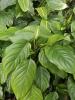
The leaves arise individually on long stalks from the underground tuber. They are glossy, deep to medium green, and broadly arrow-shaped or spear-shaped, with two backward-pointing basal lobes. Many plants have dark purple, brown, or blackish spots on the leaf blade, which explains the species name maculatum, meaning spotted.
Other plants are completely unspotted, so the absence of markings does not exclude the species. Leaves are commonly about 10 to 20 centimeters long, although plant size varies with habitat, age, and growing conditions. Network-like veins are visible across the blade rather than the simple parallel veins expected in many monocots.
The Flower Is an Insect Trap
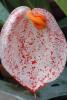
The inflorescence consists of a fleshy central spadix partly enclosed by a pale green hood-like spathe. The visible upper spadix may be purple-brown, deep purple, yellowish, or pale depending on the plant. The true flowers are small and hidden near the base. Female flowers occur below the male flowers, while a ring of sterile hairlike structures helps temporarily trap small insects inside the floral chamber.
The spadix produces heat and an odor that attracts small owl midges and related flies. The insects enter the floral chamber, transfer pollen, become dusted with new pollen, and later escape. This specialized pollination system is botanically distinctive but does not reduce the plant’s toxicity. The spathe, spadix, and hidden flowers should all be treated as poisonous if chewed.
The Bright Berry Spike
After pollination, the lower female flowers develop into a short cylindrical cluster of tightly packed berries. The fruits begin green and mature to orange-red or scarlet. The berry spike persists after the spathe and leaves have disappeared, making it one of the plant’s most important animal-exposure stages.
Each fruit contains seeds capable of spreading the plant. Wild birds may consume the berries and disperse those seeds, but this ecological relationship does not prove safety for mammals, poultry, parrots, or other captive birds. A bird swallowing fruit without crushing every seed may experience a different exposure from a dog chewing several berries or a parrot breaking the seeds with its beak.
Every Part of the Plant Is Toxic
Leaves, petioles, sap, spathe, spadix, flowers, berries, seeds, roots, and the underground tuber should all be treated as poisonous. The predominant hazard is insoluble calcium oxalate, although additional incompletely characterized constituents may contribute after large ingestion. Leaves and sap cause many spring exposures, bright berries create a later seasonal risk, and dug tubers can expose an animal to a much larger mass of irritating tissue.
Fresh plant tissue and sap are usually more irritating than old dried material. Drying does not make the plant predictably safe because mineral crystals can remain within dead leaves, berries, and tuber fragments. Wilted leaves, dried berry spikes, dead stems, and dug tubers should not be offered as browse, cage greenery, poultry feed, rabbit bedding, compost enrichment, or livestock forage.
Why It Is Called Starch Root
The underground tuber stores a substantial amount of starch. Historically, tubers were processed into a fine starch called Portland arrowroot or Portland sago and were also used during food shortages to make flour, bread, porridge, or other emergency foods. Historical starch production involved pounding or grating the tubers, repeatedly washing the pulp, straining away plant material, allowing starch to settle, discarding liquid, and drying the sediment.
Other traditions used prolonged soaking, repeated boiling, leaching, fermentation, or acidic ingredients. The raw tuber remained intensely acrid and could injure the hands of people processing it. Historical herbals specifically described blistering, cracking, roughness, and pain affecting people who handled inadequately processed material. The name Starch Root therefore reflects historical processing, not raw safety.
Historical Food Use Does Not Make the Plant Safe
Modern ethnobotanical review has documented historical or traditional consumption of several Arum species after elaborate processing. In Europe, tubers were used mainly as famine foods, while in portions of Southwest Asia certain aerial parts continue to be prepared through prolonged cooking, fermentation, repeated water changes, straining, or acidification. These methods are species-specific, culturally specific, and process-specific.
A method developed for one species, population, or traditional dish cannot be assumed to detoxify another plant reliably. No historical recipe should be adapted for dogs, cats, horses, livestock, birds, reptiles, rabbits, guinea pigs, or small mammals. Animals should never receive arum flour, home-processed tubers, boiled leaves, leftover cooking material, discarded preparation water, fermentation residue, or starch-settling waste.
Wild Garlic Is an Important Look-Alike
Arum maculatum often grows in the same damp woodland as wild garlic, Allium ursinum. Young leaves can be gathered accidentally when people collect wild garlic in large handfuls. Arum leaves are usually glossy and arrow-shaped and may be spotted. Wild-garlic leaves are more elliptical, usually have a duller underside, and release a strong garlic odor when crushed.
Smell is useful only after a person already understands both plants. An unidentified leaf should never be tasted as an identification test because the first warning from arum may be immediate severe pain. For pet-safety purposes, wild-garlic confusion is also important because alliums have their own toxicity concerns for dogs and cats and should not be casually fed either.
Italian Arum Can Be Confused With Starch Root
Italian arum, Arum italicum, is closely related and also produces arrow-shaped leaves, a hooded inflorescence, and a later spike of red-orange berries. Its foliage often carries conspicuous pale or silvery veins and may emerge during autumn or winter. Arum maculatum more often produces plain or dark-spotted spring foliage without the strong white marbling typical of many Italian-arum plants.
The distinction is not always easy, and horticultural plants may vary. Both species are poisonous, so uncertainty between them does not make immediate first-response guidance less urgent. Exact identification remains important for records, removal, and preventing regrowth from surviving tubers.
Other Common-Name Look-Alikes
North American jack-in-the-pulpits belong to Arisaema. They are separate plants but also contain insoluble calcium oxalate and can cause a similar oral-irritation syndrome. Wake robin commonly refers to Trillium species, while Adam and Eve may identify the putty-root orchid, Aplectrum hyemale. Arum lily often means a calla lily in Zantedeschia.
A poisoning record should include photographs and the scientific name whenever possible rather than assuming that every plant sharing one common name is Arum maculatum. Useful photographs show the leaves, spathe, spadix, berry spike, tuber, habitat, pot label, and any nearby look-alike plants.
Dogs and Cats
Dogs and cats commonly react immediately after chewing the plant. Drooling, head shaking, pawing, face rubbing, gagging, and food refusal may be dramatic even when little material was swallowed. A pet that stops chewing after one bite may recover quickly, but progressive swelling, continuing vomiting, difficulty swallowing, eye exposure, or a history of consuming several berries or tuber material deserves professional assessment.
Berries can attract dogs because they are brightly colored and exposed close to ground level. Digging dogs may encounter the tuber during garden work, and puppies may chew loose tuber sections as though they were roots or toys. Cats may chew leaves, paw at the mouth, transfer sap to the eyes, or encounter cut material brought indoors with foraged woodland plants.
Horses and Livestock
Horses and livestock may encounter the plant in wooded pasture, hedgerows, stream margins, estate grounds, garden waste, or uprooted vegetation. The immediate acridity discourages grazing, making large ingestion uncommon under ordinary conditions. Exposure can increase when animals are hungry, forage is limited, plants are mixed into cut material, or tubers are exposed by soil disturbance.
Horses cannot vomit. Salivation, repeated chewing, feed refusal, coughing, difficulty swallowing, diarrhea, abdominal discomfort, or respiratory noise requires veterinary attention. Weak or dysphagic animals must not be drenched. Goats, pigs, and other browsers or rooters may be more willing to sample fresh clippings, berries, or dug tubers.
Birds, Rabbits, and Other Small Animals
Wild birds disperse arum seeds, but captive birds should not be given berries, leaves, stems, or tuber material. Parrots can crush seeds and plant tissues in a way that differs from a wild fruit-eating bird swallowing an intact berry. Repeated beak wiping, regurgitation, food refusal, oral redness, poor perching, or breathing change after exposure requires avian veterinary guidance.
Rabbits and guinea pigs cannot vomit. Oral pain may cause drooling, tooth grinding, facial rubbing, food refusal, and reduced fecal production. Gastrointestinal stasis can become an important secondary complication even when the original injury is local to the mouth. Reptiles and tortoises should not receive Starch Root as enclosure greenery, browse, or habitat decoration.
Skin and Eye Exposure
Sap on the skin may cause burning, redness, swelling, or blistering, especially where skin is damaged or exposure is prolonged. Gloves should be worn when digging tubers or clearing large quantities of the plant. Plant material should be washed from paws, muzzle, coat, feathers, tools, gloves, and human hands before it can be transferred to the mouth or eyes.
An animal may transfer crystal-bearing sap into an eye after pawing at its mouth. Eye exposure can cause tearing, squinting, conjunctival inflammation, pain, and corneal injury. Persistent eye signs after gentle rinsing require veterinary examination. Human skin creams, anesthetic sprays, household eye drops, essential oils, or old medications should not be applied unless a veterinarian approves them.
Diagnosis, Treatment, Prognosis, and Prevention
Diagnosis usually depends on a witnessed exposure, immediate compatible signs, and correct plant identification. The veterinarian will assess the mouth, tongue, pharynx, breathing, swallowing, hydration, abdominal comfort, and eye surface. Sedation may be required for a complete oral or laryngeal examination, but progressive airway swelling must be considered before sedating the patient. Blood testing may be unnecessary in a mild case, but persistent vomiting, severe diarrhea, weakness, tremors, collapse, substantial tuber ingestion, or signs inconsistent with local irritation may justify additional testing.
Important differential diagnoses include Italian arum, calla lily, jack-in-the-pulpit, dieffenbachia, pothos, philodendron, monstera, peace lily, caladium, caustic chemicals, electrical burns, foreign objects, insect stings, snakebite, choke, allergic reactions, pesticide-contaminated vegetation, cyanogenic plants, yew, water hemlock, soluble oxalates, ethylene glycol, or another medical emergency. Veterinary treatment is supportive and may include pain control, antiemetic medication, fluids, electrolyte support, oxygen, skin or eye treatment, and airway intervention if pharyngeal or laryngeal swelling progresses.
Most limited exposures have a good prognosis, with marked improvement often occurring within several hours and uncomplicated recovery commonly occurring within approximately 12 to 24 hours. The outlook becomes more guarded when a large amount of tuber or berries was consumed, swelling threatens the airway, the eye is injured, vomiting or diarrhea causes dehydration, plant material is aspirated, or a small herbivore stops eating. Remove berry spikes before fruits mature in areas used by pets, children, horses, or livestock. Digging must remove the complete tuber system because broken pieces may regrow. Wear gloves, avoid touching the face and eyes, wash tools, and collect every leaf, berry, seed, and tuber fragment. Never throw arum clippings or dug tubers into animal enclosures or accessible compost.
Immediate Steps After Exposure
Stop further chewing. Move the animal away from the leaves, berry spike, dug tuber, roots, garden waste, contaminated soil, compost, or chewed fragments and prevent other animals from reaching the same material. Starch Root usually injures the mouth and throat immediately, so first aid should focus on airway, swallowing, pain, plant identification, and avoiding unsafe forced treatments.
- Remove loose plant fragments carefully: If the animal is alert and cooperative, take visible pieces from the lips and front of the mouth. Do not reach deeply into the throat or place your fingers near the teeth of a frightened or painful animal.
- Gently clear the mouth when safe: Wipe the lips and front of the mouth with a damp cloth or permit a small amount of clean water to rinse loose residue only when the animal is breathing comfortably and swallowing normally. Do not force water into the mouth.
- Prevent face rubbing: Keep crystal-bearing sap on the mouth or paws from being transferred into the eyes.
- Preserve identification evidence: Photograph the leaves, spathe, spadix, berry spike, tuber, habitat, and chewed material. Save a representative sample in a secure container.
- Contact a veterinarian or animal poison-control service: Report the animal’s species, weight, plant part involved, amount eaten, whether berries or tuber material were chewed, time of exposure, breathing, swallowing, vomiting, and possible eye contact.
Skin or Eye Exposure
Rinse sap from skin and fur with lukewarm running water to remove visible plant residue. Prevent licking or grooming until the contaminated area is clean. Gloves are appropriate when handling the plant, tuber, or contaminated fur because crystal-bearing sap can irritate human skin and can be transferred to the eyes.
Flush an exposed eye promptly with sterile saline or clean lukewarm water and allow it to flow gently across the eye. Do not rub the eye or try to remove microscopic material with tweezers. Continuing squinting, tearing, redness, cloudiness, light sensitivity, swelling, or refusal to open the eye may indicate corneal injury and requires prompt veterinary examination.
Do Not Attempt Unsupervised Home Treatment
- Do not induce vomiting: Hydrogen peroxide, salt, mustard, syrup of ipecac, and manual gagging may cause additional mucosal injury or aspiration. Horses, rabbits, guinea pigs, rats, and several other species cannot vomit.
- Do not force milk, yogurt, cheese, food, or water: A veterinarian may sometimes recommend a small amount for an alert animal that swallows normally, but forced oral material can enter the lungs when the mouth or throat is swollen.
- Do not give diphenhydramine automatically: An antihistamine does not remove embedded crystals, and the inflammatory reaction is not caused solely by histamine. Sedation may complicate airway assessment.
- Do not give activated charcoal without veterinary direction: Charcoal does not extract raphides from oral tissue and may be aspirated by a drooling, gagging, vomiting, weak, or dysphagic animal.
- Do not give Kapectolin, Kaopectate, sucralfate, antidiarrheal medication, antiemetics, or human pain relievers: Medication must be selected for the animal’s species, weight, health history, swallowing ability, and current condition.
- Do not drench horses or livestock: Never force water, oil, milk, charcoal, electrolytes, or medication into an animal that is coughing, choking, regurgitating, weak, recumbent, or unable to swallow normally.
- Do not try to detoxify the plant: Cooking, soaking, fermenting, leaching, washing, or making starch from arum is not a safe pet or livestock first-aid method.
When Emergency Examination Is Especially Important
- Berries or tuber material were consumed: These exposures may involve a larger mass of plant material and additional incompletely characterized constituents.
- Breathing becomes noisy or difficult: Stridor, open-mouth breathing, neck extension, rapid shallow gasps, blue or gray gums, or increasing respiratory effort may indicate airway swelling.
- The animal cannot swallow normally: Repeated swallowing attempts, choking, gagging, saliva pooling in the mouth, water falling from the lips, or nasal discharge after drinking requires urgent assessment.
- Swelling is increasing: Progressive tongue, facial, pharyngeal, or throat swelling can worsen after chewing stops.
- Vomiting or diarrhea is severe: Continuing fluid loss can cause dehydration and electrolyte disturbance.
- The eye may have been exposed: Significant pain, cloudiness, marked redness, or persistent squinting requires prompt corneal examination.
- Severe systemic signs develop: Tremors, seizures, collapse, coma, abnormal heart rhythm, or profound weakness does not fit an uncomplicated small raphide exposure and requires immediate investigation.
- A rabbit, guinea pig, bird, or other small animal stops eating: Food refusal can lead to gastrointestinal stasis, weakness, and other secondary complications.
Veterinary Treatment
The veterinarian will assess the lips, tongue, oral cavity, pharynx, breathing, swallowing, hydration, abdominal comfort, and eye surface. Loose plant material may be removed and the mouth gently wiped or rinsed. Pain relief is often more useful than aggressive gastrointestinal decontamination. Sedation may be needed for a complete oral or laryngeal examination, but airway status must be considered carefully before sedation in a patient with progressive swelling.
An alert patient that can swallow normally may receive a small veterinarian-approved amount of water, milk, yogurt, or another soothing calcium-containing food to help clear residual material. This is avoided when swelling, gagging, vomiting, weakness, sedation, or impaired swallowing creates an aspiration risk. Veterinary care may include analgesics, antiemetic medication, fluid and electrolyte therapy, gastrointestinal support, oxygen, and treatment of skin or eye injury.
Substantial pharyngeal or laryngeal edema may require injectable medication, continuous airway monitoring, endotracheal intubation, or an emergency surgical airway. Activated charcoal may be considered only after a case-specific assessment involving a large exposure and concern for additional absorbable constituents. It is not routine treatment for local raphide injury. Gastric lavage and induced vomiting are also not routine and may re-expose already injured tissue.
Dogs and Cats
Dogs should be monitored for drooling, pawing, face rubbing, gagging, vomiting, swelling, voice change, swallowing ability, breathing noise, eye exposure, hydration, and appetite. A dog that chewed tuber material or several berries should be treated more cautiously than one that briefly bit a leaf edge. Puppies may chew dug tuber fragments as toys or roots.
Cats should be monitored for hiding, drooling, vomiting, pawing at the mouth, eye rubbing, refusal to eat, and any open-mouth or noisy breathing. Cats that continue refusing food after oral pain begins improving need veterinary guidance because prolonged anorexia can cause secondary complications. Never give hydrogen peroxide to a cat as a home emetic.
Horses and Livestock
Horses, goats, sheep, cattle, camelids, pigs, and other livestock should be moved away from wooded pasture edges, hedgerows, stream margins, garden waste, uprooted plants, dug tubers, berry spikes, and mixed landscape debris. Provide safe forage and clean water so hungry animals are not forced to chew unfamiliar material. Save representative samples from the entire debris pile because other toxic plants may be present.
Do not drench affected livestock. Oil, water, milk, charcoal, electrolyte mixtures, or medication can be aspirated when an animal is weak, coughing, gagging, regurgitating, bloated, recumbent, or poorly coordinated. Horses cannot vomit, so mouth and throat injury may appear as salivation, feed refusal, coughing, repeated swallowing, neck extension, nasal reflux, abdominal discomfort, or respiratory noise rather than vomiting.
Rabbits, Guinea Pigs, Birds, Reptiles, and Small Pets
Rabbits and guinea pigs cannot vomit. Drooling, tooth grinding, facial rubbing, reluctance to chew, reduced appetite, reduced fecal output, soft stool, weakness, or quiet behavior after exposure requires prompt veterinary guidance because gastrointestinal hypomotility or stasis can become serious. Do not offer Starch Root leaves, berries, stems, roots, or tubers as forage, bedding, chew material, or enrichment.
Birds with beak wiping, repeated tongue movements, oral redness, regurgitation, altered droppings, food refusal, weakness, poor perching, or abnormal breathing need avian veterinary advice. Reptiles and tortoises should not be offered Starch Root as enclosure greenery or browse. Anorexia, mouth irritation, diarrhea, weakness, abnormal posture, or respiratory change after exposure should be handled by a veterinarian familiar with the species.
Recovery and Prognosis
Most animals recover completely after a limited exposure. Marked improvement often occurs within several hours, and uncomplicated cases commonly resolve within approximately 12 to 24 hours. Continue monitoring until the animal is swallowing normally, breathing comfortably, eating, drinking, and behaving normally.
Continuing mouth pain, food refusal, vomiting, diarrhea, coughing, swallowing difficulty, respiratory noise, or eye pain deserves reassessment. Large tuber or berry exposures and extensive oral, esophageal, or ocular injury may require treatment for several days. Permanent liver and kidney damage is not expected from an uncomplicated bite. Evidence of systemic organ injury, seizures, coma, or cardiovascular abnormalities should prompt investigation for severe secondary complications, additional plant constituents, another toxic exposure, or another medical disorder.
Prevention After the Incident
Remove berry spikes before fruits mature in areas used by animals. Digging must remove the complete tuber system because broken pieces may regrow. Wear gloves, avoid touching the face and eyes, wash tools, and collect every leaf, berry, seed, and tuber fragment. Plant material should be secured in household or municipal waste rather than placed in an accessible compost pile.
Never throw arum clippings, berry spikes, or dug tubers into horse paddocks, goat pens, livestock pastures, rabbit areas, aviaries, poultry runs, tortoise enclosures, dog yards, or accessible compost. Label known plants with the scientific name Arum maculatum so they can be distinguished from Italian arum, jack-in-the-pulpit, calla lily, trillium, wild garlic, and other plants sharing its common names.
Frequently Asked Questions About Starch Root and Animal Poisoning
Why is a poisonous plant called Starch Root?
The underground tuber contains abundant starch and was historically processed into Portland arrowroot, Portland sago, laundry starch, famine flour, bread ingredients, and other products. Making usable starch required extensive pounding, washing, straining, leaching, boiling, drying, or other preparation. The raw tuber remained intensely acrid and could blister the hands of people processing it. The historical name does not mean an untreated tuber is edible.
Can cooking or soaking make Arum maculatum safe for an animal?
No home method should be relied upon for pet food or livestock forage. Traditional human preparation varies by species and region and may involve prolonged boiling, repeated water changes, fermentation, acidification, washing, and leaching. Modern reviewers emphasize that the safety of one method cannot be assumed across every Arum species or population. Animals should not receive raw or processed arum material.
Which parts of Starch Root are poisonous?
Every part should be treated as poisonous, including leaves, petioles, sap, spathe, spadix, flowers, berries, seeds, roots, and the underground tuber. Leaves and sap cause many spring exposures, bright berries create a later seasonal risk, and dug tubers can expose an animal to a much larger mass of irritating tissue.
Are the red berries more dangerous than the leaves?
The berries are particularly concerning because they are attractive, remain visible after the foliage disappears, and can be eaten in multiples. Small exposures often cause immediate mouth irritation, while larger quantities may produce severe swelling and gastrointestinal illness. No fixed berry count is reliable for animals because body size, chewing, seed disruption, and plant chemistry vary.
Is the underground tuber especially dangerous?
It can be. The tuber provides a larger mass of raw acrid tissue than a brief bite of one leaf, and animals may chew dug pieces during garden work. Tuber exposure can cause prolonged mouth and throat irritation, vomiting, diarrhea, dehydration, and swelling. A published human tuber-poisoning case developed angioedema several hours after ingestion, so credible tuber consumption deserves veterinary consultation.
What is the main toxin in Arum maculatum?
The confirmed principal toxin is insoluble calcium oxalate in the form of microscopic crystals, especially needle-shaped raphides. Chewing releases these crystals and presses them into the lips, tongue, mouth, throat, and esophagus. The resulting traumatic and inflammatory injury causes immediate pain, drooling, swelling, gagging, vomiting, and difficulty swallowing.
Does Starch Root contain a proteinase?
Proteolytic enzymes may contribute to the toxicity of some Arum and other aroids, and protease activity has been demonstrated in related Arum species. A specific clinically important proteinase has not been characterized adequately in Arum maculatum. Proteinase is therefore a plausible secondary factor, while insoluble calcium oxalate remains the confirmed principal toxin.
Does Arum maculatum contain cyanide-producing compounds?
Secondary phytochemical literature reports the cyanogenic glycoside triglochinin from leaves or spathes and describes other cyanogenic constituents within the genus. Their concentration and role in ordinary veterinary exposures remain uncertain. Most accidental cases produce local oral and gastrointestinal irritation rather than a classic rapid cyanide syndrome. Severe respiratory distress, tremors, seizures, or collapse requires emergency investigation rather than an assumption that the case is mild.
Can Starch Root cause kidney or liver failure?
Primary kidney and liver failure are not expected after a limited raphide exposure. Insoluble crystals act mainly where the plant touches tissue and differ from soluble oxalates and ethylene glycol metabolites that can damage the kidneys. Organ abnormalities after a massive tuber ingestion may result from dehydration, shock, hypoxia, additional plant constituents, or another diagnosis.
Can Arum maculatum block an animal’s airway?
Yes, although severe obstruction is uncommon. Tongue, pharyngeal, glottic, or laryngeal swelling can narrow airflow and impair swallowing. Noisy inspiration, neck extension, open-mouth breathing, inability to swallow saliva, blue or gray gums, weakness, or collapse requires immediate emergency treatment and possible airway intervention.
How can Starch Root be distinguished from Italian arum?
Arum maculatum commonly produces spring leaves that may be plain green or marked with dark spots. Arum italicum often produces autumn or winter foliage with conspicuous pale or silvery marbling along the veins. Both make hooded inflorescences and red-orange berry spikes, and both are poisonous. Exact identification is useful, but uncertainty between them does not make the exposure safe.
How can young arum leaves be distinguished from wild garlic?
Arum leaves are glossy, arrow- or spear-shaped, and may have dark spots. Wild-garlic leaves are generally more elliptical, have a duller underside, and release a characteristic garlic odor when crushed. An unidentified leaf should never be tasted to test it. Arum often grows directly among wild garlic, so every gathered leaf should be inspected individually.
Why can wild birds eat the berries?
Some wild birds consume the fruit and disperse the seeds, but that does not prove the berries are safe for every bird or mammal. A fruit-eating bird may swallow an intact seed, while a parrot, dog, or other animal may crush the seed and plant tissue. Digestive physiology and toxin susceptibility differ substantially among species.
Is dried or wilted Starch Root still poisonous?
Yes. Fresh sap is usually more strongly irritating, but drying does not reliably eliminate mineral calcium oxalate crystals. Wilted leaves, old berry spikes, dead stems, dried tuber fragments, and composted-looking pieces should remain inaccessible to animals.
Is Starch Root poisonous to dogs?
Yes. Dogs may react immediately with drooling, head shaking, pawing, face rubbing, gagging, vomiting, and food refusal. Berry and tuber exposure is more concerning than a brief leaf bite because more plant material may be chewed. Difficulty swallowing, repeated vomiting, progressive swelling, noisy breathing, eye pain, or collapse requires veterinary care.
Is Starch Root poisonous to cats?
Yes. Cats may chew leaves, paw at the mouth, drool, gag, vomit, hide, refuse food, or transfer sap to the eyes while grooming. A cat that refuses food after the initial mouth pain, breathes with the mouth open, has noisy breathing, cannot swallow saliva, or keeps one eye closed needs veterinary attention.
Is Starch Root poisonous to horses and livestock?
Yes. Horses, goats, sheep, cattle, camelids, and pigs should not have access to Starch Root, dug tubers, berry spikes, or garden waste. Horses cannot vomit and may show salivation, feed refusal, coughing, repeated swallowing, neck extension, diarrhea, abdominal discomfort, or respiratory noise. Weak or dysphagic animals must not be drenched.
Is Starch Root dangerous for rabbits, guinea pigs, and birds?
Yes. Rabbits and guinea pigs cannot vomit and may show drooling, tooth grinding, facial rubbing, reluctance to chew, reduced appetite, or reduced fecal output. Birds may wipe the beak, manipulate the tongue, regurgitate, refuse food, or develop altered breathing after chewing leaves or berries. These species should not receive arum as browse, bedding, enrichment, or cage greenery.
Should I make my dog or cat vomit?
No, not unless a veterinarian specifically directs it after assessing the case. Vomiting can bring crystal-bearing plant material back across the already injured mouth and esophagus, while hydrogen peroxide can cause additional gastrointestinal injury and aspiration. Cats should never receive hydrogen peroxide as a home emetic.
Should milk, yogurt, diphenhydramine, or activated charcoal be given?
None should be forced or administered automatically. A veterinarian may sometimes recommend a small amount of a cooling or calcium-containing food for an alert animal that is breathing and swallowing normally. Diphenhydramine does not remove embedded crystals, and activated charcoal offers little benefit for local mechanical injury while creating an aspiration risk in a drooling or dysphagic patient.
What should be done if sap gets into an animal’s eye?
Flush the eye gently with sterile saline or clean lukewarm water and prevent rubbing. Persistent squinting, tearing, redness, cloudiness, light sensitivity, swelling, or refusal to open the eye requires prompt veterinary examination because microscopic crystals can damage the corneal surface.
What other plants can cause a similar mouth reaction?
Other insoluble-oxalate aroids include Italian arum, calla lily, jack-in-the-pulpit, dieffenbachia, pothos, philodendron, monstera, peace lily, caladium, alocasia, colocasia, and syngonium. Caustic chemicals, electrical burns, foreign objects, insect stings, snakebite, choke, allergic reactions, and pesticide-contaminated vegetation can also cause drooling, pain, swelling, or difficulty swallowing.
What signs do not fit an uncomplicated Starch Root bite?
Rapid seizures, coma, progressive kidney failure, primary liver failure, severe cardiovascular collapse, or profound respiratory distress does not fit the best-supported pattern of a small local raphide exposure. These signs require emergency reassessment for airway obstruction, hypoxia, aspiration, dehydration, cyanogenic exposure, soluble oxalates, yew, water hemlock, pesticides, medications, ethylene glycol, or another diagnosis.
What is the usual prognosis after Starch Root exposure?
The prognosis is generally good after a limited bite, with substantial improvement often occurring within several hours and uncomplicated recovery commonly occurring within approximately 12 to 24 hours. The outlook becomes more guarded after substantial tuber or berry ingestion, progressive airway swelling, aspiration, severe dehydration, extensive ulceration, food refusal in small herbivores, or eye injury.
What research gaps remain for Arum maculatum poisoning?
The main gaps are modern species-specific veterinary case series, plant-part toxin quantification, berry and tuber dose-response data, exact characterization of any clinically important proteinase, better evidence on reported cyanogenic constituents, and species-specific data for horses, livestock, rabbits, birds, reptiles, and companion animals. Current evidence strongly supports local insoluble-raphide injury, while systemic claims need careful boundaries.
How can Starch Root poisoning be prevented?
Remove berry spikes before they ripen in areas used by animals, dig out complete tubers, collect every fragment, and wear gloves while handling the plant. Do not place leaves, berries, or tubers in accessible compost or animal enclosures. Label known plants with Arum maculatum so they can be distinguished from Italian arum, jack-in-the-pulpit, calla lily, trillium, wild garlic, and other plants sharing its common names.