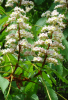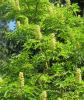
Swamp Maple Equine Oxidant Toxicosis, Methemoglobinemia, Heinz-Body Hemolysis, Dark Urine, Kidney Risk, and Wilted-Leaf Emergency Care
Is Swamp Maple Poisonous to Dogs, Cats, Horses, and Livestock?
Yes—Swamp Maple or Red Maple, Acer rubrum L., is potentially fatal to horses, ponies, donkeys, mules, zebras, and other equids that consume wilted or dried leaves or bark. Llamas and alpacas may also be susceptible and should be protected from the same material. The plant causes severe oxidative injury to equine red blood cells, producing methemoglobinemia, Heinz-body damage, hemolytic anemia, hemoglobinuria, tissue hypoxia, weakness, dark urine, jaundice, kidney injury, laminitis, collapse, and death. Dogs, cats, cattle, sheep, and goats are not known to develop the same characteristic red-maple equine crisis from ordinary exposure, but unidentified maple debris, treated branches, moldy leaves, mixed tree waste, and unknown ornamentals should never be offered to animals.
The established high-risk materials are wilted or dried leaves and bark. Fresh, healthy leaves still attached to the tree are generally not considered the classic hazard, but cut branches can begin wilting while they still look green, and fresh leaves should never be intentionally fed. Late-summer storms, hurricanes, pruning, frost, mowing, drought, branch breakage, autumn leaf fall, and tree-service debris create the major exposure windows. A horse that has eaten wilted Red Maple should be treated as an emergency before dark urine, brown gums, jaundice, or collapse appears.
About this guide: This page provides general pet-poisoning information and cannot diagnose or treat an individual animal. For any suspected exposure, contact a veterinarian or animal poison-control service immediately. Do not induce vomiting, give medication, or attempt home decontamination unless directed by a veterinary professional.
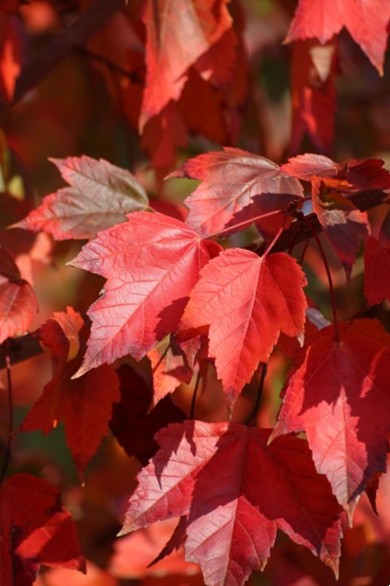
Swamp Maple
Acer rubrum L.
Accepted infraspecific taxa include:
- Acer rubrum var. rubrum
- Acer rubrum var. drummondii (Hook. & Arn. ex Nutt.) Sarg.
- Acer rubrum var. trilobum Torr. & A.Gray ex K.Koch
Historical synonyms include:
- Acer coccineum F.Michx.
- Acer glaucum Marshall
- Acer sanguineum Spach
- Acer rubrum var. eurubrum Pax
- Acer rubrum var. latifolium Schwer.
- Acer rubrum var. pallidum Aiton
- Acer rubrum var. sanguineum (Spach) Pax
- Acer rubrum var. stenocarpum Ashe
- Acer rubrum var. tomentosum (Du Tour) Tausch
- Acer rubrum var. tridens Alph.Wood
- Rufacer rubrum (L.) Small
Important non-synonym confusion names:
- Acer saccharinum L. — Silver Maple; also called soft maple, water maple, or swamp maple in some regions, but not the classic red-maple equine toxicosis species
- Acer × freemanii E.Murray — Freeman Maple; hybrid between Red Maple and Silver Maple, often planted ornamentally and sometimes difficult to distinguish from parents
- Acer saccharum Marshall — Sugar Maple; separate species with smoother leaf margins and different toxicological reputation
- Acer palmatum Thunb. — Japanese Maple; unrelated to the common name “red maple” when used for ornamental red-leaved Japanese cultivars
- Acer negundo L. — Boxelder; separate maple associated with seasonal pasture myopathy through a different toxin system
- Quercus rubra L. — Northern Red Oak; unrelated tree sometimes confused by “red” autumn foliage and leaf litter but with a different toxin profile
- Prunus spp. — Wild Cherry and related species; wilted leaves are also dangerous to horses but through cyanogenic glycosides, not the red-maple oxidant blood syndrome
Sapindaceae
Aceraceae is the traditional maple-family classification found in older botanical, forestry, agricultural, and veterinary literature.
Red Maple; Swamp Maple; Red Swamp Maple; Swamp Red Maple; Water Maple; Soft Maple; Scarlet Maple; Carolina Red Maple; Carolina Maple; Drummond Red Maple; Trident Red Maple; Scarlet Swamp Maple.
Scientific and historical search names include Acer rubrum L., Acer rubrum var. rubrum, Acer rubrum var. drummondii (Hook. & Arn. ex Nutt.) Sarg., Acer rubrum var. trilobum Torr. & A.Gray ex K.Koch, Acer coccineum F.Michx., Acer glaucum Marshall, Acer sanguineum Spach, and Rufacer rubrum (L.) Small.
“Swamp Maple,” “Water Maple,” and “Soft Maple” are ambiguous and may also be applied to Silver Maple, Acer saccharinum. “Scarlet Maple” may appear as a regional name for Red Maple but is also used loosely for ornamental maples with red autumn foliage. “Curled Maple” appears in some older or regional lists but is not a dependable exact common name for Acer rubrum. Freeman Maple, Acer × freemanii, is a hybrid between Red Maple and Silver Maple. Japanese red maples belong to Acer palmatum and related cultivars and are not botanical synonyms for Acer rubrum. Because equine red-maple poisoning is severe, tree identification should rely on leaves, opposite branching, twigs, bark, fruit, and scientific name rather than fall color alone.
Red Maple Toxicosis Is an Equine Oxidant Blood Disorder
Red-maple toxicosis is caused by a powerful oxidant system rather than one completely characterized compound acting alone. Gallotannins and free gallic acid occur in Acer rubrum leaves and are now considered important protoxins. Research using equine intestinal contents showed that these compounds can be converted into pyrogallol, a substantially stronger oxidant capable of damaging equine red blood cells. The best-supported model therefore involves plant chemistry, microbial metabolism within the horse, and exceptional susceptibility of equine erythrocytes.
This is not ordinary stomach upset, not cyanide poisoning, not nitrate poisoning, not tannin diarrhea alone, and not a simple allergic reaction. The dangerous target tissue is the red blood cell. The horse loses oxygen-carrying capacity because hemoglobin is chemically oxidized and because damaged erythrocytes are removed from circulation or rupture within blood vessels.
Gallotannins, Gallic Acid, and Pyrogallol
Gallotannins can be hydrolyzed to release gallic acid. In experiments involving equine ileal contents, gallic acid was converted most consistently to pyrogallol during the first 24 hours. The same sequence occurred when dried red-maple leaves were incubated with intestinal material. Bacterial isolates capable of participating in this conversion included Klebsiella pneumoniae and Enterobacter cloacae.
Those organisms can be normal components of intestinal microbial communities. Their identification does not mean that poisoned horses have an infection requiring antibiotics. Their importance is biochemical: they help explain how a plant compound can become a more dangerous oxidant after entering the equine digestive tract. This microbial activation model also helps explain why the classic crisis is most strongly documented in equids rather than generalized across every animal that encounters maple leaves.
Methemoglobinemia
Pyrogallol and related oxidants convert the iron within hemoglobin from its normal ferrous state to the ferric state, producing methemoglobin. Methemoglobin cannot carry oxygen effectively. A horse may therefore have red blood cells circulating through the body while a substantial proportion of their hemoglobin remains chemically incapable of transporting oxygen.
Blood and mucous membranes may take on a muddy brown or chocolate-brown appearance rather than the bright red expected from normally oxygenated hemoglobin. Supplemental oxygen may support the small amount of oxygen dissolved directly in plasma, but it cannot by itself convert all methemoglobin back into functional hemoglobin or replace destroyed red cells. That is why a visibly breathing horse can still be profoundly hypoxic.
Heinz Bodies and Hemolytic Anemia
Oxidative injury also alters the hemoglobin protein and produces Heinz bodies, which are aggregates of damaged hemoglobin attached to or near the red-cell membrane. Oxidized membrane proteins and lipids make the cells rigid, fragile, and recognizable as abnormal by the spleen and other components of the reticuloendothelial system. Some cells are removed from circulation, while others rupture within blood vessels and release free hemoglobin into the plasma.
The horse therefore suffers two simultaneous oxygen-delivery failures. Methemoglobinemia leaves surviving red cells unable to carry oxygen efficiently, while hemolysis reduces the total number of red cells available. The combination is why weakness, rapid breathing, rapid heart rate, collapse, brown gums, jaundice, and dark urine can progress quickly and why the prognosis becomes guarded once clinical anemia and methemoglobinemia are present.
Hemoglobinuria and Kidney Injury
Free hemoglobin released during intravascular destruction is filtered through the kidneys and produces red, burgundy, dark brown, or coffee-colored urine. The pigment load, together with dehydration, poor circulation, and tissue hypoxia, can contribute to acute kidney injury. Pigment-associated renal stress is one reason fluid therapy and urine-output monitoring are important in severe cases.
Kidney injury is a complication of the blood disorder rather than the primary plant mechanism. A horse may need fluids to maintain circulation and renal perfusion, but excessive or poorly matched fluid therapy can be risky in a critically ill patient. Fluid type, rate, and monitoring must be veterinarian-directed based on hydration, cardiovascular status, kidney values, urine output, anemia, and acid-base balance.
Wilted or Dried Leaves and Bark Are the Established Hazards
The established high-risk materials are wilted or dried leaves and bark. Fresh, healthy leaves still attached to the tree are generally not considered toxic under current field guidance, but they should never be intentionally fed. Leaves damaged by storms, frost, pruning, mowing, branch breakage, herbicide injury, drought, or natural autumn fall may become hazardous as they wilt.
Dried leaves can retain toxicity for approximately four weeks and sometimes longer under favorable preservation conditions. Bark is dangerous at any season and may be consumed by bored horses, animals without adequate forage, young exploratory horses, or horses with dental or gastrointestinal problems that interfere with normal hay consumption. Cut branches should never be placed in an equine enclosure even when the leaves still look green.
Hazardous-Dose Estimates Are Not Safe Thresholds
Published estimates commonly place a hazardous intake near 1.5 to 3 grams of wilted or dried leaves per kilogram of body weight, approximately 1.5 to 3 pounds for a 1,000-pound horse. Some guidance describes about 1.5 pounds as sufficient to cause serious illness and approximately 3 pounds as potentially fatal. These estimates are useful for emphasizing danger, not for deciding that a smaller exposure is safe.
Toxicity varies with leaf condition, season, individual susceptibility, microbial metabolism, body size, animal type, and the amount consumed over time. A pony, miniature horse, donkey, mule, foal, or underweight horse requires proportionally less material. An owner who witnesses consumption should not wait to determine whether a theoretical threshold was reached. Early veterinary decontamination may be useful before clinical signs develop.
Species at Greatest Risk
The classic syndrome is documented primarily in equids, including horses, ponies, donkeys, mules, and zebras. A presumptive case has been documented in a Grevy’s zebra, supporting a broader equid risk rather than a disease restricted to domestic horses. Llamas and alpacas may also be susceptible and should be managed as at-risk animals when wilted Red Maple leaves or bark are involved.
Cattle, sheep, and goats are not recognized as developing the same characteristic red-maple hemolytic crisis, possibly because their digestive metabolism differs. That does not make maple debris appropriate feed. Mixed tree waste may contain cherry, oak, yew, black walnut, mold, pesticides, herbicides, or other hazards. Dogs and cats are not known to develop the equine oxidative blood disorder from ordinary red-maple exposure, but dark urine, jaundice, brown mucous membranes, weakness, or anemia in those species still requires urgent veterinary examination for other oxidants and diseases.
Onset and Early Progression
Clinical signs commonly begin within approximately 12 to 48 hours after ingestion, but the course varies with dose, leaf condition, and individual susceptibility. Some horses do not appear ill until several days after access, when extensive red-cell injury has already occurred. A horse found near wilted Red Maple leaves should not be considered safe merely because it ate normally immediately afterward.
Early signs may include depression, reduced appetite, weakness, reluctance to move, fatigue during minimal exertion, fever, and abdominal discomfort or colic. These early signs are easy to underestimate. They may precede the more dramatic red-brown urine, jaundice, brown mucous membranes, rapid breathing, collapse, and recumbency that owners associate with the disease.
Methemoglobinemia and Oxygen Starvation
As methemoglobinemia develops, the blood becomes less capable of carrying oxygen. Affected horses may breathe rapidly, flare their nostrils, extend the head and neck, show increased respiratory effort, or appear distressed despite having no primary lung disease. The heart rate rises in an attempt to circulate the remaining usable oxygen more quickly.
Exercise, excitement, chasing, trailering stress, or unnecessary walking can sharply increase oxygen demand and precipitate collapse. A horse with suspected exposure should be kept quiet and handled gently. “Walking it out” is unsafe because the problem is not ordinary colic or stiffness; it is oxygen-delivery failure.
Mucous-Membrane Color Changes
Mucous-membrane color can provide an important warning. The gums and conjunctiva may appear muddy brown or chocolate-colored when methemoglobin predominates, blue-gray or cyanotic when tissue oxygenation is critically poor, pale when anemia is severe, or yellow when hemolysis produces icterus. More than one color may be present as the relative contributions of methemoglobinemia, anemia, poor circulation, and bilirubin accumulation change.
Normal-looking gums at one moment do not rule out progression. Mucous membranes can change as oxidant injury continues, damaged red cells are removed, and circulation deteriorates. Repeated veterinary monitoring is more useful than a single owner inspection.
Hemolysis, Dark Urine, and Anemia
Hemolysis releases hemoglobin into the plasma and urine. Owners may notice red, burgundy, dark brown, or coffee-colored urine in the stall or bedding. The urine discoloration is usually hemoglobinuria rather than intact blood from the urinary tract. Plasma may also appear pink or red because of free hemoglobin.
Continued red-cell destruction causes a rapidly declining packed cell volume, profound fatigue, weakness, staggering, recumbency, and inability to rise. A horse may become too weak to stand or may lie down and be unable to rise because the remaining functional red-cell mass can no longer meet tissue oxygen demand.
Kidney Injury, Colic, Fever, and Laminitis
Kidney injury can develop when large amounts of free hemoglobin are filtered through renal tubules, especially when dehydration and poor circulation are present. In a 32-horse retrospective study, renal insufficiency was identified in 12 of 30 evaluated horses. Reduced urine production, worsening azotemia, dehydration, and electrolyte or acid-base abnormalities can complicate the primary blood disorder and make fluid management more difficult.
Systemic inflammation, fever, colic, and laminitis have all been documented. In the same referral population, 13 of 30 horses developed colic and 9 of 28 developed laminitis. These complications did not independently predict short-term survival in that series, but they increase pain, treatment complexity, and the risk of lasting disability. Critically ill horses may also develop weakness-associated injury, aspiration, pressure damage, or complications from prolonged recumbency.
Pregnant Mares
Abortion has been reported in pregnant mares with suspected Red Maple toxicosis. Two severely affected Percheron mares reportedly aborted while developing fatal hemolytic disease, although confirmatory toxicological testing and complete postmortem evidence were limited. Fetal loss is therefore a credible severe complication of maternal hypoxia and systemic illness, but it is not an inevitable or uniquely diagnostic sign.
Any pregnant mare with known or suspected access to wilted Red Maple leaves or bark requires immediate veterinary attention even before visible anemia, dark urine, or respiratory distress develops. Waiting for obvious maternal signs may allow fetal oxygen deprivation and maternal red-cell injury to progress.
Collapse, Seizures, Coma, and Death
The disease can progress rapidly to cardiovascular collapse, severe tissue hypoxia, seizures, coma, or death. Death may occur within one or several days after signs begin, although some horses survive a longer clinical course. No single initial packed cell volume, hemoglobin concentration, or methemoglobin percentage reliably predicts the outcome because red-cell destruction may continue after the first examination.
Red-maple toxicosis carries a guarded prognosis once clinical anemia and methemoglobinemia are present. In one multi-institutional referral study, 19 of 32 horses died. Survival depends on the absorbed dose, continuing red-cell destruction, urine production, renal function, complications, speed of recognition, access to compatible blood products, and the horse’s response to intensive supportive care.
Donkeys, Mules, Ponies, Miniature Horses, and Zebras
Donkeys, mules, ponies, miniature horses, and zebras should be treated as susceptible equids. Smaller equids require less leaf or bark material to reach the same dose per body weight. A miniature horse or pony exposed to a quantity that appears modest beside a full-sized horse may still have a severe or fatal exposure.
Clinical signs may still center on depression, weakness, rapid breathing, discolored mucous membranes, dark urine, jaundice, colic, laminitis, recumbency, and collapse. Species and size differences do not justify home observation after witnessed ingestion of wilted leaves or bark.
Llamas and Alpacas
Llamas and alpacas may also be susceptible and should be protected from wilted Red Maple leaves, dried leaves, bark, cut branches, and tree-service debris. Detailed camelid case data are less extensive than equine data, but the severity of the oxidant syndrome and the uncertainty around camelid susceptibility justify emergency-level prevention and triage.
Possible signs would include depression, weakness, dark urine, pale or discolored mucous membranes, jaundice, rapid breathing, reduced appetite, recumbency, or collapse. Because camelids can mask illness and may not show signs exactly like horses, suspected exposure should be discussed promptly with a veterinarian familiar with camelids.
Dogs, Cats, Cattle, Sheep, and Goats
Dogs and cats are not expected to develop the characteristic syndrome of Heinz-body anemia, methemoglobinemia, and hemoglobinuria after ordinary Red Maple exposure. Dark urine, jaundice, brown mucous membranes, weakness, or anemia in a dog or cat still requires urgent veterinary examination because onions, garlic, acetaminophen, zinc, copper, nitrate or nitrite, red blood-cell parasites, immune-mediated disease, and other oxidants can produce overlapping signs.
Cattle, sheep, and goats are not generally recognized as vulnerable to the same equine red-maple hemolytic crisis. Mixed tree debris still should not be used as forage. If ruminants become ill after access to maple waste, the veterinarian should inspect the entire pile for cherry, yew, oak, mold, pesticides, herbicides, nitrates, contaminated feed, and other hazards rather than assuming a classic equine Red Maple syndrome.
Swamp Maple and Red Maple Are the Same Species
The scientific name Acer rubrum identifies the tree most often called Red Maple. Swamp Maple, Water Maple, and Soft Maple are regional names reflecting its tolerance of wet soils and the relatively soft character of its wood. Those names are not exclusive, however, and Silver Maple, Acer saccharinum, may also be called Swamp Maple, Water Maple, or Soft Maple in some regions.
Scientific identification is especially important when a tree grows beside a horse pasture or when fallen branches are being evaluated after a storm. Fall color alone is not reliable because many maples, ornamental hybrids, and unrelated trees can turn red. Use the scientific name, opposite branching, leaf shape, leaf underside, petioles, buds, fruit, bark, and tree location together.
Current Family Classification
Red Maple is currently placed in Sapindaceae, the Soapberry Family. Older references placed maples in their own family, Aceraceae. Both family names may therefore appear in forestry, botanical, agricultural, and veterinary records.
The family change does not alter the identity or toxicological evidence for Acer rubrum. Older equine-toxicology reports using Aceraceae remain relevant when the tree was correctly identified as Red Maple.
Native Range and Exposure-Relevant Habitat
Red Maple is native from eastern Canada through the central and eastern United States. It occupies an unusually broad range of habitats, from swamps, floodplains, stream margins, wet woods, and bottomlands to upland forest, disturbed sites, roadsides, lawns, fence lines, and comparatively dry soils.
Its adaptability makes it common around farms, estate grounds, paddocks, trails, driveways, suburban horse properties, and small acreage facilities. A horse pasture may receive windblown leaves or storm-broken branches from a tree growing outside the fence. Owners should inspect not only trees inside the enclosure but also neighboring property, roadside trees, and overhanging limbs.
How to Identify Red Maple
Red Maple is a medium to large deciduous tree with opposite leaves and branches. Young bark is smooth and light gray; older trunks become darker and develop narrow, somewhat shaggy or raised plates. The leaves usually have three prominent lobes and sometimes five. Their margins are sharply serrated, their sinuses are relatively shallow to moderate, and the stalks and major veins often show red coloration.
The upper leaf surface is green, while the underside is paler or whitish. Red or yellow-red flower clusters appear during late winter or early spring, often before the leaves. Paired winged fruits mature during spring or early summer. Autumn foliage may turn yellow, orange, scarlet, or deep red, but autumn color alone should not be used as the identification feature for an equine emergency.
Distinguishing Red Maple from Other Common Maples
Sugar Maple leaves generally have smoother margins with fewer fine teeth and more rounded U-shaped spaces between the lobes. Silver Maple has much deeper sinuses and narrow, sharply divided lobes with a strongly silver-white underside. Freeman Maples are hybrids between Red Maple and Silver Maple and may show intermediate characters.
Ornamental cultivars can also alter crown shape, leaf form, and autumn color. Tree identification should use leaves, twigs, buds, bark, fruit, branching pattern, and growth site rather than fall color alone. Red Maple is the maple most consistently associated with equine hemolytic poisoning. Other maple clippings should still be kept away from horses when identification is uncertain or the material is wilted, dried, moldy, or mixed with other tree species.
Wilted Leaves and Bark Are the Established Hazards
Fresh, healthy leaves attached to the tree are not generally considered toxic under current equine guidance. The principal danger begins after leaves wilt or dry because of autumn fall, frost, pruning, mowing, storm damage, drought, branch breakage, or herbicide injury. Green leaves on a fallen branch may begin wilting before the owner recognizes that the limb is accessible.
The leaves can remain toxic for approximately four weeks after falling. They are not generally believed to remain hazardous through the following spring, but environmental conditions vary and old leaves should never be deliberately fed. Bark is also toxic. Horses deprived of adequate forage, young curious horses, and animals with dental disease may chew trunks or fallen branches. Fencing only the autumn leaves while allowing direct access to Red Maple bark does not eliminate the risk.
Storms Create the Highest-Risk Exposure
Late-summer thunderstorms, hurricanes, ice, wind, and heavy snow can drop leafy limbs directly into a paddock. Autumn creates a second major risk as large quantities of leaves fall naturally. Horses usually avoid unpalatable dry leaves when good forage is abundant, but hunger, boredom, poor teeth, dry-lot management, limited hay, herd competition, or curiosity can encourage consumption.
Pastures should be inspected immediately after storms rather than only during scheduled maintenance. Branches beyond the fence line should be included because wind can carry them into the enclosure. Piles of leaves against gates, fence corners, water troughs, hay feeders, and run-in sheds may concentrate exposure in areas where horses spend the most time.
How the Toxin System Develops
Gallotannins and free gallic acid are present in Red Maple leaves. Equine intestinal microorganisms can convert gallotannins to gallic acid and then convert gallic acid to pyrogallol. Experimental work identified Klebsiella pneumoniae and Enterobacter cloacae among the bacteria capable of participating in this metabolism.
Their role is biochemical rather than infectious; antibiotics are not an antidote to Red Maple poisoning. Pyrogallol is a more powerful inducer of equine methemoglobinemia than gallic acid itself. This microbial activation model helps explain why Red Maple toxicity is species-selective and why the chemical danger cannot be described adequately as ordinary tannin irritation.
Methemoglobinemia and Hemolysis Are Different but Simultaneous Problems
Methemoglobinemia changes the iron in hemoglobin so that the molecule cannot bind and transport oxygen normally. The affected red cell may remain physically present but function poorly. Hemolysis destroys red cells altogether. Oxidized hemoglobin forms Heinz bodies, cell membranes become fragile, and abnormal erythrocytes rupture or are removed from circulation.
The combination is especially dangerous because the horse has fewer red cells and much of the hemoglobin remaining inside those cells may be unable to carry oxygen. Supplemental oxygen can support the small amount dissolved directly in plasma but cannot by itself restore destroyed red cells or chemically reduce all methemoglobin. Severe cases may require compatible whole-blood transfusion to restore oxygen-carrying capacity.
Hazardous-Dose Estimates Are Not Safe Thresholds
Current equine guidance commonly places hazardous intake around 1.5 to 3 pounds of wilted or dried leaves per 1,000 pounds of body weight. Approximately 1.5 pounds may cause severe disease, while around 3 pounds has been described as potentially fatal for a mature horse. These figures are estimates rather than a safety boundary.
A pony, miniature horse, donkey, foal, mule, zebra, or underweight animal requires proportionally less material, and leaf toxicity varies with season, condition, and individual metabolism. An owner who witnesses consumption should not wait to determine whether a theoretical threshold was reached. Early veterinary decontamination may be useful before clinical signs develop.
Species at Risk
Horses, ponies, donkeys, mules, and zebras are susceptible to the classic oxidant toxicosis. A presumptive case has been documented in a Grevy’s zebra, supporting a broader equid risk rather than a disease restricted to domestic horses. Llamas and alpacas may also be susceptible.
Cattle, sheep, and goats are not generally considered vulnerable to the same syndrome, although no maple material should be used as intentional forage. Dogs and cats are not known to develop Red Maple-associated methemoglobinemia and hemolytic anemia. Illness in those species requires evaluation for another tree, pesticide, mold, foreign material, or unrelated disease.
Pregnant Mares
Abortion has been reported in severely affected pregnant mares. The best-known account involved two Percheron mares with suspected Red Maple toxicosis, profound hemolytic disease, and fetal loss. The cases did not include complete confirmatory testing or postmortem evidence sufficient to establish abortion as a direct unique action of the maple toxin.
Severe maternal anemia, methemoglobinemia, fever, hypoxia, shock, and systemic inflammation provide plausible pathways for fetal death. Any pregnant mare with known exposure requires immediate veterinary attention even before visible anemia or dark urine develops.
Diagnosis
Diagnosis is based on access to wilted or dried Red Maple leaves or bark together with compatible oxidative red-cell injury. There is no routine clinical test that directly detects a specific Red Maple toxin. A complete blood count and packed cell volume identify anemia. Examination of a blood smear may reveal Heinz bodies and abnormal red-cell morphology. Blood may appear brown because of methemoglobin, while plasma can become pink or red from free hemoglobin.
Additional testing may include methemoglobin measurement, serum chemistry, bilirubin, kidney values, electrolytes, blood-gas analysis, acid-base status, urinalysis, urine-output monitoring, coagulation testing, and evaluation for laminitis or colic. Red or brown urine should be distinguished from intact red blood cells, myoglobin released by muscle injury, and other urinary pigments. Plant fragments in stomach contents can support the diagnosis but are not required when the exposure history and blood findings are convincing.
Important Differential Diagnoses
Oxidative hemolysis and methemoglobinemia can also result from onion or garlic exposure, wild onions, certain drugs, nitrates or nitrites, chlorates, naphthalene, acetaminophen, zinc, copper, and other oxidants. Immune-mediated hemolytic anemia, equine infectious anemia, babesiosis or theileriosis, neonatal isoerythrolysis, severe infection, transfusion reactions, and other blood disorders can produce anemia, jaundice, weakness, or red-brown urine.
Dark urine can also accompany exertional rhabdomyolysis and other muscle disease. Accurate pasture inspection, plant identification, blood smears, urinalysis, and laboratory testing help distinguish these emergencies. Cherry, yew, oak, black walnut, wilted ornamental debris, moldy feed, contaminated hay, and pesticide-treated tree waste should also be considered when multiple plants or clippings are present.
Veterinary Treatment
No specific proven antidote reverses every component of Red Maple poisoning. Treatment begins with minimizing exertion, stopping further exposure, supporting oxygen delivery, protecting kidney function, and controlling complications. If ingestion was recent and the horse remains stable, a veterinarian may administer activated charcoal through a nasogastric tube to reduce gastrointestinal absorption. Mineral oil or other gastrointestinal management has been used historically, but decontamination must be selected for the individual patient and should never be attempted by an owner.
Intravenous fluids may correct dehydration and support renal perfusion while free hemoglobin is being filtered. Fluid volume and rate must be adjusted to cardiovascular status, kidney function, urine production, and the severity of anemia. Oxygen supplementation may improve the small quantity of oxygen dissolved in plasma and support tissue oxygenation, but it cannot make methemoglobin functional or replace destroyed red blood cells. Severely anemic horses may require carefully matched whole-blood transfusion.
Historical Ascorbic-Acid Case Evidence
Two horses with red maple (Acer rubrum) toxicity responded to treatment with high doses of vitamin C (ascorbic acid), in addition to blood transfusions, and intravenous fluid therapy. The clinical course included Heinz body anemia, marked methemoglobinemia, depression, and evidence of severe tissue anoxia. Clinical recovery was dramatic with stabilization achieved 36 hours following the initiation of ascorbic acid therapy.
This report remains important historical clinical evidence, but it involved only two horses receiving vitamin C together with blood transfusions and intravenous fluids. It cannot determine which component produced recovery or establish an effective universal dose. Current equine guidance does not treat vitamin C as a proven field antidote. Its use remains a veterinarian-directed adjunct rather than a substitute for transfusion, fluids, oxygen support, serial blood testing, renal monitoring, and management of cardiovascular complications.
Methylene Blue, Corticosteroids, and Oxygen-Carrying Support
Methylene blue can reduce methemoglobin under some circumstances but may itself create oxidant injury at inappropriate doses. Equine sources describe its results in Red Maple toxicosis as unrewarding or potentially hazardous, and it is not a routine owner or field treatment. Corticosteroids should not be administered automatically. In a retrospective series of 32 affected horses, corticosteroid treatment was associated with a significantly increased likelihood of death. That association does not prove that the drugs caused every poor outcome, because more severely affected horses may have been more likely to receive them, but it argues strongly against unsupervised or reflexive use.
An older report described ultrapurified bovine hemoglobin solution in a miniature horse and a pony with presumed Red Maple toxicosis. Both experienced temporary improvement in oxygen-delivery measurements before subsequently receiving whole-blood transfusions and surviving to discharge. The product functioned as a temporary oxygen bridge rather than reversing red-cell oxidation or stopping hemolysis. Availability is limited, and hemoglobin-based oxygen carriers are not a standard substitute for compatible blood products or comprehensive critical care.
Prognosis
The prognosis is guarded once overt hemolytic anemia and methemoglobinemia develop. One referral study documented 19 deaths among 32 affected horses, a mortality rate of approximately 59 percent. Initial examination findings did not reliably predict survival. A horse that appears only moderately affected may continue destroying red cells, while an initially critical horse may stabilize with intensive treatment.
Surviving horses may require prolonged monitoring for anemia, kidney injury, laminitis, colic, weakness, and transfusion complications. Return to exercise should be guided by clinical recovery and restoration of adequate red-cell mass rather than outward appearance alone. Every other equid that shared the exposure should remain under veterinary guidance even if it appears normal.
Prevention
Identify every maple within and around equine areas. Remove or securely fence Red Maple trunks and low branches where horses can chew bark, but do not create a greater hazard by dropping leafy limbs into the pasture during removal. Inspect paddocks after every storm, frost, pruning operation, heavy wind, or autumn leaf drop. Remove fallen limbs and leaves before horses return.
Continue checking for material blown from neighboring property or roadsides. Provide adequate palatable hay or safe forage at all times. Pay particular attention to young horses, animals in dry lots, horses with poor teeth, and animals whose medical conditions interfere with normal hay consumption. Never dispose of maple branches, firewood bark, autumn leaves, yard waste, or tree-service debris in a horse, donkey, mule, zebra, llama, or alpaca enclosure.
Immediate Steps After Suspected Exposure
Treat wilted-leaf or bark ingestion as an emergency. Contact an equine veterinarian immediately even when the horse still appears normal. Oxidative red-cell injury may develop before visible signs. The first response is not to exercise the horse, not to wait for dark urine, and not to attempt owner-administered treatment. The first response is to stop exposure, keep the animal quiet, preserve evidence, and get veterinary direction.
- Stop further ingestion: Move the horse away from fallen branches, dried leaves, bark, tree debris, contaminated hay, or leaf piles without forcing unnecessary exercise.
- Keep the horse quiet: Avoid chasing, lunging, riding, prolonged walking, or stressful transport arrangements that increase oxygen demand. Follow the veterinarian’s instructions for safe movement.
- Remove loose material safely: Take accessible leaves or bark from the front of the mouth when this can be done without risking injury. Do not reach deeply into the throat.
- Preserve plant evidence: Collect leaves, twigs, bark, and photographs showing the entire tree, opposite branching, leaf shape, leaf underside, petioles, buds, bark, and surrounding pasture.
- Record the likely exposure: Note when the branch fell, whether leaves were wilted or dry, how much material may be missing, which animals had access, and whether the horse has urinated normally.
- Separate every exposed equid for observation: Horses, ponies, donkeys, mules, and zebras may consume different amounts and develop signs at different times.
Do Not Attempt Unsupervised Treatment
- Do not induce vomiting: Horses cannot vomit. Hydrogen peroxide, salt, mustard, and other emetics are ineffective and dangerous.
- Do not administer activated charcoal yourself: Charcoal must be delivered safely through veterinary equipment and may be inappropriate in a weak, colicky, dysphagic, or unstable horse.
- Do not drench with mineral oil, water, electrolytes, or medication: Forced oral material can enter the lungs and does not neutralize oxidative blood injury.
- Do not give vitamin C as a home antidote: Historical cases reported recovery when vitamin C was combined with transfusions and intravenous fluids, but controlled evidence of benefit is lacking.
- Do not give methylene blue: Incorrect use can worsen oxidative damage and is not considered a dependable routine treatment for Red Maple toxicosis in horses.
- Do not administer corticosteroids automatically: Corticosteroid treatment was associated with increased mortality in a retrospective equine study.
- Do not force exercise to “keep circulation moving”: Exercise increases tissue oxygen demand and may precipitate collapse in an anemic or methemoglobinemic horse.
Emergency Warning Signs
- Urine becomes red, brown, burgundy, or coffee-colored: This may indicate hemoglobin release from extensive intravascular red-cell destruction.
- Mucous membranes change color: Muddy brown, chocolate, blue-gray, pale, or yellow gums and eyelids indicate methemoglobinemia, poor oxygenation, anemia, or hemolysis.
- Breathing or heart rate increases: Rapid breathing, nostril flaring, labored respiration, and tachycardia may reflect critical oxygen-delivery failure.
- Weakness is progressing: Staggering, reluctance to move, recumbency, inability to rise, seizures, or collapse requires immediate critical care.
- Colic, fever, or hoof pain develops: Colic, systemic inflammation, and laminitis are recognized complications.
- A pregnant mare was exposed: Severe maternal toxicosis has been associated with abortion and requires immediate assessment.
- Urine production decreases: Reduced urination may indicate dehydration, pigment-associated renal injury, shock, or advanced kidney dysfunction.
Veterinary Examination and Monitoring
The veterinarian may perform serial packed cell volume and total-protein measurements, complete blood counts, blood-smear examination for Heinz bodies, methemoglobin measurement, serum chemistry, bilirubin, kidney values, electrolytes, blood-gas analysis, acid-base testing, and urinalysis. One early blood sample cannot reliably predict how far the hemolysis will progress.
Heart rate, respiratory rate, mucous-membrane color, oxygenation, hydration, urine output, body temperature, abdominal comfort, digital pulses, hoof temperature, and signs of laminitis may require repeated monitoring. Exposed animals that initially appear normal may still need observation because signs often begin after a delay.
Veterinary Treatment
If ingestion was recent, the veterinarian may administer activated charcoal through a nasogastric tube to reduce absorption. The usefulness of gastrointestinal decontamination decreases after oxidant compounds have been absorbed or converted within the intestine. Activated charcoal is not an owner-administered treatment and is unsafe when given incorrectly.
Intravenous fluids may correct dehydration, maintain circulation, and support the kidneys as free hemoglobin is filtered. Fluid treatment must be individualized because critically ill horses can develop renal dysfunction, severe anemia, shock, or other complications that make excessive or poorly monitored fluid administration unsafe.
Supplemental oxygen may support tissue oxygenation, although it cannot convert all methemoglobin back into functional hemoglobin or replace destroyed red cells. Handling should remain gentle and exertion minimal. A whole-blood transfusion may be necessary when anemia, tissue hypoxia, weakness, or continuing hemolysis becomes severe. Transfusion carries compatibility and reaction risks and is reserved for cases in which the likely benefit outweighs those risks.
Vitamin C and hemoglobin-based oxygen carriers have been used as adjuncts in individual historical cases, but neither should be considered a proven stand-alone antidote. Methylene blue and corticosteroids are not routine recommended therapies.
Pregnant Mares, Foals, Ponies, Donkeys, Mules, Zebras, and Camelids
Pregnant mares require immediate veterinary attention after known exposure because severe maternal anemia, methemoglobinemia, fever, shock, and hypoxia can threaten the fetus. Foals, ponies, miniature horses, donkeys, mules, and zebras require proportionally less plant material to reach a dangerous dose per body weight and should not be managed by full-sized horse leaf-count assumptions.
Llamas and alpacas should be protected from the same wilted leaves and bark. Because camelid-specific case detail is limited and clinical signs may differ from horses, suspected exposure should be discussed with a veterinarian familiar with camelids rather than treated as harmless.
Dogs, Cats, Cattle, Sheep, and Goats
Dogs and cats are not known to develop the characteristic equine Red Maple syndrome from ordinary exposure. Do not intentionally feed maple leaves, however, and do not ignore illness after access to mixed tree debris. Dark urine, jaundice, pale gums, brown mucous membranes, weakness, vomiting, or collapse in a dog or cat requires veterinary evaluation for other oxidants, medications, onions, garlic, acetaminophen, zinc, copper, parasites, immune-mediated disease, and other causes.
Cattle, sheep, and goats are not generally recognized as developing the classic equine crisis, but mixed tree waste still should not be fed. If ruminants become ill after access to leaf piles or branches, inspect the entire exposure site for cherry, yew, oak, black walnut, mold, pesticides, herbicides, nitrates, contaminated feed, and other plants.
Recovery and Prognosis
The prognosis is guarded once clinical methemoglobinemia and hemolytic anemia develop. Horses can continue deteriorating after admission because oxidant injury and removal of damaged red cells may persist. Initial improvement does not guarantee that red-cell destruction has stopped.
Survivors may require several days of intensive treatment followed by monitoring for recurrent anemia, kidney injury, laminitis, colic, weakness, and transfusion complications. Exercise should not resume until the horse has recovered clinically and the red-cell mass has improved adequately. Every other equid that shared the exposure should remain under veterinary guidance even if it appears normal.
Prevention After the Incident
Identify and remove Red Maple hazards around equine enclosures. Inspect paddocks after storms, frost, pruning, mowing, drought, branch breakage, and autumn leaf drop. Remove fallen limbs, leaf piles, bark strips, firewood pieces, and tree-service debris before horses return.
Provide adequate palatable forage so horses are not driven to consume leaf litter or bark. Fence trunks and low branches where horses can chew bark. Never discard maple limbs, autumn leaves, firewood bark, or landscaping waste in horse, pony, donkey, mule, zebra, llama, or alpaca enclosures.
Frequently Asked Questions About Swamp Maple and Equine Poisoning
Are Swamp Maple and Red Maple the same tree?
Yes, when the scientific name is Acer rubrum. Red Maple is also called Swamp Maple, Water Maple, and Soft Maple because it commonly grows in wet habitats and has comparatively soft wood. Those common names can also be applied to Silver Maple, so the scientific identity should be confirmed before evaluating an exposure.
Which animals are most susceptible to Red Maple poisoning?
The classic life-threatening syndrome affects equids, including horses, ponies, donkeys, mules, and zebras. Llamas and alpacas may also be susceptible. Cattle, sheep, and goats are not generally recognized as developing the same oxidative blood disorder, but maple clippings should not be offered as forage to any animal.
Is Red Maple poisonous to dogs and cats?
Dogs and cats are not known to develop the characteristic equine syndrome of methemoglobinemia, Heinz-body anemia, and hemoglobinuria after ordinary Red Maple exposure. Illness in a dog or cat still deserves veterinary assessment when the plant was treated with chemicals, another tree was mixed in, or signs such as jaundice, anemia, dark urine, vomiting, weakness, or collapse develop.
Are fresh Red Maple leaves poisonous to horses?
Fresh, healthy leaves still attached to the tree are generally not considered toxic under current equine guidance. Wilted or dried leaves and bark are the established hazards. Fresh leaves should not be fed intentionally because damaged leaves can begin wilting rapidly, tree identification can be wrong, and cut branches may become toxic while still appearing green.
How long do fallen Red Maple leaves remain toxic?
Dried leaves can retain toxicity for approximately four weeks and possibly longer under some storage or weather conditions. They are not generally believed to remain toxic through the following spring. Fallen leaves should nevertheless be removed rather than used as forage, bedding, compost enrichment, or dry-lot ground cover around horses.
Is Red Maple bark poisonous?
Yes. Bark is considered toxic and may contain concentrations of relevant compounds comparable to dangerous leaf material. Horses may chew bark when bored, hungry, short of forage, young and exploratory, or unable to consume hay normally because of dental or gastrointestinal disease. Direct bark access should be prevented.
How much wilted Red Maple can poison a horse?
Guidance commonly identifies approximately 1.5 to 3 pounds of wilted or dried leaves per 1,000 pounds of body weight as a dangerous range. About 1.5 pounds may cause severe disease, while approximately 3 pounds may be fatal. These figures are estimates, not safe thresholds, and smaller equids require proportionally less material.
What toxin in Red Maple damages a horse’s blood?
The best-supported model involves gallotannins and free gallic acid from the leaves. Equine intestinal bacteria can convert these compounds into pyrogallol, a more powerful oxidant. Pyrogallol and related oxidants convert hemoglobin to methemoglobin and damage red-cell proteins and membranes, producing Heinz bodies and hemolysis.
Why do poisoned horses have brown blood and dark urine?
Oxidation converts functional hemoglobin into methemoglobin, which gives blood and mucous membranes a muddy or chocolate-brown color and cannot carry oxygen normally. At the same time, damaged red cells rupture and release free hemoglobin. The kidneys filter that pigment, creating red, brown, burgundy, or coffee-colored urine.
How soon do signs appear?
Signs commonly begin within approximately 12 to 48 hours but may be delayed for several days. Early depression or appetite loss may be subtle. A horse can appear normal while oxidant compounds are being absorbed and red-cell injury is developing, which is why witnessed ingestion requires immediate veterinary contact rather than waiting for dark urine.
Can Red Maple poisoning cause abortion?
Abortion has been reported in severely affected pregnant mares, including two Percheron mares with suspected Red Maple toxicosis. The evidence does not establish abortion as a direct or inevitable effect of one toxin. Severe maternal anemia, methemoglobinemia, fever, shock, and oxygen deprivation can all threaten the fetus.
What should be done immediately after witnessed ingestion?
Remove the horse from the leaves or bark, keep it quiet, preserve plant samples, and contact an equine veterinarian immediately. Do not exercise the horse, wait for symptoms, or attempt owner-administered charcoal, mineral oil, vitamin C, methylene blue, corticosteroids, or another treatment. Early veterinary decontamination may be useful before the oxidants are absorbed.
Is vitamin C a proven treatment?
No. Two historical cases improved after high-dose vitamin C was given together with blood transfusions and intravenous fluids, making it impossible to identify which treatment produced recovery. Current equine guidance treats vitamin C as a possible veterinarian-directed adjunct rather than a proven antidote or substitute for transfusion, fluids, oxygen support, and monitoring.
Why might a horse need a blood transfusion?
Red Maple poisoning both destroys red cells and makes surviving hemoglobin unable to carry oxygen efficiently. When anemia and tissue hypoxia become severe, transfused red cells can restore oxygen-carrying capacity while the horse’s bone marrow begins replacing damaged cells. Transfusions have compatibility and reaction risks and must be managed by a veterinarian.
Is methylene blue useful for Red Maple poisoning?
Methylene blue can reduce methemoglobin in some poisoning contexts, but equine red-maple toxicosis is not a simple owner-treatable methemoglobinemia. Incorrect use can worsen oxidative damage, and equine sources describe the results as unrewarding or potentially hazardous. It should not be given unless a veterinarian specifically decides it is appropriate.
Why are corticosteroids discouraged as automatic treatment?
Corticosteroids should not be given reflexively or by an owner. In a retrospective series of 32 affected horses, corticosteroid treatment was associated with increased mortality. That association does not prove that the drugs caused every poor outcome, because sicker horses may have been more likely to receive them, but it strongly argues against unsupervised or automatic use.
Can Red Maple poisoning cause kidney failure?
Yes, kidney injury can occur as a complication. Hemolysis releases free hemoglobin, which is filtered through the kidneys and can contribute to pigment-associated renal injury, especially with dehydration and poor circulation. Reduced urination, worsening blood kidney values, dehydration, and electrolyte abnormalities require close veterinary monitoring.
Can Red Maple poisoning cause laminitis or colic?
Yes. Colic, fever, systemic inflammation, and laminitis have all been documented in affected horses. These complications may not be the primary toxin mechanism, but they increase pain, treatment complexity, and recovery risk. Hoof pain, increased digital pulses, reluctance to move, abdominal pain, or fever after exposure should be reported promptly.
Can donkeys, mules, ponies, and zebras be poisoned too?
Yes. The disease is an equid risk, not only a full-sized domestic horse risk. Ponies, miniature horses, donkeys, mules, and zebras should be protected from wilted Red Maple leaves and bark. Smaller equids need proportionally less plant material to reach a dangerous dose per body weight.
Are llamas and alpacas at risk?
They may be susceptible and should be managed cautiously. Camelid-specific evidence is less extensive than horse evidence, but wilted Red Maple leaves and bark should not be allowed in llama or alpaca enclosures. Suspected exposure should be discussed promptly with a veterinarian familiar with camelids.
How is Red Maple poisoning diagnosed?
Diagnosis relies on access to wilted or dried Red Maple leaves or bark plus compatible oxidative red-cell injury. Testing may include packed cell volume, complete blood count, blood smear for Heinz bodies, methemoglobin measurement, serum chemistry, bilirubin, kidney values, electrolytes, blood gas, acid-base evaluation, urinalysis, and urine-output monitoring. There is no routine field test that directly detects one specific Red Maple toxin.
What other diseases can look similar?
Other causes of oxidative hemolysis, methemoglobinemia, anemia, jaundice, or dark urine include onions, garlic, wild onions, nitrates, nitrites, chlorates, naphthalene, acetaminophen, zinc, copper, immune-mediated hemolytic anemia, equine infectious anemia, babesiosis or theileriosis, neonatal isoerythrolysis, severe infection, transfusion reactions, and exertional rhabdomyolysis. Laboratory testing and pasture inspection are essential.
What is the prognosis?
The prognosis is guarded once hemolytic anemia and methemoglobinemia are established. A referral study documented 19 deaths among 32 affected horses. Initial blood values did not reliably predict survival because red-cell destruction may continue. Prompt recognition, minimal exertion, transfusion when necessary, renal support, and intensive monitoring provide the best chance of recovery.
How can Red Maple poisoning be prevented?
Identify Red Maples within and around equine property, prevent bark chewing, provide adequate safe forage, and inspect paddocks after storms, frost, pruning, mowing, or heavy winds. Remove every fallen branch and accumulation of leaves before horses return. Never discard maple limbs, autumn leaves, firewood bark, or tree-service debris in an equine or camelid enclosure.