Perennial Sweet Pea Seed Neurotoxicity, Equine Neurolathyrism, DAB Chemistry, Laryngeal Paralysis, Hay Contamination, and Annual Sweet-Pea Confusion
Is Sweet Pea Poisonous to Dogs, Cats, Horses, and Livestock?
Yes—for horses. Sweet Pea or Everlasting Pea, Lathyrus latifolius L., can cause severe, progressive, and potentially irreversible neurologic poisoning when horses consume substantial or repeated amounts of mature seeds, seedpods, or seed-bearing plant material. The strongest exact-species evidence involves the neuroactive nonprotein amino acid L-2,4-diaminobutyric acid, also called L-α,γ-diaminobutyric acid, DAB, or DABA, and a documented equine disease affecting gait, spinal cord function, brainstem structures, swallowing, laryngeal movement, and voluntary motor control.
This is not an immediate mouth-irritation plant and not a typical one-bite household-pet poisoning. Serious equine disease is most likely when mature pods and seeds contaminate pasture edges, fence lines, hay, seed-bearing vines, or forage during repeated access. Early signs can be subtle: tripping, shortened stride, hindlimb weakness, reluctance to move, trembling, abnormal turning, altered breathing sounds, or difficulty swallowing may appear before recumbency, paralysis, seizures, or bladder and bowel dysfunction become obvious.
Dogs and cats are not classified as susceptible to the recognized progressive equine neurolathyrism syndrome from this plant, although eating a large quantity of fibrous vine, pods, seeds, or chemically treated plant material can still cause nonspecific vomiting, diarrhea, or appetite loss. Cattle, goats, sheep, camelids, pigs, rabbits, birds, and other animals should also be kept away from substantial amounts of mature Lathyrus seed or contaminated forage because species-specific safety data are incomplete and common-name confusion with annual sweet pea, grass pea, Caley pea, edible garden pea, vetches, and other legumes is common.
About this guide: This page provides general pet-poisoning information and cannot diagnose or treat an individual animal. For any suspected exposure, contact a veterinarian or animal poison-control service immediately. Do not induce vomiting, give medication, or attempt home decontamination unless directed by a veterinary professional.
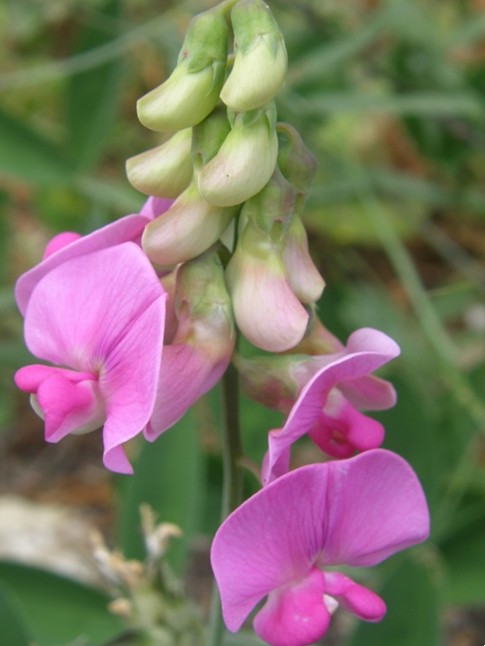
Sweet Pea
Lathyrus latifolius L.
Accepted infraspecific names include:
- Lathyrus latifolius subsp. latifolius
- Lathyrus latifolius subsp. algericus (Ginzb.) Dobignard
Historical synonyms include:
- Lathyrus sylvestris var. latifolius (L.) Fiori
- Lathyrus sylvestris subsp. latifolius (L.) Arcang.
- Pisum latifolium (L.) E.H.L.Krause
Important related Lathyrus risk names:
- Lathyrus odoratus L. — annual fragrant Sweet Pea; separate ornamental species classically associated with beta-aminopropionitrile and osteolathyrism / angiolathyrism rather than the exact DAB-centered L. latifolius seed evidence
- Lathyrus sativus L. — Grass Pea, Chickling Pea, or Khesari; separate food and forage species associated primarily with β-ODAP / BOAA neurolathyrism
- Lathyrus hirsutus L. — Caley Pea, Singletary Pea, or Wild Winter Pea; separate species involved in equine neurologic disease and contaminated-hay outbreaks
- Lathyrus sylvestris L. — Flat Pea or Narrow-Leaved Everlasting Pea; separate species but historically connected through older L. latifolius variety and subspecies names
- Lathyrus oleraceus Lam., traditionally Pisum sativum L. — edible garden pea, snow pea, sugar snap pea, field pea, or green pea; food species, not the ornamental perennial pea on this page
Important non-synonym confusion names:
- Vicia species — vetches; separate Fabaceae plants that may resemble peas in hay or pasture but have their own toxicity histories
- Vicia villosa Roth — Hairy Vetch; separate legume associated with hypersensitivity-type livestock illness, not Lathyrus latifolius
- Vicia sativa L. — Common Vetch; separate forage legume, not perennial Sweet Pea
- Robinia pseudoacacia L. — Black Locust; separate Fabaceae tree with toxic bark, seeds, and pods, not a Lathyrus vine
Fabaceae
Leguminosae is the traditional alternative family name used in older botanical, agricultural, nutritional, and veterinary literature.
Sweet Pea; Perennial Sweet Pea; Perennial Pea; Perennial Peavine; Perennial Pea Vine; Everlasting Pea; Everlasting Sweet Pea; Broad-Leaved Everlasting Pea; Broadleaf Everlasting Pea; Broad-Leaved Pea; Everlasting Vetchling; Large-Flowered Everlasting Pea; Wild Sweet Pea; Lathyrus latifolius; Lathyrus sylvestris var. latifolius; Lathyrus sylvestris subsp. latifolius; Pisum latifolium
“Sweet Pea” is highly ambiguous. The familiar fragrant annual garden sweet pea is Lathyrus odoratus, while this page covers the generally unscented perennial species Lathyrus latifolius. Their best-supported toxic amino-acid profiles and recognized forms of lathyrism should not be treated as identical.
Edible green peas, garden peas, snow peas, sugar snap peas, and field peas are not the ornamental perennial pea described on this page. The edible pea has traditionally been known as Pisum sativum and is now treated by some taxonomic systems within Lathyrus as Lathyrus oleraceus. That taxonomic shift makes exact identification more important, not less. A food pea on a grocery label should not be treated as equivalent to mature seeds of perennial Sweet Pea growing on a fence line or contaminating hay.
DAB Is the Best-Supported Exact-Species Neurotoxin
The best-supported exact-species neurotoxin in Lathyrus latifolius is L-2,4-diaminobutyric acid, also called L-α,γ-diaminobutyric acid, DAB, or DABA. It is a nonprotein amino acid, meaning that it resembles ordinary biological amino acids but is not normally incorporated into proteins. Researchers isolated a crystalline neuroactive factor from everlasting-pea seeds in 1961 and identified it as L-α,γ-diaminobutyric acid rather than merely inferring toxicity from the behavior of poisoned animals.
This exact-species evidence matters because Lathyrus poisoning is often overgeneralized. Perennial Sweet Pea should not be described as though its chemistry is identical to annual sweet pea, grass pea, Caley pea, or every other member of the genus. The most accurate toxin statement for this page is that mature Lathyrus latifolius seeds contain DAB and related diaminobutyric-acid derivatives capable of producing serious neurologic disease in horses when exposure is substantial or repeated.
DAB is neuroactive, but its exact natural disease mechanism in horses has not been reduced to one simple pathway. The toxin may affect amino-acid transport, neurotransmitter metabolism, neuronal metabolism, mitochondrial function, ammonia handling, or other cell processes. The exact horse syndrome involves destructive nervous-system lesions, so the page should not present DAB as a brief sedative, a simple stomach toxin, or a reversible weakness factor.
Modern and Historical Seed Measurements Differ
Modern analytical work has independently confirmed DAB in the seeds. A highly specific liquid-chromatography and tandem-mass-spectrometry method measured approximately 4.21 micrograms of free DAB per gram of tested Lathyrus latifolius seed. Older chemical and veterinary publications reported much higher total estimates, including approximately 0.5–0.7 percent DAB in seeds.
Those values should not be forced into a false contradiction or converted into a practical horse dose. The modern LC-MS/MS value measured free DAB under a particular analytical method in a tested sample, while older estimates may have involved different seed sources, extraction methods, total versus free fractions, related derivatives, hydrolysis conditions, or less selective analytical tools. Natural variation in seed chemistry may also be substantial.
Neither number is a veterinary safe threshold. A horse owner should not calculate whether a specific number of seeds is safe from a laboratory concentration figure. Plant identification, repeated access, mature seed presence, contaminated hay, clinical signs, and veterinary examination matter more than arithmetic applied to a single literature value.
Oxalyl Derivatives and Related Seed Chemistry
The seed also contains chemically related forms. Research has identified α- and γ-oxalyl derivatives of α,γ-diaminobutyric acid in Lathyrus latifolius seeds and reported oxalyl isomers related to other Lathyrus neurotoxins. These findings show that the plant’s toxic chemistry is more complicated than one freely dissolved amino acid.
Digestion, microbial action, metabolism, storage, seed maturity, and laboratory extraction may release, transform, or measure these related compounds differently. A mature pod containing multiple seeds may expose an animal to free DAB, bound or derivative forms, and other nonprotein amino acids together.
The relative contribution of each compound to naturally poisoned horses remains incompletely defined. The safest evidence-boundary language is that DAB is the best-supported exact-species neuroactive compound, while related oxalyl derivatives may contribute to the broader toxic seed chemistry.
Why Mature Seeds Are the Main Concern
Mature seeds are the plant part of greatest documented concern. The exact equine cases involved horses visibly eating seed-bearing perennial pea, and chemical investigations have concentrated on the seeds. Pods containing multiple mature seeds can place a substantial dose into hay, pasture edges, or fence-line forage.
Leaves, stems, tendrils, flowers, immature pods, and roots should not be declared safe or intentionally fed, but the evidence for severe progressive neurologic disease is strongest when seeds or seed-rich plant material form a meaningful part of the diet. A public page should therefore emphasize mature pods and seeds without falsely implying that the rest of the plant is edible.
The difference between a horse taking one mouthful of leafy vine and a horse repeatedly eating mature seed-bearing vines matters. The first event calls for removal and monitoring; the second may create a serious neurolathyrism risk, especially when early gait, swallowing, or breathing signs appear.
Cumulative Exposure and Contaminated Hay
Poisoning is generally cumulative rather than the result of one accidental mouthful. Risk rises when mature pods or seeds contaminate hay, when vines invade a heavily used pasture edge, when drought or overgrazing reduces alternative forage, when seed-bearing vines climb through a fence from neighboring property, or when the plant is deliberately fed as roughage.
Hay is particularly important because it removes the animal’s ability to select around the vine. Seed-bearing perennial-pea stems, pods, and seeds may be cut, dried, baled, broken, and dispersed through otherwise palatable forage. Several horses may then receive the same exposure at different doses and begin showing signs at different times.
No validated percentage of the ration establishes safety. Older statements that disease begins only after the plant forms a particular fraction of the diet should be treated as rough generalizations from broader lathyrism literature, not exact thresholds for Lathyrus latifolius seeds in a specific horse.
DAB Is Not Beta-Aminopropionitrile
Beta-aminopropionitrile, or BAPN, is frequently listed for sweet peas but is associated most clearly with the fragrant annual species Lathyrus odoratus. BAPN inhibits lysyl oxidase and interferes with normal cross-linking of collagen and elastin. That mechanism can produce osteolathyrism and angiolathyrism in susceptible experimental or chronically exposed animals.
Skeletal deformity, defective collagen, fragile connective tissue, weak tendons, aneurysm, aortic damage, and certain developmental abnormalities belong primarily to that distinct BAPN-associated syndrome. They should not be presented as the established expected signs of Lathyrus latifolius seed poisoning in horses.
The two species share the Sweet Pea common name, the genus Lathyrus, and a history of lathyrism terminology, but their most defensible toxin emphasis differs. For this page, BAPN belongs in the confusion and differential discussion, not as the principal toxin of perennial Sweet Pea.
Neurolathyrism Is Not One Uniform Disease
Neurolathyrism is not one uniform disease caused by one chemical in every species. Grass pea, Lathyrus sativus, is associated principally with β-ODAP or BOAA; perennial pea, Lathyrus latifolius, contains DAB and related amino acids; annual sweet pea, Lathyrus odoratus, is linked more strongly to BAPN; and Caley pea, Lathyrus hirsutus, has its own equine outbreak history.
Those distinctions matter because the lesions, species susceptibility, exposure patterns, and prevention priorities are not identical. A statement that “sweet pea contains BAPN” may be useful for one plant and misleading for another. A statement that “all Lathyrus causes the same paralysis” is also too broad.
The better structure is to explain Lathyrus latifolius on its own evidence, then compare it with related species only where that comparison prevents a real identification or treatment error.
Potential Mechanisms of Neural Injury
DAB can interact with amino-acid and neurotransmitter metabolism. Experimental research has examined effects on the gamma-aminobutyric-acid system, amino-acid transport, urea-cycle function, ammonia handling, and direct neural-cell injury. The 1992 equine case report discussed possible interference with ornithine metabolism and possible direct effects within the brain.
No single pathway has been proven to explain every lesion and clinical sign in horses. The documented lesions involved the brainstem, cervical spinal cord, and recurrent laryngeal nerves, which means a single visible sign such as stumbling or dysphagia may reflect damage in more than one part of the nervous system.
For animal owners, the practical implication is simple: once a horse begins showing neurologic or swallowing signs after repeated seed exposure, the problem may not reverse quickly after the plant is removed. The source must be removed immediately, but removal does not instantly repair injured neurons, myelin, or peripheral nerves.
No Validated Veterinary Toxic Dose
No validated toxic dose has been established for horses, ponies, donkeys, cattle, goats, sheep, camelids, pigs, rabbits, birds, dogs, or cats. Risk depends on mature seed presence, amount consumed, duration of access, body size, pasture conditions, hay contamination, plant chemistry, concurrent nutrition, and species susceptibility.
A pony or miniature horse may receive a comparatively larger dose from the same seed quantity than a full-sized horse. A dominant animal at a fence line may eat more vine than pasture mates. A horse fed contaminated hay daily may accumulate a larger exposure than one that briefly samples a vine and is removed.
Because reliable dose-response data are unavailable, prevention must be based on eliminating access to mature pods, seed-bearing vines, and contaminated hay rather than trying to decide how much is acceptable.
Onset and Early Progression
Neurologic disease generally develops after repeated or substantial consumption rather than immediately after one taste. Early signs may be subtle and include reduced activity, reluctance to move, weakness, tripping, stumbling, shortened steps, an unusual stance, difficulty turning, or hesitation over uneven ground. The horse may initially appear normal at rest but become visibly unsteady when led, backed, circled, or asked to negotiate a slope.
The early period is easy to miss because the signs can look like foot soreness, fatigue, mild colic, a training issue, poor footing, or an ordinary stumble. The exposure history is what makes the difference. A horse with access to seed-bearing perennial pea, mature pods, hay containing pea-like seeds, or vines climbing through a fence should be evaluated before the signs progress.
Do not ride, lunge, back repeatedly, circle tightly, trailer unnecessarily, or force exercise while trying to “see if the horse works out of it.” A neurologically impaired horse can fall, injure itself, injure handlers, or aspirate feed or water if swallowing is already affected.
Hindlimb Weakness and Abnormal Gait
Hindlimb dysfunction is especially important. Affected horses may drag the toes, cross the hind legs, sway, stumble, knuckle over, stand camped beneath the body, step short behind, pivot poorly, or have difficulty recovering balance after being displaced. Some may adopt a stiff, awkward, stringhalt-like, or dog-sitting posture as the disease progresses.
Published lathyrism descriptions include both spastic upper-motor-neuron patterns and progressive weakness or paralysis. The precise appearance depends on the Lathyrus species, toxin, dose, duration, nutritional context, and portions of the nervous system most severely injured.
Hindlimb weakness should not be handled as ordinary lameness if seed-bearing Sweet Pea exposure is possible. The differential diagnosis is broad, but the combination of access, progressive gait change, trembling, swallowing abnormality, or laryngeal signs should move the case into urgent neurologic evaluation.
Exact-Species Horse Case Pattern
The best-documented exact-species equine report involved two horses with access to heavily grazed pasture beside seed-bearing Lathyrus latifolius. The vines had extended into the paddock and had been visibly eaten. The horses became ill approximately one week apart.
Initial signs included a tripping, uncertain gait and trembling of the forelimbs. During the following two or three days, torticollis and laryngeal paralysis developed, followed by worsening balance and progressive paralysis. The course was not a brief episode of weakness that resolved after rest.
The affected horses attempted to drink and chew offered feed but could not swallow liquids or food particles properly. This finding is clinically critical because aspiration pneumonia can become a fatal secondary complication even apart from the direct neurologic damage.
Swallowing, Choking, and Laryngeal Dysfunction
Swallowing and laryngeal function can be seriously affected. Laryngeal or recurrent-laryngeal-nerve injury may produce altered breathing sounds, roaring, stridor, poor airway opening, coughing, choking, nasal discharge containing feed or water, and aspiration risk. Chronic lathyrism in horses has also been associated with roaring or laryngeal hemiplegia.
An affected horse may approach water, attempt to drink, and then cough, drool, or allow liquid to return from the nostrils. Feed may be chewed incompletely, dropped, or retained in the mouth. Repeated unsuccessful swallowing is an emergency and should not be treated by forcing more water, oil, electrolytes, or feed.
Once swallowing is impaired, oral treatment becomes dangerous. Drenching, tubing, forced water, oral charcoal, oil, supplements, or medication can enter the lungs if not managed correctly by the veterinarian.
Forelimb Trembling, Torticollis, and Brainstem Signs
Forelimb trembling occurred in the documented horse cases and should not be dismissed when it appears with hindlimb weakness or seed-bearing vine access. Torticollis, abnormal head and neck carriage, altered cranial-nerve function, dysphagia, and laryngeal paralysis suggest involvement beyond simple limb weakness.
Brainstem and cervical spinal cord involvement can produce a confusing mixture of signs: the horse may remain mentally alert but be unable to coordinate movement, swallow safely, or maintain normal airway function. That combination is one reason the disease can appear more alarming than many ordinary pasture-toxin cases.
Head pressing, compulsive pacing, tremors, and seizures are also listed in poison-control descriptions for this species. These signs require a complete neurologic investigation because hepatic encephalopathy, infectious encephalitis, rabies, West Nile virus, equine protozoal myeloencephalitis, toxic feed, and metabolic disease can overlap.
Recumbency, Paralysis, and Loss of Voluntary Movement
Progression can lead to severe hindlimb paralysis, a swaying or dog-sitting posture, inability to remain standing, lateral recumbency, and loss of voluntary movement. The two reported horses eventually developed complete flaccid paralysis with occasional paddling movements of the forelimbs.
Mentation may remain normal even during profound motor failure. This is important for welfare because a bright, aware horse may still be unable to rise, swallow, urinate normally, defecate normally, or protect itself from aspiration, pressure injury, panic, or traumatic struggling.
A recumbent horse requires experienced veterinary handling, deep bedding, frequent repositioning, airway monitoring, bladder and manure monitoring, skin protection, and careful decisions about lifting or sling support. Improvised pulling with ropes, vehicles, or untrained handlers can cause catastrophic injury.
Urination and Defecation Abnormalities
Urinary and fecal dysfunction may accompany advanced neurologic disease. In the exact horse report, active urination and defecation were no longer observed during the terminal stage, although the urinary bladder emptied periodically. This suggests impaired voluntary control rather than ordinary dehydration alone.
Urinary incontinence and the broader cystitis-ataxia syndrome have been described with other toxic Lathyrus species and related forage exposures, but they should not be presented as inevitable or fully characterized consequences of Lathyrus latifolius. The finding belongs in the advanced-neurologic warning category rather than as a required early sign.
Loss of tail tone, anal tone, bladder control, manure output, or awareness of urination and defecation should be reported immediately. These findings can also occur with spinal trauma, equine herpesvirus myeloencephalopathy, cauda equina disease, severe weakness, or other neurologic disorders.
Postmortem Lesions Support Genuine Neurologic Destruction
Postmortem examination of the documented horses found degenerative changes in the brainstem and cervical spinal cord, including spongiform white-matter injury, demyelination, neuronal degeneration, and areas of softening. The recurrent laryngeal nerves showed degeneration and loss of myelin.
These lesions support a genuine destructive neurologic disease rather than temporary weakness caused only by gastrointestinal upset, poor nutrition, muscle fatigue, or ordinary forage refusal. They also explain why advanced cases may not recover even after the plant is removed.
The page should therefore avoid both extremes. A single small taste should not be described as immediate fatal poisoning, but progressive neurologic signs after repeated seed exposure should be treated as a severe disease with potentially permanent injury.
Dogs and Cats
Dogs and cats are classified as non-toxic for this plant by major pet-poison references and are not expected to develop the recognized progressive equine neurolathyrism syndrome. An individual pet may vomit or develop diarrhea after consuming a large quantity of fibrous vine, pods, seeds, or chemically treated plant material, but those signs are nonspecific.
Persistent vomiting, bloody diarrhea, tremors, seizures, weakness, head pressing, collapse, abnormal behavior, or prolonged appetite loss in a dog or cat should not be attributed automatically to Lathyrus latifolius. The veterinarian should investigate pesticides, another poisonous plant, a foreign body, medication exposure, cannabis, toxic mushrooms, metabolic disease, infection, or another neurologic disorder.
Pet exposure still matters for identification and prevention. A dog may eat pods from a garden fence; a cat may chew floral material brought indoors; both may encounter pesticide-treated ornamental vines. The absence of expected equine neurolathyrism does not make unsupervised plant eating desirable.
Cattle, Sheep, Goats, Camelids, Pigs, and Other Grazing Animals
Horses are the best-documented susceptible domestic species for this exact plant. Cattle, sheep, goats, camelids, pigs, and other grazing or browsing animals are included in broader Lathyrus and forage-toxin caution because mature seeds, contaminated hay, and species differences remain incompletely characterized.
Goats and sheep may sample climbing legumes readily, and pigs may root through seeds, pods, and fallen material. Ruminants may process some plant chemicals differently from horses, but that does not justify feeding mature perennial-pea seeds or contaminated hay. Several affected animals require investigation of the entire feed source.
Possible warning signs include feed refusal, weakness, abnormal gait, trembling, head pressing, recumbency, regurgitation, choking, bloat, altered breathing, diarrhea, or unexplained group neurologic disease. Because many toxic forages can mimic one another, species and plant identification remain essential.
Rabbits, Guinea Pigs, Birds, and Other Small Animals
Reliable species-specific dose-response data are unavailable for rabbits, guinea pigs, chinchillas, birds, reptiles, and other small animals. These animals should not be offered perennial Sweet Pea vine, flowers, pods, seeds, hay contamination, dried herb material, or cage enrichment.
Rabbits and guinea pigs cannot vomit. Food refusal, reduced fecal output, tooth grinding, weakness, abnormal posture, diarrhea, or neurologic signs after eating any pea-like ornamental plant requires veterinary advice. Birds may crack or shred seeds and pods efficiently, making seed-bearing material a more significant exposure than a casual leaf nibble.
Captive-animal diets leave less room for avoidance. A plant that a free-ranging animal might ignore can become a concentrated exposure when placed in a cage, run, aviary, tortoise enclosure, poultry pen, or hay rack.
Expected Duration and Prognosis
The prognosis becomes guarded when weakness is progressive, swallowing is impaired, laryngeal paralysis develops, or the animal can no longer stand. Established neural degeneration may be permanent. Early removal of the source may stop additional toxic exposure, but clinical progression can continue after the plant is withdrawn because damage already sustained by the nervous system cannot be reversed immediately.
Mild gait abnormalities recognized early may stabilize after removal of the source, but reliable exact-species recovery rates are unavailable. Dysphagia, laryngeal paralysis, recumbency, seizures, complete paralysis, or loss of bladder and bowel control carries a guarded to poor prognosis.
Any recovered horse should not return to the contaminated pasture, fence line, or hay source. Residual gait abnormality, swallowing dysfunction, roaring, exercise intolerance, bladder dysfunction, or weakness requires continued veterinary monitoring before work, breeding use, turnout in challenging terrain, or transport.
This Page Covers the Perennial Everlasting Pea
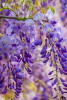
The plant identified here is Lathyrus latifolius, a long-lived perennial climbing pea widely grown for showy pink, rose, magenta, purple-pink, or white flowers. It is commonly called perennial Sweet Pea, everlasting pea, perennial pea, or broad-leaved everlasting pea. The page title Sweet Pea is preserved because that is the common name used by poison-control listings, nurseries, gardeners, and horse owners.
Exact species identification remains essential because the name Sweet Pea also refers to the fragrant annual Lathyrus odoratus, whose best-supported toxic chemistry is not identical. A veterinarian, toxicologist, or horse owner should not assume that every plant called Sweet Pea contains the same toxin or causes the same lesions.
For this page, the key plant is the perennial, usually unscented, broad-leaved climbing vine that can persist at fence lines, gardens, roadsides, field margins, hedges, and disturbed areas and can produce mature pods and seeds accessible to horses.
Accepted Taxonomy and Native Range
Lathyrus latifolius remains the accepted botanical name. It includes two accepted subspecies and has historically been placed as a variety or subspecies of Lathyrus sylvestris. Historical names such as Lathyrus sylvestris var. latifolius, Lathyrus sylvestris subsp. latifolius, and Pisum latifolium may appear in older botanical, horticultural, and forage literature.
The species is native to portions of eastern-central and southern Europe and northwestern Africa. It has become widely introduced in North America, Australia, New Zealand, and other temperate regions through ornamental planting and subsequent naturalization.
Its introduced status matters because exposure often occurs outside the original range. A horse in North America or New Zealand may encounter the plant as an escaped ornamental, a naturalized fence-line vine, a garden survivor, or a hay-field contaminant rather than as a deliberately planted forage crop.
How to Identify Perennial Sweet Pea
The plant is a vigorous herbaceous perennial vine that can climb approximately 6 feet or more by means of branching tendrils. Where support is absent, it sprawls over neighboring vegetation, banks, fences, hedges, brush piles, roadsides, and disturbed ground.
The green stems are flattened and conspicuously winged. Leaves are alternate and usually consist of one broad pair of blue-green or gray-green leaflets, a winged leaf stalk, large leaflike stipules, and a terminal tendril. The oval to lance-shaped leaflets have smooth margins and several strong veins running lengthwise.
Flower clusters arise from the leaf axils on long stalks. Each cluster may carry several large pea-shaped flowers that open pale pink and deepen toward rose, magenta, purple-pink, or red. White-flowered cultivars and seed strains are also common in gardens and along old ornamental plantings.
The fruit is a flattened, hairless pod that becomes brown as it matures. Each pod may contain numerous dark, flattened, rounded or kidney-shaped seeds before splitting and scattering them. Mature pods and seeds are the highest-priority structures to identify in equine exposures.
Perennial Sweet Pea Is Usually Not Fragrant
The common annual garden Sweet Pea, Lathyrus odoratus, is famous for fragrance. Lathyrus latifolius generally has little or no scent despite being called perennial Sweet Pea. This is one of the most useful garden distinctions when both plants are possible.
The perennial species also develops persistent underground roots and regrows each year, while the annual Sweet Pea ordinarily completes its life cycle in one season. Mature perennial vines can form extensive colonies and become difficult to remove from old gardens, roadsides, fence rows, and unmanaged pasture margins.
Fragrance alone should not be used as the only identification character. Old blossoms, weather, cultivar variation, observer sensitivity, and mixed plantings can all confuse the impression. The perennial rootstock, broad leaflets, winged stems, tendrils, flower clusters, pods, and seed-bearing habit should be evaluated together.
It Is Not an Edible Garden Pea
The flowers and pods resemble edible peas, but everlasting-pea seeds should not be eaten or used as animal feed. The edible green pea has traditionally been called Pisum sativum and is now accepted by some major taxonomic systems as Lathyrus oleraceus.
This change in the edible pea’s botanical classification makes blanket warnings that “all Lathyrus species are poisonous” especially inaccurate. Toxicity must be evaluated by exact species, plant part, chemical profile, preparation, and quantity consumed.
For practical animal safety, the food pea in a grocery, feed, or garden context should not be confused with mature seeds of an ornamental perennial vine. A pea-like pod on a fence line, wild vine, hay-field margin, or ornamental trellis should not be assumed edible because garden peas are eaten as food.
The Confirmed Exact-Species Neurotoxin
In 1961, C. Ressler, P. A. Redstone, and R. H. Erenberg isolated a crystalline neuroactive factor from Lathyrus latifolius seeds and identified it as L-α,γ-diaminobutyric acid, now commonly called L-2,4-diaminobutyric acid or DAB.
Later chemical research identified oxalyl derivatives of DAB and related neuroactive amino acids within the seeds. A modern LC-MS/MS investigation confirmed approximately 4.21 micrograms per gram of free DAB in the seed sample tested.
Older veterinary literature cited seed concentrations near 0.5–0.7 percent. Those historical and modern figures should not be compared as though they measured exactly the same chemical fraction. Analytical method, plant source, free versus bound material, derivative forms, hydrolysis conditions, and environmental variation can produce substantially different results.
DAB Is Not Beta-Aminopropionitrile
Beta-aminopropionitrile, abbreviated BAPN, is the classic lathyrogen associated with Lathyrus odoratus. It inhibits lysyl oxidase, preventing normal cross-linking of collagen and elastin. That connective-tissue mechanism can produce skeletal deformity, weak tendons, fragile blood vessels, aneurysm or aortic rupture, and developmental abnormalities in experimental or chronically exposed animals.
That syndrome is called osteolathyrism or angiolathyrism rather than the exact neurologic syndrome documented from Lathyrus latifolius seeds. Perennial Sweet Pea should not be turned into an annual Sweet Pea BAPN page just because the common name overlaps.
The two compounds are structurally and historically close enough to have been discussed together, but they should not be treated as interchangeable toxins. For L. latifolius, the exact species evidence points to DAB and related diaminobutyric-acid derivatives.
Neurolathyrism Also Differs Among Species
Grass pea, Lathyrus sativus, is associated primarily with β-ODAP or BOAA, a neuroexcitatory amino acid capable of damaging motor pathways. Caley pea, Lathyrus hirsutus, has caused outbreaks of upper-motor-neuron disease in horses after contaminated hay was fed.
Perennial pea has exact evidence for DAB and a documented progressive equine neuropathy. Similarities among the syndromes justify the broad term lathyrism, but each species should retain its own chemistry and case evidence.
This distinction is not academic. It affects what signs are expected, which plant parts matter most, how hay contamination is investigated, and whether skeletal deformity, vascular rupture, cystitis-ataxia, stringhalt-like gait, laryngeal paralysis, or spastic paraparesis is being discussed from the right evidence base.
The Two Documented Horses
A 1992 report described a 15-year-old German Riding Pony gelding and a four-year-old Hanoverian Warmblood mare maintained on the same property. Their normal diet included oats, hay, and water, but a neighboring stand of seed-bearing perennial pea extended over the fence into a heavily grazed paddock.
The vines had been visibly eaten. Both horses developed disease during late October, approximately one week apart. Their clinical courses lasted six and seven days before euthanasia.
Neurologic disease began with an uncertain, tripping gait and forelimb trembling. Within two or three days, the horses developed torticollis and laryngeal paralysis. They attempted to drink and chew but could not swallow liquids or feed properly.
Hindlimb weakness progressed through swaying and a dog-sitting posture to complete flaccid paralysis and lateral recumbency. Mentation remained normal. Symptomatic treatment did not change the progression.
What the Postmortem Examination Found
Examination identified bilateral, symmetrical degenerative lesions within the brainstem and proximal cervical spinal cord. Changes included spongiform white-matter injury, demyelination, neuronal degeneration, and areas of softening involving both white and gray matter.
The recurrent laryngeal nerves showed loss of myelin and degenerative change, providing a structural explanation for the observed laryngeal paralysis and inability to swallow normally.
These findings show that advanced perennial-pea poisoning is not merely temporary muscle fatigue. It can produce irreversible central and peripheral nervous-system injury.
When Poisoning Is Most Likely
Risk is greatest when mature pods and seeds are abundant and animals consume them repeatedly. Overgrazed pasture, drought, inadequate hay, poor fencing, and attractive vines growing along a frequently used paddock can increase exposure.
Hay is another important route. Seed-bearing vines may be cut and baled with grass, removing the horse’s ability to avoid the plant and exposing several animals to the same contaminated batch. Mature pods may shatter, leaving pea-like seeds scattered through hay, chaff, and feed areas.
No exact safe ration percentage or number of seeds has been established. The absence of disease after one brief exposure does not prove that continued access is acceptable.
Dogs and Cats
ASPCA classifies Lathyrus latifolius as non-toxic to dogs and cats. The progressive equine neurotoxicity has not been established in household pets. That statement should be preserved because over-warning dog and cat owners with the equine syndrome would be inaccurate.
A dog or cat may still vomit, develop diarrhea, or lose interest in food after consuming a large quantity of pods, seeds, leaves, or fibrous vine. Those are nonspecific effects and should not be described as proof that the animal has developed neurolathyrism.
Tremors, seizures, head pressing, persistent vomiting, weakness, collapse, or abnormal behavior in a pet requires urgent examination for another toxin, contaminated plant material, pesticides, medication exposure, metabolic disease, foreign body, or another neurologic disorder.
Horses and Other Grazing Animals
Horses are the best-documented susceptible domestic species for this exact plant. Ponies and miniature horses may receive a comparatively larger dose from the same quantity of seeds because of their lower body weight.
Cattle and other grazing livestock have been included in broader perennial-pea and lathyrism warnings, but exact-species clinical documentation is much less complete than it is for horses. Seed-bearing material should not be used as livestock forage regardless of species.
Goats and sheep may browse vines along fence lines or hedge rows, while pigs may investigate fallen pods and seeds. Several animals with neurologic or swallowing signs after exposure to the same hay or pasture should trigger a full feed and plant investigation.
Diagnosis
Diagnosis depends on identifying the plant or its seeds, documenting access, recognizing the progressive neurologic pattern, and excluding more common diseases. There is no routine clinical blood test that proves DAB exposure in an individual horse.
A complete neurologic examination should assess gait, postural reactions, cranial nerves, swallowing, laryngeal function, tail and anal tone, bladder control, muscle symmetry, mentation, and ability to rise. Endoscopy may be used to evaluate laryngeal movement and swallowing structures when roaring, dysphagia, choking, or nasal reflux is present.
Bloodwork, serum chemistry, electrolytes, muscle enzymes, urinalysis, cerebrospinal-fluid analysis, infectious-disease testing, imaging, feed examination, and botanical identification may be necessary. Results can be largely nonspecific because the principal lesions occur within nervous tissue.
Important Differential Diagnoses
Equine herpesvirus myeloencephalopathy, equine protozoal myeloencephalitis, West Nile virus, rabies, equine degenerative myeloencephalopathy, cervical vertebral stenotic myelopathy, trauma, spinal-cord compression, botulism, hepatic encephalopathy, toxicities involving sorghum or Sudan grass, yellow star thistle, flatweed, pesticides, ionophores, contaminated feed, and other neurologic diseases can produce overlapping signs.
Choke, guttural-pouch disease, idiopathic recurrent laryngeal neuropathy, lead toxicosis, structural throat disease, and foreign material must also be considered when dysphagia, roaring, nasal reflux, or altered breathing sounds are prominent.
For dogs and cats, tremors, seizures, weakness, vomiting, or abnormal behavior after plant exposure should prompt investigation for pesticides, medication exposure, cannabis, nicotine, xylitol, toxic mushrooms, foreign bodies, metabolic disease, and unrelated neurologic disorders rather than automatic diagnosis of perennial-pea neurolathyrism.
Veterinary Treatment
No specific antidote has been demonstrated. The source must be removed immediately, and contaminated hay or seed-bearing forage must be withheld from every animal sharing the feed. Treatment is supportive and depends on the stage of neurologic dysfunction.
Care may include fluid and electrolyte support, carefully selected anticonvulsant or sedative medication, anti-inflammatory or pain management when appropriate, nutritional support, bladder care, prevention of aspiration, and intensive nursing for weak or recumbent horses.
A horse unable to swallow may require alternative nutritional and fluid support. Feed, water, oil, electrolytes, charcoal, supplements, or medication must never be forced into an animal with impaired swallowing because aspiration pneumonia may become fatal.
Slings, deep bedding, frequent repositioning, skin protection, hoof care, eye protection, bladder management, and physical support may be required, but moving a profoundly weak horse also carries injury risks for the animal and handlers. These decisions belong with an experienced equine veterinarian.
Prognosis
The prognosis depends on the duration of exposure and the severity of neurologic injury. Mild gait abnormalities recognized early may stabilize after the source is removed, but reliable exact-species recovery rates are unavailable.
Progressive dysphagia, laryngeal paralysis, recumbency, seizures, loss of bladder or bowel control, or complete paralysis carries a guarded to poor prognosis. Established demyelination, neuronal loss, and nerve degeneration may not reverse even after no additional toxin is absorbed.
Recovery, when it occurs, may take weeks or longer. Residual roaring, swallowing abnormality, weakness, or gait abnormality should be reassessed before the horse returns to work, turnout in difficult terrain, trailering, breeding use, or unsupervised group housing.
Prevention
Do not grow perennial Sweet Pea where horses or livestock can reach the vines, pods, or seeds. Inspect both sides of fence lines because the vine can climb through or over barriers from neighboring property.
Provide adequate safe forage and avoid overgrazing. Walk pastures and hay fields during flowering and again when pods are developing, since the plant is easier to identify before seed-bearing vines disappear into surrounding vegetation.
Do not bale infested areas until the vine has been removed. Examine purchased hay for winged stems, paired leaflets, tendrils, flat pods, and dark pea-like seeds, particularly when unexplained neurologic signs affect more than one horse.
Remove vines before seed maturity, collect pods and seeds, and prevent ornamental plantings from climbing onto paddock fences. Garden value does not justify placing a persistent seed-bearing Lathyrus vine within reach of horses.
Immediate Steps After Suspected Exposure
Remove every animal from the source. Prevent further access to seed-bearing vines, fallen pods, contaminated hay, pasture edges, fence lines, feed piles, or unidentified pea-like seeds. Do not continue turnout or feeding while waiting to see whether signs develop.
- Contact an equine veterinarian: Report the plant, amount and duration of access, whether mature pods or seeds were present, and any abnormal gait, swallowing, breathing sound, behavior, urination, defecation, or recumbency.
- Preserve plant and feed samples: Collect the vine, flowers, pods, seeds, hay, photographs, and feed labels in secure containers. Do not allow another animal to sample the material.
- Keep the horse quiet and safe: Avoid riding, forced exercise, backing tests, tight circles, lunging, or unnecessary transport until the veterinarian advises how the horse can be moved safely.
- Separate exposed animals for observation: Horses sharing a pasture or hay source may consume different amounts and begin showing signs at different times.
- Remove contaminated feed from the entire group: Do not continue feeding a suspect bale while waiting for laboratory or botanical identification.
- Check neighboring fence lines: Perennial Sweet Pea may climb through or over fencing from adjoining property and may be missed if only the inside of the paddock is inspected.
Do Not Attempt Unsupervised Home Treatment
- Do not attempt to induce vomiting: Horses and most grazing livestock cannot vomit, and household emetics are dangerous.
- Do not drench the animal: Oil, water, electrolyte solutions, charcoal, vitamins, or medication can enter the lungs when swallowing or laryngeal function is impaired.
- Do not administer activated charcoal automatically: Its usefulness after cumulative seed exposure is uncertain, and safe administration requires veterinary assessment and a functioning swallowing reflex.
- Do not force food or water: A horse that attempts to chew or drink but cannot swallow is at immediate risk of aspiration.
- Do not give sedatives, anticonvulsants, corticosteroids, vitamins, thiamine, vitamin B12, selenium, magnesium, anti-inflammatory drugs, or pain medication without direction: Medication can alter the neurologic examination, worsen balance, or create additional complications.
- Do not force a weak horse to remain standing: Improvised ropes, vehicles, unsafe slings, or unplanned lifting methods can injure the horse and handlers.
- Do not assume removal ends the emergency: Neurologic signs may progress after the source is withdrawn because tissue injury may already have occurred.
Emergency Warning Signs
- The gait is abnormal: Stumbling, dragging toes, crossing the hind legs, swaying, standing camped under, dog-sitting, or difficulty turning may represent progressive spinal-cord disease.
- Swallowing is impaired: Coughing, choking, repeated unsuccessful swallowing, feed or water at the nostrils, drooling, or inability to finish chewing requires immediate care.
- Breathing sounds change: Roaring, stridor, abnormal inspiration, noisy breathing, or respiratory distress may reflect laryngeal paralysis, aspiration, or another airway emergency.
- Weakness is progressing: Inability to rise, repeated falling, recumbency, or paralysis carries a guarded to poor prognosis.
- Behavior or consciousness changes: Pacing, head pressing, tremors, seizures, disorientation, collapse, or abnormal mentation requires emergency neurologic evaluation.
- Urination or defecation changes: Incontinence, retention, a persistently full bladder, loss of tail tone, or loss of anal tone can indicate advanced neurologic dysfunction.
- Several animals show signs: A group problem strongly suggests contaminated hay, feed, pasture, or another shared toxic exposure.
Veterinary Examination
The veterinarian will perform a complete neurologic examination and evaluate gait, strength, cranial nerves, swallowing, laryngeal movement, muscle tone, bladder function, hydration, mentation, and ability to remain standing. Endoscopic examination may be needed when roaring, dysphagia, nasal reflux, choking, or aspiration is suspected.
Diagnostic testing may include complete blood count, serum chemistry, electrolytes, muscle enzymes, urinalysis, cerebrospinal-fluid analysis, infectious-disease testing, cervical imaging, toxicology screening, and examination of pasture or hay samples. No routine blood test directly confirms DAB poisoning in a living horse.
The veterinarian may also evaluate all animals sharing the same hay or pasture. An apparently normal pasture mate may have eaten the same seeds but not yet reached the stage where signs are obvious.
Veterinary Treatment
No proven antidote is available. Treatment focuses on removing the exposure, preventing aspiration, maintaining hydration and nutrition, controlling seizures or severe agitation when present, managing bladder dysfunction, and supporting the animal while the extent of neurologic damage becomes clear.
Recumbent horses may require deep bedding, frequent repositioning, skin and eye protection, limb support, hoof care, bladder management, manure monitoring, and carefully planned lifting or sling use. These procedures require experienced personnel because a weak or frightened horse can injure itself and its handlers.
A horse that cannot swallow may require intravenous fluids and an alternative nutritional plan. Oral tubing or feeding is not automatically safe when the pharynx or larynx is paralyzed. Aspiration pneumonia, dehydration, pressure injury, muscle damage, and urinary complications may need separate treatment.
Dogs, Cats, and Small Animal Exposures
Dogs and cats are not expected to develop the recognized equine neurolathyrism syndrome from Lathyrus latifolius, but they should still be removed from the plant and observed after ingestion. Large amounts of fibrous vine, pods, seeds, or chemically treated plant material can cause vomiting, diarrhea, or appetite loss.
- Do not induce vomiting without direction: Home emetics can cause harm, especially in cats or animals already vomiting, weak, or abnormal.
- Preserve the plant: Exact identification matters because annual Sweet Pea, garden pea, vetches, pesticides, and other plants may be involved.
- Seek care for serious signs: Persistent vomiting, tremors, seizures, weakness, collapse, head pressing, abnormal behavior, bloody diarrhea, or prolonged food refusal requires veterinary examination.
- Watch rabbits, guinea pigs, and birds closely: These animals should not be given the plant as forage or enrichment, and food refusal, reduced droppings, weakness, or neurologic signs require species-appropriate care.
Recovery and Prognosis
Early removal may prevent additional toxin intake, but neurologic signs can continue progressing because neurons, myelin, and peripheral nerves may already have been injured. Improvement, when it occurs, may require weeks or longer.
Mildly affected animals may regain useful function, but exact recovery rates for Lathyrus latifolius are not available. Persistent laryngeal paralysis, dysphagia, severe ataxia, recumbency, seizures, loss of bladder or bowel control, or complete paralysis substantially worsens the prognosis.
- Do not return recovered horses to contaminated pasture: Remove the vine, pods, seeds, and contaminated hay before access resumes.
- Recheck swallowing and airway function: Residual roaring, coughing, nasal reflux, or poor exercise tolerance may reflect ongoing laryngeal dysfunction.
- Recheck gait and strength: Residual ataxia or weakness may make riding, trailering, breeding, or turnout on uneven ground unsafe.
- Monitor bladder and bowel function: Neurologic cases may need follow-up for urination, manure output, tail tone, and recumbency complications.
Frequently Asked Questions About Sweet Pea and Animal Poisoning
Is perennial Sweet Pea the same as the fragrant annual Sweet Pea?
No. This page covers Lathyrus latifolius, a perennial, generally unscented vine also called everlasting pea. The familiar fragrant annual garden sweet pea is Lathyrus odoratus. Both require caution around animals, but their best-supported toxins and forms of lathyrism are not identical.
Is Sweet Pea the same as an edible garden pea?
No. Everlasting-pea seeds should not be eaten or used as livestock feed. Edible green peas, snow peas, sugar snap peas, and field peas come from the cultivated food pea traditionally called Pisum sativum and now treated by some taxonomic systems as Lathyrus oleraceus. Similar-looking flowers and pods do not make ornamental Lathyrus latifolius edible.
What is the confirmed toxin in Lathyrus latifolius?
The strongest exact-species evidence identifies L-2,4-diaminobutyric acid, also called L-α,γ-diaminobutyric acid or DAB. It is a neuroactive nonprotein amino acid isolated directly from the seeds. Related oxalyl derivatives also occur, and their relative contributions to naturally occurring horse poisoning remain incompletely understood.
Does perennial Sweet Pea contain beta-aminopropionitrile?
Beta-aminopropionitrile is associated most strongly with the annual fragrant sweet pea, Lathyrus odoratus, and with connective-tissue disease called osteolathyrism or angiolathyrism. It is not the best-supported primary toxin for L. latifolius, whose exact seed chemistry includes DAB and related diaminobutyric-acid derivatives.
Can Lathyrus latifolius cause skeletal deformity or aortic rupture?
Those effects are not established as the expected syndrome of perennial-pea neurolathyrism. Skeletal deformity, defective collagen, weak blood vessels, and aortic rupture are associated more clearly with chronic BAPN exposure from Lathyrus odoratus or experimental osteolathyrism. They should not be transferred automatically to this species.
Which part of perennial Sweet Pea is most dangerous?
Mature seeds are the best-documented toxic part. Exact chemical studies used the seeds, and the published equine cases involved horses consuming seed-bearing plants. Pods and contaminated hay can deliver numerous seeds. Leaves and stems should not be intentionally fed, but evidence for severe neurologic poisoning is strongest for substantial seed exposure.
Does one bite cause immediate poisoning?
Serious disease usually follows repeated or substantial ingestion rather than one taste. No validated number of seeds or safe dietary percentage has been established. A witnessed small exposure should still lead to removal of the plant, while repeated access, missing pods, contaminated hay, or any neurologic sign warrants veterinary consultation.
What happened in the documented horse cases?
Two horses with access to seed-bearing Lathyrus latifolius developed an uncertain gait and forelimb trembling, followed by torticollis, laryngeal paralysis, inability to swallow, progressive hindlimb paralysis, recumbency, and complete flaccid paralysis. Both were euthanized. Examination revealed degenerative lesions in the brainstem, cervical spinal cord, and recurrent laryngeal nerves.
Can Sweet Pea cause roaring or swallowing difficulty?
Yes. The exact horse report documented laryngeal paralysis and degeneration of the recurrent laryngeal nerves. Affected horses attempted to drink and chew but could not swallow normally. Roaring, coughing, choking, nasal discharge containing feed or water, or repeated unsuccessful swallowing requires immediate veterinary examination.
Is perennial Sweet Pea toxic to dogs and cats?
Major pet-poison references classify Lathyrus latifolius as non-toxic to dogs and cats. Pets are not expected to develop the characteristic progressive equine neurolathyrism. Large amounts of plant material can still cause nonspecific vomiting or diarrhea, and tremors, seizures, weakness, persistent illness, or abnormal behavior requires investigation for another exposure or disease.
Can dried Sweet Pea in hay remain dangerous?
Yes. Harvesting does not make mature seeds safe, and baling can mix pods and seeds throughout otherwise palatable hay. Horses lose the ability to avoid the plant once it is chopped or dispersed through a bale. Every animal receiving the same hay should be considered exposed if unexplained neurologic disease appears.
Can cattle, goats, or sheep eat perennial Sweet Pea?
They should not be fed mature seed-bearing material or contaminated hay. Horses are the best-documented susceptible domestic species for this exact plant, but broader Lathyrus toxicology and incomplete species-specific data make mature seeds and contaminated forage inappropriate for cattle, goats, sheep, camelids, pigs, and other livestock. Group illness requires full feed and plant investigation.
Can rabbits, guinea pigs, or birds eat the flowers or pods?
No. They should not be offered perennial Sweet Pea as browse, cage greenery, forage, bedding, seed treats, or enrichment. Rabbits and guinea pigs cannot vomit, and birds may crack or shred seeds efficiently. Food refusal, reduced droppings, weakness, tremors, incoordination, or abnormal behavior after exposure requires species-appropriate veterinary advice.
Is there an antidote for perennial Sweet Pea poisoning?
No specific antidote is established. Treatment consists of removing the source, preventing aspiration, maintaining hydration and nutrition, controlling seizures when present, managing bladder and recumbency complications, and providing intensive nursing. Established degeneration of the spinal cord, brainstem, or laryngeal nerves may be permanent.
Should activated charcoal be given?
Do not give activated charcoal unless a veterinarian directs it. The usefulness of charcoal after cumulative seed exposure is uncertain, and it may be dangerous when swallowing is impaired. A horse with dysphagia, laryngeal paralysis, weakness, or neurologic signs can aspirate orally administered products into the lungs.
Should vitamins or supplements be given?
No vitamin, amino acid, mineral, or supplement has been proven to reverse established Lathyrus latifolius neurologic injury. Vitamins may be used by a veterinarian as part of supportive care when indicated, but home administration should not delay examination, source removal, aspiration prevention, neurologic assessment, and feed investigation.
Why should a weak horse not be forced to walk?
A neurologically impaired horse can fall, panic, aspirate, or injure itself and handlers. Backing, circling, lunging, riding, or forced exercise may make subtle ataxia more visible but can also cause trauma. Movement decisions should be made by the veterinarian after assessing strength, coordination, swallowing, airway safety, and transport risk.
What is the prognosis for an affected horse?
The prognosis depends on how long the plant was consumed and how far neurologic disease has progressed. Mild gait abnormalities may stabilize after exposure ends, but exact recovery rates are unavailable. Dysphagia, laryngeal paralysis, inability to stand, seizures, loss of bladder or bowel control, or complete paralysis carries a guarded to poor prognosis.
Can several horses be affected from the same hay?
Yes. Seed-bearing vines can be cut and baled with otherwise acceptable hay. Horses receiving the same bale or batch may consume different amounts and show signs at different times. Remove the hay from every animal, preserve samples, and involve the veterinarian before feeding any more from the suspect source.
What photographs are most useful for identification?
Photograph the whole vine, winged stems, paired broad leaflets, tendrils, stipules, flower clusters, flat pods, mature seeds, growing site, fence line, and any hay or feed fragments. Include close-ups and wider habitat shots. Save physical samples of pods and seeds because they are the highest-priority structures in equine risk assessment.
How can perennial Sweet Pea poisoning be prevented?
Remove the vine from horse pastures, hay fields, fence lines, and livestock areas before pods mature. Provide adequate safe forage, avoid overgrazing, and inspect hay for winged stems, paired leaflets, tendrils, flat pods, and dark seeds. Do not grow everlasting pea on a fence that can be reached from an equine paddock.