Swiss Cheese Plant Insoluble Calcium Oxalate Raphides, Monstera Mouth Injury, Airway-Swelling Risk, Eye Exposure, Unripe Fruit Irritation, and Split-Leaf Philodendron Confusion
Is Swiss Cheese Plant Poisonous to Dogs, Cats, Horses, and Livestock?
Yes—Swiss Cheese Plant, Monstera deliciosa Liebm., is poisonous to dogs, cats, horses, livestock, rabbits, guinea pigs, birds, and other animals that chew its leaves, stems, sap, roots, aerial roots, flowers, or unripe fruit. The plant contains bundles of insoluble calcium oxalate crystals called raphides. When plant tissue is bitten or crushed, these microscopic needles are released into the lips, tongue, gums, palate, throat, esophagus, skin, or eyes, causing immediate burning pain, drooling, swelling, gagging, vomiting, and difficulty swallowing.
Most limited exposures are painful but not fatal because the sharp burning sensation usually causes the animal to stop chewing quickly. The case becomes more serious when tongue, pharyngeal, glottic, or laryngeal swelling progresses; saliva cannot be swallowed; breathing becomes noisy or difficult; vomiting is severe; an eye is exposed; the animal is a rabbit, guinea pig, bird, horse, or other species that cannot vomit; or the plant exposure involved pruning debris, propagation cuttings, unripe fruit, potting material, fertilizer, pesticide, moss-pole fragments, or another plant from a mixed clipping pile.
Swiss Cheese Plant is a Monstera, not a true Philodendron, even though “Split-Leaf Philodendron” and “Cutleaf Philodendron” remain common trade names. Monstera borsigiana is currently treated as a synonym of Monstera deliciosa, not as a separate pet-safe species. Smaller “Swiss cheese” plants such as Monstera adansonii, “Mini Monstera” such as Rhaphidophora tetrasperma, tree philodendrons, pothos, peace lilies, calla lilies, and many other aroids can cause similar insoluble-calcium-oxalate oral injury and should also be kept away from animals that chew plants.
About this guide: This page provides general pet-poisoning information and cannot diagnose or treat an individual animal. For any suspected exposure, contact a veterinarian or animal poison-control service immediately. Do not induce vomiting, give medication, or attempt home decontamination unless directed by a veterinary professional.
Swiss Cheese Plant
Monstera deliciosa Liebm.
Historical botanical synonyms include:
- Tornelia fragrans Gutierrez ex Schott
- Monstera borsigiana K.Koch
- Monstera deliciosa var. borsigiana (K.Koch) Engl.
- Monstera deliciosa var. sierrana G.S.Bunting
- Monstera lennea K.Koch
- Philodendron anatomicum Morsch
- Philodendron fenestratum Linden
- Philodendron pertusum Kunth & C.D.Bouché
Important horticultural and cultivar search names:
- Monstera deliciosa ‘Albo Variegata’ — variegated cultivated form; not proven less toxic
- Monstera deliciosa ‘Thai Constellation’ — variegated cultivated form; not proven less toxic
- Monstera deliciosa ‘Aurea’ — yellow-variegated cultivated form; not proven less toxic
- Monstera deliciosa “Mint” or mint-variegated forms — variegated cultivated material; not proven less toxic
- Monstera borsigiana “Albo” or “Albo Borsigiana” — trade and collector language for material treated botanically within Monstera deliciosa
Important non-synonym confusion names:
- Monstera adansonii Schott — commonly also called Swiss Cheese Plant or Swiss Cheese Vine; separate smaller Monstera species with insoluble-calcium-oxalate toxicity
- Monstera obliqua Miq. — rare separate Monstera species often confused in houseplant trade with Monstera adansonii
- Rhaphidophora tetrasperma Hook.f. — Mini Monstera; separate aroid, not a miniature Monstera deliciosa
- Thaumatophyllum bipinnatifidum (Schott ex Endl.) Sakur., Calazans & Mayo — Tree Philodendron, Lacy Tree Philodendron, or Split-Leaf Philodendron; separate aroid often confused with mature Monstera deliciosa
- Philodendron hederaceum (Jacq.) Schott — Heartleaf Philodendron; separate aroid, not Swiss Cheese Plant
- Epipremnum aureum (Linden & André) G.S.Bunting — Pothos, Devil’s Ivy, or Golden Pothos; separate calcium-oxalate aroid
- Spathiphyllum species — Peace Lily; separate calcium-oxalate aroids
- Zantedeschia species — Calla Lily; separate calcium-oxalate aroids
Araceae
Commonly called the Arum or Aroid Family.
Swiss Cheese Plant; Swiss-Cheese Plant; Cheese Plant; Monstera; Split-Leaf Philodendron; Split Leaf Philodendron; Cutleaf Philodendron; Cut-Leaf Philodendron; Hurricane Plant; Ceriman; Mexican Breadfruit; Fruit Salad Plant; Fruit Salad Tree; Delicious Monster; Windowleaf; Window-Leaf Plant; Monster Fruit; Balazo; Piñanona; Costilla de Adán; Costela-de-Adão; Monstera deliciosa; Monstera borsigiana; Monstera deliciosa var. borsigiana; Monstera lennea; Philodendron anatomicum; Philodendron fenestratum; Philodendron pertusum; Tornelia fragrans
“Split-Leaf Philodendron” and “Cutleaf Philodendron” are misleading but important search names because Monstera deliciosa is not a member of the genus Philodendron. Those names are also applied to tree philodendron, Thaumatophyllum bipinnatifidum, a separate aroid with deeply divided leaves but without the characteristic enclosed leaf holes of mature Monstera deliciosa.
“Swiss Cheese Plant” may also refer to Monstera adansonii, whose smaller leaves contain numerous enclosed holes but usually do not develop the deep marginal splits typical of mature Monstera deliciosa. “Mini Monstera” usually refers to Rhaphidophora tetrasperma, another calcium-oxalate-containing aroid rather than a miniature form of Monstera deliciosa. Pothos, peace lily, calla lily, heartleaf philodendron, arrowhead vine, dumb cane, and other aroids can produce similar raphide injury and should not be assumed safe because they are not true Monsteras.
Insoluble Calcium Oxalate Raphides
The confirmed toxic structures in Swiss Cheese Plant are water-insoluble calcium oxalate crystals, especially slender needle-shaped raphides. These crystals develop inside specialized plant cells called crystal idioblasts. Leaves, petioles, stems, sap, ordinary roots, aerial roots, flowers, immature fruit, fruit rind, and propagation cuttings should all be treated as capable of exposing an animal to irritating crystal material.
When an animal bites or crushes the plant, crystal-bearing cells rupture or discharge their contents. Raphides become mixed with sap and saliva and are pressed into the lips, gums, tongue, palate, throat, and esophagus. The injury is primarily mechanical and immediate: the needles puncture and abrade moist tissue rather than waiting to be absorbed and metabolized like a conventional systemic poison.
This rapid physical mechanism explains why symptoms usually begin while the animal is chewing or within minutes. Affected animals often stop suddenly, shake the head, paw at the mouth, drool, gag, or refuse food and water because the pain starts at the contact site.
Idioblast Discharge and Ongoing Contact
Raphides are stored in idioblasts, specialized cells that separate crystal bundles from ordinary plant tissue. Chewing, tearing, crushing, pruning, or snapping the plant disrupts those cells and releases the microscopic needles. Freshly cut stems, torn leaves, damaged aerial roots, rooting cuttings, and unripe fruit can therefore expose animals even when the animal did not swallow a large piece.
The animal’s response can distribute the irritant farther. Licking, repeated swallowing, pawing at the mouth, rubbing the face, chewing at the paws, or shaking the head can spread sap and crystals over additional tissue. Plant fragments trapped between the teeth, beneath the tongue, along the gumline, or toward the back of the mouth may continue releasing raphides after the animal has stopped chewing.
This is why first aid should focus on ending exposure, removing loose visible material, preventing eye contamination, assessing swallowing, and monitoring the airway. It is not enough to assume the incident ended when the animal dropped the leaf.
Inflammation, Pain, and Swelling
Raphide injury activates pain fibers and triggers local inflammation. Damaged tissue releases mediators that produce redness, burning, swelling, and increased vascular permeability. The lips, tongue, oral lining, pharynx, and esophagus are especially sensitive because the tissues are moist, mobile, and easily punctured by the crystals.
Histamine may participate in the inflammatory response, but this does not mean that the syndrome is simply an allergy or that an antihistamine removes embedded crystals. Diphenhydramine or another antihistamine may be considered by a veterinarian in selected swelling cases, but automatic home dosing can delay care, sedate the animal, and complicate evaluation of swallowing or breathing.
Pain control, mouth examination, hydration assessment, swallowing assessment, and airway monitoring are often more important than treating every exposure as an allergic reaction. Progressive tongue, pharyngeal, glottic, or laryngeal swelling is uncommon but potentially life-threatening.
Protease Synergy Should Be Evidence-Bounded
Proteolytic enzymes can intensify raphide injury in some raphide-bearing plants by entering through the microscopic channels made by the needles. Experimental work in other plant systems supports the “needle effect,” in which raphides help deliver a protein toxin or protease into tissue and make the irritation stronger than either factor alone.
Comparable species-specific evidence has not established a clinically important protease as a confirmed principal toxin of Monstera deliciosa. Proteinase should therefore be treated as a possible contributing factor in aroid irritation rather than listed as a proven equal toxin on this page.
The public toxicology should stay anchored to the confirmed hazard: insoluble calcium oxalate raphides causing immediate mechanical and inflammatory injury. If protease is mentioned, it should be carefully framed as a general raphide-plant concept with incomplete exact-species confirmation for Swiss Cheese Plant.
Insoluble Oxalate Is Not Soluble-Oxalate Poisoning
Insoluble calcium oxalate must be distinguished from soluble oxalate poisoning. Soluble oxalates can enter the circulation, bind calcium, cause hypocalcemia, and contribute to calcium oxalate deposition in the kidneys. Monstera raphides remain largely localized at the point of contact and do not ordinarily cause renal failure, permanent kidney damage, systemic oxalosis, or the metabolic syndrome associated with soluble-oxalate plants and ethylene glycol.
This distinction matters because the word “oxalate” can lead owners to expect kidney failure. A cat that bites a Monstera leaf should not be managed like a true-lily renal emergency or an ethylene-glycol exposure. The urgent concerns are mouth pain, swelling, swallowing, airway, vomiting, dehydration, and eye contamination.
Kidney values may still become abnormal after severe dehydration, shock, preexisting kidney disease, another simultaneous toxin, or mistaken plant identification. Those complications should not be described as direct expected consequences of one ordinary Monstera bite.
All Accessible Plant Parts Are Irritating
All vegetative parts should be treated as irritating: leaves, petioles, thick stems, sap, aerial roots, ordinary roots, flowers, spathes, spadices, immature fruit, and propagation cuttings. Indoor animals most often chew leaf edges, petioles, aerial roots, exposed nodes, moss-pole roots, or freshly cut stem sections.
Fallen leaves and trimmed pieces remain hazardous after the main plant is moved. Aerial roots may dangle within reach of cats, puppies, rabbits, parrots, or goats even when the pot itself is elevated. Rooted cuttings in water, wet sphagnum, perlite, or soil are still toxic plant tissue and should not be treated as harmless propagation material.
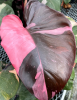
Variegated plants and collector forms should be treated the same way. ‘Albo Variegata,’ ‘Thai Constellation,’ ‘Aurea,’ mint-variegated plants, and plants sold as Monstera borsigiana or “Albo Borsigiana” are not proven to be free of raphides. Pale tissue has less chlorophyll, not a proven absence of calcium oxalate idioblasts.
Unripe Fruit and Uneven Ripening
The immature fruit contains enough crystal material to cause intense mouth and throat irritation. As the compound fruit ripens, its green hexagonal scales loosen and fall away progressively, generally from one end toward the other, exposing softer edible pulp. Fully ripe pulp is consumed by people, but portions still covered by firmly attached scales remain unripe and irritating.
Human food use does not establish that the fruit is appropriate or reliably safe for pets. Animals cannot be trusted to eat only fully ripened exposed pulp while avoiding irritating rind, unripe sections, central core, sap, seeds, nearby leaves, or fallen plant debris.
A partially ripened fruit is especially risky because one section may smell sweet and be edible to people while another section remains green, scaled, and capable of causing severe oral irritation. Pet-safety content should therefore warn against allowing animals to chew the fruit at any stage.
No Dependable Animal Toxic Dose
No dependable animal toxic dose has been established. Immediate pain usually limits the amount swallowed, making massive ingestion uncommon. Puppies, habitual plant-chewing cats, parrots, rabbits, guinea pigs, browsing goats, pigs, horses sampling clippings, and animals chewing fresh pruning debris may nevertheless receive a larger exposure than expected.
Risk depends on animal size, species, amount chewed, plant part, whether the tissue was crushed thoroughly, whether the animal swallowed plant material, whether the mouth or eye was exposed, and whether fertilizers, pesticides, fungicides, leaf-shine products, rooting hormones, potting mix, moss-pole fibers, or other materials were involved.
The correct safety message is practical rather than numerical: prevent access, remove loose plant material, rinse external contamination, watch swallowing and breathing closely, and involve a veterinarian when signs are more than mild or when a high-risk animal is involved.
Immediate Onset Is Typical
Clinical signs usually begin while the animal is chewing the plant or within minutes. Dogs and cats may release the leaf suddenly, shake the head, paw at the mouth, rub the muzzle, lick repeatedly, drool in long strings, foam at the lips, gag, retch, or vocalize. The animal may approach food or water but pull away because movement of the tongue and swallowing are painful.
The lips, gums, tongue, palate, and oral lining may become red, tender, and swollen. More substantial contact can produce small erosions, blisters, or ulcerated areas. Saliva may pool around the lips when swallowing is painful, and the animal’s bark, meow, or other vocalization may sound weak, hoarse, or strained if inflammation extends toward the pharynx or larynx.
The rapid timeline helps distinguish Monstera from plants that require absorption and metabolism before signs appear. A delayed illness hours or days later with no mouth pain should prompt consideration of another plant, a foreign object, chemical exposure, infection, or unrelated disease.
Mouth, Tongue, Throat, and Esophageal Signs
Oral pain is the central sign. Animals may refuse to close the mouth normally, drool, smack the lips, repeatedly swallow, grind the teeth, rub the face, or resist mouth examination. Cats may hide after a brief chewing episode because mouth movement is painful, while dogs may repeatedly seek water but then gag or back away.
Swelling can involve the lips, tongue, floor of the mouth, pharynx, or upper airway. Mild swelling is common; progressive swelling is the danger. Inability to swallow saliva, saliva pouring from the mouth, repeated choking, neck extension, noisy inspiration, open-mouth breathing, blue-gray gums, weakness, or collapse requires emergency care.
Esophageal irritation can cause repeated swallowing, gagging, retching, or discomfort after the plant is dropped. Bringing plant material back across the mouth and esophagus by inducing vomiting can re-expose already injured tissue to more raphides.
Vomiting, Appetite Loss, and Diarrhea
Vomiting can occur in dogs, cats, pigs, and other species capable of vomiting when plant material and crystals irritate the pharynx, esophagus, stomach, or upper intestinal tract. Reduced appetite, abdominal discomfort, diarrhea, and temporary depression may follow a larger exposure.
Severe or bloody gastrointestinal signs are not expected after one small bite. Repeated vomiting, blood in vomit, coffee-ground material, black stool, bloody diarrhea, marked abdominal pain, or inability to retain water warrants investigation for substantial ingestion, another plant, a foreign object, caustic chemical, medication exposure, pesticide, fertilizer, or unrelated gastrointestinal disease.
Food refusal may persist because the mouth remains sore even after the stomach has settled. Cats, rabbits, guinea pigs, birds, and very small animals deserve special attention because prolonged reduced intake can create secondary problems.
Airway Swelling and Aspiration Risk
Progressive tongue, pharyngeal, glottic, or laryngeal swelling can interfere with swallowing and, rarely, breathing. Airway obstruction is uncommon but is the most immediately dangerous recognized complication. An animal that is breathing normally and swallowing normally is very different from an animal that is drooling uncontrollably, extending the neck, or making noise on inspiration.
Aspiration can occur when an animal vomits, gags, chokes, receives forced liquids, or cannot coordinate swallowing because the throat is painful and swollen. Coughing after drinking, nasal discharge after attempted swallowing, wet breathing sounds, fever, or delayed respiratory decline after the oral signs improve may indicate aspiration pneumonia.
Do not force water, milk, yogurt, oil, charcoal, food, or medication into an animal with throat swelling, gagging, vomiting, weakness, sedation, or impaired swallowing. The aspiration risk can be more dangerous than the original plant bite.
Skin and Eye Exposure
Sap transferred onto damaged skin can cause localized burning, redness, swelling, or dermatitis. Animals may rub the muzzle, chew the paws, scratch the face, or lick the belly after contact with leaves, sap, aerial roots, pruning debris, or contaminated floors. Continued self-trauma can create open sores or secondary infection.
Sap transferred into an eye can cause sudden tearing, blinking, squinting, redness, and pain. Persistent cloudiness, light sensitivity, eyelid swelling, discharge, inability to open the eye, or continuing discomfort after gentle rinsing may indicate corneal injury or retained irritant material.
Eye exposure should not be treated as a minor extension of mouth irritation. A painful eye after plant sap exposure deserves prompt examination because corneal injuries can worsen if the animal continues rubbing.
Dogs
Dogs may chew leaves, petioles, aerial roots, moss poles, exposed roots, or freshly pruned stem pieces. Puppies may pull down a plant, chew propagation cuttings, or eat potting material along with plant tissue. Outdoor dogs in warm climates may sample landscape Monsteras or storm-damaged ornamental debris.
Typical signs include sudden mouth pain, drooling, head shaking, gagging, vomiting, pawing at the mouth, reduced appetite, and temporary depression. Severe airway signs are uncommon but require emergency care when they appear.
A dog that repeatedly vomits, cannot drink, develops progressive swelling, shows respiratory noise, collapses, or has severe weakness should be examined. Those signs may reflect a larger plant exposure, aspiration, chemical treatment, foreign material, another toxic plant, or a complication.
Cats
Cats may chew leaf edges, aerial roots, new growth, or cuttings placed in water or sphagnum. A cat may also contaminate the paws while batting at leaves and then rub sap into the eyes or ingest it while grooming. High shelves are unreliable because cats climb and because Monstera leaves and aerial roots extend outward and downward.
Cats commonly show drooling, mouth pawing, head shaking, gagging, food refusal, hiding, vomiting, or reluctance to drink. Some cats appear quiet rather than dramatic because mouth movement hurts.
Persistent food refusal in a cat matters even when the toxin is localized. Cats that do not eat after the acute mouth pain improves may become dehydrated or develop secondary metabolic complications. Cats should not receive hydrogen peroxide as a home emetic.
Horses, Ponies, and Donkeys
Horses cannot vomit. Possible signs include salivation, repeated chewing motions, muzzle rubbing, feed refusal, coughing, painful swallowing, oral redness, diarrhea, or respiratory noise. Water or feed material appearing at the nostrils raises concern for impaired swallowing, choke, or aspiration and requires prompt veterinary examination.
Exposure is most likely through tropical or subtropical landscaping, greenhouse waste, storm-damaged ornamental plantings, stable decorations, houseplants discarded into a paddock, or mixed clippings thrown over a fence. Horses should not be allowed access to Monstera clippings, aerial roots, leaves, fruit, or potting debris.
Do not drench a horse after exposure, especially when salivation, coughing, choking, depression, weakness, or impaired swallowing is present. Forced oral fluids, oil, charcoal, or medication can enter the lungs.
Livestock, Goats, Pigs, Poultry, and Other Farm Animals
Large-scale pasture poisoning is uncommon because Swiss Cheese Plant is not a typical temperate forage species and its immediate irritation discourages continued grazing. Exposure can still occur through subtropical landscaping, greenhouse disposal, storm debris, plant-shop waste, compost, ornamental clippings, or household plants discarded into animal areas.
Goats and other browsers may sample leaves, stems, and aerial roots. Pigs may root through plants, fruit, potting mix, or propagation waste. Poultry may peck fallen fruit pieces, leaf fragments, or potting debris. Several affected animals should prompt investigation of the entire clipping pile or feed source because more dangerous ornamentals or chemicals may be mixed with the Monstera.
Expected signs include salivation, mouth irritation, feed refusal, diarrhea, coughing, painful swallowing, and temporary depression. Severe neurologic signs, sudden deaths, abnormal heart rate, or group illness does not fit a simple Monstera exposure and requires broader investigation.
Rabbits, Guinea Pigs, Birds, and Other Small Animals
Rabbits, guinea pigs, chinchillas, and several other small mammals cannot vomit. They may show drooling, tooth grinding, facial rubbing, food refusal, diarrhea, reduced fecal production, hunched posture, or lethargy. Oral pain that prevents eating can lead to gastrointestinal hypomotility or stasis even when the original crystal injury is localized.
Parrots and other birds may shred leaves, stems, and aerial roots with the beak, creating direct contact with the tongue, oral lining, crop, skin, and feathers. Beak wiping, regurgitation, reduced appetite, altered droppings, weakness, inability to perch, or respiratory signs after plant contact require avian veterinary advice.
Small animals should not be given Monstera leaves as cage greenery, browse, humidity cover, climbing décor, enrichment, or natural chew material. A plant used decoratively in a room is not automatically safe inside a confined enclosure.
Signs That Do Not Fit Uncomplicated Monstera Exposure
Convulsions, coma, primary kidney failure, permanent liver damage, dangerous cardiac abnormalities, and death are not established ordinary effects of Monstera’s insoluble oxalates. Seizures, profound weakness, organ failure, collapse, abnormal heart rhythm, or loss of consciousness requires investigation for hypoxia from airway obstruction, severe dehydration, pesticides, medications, soluble oxalates, ethylene glycol, another toxic plant, or an unrelated medical emergency.
A diagnosis should not stop at the visible houseplant when the animal’s signs are severe or atypical. Potting mix, moss-pole material, fertilizer, insecticide, fungicide, leaf-shine product, rooting hormone, mold, foreign material, and other plants in the home or clipping pile may all change the case.
Expected Duration and Prognosis
Most limited exposures improve substantially within several hours and resolve within approximately 12–24 hours. Drooling, mouth pain, and food refusal should decrease rather than worsen once the plant is removed and loose residue is cleared.
Significant oral ulceration, esophageal irritation, eye injury, dehydration, aspiration, or laryngeal swelling can prolong recovery. A universal two-week illness is not expected, although severe localized tissue injury may remain painful beyond the first day.
The prognosis is good to excellent after uncomplicated exposure. It becomes more guarded when airway obstruction, aspiration, severe eye injury, extensive ulceration, significant dehydration, or a mixed exposure develops.
Swiss Cheese Plant Is a Monstera, Not a Philodendron
Monstera deliciosa belongs to Araceae but is not a true philodendron. The names Cutleaf Philodendron and Split-Leaf Philodendron became established through horticultural use and remain common on older labels, nursery invoices, houseplant articles, and poison-control lists.
True philodendrons belong to the genus Philodendron, while tree philodendrons are now placed in Thaumatophyllum. These related aroids also contain insoluble calcium oxalate, so the immediate poisoning response may be similar even when the common name is botanically inaccurate.
The page should preserve the misleading names because owners search from plant tags and florist or nursery labels during an emergency. It should also explain that botanical identity still matters for prevention, look-alike control, and avoiding wrong assumptions about fruit, growth habit, and cultivar names.
Accepted Name and Botanical Synonyms
The accepted botanical name is Monstera deliciosa Liebm. Important historical synonyms include Monstera borsigiana, Monstera deliciosa var. borsigiana, Monstera deliciosa var. sierrana, Monstera lennea, Philodendron anatomicum, Philodendron fenestratum, Philodendron pertusum, and Tornelia fragrans.
Monstera borsigiana is currently treated as a synonym of Monstera deliciosa, not as a separately accepted species. The name remains highly visible in collector trade, especially with “Albo Borsigiana” and other variegated plants, so it should remain in the search language.
The synonymy does not create a safety distinction. Plants sold as M. deliciosa, M. borsigiana, small-form Monstera, Albo Borsigiana, Thai Constellation, Aurea, or mint-variegated Monstera should all be treated as capable of causing raphide injury.
Native Range and Growth Form
Swiss Cheese Plant is native from southern Mexico into Guatemala, where it grows as a large evergreen forest liana. It begins near ground level and climbs trees or other supports with thick aerial roots. Mature vines can reach high into the tropical canopy.
Indoor specimens remain much smaller but can still develop heavy stems, long aerial roots, and large leaves extending well beyond the container. A plant in a corner may still place leaf tips, aerial roots, or cuttings within reach of cats, dogs, rabbits, parrots, or children.
Outdoor exposure occurs in tropical and subtropical landscaping, courtyards, patios, hotel plantings, greenhouses, shade houses, nurseries, and storm-damaged ornamental debris. Indoor exposure commonly involves potted plants, propagation cuttings, fallen leaves, pruned stems, rooting jars, moss poles, and discarded plant pieces.
How to Identify Monstera deliciosa
Young leaves are glossy, green, heart-shaped, and often completely entire, without holes or deep splits. Juvenile plants can therefore look unlike the familiar mature Swiss Cheese Plant and may be mistaken for pothos, heartleaf philodendron, or another juvenile aroid.
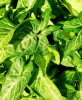
As the plant climbs and matures, its leaves become much larger and develop enclosed oval holes called fenestrations. Deep divisions may also extend from the leaf edge toward the central vein, producing the characteristic perforated and split appearance. Mature leaves can become enormous, leathery, glossy, and deeply sculptural.
The thick climbing stem develops leaves and aerial roots at distinct nodes. The aerial roots may be short and clinging or become long, cordlike structures that extend toward soil, a moss pole, wood, stone, bark, or another moist support. These aerial roots remain plant tissue capable of causing irritation if chewed.
Flowers and Fruit
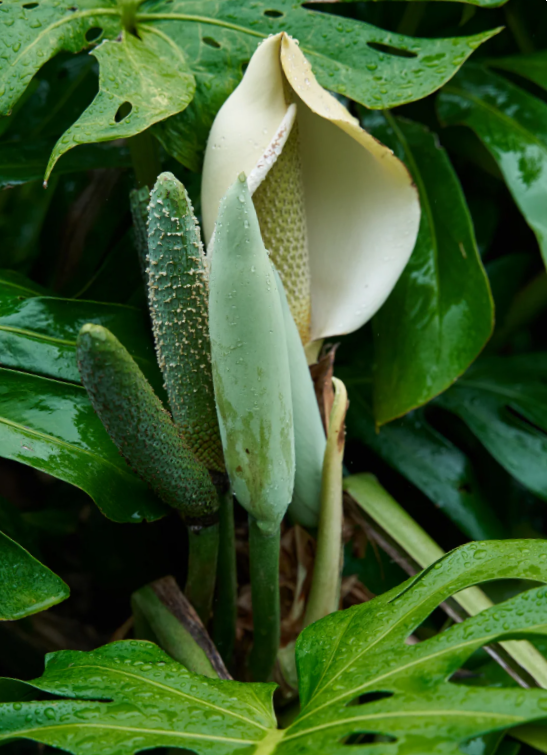
Mature plants may produce a large creamy-white or pale green spathe surrounding a thick spadix. Flowering is uncommon on ordinary indoor plants but more frequent on established outdoor vines in warm climates, greenhouses, conservatories, and protected tropical landscapes.
After pollination, the spadix develops into an elongated compound fruit covered by tightly fitted green hexagonal scales. The fruit may take more than a year to mature. Ripening progresses gradually, generally beginning at the lower end, as scales loosen and fall away naturally to expose pale aromatic pulp.
Any section whose scales remain firmly attached should be considered unripe and capable of causing severe oral irritation. A fruit can be partly edible to people at one end and still hazardous at another end. Animals should not be allowed to test ripeness by chewing.
Ripe Fruit Does Not Make the Whole Plant Edible
Fully ripe Monstera pulp has a long history of human consumption and accounts for names such as Ceriman, Mexican Breadfruit, Fruit Salad Plant, and Delicious Monster. Food studies describe the ripe fruit as sweet and climacteric, with substantial soluble solids after ripening.
The leaves, stems, sap, aerial roots, flowers, roots, unripe fruit portions, rind, and scaled sections remain irritating. A partially ripened fruit can contain edible pulp at one end while the still-scaled upper portion remains unsafe. The central core, unripe sections, rind fragments, sap, and nearby leaves are not pet food.
Pet-safety content should not tell owners that Monstera fruit is simply safe or unsafe without the ripeness boundary. The accurate point is that people may eat fully ripe exposed pulp, but animals should not be offered the fruit because they cannot reliably avoid irritating portions.
How Raphide Injury Develops
Calcium oxalate raphides form within vacuoles of specialized idioblast cells. The plant uses calcium oxalate in mineral regulation and as a physical defense against herbivores. The crystals are not dissolved into a systemic poison when the plant is chewed; they act like microscopic needles at the contact site.
Chewing crushes the cells and distributes the raphides through plant sap and saliva. Movement of the tongue and attempts to spit out the plant press the crystals more deeply into moist tissue. The resulting syndrome is traumatic and inflammatory rather than a conventional systemic poisoning.
This explains the rapid onset and why signs are concentrated in the mouth, throat, esophagus, skin, eyes, and upper gastrointestinal tract. It also explains why vomiting is not the first-aid target and why activated charcoal is usually not useful for removing crystals already lodged in tissue.
Protease and the “Needle Effect”
Research in other raphide-bearing plants has shown that raphides can work synergistically with protease or protein toxins by creating microscopic channels through which irritant proteins can enter tissue. This mechanism is sometimes called the needle effect.
That concept is useful background for aroid poisoning, but it should not be overstated for Monstera deliciosa. A clinically important Monstera-specific protease has not been established with the same strength as the calcium oxalate raphide hazard.
The practical veterinary response does not change: remove loose plant material, prevent further rubbing or grooming, rinse external contamination, assess pain and swallowing, and monitor airway and eye involvement.
Kidney Failure Is Not the Expected Syndrome
Monstera contains insoluble raphides, not the readily absorbed soluble oxalate salts responsible for hypocalcemia and renal oxalate deposition. Ordinary Monstera exposure therefore does not produce the kidney-failure syndrome associated with sorrel, rhubarb leaves, certain docks, greasewood, soluble-oxalate forage plants, or ethylene glycol.
Kidney values may become abnormal after severe dehydration, shock, preexisting renal disease, or another simultaneous toxin, but those complications should not be described as direct expected consequences of one Monstera bite.
This distinction prevents unnecessary panic and prevents the opposite error: dismissing airway, swallowing, and eye risks because the plant is not a kidney toxin. Monstera can be painful and medically important without being a renal poison.
Dogs and Cats
Dogs and cats usually react immediately, which limits ingestion. Drooling, mouth pawing, head shaking, gagging, vomiting, and temporary food refusal are the most recognizable signs.
Cats may chew leaf edges or aerial roots, while puppies may bite stems, moss poles, exposed roots, or propagation cuttings. Fallen pieces remain hazardous even when the parent plant is placed above floor level.
A pet that repeatedly seeks out houseplants may have boredom, pica, anxiety, dental discomfort, gastrointestinal disease, nausea, stress, compulsive behavior, or another behavioral or medical issue that deserves separate evaluation. Preventing access is essential, but repeated plant chewing should not be ignored as a personality quirk.
Horses, Livestock, Birds, and Small Mammals
Horses and livestock are most likely to encounter Monstera through subtropical landscaping, greenhouse waste, storm debris, plant-shop disposal, houseplant waste, or ornamental clippings thrown into an enclosure. Large-scale pasture poisoning is uncommon because the plant is not a typical temperate forage species and its immediate irritation discourages continued grazing.
Goats and other browsers may sample leaves, stems, and aerial roots. Horses cannot vomit and should never be drenched after exposure, especially when salivation, coughing, choking, or impaired swallowing is present.
Parrots may shred leaves and stems with the beak, creating direct contact with the tongue and oral lining. Rabbits and guinea pigs may stop eating because of mouth pain, creating a secondary risk of gastrointestinal stasis. These species should not be offered Monstera as natural enrichment, cage greenery, or browse.
Important Look-Alikes and Naming Confusion
Monstera adansonii also has perforated leaves but usually remains smaller, with many enclosed holes and fewer deep splits reaching the margin. It contains the same general insoluble-oxalate hazard. Monstera obliqua is much rarer and is often confused in trade with M. adansonii.
Tree philodendron, Thaumatophyllum bipinnatifidum, has deeply divided leaves but ordinarily lacks the enclosed holes seen in mature Monstera deliciosa. It is also toxic through calcium oxalate. Mini Monstera, Rhaphidophora tetrasperma, develops small deeply split leaves but usually lacks enclosed fenestrations.
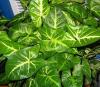
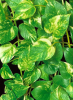
Pothos and several true philodendrons may resemble juvenile Monstera before the characteristic leaf holes appear. Peace lily, calla lily, dumb cane, arrowhead vine, and many other aroids produce the same broad insoluble-calcium-oxalate oral-irritation syndrome even though they are different plants.
Diagnosis
Diagnosis usually depends on a witnessed exposure, rapid onset of compatible signs, and correct plant identification. Useful photographs show the entire plant, leaf shape, fenestrations, stem nodes, aerial roots, flowers, fruit, pot label, moss pole, propagation setup, and chewed material.
The veterinarian will assess the mouth, tongue, pharynx, breathing, swallowing, hydration, vomiting, and eye surface. Sedation may be required for a thorough oral or laryngeal examination, but airway stability must be considered before sedating a patient with progressive swelling.
Blood testing is usually unnecessary after a mild exposure. Persistent vomiting, substantial dehydration, weakness, respiratory distress, collapse, severe systemic signs, or signs inconsistent with localized irritation may justify blood chemistry, electrolytes, imaging, blood-gas analysis, eye staining, or investigation for another toxin.
Veterinary Treatment and Prognosis
No antidote removes crystals already embedded in tissue. Treatment begins with ending exposure, removing loose plant pieces, gently clearing the mouth, controlling pain and vomiting, and monitoring swallowing and respiration.
Veterinary care may include analgesia, antiemetic medication, fluids, gastrointestinal support, eye examination, fluorescein staining, and treatment of skin injury. Progressive pharyngeal or laryngeal edema may require oxygen, injectable medication, intubation, or an emergency surgical airway.
Most limited exposures have a good to excellent prognosis. Marked improvement often occurs within hours, and uncomplicated recovery is expected within approximately one day. The outlook becomes more guarded when airway obstruction, aspiration, severe eye injury, extensive oral injury, or significant dehydration develops.
Prevention
Keep Monstera in a room or secure enclosure inaccessible to animals. A high plant stand alone may not be sufficient because leaves arch outward, aerial roots grow downward, and cats can climb nearby furniture.
Collect every leaf, stem section, aerial-root cutting, node, fruit fragment, and potting debris after pruning or propagation. Clean sap from floors, tools, counters, rooting jars, moss poles, and hands before allowing an animal into the area.
Do not place Monstera clippings in horse paddocks, goat pens, livestock enclosures, aviaries, rabbit areas, poultry runs, reptile enclosures, or accessible compost. Label the plant with the accepted name Monstera deliciosa and retain any cultivar or nursery information for emergency identification.
Immediate Steps After Exposure
Stop further chewing. Move the animal away from the plant, fallen leaf, propagation cutting, aerial root, pruning debris, flower, fruit, rooting jar, moss pole, potting mix, or spilled sap. Do not allow another animal to investigate the same material while the first animal is being assessed.
- Remove loose plant fragments safely: If the animal is alert and cooperative, take visible pieces from the lips and front of the mouth. Do not reach deeply into the throat or place your fingers near the teeth of a frightened or painful animal.
- Gently clear residue when swallowing is normal: Wipe the lips and front of the mouth with a damp cloth or allow a small amount of clean water to rinse loose material. Do not spray water forcefully into the mouth.
- Prevent eye contamination: Stop the animal from rubbing sap-covered paws, muzzle, feathers, or fur into the eyes.
- Preserve identification evidence: Photograph the whole plant, leaves, aerial roots, stems, fruit, pot label, moss pole, propagation setup, and chewed material.
- Check for co-exposures: Determine whether the animal also contacted fertilizer, pesticide, fungicide, rooting hormone, moss-pole fiber, potting mix, decorative stones, plastic, wire, or another plant.
- Contact a veterinarian or animal poison-control service: Report the animal’s species, weight, plant part, amount missing, time of exposure, breathing, swallowing, vomiting, eye contact, and whether the animal can eat or drink.
Skin or Eye Exposure
- Rinse sap from skin and fur: Use lukewarm running water to remove visible plant material and prevent grooming until the contaminated area is clean.
- Clean paws and muzzle: Sap on the feet or face may be swallowed later during grooming or rubbed into the eyes.
- Flush an exposed eye promptly: Use sterile saline or clean lukewarm water and allow it to flow gently across the eye. Do not rub the eye or try to remove microscopic crystals with tweezers, cloth, cotton swabs, or fingers.
- Seek examination for persistent eye signs: Continuing squinting, tearing, redness, cloudiness, discharge, light sensitivity, swollen eyelids, or refusal to open the eye may indicate corneal injury.
Do Not Attempt Unsupervised Home Treatment
- Do not induce vomiting: Hydrogen peroxide, salt, mustard, syrup of ipecac, dish soap, detergent, and manual gagging may cause additional injury or aspiration. Bringing plant material back across the mouth and esophagus can repeat the raphide exposure.
- Do not force milk, yogurt, cheese, food, or water: A veterinarian may occasionally approve a small amount of cooling or soothing food for an alert animal that swallows normally, but forced material can enter the lungs when the throat is swollen.
- Do not give diphenhydramine automatically: An antihistamine does not remove embedded crystals, and sedation can complicate assessment of swallowing, weakness, and airway function.
- Do not administer activated charcoal without veterinary direction: Charcoal does not extract insoluble raphides from tissue and may be aspirated by a drooling, gagging, vomiting, weak, sedated, or dysphagic animal.
- Do not give Kapectolin, Kaopectate, sucralfate, loperamide, antacids, antiemetics, antibiotics, essential oils, topical human creams, or human pain medication: Treatment must be selected for the animal’s species, weight, symptoms, swallowing ability, and medical history.
- Do not drench horses or livestock: Never force water, oil, milk, charcoal, electrolyte solution, or medication into an animal that is coughing, choking, salivating heavily, weak, depressed, or unable to swallow normally.
When Emergency Examination Is Especially Important
- Breathing becomes noisy or difficult: Stridor, open-mouth breathing, neck extension, rapid shallow respirations, blue-gray gums, or increasing respiratory effort may indicate airway swelling.
- The animal cannot swallow normally: Repeated swallowing attempts, choking, gagging, saliva pooling in the mouth, water falling from the lips, or nasal reflux requires urgent assessment.
- Swelling is increasing: Progressive tongue, facial, pharyngeal, glottic, or throat swelling can worsen after chewing has stopped.
- Vomiting or diarrhea is severe: Continuing fluid loss can cause dehydration and electrolyte abnormalities.
- The eye may have been exposed: Significant pain, cloudiness, marked redness, discharge, light sensitivity, or persistent squinting requires prompt corneal examination.
- Severe systemic signs develop: Tremors, seizures, collapse, coma, abnormal heart rhythm, or profound weakness does not fit an uncomplicated Monstera exposure and requires immediate investigation.
- A rabbit, guinea pig, bird, or other small animal stops eating: Food refusal can lead to gastrointestinal stasis, weakness, and other secondary complications.
Veterinary Treatment
The veterinarian will assess the lips, tongue, oral cavity, pharynx, breathing, swallowing, hydration, abdominal comfort, vomiting, and eyes. Loose plant material may be removed and the mouth gently wiped or rinsed. Pain relief and airway monitoring are often more useful than aggressive gastrointestinal decontamination.
An alert patient breathing comfortably and swallowing normally may receive a small veterinarian-approved amount of water or soothing food. Nothing should be given orally when swelling, gagging, vomiting, weakness, sedation, altered mentation, or impaired swallowing creates an aspiration risk.
Veterinary care may include analgesics, antiemetic medication, fluid and electrolyte therapy, gastrointestinal support, oxygen, and treatment of skin or eye injury. Significant pharyngeal or laryngeal edema may require injectable medication, intubation, or an emergency surgical airway.
Horse, Livestock, Rabbit, Bird, and Exotic Exposures
Remove access to landscape plants, greenhouse waste, clipping piles, storm debris, houseplant waste, potting debris, fruit, and propagation material. Preserve a sample of all plants because mixed ornamental clippings may contain more than one toxic species.
- Do not drench large animals: Forced oral products can be aspirated when swallowing is abnormal.
- Inspect mixed clippings: Landscape debris may include more dangerous plants such as yew, oleander, rhododendron, azalea, Japanese pieris, lilies, sago palm, or treated material.
- Watch small herbivores closely: Rabbits and guinea pigs that stop eating or produce fewer fecal pellets need prompt veterinary advice.
- Use avian care for birds: Beak wiping, regurgitation, abnormal droppings, weakness, inability to perch, or incoordination after shredding leaves requires avian veterinary input.
Recovery and Prognosis
Most animals recover completely after a limited exposure. Marked improvement often occurs within several hours, and uncomplicated cases commonly resolve within approximately 12–24 hours.
- Monitor mouth pain: Drooling, pawing, gagging, food refusal, or painful swallowing should improve rather than worsen.
- Monitor breathing: Noisy breathing, neck extension, blue-gray gums, open-mouth breathing, or increasing effort is an emergency.
- Monitor hydration: Repeated vomiting, refusal to drink, tacky gums, sunken eyes, weakness, or reduced urination requires reassessment.
- Monitor eyes: Persistent squinting, cloudiness, discharge, swelling, or light sensitivity requires prompt care.
- Monitor small animals closely: Rabbits, guinea pigs, birds, and other small animals should resume eating and producing normal droppings promptly.
- Monitor for signs that do not fit: Seizures, coma, organ injury, collapse, severe neurologic signs, or cardiovascular instability should prompt investigation for another toxin or complication.
Continuing mouth pain, food refusal, vomiting, diarrhea, coughing, swallowing difficulty, respiratory noise, or eye pain deserves reassessment. Extensive oral, esophageal, or ocular injury may require treatment for several days.
Frequently Asked Questions About Swiss Cheese Plant Poisoning
What toxin makes Monstera deliciosa poisonous?
The confirmed toxic structures are insoluble calcium oxalate crystals, especially needle-shaped raphides stored in specialized plant cells called idioblasts. Chewing releases the crystals and drives them into the lips, tongue, mouth, throat, and esophagus, causing immediate pain, drooling, swelling, and difficulty swallowing.
Does Swiss Cheese Plant contain a proteinase toxin?
Proteolytic enzymes can intensify raphide injury in some plants, but a clinically important protease has not been demonstrated sufficiently in Monstera deliciosa. Proteinase should therefore be described as a possible contributing factor in some raphide-bearing plants rather than a confirmed principal Monstera toxin equal to insoluble calcium oxalate.
Can Monstera cause kidney failure?
Primary kidney failure is not the expected syndrome. Monstera contains insoluble raphides that injure tissue locally, not the soluble oxalates that enter the bloodstream, lower calcium, and damage renal tubules. Kidney abnormalities after an exposure would raise concern for severe dehydration, another toxin, preexisting disease, or mistaken plant identification.
Which parts of Monstera are poisonous?
Leaves, petioles, stems, sap, aerial roots, ordinary roots, flowers, seeds, and immature fruit should all be treated as poisonous. Fully ripe fruit pulp is eaten by people, but portions covered by firmly attached scales remain unripe and irritating. Animals should not be allowed to chew fruit at any stage.
How can a poisonous plant produce edible fruit?
The fruit changes substantially during ripening. Its green scales loosen and fall away progressively, starch is converted to sugar, and the exposed pulp loses much of the severe acridity associated with immature tissue. Ripening is uneven, so one section may be exposed and soft while another section remains green, scaled, and highly irritating.
Is Monstera deliciosa really a philodendron?
No. It belongs to the genus Monstera, although Cutleaf Philodendron and Split-Leaf Philodendron remain common trade names. True philodendrons and tree philodendrons are separate plants. Many contain the same general insoluble-calcium-oxalate hazard, so the immediate veterinary response may still be similar.
Is Monstera borsigiana a different species?
Current botanical treatment considers Monstera borsigiana and Monstera deliciosa var. borsigiana synonyms of Monstera deliciosa. Plants sold as borsigiana, small-form Monstera, or Albo Borsigiana should be treated as capable of causing the same calcium-oxalate injury.
Are variegated Monsteras less toxic?
No safe variegated form has been established. ‘Albo Variegata,’ ‘Thai Constellation,’ ‘Aurea,’ mint-variegated plants, and green forms should all be treated as toxic. White or yellow areas have less chlorophyll but are not proven to be free of raphides.
How quickly do symptoms appear?
Signs usually begin immediately or within minutes because the crystals injure tissue as soon as the plant is chewed. An animal may suddenly release the leaf, shake its head, paw at the mouth, drool, gag, or refuse food and water. Progressive swelling can continue after chewing has stopped.
Can Swiss Cheese Plant block an animal’s airway?
Severe airway obstruction is uncommon but possible when tongue, pharyngeal, glottic, or laryngeal swelling becomes substantial. Noisy inspiration, open-mouth breathing, neck extension, inability to swallow saliva, blue-gray gums, weakness, or collapse requires immediate emergency treatment.
Should milk, yogurt, or cheese be given?
Do not force dairy products. A veterinarian may occasionally approve a small amount for an alert animal that is breathing comfortably and swallowing normally, but dairy does not remove crystals already embedded in tissue. Forced material can enter the lungs when the mouth or throat is swollen.
Should I make my pet vomit or give activated charcoal?
No, not unless a veterinarian specifically directs treatment after evaluating the case. Vomiting can bring irritating material back over the mouth and esophagus. Activated charcoal does not remove insoluble crystals from tissue and may be aspirated by a drooling, gagging, vomiting, weak, or poorly swallowing animal.
What should be done if Monstera sap gets into an eye?
Flush the eye gently with sterile saline or clean lukewarm water and prevent rubbing. Persistent squinting, tearing, redness, cloudiness, light sensitivity, discharge, eyelid swelling, or refusal to open the eye requires prompt veterinary examination because crystal material can injure the corneal surface.
Is Mini Monstera the same plant?
No. Mini Monstera usually means Rhaphidophora tetrasperma, a separate aroid rather than a small form of Monstera deliciosa. It can still cause insoluble-calcium-oxalate oral irritation and should be kept away from animals that chew houseplants.
Is Monstera adansonii the same as Swiss Cheese Plant?
The common name overlaps. Monstera adansonii is often called Swiss Cheese Plant or Swiss Cheese Vine because its smaller leaves have many enclosed holes. It is a separate species from Monstera deliciosa, but both are aroids with insoluble-calcium-oxalate toxicity.
Can horses or livestock be poisoned by Monstera?
Yes, if they chew the plant, but exposure is usually from landscaping, greenhouse waste, storm debris, or ornamental clippings rather than ordinary pasture. Horses cannot vomit and should not be drenched after exposure, especially if salivation, coughing, choking, or impaired swallowing is present. Mixed clippings should be investigated because more dangerous plants may be present.
Is Monstera dangerous to rabbits, guinea pigs, and birds?
Yes. Rabbits and guinea pigs cannot vomit and may stop eating because of mouth pain, creating a risk of gastrointestinal stasis. Birds may shred leaves, stems, and aerial roots with the beak. Food refusal, reduced droppings, regurgitation, weakness, inability to perch, or respiratory signs after exposure requires species-appropriate veterinary care.
Can a moss pole or propagation cutting be part of the exposure?
Yes. Aerial roots, stem nodes, leaf cuttings, rooting jars, wet sphagnum, moss-pole fibers, potting mix, rooting hormone, fertilizer, and decorative materials may all be involved when a pet chews a Monstera setup. Preserve photographs and labels because co-exposures can change the veterinary plan.
What signs do not fit ordinary Monstera poisoning?
Seizures, coma, primary kidney failure, permanent liver damage, dangerous heart abnormalities, sudden death, or severe neurologic disease are not expected from an uncomplicated Monstera bite. Those signs require investigation for another toxin, airway-related hypoxia, severe dehydration, chemical exposure, medication ingestion, soluble oxalates, ethylene glycol, or unrelated disease.
What is the usual prognosis?
The prognosis is good to excellent after most limited exposures. Pain, drooling, and food refusal often improve within several hours, with uncomplicated recovery in approximately 12–24 hours. Airway swelling, aspiration, severe eye injury, extensive ulceration, or significant dehydration makes the case more serious.
How can Swiss Cheese Plant poisoning be prevented?
Keep Monstera in a closed room or secure plant enclosure, collect fallen leaves and aerial-root pieces, remove pruning debris immediately, and keep propagation cuttings and rooting water inaccessible. Do not place Monstera clippings in horse paddocks, goat pens, rabbit areas, poultry runs, aviaries, livestock feed areas, or accessible compost.