Viper’s Bugloss Pyrrolizidine Alkaloids, Paterson’s Curse Liver Failure, Contaminated Feed, Walking Disease, and Sheep Copper Crisis Risk
Is Viper’s Bugloss Poisonous to Dogs, Cats, Horses, and Livestock?
Yes—Viper’s Bugloss, Echium plantagineum, is poisonous to horses, pigs, cattle, sheep, goats, camelids, poultry, and other grazing or feed-consuming animals, and meaningful ingestion by dogs or cats should be treated as potentially hazardous. This species is better known in Australia as Paterson’s curse, Salvation Jane, Riverina Bluebell, Purple Viper’s-Bugloss, or Plantain-Leaved Viper’s-Bugloss. It contains a complex mixture of 1,2-unsaturated pyrrolizidine alkaloids and pyrrolizidine alkaloid N-oxides that the liver can convert into highly reactive pyrrolic metabolites. Repeated ingestion can cause cumulative, delayed, and often irreversible liver injury.
The major danger is not immediate mouth burning after one taste. Viper’s Bugloss poisoning is usually a chronic liver disease that develops after repeated grazing or contaminated hay, chaff, silage, pellets, grain, or seed contamination. Liver cells may enlarge without dividing normally, die, and be replaced by fibrous tissue. Animals can appear normal while injury accumulates, then later develop weight loss, poor appetite, diarrhea or scouring, jaundice, abdominal fluid, photosensitization, bleeding tendency, hepatic encephalopathy, difficulty swallowing, abnormal behavior, collapse, seizures, coma, or death. Removing the plant stops new exposure but cannot rebuild liver tissue already destroyed or replaced by fibrosis.
Horses and pigs are especially susceptible, cattle are moderately susceptible, and sheep and goats are more resistant but not immune. Sheep and goats can still develop chronic liver injury, reduced production, abnormal copper retention, and sudden copper-associated hemolytic crisis after stress. Direct dog and cat case evidence is limited compared with livestock evidence, but the plant contains established hepatotoxic and genotoxic alkaloids, and no safe pet dose is known. Dogs or cats that repeatedly chew the plant, eat seeds, consume contaminated feed, or access concentrated plant material should be handled through a veterinarian or animal poison-control service.
About this guide: This page provides general pet-poisoning information and cannot diagnose or treat an individual animal. For any suspected exposure, contact a veterinarian or animal poison-control service immediately. Do not induce vomiting, give medication, or attempt home decontamination unless directed by a veterinary professional.
Viper's Bugloss
Echium plantagineum L.
Important botanical synonyms and historical names include:
- Echium creticum subsp. plantagineum (L.) Malag.
- Echium lycopsis L. — rejected historical name used in older literature
- Echium violaceum L.
- Echium plantaginifolium L. ex Moris
- Echium plantaginoides Roem. & Schult.
Important non-synonym confusion names:
- Echium vulgare L. — Common Viper’s Bugloss or Blueweed; separate Echium species that can also contain pyrrolizidine alkaloids but is not the Paterson’s curse species on this page
- Echium italicum L. — Italian Bugloss; separate Echium species sometimes confused with E. plantagineum
- Echium pininana Webb & Berthel. — Giant Viper’s Bugloss or Tower of Jewels; separate ornamental species
- Anchusa officinalis L. — Common Bugloss or Alkanet; separate Boraginaceae plant, not Paterson’s curse
- Borago officinalis L. — Borage; separate Boraginaceae plant with its own pyrrolizidine-alkaloid food-safety context, not Echium plantagineum
- Symphytum officinale L. — Comfrey; separate Boraginaceae plant with pyrrolizidine-alkaloid concerns, not Viper’s Bugloss
Boraginaceae — Borage Family
Viper’s Bugloss belongs to Boraginaceae, a family that includes several pyrrolizidine-alkaloid-containing plants important in livestock, feed, herbal-product, and honey-contamination toxicology. This page is about cumulative pyrrolizidine-alkaloid liver injury, not the immediate calcium-oxalate mouth injury seen in aroids and not a cyanide or nitrate poisoning syndrome.
Viper’s Bugloss; Vipers Bugloss; Purple Viper’s-Bugloss; Purple Vipers Bugloss; Plantain-Leaved Viper’s-Bugloss; Plantainleaf Viper’s-Bugloss; Paterson’s Curse; Patterson’s Curse; Salvation Jane; Riverina Bluebell; Lady Campbell Weed; Purple Bugloss; Purple Echium; Blue Echium; Blueweed; Blue Weed; Purple Plague; Franklin Weed; Echium; Echium Weed.
Historical and taxonomic search variations include Echium plantagineum, Echium lycopsis, Echium violaceum, Echium creticum subsp. plantagineum, Echium plantaginifolium, and Echium plantaginoides.
“Viper’s bugloss” and “blueweed” are ambiguous names also commonly applied to Echium vulgare. “Purple viper’s-bugloss,” “plantain-leaved viper’s-bugloss,” “Paterson’s curse,” and “Salvation Jane” more clearly point to Echium plantagineum. In a poisoning or feed-contamination investigation, confirm the scientific name with a whole-plant sample, rosette leaves, flowering stems, flowers, seeds, and photographs of the pasture or feed source.
A Complex Pyrrolizidine-Alkaloid Mixture, Not One Simple Toxin
Echium plantagineum contains a complex mixture of pyrrolizidine alkaloids and pyrrolizidine alkaloid N-oxides rather than one isolated poison. The toxicologically important compounds are 1,2-unsaturated pyrrolizidine alkaloids built on retronecine, heliotridine, or closely related necine-base structures. Echimidine and echimidine N-oxide are especially important in the species, but they are not the whole story. Echiumine, echiumine N-oxide, lycopsamine, intermedine, lycopsamine N-oxide, intermedine N-oxide, acetylated lycopsamine/intermedine derivatives, echimiplatine, uplandicine, leptanthine, echiuplatine, acetylechimidine-related compounds, and additional minor or incompletely resolved alkaloids may also occur.
Older descriptions often listed only lycopsamine, intermedine, and echiumine. That is now too narrow. Modern chromatographic and mass-spectrometric work has shown a broader and more chemically complicated alkaloid profile, including numerous N-oxides and closely related isomers. Some compounds share molecular weights or behave similarly during older analytical methods, so earlier reports could combine or miss peaks that later methods separated. The page should therefore avoid a simplistic three-alkaloid list and describe the toxin profile as a variable pyrrolizidine-alkaloid and N-oxide mixture.
The N-oxide forms should not be dismissed as harmless storage compounds. Pyrrolizidine alkaloid N-oxides can be reduced in the digestive tract or tissues to the corresponding free-base alkaloids, absorbed, and carried by portal blood to the liver. In a grazing animal, the difference between “free base” and “N-oxide” is not the difference between poisonous and safe. It is part of the exposure profile that determines how much liver-toxic material becomes available.
Metabolic Activation in the Liver
The liver is the principal target because absorbed pyrrolizidine alkaloids travel there first and because hepatic enzymes can convert part of the alkaloid burden into highly reactive metabolites. Some compounds are detoxified and excreted. Others, especially hazardous 1,2-unsaturated alkaloids, undergo cytochrome P450-mediated bioactivation to unstable dehydropyrrolizidine intermediates often described as reactive pyrrolic metabolites.
These electrophilic metabolites bind covalently to proteins, DNA, and other cellular targets. They interfere with normal hepatocyte division and repair. A damaged hepatocyte may enlarge but fail to divide normally, producing the characteristic giant liver cells called megalocytes. Over time, hepatocyte loss, failed regeneration, bile-duct proliferation, fibrosis, and distortion of liver blood flow reduce the amount of functional liver tissue available to the animal.
This process explains why Viper’s Bugloss poisoning often looks unfair to the owner or livestock producer. The animal may not look sick while it is eating the plant. The pasture may have been cleaned up by the time clinical signs appear. Hay may be gone from the manger. The damage, however, has already occurred at the cellular level. Removing the plant prevents additional exposure but cannot reverse established megalocytosis, advanced fibrosis, or permanent loss of liver architecture.
Cumulative Injury and Delayed Disease
The poisoning is cumulative. A series of small exposures can matter more than one dramatic mouthful. Injured hepatocytes do not regenerate normally, and the liver has a large reserve capacity. An animal can therefore look outwardly normal while functional reserve is being spent. Clinical disease may appear weeks or months after repeated grazing, contaminated hay, or contaminated grain exposure.
Once liver reserve is exhausted, deterioration can be sudden. Jaundice, weight loss, abdominal fluid, neurologic signs, difficulty swallowing, photosensitization, or collapse may be the first time the owner realizes anything is wrong. By then, extensive microscopic injury may already be present. A normal attitude immediately after exposure is not proof of safety, and a mild early blood panel does not always exclude substantial chronic injury.
Acute large-dose poisoning is possible but less typical. In experimental settings and severe exposure scenarios, large alkaloid burdens can cause acute hemorrhagic liver necrosis, internal bleeding, collapse, and death. In practical grazing and feed contamination, chronic pyrrolizidine alkaloidosis with delayed liver failure is the dominant concern.
Genotoxicity, Carcinogenicity, and Why “Natural” Does Not Mean Safe
Some pyrrolizidine alkaloid metabolites are genotoxic. Pyrrole-derived DNA adducts can interfere with genetic material, and related research has associated certain adducts with hepatic neoplasia under experimental conditions. For the PAWS animal-poisoning page, the main practical veterinary danger remains cumulative hepatic injury, liver failure, encephalopathy, and death. Still, the genotoxic and carcinogenic potential is part of why these alkaloids are taken seriously in food, feed, herbal-product, and honey safety.
The plant’s use by pollinators or its value to some insects does not make it safe forage. Pyrrolizidine alkaloids function partly as plant defensive chemistry. Some specialized insects tolerate or sequester them. Horses, pigs, cattle, dogs, cats, and other domestic animals should not be treated as if they share those adaptations.
Plant Parts, Growth Stage, and Alkaloid Variation
Leaves, stems, flowers, seeds, and young growth can all contribute to exposure. Alkaloid abundance is not fixed across all plants or all life stages. Chemical profiles vary among plant populations, tissues, environmental conditions, and developmental stages. Pyrrolizidine alkaloids and N-oxides can be present from early seedling stages through rosette and flowering stages. Some compounds decline as the plant matures; certain echimidine N-oxide forms may become more abundant at rosette and flowering stages.
This means a visual safety rule does not exist. The plant is not safe because it is young. It is not safe because it has not flowered. It is not safe because it is past flowering. It is not safe because only leaves are present. Dense rosettes can be hazardous before the purple flowers make the infestation obvious, and flowering plants may carry a different alkaloid profile rather than simply “more” or “less” poison in a way an owner can judge from appearance.
Seeds and feed contamination deserve particular attention. Seeds can contaminate grain or conserved feed, and dried plant fragments may lose the visual cues that would let an animal avoid them in pasture. A horse or cow may avoid a coarse, bristly flowering plant in a paddock but consume the same species when it is chopped into hay or mixed into chaff and pellets.
Drying, Hay, Silage, Chaff, Pellets, and Grain Do Not Make It Safe
Drying does not reliably deactivate pyrrolizidine alkaloids. Hay, chaff, silage, pellets, grain, bedding, and seed-contaminated rations can remain hazardous. Conserved feed can be more dangerous than a visible plant in a pasture because animals cannot easily sort around poisonous fragments, and the plant may no longer be recognizable after drying, chopping, grinding, baling, or pelleting.
A contaminated feed source can expose multiple animals at once, but illness may not appear in every animal at the same time. Differences in appetite, species, age, individual metabolism, prior liver reserve, body condition, pregnancy, concurrent disease, and cumulative intake all affect when signs appear. Do not assume the ration is safe because one animal looks normal while another is already jaundiced or neurologic.
Species Susceptibility and Rumen Protection Limits
Horses and pigs are highly susceptible. Cattle are moderately susceptible. Sheep and goats are more resistant, partly because rumen microorganisms and species-specific metabolism can reduce the effective alkaloid burden. Resistance is not immunity. With enough exposure, long enough duration, or the wrong management conditions, resistant species can still suffer liver injury and production losses.
Young animals may be more vulnerable because growing tissues and developing liver capacity leave less room for error. Pregnant, debilitated, parasitized, underfed, or stressed animals may also be less able to tolerate the metabolic burden. Species ranking helps prioritize risk, but it should not be used to declare any animal safe.
Sheep, Goats, and Secondary Copper Crisis
Sheep and goats are sometimes used to suppress Paterson’s curse, but that practice must be managed carefully. Repeated grazing can still create microscopic liver damage, impaired production, and abnormal copper handling. Chronic liver injury may allow copper to accumulate in the liver. Later stress such as mustering, shearing, lambing, transport, illness, weather change, or nutritional stress may trigger sudden copper release into the bloodstream.
When copper is suddenly released, red blood cells can rupture within the circulation. This produces severe anemia, jaundice, weakness, respiratory distress, collapse, and red-brown hemoglobinuria. That “port wine” urine is especially important in sheep and should not be described as a routine direct sign in every poisoned horse or cow. It belongs in the secondary copper-crisis discussion.
No Reliable Safe Dose Exists
No dependable safe dose exists for horses, cattle, pigs, sheep, goats, camelids, poultry, dogs, cats, or other animals. Toxicity depends on the alkaloid profile of the plant, amount eaten, percentage of the ration, duration of exposure, species, age, liver reserve, concurrent disease, prior exposure to other pyrrolizidine-containing plants, and whether the exposure came from visible pasture, conserved feed, seed contamination, or concentrated material.
Experimental studies using isolated compounds, extracts, cultured hepatocytes, or laboratory animals support mechanism and potency, but they should not be converted into a safe or lethal amount of intact plant for a horse, cow, pig, sheep, goat, dog, or cat. The correct field rule is prevention, feed control, and veterinary monitoring after meaningful exposure.
Delayed and Cumulative Signs Are the Usual Pattern
Viper’s Bugloss poisoning is usually delayed and cumulative rather than an immediate reaction after one mouthful. Animals may graze the plant repeatedly, consume contaminated hay or chaff, or eat seed-contaminated grain while appearing normal. Microscopic liver injury progresses quietly until enough functional reserve is lost. Clinical signs may not appear for weeks or months, and the plant may no longer be obvious in the pasture or ration when disease begins.
Early visible changes are often vague. Affected animals may seem dull, sleepy, weak, less productive, or generally unwell. Appetite may decline. Weight gain may slow, milk production may drop, performance may fade, or the animal may gradually lose condition despite feed being offered. Horses may show reduced stamina, intermittent constipation or diarrhea, mild colic-like discomfort, altered manure, or reluctance to work. Cattle may show rough coat, scouring, poor appetite, and wasting. These signs can be mistaken for parasites, dental disease, poor nutrition, chronic infection, weather stress, pregnancy drain, or management problems.
That early nonspecific phase is why exposure history matters. If the animal had access to Paterson’s curse, Viper’s Bugloss, suspect hay, seed-contaminated grain, or an infested pasture, do not wait for jaundice before involving a veterinarian. Blood testing, feed inspection, pasture review, and follow-up monitoring are most useful before the animal reaches advanced liver failure.
Jaundice, Wasting, Ascites, and Chronic Liver Failure
As liver function deteriorates, jaundice may become visible in the whites of the eyes, gums, vulva, inside the lips, or other lightly pigmented mucous membranes. Urine may become darker, appetite may worsen, and the animal may lose weight despite feed access. Reduced albumin production and distorted portal circulation can produce edema and ascites, giving the abdomen a distended, pendulous, or fluid-filled appearance.
Additional signs may include dehydration, chronic diarrhea or scouring, constipation, poor coat, weakness, secondary photosensitization, tenesmus, bloodstained feces, abnormal bleeding, and occasionally rectal prolapse. Photosensitization may appear as painful, inflamed, crusted, or sloughing unpigmented skin after sunlight exposure because the damaged liver cannot process photodynamic compounds normally.
In an advanced chronic case, the liver is often small, pale, firm, and fibrotic rather than enlarged and obviously inflamed. That distinction matters because a normal-sized or shrunken liver does not mean a mild disease. It may mean functional tissue has already been replaced by scar.
Hepatic Encephalopathy, Walking Disease, and Sleepy Staggers
The dramatic horse syndrome historically called “walking disease” or “sleepy staggers” is hepatic encephalopathy. The damaged liver can no longer process ammonia and other substances normally, allowing them to affect the brain. The result can look like a primary neurologic disease even though the root problem is liver failure.
Affected horses may yawn repeatedly, hold the head low, appear sleepy, press the head against a wall or fence, wander without purpose, circle, stumble, drag the toes, bump into objects, or appear blind. Some develop chewing movements, pica, muscle tremors, sudden agitation, aggression, frantic running, or apparently uncontrollable galloping. These signs are not the plant acting as a stimulant. They are the brain effects of hepatic failure.
Cattle can also show aimless wandering, aggression, head pressing, apparent blindness, incoordination, or other encephalopathic behavior. Any animal with neurologic signs after possible pyrrolizidine-alkaloid exposure needs veterinary examination and biosecurity-aware differential diagnosis. Rabies, encephalitis, equine herpesvirus neurologic disease, leukoencephalomalacia, trauma, toxic feed, metabolic disease, and other neurologic emergencies may need to be ruled out.
Dysphagia, Aspiration Risk, and Breathing Problems
Difficulty swallowing is an emergency finding. A horse may begin chewing and then stop with feed still in the mouth, drop partially chewed feed, cough while eating, retain food in the cheek, gag, or appear unable to coordinate swallowing. Pyrrolizidine alkaloidosis has occasionally been associated with pharyngeal or laryngeal dysfunction and inspiratory breathing difficulty in equids. Weakness and encephalopathy further reduce the animal’s ability to protect its airway.
Forced oral fluids, drenches, charcoal, oils, supplements, or medications can be dangerous when swallowing is impaired. Material can enter the lungs and cause aspiration pneumonia. Any animal with drooling, coughing while eating, abnormal breathing noises, nasal reflux, severe weakness, or abnormal mentation should not be drenched or force-fed by the owner.
Respiratory compromise may also appear late in severe systemic disease. Slow, shallow, labored, or irregular breathing, blue-gray mucous membranes, collapse, or recumbency indicates advanced illness and a guarded to grave prognosis.
Horses
Horses are among the most vulnerable domestic animals. Some may develop fatal disease after weeks of heavy grazing, while others appear to tolerate repeated seasonal exposure before liver reserve fails. No simple number of plants, days, or mouthfuls can be treated as safe.
Early equine signs may include poor appetite, dullness, weight loss, reduced performance, intermittent colic, altered manure, constipation, diarrhea, or mild behavioral change. Advanced signs include jaundice, photosensitization, head pressing, apparent blindness, circling, aimless walking, yawning, pica, tremors, aggression, frantic running, difficulty swallowing, abnormal breathing, recumbency, seizures, coma, and death.
Once visible hepatic encephalopathy develops, extensive liver damage is usually already present. Horses may continue to deteriorate after removal from an infested pasture because earlier cellular injury and fibrosis cannot be reversed. Dysphagia, recumbency, seizures, and severe jaundice are especially poor prognostic signs.
Cattle and Pigs
Cattle are moderately susceptible. Chronic ingestion may cause poor appetite, chronic scouring, rough coat, weight loss, reduced production, jaundice, secondary photosensitization, edema, ascites, hepatic encephalopathy, and death. Rumen metabolism provides some protection, but prolonged consumption of dense stands or contaminated conserved feed can overwhelm that protection.
Pigs are highly susceptible but are exposed less often in modern intensive production. Risk increases when pigs graze infested ground, root through contaminated waste, or receive grain or feed contaminated with plant material or seed. Reported signs include appetite loss, weakness, swaying gait, arched back, jaundice, fluid accumulation, renal injury in some pyrrolizidine toxicoses, and death after a short recognized illness. Pigs may be found dead before a long warning period is observed.
Sheep, Goats, and Copper-Associated Crisis
Sheep and goats are more resistant than horses, pigs, and cattle, but they are not immune. Repeated grazing can produce chronic liver injury, poor performance, reduced weight gain, photosensitization, and abnormal copper handling. The absence of immediate deaths during a grazing-control program does not prove the plant is safe.
In sheep, chronic liver injury may permit copper to accumulate in the liver until a stressor triggers sudden release into the bloodstream. Massive destruction of red blood cells can then produce severe anemia, jaundice, weakness, respiratory distress, collapse, and dark red-brown urine. This hemoglobinuria is often described as “port wine” urine and belongs especially in the sheep copper-crisis context. It is not a routine direct sign in every poisoned horse or cow.
Stress events that may precipitate crisis include mustering, shearing, lambing, transport, weather stress, poor nutrition, disease, and handling. A sheep that suddenly separates from the flock, becomes weak, jaundiced, pale, breathless, or passes red-brown urine needs emergency veterinary care.
Dogs, Cats, Poultry, Birds, Rabbits, and Other Small Animals
Published veterinary evidence for naturally occurring Echium plantagineum poisoning is centered overwhelmingly on horses and production animals. Direct dog and cat cases are poorly documented, so the page should not pretend that a robust companion-animal case series exists. The correct warning is more careful: the plant contains established hepatotoxic and genotoxic pyrrolizidine alkaloids, and repeated or meaningful ingestion by a dog or cat should be treated as potentially hazardous.
A dog may chew rosettes, flowering stems, dried fragments, seeds, or contaminated hay and bedding. A cat may nibble plant material or groom contaminated residue if it walks through cut weeds or stored feed. Signs may be absent at first. Vomiting, poor appetite, lethargy, weight loss, jaundice, abnormal behavior, dark urine, weakness, or collapse after known exposure warrants veterinary assessment and plant identification.
Poultry, cage birds, rabbits, guinea pigs, reptiles, and tortoises should not be offered Viper’s Bugloss as forage, browse, seed, nesting material, or enclosure greenery. Safe doses are not established. Small body size and repeated exposure through contaminated hay, bedding, or greens can make “just a little” a poor safety assumption.
Acute Large-Dose Signs and Advanced Disease
Chronic poisoning is the usual field pattern, but rare acute or high-dose exposure can cause severe liver necrosis, internal bleeding, collapse, or sudden death. This is more plausible when a large quantity of contaminated feed is consumed, when animals are hungry and forced onto dense stands, or when plant material is mixed into a ration that removes normal avoidance.
Advanced disease can progress rapidly once remaining liver reserve is exhausted. Prostration, recumbency, severe loss of coordination, seizures, coma, respiratory compromise, and death may follow over several days. The prognosis is especially poor when jaundice, ascites, severe wasting, head pressing, aimless walking, dysphagia, hemoglobinuria, recumbency, seizures, or coma is already present.
Mild serum abnormalities do not always exclude substantial chronic injury. Additional cases can appear from the same pasture or feed group weeks or months later. A single sick animal should therefore trigger evaluation of the entire exposed group and the entire feed source.
This Page Covers Echium plantagineum, Paterson’s Curse
Viper’s Bugloss on this page means Echium plantagineum, an annual or occasionally biennial member of Boraginaceae. Purple Viper’s-Bugloss and Plantain-Leaved Viper’s-Bugloss are more precise English names. In Australia, the plant is best known as Paterson’s curse, while Salvation Jane is familiar in parts of South Australia. Other names include Riverina Bluebell, Lady Campbell Weed, Purple Bugloss, Blue Echium, Blueweed, Purple Plague, and Franklin Weed.
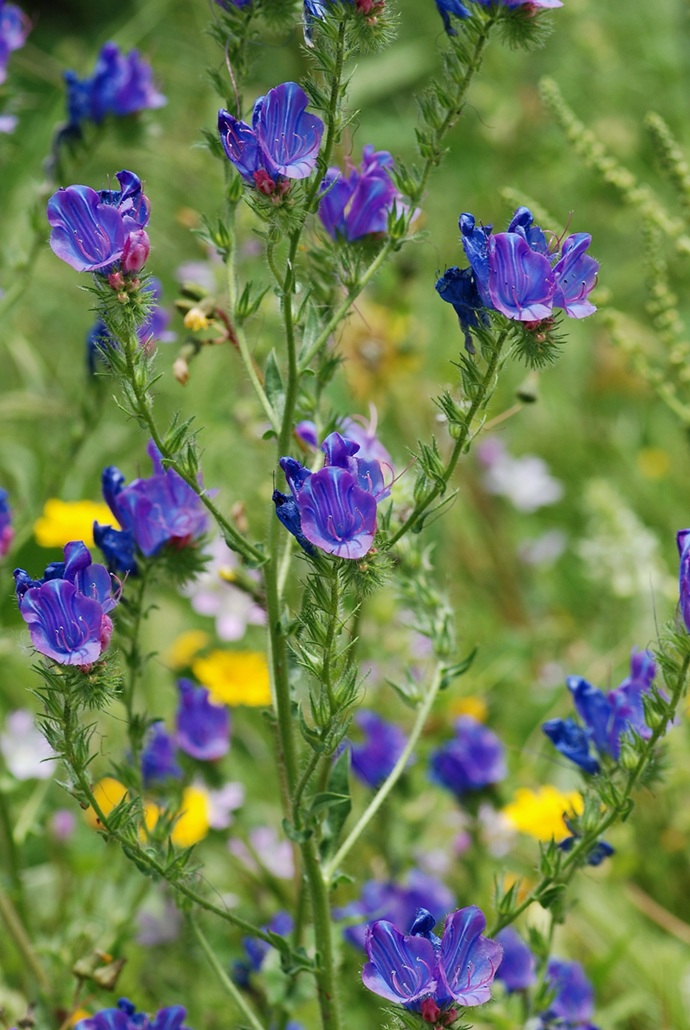
The unqualified name “viper’s bugloss” is also widely applied to Echium vulgare. Both plants are bristly, blue- to purple-flowered members of the same genus and both can contain pyrrolizidine alkaloids, but they are not the same species. Echium plantagineum typically has broader, more plantain-like basal leaves and larger purple funnel-shaped flowers. Echium vulgare generally has narrower leaves, smaller flowers, and a coarser, more elongated flowering habit.
This identity boundary matters because livestock poisoning, weed-control guidance, and Australian Paterson’s curse research are centered on E. plantagineum. If a pasture plant is simply called blueweed or viper’s bugloss, preserve a whole specimen and photographs before assuming which species is involved.
Identification in Pasture, Roadsides, and Feed
Echium plantagineum commonly begins as a basal rosette. The rosette leaves are broad, oval to oblong or paddle-shaped, prominently veined, stalked, and covered with soft hairs or coarse bristles. Dense rosettes can suppress desirable pasture before the purple flowers appear, which means exposure can begin before the owner recognizes a flowering weed problem.
As the plant bolts, one or several erect branching stems arise from the base. Stem leaves are smaller, narrower, stalkless, and may partly clasp the stem. The stems are hairy to bristly and commonly reach 30 to 60 centimeters, though vigorous plants can be taller. Flowers occur in curved or coiled clusters. Each flower is usually purple to blue-purple, sometimes pink or rarely white, with a funnel-shaped corolla and protruding stamens of unequal length.
The fruit separates into four rough nutlets. Seeds are important because they contaminate soil, grain, and feed. Dried fragments in hay or chaff can be much harder to identify than a live flowering plant. Suspect feed should be isolated and examined for coarse hairy stems, rosette-leaf fragments, purple flower remnants, and rough nutlets rather than blended into clean forage.
Range, Invasion, and Exposure Conditions
The species is native from Macaronesia through much of the Mediterranean region to the Caucasus. It has been introduced widely, including Australia, New Zealand, southern Africa, parts of North and South America, and portions of Europe outside its original range. In southern Australia, Paterson’s curse can dominate large areas of winter-rainfall pasture.
The plant thrives in disturbed soil, roadsides, field margins, neglected land, overgrazed pasture, and places where desirable forage has been thinned by drought, fire, cultivation, or poor pasture management. Heavy autumn or winter germination can create a dense rosette layer, followed by mass flowering in spring or early summer. Risk increases when hungry or naïve animals are introduced to affected paddocks, drought leaves few alternatives, overgrazing removes safer forage, or contaminated conserved feed is used.
Paterson’s curse can be both an agricultural weed and a poisoning hazard. Pasture dominance lowers feed quality and can force exposure. Control decisions must therefore balance animal safety, seed production, weed regulation, grazing pressure, and local agricultural advice.
Poisonous Parts and Contaminated Feed
Leaves, stems, flowers, seeds, and young growth can all contribute to exposure. Alkaloid profiles vary among tissues and developmental stages, but no aboveground portion should be assumed safe because the plant is young, not flowering, wilted, dried, or dead. Rosettes may be less obvious than flowering stems but can still contain pyrrolizidine alkaloids and N-oxides.
Fresh plants may be avoided when desirable forage is abundant, especially after stems and leaves become coarse and bristly. Poor palatability reduces some exposures but does not eliminate risk. Young rosettes may be eaten with surrounding pasture, hungry animals may graze dense stands, and material mixed into hay, chaff, silage, pellets, or grain is much harder to avoid.
Conserved feed deserves special handling. A contaminated bale, chaff bag, pellet batch, or grain lot can expose animals repeatedly without the owner seeing the living weed. The plant may have been harvested elsewhere and shipped in. Multiple farms or multiple groups may be involved. Isolate suspect feed, keep labels and batch information, and do not dilute contaminated material into clean feed.
Why Disease Can Appear Long After the Plant Is Gone
The liver converts part of the absorbed alkaloid burden into reactive pyrrolic metabolites. These metabolites bind to proteins and DNA and cause long-lasting cellular injury. Hepatocytes enlarge without dividing normally, die, or become surrounded by fibrosis. Bile ducts proliferate. Liver architecture becomes distorted. Functional reserve gradually disappears.
This explains the long delay between exposure and visible disease. The animal may be removed from the paddock, the hay may be finished, or the weed may have died back before signs appear. Clinical disease begins when too little functional liver remains or when stress reveals the loss of reserve. Owners may therefore look at the current pasture and incorrectly decide the plant cannot be involved.
Veterinary history must reach backward. What pasture was grazed weeks or months ago? Was there a drought-breaking germination? Was hay purchased from another region? Was chaff or grain contaminated with seed? Were sheep used to graze a patch? Were horses turned into a paddock after flowering or slashing? Those details can matter more than what the animal is eating today.
Plant-Specific Pyrrolizidine-Alkaloid Research
Older descriptions often centered on lycopsamine, intermedine, and echiumine. Those compounds remain relevant, but they are only part of the profile. Modern studies have identified broader mixtures of pyrrolizidine alkaloids and N-oxides in E. plantagineum foliage, including echimidine N-oxide forms, echiumine N-oxide forms, lycopsamine and intermedine N-oxides, acetylated derivatives, echimiplatine, uplandicine, leptanthine, echiuplatine, and closely related isomers.
Growth stage and population both matter. Some compounds are present from early seedling stages. Certain profiles shift as the plant moves from seedling to rosette to flowering. In some work, E. plantagineum produced higher total pyrrolizidine alkaloid and N-oxide abundance than Australian E. vulgare samples. Later isolation work also demonstrated that material previously interpreted as echimidine can contain structurally similar isomers with hepatotoxic effects in rat hepatocyte testing.
These findings strengthen the article but must be used honestly. They support chemical complexity and hepatotoxic mechanism. They do not establish a safe number of plants, grams of hay, percentage of chaff, or days of grazing for a particular horse, cow, pig, goat, sheep, dog, or cat.
Horses and “Walking Disease”
Horses are among the most vulnerable domestic animals. Individual susceptibility varies widely. Some horses may become fatally ill after weeks of heavy grazing, while others may appear normal through repeated seasons before liver reserve fails. A horse owner cannot safely rely on the fact that one animal ate the plant and looked normal afterward.
“Walking disease” and “sleepy staggers” describe advanced hepatic encephalopathy. Dullness, head pressing, apparent blindness, yawning, aimless wandering, circling, stumbling, pica, abnormal chewing, sudden agitation, aggression, and frantic running are brain signs caused by liver failure. The animal is not being directly stimulated by the plant; it is being poisoned through loss of hepatic detoxification.
Difficulty swallowing is especially dangerous in horses. Feed retained in the mouth, dropped feed, coughing while eating, nasal reflux, or abnormal breathing noises may reflect neurologic dysfunction, pharyngeal/laryngeal impairment, choke-like complications, or aspiration risk. Do not drench these horses. Do not force water or medication by mouth. They need veterinary assessment.
Cattle, Pigs, Sheep, and Goats
Cattle are moderately susceptible. Chronic exposure may cause ill thrift, poor appetite, diarrhea or scouring, weight loss, reduced production, jaundice, secondary photosensitization, ascites, edema, neurologic signs, and death. At necropsy, chronic cases often have small, firm, pale, fibrotic livers. Rumen microorganisms provide some protection, but prolonged dense exposure can exceed that protection.
Pigs are highly susceptible. Modern intensive systems reduce pasture exposure, but outdoor pigs, rooting pigs, and pigs fed contaminated grain or feed can be at risk. Illness may be recognized for only a few days before death. Loss of appetite, swaying gait, arched posture, weakness, jaundice, fluid accumulation, and hepatic or renal injury may be found.
Sheep and goats are more resistant, but resistance should not become careless grazing advice. Repeated exposure can cause microscopic liver damage, lower productivity, abnormal hepatic copper handling, and later copper-associated hemolytic crisis. Sheep used for weed suppression still require management limits, veterinary oversight, and attention to breed, duration, copper status, stress, pasture condition, and alternate forage.
Dogs and Cats
Direct dog and cat case documentation for natural Echium plantagineum poisoning is sparse compared with horses and livestock. That evidence boundary should remain visible. It would be inaccurate to write as if the veterinary literature contains large dog and cat case series mirroring the grazing-animal data.
The absence of many companion-animal reports does not make the plant safe. The plant contains established hepatotoxic and genotoxic pyrrolizidine alkaloids. Dogs may chew pasture weeds, dried stems, seeds, hay, bedding, or feed scraps. Cats may nibble plant material or groom residue if they walk through cut weeds or contaminated hay. Repeated exposure, meaningful ingestion, seed ingestion, or access to contaminated feed should be discussed with a veterinarian or animal poison-control service.
Companion-animal evaluation may include exposure history, plant identification, baseline liver values, repeat testing, and monitoring if the exposure was more than trivial. A brief sniff or single rejected taste is not the same as repeated plant ingestion or access to contaminated feed. No safe household dose has been established.
Diagnosis and Herd or Group Investigation
Diagnosis combines exposure history, pasture and feed inspection, clinical signs, serum chemistry, hematology, imaging when appropriate, and liver evaluation. Possible laboratory findings include increased bilirubin, gamma-glutamyl transferase, glutamate dehydrogenase, bile acids, or other liver-associated markers; reduced albumin; altered globulins; prolonged clotting; and increased blood ammonia. Laboratory changes may be modest even when chronic microscopic injury is meaningful.
Liver biopsy may reveal megalocytosis, fibrosis, bile-duct proliferation, individual hepatocyte necrosis, and distorted lobular architecture. Plant fragments may no longer be present in the digestive tract when delayed disease emerges. Specialized laboratories may test blood, urine, or unfixed liver tissue for pyrrolic metabolites, pyrrole-protein adducts, or pyrrole-DNA adducts, but availability varies and should be coordinated through the veterinarian.
Group investigation is essential. Animals from the same pasture or feed source can become ill at different times. The first jaundiced horse, neurologic cow, weak pig, or hemoglobinuric sheep may be the visible warning that others are already injured. Exposed herdmates may need examination, bloodwork, feed removal, long-term monitoring, or slaughter/withdrawal advice depending on species, production status, and local regulations.
Important Differential Diagnoses
Other pyrrolizidine-alkaloid plants can produce overlapping liver disease, including ragwort and other Senecio or Jacobaea species, heliotrope, houndstongue, fiddleneck, rattlebox, crotalaria, comfrey, and related Boraginaceae or Asteraceae weeds. Mixed pasture exposure is possible.
Other causes of chronic liver failure include copper toxicosis, aflatoxicosis, chronic liver-fluke disease, infectious hepatitis, cholangiohepatitis, cyanobacterial toxins, mycotoxins, certain drugs, other hepatotoxic plants, and metabolic disease. Neurologic behavior in a horse also requires exclusion of rabies, equine herpesvirus neurologic disease, encephalitis, leukoencephalomalacia, trauma, toxic feed, and other primary neurologic emergencies. Apparent blindness, circling, head pressing, aggression, or frenzy should not be assumed to be plant-related without veterinary examination.
Veterinary Treatment and Prognosis
There is no proven antidote that reverses pyrrole-mediated cellular injury. Treatment focuses on stopping exposure, supporting hydration and glucose balance, correcting electrolyte and acid-base disturbances, managing hepatic encephalopathy, treating photosensitization or infection, controlling seizures when present, supporting nutrition, and preventing aspiration. Fluids, glucose, amino acids, protein adjustment, lactulose-like strategies, antimicrobial decisions, and other liver-supportive treatments are species-specific and case-specific veterinary decisions.
Animals with impaired swallowing require special handling. Forced oral fluids, drenches, charcoal, oils, supplements, and medication can be aspirated. Severely neurologic animals may require protected fluid or nutritional support. Older references may describe veterinarian-administered methionine in dextrose, but methionine is not an owner-administered antidote and should not be presented as a cure for advanced pyrrolizidine alkaloidosis.
Prognosis depends on how much functional liver remains when exposure is recognized. Animals identified before clinical disease may remain stable with removal and monitoring, but some deteriorate later as latent injury progresses. Once marked jaundice, ascites, severe wasting, head pressing, aimless walking, dysphagia, recumbency, seizures, coma, or copper-associated hemolysis appears, the prognosis is guarded to grave.
Prevention and Pasture Management
Prevention is more effective than treatment. Inspect pastures before introducing horses, pigs, cattle, or naïve livestock, especially after autumn germination, drought-breaking rain, fire, cultivation, soil disturbance, or heavy grazing. Maintain competitive desirable forage so animals are not forced into dense stands. Do not turn hungry animals directly into infested paddocks.
Feed inspection is just as important as pasture inspection. Examine purchased hay, chaff, silage, grain, and pellets for hairy stems, broad veined leaves, purple flower remnants, rough nutlets, and unexplained weed fragments. Isolate suspect feed rather than diluting it into clean material. Keep supplier information and batch records when a group exposure is suspected.
Control should follow local weed regulations and agricultural advice. Mowing after seed development can spread mature seed. Poorly timed grazing can increase animal exposure. Herbicides, biological control, hand removal, competitive pasture establishment, grazing management, and disposal requirements vary by region. Using sheep or goats to suppress the weed does not eliminate risk and should not be treated as a no-limit toxic-plant disposal method.
Immediate Steps After Exposure
Stop further ingestion first. Move the animal away from the plant, rosettes, flowering stems, seed heads, contaminated hay, silage, chaff, pellets, grain, bedding, or pasture area. If a feed source is suspect, isolate the entire batch and do not blend it with clean material. Keep other animals from reaching the same pasture or ration until the source has been identified.
- Contact a veterinarian promptly: Do not wait for jaundice, head pressing, red urine, or collapse. Pyrrolizidine-alkaloid liver injury can remain hidden until substantial damage has developed.
- Preserve plant evidence: Collect the whole plant when possible, including rosette leaves, stems, flowers, seeds, and roots. Photograph the pasture, density of infestation, flowering stage, and any contaminated feed.
- Preserve feed evidence: Save representative hay, silage, chaff, grain, pellets, seed screenings, or bedding in labeled containers. Record feed source, batch, delivery date, and where it was fed.
- Identify every exposed animal: Record species, age, pregnancy status, body condition, access dates, pasture or feed batch, appetite, weight change, manure, urine color, behavior, swallowing, breathing, and performance changes.
- Separate visibly affected animals safely: Keep neurologic, weak, or dysphagic animals in a safe area where they cannot injure themselves, but do not force them to eat, drink, or swallow medication.
The animal may look normal at first. That is not reassuring enough after meaningful exposure. The disease can be delayed, cumulative, and group-based. A single sick horse, cow, pig, sheep, goat, or pet should trigger source control and review of the whole exposed group.
Do Not Attempt Unsupervised Home Treatment
- Do not induce vomiting: Horses cannot vomit, and vomiting should not be induced in dogs, cats, pigs, or other animals without direct veterinary or poison-control instruction.
- Do not force oral fluids or drenches: Weakness, tremors, encephalopathy, pharyngeal or laryngeal dysfunction, and difficulty swallowing create serious aspiration risk.
- Do not give charcoal automatically: Activated charcoal may have a role in selected recent exposures, but it is not a cure for established liver injury and can be aspirated by weak or poorly swallowing animals.
- Do not give milk, oil, salt, peroxide, liver supplements, herbal products, vitamins, copper products, molybdenum products, or human medication on your own: None reverses established pyrrole-mediated liver injury, and some can worsen hydration, electrolyte balance, aspiration risk, or hepatic stress.
- Do not independently restrict protein or substitute a high-carbohydrate ration: Nutritional management of liver failure must be tailored to species, age, production status, pregnancy, glucose status, body condition, rumen function, and hepatic encephalopathy.
- Do not administer methionine, dextrose, amino acids, intravenous fluids, or injectable products yourself: These require sterile technique, calculated dosing, and monitoring. Methionine is not an owner-administered antidote.
- Do not assume drying made feed safe: Hay, chaff, silage, pellets, grain, and seed contamination can remain hazardous.
When Emergency Examination Is Especially Important
- Jaundice develops: Yellow eyes, gums, vulva, skin, or carcass fat indicates significant liver dysfunction or hemolysis.
- The abdomen enlarges: Ascites, edema, or a pendulous fluid-filled abdomen can reflect advanced liver failure and low protein.
- Behavior or coordination changes: Head pressing, apparent blindness, aimless walking, circling, stumbling, aggression, frantic running, tremors, or abnormal chewing can indicate hepatic encephalopathy.
- Swallowing becomes abnormal: Dropped feed, coughing while eating, feed retained in the mouth, gagging, nasal reflux, or abnormal breathing noises create aspiration risk.
- Red-brown urine or pale gums appear in sheep: These findings may indicate copper-associated hemolytic crisis and require immediate treatment.
- Collapse, recumbency, seizures, coma, or breathing difficulty occurs: These are advanced emergency signs with a guarded to grave prognosis.
- Multiple animals share the exposure: Animals from the same pasture or feed batch can become ill at different times and may need group evaluation.
- A dog, cat, rabbit, bird, or other small animal had meaningful ingestion: Direct case evidence is limited, but the plant contains established hepatotoxic alkaloids and no safe dose is known.
Veterinary Evaluation
The veterinarian may perform a physical examination, pasture and feed review, hematology, serum liver testing, bilirubin measurement, albumin and globulin assessment, clotting evaluation, electrolyte testing, blood glucose, urinalysis, blood-ammonia testing, bile-acid testing, ultrasound, liver biopsy, and toxicologic testing when available. The exact workup depends on species, signs, production status, feed history, and whether the animal is already neurologic or jaundiced.
Liver biopsy may show megalocytosis, fibrosis, bile-duct proliferation, hepatocyte necrosis, and distorted architecture. In sheep with jaundice and hemoglobinuria, copper testing, hematology, kidney assessment, and compatible histopathology may be needed to document a copper-associated hemolytic crisis. Specialized testing for pyrrolic metabolites or pyrrole-protein and pyrrole-DNA adducts may be available through selected laboratories but is not universally accessible.
Evaluation should not stop with the first sick animal. Herdmates, barnmates, or other animals from the same feed source may be incubating delayed disease. A feed sample and pasture history can be as important as a blood sample.
Veterinary Treatment
There is no specific antidote that restores hepatocytes already destroyed or replaced by fibrous tissue. Treatment is supportive and preventive: stop exposure, protect the animal from aspiration and injury, support hydration and energy balance, correct electrolyte and acid-base abnormalities, manage hepatic encephalopathy, address photosensitization, treat secondary infection, control seizures, and provide species-appropriate nutrition.
Animals with impaired swallowing, abnormal mentation, profound weakness, or airway dysfunction should not receive unprotected oral treatment. Intravenous fluids, glucose, electrolytes, amino acids, and other therapies must be calculated and monitored. Diet changes, protein adjustment, and hepatic-encephalopathy management are veterinary decisions, not universal home rules.
Sheep with red-brown urine and jaundice require evaluation for copper-associated hemolytic crisis. Treatment may involve veterinary-directed copper management, supportive care, and flock-level prevention. Owner-administered mineral changes during an acute crisis can be ineffective or dangerous without diagnosis.
Recovery, Monitoring, and Prognosis
Animals exposed before clinical disease may still require long-term monitoring because lesions can progress after exposure ends. Repeat liver testing, follow-up examinations, feed control, and pasture management may be needed for weeks or months. Some animals remain stable after removal; others deteriorate as latent injury becomes clinically visible.
Once marked liver failure or hepatic encephalopathy is present, recovery is uncommon and the prognosis is guarded to grave. Jaundice, ascites, severe wasting, head pressing, aimless walking, dysphagia, recumbency, seizures, coma, or sheep copper crisis indicates advanced disease. Humane prognosis discussions may be necessary in severe cases.
Additional animals from the same pasture or feed group can become ill later. Removing the source, isolating suspect feed, evaluating the entire exposed group, and preventing access to contaminated conserved feed are essential even after the first patient has been treated.
Prevention After the Incident
Inspect all pastures, sacrifice areas, hay storage, chaff, silage, pellets, grain, and bedding. Remove animals from dense stands. Maintain competitive forage. Avoid turning hungry animals into infested paddocks. Do not assume sheep or goats can safely consume unlimited Paterson’s curse as weed control.
Dispose of plant material according to local weed-control guidance. Prevent seed spread. Do not mow, slash, graze, or move contaminated material in ways that worsen seed distribution or animal exposure. Keep purchase records for hay and feed, and quarantine suspect lots rather than feeding them out slowly.
Frequently Asked Questions About Viper’s Bugloss and Animal Poisoning
Is Viper’s Bugloss the same plant as Paterson’s curse?
Purple Viper’s-Bugloss and Paterson’s curse are common names for Echium plantagineum. Salvation Jane, Riverina Bluebell, Purple Bugloss, and Plantain-Leaved Viper’s-Bugloss are also used. “Patterson’s curse” with two “t” letters is a common spelling variant, although Paterson’s curse is the usual official spelling.
Is Echium plantagineum the same as Echium vulgare?
No. Both may be called viper’s bugloss or blueweed, and both belong to Boraginaceae, but they are separate species. Echium plantagineum is more precisely called Purple Viper’s-Bugloss, Plantain-Leaved Viper’s-Bugloss, or Paterson’s curse. Echium vulgare is the common viper’s bugloss or blueweed more often meant by the unqualified name in some regions.
What toxins are in Viper’s Bugloss?
The plant contains numerous 1,2-unsaturated pyrrolizidine alkaloids and pyrrolizidine alkaloid N-oxides. Important compounds include echimidine, echimidine N-oxide, echiumine, echiumine N-oxide, lycopsamine, intermedine, acetylated derivatives, echimiplatine, uplandicine, leptanthine, echiuplatine, and other related alkaloids. The toxin profile is a mixture, not one single compound.
How do the toxins damage the liver?
The liver converts part of the alkaloid burden into reactive pyrrolic metabolites. These metabolites bind to proteins and DNA, interfere with normal hepatocyte division, produce megalocytosis, and promote cell death, bile-duct proliferation, fibrosis, and loss of functional liver tissue. Disease may continue to progress after the animal stops eating the plant because established liver injury cannot be simply undone.
Which parts of Viper’s Bugloss are poisonous?
Leaves, stems, flowers, seeds, rosettes, and young growth can all contribute to exposure. Alkaloids and N-oxides can be present through multiple growth stages. The absence of flowers does not make a rosette safe, and dried fragments in hay or chaff should not be treated as harmless.
Does drying Viper’s Bugloss make it safe in hay?
No. Pyrrolizidine alkaloids can remain active after drying. Hay, chaff, silage, pellets, grain, or seed-contaminated feed may be more dangerous than a visible pasture plant because animals cannot readily sort out the poisonous fragments and the dried plant may no longer look recognizable.
How much Viper’s Bugloss is poisonous?
There is no dependable number of plants, mouthfuls, pounds, or days that can be treated as safe. Toxicity depends on plant alkaloid concentration, animal species, age, individual metabolism, liver reserve, duration of exposure, percentage of the ration, feed contamination, and repeated exposure to other pyrrolizidine-containing plants. The injury is cumulative.
Why can symptoms appear months after the animal ate the plant?
The liver has substantial reserve capacity, so an animal can look normal while injury accumulates. Pyrrole-mediated cell damage, failed regeneration, and fibrosis may continue after exposure stops. Signs become visible only when too little functional liver remains or when stress increases the animal’s metabolic demand.
What are “walking disease” and “sleepy staggers”?
These are historical names for the severe horse syndrome caused by pyrrolizidine-alkaloid liver failure. Head pressing, apparent blindness, yawning, abnormal chewing, circling, aimless wandering, incoordination, dullness, and frenzy result from hepatic encephalopathy. The plant’s primary action is liver injury, with neurologic signs developing secondarily.
Why might a poisoned sheep have dark red or brown urine?
Chronic liver injury can cause excessive copper to accumulate in a sheep’s liver. A later stressor may trigger sudden copper release and destruction of red blood cells, producing anemia, jaundice, weakness, respiratory distress, collapse, and red-brown hemoglobinuria. This “port wine” urine is an emergency and is especially associated with secondary copper crisis in sheep.
Are sheep safe to use for grazing Paterson’s curse?
Sheep are more resistant than horses, pigs, and cattle, but they are not immune. Repeated exposure can cause subclinical liver injury, reduced production, hepatic copper accumulation, and later hemolytic disease. Any grazing-control program should be designed with veterinary and agricultural guidance rather than assuming sheep can consume unlimited amounts safely.
Are goats immune to Viper’s Bugloss?
No. Goats are relatively resistant compared with horses and pigs, but resistance is not immunity. Repeated grazing, limited alternative forage, contaminated feed, pregnancy, poor condition, or other illness can make exposure clinically important. Goats should not be used as a no-limit disposal method for Paterson’s curse.
Is Viper’s Bugloss poisonous to horses?
Yes. Horses are highly susceptible to pyrrolizidine alkaloid liver injury. Repeated grazing or contaminated hay can lead to weight loss, poor appetite, jaundice, photosensitization, abdominal fluid, head pressing, apparent blindness, aimless walking, difficulty swallowing, recumbency, seizures, coma, and death. Once neurologic liver-failure signs appear, the prognosis is often poor.
Is Viper’s Bugloss poisonous to cattle?
Yes. Cattle are moderately susceptible. Chronic ingestion can cause poor appetite, scouring, rough coat, wasting, jaundice, photosensitization, ascites, edema, hepatic encephalopathy, and death. Rumen microorganisms provide some protection, but dense infestations or contaminated conserved feed can overwhelm that protection.
Is Viper’s Bugloss poisonous to pigs?
Yes. Pigs are highly susceptible, although modern production systems reduce exposure. Outdoor pigs or pigs fed contaminated grain or feed may develop appetite loss, weakness, swaying gait, arched posture, jaundice, fluid accumulation, liver injury, possible renal injury, and death. Pigs may be found dead or recognized sick only briefly before death.
Is Viper’s Bugloss poisonous to dogs and cats?
Direct dog and cat case evidence is limited compared with horse and livestock evidence, but the plant contains established hepatotoxic pyrrolizidine alkaloids and no safe pet dose is known. Repeated chewing, meaningful ingestion, seed ingestion, contaminated feed access, or exposure to concentrated plant material should be discussed with a veterinarian or animal poison-control service.
Can birds, rabbits, guinea pigs, reptiles, or tortoises eat Viper’s Bugloss?
No. Viper’s Bugloss should not be used as browse, forage, bedding, nesting material, enclosure greenery, or tortoise food. Safe doses are not established, and small animals may be exposed repeatedly through hay, greens, seeds, or contaminated bedding. Food refusal, weakness, abnormal droppings, jaundice, behavior change, or collapse after exposure deserves veterinary guidance.
Should I induce vomiting after an animal eats Viper’s Bugloss?
No owner should automatically induce vomiting. Horses cannot vomit, and inducing vomiting in a dog, cat, pig, or other animal may be unsafe depending on timing, species, clinical condition, and aspiration risk. Follow direct instructions from a veterinarian or animal poison professional.
Will activated charcoal, milk, oil, or supplements stop the poisoning?
No home remedy reverses pyrrole-mediated liver injury. Activated charcoal may have a role in selected recent exposures, but its usefulness and safe administration must be decided by a veterinarian. Milk, oil, salt, forced water, liver supplements, and herbal products are not antidotes and may worsen aspiration risk or metabolic stress.
Is methionine an antidote for Paterson’s curse poisoning?
No. Older references may mention veterinarian-administered methionine in dextrose as part of supportive care, but methionine is not a proven owner-administered antidote and cannot restore hepatocytes already destroyed or replaced by fibrous tissue. Do not give methionine, dextrose, amino acids, or injections without veterinary direction.
Can an animal recover from Viper’s Bugloss poisoning?
Recovery is possible when exposure is recognized before extensive liver damage develops, but prolonged monitoring may still be needed. Once jaundice, ascites, severe wasting, head pressing, aimless walking, dysphagia, recumbency, coma, seizures, or sheep copper hemolysis appears, the prognosis is guarded to grave. Some animals deteriorate months after the source has been removed.
What should be done with contaminated hay or feed?
Stop feeding it immediately, isolate the entire batch, preserve representative samples, and contact a veterinarian or agricultural extension authority for identification and disposal guidance. Do not dilute contaminated material into clean feed. Animals from the same feed batch may need monitoring even if they appear normal.
How can Viper’s Bugloss poisoning be prevented?
Inspect pastures before turnout, maintain competitive desirable forage, avoid turning hungry animals into infested paddocks, isolate suspect feed, and follow local weed-control guidance. Watch for rosettes as well as flowering stems, and inspect hay, chaff, silage, pellets, and grain for plant fragments or seeds. Sheep and goats should not be treated as unlimited safe weed-control tools.