Fiddleneck Toxicity and Cumulative Pyrrolizidine-Alkaloid Liver Injury
Is Fiddleneck Poisonous to Dogs, Cats, Horses, and Livestock?
Yes—Fiddleneck, Amsinckia species, should be considered poisonous to dogs, cats, horses, cattle, pigs, and other animals. Every chemically examined member of the genus has contained dehydropyrrolizidine alkaloids, although the mixture and concentration vary by species, population, plant part, maturity, season, and growing conditions. Horses, cattle, pigs, and young livestock repeatedly consuming contaminated pasture, hay, grain, or seed-rich material have the greatest documented risk.
The liver converts these alkaloids into highly reactive pyrrolic metabolites that bind cellular proteins and DNA. Injury may accumulate silently until the animal develops weight loss, jaundice, ascites, photosensitization, abnormal bleeding, hepatic encephalopathy, liver failure, or death. A separate acute nitrate hazard is possible in some stressed plant populations or contaminated forage and can cause rapid oxygen deprivation rather than delayed liver disease.
About this guide: This page provides general pet-poisoning information and cannot diagnose or treat an individual animal. For any suspected exposure, contact a veterinarian or animal poison-control service immediately. Do not induce vomiting, give medication, or attempt home decontamination unless directed by a veterinary professional.
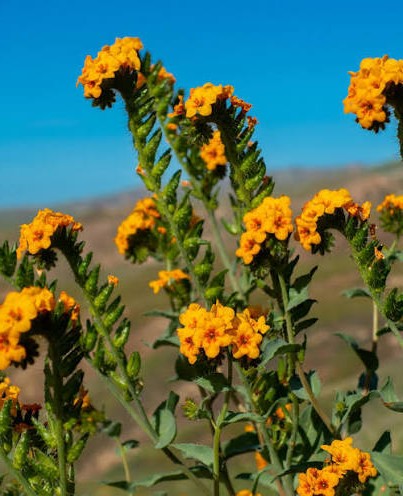
Fiddleneck
Amsinckia spp.
Important accepted species and infraspecific taxa associated with the Fiddleneck name include:
- Amsinckia menziesii (Lehm.) A.Nelson & J.F.Macbr. — Menzies’ Fiddleneck or Rancher’s Fireweed
- Amsinckia menziesii var. intermedia (Fisch. & C.A.Mey.) ined. — Common, Coast, Intermediate, or Rancher’s Fiddleneck
- Amsinckia lycopsoides Lindl. ex Lehm. — Tarweed or Bugloss Fiddleneck
- Amsinckia tessellata A.Gray — Bristly or Tessellate Fiddleneck
- Amsinckia douglasiana A.DC. — Douglas’ Fiddleneck
- Amsinckia eastwoodiae J.F.Macbr. — Eastwood’s Fiddleneck
- Amsinckia grandiflora (A.Gray) Kleeb ex Greene — Large-Flowered Fiddleneck
- Amsinckia lunaris J.F.Macbr. — Bent-Flowered Fiddleneck
- Amsinckia spectabilis Fisch. & C.A.Mey. — Seaside Fiddleneck
- Amsinckia vernicosa Hook. & Arn. — Green Fiddleneck
Important historical toxicology name:
- Amsinckia intermedia Fisch. & C.A.Mey. is now generally treated as a synonym of Amsinckia menziesii var. intermedia, although the older species name remains widespread in veterinary case reports, toxicology papers, herbarium records, and agricultural literature.
Additional South American species and regional taxa occur within the genus. Exact identification may require mature nutlets and a regional botanical key because several species hybridize or overlap in appearance.
Boraginaceae
Fiddleneck; Fiddle Neck; Common Fiddleneck; Coast Fiddleneck; Intermediate Fiddleneck; Menzies’ Fiddleneck; Rancher’s Fiddleneck; Rancher’s Fireweed; Fireweed Fiddleneck; Large-Flowered Fiddleneck; Hairy Fiddleneck; Bristly Fiddleneck; Tessellate Fiddleneck; Douglas’ Fiddleneck; Bent-Flowered Fiddleneck; Eastwood’s Fiddleneck; Seaside Fiddleneck; Green Fiddleneck; Tarweed Fiddleneck; Bugloss Fiddleneck; Yellow Burweed; Yellow Tarweed; Tarweed; Woolly Breeches; Devil’s Lettuce; Malheur Fiddleneck; Malheur Valley Fiddleneck; Amsinckia
Scientific names encountered in toxicology, veterinary, and agricultural literature include Amsinckia intermedia, Amsinckia menziesii, Amsinckia menziesii var. intermedia, Amsinckia lycopsoides, and Amsinckia tessellata.
“Tarweed” is highly ambiguous and is also applied to unrelated plants in Asteraceae. “Fireweed” more commonly refers to Chamaenerion angustifolium or other unrelated plants. Neither common name alone confirms Amsinckia.
Fiddleneck should not be confused with Houndstongue (Cynoglossum officinale), Tansy Ragwort (Jacobaea vulgaris), Groundsel or Ragwort species (Senecio or Jacobaea), Heliotrope (Heliotropium species), Viper’s Bugloss (Echium species), Yellow Starthistle (Centaurea solstitialis), or Burrow Weed and Rayless Goldenrod (Isocoma species). Several of these plants cause different toxic syndromes or contain different pyrrolizidine-alkaloid mixtures.
Dehydropyrrolizidine Alkaloids and Their N-Oxides
Fiddlenecks produce 1,2-unsaturated pyrrolizidine alkaloids more precisely described as dehydropyrrolizidine alkaloids. These plant-defense compounds may occur as free tertiary alkaloids, as pyrrolizidine-alkaloid N-oxides, and as acetylated or otherwise modified derivatives.
The specific mixture differs among Amsinckia species, populations, individual plants, locations, seasons, and developmental stages. No single compound list describes every fiddleneck. Exact-species and genus-wide investigations have reported lycopsamine, intermedine, echiumine, amabiline, supinine, tessellatine, sincamidine, lindelofine, and various acetylated lycopsamine- and intermedine-related compounds.
A modern chemical investigation of toxic Amsinckia intermedia from Arizona identified lycopsamine and intermedine predominantly as their N-oxides, together with 7-acetyl, 13-acetyl, and 7,13-diacetyl derivatives and occasional tessellatine. The combined dehydropyrrolizidine alkaloids and their N-oxides represented approximately 2% of the dry plant material in that outbreak sample.
That result does not mean every Fiddleneck plant contains 2% alkaloid. Comparative samples collected in Washington had substantially lower concentrations and different proportions. Phenological stage, genetics, environment, storage, analytical method, and even taxonomic misidentification can alter the apparent profile.
All Species Contain Alkaloids, but Documented Poisoning Is Uneven
Chemosystematic research has found dehydropyrrolizidine alkaloids throughout the genus. Direct livestock toxicosis has been reported most clearly with plants identified historically as Amsinckia intermedia, Amsinckia menziesii, Amsinckia lycopsoides, and Amsinckia tessellata.
The absence of a published poisoning outbreak involving a rare or less common species does not establish that it is safe. It may reflect limited livestock contact, small geographic range, conservation status, inadequate plant identification, or lack of chemical testing.
Large-Flowered Fiddleneck and several other native species are rare or conservation-sensitive. Toxicity management should therefore focus on excluding animals and protecting feed rather than indiscriminately eradicating every native Amsinckia population.
Metabolic Activation in the Liver
The parent plant alkaloids are protoxins. After ingestion, tertiary alkaloids are absorbed from the gastrointestinal tract, while N-oxides may be reduced by gastrointestinal microorganisms or tissues to absorbable parent alkaloids. Portal blood carries them directly to the liver.
Hepatic cytochrome-P450 enzymes can metabolize the 1,2-unsaturated alkaloids into highly reactive dehydropyrrolizidine or pyrrolic intermediates. Detoxification pathways can convert part of the dose into less reactive products or glutathione conjugates, but reactive metabolites that escape detoxification bind rapidly to nearby cellular targets.
The resulting pyrrole-protein and pyrrole-DNA adducts can persist after the original plant material has disappeared. This helps explain why microscopic injury may progress after contaminated feed is removed and why delayed diagnosis is common.
DNA and Protein Binding
Reactive pyrroles alkylate cellular proteins, DNA, and structural molecules. They can create DNA-DNA cross-links, DNA-protein cross-links, mutations, enzyme dysfunction, cytoskeletal injury, and impaired cell replication.
Hepatocytes may remain alive temporarily but lose the ability to divide normally. As they attempt to grow without successful mitosis, they become abnormally enlarged. This lesion is called hepatocellular megalocytosis and is one of the classic microscopic findings of pyrrolizidine-alkaloid poisoning.
Sinusoidal endothelial cells, bile-duct structures, and other tissues may also be injured. Depending on dose and species, pathology may include hepatocellular necrosis, sinusoidal obstruction, biliary hyperplasia, fibrosis, cirrhosis, portal hypertension, and loss of functional liver mass.
Why Injury Is Cumulative and Often Delayed
An animal may consume a small quantity repeatedly while appearing normal because the liver has substantial functional reserve. Damage accumulates silently until surviving liver tissue can no longer maintain metabolism, bile excretion, protein production, glucose regulation, detoxification, and normal blood flow.
Clinical disease may emerge weeks or months after exposure begins and sometimes after the contaminated feed is gone. Removal of the source prevents additional dosing but cannot restore hepatocytes already carrying irreversible DNA and protein injury or convert mature fibrosis back into normal liver tissue.
A large dose over a short period can cause acute hepatocellular necrosis, hemorrhage, shock, and rapid death. Chronic cumulative disease with megalocytosis, biliary proliferation, and fibrosis is more typical.
Carcinogenic and Genotoxic Potential
Dehydropyrrolizidine alkaloids are genotoxic and carcinogenic under experimental conditions. Rats given lycopsamine- and intermedine-containing alkaloid material extracted from Amsinckia intermedia developed pancreatic islet-cell and other tumors in a historical experiment.
The carcinogenic findings matter for long-term toxicology, feed safety, and food-chain contamination. They do not mean that a pet taking one brief bite will predictably develop cancer. Natural veterinary disease is dominated by progressive liver injury and its complications.
Leaves, Seeds, Nutlets, and Green Plants
Every plant part should be treated as potentially toxic. Mature nutlets create a major practical risk because they can contaminate harvested grain, seed screenings, pellets, and hay and may be consumed repeatedly without being recognized.
Seeds are not the only dangerous material. The 2017 Arizona outbreak involved cattle heavily grazing short, lush green Fiddleneck plants. Leaves, stems, flowers, immature fruits, roots, seedlings, and whole dried plants may all contribute to the cumulative dose.
The four small nutlets produced by each flower are the botanical fruits containing the seeds. Agricultural and veterinary reports often use “seed” and “nutlet” interchangeably.
Drying, Hay, Silage, Grain, and Pellets
Drying does not reliably destroy pyrrolizidine alkaloids. Hay may create a greater practical risk because the bristly texture and bitter qualities that discourage grazing are less useful once the plant is cut, dried, chopped, ground, pelletized, or mixed with desirable forage.
Ensiling can change the relative proportions of free alkaloids and N-oxides, but it should not be assumed to eliminate the total toxic burden. No household or farm processing method should be used to “detoxify” contaminated Fiddleneck feed without analytical evidence and specialist direction.
A visibly clean portion of one bale does not establish that the cutting or stack is safe. Weed distribution can be highly uneven across a field, windrow, bale, truckload, grain bin, or pellet batch.
Conditional Nitrate Accumulation
Some Fiddleneck populations and historical outbreaks have also been associated with high nitrate concentrations. This is a separate toxic mechanism from pyrrolizidine-alkaloid injury and is not present at a constant dangerous concentration in every plant.
High available soil nitrogen, fertilizer or manure exposure, drought, cool or cloudy weather, interrupted growth, frost, herbicide injury, and rapid regrowth may contribute to nitrate accumulation. The actual plant, forage, and water must be tested.
Rumen microorganisms convert nitrate to nitrite. Excess nitrite oxidizes hemoglobin to methemoglobin, preventing normal oxygen transport. The resulting rapid respiratory distress, brown mucous membranes, chocolate-colored blood, collapse, and sudden death differ sharply from the delayed cirrhosis and hepatic encephalopathy of pyrrolizidine poisoning.
No Reliable Safe Dose
No universal safe plant weight, seed count, pasture percentage, hay percentage, or gram-per-kilogram dose applies to all Fiddleneck species and animal groups. Risk depends on alkaloid concentration, repeated intake, animal species, age, liver health, nutritional status, pregnancy, other feed toxins, and the duration of exposure.
A one-time small nibble by a dog or cat is not comparable with a calf eating contaminated hay at every meal. It nevertheless cannot be converted into a guaranteed safe dose, especially when the amount, species, or history of repeated access is uncertain.
Silent and Delayed Liver Injury
Fiddleneck poisoning usually does not produce dramatic signs immediately after each meal. An exposed animal may continue eating, growing, working, or producing milk while reactive pyrrolizidine metabolites progressively damage liver cells.
Early clinical changes may be subtle: reduced appetite, slower growth, diminished performance, intermittent depression, rough hair coat, declining milk production, poor weight gain, or gradual weight loss. These signs may not appear until weeks or months after exposure begins.
The disease may first become apparent after the hay lot has been finished or the animal has been moved to clean pasture. Lack of continued access does not exclude earlier exposure.
Progressive Weight Loss and Gastrointestinal Signs
Common chronic findings include anorexia, progressive loss of muscle and body condition, lethargy, weakness, intermittent colic, constipation, diarrhea, or alternating bowel patterns.
Cattle may strain repeatedly, pass scant or blood-stained feces, or develop rectal prolapse. Oral ulceration, painful swallowing, feed dropping, or food retained in the mouth may accompany advanced systemic disease or mechanical injury from coarse plant hairs.
Dogs and cats with meaningful liver injury may show reduced appetite, vomiting, diarrhea, lethargy, weight loss, dehydration, and reluctance to move. These signs are nonspecific and require investigation for many more common diseases and toxins.
Jaundice, Ascites, Edema, and Bleeding
Jaundice may discolor the sclera, gums, vulva, pinnae, unpigmented skin, and other visible tissues yellow. Urine may become dark yellow, orange-brown, red-brown, or unusually concentrated because of bilirubin, dehydration, or concurrent pigment abnormalities.
Portal hypertension, reduced albumin production, and altered sodium and water balance can cause ascites. The abdomen may become enlarged and pendulous even while the animal loses substantial muscle and fat.
Low circulating protein can also cause edema beneath the jaw, chest, abdomen, prepuce, udder, or lower limbs. This fluid accumulation should not be mistaken for healthy weight gain.
Reduced clotting-factor production may cause excessive bleeding from minor wounds, bruising, nosebleeds, blood in feces, prolonged bleeding after procedures, or internal hemorrhage.
Hepatic Encephalopathy and “Walking Disease”
A failing liver cannot adequately remove ammonia and other neuroactive metabolic products. These substances affect brain function and produce hepatic encephalopathy, historically called walking disease, sleepy staggers, hard-liver disease, Walla Walla hard liver, protein poisoning, or winter-wheat poisoning.
An affected horse may yawn repeatedly, stand with the head lowered, press the head into a wall or fence, wander aimlessly, circle, appear blind, collide with objects, resist ordinary handling, or fail to recognize familiar surroundings.
Some animals become profoundly quiet and difficult to move. Others develop pica, abnormal vocalization, irritability, aggression, frantic running, or unpredictable behavior.
Head and neck tremors, poor coordination, dragging of the hind feet, and excessive wear of the hoof toes may develop. Dysphagia can cause food to remain in the mouth, drop from the lips, or appear at the nostrils and creates a risk of aspiration pneumonia.
Advanced encephalopathy may progress to severe ataxia, inability to stand, seizures, recumbency, coma, and death.
Hepatogenous Photosensitization
Advanced liver dysfunction may prevent normal elimination of phylloerythrin, a chlorophyll-derived pigment produced in the digestive tract. Phylloerythrin accumulates in blood and skin and becomes damaging when activated by sunlight.
This is secondary or hepatogenous photosensitization, not direct phototoxicity from touching Fiddleneck. Lesions are most prominent on white, lightly pigmented, sparsely haired, or exposed skin.
Early signs include shade-seeking, restlessness in sunlight, rubbing, redness, warmth, swelling, and severe skin pain. Continued light exposure can cause blistering, cracking, weeping dermatitis, ulceration, necrosis, and sloughing.
Commonly affected livestock sites include white facial markings, muzzle, ears, eyelids, udder, teats, vulva, coronary bands, and white lower limbs. Open wounds may become infected or develop fly strike.
Acute Hemorrhagic Liver Injury
Rare high-dose exposure may cause acute liver necrosis rather than slowly progressive cirrhosis. Signs may include sudden profound depression, weakness, abdominal pain, pale or yellow mucous membranes, hemorrhage, shock, collapse, and death.
Acute disease does not always show the pronounced megalocytosis and mature fibrosis associated with chronic exposure because the animal may die before those lesions develop.
Species Differences
Horses are highly susceptible and commonly show dramatic encephalopathic behavior. Cattle may show progressive weight loss, diarrhea or constipation, jaundice, ascites, photosensitization, rectal prolapse, poor production, weakness, and neurologic signs.
Pigs have developed hard-liver disease after seed-contaminated feed. Young calves may be more vulnerable than adult cattle consuming the same contaminated hay.
Sheep and goats are generally more resistant because rumen metabolism and hepatic detoxification can reduce the effective dose. Resistance is not immunity. Repeated or concentrated exposure can still injure them, and their use as casual biological weed control is unsafe.
Dogs and cats rarely encounter the prolonged pasture or hay exposure responsible for classic disease. Meaningful repeated plant eating, seed-rich material, contaminated homemade feed, or an unidentified herbal product could still create cumulative liver injury.
Pregnancy, Fetuses, Milk, and Young Animals
Pyrrolizidine alkaloids, N-oxides, or reactive metabolites may cross the placenta or enter milk under some exposure conditions. A historical California outbreak involving hay containing approximately 5%–10% Fiddleneck killed young dairy calves after several months of feeding. Calves subsequently born to exposed cows also died, raising concern for prenatal exposure.
The exact fetal and milk-transfer risk depends on the alkaloid, dose, species, timing, and maternal metabolism. Pregnant animals, nursing offspring, and young rapidly growing animals deserve particular attention after contaminated-feed exposure.
Conditional Nitrate-Poisoning Signs
Nitrate poisoning has a much more rapid onset than pyrrolizidine liver disease. Signs may develop within hours after consumption of high-nitrate plants, forage, fertilizer, or water.
Possible findings include anxiety, rapid or labored breathing, rapid heartbeat, weak pulse, tremors, staggering, weakness, frequent urination, blue-gray or muddy-brown mucous membranes, chocolate-brown blood, collapse, seizures, abortion, coma, and sudden death.
An animal showing this acute oxygen-deprivation pattern requires immediate nitrate and methemoglobin investigation rather than waiting for liver-disease testing alone.
Prognosis
Animals removed before substantial liver injury develops may remain healthy. Animals without visible signs can nevertheless have subclinical lesions and may require prolonged monitoring.
Once jaundice, ascites, marked wasting, photosensitization, bleeding, head pressing, compulsive walking, seizures, or coma is present, the prognosis is guarded to grave. Mature fibrosis, cirrhosis, and megalocytosis are largely irreversible.
A Genus-Level Poisoning Page
Fiddleneck is the collective name for annual plants in the genus Amsinckia, family Boraginaceae. The genus is native primarily to western North America and temperate western South America. Several species have become introduced weeds in other parts of North America, Europe, Australia, New Zealand, and regions with Mediterranean or seasonally dry climates.
Common names often identify particular species, varieties, or regional forms rather than exact synonyms. Mature nutlet structure and a regional botanical key may be necessary for reliable identification.
The Important Amsinckia intermedia Taxonomic Change
Much of the toxicology literature uses Amsinckia intermedia Fisch. & C.A.Mey. Modern authorities commonly treat that name as a synonym of Amsinckia menziesii var. intermedia.
The change does not invalidate older poisoning reports or chemical studies. It means that searches for Common, Coast, Intermediate, or Rancher’s Fiddleneck should include both names.
Some regional floras continue to recognize A. intermedia as a species. Public identification should therefore present the current placement while retaining the historic toxicology name.
Growth Form and Identification
Fiddlenecks are usually upright winter or spring annuals ranging from several inches to approximately four feet tall, depending on species and growing conditions. Their stems and leaves are covered with coarse, stiff, often irritating hairs.
Leaves are alternate and usually narrow, lance-shaped, oblong, or linear. Lower leaves may form a temporary basal cluster, while upper leaves are attached directly or nearly directly to the stem.
The flower-bearing stem forms a tightly curved scorpioid cyme resembling the curled neck of a fiddle or a scorpion’s tail. It gradually unrolls as successive flowers mature.
Flowers are generally yellow, yellow-orange, or orange and have five fused petals forming a narrow tube with a spreading face. Flower size, protrusion from the calyx, hair pattern, and nutlet structure help separate species.
Each flower can produce four dry nutlets. Mature nutlets may be rough, wrinkled, angular, tessellated, or covered with projections, and they are important both for identification and feed contamination.
Where Animals Encounter Fiddleneck
Fiddlenecks grow in rangeland, annual grassland, roadsides, orchards, vineyards, crop fields, disturbed ground, vacant lots, sandy openings, construction areas, field margins, and poorly managed hay fields.
The living plant is rough and often unpalatable. Animals may still graze it when pasture is overstocked, drought-stricken, newly flushed after rain, or nearly devoid of desirable forage.
The greater practical risk occurs after plants enter hay, harvested grain, screenings, pellets, bedding, silage, or crop residue. Animals cannot reliably sort chopped or ground Fiddleneck from the surrounding feed.
Seeds Are Important, but Young Green Plants Can Also Kill
Historical cases often involved grain or wheat screenings contaminated with mature Fiddleneck nutlets. This created repeated concentrated exposure and led to walking disease in horses and hard-liver disease in cattle and pigs.
The 2017 Arizona outbreak established that seed contamination is not required. Pregnant cows heavily grazed short young Amsinckia intermedia plants after rain produced a flush of green growth in an overgrazed pasture.
The journal report describes 15 dead cows from a herd of approximately 150. Necropsy revealed severe jaundice and firm yellow livers, while chemical and histopathologic findings supported pyrrolizidine-alkaloid liver injury. Simultaneous Burrow Weed exposure probably contributed myocardial and skeletal-muscle injury.
Pyrrole adducts were detected in liver or blood samples, and the collected Fiddleneck contained a concentrated lycopsamine/intermedine-type alkaloid mixture. No further losses were reported after surviving cattle were moved.
The Historical Calf Outbreak
During a California outbreak in the 1960s, young dairy calves were fed first-cutting alfalfa-and-oat hay reported to contain approximately 5%–10% Amsinckia intermedia. Ten of thirty calves died after approximately two and one-half to five months of feeding.
Adult cattle consuming the same hay appeared less affected at the time. Calves subsequently born to exposed cows also died, supporting concern about fetal exposure and the greater susceptibility of young animals.
The report does not establish 5% as a universal toxic threshold. Alkaloid concentration, daily intake, age, duration, and plant distribution through a hay lot can differ substantially.
Why Symptoms May Begin After Clean Feed Is Restored
The reactive metabolites cause structural damage that persists after the parent alkaloid has been metabolized. Hepatocytes carrying DNA and protein adducts may remain enlarged and dysfunctional, while fibrosis and altered blood flow continue developing.
An owner may therefore associate illness with the current clean ration and overlook contaminated hay fed weeks earlier. A complete history should include previous forage lots, grain screenings, pasture access, herbal products, and transported feed.
Dogs and Cats
Published naturally occurring Fiddleneck poisoning in dogs and cats is sparse. Companion animals do not ordinarily consume hay or graze enough plant material repeatedly to reproduce the classic livestock syndrome.
A brief nibble may cause no sign, mild digestive upset, or irritation from coarse hairs. It does not provide evidence that repeated yard grazing, seed consumption, contaminated homemade food, or concentrated plant material is safe.
A dog or cat with immediate severe collapse, respiratory distress, continuous seizures, or profound neurologic disease after one small alleged nibble requires investigation for another plant, pesticide, fertilizer, medication, mushroom, or concurrent disease because classic PA liver failure is usually delayed.
Mechanical Injury from Bristly Hairs
Coarse hairs may irritate human and animal skin, lips, gums, tongue, eyes, or nasal tissue. Mechanical irritation is separate from pyrrolizidine-alkaloid hepatotoxicity.
Drooling, pawing at the mouth, eye pain, or facial rubbing immediately after contact may reflect bristles, plant debris, another irritant weed, or contamination. Persistent oral or ocular pain requires examination.
Nitrate Risk Requires Testing
Historical agricultural reports associate some Fiddleneck populations with nitrate poisoning, including major cattle losses in California. Modern quantitative exact-species data are limited, and nitrate concentration cannot be predicted from the plant name or appearance.
The risk must be assessed by representative testing of the actual pasture, hay, silage, green chop, grain, fertilizer, and water. Samples should include several locations or bales because nitrate distribution may be uneven.
Clinical methemoglobinemia, brown blood, and rapid respiratory distress identify an acute nitrate emergency; they are not expected features of slowly progressive pyrrolizidine cirrhosis.
Diagnosis of Pyrrolizidine-Alkaloid Injury
Diagnosis combines exposure history, botanical identification, clinical signs, bloodwork, imaging, pathology, and specialized toxicology. No single routine liver enzyme result confirms or excludes the disease.
Testing may include complete blood count, bilirubin, gamma-glutamyltransferase, sorbitol dehydrogenase or glutamate dehydrogenase where available, aspartate aminotransferase, albumin, globulins, glucose, cholesterol, kidney values, electrolytes, bile acids, blood ammonia, and coagulation testing.
Advanced fibrosis can leave a small, firm, irregular liver, while acute disease may produce hepatomegaly, necrosis, and hemorrhage. Ultrasound can evaluate liver size, texture, portal circulation, gallbladder, ascites, and competing disease.
Liver biopsy may reveal megalocytosis, biliary hyperplasia, fibrosis, hepatocellular necrosis, and altered architecture. Coagulation status must be assessed first because advanced liver failure can make biopsy dangerous.
Specialized laboratories may measure pyrrole-protein adducts, pyrrole-DNA adducts, or individual alkaloids in blood, tissue, plants, and feed. A negative late test does not necessarily erase historical exposure because detectability changes over time.
Feed and Plant Sampling
Preserve whole plants with roots, lower and upper leaves, flowers, coiled inflorescences, and mature nutlets whenever available. Photograph the stand before mowing or removal.
Feed samples should represent multiple bales, depths, bins, pellets, or field areas. One handful selected around an obvious weed may not represent the lot accurately.
Label each sample with the field, cutting, supplier, delivery date, storage location, animal group, and dates fed. Do not allow every suspect bale to be discarded before diagnostic sampling.
Pasture, Hay, and Conservation Management
Control is most effective before mature nutlets form. Mowing, pulling, grazing management, or a properly labeled herbicide may be appropriate depending on terrain, species, conservation status, and land use.
Some Fiddleneck species are uncommon, threatened, endangered, or valuable native wildflowers and pollinator plants. Obtain accurate identification before broad control work, especially near known populations of Large-Flowered or Malheur Fiddleneck.
Maintain adequate desirable forage and avoid turning hungry livestock into infested pasture. Inspect fields before cutting hay, keep lot records, and never sell, donate, dilute, or repurpose suspect feed without laboratory and veterinary guidance.
Immediate Steps After Suspected Fiddleneck Exposure
- Stop all further access. Remove animals from Fiddleneck plants, seed heads, pasture, hay, grain, screenings, pellets, bedding, silage, green chop, and crop residue.
- Quarantine the entire suspect feed lot. Mark and physically isolate every related bale, stack, bin, bag, pellet batch, or cutting. Do not remove only the visible weeds and continue feeding the remainder.
- Identify every exposed animal. Record all horses, cattle, pigs, sheep, goats, pets, pregnant animals, and nursing offspring that shared the plant, pasture, hay, feed, or water.
- Preserve representative samples. Save whole plants, mature nutlets, several hay samples, grain, pellets, silage, water, fertilizer information, and any material recovered from the animal.
- Document the timeline. Record when each lot was introduced, how much was fed, when the last exposure occurred, appetite and weight changes, reproductive events, and the first date signs were noticed.
- Contact a veterinarian promptly. Do not wait for jaundice, ascites, head pressing, seizures, or recumbency when repeated exposure or contaminated feed is suspected.
Do Not Attempt Unsupervised Home Treatment
- Do not induce vomiting. Do not use hydrogen peroxide, salt, mustard, syrup of ipecac, dish soap, detergent, manual gagging, or fingers in the throat.
- Do not force food or water. A weak, encephalopathic, seizuring, or poorly swallowing animal can aspirate material into the lungs.
- Do not administer activated charcoal yourself. Charcoal cannot reverse alkaloids already absorbed or established liver fibrosis and may be aspirated.
- Do not give owner-selected liver supplements or herbal remedies. Milk thistle, SAMe, methionine, amino-acid products, vitamins, essential oils, and herbal mixtures are not antidotes and may complicate treatment.
- Do not give lactulose, antibiotics, anticonvulsants, corticosteroids, diuretics, calcium, methylene blue, or blood-pressure medication without veterinary direction. These treatments have specific indications and important risks.
- Do not dilute, sell, donate, or feed suspect forage to a supposedly resistant species. This transfers or prolongs the exposure.
Recent Dog or Cat Ingestion
A brief one-time nibble by an alert dog or cat is unlikely to reproduce the chronic livestock syndrome, but the plant should be removed and repeated access prevented. Save a complete sample because several bristly or yellow-flowered weeds have different toxins.
A veterinarian may consider professional decontamination after a recent meaningful ingestion of seed-rich material or a large plant mass when the patient is neurologically normal, not vomiting, able to protect the airway, and evaluated before substantial absorption.
Clinic-induced vomiting may be appropriate in selected dogs or cats. Home emesis is not recommended. Activated charcoal may be considered professionally when its anticipated benefit exceeds aspiration, dehydration, sodium, constipation, and ileus risks.
Repeated yard grazing, prior access, seed consumption, or contaminated homemade food warrants baseline liver evaluation even when the animal appears normal.
Veterinary Examination of the Entire Exposed Group
Every animal sharing the feed should receive risk assessment. Apparently normal animals may have subclinical liver injury, and waiting for neurologic signs can eliminate the opportunity for early removal and monitoring.
The examination may include body weight and condition, appetite, hydration, behavior, gait, swallowing, mucous-membrane color, abdominal contour, skin lesions, urine color, bleeding, manure, milk production, and reproductive history.
Baseline and repeated testing may be more informative than a single set of results because liver injury can evolve after exposure ends.
Laboratory and Diagnostic Testing
A complete blood count may identify anemia, inflammation, infection, altered platelets, or blood loss. Serum testing may include bilirubin, liver-associated enzymes, albumin, globulins, glucose, cholesterol, kidney values, electrolytes, and acid-base status.
Serum bile acids can help assess hepatic function. Blood ammonia may support hepatic encephalopathy but requires careful collection, chilling, transport, and interpretation because handling artifacts can produce misleading results.
Coagulation testing is important before liver biopsy, invasive procedures, or when spontaneous bleeding is suspected.
Ultrasound may evaluate liver size and texture, portal blood flow, gallbladder, abdominal fluid, and competing disease. Liver biopsy may demonstrate megalocytosis, biliary hyperplasia, fibrosis, necrosis, and cirrhosis when collection is safe.
Specialized analysis may detect individual pyrrolizidine alkaloids in plants and feed or pyrrole-protein and pyrrole-DNA adducts in blood or tissue. These tests are useful but do not replace immediate source removal.
No Specific Pyrrolizidine-Alkaloid Antidote
No medication removes pyrrole adducts from liver cells or converts established fibrosis and cirrhosis back into healthy liver. Complete exposure removal is the essential first treatment step.
Supportive care is selected according to the animal’s hepatic reserve and complications. Treatment may include carefully planned intravenous fluids, electrolyte and glucose correction, anti-nausea medication, gastrointestinal protection, nutritional support, management of infection, blood products, and treatment of secondary organ dysfunction.
Fluid therapy must be individualized. Excessive sodium or volume can worsen ascites and edema, while inadequate circulating volume can reduce kidney and liver perfusion.
Nutrition and Appetite Support
A palatable energy-dense diet may help reduce catabolism and preserve muscle, which assists ammonia handling. The appropriate protein amount and source depend on the species, stage of disease, neurologic status, and nutritional condition.
Severe indiscriminate protein restriction can accelerate wasting and is particularly inappropriate in cats without a veterinary nutrition plan. Conversely, an excessive poorly tolerated protein load may aggravate encephalopathy in some patients.
Animals unable to swallow normally require professionally planned enteral or parenteral support. Force-feeding an encephalopathic or dysphagic animal can cause aspiration pneumonia.
Hepatic Encephalopathy
Neurologically abnormal animals should be kept in a quiet, dim, well-bedded enclosure with secure gates and safe footing. Remove sharp objects and block access to roads, ponds, ditches, stairs, and fencing where a blind or compulsively walking animal could be injured.
Veterinary treatment may include lactulose and selected enteric antimicrobials to reduce intestinal ammonia production or absorption. Medication choice depends on species, hydration, bowel function, and liver status.
Seizures may require benzodiazepines or other anticonvulsants selected with impaired hepatic metabolism in mind. Persistent seizures, coma, inability to swallow, or uncontrolled dangerous behavior carries a grave prognosis.
Ascites, Edema, and Bleeding
Ascites and dependent edema require evaluation of albumin, portal pressure, circulation, kidney function, electrolytes, and concurrent disease. Diuretics or fluid removal may be considered, but both can worsen dehydration, electrolyte disturbance, kidney perfusion, and protein loss.
Significant coagulopathy or hemorrhage may require plasma, whole blood, vitamin support when appropriate, and intensive monitoring. No supplement should be assumed to correct severe loss of hepatic clotting-factor production.
Photosensitization Care
Move an animal with painful or reddened pale skin into a substantially darkened, well-ventilated enclosure. Do not rely on scattered tree shade or an open-sided shelter during active photosensitivity.
Protect white facial markings, eyelids, muzzle, ears, udder, teats, vulva, coronary bands, and pale lower limbs from direct and reflected sunlight.
Veterinary wound care may include analgesia, gentle cleansing, nonadherent dressings, topical barriers, staged debridement, infection treatment, and fly-strike prevention. Do not pull attached dead skin away prematurely.
Light restriction may need to continue while liver dysfunction prevents normal phylloerythrin clearance. Return to sunlight should be gradual and veterinarian-directed.
Conditional Nitrate-Poisoning Emergency
Sudden rapid breathing, severe weakness, tremors, blue-gray or muddy-brown mucous membranes, chocolate-brown blood, collapse, or multiple rapid deaths suggests nitrate or nitrite poisoning rather than chronic PA liver failure.
Remove suspect forage and water immediately and minimize movement because exercise increases oxygen demand. Do not chase or force an oxygen-deprived animal to walk.
Veterinary methylene blue is the principal antidotal treatment for clinically important methemoglobinemia. It must be selected, prepared, and administered by a veterinarian because species, concentration, diagnosis, adverse effects, and food-animal regulations matter.
Submit representative forage, plant, fertilizer, and water samples for nitrate analysis. Do not assume that the presence of Fiddleneck proves it was the nitrate source.
Horses
Do not ride, exercise, or repeatedly walk a horse showing depression, apparent blindness, ataxia, head pressing, tremors, or compulsive movement. Quiet containment and injury prevention are priorities.
Horses cannot vomit and must never receive an emetic. Treatment focuses on exposure removal, liver assessment, encephalopathy control, hydration and nutrition, photosensitization care, and prevention of aspiration and traumatic injury.
Cattle, Pigs, Sheep, Goats, and Other Livestock
Remove the entire group from contaminated feed and provide a verified clean ration. Pregnant animals and nursing offspring require separate assessment.
Sheep and goats may tolerate larger amounts than horses or cattle, but they should not be used to dispose of contaminated feed or graze dense stands without a toxicologist and grazing plan.
Food-producing animals may require regulatory consultation regarding residues, milk, meat, eggs, disposal, and withdrawal decisions. Do not market products from substantially exposed animals without professional guidance.
Prognosis and Long-Term Monitoring
Animals removed before significant injury develops may remain clinically normal. Exposed animals may still require repeat weight measurement, liver-associated testing, bile acids, coagulation assessment, and examination over subsequent weeks or months.
Once marked jaundice, ascites, severe wasting, persistent photosensitization, head pressing, apparent blindness, compulsive walking, seizures, or coma is present, the prognosis is guarded to grave.
Supportive care can stabilize selected patients but cannot regenerate extensively fibrotic or cirrhotic liver tissue. Prevention and early contaminated-feed removal are substantially more effective than treatment after walking disease appears.
Frequently Asked Questions About Fiddleneck and Animal Poisoning
Is Amsinckia intermedia still an accepted species?
Many current authorities treat Amsinckia intermedia as a synonym of Amsinckia menziesii var. intermedia. Some regional floras continue to use the species-level name. Both names should be searched because most historical livestock cases, alkaloid studies, and agricultural reports were published under A. intermedia.
Do all Fiddleneck species contain toxic pyrrolizidine alkaloids?
Chemical surveys have detected dehydropyrrolizidine alkaloids throughout the genus, but the compounds and concentrations vary. Documented livestock poisoning has been associated particularly with A. menziesii, historical A. intermedia, A. lycopsoides, and A. tessellata. Lack of a case report for a rarer species does not establish that its foliage or seed is safe.
Are the seeds the only poisonous part?
No. Mature nutlets have caused important feed and grain contamination, but leaves, stems, flowers, seedlings, and young green plants also contain alkaloids. The 2017 Arizona cattle outbreak involved heavy grazing of short, lush immature Fiddleneck rather than only seed-contaminated grain.
Why can an animal become ill after the contaminated hay is gone?
The liver converts the plant alkaloids into reactive pyrroles that bind proteins and DNA. Those adducts and the resulting cellular injury persist after the original plant and parent alkaloid have disappeared. Damaged hepatocytes may fail to divide, fibrosis may progress, and clinical liver failure may not become visible until weeks or months after exposure ends.
Can one normal liver-enzyme panel rule out Fiddleneck injury?
No. Subclinical disease may precede obvious biochemical changes, and individual tests reflect different aspects of hepatocellular injury, biliary function, and hepatic reserve. Serial testing, bile acids, coagulation measurements, ultrasound, biopsy, exposure history, and specialized pyrrole-adduct analysis may be needed when repeated exposure is credible.
Can pyrrole adduct testing prove earlier exposure?
Detection of pyrrole-protein or pyrrole-DNA adducts can provide strong evidence that an animal was exposed to metabolically activated pyrrolizidine alkaloids. Such testing supported the modern Arizona Fiddleneck investigation. Availability is limited, detectability changes with time and tissue, and a positive result identifies PA exposure rather than automatically proving which plant supplied it.
How does Fiddleneck photosensitization differ from direct phototoxic plants?
Fiddleneck photosensitization results from liver failure. The damaged liver cannot eliminate phylloerythrin, a chlorophyll-breakdown pigment, so it accumulates in skin and is activated by sunlight. The plant does not need to place a direct phototoxic chemical on the skin. This is why photosensitization may appear long after the original Fiddleneck exposure.
Are sheep and goats safe biological controls for Fiddleneck?
No. They are generally more resistant than horses, cattle, or pigs because of differences in gastrointestinal and hepatic metabolism, but resistance is not immunity. Dose, duration, plant chemistry, age, pregnancy, nutrition, and concurrent disease still matter. They should not be used to consume contaminated hay or dense stands without professional planning.
Can alkaloids reach a fetus or nursing offspring?
Placental and milk transfer is possible with pyrrolizidine alkaloids or their metabolites. A historical Fiddleneck-associated calf outbreak included deaths among calves later born to exposed cows. The exact risk depends on the alkaloid, maternal dose, timing, species, and metabolism, but pregnant and nursing groups should be evaluated separately rather than assumed safe because the dam appears normal.
Does Fiddleneck always contain dangerous nitrate?
No. Nitrate accumulation is conditional and varies with the plant population, growth stage, soil nitrogen, fertilizer, manure, drought, frost, cloud cover, and other stress. Historical outbreaks support the possibility, but testing the actual forage and water is necessary. A plant can contain hepatotoxic pyrrolizidine alkaloids without containing enough nitrate to cause methemoglobinemia.
How can nitrate poisoning be distinguished from pyrrolizidine-alkaloid poisoning?
Nitrate poisoning is an acute oxygen-transport emergency that may cause rapid breathing, brown or blue-gray mucous membranes, chocolate-colored blood, collapse, and sudden death within hours. Pyrrolizidine poisoning usually produces delayed progressive liver disease, weight loss, jaundice, ascites, photosensitization, and hepatic encephalopathy. Mixed exposure is possible, so clinical examination and laboratory testing remain essential.
Does drying, baling, grinding, or ensiling make Fiddleneck safe?
No dependable processing method has been shown to eliminate the toxic burden. Drying preserves pyrrolizidine alkaloids, while grinding or pelleting prevents animals from selecting the weed out. Ensiling may transform free alkaloids and N-oxides without reliably eliminating the total amount. Contaminated material requires analytical and professional evaluation rather than visual sorting.
Can contaminated hay be diluted with clean hay?
Not safely by guesswork. Pyrrolizidine injury is cumulative, contamination is uneven, and the concentration may differ among bales or plant parts. Dilution can spread the toxin through a larger feed inventory and expose more animals. Any proposed use requires representative chemical analysis and a veterinarian, toxicologist, nutritionist, and applicable regulatory guidance.
Is one small nibble likely to poison a dog or cat?
A single brief nibble is unlikely to reproduce the chronic liver disease seen in livestock consuming contaminated feed repeatedly. It still should not be called safe because the species, amount, alkaloid concentration, and history of prior access may be uncertain. Seed-rich material, repeated plant eating, concentrated preparations, persistent appetite loss, jaundice, or abnormal behavior warrants veterinary evaluation.
Can an animal recover after walking disease or head pressing begins?
Occasional stabilization is possible when enough functional liver remains and complications can be controlled, but head pressing, apparent blindness, compulsive walking, frenzy, seizures, or coma usually indicates advanced hepatic encephalopathy. Established megalocytosis, fibrosis, and cirrhosis are largely irreversible, so the prognosis is guarded to grave.