Heliotrope Toxicity and Cumulative Pyrrolizidine-Alkaloid Liver Injury
Is Heliotrope Poisonous to Dogs, Cats, Horses, and Livestock?
Yes—Heliotrope, Heliotropium species, should be considered poisonous to dogs, cats, horses, livestock, poultry, and other animals. Many species contain 1,2-unsaturated pyrrolizidine alkaloids and their N-oxides. After absorption, the liver converts these compounds into highly reactive metabolites that bind to DNA and proteins, impair normal liver-cell division, and cause cumulative injury that may become permanent.
Repeated consumption of apparently small quantities may eventually cause appetite loss, progressive weight loss, jaundice, abdominal fluid accumulation, edema, bleeding, hepatogenous photosensitization, weakness, abnormal behavior, head pressing, aimless wandering, apparent blindness, seizures, hepatic coma, and death. The plant may have disappeared from the diet weeks or months before the first visible signs develop. Horses, cattle, pigs, poultry, and animals consuming contaminated hay or grain are especially important exposure groups, but repeated chewing of ornamental Heliotrope or ingestion of a concentrated herbal product can also endanger pets.
About this guide: This page provides general pet-poisoning information and cannot diagnose or treat an individual animal. For any suspected exposure, contact a veterinarian or animal poison-control service immediately. Do not induce vomiting, give medication, or attempt home decontamination unless directed by a veterinary professional.
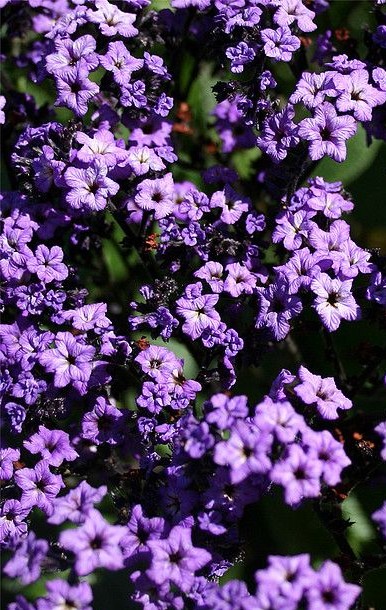
Heliotrope
Heliotropium spp.
This is a genus-level toxic-plant page because numerous Heliotropium species contain hepatotoxic pyrrolizidine alkaloids, but their alkaloid mixtures, concentrations, appearance, distribution, and animal-exposure patterns differ substantially.
The familiar ornamental Common or Garden Heliotrope is:
Heliotropium arborescens L.
Heliotropium peruvianum L. is an important botanical synonym of H. arborescens that remains common in older horticultural and medicinal literature.
Other particularly relevant poisonous species include:
- Heliotropium europaeum L. — European Heliotrope or Common Heliotrope
- Heliotropium amplexicaule Vahl — Blue Heliotrope
- Heliotropium indicum L. — Indian Heliotrope
- Heliotropium ovalifolium Forssk. — a native heliotrope associated with equine poisoning
- Heliotropium dolosum De Not. — a seed-contaminating species evaluated experimentally
- Heliotropium rotundifolium Sieber ex Lehm.
- Heliotropium suaveolens M.Bieb.
The exact species should be identified whenever possible because a toxin profile documented for one Heliotropium species should not automatically be assigned in full to another.
Boraginaceae Juss. — Borage Family
Order: Boraginales
Some taxonomic systems segregate Heliotropium and its close relatives into Heliotropiaceae. Broad family treatments, including the classification used by Plants of the World Online, retain the genus within Boraginaceae.
Heliotrope; Heliotropium; Common Heliotrope; Garden Heliotrope; Common Garden Heliotrope; Cherry Pie Plant; Cherry Pie Flower; Peruvian Heliotrope; Peruvian Turnsole; Garden Turnsole; Turnsole; Vanilla Plant; Vanilla Heliotrope; Heliotropium arborescens; Heliotropium peruvianum
The ornamental names Garden Heliotrope, Cherry Pie Plant, Peruvian Heliotrope, Peruvian Turnsole, and Vanilla Plant usually refer to Heliotropium arborescens.
“Common Heliotrope” is ambiguous. Horticultural sources may use it for Heliotropium arborescens, while agricultural and botanical literature frequently applies it to the toxic weed Heliotropium europaeum.
Blue Heliotrope refers to Heliotropium amplexicaule.
European Heliotrope commonly refers to Heliotropium europaeum.
Indian Heliotrope, Indian Turnsole, and Scorpion Weed may refer to Heliotropium indicum.
Species names, nursery labels, flower and leaf photographs, roots, seeds, and representative contaminated feed should be preserved because the common name “Heliotrope” does not identify one fixed plant or one universal pyrrolizidine-alkaloid profile.
Hepatotoxic Pyrrolizidine Alkaloids
The principal toxins in poisonous Heliotrope species are pyrrolizidine alkaloids and their corresponding pyrrolizidine-alkaloid N-oxides. The greatest toxicologic concern involves 1,2-unsaturated pyrrolizidine alkaloids capable of metabolic activation into highly reactive dehydropyrrolizidine compounds.
Not every pyrrolizidine alkaloid has identical toxicity. The unsaturated necine structure, attached necic acids, degree of esterification, dose, route, animal species, and metabolic handling all influence hazard. A simple statement that every compound containing a pyrrolizidine ring is equally hepatotoxic would be inaccurate.
Exact Evidence from Ornamental Garden Heliotrope
Direct chemical investigation of Heliotropium arborescens, the familiar fragrant Garden Heliotrope, isolated two toxic 1,2-unsaturated pyrrolizidine alkaloids: indicine and 12-O-acetylindicine. Both aerial tissue and roots were examined.
This confirms that the ornamental species itself contains relevant alkaloids rather than being included solely because toxic agricultural weeds occur in the same genus. The study did not establish a dog, cat, horse, or livestock toxic dose, and it should not be used to claim that one ornamental nibble predictably causes advanced liver failure.
Species-Dependent Alkaloid Profiles
No three-compound list accurately represents the genus. Heliotropium europaeum can contain complex mixtures dominated by heliotrine-, europine-, and lasiocarpine-related alkaloids and their N-oxides. Modern analysis has detected dozens of individual pyrrolizidine alkaloids and N-oxides in affected plant material.
Blue Heliotrope, Heliotropium amplexicaule, has a different profile. In analyzed Australian material, indicine represented most of the reduced pyrrolizidine-alkaloid content, with smaller proportions of intermedine and the newly characterized compound helioamplexine.
Other species may contain heliotrine, europine, lasiocarpine, indicine, intermedine, lycopsamine, heliosupine, supinine, echinatine, rinderine, acetylated derivatives, and related compounds. A toxin documented in one species should remain a species-dependent example rather than being presented as universal to every Heliotrope.
Pyrrolizidine-Alkaloid N-Oxides Are Not Harmless
Plants frequently store a substantial portion of their pyrrolizidine-alkaloid burden as N-oxides. These compounds may appear less reactive in intact plant tissue, but digestive and metabolic processes can reduce them to corresponding tertiary alkaloids.
The resulting alkaloids can then reach the liver and undergo metabolic activation. A laboratory report listing much of a plant’s burden as N-oxides does not establish that the material is safe for an animal to eat.
Metabolic Activation in the Liver
After gastrointestinal absorption, pyrrolizidine alkaloids travel through the portal circulation to the liver. Hepatic cytochrome P450 enzymes may detoxify and eliminate part of the dose, but they can also convert 1,2-unsaturated alkaloids into reactive dehydropyrrolizidine esters commonly described as pyrrolic metabolites.
These short-lived metabolites bind covalently to DNA, proteins, and other cellular structures. They can produce DNA cross-links, protein adducts, membrane injury, impaired replication, abnormal cell-cycle progression, and failure of normal hepatocyte repair.
Direct examination of cattle poisoned by H. europaeum detected pyrrolizidine-alkaloid-derived DNA adducts in damaged livers. This supports both the mechanistic explanation and the potential use of specialized adduct testing after the original plant exposure has ended.
Megalocytosis, Fibrosis, and Permanent Injury
Damaged hepatocytes may enlarge dramatically while losing the ability to divide. This characteristic change is called megalocytosis. Individual-cell necrosis, bile-duct hyperplasia, sinusoidal injury, narrowing or obstruction of small hepatic veins, and progressive fibrosis may occur concurrently.
Repeated exposure gradually replaces or separates functional liver tissue with scar tissue. Portal blood flow becomes increasingly obstructed, portal pressure rises, and the liver loses its ability to process bilirubin, synthesize proteins, control clotting, metabolize nutrients, and detoxify ammonia.
Established pyrrole binding, megalocytosis, fibrosis, and cirrhosis cannot be washed out of the body or neutralized after the fact. Removing the source prevents additional exposure but does not guarantee that existing lesions will stop progressing.
Cumulative Dose and Delayed Disease
Pyrrolizidine-alkaloid poisoning is commonly cumulative. Repeated small doses may injure the liver without causing immediate outward illness. Clinical signs often remain hidden until the liver’s functional reserve has been severely reduced.
An animal may stop consuming Heliotrope weeks or months before weight loss, jaundice, abdominal fluid, photosensitization, or neurologic behavior appears. A current pasture or feed inspection may therefore be normal even though an earlier contaminated lot caused the injury.
A single large dose can cause acute hepatic necrosis, hemorrhage, collapse, and death, but chronic cumulative disease is the more characteristic pattern in naturally exposed grazing animals.
Plant Parts and Feed Contamination
Leaves, stems, roots, flowers, fruits, seeds, sap, and whole dried plants should be treated as potentially toxic unless an exact species-and-tissue analysis demonstrates otherwise. Alkaloid concentration can differ substantially among these structures.
Flowers and roots contained especially substantial alkaloid concentrations in some analyzed species, while seeds have caused experimental poisoning and contaminated commercial poultry feed. The most hazardous plant part therefore cannot be generalized across the genus.
Drying does not reliably destroy pyrrolizidine alkaloids. Heliotrope mixed into hay, silage, pellets, grain, seed screenings, or bedding may be consumed more readily because animals cannot recognize and avoid the dried plant.
Variation by Species and Growing Conditions
Total alkaloid concentration and composition vary with species, population, plant organ, growth stage, season, rainfall, drought, soil, environmental stress, and geography. Comparative analysis of three Heliotropium species found total pyrrolizidine-alkaloid concentrations spanning approximately one order of magnitude among tested plants and tissues.
A harmless outcome after exposure to one plant, field, hay lot, or season does not establish that another Heliotrope exposure will be equally mild.
Food-Animal and Reproductive Concerns
Pyrrolizidine alkaloids, N-oxides, or metabolites may create residue concerns in milk, eggs, honey, meat, and other animal products, depending on the species, dose, duration, and regulatory jurisdiction. Blue Heliotrope alkaloid fingerprints have been identified in Australian honey.
Pregnant, lactating, growing, and food-producing animals require veterinary and regulatory assessment rather than treatment only of the visibly ill individual.
No Established Safe Veterinary Dose
No dependable number of leaves, flower clusters, seeds, ornamental bites, or percentage of contaminated feed can be published as safe for all dogs, cats, horses, cattle, sheep, goats, pigs, poultry, or other animals.
Risk depends on the exact species, alkaloid profile, total cumulative intake, animal susceptibility, prior liver condition, age, nutritional status, and duration of exposure. Repeated access should be stopped even when the animal currently appears normal.
Delayed and Cumulative Onset
Most naturally occurring Heliotrope poisoning develops after repeated exposure rather than one immediately obvious toxic meal. The animal may appear healthy while liver cells are being injured and replaced by abnormal enlarged cells and scar tissue.
Signs may not become visible for weeks or months. The contaminated plant, hay, grain, or seed lot may already have been removed by the time appetite, weight, skin, abdominal, or behavioral changes appear.
Apparently healthy animals sharing the same feed may have subclinical liver injury. The absence of visible illness does not establish that only one member of the herd or household was exposed.
Early Loss of Condition
Early clinical changes may include reduced appetite, complete appetite loss, dullness, lethargy, depression, reduced performance, poor growth, or declining milk and egg production.
Progressive weight loss, loss of muscle, poor body condition, emaciation, weakness, reluctance to move, prostration, and recumbency develop as functional liver tissue declines and nutrient metabolism becomes impaired.
These signs are nonspecific and can be mistaken for parasites, dental disease, inadequate feed, chronic infection, cancer, kidney disease, or another cause of wasting.
Jaundice and Declining Liver Function
Jaundice may become visible in the whites of the eyes, gums, lips, vulva, unpigmented skin, or other pale tissues. Urine may become dark because of bilirubin, dehydration, blood, hemoglobin, or another complication.
Jaundice indicates important bilirubin-processing failure but is not present in every poisoned animal. Severe chronic fibrosis can exist before dramatic yellow discoloration develops.
Portal Hypertension, Ascites, and Edema
Fibrosis and venous injury obstruct blood flow through the liver and increase portal pressure. Fluid may accumulate within the abdomen, producing ascites and a rounded, enlarged, or pendulous appearance.
Declining albumin production and altered circulation may produce edema beneath the jaw, along the lower abdomen, in the limbs, or within internal tissues. Abdominal fluid can interfere with breathing and normal movement when substantial.
Ascites should not be mistaken automatically for pregnancy, obesity, intestinal parasites, or simple digestive bloating.
Gastrointestinal Signs
Constipation or diarrhea may occur. Cattle may strain repeatedly, pass bloodstained feces, experience painful defecation, or develop rectal prolapse.
Dogs and cats may develop appetite loss, vomiting, diarrhea, abdominal discomfort, lethargy, weight loss, or jaundice after meaningful repeated exposure, although naturally occurring companion-animal cases are reported much less often than livestock cases.
Oral ulceration is not a dependable defining sign of pyrrolizidine-alkaloid poisoning. Ulcers may instead reflect trauma, malnutrition, another plant, uremia, infection, caustic exposure, or concurrent disease.
Hepatogenous Photosensitization
Liver failure may prevent normal removal of phylloerythrin, a photodynamic chlorophyll-breakdown product formed in the digestive tract. Phylloerythrin then circulates to the skin, where sunlight activates it and causes tissue injury.
White, lightly pigmented, sparsely haired, or wool-free skin is affected most severely. Redness, swelling, heat, pain, blistering, weeping, crusting, ulceration, skin sloughing, and intense avoidance of sunlight may develop on the face, ears, eyelids, muzzle, udder, teats, vulva, lower limbs, and white body markings.
This is hepatogenous or secondary photosensitization. It is not the direct sap-and-sunlight injury produced by phototoxic plants containing furanocoumarins.
Hepatic Encephalopathy
When the damaged liver can no longer process ammonia and other neuroactive substances, they reach the brain and alter awareness, behavior, coordination, and swallowing. Signs may fluctuate between profound dullness and dangerous excitement.
Head pressing, aimless wandering, circling, staring, apparent blindness, bumping into objects, repeated yawning, abnormal sleepiness, pica, aggression, disorientation, compulsive walking, or sudden frenzied movement may occur.
Muscle tremors, poor coordination, stumbling, weakness, seizures, collapse, stupor, hepatic coma, and death indicate advanced neurologic involvement.
Walking Disease and Sleepy Staggers in Horses
The historical equine terms walking disease and sleepy staggers describe hepatic encephalopathy associated with advanced pyrrolizidine-alkaloid liver failure.
Affected horses may walk continuously, circle, press the head into walls, stand with the head lowered, appear blind, drag the hind toes, wear the front edges of the hooves, yawn repeatedly, or stop chewing in the middle of a mouthful.
Some horses become irritable, aggressive, or suddenly frantic and may run into fences, walls, gates, vehicles, or handlers. These actions reflect severe brain dysfunction rather than deliberate misbehavior.
Difficulty swallowing, coughing while eating, dropped feed, excessive saliva, or inability to complete a mouthful creates an aspiration risk. Noisy inspiration or respiratory distress has also been reported in some affected horses and ponies.
Bleeding and Coagulopathy
The failing liver may no longer produce adequate clotting factors. Bruising, prolonged bleeding from minor wounds, nosebleeds, bloodstained feces, black stool, internal hemorrhage, pale mucous membranes, weakness, or collapse may follow.
Acute high-dose poisoning can produce severe hepatic necrosis and hemorrhage before the full chronic syndrome develops.
Secondary Copper-Associated Hemolysis in Sheep
Sheep with pyrrolizidine-alkaloid liver injury may accumulate excessive hepatic copper and later experience a hemolytic crisis. Rapid red-cell destruction can cause anemia, weakness, jaundice, rapid heart rate, collapse, and red-brown or copper-colored urine from hemoglobinuria.
This complication is not present in every sheep case and should not be treated as a universal Heliotrope sign. Blood in urine, bilirubin, muscle pigment, dehydration, leptospirosis, babesiosis, urinary disease, and other causes of discolored urine remain important differentials.
Pigs, Poultry, and Other Species
Pigs may develop chronic hepatic injury and, in some exposures, renal lesions. Reduced growth, poor body condition, weakness, abdominal enlargement, and death may occur.
Chickens and ducks consuming contaminated commercial feed have developed ill thrift, ascites, and degenerative liver lesions. Heliotrope seed harvested with grain or included in seed screenings is an important poultry and feed-mill hazard.
Sheep and goats are often more resistant than horses, cattle, pigs, or poultry because ruminal and hepatic metabolism can detoxify part of the alkaloid burden. They are not immune, and sufficient cumulative exposure can still cause primary liver injury, copper-associated disease, production losses, residue concerns, and death.
Acute Versus Chronic Poisoning
Chronic cumulative disease is most common, but a sufficiently large dose may cause acute hepatic necrosis, abdominal pain, weakness, hemorrhage, jaundice, collapse, and death over a much shorter period.
Acute disease should not be confused with cyanide poisoning or another toxin merely because the animal deteriorates rapidly. Exposure history, pathology, feed analysis, and toxicologic testing are required.
Expected Course and Prognosis
An animal identified before clinical illness may remain stable after complete source removal, although delayed progression remains possible. Repeated laboratory monitoring may be needed for months.
Visible jaundice, ascites, extensive photosensitization, severe weight loss, head pressing, compulsive walking, aggression, seizures, or hepatic coma indicates substantial loss of functional liver and a guarded-to-grave prognosis.
Some animals continue worsening after contaminated feed is removed because established cellular and fibrotic injury cannot be reversed and the remaining liver may be unable to maintain normal function.
A Genus-Level Poisoning Page
Heliotrope is the common name for plants in the large and widely distributed genus Heliotropium. Members include annual herbs, perennial herbs, creeping weeds, subshrubs, and woody shrubs growing in tropical, subtropical, temperate, Mediterranean, desert, coastal, agricultural, and disturbed habitats.
The genus-level name is essential because there is no single Heliotrope appearance or toxin profile. Some species are fragrant ornamentals. Others are invasive pasture weeds or crop contaminants that enter hay, grain, seed screenings, silage, pellets, and commercial feed.
Garden Heliotrope
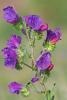
The familiar ornamental Heliotrope is usually Heliotropium arborescens, an accepted shrub or subshrub native to western South America. It is commonly grown as a tender perennial in warm climates and as a bedding annual or container plant in colder regions.
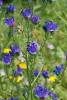
The plant develops branching stems, wrinkled or textured oval leaves, and dense curved clusters of small tubular flowers. Cultivars may flower in violet, purple, blue-purple, lavender, pink, or white.
The fragrance is commonly compared with vanilla, cherry pie, almond, sweet pastry, or baby powder. The names Cherry Pie Plant and Vanilla Plant describe scent rather than edible fruit or a safe flavoring source.
Direct phytochemical study isolated indicine and 12-O-acetylindicine from H. arborescens. Repeated chewing of the ornamental plant should therefore be prevented even though companion animals are much less likely than grazing livestock to consume a large cumulative dose.
European Heliotrope
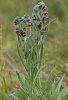
Heliotropium europaeum is an annual weed native across a broad region extending through Macaronesia, Europe, the Mediterranean, western and central Asia, and the Arabian Peninsula. It has caused serious cattle, sheep, and poultry exposure through grazing and contaminated feed.
A documented cattle outbreak followed consumption of contaminated hay. Sudden deaths began after several weeks of feeding, mortality reached approximately one-third of the exposed group, and affected cattle had substantial liver damage.
Modern analysis of this species has identified complicated heliotrine-, europine-, and lasiocarpine-related profiles in which N-oxides may account for much of the total alkaloid burden.
Blue Heliotrope
Blue Heliotrope, Heliotropium amplexicaule, is a spreading or creeping perennial native to South America and naturalized as an invasive agricultural weed in Australia and elsewhere.
It can form dense pasture stands and has been implicated in cattle poisoning. Analyzed material was dominated by indicine, accompanied by intermedine, helioamplexine, and related N-oxides and derivatives.
The species can also contaminate honey when bees forage heavily in affected areas, illustrating that Heliotrope alkaloids may move beyond the visibly contaminated pasture itself.
Indian and Other Heliotropes
Indian Heliotrope, Heliotropium indicum, is an annual or subshrub native to tropical South America and widely introduced elsewhere. It has a long history of traditional use but also produces pyrrolizidine alkaloids.
Cell-specific research found that pyrrolizidine-alkaloid production in H. indicum was localized to the shoot. The first pathway-specific enzyme, homospermidine synthase, was expressed in the lower leaf epidermis and stem epidermis.
Heliotropium ovalifolium has caused equine poisoning, while dietary H. dolosum seed has produced dose-related experimental toxicity. These findings reinforce why the page cannot be limited to the chemistry of one ornamental species.
From Silent Exposure to Liver Failure
Pyrrolizidine alkaloids reach the liver through portal blood after absorption from the gastrointestinal tract. Metabolic activation produces reactive intermediates that damage the same organ responsible for processing them.
Some affected hepatocytes die. Others enlarge but can no longer divide normally. Fibrosis, bile-duct proliferation, and vascular injury gradually reduce the amount of useful liver tissue.
The long delay between exposure and illness reflects the liver’s substantial reserve capacity. An animal may remain outwardly healthy until too little functional tissue remains to process bilirubin, synthesize albumin and clotting proteins, regulate nutrients, remove ammonia, and maintain portal circulation.
Why Disease Can Progress After Exposure Ends
Stopping ingestion prevents further alkaloid intake but does not remove existing DNA and protein adducts or restore scarred tissue. Damaged hepatocytes may continue dying, and the remaining cells may be unable to replace them.
Reactive material released from injured cells may also contribute to continued damage. This delayed progression explains why apparently normal animals require monitoring after contaminated feed is removed.
Hay, Silage, Grain, and Seed Screenings
Drying does not reliably destroy pyrrolizidine alkaloids. Haymaking may reduce the weed’s recognizable odor, taste, and appearance while leaving the toxic compounds present.
Chopped hay, silage, pellets, and complete feeds prevent animals from selectively avoiding every toxic stem or flower. Seed harvested with grain may enter poultry, pig, horse, or livestock rations.
Contamination may be patchy. One bale or section of a field may contain little Heliotrope while another contains enough to cause disease. Several representative samples may be necessary to evaluate a feed lot properly.
Suspect feed should not be diluted with clean material or redirected to a supposedly resistant animal species. Dilution cannot verify a safe cumulative dose, and sheep or goats may still become poisoned or create residue concerns.
Species Susceptibility
Horses, cattle, pigs, poultry, farmed deer, and young growing animals are important susceptible groups. Differences in ruminal metabolism, hepatic enzymes, feeding behavior, age, and nutritional status influence sensitivity.
Sheep and goats often detoxify more pyrrolizidine alkaloid than cattle or horses, but resistance is relative rather than absolute. Long exposure, high contamination, or vulnerable individuals can still result in disease.
Dogs and cats seldom graze contaminated acreage or consume hay, which explains the smaller number of naturally occurring reports. Risk remains credible when a pet repeatedly chews Garden Heliotrope, eats discarded plant material, consumes contaminated food, or receives an herbal product containing a PA-producing species.
Hepatogenous Photosensitization
Photosensitization occurs because the injured liver fails to remove phylloerythrin produced during digestion of chlorophyll. The circulating pigment reaches the skin and becomes reactive in sunlight.
The plant does not need to contact the skin, and the animal may develop lesions after the Heliotrope has disappeared from its diet. Topical skin treatment alone cannot correct the underlying liver failure.
Diagnosis
Diagnosis begins with the complete exposure history, clinical examination, liver-function assessment, and inspection of pasture, hay, grain, silage, pellets, bedding, seed screenings, herbal products, and garden waste.
Blood testing may include a complete blood count, bilirubin, gamma-glutamyl transferase, glutamate dehydrogenase, sorbitol dehydrogenase, aspartate aminotransferase, albumin, globulins, glucose, cholesterol, kidney values, electrolytes, bile acids, ammonia, and coagulation measurements selected for the species.
Biochemical abnormalities can be less dramatic than expected in advanced chronic disease because too little functional liver tissue remains to release large quantities of enzymes.
Ultrasound may identify altered liver size or texture, ascites, portal hypertension, gallbladder changes, and other abdominal abnormalities. Liver biopsy may reveal megalocytosis, fibrosis, bile-duct hyperplasia, necrosis, and vascular injury but requires prior assessment of clotting and hemorrhage risk.
Specialized laboratories may test blood or unfixed liver for pyrrole-derived metabolites, protein adducts, or DNA adducts. Direct botanical identification and alkaloid analysis of the plant or feed can help protect the remaining animals.
Important Differential Diagnoses
Copper toxicosis, aflatoxicosis, liver flukes, chronic infection, other pyrrolizidine-alkaloid plants, medications, congenital disease, biliary obstruction, cancer, and unrelated cirrhosis may produce overlapping liver signs.
Head pressing and abnormal behavior also require consideration of rabies, neurologic infection, lead, polioencephalomalacia, salt disturbance, brain disease, and other causes of encephalopathy.
Red-brown urine may result from copper-associated hemolysis, urinary bleeding, bilirubin, muscle injury, leptospirosis, babesiosis, or another disease rather than one defining Heliotrope effect.
Prevention
Control Heliotrope before flowering and seed production, maintain adequate safe forage, inspect newly purchased hay and grain, and reject contaminated seed screenings.
Garden Heliotrope cuttings and uprooted weeds should never be dumped into a pasture, paddock, poultry run, rabbit enclosure, kennel, or open compost pile accessible to animals.
When one animal is diagnosed, quarantine the entire associated feed lot and evaluate every animal that shared it. Continuing to feed apparently clean bales from the same contaminated source can produce additional cases months later.
Prognosis
Prognosis depends on cumulative dose, species, age, nutritional status, exposure duration, and the amount of functional liver remaining.
Animals identified before visible illness may remain stable after complete source removal. Jaundice, ascites, major weight loss, extensive photosensitization, coagulopathy, head pressing, compulsive walking, aggression, seizures, or coma indicates advanced and often irreversible disease.
Immediate Steps After Suspected Heliotrope Exposure
- Stop every possible source. Remove access to living plants, ornamental pots, garden clippings, pasture weeds, hay, silage, grain, pellets, seed screenings, bedding, compost, and herbal products.
- Contact a veterinarian promptly. Do not wait for jaundice, ascites, photosensitization, weight loss, head pressing, or compulsive walking. These are commonly late manifestations of substantial liver injury.
- Identify the species. Preserve the complete plant whenever possible, including leaves, stems, flowers, roots, fruit, and seeds.
- Quarantine suspect feed. Separate and clearly mark every bale, bag, bin, batch, or pasture area connected with the exposure.
- Preserve representative samples. Collect material from several bales, feed locations, or areas of the field because contamination may be patchy.
- Document the timeline. Record when the suspect source began, how long it was fed, when it was removed, estimated intake, and when appetite, weight, skin, urine, abdominal, or behavioral changes began.
- Identify every exposed animal. Apparently healthy animals sharing the source may already have silent liver injury.
- Do not reuse or dilute suspect material. Keep it away from pets, livestock, poultry, wildlife, and food-producing animals until professionally evaluated.
Recent Dog or Cat Ingestion
Remove loose visible plant material from the lips or front of the mouth when this can be done safely. Gently wipe away residue with a damp cloth without forcing water toward the throat.
Do not induce vomiting at home. A veterinarian or animal poison-control professional may consider professional emesis only after a substantial, very recent dog ingestion when the dog remains fully alert, neurologically normal, breathing normally, swallowing safely, and completely free of vomiting or other clinical signs.
- Do not use hydrogen peroxide, salt, mustard, ipecac, detergent, dish soap, manual gagging, or fingers in the throat.
- Never use hydrogen peroxide as a feline emetic.
- Do not induce vomiting in an animal that is weak, vomiting, jaundiced, neurologically abnormal, seizuring, collapsed, breathing abnormally, or unable to swallow.
- Do not force activated charcoal. Benefit declines as alkaloids are absorbed, and aspiration may cause severe lung injury.
- Do not give milk, oil, bread, salt, vitamins, methionine, household charcoal, herbal liver products, or additional food as an antidote.
Activated charcoal or gastric lavage may be considered by a veterinarian after a selected major recent exposure. Gastric lavage requires anesthesia and a protected airway. Neither procedure reverses liver metabolites already bound to DNA or proteins.
Horse, Livestock, and Poultry Response
- Remove the whole group. Move every animal away from suspect pasture, forage, grain, silage, pellets, screenings, and landscape waste.
- Provide uncontaminated feed and water. Do not force oral intake into a weak, encephalopathic, or poorly coordinated animal.
- Minimize stress and exercise. Do not ride, lunge, chase, drive, or repeatedly walk affected animals.
- Secure the environment. Remove access to ponds, ditches, roads, machinery, steep ground, narrow gates, trailers, rigid obstacles, and herd pressure.
- Use extreme caution around abnormal behavior. Apparent blindness, head pressing, compulsive walking, aggression, or frantic movement can endanger animals and handlers.
- Inspect every exposed animal. Evaluate appetite, body condition, behavior, mucous membranes, abdominal size, skin, feces, urine, production, and performance.
- Preserve feed before disposal. Botanical identification and alkaloid analysis may protect the remaining herd or flock.
Emergency Signs of Advanced Liver Failure
- Jaundice: Yellow eyes, gums, lips, vulva, or unpigmented skin indicates significant bilirubin accumulation.
- Ascites or edema: Progressive abdominal enlargement, swelling under the jaw or abdomen, and breathing difficulty may reflect portal hypertension and low blood proteins.
- Bleeding: Bruising, nosebleeds, prolonged bleeding, bloody feces, black stool, pale gums, or collapse may indicate coagulopathy or hemorrhage.
- Hepatic encephalopathy: Head pressing, circling, wandering, staring, repeated yawning, apparent blindness, pica, aggression, or sudden frantic behavior requires urgent care.
- Neurologic collapse: Tremors, seizures, inability to stand, stupor, or coma indicates advanced disease.
- Swallowing failure: Dropped feed, incomplete chewing, coughing while eating, excessive saliva, or inability to swallow creates aspiration risk.
- Respiratory difficulty: Noisy inspiration, labored breathing, or distress requires emergency examination.
Photosensitization Care
Move photosensitized animals into complete shade or an enclosed building immediately. Thin tree cover, ordinary window light, and cloudy weather may permit enough ultraviolet exposure to worsen injured skin.
Use covered transport or travel after dark when practical. Do not apply owner-selected human sunscreen, zinc products, salicylates, fragrances, essential oils, peroxide, alcohol, or caustic disinfectants to damaged skin.
Veterinary care may include analgesia, gentle wound cleansing, nonadherent dressings, hydration, infection treatment, fly-strike prevention, and protection from rubbing, licking, or biting.
Skin treatment alone is not sufficient. Hepatogenous photosensitization requires direct evaluation of liver function and the underlying exposure.
Veterinary Diagnostic Assessment
The veterinarian may evaluate body condition, hydration, jaundice, abdominal fluid, edema, skin lesions, behavior, coordination, swallowing, heart rate, respiratory status, and evidence of hemorrhage.
Laboratory assessment may include a complete blood count, bilirubin, liver-associated enzymes, albumin, globulins, glucose, cholesterol, kidney values, electrolytes, bile acids, ammonia, acid-base status, and coagulation testing selected for the species.
Ultrasound may assess liver size and texture, portal vessels, ascites, gallbladder changes, and other abdominal disease.
Liver biopsy may identify megalocytosis, fibrosis, bile-duct hyperplasia, necrosis, and vascular injury. It is performed only after clotting status and procedural risk have been evaluated.
Specialized laboratories may test blood or unfixed liver for pyrrole-derived metabolites, protein adducts, or DNA adducts. Feed and plant material may undergo botanical and alkaloid analysis.
Veterinary Supportive Treatment
There is no specific antidote capable of removing established pyrrole-DNA or pyrrole-protein binding, restoring megalocytic hepatocytes, or reversing mature hepatic fibrosis and cirrhosis.
Complete source removal is the most important intervention. Additional treatment supports the remaining liver and manages secondary complications.
Intravenous fluids may be required for dehydration, poor intake, diarrhea, circulatory compromise, or metabolic abnormalities. Glucose is monitored because animals with severely reduced hepatic reserve may become hypoglycemic.
Dogs, cats, and other vomiting species may receive veterinarian-selected anti-nausea medication and gastrointestinal support. Drug selection must account for impaired hepatic metabolism.
Hepatic Encephalopathy Treatment
Treatment may include lactulose to reduce intestinal ammonia absorption, veterinarian-selected enteric antibiotics when appropriate, correction of dehydration and electrolyte abnormalities, seizure control, and management of constipation or gastrointestinal bleeding.
The animal should be kept in a quiet, secure, low-stimulation environment. Sedatives, anticonvulsants, and pain medications require careful selection because liver failure can prolong or intensify their effects.
Animals unable to swallow safely should not receive oral food, water, drenches, supplements, or medication until the airway and feeding plan have been evaluated.
Bleeding, Ascites, and Anemia
Coagulopathy may require plasma, blood products, vitamin support when indicated, and treatment of active hemorrhage. Vitamin K is not an automatic antidote for every liver-related bleeding event.
Ascites management may include sodium adjustment, carefully selected diuretics, fluid-balance monitoring, treatment of portal hypertension, and drainage when respiratory or abdominal compromise justifies the procedure.
Sheep with secondary copper-associated hemolysis may require treatment directed at anemia, copper burden, kidney protection, circulation, and the primary liver disease.
Nutrition
Do not eliminate protein or place an affected animal on an improvised high-sugar diet. Severe protein restriction can accelerate muscle wasting, weakness, poor immune function, and loss of the muscle tissue that helps metabolize ammonia.
A veterinarian or veterinary nutritionist may adjust the amount, source, and distribution of dietary protein when hepatic encephalopathy is present. Highly digestible protein, adequate carbohydrate energy, small divided meals, vitamins, minerals, and total calorie intake must be tailored to the species and patient.
Horses, ruminants, pigs, poultry, dogs, and cats have fundamentally different nutritional requirements. A diet appropriate for one species may be dangerous or inadequate for another.
Methionine and dextrose have appeared in historical treatment discussions but are not antidotes and cannot reverse megalocytosis or fibrosis.
Medication and Supplement Warnings
- Do not give human pain relievers. Ibuprofen, naproxen, aspirin, acetaminophen, and related products may worsen bleeding, kidney injury, or liver damage.
- Do not administer diphenhydramine automatically. It does not treat pyrrolizidine-alkaloid liver injury or hepatic encephalopathy.
- Avoid unregulated herbal liver products. Some herbal mixtures may themselves contain pyrrolizidine alkaloids or interact with veterinary treatment.
- Report every current medication and supplement. The damaged liver may process sedatives, antibiotics, dewormers, anticonvulsants, and other drugs abnormally.
- Do not use fixed website doses. Fluids, glucose, lactulose, antibiotics, anticonvulsants, diuretics, blood products, vitamins, and other treatments require individual veterinary selection.
Feed-Lot Investigation
Mark and quarantine every bale, bag, bin, field, and shipment associated with the suspect source. Record lot numbers, supplier, harvest location, delivery date, and which animals received each batch.
Sample several bales and multiple areas within each lot. Do not rely on the top layer of one bale to represent an entire load.
Inspect grain and seed screenings for Heliotrope seed. Poultry, pigs, horses, and livestock may be poisoned when contaminated seed is incorporated into commercial or home-mixed rations.
Do not dilute contaminated material with clean feed, sell it for another species, or place it where wildlife can consume it. Disposal should follow veterinary, agricultural, environmental, and feed-regulatory guidance.
Delayed Monitoring
Record body weight, appetite, production, growth, performance, skin condition, behavior, abdominal size, feces, and urine in every exposed animal.
Repeat liver-associated bloodwork and functional testing as directed even when the source has been removed and the animal appears normal.
Immediate improvement after changing feed does not prove that cumulative injury has stopped. Clinical disease may emerge or progress months later.
Prognosis
Animals identified before visible illness may remain clinically stable after complete exposure removal, but delayed progression remains possible.
The prognosis becomes guarded when jaundice, ascites, persistent weight loss, low albumin, abnormal clotting, or extensive photosensitization develops.
Head pressing, compulsive walking, apparent blindness, aggression, seizures, recumbency, or hepatic coma indicates advanced hepatic encephalopathy and a poor-to-grave outlook.
Frequently Asked Questions About Heliotrope and Pyrrolizidine-Alkaloid Poisoning
Does ornamental Garden Heliotrope contain the same type of liver toxins as poisonous pasture species?
Yes. Direct chemical research on Heliotropium arborescens, the familiar Cherry Pie Plant or Garden Heliotrope, isolated the toxic 1,2-unsaturated pyrrolizidine alkaloids indicine and 12-O-acetylindicine. Its profile is not identical to European or Blue Heliotrope, and no veterinary dose has been established, but the ornamental species should not be treated as chemically harmless.
Will one small nibble cause liver failure in a dog or cat?
One tiny exploratory bite is unlikely to reproduce the chronic livestock syndrome by itself, and naturally occurring companion-animal cases are uncommon. The exact species, plant part, alkaloid concentration, amount, previous exposures, and existing liver health are usually unknown. Repeated chewing, a substantial ingestion, or a concentrated herbal preparation deserves veterinary assessment rather than continued access and observation alone.
Why can signs begin months after the animal stopped eating Heliotrope?
The liver has considerable functional reserve, so injury can accumulate silently before outward illness appears. Reactive pyrrole metabolites bind to cellular DNA and proteins, prevent normal hepatocyte division, and stimulate fibrosis. Removing the source prevents additional intake but does not undo existing adducts, megalocytosis, or scar tissue. The remaining liver may continue losing function after exposure ends.
Does drying or ensiling Heliotrope destroy the pyrrolizidine alkaloids?
No dependable processing step makes contaminated forage safe. Pyrrolizidine alkaloids and their N-oxides can persist in dried hay, silage, pellets, grain, and seed screenings. Drying may make the plant less recognizable and prevent animals from sorting it out. Suspect feed should be quarantined and professionally evaluated rather than diluted with clean material.
Which part of a Heliotrope plant contains the most toxin?
There is no genus-wide answer. Alkaloid concentrations differ among species, populations, organs, growth stages, seasons, and environments. Roots and flowers were particularly concentrated in some tested species, seeds have caused experimental and poultry-feed poisoning, and the ornamental H. arborescens study found alkaloids in both aerial tissue and roots. The whole plant and contaminated feed should be treated as potentially toxic.
Are pyrrolizidine-alkaloid N-oxides safer than the ordinary alkaloids?
No. N-oxides may be less immediately reactive while stored within intact plant tissue, but digestive and metabolic processes can convert them into corresponding tertiary alkaloids. Those compounds can then be activated in the liver into damaging pyrrolic metabolites. A feed analysis showing mostly N-oxides does not establish safety.
Why does Heliotrope poisoning cause sunburn-like skin lesions?
The damaged liver cannot clear phylloerythrin, a photodynamic product formed during chlorophyll digestion. Phylloerythrin circulates to the skin and becomes damaging when exposed to sunlight. White, lightly pigmented, sparsely haired, or wool-free skin is affected most severely. Strict shade protects the skin, but the underlying liver failure also requires treatment.
What are walking disease and sleepy staggers?
These historical equine terms describe hepatic encephalopathy caused by advanced pyrrolizidine-alkaloid liver failure. A horse may alternate between dullness and compulsive walking, press its head into objects, circle, appear blind, yawn repeatedly, drag its toes, stop chewing, become aggressive, or run into fences. The behavior reflects toxic effects on the brain from liver failure, not stubbornness or a primary training problem.
Are sheep and goats safe choices for controlling Heliotrope weeds?
No animal is completely resistant. Sheep and goats can detoxify more pyrrolizidine alkaloid than many cattle or horses, but sufficiently high or prolonged exposure can still cause primary liver injury, copper-associated complications, production losses, residues, reproductive concerns, and death. Biological control should not rely on deliberately exposing animals to a poisonous plant.
Can the liver recover after Heliotrope exposure?
Mild injury may stabilize when exposure ends and enough functional liver remains. Established pyrrole binding, hepatocyte megalocytosis, mature fibrosis, venous obstruction, and cirrhosis are often irreversible. Prognosis depends on the remaining liver reserve rather than simply on whether the plant has been removed. Jaundice, ascites, severe weight loss, coagulopathy, or hepatic encephalopathy indicates advanced disease.
How should apparently healthy animals sharing contaminated feed be evaluated?
The veterinarian may establish baseline body weights, examinations, liver-associated blood values, bilirubin, albumin, glucose, bile acids, coagulation measurements, and other species-appropriate tests. Results may need to be repeated because early disease can be clinically and biochemically subtle. Feed identification, alkaloid analysis, ultrasound, biopsy, or specialized pyrrole-adduct testing may be considered depending on the exposure and risk.
Can contaminated hay be mixed with clean hay or fed to another species?
No. Mixing does not prove that every mouthful falls below a safe cumulative dose, and contamination is often uneven. A supposedly more resistant species may still become poisoned or create milk, egg, honey, meat, pregnancy, or regulatory concerns. Quarantine the lot and follow veterinary, agricultural, environmental, and feed-regulatory guidance for testing and disposal.