Dog Grooming • Automatic Shampoo Machines • Recirculating Bathing Systems • Product Savings • Small Shops • Mobile Grooming • Bathing Efficiency
Recirculating Shampoo Machines: Cheap, Effective, Misunderstood, and Usually Better Than People Think
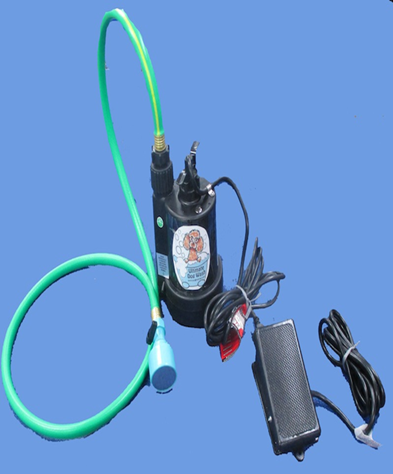
If price is a major concern, but you still want a shampoo machine that saves product and labor, then a recirculating system may be a better option.
A recirculating shampoo system is basically nothing more than a self-contained submersible pump with a flexible hose, spray nozzle, and foot pedal to engage or disengage the pump.
Most systems also come equipped with an electrical system with GFCI protection or similar safety protection to help prevent shock around water.
This is not a thousand-dollar wall-mounted machine. It is not a fifteen-gallon tank machine. It is not a fancy product-selector system with multiple shampoo lines.
It is a pump in the tub that circulates diluted shampoo water through the dog’s coat until the dog is clean.
Simple does not mean useless. In fact, this type of machine is probably the most economical way to get into machine-assisted bathing without turning the equipment budget into a hostage situation.
⚠️
Operator rule
The biggest mistake with recirculating systems is using too much shampoo. If the dog is not getting clean, or the machine is foaming like a bubble bath crime scene, the answer is usually less product, not more.
🗺️
Use This Page Like a Recirculating Shampoo Machine Reality Check
These machines are cheap, useful, and misunderstood. The trick is using enough water to cover the pump, very little shampoo, and a fresh-water rinse after the wash cycle.
🔁
How They Work
Plug the tub, add just enough water to cover the pump inlet, add shampoo, and let the pump push the solution through the coat.
🧴
Water and Shampoo Amounts
With a 48-inch stainless tub, I usually used around two gallons of water and half an ounce of shampoo.
🧼
Regular Shampoo Works
You usually do not need special shampoo. Off-the-shelf grooming shampoo can work fine when diluted correctly.
🧺
Dirty Water Myth
The “you are just washing with dirty water” argument sounds reasonable until you remember washing machines exist.
💵
Cost and Fit
This is usually the cheapest shampoo machine category and can make sense for small shops and mobile groomers.
✅
Operator Verdict
I would recommend them for small shops and mobile groomers. For larger busy shops, I would still go with a Venturi type machine.
🖼️
Recirculating Shampoo Machine Examples
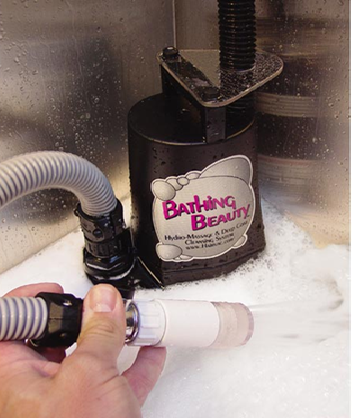
These examples show the basic submersible-pump style bathing system used in the tub during the wash stage.
🔁
How Recirculating Shampoo Machines Work
The machine pulls diluted shampoo water from the tub and forces it through the coat over and over until the dog is clean.
In use, the tub drain is plugged and the tub is filled with just enough water to cover the pump inlet.
Shampoo or conditioner is then added to the water, and the machine is turned on with the foot pedal.
The product begins to circulate through the machine and is dispensed at high pressure from the nozzle, effectively mixing the bathing solution in the tub.
When you are ready to bathe, you place the dog in the tub, turn on the pump, and the mixed solution is drawn from the tub and forced through the coat by the pump over and over until the pet is cleaned.
The pump is then switched off, the tub is drained, and fresh water from the tub faucet is used to rinse the dog.
Then the process is repeated with each new dog.
In practice, it usually takes about five minutes to thoroughly wash even the biggest dogs.
Five minutes matters. That is not some vague “saves time” sales line. That is a bather getting a large dog washed quickly with a small amount of product instead of standing there squeezing shampoo, smearing it around, adding more, fighting the coat, and then rinsing out the product they never needed to use in the first place.
📌
Operator translation
Plug the tub. Add just enough water. Add a small amount of shampoo. Let the pump do the circulation work. Drain. Rinse with fresh water. Repeat for the next dog.
🧴
How Much Water and Shampoo It Actually Takes
This is where people usually use too much product and then blame the machine.
The amount of water required to operate the machine depends on the size of the tub.
You need just enough water to submerge the pump inlet.
From experience, with a 48-inch stainless steel tub, it typically took around two gallons of water and half an ounce of shampoo to get the job done.
Rarely should you have to use more than one ounce of product for one or two gallons of bath water.
That is the part people need to read twice.
Half an ounce of shampoo. Maybe one ounce if there is a real reason. Not three handfuls. Not half the bottle. Not “I kept adding more because bubbles make me feel productive.”
These machines work by repeatedly forcing diluted product through the coat. You do not need to make the tub look like a foam party at a bad nightclub.
Too much shampoo causes problems. It wastes product, creates foam, makes rinsing harder, can reduce machine performance, and can make the dog harder to finish cleanly.
The rule of thumb is to always use less product than you think you need.
In most cases, problems with the cleanliness of the dog or the operation of the machine can be traced back to using too much shampoo.
If you do not like the results, lessen the amount of shampoo rather than add more.
⚠️
Do not over-shampoo the tub
With a 48-inch stainless tub, around two gallons of water and half an ounce of shampoo usually did the job. Rarely should you need more than one ounce for one or two gallons of bath water.
🧼
You Usually Do Not Need Special Shampoo
The machine-specific shampoo pitch exists, but ordinary grooming shampoo can work fine when used correctly.
As an added bonus, you may purchase special shampoo for use with this type of shampoo machine, but you are not required to.
Shampoos marketed for recirculating shampoo systems are supposedly more concentrated in order to withstand extreme dilution while still providing a quality bath.
They may also contain fewer suds or foam-building ingredients to cut down on the bubble bath effect as the solution passes through the machine and gets dispensed from the nozzle.
That sounds nice.
In my experience, once diluted in the tub, off-the-shelf grooming shampoo worked just fine. It cleaned the dog well and did not create the bubble bath effect.
The only time I had foaming issues was when using degreasing shampoos or dish soap.
That matters because the machine is supposed to save money. If a machine saves shampoo but then convinces you to buy expensive specialty shampoo you do not actually need, the savings start getting stupid.
The better move is to start with less product, use normal professional grooming shampoo, watch the result, and adjust from there.
Do not let the word “recirculating” scare you into thinking every bottle on the shelf must be replaced with some special machine-approved potion.
📌
Shampoo rule
Off-the-shelf grooming shampoo can work fine. Degreasing shampoos and dish soap are where I saw foaming problems. Start with less product, not more.
🧺
The “Dirty Water” Misconception
The biggest criticism sounds like common sense, but it misses how soap actually works.
The biggest misconception surrounding recirculating shampoo machines is that it is impossible to clean a dog correctly because you are doing nothing more than washing the dog with recycled dirty water.
At first glance, that sounds reasonable.
Dog is dirty. Water touches dirty dog. Water becomes dirty. Pump sprays dirty water back on dog. Therefore dog must still be dirty.
It sounds like common sense until you think about how a washing machine works.
A home washing machine also continuously circulates the same soapy water throughout the wash cycle, yet your clothes come out clean.
That is because soap does not just politely ask dirt to leave. Soap molecules have ends that interact differently with water, oils, and dirt particles.
The soap surrounds dirt and oil, holds it in suspension, and prevents it from simply redepositing back onto the clothing fibers.
Your clothes do not suffer an incomplete clean from being washed in soapy wash water because the dirt is held in the solution by the soap until the wash cycle ends and the dirty solution is drained away.
The same basic idea applies to the dog.
Dirt washed off the dog is held in suspension and is not simply redeposited onto the coat no matter how many times the solution cycles through the pump and nozzle during the wash.
Then, when the wash cycle is complete, the tub is drained and the dog is rinsed with fresh water.
That final rinse matters. Recirculating wash water is for washing. Fresh water is for rinsing. Do both, and the “dirty water” argument loses most of its teeth.
📌
Washing machine comparison
Your washing machine circulates soapy water and your clothes still get clean. The dirt is held in suspension by soap, then drained away, then rinsed. Same basic concept here.
💵
Cost and Shop Fit
This is by far the most economical shampoo machine category.
This type of shampoo machine is by far the most economical to purchase.
A quality unit can often be found in the $200 to $500 range depending on who makes it, what comes with it, and how complete the system is.
That price difference matters.
When someone is looking at a thousand-dollar wall-mounted vacuum draw system or an expensive enclosed tank system, a recirculating machine gives them a way to save product and labor without swallowing the big equipment purchase right away.
That makes it attractive for small grooming shops, startup grooming rooms, budget-sensitive operators, and mobile groomers.
It is not my first choice for a larger, busier fixed grooming shop. In that setting, I would still go with a Venturi-type vacuum draw machine because it can be plumbed into the water supply, support multiple products, and avoid the tub-by-tub setup routine.
But for a small shop or mobile groomer, a recirculating system can make a lot of sense.
It saves product. It saves labor. It does not require a wall-mounted plumbing system. It can wash large dogs quickly. It uses very little shampoo when used correctly.
That is a good equipment argument when the budget matters.
🚫
The Real Disadvantages
The problems are not deal breakers, but they are real enough to annoy you every day if you pretend they do not exist.
The only real disadvantage is the associated hassle of plugging and partially filling the tub before each wash and waiting for it to drain before the rinse.
That is not the end of the world, but it is a workflow step.
With a vacuum draw machine, the bather turns a knob and starts applying product through the water stream.
With a recirculating machine, the bather has to plug the drain, add enough water, add shampoo, run the cycle, drain the tub, and then rinse.
That is the tradeoff.
There is also the issue of having another item in the tub that can get smacked around or broken if a dog decides to flip out.
Dogs do not care that the pump was not cheap. Dogs do not care about the hose. Dogs do not care that the foot pedal and nozzle are part of the system. A panicked dog can turn the tub into a wet equipment rodeo very quickly.
Both of these are minor inconveniences compared to the overall cost and labor savings one of these units can provide, but they are still real.
If your shop is busy enough that those setup steps become a constant irritation, that is probably a sign the room has outgrown this type of machine as the main bathing system.
⚠️
Wet-room reality
The pump lives in the tub during use. Dogs can kick it, step on it, smack it, tangle the hose, or panic around it. That does not make the machine bad. It means the bather needs to manage the tub like there is equipment in it.
🛁
Recirculating Machine Bath Process
This is not complicated, but the order matters.
Swipe left/right to see the full table.
| Step | What Happens | Operator Note |
|---|---|---|
| Plug the drain | The tub holds enough water for the pump to operate. | You are creating the wash reservoir. |
| Add water | Add just enough water to cover the pump inlet. | In a 48-inch stainless tub, I usually needed around two gallons. |
| Add shampoo | Add a small amount of shampoo or conditioner. | Half an ounce often did the job. Rarely should you need more than one ounce. |
| Run the pump | The solution circulates through the pump and sprays through the coat. | The pump does the repeated product delivery. |
| Wash the dog | The mixed solution is forced through the coat repeatedly. | In practice, even large dogs can usually be washed in about five minutes. |
| Drain the tub | The soapy wash water leaves the tub. | Do not skip the drain before the fresh-water rinse. |
| Rinse with fresh water | Use the tub faucet or sprayer to rinse the dog clean. | Fresh-water rinse is not optional. |
⚖️
Recirculating Shampoo Machine Fit Table
This machine is not perfect for every shop, but it has a clear place.
Swipe left/right to see the full table.
| Use Case | Fit | Operator Reason |
|---|---|---|
| Small grooming shop | Strong fit. | Low purchase cost, low product use, and fast wash time make it practical. |
| Mobile groomer | Strong fit. | No wall-mounted plumbing system required, and product use stays low. |
| Budget-sensitive startup | Strong fit. | Lets the shop save shampoo and labor without buying the more expensive machine first. |
| Large busy fixed shop | Not my first choice. | Plugging, filling, draining, and managing a pump in the tub becomes more annoying at high volume. |
| Thick-coated large dogs | Works well when used correctly. | The pump can force diluted product through the coat repeatedly and usually wash even large dogs in about five minutes. |
| Staff who think more shampoo fixes everything | Trouble. | Overuse creates foam, waste, rinse problems, and machine complaints that are really staff problems. |
✅
Recirculating Shampoo Machine Buying Checklist
Before buying, make the machine survive these questions.
- Is the machine designed for wet tub use with proper electrical safety protection?
- Does the system include a submersible pump, hose, spray nozzle, and foot pedal?
- How much water does your tub need to cover the pump inlet?
- Can the bather work with the pump and hose in the tub without constantly fighting the equipment?
- Is the spray pressure strong enough to push solution through thick coats?
- Can the system be cleaned easily between uses?
- Are filters, screens, and pump inlets protected from hair and debris?
- Will staff use half an ounce to one ounce of shampoo, or are they going to turn every tub into a bubble bath?
- Is there a proper fresh-water rinse source after the recirculating wash cycle?
- Does the machine fit the shop volume, or will plugging, filling, draining, and resetting the tub slow the room down?
- Are replacement hoses, nozzles, pumps, foot switches, or filters available without paying stupid money?
- Is this being used for the right shop size: small shop, mobile groomer, budget setup, or backup support?
🚫
Common Recirculating Shampoo Machine Mistakes
Most problems come from too much shampoo, poor rinsing, bad expectations, or forgetting there is equipment sitting in the tub.
Swipe left/right to see the full table.
| Mistake | Why It Hurts | Better Move |
|---|---|---|
| Using too much shampoo | Creates foam, wastes product, makes rinsing harder, and can make the machine seem like the problem. | Start with around half an ounce in a couple gallons of water and adjust down or carefully up from there. |
| Thinking bubbles equal clean | Foam does not prove the dog is cleaner. It usually proves someone used too much product. | Judge by coat condition, rinse quality, and cleanliness, not foam drama. |
| Using degreasing shampoo or dish soap without expecting foam | These products can create the bubble bath effect. | Use less, test carefully, and expect different behavior from stronger products. |
| Skipping the fresh-water rinse | Recirculating wash water is for washing. Fresh water is still needed to rinse. | Drain the tub and rinse properly with clean water. |
| Believing the dirty-water myth | Misunderstands how soap holds dirt and oils in suspension during the wash cycle. | Think washing machine: wash water circulates, then drains, then the item is rinsed. |
| Letting the dog beat up the pump | A panicked dog can kick, step on, smash, or tangle the pump and hose. | Manage the dog, hose, pump placement, and tub behavior. |
| Using it as the main system after the shop outgrows it | Plugging, filling, draining, and resetting the tub can slow a high-volume room. | Move to a Venturi-style vacuum draw machine when volume justifies it. |
✅
My Operator Verdict on Recirculating Shampoo Machines
Cheap, effective, and worth considering when the budget matters.
My verdict is that recirculating shampoo machines are a good option when price is a major concern and you still want a shampoo machine that saves product and labor.
They are by far the most economical type of shampoo machine.
They can wash large dogs quickly. In practice, it usually took about five minutes to wash even the biggest dogs.
They use very little shampoo when used correctly. With a 48-inch stainless steel tub, around two gallons of water and half an ounce of shampoo usually got the job done.
Rarely should you have to use more than one ounce of product for one or two gallons of bath water.
They do not require special shampoo in most cases. Off-the-shelf grooming shampoo worked fine for me once diluted in the tub.
They are also misunderstood. The dirty-water argument sounds smart until you remember that soap holds dirt in suspension and washing machines have been cleaning clothes with circulating wash water forever.
The disadvantages are real but not terrible. You have to plug and partially fill the tub before each wash. You have to wait for it to drain before rinsing. You have another item in the tub that can get smacked around if a dog flips out.
Those are minor inconveniences compared to the cost and labor savings for the right shop.
I would recommend them for small shops and mobile groomers.
For larger, busier shops, I would still go with a Venturi-type vacuum draw machine.
⚠️
Final take
Recirculating machines are not fancy, but they work. Use very little shampoo, rinse with fresh water, do not panic about the dirty-water myth, and do not expect a small pump-in-the-tub system to replace a plumbed wall machine in a large high-volume grooming room.
❓
Recirculating Shampoo Machine FAQ
Straight answers about pump-in-the-tub bathing systems, shampoo amounts, dirty water, rinsing, cost, and shop fit.
What is a recirculating shampoo machine?
It is a submersible pump system with a hose, spray nozzle, and foot pedal that circulates diluted shampoo water from the tub through the dog’s coat during the wash stage.
How much water does it need?
It needs just enough water to cover the pump inlet. With a 48-inch stainless steel tub, I usually used around two gallons of water.
How much shampoo should I use?
In my experience, around half an ounce of shampoo in two gallons of water usually got the job done. Rarely should you need more than one ounce for one or two gallons of bath water.
Should I add more shampoo if the dog does not seem clean?
Usually no. With these machines, problems often come from using too much shampoo, not too little. If you do not like the results, lessen the amount of shampoo before adding more.
Do I need special recirculating shampoo?
Not usually. Off-the-shelf grooming shampoo worked fine for me once diluted in the tub. The only foaming issues I had were with degreasing shampoos or dish soap.
Is the dog just being washed with dirty water?
That is the common misconception. Soap holds dirt and oils in suspension during the wash cycle, similar to how a washing machine cleans clothes in circulating wash water. After the wash, the tub is drained and the dog is rinsed with fresh water.
How long does it take to wash a dog?
In practice, it usually took five to ten minutes to thoroughly wash even the biggest dogs.
What is the biggest disadvantage?
You have to plug and partially fill the tub before each wash, then drain it before rinsing. There is also another item sitting in the tub that can get smacked around if a dog flips out.
Who should use this kind of machine?
I would recommend recirculating systems for small shops and mobile groomers, especially when price is a concern.
Would I use it in a large busy grooming shop?
Not as my first choice. For larger, busier shops, I would still go with a Venturi-type vacuum draw machine.
🐾
Bottom Line: Cheap Machine, Real Savings, Use Less Shampoo
This is the budget machine that can still do real work.
Recirculating shampoo machines are simple, economical, and more effective than a lot of people assume.
They work by circulating diluted shampoo water through the coat with a submersible pump, hose, nozzle, and foot pedal.
They can wash large dogs quickly. They can use very little shampoo. They can save product and labor. They do not usually require special shampoo.
They are also misunderstood because people hear “recirculating” and immediately picture dirty water being sprayed forever onto a dog that never gets clean.
That is not how soap works, and that is not how the process should be finished. The wash water circulates during the wash, the tub drains, and the dog gets rinsed with fresh water.
The real problems are practical: plugging the tub, partially filling it, waiting for it to drain, and keeping the pump from getting kicked around by dogs who have decided bath day is unconstitutional.
For small shops and mobile groomers, I would recommend them.
For bigger, busier fixed shops, I would still go with a Venturi-type vacuum draw machine.
But for the money, especially when price is a major concern, a recirculating machine can absolutely earn its place.