PAWS Pet Poison Plant Guide
Is Asparagus Fern Poisonous to Dogs, Cats, Horses, and Livestock?
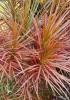
Yes—Asparagus Fern, specifically the trailing ornamental commonly called Sprenger Asparagus, Asparagus aethiopicus ‘Sprengeri’, is poisonous to dogs and cats. Horses, livestock, rabbits, birds, and other animals should also be prevented from eating it because species-specific large-animal evidence is limited. The bright red berries are the best-documented ingestion hazard and may cause nausea, drooling, vomiting, abdominal pain, diarrhea, appetite loss, and temporary lethargy. Exact-species chemical studies confirm saponins in the plant, but the particular compound responsible for naturally occurring berry-associated illness has not been isolated or assigned a dependable veterinary dose.
Repeated contact with sap or plant surfaces may cause dermatitis in a sensitized animal. The arching stems also bear short, sharp spines capable of scratching or puncturing the lips, tongue, paws, skin, eyelids, or cornea. Asparagus Fern is not a true fern, is not a true lily, and is not associated with the acute proximal renal tubular failure caused by Lilium and Hemerocallis exposure in cats.
About this guide: This page provides general pet-poisoning information and cannot diagnose or treat an individual animal. For any suspected exposure, contact a veterinarian or animal poison-control service immediately. Do not induce vomiting, give medication, or attempt home decontamination unless directed by a veterinary professional.
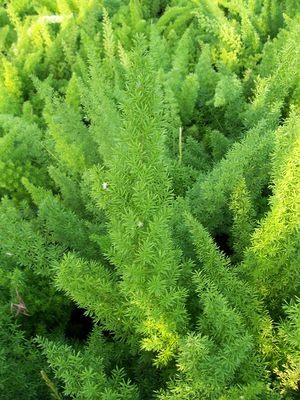
Asparagus Fern
Asparagus aethiopicus L. ‘Sprengeri’
Recognized botanical synonyms of Asparagus aethiopicus include:
- Asparagopsis aethiopica (L.) Kunth
- Protasparagus aethiopicus (L.) Oberm.
- Asparagopsis lancea (Thunb.) Kunth
- Asparagus aculeatus Voss
- Asparagus laetus Salisb.
- Asparagus lanceus Thunb.
- Asparagus maximus Voss
Historical horticultural and nursery names frequently applied to the trailing Sprengeri plant include:
- Asparagus sprengeri
- Asparagus densiflorus ‘Sprengeri’
- Asparagus densiflorus Sprengeri Group
- Protasparagus densiflorus ‘Sprengeri’
These historical names remain important for identification and search intent, but Asparagus densiflorus ‘Sprengeri’ is now widely regarded as a misapplied name for the arching ornamental Asparagus aethiopicus ‘Sprengeri’.
Asparagus densiflorus is a separate accepted species. The dense, upright ornamental commonly called Foxtail Fern is generally treated as Asparagus densiflorus ‘Myers’, ‘Myersii’, or ‘Meyersii’ and should not be used as the accepted scientific identity of this trailing Sprengeri page.
Asparagaceae
Formerly included in the broadly defined Liliaceae in older veterinary and horticultural references.
Sprengeri Fern, Sprenger Fern, Sprenger’s Asparagus, Emerald Feather, Emerald Fern, Plume Asparagus, Trailing Asparagus Fern, Basket Asparagus, Asparagus Grass, Asparagus Fern
Several frequently repeated names are botanically ambiguous or misapplied. Plumosa Fern and Lace Fern more commonly refer to Asparagus setaceus. Foxtail Fern usually refers to Asparagus densiflorus ‘Myersii’. Shatavari and Racemose Asparagus properly refer to Asparagus racemosus rather than the Sprengeri Group.
Saponins and the Limits of the Current Evidence
The gastrointestinal toxicity of Asparagus Fern is traditionally attributed to steroidal saponins and their non-sugar components, called sapogenins. A saponin consists of one or more sugar groups attached to a steroidal or triterpenoid aglycone. The aglycone remaining after the sugars are removed is the sapogenin.
The terms saponin and sapogenin should not be treated as interchangeable names for one purified Asparagus Fern toxin. No single compound has been isolated from the berries of Asparagus aethiopicus ‘Sprengeri’ and proved to account for every naturally occurring dog or cat exposure.
Direct chemical screening of Asparagus aethiopicus root extracts has confirmed the presence of saponins together with glycosides, sterols, flavonoids, tannins, and other constituents. Additional experimental work has demonstrated biologic activity in concentrated root, rhizome, or leaf extracts.
Those studies establish that the accepted species contains bioactive chemistry, including saponins. They were not veterinary poisoning trials, did not analyze the toxin concentration of individual red berries, and did not establish a safe or toxic dose for a dog, cat, horse, livestock animal, rabbit, or bird.
Why Older Asparagus sprengeri Research Requires Qualification
Several older phytochemical studies isolated spirostanol or spirostane saponins from roots or leaves identified as Asparagus sprengeri. These studies provide valuable evidence that ornamental plants historically sold under the Sprengeri name can contain steroidal saponins.
The botanical identity requires caution. Current taxonomic sources treat the formally published name Asparagus sprengeri as a synonym of Asparagus densiflorus, while modern horticultural and floristic treatments generally identify the familiar arching Sprengeri ornamental as Asparagus aethiopicus ‘Sprengeri’.
Without reviewing the voucher specimen and morphology used in each historical chemical study, its plant material cannot automatically be reassigned to the cultivated plant on this page. The studies support the broader saponin evidence but should not be presented as uncontested exact-species berry toxicology.
The Red Berries Are the Best-Documented Ingestion Hazard
Veterinary poison-control experience most consistently associates ingestion of the bright red fruit with vomiting, abdominal pain, and diarrhea. The berries are compact, conspicuous, and may fall beneath the foliage where dogs and cats can swallow them quickly.
This clinical association does not prove that every berry contains a greater saponin concentration than every root, stem, or cladode. It identifies the fruit as the tissue most commonly associated with recognized pet illness.
One berry may produce no visible signs in a healthy large dog, while several berries may produce repeated vomiting or diarrhea in a puppy, kitten, toy-breed dog, elderly animal, or pet with preexisting gastrointestinal disease.
Green developing fruit should not be assumed harmless. Maturity may alter the fruit’s chemistry, texture, and palatability, but no veterinary study has established a safe green or red stage.
Roots, Stems, Cladodes, and Other Plant Tissues
Saponins and other bioactive constituents have been detected in underground and above-ground material from ornamental Asparagus species, including direct studies of Asparagus aethiopicus.
The plant’s stems, cladodes, flowers, crown, fibrous roots, and fleshy storage roots should therefore remain inaccessible. The available evidence does not establish that every tissue contains the same compounds or produces the same clinical risk as the fruit.
The fine green structures commonly mistaken for fern leaves are modified branchlets called cladodes or cladophylls. The true leaves are reduced to small scales, and some are modified into sharp spines.
Concentrated extracts, tinctures, powders, herbal products, essential preparations, and laboratory formulations create a different exposure from chewing one fresh stem or swallowing a few fruits. Extract-study concentrations cannot be converted directly into a household pet dose.
How Saponin-Containing Material Irritates the Gastrointestinal Tract
Saponins have surfactant-like properties and can interact with biological membranes. After plant material is swallowed, they may irritate the lining of the stomach and intestines, alter membrane permeability, stimulate secretion, and increase gastrointestinal movement.
The expected result is nausea, drooling, vomiting, abdominal cramping, diarrhea, appetite loss, and temporary lethargy. The illness is ordinarily gastrointestinal rather than neurologic, cardiac, hepatic, or renal.
Repeated vomiting or diarrhea can cause secondary dehydration, electrolyte disturbance, weakness, and reduced urination. These complications may become clinically important in a small, elderly, or medically fragile animal even though the plant is considered a low-severity poison.
Blood in vomit or stool, black feces, severe focal abdominal pain, marked distension, persistent unproductive retching, profound weakness, or collapse is not expected after a minor berry exposure and requires investigation for another toxin, gastrointestinal disease, obstruction, or foreign material.
Allergic or Irritant Contact Dermatitis
Repeated contact with plant sap, stems, or foliage may cause dermatitis in a sensitized animal. Sensitization means that the immune system has previously encountered plant material and reacts more strongly during later exposure.
Redness, itching, small raised lesions, localized swelling, excessive licking, chewing, rubbing, or self-induced hair loss may develop where the abdomen, muzzle, paws, inner legs, or thinly haired skin repeatedly contacts trailing growth.
The reaction may improve when access stops and recur when the animal returns to the plant. Continued licking and scratching can damage the skin barrier and permit secondary bacterial or yeast infection.
Dermatitis should not be diagnosed solely from the presence of Asparagus Fern. Fleas, mites, fungal disease, bacterial infection, environmental allergy, another contact irritant, and scratches from the plant’s spines remain important alternatives.
Spines Are a Separate Mechanical Hazard
Sprenger Asparagus produces woody, arching stems bearing short sharp spines. The spines do not inject venom or saponin; their hazard is mechanical.
They may scratch or puncture the lips, gums, tongue, paws, skin, eyelids, conjunctiva, or cornea. A broken spine may remain beneath the skin, between the toes, under the tongue, inside an eyelid, or in another difficult-to-see location.
A puncture can introduce soil, plant residue, bacteria, and organic debris. Delayed swelling, heat, pain, drainage, abscess formation, limping, continued drooling, painful swallowing, or recurrent eye irritation may indicate retained material rather than continuing toxin absorption.
Asparagus Fern Is Not a True Fern, True Lily, or Aroid
Asparagus Fern belongs to Asparagaceae. It is a flowering plant related to edible garden asparagus and is not botanically related to true ferns, which reproduce by spores.
It is not a true lily in Lilium or Hemerocallis and is not associated with the acute proximal renal tubular necrosis produced by true-lily exposure in cats.
It also is not an aroid such as Dieffenbachia, Philodendron, Pothos, Calla Lily, Peace Lily, or Arrow-Head Vine. Immediate severe mouth burning, marked tongue swelling, and dysphagia from insoluble calcium oxalate raphides are not the expected Asparagus Fern syndrome.
Drooling is more likely to reflect nausea, unpleasant taste, gastrointestinal irritation, or a spine lodged in the mouth.
No Dependable Safe Dose
No safe berry count, fruit weight, root amount, stem length, extract concentration, saponin concentration, or sapogenin dose has been established for an individual dog, cat, horse, livestock animal, rabbit, bird, reptile, or other pet.
Risk depends on the plant’s exact identity, tissue consumed, amount retained, animal size and health, hydration, prior sensitization, and whether potting soil, fertilizer, pesticide, plastic, ribbon, another plant, or foreign material was also swallowed.
The evidence supports a generally low-severity gastrointestinal and contact-dermatitis hazard with a separate mechanical-spine risk. It does not support dismissing persistent vomiting, dehydration, dermatitis, mouth injury, or eye pain, and it does not support attributing severe neurologic or organ failure automatically to Asparagus Fern.
Expected Gastrointestinal Signs
Vomiting, diarrhea, abdominal discomfort, nausea, reduced appetite, drooling, and temporary lethargy are the principal effects expected after berry ingestion. Signs may begin within several hours.
A dog may lick its lips, eat grass, pace, repeatedly stretch, assume a hunched posture, whine, or resist abdominal handling. A cat may hide, crouch, vomit, stop grooming, approach food and then turn away, or become less interactive.
Drooling generally reflects nausea, an unpleasant taste, or irritation from chewed material. Immediate severe mouth burning, marked tongue swelling, and pronounced difficulty swallowing are not expected unless a spine, another plant, or a caustic substance is involved.
Vomiting, Diarrhea, and Abdominal Cramping
A limited exposure may cause no visible signs, one episode of vomiting, or one loose stool. A larger berry ingestion may produce repeated vomiting and watery diarrhea.
Diarrhea can be accompanied by mucus, urgency, straining, intestinal cramping, repeated requests to go outside, or restlessness. The animal may repeatedly change position because it cannot become comfortable.
Most uncomplicated cases remain mild to moderate. Repeated bloody vomiting, coffee-ground material, black stool, substantial bloody diarrhea, marked abdominal enlargement, or repeated unproductive retching is not expected after an ordinary berry exposure.
Those findings require evaluation for gastrointestinal bleeding, obstruction, gastric dilatation, pancreatitis, infection, medication, another poisonous plant, or a foreign object.
Dehydration and Weakness
Repeated vomiting and diarrhea may cause clinically important dehydration even when the original plant toxin is considered low severity.
Warning signs include dry or tacky gums, sunken eyes, reduced skin elasticity, increased thirst, reduced urination, rapid heart rate, weakness, worsening lethargy, or reluctance to eat and drink.
Puppies, kittens, toy breeds, elderly animals, and pets with kidney, heart, endocrine, or gastrointestinal disease may dehydrate more rapidly or tolerate fluid losses less effectively.
Marked weakness, pale gums, collapse, or inability to stand is more serious than the temporary quietness expected with mild nausea and requires examination for dehydration or another illness.
Allergic Contact Dermatitis
Repeated plant contact may produce redness, itching, small raised lesions, localized swelling, excessive licking, chewing, rubbing, or hair loss caused by self-trauma.
The abdomen, muzzle, feet, inner legs, and sparsely haired skin may be affected where an animal repeatedly rests beneath, walks through, or brushes against trailing stems.
A sensitized animal may improve when separated from the plant and relapse after renewed contact. Continued inflammation can lead to moist skin lesions, crusting, odor, discharge, and secondary bacterial or yeast infection.
A rash after one exposure is not automatically caused by asparagus fern. Parasites, fungal disease, environmental allergy, food allergy, another contact irritant, and traumatic scratches must also be considered.
Spine Punctures and Mouth Injuries
Short stem spines may cause sudden crying, bleeding, painful chewing, drooling, pawing at the mouth, localized swelling, or reluctance to eat.
A spine may become lodged between the teeth, beneath the tongue, within the lip, along the palate, or farther back in the mouth. Persistent drooling or gagging is not necessarily saponin poisoning and may indicate retained material.
Paw injuries may cause limping, licking one location, swelling between the toes, bleeding, or reluctance to bear weight. Small retained fragments may produce delayed pain or drainage after the surface wound closes.
Increasing swelling, heat, pus, fever, worsening lameness, or pain returning after apparent improvement suggests retained material or infection.
Eye Injuries
A spine, sap, or loose plant fragment entering the eye may cause sudden blinking, tearing, squinting, redness, light sensitivity, eyelid swelling, or persistent pawing at the face.
Corneal abrasion or retained plant material can produce cloudiness, discharge, apparent visual difficulty, or inability to keep the eye open.
Eye pain should not be attributed automatically to allergic dermatitis. The corneal surface requires direct examination and fluorescein staining to determine whether it has been scratched or ulcerated.
Horses and Livestock
Published equine and livestock case data specific to Sprengeri asparagus fern are limited. An exposed animal may plausibly develop salivation, feed refusal, abdominal discomfort, loose manure, diarrhea, or nonspecific depression after consuming fruit or substantial plant material.
Horses cannot vomit. Colic, continued diarrhea, marked weakness, difficulty swallowing, recumbency, or several affected animals requires investigation of the full pasture, feed, water, pesticides, fertilizers, and every plant available.
Severe neurologic, respiratory, cardiac, hepatic, or renal illness should not be attributed to asparagus fern solely because the plant was nearby.
Expected Course and Atypical Signs
Most uncomplicated gastrointestinal cases begin improving within several hours and resolve within approximately twelve to twenty-four hours.
Dermatitis may persist longer and may recur until contact stops. Spine punctures, corneal injuries, and secondary infections follow the course of the injury rather than the short gastrointestinal syndrome.
Persistent vomiting, continuing diarrhea, inability to retain water, prolonged food refusal, bloody material, severe pain, progressive weakness, or signs lasting beyond the expected period requires veterinary reassessment.
Kidney failure, liver failure, severe neurologic depression, tremors, seizures, coma, abnormal heart rhythm, or rapid collapse is not characteristic and demands investigation for another exposure or disease.
Correct Botanical Identity
Asparagus Fern is not a true fern. The arching, trailing ornamental commonly called Sprenger Asparagus is best identified as Asparagus aethiopicus L. ‘Sprengeri’ in the family Asparagaceae.
The name Asparagus densiflorus ‘Sprengeri’ has been applied widely in nurseries, veterinary poison lists, gardening references, and older botanical literature. Modern floristic and horticultural treatments increasingly identify that name as a misapplication to Asparagus aethiopicus.
Both Asparagus aethiopicus and Asparagus densiflorus remain accepted species. They are closely related but should not be treated as interchangeable merely because their ornamental forms and historical names have been confused.
The dense upright Foxtail Fern is generally treated as Asparagus densiflorus ‘Myers’, ‘Myersii’, or ‘Meyersii’. The spreading, arching, cascading Sprengeri plant described on this page is Asparagus aethiopicus ‘Sprengeri’.
Why It Is Not a Fern
True ferns reproduce by spores and do not produce flowers, fleshy berries, or seeds. Sprenger Asparagus produces small flowers followed by green fruits that ripen red.
The fine needle-like green structures are modified branchlets called cladodes or cladophylls. The actual leaves are reduced to small scales, some of which develop into sharp spines.
This distinction matters for animal safety because many true ferns, including Boston Fern and Bird’s-Nest Fern, are regarded as low-risk houseplants. The word fern in a common name does not establish botanical relationship or safety.
Identification of Sprenger Asparagus
The plant produces numerous arching, spreading, or trailing stems that may form rounded groundcover masses or cascade from hanging baskets, planters, walls, and containers.
Small flattened or narrow cladodes occur singly or in clusters along the stems and create the plant’s feathery appearance. Mature stems become firmer, woody, and armed with short spines.
Small white to pale pinkish flowers arise along the stems. Round green fruits follow and mature to bright red, often with one or two hard dark seeds.
The root system forms a dense crown with fibrous roots and enlarged fleshy water-storage roots. These structures are not true bulbs. Dogs may expose them while digging, but red-fruit ingestion has the clearest recognized association with gastrointestinal illness.
Native Range and Naturalized Populations
Asparagus aethiopicus is native to portions of South Africa, including the Cape and northern provinces. It is a subtropical climbing or scrambling perennial rather than the more geographically widespread Asparagus densiflorus.
It has been introduced into numerous warm regions and may escape cultivation. Naturalized or invasive populations occur in parts of Florida, Hawaii, Australia, New Zealand, the Caribbean, southern Europe, Atlantic and Pacific islands, and other frost-free locations.
Outdoor animals may encounter it as ornamental groundcover, along shaded landscape margins, beneath shrubs, near walls, in discarded garden material, or where birds have dispersed its seeds.
Household, Florist, and Landscape Exposure
Cats may play with trailing stems, climb toward hanging baskets, brush against the plant, or swallow fallen berries during play or grooming.
Puppies may pull down containers, chew arching stems, investigate fruit, dig into pots, or mouth freshly cut material. Fallen berries may roll under furniture or remain hidden beneath dense groundcover.
Sprenger Asparagus is also used as florist greenery. Cut stems retain their spines and may remain capable of causing sap contact, scratching, or puncture injuries after separation from the living plant.
Mixed arrangements may contain true lilies, other poisonous plants, wire, ribbon, floral foam, preservatives, fertilizer, artificial materials, or treated foliage. Preserve the entire arrangement after an exposure rather than assuming all greenery is Asparagus Fern.
Why the Berries Receive the Greatest Veterinary Attention
Veterinary poison descriptions most consistently associate fruit ingestion with vomiting, abdominal pain, and diarrhea. The fruit provides a compact amount of plant material and may be swallowed rapidly.
No dependable safe number exists. Risk cannot be calculated from body weight alone because fruit maturity, amount chewed, stomach contents, individual sensitivity, and preexisting disease vary.
The absence of berries reduces the best-documented ingestion risk but does not make stems edible, remove the possibility of dermatitis, or eliminate the spine hazard.
What the Chemical Research Actually Establishes
Direct studies of Asparagus aethiopicus extracts have identified saponins and other phytochemical classes in the plant, particularly in underground material. These investigations support the conclusion that the species contains biologically active constituents.
They did not reproduce naturally occurring pet poisoning, quantify the toxic material in one fruit, compare ripe and unripe berry toxicity, or establish a canine or feline dose-response relationship.
Older studies isolated steroidal saponins from plants identified as Asparagus sprengeri. Because that name has been applied inconsistently to A. densiflorus and cultivated A. aethiopicus, those findings require taxonomic qualification unless the original voucher material can be confirmed.
The correct conclusion is that steroidal saponin chemistry is well supported within the historically confused Sprengeri material, but the exact compound responsible for veterinary berry-associated gastrointestinal illness remains unresolved.
Foxtail Fern, Plumosa Fern, and Other Look-Alikes
Foxtail Fern usually refers to the upright, densely plume-shaped ornamental Asparagus densiflorus ‘Myers’, ‘Myersii’, or ‘Meyersii’. It differs from Sprengeri Asparagus, whose longer stems arch, trail, and scramble.
Plumosa Fern or Lace Fern more commonly refers to Asparagus setaceus, a climbing species with very fine triangular sprays of cladodes.
These names are often interchanged in the nursery trade. Uncertainty among ornamental Asparagus species does not justify allowing an animal to eat the fruit or chew spiny stems.
Each species record should retain its own accepted identity, plant form, and exposure pattern rather than combining every ornamental Asparagus under the outdated name Asparagus densiflorus.
Shatavari Is a Different Species
Shatavari and Racemose Asparagus properly refer to Asparagus racemosus, an Asian medicinal species. Those names are sometimes copied into Asparagus Fern poison lists even when the plant shown is the Sprengeri ornamental.
Herbal powders, root preparations, syrups, capsules, extracts, and supplements also create a different exposure from chewing a household or landscape plant.
Research concerning Asparagus racemosus compounds or medicinal dosing should not be assigned automatically to Asparagus aethiopicus.
Diagnosis and Differential Diagnosis
Diagnosis generally depends on witnessed exposure, identification of berries or plant fragments, timing of gastrointestinal signs, and exclusion of more serious causes.
Useful evidence includes ripe and unripe fruits, complete arching stems, cladodes, flowers, spines, the root crown, nursery labels, photographs of the full growth habit, and material found in vomit.
Most mild exposures do not require extensive testing. Bloodwork, electrolytes, urinalysis, fecal evaluation, or abdominal imaging may be appropriate when signs are severe, prolonged, bloody, associated with marked pain, or inconsistent with limited berry ingestion.
Skin lesions may require examination for allergy, irritant dermatitis, bacterial or fungal infection, parasites, and retained spines. Eye pain requires direct ocular examination and frequently fluorescein staining.
Severe oral swelling suggests an aroid, sting, allergic reaction, or caustic exposure. Acute kidney injury in a cat requires investigation for true lilies, ethylene glycol, medication, or another disease. Tremors, seizures, arrhythmias, or collapse require a broader toxicologic evaluation.
Prognosis and Prevention
The prognosis is good to excellent after most uncomplicated berry ingestions or contact reactions. Gastrointestinal signs are usually self-limiting, although dehydration may require anti-nausea treatment and professionally managed fluids.
Dermatitis generally improves after contact stops and secondary inflammation or infection is treated. The prognosis after a spine injury depends on its depth, location, retained material, infection, and whether the eye is involved.
Collect berries before and after they fall, keep arching stems beyond realistic climbing and jumping range, secure florist greenery, and remove pruning debris immediately.
Discard fruit, roots, and spiny stems directly into closed containers rather than open compost, paddocks, kennels, hutches, poultry areas, or accessible garden-waste piles.
Immediate Steps After Ingestion
- Prevent further access. Remove the animal from the plant and collect fallen berries, chewed stems, flowers, uprooted roots, and pruning debris.
- Remove loose material safely. If the animal is calm, remove berries or plant fragments resting visibly at the lips or front of the mouth. Do not reach blindly toward the throat.
- Allow voluntary access to water. An alert animal swallowing normally may drink on its own, but do not syringe, pour, or force fluids into the mouth.
- Preserve identification evidence. Save ripe and unripe berries, a complete stem, storage roots, nursery labels, bouquet material, or clear photographs showing the whole plant.
- Estimate the exposure. Record the number of berries that may be missing, possible access time, animal’s weight, vomiting, diarrhea, existing medical conditions, and whether pesticide or fertilizer was present.
- Contact a veterinarian when warranted. Call after multiple berries, an unknown amount, any repeated symptom, a very small or medically fragile animal, or possible mixed exposure.
Do Not Attempt Unsupervised Home Treatment
- Do not induce vomiting at home. Hydrogen peroxide, salt, mustard, syrup of ipecac, detergent, oil, manual gagging, and fingers in the throat can cause aspiration, gastric injury, sodium poisoning, or trauma.
- Never use hydrogen peroxide as a feline emetic. It can severely injure a cat’s stomach and esophagus.
- Never attempt to induce vomiting in a horse. Horses cannot vomit.
- Do not give activated charcoal routinely. It is generally unnecessary after a minor berry exposure and may be inhaled by a vomiting, weak, sedated, or poorly swallowing animal.
- Do not force milk, food, water, oil, broth, or electrolyte drinks. These do not neutralize saponins and may provoke additional vomiting or aspiration.
- Do not give antihistamines, antidiarrheals, antacids, bismuth products, pain relievers, sucralfate, steroids, antibiotics, or leftover prescriptions. Treatment must be selected from the actual gastrointestinal, skin, eye, or wound findings.
Monitoring Gastrointestinal Signs
Record the frequency and appearance of vomiting and diarrhea. Note berries, stems, blood, black material, mucus, potting material, plastic, ribbon, or another plant.
Monitor activity, appetite, gum moisture, abdominal comfort, urination, and the ability to retain voluntary water.
One brief episode may resolve without further treatment. Repeated vomiting, continuing watery diarrhea, inability to retain water, or increasing lethargy warrants veterinary examination.
Do not withhold all water for a prolonged period without veterinary guidance. Conversely, an animal repeatedly vomiting after drinking may require injectable anti-nausea treatment and professionally managed fluids.
Skin and Coat Decontamination
Wear gloves and wash exposed skin or fur gently with lukewarm water and a mild species-appropriate cleanser. Rinse thoroughly and prevent licking or grooming until residue has been removed.
Inspect the area for punctures, scratches, broken spines, swelling, bleeding, or drainage. Do not cut the skin or dig for a deeply embedded fragment.
Persistent redness, itching, raised lesions, hair loss, moist sores, odor, discharge, or recurrent inflammation requires examination for allergic dermatitis and secondary infection.
A protective collar may be needed to prevent self-trauma while the skin is evaluated and treated.
Spine Punctures
A superficial spine that is clearly visible, easily grasped, and not near an eye, joint, major vessel, mouth, or sensitive paw structure may sometimes be removed without digging into the tissue.
Deep, broken, painful, or difficult-to-see spines should be removed professionally. Pulling blindly can break the fragment or push it deeper.
Increasing pain, swelling, heat, limping, bleeding, pus, fever, or a wound that repeatedly closes and reopens suggests retained material or infection.
Mouth and throat injuries may require sedation and direct visualization, especially when drooling, gagging, coughing, or painful swallowing continues.
Eye Exposure
If loose sap or plant debris entered an eye and no object is embedded, begin gentle irrigation with sterile saline or clean lukewarm water while preventing rubbing.
Do not use tweezers, cotton swabs, cloth, fingers, human redness drops, or leftover ophthalmic medication on the eye surface.
Do not remove a spine that appears to penetrate the eyelid or eye. Stabilize the animal and seek prompt veterinary care.
Persistent squinting, tearing, redness, cloudiness, discharge, blood, light sensitivity, or inability to open the eye requires corneal examination.
When Veterinary Examination Is Especially Important
- Repeated vomiting or diarrhea: Continuing gastrointestinal loss can cause dehydration and electrolyte abnormalities.
- Blood or black material: Blood in vomit or stool is not expected after a minor exposure.
- Weakness or marked lethargy: Significant depression may indicate dehydration, another toxin, or unrelated illness.
- Persistent food or water refusal: Continued appetite loss is more concerning in puppies, kittens, small animals, and medically fragile pets.
- Severe abdominal pain or enlargement: These findings may indicate obstruction, bloat, pancreatitis, or another emergency.
- Persistent dermatitis: Spreading redness, discharge, hair loss, odor, or continuous self-trauma may require anti-inflammatory and antimicrobial treatment.
- Spine injury: Deep punctures, retained fragments, limping, painful swallowing, or injuries near the eye or a joint require professional care.
- Eye pain: Squinting, tearing, cloudiness, bleeding, or a visible spine requires prompt examination.
- Horse or livestock illness: Colic, continued diarrhea, feed refusal, weakness, recumbency, or several affected animals requires a broader toxicologic and medical investigation.
Veterinary Gastrointestinal Treatment
There is no specific antidote for asparagus-fern saponins. Treatment is supportive and proportionate to vomiting, diarrhea, abdominal discomfort, hydration, and the possibility of another exposure.
Veterinarian-selected antiemetics such as maropitant or ondansetron may control continuing nausea and vomiting. Subcutaneous or intravenous fluids may replace gastrointestinal losses and correct dehydration.
Electrolytes, kidney values, blood glucose, urinalysis, or abdominal imaging may be appropriate when symptoms are severe, prolonged, bloody, or inconsistent with a limited berry exposure.
Professional emesis is rarely necessary because the expected toxicity is low and vomiting may already have begun. It might be considered only after an unusually large, very recent berry ingestion in a fully alert, stable, asymptomatic dog after individual risk assessment.
Activated charcoal is not routinely beneficial for a mild berry exposure. A veterinarian may consider it only when a substantial absorbable toxin or mixed exposure is suspected and the patient can protect its airway.
Sucralfate or acid-suppressive medication may be considered under professional care when repeated vomiting, hematemesis, esophagitis, erosive gastritis, or documented mucosal injury is present. Neither is an asparagus-fern antidote.
Veterinary Skin, Wound, and Eye Treatment
Dermatitis treatment may include gentle cleansing, veterinarian-selected anti-inflammatory or anti-itch medication, treatment of secondary bacterial or yeast infection, and prevention of licking or chewing.
Medication choice depends on whether the lesion is allergic, irritant, traumatic, infected, parasitic, or caused by another skin disorder. Antihistamines and corticosteroids are not automatically appropriate for every rash.
Embedded spines may require local anesthesia, sedation, magnification, imaging, wound enlargement, or surgical removal. Antibiotics are reserved for established or high-risk infection rather than every superficial scratch.
Eye examination may include irrigation, eyelid eversion, fluorescein staining, magnification, and removal of retained material. Corneal injury may require lubrication, prescription pain control, topical antimicrobial treatment, and follow-up examinations.
Steroid-containing eye medication should not be used when a corneal ulcer is possible because it may delay healing and worsen infection.
Horses and Livestock
Remove every exposed animal from fruiting plants, clipped stems, uprooted roots, landscaping debris, and contaminated feed or bedding.
Do not drench or force oil, charcoal, feed, water, or medication into an animal that is coughing, bloated, weak, recumbent, or swallowing poorly.
Large-animal evaluation may include oral examination, assessment of hydration and colic, fecal evaluation, fluid therapy, and investigation of all plants, feeds, pesticides, fertilizers, and water sources available.
Several affected animals or severe systemic illness should not be attributed to asparagus fern without a complete environmental investigation.
Recovery, Prognosis, and Prevention
Most uncomplicated gastrointestinal cases improve within approximately twelve to twenty-four hours. The prognosis is good to excellent.
Recovery may take longer when repeated vomiting causes dehydration, dermatitis becomes secondarily infected, or a spine injures the eye, mouth, paw, or deeper tissue.
Collect berries before and after they fall, keep trailing stems outside realistic climbing range, secure florist cuttings, and remove pruning debris immediately.
Dispose of plants and fruit in closed containers rather than accessible compost, paddocks, kennels, hutches, coops, or open trash.
Frequently Asked Questions About Asparagus Fern and Animal Poisoning
How poisonous is Asparagus Fern to dogs and cats?
It is considered a low-severity poisonous plant. The red berries may cause nausea, drooling, vomiting, abdominal pain, diarrhea, appetite loss, and temporary lethargy. Repeated plant contact may cause dermatitis in a sensitized animal. Most cases recover well, but persistent gastrointestinal losses can cause clinically important dehydration.
What is the correct scientific name for Sprengeri Asparagus Fern?
The familiar trailing, arching Sprengeri ornamental is best treated as Asparagus aethiopicus L. ‘Sprengeri’. The name Asparagus densiflorus ‘Sprengeri’ remains common on older labels and poison lists but is now widely regarded as a misapplied horticultural name.
Why do so many references call it Asparagus densiflorus?
The names Asparagus sprengeri, A. densiflorus, A. aethiopicus, and their horticultural forms have been interpreted differently for decades. Modern floristic and genomic work supports identifying the spreading Sprengeri plant as A. aethiopicus, while the dense upright Foxtail Fern remains associated with A. densiflorus ‘Myers’.
Which part is most likely to poison a pet?
The red berries are the part most consistently associated with vomiting, diarrhea, and abdominal pain in dogs and cats. This does not prove that every fruit contains more toxin than every root or stem. It identifies the berries as the best-documented and most readily swallowed exposure.
What toxins does Sprenger Asparagus contain?
Steroidal saponins or related sapogenins are generally considered responsible for the gastrointestinal effects. Direct Asparagus aethiopicus studies have detected saponins, but the exact compound responsible for naturally occurring berry poisoning has not been isolated and no veterinary dose has been established.
What is the difference between a saponin and a sapogenin?
A saponin is a glycoside composed of sugar groups attached to a steroidal or triterpenoid aglycone. The aglycone remaining after removal of the sugars is the sapogenin. The terms describe related chemical structures but should not be used as though they identify one specific Asparagus Fern toxin.
What do the older Asparagus sprengeri saponin studies prove?
They prove that plant material historically identified as Asparagus sprengeri contained several steroidal saponins. Because that botanical name has been applied inconsistently to A. densiflorus and the cultivated Sprengeri form of A. aethiopicus, the studies cannot automatically be treated as exact-species berry toxicology without confirming the original plant vouchers.
How many berries are dangerous?
No safe or predictably toxic number has been established. One fruit may cause no illness in a healthy large dog, while several may cause repeated vomiting or diarrhea in a puppy, kitten, toy-breed dog, elderly animal, or pet with gastrointestinal disease. Veterinary guidance is appropriate when multiple berries were eaten or the amount is unknown.
Are green unripe berries safer than red berries?
No harmless developmental stage has been established. Red fruit is easier to recognize and is the form most commonly associated with pet exposure, but green developing fruit should also remain inaccessible.
Are the stems, cladodes, and roots toxic?
Direct chemical studies confirm bioactive constituents, including saponins, in underground and above-ground Asparagus material. These tissues should not be offered to animals, although veterinary poisoning evidence is strongest for berry ingestion. The stems also present a separate spine hazard.
Can contact with Asparagus Fern cause dermatitis?
Yes. Repeated exposure may cause dermatitis in a sensitized animal. Redness, itching, raised lesions, excessive licking, rubbing, and self-induced hair loss may recur when the animal contacts the plant. Persistent skin disease requires evaluation for infection, parasites, allergy, another irritant, or a retained spine.
Are the spines poisonous?
No. They do not inject venom or saponins. Their danger is mechanical: they can puncture the mouth, paws, skin, eyelids, or cornea. A broken fragment may remain embedded and cause delayed swelling, drainage, abscess formation, infection, limping, or continued mouth pain.
Can Asparagus Fern injure an animal’s eye?
Yes. A spine or plant fragment may scratch the cornea or lodge beneath an eyelid. Persistent squinting, tearing, redness, cloudiness, discharge, blood, or inability to open the eye requires prompt veterinary examination. Do not pull out an object that appears to penetrate the eye.
Is Asparagus Fern a true fern?
No. It is a flowering member of the genus Asparagus. The fine green structures are modified branchlets called cladodes, while the true leaves are reduced scales or spines. It produces flowers, fruit, and seeds, unlike true ferns, which reproduce by spores.
Is Sprengeri Asparagus the same as Foxtail Fern?
No. Sprengeri Asparagus usually refers to the spreading or trailing Asparagus aethiopicus ‘Sprengeri’. Foxtail Fern generally refers to the dense upright form Asparagus densiflorus ‘Myers’, ‘Myersii’, or ‘Meyersii’. Nursery labels frequently confuse the two.
Is it the same as Plumosa Fern or Lace Fern?
No. Plumosa Fern and Lace Fern more commonly refer to Asparagus setaceus, a separate ornamental species with very fine triangular sprays of cladodes. The common names are often interchanged, so preserve a complete specimen and label after an exposure.
Is Asparagus Fern the same as shatavari?
No. Shatavari or Racemose Asparagus properly refers to Asparagus racemosus, an Asian medicinal species. Its chemistry, herbal preparations, and dosing literature should not be assigned automatically to Asparagus aethiopicus.
Can Asparagus Fern cause kidney or liver failure?
Kidney and liver failure are not characteristic of an uncomplicated exposure. Reduced urination may occur secondarily when vomiting or diarrhea causes dehydration. Abnormal organ values require investigation for dehydration, medication, another toxin, infection, or unrelated disease.
Is Asparagus Fern poisonous to horses and livestock?
It should not be available as forage, although detailed equine and livestock case evidence is limited. Fruit or substantial plant ingestion may cause salivation, feed refusal, abdominal discomfort, or diarrhea. Severe colic, weakness, recumbency, neurologic signs, or illness affecting several animals requires investigation for other plants, contaminated feed, pesticides, chemicals, and disease.
How quickly do signs begin, and how long do they last?
Vomiting, diarrhea, abdominal discomfort, drooling, or appetite loss may begin within several hours. Most uncomplicated cases improve within approximately twelve to twenty-four hours. Persistent vomiting, continuing diarrhea, blood, marked lethargy, dehydration, or signs extending beyond that period warrants veterinary examination.
Should I induce vomiting or give activated charcoal?
No home vomiting method should be used. Hydrogen peroxide, salt, mustard, ipecac, detergent, oil, and manual gagging can cause gastric injury, aspiration, sodium poisoning, or trauma. Activated charcoal is not routinely needed for this low-severity berry exposure and may be dangerous in a vomiting or poorly swallowing animal.
How is Asparagus Fern poisoning treated?
There is no specific antidote. Veterinary treatment may include anti-nausea medication, fluids, electrolyte assessment, and gastrointestinal protection when documented injury warrants it. Dermatitis may require cleansing, control of inflammation or itching, and treatment of secondary infection. Spine and eye injuries require direct examination and wound-specific treatment.
What is the prognosis, and how can exposure be prevented?
The prognosis is good to excellent for most uncomplicated ingestions and contact reactions. Collect berries, secure hanging or trailing stems, remove pruning debris immediately, prevent digging in containers, and discard fruit and spiny material in closed containers rather than accessible compost or animal enclosures.