PAWS Pet Poison Plant Guide
Is Bird of Paradise Bush Poisonous to Dogs, Cats, Horses, and Livestock?
Yes—bird of paradise bush, Erythrostemon gilliesii, is poisonous when eaten and should be kept away from dogs, cats, horses, livestock, rabbits, and other animals. The pods and seeds have the clearest direct association with poisoning and may cause intense nausea, repeated vomiting, diarrhea, abdominal cramping, drooling, appetite loss, depression, and dehydration. Leaves, flowers, stems, pods, and seeds have also produced qualitative screening reactions for cyanogenic glycosides and several other defensive chemical classes, but the quantity of releasable hydrogen cyanide in fresh plant material has not been established.
A small exploratory taste is not equivalent to swallowing several pods or many seeds. Most recognized exposures are expected to produce oral or gastrointestinal illness rather than immediate cyanide collapse. However, rapidly developing agitation, profound weakness, loss of coordination, tremors, seizures, abnormal breathing, unusually bright-red or blue-gray mucous membranes, collapse, or loss of consciousness must be treated as an emergency because severe cyanide-like poisoning, aspiration, airway obstruction, another plant, or a mixed chemical exposure may be involved.
About this guide: This page provides general pet-poisoning information and cannot diagnose or treat an individual animal. For any suspected exposure, contact a veterinarian or animal poison-control service immediately. Do not induce vomiting, give medication, or attempt home decontamination unless directed by a veterinary professional.
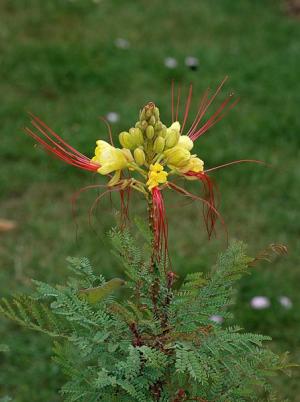
Bird of Paradise Bush
Erythrostemon gilliesii (Hook.) Klotzsch
Caesalpinia gilliesii (Hook.) D.Dietr. and Poinciana gilliesii Hook. are botanical synonyms.
Fabaceae
Leguminosae is an accepted alternative family name used in many older botanical and veterinary references.
Bird of Paradise Bush, Bird-of-Paradise Bush, Bird-of-Paradise Shrub, Desert Bird of Paradise, Desert Bird, Yellow Bird of Paradise, Yellow Bird-of-Paradise, Yellow Pride of Barbados, Yellow Barbados Pride, Yellow Poinciana, Poinciana, Barba de Chivo, Brazilwood, Erythrostemon gilliesii, Caesalpinia gilliesii, Poinciana gilliesii, Caesalpinia macrantha
“Pride of Barbados,” “Barbados Pride,” “Peacock Flower,” “Red Bird of Paradise,” and “Dwarf Poinciana” more properly refer to Caesalpinia pulcherrima. “Bird of Paradise” is also used for Strelitzia species, which are unrelated plants. Caesalpinia gillesii is a frequently encountered misspelling of Caesalpinia gilliesii.
The Toxic Chemistry Is Not Defined by One Proven Compound
Bird of paradise bush contains a mixture of plant-defense chemicals rather than one fully characterized toxin that explains every exposure. The chemistry can differ among leaflets, flowers, developing pods, mature pods, and seeds, and the amount an animal receives depends on the part eaten, maturity of the material, degree of chewing, amount swallowed, digestive conditions, and individual species.
The best direct poisoning evidence concerns the pods and seeds, which have caused substantial gastrointestinal illness in published human cases. Separate phytochemical screening has detected several broad chemical classes in leaf, flower, and pod extracts, including cyanogenic glycosides, tannins, saponins, flavonoids, coumarins, and compounds that produced a cardiac-glycoside screening reaction.
Those findings do not establish that every listed chemical class causes natural animal poisoning. A screening reaction can indicate that compounds with certain chemical behavior may be present, but it does not identify a specific molecule, measure its concentration, demonstrate absorption in a poisoned animal, or establish that it reaches a clinically active dose.
The 2013 Aerial-Parts Investigation
Samir M. Osman, Ahmed S. Alazzouni, Soad M. Abdel Khalek, Mahmoud A. Koheil, and Alaadin E. El-Haddad published “Phytoconstituents and Biological Activities of the Aerial Parts of Caesalpinia gilliesii Growing in Egypt” in 2013. The investigators prepared extracts from leaves, flowers, and pods and subjected them to preliminary phytochemical tests.
The authors reported cyanogenic-glycoside, tannin, saponin, flavonoid, coumarin, and cardiac-glycoside-type screening reactions in the aerial portions at differing levels. Alkaloids and anthraquinones were not detected by the methods used.
This research confirms chemical complexity, but it was not a veterinary poisoning study. The investigators did not feed fresh plant material to dogs, cats, rabbits, horses, cattle, sheep, goats, birds, or reptiles. They did not identify an individual cyanogenic glycoside, determine the amount of hydrogen cyanide released from chewing, measure a seed or pod toxic dose, or connect any particular compound to the clinical signs of a naturally poisoned animal.
The reported cardiac-glycoside screening reaction must also be interpreted cautiously. It does not prove the presence of a characterized cardenolide or bufadienolide, and it does not establish that bird of paradise bush produces the predictable bradycardia, conduction disturbance, hyperkalemia, or ventricular arrhythmias associated with classic cardiac-glycoside poisoning. Cardiac monitoring is appropriate in a critically ill animal, but this plant should not be described as a proven digitalis-like poison.
Cyanogenic Glycosides and Possible Hydrogen Cyanide Release
Cyanogenic glycosides are stored plant compounds capable of generating hydrogen cyanide after enzymatic hydrolysis. In many cyanogenic plants, the glycoside and the activating enzyme are separated within intact cells. Crushing, chewing, grinding, wilting, freezing, maceration, microbial activity, and digestion can bring them together and permit cyanide release.
The glycosides themselves are not the same as free hydrogen cyanide. Toxicity depends on the identity and concentration of the glycoside, plant enzyme activity, tissue damage, digestive conditions, speed of ingestion, amount consumed, and the animal’s ability to detoxify cyanide to thiocyanate. Ruminants can be especially vulnerable to strongly cyanogenic forage because rumen microorganisms and rumen conditions may promote glycoside hydrolysis.
Once absorbed, cyanide binds to the ferric iron of mitochondrial cytochrome c oxidase. This interrupts the electron-transport chain and prevents cells from using oxygen effectively even when the lungs and blood contain oxygen. The result is histotoxic hypoxia, anaerobic metabolism, rapidly increasing lactate, cardiovascular failure, seizures, respiratory arrest, and death after a sufficiently large dose.
The 2013 study did not quantify cyanide potential in Erythrostemon gilliesii. It therefore supports the wording “cyanogenic glycosides were detected by qualitative screening” but does not justify saying that every leaf contains a known concentration of hydrocyanic acid or that every exposure should be treated as confirmed cyanide poisoning.
Why Ordinary Gastrointestinal Poisoning and Acute Cyanide Poisoning Must Be Separated
The published seed-and-pod cases were dominated by nausea, repetitive vomiting, diarrhea, abdominal cramping, burning discomfort, and agitation developing over several hours. That pattern is compatible with substantial gastrointestinal irritation and possibly the combined activity of tannins, saponins, cyanogenic compounds, and other constituents.
Classic acute cyanide poisoning is usually much more rapid and dramatic. A clinically important dose may cause sudden anxiety or excitement, rapid breathing, weakness, stumbling, tremors, seizures, collapse, severe lactic acidosis, respiratory arrest, and death. Gastrointestinal signs may occur, but a prolonged period of uncomplicated vomiting and diarrhea is not the defining feature of fulminant cyanide toxicosis.
This distinction prevents both underreaction and exaggeration. Repeated vomiting after pod ingestion deserves treatment because of dehydration and electrolyte loss. At the same time, one episode of vomiting should not automatically be described as proof that cyanide was released. Conversely, an animal that rapidly develops neurologic or respiratory signs cannot safely be watched at home while waiting for additional vomiting.
Seeds and Pods Have the Strongest Direct Poisoning Evidence
H. A. Shoemaker published “Bird of Paradise Seed Poisoning” in 1958. The report remains historically important because it directly associates the seeds with poisoning, although the limited accessible record does not provide enough detail to establish a modern animal toxic dose or a complete mechanism.
Seyed Mostafa Mirakbari and Mohammad Hadi Shirazi later reported two people who ate numerous seed pods. An adult reportedly ate approximately twenty to twenty-five pods and a child approximately ten to fifteen. Both developed clinically important gastrointestinal illness, including nausea, repetitive vomiting, diarrhea, abdominal cramping, and burning discomfort; agitation was also described.
These numbers must not be converted into a pet threshold. A child, adult human, dog, cat, rabbit, horse, or cow differs in body size, digestive physiology, chewing behavior, metabolism, and susceptibility. The cases demonstrate that numerous pods can produce significant illness, not that fewer pods are safe.
Pods may contain multiple hard seeds, and a dog can ingest more material than an owner initially sees beneath a shrub. Mature pods may split and scatter seeds away from the parent plant, allowing exposure even after the visible pods have opened. Green, brown, dried, fallen, and stored pods should all remain inaccessible because no study has established a harmless stage.
Tannins, Phenolic Compounds, and Gastrointestinal Irritation
Tannins are polyphenolic compounds capable of binding and precipitating proteins. Their astringent activity can create drying, puckering, or burning sensations in the mouth and digestive tract. In sufficient concentration, they may contribute to nausea, vomiting, abdominal discomfort, and diarrhea.
The later human pod report attributed much of the gastrointestinal syndrome to tannins in the green seeds. That explanation is plausible but should not be treated as final proof that tannins are the sole toxin. The plant contains several chemical classes, the exact seed mixture was not fully characterized in the poisoned patients, and the contribution of each constituent remains uncertain.
Laboratory cytotoxicity of an extract or isolated plant compound also does not mean that an animal eating a pod will predictably develop generalized cell death, liver failure, kidney failure, or cancer-treatment-like effects. Concentrated extracts, purified compounds, cultured cells, and accidental ingestion of intact plant tissue are fundamentally different exposures.
Saponins and Other Irritant Constituents
Saponins are amphipathic plant compounds that interact with cell membranes and may irritate the gastrointestinal tract. Depending on the compound, concentration, and route, they may contribute to salivation, nausea, vomiting, diarrhea, abdominal pain, and appetite loss.
Flavonoids and coumarins were also detected in the preliminary screening. Their presence adds to the plant’s phytochemical profile but does not establish that ordinary ingestion produces anticoagulation, liver injury, photosensitivity, or another syndrome associated with particular members of those broad chemical families.
The intact plant exposes an animal to a changing mixture rather than isolated standardized chemicals. Treatment must therefore follow the animal’s clinical findings rather than assuming that every positive screening class creates its textbook pharmacologic syndrome.
Leaves, Flowers, Stems, Pods, and Seeds
Every accessible part should be treated as unsafe for ingestion. Leaves, flowers, and pods produced phytochemical screening reactions, and the seeds and pods have the clearest direct association with gastrointestinal poisoning.
A brief taste of a leaflet or flower is generally a smaller exposure than chewing several pods or swallowing numerous seeds. However, no safe leaf count, flower number, pod fraction, seed number, or plant weight has been established for an individual animal.
Pruned branches, storm-damaged material, nursery trimmings, dried pods, and fallen seeds should not be offered as browse or enrichment. Drying may alter enzyme activity and cyanide release, but it does not prove that tannins, saponins, seeds, or all potentially toxic constituents have become harmless.
Oral Irritation Without Inventing an Oxalate-Raphide Syndrome
Drooling, pawing at the mouth, gagging, or reluctance to eat may follow exposure to bitter sap, astringent tannins, irritating seed or pod material, or mechanical abrasion from fibrous plant pieces.
This species is not established as a classic insoluble-calcium-oxalate raphide plant. It should not be described as though it routinely fires microscopic needles into oral tissues in the manner of dieffenbachia, philodendron, caladium, or elephant ear.
Severe tongue swelling, extensive blistering, noisy breathing, or airway obstruction is therefore not the expected routine mechanism. Those findings still require emergency care because a pod fragment, stem, thorn-like plant debris, another plant, pesticide, insect sting, trauma, or hypersensitivity reaction may be responsible.
No Dependable Animal Toxic Dose
No dependable canine, feline, equine, bovine, ovine, caprine, rabbit, avian, or reptile toxic dose has been established. Risk depends on the part eaten, number of pods and seeds, maturity and condition of the material, amount retained, animal size, digestive physiology, underlying disease, and the presence of another plant or chemical.
The evidence supports treating seed and pod ingestion seriously, recognizing gastrointestinal irritation as the best documented syndrome, and remaining alert for a rapidly developing cyanide-like emergency. It does not support predicting fatal cyanide poisoning after every small taste or declaring an apparently asymptomatic exposure safe merely because a precise dose is unavailable.
Early Oral and Gastrointestinal Signs
Most recognized bird of paradise bush exposures are expected to begin with oral or gastrointestinal signs. An animal may show lip licking, repeated swallowing, drooling, pawing at the muzzle, gagging, nausea, restlessness, grass eating, food refusal, or repeated approaches to food followed by turning away.
Mouth discomfort may result from bitter sap, astringent tannins, pod material, seed fragments, or mechanical abrasion. Intense raphide-driven burning, extensive oral blistering, and dramatic tongue swelling are not established as the characteristic syndrome.
Persistent inability to close the mouth, continuous drooling, neck extension, repeated unproductive gagging, regurgitation, or inability to swallow saliva raises concern for a pod, seed, stem fragment, or another foreign object lodged across the palate, beneath the tongue, in the pharynx, or within the esophagus.
Vomiting After Pod or Seed Ingestion
Vomiting is the most consistently supported clinical sign. It may occur once or become repetitive and may contain food, foam, bile, leaflets, pod fragments, or intact or broken seeds.
Spontaneous vomiting may remove part of the plant material, but it does not prove that the stomach is empty or that all toxins have been eliminated. Seeds, pod pieces, or absorbed compounds may remain, and continuing vomiting can cause dehydration, electrolyte loss, esophageal inflammation, aspiration, and worsening weakness.
A dog that swallows several pods may initially appear well because the plant material has not yet produced sufficient irritation or because the amount eaten was underestimated. A normal appearance immediately after exposure is not a guarantee that signs will not develop.
Diarrhea, Abdominal Cramping, and Digestive Pain
Diarrhea may range from soft stool to repeated watery output and may be accompanied by urgency, mucus, straining, intestinal noise, or flatulence. Abdominal cramping may appear as pacing, repeated stretching, a hunched posture, guarding of the belly, looking toward the flanks, vocalization, or reluctance to be handled.
The published human pod exposures included repetitive vomiting, diarrhea, abdominal cramping, and burning discomfort after numerous pods were eaten. These cases demonstrate that pod ingestion can cause more than a trivial upset.
Marked abdominal enlargement, severe focal pain, repeated unproductive retching, absence of stool, persistent regurgitation, or inability to become comfortable requires evaluation for gastrointestinal obstruction, gastric dilatation, pancreatitis, perforation, or another emergency rather than automatic attribution to plant irritation.
Appetite Loss, Depression, and Lethargy
Reduced appetite, depression, and lethargy may follow nausea, abdominal pain, fluid loss, and reduced caloric intake. A dog may become withdrawn or sleep more than usual. A cat may hide, stop grooming, refuse treats, or approach food without eating.
Continued food refusal is particularly important in cats, rabbits, guinea pigs, birds, and other small animals. These species may develop serious secondary complications from prolonged anorexia even when the initial plant exposure was not immediately life-threatening.
Profound unresponsiveness, inability to stand, rapidly worsening weakness, or collapse is not ordinary mild digestive upset. It requires assessment for shock, severe dehydration, hypoglycemia, electrolyte disturbance, aspiration, another toxin, or possible cyanide-related cellular hypoxia.
Dehydration and Electrolyte Loss
Repeated vomiting and diarrhea can remove substantial amounts of water, sodium, potassium, chloride, bicarbonate, and other electrolytes. Warning signs include dry or tacky gums, sunken eyes, reduced skin elasticity, increased thirst, reduced urination, rapid heart rate, weak pulses, cold extremities, and progressive lethargy.
Puppies, kittens, toy-breed dogs, elderly animals, pregnant animals, and patients with kidney, heart, endocrine, gastrointestinal, or metabolic disease may become unstable more quickly than a healthy adult.
Electrolyte abnormalities can contribute to weakness, tremors, altered heart rhythm, and impaired gastrointestinal motility. These signs do not prove direct neurotoxicity from the plant and should be evaluated rather than assigned automatically to one toxin.
Incoordination, Tremors, and Altered Awareness
Incoordination has appeared in secondary veterinary descriptions of this plant, but detailed animal case reports are scarce. Stumbling, swaying, an abnormal gait, muscle twitching, tremors, unusual agitation, marked drowsiness, altered awareness, or inability to stand should be treated as evidence of a significant problem.
Possible causes include a substantial plant exposure, dehydration, electrolyte disturbance, low blood glucose, hypotension, aspiration, a pesticide, another poisonous plant, medication, recreational substance, or a primary neurologic disorder.
True seizure activity may include loss of awareness, rigidity, paddling, jaw movements, salivation, urination, defecation, and confusion after the event. Trembling, shivering, struggling, fainting movements, and muscle fasciculations can resemble seizures and also require emergency evaluation.
Possible Acute Cyanide Syndrome
If enough cyanide were released and absorbed, signs would be expected to develop rapidly and progress over minutes rather than remain limited to mild digestive upset. Possible findings include anxiety or excitement, rapid breathing, increased heart rate, weakness, staggering, tremors, seizures, collapse, severe lactic acidosis, respiratory arrest, and death.
Mucous membranes are sometimes described as unusually bright or cherry red because tissues cannot extract oxygen normally. This finding is neither consistently present nor reliable enough to rule cyanide poisoning in or out. Pale, blue, gray, normally colored, or bright-red gums can all occur depending on circulation, oxygenation, timing, and concurrent disease.
Cyanide poisoning produces histotoxic hypoxia: oxygen may reach the blood, but cells cannot use it efficiently. An affected animal can therefore deteriorate even while receiving supplemental oxygen, although oxygen remains an essential part of emergency support.
Rapid neurologic or respiratory collapse is biologically plausible because cyanogenic glycosides were detected in phytochemical screening. It has not been established as the routine natural presentation of dogs or cats eating this shrub. Treatment should be based on the speed and severity of the actual syndrome rather than on the plant name alone.
Breathing Abnormalities and Aspiration
Rapid, labored, shallow, slow, irregular, or noisy breathing is an emergency. Possible causes include cyanide-related cellular hypoxia, aspiration of vomit, airway obstruction, severe weakness, seizure activity, shock, pain, metabolic acidosis, or another toxin.
Coughing after vomiting, fever, increased respiratory effort, reduced oxygen saturation, abnormal lung sounds, blue-gray gums, or progressive lethargy may indicate aspiration pneumonitis or pneumonia. Respiratory complications can become apparent after the original vomiting has slowed.
Open-mouth breathing in a cat, gasping, marked abdominal effort, inability to lie comfortably, collapse, or reduced responsiveness requires immediate transport to an emergency facility.
Dogs
Dogs are at particular risk from fallen pods and scattered seeds because they investigate objects on the ground, chew dry pods, carry them as toys, or consume several before an owner notices. Pod fragments and hard seeds may also create choking or gastrointestinal foreign-body concerns in addition to chemical irritation.
A small dog eating one or more pods may receive a proportionally larger exposure than a large dog. No pod count can be declared safe, and the number eaten may be underestimated when mature pods have split or seeds are scattered beneath the shrub.
Cats
Cats are more likely to chew accessible leaflets or flowers than to consume numerous hard pods, but they may still play with fallen pods or seeds. Possible signs include drooling, vomiting, diarrhea, appetite loss, hiding, depression, or lethargy.
Continued food refusal deserves prompt attention. Weakness, tremors, open-mouth breathing, collapse, or rapidly altered behavior requires emergency evaluation rather than home observation.
Rabbits and Guinea Pigs
Repeated secondary references state that rabbit deaths have occurred, but a sufficiently detailed primary rabbit case report establishing the dose, plant part, clinical course, and mechanism was not located. The claim should therefore not be presented as though a documented lethal threshold is known.
Rabbits and guinea pigs cannot vomit. They may continue chewing foliage, pods, or seeds and cannot remove ingested material through emesis. Appetite loss, reduced fecal output, a hunched posture, tooth grinding, abdominal distension, diarrhea, weakness, cold extremities, or reduced responsiveness requires prompt species-appropriate care.
Gastrointestinal pain and anorexia can lead to stasis, dehydration, altered intestinal flora, and metabolic deterioration. Waiting for vomiting is inappropriate because these animals are physically unable to vomit.
Horses and Livestock
Horses cannot vomit. Possible signs after meaningful ingestion include salivation, feed refusal, colic, diarrhea, depression, weakness, abnormal gait, tremors, and dehydration. Persistent salivation, coughing, nasal discharge containing feed or saliva, neck extension, or repeated swallowing also raises concern for choke.
Cattle, sheep, goats, alpacas, and llamas may be exposed when branches, pods, or seeds are discarded into pens or when the shrub grows along fences, turnout areas, or waste ground. Ruminant digestion may increase concern when a plant contains clinically important cyanogenic glycosides, but the cyanide potential of this particular species has not been quantified.
Rapid breathing, trembling, seizures, collapse, sudden death, or illness involving several animals requires immediate investigation of every accessible plant, feed ingredient, pesticide, fertilizer, medication, water source, and infectious cause. A group outbreak should not be attributed to bird of paradise bush without exposure evidence and appropriate diagnostic investigation.
Birds, Reptiles, Rodents, and Other Exotic Animals
Species-specific evidence is extremely limited. No safe dose has been established for pet birds, reptiles, hamsters, gerbils, rats, mice, or other exotic animals.
Possible warning signs include reduced appetite, regurgitation, altered droppings, diarrhea, weakness, poor balance, tremors, reduced activity, abnormal breathing, or collapse. Small body size can make fluid loss, hypoglycemia, and temperature instability clinically important within a short period.
Onset and Expected Course
Gastrointestinal signs may begin within several hours after pod or seed ingestion. The reported human cases developed significant illness approximately four hours after eating numerous pods. This timing cannot be converted into a guaranteed animal onset interval.
A true severe cyanide syndrome would generally be expected to begin rapidly after a sufficient release and absorption. An animal that suddenly develops respiratory, neurologic, or cardiovascular abnormalities requires immediate treatment even when the exposure occurred only moments earlier.
Uncomplicated gastrointestinal illness may improve over approximately one to two days with the exposure stopped and hydration maintained. Repeated vomiting, continuing diarrhea, inability to retain water, severe abdominal pain, worsening depression, weakness, incoordination, tremors, seizures, abnormal breathing, or collapse requires veterinary examination.
Accepted Identity and Historical Names
Bird of paradise bush is Erythrostemon gilliesii (Hook.) Klotzsch, a woody shrub or small tree in Fabaceae. Leguminosae is an accepted alternative family name encountered in botanical, toxicological, and veterinary literature.
Caesalpinia gilliesii (Hook.) D.Dietr. and Poinciana gilliesii Hook. are important historical combinations that remain common on plant labels, landscape records, older poisoning references, and research papers. Caesalpinia macrantha Delile is a recognized heterotypic synonym. These names may all lead to information about the same species.
The modern placement in Erythrostemon reflects taxonomic and phylogenetic restructuring of the formerly broad pantropical Caesalpinia group. Older research should not be discarded merely because it uses Caesalpinia gilliesii.
Native Range and Where the Shrub Is Found
The species is native from north-central Chile through Argentina to Uruguay. It grows as a shrub or small tree and is associated principally with temperate to subtropical areas of southern South America.
Bird of paradise bush has been introduced far beyond its native range and is widely encountered in warm, dry landscapes. In the United States it is especially familiar in Southwestern and south-central settings, including parts of Arizona, New Mexico, Texas, California, Nevada, and Oklahoma, and it may escape cultivation near developed areas.
Animals encounter it in residential yards, apartment landscaping, xeriscapes, parks, school grounds, roadway plantings, commercial properties, patios, courtyards, ranch headquarters, waste areas, and around former dwelling sites. Its presence outside a maintained garden does not prove that it is native or harmless.
Common-Name Confusion
“Bird of paradise” is applied to several unrelated plants. Tropical bird of paradise flowers belong to Strelitzia and have large paddle-shaped leaves and distinctive orange-and-blue or white-and-blue flowers. Erythrostemon gilliesii instead has fern-like compound leaves, yellow petals, long red stamens, and legume pods.
Confusion also occurs with Caesalpinia pulcherrima, commonly called Pride of Barbados, peacock flower, Barbados pride, dwarf poinciana, or red bird of paradise. That species usually has red, orange, or yellow-orange flowers and a different growth form and chemical evidence base.
Mexican bird of paradise most properly refers to Erythrostemon mexicanus, which has yellow flowers but shorter yellow stamens and substantially larger leaflets. Common names overlap heavily in nursery and landscape use, so photographs of the complete plant and pods are more reliable than a name alone.
How to Identify Bird of Paradise Bush
Erythrostemon gilliesii is generally an open, irregular, upright shrub or small tree with woody branches and delicate bipinnate leaves. Each leaf divides into several pinnae, and each pinna carries multiple pairs of small oblong leaflets, creating an airy, fern-like appearance.
The flowers occur in upright or terminal clusters. Each flower typically has five yellow petals and approximately ten conspicuously long red or crimson stamens extending far beyond the petals. The combination of yellow petals, red projecting stamens, and fine compound foliage is the most immediately useful visual identification feature.
The fruit is a flattened, elongated legume pod. Green pods mature to tan or brown, and mature pods may split forcefully and scatter hard seeds away from the shrub. Pods and seeds can therefore remain in an animal-accessible area even when they are no longer attached to the plant.
How Dogs and Cats Gain Access
Dogs commonly encounter fallen pods and seeds beneath landscape shrubs. They may mouth the pods, carry them as toys, chew them for their texture, or swallow several while exploring a yard or park. Mature seeds may be scattered beyond the visible drip line of the shrub.
Cats may chew low leaflets or flowers, play with dry pods, or investigate plant debris brought indoors on footwear, tools, or landscaping material. Cats that roam through landscaped courtyards or apartment grounds may be exposed without the owner realizing that the shrub is present.
Pruning, storm damage, landscape replacement, seed collection, and removal of mature shrubs can create concentrated piles of branches and pods. A pile of debris may present a greater exposure than the intact plant because numerous pods and seeds become available at ground level.
How Rabbits, Horses, and Livestock Gain Access
Rabbits and other small herbivores may browse low leaflets or flowers and investigate fallen pods. Captive animals may be exposed when branches are mistakenly offered as browse, cage decoration, or enrichment.
Horses and livestock may reach the shrub where landscaping borders paddocks, pens, turnout areas, corrals, driveways, ranch buildings, or waste ground. Pruned branches and pods should never be thrown over a fence or mixed with ordinary browse.
Green or dried plant material may also become incorporated into landscaping waste, hay, bedding, or feed-contaminated debris. Illness affecting several animals requires examination of the entire shared environment rather than focusing only on the most visually obvious plant.
Poisonous Parts and Relative Exposure Risk
Leaves, flowers, stems, pods, and seeds should all be considered unsuitable for ingestion. Phytochemical screening detected several defensive chemical classes in leaves, flowers, and pods, while the strongest direct poisoning evidence involves seeds and seed pods.
Several pods or numerous seeds create a more concerning exposure than one quick taste of a leaflet because they provide more plant material and have produced clinically significant gastrointestinal poisoning in published cases.
Green pods should not be assumed to be the only hazardous stage. Mature brown pods and loose seeds remain plant material with no established safe dose. Drying may change enzyme activity and cyanide-release potential, but it does not reliably remove tannins, saponins, seeds, or all biologically active constituents.
The Meaning and Limitations of the Human Pod Cases
The 1958 seed-poisoning report and the later Mirakbari and Shirazi report provide direct evidence that the seeds and pods can produce meaningful illness. In the later report, an adult and a child who consumed numerous pods developed agitation, repetitive vomiting, diarrhea, abdominal cramping, and burning discomfort.
These cases are valuable because they document real ingestion rather than only laboratory extract activity. They still cannot establish a pet-toxic dose. An animal may chew the pods differently, swallow a different seed mass, digest the material differently, or have greater or lesser susceptibility.
The cases also do not prove that hydrogen cyanide caused the gastrointestinal syndrome. Tannins, saponins, other irritants, cyanogenic compounds, and physical pod material may have acted individually or together.
Rabbit Evidence Must Be Described Honestly
Rabbit deaths are repeated in secondary plant-poisoning references, but the original case reports, plant parts, consumed amounts, diagnostic confirmation, and clinical timelines are not readily available. A specific lethal dose or mechanism should not be claimed from that repeated statement.
The lack of detailed primary evidence does not make the plant appropriate rabbit food. Rabbits cannot vomit, may ingest a meaningful quantity relative to body size, and can develop gastrointestinal stasis and severe metabolic complications after pain or appetite loss.
Any rabbit that develops reduced appetite, fewer or smaller fecal pellets, abdominal discomfort, diarrhea, weakness, abnormal breathing, tremors, or reduced responsiveness after exposure requires prompt veterinary assessment.
Associated Landscape and Foreign-Body Hazards
An animal may be exposed simultaneously to plant material and landscaping products. Herbicides, systemic insecticides, fertilizers, snail or slug bait, rodenticides, mulch, treated soil, irrigation chemicals, and discarded containers can produce signs much more severe than the plant alone.
Hard seeds, woody stems, pod fragments, wire ties, plastic nursery labels, landscape fabric, stones, and broken irrigation components may cause choking, oral injury, esophageal obstruction, or gastrointestinal foreign-body disease.
Persistent gagging, regurgitation, abdominal distension, focal pain, repeated vomiting, reduced stool production, or failure to improve warrants examination and imaging rather than continued assumption that all signs are chemical irritation.
Diagnosis
There is no routine veterinary test that confirms bird of paradise bush ingestion or measures a clinically useful concentration of its mixed plant compounds. Diagnosis depends on identifying the plant, determining the part and amount eaten, evaluating the time course, assessing compatible signs, and excluding another toxin or disease.
Useful evidence includes photographs of the entire shrub, leaves, flowers, attached pods, fallen pods, seeds, and the exposure area. Owners should bring an intact pod or branch sample when it can be collected safely and should retain packaging for pesticides, fertilizers, or other products used nearby.
Testing after significant gastrointestinal illness may include hydration and perfusion assessment, packed cell volume, total solids, electrolytes, blood glucose, kidney values, acid-base status, and urinalysis. Persistent gagging or regurgitation may require oral examination, radiographs, ultrasound, or endoscopy.
Evaluation of a Possible Cyanide-Like Emergency
Rapidly developing respiratory distress, tremors, seizures, collapse, severe lactic acidosis, or sudden death requires emergency evaluation for cyanide and other fast-acting toxins. Blood cyanide testing is not rapidly available in many veterinary settings and may not return in time to guide lifesaving treatment.
A marked lactate increase and severe metabolic acidosis may support impaired cellular oxygen utilization but are not specific for cyanide. Shock, seizures, severe hypoxia, sepsis, and other poisons can produce similar abnormalities.
Blood or tissue samples for cyanide analysis must be collected, handled, and stored correctly because cyanide is volatile and concentrations may change after collection. Sampling should never delay oxygen, seizure control, cardiovascular support, or antidotal treatment in a rapidly deteriorating patient.
Prognosis and Exposure Prevention
The prognosis is good for most uncomplicated cases limited to temporary oral discomfort, vomiting, diarrhea, and mild dehydration. It becomes more guarded after ingestion of numerous pods or seeds, severe fluid loss, aspiration, persistent neurologic abnormalities, respiratory compromise, cardiovascular collapse, or delayed treatment.
Remove fallen pods and scattered seeds from areas used by dogs, rabbits, horses, and livestock. Check beyond the base of the shrub because mature pods may split and throw seeds away from the parent plant.
Collect pruning debris immediately and place it in closed trash or another genuinely inaccessible disposal system. Do not place branches, pods, or seeds in open compost, animal pens, paddocks, rabbit runs, poultry areas, or livestock-accessible waste piles.
Immediate Steps After Exposure
- Prevent further ingestion: Move the animal away from the shrub and secure leaflets, flowers, green pods, dry pods, seeds, branches, and pruning debris. Keep other animals away from vomit and chewed material.
- Identify the plant accurately: Confirm whether the plant is yellow or desert bird of paradise bush, Erythrostemon gilliesii, rather than a Strelitzia, Caesalpinia pulcherrima, or Erythrostemon mexicanus.
- Determine what was eaten: Count missing pods or seeds when possible. Pod and seed ingestion is more concerning than one brief taste of a leaflet or flower.
- Check for a mixed exposure: Look for pesticides, fertilizer, slug bait, rodenticide, treated mulch, wire, plastic labels, stones, broken irrigation pieces, or another plant in the same area.
- Remove only loose visible material: If the animal is calm and this can be done safely, lift pieces resting at the lips or front of the mouth. Do not reach blindly toward the throat or pull on material that appears lodged.
- Use water cautiously: An alert animal that is breathing and swallowing normally may have voluntary access to fresh water. Do not pour, spray, syringe, or force water into the mouth.
- Preserve identification evidence: Save photographs, a branch with leaves and flowers when available, intact pods, seeds, the plant label, and safely collected vomited material.
- Contact veterinary help promptly: Seek professional guidance after known pod or seed ingestion, an unknown amount, any symptomatic rabbit exposure, repeated vomiting or diarrhea, weakness, incoordination, tremors, seizures, abnormal breathing, or collapse.
After Skin or Coat Contact
If sap, crushed material, pesticide residue, or pod debris is present on the coat, prevent grooming and gently wash the affected area with lukewarm water and a mild pet-safe cleanser. Rinse thoroughly.
Clean contaminated collars, harnesses, bedding, towels, carriers, tools, and surfaces. Wear gloves when an unknown pesticide, herbicide, or other chemical may be present.
Persistent redness, pain, itching, swelling, discharge, hair loss, blistering, or continued self-trauma requires veterinary guidance. Antihistamines and corticosteroids are not universal plant antidotes and should not be given automatically for direct irritation.
Eye Exposure
If sap, seed-pod debris, dust, soil, or a landscape chemical entered an eye and no object appears embedded, begin gentle irrigation with sterile saline or clean lukewarm water when the animal tolerates this safely.
Do not rub the eye or use tweezers, cotton swabs, cloth, human redness-relief drops, or leftover ophthalmic medication on the eye surface.
Persistent squinting, tearing, redness, cloudiness, discharge, bleeding, light sensitivity, or inability to open the eye requires prompt examination. A veterinarian may use fluorescein stain to identify a corneal abrasion or ulcer. Corticosteroid-containing eye medication is unsafe when corneal ulceration is present.
Do Not Attempt Unsupervised Home Treatment
- Do not induce vomiting: Hydrogen peroxide, salt, mustard, syrup of ipecac, detergent, oil, manual gagging, and fingers in the throat can cause gastric injury, aspiration, sodium poisoning, repeated vomiting, or trauma.
- Never give hydrogen peroxide to a cat: It can cause severe esophageal and stomach irritation, ulceration, and bleeding.
- Never attempt to induce vomiting in a horse, rabbit, or guinea pig: These animals cannot vomit.
- Do not force mouth flushing: Pouring or spraying water into the mouth can cause aspiration, particularly when the animal is gagging, vomiting, weak, uncoordinated, trembling, seizing, or swallowing abnormally.
- Do not force food or fluids: Milk, oil, bread, fiber, electrolyte drinks, and food do not neutralize cyanogenic glycosides, tannins, saponins, or unidentified seed toxins and may provoke vomiting or enter the lungs.
- Do not give activated charcoal at home: Charcoal may be aspirated by a vomiting, weak, neurologically abnormal, or poorly swallowing animal. It does not replace emergency cyanide treatment and cannot remove a lodged pod or seed.
- Do not give owner-selected medication: Antihistamines, antacids, bismuth products, loperamide, sucralfate, pain relievers, sedatives, anticonvulsants, heart medication, or leftover prescriptions must be selected according to the animal’s measured condition.
- Do not wait for vomiting when severe signs develop: A true cyanide-like syndrome can progress too rapidly for home monitoring.
When Emergency Examination Is Especially Important
- Several pods or numerous seeds were eaten: These portions have the strongest direct association with significant gastrointestinal poisoning.
- The amount is unknown: Mature pods may scatter seeds, and the visible remains may not represent the amount swallowed.
- Repeated vomiting or severe diarrhea: Continuing fluid and electrolyte loss can cause dehydration, weakness, esophageal injury, and aspiration.
- Inability to retain water: An animal that vomits after drinking may need injectable anti-nausea medication and professionally managed fluids.
- Severe abdominal pain or distension: A pod, seed mass, foreign object, obstruction, pancreatitis, bloat, or another emergency may be present.
- Persistent gagging or inability to swallow: A pod, seed, stem, wire, or another object may be lodged in the mouth, throat, or esophagus.
- Marked weakness or incoordination: These signs exceed ordinary mild stomach upset and require evaluation for dehydration, electrolyte disturbance, another toxin, or systemic poisoning.
- Tremors, seizures, or altered awareness: Neurologic signs require immediate stabilization and investigation.
- Rapid, labored, shallow, slow, irregular, or noisy breathing: Cyanide-related cellular hypoxia, aspiration, obstruction, metabolic acidosis, or cardiovascular compromise may be involved.
- Collapse or abnormal mucous-membrane color: Bright-red, blue-gray, pale, or poorly perfused gums accompanied by weakness or collapse require emergency treatment.
- Any symptomatic rabbit or guinea pig exposure: These animals cannot vomit and may deteriorate rapidly when appetite and gastrointestinal movement decline.
- Several horses or livestock animals are ill: A shared feed, pasture, plant, pesticide, fertilizer, medication, water, or infectious exposure requires immediate investigation.
Veterinary Examination and Initial Stabilization
The veterinarian will assess the plant part and estimated amount, time since ingestion, vomiting, diarrhea, hydration, abdominal pain, swallowing ability, airway, respiratory effort, neurologic status, heart rate and rhythm, blood pressure, perfusion, blood glucose, and the possibility of a mixed exposure.
A clinically normal dog or cat after one brief leaflet taste may require observation rather than aggressive treatment. A patient with pod ingestion, repeated vomiting, abnormal breathing, tremors, collapse, or an unknown exposure needs a more intensive assessment.
Emergency priorities include airway protection, effective ventilation, oxygen administration, seizure control, cardiovascular support, correction of immediately life-threatening glucose or electrolyte abnormalities, and rapid consideration of cyanide antidotal therapy when the syndrome is strongly compatible.
Professional Gastrointestinal Decontamination
A veterinarian may consider medically induced vomiting after a recent and meaningful pod or seed ingestion when a dog or cat remains fully alert, stable, neurologically normal, breathing normally, swallowing safely, and capable of protecting its airway.
Emesis is inappropriate when the animal is already vomiting repeatedly, weak, sedated, hypotensive, uncoordinated, trembling, seizing, breathing abnormally, or unable to swallow. It may also be unsafe when a sharp object, caustic chemical, wire, glass, or another hazardous material was swallowed.
Because clinically important cyanide poisoning can progress rapidly, decontamination must not delay oxygen, antidotal therapy, cardiovascular support, or seizure treatment in a deteriorating patient.
Activated charcoal may be considered professionally in selected substantial or mixed ingestions after airway, hydration, and gastrointestinal function have been assessed. Its benefit for rapidly absorbed cyanide and the diverse plant constituents is uncertain, and it is not mandatory treatment for every pod exposure.
Repeated charcoal is not routine. Cathartic-containing preparations may worsen diarrhea, dehydration, and electrolyte loss. Gastric lavage is reserved for exceptional severe and recent exposures under anesthesia with endotracheal intubation and airway protection.
Gastrointestinal Support
Veterinarian-selected antiemetics such as maropitant or ondansetron may be used to control persistent nausea and vomiting after decontamination and foreign-body decisions have been completed.
Fluid therapy is based on measured dehydration, perfusion, continuing losses, electrolyte abnormalities, underlying disease, and the animal’s ability to retain water. Intravenous crystalloids are appropriate for clinically important dehydration, poor perfusion, ongoing vomiting, severe diarrhea, or systemic illness.
Subcutaneous fluids may be appropriate for selected stable patients with mild dehydration but are not treatment for shock, collapse, severe electrolyte derangement, or a cyanide-like emergency.
Abdominal pain should be treated with veterinarian-selected analgesia. Sucralfate or acid-suppressive medication may be considered when repeated vomiting has caused documented or strongly suspected esophagitis, gastritis, hematemesis, ulceration, or another mucosal complication. These medications are not bird of paradise bush antidotes.
Food may be reintroduced gradually after vomiting is controlled and swallowing is normal. Force-feeding a nauseated, sedated, regurgitating, or poorly swallowing animal increases the risk of aspiration and food aversion.
Foreign-Body Evaluation and Treatment
Persistent gagging, regurgitation, repeated vomiting, abdominal pain, distension, or reduced stool production may require oral examination, radiographs, ultrasound, contrast imaging, endoscopy, or surgery.
Hard seeds, woody stems, pod fragments, wire, plastic labels, stones, and landscape debris may create mechanical disease independent of the plant toxins.
Endoscopic removal may be possible while an object remains within the esophagus or stomach. Delay may allow pressure injury, obstruction, perforation, migration, or aspiration.
Evaluation of Possible Cyanide Poisoning
A rapidly progressive combination of agitation, severe weakness, tremors, seizures, respiratory distress, collapse, metabolic acidosis, and cardiovascular failure is more compatible with significant cyanide poisoning than isolated vomiting several hours after ingestion.
Testing may include blood-gas analysis, lactate, acid-base status, electrolytes, blood glucose, kidney and liver values, complete blood count, blood pressure, electrocardiography, oxygen saturation, and continuous respiratory and cardiovascular monitoring.
A markedly increased lactate concentration may support impaired cellular oxygen use but is not specific. Shock, seizures, severe respiratory disease, sepsis, and other toxins can produce similar results.
Cyanide testing is often unavailable rapidly enough to guide emergency treatment. A veterinarian may collect properly handled blood or other samples when doing so will not delay care, but antidotal therapy may need to begin from the exposure history and clinical syndrome.
Oxygen, Antidotes, and Cardiovascular Support
High-concentration oxygen is an essential supportive treatment even though cyanide primarily prevents cellular oxygen use rather than oxygen delivery. Oxygen supports unaffected cellular respiration and helps manage concurrent aspiration, hypoventilation, or cardiovascular compromise.
When acute cyanide poisoning is strongly suspected, a veterinarian may select hydroxocobalamin, sodium thiosulfate, or a sodium-nitrite-and-sodium-thiosulfate strategy depending on the species, severity, oxygenation, cardiovascular status, diagnostic certainty, antidote availability, and current toxicology guidance.
Hydroxocobalamin binds cyanide to form cyanocobalamin and does not depend on creating methemoglobin. Sodium thiosulfate supplies sulfur for enzymatic conversion of cyanide to thiocyanate. Nitrites create methemoglobin that can bind cyanide, but excessive methemoglobinemia reduces the blood’s oxygen-carrying capacity.
Nitrite treatment therefore requires particular care when the diagnosis is uncertain, oxygen delivery is already impaired, anemia is present, or another cause of respiratory compromise exists. No owner should attempt cyanide-antidote treatment at home.
Intravenous crystalloids are used first when dehydration or hypovolemia contributes to poor perfusion. Vasopressor support may be required when clinically important hypotension persists after appropriate volume correction. Cardiac treatment must be based on electrocardiography, blood pressure, perfusion, and measured abnormalities rather than the plant name alone.
Tremor, Seizure, and Respiratory Treatment
Severe tremors may require veterinarian-selected muscle-relaxant therapy. True seizures require anticonvulsant medication, glucose and electrolyte evaluation, temperature control, oxygen, and airway protection.
An animal with respiratory failure, severe aspiration, reduced consciousness, or uncontrolled seizures may require endotracheal intubation and assisted ventilation. Chest imaging and continued oxygen support may be necessary when aspiration is suspected.
Persistent metabolic acidosis should improve as circulation and cellular respiration are restored. Acid-base treatment should be guided by blood-gas findings and the underlying cause rather than corrected blindly.
Rabbits, Guinea Pigs, Birds, and Other Small Animals
Do not force food, water, oil, charcoal, or medication into a weak, poorly responsive, regurgitating, or poorly swallowing small animal.
Rabbits and guinea pigs with reduced appetite or fecal output require prompt evaluation for gastrointestinal stasis, dehydration, pain, hypothermia, and metabolic complications. Nutritional support must be timed and delivered according to gastrointestinal function and aspiration risk.
Birds with regurgitation, altered droppings, weakness, poor balance, tremors, reduced activity, or respiratory effort require avian veterinary care. Small animals may lose fluids, glucose, and body heat quickly.
Horses and Livestock
Remove every animal from the shrub, pods, seeds, branches, contaminated feed, and landscape waste. Do not drench or force oil, charcoal, feed, water, or medication into an animal that is coughing, bloated, weak, recumbent, or swallowing poorly.
Large-animal care may include oral and pharyngeal examination, treatment of choke or colic, fluid and electrolyte support, cardiovascular monitoring, blood-gas and lactate assessment, and emergency cyanide antidotal therapy when the clinical pattern and exposure justify it.
Several affected animals require immediate inspection of all feed, hay, pasture plants, water sources, pesticides, fertilizers, medications, and recent environmental changes. Plant material or rumen contents may be submitted for analysis when appropriate.
Recovery and Prognosis
Most uncomplicated gastrointestinal exposures have a good prognosis when vomiting, diarrhea, pain, and dehydration are controlled. Improvement should include cessation of vomiting, return of appetite and normal activity, adequate hydration, comfortable swallowing, and normal breathing.
Recovery may take longer after ingestion of numerous pods or seeds, severe diarrhea, aspiration, foreign-body injury, or prolonged appetite loss.
The prognosis becomes more guarded when seizures, respiratory failure, profound lactic acidosis, persistent hypotension, cardiovascular collapse, aspiration pneumonia, or delayed antidotal treatment develops.
Persistent vomiting, worsening weakness, altered awareness, abnormal breathing, tremors, collapse, or failure to resume eating requires continued veterinary management rather than home observation.
Frequently Asked Questions About Bird of Paradise Bush and Animal Poisoning
Is bird of paradise bush poisonous to dogs and cats?
Yes. Erythrostemon gilliesii should be kept away from dogs and cats. The best documented effects involve the pods and seeds and include nausea, repetitive vomiting, diarrhea, abdominal cramping, drooling, appetite loss, depression, and dehydration. Rapid weakness, incoordination, tremors, seizures, abnormal breathing, or collapse requires emergency care because a severe systemic exposure, aspiration, another toxin, or possible cyanide-related illness may be present.
What is the accepted scientific name?
The accepted name is Erythrostemon gilliesii (Hook.) Klotzsch. It belongs to Fabaceae, also called Leguminosae. The species was historically placed in the broader genus Caesalpinia, and much of the toxicological, horticultural, and chemical literature therefore uses Caesalpinia gilliesii.
Are Caesalpinia gilliesii and Poinciana gilliesii the same plant?
Yes. Caesalpinia gilliesii and Poinciana gilliesii are historical botanical names for the plant now accepted as Erythrostemon gilliesii. Caesalpinia macrantha is another recognized synonym. Older labels or research using those names may still refer to the same poisoning exposure.
Is bird of paradise bush the same as the tropical bird of paradise flower?
No. Tropical bird of paradise flowers belong to Strelitzia and have broad paddle-shaped leaves and orange-and-blue or white-and-blue flowers. Bird of paradise bush is a woody legume with fine fern-like leaves, yellow petals, long red stamens, and flat seed pods. The plants are unrelated and should not be assigned the same toxic mechanism.
Is it the same as Pride of Barbados or peacock flower?
Not usually. Pride of Barbados, Barbados pride, peacock flower, dwarf poinciana, and red bird of paradise most properly refer to Caesalpinia pulcherrima. Common names overlap in nursery and landscape use, so the flower color, stamen color, foliage, pods, and complete plant should be examined before deciding which species was eaten.
How can I recognize Erythrostemon gilliesii?
It is an open woody shrub or small tree with finely divided bipinnate leaves. The flowers usually have five yellow petals and approximately ten very long red or crimson stamens that extend conspicuously beyond the petals. The plant later forms flattened elongated pods containing hard seeds.
Where is bird of paradise bush native?
Its native range extends from north-central Chile through Argentina to Uruguay. It has been introduced widely in other warm, dry regions and is commonly encountered in Southwestern and south-central United States landscapes, especially around yards, parks, roadsides, apartment properties, commercial grounds, and former dwelling sites.
Which parts are poisonous?
Leaves, flowers, stems, pods, and seeds should all remain inaccessible. The seeds and seed pods have the clearest direct association with clinically important gastrointestinal poisoning. Leaf, flower, and pod extracts have also produced qualitative screening reactions for cyanogenic glycosides and several other phytochemical classes.
Are the seeds and pods more dangerous than the leaves?
They create the strongest documented practical risk. Published poisonings followed consumption of seeds or numerous pods, and dogs can swallow several fallen pods before an owner notices. A single leaflet taste ordinarily supplies less plant material, but no safe quantity has been established for leaves, flowers, pods, or seeds.
What happened in the published seed-pod poisoning cases?
A historical seed-poisoning report was published in 1958. In a later report, an adult who reportedly ate approximately twenty to twenty-five pods and a child who ate approximately ten to fifteen developed agitation, nausea, repetitive vomiting, diarrhea, abdominal cramping, and burning discomfort. These cases establish meaningful pod toxicity but do not define a safe or toxic pod count for an animal.
Does bird of paradise bush contain cyanide?
A phytochemical investigation reported qualitative cyanogenic-glycoside screening reactions in leaves, flowers, and pods. Cyanogenic glycosides can release hydrogen cyanide after plant tissue is disrupted and enzymatically hydrolyzed. However, the individual glycoside, tissue concentration, amount of releasable cyanide, and natural pet-toxic dose have not been established for this species.
Does a positive cyanogenic-glycoside test prove that every ingestion is cyanide poisoning?
No. A qualitative screening reaction identifies a possible chemical class but does not quantify the amount present or prove that a clinically important dose was released and absorbed. Most direct reports involving this plant describe gastrointestinal illness rather than the rapidly progressive collapse expected with fulminant cyanide toxicosis.
What would true acute cyanide poisoning look like?
A significant cyanide exposure may cause sudden anxiety or excitement, rapid breathing, increased heart rate, weakness, stumbling, tremors, seizures, severe metabolic acidosis, collapse, respiratory arrest, and death. The signs generally progress rapidly. Any such pattern after possible plant ingestion requires immediate emergency treatment.
Are bright-red gums proof of cyanide poisoning?
No. Bright or cherry-red mucous membranes are traditionally associated with impaired tissue oxygen extraction, but they are not consistently present and are not diagnostic by themselves. A cyanide-poisoned animal may have normally colored, pale, blue-gray, or bright-red gums depending on the timing, circulation, oxygenation, and concurrent problems.
What other compounds were detected in the plant?
The 2013 screening study reported tannins, saponins, flavonoids, coumarins, cyanogenic glycosides, and a cardiac-glycoside-type screening reaction in aerial-part extracts. These broad findings demonstrate chemical complexity but do not prove that every class reaches a toxic dose during natural ingestion.
Does the cardiac-glycoside screening result mean the plant acts like digoxin or oleander?
No. A preliminary color or precipitation reaction does not identify a specific cardenolide or establish a digitalis-like poisoning syndrome. Bird of paradise bush should not be described as a proven cardiac-glycoside plant without compound isolation, quantitative analysis, and compatible clinical evidence.
Are tannins the only reason the pods cause vomiting and diarrhea?
No definitive single toxin has been established. Tannins can bind proteins and irritate oral and gastrointestinal tissues, and saponins may also contribute to digestive irritation. Cyanogenic compounds, coumarins, other phenolics, unidentified constituents, and the physical pod material may act together.
Can dried pods and seeds still be poisonous?
They should be treated as unsafe. Drying may alter enzyme activity and cyanide-release potential, but it does not prove that tannins, saponins, hard seeds, or every other biologically active compound has disappeared. Mature pods can also split and scatter seeds beyond the base of the shrub.
Can one seed or one pod kill a dog?
No reliable canine lethal dose has been established, so a precise statement cannot be made. Risk varies with the number and size of seeds, pod maturity, degree of chewing, amount retained, dog size, health status, and chemical variation in the plant. One pod should not automatically be predicted to be fatal, but an unknown or multiple-pod exposure deserves prompt professional assessment.
Why might a dog eat the pods?
Dry or green pods can resemble chewable sticks, seed toys, or food scraps. Mature pods fall beneath the shrub and may split, leaving seeds scattered through gravel, mulch, grass, or patios. A dog may ingest several before the owner realizes that the shrub has produced fruit.
Is bird of paradise bush poisonous to rabbits?
It should not be fed to rabbits. Secondary references repeatedly mention rabbit deaths, but a detailed primary case report establishing the plant part, amount, clinical course, and cause was not located. Rabbits cannot vomit and may develop serious gastrointestinal stasis, pain, dehydration, and metabolic complications after reduced food intake.
Is the plant poisonous to horses and livestock?
It should be excluded from feed, browse, paddocks, and animal enclosures. Pods and seeds may cause gastrointestinal illness, and cyanogenic-glycoside screening creates concern for a rapidly progressive systemic syndrome after a sufficiently large exposure. Direct species-specific outbreak evidence is limited, so group illness requires investigation of every feed, plant, pesticide, fertilizer, water source, and infectious cause.
Why can ruminants be more vulnerable to cyanogenic plants?
Rumen microorganisms and rumen conditions can promote enzymatic breakdown of cyanogenic glycosides and release hydrogen cyanide. That general mechanism is well recognized, but the cyanide potential of Erythrostemon gilliesii has not been quantified sufficiently to assign it a predictable cattle, sheep, or goat dose.
Can a pod or seed cause a foreign-body problem?
Yes. Hard seeds, woody pod pieces, and associated wire, plastic, stones, or landscape debris may lodge in the mouth or esophagus or contribute to gastrointestinal obstruction. Persistent gagging, regurgitation, recurrent vomiting, abdominal distension, focal pain, or reduced stool production warrants imaging or endoscopic evaluation.
How quickly do symptoms appear?
Gastrointestinal signs may begin within several hours; the later human report described illness approximately four hours after numerous pods were eaten. A severe cyanide-like syndrome would be expected to develop more rapidly. No universal animal onset time has been established.
Should I make my dog vomit?
No home vomiting method should be used. Hydrogen peroxide, salt, mustard, ipecac, detergent, and manual gagging may cause injury or aspiration. A veterinarian may consider professional emesis only after assessing the timing, amount, airway, neurologic status, breathing, and possibility of a foreign object or rapidly developing cyanide syndrome.
Should I give activated charcoal?
Do not give charcoal at home. Its benefit for rapidly absorbed cyanide and this plant’s mixed constituents is uncertain, and it may be aspirated by a vomiting, weak, uncoordinated, or poorly swallowing animal. It also cannot remove a lodged pod, seed, wire, or other foreign object.
How is uncomplicated pod poisoning treated?
Treatment may include veterinarian-selected anti-nausea medication, fluid and electrolyte replacement, pain control, gradual nutritional support, and monitoring for aspiration or a foreign body. Severe vomiting, diarrhea, or inability to retain water may require intravenous treatment and laboratory testing.
How is suspected cyanide poisoning treated?
Emergency treatment may include high-concentration oxygen, airway protection, ventilation, seizure control, cardiovascular support, intravenous fluids when appropriate, vasopressors for persistent hypotension, and veterinarian-selected antidotal therapy. Possible antidotes include hydroxocobalamin, sodium thiosulfate, and carefully selected nitrite-thiosulfate treatment. The choice depends on the species, severity, oxygenation, diagnostic certainty, and available antidotes.
Can a laboratory test confirm cyanide poisoning immediately?
Usually not. Blood cyanide analysis is not rapidly available in many veterinary settings, and cyanide is volatile and difficult to handle. Severe cases may require treatment based on the exposure history, rapid progression, respiratory and neurologic findings, metabolic acidosis, and lactate elevation rather than waiting for confirmation.
When should a veterinarian examine the animal?
Veterinary examination is appropriate after several pods or seeds were eaten, the amount is unknown, a rabbit becomes symptomatic, vomiting or diarrhea continues, water cannot be retained, severe abdominal pain develops, swallowing is abnormal, or the animal becomes weak, uncoordinated, tremulous, collapsed, or short of breath.
What is the prognosis?
The prognosis is good for most uncomplicated gastrointestinal exposures when fluid loss, pain, and vomiting are controlled. It becomes more guarded with numerous pods or seeds, severe dehydration, aspiration, foreign-body disease, seizures, respiratory failure, severe lactic acidosis, persistent hypotension, or delayed treatment of a true cyanide-like syndrome.
How can future exposure be prevented?
Remove fallen pods and scattered seeds from all animal-accessible areas, including gravel and mulch beyond the base of the shrub. Collect pruning debris immediately, do not offer branches as browse, and place pods, seeds, and branches in closed disposal containers rather than open compost, paddocks, pens, or rabbit and livestock areas.