Precatory Bean Abrin, Damaged Rosary-Pea Seeds, Hemorrhagic Gastroenteritis, and Delayed Organ Injury
Is Precatory Bean Poisonous to Dogs, Cats, Horses, and Livestock?
Yes—Precatory Bean, Abrus precatorius L., is highly poisonous to dogs, cats, horses, livestock, birds, rabbits, guinea pigs, and other animals when its seeds are chewed, crushed, drilled, split, weathered, broken, ground, or otherwise damaged. The greatest recognized hazard is abrin, a type II ribosome-inactivating protein concentrated in the seed cotyledons beneath the hard glossy seed coat. Abrin stops affected cells from producing essential proteins and can cause delayed but severe vomiting, bloody diarrhea, abdominal pain, dehydration, weakness, shock, tremors, seizures, organ dysfunction, and death.
A completely intact mature seed may sometimes pass through the gastrointestinal tract without releasing much toxin, but that possibility must never be treated as a guarantee of safety. Dogs may crack seeds, parrots and other birds can breach seed coats efficiently, livestock may consume large seed quantities, and jewelry beads are often drilled before stringing, which defeats the natural seed barrier before an animal swallows them. A broken rosary, necklace, bracelet, craft item, pod, or seed-bearing vine can also create a separate choking, obstruction, or linear foreign-body emergency from string, wire, clasps, or multiple beads.
About this guide: This page provides general pet-poisoning information and cannot diagnose or treat an individual animal. For any suspected exposure, contact a veterinarian or animal poison-control service immediately. Do not induce vomiting, give medication, or attempt home decontamination unless directed by a veterinary professional.
Precatory Bean
Abrus precatorius L.
- Abrus precatorius subsp. africanus Verdc. — accepted infraspecific taxon recognized in current botanical treatments.
- Abrus precatorius subsp. precatorius — autonym for the typical subspecies.
- Glycine abrus L. — historical basionym and older literature name.
- Abrus abrus (L.) W.Wight — recognized synonym encountered in older botanical and medicinal literature.
- Abrus cyaneus R.Vig. — recognized synonym or older taxonomic name used in some botanical records.
Fabaceae — Pea, Bean, or Legume Family
Leguminosae is a valid alternative family name found in older and current botanical literature.
Precatory Bean; Precatory Pea; Rosary Pea; Rosary Bean; Jequirity; Jequirity Bean; Jequirity Pea; Prayer Bean; Prayer Bead; Prayer Pea; Paternoster Pea; Buddhist Rosary Bead; Indian Bead; Indian Licorice; Country Licorice; Wild Licorice; Jamaica Wild Licorice; Crab’s Eye; Crab’s-eye; Crab Eye; Coral Bead; Coral Bead Plant; Red Bead Vine; Bead Vine; Love Bean; Love Pea; Lucky Bean; Seminole Bead; John Crow Bead; Jumbie Bead; Gidee Gidee; Coondrimany; Ratti; Retti; Retty; Gunja; Goonja; Goonjaa; Gulaganji; Kundumani; Olinda; Akar Saga; Saga Seed; Weather Plant
Historical and taxonomic search variations include Glycine abrus L., Abrus abrus (L.) W.Wight, Abrus cyaneus R.Vig., Abrus precatorius subsp. africanus Verdc., and Abrus precatorius subsp. precatorius.
“Indian licorice,” “country licorice,” and “wild licorice” do not identify true licorice, Glycyrrhiza glabra. “Black-eyed Susan,” “lucky bean,” “coral bead,” “love bean,” and “saga seed” are highly ambiguous names also applied to unrelated plants. Rosary-pea seeds may be confused with the larger red-and-black seeds of some Ormosia species or with the red seeds of Adenanthera pavonina, so identification should be based on the complete vine, pods, and seeds rather than a broad common name or bead color alone.
Abrin as the Principal Seed Toxin
The principal toxin in Precatory Bean is abrin, a highly potent plant lectin and type II ribosome-inactivating protein. The greatest recognized hazard is concentrated within the seed cotyledons beneath the hard glossy outer coat. The mature red-and-black seeds attract attention because of their color, small size, gloss, and frequent use as beads, but their decorative appearance gives no warning that a ribosome-inactivating protein is protected inside.
Abrin is best treated as the dominant veterinary hazard in serious Precatory Bean seed poisoning. Other constituents have been reported from Abrus precatorius, including agglutinins, glycosides, flavonoids, triterpenoids, alkaloid-like or amino-acid derivatives, fatty acids, and root-associated sweet-tasting compounds, but listing every detected compound as an equal “toxin” obscures the clinically important problem. Severe seed poisoning is an abrin-centered syndrome unless the exposure history, plant part, or laboratory findings show an additional hazard.
The seeds are the practical focus because they combine high toxin concern with a hard shell that can suddenly become unsafe when breached. Leaves, stems, roots, pods, and other plant tissues should not be treated as animal food, but most severe naturally occurring oral cases involve damaged seeds, chewed pods, collected seeds, or seed jewelry. A vine without mature seeds is still unsuitable for animal access, yet the bright hard seeds are the classic emergency exposure.
Type II Ribosome-Inactivating Protein Structure and Mechanism
Abrin is composed of an enzymatically active A chain joined by a disulfide bond to a carbohydrate-binding B chain. The B chain binds to galactose-containing structures on cell surfaces and assists entry and intracellular transport. Once the toxin reaches the appropriate cellular compartment, the A chain separates and acts on the ribosome.
The A chain is an RNA N-glycosidase. It removes a critical adenine from the sarcin-ricin loop of 28S ribosomal RNA in the 60S ribosomal subunit. This irreversible injury prevents normal interaction with elongation factors and stops protein synthesis. Affected cells can no longer replace essential structural and metabolic proteins and ultimately die.
Gastrointestinal epithelial cells are especially vulnerable after oral exposure because they are directly exposed and renew rapidly. Damage can progress from irritation and fluid secretion to mucosal necrosis, ulceration, hemorrhage, impaired absorption, and loss of water, protein, blood, and electrolytes into the intestinal tract. Systemically absorbed toxin can injure vascular endothelium and cells within the liver, kidneys, spleen, nervous system, and other organs.
Intact Seeds, Damaged Seeds, and Drilled Jewelry
The hard seed coat is a major determinant of oral risk. A completely intact mature seed may resist chewing and digestive penetration and can sometimes pass in the stool without causing illness. That possibility should never be converted into a guarantee of safety because the owner may not know whether every seed remained intact, and seed coats can be compromised before or during ingestion.
Dogs, parrots, livestock, pigs, rodents, and other animals may crack seeds while chewing. Age, weathering, abrasion, soaking, partial germination, digestive exposure, and seed-pod breakdown can also weaken the coat. A seed that looks whole at a glance may have a hairline crack, a chewed edge, a drilled hole, or shell damage hidden by mud, feces, jewelry settings, or dried plant debris.
Drilled rosary beads deserve particular concern. Making a hole for string or wire breaches the protective shell before the animal encounters the seed. A pet that swallows or chews a broken necklace may therefore receive both a damaged-seed toxin exposure and a separate gastrointestinal foreign-body hazard from string, wire, knots, clasps, fragments, or multiple beads. String or wire can create a linear foreign body even when the seeds themselves pass.
Abrin, Ricin, and Abrus Agglutinin
Abrin belongs to the same broad toxin class as ricin from castor beans, and both interrupt protein synthesis by damaging ribosomal RNA. The oral syndromes can overlap because both plants can produce delayed gastrointestinal injury, hemorrhage, dehydration, shock, and possible multiorgan dysfunction. The plants and seeds are not interchangeable, however, and the practical exposure differs because Precatory Bean seeds are small, hard, bead-like, and commonly drilled for jewelry.
The frequently repeated claim that abrin is exactly a fixed number of times more toxic than ricin is too simplistic for veterinary guidance. Relative potency depends on the abrin isoform, purification, experimental species, exposure route, dose preparation, and endpoint measured. Laboratory injection data with purified protein cannot predict the outcome after a dog, cat, cow, horse, bird, or rabbit swallows seeds with variably damaged coats.
Abrus agglutinin is another lectin found in the plant and is structurally related to abrin but substantially less toxic in experimental systems. This distinction matters because agglutinin may appear in scientific discussions of Abrus seed proteins, but it should not be treated as the same clinical hazard as abrin-a. Abrin remains the principal concern when a damaged Precatory Bean seed is ingested.
L-Abrine, Other Constituents, and Evidence Boundaries
L-abrine, chemically N-methyl-L-tryptophan, should not be confused with abrin. L-abrine is a much smaller seed constituent that can be measured in urine, blood, or other samples as evidence of exposure to Abrus material. Its value is primarily diagnostic, forensic, and exposure-confirming; it is not the ribosome-inactivating protein responsible for the classic lethal syndrome.
Glycyrrhizin and related sweet-tasting constituents have been reported from the roots and help explain names such as Indian Licorice or Country Licorice. They are not the principal cause of acute rosary-pea seed poisoning. Sweet root material should not be offered to animals because the plant contains biologically active compounds and identification errors are possible, but root sweetness does not explain the hemorrhagic seed-poisoning syndrome.
Some sources describe the whole plant as toxic, and that is a reasonable prevention rule for owners. It should not be used to erase plant-part distinctions. Seeds, especially damaged or drilled seeds, are the major recognized emergency; leaves, stems, roots, pods, and vines remain unsafe because they are not animal feed, may contain variable toxic or biologically active constituents, can be misidentified, and can carry mature seeds or pods into the exposure.
No Dependable Safe Seed Count
No dependable veterinary lethal dose can be expressed as a fixed number of seeds. Seed size, abrin concentration, seed-coat integrity, chewing, drilling, animal species, body weight, gastrointestinal transit, vomiting, diarrhea, decontamination timing, and the amount of toxin already internalized into cells all influence risk. A single thoroughly chewed seed may be medically important, while several truly intact seeds may pass without signs.
The common “one seed is fatal” warning is useful for preventing casual handling but too absolute for clinical interpretation. The opposite reassurance, that intact seeds are always harmless, is also unsafe. The practical rule is simpler and safer: every chewed, cracked, drilled, broken, weathered, ground, or uncertain Precatory Bean seed exposure requires immediate professional assessment.
Risk assessment should also include what came with the seeds. Jewelry may add string, wire, clasps, sharp pieces, knots, metal beads, glue, coatings, dyes, and multiple seed beads. Pods, vines, and landscape waste can add plant fragments, soil, pesticides, fertilizer, mold, or other plants. Later vomiting, abdominal pain, absent stool, regurgitation, or a visible string may indicate a foreign-body emergency even when abrin poisoning is not yet obvious.
Delayed Onset and Early Gastrointestinal Signs
Precatory Bean poisoning is often delayed rather than immediate. Vomiting, diarrhea, appetite loss, or abdominal pain may begin within several hours, but an animal can appear normal during the early period after ingestion. In some exposures, especially when seed breakdown and toxin release are slow, the first signs may not appear until the following day or later.
The earliest recognizable syndrome is usually gastrointestinal. Dogs, cats, pigs, people, and other animals capable of vomiting may develop nausea, repeated vomiting, abdominal tenderness, profuse diarrhea, and loss of appetite. Vomit or feces may contain whole seeds, shell fragments, mucus, string, jewelry pieces, or blood. The presence of an intact seed in stool does not prove that every swallowed seed remained intact.
Delay is dangerous because the best opportunity for controlled veterinary decontamination may occur while the animal still looks normal. Once abrin has entered cells and injured ribosomes, treatment cannot simply “neutralize” it. A normal first few hours after swallowing a chewed, cracked, drilled, or uncertain seed should not be used as reassurance.
Hemorrhagic Gastroenteritis, Fluid Loss, and Shock
Diarrhea can become watery, frequent, and hemorrhagic as intestinal epithelial injury progresses. Substantial losses of water, sodium, chloride, potassium, bicarbonate, protein, and blood can produce severe dehydration, weakness, sunken eyes, tacky mucous membranes, reduced urine production, and acid-base abnormalities. Abdominal pain may be severe enough to cause restlessness, guarding, whining, stretching, repeated position changes, or reluctance to move.
As circulating volume falls, the heart rate usually increases and pulses may become weak. Mucous membranes may become pale, injected, dry, or muddy, and capillary refill can be prolonged. Low blood pressure, poor peripheral perfusion, cool extremities, collapse, and hypovolemic shock are grave developments requiring intensive fluid and cardiovascular support.
Fever or increased body temperature has been reported in abrin poisoning, but not every poisoned animal becomes febrile. Temperature may fall during advanced shock. A patient that stops vomiting briefly is not necessarily recovering if diarrhea, weakness, dehydration, blood pressure, kidney values, liver values, blood glucose, total protein, or coagulation status continue to worsen.
Systemic Organ Injury and Laboratory Abnormalities
Liver-enzyme increases, jaundice, clotting abnormalities, low blood glucose, and reduced protein concentrations can occur when injury becomes systemic. Kidney values may rise because of dehydration and poor perfusion, direct cellular injury, hemoglobin or myoglobin exposure, or multiorgan failure. Reduced urine output after severe gastrointestinal loss is a particularly serious warning sign.
Blood-count abnormalities may include leukocytosis from stress and inflammation, leukopenia, anemia from gastrointestinal bleeding, or hemoconcentration from dehydration. Because protein synthesis is essential to rapidly renewing bone-marrow and gastrointestinal cells, delayed hematologic abnormalities are biologically plausible and justify repeated testing in severely affected animals.
Respiratory difficulty is not usually the first sign after ordinary oral seed ingestion, but rapid breathing may accompany pain, fever, acidosis, shock, aspiration, pulmonary complications, or severe systemic illness. Cyanosis, labored breathing, fluid accumulation in the lungs, or oxygenation problems indicate advanced disease, aspiration, another exposure route, or a mixed diagnosis and require immediate critical care.
Neurologic Signs and Severe Systemic Disease
Tremors, incoordination, disorientation, seizures, altered awareness, or coma may occur in severe poisoning. These findings may reflect direct cellular injury, profound electrolyte or glucose abnormalities, reduced brain perfusion, liver or kidney failure, fever, acid-base disturbance, hypoxia, or a combination of these effects. Neurologic signs generally indicate advanced illness and require immediate critical care.
Sudden seizures or collapse without preceding gastrointestinal illness are not the most characteristic presentation of swallowed rosary-pea seeds. Veterinarians should also investigate metaldehyde, organophosphates, carbamates, tremorgenic toxins, hypoglycemia, heat injury, epilepsy, cyanogenic plants, another poisonous plant, medication exposure, or a mixed ingestion when severe neurologic signs dominate from the beginning.
The clinical course may persist for several days because cellular damage continues after abrin has entered cells. Improvement in vomiting alone does not mean the gastrointestinal lining, blood pressure, kidney function, liver function, coagulation, or hydration status has stabilized. Serial monitoring is often more informative than one early normal laboratory panel.
Dogs, Cats, Birds, and Small Mammals
Dogs are at risk because they chew seed pods, pick up loose beads, and tear apart jewelry. Puppies and small dogs can receive a high effective dose from very little damaged seed material. A dog may initially appear normal and later develop vomiting, abdominal pain, watery or bloody diarrhea, weakness, tremors, collapse, or signs of shock.
Cats are less likely than dogs to chew hard seeds aggressively, but they may bat at loose beads, pull apart necklaces, chew vines, or ingest seed pieces while grooming. Even without systemic abrin poisoning, a string of rosary-pea beads can cause a dangerous linear gastrointestinal foreign body. Continued vomiting, abdominal pain, absent stool, regurgitation, or visible string at the mouth or anus is an emergency.
Pet birds deserve special attention because parrots and other seed-cracking species can breach the hard coat efficiently. A bird may also be attracted by the bright color and bead-like size. Regurgitation, diarrhea, depression, weakness, reduced appetite, abnormal droppings, tremors, inability to perch, open-mouth breathing, or collapse after access to a seed requires immediate avian veterinary care.
Rabbits, guinea pigs, rodents, and other small herbivores should never receive rosary-pea foliage, pods, seeds, or unidentified collected vines. Their small body size leaves little margin for error, and appetite loss or diarrhea can rapidly produce secondary gastrointestinal and metabolic complications. A rabbit or guinea pig that stops eating after possible exposure should be examined promptly rather than force-fed blindly.
Horses and Grazing Livestock
Horses cannot vomit. Equine exposure may instead produce anorexia, depression, salivation, abdominal pain, diarrhea, ileus, weakness, sweating, increased heart rate, reduced intestinal sounds, or colic-like behavior. Evidence involving naturally poisoned horses is limited, and other causes of acute colitis must be considered, but damaged rosary-pea seed exposure should be treated as potentially life-threatening.
Cattle, sheep, and goats may show reduced rumination, anorexia, depression, abdominal discomfort, diarrhea, blood-stained feces, dehydration, weakness, and declining milk production. Seeds may remain visible in manure. Severe diarrhea and fluid loss can progress to recumbency and shock even when the heart rhythm is initially unremarkable.
A documented dairy cow developed dullness, anorexia, red-tinged feces, bloody diarrhea, dehydration, sluggish rumen protozoal motility, reduced red and white blood-cell counts, hypoproteinemia, mild ionized hypocalcemia, hyponatremia, and hypochloremia after consuming a large quantity of collected seeds. The cow recovered with intensive supportive treatment, but that case does not establish a safe livestock dose because seed integrity and chewing vary from one exposure to another.
Duration, Recovery Pattern, and Prognosis
The clinical course can last several days. Animals that swallowed intact seeds, remain clinically normal, and receive prompt veterinary assessment often have a favorable prognosis. Recovery is also possible after substantial gastrointestinal illness when dehydration, electrolyte abnormalities, and shock are corrected before irreversible organ injury occurs.
The prognosis becomes guarded to poor with persistent hemorrhagic diarrhea, severe hypotension, seizures, reduced urine production, coagulopathy, liver dysfunction, leukopenia, respiratory compromise, or multiorgan failure. Clinical deterioration can continue after the gastrointestinal tract has been emptied because abrin already inside cells continues disrupting protein synthesis.
Discharge decisions should be based on stable hydration, normal blood pressure, controlled vomiting and diarrhea, adequate urine output, improving laboratory values, and reliable voluntary eating. Passing one or more whole seeds is encouraging, but it does not prove that all seeds remained intact or that mucosal injury has ended.
Plant Identity, Taxonomy, and Growth Form
Precatory Bean is Abrus precatorius L., a slender perennial climbing shrub or woody vine in Fabaceae, the Pea, Bean, or Legume Family. Leguminosae is a valid alternative family name encountered in older and current botanical literature. Two accepted infraspecific taxa are recognized: Abrus precatorius subsp. africanus and Abrus precatorius subsp. precatorius.
Older growth becomes woody near the base, while younger flexible stems twine through shrubs, trees, fences, and surrounding vegetation. Mature vines can form dense tangles and may resprout from a deep, swollen root system after the visible stems are cut. Cutting top growth without controlling regrowth can leave the plant in place long enough to produce another seed crop.
The leaves are alternate and evenly pinnate, meaning that each leaf ends in a pair of leaflets rather than one terminal leaflet. Numerous small opposite leaflets line each central leaf stalk. The leaflets are usually oblong, oval, or narrowly rounded and may fold together under changing light or moisture conditions, which can cause the vine to look different at different times of day.
Flowers, Pods, Seeds, and Look-Alikes
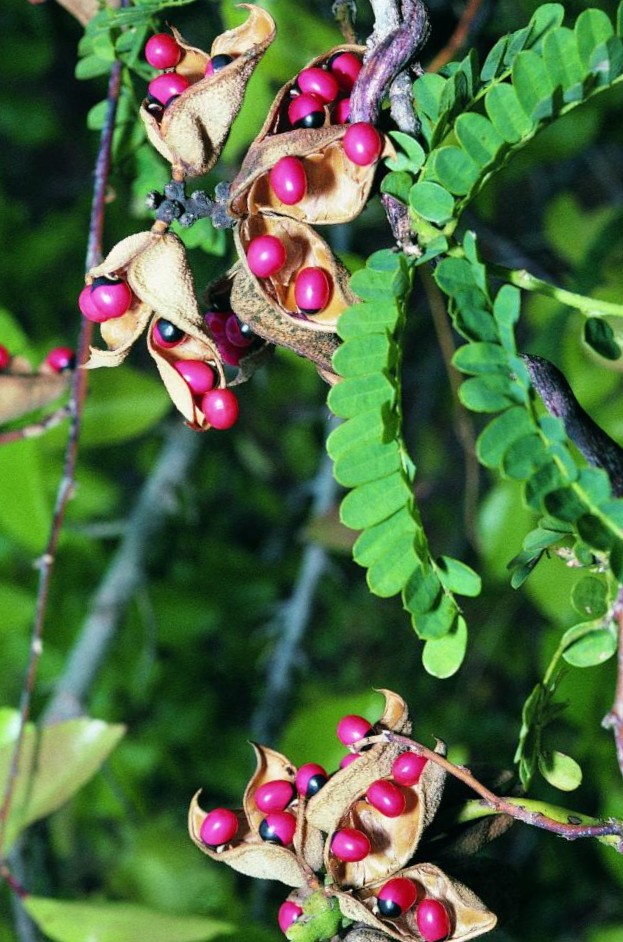
The flowers have the familiar pea-family structure and occur in clusters. They are commonly pale pink, rose, lavender, purple, or occasionally whitish. The fruit is a flattened or somewhat inflated legume pod that turns brown as it matures and splits or twists open to reveal several hard seeds.
The best-known seeds are glossy scarlet with a sharply contrasting black patch around the hilum at one end. Seed color is not completely uniform across all varieties and populations; white, black, yellowish, or differently patterned seeds also occur. A white, dark, or atypically patterned seed should not be dismissed as harmless merely because it lacks the classic red-and-black pattern.
Rosary-pea seeds may be confused with larger red-and-black seeds of some Ormosia species or with red seeds of Adenanthera pavonina. Common names such as lucky bean, coral bead, saga seed, Indian bead, and love bean are too broad to identify a toxic exposure. The safest identification uses the complete vine, leaf arrangement, pods, seed size, seed pattern, and collection source rather than one loose bead.
Native Range, Introduced Habitat, and Where Animals Encounter It
Abrus precatorius is native across broad tropical and subtropical regions of Africa, southern and southeastern Asia, parts of the western Pacific, and northern and eastern Australia. Human transport for ornament, jewelry, traditional use, and cultivation has helped establish it throughout many tropical and subtropical areas outside its original range.
In the United States, the greatest established outdoor risk is in Florida and Hawaii, although seeds, jewelry, dried plant material, craft supplies, cultural objects, and cultivated specimens can be encountered anywhere. Florida populations occur in disturbed sites, roadsides, fence lines, coastal uplands, flatwoods, pinelands, hammocks, agricultural margins, pastures, and other warm disturbed habitats.
A vigorous vine can cover native shrubs and climb into trees. Fire, cutting, mowing, or disturbance may stimulate regrowth if the root system remains. Seed-bearing vines near kennels, horse paddocks, livestock areas, parks, schools, aviaries, petting zoos, walking trails, fence lines, or discarded landscape piles create both an invasive-plant problem and an animal-poisoning hazard.
Why the Seeds Are Used as Beads
The seeds are hard, glossy, brightly colored, and remarkably consistent in size. Those features led to their historic use in rosaries, necklaces, bracelets, decorative objects, craft supplies, percussion instruments, and traditional weight systems. The same appearance attracts children, parrots, dogs, and other animals that investigate small objects.
Jewelry changes the risk because seeds are commonly pierced before they are threaded. A drilled hole bypasses the naturally resistant seed coat. Old necklaces may also contain cracked, worn, brittle, faded, or abraded beads whose interiors are more accessible than the surface of a newly collected intact seed.
Loose seed jewelry should never be kept where an animal can reach it. A broken necklace creates several simultaneous hazards: abrin exposure from damaged seeds, choking, obstruction by multiple beads, and linear foreign-body injury from string or wire. The entire object should be brought to the veterinary clinic so missing pieces can be estimated.
Whole Seeds Versus Chewed or Damaged Seeds
Abrin is a large protein and is not efficiently absorbed through an intact gastrointestinal tract. Digestive enzymes may degrade part of an ingested protein dose, and the hard seed coat can prevent release altogether. These barriers explain why some animals or people swallow intact seeds without becoming sick.
Those protective factors are variable rather than absolute. Thorough chewing exposes the seed interior, while grinding dramatically increases the surface area available to digestive fluids. Drilling, cracking, weathering, soaking, abrasion, partial germination, or digestive exposure can weaken the barrier before or during ingestion.
Seed count alone is therefore a poor risk assessment. One thoroughly crushed seed may present more accessible toxin than several undamaged seeds. A pet owner may also be unable to determine whether the animal chewed a seed before swallowing it, whether a missing bead was already drilled, or whether some seed fragments were vomited or swallowed again.
Passing whole seeds in feces is encouraging but does not end monitoring. Other seeds may have been chewed, shell fragments may have passed unnoticed, and gastrointestinal signs can continue after toxin has already entered cells. Veterinary decisions should be based on the complete exposure history and the animal’s condition.
Dogs, Cats, Birds, Rabbits, and Other Companion Animals
Dogs are at risk because they chew seed pods, pick up loose beads, raid craft supplies, and tear apart jewelry. Puppies and small dogs can receive a high effective dose from very little seed material. A dog may initially appear normal and later develop vomiting, abdominal pain, diarrhea, blood in the stool, weakness, dehydration, or collapse.
Cats are less likely to chew hard seeds but may bat at loose beads, pull apart necklaces, chew vines, or ingest seed pieces while grooming. Even without systemic abrin poisoning, a string of rosary peas can cause a dangerous linear intestinal foreign body. Visible string at the mouth or anus should never be pulled.
Pet birds deserve special attention because parrots and other seed-cracking species can breach the hard coat efficiently. A bird may also be attracted by the bright color and bead-like size. Regurgitation, diarrhea, depression, weakness, reduced appetite, abnormal droppings, tremors, or collapse after access to a seed requires immediate avian veterinary care.
Rabbits, guinea pigs, rodents, tortoises, and other small herbivores should never receive rosary-pea foliage, pods, seeds, or unidentified collected vines. Their small body size leaves little margin for error, and prolonged appetite loss or diarrhea can rapidly produce secondary gastrointestinal and metabolic complications. Published natural cases in these companion species are sparse, but that absence reflects uncommon exposure and underreporting rather than proven resistance to ribosome-inactivating proteins.
Horses, Cattle, Sheep, Goats, and Pigs
Horses, cattle, sheep, goats, and pigs should be excluded from vines bearing mature pods. Livestock may consume leaves or pods when vines invade pasture, become entangled in cut forage, are discarded after landscape clearing, or are stored near barns as collected seeds for ornaments. Seeds placed in baskets, bags, work areas, porches, or sheds can become accessible to farm animals.
A documented dairy cow consumed approximately half a kilogram of freshly collected seeds that had been placed in a basket for ornament making. Within hours, the cow became dull and anorexic and developed red-tinged feces followed by bloody diarrhea. Undigested seeds were observed in the manure.
Clinical testing in that case found reduced red and white blood-cell counts, low total protein, mild ionized hypocalcemia, hyponatremia, and hypochloremia. The electrocardiogram remained unremarkable. The cow recovered after intensive supportive treatment centered on multi-electrolyte fluid replacement and gastrointestinal care.
This case demonstrates that a very large accidental ingestion does not automatically end in death, especially when many seeds remain intact and supportive care is provided. It does not establish a safe livestock dose. Another batch of seeds, more chewing, more extensive shell breakage, concurrent dehydration, or delayed treatment could create a very different outcome.
Abrin Compared With Ricin
Abrin from Precatory Bean and ricin from Castor Bean are both two-chain ribosome-inactivating lectins. Each uses a binding chain to enter cells and an enzymatic chain to damage the same critical region of 28S ribosomal RNA. Their major oral syndromes therefore overlap: delayed gastroenteritis, hemorrhage, dehydration, shock, and possible multiorgan injury.
The seeds themselves differ. Castor beans have a different shell, appearance, oil content, and toxin distribution, while Precatory Bean seeds are small, hard, bead-like, and frequently drilled for jewelry. Those practical differences influence how animals encounter and release the toxins.
Statements ranking one plant as a fixed number of times more poisonous than the other should be avoided in owner guidance. Toxicity comparisons made with purified proteins injected into laboratory animals do not predict the amount absorbed after a naturally chewed, weathered, or drilled seed.
Diagnosis and Laboratory Confirmation
Diagnosis begins with recognizing the seed or vine and documenting whether the seed coat was broken. Useful evidence includes remaining seeds, pod fragments, jewelry, craft materials, photographs of the plant, vomited material, and feces containing seed coats. These items should be secured so no other animal can reach them.
Routine veterinary laboratories do not usually provide an immediate definitive abrin test. Initial testing therefore evaluates consequences of poisoning: complete blood count, electrolytes, blood glucose, total protein, kidney and liver values, acid-base status, urinalysis, coagulation tests, lactate when indicated, blood pressure, hydration, and perfusion. Imaging may be needed when beads, string, wire, clasps, or other foreign material may have been swallowed.
Serial testing is important because an early panel may be close to normal while gastrointestinal and organ injury are still developing. Falling protein or albumin concentrations, worsening sodium or potassium abnormalities, rising creatinine, increasing liver enzymes, anemia, leukopenia, metabolic acidosis, clotting abnormalities, or reduced urine output indicates more substantial disease.
Specialized laboratories may detect abrin, abrin activity, seed material, or L-abrine. L-abrine is a useful marker that confirms exposure to Abrus material, but detecting it does not by itself measure how much active abrin entered cells or predict the final outcome. A patient can be clinically serious before confirmatory testing is available.
Important Differential Diagnoses
Severe vomiting and hemorrhagic diarrhea are not unique to Precatory Bean. Parvovirus, acute hemorrhagic diarrhea syndrome, salmonellosis, clostridial disease, gastrointestinal foreign bodies, anticoagulant exposure, caustic substances, colchicine-containing plants, castor beans, mushrooms, mycotoxins, heavy metals, and numerous medications can produce overlapping signs.
In horses and livestock, acute colitis, grain overload, salmonellosis, clostridial enterocolitis, cantharidin, arsenic, oak toxicity, nitrate exposure, mycotoxins, ionophores, contaminated feed, and infectious disease may need consideration. Finding one intact seed does not exclude another cause or a mixed exposure.
A necklace ingestion may cause obstruction even when no abrin poisoning occurs. Continued vomiting, abdominal pain, absent feces, regurgitation, repeated swallowing, drooling, or a visible string at the mouth or anus requires immediate imaging and foreign-body assessment. Never pull on protruding string because it can cut or bunch the gastrointestinal tract.
Treatment Principles, Prognosis, and Prevention
No approved antidote reverses abrin already internalized into cells. Treatment is most effective when potentially available toxin is removed before absorption and when dehydration, electrolyte loss, hemorrhage, and shock are corrected aggressively. Veterinary decontamination depends on species, time since exposure, seed condition, number of seeds, jewelry components, and current neurologic and gastrointestinal status.
The prognosis is favorable for many animals that swallow only intact seeds and remain clinically normal under veterinary observation. Prognosis becomes guarded after persistent vomiting, hemorrhagic diarrhea, substantial dehydration, hypotension, reduced urine production, seizures, coagulopathy, leukopenia, liver dysfunction, or multiorgan failure. Early treatment before major signs develop provides the best chance of recovery.
Remove vines from kennels, yards, paddocks, aviaries, playgrounds, and animal-accessible fence lines before pods mature. Wear gloves, collect every visible pod and seed, and prevent animals from entering the work area. Cutting only the top growth may allow regrowth from the established root system.
Do not burn, grind, chip, or compost seed-bearing vines where animals can contact the residue. Bag pods and seeds securely and follow local invasive-plant disposal guidance. Tools, gloves, footwear, and collection containers should be checked for clinging seeds before leaving the site.
Rosaries, necklaces, bracelets, craft supplies, percussion instruments, and cultural objects made with red-and-black seeds should be stored in closed rigid containers away from pets and children. Damaged, shedding, or unidentified pieces should be handled as hazardous seed material rather than ordinary costume jewelry.
Immediate Steps After Exposure
Contact a veterinarian immediately. Report that the suspected plant is Precatory Bean or Rosary Pea, Abrus precatorius, and that abrin exposure is possible. Do not wait for vomiting or diarrhea because the early symptom-free period is the best opportunity for controlled decontamination.
- Remove all remaining seeds and jewelry: Prevent the exposed animal and every other animal from reaching the vine, pods, loose beads, broken necklace, string, wire, clasps, vomited material, or stool containing seeds.
- Determine whether the seed coat was damaged: Note whether seeds were chewed, cracked, drilled, broken, weathered, ground, split, missing from jewelry, or found in shell fragments.
- Do not break seeds open: Do not handle damaged seed interiors with bare hands or intentionally expose more toxin while trying to inspect them.
- Collect evidence safely: Place remaining seeds, pods, plant material, jewelry, vomit, and stool containing seeds in separate secure containers.
- Bring the entire object: If a rosary, bracelet, necklace, craft string, percussion item, or decoration was involved, bring the whole item so missing beads, string, wire, and clasps can be assessed.
- Keep the animal quiet: Restrict activity while arranging care because weakness, dehydration, and shock can worsen with stress or unnecessary exercise.
- Record delayed signs: Track vomiting, stool frequency and color, appetite, water intake, urination, weakness, tremors, breathing, and behavior.
A normal appearance immediately after ingestion does not clear the animal. Abrin poisoning is often delayed, and the animal may look normal while seeds are still in the stomach or while toxin is beginning to injure gastrointestinal cells. Early veterinary guidance matters most when seeds were chewed, drilled, cracked, or attached to string or wire.
Do Not Attempt Unsupervised Home Treatment
Home treatment can add aspiration, obstruction, electrolyte injury, or dangerous delay to an already serious exposure. Abrin is not neutralized by food, milk, oil, water, charcoal, laxatives, or household vomiting methods. The safest first-aid step is rapid professional consultation and preservation of the exposure evidence.
- Do not induce vomiting yourself: Hydrogen peroxide, salt, mustard, dish soap, detergent, fingers, or manual gagging can cause aspiration, severe gastrointestinal irritation, electrolyte injury, or delayed professional decontamination.
- Do not attempt emesis in cats, horses, cattle, sheep, goats, rabbits, rodents, birds, or reptiles: Household vomiting methods are unsafe, ineffective, or inappropriate for these species.
- Do not give activated charcoal at home: Charcoal may be considered during veterinary decontamination, but administration to a vomiting, weak, dehydrated, neurologically abnormal, or poorly swallowing animal can cause fatal aspiration.
- Do not force food, milk, oil, or water: These do not neutralize abrin, and forced oral fluids can trigger vomiting or aspiration.
- Do not give laxatives or bowel-cleansing products: Abrin poisoning can already cause profound diarrhea, dehydration, and electrolyte loss.
- Do not pull visible string: If rosary-bead string or wire protrudes from the mouth or anus, leave it in place and seek emergency care because pulling can cut or bunch the gastrointestinal tract.
- Do not rely on an intact-looking seed: A seed may have a drilled hole, hairline crack, chewed surface, or weathered shell that is not obvious.
- Do not give human or leftover veterinary medication: Pain relievers, anti-diarrheal drugs, anti-nausea medication, steroids, antibiotics, anticonvulsants, and fluids must be selected for the actual patient and signs.
When Emergency Examination Is Especially Important
- Any chewed or broken seed: Damage to the shell exposes the toxin-rich interior and substantially increases concern, even when only one seed is known to be involved.
- Drilled jewelry beads: Seeds prepared for necklaces or rosaries have already had their coats breached and may be attached to string, wire, knots, clasps, or other foreign material.
- Vomiting or abdominal pain: Repeated vomiting, retching, guarding the abdomen, restlessness, whining, salivation, or refusal of food may be the beginning of destructive gastroenteritis.
- Diarrhea or gastrointestinal bleeding: Frequent watery stool, red blood, black stool, blood in vomit, or visible intestinal tissue requires immediate fluid, perfusion, and blood-loss assessment.
- Weakness or shock: Pale or dry gums, rapid weak pulse, cold extremities, collapse, reduced responsiveness, or inability to stand indicates critical circulatory compromise.
- Neurologic or respiratory signs: Tremors, staggering, seizures, altered awareness, rapid or labored breathing, or cyanosis indicates severe systemic illness.
- Reduced urination: Little or no urine after prolonged vomiting or diarrhea may indicate profound dehydration, shock, or acute kidney injury.
- Possible obstruction: Continued vomiting, regurgitation, abdominal pain, absent stool, swallowed string, missing beads, or a visible strand at the mouth or anus requires foreign-body evaluation.
Veterinary Decontamination
Veterinary decontamination is selected case by case. A fully alert, clinically normal dog presented soon after ingestion may be a candidate for professionally induced vomiting. The veterinarian must consider whether damaged seeds, drilled beads, sharp jewelry components, neurologic abnormalities, previous vomiting, abdominal pain, respiratory compromise, or aspiration risk make emesis unsafe.
Visible seeds may be removed from the mouth, stomach, or gastrointestinal tract by careful retrieval, endoscopy, gastric lavage under a protected airway, or surgery when clinically appropriate. Imaging may be needed when multiple beads, metal clasps, string, wire, knots, or other foreign material were swallowed. Seeds are not always visible on ordinary radiographs, so a negative image does not prove that none remain.
Activated charcoal may be administered when exposure is recent and the airway can be protected. Its benefit is greatest before toxin absorption and should not be overstated once substantial gastrointestinal injury has begun. Repeated-dose charcoal and whole-bowel irrigation are not routine blanket treatments and may worsen vomiting, distension, dehydration, aspiration risk, or obstruction concerns when used in the wrong patient.
Veterinary Treatment
There is no specific approved antidote for abrin poisoning. Treatment focuses on maintaining circulation, replacing gastrointestinal losses, controlling vomiting and pain, protecting injured tissue, and supporting affected organs while the animal clears damaged cells and remaining toxin.
Intravenous balanced crystalloids are commonly required. Electrolytes, blood glucose, acid-base status, total protein, urine output, blood pressure, perfusion, and body weight guide fluid selection and adjustment. Severe protein loss, anemia, coagulopathy, hemorrhage, or shock may require plasma, packed red cells, whole blood, vasopressor support after appropriate volume correction, or other critical-care products.
Veterinary antiemetics can reduce continued vomiting and aspiration risk. Analgesics and gastrointestinal protectants may be selected for abdominal pain, esophagitis, gastritis, ulceration, or hemorrhagic enteritis. Antibiotics are not automatic antidotes but may be considered when profound mucosal injury, neutropenia, bacterial translocation, or sepsis is suspected.
Seizures require veterinary anticonvulsants and correction of glucose, sodium, calcium, temperature, oxygenation, acid-base status, and perfusion abnormalities. Oxygen, airway protection, and mechanical ventilation may be necessary in advanced cases. Dialysis can support severe kidney failure but does not reliably remove abrin once the protein has entered cells and initiated ribosomal injury.
Serial complete blood counts, chemistry panels, urinalysis, coagulation testing, electrocardiographic monitoring, blood-pressure measurements, glucose checks, hydration assessment, and urine-output monitoring may continue for several days. Nutrition must be reintroduced according to gastrointestinal stability; prolonged fasting without a medical reason can delay recovery and create additional risks in cats and small herbivores.
Species-Specific Support
Dogs and cats should be monitored for delayed vomiting, diarrhea, blood in stool, abdominal pain, hydration, urine output, weakness, tremors, and behavior changes. Cats require special attention to prolonged food refusal after vomiting or gastrointestinal pain. Dogs that swallowed jewelry need foreign-body evaluation in addition to abrin risk assessment.
Horses cannot vomit and should not be treated with household emetics. Equine care focuses on colic assessment, hydration, perfusion, diarrhea, endotoxemia risk, intestinal motility, electrolyte balance, and other causes of acute colitis. String, wire, pods, or large seed quantities may change the diagnostic plan.
Cattle, sheep, goats, and pigs may require fluid therapy, rumen or gastrointestinal assessment, correction of electrolyte and protein losses, monitoring for shock, and evaluation of contaminated forage or stored seeds. Herd mates should be excluded from vines, pods, baskets of collected seeds, craft areas, and discarded landscape material.
Birds require avian veterinary care because seed-cracking species can breach the hard coat efficiently and may deteriorate quickly. Rabbits, guinea pigs, rodents, and other small herbivores require monitoring of appetite, fecal output, hydration, temperature, and gastrointestinal motility. Force-feeding should wait until obstruction risk, swallowing, nausea, and gastrointestinal function have been assessed.
Recovery, Prognosis, and Prevention
Animals that swallowed intact seeds, remain clinically normal, and receive prompt veterinary assessment often have a favorable prognosis. Recovery is also possible after substantial gastrointestinal illness when dehydration, electrolyte abnormalities, and shock are corrected before irreversible organ injury occurs.
- Monitor vomiting and diarrhea: Frequency, blood, mucus, abdominal pain, and ability to keep water down should improve steadily.
- Monitor hydration and perfusion: Gum moisture, pulse quality, capillary refill, blood pressure, urine output, and energy are central recovery markers.
- Monitor laboratory trends: Blood counts, electrolytes, glucose, kidney values, liver values, protein, acid-base status, and coagulation may worsen after early presentation.
- Monitor foreign-body signs: Continued vomiting, absent stool, abdominal pain, regurgitation, or visible string requires reassessment even if toxin signs seem mild.
- Monitor appetite: Reliable voluntary eating is especially important before discharge in cats, rabbits, guinea pigs, birds, and debilitated patients.
The prognosis becomes guarded to poor with persistent hemorrhagic diarrhea, severe hypotension, seizures, reduced urine production, coagulopathy, liver dysfunction, leukopenia, or multiorgan failure. Discharge decisions should be based on stable hydration, normal blood pressure, controlled vomiting and diarrhea, adequate urine output, improving laboratory values, and reliable voluntary eating—not simply on passage of one or more whole seeds. Prevent recurrence by removing seed-bearing vines, collecting every pod and seed, storing rosary-pea jewelry in closed containers, sealing damaged craft items, and keeping animal areas free of loose beads and vine debris.
Frequently Asked Questions About Precatory Bean and Animal Poisoning
Is Precatory Bean poisonous to dogs?
Yes. Dogs can be severely poisoned when they chew, crack, or swallow drilled or broken Precatory Bean seeds. Signs may be delayed and include vomiting, abdominal pain, watery or bloody diarrhea, weakness, tremors, shock, seizures, and organ dysfunction. A suspected damaged-seed ingestion requires immediate veterinary consultation before symptoms appear.
Is Precatory Bean poisonous to cats?
Yes. Cats are susceptible to abrin even though they are less likely than dogs to chew hard seeds. They may encounter loose craft beads, vines, pods, or broken jewelry. String or wire carrying the beads can also cause a life-threatening linear gastrointestinal foreign body.
Can Rosary Peas poison horses and livestock?
Yes. Horses, cattle, sheep, goats, and pigs should be kept away from vines, mature pods, collected seeds, and contaminated forage. A documented dairy cow developed anorexia and bloody diarrhea after consuming a large quantity of ornament-making seeds but recovered with intensive fluid and supportive care. The case does not establish a safe dose because many seeds apparently passed intact.
Are Precatory Bean seeds dangerous to birds?
Yes. Parrots and other seed-cracking birds may breach the hard seed coat more efficiently than many mammals. The bright bead-like seeds can attract handling, chewing, or shredding. Regurgitation, diarrhea, depression, abnormal droppings, weakness, tremors, inability to perch, or collapse after seed access requires immediate avian veterinary care.
What is abrin?
Abrin is a highly toxic plant lectin and type II ribosome-inactivating protein concentrated in Precatory Bean seeds. It enters susceptible cells and irreversibly damages ribosomal RNA, stopping protein synthesis. Cells lining the gastrointestinal tract are heavily exposed after ingestion, leading to severe vomiting, diarrhea, bleeding, dehydration, and possible systemic organ injury.
Is abrin the same toxin as ricin?
No. Abrin comes from Abrus precatorius, while ricin comes from Castor Bean, Ricinus communis. They are related two-chain ribosome-inactivating proteins and can cause similar gastrointestinal and multiorgan syndromes, but they are distinct toxins from different plants with different seeds and exposure patterns.
Is abrin exactly 75 times more toxic than ricin?
No single ratio applies to natural seed ingestion. Laboratory comparisons vary with the purified toxin, isoform, animal species, exposure route, and endpoint measured. Even when purified abrin appears more potent in a particular experiment, those results cannot be translated directly into the number of chewed seeds that will poison an individual animal.
Are whole intact Rosary Pea seeds harmless?
Not reliably. A completely intact mature seed may pass without releasing much abrin, which explains some symptom-free exposures. However, chewing, drilling, cracking, weathering, soaking, or partial digestion can breach the coat. Owners often cannot confirm that every swallowed seed remained intact, so professional risk assessment is still required.
Why are drilled Rosary Pea beads especially dangerous?
Drilling creates a hole through the hard seed coat before ingestion occurs, exposing the toxin-containing interior to saliva and digestive fluids. Jewelry may also include string, wire, clasps, knots, or many beads, creating choking, obstruction, and linear foreign-body risks in addition to abrin poisoning.
Can one chewed seed kill an animal?
A single thoroughly damaged seed can represent a serious exposure, particularly for a small animal, but no universal one-seed rule predicts the outcome. Abrin concentration, seed size, amount chewed, animal size, species, vomiting, and treatment all affect risk. Every chewed, cracked, drilled, or uncertain seed should be treated as an emergency rather than tested against a fixed lethal count.
How quickly do symptoms begin?
Signs commonly begin within several hours but can be delayed until the following day or, less often, longer. The delay depends on seed-coat damage, gastrointestinal transit, and toxin release. An animal should not be considered safe merely because it appears normal soon after swallowing the seeds.
What are the first signs of Precatory Bean poisoning?
Early signs usually include appetite loss, nausea, vomiting in species capable of vomiting, abdominal pain, depression, and diarrhea. Stool may become watery, mucus-filled, red with fresh blood, or dark from digested blood. Progressive dehydration and electrolyte loss can then cause weakness and rapid deterioration.
Why does abrin cause bloody diarrhea?
Abrin stops intestinal cells from producing proteins and leads to cell death. The rapidly renewing intestinal lining becomes inflamed, ulcerated, and sometimes necrotic. Damaged vessels and mucosa leak blood, fluid, electrolytes, and protein into the gastrointestinal tract, creating hemorrhagic diarrhea and shock.
Can Precatory Bean cause liver or kidney failure?
Yes, severe poisoning can affect the liver and kidneys. Kidney abnormalities may result from direct cellular injury, dehydration, low blood pressure, poor perfusion, hemoglobin or myoglobin exposure, or multiorgan failure. Liver injury can accompany systemic toxin exposure and shock. Organ failure is a severe complication, not an inevitable result of swallowing one intact seed.
Can abrin cause seizures or coma?
Seizures, altered awareness, and coma can occur in severe poisoning. They may reflect systemic cellular injury, shock, low blood glucose, electrolyte disturbances, liver or kidney failure, fever, acid-base disturbance, or reduced brain perfusion. Neurologic signs generally indicate advanced illness and require immediate critical care.
What is L-abrine or N-methyl-L-tryptophan?
L-abrine is a small chemical constituent found in Abrus seeds. Specialized laboratories can measure it as evidence that seed material was ingested or encountered. It is not the same substance as abrin and is not considered the primary cause of the lethal ribosome-inactivation syndrome.
Are the leaves and roots poisonous too?
The seeds contain the greatest recognized abrin hazard, but the rest of the plant should not be treated as animal food. Leaves, stems, roots, and pods contain additional biologically active compounds and may contain lower or variable amounts of toxic lectins. Most severe naturally occurring oral cases involve damaged seeds.
Should I make my dog vomit after swallowing a Rosary Pea?
Do not induce vomiting at home. Hydrogen peroxide and other home emetics can cause aspiration and additional gastrointestinal injury. A veterinarian may consider controlled emesis in a fully alert dog presented soon after ingestion, but drilled beads, string, previous vomiting, neurologic abnormalities, abdominal pain, respiratory compromise, or poor swallowing may make that unsafe.
Will activated charcoal neutralize abrin?
Activated charcoal is not an antidote. A veterinarian may administer it soon after selected exposures to reduce gastrointestinal availability, but its benefit is uncertain once the toxin has entered cells. Charcoal should not be given at home to a vomiting, weak, dehydrated, neurologically abnormal, or poorly swallowing animal because aspiration can be fatal.
Is whole-bowel irrigation necessary after seed ingestion?
Not routinely. Whole-bowel irrigation carries risks and has not been shown to improve every Precatory Bean outcome. A veterinary toxicologist may consider specialized gastrointestinal removal when many seeds or drilled beads remain, but the decision depends on the species, timing, imaging, bowel function, vomiting, hydration, obstruction risk, and airway safety.
Is there an antidote for abrin?
No approved clinical antidote is available. Treatment relies on early gastrointestinal decontamination when safe, aggressive intravenous fluids, electrolyte and glucose correction, antiemetics, pain control, gastrointestinal protection, blood-pressure support, seizure treatment, blood products, and organ support as needed.
Can an animal recover from abrin poisoning?
Yes. Many intact-seed exposures produce no illness, and animals with gastrointestinal signs can recover when fluid loss and shock are treated promptly. Prognosis becomes worse after uncontrolled hemorrhagic diarrhea, profound hypotension, reduced urine production, seizures, clotting abnormalities, leukopenia, or failure of multiple organs.
What should I bring to the veterinary clinic?
Bring remaining seeds, pods, the complete jewelry or craft item, photographs of the vine, and any vomited or passed seeds in secure containers. Tell the veterinarian whether the seeds were drilled, broken, chewed, weathered, attached to string or wire, or missing from a known object, and report approximately when the exposure occurred.
How can Precatory Bean be distinguished from similar red seeds?
Typical seeds are small, glossy scarlet, and marked by a black patch around one end. The parent plant is a twining vine with evenly pinnate leaves, many small opposite leaflets, pink-to-purple pea-like flowers, and brown pods. Ormosia and Adenanthera species may also produce red or red-and-black seeds, so identify the entire plant whenever possible.
How should Rosary Pea jewelry be stored or discarded?
Keep it in a closed rigid container inaccessible to pets and children. Do not leave loose beads in drawers, craft boxes, purses, display dishes, school projects, or instrument cases. Damaged or shedding jewelry should be sealed without crushing the seeds and disposed of according to local guidance rather than placed loose in household compost or an accessible trash container.