Everlasting Pea Toxicity and Equine Neurolathyrism
Is Everlasting Pea Poisonous to Dogs, Cats, Horses, and Livestock?
Yes—but Everlasting Pea, Lathyrus latifolius, is principally a documented poison of horses after repeated or substantial consumption of its mature seeds. The seeds contain L-2,4-diaminobutyric acid and related non-protein amino-acid derivatives associated with progressive neurolathyrism. Affected horses may develop an uncertain or tripping gait, hind-limb weakness, swallowing failure, laryngeal paralysis, noisy breathing, recumbency, and ultimately generalized flaccid paralysis.
A small, one-time foliage nibble by a dog or cat is not expected to reproduce the cumulative equine syndrome. Numerous seeds, mature pods, repeated access, or a large wad of fibrous vine still warrants veterinary guidance because exact companion-animal toxic doses have not been established and gastrointestinal irritation, choking, or obstruction may occur independently of neurolathyrism.
About this guide: This page provides general pet-poisoning information and cannot diagnose or treat an individual animal. For any suspected exposure, contact a veterinarian or animal poison-control service immediately. Do not induce vomiting, give medication, or attempt home decontamination unless directed by a veterinary professional.
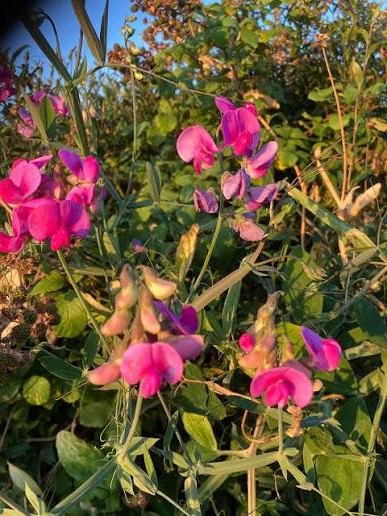
Everlasting Pea
Lathyrus latifolius L.
Accepted infraspecific taxa include:
Lathyrus latifolius subsp. latifolius
Lathyrus latifolius subsp. algericus (Ginzb.) Dobignard
Relevant homotypic synonyms and historical combinations include:
Lathyrus sylvestris subsp. latifolius (L.) Arcang.
Lathyrus sylvestris var. latifolius (L.) Fiori
Pisum latifolium (L.) E.H.L.Krause
Fabaceae — Pea, Bean, or Legume Family
Historically also called Leguminosae
Everlasting Pea; Everlasting Peavine; Broad-leaved Everlasting Pea; Broad-leaf Everlasting Pea; Broadleaf Everlasting Pea; Broad-leaved Pea; Broad-leaved Perennial Peavine; Broadleaf Perennial Peavine; Perennial Pea; Perennial Peavine; Perennial Sweet Pea; Everlasting Sweet Pea; Hardy Sweet Pea; Wild Sweet Pea; Staudenwicke; Stauden-Wicke; Breitblättrige Platterbse; Lathyrus sylvestris subsp. latifolius; Lathyrus sylvestris var. latifolius; Pisum latifolium
“Sweet Pea” is an ambiguous name. It may refer to Lathyrus latifolius, but more commonly identifies the fragrant annual Lathyrus odoratus, a separate species whose best-documented lathyrogen profile is not identical.
“Everlasting Pea” may also be used broadly for other perennial Lathyrus species, including Lathyrus sylvestris, Lathyrus rotundifolius, and Lathyrus grandiflorus. Plant identity should be confirmed from the scientific name, winged stems, paired leaflets, tendrils, flowers, pods, and mature seeds whenever poisoning is suspected.
Cultivar searches include ‘Albus’, ‘White Pearl’, ‘Rosa Perle’, and ‘Red Pearl’. These are cultivated forms of Lathyrus latifolius rather than separate species and should not be assumed to have a safer seed chemistry.
The Exact-Species Neuroactive Amino Acid
The principal compound directly isolated from Everlasting Pea seeds is L-α,γ-diaminobutyric acid, now more commonly written as L-2,4-diaminobutyric acid. The abbreviations DAB and DABA both appear in the scientific literature, while older German veterinary writing may abbreviate the same compound as DBS. It is a non-protein amino acid: a naturally occurring amino-acid analogue that is not ordinarily incorporated into the structural proteins of an animal’s body.
In 1961, C. Ressler, P. A. Redstone, and R. H. Erenberg isolated a neuroactive principle from Lathyrus latifolius in crystalline form and identified it as L-α,γ-diaminobutyric acid. Subsequent seed chemistry showed that Everlasting Pea does not contain only one free amino acid. E. A. Bell and Julianna P. O’Donovan isolated α- and γ-oxalyl derivatives of α,γ-diaminobutyric acid and detected an α-oxalyl isomer of a related neurotoxic oxalyldiaminopropionic acid in the seed extract. The toxicology is therefore better described as a mixture of related non-protein amino acids than as exposure to one perfectly uniform compound.
Concentration Measurements Are Not Directly Interchangeable
The 1992 equine case report stated that earlier quantitative determinations placed the DAB content of Lathyrus latifolius seeds at approximately 0.5–0.7%. A later LC–MS/MS study by Thomas Krüger and colleagues confirmed 4.21 micrograms per gram of free DAB in the particular seed sample they analyzed. Those numbers differ by orders of magnitude, but they should not be presented as though one simply disproved the other.
The older and newer investigations did not necessarily measure the same chemical fraction with the same extraction, purification, reference material, or instrumental specificity. DAB may occur in free, conjugated, or derivative forms, and concentrations may vary among seed lots, geographic populations, maturity stages, storage conditions, and analytical procedures. The modern result is strong confirmation that free DAB was present in the tested seed sample; it is not a universal concentration for every Everlasting Pea plant. Likewise, the older percentage estimate is not a dependable basis for calculating a veterinary dose.
How DAB May Produce Neurologic Injury
The complete mechanism of naturally occurring equine neurolathyrism has not been proven. Experimental work indicates that DAB can interfere with inhibitory neurotransmission by reducing uptake of gamma-aminobutyric acid, or GABA, into neurons and glial cells. Disturbing GABA handling can alter normal control of motor pathways and contribute to tremor, abnormal excitability, or motor dysfunction, but that mechanism alone does not explain every lesion documented in affected horses.
Rat studies identified a second possible pathway. DAB competitively inhibited ornithine carbamoyltransferase, a liver enzyme needed for normal urea synthesis. Treated rats used ammonia less efficiently, formed less urea, accumulated brain glutamine, and developed a prolonged low-level ammonia burden before hyperirritability, tremors, and convulsions. This provides a biologically plausible metabolic contribution to DAB toxicity, but blood ammonia was not established as the cause or a diagnostic marker in the two published horses. Experimental rat findings must not be converted into an unproven equine laboratory criterion.
DAB may also act more directly within nervous tissue. The published horse pathology included neuronal degeneration, spongiform white-matter change, myelin edema, demyelination, and recurrent-laryngeal-nerve injury. Those structural lesions explain why simply removing the plant may not produce immediate recovery and why advanced weakness, dysphagia, or laryngeal paralysis may persist.
Direct Feeding Evidence and Its Limits
A 1949 feeding experiment provided direct evidence that Lathyrus latifolius seed meal is biologically hazardous, but it does not establish a realistic pasture dose. Rats and mice were fed diets containing 50% Everlasting Pea meal. Rats died within approximately three to eight days and mice within approximately five to twelve days. Extracting the meal with 30% ethanol removed the toxic principle sufficiently for mice receiving the extracted meal to survive the short observation period.
That experiment demonstrates a removable seed-borne toxic fraction and marked species susceptibility under extreme dietary conditions. It does not show that one leaf, one flower, or one seed will poison a dog, cat, or horse. A diet containing 50% seed meal bears little resemblance to an ordinary exploratory nibble, and the experiment predates modern analytical separation of individual lathyrogens.
DAB, Beta-ODAP, and BAPN Are Not Synonyms
Several chemically and clinically different lathyrogens are often collapsed into one inaccurate “Sweet Pea toxin” list. Beta-N-oxalyl-L-alpha,beta-diaminopropionic acid, commonly abbreviated beta-ODAP or BOAA, is most strongly associated with Grass Pea, Lathyrus sativus, and classic human neurolathyrism. Species-specific seed chemistry indicates that related oxalyl amino acids can also occur in Lathyrus latifolius, but beta-ODAP should not automatically replace DAB as the sole or principal Everlasting Pea toxin.
Beta-aminopropionitrile, or BAPN, is more classically associated with annual Sweet Pea, Lathyrus odoratus, and osteolathyrism. BAPN interferes with lysyl oxidase and impairs cross-linking of collagen and elastin, producing skeletal deformity, weakened connective tissue, and vascular injury in susceptible experimental animals. Those connective-tissue effects are important to the toxicology of the genus but are not the defining lesions reported in the two Lathyrus latifolius horses.
The practical conclusion is plant-specific: Everlasting Pea seeds contain DAB and related non-protein amino-acid chemistry capable of producing severe neurologic disease. It is inaccurate to assign every compound, dose, mechanism, and syndrome from Lathyrus sativus or Lathyrus odoratus to this species without qualification.
Seeds, Pods, Foliage, Hay, and Drying
Mature seeds have the strongest direct toxicological evidence. They were the material used for chemical isolation, modern LC–MS/MS confirmation, experimental feeding, and the published equine diagnosis. Dry brown pods, loose seeds, seed-bearing vines, and forage containing mature seeds therefore deserve the greatest concern.
Flowers, leaves, tendrils, green stems, and immature pods have not been shown to carry the same practical risk as repeated mature-seed consumption. That difference in evidence does not make them appropriate feed. A horse browsing whole vines may consume developing pods and seeds together, and a cut or dried plant may be impossible to sort accurately once mixed through hay.
Drying, mowing, frost, seasonal dieback, or baling should not be assumed to destroy DAB or related amino-acid derivatives. No validated hay-processing method has been established that reliably detoxifies seed-bearing Lathyrus latifolius. The exact 1992 horse cases involved pasture plants growing over a fence rather than confirmed baled-hay contamination, so hay risk is a strong practical inference from persistent mature seeds—not a measured safe or unsafe forage percentage.
No dependable seed count, plant weight, pasture density, hay concentration, exposure duration, or gram-per-kilogram toxic dose has been established for horses, cattle, sheep, goats, dogs, cats, rabbits, or birds. Prevention must rely on excluding mature seeds and repeated access rather than trying to calculate an acceptable amount.
Exposure Pattern and Clinical Onset
Everlasting Pea neurolathyrism is most strongly associated with repeated or substantial access to mature seeds. It should not be treated as a predictable “one bite and immediate collapse” poison. At the same time, the interval between the first toxic meal and visible illness cannot be calculated reliably because pasture animals may consume an unknown amount over an unknown period before weakness becomes obvious.
The two published horses became ill at the end of October, one week apart, after browsing Everlasting Pea plants that extended over the fence of a heavily grazed pasture. Once clinical disease became apparent, deterioration was rapid. One horse survived six days and the other seven days before euthanasia. The published course therefore combines an unmeasured period of repeated exposure with an acute, relentlessly progressive clinical phase.
Early Gait Changes and Ascending Weakness
Early abnormalities may be easiest to see while the horse walks, turns, backs, steps over an obstacle, or attempts to rise. The documented horses developed a tripping, uncertain gait and trembling of a forelimb. Other concerning observations may include toe dragging, shortened steps, swaying, knuckling, reluctance to move, difficulty placing the hind feet, weight shifting toward the forequarters, or repeated loss of balance.
Weakness progressed in an ascending and symmetrical pattern. Hind-limb involvement became increasingly obvious, standing became difficult, and the horses eventually became recumbent. The published report did not describe the classic persistent spastic paraplegia associated with many human Grass Pea outbreaks. Its central clinical pattern was progressive flaccid paralysis.
“The clinical signs of toxication were characterized by ataxia of the rear legs, paralysis of the larynx and finally flaccid paraplegia of the entire body.”
This distinction matters diagnostically. A horse may initially look stiff because it is weak, frightened of falling, or compensating for poor limb placement, but the underlying disease may progress toward reduced muscle tone and inability to support the body rather than sustained rigid spasticity.
Laryngeal, Pharyngeal, and Swallowing Dysfunction
Within two to three days of the earliest neurologic signs, the published horses developed torticollis and paralysis involving the pharyngeal or laryngeal region. They repeatedly attempted to drink and chewed offered feed but could not complete normal swallowing. This creates immediate risks of dehydration, aspiration, feed or water entering the nasal passages, and respiratory compromise.
Owners may first notice harsh inspiratory noise, wheezing, roaring, coughing during eating, repeated swallowing attempts, dropping partially chewed feed, excessive salivation, nasal discharge containing food or water, or an inability to clear the throat. Respiratory noise may be more evident during movement, but a weak horse should never be exercised merely to make the sound easier to hear.
Recurrent laryngeal nerve injury was confirmed histologically. The nerve lesions included edema, vacuolation, and rarefaction of the myelin sheath. Laryngeal endoscopy can document impaired movement of the arytenoid cartilages, but endoscopy alone cannot prove that Everlasting Pea caused the dysfunction because recurrent laryngeal neuropathy has several other causes.
Advanced Recumbency, Elimination Failure, and Preserved Awareness
Advanced disease may culminate in complete recumbency with generalized flaccid paralysis. The two horses lay on their sides with severe loss of muscle function and occasional paddling movements of the forelimbs. Active urination and defecation were not observed in the final stage, although the bladder continued to empty periodically. A recumbent horse is also at risk of muscle and nerve compression, pressure injury, colic, urine scald, aspiration, and trauma from unsuccessful attempts to rise.
Awareness may remain strikingly normal. The published horses showed no significant disturbance of consciousness, and their sensorium was described as unremarkable despite profound motor failure. Normal recognition of people, normal interest in food, or repeated attempts to drink must therefore not be mistaken for a mild case.
Pulse, respiration, and body temperature were also within normal limits during portions of the documented course. A normal resting pulse or temperature does not exclude serious neurolathyrism, especially when progressive gait, swallowing, or upper-airway abnormalities are present.
Laboratory Findings and Nervous-System Lesions
Routine blood testing does not produce a diagnostic Everlasting Pea pattern. One documented horse had increased urea and creatinine, interpreted in relation to impaired water intake and possible renal involvement. The mare received daily intravenous saline and did not show the same increase. Creatine kinase was markedly elevated in the mare, which can occur with muscle injury, prolonged weakness, or recumbency. These changes were clinically useful but not specific for lathyrism.
Postmortem examination found the most important lesions in the brainstem, medulla oblongata, proximal cervical spinal cord, and recurrent laryngeal nerves. Changes included spongiform white-matter degeneration, marked myelin edema, multifocal demyelination, macrophage activity, neuronal chromatolysis, cytoplasmic degeneration, neuronal shrinkage, and loss of neurons. These lesions provide a structural explanation for ascending paralysis, impaired swallowing, laryngeal dysfunction, and incomplete recovery.
Experimental DAB administration in rats produced hyperirritability, tremors, and convulsions, but seizures were not the defining feature of the published horse cases. Tremors, seizures, head pressing, blindness, severe behavioral change, fever, or abrupt coma in an exposed horse require emergency care and a broad investigation for other toxins, metabolic disease, encephalitis, trauma, or hypoxic injury.
Dogs, Cats, and Other Animals
Detailed peer-reviewed cases of botanically confirmed Lathyrus latifolius neurolathyrism in dogs or cats have not been established. A brief one-time foliage nibble is therefore much less concerning than repeated equine seed exposure. A dog or cat swallowing many mature seeds, multiple pods, or a large mass of fibrous vines may nevertheless develop vomiting, diarrhea, reduced appetite, abdominal discomfort, gagging, choking, or gastrointestinal obstruction.
Progressive weakness, abnormal gait, tremors, dysphagia, respiratory noise, collapse, or seizures in a dog or cat should not automatically be attributed to one small Everlasting Pea bite. Plant identity must be confirmed and other causes—including a different Lathyrus species, pesticide residue, toxic mushrooms, medications, metabolic disease, spinal injury, or another poisonous plant—must be investigated.
Cattle, sheep, goats, pigs, rabbits, guinea pigs, poultry, and companion birds should not be offered the seeds or vines. Experimental and same-genus evidence demonstrates substantial species differences in susceptibility, but exact-species field data outside horses are too limited to assign a dependable syndrome or dose to every animal group.
Recovery and Emergency Findings
Removal before neurologic dysfunction begins offers the best chance of preventing disease. Once gait abnormality, swallowing failure, laryngeal paralysis, or ascending weakness is apparent, signs may continue to progress even after the plant or hay is removed because nervous-system injury has already occurred.
Emergency findings include repeated stumbling, inability to back or turn normally, progressive hind-limb weakness, noisy inspiration, coughing or nasal reflux during eating, inability to swallow water, recumbency, inability to rise, reduced urination, generalized flaccidity, respiratory distress, tremors, seizures, or illness in several animals sharing the same pasture or forage.
Mild companion-animal digestive signs generally carry a good prognosis once access is stopped and obstruction is excluded. The equine prognosis becomes guarded when cranial-nerve dysfunction or progressive paresis appears and poor once complete recumbency, generalized flaccid paralysis, aspiration, severe respiratory compromise, or extensive neuronal injury is established.
Identity, Taxonomy, and Geographic Range
Everlasting Pea, Lathyrus latifolius, is a long-lived climbing or sprawling perennial in Fabaceae. The accepted species is native to eastern-central and southern Europe and northwestern Africa. Cultivation as an ornamental carried it far beyond that range, and it is now naturalized through large portions of North America and in other temperate regions.
Older records may place the species under Lathyrus sylvestris subsp. latifolius, Lathyrus sylvestris var. latifolius, or Pisum latifolium. German veterinary literature may call it Staudenwicke or Breitblättrige Platterbse. These names are important because the principal published equine report is indexed under the German common name rather than “Everlasting Pea.”
The shortened name Sweet Pea is unreliable for toxicological identification. It often means the fragrant annual Lathyrus odoratus, while Everlasting Pea is the perennial Lathyrus latifolius. Grass Pea, Lathyrus sativus, is another separate species central to human neurolathyrism research. The species share a genus but do not have identical toxin profiles.
How to Recognize Everlasting Pea
The plant arises annually from a persistent perennial crown and root system. Its climbing or sprawling stems commonly reach approximately 0.6–3 meters when supported by fences, shrubs, grasses, or other vegetation. The stems and flattened leaf stalks are conspicuously winged, one of the most useful features for distinguishing the plant from many unrelated vines.
Each leaf usually bears one pair of broad oval to lance-shaped leaflets. Large leaf-like stipules occur at the base, and a branched tendril extends beyond the paired leaflets to coil around nearby support. Several prominent parallel veins may be visible through each leaflet.
Flowers are carried in loose clusters above the foliage and are typically pink, rose, magenta, purplish pink, or white. Unlike annual garden Sweet Pea, Everlasting Pea is normally unscented or only faintly scented. Flower color alone is not sufficient identification because ornamental cultivars include white, pale pink, deep pink, and red-toned forms.
The fruit is a flattened pod that changes from green to dry brown as it matures. The published veterinary description reported pods approximately 5–11 centimeters long containing roughly 10–15 rough, wrinkled seeds. Mature pods split and scatter the seeds, so seed exposure may continue even after empty pods are all that remain on the vine.
Pasture, Fence-Line, Garden, and Hay Exposure
Everlasting Pea commonly persists at old homesites, gardens, road banks, railway corridors, hedgerows, woodland margins, waste ground, field edges, and fence lines. It can climb through pasture fencing or surrounding shrubs, allowing horses to browse stems and pods without entering the area where the plant is rooted.
The two published horses lived beside an approximately 2,000-square-meter pasture that was heavily grazed. Everlasting Pea plants extended roughly two meters over the fence from neighboring vegetation and showed clear evidence of having been eaten. Both horses had occupied the property for years, but they became ill one week apart near the end of October, when mature seed exposure would have been plausible.
That history illustrates several practical risk factors: limited desirable forage, repeated return to the same fence line, mature late-season pods, and delayed recognition because the toxic plant was rooted outside the paddock. A pasture does not have to contain a dense internal stand for exposure to occur.
Hay contamination is also possible when seed-bearing vines grow through forage crops or within reach of harvesting equipment. Once dried and baled, paired leaflets and winged stems may break apart, while pods and loose seeds become unevenly distributed among bales. One clean handful or one negative bale does not establish that the entire lot is safe.
Cut garden vines, brush-clearing debris, compost, bedding, and fence-line mowing create additional exposure. Wilted plant material may be easier to eat than an intact climbing vine. Seed-bearing clippings should never be discarded into paddocks, livestock pens, rabbit enclosures, poultry areas, kennels, or open compost piles accessible to animals.
Which Plant Material Has the Strongest Evidence?
Mature seeds carry the strongest species-specific evidence. DAB was isolated from seeds, oxalyl amino-acid derivatives were characterized from seed extracts, modern LC–MS/MS confirmed free DAB in seeds, concentrated seed meal produced toxicity experimentally, and the published horse diagnosis centered on seed consumption.
This does not prove that every seed has the same concentration or that flowers and leaves are chemically inactive. It establishes a hierarchy of concern: mature seeds and dry seed-bearing pods are the highest-priority material; repeated consumption of entire fruiting vines is more concerning than a single leaf; and forage containing scattered mature seeds cannot be declared safe from visual appearance alone.
Cultivars such as ‘Albus’, ‘White Pearl’, ‘Rosa Perle’, and ‘Red Pearl’ remain forms of Lathyrus latifolius. Flower color or a nursery cultivar name does not demonstrate reduced DAB content, and no cultivar-specific safe feeding data have been established.
Diagnosis and Interpretation of Evidence
There is no routine blood test that confirms Everlasting Pea poisoning. Diagnosis depends on a compatible exposure, accurate plant identification, progressive motor dysfunction, cranial-nerve and swallowing assessment, upper-airway examination, and exclusion of more common neurologic or toxic diseases.
Useful evidence includes the complete growing plant, winged stem sections, paired leaflets, flowers, mature pods, loose seeds, photographs of the fence line or pasture, and representative samples from several suspect bales. Preserve material from different areas of the feed lot because contamination may be highly uneven.
Specialized laboratories can measure DAB with chromatographic and mass-spectrometric methods, but this is not a standard emergency veterinary assay. A result from one seed or one hay sample may not represent the dose consumed, and detection of DAB does not by itself prove that every clinical sign was caused by the plant.
Veterinary evaluation may include a complete neurologic examination, gait assessment, cranial-nerve testing, laryngeal endoscopy, complete blood count, serum chemistry, electrolytes, kidney values, liver-associated values, creatine kinase, urinalysis, and testing selected for competing diseases. Cerebrospinal-fluid analysis, spinal imaging, infectious-disease testing, botulism investigation, toxicology, or postmortem examination may be necessary when the diagnosis remains uncertain.
Important differentials include botulism, cervical vertebral stenotic myelopathy, equine protozoal myeloencephalitis, equine herpesvirus myeloencephalopathy, trauma, spinal-cord compression, tick paralysis, organophosphate or carbamate exposure, lead, ionophore contamination, sorghum-associated neurologic disease, other toxic legumes, and primary recurrent laryngeal neuropathy. An exposed horse can also have an unrelated neurologic disease, so plant availability should support rather than replace a complete examination.
Prognosis and Prevention
The most effective intervention is removal before clinical disease develops. Horses with access to mature seeds should be removed from the area and the shared forage isolated even when they still appear normal. Every exposed horse should be observed closely because subtle tripping, poor backing, or respiratory noise may precede recumbency.
The prognosis after established neurolathyrism is uncertain and may be poor. Both horses in the species-specific report were euthanized after continued progression despite symptomatic treatment. Histologically confirmed neuronal loss, demyelination, and recurrent-laryngeal-nerve degeneration explain why severe deficits may not reverse when the plant is removed.
Prevention requires inspecting pasture edges, neighboring vegetation, fence lines, hay fields, roadsides, and ornamental plantings before pods mature. Maintain adequate forage, prevent plants from growing through fencing, collect rather than scatter mowed vines, bag mature pods, isolate questionable hay, and do not rely on frost, wilting, or drying as detoxification.
When one animal becomes weak or develops swallowing or respiratory abnormalities, stop the shared hay or pasture exposure immediately and examine the rest of the group. Waiting for a second severely affected horse can forfeit the period in which source removal is most useful.
Immediate Steps After Everlasting Pea Exposure
- Stop access immediately. Remove the animal from the vine, mature pods, loose seeds, clippings, bedding, pasture edge, or suspect hay. Prevent every other animal from entering the same area.
- Isolate the complete feed lot. Stop feeding all bales, bags, or forage from the suspect source until they have been inspected. Do not merely remove the one visible pod and continue feeding the remainder.
- Determine the plant part and exposure pattern. Record whether the animal ate one leaf, flowering vines, green pods, mature brown pods, loose seeds, dried stems, or repeated meals of contaminated forage.
- Preserve identification evidence. Save complete stems with their wings, paired leaflets, tendrils, flowers, pods, and seeds. Photograph the growing plant, fence line, pasture, mowing debris, and several opened hay bales.
- Remove only loose material at the front of the mouth. Do this only when the animal is calm, alert, breathing normally, and able to swallow. Do not reach blindly into the throat or force the jaws open.
- Keep a horse quiet and on secure footing. Do not ride, lunge, trot, back repeatedly, trailer unnecessarily, or force exercise to test for gait or respiratory noise.
- Contact a veterinarian promptly. Any horse exposure involving mature seeds, repeated grazing, uncertain duration, suspect hay, abnormal movement, respiratory noise, or swallowing difficulty warrants professional guidance.
Do Not Attempt Unsupervised Home Treatment
- Do not induce vomiting. Do not use hydrogen peroxide, salt, mustard, syrup of ipecac, detergent, dish soap, manual gagging, or fingers in the throat. Horses, rabbits, guinea pigs, and several other species cannot vomit safely or at all.
- Do not force food or water. Pharyngeal or laryngeal paralysis may prevent normal swallowing. Syringing, pouring, or tubing without professional control can place fluid or feed into the lungs.
- Do not administer activated charcoal yourself. Charcoal does not reverse established neuronal injury and can be aspirated by a weak, dysphagic, sedated, or recumbent animal.
- Do not give milk, oil, bread, yogurt, laxatives, supplements, or herbal remedies. None neutralizes DAB or repairs injured nervous tissue.
- Do not administer human or leftover animal medication. Anti-inflammatory drugs, sedatives, anticonvulsants, muscle relaxants, antibiotics, vitamins, calcium, magnesium, potassium, or other products require a diagnosis and species-appropriate veterinary selection.
- Do not wait for paralysis before removing the source. Neurologic injury may be developing before weakness is obvious, and several animals sharing the exposure may not become symptomatic at the same time.
When Emergency Examination Is Required
- Gait or strength is changing. Tripping, toe dragging, swaying, short steps, knuckling, difficulty turning, poor backing, hind-limb weakness, repeated falls, or inability to rise requires urgent examination.
- Swallowing is abnormal. Coughing while eating, dropped feed, repeated unsuccessful swallowing, nasal reflux, excessive salivation, or inability to retain water creates an immediate aspiration and dehydration risk.
- Breathing is noisy or difficult. Roaring, wheezing, harsh inspiration, prolonged recovery after movement, open-mouth breathing, cyanosis, or increasing respiratory effort may indicate serious upper-airway dysfunction.
- The animal is recumbent. A horse that cannot rise safely is at risk of respiratory restriction, muscle and nerve compression, pressure injury, trauma, colic, bladder dysfunction, and aspiration.
- Several animals share the exposure. Remove the entire group from the pasture, feed, or bedding and have apparently normal animals examined for subtle weakness or laryngeal dysfunction.
- A dog or cat swallowed numerous seeds or pods. Veterinary assessment is appropriate when the amount is substantial or unknown or when vomiting, abdominal pain, repeated gagging, weakness, tremors, or abnormal movement develops.
Veterinary Examination and Diagnostic Priorities
The veterinarian will first assess whether the animal can stand, protect its airway, swallow normally, ventilate adequately, and maintain hydration and circulation. In horses, examination should include gait and limb placement, muscle tone, spinal reflexes, cranial nerves, tongue and pharyngeal function, tail and anal tone, bladder function, respiratory noise, lung sounds, and signs of aspiration.
Laryngeal endoscopy may be needed when roaring, harsh inspiration, exercise intolerance, coughing during eating, or nasal reflux suggests upper-airway dysfunction. Endoscopy documents movement and airway patency but does not by itself determine whether the cause is Everlasting Pea, idiopathic recurrent laryngeal neuropathy, trauma, infection, or another neurologic disorder.
Laboratory testing may include a complete blood count, serum chemistry, electrolytes, glucose, kidney and liver-associated values, creatine kinase, total protein, urinalysis, and acid-base assessment. Blood ammonia may be considered when encephalopathy or impaired urea handling is suspected, but it is not a validated diagnostic test for equine Everlasting Pea poisoning.
Additional testing may be directed toward botulism, equine herpesvirus, equine protozoal myeloencephalitis, cervical spinal disease, lead, organophosphates, ionophores, sorghum-related disease, and other toxic plants. Representative botanical specimens and forage samples may be more informative than any single nonspecific blood abnormality.
Professional Decontamination
There is no universal decontamination protocol for Everlasting Pea. The documented syndrome often follows repeated seed access, so much of the relevant material may already have passed through the gastrointestinal tract by the time gait or swallowing abnormalities appear. Decontamination cannot reverse existing demyelination or neuronal degeneration.
For an alert, stable dog or cat seen soon after a substantial seed ingestion, a veterinarian may consider professional emesis when the expected benefit outweighs aspiration and procedural risks. Emesis is inappropriate once repeated vomiting, weakness, tremors, sedation, respiratory abnormalities, impaired swallowing, or neurologic dysfunction is present.
Horses cannot vomit. After a clearly recent and substantial seed ingestion, a large-animal veterinarian may consider nasogastric evaluation, controlled lavage, activated charcoal, or another decontamination measure in a patient that can be managed safely. Evidence that charcoal prevents Lathyrus latifolius neurolathyrism is lacking, and forcing charcoal into a dysphagic horse can cause fatal aspiration.
Repeated charcoal treatment is not an established therapy for DAB poisoning. It should not be carried over automatically from unrelated toxins with enterohepatic recirculation.
Airway, Swallowing, and Aspiration Management
Animals with pharyngeal or laryngeal dysfunction should not receive food, water, oral medication, or charcoal until swallowing safety has been assessed. Intravenous fluids may be needed when the animal cannot drink, but fluid planning must account for cardiovascular status, kidney function, urine production, electrolyte results, and recumbency.
Respiratory support may include supplemental oxygen, airway suction, endotracheal intubation, temporary tracheostomy, or referral-level ventilation when laryngeal paralysis or respiratory-muscle weakness prevents adequate airflow. The specific intervention depends on airway anatomy, progression, aspiration, and whether prolonged support is humane and medically realistic.
Coughing, fever, nasal discharge, abnormal lung sounds, falling oxygen saturation, or increasing respiratory effort after dysphagia may indicate aspiration. Thoracic imaging, blood gases, airway sampling, oxygen, and antimicrobial treatment may be appropriate when bacterial aspiration pneumonia is established or strongly suspected. Antibiotics are not a toxin antidote and are not required solely because plant material was eaten.
Neurologic and Recumbency Support
There is no established antidote that neutralizes DAB after absorption or repairs established nervous-system injury. Care centers on preventing secondary damage while exposure is stopped and the diagnosis and prognosis are clarified.
A weak or recumbent horse requires deep, dry bedding; protection from hard walls and entrapment; frequent assessment of the dependent limbs; pressure-injury prevention; eye protection; bladder and manure monitoring; and carefully planned repositioning. Slings are useful only for selected horses with sufficient cardiovascular, respiratory, skeletal, and neurologic function and can cause injury when used indiscriminately.
Urinary retention or incomplete emptying may require catheterization and bladder management. Incontinence requires skin protection and monitoring for urine scald or infection. Nutrition may require intravenous or professionally delivered enteral support when swallowing is unsafe, although the feasibility and welfare implications must be reassessed as neurologic disease progresses.
Tremors or seizures require veterinarian-selected muscle relaxants, benzodiazepines, or other anticonvulsants and simultaneous evaluation of glucose, electrolytes, oxygenation, temperature, acid-base status, and alternative toxins. Seizure control does not treat the underlying lathyrogenic injury.
Anti-inflammatory medications and corticosteroids are not proven antidotes for Everlasting Pea neurolathyrism. They may be considered for a separate inflammatory condition or specific secondary complication, but they should not be represented as reversing DAB toxicity, demyelination, or recurrent-laryngeal-nerve degeneration.
Dogs and Cats
A healthy dog or cat that took one brief bite of foliage and remains completely normal can usually be observed after the plant is removed and the identity is confirmed. Owners should watch for vomiting, diarrhea, appetite loss, abdominal discomfort, gagging, difficulty passing stool, weakness, tremors, or an abnormal gait.
Numerous seeds, multiple pods, repeated access, a large mass of fibrous stems, or an unknown amount changes the assessment. Tough pod and vine material may cause choking or gastrointestinal obstruction even when neurolathyrism is unlikely.
Persistent vomiting, inability to retain water, abdominal enlargement, repeated unproductive retching, painful posture, reduced fecal output, marked lethargy, tremors, weakness, collapse, or neurologic signs requires veterinary examination rather than continued home observation.
Horses and Other Grazing Animals
Remove exposed animals from both the plant and the shared forage before waiting for symptoms. Examine every horse that used the same field or hay, because subtle tripping or respiratory noise may appear at different times.
Do not ride or exercise a possibly affected horse. Move it only as necessary for safety and veterinary care, using experienced handlers and a route with secure footing. A horse with impaired swallowing should not be offered repeated buckets of water or feed merely because it continues trying to eat or drink.
Cattle, sheep, goats, pigs, and other livestock should also be removed from suspect forage. Species-specific Lathyrus latifolius evidence is limited outside horses, so group management should emphasize source control, clinical examination, and preservation of feed samples rather than assuming an identical horse syndrome.
Prognosis and Recovery
An exposed but clinically normal horse may remain well when the source is removed early, although no dependable observation period guarantees safety after an unknown repeated exposure. Continued monitoring should include gait, backing, turning, swallowing, respiratory noise, hydration, urination, and ability to rise.
Once progressive paresis, dysphagia, laryngeal paralysis, or recumbency develops, prognosis becomes guarded. Improvement may be slow, incomplete, or absent because the published lesions include neuronal loss and myelin degeneration rather than a purely reversible metabolic disturbance.
Complete flaccid paralysis, inability to swallow, recurrent aspiration, severe upper-airway obstruction, prolonged recumbency, loss of bladder function, or continued deterioration despite intensive care carries a poor prognosis. Humane euthanasia may be necessary when the animal cannot be kept comfortable, breathe adequately, receive nutrition safely, or recover a realistic ability to stand.
Frequently Asked Questions About Everlasting Pea and Animal Poisoning
Why do papers call the Everlasting Pea compound DAB, DABA, DBS, or diaminobutyric acid?
These names usually refer to the same core compound: L-α,γ-diaminobutyric acid, which can also be numbered as L-2,4-diaminobutyric acid. DAB and DABA are modern abbreviations used by different authors. DBS appears in older German veterinary writing because the German chemical name is Diaminobuttersäure. The terminology should not be confused with BMAA, beta-ODAP, or BAPN, which are different molecules despite some overlapping letters and related neurotoxic literature.
Why do some sources list beta-ODAP or BAPN instead of DAB?
The genus Lathyrus includes several chemically different poisonous plants, and many summaries combine their toxins without preserving the species distinction. Beta-ODAP is best known from Grass Pea, Lathyrus sativus, while BAPN is strongly associated with annual Sweet Pea, Lathyrus odoratus, and connective-tissue lathyrism. Everlasting Pea seeds directly contain DAB and related oxalyl amino-acid derivatives. Species-specific chemistry does indicate overlap with related oxalyl compounds, but it does not justify replacing the Everlasting Pea evidence with a generic toxin list copied from another species.
Why does an older report mention 0.5–0.7% DAB while a modern study found 4.21 micrograms per gram?
The figures came from different samples and analytical eras and may not represent the same chemical fraction. Older isolation and quantitative procedures could include material recovered after hydrolysis or less selective separation, while the modern LC–MS/MS result specifically reported free DAB in the tested seeds. Seed genetics, maturity, storage, extraction, conjugated derivatives, calibration, and instrumental specificity can all alter the reported result. Neither number should be converted into a universal seed concentration or used to calculate a safe number of seeds for an animal.
Did the published horses develop spastic paralysis or flaccid paralysis?
The two Lathyrus latifolius horses developed progressive ascending, symmetrical flaccid paralysis. They began with an uncertain, tripping gait and later developed pharyngeal or laryngeal dysfunction, hind-limb paralysis, recumbency, and generalized loss of muscle function. Classic human neurolathyrism from prolonged Grass Pea consumption is often described as spastic paraparesis, but that should not be imposed on the exact Everlasting Pea horse cases.
Can a horse remain alert while Everlasting Pea paralysis becomes severe?
Yes. The published horses retained normal awareness despite profound motor failure. They continued attempting to drink and chew feed even after they could no longer complete normal swallowing. Owners may interpret interest in food, recognition of people, or normal responsiveness as improvement, but preserved mentation does not mean the airway, swallowing muscles, spinal pathways, or peripheral nerves are functioning safely.
Can normal temperature, pulse, or routine bloodwork rule out neurolathyrism?
No. Pulse, respiration, and temperature were not markedly abnormal during portions of the published cases. Routine laboratory changes were limited and inconsistent: one horse had increased urea and creatinine, while the other—receiving daily intravenous saline—did not; creatine kinase was increased in the mare. These values help assess dehydration, muscle injury, kidney function, and complications, but they neither confirm nor exclude Everlasting Pea poisoning.
Can laryngeal endoscopy prove that Everlasting Pea caused a horse’s roaring?
No. Endoscopy can show impaired arytenoid movement, laryngeal asymmetry, obstruction, accumulated feed material, or aspiration risk, but it does not identify the toxin. Common recurrent laryngeal neuropathy, trauma, inflammation, structural disease, and broader neurologic disorders can produce similar findings. A plant-related diagnosis requires a compatible exposure, additional neurologic signs, exclusion of alternatives, and ideally identification of mature Everlasting Pea seeds or vines in the relevant pasture or feed.
Can a negative hay sample prove that the rest of the hay is safe?
No. Contamination may be patchy because a few seed-bearing vines can enter only part of a windrow or a limited number of bales. Pods may shatter during cutting, baling, transport, or feeding, leaving seeds unevenly dispersed. Representative material should be collected from multiple bales and multiple depths. Even specialized DAB testing of one sample cannot reconstruct the amount a particular horse consumed or guarantee that another bale is free of seeds.
Will signs stop progressing as soon as the plant or hay is removed?
Not necessarily. Source removal prevents additional exposure but cannot immediately repair injured neurons or myelin. The horse cases progressed over six or seven days once visible disease had begun, and histopathology documented structural damage in the brainstem, cervical spinal cord, and recurrent laryngeal nerves. A horse that appears only mildly uncoordinated when the hay is removed may still develop dysphagia, laryngeal dysfunction, or recumbency and requires continued veterinary monitoring.
Are white or named Everlasting Pea cultivars safer than the wild pink form?
No cultivar-specific safety evidence establishes that ‘Albus’, ‘White Pearl’, ‘Rosa Perle’, ‘Red Pearl’, or another ornamental selection produces toxin-free seeds. Flower color reflects horticultural selection, not a verified absence of DAB or related amino-acid derivatives. All cultivars belonging to Lathyrus latifolius should be kept out of horse pasture and prevented from contributing mature seeds to hay or garden waste accessible to animals.
How can Everlasting Pea neurolathyrism be distinguished from botulism?
Both can produce progressive flaccid weakness, dysphagia, reduced tongue or pharyngeal function, recumbency, and aspiration risk. Botulism is associated with botulinum neurotoxin exposure from contaminated feed, carrion, wounds, or toxicoinfectious disease and may cause generalized lower-motor-neuron weakness without the specific seed-bearing vine history. Everlasting Pea suspicion increases when mature Lathyrus latifolius seeds or browsed vines are documented and several exposed horses develop a compatible pattern. Because the syndromes overlap and both can be fatal, veterinarians should investigate them concurrently rather than relying on one sign.