PAWS Pet Poison Plant Guide
Is Buttercup Poisonous to Dogs, Cats, Horses, and Livestock?
Yes, fresh Buttercup plants in the genus Ranunculus are poisonous and strongly irritating to dogs, cats, horses, livestock, and other animals that chew or eat them. Damage to fresh leaves, stems, flowers, roots, or other tissues converts the plant glycoside ranunculin into protoanemonin, an acrid blistering compound. Most exposures cause immediate mouth pain, drooling, oral redness or ulceration, vomiting, diarrhea, abdominal discomfort, and appetite loss. Large fresh-plant ingestions can produce severe gastrointestinal injury, dehydration, weakness, incoordination, tremors, or collapse, although fatal poisoning is uncommon because the plant’s bitter taste and rapid irritation usually limit consumption.
About this guide: This page provides general pet-poisoning information and cannot diagnose or treat an individual animal. For any suspected exposure, contact a veterinarian or animal poison-control service immediately. Do not induce vomiting, give medication, or attempt home decontamination unless directed by a veterinary professional.
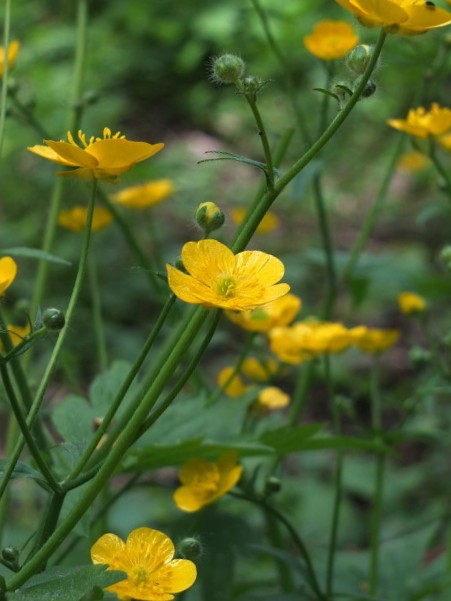
Buttercup
Ranunculus L. species — Ranunculus spp.
This is a genus-level toxic-plant entry rather than a single-species record. Frequently encountered species include Ranunculus repens L., Creeping Buttercup; Ranunculus acris L., Meadow or Tall Buttercup; Ranunculus bulbosus L., Bulbous Buttercup; Ranunculus sceleratus L., Celery-Leaved or Cursed Buttercup; Ranunculus abortivus L., Smallflower Buttercup; and Ranunculus asiaticus L., Persian or Turban Buttercup.
Some botanical treatments have segregated portions of the genus under names such as Batrachium for water crowfoots and Ficaria for lesser celandines. Species-level identification and the accepted name used by the applicable regional flora should be retained whenever the exact plant is known.
Ranunculaceae Juss. — Buttercup or Crowfoot Family
The family belongs to the order Ranunculales. Black Hellebore, Helleborus niger, is in the same family but is a separate genus with different toxicological concerns.
Buttercup, Buttercups, Crowfoot, Crowfoots, Ranunculus, Spearwort, Spearworts, Water Crowfoot, Water Crowfoots, Creeping Buttercup, Creeping Crowfoot, Meadow Buttercup, Tall Buttercup, Common Buttercup, Bulbous Buttercup, Celery-Leaved Buttercup, Celeryleaf Buttercup, Cursed Buttercup, Smallflower Buttercup, Persian Buttercup, Persian Ranunculus, Turban Buttercup, Garden Ranunculus
“Butter Cress” appears in some horticultural and pet-poison lists but is not a dependable species-level identifier. “Figwort” is also included in some poison-control name lists, but true figworts generally belong to the genus Scrophularia and should not be assumed to be Buttercups. “Black Hellebore” refers to Helleborus niger, not to an ordinary Buttercup in the genus Ranunculus.
Activated Chemical Defense in Fresh Tissue
Buttercup poisoning is produced by a chemical defense system activated when fresh plant cells are damaged. Intact tissues store ranunculin, a glucose-containing glycoside also described as a ranunculoside. Ranunculin itself is the precursor rather than the principal blistering agent encountered after an animal chews the plant.
Chewing, crushing, cutting, trampling, mowing, grinding, or otherwise disrupting the tissue allows ranunculin to contact plant β-glucosidase enzymes. Enzymatic hydrolysis separates the glucose portion and releases protoanemonin.
This reaction helps explain why a freshly chewed or crushed plant presents a greater immediate contact hazard than an undamaged plant. It also explains why fresh sap on the lips, skin, coat, eyes, tack, bedding, or grooming tools can remain clinically important even when the animal swallowed little material.
Ranunculin Is the Stored Precursor
Robert Hill and Ruth Van Heyningen demonstrated that ranunculin is the precursor of the vesicant substance produced by buttercups. Later analytical research developed extraction and high-performance liquid-chromatography methods for measuring ranunculin in members of the buttercup family.
Ranunculin is chemically distinct from cardiac glycosides, cyanogenic glycosides, steroidal glycoalkaloids, and the needle-shaped calcium oxalate crystals found in many aroids. It should not be described as a cardiac poison merely because other genera within Ranunculaceae contain different toxic compounds.
Ranunculin concentration varies among species, tissues, collection sites, developmental stages, and individual plants. The amount present in one pasture buttercup cannot be assumed from measurements made in another species or a medicinal extract.
Protoanemonin Is the Principal Fresh-Plant Irritant
Protoanemonin is an unstable, reactive α,β-unsaturated lactone historically called anemonol or ranunculol. It is acrid, volatile, and strongly vesicant.
A vesicant can redden, inflame, erode, or blister living tissue. Protoanemonin therefore acts principally where fresh sap contacts the animal, including the lips, gums, tongue, oral lining, pharynx, esophagus, stomach, intestines, skin, and eyes.
Local epithelial injury explains the most characteristic clinical effects: burning mouth pain, salivation, oral redness or ulceration, painful swallowing, nausea, vomiting, abdominal cramping, and diarrhea.
Extensive intestinal irritation may cause loss of water, electrolytes, protein, and occasionally blood. Weakness, poor circulation, and abnormal laboratory findings may then develop secondarily from dehydration and gastrointestinal injury rather than from a single proven receptor-level neurotoxic effect.
Protoanemonin and Anemonin Are Not the Same Compound
Protoanemonin is chemically unstable and can undergo spontaneous cyclodimerization to form anemonin. Anemonin is a more stable dilactone and is generally much less acutely vesicant than protoanemonin.
Anemonin is not necessarily biologically inert. Experimental research has identified anti-inflammatory, vascular, endothelial, antimicrobial, and other pharmacologic effects. Those findings do not make it the principal cause of the acute burning and blistering syndrome produced by freshly damaged Buttercup.
Public poison descriptions should therefore avoid using ranunculin, protoanemonin, and anemonin as interchangeable toxin names. Ranunculin is the stored glycoside, protoanemonin is the highly reactive fresh-tissue product, and anemonin is the more stable dimer formed afterward.
Direct Analytical Evidence
Bonora and colleagues developed normal- and reversed-phase HPLC methods capable of separating and measuring protoanemonin in Ranunculaceae leaves. Subsequent screening confirmed that protoanemonin concentration differs markedly among species.
Another exact-taxon investigation examined the plant historically called Ranunculus ficaria, now frequently treated as Ficaria verna. Protoanemonin was found throughout the plant, but approximately 67 percent of the measured total occurred in stems and approximately 25 percent in flowers. Reproductive tissues were important accumulation sites in that particular plant.
Those proportions cannot be assigned to every Ranunculus species. Creeping Buttercup, Tall Buttercup, Bulbous Buttercup, Cursed Buttercup, water crowfoots, and ornamental Persian Ranunculus have different growth forms and chemical profiles.
Anemonin Measurements in Four Buttercup Taxa
Teodora Neag and colleagues examined anemonin in hydroalcoholic and glycerol-ethanol extracts prepared from Ranunculus bulbosus, R. ficaria, R. sardous, and R. sceleratus.
The highest reported concentration was 2.66 milligrams per milliliter in a hydroalcoholic extract of the aerial portion of R. sardous. Extracts of R. sceleratus contained approximately 0.13 to 0.19 milligrams per milliliter. Other species and preparation methods produced different results.
These are concentrations in prepared laboratory or pharmacopoeial extracts. They do not establish how much protoanemonin is generated when a dog chews one flower, when a horse consumes a patch, or when a cow eats freshly cut forage. Anemonin concentration also does not equal the original protoanemonin concentration present at the instant the fresh plant was damaged.
Species, Tissue, and Growth-Stage Variation
The genus-level page covers plants with widely different life histories, including annual pasture weeds, stolon-forming perennials, aquatic crowfoots, wetland species, upright meadow plants, and cultivated ornamentals.
Ranunculin and protoanemonin potential may vary with species, leaf age, flowering stage, tissue, temperature, water availability, growing conditions, and plant stress. No scientifically defensible ranking identifies one Buttercup species as universally the most toxic under every condition.
Flowers, leaves, stems, sap, roots, and specialized underground structures should all be treated cautiously when fresh. Ranunculus bulbosus has a swollen underground stem base, while ornamental Ranunculus asiaticus develops clusters of thickened tuberous roots. These structures should not all be called bulbs or corms indiscriminately.
Contact Injury to Skin and Eyes
Direct clinical reports in people demonstrate that crushed Ranunculus arvensis can produce severe irritant phytodermatitis with redness, edema, erosions, vesicles, and bullae resembling a thermal or chemical burn.
These reports involved deliberate or prolonged application of crushed plant material and do not establish that momentary contact always causes blistering. They do confirm the vesicant potential of fresh Ranunculus sap.
Animals may be exposed where cut plants become trapped beneath collars, harnesses, tack, blankets, bandages, bedding, or between the toes. Sap on the coat may later be transferred to the mouth or eyes during grooming.
Eye contact can cause conjunctival inflammation and may damage the corneal surface. Persistent squinting, cloudiness, discharge, light sensitivity, or inability to open the eye requires veterinary examination.
Gastrointestinal Injury Is the Defining Syndrome
The characteristic natural poisoning syndrome is local oral and gastrointestinal irritation rather than primary cardiac-glycoside poisoning.
Salivation, painful chewing, food refusal, vomiting in species capable of vomiting, abdominal pain, diarrhea, dehydration, and reduced gastrointestinal function are the most defensible expected effects.
Severe gastrointestinal loss may produce electrolyte abnormalities, low blood pressure, weakness, reduced kidney perfusion, altered awareness, and collapse. These complications do not prove that protoanemonin directly targets the heart, brain, or kidneys.
Severe Livestock Evidence from Bur Buttercup
A documented sheep outbreak involved bur buttercup, Ceratocephala testiculata, a close relative historically called Ranunculus testiculatus. Affected sheep developed severe illness and sudden death after consuming the plant, and direct chemical investigation identified ranunculin as an important constituent.
The outbreak demonstrates that the ranunculin-protoanemonin system can produce fatal livestock poisoning when sufficient highly toxic plant material is consumed.
Bur Buttercup is not one of the ordinary pasture or ornamental Ranunculus species highlighted on this page. Its exposure amount, ranunculin concentration, and lethality must not be converted into a universal dose for Creeping Buttercup, Tall Buttercup, Persian Ranunculus, or another species.
Neurologic and Renal Signs Require Careful Interpretation
Incoordination, muscle twitching, tremors, convulsions, paralysis, abnormal urination, and collapse have appeared in historical or broad accounts of major Buttercup and related ranunculin-producing plant poisonings.
These findings are not the expected progression of one exploratory bite. Severe dehydration, shock, electrolyte or glucose abnormalities, aspiration, another poisonous plant, pesticide contamination, infectious disease, hepatic dysfunction, primary kidney disease, or neurologic disease must also be investigated.
Protoanemonin should not be assigned a specific anticonvulsant receptor, cardiac channel target, or renal mechanism without direct evidence.
Rare Suspected Hepatic and Photosensitization Effects
A published case described an eighteen-month-old Charolais heifer with suspected Ranunculus bulbosus toxicosis and secondary photosensitization attributed to hepatic injury.
The diagnosis was presumptive and based on the exposure, clinical investigation, and exclusion of several alternative diseases. It remains a rare single case rather than evidence that ordinary Buttercup ingestion routinely causes liver failure or photosensitization.
Jaundice, dark urine, abnormal liver values, or painful crusting lesions on white or lightly pigmented sun-exposed skin require a broader investigation and should not be attributed automatically to protoanemonin.
Fresh, Wilted, and Dried Material
Freshly damaged tissue presents the greatest protoanemonin hazard. Fresh mowing, weed trimming, trampling, chopping, or pulling can activate the chemical system and spread sap over plant material and equipment.
Freshly wilted or partly cured plants should not be assumed safe. Protoanemonin conversion, volatilization, and dimerization occur over time, and drying may be uneven within a wet clipping pile, green chop, silage, or poorly cured bale.
Proper curing greatly reduces the characteristic vesicant hazard because protoanemonin is unstable and becomes depleted or converted as tissue dries. This supports the longstanding observation that fully dried Buttercup in hay is much less dangerous than fresh pasture growth.
Anemonin and other plant constituents may remain measurable after processing, and heavily contaminated hay can be nutritionally poor or contain other poisonous plants. “Less toxic after proper drying” should not be rewritten as a guarantee that every contaminated bale is suitable feed.
No Universal Safe or Toxic Dose
No validated safe flower count, leaf count, fresh-weight dose, protoanemonin concentration, or genus-wide lethal dose exists for dogs, cats, horses, cattle, sheep, goats, pigs, rabbits, birds, or other animals.
Risk depends on the exact species, plant tissue, freshness, degree of crushing, amount consumed, body size, gastrointestinal contents, availability of other forage, and the animal’s existing health.
A brief taste that is immediately rejected is less concerning than eating dense fresh growth, green chop, a pulled ornamental plant, or a large amount of recently cut material. Developing symptoms and the quality of the plant identification are more useful than an unsupported leaf-count rule.
Rapid Contact Irritation
Signs can begin during chewing or within minutes because protoanemonin damages tissue where fresh sap makes contact.
An animal may drop the plant suddenly, shake the head, lick the lips, rub or paw at the mouth, salivate heavily, repeatedly swallow, or refuse additional food. Fresh plant fragments or sap may remain around the muzzle, lips, gums, or tongue.
The rapid unpleasant reaction usually limits further consumption. It does not guarantee that the animal swallowed no plant material or that irritation will remain mild.
Mouth and Throat Injury
Possible findings include reddened lips and gums, tongue inflammation, oral erosions, ulcers, blister-like lesions, painful chewing, and reluctance to drink.
An affected animal may approach food but drop it, extend the neck while swallowing, gulp repeatedly, gag, or allow partially chewed material to fall from the mouth.
Progressive tongue, facial, or throat swelling is less typical than localized chemical irritation but can interfere with swallowing or breathing. It also raises concern for hypersensitivity, another plant, an insect sting, caustic chemical exposure, or retained foreign material.
Vomiting and Nausea
Dogs and cats may develop nausea, retching, vomiting, appetite loss, abdominal discomfort, lethargy, or depression.
One episode may follow a limited exposure. Repeated vomiting indicates more substantial gastrointestinal irritation or another disorder and can cause dehydration, electrolyte loss, esophageal inflammation, and aspiration.
Horses, rabbits, and guinea pigs cannot vomit. Absence of vomiting in those species does not indicate a mild exposure.
Diarrhea and Intestinal Injury
Diarrhea may be soft, watery, frequent, mucoid, or painful to pass. Abdominal cramping, urgency, and reduced appetite may accompany it.
Severe mucosal irritation may produce fresh blood or dark digested blood. Bloody diarrhea, black tar-like feces, marked straining, or continuing pain requires veterinary examination.
Profuse diarrhea can cause major water, electrolyte, and protein losses in grazing animals even when the plant has no direct systemic cardiovascular effect.
Abdominal Pain
Dogs and cats may pace, stretch repeatedly, adopt a hunched posture, guard the abdomen, whine, resist handling, or become unable to settle.
Horses may paw, flank-watch, stretch, sweat, lie down repeatedly, roll, refuse feed, or produce less manure.
Ruminants may stop chewing cud, separate from the group, grind the teeth, develop altered rumen motility, or show abdominal distention.
Severe or localized pain requires investigation for ileus, bloat, obstruction, grain overload, infectious disease, another poisonous plant, or a surgical gastrointestinal emergency.
Dehydration and Poor Circulation
Repeated vomiting or diarrhea may produce tacky gums, reduced skin elasticity, sunken eyes, weakness, reduced urine production, cold extremities, delayed capillary refill, a weak pulse, or collapse.
Young, very small, elderly, pregnant, dehydrated, and medically fragile animals can deteriorate more quickly.
Electrolyte and acid-base abnormalities cannot be identified reliably from outward appearance alone. Significant losses may require laboratory testing and intravenous support.
Skin and Coat Exposure
Fresh sap can cause sharply localized redness, burning pain, swelling, erosions, vesicles, or larger blisters.
Lesions are most likely when crushed plants remain trapped against the muzzle, lips, sparsely haired abdomen, paws, or skin beneath a collar, harness, blanket, saddle, halter, or bedding.
Direct human case reports involving crushed Ranunculus arvensis have documented severe burn-like phytodermatitis. An animal with extensive blistering or open lesions requires pain control, wound assessment, and prevention of self-trauma and secondary infection.
Eye Exposure
Eye contact may cause tearing, squinting, eyelid spasm, conjunctival redness, swelling, rubbing, and sensitivity to light.
Persistent pain, cloudiness, discharge, or inability to open the eye raises concern for corneal erosion, ulceration, or retained plant material.
Leftover human or veterinary eye medication should not be used. Corticosteroid eye drops can worsen a corneal ulcer.
Dogs
Dogs most often encounter Buttercup in lawns, parks, fields, wet areas, pulled weeds, mowing debris, or garden beds.
Likely signs are sudden mouth discomfort, drooling, vomiting, diarrhea, abdominal pain, food refusal, and lethargy. A historical veterinary report also described severe urticaria after a dog ingested Tall Buttercup, demonstrating that hypersensitivity may occasionally accompany direct irritation.
Marked weakness, incoordination, tremors, seizures, or collapse after a small exposure is unusual and requires investigation for a larger ingestion, severe dehydration, another toxicant, or unrelated disease.
Cats
Cats are especially likely to encounter fresh ornamental Ranunculus asiaticus in bouquets, florist arrangements, containers, or garden plantings.
Possible signs include salivation, pawing at the mouth, vomiting, hiding, food refusal, lip or tongue irritation, and lethargy.
An unidentified bouquet must be checked for lilies and daylilies. Exposure to Lilium or Hemerocallis presents an immediate kidney emergency in cats that is far more serious than the expected Buttercup irritant syndrome.
Horses
Horses may develop salivation, oral pain, feed refusal, repeated swallowing, colic, pawing, flank watching, sweating, diarrhea, dehydration, weakness, or incoordination.
Because horses cannot vomit, gastrointestinal motility, reflux, hydration, manure production, and the amount of fresh plant consumed are especially important.
Buttercup poisoning is uncommon where adequate desirable forage is available. Risk rises in overgrazed fields, dense infestations, recently cut green material, and situations in which hungry horses are introduced to poor pasture.
Cattle, Sheep, and Goats
Fresh Buttercup may cause salivation, oral lesions, reduced grazing, abdominal discomfort, diarrhea, weakness, dehydration, and reduced production.
Several animals becoming ill together indicates a shared pasture, feed, water, pesticide, infectious, or environmental problem. Buttercup may be involved, but other causes must be investigated.
A fatal sheep outbreak associated with bur buttercup demonstrated that a related ranunculin-producing plant can cause severe gastrointestinal injury and death. That plant is now classified as Ceratocephala testiculata and should not be used to assign one lethal dose to every ordinary Buttercup species.
Rare Suspected Photosensitization
A published case involved an eighteen-month-old Charolais heifer with suspected Ranunculus bulbosus toxicosis and hepatogenous photosensitization.
This is not the routine Buttercup presentation. Warning signs include jaundice, abnormal liver values, dark urine, and painful redness, swelling, cracking, or sloughing on white or lightly pigmented skin exposed to sunlight.
Similar lesions can result from many other hepatotoxic plants, primary photosensitizers, molds, feed problems, and liver diseases. The diagnosis requires a broader herd and liver investigation.
Neurologic and Urinary Abnormalities
Incoordination, twitching, tremors, convulsions, abnormal urination, paralysis, stupor, or collapse appear in some historical descriptions of severe exposure.
These are not defining signs of a routine small Buttercup ingestion. Severe dehydration, shock, hypoglycemia, electrolyte disturbance, kidney injury, hepatic disease, pesticide exposure, another poisonous plant, or primary neurologic disease may be responsible.
Any seizure, inability to stand, loss of awareness, or major change in urine production requires urgent veterinary assessment.
Expected Course
Mild oral irritation may begin improving after access ends and residual sap is removed. Short-lived vomiting or diarrhea may resolve over several hours to one or two days with appropriate supportive care.
Oral ulcers, dermatitis, eye injury, esophagitis, severe diarrhea, dehydration, or aspiration can extend recovery.
Continuing deterioration after the first several hours should prompt reconsideration of the plant identification, exposure amount, and possibility of another toxin or concurrent disease.
Emergency Warning Signs
Emergency findings include inability to swallow saliva, progressive tongue or throat swelling, repeated vomiting, inability to retain water, profuse or bloody diarrhea, black stool, severe colic, marked dehydration, abnormal breathing, profound weakness, tremors, seizures, inability to stand, collapse, jaundice, or substantially abnormal urination.
These findings are inconsistent with a trivial taste and require professional examination rather than continued home observation.
Why This Is a Genus-Level Page
Ranunculus is a very large and diverse genus in Ranunculaceae. Its members include annual and perennial pasture plants, creeping lawn weeds, wetland species, aquatic crowfoots, alpine plants, and cultivated ornamentals.
Because animals are frequently exposed to a plant known only as Buttercup or Ranunculus, a genus-level page is practical. Exact species identification remains valuable because growth form, chemical concentration, habitat, and exposure pattern vary considerably.
Some groups historically included in Ranunculus are treated separately in modern classifications. Water crowfoots may be associated with Batrachium, while Lesser Celandine is frequently treated as Ficaria verna rather than Ranunculus ficaria. Historical toxicology and chemistry papers may use the older combinations.
Common Species and Exposure Settings
Creeping Buttercup, Ranunculus repens, spreads by surface stolons that root at the nodes and commonly invades damp lawns and pastures.
Meadow or Tall Buttercup, Ranunculus acris, is an upright pasture and roadside plant with deeply divided leaves.
Bulbous Buttercup, Ranunculus bulbosus, has a swollen underground stem base and usually has sepals reflexed downward beneath the flower.
Celery-Leaved or Cursed Buttercup, Ranunculus sceleratus, favors wet soil and shallow water and bears comparatively small yellow flowers.
Smallflower Buttercup, Ranunculus abortivus, occurs in moist woods, yards, and disturbed shaded ground.
Persian Ranunculus, Ranunculus asiaticus, is a florist and garden ornamental with densely layered flowers and clusters of thickened tuberous roots.
Identification Features and Their Limits
Many familiar Buttercups have glossy yellow petals surrounding numerous stamens and a central cluster of developing fruits. Leaves are often lobed or divided.
Not every member of the genus has a glossy yellow flower. Water crowfoots may have white flowers and finely divided submerged foliage, while cultivated Persian Ranunculus occurs in white, yellow, orange, red, pink, purple, and multicolored forms.
A detached yellow flower is not sufficient identification. A useful specimen includes roots or the stem base when available, basal and upper leaves, stems, flowers, fruits, and photographs of the entire growth habit and habitat.
Underground Structures Must Be Named Correctly
Buttercup species do not all possess the same underground organ. Ranunculus bulbosus develops a bulb-like swollen stem base commonly described as a corm-like structure.
Ornamental Ranunculus asiaticus develops clusters of fleshy tuberous roots. These are commonly sold as “bulbs” or “corms” in the garden trade, but they are botanically thickened roots.
Roots, swollen stem bases, and tuberous roots should remain inaccessible when fresh. No evidence establishes that one underground organ is universally non-toxic across the genus.
Common-Name Confusion
Buttercup, Crowfoot, Spearwort, and Water Crowfoot are broad names rather than one species.
“Figwort” is sometimes copied into Buttercup poison lists, but true figworts generally belong to Scrophularia in Scrophulariaceae.
Black Hellebore is Helleborus niger, a separate Ranunculaceae plant with additional toxic constituents and a different clinical concern.
False Hellebore belongs to Veratrum in Melanthiaceae and can produce serious cardiovascular and neurologic poisoning. Neither plant should be diagnosed or treated as an ordinary Buttercup merely because of a shared or confusing common name.
Where Dogs Encounter Buttercup
Dogs may chew fresh Buttercup in lawns, parks, wet ditches, fields, woodland edges, walking trails, garden beds, and pasture margins.
Puppies and dogs that graze when nauseated may consume more than an animal that only investigates one flower.
Mowing and weed trimming create loose damaged material and spread sap. Dogs should be kept away until fresh clippings have been collected.
Where Cats Encounter Buttercup
Cats are more likely to encounter Persian Ranunculus in bouquets, florist arrangements, patio containers, houseplants temporarily brought indoors, or garden beds.
Fresh cut stems and flowers still contain the ranunculin-protoanemonin system and can cause oral irritation when chewed.
Vase water may contain sap, bacteria, floral preservatives, pesticides, and material from other flowers. The greatest bouquet concern is often another species, particularly true lilies or daylilies around cats.
Pasture and Livestock Exposure
Healthy grazing animals usually reject fresh Buttercup because of its bitter taste and immediate oral irritation.
Risk rises when desirable forage is scarce, pasture is chronically overgrazed, animals enter the field hungry, wet conditions favor dense Buttercup growth, or freshly cut plants become mixed with palatable green forage.
Young or inexperienced animals may investigate plants that mature livestock avoid. Dense infestation also increases the chance that Buttercup will be consumed accidentally with surrounding grass.
Freshly Cut and Wilted Plants
Cutting or crushing plant cells activates the ranunculin-protoanemonin system. Fresh mowing debris, hand-pulled weeds, chopped green forage, and newly cut florist stems can therefore remain strongly irritating.
Wilted material should not be assumed immediately safe. Chemical conversion and loss occur over time, but thick, wet, shaded, compacted, or partly dried material may not cure uniformly.
Gloves should be worn while handling dense fresh growth. Sap-contaminated tools, food bowls, collars, halters, bedding, tack, carriers, and grooming equipment should be washed before reuse.
Buttercup in Hay
Proper drying greatly reduces the protoanemonin hazard because the fresh-tissue compound is unstable and is depleted or converted during curing.
This explains why ordinary fully cured hay containing a limited amount of Buttercup is generally considered far less hazardous than fresh growth.
Freshly baled, damp, moldy, poorly cured, heavily contaminated, or partly fermented forage should not receive the same assurance. Some sections may remain moist, and other contaminating plants may retain their toxins after drying.
Even where the direct vesicant hazard has fallen, a heavy Buttercup burden displaces desirable forage and lowers feed quality.
Direct Veterinary Evidence and Its Limits
Published Buttercup poisoning reports are much less numerous than broad poison lists suggest.
A fatal sheep outbreak involved bur buttercup, now classified as Ceratocephala testiculata. That case and associated chemical research directly support the danger of the ranunculin-protoanemonin pathway but do not establish a genus-wide lethal dose.
A historical Jersey cow report and a horse report described suspected Buttercup poisoning, while a Charolais heifer case associated Ranunculus bulbosus with suspected secondary photosensitization.
Most everyday veterinary guidance is therefore based on the well-established vesicant chemistry, limited case literature, accumulated livestock observations, and the characteristic rapid oral and gastrointestinal syndrome.
Contact-Dermatitis Evidence
Published human cases provide direct clinical evidence that crushed Ranunculus can cause severe contact injury.
Reports involving Ranunculus arvensis describe erythema, edema, vesicles, bullae, erosions, and lesions resembling burns after crushed plants were applied to the skin.
Those deliberate prolonged exposures are more intense than momentary contact with one flower. They nevertheless support prompt washing of sap-contaminated animal skin and careful eye management.
Rare Suspected Photosensitization
The Charolais heifer report described suspected hepatogenous photosensitization following exposure to Ranunculus bulbosus.
Because the report was presumptive and appears unusual, photosensitization should not be presented as a standard effect of protoanemonin.
Painful lesions on white or lightly pigmented sun-exposed skin, jaundice, dark urine, or abnormal liver values require investigation for hepatotoxic plants, liver disease, molds, feed toxins, and recognized primary photosensitizers.
Diagnosis
No routine blood test confirms protoanemonin exposure. Diagnosis depends on a compatible fresh plant, timing, oral or contact injury, gastrointestinal signs, and exclusion of more dangerous causes.
Useful evidence includes a complete flowering plant, roots or stem base, photographs of the patch, bouquet labels, nursery tags, fresh cuttings, hay, feed, manure, vomit, and records of herbicide or pesticide use.
Severe neurologic illness, jaundice, sudden deaths, or group illness should trigger a broad investigation rather than automatic attribution to Buttercup.
Important Differential Diagnoses
Possible alternatives include caustic cleaning products, fertilizer, herbicides, insecticides, toxic mushrooms, water hemlock, yew, oleander and other cardiac-glycoside plants, lilies in cats, infectious gastroenteritis, pancreatitis, obstruction, grain overload, clostridial disease, liver disease, and contaminated forage.
Oral blistering can also occur from electrical injury, thermal burns, chemical exposure, or other irritant plants.
Prevention
Remove fresh Buttercup from pet yards and prevent access while mowing, trimming, pulling, or applying pasture-control measures.
Collect fresh clippings and place them in closed waste. Do not leave wet piles beside kennels, rabbit runs, poultry enclosures, paddocks, or feed areas.
Maintain adequate desirable pasture forage, avoid chronic overgrazing, improve drainage where practical, and control Buttercup before it dominates the available feed.
Keep Persian Ranunculus plants and cut flowers away from cats, dogs, rabbits, rodents, and pet birds. Preserve nursery and florist labels whenever possible.
Immediate Steps After Exposure
- Stop further contact. Move the animal away from fresh Buttercup plants, mowed vegetation, garden cuttings, florist stems, pasture patches, contaminated bedding, or forage. Prevent other animals from entering the same area until the source has been identified and removed.
- Protect yourself from the sap. Wear gloves when handling wet or crushed Buttercup. Protoanemonin can irritate human skin as well as animal tissue, and sap on the hands can be transferred to the animal’s eyes, mouth, food, or equipment.
- Remove only safely reachable material. If the animal is calm and swallowing normally, remove loose leaves, flowers, or stems resting at the lips or front of the mouth. Do not force the jaws open, scrape irritated tissue, or reach blindly toward the throat.
- Gently clean external residue. Wipe visible sap from the lips, muzzle, and front of the mouth with a soft damp cloth when this can be done safely. An alert animal that swallows normally may have voluntary access to fresh water, but water must not be poured or sprayed toward the throat.
- Give nothing by mouth when swallowing is abnormal. Do not offer food, water, medication, or a home remedy to an animal that is repeatedly vomiting, excessively drooling, gagging, weak, sedated, unable to swallow normally, or developing tongue or throat swelling.
- Identify the exposure. Record the plant part, estimated amount, whether the material was fresh, wilted, dried, cut, or included in a bouquet, and the earliest and latest possible exposure times. Check for fertilizers, herbicides, floral preservatives, pesticides, or other plants in the same area.
- Preserve a useful sample. Save a whole flowering plant or clear photographs showing the leaves, stems, flowers, roots, growth pattern, and surrounding patch. Retain bouquet labels, plant tags, hay, feed, manure, or vomit containing identifiable material.
- Seek veterinary guidance when warranted. Contact a veterinarian promptly after a large or unknown ingestion, exposure involving concentrated fresh sap, any significant horse or livestock exposure, or the development of mouth pain, swelling, persistent drooling, vomiting, diarrhea, weakness, tremors, breathing changes, or abnormal awareness.
After Skin, Coat, or Eye Contact
Fresh sap on the coat or skin should be removed before the animal licks it off or spreads it to the eyes. Wearing gloves, rinse the affected area with lukewarm water and wash gently with a mild pet-safe cleanser. Avoid vigorous scrubbing because already irritated skin may blister, erode, or become more painful. Rinse collars, harnesses, blankets, grooming tools, carriers, halters, and tack that contacted crushed plants.
Prevent grooming until the coat is clean and dry. Redness, swelling, pain, blistering, open lesions, or persistent licking requires veterinary assessment. More extensive skin injury may require analgesia, protective dressings, topical treatment, and management of secondary bacterial infection.
For eye exposure, begin gentle irrigation with room-temperature water or sterile saline. Continue for approximately 15 minutes when the animal permits this safely, without forcing the eyelids open or directing a high-pressure stream at the eye. Persistent squinting, redness, cloudiness, discharge, light sensitivity, or rubbing requires prompt veterinary examination.
The veterinarian may apply fluorescein stain to identify corneal erosion or ulceration. Pain relief, lubricants, and topical antimicrobials may be used when indicated. Ophthalmic corticosteroids must not be used until a corneal ulcer has been excluded because they can delay healing, worsen infection, and contribute to corneal breakdown.
Do Not Attempt Unsupervised Home Treatment
- Do not induce vomiting at home. Hydrogen peroxide, salt, mustard, syrup of ipecac, manual gagging, and similar methods can cause gastric injury, uncontrolled vomiting, aspiration, electrolyte abnormalities, or additional exposure of an already irritated mouth and esophagus.
- Do not forcefully flush the mouth. Pouring or spraying water toward the throat can drive fluid and plant debris into the lungs, particularly when an animal is drooling, nauseated, weak, sedated, or swallowing abnormally.
- Do not administer activated charcoal yourself. Protoanemonin acts rapidly as a contact irritant, and charcoal is not a proven routine antidote. It can be aspirated and may complicate vomiting, dehydration, sodium balance, and interpretation of dark or bloody stool.
- Do not give milk, cream, oil, yogurt, honey, syrup, pectin, or glycerin as an antidote. These products do not neutralize protoanemonin. Force-feeding liquids or sticky substances can worsen nausea, interfere with swallowing, and increase aspiration risk.
- Do not give laxatives or cathartics. Sorbitol, mineral oil, magnesium products, or another purgative can intensify diarrhea, dehydration, and electrolyte loss.
- Do not give anti-diarrheal medicine routinely. Loperamide, diphenoxylate, bismuth products, Kapectolin, and Kaopectate may mask worsening disease, reduce intestinal movement when elimination is still occurring, or be unsuitable for the species or patient.
- Do not give antacids or sucralfate without veterinary direction. These medications may have a role when mucosal injury is documented, but they do not deactivate the plant toxin and may interfere with absorption of other drugs.
- Do not give antihistamines or corticosteroids as universal antidotes. Buttercup usually causes direct chemical inflammation rather than a simple histamine-mediated allergy. These drugs cannot replace removal of sap, airway assessment, irrigation, pain control, or fluid therapy.
- Do not give human pain relievers or leftover medication. Ibuprofen, naproxen, acetaminophen, aspirin, and other medicines can cause a second poisoning or worsen gastrointestinal bleeding and kidney stress in a dehydrated animal.
- Do not administer cardiac, seizure, blood-pressure, respiratory, or electrolyte drugs yourself. These treatments must be selected according to examination findings, blood pressure, laboratory results, neurologic status, and respiratory function.
When Emergency Examination Is Especially Important
- Swallowing or airway problems: Inability to handle saliva, repeated gagging, progressive tongue, facial, or throat swelling, noisy breathing, open-mouth breathing, pale or blue mucous membranes, or respiratory distress may indicate dangerous oropharyngeal injury, aspiration, or a separate allergic emergency.
- Severe gastrointestinal illness: Repeated vomiting, inability to retain water, profuse diarrhea, blood in vomit or stool, black stool, severe abdominal pain, abdominal distention, or declining manure production requires more than home monitoring.
- Weakness or poor circulation: Marked lethargy, tacky gums, cold extremities, delayed capillary refill, a weak pulse, reduced urination, inability to stand, fainting, or collapse may reflect severe dehydration, hypovolemic shock, electrolyte disturbance, or another toxin.
- Neurologic abnormalities: Incoordination, tremors, muscle twitching, altered awareness, seizures, stupor, or coma are uncommon after a minor Buttercup exposure and require urgent investigation for severe poisoning or an alternative cause.
- Continuing eye pain: Persistent squinting, cloudiness, marked redness, discharge, or rubbing after irrigation may indicate corneal injury requiring fluorescein staining and professional treatment.
- High-risk exposure: A large quantity of fresh plant, concentrated sap, a whole ornamental plant, an unknown mixed bouquet, dense pasture consumption, contaminated green chop, incompletely cured forage, or illness affecting several animals warrants prompt professional assessment.
- Vulnerable animals: Young, very small, elderly, pregnant, dehydrated, medically fragile, or kidney-compromised animals can deteriorate more quickly from oral pain, food refusal, vomiting, diarrhea, or poor circulation.
Veterinary Examination and Diagnostic Priorities
The veterinarian will first determine whether the animal has limited oral irritation or more extensive injury involving the pharynx, esophagus, stomach, intestines, skin, eyes, respiratory tract, circulation, or kidneys. Examination priorities include airway patency, swallowing, oral ulceration, hydration, abdominal pain, gastrointestinal motility, mucous-membrane color, capillary refill time, pulse quality, heart rate, blood pressure, respiratory function, temperature, coordination, and awareness.
No rapid clinical assay confirms Buttercup protoanemonin poisoning. Testing instead evaluates the consequences of the exposure and helps distinguish uncomplicated irritant injury from severe dehydration, electrolyte imbalance, aspiration, shock, kidney injury, another poisonous plant, pesticide exposure, or unrelated disease.
- Laboratory assessment: A complete blood count, serum chemistry, glucose, sodium, potassium, chloride, bicarbonate, magnesium, calcium, total protein, kidney values, liver values, and urinalysis may be appropriate after substantial vomiting, diarrhea, weakness, or abnormal urination.
- Cardiovascular and perfusion monitoring: Repeated blood-pressure measurements, pulse quality, heart rate, mucous-membrane color, capillary refill time, urine production, lactate, and electrocardiography may be used when the animal is weak, collapsed, severely dehydrated, or responding poorly to fluids.
- Respiratory evaluation: Oxygen saturation, blood-gas analysis, repeated lung examination, and thoracic radiographs may be needed after coughing, breathing changes, force-feeding, vomiting, or suspected aspiration.
- Gastrointestinal evaluation: Abdominal imaging, fecal assessment, nasogastric evaluation in horses, or rumen examination in cattle may be selected when severe pain, ileus, bloat, obstruction, or another disease remains possible.
- Eye and skin evaluation: Fluorescein staining, tear assessment, examination beneath the eyelids, and inspection of the coat and contact equipment help define the extent of external exposure.
Veterinary Decontamination Decisions
Buttercup differs from a toxin that can be removed harmlessly by provoking emesis. Fresh plant sap begins injuring the mouth and gastrointestinal tract during the original exposure, and vomiting can bring irritating material back across the esophagus and mouth. Many symptomatic animals also vomit spontaneously.
For those reasons, induced vomiting is generally not a routine treatment for Buttercup. A veterinary toxicologist may make an individualized decision after an unusually large, very recent ingestion in a completely asymptomatic dog, but the possible benefit must be weighed against oral injury, aspiration, and renewed mucosal contact. Emesis is contraindicated when drooling, dysphagia, oral swelling, repeated vomiting, weakness, respiratory signs, tremors, depression, or impaired airway protection is present.
Activated charcoal is also not routinely useful for a rapidly acting contact irritant. A veterinarian may consider it when another absorbable toxin was eaten with the plant or the identity of the exposure remains uncertain. The patient must have a protected airway and adequate hydration. Cathartic-containing or repeated charcoal can worsen gastrointestinal losses and electrolyte disturbance, and enterohepatic recirculation has not been established as a clinically important feature of protoanemonin poisoning.
Gastric lavage is rarely justified for ordinary Buttercup ingestion. It might be considered only after an exceptional massive exposure, under anesthesia with a cuffed endotracheal tube, and after consultation with a veterinary toxicologist. Lavage itself can cause aspiration, mechanical injury, hypothermia, electrolyte disturbance, and anesthesia-related hypotension.
Professional decontamination is more commonly directed at removing retained plant fragments, gently irrigating the mouth, washing contaminated skin and coat, flushing exposed eyes, cleaning contaminated equipment, and preventing further contact.
Oral Pain, Vomiting, and Gastrointestinal Injury
Painful oral lesions may require systemic analgesia. An opioid analgesic may be preferable to a nonsteroidal anti-inflammatory drug when the animal is dehydrated, vomiting, bleeding, hypotensive, or at risk of kidney injury. Oral intake should not be forced while swallowing is painful or unsafe.
Persistent vomiting may be controlled with veterinarian-selected antiemetics such as maropitant or ondansetron after the need for decontamination and the possibility of obstruction have been considered. Metoclopramide may be inappropriate when obstruction, perforation, severe ileus, or significant gastrointestinal hemorrhage remains possible.
Sucralfate may be used when oral ulceration, painful swallowing, suspected esophagitis, hematemesis, or erosive gastritis indicates mucosal injury. It creates a temporary protective barrier over damaged tissue; it does not neutralize protoanemonin. Because sucralfate can reduce absorption of other medicines, administration may need to be separated from food and other drugs.
Omeprazole, famotidine, or another acid-suppressing drug is not automatically required after every exposure because Buttercup injury results primarily from direct chemical irritation rather than excessive acid production. Acid suppression may be considered when the veterinarian identifies erosive gastritis, esophagitis, hematemesis, melena, or another acid-related complication.
Anti-diarrheal treatment is not the first priority in an animal losing fluid through an irritated gastrointestinal tract. The veterinarian may instead prioritize hydration, electrolyte correction, pain and nausea control, a suitable diet, and investigation for hemorrhagic disease, infection, obstruction, ileus, or another cause. Reducing intestinal movement can be counterproductive when abnormal material still needs to pass or ileus is developing.
Once vomiting is controlled and swallowing is comfortable, food may be reintroduced in small portions of a soft, easily swallowed diet. Severe oral or esophageal injury may require temporary assisted nutrition, but a feeding tube should be selected and placed only after the location and severity of the lesions are understood.
Fluid Therapy, Persistent Hypotension, and Electrolyte Support
Fluid treatment is based on measured dehydration, perfusion, maintenance requirements, and continuing losses. Mild cases may recover with voluntary oral intake after nausea is controlled, while repeated vomiting, severe diarrhea, poor circulation, inability to drink, or collapse generally requires intravenous isotonic crystalloid therapy.
An animal with severe gastrointestinal losses can develop hypovolemic shock even though Buttercup is not primarily a cardiovascular poison. The veterinarian may administer carefully calculated intravenous crystalloid boluses while repeatedly assessing blood pressure, pulse quality, heart rate, capillary refill time, mucous-membrane color, mentation, body temperature, urine production, lung sounds, and lactate response.
If hypotension persists despite appropriate volume replacement, the veterinarian must reconsider continuing fluid loss, gastrointestinal hemorrhage, severe vasodilation, sepsis, aspiration, another toxin, cardiac dysfunction, or anaphylaxis. Vasopressor support, such as veterinarian-directed norepinephrine or another selected agent, may be required when vascular tone remains inadequate after circulating volume has been reasonably restored. Vasopressors should not substitute for correction of genuine dehydration or blood loss.
Blood-pressure support must be individualized. Excessive fluid administration can be harmful in an animal with impaired cardiac function, lung injury, low blood protein, or reduced urine production. Continued monitoring is necessary to determine whether fluids, vasopressors, blood products, oxygen, or another intervention is improving tissue perfusion.
Sodium, potassium, chloride, bicarbonate, magnesium, glucose, total protein, kidney values, urine production, body weight, blood pressure, and continuing stool or vomit losses may require serial monitoring. There is no single fluid volume or electrolyte recipe appropriate for every dog, cat, horse, cow, sheep, or goat.
Abnormal urination or rising kidney values may reflect dehydration, shock, pigment injury, another toxin, or less commonly severe Buttercup-associated renal irritation. Restoring circulation, monitoring urine output, and excluding urinary obstruction or primary kidney disease are more important than assuming one mechanism.
Direct Irritant Swelling, Hypersensitivity, and Anaphylaxis
Redness, pain, blistering, and localized swelling after Buttercup exposure usually result from direct protoanemonin irritation. This chemical injury does not automatically indicate an allergy and does not make antihistamines or corticosteroids universal treatment.
A veterinarian may consider an antihistamine when examination suggests that histamine-mediated itching, hives, or soft-tissue swelling is occurring in addition to the direct irritant injury. Corticosteroids may be considered in selected severe inflammatory or hypersensitivity reactions after infection, gastrointestinal ulceration, corneal injury, and other contraindications have been evaluated. Neither drug neutralizes protoanemonin or replaces removal of residual sap.
True anaphylaxis is a separate emergency. Rapid facial swelling, widespread hives, sudden vomiting or diarrhea accompanied by collapse, severe hypotension, weak pulses, breathing difficulty, or altered awareness may indicate systemic hypersensitivity rather than ordinary local irritation. Veterinary treatment may require epinephrine, oxygen, intravenous access, crystalloid resuscitation, airway protection, blood-pressure monitoring, and vasopressor support when hypotension persists.
Progressive throat swelling or inability to protect the airway may require sedation for a controlled examination, suctioning of secretions, endotracheal intubation, or temporary mechanical ventilation. Treatment must be guided by the animal’s airway, circulation, respiratory status, and response rather than by the assumption that all swelling has the same cause.
Respiratory and Neurologic Support
Coughing, increased respiratory effort, abnormal lung sounds, low oxygen saturation, or fever after vomiting may indicate aspiration. Treatment may include oxygen, airway suctioning, thoracic imaging, intravenous fluids selected with attention to lung status, and antimicrobial treatment when bacterial aspiration pneumonia is clinically supported.
Intubation or mechanical ventilation may be necessary when the animal cannot maintain oxygenation, ventilate adequately, or protect the lungs from saliva and vomit. Respiratory support should be adjusted according to pulse oximetry, blood-gas measurements, lung examination, and imaging rather than applied routinely to uncomplicated oral irritation.
Tremors, seizures, or severe agitation are uncommon and should trigger reassessment for another toxicant, shock, hypoglycemia, electrolyte disturbance, or primary neurologic disease. Veterinary treatment may include benzodiazepines for seizures, methocarbamol for severe tremors when appropriate, glucose or electrolyte correction, temperature control, oxygen, and continuous monitoring.
Atropine and antiarrhythmic drugs are not routine Buttercup treatments because protoanemonin does not ordinarily produce a primary cardiac-glycoside syndrome. They would be considered only if examination and electrocardiography identify a separate clinically important rhythm disturbance requiring specific treatment.
Horses and Grazing Animals
Remove horses, cattle, sheep, goats, and other grazing animals from dense fresh Buttercup immediately and provide clean water and safe forage. Do not turn hungry animals directly into another questionable pasture.
Horses cannot vomit. Veterinary management may therefore include careful oral examination, nasogastric assessment, monitoring of reflux and intestinal motility, pain control, fluid and electrolyte therapy, and repeated evaluation for colic, ileus, diarrhea, dehydration, endotoxemia, or laminitis risk after severe systemic illness.
In ruminants, the veterinarian may evaluate rumen motility, hydration, abdominal distention, feces, appetite, and the possibility of another contaminated feed. Rumen evacuation or transfaunation would be reserved for selected severe cases and should not be treated as routine Buttercup therapy.
Severe diarrhea or reduced intake in grazing animals can produce substantial fluid, electrolyte, and protein losses. Intravenous fluids, oral or ruminal electrolyte support, plasma or other colloidal support, pain control, and nutritional management may be selected according to the species and measured deficits.
When several animals are affected, preserve pasture plants, freshly cut forage, hay, feed, water, manure, and any chemical-treatment records. Group illness may result from Buttercup, but pesticides, nitrate accumulation, clostridial disease, contaminated feed, or a more lethal plant must also be excluded.
Recovery and Prognosis
The prognosis is generally good after a small exposure when signs are limited to transient drooling, mouth discomfort, one or two episodes of vomiting, or mild diarrhea. Improvement should follow removal from the plant, clearing of oral residue, control of nausea and pain, and restoration of normal drinking and eating.
Many uncomplicated companion-animal cases improve within several hours to one or two days. Oral ulcers, dermatitis, esophagitis, corneal injury, aspiration pneumonia, hypotension, or severe diarrhea can extend recovery and may require repeated examination and laboratory monitoring.
Before routine home monitoring is appropriate, the animal should be able to swallow normally, retain water, eat voluntarily, maintain hydration and blood pressure, breathe comfortably, urinate appropriately, and show improving stool, strength, and activity.
The prognosis becomes more guarded with severe oral or esophageal injury, bloody diarrhea, shock, persistent hypotension, aspiration pneumonia, continuing kidney abnormalities, uncontrolled tremors or seizures, inability to stand, genuine anaphylaxis, or extensive grazing exposure. Fatal poisoning is unusual but possible when an animal consumes a large amount of fresh Buttercup or develops serious secondary complications.
Frequently Asked Questions About Buttercup and Animal Poisoning
Is Buttercup poisonous to dogs and cats?
Yes. Chewing fresh Ranunculus tissue can release protoanemonin, a strong contact irritant capable of causing mouth pain, drooling, oral inflammation, vomiting, diarrhea, abdominal discomfort, appetite loss, and lethargy. Most small exposures are uncomfortable rather than fatal, but persistent gastrointestinal illness, swelling, weakness, or breathing difficulty requires veterinary care.
What is the principal Buttercup toxin?
The fresh plant stores ranunculin, a glycoside precursor. When tissue is chewed or crushed, plant enzymes convert ranunculin into protoanemonin. Protoanemonin is the unstable, acrid vesicant responsible for the characteristic burning, blistering, and gastrointestinal irritation.
Are ranunculin, protoanemonin, and anemonin the same substance?
No. Ranunculin is the stored glycoside. Protoanemonin is the reactive irritant released after tissue damage. Protoanemonin can then combine to form anemonin, a more stable and generally less acutely vesicant dimer. The three names should not be used interchangeably.
Is Buttercup poisonous to horses, cattle, sheep, and goats?
Yes. Fresh plants can cause salivation, painful chewing, oral lesions, feed refusal, colic, diarrhea, weakness, dehydration, and reduced production. Poisoning is uncommon in good pasture because fresh Buttercup is bitter and rapidly irritating, but risk increases when desirable forage is scarce or Buttercup dominates the field.
Which parts of Buttercup are poisonous?
All fresh tissues should be treated cautiously, including leaves, stems, flowers, sap, roots, swollen stem bases, and tuberous roots. Exact ranunculin concentration varies among species and tissues, so no one plant part can be declared universally safe across the genus.
Are Buttercup bulbs or corms poisonous?
Garden terminology is often imprecise. Ranunculus bulbosus has a swollen underground stem base, while ornamental Ranunculus asiaticus develops clusters of thickened tuberous roots commonly sold as bulbs or corms. Fresh underground structures should remain inaccessible to animals.
Which Buttercup species is the most poisonous?
No universal ranking is scientifically defensible. Chemical measurements differ among species, tissues, locations, plant stages, and extraction methods. Cursed Buttercup and bur buttercup have strong toxic reputations, but one study or outbreak cannot establish a safe or lethal dose for every other species.
Can one Buttercup flower poison a dog?
A brief taste of one flower is less concerning than eating a large amount of fresh crushed material, but no universal safe flower count exists. Immediate mouth discomfort and drooling may occur after a small exposure. The animal’s symptoms and the certainty of identification are more useful than a numerical rule.
Why is fresh Buttercup more dangerous than dried Buttercup?
Damage to fresh cells allows enzymes to convert ranunculin into protoanemonin. Protoanemonin is unstable and becomes depleted or converts into more stable products as plant material dries. Properly cured material therefore has far less vesicant activity than fresh growth.
Is Buttercup in hay safe?
Properly cured hay containing a limited amount of Buttercup is generally much less hazardous than fresh pasture growth. Freshly cut, wet, moldy, incompletely cured, fermented, or heavily contaminated forage should not be assumed safe, and the bale may contain other plants whose toxins persist after drying.
Is wilted Buttercup safe?
Not immediately. Chemical breakdown occurs during drying, but a freshly cut or partly wilted plant may still contain active protoanemonin or generate it when cells are damaged. Wet clippings and green chop should remain inaccessible.
Can Buttercup sap blister the skin?
Yes. Protoanemonin is a vesicant. Published cases involving crushed Ranunculus arvensis have produced severe burn-like dermatitis with redness, swelling, erosions, vesicles, and bullae. Risk is greatest when wet crushed plants remain trapped against the skin.
Can Buttercup injure an animal’s eyes?
Yes. Fresh sap may cause tearing, squinting, redness, swelling, and corneal injury. Persistent pain, cloudiness, discharge, light sensitivity, or inability to open the eye requires prompt veterinary examination.
Can Buttercup cause hives or facial swelling?
Direct chemical irritation is more typical, but a historical dog report described severe urticaria after Tall Buttercup ingestion. Hives, progressive facial swelling, wheezing, collapse, or throat swelling requires emergency assessment for hypersensitivity or anaphylaxis in addition to irritant injury.
Can Buttercup cause photosensitization?
A single published case described suspected Ranunculus bulbosus toxicosis with secondary photosensitization in a Charolais heifer. This appears rare and is not the routine protoanemonin syndrome. Painful sun-exposed skin lesions, jaundice, dark urine, or abnormal liver values require investigation for other hepatotoxic or photosensitizing causes as well.
Can Buttercup poisoning be fatal?
Fatal poisoning is uncommon because the plant’s bitter taste and immediate irritation usually limit consumption. Severe and fatal livestock poisoning has occurred with a related ranunculin-producing plant known as bur buttercup. Death remains possible after exceptional exposure, severe gastrointestinal injury, dehydration, shock, aspiration, or other complications.
Is bur buttercup an ordinary Ranunculus?
Bur buttercup was historically called Ranunculus testiculatus but is now generally classified as Ceratocephala testiculata. It is a close relative in Ranunculaceae. Its fatal sheep-poisoning record supports the danger of the ranunculin-protoanemonin system but does not provide a universal dose for other Buttercups.
Is Buttercup the same as Black Hellebore?
No. Buttercups belong to Ranunculus. Black Hellebore is Helleborus niger. Both belong to Ranunculaceae, but Black Hellebore has additional toxic constituents and should not share one simplified toxin description with ordinary Buttercups.
Are Figwort and Butter Cress dependable names for Buttercup?
No. Those names appear in some plant and poison lists but are unreliable for identification. True figworts usually belong to Scrophularia. Use a plant specimen, photograph, nursery tag, or scientific name whenever possible.
Are Persian Ranunculus flowers poisonous?
Yes. Persian Ranunculus, usually Ranunculus asiaticus and its cultivars, belongs to the same genus. Fresh flowers, stems, leaves, sap, and tuberous roots should remain inaccessible to pets.
What should I do if my cat chews Ranunculus from a bouquet?
Remove the bouquet, clear only loose material safely visible at the front of the mouth, and obtain veterinary guidance if drooling, vomiting, mouth pain, or food refusal develops. Identify every flower immediately. Any possible lily or daylily exposure requires emergency veterinary care because it can cause acute kidney failure in cats.
Should I make my dog vomit?
No home vomiting method should be used. Buttercup is a direct mucosal irritant, and vomiting can bring the irritating material back across the esophagus and mouth. Hydrogen peroxide and other home emetics also create gastric-injury and aspiration risks.
Does activated charcoal treat Buttercup poisoning?
Activated charcoal is not a routine antidote for rapid protoanemonin contact injury. It may be aspirated by a drooling, vomiting, weak, or poorly swallowing animal and can worsen dehydration or sodium abnormalities. A veterinarian may consider it only when another absorbable toxin was involved or the exposure remains uncertain.
When is emergency care required?
Emergency care is appropriate for inability to swallow saliva, progressive tongue or throat swelling, repeated vomiting, inability to retain water, profuse or bloody diarrhea, black stool, severe colic, dehydration, abnormal breathing, marked weakness, tremors, seizures, inability to stand, collapse, jaundice, or abnormal urination.
What is the prognosis after Buttercup exposure?
The prognosis is usually good after a small exposure with transient oral irritation or mild gastrointestinal signs. It becomes more guarded with severe oral or esophageal injury, bloody diarrhea, shock, aspiration pneumonia, kidney or liver abnormalities, uncontrolled neurologic signs, or extensive grazing exposure.