PAWS Pet Poison Plant Guide
Is Black Hellebore Poisonous to Dogs, Cats, Horses, and Livestock?
Yes, Black Hellebore, Helleborus niger, is poisonous to dogs, cats, horses, livestock, and other animals. Freshly damaged foliage releases protoanemonin, an intensely irritating compound that can cause mouth pain, drooling, vomiting, diarrhea, abdominal discomfort, appetite loss, and depression. The rhizome and roots also contain cardiac-active bufadienolides, including hellebrin, so a substantial underground-part ingestion may cause weakness, an abnormally slow or irregular heartbeat, low blood pressure, tremors, collapse, or other serious systemic signs.
About this guide: This page provides general pet-poisoning information and cannot diagnose or treat an individual animal. For any suspected exposure, contact a veterinarian or animal poison-control service immediately. Do not induce vomiting, give medication, or attempt home decontamination unless directed by a veterinary professional.
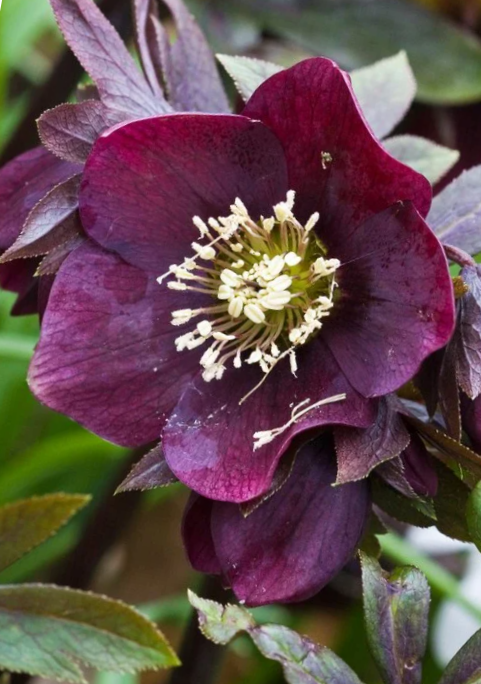
Black Hellebore
Helleborus niger L. Accepted infraspecific names: Helleborus niger subsp. niger; Helleborus niger subsp. macranthus (Freyn) Schiffn. Relevant historical synonyms: Helleborus grandiflorus Salisb.; Helleborus altifolius (Roth) Rchb.; Helleborus niger var. altifolius Roth. Historical names associated with the large-flowered subspecies: Helleborus macranthus (Freyn) Dalla Torre & Sarnth.; Helleborus niger var. macranthus Freyn.
Ranunculaceae
Black Hellebore, Christmas Rose, Christmas-Rose, Winter Rose, Black Christmas Rose, Christmas Hellebore, Hellebore, Helleborus niger, Helleborus grandiflorus, Helleborus altifolius, Helleborus niger var. altifolius, Helleborus niger subsp. niger, Helleborus niger subsp. macranthus, Helleborus macranthus, Helleborus niger var. macranthus “Lenten Rose” usually refers to Helleborus orientalis or the horticultural hybrid group Helleborus × hybridus rather than Helleborus niger. “Easter Rose” and “Winter Rose” are broad horticultural names that may be applied to more than one hellebore. “White Hellebore,” “False Hellebore,” and sometimes “Green Hellebore” may refer to unrelated Veratrum species containing steroidal alkaloids, so those names must not be treated as synonyms of Helleborus niger. Helleborus niger subsp. macranthus is an accepted subspecies, not a separate poisoning category.
Black Hellebore Has More Than One Toxicological System
Black Hellebore contains a complex mixture of defensive plant compounds rather than one toxin that explains every exposure. Damaged fresh foliage and flowering material can release the highly reactive irritant protoanemonin, while the plant also contains ranunculin derivatives, steroidal saponins, bufadienolides, ecdysteroids, phenolic compounds, and other secondary metabolites.
The immediate mouth, skin, eye, and gastrointestinal irritation associated with chewing fresh plant tissue is most consistent with protoanemonin and accompanying sap constituents. Greater systemic concern follows substantial ingestion of the rhizome, roots, or a large plant mass because exact-species research confirms hellebrin, hellebrigenin-related bufadienolides, and other steroidal compounds in underground and whole-plant material.
These two systems can overlap. A dog that digs up and chews a rhizome may experience immediate oral and gastrointestinal irritation while also absorbing cardiac-active compounds. The early presence of drooling or vomiting does not prove that later cardiovascular effects are impossible.
Ranunculin and the Release of Protoanemonin
Ranunculin is a glycosidic precursor found in numerous members of Ranunculaceae. While plant cells remain intact, the precursor and the enzymes capable of transforming it are largely separated. Crushing, chewing, cutting, grinding, freezing, wilting, or otherwise damaging the tissue permits enzymatic cleavage and release of glucose and protoanemonin.
Protoanemonin is a reactive unsaturated lactone. It is responsible for much of the acrid, burning, and vesicant activity associated with fresh buttercup-family plants. Contact can irritate the lips, gums, tongue, palate, pharynx, esophagus, stomach, skin, and eyes.
The reaction begins rapidly because protoanemonin acts directly on exposed tissue. An animal does not have to absorb a systemic dose before mouth pain, salivation, head shaking, gagging, vomiting, or skin inflammation appears.
The bitter taste and immediate discomfort often discourage continued eating. This aversive response is an important reason many garden exposures remain limited despite the genuine toxicity of the plant.
Direct Analysis of Leaves and Stems
Sarina M. Duckstein and Florian C. Stintzing conducted a detailed liquid-chromatography and tandem-mass-spectrometry investigation of Helleborus niger leaves and stems. They identified ranunculin, protoanemonin, β-ecdysone, numerous steroidal saponins, and acylated and non-acylated quercetin and kaempferol glycosides.
The leaves and stems had broadly similar secondary-metabolite profiles, although stems lacked some kaempferol derivatives and several saponins detected in the leaves. This directly supports treating both foliage and stems as chemically active rather than describing toxicity as a root-only concern.
The study was analytical. It did not establish how much foliage would poison a dog, cat, horse, cow, sheep, goat, rabbit, or bird, and it did not prove that each identified compound contributes equally to natural poisoning.
Ranuncoside in Christmas Rose Foliage
Historical work isolated a crystalline glycoside from dried stems, leaves, and flowers of Helleborus niger and identified it as (+)-ranuncoside. Eckehard Cuny and Franz-Dietrich Klingler later developed an efficient method for isolating highly purified (+)-ranuncoside from the green portions of cultivated Christmas rose.
Ranuncoside is structurally distinct from ranunculin even though their names are easily confused. It contains a tricyclic spiroacetal system and has attracted pharmacological interest, but its precise contribution to accidental animal poisoning has not been established.
Its presence is important because it demonstrates that the aerial plant contains additional defined glycosides beyond the better-known protoanemonin pathway. It should not, however, be presented as a proven cause of arrhythmias, seizures, or organ failure after ordinary garden ingestion.
Protoanemonin Is Unstable but Not Instantly Harmless
Protoanemonin can spontaneously dimerize into anemonin, which is less reactive. Its concentration also declines during storage and processing. An exact-species analytical investigation quantified protoanemonin in freshly prepared Helleborus niger extracts and found that it decreased substantially during prolonged storage.
This instability explains why freshly crushed or chewed plant material is generally more irritating than long-stored material. It does not mean that a wilted plant becomes harmless immediately or that ordinary household drying reliably removes every toxic constituent.
Drying conditions, particle size, temperature, moisture, microbial activity, and storage duration influence chemical change. Underground material can retain bufadienolides and steroidal saponins even after the short-lived protoanemonin activity has declined.
Dried hellebore should therefore remain inaccessible and should never be assumed safe in hay, bedding, decorative arrangements, garden waste, or stored roots.
Hellebrin Was Isolated from Black Hellebore Root Material
Walter Karrer published the isolation of hellebrin from Radix Hellebori nigri, the traditional root drug prepared from Black Hellebore, in 1943. Hellebrin is a bufadienolide cardiac glycoside, and its aglycone is hellebrigenin.
Bufadienolides share the sodium-potassium ATPase target associated with digitalis-type cardiac glycosides. They can alter intracellular sodium and calcium, extracellular potassium, cardiac contractility, pacemaker activity, atrioventricular conduction, and myocardial electrical stability.
The root evidence supports greater concern after a dog chews exposed rhizomes or roots. It does not establish that every root contains a uniform concentration or that a small root fragment predictably causes clinical arrhythmia.
Hellebrigenin 3-Acetate in Authenticated Rhizomes
Florica Nicolescu, Cristian Ionescu, Gabriela Milu, and colleagues investigated authenticated rhizomes of Helleborus niger subsp. niger because earlier reports disagreed about whether hellebrigenin 3-acetate was genuinely present.
The investigators used nursery-origin plant material that underwent close taxonomic examination and reported extraction of hellebrigenin 3-acetate from the rhizomes. This strengthened the exact-species evidence for bufadienolide derivatives in the underground structure.
The study did not determine an animal toxic dose or compare the concentration with leaves, flowers, seeds, or roots from every wild and cultivated population.
Bufadienolides Occur Beyond One Historical Root Preparation
A modern investigation of whole Helleborus niger plants isolated multiple bufadienolides and ecdysteroids. This finding confirms that the plant’s steroid chemistry is not limited to one historical preparation or one named molecule.
The compounds were investigated primarily for chemical structure and laboratory cytotoxicity. Cell-culture activity is not equivalent to an accidental veterinary poisoning syndrome, and antitumor research should not be used to predict the outcome of a dog chewing a leaf.
The study does, however, reinforce the need to avoid claiming that only the roots contain potentially cardiac-active steroids. Roots and rhizomes remain the greatest practical concern because of their documented chemistry and compact mass, but the whole plant should remain inaccessible.
Steroidal Saponins in Roots, Leaves, and Stems
Exact-species mass-spectrometric research has characterized numerous steroidal saponins in the roots and additional saponins in the leaves and stems. Several acetylated polyhydroxy hellebosaponins are prominent root constituents.
Saponins can interact with biological membranes and may contribute to nausea, vomiting, diarrhea, abdominal discomfort, mucosal irritation, or other gastrointestinal effects. Their activity depends heavily on molecular structure, dose, route, and absorption.
The presence of saponins does not prove that an animal will develop hemolysis, neurologic disease, or generalized organ injury after an ordinary exposure. Their most defensible role on this page is as possible contributors to the plant’s gastrointestinal and membrane-irritating effects.
How Bufadienolides Inhibit Sodium-Potassium ATPase
Hellebrin and related bufadienolides bind to sodium-potassium ATPase, the membrane pump that normally moves sodium out of cells and potassium into cells. Inhibition changes the electrochemical gradients required for normal nerve, skeletal-muscle, and cardiac function.
Intracellular sodium rises, reducing sodium-calcium exchange and allowing calcium to accumulate in cardiac muscle. Increased intracellular calcium can strengthen contraction, but it also promotes delayed afterdepolarizations and triggered electrical activity.
The same poisoning can therefore increase contractile force while making the myocardium electrically unstable. A stronger contraction is not a protective effect when conduction block, ventricular ectopy, hypotension, or fibrillation is developing.
Why Slow and Rapid Heart Rhythms Are Both Possible
Cardiac glycosides can increase vagal influence and suppress conduction through the sinoatrial and atrioventricular nodes. Possible effects include sinus bradycardia, sinus arrest, junctional escape rhythms, and first-, second-, or third-degree atrioventricular block.
At the same time, increased intracellular calcium can produce premature atrial or ventricular beats, accelerated junctional rhythms, atrial tachyarrhythmias, bidirectional ventricular tachycardia, ordinary ventricular tachycardia, or ventricular fibrillation.
The rhythm may alternate between slow and fast patterns. A pulse that feels normal for a few seconds at home cannot exclude intermittent conduction abnormalities or ventricular ectopy.
Some electrical contractions may be too weak to generate a palpable peripheral pulse. The pulse rate can therefore be lower than the heart’s electrical rate, making electrocardiography and blood-pressure assessment substantially more reliable than owner pulse counting.
Potassium and Other Electrolyte Disturbances
Severe acute sodium-potassium ATPase inhibition may cause hyperkalemia because potassium is no longer transported into cells normally. Significant hyperkalemia can accompany serious cardiac-glycoside poisoning and may worsen bradycardia and conduction block.
Vomiting and diarrhea may instead cause potassium, sodium, chloride, magnesium, and fluid loss. An animal can develop toxin-related hyperkalemia, gastrointestinal-loss-related hypokalemia, or a changing pattern during treatment.
Low potassium can increase the myocardium’s sensitivity to cardiac glycosides, while low magnesium may promote ventricular ectopy. No owner should give potassium, calcium, magnesium, electrolyte drinks, or cardiovascular medication without laboratory and electrocardiographic guidance.
Historical Names: Helleborin, Helleborein, and Hellebrin
Nineteenth-century investigators used the names helleborin and helleborein for preparations or fractions derived from hellebore roots. These historical substances were associated with narcotic, purgative, or digitalis-like effects but were not always purified or characterized to modern standards.
Hellebrin is a defined bufadienolide glycoside with a characterized chemical structure. Hellebrigenin is its aglycone, and hellebrigenin 3-acetate is a related ester.
The old names should not be treated as three equally confirmed toxins present at fixed concentrations in every Christmas rose. They remain useful when interpreting historical literature but should not create false chemical precision.
Every Part Should Be Treated as Poisonous
Leaves, petioles, flowering stems, sepals, stamens, developing fruits, seed follicles, seeds, sap, rhizomes, and roots should all remain inaccessible.
Freshly damaged aerial tissue presents the clearest immediate protoanemonin-related irritation. Rhizomes and roots create the greatest practical concern for systemic bufadienolide exposure because they contain a compact amount of plant material and have the strongest direct hellebrin and hellebrigenin evidence.
No valid study establishes a safe leaf count, flower number, seed number, root length, rhizome weight, or amount per kilogram for an animal.
No Dependable Veterinary Toxic Dose
No controlled toxic-dose study was located for dogs, cats, horses, cattle, sheep, goats, pigs, rabbits, guinea pigs, poultry, pet birds, or reptiles consuming authenticated Helleborus niger.
Risk depends on the plant part, amount, rate of chewing, freshness, chemical variation, animal size, gastrointestinal physiology, underlying heart or kidney disease, hydration, electrolyte status, and concurrent medication.
The lack of a numeric threshold does not justify calling one bite fatal or declaring a particular quantity safe. Small foliage tastes usually create less concern than substantial rhizome ingestion, but the individual animal’s actual signs and cardiovascular findings control management.
Immediate Oral Irritation
Signs may begin within minutes after an animal chews fresh Black Hellebore because damage to the plant releases protoanemonin directly onto the oral tissues.
An affected animal may lick its lips, swallow repeatedly, drool, shake its head, paw at the muzzle, rub the face, gag, vocalize, stop eating abruptly, or retreat from the plant.
The lips, gums, tongue, palate, and pharynx may appear red, painful, or irritated. Blistering is possible after meaningful fresh-sap exposure but is not present in every case.
Nausea, Vomiting, and Diarrhea
Nausea, vomiting, diarrhea, abdominal discomfort, and appetite loss are among the most expected effects. Protoanemonin, steroidal saponins, other sap constituents, and the physical plant material may all contribute.
Vomiting may contain food, foam, bile, leaves, sepals, stems, seeds, rhizome fragments, or roots. Spontaneous vomiting may remove some plant material but does not prove that the stomach is empty or that cardiac-active compounds were not absorbed.
Diarrhea may range from soft stool to repeated watery output and can be accompanied by urgency, cramping, mucus, or straining. Blood may occur with substantial gastrointestinal injury but should also prompt investigation for another plant, medication, infection, foreign body, or gastrointestinal disease.
Abdominal Pain
Abdominal discomfort may appear as pacing, repeated stretching, a hunched posture, guarding of the abdomen, looking toward the flanks, vocalization, or reluctance to be handled.
Marked abdominal distension, severe focal pain, repeated unproductive retching, persistent regurgitation, or absence of stool requires evaluation for obstruction, bloat, impaction, pancreatitis, or another emergency rather than automatic attribution to hellebore irritation.
Dehydration and Secondary Electrolyte Loss
Repeated vomiting, diarrhea, drooling, and refusal to drink can produce dehydration. Warning signs include dry or tacky gums, sunken eyes, reduced skin elasticity, weakness, increased thirst, reduced urination, rapid pulse, poor pulse quality, and collapse.
Fluid and electrolyte losses may intensify the cardiovascular effects of bufadienolides. Puppies, kittens, toy-breed dogs, elderly animals, and patients with heart, kidney, endocrine, or gastrointestinal disease may become unstable more quickly.
Weakness and Depression
Depression and weakness may reflect nausea, pain, inadequate food intake, dehydration, hypotension, electrolyte disturbance, an arrhythmia, or reduced cardiac output.
An animal may become reluctant to stand, walk stiffly, stumble, lie down repeatedly, appear mentally dull, or collapse.
Mild quietness after vomiting is not equivalent to profound cardiovascular depression. Rapidly worsening weakness, fainting, inability to stand, or reduced responsiveness requires emergency assessment.
Bradycardia and Conduction Abnormalities
A significant bufadienolide exposure may slow the sinus node or impair conduction through the atrioventricular node. Possible findings include sinus bradycardia, sinus pauses, varying degrees of atrioventricular block, and junctional escape rhythms.
Clinical signs may include a slow or weak pulse, extreme fatigue, pale gums, poor circulation, episodic fainting, altered awareness, or collapse.
A normal pulse at one moment does not exclude intermittent block or alternating rhythms. Continuous or repeated electrocardiography may be necessary after a meaningful rhizome or root exposure.
Premature Beats and Tachyarrhythmias
Bufadienolides may also cause premature atrial or ventricular contractions, accelerated junctional rhythms, ventricular bigeminy, bidirectional ventricular tachycardia, ordinary ventricular tachycardia, or ventricular fibrillation.
An owner may notice a rapid or irregular chest beat, episodic weakness, anxiety, fainting, or sudden collapse. Some arrhythmias cause few outward signs until cardiac output declines substantially.
The rhythm can change during the poisoning. Medication suitable for one abnormality can worsen another, which is why antiarrhythmic treatment must follow electrocardiographic diagnosis rather than the plant name alone.
Hypotension and Poor Cardiac Output
Bradycardia, tachyarrhythmia, ineffective contractions, dehydration, and vasomotor disturbance may reduce blood pressure and tissue perfusion.
Possible signs include pale or gray gums, delayed capillary refill, cold ears or extremities, weak pulses, reduced urination, mental dullness, abnormal breathing, fainting, and collapse.
A peripheral pulse may miss electrically generated beats that fail to eject enough blood to reach the limb. This pulse deficit can make the palpable rate misleading.
Potassium-Related Findings
Severe acute cardiac-glycoside poisoning may cause hyperkalemia. Marked potassium elevation can accompany serious sodium-potassium ATPase inhibition and may worsen conduction disturbances and weakness.
Vomiting and diarrhea can instead lower potassium and magnesium. These deficiencies may also increase electrical instability and myocardial sensitivity to cardiac glycosides.
Outward appearance cannot distinguish reliably between high and low potassium. Laboratory testing is required before electrolyte treatment is selected.
Neurologic Signs
Tremors, incoordination, altered awareness, dilated pupils, seizures, profound weakness, or coma may occur during severe systemic illness but are not the expected outcome of one brief foliage taste.
Possible causes include poor cerebral perfusion, severe electrolyte disturbance, hypoglycemia, aspiration, shock, an unstable rhythm, another toxic plant, medication, or an unrelated neurologic disorder.
Neurologic abnormalities should not be attributed automatically to protoanemonin or hellebrin without evaluating cardiovascular and metabolic causes.
Breathing Abnormalities and Aspiration
Rapid, shallow, labored, irregular, or otherwise abnormal breathing may result from pain, metabolic disturbance, poor circulation, cardiac insufficiency, aspiration of vomit, seizure activity, or another toxin.
Coughing during or after vomiting, fever, increased respiratory effort, lethargy, blue-gray gums, or abnormal lung sounds may indicate aspiration pneumonitis or pneumonia.
Progressive tongue or throat swelling is not the defining Black Hellebore syndrome, but inability to swallow, noisy breathing, open-mouth breathing, neck extension, or blue-gray mucous membranes is an emergency regardless of the cause.
Skin Contact
Fresh sap can produce localized burning, redness, itching, swelling, pain, blistering, or repeated licking. The muzzle, paws, lower legs, and abdomen are common contact sites.
Persistent ulceration, spreading redness, discharge, marked swelling, or hair loss warrants examination for continuing plant contamination, infection, another chemical, or a more severe contact injury.
Eye Exposure
Fresh sap or plant debris in an eye may cause sudden tearing, squinting, eyelid spasm, redness, swelling, or pawing at the face.
Corneal abrasion or ulceration may produce haze, blue-gray cloudiness, surface irregularity, light sensitivity, or continuing pain. These injuries may not be visible without fluorescein staining and magnified examination.
Dogs
Dogs may bite leaves and flowers, chew seasonal potted plants, investigate decorative arrangements, or dig up the rhizome. Underground-part exposure deserves particular attention because a dog can consume a compact amount before the owner notices.
A small foliage taste is more likely to cause drooling, vomiting, diarrhea, and temporary appetite loss than serious cardiovascular disease. Substantial rhizome or root ingestion, an unknown amount, weakness, or an abnormal pulse warrants ECG and electrolyte assessment.
Cats
Cats may chew leaves or flowers in a potted holiday plant or arrangement. Possible signs include drooling, lip licking, vomiting, diarrhea, hiding, reduced grooming, food refusal, or lethargy.
Continued anorexia deserves prompt attention even if the initial oral irritation appears mild. Prolonged food refusal can create serious secondary metabolic complications in cats.
Horses
Horses cannot vomit. Exposure may produce salivation, feed refusal, mouth discomfort, colic, diarrhea, depression, weakness, sweating, poor coordination, an abnormal pulse, breathing changes, recumbency, or collapse.
Fresh hellebore is generally unpalatable, but garden waste, pulled rhizomes, dried decorative material, or plant fragments mixed with desirable forage may increase consumption.
An irregular pulse, pulse deficit, severe bradycardia, tachycardia, repeated fainting, or rapid deterioration requires immediate large-animal cardiovascular assessment.
Cattle, Sheep, Goats, and Other Livestock
Livestock may be exposed when ornamental trimmings, seasonal displays, roots, rhizomes, or plants are discarded into pastures, pens, feed areas, or open compost.
Possible signs include salivation, feed refusal, diarrhea, abdominal discomfort, depression, weakness, an abnormal pulse, reduced rumination, recumbency, and collapse.
Several affected animals require investigation of the entire environment, including feed, ionophores, pesticides, fertilizer, water, and other cardiac-active plants. The presence of one hellebore plant does not prove that it caused a group outbreak.
Rabbits and Guinea Pigs
Rabbits and guinea pigs cannot vomit. They may develop drooling, food refusal, abdominal discomfort, diarrhea, reduced fecal output, a hunched posture, tooth grinding, weakness, or collapse.
Pain and anorexia can lead to gastrointestinal stasis, dehydration, altered intestinal flora, and metabolic deterioration even when the initial plant exposure does not cause a recognized cardiac rhythm abnormality.
Birds and Other Exotic Animals
Species-specific evidence is sparse. Birds may show regurgitation, altered droppings, reduced appetite, weakness, poor balance, tremors, abnormal breathing, or collapse.
No part should be offered as food, forage, cage decoration, nesting material, or enrichment. Small animals can deteriorate rapidly from fluid loss, low food intake, and temperature instability.
Signs Suggesting Another Kind of Hellebore or Another Poison
White Hellebore and False Hellebore commonly refer to Veratrum species rather than Helleborus niger. Veratrum plants contain steroidal alkaloids that act on voltage-gated sodium channels and can produce profound vomiting, bradycardia, hypotension, weakness, and collapse through a different mechanism.
Rapid severe neurologic depression, persistent extreme bradycardia, illness after eating tall pleated-leaved vegetation, or exposure in a wet meadow or mountain pasture should prompt careful reconsideration of the plant identification.
Kidney failure, jaundice, irreversible paralysis, aggression, and progressive liver failure are not characteristic findings of an ordinary Black Hellebore exposure and require investigation for another cause.
Onset and Expected Course
Protoanemonin-related mouth and gastrointestinal irritation may begin within minutes of chewing fresh plant tissue. Cardiac-active effects after substantial underground-part ingestion may appear with or after the gastrointestinal illness.
No dependable animal onset interval or recovery duration has been established. Mild irritation may improve over several hours, while dehydration, aspiration, electrolyte abnormalities, or cardiovascular effects can prolong illness.
Persistent vomiting, diarrhea, inability to retain water, marked weakness, an abnormal pulse, fainting, tremors, seizures, breathing changes, or failure to improve requires veterinary examination.
Accepted Identity, Subspecies, and Scientific Synonyms
Black Hellebore is Helleborus niger L., a perennial in Ranunculaceae. Two accepted subspecies are recognized: Helleborus niger subsp. niger and Helleborus niger subsp. macranthus (Freyn) Schiffn.
The most relevant historical species-level synonyms are Helleborus grandiflorus Salisb. and Helleborus altifolius (Roth) Rchb. The name Helleborus niger var. altifolius Roth is associated with the latter taxonomic treatment.
The large-flowered subspecies has also appeared as Helleborus macranthus (Freyn) Dalla Torre & Sarnth. and Helleborus niger var. macranthus Freyn. These names can appear in botanical and horticultural records and should not be mistaken for unrelated poisonous plants.
Native Range
Helleborus niger is native to the Alps, northern Apennines, and adjoining portions of central and southeastern Europe. Its native distribution includes parts of Austria, Germany, Switzerland, Italy, Slovenia, Croatia, and nearby northwestern Balkan regions.
The typical subspecies occupies much of the principal range. Subsp. macranthus has a more restricted distribution centered in northern Italy and Slovenia.
The plant is now cultivated widely outside its native range as a winter-flowering garden perennial, container plant, seasonal holiday plant, and cut-flower subject.
Why the Flowers Are White but the Plant Is Called Black Hellebore
The word “black” refers primarily to the dark brown or nearly black rhizome and roots, not to the flower color.
The showy structures commonly called petals are persistent sepals. They are usually white when the flower opens and may develop pink, rose, or green coloration as they age.
“Christmas Rose” refers to the rose-like appearance and winter flowering season. The plant is not a true rose and does not belong to Rosaceae.
Lenten Rose and Garden-Hybrid Confusion
Lenten Rose usually refers to Helleborus orientalis or, more commonly in modern horticulture, the diverse garden-hybrid group Helleborus × hybridus.
Garden centers may apply Christmas rose, Lenten rose, winter rose, Easter rose, and hellebore loosely. Flower color alone is not dependable because cultivated hybrids occur in white, green, yellow, pink, purple, spotted, double, and nearly black forms.
Other cultivated hybrids involving H. niger include Helleborus × nigercors, Helleborus × ballardiae, and Helleborus × ericsmithii. These are hybrids rather than scientific synonyms of Black Hellebore.
Not the Same as Veratrum Hellebores
White Hellebore, False Hellebore, and Green False Hellebore often refer to Veratrum album, Veratrum viride, Veratrum californicum, or related Veratrum species.
Veratrum belongs to Melanthiaceae and contains steroidal alkaloids that act mainly on voltage-gated sodium channels. These plants can cause severe vomiting, bradycardia, hypotension, conduction abnormalities, weakness, and collapse through a mechanism distinct from protoanemonin and hellebrin.
Common-name identification alone is unsafe after a plant called “hellebore” has been eaten. Photographs of the whole plant, leaves, flowers, underground structures, and habitat are important.
How to Recognize Black Hellebore
Black Hellebore grows as a low clump from a short, thick, dark rhizome with numerous roots. Mature plants are commonly approximately six to twelve inches tall, although cultivated forms vary.
The leathery dark green leaves arise mainly from the base and are divided into broad, toothed segments arranged in a palmate or foot-like pattern. The leaves and flowering stems arise separately from the rhizome.
Flowers usually appear on short, relatively unbranched stalks during winter or early spring. Five large persistent white sepals surround numerous golden-yellow stamens. The sepals may develop pink or green tones as the flower ages.
After flowering, several follicles can develop in the center of the persistent sepals. These split when mature and release seeds. Dogs digging around dormant plants may encounter the rhizome even when leaves and flowers are absent.
Where Dogs and Cats Encounter It
Dogs and cats may encounter Black Hellebore in shaded garden beds, foundation plantings, woodland gardens, patio containers, seasonal displays, florists’ arrangements, potted holiday plants, or discarded decorative material.
Cats may nibble leaves, flowers, or arrangement greenery. Dogs may bite foliage, carry a potted plant, investigate fallen flowers, or dig up and chew the rhizome and roots.
Transplanting, construction, erosion, garden renovation, and winter cleanup can expose underground structures that were previously inaccessible.
Where Horses and Livestock Encounter It
Black Hellebore is not ordinary forage. Large-animal exposure is most likely when uprooted plants, seasonal decorations, cut flowers, garden debris, or rhizomes are thrown into paddocks, pens, stalls, pastures, or open compost.
Hunger, limited forage, crowding, boredom, or plant fragments mixed with desirable vegetation can overcome the deterrent effect of the bitter fresh plant.
Dried decorative material and garden trimmings should not be incorporated into hay, bedding, browse, or enrichment.
Poisonous Parts and Relative Practical Risk
Leaves, petioles, flowering stems, sepals, stamens, seed follicles, seeds, sap, rhizomes, and roots should all be treated as poisonous.
Fresh aerial tissue produces the strongest immediate protoanemonin-related irritation. Rhizomes and roots present the greatest practical concern for a meaningful systemic exposure because hellebrin and related steroidal compounds are directly documented in underground material and a dog can ingest a compact plant mass.
Whole-plant analysis has also identified bufadienolides outside the narrow context of one historical root drug. Aboveground material should therefore not be described as only an irritant or as incapable of contributing to systemic exposure.
No reliable part-by-part animal toxicity comparison has established a safe foliage exposure or a threshold rhizome amount.
Fresh, Wilted, and Dried Material
Freshly damaged tissue is generally the most irritating because protoanemonin is generated after cells are disrupted. Protoanemonin is unstable and can decline during processing and prolonged storage.
That chemical instability does not validate drying as a complete detoxification process. Ranuncoside, saponins, bufadienolides, and other constituents may remain, especially in roots and rhizomes.
Wilted plants, dried arrangements, old holiday displays, composted foliage, stored rhizomes, and plant fragments in hay should remain inaccessible.
Potting Soil and Mixed Exposures
A dog that overturns or chews a potted Christmas rose may also ingest potting soil, fertilizer granules, systemic insecticide, slug bait, decorative foil, plastic mesh, water-retaining crystals, plant labels, or fragments of the container.
Severe tremors, bleeding, profound depression, or rapid collapse following a container-plant exposure may involve one of these associated hazards rather than hellebore alone.
Photographs of the complete exposure area, product labels, fertilizer packaging, and remaining plant should be preserved when doing so does not delay emergency transport.
Species-Specific Evidence Limitations
The exact-species phytochemical evidence is substantial, but published natural poisoning cases in dogs, cats, horses, or livestock are sparse.
Laboratory isolation of a compound proves its presence in the tested plant material. It does not establish the dose naturally absorbed by an animal, the probability of arrhythmia after one bite, or the clinical contribution of every detected saponin, ecdysteroid, phenolic, and bufadienolide.
Veterinary risk assessment therefore combines exact-species chemistry, exposure circumstances, the known pharmacology of bufadienolides, the immediate irritant effects of protoanemonin, and the patient’s measured findings.
Diagnosis
There is no routine laboratory test that confirms Black Hellebore ingestion or measures a clinically useful total hellebrin and bufadienolide burden.
Diagnosis depends on plant identification, the part and amount eaten, timing, oral and gastrointestinal signs, cardiovascular findings, electrolytes, blood pressure, and exclusion of other toxic plants, medications, and diseases.
Owners should preserve the complete plant or photographs showing the leaves, flowers, flower stalks, seed follicles, rhizome, and roots. Nursery labels, packaging, potting products, and safely collected vomited fragments may also help.
Electrocardiography and Laboratory Testing
Continuous or repeated electrocardiography may be appropriate after substantial rhizome ingestion, weakness, fainting, an abnormal pulse, or electrolyte disturbance.
Laboratory testing may include potassium, sodium, magnesium, calcium, glucose, kidney values, hydration markers, acid-base status, and urinalysis. Blood pressure and urine production may require repeated monitoring.
A digoxin immunoassay may cross-react with some plant bufadienolides or produce a detectable digoxin-like result. Cross-reactivity varies by compound and assay. A negative result does not exclude poisoning, and a positive result does not identify Black Hellebore or quantify total toxicity.
Prognosis
The prognosis is good to excellent for most small exposures limited to oral irritation, vomiting, diarrhea, or temporary appetite loss.
The outlook becomes more guarded following substantial rhizome ingestion or development of severe dehydration, hyperkalemia, hypotension, advanced conduction block, ventricular arrhythmia, aspiration, seizure activity, or recurrent collapse.
One normal pulse or brief normal electrocardiogram does not always eliminate risk after a meaningful underground-part exposure. Discharge and recovery decisions should be based on sustained stability.
Exposure Prevention
Keep Black Hellebore inaccessible to pets, including animals able to dig into beds or containers. Store unplanted rhizomes in closed rigid containers.
Remove fallen flowers, seed follicles, and damaged leaves. During transplanting, collect the entire rhizome, roots, and loose fragments.
Place all waste in a closed disposal system rather than open compost, pasture, paddock, pen, kennel, rabbit run, poultry enclosure, or livestock-accessible pile.
Immediate Steps After Ingestion
- Prevent further access: Secure the leaves, flowers, flowering stems, seed follicles, seeds, rhizomes, roots, potting material, and discarded trimmings.
- Determine which part was eaten: A substantial root or rhizome exposure creates greater cardiac concern than one brief taste of a leaf or flower.
- Preserve identification evidence: Save clear photographs, a representative plant sample, the nursery label, root or rhizome fragments, potting-product labels, and safely collected vomited material.
- Remove only loose visible pieces: If the animal is calm and this can be done safely, remove material resting at the lips or front of the mouth. Do not scrape inflamed tissue or reach blindly toward the throat.
- Keep the animal calm: Restrict running, exercise, excitement, and unnecessary handling while veterinary guidance is obtained.
- Allow only voluntary water intake: An alert animal swallowing normally may have access to fresh water. Do not pour, spray, syringe, or force water into the mouth.
- Contact a veterinarian promptly: Professional guidance is warranted after rhizome or root ingestion, an unknown amount, repeated vomiting or diarrhea, weakness, an abnormal pulse, breathing changes, tremors, fainting, or collapse.
After Skin or Coat Contact
Prevent grooming and wear gloves while handling freshly damaged plant material. Gently wash exposed skin or fur with lukewarm water and a mild species-appropriate cleanser, then rinse thoroughly.
Do not scrub painful, blistered, or abraded tissue. Friction can deepen local injury.
Clean contaminated collars, harnesses, bedding, grooming tools, towels, carriers, and work surfaces before the animal contacts them again.
Persistent redness, swelling, blistering, pain, discharge, repeated licking, or hair loss requires veterinary guidance.
Eye Exposure
If sap or loose plant debris entered an eye and no object appears embedded, begin gentle irrigation with sterile saline or clean lukewarm water when the animal tolerates this safely.
Do not rub the eye or use tweezers, cotton swabs, human redness-relief drops, topical anesthetics, leftover antibiotic medication, or corticosteroid-containing eye drops.
Continuing squinting, tearing, redness, cloudiness, eyelid spasm, swelling, discharge, or pawing at the face requires prompt veterinary examination for retained debris or corneal injury.
Do Not Attempt Unsupervised Home Treatment
- Do not induce vomiting: Hydrogen peroxide, salt, mustard, syrup of ipecac, detergent, oil, manual gagging, and fingers in the throat can worsen irritation, cause aspiration, or delay cardiac monitoring.
- Never give hydrogen peroxide to a cat: It can cause severe esophageal and gastric inflammation, ulceration, and bleeding.
- Never attempt to induce vomiting in a horse, rabbit, or guinea pig: These animals cannot vomit.
- Do not force mouth flushing: Pouring or spraying water into the mouth may cause aspiration, particularly when the animal is drooling, vomiting, weak, or swallowing abnormally.
- Do not give milk, honey, syrup, yogurt, oil, or food as an antidote: These substances do not neutralize protoanemonin, hellebrin, or other bufadienolides and may be aspirated.
- Do not give activated charcoal at home: A vomiting, weak, dysrhythmic, or poorly swallowing animal can aspirate charcoal.
- Do not give owner-selected heart medication: Atropine, beta blockers, calcium-channel blockers, lidocaine, digoxin, phenytoin, potassium, calcium, magnesium, or another cardiovascular drug can worsen the wrong rhythm or electrolyte abnormality.
- Do not give stomach or diarrhea medication automatically: Antacids, bismuth products, loperamide, sucralfate, antihistamines, corticosteroids, pain relievers, and leftover prescriptions are not plant antidotes.
- Do not rely on a brief home pulse check: Intermittent conduction block, ventricular ectopy, and pulse deficits require electrocardiography to identify reliably.
When Emergency Examination Is Especially Important
- Known root or rhizome ingestion: Underground material contains directly documented bufadienolides and provides a compact potential dose.
- The amount is unknown: Missing rhizome material, vomited fragments, and disturbed soil may not reveal how much was swallowed.
- Repeated vomiting or severe diarrhea: Fluid and electrolyte loss can worsen weakness and myocardial instability.
- Blood in vomit or stool: This may indicate substantial gastrointestinal injury or another serious disorder.
- A slow, rapid, weak, or irregular pulse: Any suspected rhythm abnormality requires electrocardiographic assessment.
- Pale gums, cold extremities, fainting, or collapse: Hypotension or inadequate cardiac output may be present.
- Tremors, seizures, severe weakness, or altered awareness: These signs indicate severe systemic illness or another exposure.
- Abnormal breathing: Rapid, labored, shallow, irregular, or open-mouth breathing may reflect aspiration, shock, cardiac dysfunction, or another emergency.
- Inability to swallow: Progressive oral injury, edema, pain, or a retained plant fragment may be present.
- Reduced or absent urination: Dehydration, poor perfusion, kidney dysfunction, or another toxin requires evaluation.
- Several animals are affected: Immediately stop the suspected garden-waste, feed, or forage source and preserve representative samples.
Veterinary Assessment and Monitoring
The veterinarian will evaluate the plant part and estimated amount, time since exposure, oral injury, vomiting, diarrhea, hydration, abdominal pain, heart rate and rhythm, blood pressure, perfusion, breathing, neurologic status, urine production, medications, and underlying disease.
A clinically comfortable animal after one small foliage taste may require observation rather than aggressive treatment. A patient with rhizome ingestion, repeated vomiting, weakness, an abnormal pulse, fainting, or an unknown amount requires more intensive monitoring.
Continuous electrocardiography may be needed because bufadienolide-associated rhythms can alternate between bradycardia, atrioventricular block, ventricular ectopy, and tachyarrhythmia.
Laboratory Testing
Blood testing may include potassium, sodium, magnesium, calcium, glucose, kidney values, hydration markers, packed cell volume, total solids, acid-base status, and additional measurements selected for the clinical presentation.
Blood pressure and urine output may require serial monitoring. Electrolytes can change as vomiting and diarrhea continue, fluids are given, kidney perfusion changes, or toxin-specific treatment begins.
A digoxin immunoassay may provide supporting evidence when it cross-reacts with a plant bufadienolide, but it cannot confirm Black Hellebore or quantify the entire toxin mixture.
Professional Gastrointestinal Decontamination
A veterinarian may consider medically induced vomiting after a recent and meaningful ingestion when a dog or cat remains fully alert, cardiovascularly stable, neurologically normal, breathing normally, swallowing safely, and able to protect the airway.
Emesis is inappropriate when the patient is already vomiting repeatedly, weak, collapsed, bradycardic, dysrhythmic, sedated, trembling, seizing, breathing abnormally, or unable to swallow normally.
Horses, rabbits, and guinea pigs cannot vomit and must not undergo attempted emesis.
Activated Charcoal
A veterinarian may administer activated charcoal after selected significant ingestions when the patient can protect the airway and gastrointestinal motility is adequate.
Some cardiac glycosides undergo intestinal secretion and recirculation, so repeated charcoal has a pharmacological rationale in certain poisonings. The strongest outcome evidence, however, comes from yellow-oleander poisoning rather than Black Hellebore.
Repeated charcoal is not mandatory and may be inappropriate when vomiting, ileus, dehydration, hypernatremia, impaired swallowing, or aspiration risk is present. Cathartic-containing products can worsen diarrhea and electrolyte loss.
Gastrointestinal Support
Veterinarian-selected antiemetics may be used after decontamination decisions have been completed. Persistent vomiting may require injectable medication rather than an oral product that cannot be retained.
Analgesia may be appropriate for significant oral, esophageal, or abdominal pain. The drug must be chosen for the species, hydration, kidney function, blood pressure, and cardiovascular status.
Sucralfate or acid-suppressive treatment may be considered when repeated vomiting has caused esophagitis, hematemesis, melena, or documented erosive injury. These medications protect damaged tissue but do not neutralize plant toxins.
Fluid Therapy
Fluid therapy is based on measured dehydration, perfusion, blood pressure, urine production, kidney function, electrolyte abnormalities, and continuing gastrointestinal losses.
Intravenous crystalloids are appropriate when clinically important dehydration, poor perfusion, continuing vomiting or diarrhea, hypotension, or systemic illness is present.
Fluids require careful reassessment in an animal with significant bradyarrhythmia, cardiac insufficiency, pulmonary edema, or reduced urine production.
Vasopressor support may be required when clinically important hypotension persists after appropriate volume correction and rhythm management.
Potassium and Electrolyte Management
Hyperkalemia can accompany severe acute sodium-potassium ATPase inhibition and may indicate a substantial bufadienolide burden.
Vomiting and diarrhea can instead cause potassium and magnesium depletion. Both excessive and deficient potassium can worsen rhythm instability.
No electrolyte should be supplemented or restricted without measurement. Serial testing may be necessary because the pattern can change during treatment.
Treatment of Bradycardia and Conduction Block
Symptomatic bradycardia or atrioventricular block may require veterinarian-selected atropine, particularly when increased vagal activity contributes to the rhythm.
Atropine may be ineffective when direct conduction-system toxicity is severe. Temporary pacing can be considered for life-threatening bradyarrhythmia that does not respond to antidotal and medical treatment.
The heart rate must be interpreted with blood pressure and perfusion. The same numerical rate can have very different clinical importance in a comfortable patient and one that is fainting or hypotensive.
Treatment of Ventricular Arrhythmias
Ventricular ectopy or tachyarrhythmia requires treatment selected from the actual ECG pattern, blood pressure, perfusion, potassium, magnesium, acid-base status, and overall stability.
Veterinarian-selected lidocaine, phenytoin, magnesium correction, digoxin-specific antibody fragments, or other rhythm-directed treatment may be considered.
No antiarrhythmic is universally appropriate. A medication that suppresses ventricular ectopy may worsen hypotension, while a conduction-slowing drug may aggravate heart block.
Electrical cardioversion can provoke additional dysrhythmia in cardiac-glycoside poisoning and is reserved for immediately life-threatening instability when safer measures are ineffective or unavailable.
Digoxin-Specific Antibody Fragments
Digoxin-specific antibody fragments bind circulating digoxin and can cross-react with some plant cardenolides and bufadienolides. Their use is supported by experimental and clinical oleander poisoning in dogs and cats.
Potential indications include unstable ventricular arrhythmias, severe bradycardia or conduction block, clinically important hyperkalemia, hypotension, recurrent collapse, or progressive poisoning despite supportive treatment.
No study has established exact binding or vial requirements for hellebrin, hellebrigenin derivatives, and the complete Helleborus niger mixture. Use in Black Hellebore poisoning is therefore an extrapolated emergency treatment requiring toxicologist consultation and continued ECG and electrolyte monitoring.
Clinical improvement may occur rapidly when the relevant compounds bind effectively. Recurrence remains possible if absorption continues or the toxin burden exceeds available antibody binding.
Respiratory and Neurologic Support
Oxygen is appropriate for respiratory distress, shock, aspiration, seizures, or inadequate perfusion. Reduced consciousness or respiratory failure may require intubation and assisted ventilation.
Tremors and seizures require veterinarian-selected anticonvulsant treatment, glucose and electrolyte assessment, temperature management, oxygen, and airway protection.
Eye Treatment
Veterinary eye care may include further irrigation, removal of retained debris, fluorescein staining, lubrication, pain control, and appropriate topical medication.
A corneal ulcer may require antimicrobial therapy and repeated monitoring. Corticosteroid-containing eye medication is contraindicated when ulceration or infection is present.
Horses and Livestock
Remove every animal from the suspected plant, garden waste, feed, or decorative material. Do not drench or force-feed an animal that is salivating excessively, weak, recumbent, coughing, or swallowing poorly.
Large-animal care may include electrocardiography, blood-pressure and pulse assessment, fluid and electrolyte support, gastrointestinal examination, antiarrhythmic treatment, and investigation of the complete feed and environment.
Several affected animals require consideration of ionophores, pesticides, fertilizers, other cardiac-active plants, infectious disease, and contaminated water or feed.
Rabbits, Guinea Pigs, Birds, and Other Small Animals
Do not force food or water into a weak, regurgitating, respiratory-compromised, or poorly swallowing small animal.
Rabbits and guinea pigs with reduced appetite or fecal output require evaluation for gastrointestinal stasis, dehydration, pain, hypothermia, and metabolic complications.
Birds with regurgitation, weakness, poor balance, abnormal droppings, tremors, or respiratory effort require avian veterinary care.
Recovery and Prognosis
Animals with mild oral or gastrointestinal illness and normal serial cardiovascular findings generally have a good prognosis.
Improvement should include cessation of vomiting and diarrhea, comfortable swallowing, normal appetite, adequate hydration, normal activity, and sustained ECG and blood-pressure stability.
The prognosis becomes guarded with severe hyperkalemia, hypotension, advanced heart block, ventricular tachyarrhythmia, ventricular fibrillation, recurrent collapse, aspiration, kidney injury, or seizures.
Persistent or worsening signs require continued veterinary management rather than discharge based on one normal pulse or one normal ECG tracing.
Frequently Asked Questions About Black Hellebore and Animal Poisoning
Is Black Hellebore poisonous to dogs and cats?
Yes. Helleborus niger contains protoanemonin-producing glycosides, steroidal saponins, bufadienolides, and other active compounds. Small foliage exposures are most likely to cause mouth irritation, drooling, vomiting, diarrhea, abdominal discomfort, and appetite loss. A substantial rhizome or root ingestion creates greater concern for potassium abnormalities, hypotension, conduction block, ventricular arrhythmias, weakness, fainting, and collapse.
What is the accepted scientific name?
The accepted species name is Helleborus niger L. The “L.” records Carl Linnaeus as the author of the scientific name.
Does Helleborus niger have accepted subspecies?
Yes. The accepted infraspecific names are Helleborus niger subsp. niger and Helleborus niger subsp. macranthus (Freyn) Schiffn. The latter is a more geographically restricted large-flowered subspecies rather than a separate poisoning category.
What scientific synonyms may appear in older records?
Relevant historical synonyms include Helleborus grandiflorus Salisb. and Helleborus altifolius (Roth) Rchb. The name Helleborus niger var. altifolius Roth is an associated older varietal name. These names may appear in floras, herbaria, medicinal-plant records, and older publications.
What older names were used for the large-flowered subspecies?
Helleborus niger subsp. macranthus has also appeared as Helleborus macranthus (Freyn) Dalla Torre & Sarnth. and Helleborus niger var. macranthus Freyn. These names refer to the same infraspecific taxon rather than another unrelated hellebore.
Why is it called Black Hellebore when the flowers are white?
The word “black” refers primarily to the dark rhizome and roots. The flowers ordinarily open white and may develop pink, rose, or green tones as they age.
Is Christmas Rose a true rose?
No. Black Hellebore belongs to Ranunculaceae, the buttercup family. The name Christmas Rose refers to the rose-like white flowers and winter flowering season, not a relationship to the rose family.
Is Black Hellebore the same as Lenten Rose?
Not usually. Lenten Rose most often refers to Helleborus orientalis or the diverse garden-hybrid group Helleborus × hybridus. Garden labels sometimes use hellebore common names loosely, so the scientific name and whole-plant appearance should be checked after exposure.
Is Black Hellebore the same as White or False Hellebore?
No. White Hellebore and False Hellebore commonly refer to Veratrum species. Those plants belong to another family and contain steroidal alkaloids that alter voltage-gated sodium channels. They can cause severe vomiting, bradycardia, hypotension, weakness, and collapse through a different mechanism.
What is protoanemonin?
Protoanemonin is a reactive unsaturated lactone produced when damaged plant tissue enzymatically transforms ranunculin. It causes the acrid taste and rapid irritation of the mouth, gastrointestinal tract, skin, and eyes associated with fresh hellebore.
Is protoanemonin actually documented in Helleborus niger?
Yes. Exact-species analytical studies have identified and quantified protoanemonin in Helleborus niger plant material and extracts. Leaves and stems also contain its precursor ranunculin.
What is ranuncoside?
(+)-Ranuncoside is a distinct tricyclic spiroacetal glycoside isolated from dried and cultivated Christmas rose foliage. Its name resembles ranunculin, but they are separate compounds. Ranuncoside has attracted pharmacological interest, although its precise role in natural animal poisoning has not been established.
What is hellebrin?
Hellebrin is a bufadienolide cardiac glycoside isolated from Black Hellebore root material. It inhibits sodium-potassium ATPase and can potentially alter intracellular calcium, potassium balance, cardiac conduction, contractility, blood pressure, and rhythm after a meaningful exposure.
What are hellebrigenin and hellebrigenin 3-acetate?
Hellebrigenin is the aglycone associated with hellebrin. Hellebrigenin 3-acetate is a related bufadienolide ester that has been isolated from authenticated Helleborus niger subsp. niger rhizomes. Their presence strengthens the evidence for cardiac-active steroid chemistry in underground material.
Are helleborin, helleborein, and hellebrin the same thing?
No. Hellebrin is a defined bufadienolide glycoside. Helleborin and helleborein are historical names used for preparations or fractions whose composition was not always characterized to modern standards. They should not be presented as three equally defined toxins occurring at fixed concentrations in every plant.
Does Black Hellebore contain saponins?
Yes. Steroidal saponins have been characterized in the roots, leaves, and stems. They may contribute to gastrointestinal irritation and other membrane-related effects, but their exact contribution to an accidental animal exposure cannot be separated reliably from protoanemonin, bufadienolides, and physical plant material.
Which part of Black Hellebore is most dangerous?
Every part should remain inaccessible. Fresh leaves, stems, and flowers are strongly associated with immediate protoanemonin-related irritation. Rhizomes and roots create the greatest practical concern for systemic cardiac toxicity because they contain directly documented hellebrin-related compounds and provide a compact amount of plant tissue.
Can one leaf kill a dog or cat?
No dependable evidence establishes that one leaf is predictably fatal. A brief foliage taste is more likely to cause mouth and gastrointestinal irritation. No leaf quantity can be declared safe, however, because plant chemistry, animal size, amount actually swallowed, concurrent disease, and individual response vary.
How much rhizome is toxic?
No reliable dog, cat, horse, or livestock toxic dose has been established. Rhizome ingestion is more concerning than one brief foliage bite, but the page should not invent a safe or lethal weight. Management depends on the amount suspected, clinical signs, ECG, blood pressure, potassium, and other findings.
Is dried Black Hellebore still poisonous?
It should be treated as poisonous. Protoanemonin is unstable and may decline during drying and storage, but ordinary drying does not prove that the plant is fully detoxified. Ranuncoside, steroidal saponins, bufadienolides, and other compounds may remain, particularly in underground material.
Can Black Hellebore contaminate hay?
It is primarily an ornamental rather than a common hayfield weed, but cut or uprooted plants should never be allowed into hay, bedding, feed, or browse. Dry fragments may be harder for an animal to recognize and avoid than the bitter living plant.
Why can Black Hellebore cause both a slow and rapid heart rate?
Bufadienolides can increase vagal effects and suppress the sinus and atrioventricular nodes, producing bradycardia and heart block. At the same time, increased intracellular calcium can trigger premature beats and ventricular tachyarrhythmias. Both mechanisms can occur in the same patient.
Can a normal pulse rule out poisoning?
No. Arrhythmias may be intermittent, and some electrical contractions may be too weak to produce a palpable peripheral pulse. Continuous or repeated electrocardiography is more reliable after a substantial underground-part exposure or when weakness and fainting occur.
Why is potassium monitored?
Severe sodium-potassium ATPase inhibition can cause hyperkalemia, while vomiting and diarrhea may lower potassium and magnesium. Both high and low potassium can worsen rhythm instability. Electrolyte treatment must be based on measured values.
Can Black Hellebore cause kidney failure?
Kidney failure is not established as a characteristic direct effect of an ordinary exposure. Kidney injury or reduced urination can develop secondarily from dehydration, hypotension, poor circulation, another toxin, or underlying disease and requires investigation.
Can it cause seizures or paralysis?
Tremors, seizures, profound weakness, or altered awareness are possible during severe systemic illness but are not expected after every small bite. Poor perfusion, electrolyte disturbance, hypoglycemia, an unstable rhythm, aspiration, another plant, or an unrelated neurologic condition may be responsible.
Is Black Hellebore poisonous to horses?
Yes. Horses may develop salivation, feed refusal, colic, diarrhea, depression, weakness, an abnormal pulse, breathing changes, recumbency, or collapse. Horses cannot vomit, and garden trimmings or uprooted rhizomes should never be discarded into their environment.
Is it poisonous to cattle, sheep, and goats?
It should be treated as poisonous. Fresh material may be avoided because it is bitter and irritating, but garden waste mixed with desirable forage can be consumed. Several affected animals require investigation of all feed, plants, ionophores, pesticides, fertilizers, and water sources.
What about rabbits and guinea pigs?
No safe dose has been established. These species cannot vomit and may develop drooling, food refusal, diarrhea, abdominal discomfort, reduced fecal output, weakness, or collapse. Appetite loss can lead to gastrointestinal stasis and requires prompt attention.
What about pet birds and other exotic animals?
Species-specific evidence is limited. No part should be used as food, forage, nesting material, cage decoration, or enrichment. Regurgitation, altered droppings, weakness, poor balance, tremors, abnormal breathing, or collapse requires species-appropriate veterinary care.
Can the sap irritate skin or eyes?
Yes. Fresh sap may cause localized burning, redness, itching, swelling, or blistering. Eye contact may cause tearing, squinting, redness, and corneal injury. Wash contaminated fur gently and irrigate an exposed eye, but seek veterinary care if discomfort persists.
Should I make my pet vomit?
No home vomiting method should be used. Hydrogen peroxide, salt, mustard, ipecac, detergent, oil, and manual gagging may worsen irritation or cause aspiration. A veterinarian may consider professional emesis only in a recent exposure involving a stable, alert dog or cat with a protected airway.
Should I give activated charcoal?
Do not give charcoal at home. A veterinarian may consider it after a significant ingestion when the patient can protect the airway. Repeated charcoal evidence comes mainly from other cardiac-glycoside plants and must be balanced against vomiting, dehydration, ileus, and aspiration risk.
Can a digoxin blood test confirm Black Hellebore poisoning?
Not reliably. Some plant bufadienolides may cross-react with particular digoxin immunoassays, but the degree varies. A positive result does not identify Black Hellebore or quantify total toxicity, and a negative result does not exclude poisoning.
Can digoxin-specific antibody fragments be used?
They may be considered for life-threatening bufadienolide poisoning involving unstable arrhythmias, severe conduction block, hyperkalemia, hypotension, or recurrent collapse. Evidence comes primarily from oleander and other plant cardiac-glycoside poisonings, and exact binding or vial requirements for the complete Black Hellebore mixture are unknown.
How are cardiac abnormalities treated?
Treatment follows the documented ECG abnormality and may include electrolyte correction, atropine for selected symptomatic bradyarrhythmias, veterinarian-selected medication for ventricular ectopy or tachycardia, digoxin-specific antibody fragments, blood-pressure support, oxygen, and intensive monitoring. No heart medication is appropriate for every rhythm.
When is emergency veterinary care needed?
Emergency care is warranted after substantial rhizome or root ingestion and whenever the animal develops repeated vomiting or diarrhea, blood, marked weakness, a slow or irregular pulse, pale gums, fainting, tremors, seizures, abnormal breathing, reduced urination, or collapse.
What is the prognosis?
The prognosis is good for most small exposures limited to oral or gastrointestinal irritation. It becomes guarded with severe dehydration, hyperkalemia, hypotension, advanced heart block, ventricular arrhythmias, aspiration, seizures, kidney injury, or recurrent collapse.
How can future exposure be prevented?
Keep plants and seasonal displays inaccessible, prevent digging around the rhizomes, collect fallen flowers and seed follicles, store unplanted roots securely, and place all uprooted or cut material in closed waste rather than open compost or animal areas.