PAWS Pet Poison Plant Guide
Is Castor Bean Poisonous to Dogs, Cats, Horses, and Livestock?
Yes, Castor Bean, Ricinus communis, is highly poisonous to dogs, cats, horses, livestock, poultry, and other animals—especially when its seeds are chewed, crushed, or ground. The seeds contain ricin, a protein toxin that stops affected cells from producing essential proteins. Poisoning commonly begins with severe vomiting, abdominal pain, and watery or bloody diarrhea and can progress to profound dehydration, hypotension, kidney or liver injury, seizures, shock, organ failure, coma, and death. An intact swallowed seed may release much less toxin than a chewed seed, but no suspected seed ingestion should be dismissed without professional assessment.
About this guide: This page provides general pet-poisoning information and cannot diagnose or treat an individual animal. For any suspected exposure, contact a veterinarian or animal poison-control service immediately. Do not induce vomiting, give medication, or attempt home decontamination unless directed by a veterinary professional.
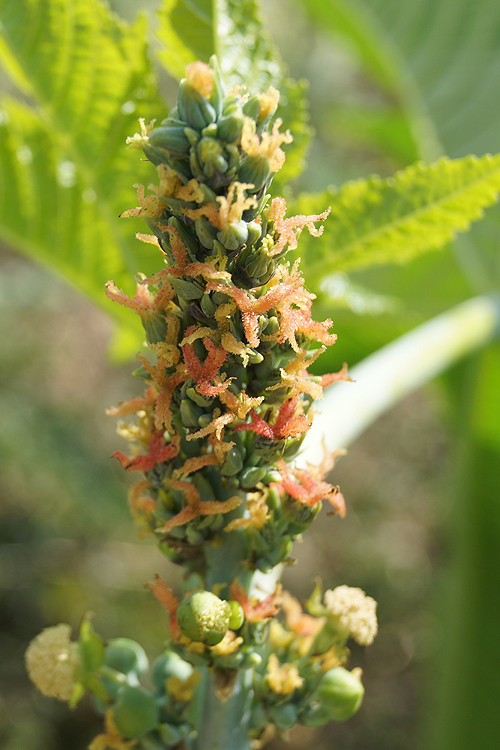
Castor Bean
Ricinus communis L.
Important botanical synonyms and historical names include:
Cataputia major Ludw.
Cataputia minor Ludw.
Croton spinosus L.
Ricinus africanus Mill.
Ricinus angulatus Thunb.
Ricinus armatus Andrews
Ricinus atropurpureus Pax & K.Hoffm.
Ricinus badius Rchb.
Ricinus borboniensis Pax & K.Hoffm.
Ricinus cambodgensis Benary
Ricinus communis subsp. africanus (Mill.) Nyman
Ricinus communis var. africanus Müll.Arg.
The genus Ricinus is currently treated as containing one highly variable accepted species, Ricinus communis. Numerous named forms and varieties have been published for differences in plant size, seed appearance, leaf color, and growth habit.
Euphorbiaceae Juss. — Spurge Family
Castor Bean belongs to the order Malpighiales. Other Euphorbiaceae include Codiaeum, Euphorbia, Jatropha, Manihot, and Vernicia, but these plants do not necessarily contain the same toxins or produce the same clinical syndrome.
Castor Bean, Castorbean, Castor Bean Plant, Castor-Oil Plant, Castor Oil Plant, Castor Plant, Mole Bean, Mole Bean Plant, Palma Christi, Palm of Christ, Wonder Tree, African Wonder Tree, African Coffee Tree, Mexico Weed, Ricinus, Ricino, Higuerilla, Palma Cristi, Ricinus communis, Ricinus africanus, Cataputia major
The bean-like structures are botanically seeds rather than true beans. “Castor Bean” remains the established common name, but the distinction matters because the seed coat controls how readily ricin is released after ingestion.
Ricin: The Principal Castor Bean Toxin
Ricin is the principal toxin responsible for severe Castor Bean ingestion. It is a highly potent protein toxin classified as a type 2 ribosome-inactivating protein. The greatest practical concentration occurs within the seeds, particularly in the pale internal tissue exposed when the hard mottled seed coat is chewed, cracked, crushed, ground, or otherwise damaged.
Ricin does not act like a routine gastrointestinal irritant. Once it enters susceptible cells, it interrupts one of the most basic processes required for survival: the manufacture of proteins. Cells that cannot replace structural proteins, enzymes, membrane components, and other essential molecules become dysfunctional and die.
How Ricin Enters Cells and Stops Protein Synthesis
The ricin molecule contains two linked protein chains. The B chain binds to galactose-containing structures on cell surfaces and permits the toxin to enter the cell. After internal processing, the A chain reaches the cytosol and damages a specific site within 28S ribosomal RNA.
This enzymatic injury disables the ribosome, preventing it from assembling new proteins. One toxin molecule can inactivate many ribosomes, so a relatively small absorbed amount may injure large numbers of cells. Rapidly renewing tissues, including the gastrointestinal lining and lymphoid tissue, are especially vulnerable.
Why Chewed Seeds Are More Dangerous Than Intact Seeds
The mottled outer seed coat is comparatively hard and water resistant. A seed swallowed whole with an undamaged coat may pass through the gastrointestinal tract while releasing little of its internal ricin. That possibility helps explain why some animals remain well after swallowing seeds that would have been dangerous if thoroughly chewed.
Chewing, grinding, crushing, drilling, weathering, or processing breaks that protective barrier. Ricin-containing seed tissue can then mix with digestive contents and contact the intestinal lining. The degree of mastication is therefore one of the most important predictors of exposure severity.
Visible whole seeds in vomit or stool do not prove that every swallowed seed remained intact. An animal may chew some seeds and swallow others whole, and small cracks may be difficult to see. No seed count can reliably determine whether treatment is unnecessary.
Ricinus Communis Agglutinin
Castor seeds also contain Ricinus communis agglutinin, often abbreviated RCA. This related lectin can strongly agglutinate red blood cells under laboratory or direct bloodstream exposure conditions but is a much weaker cellular toxin than ricin.
RCA crosses the intestinal wall poorly, so ordinary oral Castor Bean poisoning is attributed primarily to ricin rather than to direct red-cell agglutination by RCA. The older description of ricin as principally a blood-agglutinating poison arose before the activities of these separate proteins were distinguished clearly.
Ricinine Is an Exposure Marker, Not the Main Cytotoxin
Ricinine is a small nitrogen-containing alkaloid found in Castor Bean seeds, leaves, and seed-derived material. It may contribute to the plant’s broader toxicity, but it is not the principal protein-synthesis inhibitor responsible for the characteristic severe gastrointestinal syndrome.
Its greatest modern importance is diagnostic. Ricin itself may be difficult to recover because it remains concentrated near exposed tissues and is metabolized or degraded. Ricinine is smaller, easier to extract, and may be detected in gastrointestinal contents, urine, liver, kidneys, or other samples as evidence that exposure to Castor Bean material occurred.
Seeds, Leaves, Capsules, and Other Plant Parts
The seeds are by far the most dangerous plant part. Spiny seed capsules contain several smooth, shiny, mottled seeds that may be attractive to animals investigating fallen plant material. Mature capsules can split and scatter seeds into gardens, runs, poultry yards, paddocks, or neighboring properties.
Leaves, stems, roots, sap, flowers, and immature capsules should also be treated as unsafe. Their ricin concentration and clinical risk are generally lower than those of damaged mature seeds, but ingestion can still cause salivation, gastrointestinal upset, tremors, weakness, or other signs, and plant identity or exposure quantity is often uncertain.
Castor Meal, Press Cake, and Fertilizer
After castor oil is extracted, the remaining seed material may be called castor cake, press cake, meal, pomace, or residue. This material can contain ricin unless it has undergone validated detoxification. Grinding and processing may make the toxin more accessible than it was inside an intact seed.
Castor-derived residue has been incorporated into organic fertilizer and investigated as an animal-feed ingredient after treatment. Inadequate heat processing, incomplete detoxification, cross-contamination, or misuse can expose dogs, livestock, poultry, and wildlife to concentrated seed material.
Two published adult-dog fatalities followed ingestion of fertilizer made from residual Castor Bean material. Both dogs developed uncontrollable vomiting followed by abundant hemorrhagic diarrhea and died from shock within several days despite intensive treatment. Kidney degeneration, hemorrhagic ulcerative gastroenteritis, lymphoid injury, myocardial changes, and ricinine in tissues confirmed a severe systemic exposure.
Castor Oil Is Not the Same as a Castor Seed
Properly manufactured castor oil does not ordinarily contain ricin because ricin is water-soluble and does not partition into the oil during proper processing. Pharmaceutical or industrial castor oil should therefore not be treated as chemically equivalent to a chewed raw seed.
This distinction does not make every castor-derived product safe. Crude or contaminated oil, homemade preparations, residual meal, fertilizer, seed powder, press cake, and products of uncertain manufacture may present risks that purified oil does not.
No Reliable Safe Seed Count
No dependable safe or lethal seed count applies across dogs, cats, horses, cattle, sheep, goats, poultry, or other species. Seed size and ricin concentration vary, while exposure depends on how thoroughly the seeds were damaged, the animal’s body size, individual susceptibility, stomach contents, and the speed of treatment.
Even a small number of chewed seeds can represent a serious exposure in a small animal. Conversely, some animals swallow several apparently intact seeds without developing severe disease. This variability is precisely why an owner should not use the number of missing seeds alone to decide whether veterinary assessment is necessary.
Onset and Early Gastrointestinal Signs
Clinical signs may begin within several hours, but a delay of approximately 12–48 hours is also reported. The interval depends on how many seeds were swallowed, whether they were chewed, the amount of ricin released, gastrointestinal transit, animal species, body size, and the exposure form.
Early signs commonly include loss of appetite, lethargy, depression, drooling, increased thirst, nausea, vomiting, abdominal pain, and diarrhea. Fever may occur. An affected animal may repeatedly stretch, pace, guard the abdomen, vocalize, or resist handling because of severe visceral pain.
Vomiting and Hemorrhagic Diarrhea
Vomiting may become frequent, forceful, and difficult to control. Diarrhea may initially be watery and then develop mucus, fresh blood, or a dark hemorrhagic appearance as intestinal epithelial cells die and the mucosal barrier breaks down.
The combination of vomiting and profuse diarrhea can cause enormous fluid loss. A severely affected animal may lose circulating volume faster than it can replace it voluntarily, especially when nausea and abdominal pain prevent drinking.
Dehydration, Electrolyte Loss, and Shock
Dry or tacky gums, sunken eyes, reduced skin elasticity, reduced urination, weakness, rapid heart rate, weak pulses, prolonged capillary refill, cool extremities, and collapse indicate progressive dehydration and poor perfusion.
Sodium, potassium, chloride, glucose, acid-base balance, and other electrolytes may become abnormal through gastrointestinal loss and cellular injury. Severe hypovolemia can progress to hypotensive shock, inadequate organ perfusion, altered awareness, and death.
Gastrointestinal Tissue Injury
Ricin can cause extensive inflammation, erosion, ulceration, hemorrhage, and necrosis within the stomach and intestines. The intestinal villi and rapidly dividing crypt cells are particularly vulnerable because they depend on continuous protein synthesis and cell replacement.
Blood in vomit or stool, severe persistent abdominal pain, abdominal distention, reduced intestinal motility, fever, or worsening depression raises concern for substantial mucosal injury, bacterial translocation, sepsis, ileus, or another complication.
Kidney and Liver Injury
Kidney injury may develop through direct cellular toxicity, prolonged dehydration, hypotension, reduced renal perfusion, and systemic inflammation. Urine production may decline, and blood tests may show rising kidney values, phosphorus abnormalities, or electrolyte disturbance.
Liver-cell degeneration or necrosis has been described in severe cases. Jaundice, abnormal liver values, hypoglycemia, altered coagulation, or worsening neurologic status may indicate that the disease has progressed beyond the gastrointestinal tract.
Neurologic and Respiratory Signs
Tremors, weakness, loss of coordination, seizures, stupor, collapse, and coma may occur in advanced poisoning. These signs can result from direct systemic injury, shock, electrolyte abnormalities, hypoglycemia, liver dysfunction, hypoxia, or multiple-organ failure.
Rapid or difficult breathing may accompany severe pain, metabolic acidosis, shock, aspiration after vomiting, pulmonary injury, or terminal cardiovascular collapse. Coughing, nasal discharge, abnormal lung sounds, or falling oxygen saturation after vomiting raises concern for aspiration.
Findings in Dogs and Cats
In dogs, vomiting, depression, and diarrhea are the most frequently documented signs. A poison-control review of 98 canine incidents found that most dogs survived, but approximately 9% died or were euthanized. Severity varied greatly and was influenced by whether seeds were chewed and how quickly treatment began.
A fatal case in a 12-week-old Mastiff puppy involved acute vomiting, diarrhea, lethargy, circulatory compromise, intestinal injury, and hepatic necrosis. Ricinine was detected as the laboratory marker confirming Castor Bean exposure.
Published cat cases are less common, but cats should be considered susceptible to the same ricin-mediated cellular injury. Vomiting, diarrhea, lethargy, abdominal pain, dehydration, tremors, seizures, or collapse after seed access requires immediate treatment.
Horses, Livestock, and Poultry
Horses may develop colic, depression, sweating, weakness, incoordination, diarrhea, dehydration, cardiovascular collapse, and death. Because horses cannot vomit, swallowed seed material may remain in the gastrointestinal tract while toxin release and absorption continue.
Cattle, sheep, and goats may show salivation, anorexia, abdominal pain, diarrhea, weakness, recumbency, dehydration, and shock. Exposure commonly results from seeds, contaminated feed, improperly processed meal, or castor residue incorporated into fertilizer or livestock rations.
Poultry can also be poisoned by seeds or inadequately detoxified meal. Depression, reduced feeding, diarrhea, weakness, reduced production, neurologic abnormalities, and sudden deaths within a flock should prompt immediate isolation of the feed source.
Course and Emergency Warning Signs
Severe poisoning may progress over hours or several days. Animals that survive the critical gastrointestinal, shock, and organ-injury period may recover, but worsening can continue after the original seed material has left the stomach because absorbed ricin has already entered cells.
Emergency warning signs include repeated vomiting, profuse or bloody diarrhea, severe abdominal pain, inability to retain water, marked dehydration, pale or gray gums, weak pulses, hypotension, tremors, seizures, difficulty breathing, reduced urine production, jaundice, collapse, coma, or failure to respond normally.
Plant Identity
Castor Bean is a fast-growing annual, perennial shrub, or small tree depending on climate. It may remain a large seasonal ornamental in cold regions or become woody and persist for years in frost-free areas.
The leaves are alternate, large, glossy, and palmately divided into approximately five to eleven pointed lobes. Leaf color varies from green to bronze, reddish purple, or nearly black among cultivated forms. The leaf stalk attaches near the center of the blade, giving the leaf a shield-like or peltate structure.
The plant bears separate male and female flowers within the same upright inflorescence. The fruits are rounded capsules, often covered with soft spines, that mature from green to red, pink, brown, or another cultivar-dependent color.
Each capsule generally contains several smooth oval seeds marked with mottled brown, gray, black, cream, or reddish patterns. A small growth at one end can make the seed resemble a swollen tick, which influenced the botanical name Ricinus.
Native Range and Widespread Naturalization
Ricinus communis is considered native to northeastern tropical Africa. It has been cultivated for oil, medicine, industry, ornament, and other uses for centuries and is now naturalized in warm regions throughout much of the world.
It commonly escapes into roadsides, railway corridors, waste areas, riverbanks, disturbed ground, drainage channels, field margins, vacant lots, farmyards, and coastal sites. Animals may therefore encounter it as both a deliberately planted ornamental and an invasive or weedy plant.
Why Animals Are Attracted to the Seeds
The glossy, patterned seeds can resemble beans, nuts, beads, or pieces of animal feed. Mature capsules may split and scatter them onto the ground, where dogs, poultry, pigs, goats, rodents, and wildlife can find them.
Puppies and young dogs may chew the seeds as play objects. Livestock and poultry are more likely to be exposed when seeds or meal contaminate feed, bedding, harvested forage, garden waste, or fertilizer.
Whole Seeds Do Not Eliminate the Risk
An intact seed coat can limit toxin release, and some swallowed seeds pass through the digestive tract without producing severe signs. That observation should not be converted into reassurance after an unknown exposure.
An owner cannot reliably determine how thoroughly every seed was chewed, whether a small crack was present, or whether digestive processes damaged the coat. The animal may also have eaten seed fragments that are no longer visible.
Evidence from 98 Dog Exposures
Albretsen, Gwaltney-Brant, and Khan reviewed 98 incidents in Evaluation of Castor Bean Toxicosis in Dogs: 98 Cases, published in the Journal of the American Animal Hospital Association in 2000. Vomiting, depression, and diarrhea were the most frequently reported signs.
Death or euthanasia occurred in approximately 9% of the incidents. The series demonstrates that ingestion does not always produce fatal poisoning, but it also confirms that a meaningful minority of canine exposures become lethal or clinically unmanageable.
The outcome of an individual case cannot be predicted from that percentage. The report included varied amounts, uncertain mastication, differing delays before treatment, and animals with different body sizes and susceptibilities.
Fatal Puppy Case Confirmed with Ricinine
A 2007 report described fatal ricin toxicosis in a 12-week-old Mastiff puppy. The puppy developed acute vomiting, diarrhea, lethargy, pale mucous membranes, delayed capillary refill, and laboratory abnormalities consistent with dehydration and systemic illness.
Despite supportive treatment, the puppy died several hours after presentation. Postmortem findings included intestinal congestion and injury, and ricinine was detected in gastric contents by liquid chromatography–mass spectrometry.
The case demonstrates the importance of ricinine as a diagnostic marker and the ability of chewed seed exposure to produce rapidly progressive disease in a young dog. It does not establish a universal fatal seed number because mastication and individual exposure remained critical variables.
Castor Fertilizer and Press-Cake Exposure
In another published report, two adult dogs from the same household ingested a fertilizer made entirely from residual Castor Bean material after oil extraction. Both developed sudden uncontrollable vomiting followed by abundant hemorrhagic diarrhea.
Despite intensive therapy, the dogs died from shock two and three days after the first clinical signs. Examination documented hemorrhagic ulcerative gastroenteritis, renal tubular injury, lymphoid necrosis, myocardial changes, and ricinine in tissues.
This report is a practical warning that a bag labeled organic, natural, plant based, or fertilizer may contain seed residue capable of poisoning an animal. Seed-derived meal should not be considered safe merely because the oil has already been removed.
Castor Oil and Other Castor Products
Properly processed castor oil does not ordinarily contain ricin because the protein is water-soluble and is separated from the oil. Pharmaceutical castor oil therefore presents a different toxicological problem from eating the raw seeds.
Castor oil can still cause gastrointestinal effects because of its laxative action, and products may contain flavorings or additional ingredients. Homemade oil, crude extracts, uncertain industrial products, meal, cake, fertilizer, and plant powders should never be assumed ricin-free.
Diagnosis
There is no widely available rapid clinic test that immediately confirms ricin poisoning. Diagnosis generally depends on identifying Castor Bean exposure, determining whether seeds were chewed, recognizing compatible severe gastroenteritis and shock, and excluding other causes.
Ricinine may be measured in urine, gastrointestinal contents, liver, kidney, or other specimens by specialized analytical laboratories. Detection supports exposure to Ricinus communis material but does not directly measure how much biologically active ricin entered cells.
Differential diagnoses include parvovirus, acute hemorrhagic diarrhea syndrome, salmonellosis, clostridial disease, gastrointestinal foreign bodies, pancreatitis, anticoagulant rodenticide, heavy metals, caustic chemicals, toxic mushrooms, mycotoxins, other poisonous seeds, and sepsis.
Prevention
The safest policy is not to grow Castor Bean where animals or children can reach it. Where the plant is retained, remove flower and seed clusters before the capsules mature, and collect every fallen seed promptly.
Do not place pulled plants, mature capsules, seeds, roots, or pruning debris in accessible compost, livestock pens, poultry yards, dog runs, paddocks, or open waste piles. Wear gloves during cleanup and avoid creating airborne dust from crushed seed material or meal.
Read fertilizer and soil-amendment labels carefully. Products containing castor cake, castor meal, castor residue, or seed-processing byproducts should be stored securely and used only where animals cannot dig, lick, or eat the treated material.
Immediate Steps After Castor Bean Exposure
- Stop further exposure immediately. Remove the animal from the plant, fallen seeds, seed capsules, seed fragments, fertilizer, press cake, meal, contaminated feed, or plant debris. Prevent every other animal from entering the area.
- Treat chewed or crushed seeds as an emergency. A damaged seed coat exposes the ricin-rich interior. Contact a veterinarian or emergency veterinary clinic immediately even when the animal currently appears normal.
- Do not assume whole seeds are harmless. Record whether the animal appeared to chew the seeds, but do not delay treatment while trying to inspect every missing or recovered seed for cracks.
- Remove only safely accessible fragments. If the animal is calm, alert, and swallowing normally, remove seed or capsule fragments resting at the lips or front of the mouth. Do not reach blindly toward the throat or force the jaws open.
- Prevent grooming and secondary ingestion. Wipe visible seed powder or plant residue from the muzzle and paws with a damp disposable cloth while wearing gloves. Wash contaminated coat areas with water and a mild pet-safe cleanser when appropriate.
- Preserve the evidence. Save representative seeds, capsules, leaves, fertilizer packaging, ingredient labels, meal, feed, vomit, stool containing seeds, and clear photographs. Place samples in a secure container away from animals and children.
- Record the timing and estimated exposure. Note when access began, how many seeds or capsules may be missing, whether the material was ground or processed, and whether vomiting, diarrhea, abdominal pain, weakness, or altered behavior has started.
- Keep a symptomatic animal quiet and transport promptly. Repeated vomiting, bloody diarrhea, weakness, dehydration, tremors, or collapse can worsen quickly and require immediate cardiovascular and organ support.
Do Not Attempt Unsupervised Home Treatment
- Do not wait for symptoms. Ricin-mediated cellular injury may begin before severe vomiting, hemorrhagic diarrhea, hypotension, or organ abnormalities become visible.
- Do not induce vomiting at home. Hydrogen peroxide, salt, mustard, syrup of ipecac, and manual gagging may cause gastric injury, aspiration, electrolyte disturbance, and delay professional decontamination.
- Do not give anything by mouth to an unstable animal. Food, water, charcoal, oil, medication, or electrolyte solutions may be aspirated when the animal is weak, depressed, vomiting repeatedly, seizing, or swallowing abnormally.
- Do not crush recovered seeds to identify them. Breaking the seed coat exposes the toxin-containing interior and may contaminate hands, surfaces, or airborne dust.
- Do not administer activated charcoal without veterinary direction. Charcoal may be useful after a recent exposure, but vomiting, profound weakness, ileus, abnormal swallowing, dehydration, or an unprotected airway can make administration dangerous.
- Do not give cathartics or laxatives. Castor oil, mineral oil, sorbitol, magnesium products, and other laxatives can worsen fluid and electrolyte losses when vomiting and diarrhea are already central features of the poisoning.
- Do not give anti-diarrheal medication. Loperamide, bismuth, kaolin-pectin products, or similar drugs do not neutralize ricin and may obscure hemorrhage, ileus, infection, or continued gastrointestinal injury.
- Do not give human pain medication or leftover prescriptions. Nonsteroidal anti-inflammatory drugs can worsen gastrointestinal bleeding and kidney injury in a dehydrated or hypotensive animal. Other human medicines may create an additional poisoning.
- Do not rely on castor oil as evidence that the seed is safe. Properly processed oil and a chewed raw seed are different exposures. Oil does not neutralize ricin released from plant material.
When Emergency Examination Is Especially Important
- Any chewed-seed or crushed-material exposure: Damaged seeds, seed powder, press cake, meal, or castor fertilizer can release concentrated toxin and justify immediate professional assessment before signs develop.
- Severe gastrointestinal signs: Repeated or uncontrollable vomiting, profuse watery diarrhea, blood in vomit or stool, marked abdominal pain, abdominal distention, or inability to retain water can rapidly produce shock.
- Poor perfusion or dehydration: Dry gums, sunken eyes, weak pulses, prolonged capillary refill, cool extremities, reduced urination, marked lethargy, collapse, or pale or gray mucous membranes indicates circulatory compromise.
- Neurologic or respiratory deterioration: Tremors, loss of coordination, seizures, stupor, coma, coughing after vomiting, abnormal lung sounds, or labored breathing requires immediate stabilization.
- Possible organ injury: Jaundice, reduced urine production, dark urine, abnormal bleeding, severe weakness, hypoglycemia, or worsening awareness may indicate kidney, liver, coagulation, or multisystem involvement.
- Group or feed exposure: Illness in several livestock animals, poultry, kennel dogs, or other animals sharing fertilizer, feed, bedding, or an outdoor area requires immediate removal and isolation of the common source.
Veterinary Examination and Diagnostic Priorities
The veterinarian will assess airway protection, breathing, hydration, perfusion, heart rate, blood pressure, temperature, abdominal pain, gastrointestinal losses, neurologic status, urine production, and evidence of hemorrhage or organ dysfunction.
No routine in-clinic test directly measures the amount of active ricin that entered cells. Diagnostic testing instead establishes the severity of injury, guides supportive treatment, and excludes other causes of hemorrhagic gastroenteritis and shock.
- Hydration and circulation: Serial body weight, packed cell volume, total solids, lactate, blood pressure, pulse quality, capillary refill, urine output, and repeated physical examinations help measure fluid loss and perfusion.
- Blood and organ testing: Complete blood count, glucose, electrolytes, acid-base status, kidney values, liver values, phosphorus, bilirubin, albumin, total protein, and serial biochemical profiles help identify systemic progression.
- Hemorrhage and coagulation: Platelet count, clotting times, blood-smear evaluation, stool characteristics, and other coagulation testing may be needed when gastrointestinal bleeding or disseminated systemic injury is suspected.
- Urine and renal monitoring: Urinalysis, urine output, urine sediment, hydration, kidney values, and blood pressure help detect acute kidney injury and guide fluid treatment.
- Imaging and infectious testing: Abdominal imaging, thoracic radiographs after aspiration, parvovirus testing, fecal testing, cultures, or other diagnostics may be selected when another cause or complication remains possible.
Professional Gastrointestinal Decontamination
Early decontamination can materially affect the outcome because the goal is to remove or adsorb ricin-containing seed tissue before substantial toxin enters intestinal cells. The benefit falls as time passes and systemic gastrointestinal injury becomes established.
Clinic-induced vomiting may be considered after a very recent seed ingestion in an alert, asymptomatic dog with normal breathing, normal swallowing, and no spontaneous vomiting, tremors, weakness, abdominal distention, or neurologic impairment. The veterinarian should use a species-appropriate emetic and prepare for retrieval and safe disposal of seed material.
Emesis is contraindicated once the animal is repeatedly vomiting, profoundly depressed, weak, collapsed, seizing, unable to swallow normally, or unable to protect its airway. It may also be inappropriate when sharp capsule material, another caustic substance, or a second exposure is involved.
Gastric lavage may be considered after a substantial recent ingestion of chewed seeds, seed powder, or concentrated meal when emesis is unsafe, unsuccessful, or unlikely to remove enough material. General anesthesia and a cuffed endotracheal tube are required to protect the airway. Lavage should not delay cardiovascular stabilization in an animal already developing shock.
Activated charcoal may be useful when ricin-containing material was swallowed recently and the gastrointestinal tract remains functional. Administration requires careful assessment of vomiting, hydration, intestinal motility, swallowing, and airway protection.
Repeated charcoal administration is not automatically indicated. Clinically important enterohepatic recirculation of ricin has not been established, and repeated charcoal can worsen dehydration, constipation, ileus, sodium abnormalities, and aspiration risk.
Vomiting, Diarrhea, and Gastrointestinal Protection
Persistent vomiting should be controlled after decontamination decisions have been completed. A veterinarian may select an antiemetic such as maropitant or ondansetron according to the species, severity of nausea, cardiovascular status, swallowing ability, and response.
Severe abdominal pain may require opioid or another veterinarian-selected analgesic. Nonsteroidal anti-inflammatory drugs are generally poor choices in an animal with gastrointestinal hemorrhage, dehydration, hypotension, or developing kidney injury.
Sucralfate may be considered when repeated vomiting, hematemesis, melena, esophagitis, or erosive gastrointestinal injury is present. It forms a protective barrier over damaged mucosa rather than binding intracellular ricin. Administration may need to be separated from other oral medications because sucralfate can reduce their absorption.
Acid suppression with a proton-pump inhibitor or H2-receptor antagonist may be selected when erosive gastritis, reflux esophagitis, hematemesis, melena, or another acid-related complication is documented or strongly suspected. It is not a toxin-specific antidote.
Anti-diarrheal drugs are not routine treatment. Hydration, electrolyte correction, pain control, nutrition, and monitoring for hemorrhage, ileus, sepsis, or intestinal necrosis are more important than merely reducing stool frequency.
Fluid, Electrolyte, and Shock Treatment
Intravenous balanced isotonic crystalloids are often central to treatment because vomiting and hemorrhagic diarrhea can cause profound volume depletion. Fluid therapy should replace measured dehydration, maintenance needs, and continuing losses while restoring perfusion.
Fluid delivery must be reassessed repeatedly using blood pressure, pulse quality, capillary refill, lactate, mentation, urine production, body weight, lung sounds, electrolytes, kidney function, and ongoing gastrointestinal losses. One fixed volume is not suitable for every patient.
Potassium, sodium, glucose, chloride, phosphorus, bicarbonate, and acid-base abnormalities should be corrected according to measured values. Electrolytes must not be supplemented blindly in a patient with reduced urine production or evolving renal failure.
If hypotension persists despite appropriate intravascular volume replacement, the veterinarian should investigate continuing hemorrhage, vasodilation, sepsis, myocardial dysfunction, severe protein loss, or another complication. A titrated vasopressor such as norepinephrine or another clinician-selected agent may be required with continuous blood-pressure and perfusion monitoring.
Protein Loss, Hemorrhage, and Blood Products
Extensive gastrointestinal injury can cause blood loss, plasma-protein loss, hypoalbuminemia, anemia, and impaired oncotic pressure. Packed red cells, whole blood, plasma, or another blood product may be considered according to measured anemia, active hemorrhage, coagulation abnormalities, protein loss, and cardiovascular status.
Blood products do not neutralize ricin. Their role is to restore oxygen-carrying capacity, coagulation factors, or circulating proteins while gastrointestinal and systemic injury is treated.
Kidney, Liver, and Coagulation Support
Kidney protection depends on restoring perfusion, correcting dehydration, monitoring urine output, avoiding unnecessary nephrotoxic medication, and adjusting fluids and electrolytes as renal function changes.
Oliguria or anuria requires immediate reassessment rather than unlimited additional fluid. Urinary catheterization, serial weight, blood pressure, kidney values, urine sediment, and specialist renal support may be needed in severe cases.
Liver injury may require glucose monitoring, nutritional support, coagulation testing, treatment of hypoglycemia, and management of hepatic encephalopathy when present. No liver protectant reverses ricin already inside cells, but organ-directed support may permit surviving tissue to recover.
Disseminated coagulation abnormalities or severe gastrointestinal hemorrhage require serial platelet and clotting assessment and may justify plasma or other blood products. Treatment should be directed by measured deficiencies and clinical bleeding.
Sepsis and Gastrointestinal Barrier Failure
Extensive intestinal necrosis can disrupt the normal barrier between intestinal bacteria and the bloodstream. Fever, hypothermia, neutropenia, worsening hypotension, rising lactate, abdominal distention, altered awareness, or persistent organ dysfunction may indicate sepsis.
Antimicrobial treatment is not automatically required after every Castor Bean ingestion. It may be appropriate when severe mucosal injury, neutropenia, bacterial translocation, aspiration pneumonia, or clinical sepsis is documented or strongly suspected.
Tremors, Seizures, and Respiratory Support
Tremors and seizures require prompt control to reduce oxygen demand, hyperthermia, aspiration, metabolic acidosis, and secondary brain injury. Benzodiazepines are commonly used first, with additional anticonvulsants or anesthesia selected when seizures recur or persist.
Sedation must be balanced against respiratory and cardiovascular status. Airway protection becomes increasingly important when vomiting, profound weakness, seizures, or altered consciousness prevents the animal from swallowing and coughing normally.
Oxygen may be needed for shock, aspiration, severe anemia, seizures, or respiratory distress. Endotracheal intubation and mechanical ventilation may be required when the animal cannot protect its airway or maintain effective breathing.
Horses, Ruminants, and Poultry
Remove all susceptible animals from the plant, feed, fertilizer, bedding, or pasture source. Isolate the suspected batch and retain representative samples of seeds, meal, hay, concentrate, water, gastrointestinal contents, and packaging.
Horses cannot vomit. Early veterinary management may include nasogastric evaluation, controlled administration of activated charcoal, assessment of reflux and intestinal motility, fluid and electrolyte support, pain control, and intensive monitoring for colic, diarrhea, shock, or organ injury.
In cattle, sheep, and goats, rumen contents and motility should be assessed after significant seed or meal exposure. Activated charcoal, rumen evacuation, rumenotomy, or other decontamination may be considered after a recent substantial ingestion when retained material presents an ongoing hazard.
When poultry or several livestock animals are affected, immediately stop use of the feed and prevent movement of the suspect material to another group. Feed testing, necropsy, toxicologic analysis, and investigation of processing or detoxification failure may be necessary.
Recovery and Prognosis
Prognosis depends on the amount and form ingested, the degree of seed mastication, animal size and species, delay before treatment, severity of fluid loss, and development of shock or organ failure.
Animals treated before vomiting, hemorrhagic diarrhea, and systemic injury become established have the best opportunity for recovery. Once absorbed ricin has entered cells, treatment cannot remove it directly and must support the patient while damaged tissues recover or are replaced.
Improvement should include cessation of vomiting, decreasing diarrhea and blood loss, improving hydration and blood pressure, voluntary drinking, return of appetite, normal urine production, stable kidney and liver values, and restoration of normal activity.
The prognosis becomes guarded to poor with uncontrollable hemorrhagic diarrhea, refractory hypotension, severe gastrointestinal necrosis, sepsis, progressive kidney or liver failure, coagulopathy, recurrent seizures, respiratory failure, coma, or multisystem organ failure.
Frequently Asked Questions About Castor Bean and Animal Poisoning
Is Castor Bean poisonous to dogs and cats?
Yes. Chewed or crushed seeds can cause severe vomiting, abdominal pain, watery or bloody diarrhea, dehydration, hypotension, kidney or liver injury, seizures, shock, organ failure, and death.
Is Castor Bean poisonous to horses and livestock?
Yes. Horses, cattle, sheep, goats, poultry, and other animals can be poisoned by seeds, seed fragments, or inadequately detoxified castor meal. Feed contamination can expose several animals at once.
Why are chewed seeds more dangerous?
The hard seed coat limits contact between the toxin-rich interior and digestive fluids. Chewing, crushing, or grinding breaks that barrier and releases ricin-containing tissue into the gastrointestinal tract.
Can a whole swallowed Castor Bean seed pass without poisoning an animal?
It can happen when the seed coat remains completely intact, but it cannot be assumed after an actual exposure. Some seeds may be cracked or partly chewed, and an animal may swallow a mixture of whole seeds and fragments.
How many Castor Bean seeds can kill a dog?
No reliable universal seed count exists. Risk depends on seed size, ricin concentration, how thoroughly each seed was chewed, the dog’s size and health, stomach contents, and time to treatment. Even a small number of chewed seeds may cause severe poisoning.
How quickly do signs develop?
Signs may begin within several hours or be delayed approximately 12–48 hours. Vomiting, abdominal pain, diarrhea, depression, and increased thirst often appear first.
What is the difference between ricin and ricinine?
Ricin is the protein toxin that stops cellular protein synthesis. Ricinine is a smaller plant alkaloid that is especially useful as a laboratory marker showing that Castor Bean material was present in the body.
Is Castor Bean poisoning a type of blood agglutination?
Ordinary oral poisoning is caused primarily by ricin-mediated cellular injury. The plant also contains Ricinus communis agglutinin, but that lectin crosses the intestinal wall poorly and is not considered the principal oral toxin.
Is castor oil as poisonous as the seeds?
Properly processed castor oil normally does not contain ricin because the protein is water-soluble and does not partition into the oil. Raw seeds, crude preparations, seed meal, press cake, and contaminated products remain dangerous.
Can organic castor fertilizer poison a dog?
Yes. Fatal dog poisonings have followed ingestion of fertilizer made from residual Castor Bean material. Products containing castor cake or meal must be stored and applied where animals cannot eat or dig into them.
Should I make my dog vomit after it eats a Castor Bean seed?
Do not attempt home vomiting. A veterinarian may induce vomiting after a very recent exposure in an alert, asymptomatic dog with normal breathing and swallowing. Vomiting is unsafe once weakness, repeated vomiting, seizures, collapse, or abnormal swallowing develops.
Does activated charcoal help Castor Bean poisoning?
Activated charcoal may be useful professionally after a recent ingestion, provided the animal can protect its airway and the gastrointestinal tract remains functional. Repeated doses are not automatically warranted.
Is there an antidote for ricin?
No proven clinical antidote is available. Treatment focuses on early decontamination, aggressive fluid and electrolyte replacement, control of vomiting and pain, blood-pressure support, organ monitoring, seizure control, and respiratory care.
What is the prognosis after Castor Bean ingestion?
The prognosis is best when the exposure is recognized before severe gastrointestinal signs develop. It becomes guarded or poor with hemorrhagic diarrhea, refractory shock, sepsis, kidney or liver failure, seizures, coma, or multisystem organ failure.