Garden Croton Latex Exposure and Gastrointestinal Irritation
Is Croton Poisonous to Dogs, Cats, Horses, and Livestock?
Yes—Garden Croton, Codiaeum variegatum, should be treated as poisonous to dogs, cats, horses, livestock, rabbits, birds, and other animals. Chewing the leaves, stems, bark, roots, flowers, fruits, or seeds can expose the mouth and digestive tract to irritating latex and chemically variable plant constituents. Expected signs include drooling, lip licking, nausea, vomiting, abdominal discomfort, diarrhea, appetite loss, and temporary depression.
Most limited ornamental-croton ingestions are expected to cause no signs or a mild to moderate gastrointestinal illness rather than catastrophic organ failure. Repeated vomiting, severe diarrhea, dehydration, aspiration, prolonged food refusal, or ingestion of a large root ball can still require veterinary treatment. An overturned pot may also expose an animal to fertilizer, pesticide, potting mix, decorative stones, wire, plastic, moss, or another plant.
Broken leaves and stems release a white to nearly colorless latex-like sap. Contact may cause redness, itching, swelling, rash, or eczema, particularly after repeated exposure or in a previously sensitized animal or person. Sap splashed into an eye can cause painful irritation, tearing, squinting, eyelid swelling, and corneal injury from rubbing.
The ornamental Garden Croton is not a true member of the genus Croton. It must not be confused with Croton Oil Plant, Croton tiglium, whose seeds and oil contain potent purgative and inflammatory compounds, or with other true crotons whose chemistry differs substantially. Severe bloody diarrhea, major neurologic dysfunction, shock, or multiorgan illness requires exact plant identification and investigation of other toxins rather than automatic reliance on the common name Croton.
More than three hundred croton cultivars have been developed, with major differences in leaf shape, color, genetics, and phytochemical profile. Research does not establish that Petra, Mammy, Gold Dust, Zanzibar, Oakleaf, Banana, Eleanor Roosevelt, Red Iceton, or any green, yellow, orange, red, pink, purple, narrow-leaved, curled, lobed, dwarf, or variegated selection is pet-safe. Cultivar appearance cannot predict the concentration of irritating constituents.
About this guide: This page provides general pet-poisoning information and cannot diagnose or treat an individual animal. For any suspected exposure, contact a veterinarian or animal poison-control service immediately. Do not induce vomiting, give medication, or attempt home decontamination unless directed by a veterinary professional.
Croton
Codiaeum variegatum (L.) Rumph. ex A.Juss.
Carl Linnaeus originally published the plant as Croton variegatus L. in 1753. The accepted combination Codiaeum variegatum was published in 1824. The abbreviated authorship records the original Linnaean name and its later transfer into Codiaeum.
Accepted infraspecific taxa are:
- Codiaeum variegatum var. cavernicola Kiew & Welzen
- Codiaeum variegatum var. variegatum
Important homotypic or historical names include:
- Croton variegatus L.
- Codiaeum chrysosticton Rumph. ex Spreng., nom. illeg.
- Crozophyla variegata (L.) Raf.
- Oxydectes variegata (L.) Kuntze
- Phyllaurea variegata (L.) W.Wight
The name Codiaeum variegatum var. pictum (Lodd.) Müll.Arg. and shortened horticultural forms such as Codiaeum pictum or Croton pictus remain common in older houseplant, dermatology, and veterinary literature. Cultivated pictum material is generally included within Codiaeum variegatum var. variegatum rather than treated as a separate toxicological species.
Numerous older forma, varietal, and horticultural names describe differences in leaf width, lobing, twisting, interruption of the blade, spotting, color, or margin shape. These include names based on pictum, angustifolium, aureomaculatum, cornutum, crispum, interruptum, lobatum, majus, medium, moluccanum, platyphyllum, punctatum, spirale, and related variants. Their continued appearance on labels does not establish a standardized modern taxon or predictable toxin profile.
More than three hundred cultivars have been developed. Familiar selections include ‘Petra’, ‘Mammy’, ‘Gold Dust’, ‘Zanzibar’, ‘Oakleaf’, ‘Eleanor Roosevelt’, ‘Red Iceton’, ‘Mrs Iceton’, ‘Excellent’, ‘Norma’, ‘Aureo-maculatum’, ‘Punctatum’, ‘Spirale’, ‘Majesticum’, ‘Andreanum’, ‘Banana’, ‘Andrew’, ‘Bush on Fire’, ‘Corkscrew’, ‘Dreadlocks’, ‘Magnificent’, ‘Sunny Star’, and ‘Stoplight’. Cultivar names should be preserved during exposure assessment because phytochemical profiles can differ.
Garden Croton must not be identified simply as Croton spp. The accepted genus Croton is a separate and very large group in Euphorbiaceae. Toxicological information about Croton tiglium, croton oil, crotin, rushfoils, cascarilla, and other true crotons cannot be transferred automatically to Codiaeum variegatum.
Euphorbiaceae — Spurge Family
Croton; Garden Croton; Variegated Croton; Ornamental Croton; Houseplant Croton; Florist’s Croton; Florists’ Croton; Joseph’s Coat; Variegated Laurel; Miracle Shrub; Fire Croton; Codieum; Codiaeum; Croton Plant
Regional names include San Francisco Plant; San Francisco Croton; Sagilala; Buenavista; Buena Vista; Bian Ye Mu; Garden Codiaeum; Painted Croton; Painted-Leaf Croton; and Variegated Codiaeum.
Cultivar and trade names include Petra Croton; Mammy Croton; Gold Dust Croton; Zanzibar Croton; Oakleaf Croton; Banana Croton; Eleanor Roosevelt Croton; Red Iceton Croton; Mrs Iceton Croton; Magnificent Croton; Corkscrew Croton; Dreadlocks Croton; Bush on Fire Croton; Sunny Star Croton; Stoplight Croton; Excellent Croton; Norma Croton; and Andrew Croton.
Historical botanical search names include Croton variegatus, Codiaeum variegatum var. pictum, Croton pictus, Codiaeum pictum, Crozophyla variegata, Oxydectes variegata, and Phyllaurea variegata.
Croton Oil Plant, Purging Croton, or Tiglium Croton refers to Croton tiglium, not Codiaeum variegatum. True crotons and rushfoils belong to Croton and may contain very different diterpenes, oils, or toxic proteins.
Joseph’s Coat is also used for unrelated plants in Alternanthera, Amaranthus, Coleus, and other genera. Variegated Laurel may be confused with true laurels, Spotted Laurel or Aucuba japonica, and several unrelated shrubs. A common name alone is therefore insufficient for poisoning diagnosis.
The Toxic Chemistry Is Variable and Incompletely Defined
Garden Croton does not contain one universally demonstrated compound that explains every exposure. Its latex, leaves, stems, bark, roots, and reproductive tissues contain mixtures of terpenoids, alkaloids, phenolics, lipids, pigments, sterols, and other constituents. Their presence and concentration can differ among cultivars, plant organs, growing conditions, developmental stages, and extraction methods.
The ordinary veterinary syndrome is primarily local oral and gastrointestinal irritation. Exact clinical evidence does not support treating every croton bite as severe systemic diterpene poisoning. Conversely, chemical variability prevents declaring one cultivar or tissue harmless without direct testing.
Latex as a Defensive Secretion
Damage to a leaf, petiole, stem, bark, or root can release a white to translucent latex-like sap. Plant latex is a complex emulsion produced in specialized cells and may contain defensive proteins, terpenoids, enzymes, resins, lipids, and low-molecular-weight compounds.
The latex discourages herbivory, seals wounds, and may inhibit insects or microorganisms. When transferred to skin, eyes, lips, or gastrointestinal mucosa, the same defensive mixture can cause irritation or an allergic reaction.
The amount and appearance of latex vary with the tissue, hydration, cultivar, season, and severity of injury. Failure to see white sap does not prove that a plant is not Codiaeum variegatum or that no irritating material was swallowed.
5-Deoxyingenol and Ingenane-Type Diterpenes
5-Deoxyingenol is frequently identified as an important toxic constituent of Garden Croton. It belongs to the ingenane family of diterpenes, and esterified ingenane derivatives in some Euphorbiaceae can produce strong inflammatory or tumor-promoting activity.
A major review of Codiaeum variegatum reported 5-deoxyingenol and phorbol-type esters in some ornamental material. That evidence supports caution but does not establish that every cultivar contains the same molecule at a clinically important concentration.
The name should also be used correctly. 5-Deoxyingenol is a diterpene framework or related constituent, not an alkaloid, calcium-oxalate crystal, or ricin-like protein.
Phorbol Esters and the Cultivar-Evidence Conflict
Phorbol esters are tigliane diterpenes best known from plants such as Croton tiglium and several spurges. Potent phorbol esters can bind regulatory proteins such as protein kinase C and produce intense inflammation, prolonged signaling changes, and tumor-promoting activity in experimental systems.
These general Euphorbiaceae mechanisms should not be assigned automatically to every Garden Croton. A direct investigation screened twenty-two commercial Euphorbiaceae houseplant cultivars and found the tested Codiaeum variegatum cultivars devoid of the tumor-promoting ingenol or phorbol esters detected in several other plants.
The negative study does not prove that every croton worldwide lacks inflammatory diterpenes. It shows that cultivar identity and analytical confirmation matter and that broad statements about universal phorbol-ester content are scientifically unsafe.
Tumor Promotion Is Not the Same as Acute Pet Poisoning
Some diterpene esters are described as tumor promoters or cocarcinogens because repeated experimental application can amplify the effect of an initiating carcinogen. They do not necessarily initiate cancer by themselves, and the biological activity is highly structure-specific.
A dog chewing one leaf or a person briefly touching sap has not thereby received a diagnosis of cancer. Acute management should focus on oral, gastrointestinal, skin, and eye effects. Repeated occupational or deliberate chronic exposure remains inappropriate and should be prevented.
Documented Allergic Contact Sensitization
Occupational research provides direct evidence that croton can cause allergic contact dermatitis. A nursery worker developed hand eczema after repeated handling, reacted to leaf patch testing, and experimental leaf-extract exposure sensitized guinea pigs.
Importantly, controls did not show a primary irritant response to the latex in that investigation. The study therefore supports true delayed hypersensitivity rather than a claim that every drop of sap chemically burns every individual.
An animal previously exposed repeatedly may react more strongly than one encountering the plant for the first time. Redness, itching, papules, swelling, crusting, or eczema can also be worsened by licking, scratching, moisture, infection, and pesticides on the plant.
Oral and Gastrointestinal Irritation
Chewing disrupts plant cells and coats the oral and gastrointestinal mucosa with sap and cellular constituents. This can trigger salivation, nausea, vomiting, abdominal discomfort, and diarrhea.
Repeated vomiting and diarrhea can produce dehydration, electrolyte abnormalities, esophagitis, weakness, and reduced kidney perfusion even when the original toxic action remains local. Aspiration of vomit is a separate potentially serious complication.
Severe persistent hemorrhagic gastroenteritis is not well established as the usual outcome of ornamental Codiaeum variegatum. Blood requires evaluation for forceful retching, foreign material, another plant, pesticide, medication, infection, or more severe mucosal injury.
Exact Leaf Constituents
Research on the cultivar ‘Petra’ isolated the aporphine alkaloids glaucine, oxoglaucine, and hemiargyrine from methanolic leaf extract. The same work identified ent-trachyloban-3-one, ent-18-hydroxytrachyloban-3-one, alpha-amyrin, and beta-sitosterol.
These compounds demonstrate genuine cultivar-specific chemical complexity. Their isolation from a laboratory extract does not prove that any one of them causes the ordinary drooling, vomiting, or diarrhea seen after natural pet exposure.
Cytotoxicity observed after direct exposure of cultured cells to extracts or isolated compounds must not be converted into a prediction that one chewed leaf will cause cancer-cell-like systemic injury in an animal.
Cyanogenic and Other Glycoside Claims
A cyanogenic glucoside has been reported from croton sap in phytochemical research, and qualitative screening studies have reported several broad compound classes. Such findings require careful interpretation because a detected precursor does not establish a clinically important cyanide dose after ordinary leaf ingestion.
Rapid bright-red mucous membranes, severe respiratory distress, seizures, profound lactic acidosis, or sudden collapse is not the expected Garden Croton syndrome. Those findings should prompt immediate investigation of true cyanogenic plants, smoke, chemicals, or other causes.
Calcium Oxalate Is Not the Established Croton Mechanism
Some secondary veterinary summaries describe croton latex as rich in calcium oxalate. Exact-species evidence supporting an aroid-like raphide mechanism in Codiaeum variegatum is inadequate.
The plant should therefore not be described as equivalent to Dieffenbachia, Pothos, Philodendron, Peace Lily, or Calla Lily. Those aroids contain needle-shaped insoluble calcium-oxalate crystals that produce immediate severe oral pain and swelling.
A croton-exposed animal with dramatic tongue enlargement, intense mouth pain, or impaired swallowing should be examined for an aroid, caustic chemical, electrical injury, foreign body, or allergic reaction.
Seeds, Seed Oil, and Evidence Limitations
The fruit of Garden Croton is a small capsule that generally divides into sections containing seeds. Fruiting is uncommon on many indoor plants but may occur on mature outdoor shrubs in tropical climates or greenhouses.
Older sources describe croton seed oil as purgative, and modern secondary accounts sometimes portray the seeds as highly dangerous. Direct exact-species veterinary studies defining the constituents, dose, and syndrome of Codiaeum variegatum seeds are lacking.
Seed precautions remain appropriate because reproductive tissues may contain concentrated defensive compounds and hard material can be swallowed whole. The uncertainty does not justify importing crotin, croton oil, or the lethal-dose claims of Croton tiglium into Garden Croton.
Garden Croton Is Not Croton Oil Plant
Croton Oil Plant, Croton tiglium, is a true member of the genus Croton. Its seed oil is a powerful purgative and inflammatory material rich in structurally characterized phorbol esters, and its seeds also contain biologically active proteins.
Codiaeum variegatum is a different genus and species grown primarily for colorful foliage. The shared common name and historical placement as Croton variegatus have encouraged toxicological conflation.
A plant with an uncertain label, substantial seeds, severe bloody diarrhea, shock, or marked systemic illness should be identified botanically rather than managed from the word Croton alone.
Leaves, Stems, Bark, and Roots
Leaves are the most common household exposure, but sap-bearing petioles, stems, bark, and roots can also irritate. Dogs that dig into pots may consume a much greater plant mass from woody stems and roots than from one leaf.
Root and bark chewing also introduces fibrous material, soil, fertilizer, systemic pesticide, mold, stones, wire, mesh, and plastic. The clinical problem may therefore involve both chemical irritation and gastrointestinal obstruction.
Flowers, Fruits, and Seeds
Garden Croton is monoecious, producing separate male and female flowers on the same plant. The small flowers are arranged along slender inflorescences and are much less visually prominent than the foliage.
Flowers and immature fruits should remain inaccessible even though direct poisoning evidence is limited. Mature capsules and seeds deserve additional caution because their exact veterinary toxicology is inadequately defined.
Fresh, Wilted, Frost-Damaged, and Dried Material
Freshly damaged tissue releases the greatest visible amount of latex, but wilting does not prove that irritating terpenoids and other constituents have disappeared. Frost-damaged leaves, dropped foliage, pruning debris, and uprooted shrubs should remain inaccessible.
Drying may reduce water and change latex flow while preserving nonvolatile compounds. Dried wreaths, pressed leaves, craft material, herbarium specimens, and old greenhouse debris may also contain pesticide, preservative, mold, wire, paint, or adhesive.
Concentrated Extracts and Traditional Preparations
Some croton cultivars are used traditionally in decoctions, extracts, washes, or topical preparations. Research suggests that cultivar and extraction method materially influence which constituents are recovered.
Aqueous preparation may not extract the same lipophilic compounds as alcohol, oil, or concentrated solvent extraction. A medicinal history for one green-leaved cultivar does not establish that a brightly colored ornamental cultivar or homemade tincture is safe for an animal.
Teas, powders, alcohol extracts, essential-oil products, wound preparations, and homemade pesticides can deliver a different exposure from chewing an intact leaf and may include additional solvents or ingredients.
No Validated Veterinary Toxic Dose
No validated toxic dose exists for the leaves, latex, stems, bark, roots, flowers, fruits, or seeds of Garden Croton in dogs, cats, horses, cattle, sheep, goats, rabbits, guinea pigs, birds, or reptiles.
Risk depends on cultivar, tissue, amount, chewing, sap release, body size, exposure route, repeated contact, medical history, and associated products. A punctured leaf differs from swallowing a whole root ball or chewing several seed capsules.
The absence of a dose requires case-specific evaluation, not the assumption that every exposure is severe. Most limited exposures are expected to remain local or gastrointestinal, while substantial or symptomatic cases deserve professional assessment.
Expected Clinical Pattern
Most ordinary Garden Croton exposures cause no signs or a limited oral and gastrointestinal illness. Salivation, nausea, vomiting, abdominal discomfort, diarrhea, appetite reduction, and transient depression are the most plausible findings.
Signs may begin during the first several hours after chewing, but exact onset has not been established in controlled veterinary studies. The timing can be obscured when an animal nibbles leaves repeatedly or gains unsupervised overnight access.
Drooling and Oral Discomfort
Early signs may include lip licking, repeated swallowing, drooling, foamy saliva, face rubbing, pawing at the mouth, or refusal to continue chewing. The bitter or irritating sap may limit the amount consumed.
Major tongue swelling, profound immediate pain, inability to swallow, or airway noise is not the expected uncomplicated croton pattern. An aroid, caustic chemical, electrical injury, penetrating foreign material, or severe hypersensitivity reaction should be considered.
Vomiting
Vomiting may contain colorful leaf fragments, white sap, bark, roots, soil, food, foam, bile, fertilizer pellets, decorative moss, stones, or pieces of a container. One episode in an alert animal differs from repeated vomiting with inability to retain water.
Persistent vomiting can cause dehydration, electrolyte loss, esophageal inflammation, aspiration, weakness, and low blood pressure. Blood may follow forceful retching but requires veterinary assessment rather than dismissal as an ordinary effect.
Diarrhea and Abdominal Pain
Stool may become soft, watery, urgent, mucus-covered, or occasionally blood-streaked. Dogs may hunch, stretch, guard the abdomen, pant, pace, or resist lying down. Cats may crouch, hide, or object to abdominal handling.
Repeated unproductive retching, severe abdominal enlargement, absence of feces, or focal persistent pain raises concern for bloat, obstruction, pancreatitis, container fragments, stones, or another emergency.
Appetite Loss and Depression
Nausea and abdominal discomfort may reduce appetite temporarily. Mild quietness can accompany gastrointestinal upset and dehydration.
Profound depression, stupor, inability to stand, progressive loss of responsiveness, or prolonged anorexia is atypical after one small leaf exposure. Another toxicant, severe dehydration, aspiration, obstruction, or unrelated disease should be investigated.
Skin Irritation and Allergic Dermatitis
Sap on the skin or coat may cause redness, itching, swelling, papules, rash, or eczema. Repeated occupational exposure has produced true delayed allergic contact dermatitis, and sensitized individuals may react more strongly after later contact.
Animals may worsen a mild reaction through licking, rubbing, scratching, and self-trauma. Moist dermatitis, bacterial infection, pesticide residue, and contact with potting products can complicate the lesion.
A rash spreading beyond the original contact area can reflect allergic dermatitis rather than continued direct sap exposure. Facial swelling, generalized hives, vomiting with collapse, or breathing difficulty requires emergency evaluation for a systemic hypersensitivity reaction.
Eye Exposure
Sap, soil, fertilizer, or leaf fragments in an eye can cause tearing, squinting, redness, eyelid swelling, discharge, and face rubbing. Mechanical rubbing may create a corneal abrasion even when the sap itself causes only moderate irritation.
Cloudiness, inability to open the eye, marked pain, persistent discharge, or apparent visual impairment requires prompt ophthalmic examination. Human redness drops and leftover steroid eye medication can worsen some corneal injuries.
Dehydration and Secondary Complications
Repeated vomiting and diarrhea can reduce circulating fluid volume and disturb sodium, potassium, chloride, glucose, and acid-base balance. Small animals, juveniles, geriatric patients, and those with kidney, heart, or endocrine disease can deteriorate more quickly.
Dry gums, weakness, reduced urination, sunken eyes, cool extremities, rapid heart rate, weak pulses, or collapse indicates clinically important fluid loss or another systemic process.
Dogs
Dogs may chew leaves, pull branches from a floor plant, raid pruning debris, or excavate an outdoor shrub. Expected signs include drooling, vomiting, diarrhea, appetite loss, abdominal discomfort, and temporary lethargy.
A dog that destroys a pot may ingest roots, bark, fertilizer, stones, plastic, wire, systemic pesticide, or mold. Persistent vomiting, absent stool, severe pain, tremors, or collapse requires evaluation of the complete exposure rather than the plant alone.
Cats
Cats may bite moving leaf tips, climb into large containers, drink saucer water, or groom sap and soil from the paws. Signs may be subtle and include lip licking, quiet vomiting, hiding, food refusal, reduced grooming, or diarrhea.
Continued anorexia deserves veterinary attention because prolonged inadequate intake can cause secondary hepatic lipidosis. Eye exposure is also possible when a cat rubs against a freshly pruned stem or snaps a leaf while playing.
Horses
Horses may encounter Garden Croton in tropical landscaping, greenhouse waste, resort grounds, show facilities, or mixed ornamental clippings discarded into a paddock. The plant is not recognized as a common cause of severe equine poisoning.
Because horses cannot vomit, salivation, feed refusal, colic, soft stool, diarrhea, reduced gut sounds, or depression may dominate after substantial ingestion. A symptomatic horse should not be drenched with charcoal, oil, water, or another home preparation.
Severe arrhythmia, neurologic dysfunction, sudden collapse, or death requires identification of every plant in the debris, especially Oleander, Yew, Black Locust, Rhododendron, Cherry Laurel, and true Croton material.
Cattle, Sheep, Goats, and Other Livestock
Livestock exposure is most likely after hedge trimming, greenhouse disposal, storm damage, nursery waste, or uprooted ornamental shrubs are placed in a pasture or feed area. Goats may browse branches more readily than cattle or sheep.
Salivation, feed refusal, abdominal discomfort, diarrhea, reduced rumination, or depression may occur after a substantial ingestion. Direct field evidence for severe Garden Croton toxicosis in livestock is insufficient.
Group illness, bloody diarrhea, marked respiratory disease, jaundice, neurologic signs, abortion, or sudden death requires investigation of the complete debris pile, contaminated feed, agricultural chemicals, and infectious disease.
Rabbits and Guinea Pigs
Rabbits and guinea pigs cannot vomit. Nausea may appear as food refusal, tooth grinding, salivation, hiding, abdominal tension, diarrhea, reduced fecal production, or gastrointestinal stasis.
Garden Croton should not be offered as browse, chewing material, bedding, or enrichment. Even mild irritation can become medically important when a small herbivore stops eating.
Birds and Poultry
Parrots and other birds may shred colorful leaves, bark, or seed capsules. Poultry may investigate fallen foliage, roots, insects, fertilizer granules, and treated soil beneath outdoor shrubs.
Regurgitation, diarrhea, reduced appetite, fluffed posture, weakness, altered balance, or abnormal breathing requires avian veterinary guidance. Direct avian dose-response evidence is limited and does not establish a safe amount.
Reptiles and Other Exotic Animals
Tortoises and other herbivorous reptiles may sample low outdoor foliage, while pigs, rodents, ferrets, and other animals may dig into roots or pots. Species-specific evidence is extremely limited.
Food refusal, regurgitation, abnormal feces, abdominal distention, weakness, reduced activity, dermatitis, or eye irritation requires a veterinarian familiar with the affected species. Enclosure substrate, pesticides, fertilizer, and mixed plants should be reviewed.
Severe or Atypical Signs
Persistent seizures, rigid paralysis, major cardiac conduction disturbance, jaundice, acute kidney failure, severe proteinuria, widespread hemorrhage, profound hyperthermia, or multiorgan failure is not the well-supported ordinary Garden Croton syndrome.
These findings should trigger urgent investigation for true Croton seeds, Castor Bean, Jatropha, pesticides, slug bait, mushrooms, medications, nicotine, cannabis, xylitol, antifreeze, caustic chemicals, infectious disease, and gastrointestinal foreign material.
Duration and Prognosis
Mild oral and gastrointestinal signs are expected to improve within several hours to one or two days after access stops and hydration and appetite remain adequate. Skin reactions may persist longer, particularly when allergy, repeated contact, self-trauma, or infection is involved.
The prognosis is generally good to excellent after a limited uncomplicated exposure. It becomes dependent on the complication when severe dehydration, aspiration pneumonia, gastrointestinal obstruction, corneal injury, prolonged feline anorexia, or another toxin is present.
Plant Identity, Native Range, and Habitat
Garden Croton is an evergreen tropical shrub or small tree in Euphorbiaceae. Its accepted native range extends through Borneo, Java, the Lesser Sunda Islands, Maluku, Sulawesi, the Philippines, New Guinea, Queensland, the Bismarck and Solomon archipelagos, Fiji, Vanuatu, the Santa Cruz Islands, and surrounding southwestern Pacific regions.
Wild material grows primarily in wet tropical habitats. Cultivated plants have been introduced widely through tropical islands, warm coastal regions, South and Southeast Asia, the Caribbean, Central and South America, Africa, and greenhouse or indoor horticulture throughout colder climates.
In warm regions, croton is planted as a hedge, specimen shrub, foundation plant, privacy screen, border, cemetery ornamental, resort landscaping, commercial planting, and roadside shrub. Elsewhere it is grown in homes, offices, hotels, hospitals, schools, malls, conservatories, greenhouses, and seasonal outdoor containers.
A Highly Variable Cultivated Plant
The wild form is generally greener and less visually extreme than modern ornamental selections. Centuries of cultivation, mutation, hybridization, selection, and vegetative propagation have produced hundreds of cultivars.
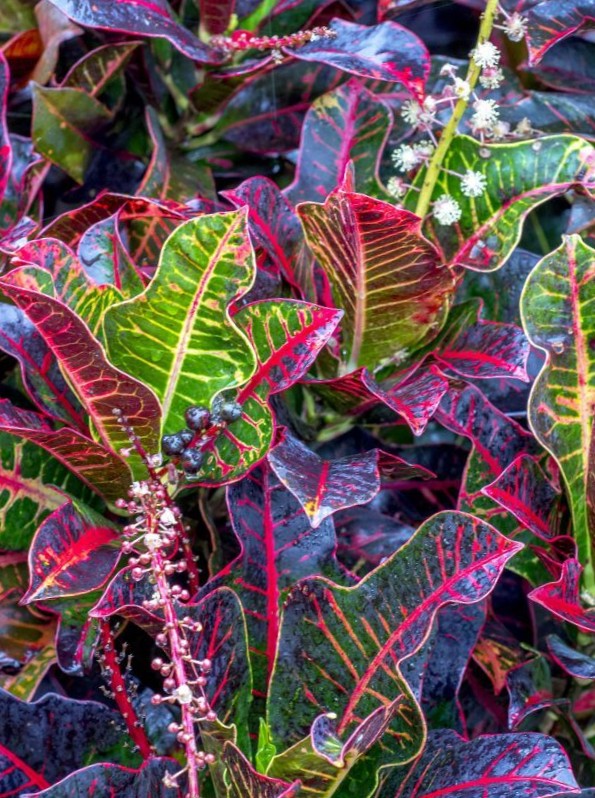
Leaves may be oval, oblong, lance-shaped, narrow, ribbon-like, spoon-shaped, oak-leaved, lobed, interrupted at the midrib, curled, corkscrewed, twisted, wavy, or nearly threadlike. Color may include green, yellow, cream, white, pink, orange, scarlet, burgundy, purple, bronze, or combinations following veins, margins, blotches, speckles, and irregular sectors.
Leaf form does not provide a dependable toxin ranking. Research has found meaningful phytochemical variation among cultivars, and visually similar plants may differ chemically.
Leaves, Petioles, and Stems
Leaves are arranged alternately and are generally thick, glossy, and leathery. Each leaf connects to the stem through a petiole that may release latex when broken.
Young stems are green or colored and become woody with age. Pruning, chewing, storm damage, frost injury, and rough handling can expose sap from leaves, petioles, stems, and bark.
Fallen leaves may remain brightly colored and attractive to puppies, cats, birds, and children. A dropped leaf can still contain irritating constituents even after visible latex has dried.
Flowers, Fruits, and Seeds
Garden Croton is monoecious, producing separate male and female flowers on the same plant. The flowers are small and arranged along slender racemes or spikes that are visually minor compared with the foliage.
Male flowers generally have small pale petals and numerous stamens, while female flowers are less petal-like and develop into divided capsules after pollination. Indoor plants may never fruit, but mature greenhouse and outdoor specimens can produce capsules and seeds.
Fruits and seeds should be collected from animal areas because their exact veterinary chemistry is insufficiently characterized. Their presence also helps distinguish a mature croton from unrelated variegated foliage plants.
Latex and Sap Exposure
Fresh cuts may release white, milky, or nearly translucent sap that becomes sticky as it dries. Latex can contaminate hands, gloves, pruning tools, floors, furniture, animal coats, eyes, mouths, water bowls, carriers, and grooming equipment.
Brief skin contact may cause no visible effect in many individuals, while repeated exposure can produce allergic sensitization and eczema. An animal licking sap from the coat receives an oral exposure after the original skin contact.
Latex should be cleaned promptly, but aggressive solvents should not be used on an animal. Gloves and eye protection are appropriate during pruning, propagation, repotting, and cleanup.
Garden Croton and the True Genus Croton
Codiaeum and Croton are separate genera within Euphorbiaceae. Linnaeus originally placed Garden Croton in Croton, and the old name Croton variegatus continues to drive confusion.
True Croton includes hundreds of herbs, shrubs, and trees distributed widely in tropical, subtropical, and warm-temperate regions. Their chemistry varies enormously and includes species used medicinally, aromatically, and as powerful purgatives.
Croton Oil Plant, Croton tiglium, has seeds rich in potent phorbol esters and biologically active proteins. Its toxicology should never be copied automatically onto a Garden Croton page, and Garden Croton’s comparatively mild pet pattern should never be used to dismiss a confirmed Croton tiglium ingestion.
Garden Croton and Jatropha
Jatropha species also belong to Euphorbiaceae and may contain irritant diterpenes and toxic seed proteins. Physic Nut, Jatropha curcas, and Coral Plant, Jatropha multifida, can produce severe vomiting, diarrhea, dehydration, and systemic illness after seed ingestion.
Jatropha plants usually differ in leaf form, flowers, and fruit, but incomplete seeds or mixed landscape debris may be difficult to identify. A seed exposure should be identified botanically rather than managed from family resemblance.
Garden Croton and Castor Bean
Castor Bean, Ricinus communis, is another Euphorbiaceae ornamental with showy foliage. It has large palmately lobed leaves, spiny capsules, and mottled bean-like seeds containing ricin.
Ricin poisoning is a separate high-consequence syndrome involving severe gastrointestinal injury and potentially systemic organ damage. Garden Croton does not contain established ricin, and its seeds should not be described as Castor Bean equivalents.
Garden Croton and Acalypha
Copperleaf and Chenille Plant species in Acalypha can have brightly colored foliage and may be planted beside croton. Their leaf arrangement, flower structures, and toxin evidence differ.
Mixed hedge clippings may contain both genera along with Oleander, Ixora, Hibiscus, Cordyline, Ti Plant, Dracaena, and numerous other ornamentals. Preserve complete branches rather than selecting one colorful leaf.
Garden Croton and Ti Plant
Ti Plant, Cordyline fruticosa, may have red, pink, purple, or variegated leaves and shares several regional common names with croton. Ti Plant has long strap-like leaves arising in clusters from cane-like stems rather than Garden Croton’s highly variable broad leaves on woody branching stems.
Cordyline contains steroidal saponins and has its own gastrointestinal toxicity profile. The two plants should not be treated as botanical or chemical synonyms.
Garden Croton and Joseph’s Coat Plants
Joseph’s Coat may refer to Alternanthera ficoidea, Amaranthus tricolor, colorful coleus cultivars, or Garden Croton. These unrelated plants differ in leaf arrangement, flower form, sap, growth habit, and poisoning evidence.
An exposure report containing only “Joseph’s Coat” requires photographs or a specimen before species-specific conclusions are drawn.
How Dogs Gain Access
Dogs may chew floor-level leaves, pull a branch from a patio container, raid fresh pruning debris, or dig up an outdoor shrub. Puppies may be attracted to colorful fallen leaves and flexible woody stems.
Fertilizers containing bone meal, blood meal, fish products, manure, or other animal-derived ingredients can attract dogs to the pot and lead to ingestion of the entire root ball. This creates substantially more plant exposure than one exploratory leaf bite.
Persistent vomiting after pot destruction raises concern for decorative stones, plastic labels, wire baskets, moss, irrigation components, broken ceramic, or compacted potting mix. The missing physical materials should be counted.
How Cats Gain Access
Cats may bite leaf tips, climb into large containers, rub against broken stems, drink saucer water, or groom sap and soil from the paws. Narrow, curled, and dangling cultivars can be particularly attractive during play.
A hanging basket or tall shelf does not guarantee safety because leaves fall and cats climb. Recently pruned plants should remain isolated until cut surfaces have dried and the work area has been cleaned.
Repeated low-level nibbling can be difficult to reconstruct. Leaf damage, vomited fragments, food refusal, and changes in grooming may provide the first evidence.
Horses and Equine Exposure
Horses may encounter croton in tropical farm landscaping, resorts, showgrounds, botanical gardens, training facilities, and mixed ornamental waste. The greatest preventable exposure is disposal of clippings or uprooted shrubs into a paddock.
The plant’s usual companion-animal gastrointestinal pattern does not justify feeding it deliberately. Horses cannot vomit, and woody branches, roots, plastic pots, and support wire create additional colic and obstruction risks.
Severe illness after mixed landscaping debris should prompt rapid identification of every plant. One branch of Yew or Oleander can be more consequential than the visible croton foliage.
Cattle, Sheep, Goats, and Other Livestock
Garden Croton is not ordinary forage, and livestock exposure is uncommon outside tropical landscaping, nursery waste, or deliberate disposal. Goats may browse shrubs and bark more readily than cattle or sheep.
Do not use livestock to clear croton hedges or greenhouse waste. Cultivar chemistry is variable, and the lack of field cases does not establish a safe feeding rate.
When several animals become sick, inspect feed, water, pesticides, clippings, mushrooms, poisonous trees, and infectious causes. Garden Croton should not become the default diagnosis merely because its leaves are conspicuous.
Rabbits, Guinea Pigs, and Small Mammals
Colorful leaves may be offered mistakenly as garden browse or fall into outdoor exercise pens. Rabbits and guinea pigs cannot vomit and may develop food refusal or gastrointestinal stasis after an irritating exposure.
Croton leaves, twigs, bark, flowers, fruits, and roots should not be used as chew material, bedding, nest material, or enrichment. Small body size increases the importance of an uncertain amount.
Birds and Poultry
Parrots can shred leathery leaves and bark efficiently, while poultry may forage beneath outdoor shrubs. Both may encounter fertilizer, systemic pesticide, scale insects, treated soil, and fallen seed capsules.
Do not place croton branches in cages or aviaries. A plant used as visual landscaping outside an enclosure should not overhang food, drinking water, or perches.
Reptiles and Other Exotic Animals
Tortoises and herbivorous reptiles may sample low croton foliage in tropical outdoor enclosures. Pigs, rodents, and other digging animals may expose roots and potting products.
The absence of species-specific publications is an evidence limitation, not proof of safety. Naturalistic enclosures should use plants with a better-established safety profile.
Homes, Offices, Hotels, and Public Buildings
Croton is commonly placed near bright windows, entrances, reception areas, lobbies, sunrooms, bathrooms, and patios. Fallen leaves may be overlooked beneath furniture or behind containers.
Office and hotel plants may be maintained by outside contractors using systemic insecticides, leaf-shine products, fertilizers, and pest-control treatments unknown to the animal owner. Treatment records should be requested after an exposure.
Greenhouses, Nurseries, and Garden Centers
Commercial crotons may be treated with insecticides, miticides, fungicides, growth regulators, fertilizers, wetting agents, and leaf-cleaning products. Multiple cultivars and other Euphorbiaceae may be stored together.
Nursery workers and greenhouse pets can receive repeated sap exposure during propagation, pruning, packing, transport, and cleanup. Gloves, eye protection, closed waste containers, and prompt washing reduce both irritation and allergic sensitization.
Propagation and Pruning
Garden Croton is commonly propagated from stem cuttings, air layering, grafting, seed, or tissue culture. Cutting and stripping leaves release sap from several wounds simultaneously.
Fresh cuttings should not be left in pet-accessible water, rooting media, countertops, buckets, or trash. Pruning shears, gloves, towels, and benches may transfer sap to eyes, mouths, and animal coats.
Air-layering material can include sphagnum moss, plastic wrap, foil, wire, rooting hormones, fungicide, and ties. These materials create additional exposure if an animal tears apart the propagation site.
Frost, Storm, and Seasonal Disposal
Cold stress can cause sudden leaf drop and stem damage when outdoor containers are brought inside or tropical shrubs experience a frost. Fallen foliage should be collected before pets investigate it.
Storms and landscape renovation may place entire branches at ground level. Dead-looking or wilted material should not be thrown into animal pens, open compost, brush piles, or pasture.
Pesticides, Fertilizers, and Potting Products
Spider mites, scale insects, mealybugs, and other pests commonly lead to repeated treatment of crotons. Insecticidal soap, horticultural oil, systemic insecticide, pyrethroid, neonicotinoid, miticide, alcohol, or homemade mixtures may be present.
Potting media may contain slow-release fertilizer, perlite, bark, coir, wetting agents, moisture-retaining polymers, fungicide, and mold. Decorative pots may contain stones, glass, moss, metal stakes, wire, and plastic liners.
Tremors, seizures, severe weakness, cholinergic signs, major respiratory disease, or profound depression may be caused by a pesticide rather than the croton itself. Preserve every product label.
Diagnosis
No routine blood, urine, saliva, or stomach-content test confirms Garden Croton ingestion or measures one definitive croton toxin. Diagnosis depends on botanical identification, amount and tissue involved, timing, compatible oral or gastrointestinal signs, contact dermatitis, and exclusion of other exposures.
Useful evidence includes intact leaves, petioles, stems, bark, flowers, fruits, seeds, roots, cultivar labels, nursery receipts, photographs, vomited fragments, potting mix, pesticide containers, fertilizer, and missing foreign material.
Common-name precision is essential. A record saying only Croton does not establish whether the exposure involved Codiaeum variegatum, Croton tiglium, another true Croton, or an unrelated plant.
Veterinary Evaluation
The veterinarian may assess oral comfort, swallowing, hydration, abdominal pain, temperature, heart rate, pulse quality, blood pressure, respiration, awareness, gait, urine production, skin lesions, and eye injury.
Repeated vomiting or diarrhea may justify a complete blood count, electrolytes, glucose, kidney and liver values, packed-cell volume, total solids, acid-base assessment, and urinalysis. These tests evaluate complications rather than detecting croton directly.
Persistent vomiting, absent fecal passage, or missing stones, wire, plastic, roots, or container pieces may require radiographs, ultrasound, endoscopy, or surgery. Eye pain requires fluorescein staining and corneal examination.
Widespread dermatitis may require skin cytology, bacterial or fungal testing, parasite evaluation, and review of every topical chemical. Allergic contact disease can resemble infection or pesticide irritation.
Differential Diagnosis
Oral and gastrointestinal signs overlap with Poinsettia, Crown of Thorns, other spurges, Ficus, Dracaena, Cordyline, irritating aroids, dietary indiscretion, spoiled food, infection, parasites, pancreatitis, and numerous household chemicals.
True Croton tiglium, Castor Bean, Jatropha, and other Euphorbiaceae seeds can cause more serious illness and require exact identification. Calcium-oxalate aroids cause much more intense immediate oral injury.
Severe neurologic signs raise concern for pesticides, slug bait, mushrooms, medications, nicotine, cannabis, xylitol, and metabolic disease. Bloody diarrhea and collapse also require evaluation for parvovirus, hemorrhagic diarrhea syndrome, obstruction, anticoagulants, and other toxins.
Prognosis
The prognosis is generally good to excellent after a limited Garden Croton ingestion that causes brief drooling, vomiting, diarrhea, or appetite reduction. Improvement should include control of gastrointestinal signs, normal hydration, ordinary urination, and return of normal behavior.
Skin allergy may recur after future contact and can require longer management than the initial gastrointestinal illness. Corneal injury, aspiration, obstruction, and pesticide exposure carry their own prognoses.
Severe or prolonged systemic illness should prompt reidentification rather than automatic assignment of a poor prognosis to Garden Croton. A different plant or mixed exposure may be responsible.
Prevention
Keep croton outside the reach of plant-chewing and pot-digging animals. Account for fallen leaves, low branches, climbing cats, and containers that can be overturned.
Wear gloves and eye protection while pruning or repotting, contain cuttings immediately, wash tools and work surfaces, and prevent animals from grooming sap from human clothing or their own coats.
Preserve cultivar labels and distinguish Garden Croton from Croton tiglium, Castor Bean, Jatropha, and other Euphorbiaceae. Do not feed clippings to livestock, rabbits, birds, reptiles, or other animals.
Record pesticides and fertilizers used on the plant. Secure decorative stones, wire, moss, supports, and plant-care products so a routine leaf-chewing event does not become a mixed toxic and foreign-body emergency.
Immediate Steps After Exposure
- Stop further access: Move the animal away from the plant, fallen leaves, pruning debris, potting mix, saucer water, and plant-care products.
- Preserve the complete specimen: Save leaves, stems, bark, roots, flowers, fruits, seeds, cultivar labels, and photographs.
- Estimate the maximum amount: Include plant material missing from attached branches and any roots or pot contents that may have been swallowed.
- Record the timing: Note when exposure occurred and when drooling, vomiting, diarrhea, rash, eye pain, weakness, or other signs began.
- Identify mixed hazards: Search for fertilizer, pesticide, systemic insecticide, stones, moss, wire, plastic, broken ceramic, and other plants.
- Contact veterinary help when appropriate: Known seed ingestion, substantial plant consumption, repeated symptoms, eye exposure, major dermatitis, or uncertain Croton identification deserves prompt guidance.
Do not assume that every plant called Croton has the mild Garden Croton profile. A seed-bearing true Croton, Jatropha, or Castor Bean exposure requires a different level of concern.
Preserve Identification Evidence
- Photograph the whole plant: Include growth habit, leaf arrangement, color patterns, stems, flowers, fruits, and container.
- Save the nursery label: Preserve the scientific name and cultivar rather than only the common name Croton.
- Retain reproductive material: Fruits and seeds can distinguish Garden Croton from more dangerous Euphorbiaceae.
- Save vomited fragments: Leaves, roots, seeds, and foreign material may assist identification.
- Preserve chemical containers: Bring pesticide, fertilizer, leaf-shine, and cleaning-product labels.
- Do not rely on color alone: Numerous unrelated plants have red, yellow, orange, or variegated foliage.
Remove Loose Material From the Mouth
- Wear gloves: Avoid transferring sap or pesticide to your skin and eyes.
- Remove only loose visible pieces: Carefully lift accessible leaves, bark, roots, stones, or plastic from the lips and front of the mouth.
- Avoid blind finger sweeps: Do not push plant or foreign material deeper toward the throat.
- Do not scrub the gums or tongue: Aggressive handling can create trauma and increase bite risk.
- Stop if coughing or struggling begins: Airway safety takes priority over complete home cleaning.
- Save representative fragments: Do not discard all identification evidence.
Gentle Mouth Rinsing
- Rinse only a fully alert animal: Breathing, awareness, and swallowing must be normal.
- Use clean lukewarm water: Allow a gentle flow across the front of the mouth and outward.
- Do not aim water toward the throat: Forceful syringing can cause aspiration.
- Stop if gagging or coughing begins: Difficulty managing water makes further rinsing unsafe.
- Do not force the jaws open: Nausea, oral discomfort, and restraint increase bite risk.
Rinsing may remove loose sap and plant debris but does not neutralize swallowed material or replace veterinary care when vomiting, pain, or weakness develops.
Do Not Induce Vomiting at Home
- Do not give hydrogen peroxide automatically: It can cause gastritis, esophagitis, repeated vomiting, and aspiration.
- Never give hydrogen peroxide to a cat: It can cause serious feline gastrointestinal injury.
- Never use salt, mustard, dish soap, oil, ipecac, or manual gagging: These methods can create an additional poisoning or injury.
- Do not induce vomiting after signs begin: Vomiting, weakness, depression, coughing, abnormal breathing, tremors, or poor swallowing makes emesis unsafe.
- Do not induce vomiting after pot destruction: Stones, wire, plastic, bark, and ceramic fragments can injure the esophagus.
- Allow veterinarian-selected emesis only: A veterinarian may consider controlled emesis in a recently exposed, fully alert, asymptomatic dog after evaluating the plant and foreign-body risk.
Activated Charcoal
- Do not administer charcoal routinely at home: Its benefit for primarily local croton irritation is uncertain.
- Never force charcoal: A vomiting, weak, coughing, or poorly swallowing animal can aspirate it.
- Do not use barbecue charcoal or ash: These products are not medical activated charcoal.
- Do not add owner-selected cathartics: Diarrhea and dehydration may worsen.
- Allow case-specific veterinary use: Charcoal may be considered after substantial recent ingestion or when another adsorbable pesticide, medication, or true plant toxin is involved.
Charcoal cannot remove stones, wire, plastic, or a root mass and does not treat dermatitis, corneal injury, dehydration, or aspiration.
Do Not Give Household Remedies or Unsupervised Medication
- Do not give milk, yogurt, bread, eggs, or cheese: Food does not neutralize croton latex or diterpenes.
- Do not give cooking oil or mineral oil: Oil can worsen nausea and may enter the lungs.
- Do not force food: A nauseated or poorly swallowing animal may vomit or aspirate.
- Do not give human antidiarrheal medication: Loperamide, bismuth products, and similar drugs may be inappropriate.
- Do not give human pain relievers: Ibuprofen, naproxen, aspirin, and acetaminophen can cause additional poisoning.
- Do not use leftover steroids or antihistamines automatically: Skin allergy, eye injury, infection, and chemical irritation require different treatment.
Food and Water
- Do not force oral intake: Vomiting, abdominal pain, weakness, or poor swallowing makes feeding unsafe.
- Do not syringe water: Forced water cannot correct meaningful dehydration and can enter the lungs.
- Offer cautious access only when safe: The animal must be fully alert, swallowing normally, and not vomiting repeatedly.
- Prevent rapid drinking: Gulping may trigger additional vomiting.
- Remove saucer and propagation water: It may contain fertilizer, pesticide, rooting product, mold, or plant sap.
- Follow veterinary feeding instructions: Timing and food type depend on species, symptoms, hydration, and medical history.
Skin and Coat Decontamination
- Prevent grooming: Stop the animal from licking sap, pesticide, or soil from the coat and paws.
- Wear gloves: Repeated human contact can produce allergic sensitization.
- Remove solid debris first: Lift leaves, bark, fertilizer pellets, moss, and soil without grinding them into the coat.
- Wash stable animals gently: Use lukewarm water and mild pet-safe shampoo for ordinary sap and plant residue.
- Rinse thoroughly: Residual shampoo and sap can prolong irritation.
- Seek product-specific advice: Pesticide, horticultural oil, alcohol, fertilizer, or solvent contamination may require a different method.
- Do not use household solvents: Bleach, petroleum products, essential oils, concentrated detergent, and alcohol can worsen skin injury.
Eye Exposure
- Begin irrigation promptly: Flush the affected eye continuously with sterile saline or clean lukewarm water for at least 15 minutes.
- Use gentle pressure: Allow fluid to pass across the eye without driving soil or plant fragments into the cornea.
- Prevent rubbing: Pawing can convert irritation into a corneal abrasion.
- Remove contact contaminants: Flush away visible latex, potting mix, fertilizer dust, and leaf fragments.
- Do not use human redness drops: Topical anesthetics, decongestants, and leftover steroid drops may worsen or conceal injury.
- Seek examination for persistent signs: Squinting, cloudiness, discharge, swelling, pain, or apparent visual change requires veterinary care.
Recognize an Emergency
- Repeated vomiting: Inability to retain water can cause dehydration and aspiration.
- Profuse or bloody diarrhea: Severe mucosal injury, infection, another plant, or a chemical exposure may be present.
- Severe abdominal pain: Distention, repeated unproductive retching, or absent feces raises concern for obstruction or bloat.
- Major mouth or facial swelling: Airway compromise, an aroid, chemical burn, or allergic reaction must be considered.
- Eye pain or cloudiness: Corneal injury requires prompt treatment.
- Weakness or collapse: Severe dehydration, low blood pressure, hemorrhage, or another toxin may be involved.
- Tremors, seizures, or profound incoordination: These signs are atypical and require investigation of pesticides, mushrooms, medications, or a different plant.
- Abnormal breathing: Coughing after vomiting, labored breathing, blue-gray gums, or open-mouth breathing requires emergency care.
- Known seed ingestion from an uncertain Croton: Exact identification is urgent because true Croton, Jatropha, and Castor Bean seeds carry different risks.
Safe Transportation
- Keep the animal quiet: Limit exertion, excitement, and unnecessary handling.
- Do not muzzle a vomiting animal: A muzzle can trap vomit and interfere with breathing.
- Use secure padded confinement: Weak or disoriented animals require protection from falls.
- Allow the easiest breathing position: Do not force a respiratory patient flat.
- Protect irritated skin: Prevent licking and friction without applying unapproved topical products.
- Bring all evidence: Transport the plant, fruit, seeds, labels, vomit, chemical products, stones, and foreign material safely.
- Call ahead: Report repeated vomiting, eye exposure, breathing difficulty, collapse, or uncertain seed identity.
Veterinary Gastrointestinal Treatment
Veterinary care for uncomplicated ingestion is supportive. A veterinarian may use anti-nausea medication to control vomiting, reduce fluid loss, protect the esophagus, and lower aspiration risk.
Fluids may be administered according to hydration, blood pressure, electrolyte measurements, species, body size, and underlying disease. Gastrointestinal protectants, acid suppression, and veterinarian-selected analgesia may be used when persistent gastritis, esophagitis, hematemesis, or abdominal pain is present.
Controlled emesis or activated charcoal is not required mechanically after every leaf nibble. The decision depends on timing, amount, exact plant identification, symptoms, airway safety, cultivar material, and possible pesticide or seed ingestion.
Foreign-Body Assessment
Persistent vomiting, focal abdominal pain, reduced fecal production, or missing stones, mesh, wire, plastic, root mass, plant labels, or ceramic pieces may require radiographs or ultrasound. Some plant and plastic material is not visible clearly on routine radiographs, so additional imaging or endoscopy may be necessary.
Endoscopic retrieval or surgery may be required when a foreign object remains lodged or damages the gastrointestinal tract. Symptom control alone will not resolve a mechanical obstruction.
Veterinary Skin Treatment
Veterinary evaluation may distinguish simple contact irritation from allergic dermatitis, pesticide injury, bacterial infection, fungal disease, mites, fleas, or another dermatologic problem. Treatment may include gentle cleansing, itch control, anti-inflammatory medication, prevention of self-trauma, and management of secondary infection.
Repeated exposure should be eliminated because allergic sensitization can produce stronger later reactions. Gloves, protective clothing, tool cleaning, and relocation of the plant may be necessary for households or workplaces with recurrent dermatitis.
Veterinary Eye Treatment
Eye examination may include irrigation, fluorescein staining, measurement of tear production or pressure when indicated, removal of retained debris, pain control, and topical medication selected for the actual lesion.
Topical steroid medication is inappropriate when a corneal ulcer is present unless an ophthalmic veterinarian determines otherwise. Delayed treatment can allow self-trauma and secondary infection to worsen a superficial injury.
Horses and Livestock
- Remove all landscaping debris: Prevent every animal from continuing to browse the material.
- Do not attempt vomiting: Horses and ruminants must never receive household emetics.
- Do not drench a symptomatic animal: Salivation, colic, weakness, or abnormal swallowing increases aspiration risk.
- Inspect the complete load: Preserve every ornamental species, chemical container, and feed component.
- Monitor the entire group: Intake may vary, and a more toxic plant may be distributed unevenly.
- Seek broader investigation for severe signs: Sudden death, major arrhythmia, seizures, paralysis, or liver failure is not adequately explained by ordinary Garden Croton exposure.
Rabbits, Guinea Pigs, Birds, and Other Exotics
- Do not attempt vomiting: Rabbits and guinea pigs cannot vomit, and household emesis is unsafe for birds and reptiles.
- Monitor food intake: Reduced eating can become medically important before dramatic illness develops.
- Monitor fecal production: Reduced or absent stool may indicate nausea, pain, gastrointestinal stasis, or obstruction.
- Prevent further chewing: Remove leaves, bark, roots, cage decorations, and contaminated browse.
- Watch breathing and balance: Weakness, altered posture, tremors, or respiratory change requires urgent care.
- Bring enclosure materials: Substrate, pesticide, fertilizer, wire, and mixed plants may alter the diagnosis.
Monitoring and Recovery
- Monitor vomiting and diarrhea: Episodes should decrease rather than become more frequent, painful, or bloody.
- Monitor hydration: Drinking, urination, gum moisture, strength, and activity should normalize.
- Monitor appetite: Interest in appropriate food should return as nausea resolves.
- Monitor abdominal comfort: Distention, guarding, repeated retching, or absent stool requires reassessment.
- Monitor breathing: Coughing, fever, rapid respiration, or renewed lethargy may indicate aspiration.
- Monitor skin and eyes: Increasing redness, swelling, discharge, pain, crusting, or self-trauma requires veterinary care.
- Monitor for atypical signs: Tremors, seizures, jaundice, reduced urination, or collapse suggests a different or additional problem.
Recovery means that oral discomfort, vomiting, and diarrhea have stopped, hydration and circulation remain stable, normal eating and elimination resume, dermatitis improves without infection, and no eye, respiratory, neurologic, or foreign-body complication is developing.
Prevention and Prognosis
- Keep plants genuinely inaccessible: Account for climbing cats, dropped leaves, low branches, and overturnable pots.
- Contain pruning material: Bag or secure leaves, stems, roots, fruits, and seeds immediately.
- Wear gloves and eye protection: Prevent repeated sap exposure and allergic sensitization.
- Record chemical treatments: Keep pesticide, fertilizer, and leaf-care products with the plant records.
- Preserve exact labels: Distinguish Codiaeum variegatum from Croton tiglium and other Euphorbiaceae.
- Typical prognosis: Limited uncomplicated Garden Croton exposures generally have a good-to-excellent outcome.
- Complicated prognosis: Aspiration, obstruction, corneal ulceration, severe allergic reaction, pesticide poisoning, or a more dangerous seed-bearing plant requires more intensive care.
Frequently Asked Questions About Garden Croton and Animal Poisoning
What usually happens when a dog or cat chews Garden Croton?
Most animals that chew a small amount develop no signs or limited oral and gastrointestinal irritation. Drooling, lip licking, vomiting, abdominal discomfort, diarrhea, reduced appetite, and temporary lethargy are the principal concerns. Repeated vomiting, inability to retain water, blood, marked weakness, breathing difficulty, or prolonged feline food refusal requires veterinary care. The pot and surrounding area should also be checked for fertilizer, pesticide, stones, plastic, wire, moss, and other missing material.
Is Garden Croton the same plant as Croton Oil Plant?
No. Garden Croton is Codiaeum variegatum, while Croton Oil Plant is Croton tiglium. They belong to different genera despite sharing a common name and family. Croton tiglium seeds and oil contain well-characterized potent purgative and inflammatory compounds and should be managed as a more serious exposure. A nursery label, fruit, seed, complete branch, or qualified botanical identification is essential when the plant is uncertain.
What compounds make Garden Croton irritating?
The plant contains a chemically variable mixture rather than one universally confirmed toxin. Reviews report 5-deoxyingenol, phorbol-type esters in some ornamental material, alkaloids, terpenoids, phenolics, and other compounds. Exact studies have also isolated several aporphine alkaloids and diterpenoids from the cultivar ‘Petra’. No purified constituent has been proven to explain every natural pet exposure, and cultivar chemistry can differ substantially.
Do all croton cultivars contain dangerous phorbol esters?
No universal claim is supported. A major phytochemical review reports 5-deoxyingenol and phorbol esters in some ornamental cultivars, but a direct investigation of commercial Euphorbiaceae houseplants found the tested Codiaeum variegatum cultivars devoid of the tumor-promoting ingenol or phorbol esters being screened. These apparently conflicting results emphasize cultivar variation, analytical differences, and the danger of transferring findings among plants. Every cultivar should remain inaccessible, but none should be assigned an invented identical toxin concentration.
Does touching croton sap always cause a chemical burn?
No. Brief contact may produce no reaction in many individuals, while others develop redness, itching, swelling, or irritation. Repeated occupational exposure has caused true allergic contact dermatitis, and experimental work demonstrated sensitization rather than universal primary irritation. A previously sensitized person or animal may react more strongly after later contact. Prompt washing and prevention of repeated exposure are appropriate even when the first contact appears harmless.
What should be done if croton sap enters an animal’s eye?
Begin gentle continuous irrigation with sterile saline or clean lukewarm water and prevent rubbing. Persistent squinting, redness, cloudiness, discharge, eyelid swelling, pain, or apparent visual change requires prompt veterinary examination because sap, soil, fertilizer, and self-trauma can injure the cornea. Do not apply human redness drops, topical anesthetic, or leftover steroid medication. Bring the plant and any pesticide or leaf-shine product used on it.
Does Garden Croton contain calcium-oxalate needles?
An aroid-like calcium-oxalate raphide mechanism is not well supported for Codiaeum variegatum. Some secondary sources repeat that claim, but exact-species research instead emphasizes latex, diterpenes, and other cultivar-dependent constituents. Garden Croton should not be treated as equivalent to Dieffenbachia, Pothos, Philodendron, Peace Lily, or Calla Lily. Dramatic immediate oral pain and tongue swelling should prompt reidentification of the plant and examination for another cause.
Are Garden Croton seeds more dangerous than the leaves?
Seeds deserve greater caution because reproductive tissues can concentrate defensive compounds and are swallowed as compact objects, but exact veterinary dose-response evidence for Codiaeum variegatum seeds is poor. Strong claims about lethal seed proteins or croton oil are often derived from Croton tiglium, Jatropha, or other Euphorbiaceae rather than Garden Croton. Any swallowed seed should be preserved and identified, especially when the plant produced capsules outdoors or in a greenhouse.
Can one croton leaf kill a dog or cat?
One ordinary ornamental leaf is not expected to cause fatal poisoning in a healthy dog or cat. The more likely outcome is no illness or short-lived gastrointestinal irritation. No universal safe leaf count exists because leaf size, cultivar chemistry, body size, chewing, sap release, and medical condition differ. A whole root ball, repeated access, uncertain seed exposure, or symptoms that exceed mild vomiting or diarrhea requires a different assessment.
Are Petra, Mammy, Gold Dust, or Zanzibar Crotons safer?
No named cultivar has been proven pet-safe. Chemical and genetic studies demonstrate substantial variation among crotons, but visual traits do not reveal the concentration of irritating compounds. Petra has been studied phytochemically and contains several identifiable alkaloids and diterpenoids, but that does not create a direct toxicity ranking against Mammy, Gold Dust, Zanzibar, or another cultivar. All should remain outside animal access.
Can repeated croton exposure cause cancer?
Some phorbol and ingenol esters from Euphorbiaceae act as tumor promoters in experimental systems, meaning that repeated exposure can amplify the effects of an initiating carcinogen. Tested commercial Codiaeum variegatum cultivars did not contain the tumor-promoting esters detected in several other houseplants, and a one-time pet nibble is not a cancer diagnosis. The better-established chronic concern for Garden Croton is repeated allergic contact dermatitis. Deliberate long-term skin or oral exposure should still be prevented.
Is wilted or dried croton still irritating?
It should remain inaccessible. Wilting and drying reduce water and may stop visible latex flow, but they do not prove that nonvolatile terpenoids, alkaloids, phenolics, and other compounds have disappeared. Dried material can also contain mold, pesticide, preservative, glue, wire, paint, or sharp woody fragments. Frost-damaged leaves, pruning debris, wreaths, pressed leaves, and old greenhouse waste should be contained and discarded safely.
Why can traditional medicine use one croton variety when the houseplant is considered poisonous?
Traditional use may involve a specifically recognized green-leaved cultivar, a small measured amount, an aqueous decoction, or external preparation. Cultivar and extraction method can change which compounds are present: water does not extract every lipophilic constituent in the same way as alcohol or oil. A medicinal history for one plant does not establish safety for a brightly colored ornamental hybrid, concentrated tincture, raw root, or animal. No owner should administer homemade croton preparations to a pet.
How can a veterinarian confirm Garden Croton poisoning?
No routine laboratory assay confirms the diagnosis. Identification depends on the complete plant, cultivar label, photographs, fruit or seeds, amount missing, exposure timing, compatible gastrointestinal or contact signs, and exclusion of other causes. Blood and urine tests measure dehydration, electrolyte disturbance, organ function, and complications rather than a specific croton marker. Imaging may be required when roots, stones, wire, plastic, or pot fragments are missing.
Should vomiting be induced after a dog eats croton?
Do not induce vomiting at home. Hydrogen peroxide, salt, mustard, dish soap, oil, ipecac, and manual gagging can cause additional gastrointestinal injury or aspiration. A veterinarian may consider controlled emesis after a recent substantial ingestion in a fully alert, asymptomatic dog with no swallowing, respiratory, or foreign-body risk. Many small leaf exposures require only observation or supportive care rather than aggressive decontamination.
Does activated charcoal help after Garden Croton ingestion?
Activated charcoal is not a routine home treatment for the plant’s primarily local oral and gastrointestinal irritation. Its benefit depends on the actual compounds and any pesticide or other toxin involved. Forcing charcoal into a vomiting, weak, coughing, or poorly swallowing animal can cause aspiration. A veterinarian may use it in a selected substantial or mixed exposure, but charcoal cannot treat dehydration, dermatitis, corneal injury, obstruction, or swallowed stones and plastic.
When does a croton exposure require emergency veterinary care?
Emergency findings include repeated vomiting with inability to retain water, profuse or bloody diarrhea, severe abdominal pain, marked weakness, collapse, abnormal breathing, major facial or mouth swelling, generalized hives, eye cloudiness or severe pain, tremors, seizures, and reduced responsiveness. Known seed ingestion from an unidentified Croton also deserves urgent identification. Signs far beyond mild gastrointestinal irritation increase concern for a true Croton, Jatropha, Castor Bean, pesticide, foreign body, or unrelated disease.
What treatment do veterinarians use?
Treatment is usually supportive and may include anti-nausea medication, fluid replacement, gastrointestinal protection, pain control, and monitoring of hydration and electrolytes. Skin exposure may require washing, itch control, treatment of secondary infection, and prevention of licking or scratching. Eye exposure requires irrigation and corneal examination. Persistent vomiting or abdominal pain may require imaging, endoscopy, or surgery when stones, roots, plastic, wire, or container fragments were swallowed.
Is Garden Croton a significant livestock or equine poison?
It is not recognized as a common cause of major livestock outbreaks, largely because it is an ornamental rather than ordinary forage. Horses, cattle, sheep, and goats should still be prevented from eating hedge clippings, greenhouse waste, roots, and mixed landscape debris. Salivation, colic, diarrhea, feed refusal, and depression are plausible after substantial ingestion. Sudden death, seizures, major arrhythmias, or liver failure requires urgent identification of every other plant and chemical in the material.
How can recurrent Garden Croton exposure be prevented?
Place the plant where climbing, jumping, and falling leaves cannot create access, and use a stable container that cannot be overturned. Collect dropped leaves and pruning material immediately, wear gloves and eye protection, clean tools and surfaces, and keep recently cut plants isolated. Preserve the cultivar label and record every pesticide and fertilizer used. Households with recurrent plant chewing, allergic dermatitis, or sap eye exposure should replace croton with a genuinely animal-safe plant.