Pencil Cactus Latex Burns, Eye Injury, and Gastrointestinal Irritation
Is Pencil Cactus or Firestick Plant Poisonous to Dogs, Cats, Horses, and Livestock?
Yes—Pencil Cactus or Firestick Plant, Euphorbia tirucalli, should be treated as poisonous to dogs, cats, horses, livestock, rabbits, birds, reptiles, and other animals. Every damaged portion can release a sticky white latex containing strongly inflammatory diterpene esters and other biologically active compounds. Contact can injure the mouth, gastrointestinal tract, skin, eyes, and potentially other organs after a sufficiently large or repeated swallowed exposure.
Eye exposure is the most urgent common hazard. A snapped branch can project latex unexpectedly into an animal’s face, or sap can be transferred from contaminated paws, fur, gloves, pruning tools, clothing, towels, bedding, or hands. The result may be intense pain, tearing, squinting, eyelid swelling, severe conjunctivitis, corneal epithelial loss, keratitis, corneal edema, anterior uveitis, temporary loss of vision, and secondary corneal complications.
Chewing commonly causes immediate mouth discomfort, drooling, lip licking, repeated swallowing, pawing at the face, vomiting, abdominal pain, diarrhea, appetite loss, and depression. Most limited companion-animal ingestions are expected to produce local irritation or gastrointestinal illness rather than catastrophic systemic poisoning. A branch saturated with latex, deliberate consumption of sap, repeated exposure, or ingestion by a small or medically vulnerable animal creates a different risk.
Controlled exact-species research has shown that repeated oral latex exposure can alter kidney and cardiac function in rats and can promote oxidative and inflammatory tissue injury. These findings establish that the latex is not merely a harmless surface irritant. They do not establish a pet leaf count, a universal fatal dose, or a prediction that one exploratory bite will cause heart or kidney failure.
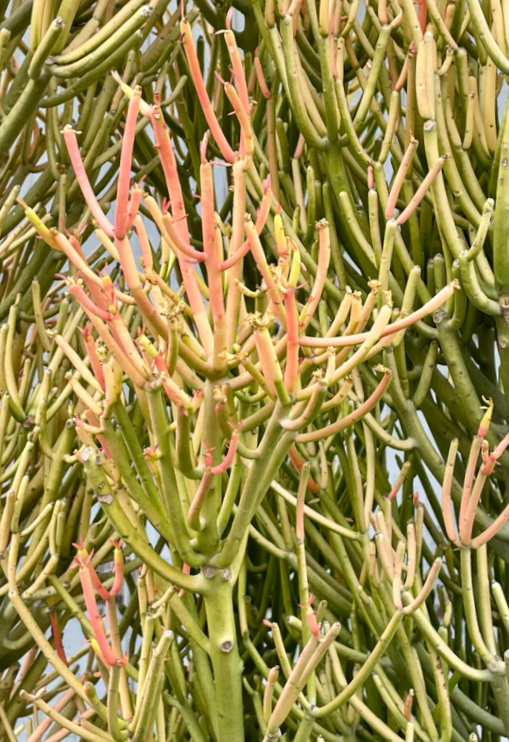
Pencil Cactus is not a true cactus. It is a spurge in Euphorbiaceae and lacks cactus areoles. The green or brightly colored pencil-like structures are photosynthetic succulent branches, not ordinary leaves. Small short-lived leaves appear mainly at young tips and usually fall early, leaving the mature plant nearly leafless.
The red, orange, pink, yellow, or coral ornamental frequently sold as Firesticks, Sticks on Fire, Red Pencil Tree, or ‘Rosea’ remains Euphorbia tirucalli or cultivated material associated with that species. Bright coloration caused by sun, cool temperatures, stress, or cultivar selection does not make the latex safer. Green plants, fiery cultivars, dried branches, cuttings, roots, flowers, and fruits all require the same contact precautions.
About this guide: This page provides general pet-poisoning information and cannot diagnose or treat an individual animal. For any suspected exposure, contact a veterinarian or animal poison-control service immediately. Do not induce vomiting, give medication, or attempt home decontamination unless directed by a veterinary professional.
Pencil Cactus / Firestick Plant
Euphorbia tirucalli L.
Carl Linnaeus validly published Euphorbia tirucalli in 1753. The currently accepted native range is Madagascar, although centuries of cultivation, movement as a live-fence and medicinal plant, and widespread naturalization have caused the species to be described frequently as broadly African or Afro-Arabian in older literature.
Important homotypic synonyms and former generic combinations include:
- Arthrothamnus tirucalli (L.) Klotzsch & Garcke
- Tirucalia tirucalli (L.) P.V.Heath
- Tirucalia indica Raf.
Important heterotypic synonyms and historical names include:
- Euphorbia geayi Costantin & Gallaud
- Euphorbia laro Drake
- Euphorbia media N.E.Br.
- Euphorbia media var. bagshawei N.E.Br.
- Euphorbia rhipsaloides Lem.
- Euphorbia scoparia N.E.Br.
- Euphorbia suareziana Croizat
- Euphorbia tirucalli var. rhipsaloides A.Chev.
- Euphorbia viminalis Mill., an illegitimate later homonym
The colorful plant sold as Firesticks, Sticks on Fire, Red Pencil Tree, Coral Pencil Tree, or ‘Rosea’ is generally treated horticulturally as a colorful selection of Euphorbia tirucalli. Retail labeling is inconsistent, and informal cultivar names such as ‘Rosea’, ‘Sticks on Fire’, ‘Firesticks’, ‘Fire Sticks’, and ‘Rosea Firesticks’ may be used interchangeably. These names do not represent a separate toxin-free species.
Euphorbia × stenocalli Croizat is an accepted natural hybrid between Euphorbia stenoclada and Euphorbia tirucalli. It should not be reduced automatically to a synonym of Pencil Cactus. Euphorbia stenoclada itself is a separate, often thornier or more rigid Madagascan succulent shrub whose branches and latex require independent identification.
Other pencil-stemmed spurges and succulent plants—including Euphorbia leucodendron, Euphorbia mauritanica, Euphorbia antisyphilitica, Euphorbia lomelii, Curio barbertonicus, Rhipsalis, and Hatiora species—are not synonyms of Euphorbia tirucalli. Their branching, leaves, flowers, spines, latex, and toxicological evidence differ.
The genus name must remain Euphorbia in current accepted usage. The species epithet is spelled tirucalli. Nursery misspellings such as “tirucalia,” “tirucallii,” “tirucalli cactus,” and “tirucallia” should be retained only as search terms, not formal botanical names.
Euphorbiaceae — Spurge Family; subfamily Euphorbioideae; tribe Euphorbieae; subtribe Euphorbiinae
Pencil Cactus; Pencil Tree; Pencil Plant; Pencil Bush; Pencil Euphorbia; Pencil-Stem Euphorbia; Pencil-Stick Plant; Pencil-Stick Tree; Firestick Plant; Fire Stick Plant; Firesticks; Fire Sticks; Sticks on Fire; Sticks-of-Fire; Red Pencil Tree; Red Pencil Cactus; Coral Pencil Tree; Coral Cactus; Coral Stick Plant; Orange Pencil Plant
Other widespread common names include Milk Bush; Milk Hedge; Milkbush; Milky Bush; Indian Tree Spurge; Indian Milk Bush; Naked Lady; Naked-Lady Plant; Rubber Hedge; Rubber Euphorbia; Petroleum Plant; Hydrocarbon Plant; Aveloz; Avelós; Aveloz Tree; Aveloz Plant; Finger Tree; Finger Euphorbia; and Stick Plant.
Regional names include Tirucalli; Tirukalli; Thirukalli; Thirukkalli; Kalli; Kayu Urip; Kayu Patah Tulang; Patah Tulang; Tawa-Tawa; Lantana de Leche; Alveloz; Árvore-Lápis; Dedo-do-Diabo; Graveto-do-Cão; Cega-Olho; Mata-Veruga; and numerous local names applied to medicinal, hedge, or naturalized plants.
Colorful horticultural names include ‘Rosea’; Rosea Pencil Cactus; Rosea Firesticks; Sticks on Fire Euphorbia; Firestick Euphorbia; Red Firesticks; Orange Firesticks; and Sunset Firesticks. Stem color changes with cultivar, sunlight, cool temperatures, water stress, and growth conditions and does not identify a safer plant.
Candelilla generally refers to Euphorbia antisyphilitica. Slipper Plant or Lady’s Slipper Euphorbia generally refers to Euphorbia lomelii. Cathedral Cactus, African Milk Tree, or Friendship Cactus commonly refers to Euphorbia trigona. Crown of Thorns is Euphorbia milii, and Poinsettia is Euphorbia pulcherrima. These are related spurges but are not synonyms of Pencil Cactus.
Mistletoe Cactus, Coral Cactus, Dancing Bones, Drunkard’s Dream, and similar names may also be applied to unrelated epiphytic cacti in Rhipsalis or Hatiora. Those true cactus-family plants lack Euphorbia’s milky latex and require separate identification.
Pressurized Irritant Latex Is the Central Hazard
Pencil Cactus contains a branching internal network of laticifers that releases white milky latex whenever a stem, leaf, bark surface, root, cyathium, fruit, or other living tissue is damaged. The latex coagulates after exposure to air, adheres strongly to skin and fur, and can be transferred repeatedly from contaminated surfaces.
The sap is a complex emulsion containing irritant diterpene esters, triterpenes, sterols, proteins, enzymes, polyphenols, carbohydrates, lipids, and other compounds. Its biological activity varies with plant origin, genetics, age, tissue, growing conditions, season, extraction, storage, and analytical method.
No one compound explains every oral, dermal, ocular, renal, cardiac, inflammatory, or experimental effect. Acute clinical management should focus on the exposure route and actual injury rather than relying only on the word “latex.”
Tigliane- and Ingenane-Type Diterpene Esters
Exact-species research on South African and Madagascan latex isolated highly irritant diterpene esters based on tigliane and ingenane carbon skeletons. Parent alcohols included 4-deoxyphorbol, phorbol, and ingenol, esterified with acetic acid and unsaturated fatty-acid residues.
South African material was dominated by irritant and tumor-promoting 4-deoxyphorbol esters designated among the Euphorbia factors. Madagascan material yielded additional highly unsaturated phorbol- and ingenol-derived esters.
These compounds help explain why a small amount of latex can provoke disproportionate inflammation when applied directly to an eye, mucous membrane, or damaged skin. Concentration and ester pattern can differ among plant populations, so one chemical profile should not be assigned to every ornamental specimen.
Protein Kinase C and Pro-Inflammatory Signaling
Many phorbol and related diterpene esters interact with cellular signaling proteins, particularly conventional and novel protein kinase C isoforms. Persistent activation can alter inflammatory signaling, membrane function, gene expression, cell growth, differentiation, and tissue responses.
Acute irritation involves inflammatory-cell recruitment, vascular changes, pain, epithelial injury, and local tissue damage. Longer experimental exposure to selected compounds can produce tumor-promoting activity in initiated tissue models.
This mechanism does not mean that one accidental bite or one brief skin contact causes cancer. Acute exposure management should address burns, keratitis, vomiting, dehydration, aspiration, and systemic abnormalities. Repeated deliberate medicinal or occupational contact remains inappropriate because chronic tissue exposure is avoidable.
Tumor Promotion Is Not the Same as Direct Carcinogenesis
A tumor promoter enhances expansion of previously initiated or genetically altered cells under particular experimental conditions. It is not necessarily a complete carcinogen capable of initiating and promoting cancer by itself.
The historical promotion literature involved isolated compounds or repeated experimental application. It should not be converted into a claim that every animal touching Pencil Cactus will develop cancer.
The same evidence does invalidate marketing that presents raw latex as a harmless anticancer home remedy. Direct contact can injure tissues, and swallowed latex has measurable systemic effects in experimental animals.
Eutirucallin and Latex Proteins
Exact-species research isolated eutirucallin, a type-2 ribosome-inactivating lectin from Pencil Cactus latex. Experimental work demonstrated pro-inflammatory properties and the ability to interact with immune cells.
Ribosome-inactivating proteins are not interchangeable. Identification of eutirucallin does not mean that Pencil Cactus contains ricin or produces the same syndrome as Castor Bean seeds.
The natural oral availability, digestive stability, absorbed dose, and clinical contribution of eutirucallin after pet exposure remain incompletely characterized. It should be recognized as part of the latex’s biological complexity rather than advertised as a proven standalone veterinary toxin.
Triterpenes, Sterols, Phenolics, and Other Constituents
Studies of Euphorbia tirucalli have identified euphol, tirucallol, isoeuphorol, cyclotirucanenol, cycloartenol, taraxasterol, taraxerol, beta-amyrin, beta-sitosterol, campesterol, stigmasterol, and additional triterpenes and sterols.
Phenolic constituents, ellagic-acid derivatives, gallic-acid-related compounds, tannins, flavonoids, and maloyl glucans have also been reported. Their concentration and biological relevance differ among latex, bark, stems, leaves, roots, and laboratory extracts.
Antioxidant, antimicrobial, immunomodulatory, angiogenic, cytotoxic, or antitumor findings from extracts do not establish safe medicinal use or predict the syndrome after ordinary chewing. Solvents and purification can produce an exposure unlike intact plant material.
Ocular Toxicity
The eye is exceptionally vulnerable because the cornea and conjunctiva receive a concentrated dose directly and the animal may spread latex across the surface by blinking or rubbing. Sap can adhere to eyelid margins, fur, paws, the third eyelid, and the conjunctival sac.
Immediate effects can include severe burning, pain, tearing, blepharospasm, conjunctival redness, eyelid edema, and blurred or reduced vision. Corneal epithelial defects, diffuse punctate keratitis, stromal edema, Descemet membrane folds, anterior uveitis, fibrin, and secondary infection can follow.
Ocular disease can evolve after the initial splash. An eye that looks less painful after irrigation may still develop epithelial loss or intraocular inflammation over the following hours. Prompt veterinary examination and rechecks are therefore important after meaningful sap exposure.
Severe injury can temporarily reduce vision dramatically. Permanent damage is less common with immediate thorough irrigation and appropriate treatment but cannot be excluded when exposure is prolonged, irrigation is delayed, the cornea ulcerates, or infection develops.
Skin Irritation and Chemical Dermatitis
Latex on intact skin can cause burning, redness, swelling, itching, blistering, or dermatitis. The reaction may begin quickly or intensify after the sap remains trapped beneath clothing, collars, harnesses, bandages, gloves, fur, or bedding.
Moisture, heat, sunlight, friction, repeated contact, preexisting skin disease, and self-trauma can worsen injury. Sap contacting cuts, abrasions, surgical sites, paw-pad fissures, or mucocutaneous junctions can be especially painful.
Contaminated fur becomes an ingestion source when an animal grooms. Skin decontamination must therefore prevent licking while removing latex and associated plant-care chemicals.
Oral and Esophageal Injury
Chewing breaks multiple laticifers at once and releases latex directly across the lips, tongue, gums, palate, pharynx, and swallowed plant material. Signs can include immediate drooling, lip licking, head shaking, pawing at the mouth, repeated swallowing, gagging, food refusal, and vocalization.
Substantial contact can inflame or ulcerate oral and esophageal mucosa. Difficulty swallowing, painful swallowing, regurgitation, repeated gagging, coughing, or refusal of water raises concern for deeper injury and aspiration.
Pencil Cactus lacks the calcium-oxalate raphide mechanism of Dieffenbachia and Pothos. Its oral effects arise primarily from irritant latex and inflammatory diterpene chemistry rather than microscopic needle crystals.
Gastrointestinal Irritation
Swallowed sap and plant fragments can irritate the stomach and intestines, producing nausea, vomiting, abdominal pain, diarrhea, appetite loss, and depression. A concentrated latex ingestion may be much more irritating than chewing a relatively dry old branch.
Repeated vomiting and diarrhea can cause dehydration, electrolyte disturbance, esophagitis, low blood pressure, weakness, reduced kidney perfusion, and aspiration pneumonia. Blood in vomit or stool may reflect severe mucosal irritation but requires evaluation for foreign material, ulceration, another toxin, infection, or coagulation disease.
Experimental Renal Effects
A 2025 controlled rat study evaluated repeated short-term oral administration of measured Euphorbia tirucalli latex. Treated animals developed adverse changes in renal hemodynamics together with oxidative and inflammatory renal-tissue findings.
The study supports the biological plausibility of kidney effects after repeated systemic latex exposure. It does not establish that one pet nibble causes acute kidney failure or provide a dose that can be converted safely among rats, dogs, cats, horses, birds, and reptiles.
Kidney values and urine production deserve attention after substantial or repeated swallowed latex exposure, particularly when vomiting, dehydration, preexisting kidney disease, reduced urination, or other systemic signs are present.
Experimental Cardiac Effects
A 2026 controlled study investigated repeated oral latex exposure in normotensive rats and reported altered cardiac hemodynamics, oxidative stress, cellular injury, and apoptosis-related changes in myocardial tissue.
This evidence shows that absorbed latex constituents can influence more than the contact surface under experimental conditions. It does not establish a characteristic naturally occurring pet cardiotoxic syndrome comparable to Oleander, Yew, or Foxglove.
Weak pulses, collapse, abnormal heart rate, arrhythmia, or blood-pressure disturbance after substantial ingestion requires ECG and systemic evaluation while other cardiotoxins, electrolyte disorders, shock, and medical disease are excluded.
Fish and Aquatic Toxicity
Aqueous Pencil Cactus latex has produced toxicity in experimental fish. Latex is also investigated for pesticidal and larvicidal activity, reinforcing that it should not enter aquariums, ponds, streams, drinking troughs, or wildlife water sources.
Even a small pruning operation can contaminate nearby water through dripping sap, rinsed tools, runoff, discarded cuttings, or containers. Aquarium animals cannot move away from contaminated water and may experience continuous gill and skin exposure.
Respiratory and Aerosol Exposure
Hand pruning generally produces droplets, but power cutting, mowing, chipping, pressure washing, or forceful breakage can disperse latex onto the eyes, nose, mouth, coat, and surrounding surfaces. Aerosolized plant fluid and dust can irritate the upper airways.
Coughing, sneezing, gagging, nasal discharge, wheezing, labored breathing, or distress after cutting exposure requires removal to clean air and veterinary evaluation. Severe respiratory signs should also prompt investigation of aspiration, pesticide, smoke, dust, allergic reaction, or another plant.
Burning and Smoke
Pencil Cactus should not be burned as household, landscape, cooking, or animal-area waste. Smoke and airborne particles from plant tissue can expose the eyes and respiratory tract, while burning does not provide controlled destruction of every active constituent.
Fresh branches may spatter latex during handling before ignition, and charred material can retain sharp fragments, ash, and chemical residues. Burning pesticide-treated plants adds another poorly characterized inhalation hazard.
Branches, Bark, Roots, Leaves, Flowers, Fruits, and Seeds
The young cylindrical branches are the most common exposure because they are abundant, brittle, accessible, and latex-rich. Older trunks and bark also contain laticifers and release sap when cut, drilled, chewed, or damaged.
Small linear or lance-shaped leaves appear near young tips and fall quickly. Their limited size does not establish safety because breaking the leaf or its attachment point releases latex.
The plant produces small Euphorbia cyathia rather than cactus flowers. Fruits are typically three-lobed capsules that may release seeds. Reproductive tissues and roots are inadequately studied for veterinary dose comparisons and should remain inaccessible.
Fresh, Wilted, Frost-Damaged, and Dried Material
Fresh wounds release the greatest visible latex. Wilting may reduce sap pressure but does not establish that irritant diterpene esters and other nonvolatile constituents have disappeared.
Frost, drought, storms, vehicle impact, transplanting, and pruning can break many branches simultaneously. A damaged shrub may therefore create widespread contaminated debris even when the plant appears dead.
Dried branches, craft material, floral arrangements, hedge debris, firewood piles, compost, and chipped mulch should not be treated as animal-safe. Rehydration, chewing, splinters, residual plant compounds, pesticide, mold, and dust remain relevant.
No Validated Veterinary Toxic Dose
No controlled study defines a toxic dose of Pencil Cactus latex, stems, leaves, bark, roots, flowers, fruits, or seeds for dogs, cats, horses, cattle, sheep, goats, rabbits, guinea pigs, birds, or reptiles.
One small bite that releases little sap differs fundamentally from chewing several fresh branches, licking a pool of latex, swallowing a concentrated folk preparation, or receiving sap directly in both eyes.
Risk assessment should prioritize exposure route, amount of fresh latex, duration of contact, affected surface, repeated access, body size, symptoms, underlying disease, pruning method, chemical treatments, and foreign material rather than relying on a fabricated stem count.
Exposure Route Determines the Clinical Pattern
Pencil Cactus poisoning is not one uniform syndrome. Ocular exposure can become a vision-threatening emergency after a very small splash, while the same volume on intact skin may cause localized dermatitis. Chewing usually causes oral and gastrointestinal irritation, and repeated concentrated ingestion creates a greater systemic concern.
The animal may experience several routes simultaneously. A dog biting a branch can contaminate its mouth, paws, face, and eyes, while a cat pulling down a cutting may spread sap over its coat and ingest it during grooming.
Immediate Oral Signs
Early findings can include head shaking, lip licking, drooling, foamy saliva, pawing at the mouth, face rubbing, repeated swallowing, gagging, vocalization, and refusal to continue chewing. The lips, tongue, gums, and oral mucosa may become red, painful, or swollen.
Persistent dysphagia, regurgitation, coughing while swallowing, inability to manage saliva, or marked pharyngeal swelling raises concern for deeper mucosal injury, aspiration, or airway compromise.
Vomiting, Diarrhea, and Abdominal Pain
Swallowed plant material may cause nausea, vomiting, abdominal discomfort, diarrhea, appetite loss, and depression. Vomit may contain green or orange branch fragments, white latex, food, foam, bile, soil, gravel, or pieces of a container.
Repeated vomiting and diarrhea can cause dehydration, weakness, electrolyte abnormalities, low blood pressure, reduced urine production, and aspiration. Bloody vomit, black stool, profuse bloody diarrhea, or severe abdominal pain requires urgent examination.
Eye Pain and Conjunctivitis
Ocular exposure may cause immediate intense burning, tearing, squinting, spasmodic eyelid closure, conjunctival redness, eyelid swelling, and frantic face rubbing. Animals may appear unable or unwilling to open the affected eye.
Both eyes can be affected when contaminated paws rub the face or when pruning spray crosses the muzzle. Fur around the eye and eyelid margins may retain latex and recontaminate the ocular surface.
Corneal Injury and Keratouveitis
Corneal epithelial damage may produce cloudiness, a blue or white haze, severe light sensitivity, persistent pain, and reduced vision. The corneal surface can develop punctate injury, larger epithelial defects, edema, or ulceration.
Inflammation may extend into the anterior chamber, causing uveitis, protein flare, inflammatory cells, fibrin, pupil abnormalities, and additional pain. Secondary infection becomes a concern when the epithelial barrier is lost.
Clinical severity may increase after the initial irrigation. Persistent or renewed squinting, cloudiness, discharge, or apparent visual impairment requires immediate reexamination rather than continued home observation.
Skin and Paw-Pad Injury
Skin contact may cause burning, redness, swelling, itching, rash, blistering, or moist dermatitis. Thinly haired areas, lips, eyelids, groin, abdomen, paw webs, and damaged skin may be affected more severely.
Animals may lick, bite, or scratch the contaminated area, creating oral exposure and self-trauma. Delayed redness or lesions can appear after the initial contact, particularly when latex remains trapped beneath fur or equipment.
Nasal and Respiratory Signs
Droplets or contaminated paws can transfer latex to the nose. Sneezing, nasal rubbing, discharge, gagging, coughing, or upper-airway irritation may follow.
Labored breathing, wheezing, blue-gray mucous membranes, persistent cough after vomiting, or open-mouth breathing suggests aspiration, major airway injury, allergic reaction, smoke exposure, or another emergency rather than simple mild irritation.
Dehydration and Circulatory Effects
Repeated gastrointestinal loss can produce dry or tacky gums, weakness, reduced skin elasticity, sunken eyes, rapid heart rate, weak pulses, low blood pressure, cool extremities, and collapse.
Small animals, juveniles, geriatric patients, and animals with heart, kidney, endocrine, or gastrointestinal disease can deteriorate more rapidly than healthy adults.
Possible Renal Findings After Substantial Exposure
Exact experimental research demonstrates that repeated swallowed latex can alter renal function and promote oxidative and inflammatory injury in rats. Comparable naturally occurring veterinary case patterns have not been defined.
After substantial or repeated ingestion, concerning signs include persistent vomiting, increased or reduced thirst, increased or reduced urination, weakness, rising kidney values, electrolyte abnormalities, high blood pressure, edema, or complete absence of urine.
These signs are nonspecific and require investigation of dehydration, urinary obstruction, medications, antifreeze, infection, grapes or raisins in dogs, lilies in cats, and other kidney insults.
Possible Cardiac Findings After Substantial Exposure
Repeated oral latex exposure altered cardiac function and myocardial oxidative-stress markers in an exact-species rat study. A characteristic spontaneous Pencil Cactus arrhythmia syndrome has not been established in pets.
Marked tachycardia, bradycardia, irregular rhythm, weak pulses, fainting, exercise intolerance, or collapse requires ECG, blood-pressure, electrolyte, glucose, and systemic evaluation. Oleander, Yew, Foxglove, medications, pesticides, shock, and primary heart disease remain important differentials.
Dogs
Dogs may bite outdoor hedges, chew fallen branches, raid pruning piles, dig up roots, or pull indoor specimens from containers. Expected signs include mouth pain, drooling, vomiting, diarrhea, appetite loss, and lethargy.
A dog may contaminate both eyes while pawing at its mouth. Sap on paws and muzzle should be treated as an ongoing exposure until the coat is decontaminated.
Pot destruction can add fertilizer, systemic pesticide, stones, support stakes, wire, plastic, bark, perlite, and ceramic fragments. Persistent vomiting or absent stool may reflect obstruction rather than latex alone.
Cats
Cats may bite thin branch tips, brush against broken plants, climb into containers, or groom sap from the coat. Eye exposure can occur when a branch snaps near the face or a contaminated paw rubs an eye.
Signs may include quiet drooling, repeated swallowing, hiding, vomiting, diarrhea, food refusal, reduced grooming, squinting, or holding one eye closed. Continued anorexia creates an additional risk of feline hepatic lipidosis.
Sudden severe eye pain in a cat with access to a Pencil Cactus should prompt immediate irrigation and examination even when no chewed material is found.
Horses
Horses may encounter the plant as a live fence, landscape specimen, greenhouse waste, storm debris, or hedge clippings discarded into a paddock. Fresh broken branches can contaminate the muzzle, lips, eyes, and handlers.
Horses cannot vomit. Salivation, mouth pain, feed refusal, dysphagia, colic, diarrhea, depression, reduced gastrointestinal motility, or weakness may follow substantial ingestion.
Severe arrhythmia, neurologic dysfunction, sudden collapse, or death requires identification of every plant in the debris, particularly Oleander, Yew, Black Locust, Cherry Laurel, Rhododendron, and other cardiotoxic or cyanogenic plants.
Cattle, Sheep, Goats, Pigs, and Camelids
Livestock may browse Pencil Cactus hedges or consume storm-damaged branches, drought-stressed vegetation, nursery waste, or deliberate clipping piles. Goats and camels may investigate woody succulent material more readily than some other species.
Traditional use as an emergency browse or fodder plant in some regions does not establish unrestricted safety. Plant population, preparation, animal adaptation, alternative forage, and latex exposure may differ dramatically from a sudden feeding of fresh ornamental clippings.
Signs may include salivation, oral inflammation, feed refusal, diarrhea, reduced rumination, abdominal pain, weakness, ocular injury, and depression. Group illness requires examination of the entire feed and plant mixture.
Rabbits and Guinea Pigs
Rabbits and guinea pigs cannot vomit. Oral or gastrointestinal irritation may present as salivation, food refusal, tooth grinding, hiding, abdominal discomfort, soft stool, diarrhea, reduced fecal production, or gastrointestinal stasis.
Fresh or dried Pencil Cactus should not be offered as browse, chew material, bedding, or enclosure decoration. A contaminated animal may ingest latex while grooming.
Birds and Poultry
Parrots can sever pencil-like branches with the beak and release sap directly onto the tongue, face, eyes, feet, and feathers. Poultry may investigate fallen branches, roots, fruits, seeds, insects, fertilizer, and treated soil.
Regurgitation, diarrhea, reduced food intake, facial rubbing, swollen eyelids, closed eyes, fluffed posture, weakness, altered balance, or abnormal breathing requires avian veterinary guidance. Feather contamination can create continued oral exposure during preening.
Reptiles and Other Exotic Animals
Tortoises and herbivorous reptiles may sample low branches in outdoor landscapes or naturalistic enclosures. Pigs, rodents, ferrets, and other exotics may dig into roots or chew stems.
Food refusal, oral redness, regurgitation, abnormal feces, eye closure, facial rubbing, weakness, reduced activity, or respiratory change requires a species-experienced veterinarian. Latex remaining on scales, shell margins, claws, or enclosure furniture can cause repeated contact.
Severe or Atypical Findings
Persistent seizures, rigid paralysis, profound hyperthermia, jaundice, widespread hemorrhage, severe hemolysis, or abrupt fatal cardiac arrest is not the best-supported ordinary Pencil Cactus syndrome.
These findings should trigger investigation of pesticides, slug bait, medications, mushrooms, cardiac-glycoside plants, cyanogenic plants, nicotine, cannabis, xylitol, foreign-body obstruction, aspiration, infection, and primary medical disease.
Duration and Prognosis
Mild oral and gastrointestinal irritation may improve within several hours to one or two days after exposure stops and hydration and appetite remain adequate. Skin inflammation can persist longer if latex is not removed or self-trauma and infection develop.
Ocular injury requires a separate prognosis. Superficial cases often recover with rapid irrigation and treatment, while extensive epithelial loss, stromal edema, uveitis, infection, or delayed presentation may require days or weeks of monitoring.
The prognosis is generally good after a limited uncomplicated ingestion or promptly treated skin exposure. It becomes guarded when severe corneal damage, aspiration, airway compromise, gastrointestinal ulceration, foreign-body obstruction, profound dehydration, renal dysfunction, cardiac instability, or concentrated deliberate latex ingestion occurs.
Botanical Identity and Native Range
Euphorbia tirucalli is a semisucculent shrub or small tree in Euphorbiaceae. Current accepted distribution treatment identifies Madagascar as its native range, primarily in dry shrubland and desert-associated habitats.
The plant has been transported extensively and is now introduced or naturalized through large areas of Africa, the Middle East, South and Southeast Asia, Australia, Pacific and Atlantic islands, the Caribbean, Mexico, South America, and other warm regions.
Its long association with African hedges, villages, medicine, livestock, and dryland landscapes explains why older sources often describe the species as broadly native to tropical and southern Africa. Public content should distinguish current accepted taxonomy from historical geographic use.
Growth Habit
Pencil Cactus forms a densely branched shrub or tree that can become substantially larger outdoors than in a container. Older plants develop a woody trunk and thick scaffold branches supporting masses of smooth green cylindrical branchlets.
Young branches are succulent, photosynthetic, finely striated, and approximately pencil-thick. They branch repeatedly and can create a dense coral-like or broom-like crown.
The branches are brittle and snap under pressure from animals, people, tools, storms, ladders, vehicles, and falling debris. Breakage immediately exposes pressurized latex.
Pencil Cactus Is Not a True Cactus
True cacti belong to Cactaceae and possess areoles from which spines, hairs, branches, and flowers arise. Pencil Cactus belongs to Euphorbiaceae and lacks cactus areoles.
Both groups evolved water-storing stems and reduced leaves as adaptations to dry environments, creating a superficial resemblance through convergent evolution. Their flowers, fruits, internal anatomy, and defensive chemistry differ.
The common name cactus can lead owners to expect only a spine hazard. Pencil Cactus usually lacks obvious spines, but its chemical defense can be more consequential than a simple puncture.
Leaves
Leaves are small, fleshy, alternate, and linear to lance-shaped. They appear mainly near the ends of young branchlets and fall quickly, leaving most of the mature plant apparently leafless.
The green branches perform most visible photosynthesis. An absence of leaves therefore does not indicate dormancy, death, or reduced latex content.
Young leafy tips may be especially attractive to browsing animals because they are tender. Breaking a small leaf can also rupture latex-bearing tissue at its attachment point.
Cyathia, Fruits, and Seeds
Pencil Cactus produces the specialized Euphorbia flower structure called a cyathium. Each small cup-like unit contains highly reduced unisexual flowers and associated nectar glands rather than the petals and sepals expected in an ordinary flower.
Cyathia occur near branch tips in small yellowish or greenish clusters and may be overlooked against the stems. Plants can vary in the proportion of male and female structures they produce.
The fruit is a small three-lobed capsule that can split as it matures and release seeds. Flowers, capsules, and seeds contain living tissue capable of releasing latex and should not be assumed safe.
Firestick Coloration
The vivid ornamental form can display yellow, orange, coral, pink, red, and green stems. Bright light, cool nights, water stress, plant genetics, and tissue age influence coloration.
A shaded Firestick plant may become predominantly green, while the same plant can color strongly after movement into sun or cooler weather. Color is therefore not a dependable species test by itself.
Red and orange pigment does not neutralize the latex. Colorful stems should receive the same handling and animal-exclusion precautions as plain green Pencil Cactus.
Latex Pressure and Contamination Spread
Latex can emerge rapidly from both sides of a break and may project farther than expected when a branch is bent, crushed, sawed, or cut under tension. Numerous wounds during hedge trimming can contaminate a wide work area.
The sticky sap transfers from pruning blades, gloves, hoses, towels, ladders, boots, clothing, vehicle surfaces, floors, furniture, animal equipment, and fur. Dried residue may become less fluid but should not be handled as harmless.
Water used to rinse tools, animals, floors, or plants can spread residue into other surfaces, aquariums, ponds, drains, kennels, or outdoor animal areas.
Pruning and Propagation
Pencil Cactus is propagated readily from stem cuttings. Propagation deliberately creates fresh wounds and may involve dozens of latex-producing cut surfaces at one time.
Cuttings are often placed aside to dry and callus before planting. During that interval they remain accessible, can drip sap, and may be mistaken for harmless sticks or chew toys.
Pruning should be completed with gloves, long sleeves, closed footwear, and eye and face protection. Animals should remain outside the entire work and cleanup zone until tools, debris, surfaces, and clothing have been secured and cleaned.
Power Tools, Chippers, Mowers, and Pressure Washers
Hedge trimmers, reciprocating saws, chainsaws, chippers, string trimmers, mowers, and pressure washers can distribute droplets and contaminated fragments widely. The operator may not notice exposure until burning begins.
Animals should not be present downwind or nearby. Eye protection intended only for large debris may leave gaps through which fine droplets can enter.
Chipped material should not be used as mulch in kennels, paddocks, aviaries, poultry runs, rabbit areas, tortoise enclosures, or other animal-accessible spaces.
Dogs and Landscape Exposure
Dogs may bite low branches, carry cuttings, retrieve thrown sticks, dig at roots, or run through freshly pruned hedges. A branch held like a toy can release latex directly into the mouth and face.
Owners may focus on the swallowed tissue while overlooking contaminated paws and eyes. The muzzle, lips, paw webs, chest, collar, harness, and surrounding fur should be inspected without delaying irrigation.
A toppled container introduces gravel, ceramic, plastic, fertilizer, systemic pesticide, support wire, and heavy root-ball material in addition to sap exposure.
Cats and Indoor Exposure
Cats may bat at thin branch tips, climb into a container, rub against the plant, or bite tender new growth. A broken branch at face level creates a direct ocular hazard.
Latex on the coat can be ingested repeatedly during grooming. The animal may hide after a painful eye or mouth exposure, delaying recognition.
A sunny windowsill or shelf is not automatically safe when a cat can jump to it or when branches overhang furniture and walking routes.
Horses and Live-Fence Exposure
Pencil Cactus is planted as a living fence and boundary hedge in warm regions. Horses can contact sap while browsing, leaning over a fence, breaking branches, or rubbing the face against the plant.
Fresh clippings should never be thrown into a paddock. Horses cannot vomit, and branch fragments can produce oral injury, dysphagia, colic, diarrhea, and eye exposure.
Fence repair, road clearing, storm cleanup, and land renovation may create large debris piles that were not present during ordinary grazing.
Cattle, Sheep, Goats, Camelids, and Pigs
Livestock may browse live fences during drought, feed shortage, transport, or confinement. Goats and camels may consume woody succulent vegetation that other animals avoid, while pigs may excavate roots.
Some regional agricultural practices use selected Pencil Cactus material as emergency browse after preparation or under local conditions. Such use does not establish a universal safe intake or prove that fresh latex-rich ornamental clippings can be fed without risk.
Animals newly introduced to a property may have no prior experience with the hedge. Adequate safe forage and physical exclusion are more dependable than expecting taste aversion to prevent ingestion.
Rabbits, Guinea Pigs, and Small Mammals
Cut branches may be mistaken for natural chew sticks or enclosure enrichment. Their smooth cylindrical shape can appear suitable even though the latex is highly inappropriate for oral contact.
Rabbits and guinea pigs cannot vomit and may develop food refusal or gastrointestinal stasis after oral pain or irritation. Rodents may strip bark or gnaw through dried cuttings.
Do not use Pencil Cactus branches as browse, bedding, nest material, cage furniture, or tooth-wearing material.
Birds and Poultry
Birds can sever narrow stems with the beak, spreading latex to the mouth, tongue, eyes, feet, and feathers. A branch placed outside a cage may still be reachable through the bars.
Poultry can scratch through hedge debris, roots, capsules, seeds, fertilizer, pesticide-treated soil, and contaminated insects. Preening turns feather contamination into repeated oral exposure.
Do not use branches as perches. Sap on a perch can contaminate the feet and later the face during grooming.
Reptiles, Amphibians, Fish, and Aquatic Systems
Tortoises and herbivorous lizards may sample low branches in drought-tolerant landscaping. Sap can remain on the mouth, claws, scales, shell edges, and enclosure surfaces.
Amphibians possess highly permeable skin and should never be housed with fresh Euphorbia cuttings or contaminated substrate. Latex and rinse water should be kept away from frog, salamander, and invertebrate enclosures.
Aquariums and ponds require strict protection. Experimental fish toxicity and the latex’s pesticidal activity make disposal into aquatic systems inappropriate.
Homes, Offices, Hotels, and Public Landscapes
Pencil Cactus is grown in sunny windows, atriums, offices, hotel grounds, shopping centers, restaurants, hospitals, schools, apartment landscapes, resorts, and public drought-tolerant plantings.
Commercial maintenance crews may prune large specimens while pets, service animals, working dogs, or resident animals are nearby. Treatment records may be held by an outside contractor rather than the property owner.
Public landscaping creates exposure even for households that do not own the plant. Dogs walking beside recently cut Firesticks can contact sap-contaminated sidewalks and debris.
Greenhouses, Nurseries, and Garden Centers
Nursery plants may be treated with insecticides, miticides, fungicides, growth regulators, fertilizers, wetting agents, and cleaning products. Cuttings from multiple Euphorbia species may be stored together.
Workers and greenhouse animals face repeated exposure during cutting, packing, shipping, repotting, and cleanup. Eye protection and closed waste containers are especially important.
A nursery label reading only “Firesticks,” “Pencil Cactus,” or “Euphorbia” may not identify a hybrid or look-alike completely. Preserve the label and full specimen after an exposure.
Storm, Frost, Vehicle, and Construction Damage
Wind and storms can scatter broken branches across yards, roads, paddocks, roofs, and animal enclosures. Vehicles, lawn equipment, fencing work, and construction can crush mature plants and contaminate workers and surfaces.
Frost-damaged branches may collapse in bulk. Reduced latex pressure in dead-looking tissue does not establish safety, and live inner portions or roots may still release sap.
Cleanup should be completed before animals regain access. Branch piles should not be left as firewood, chew material, open compost, or wildlife browse.
Compost, Mulch, and Waste Disposal
Fresh branches should be contained so animals cannot retrieve them. Open compost is inappropriate when dogs, pigs, poultry, livestock, or wildlife can reach recognizable plant material.
Chipping and mulching increase the number of cut surfaces and distribute plant residue. Commercial green-waste systems may be suitable only when animals cannot access the processing or unfinished material.
Do not burn the plant or discard it in ponds, streams, aquariums, water troughs, or drainage areas.
Pencil Cactus and Other Pencil-Stem Euphorbias
Euphorbia stenoclada is a Madagascan succulent shrub or tree with rigid branching and potentially thorn-like tips. It can hybridize with Euphorbia tirucalli, producing Euphorbia × stenocalli.
Euphorbia leucodendron and other Madagascan pencil-stem species may resemble Firesticks when young. Euphorbia mauritanica and Euphorbia gregaria can form dense masses of slender green branches in southern African landscapes.
All should be handled cautiously as latex-bearing Euphorbia, but exact compounds and clinical severity should not be assumed identical without identification.
Pencil Cactus and Epiphytic Cacti
Rhipsalis and Hatiora species may have smooth cylindrical dangling stems and are sometimes called Mistletoe Cactus, Coral Cactus, or Dancing Bones. They belong to Cactaceae and produce cactus flowers and fruits from areoles.
They do not release the characteristic white Euphorbia latex. A freshly broken specimen can therefore provide useful identification evidence, but breaking an unknown plant deliberately is unsafe.
Pencil Cactus and Curio or Senecio Succulents
Curio barbertonicus and related succulent senecioids can have narrow green leaves and a shrubby pencil-like appearance. They belong to Asteraceae and produce composite flower heads rather than Euphorbia cyathia.
Some senecioids contain pyrrolizidine alkaloids associated with cumulative liver injury. Their toxicology should not be replaced by the latex-irritant profile of Pencil Cactus.
Diagnosis
No routine blood, urine, saliva, or stomach-content test confirms Pencil Cactus exposure or measures one definitive latex toxin. Diagnosis depends on botanical identification, exposure route, visible contamination, clinical findings, amount, timing, and exclusion of other causes.
Useful evidence includes intact branches, young leaves, cyathia, fruits, seeds, roots, labels, cultivar tags, photographs, vomited material, contaminated collars and fabrics, pruning tools, product containers, potting mix, and missing foreign objects.
The medical record should state whether exposure was ocular, dermal, oral, inhalational, or mixed. Recording only “ate plant” can conceal the most urgent problem when sap entered the eye.
Veterinary Eye Evaluation
Examination may include prolonged irrigation, inspection beneath the eyelids and third eyelid, fluorescein staining, corneal examination, tear assessment, intraocular-pressure measurement when appropriate, and evaluation for anterior uveitis.
Repeat examination may be required because epithelial damage and inflammation can evolve. Persistent pain despite a normal first inspection should not be dismissed.
Ophthalmology referral is appropriate for extensive epithelial loss, corneal edema, uveitis, infection, severe vision reduction, nonhealing ulcers, or uncertain deep injury.
Veterinary Systemic Evaluation
Substantial ingestion may justify assessment of hydration, oral and esophageal injury, abdominal pain, blood pressure, heart rhythm, kidney function, electrolytes, glucose, urinalysis, and urine production.
Persistent vomiting, abdominal pain, or missing stones, wire, plastic, support stakes, or container pieces may require radiographs, ultrasound, endoscopy, or surgery.
Marked systemic signs should broaden the investigation to pesticides, medications, mushrooms, cardiotoxic plants, metabolic disease, aspiration, and foreign material.
Differential Diagnosis
Immediate oral pain and drooling can result from caustic cleaners, electrical burns, aroids with insoluble calcium oxalate, foreign bodies, hot substances, and other latex-bearing plants.
Eye pain can result from corneal foreign bodies, scratches, glaucoma, uveitis, trauma, chemicals, shampoo, other Euphorbia species, and aroid sap. The history of pruning or a freshly broken Firestick is highly informative but does not eliminate examination.
Vomiting and diarrhea overlap with dietary indiscretion, infection, pancreatitis, medications, fertilizer, pesticide, mushrooms, spoiled compost, and obstruction. Cardiac or renal abnormalities require independent differential diagnosis.
Prognosis
The prognosis is generally good after a minor oral exposure that causes brief drooling or gastrointestinal upset and after promptly washed limited skin contact. Continued pain, dehydration, or mucosal injury requires treatment rather than waiting for spontaneous resolution.
Ocular prognosis is favorable in many promptly irrigated cases but depends on corneal epithelial loss, stromal injury, uveitis, infection, treatment delay, rubbing, and follow-up. Severe disease can threaten vision.
Systemic prognosis after large or repeated latex ingestion is less well defined because direct veterinary cases are limited. Renal dysfunction, cardiac instability, aspiration, gastrointestinal ulceration, or airway injury makes the prognosis more guarded.
Prevention
Keep Pencil Cactus outside animal living and traffic areas. Avoid placing it beside doors, walkways, kennels, gates, mounting blocks, paddocks, bird cages, aquariums, pools, or furniture used by climbing cats.
Wear gloves, long sleeves, closed shoes, and wraparound eye and face protection during handling. Keep animals away until all debris, contaminated tools, clothing, surfaces, and rinse water have been secured.
Use stable containers and avoid breakable cachepots, accessible gravel, exposed wire, and low branches. Retain the scientific label and records of pesticides and fertilizers.
Replace the plant when repeated contact cannot be prevented. No ornamental value justifies recurrent eye, mouth, or skin exposure.
Immediate Priorities
- Stop the exposure: Move the animal away from the plant, broken branches, pruning area, contaminated soil, and rinse water.
- Prevent face rubbing and grooming: Sap on paws, muzzle, fur, feathers, or equipment can spread into the eyes and mouth.
- Protect yourself: Wear gloves and eye protection before handling contaminated animals, branches, collars, towels, or tools.
- Identify every affected route: Determine whether latex reached the eyes, mouth, nose, skin, coat, respiratory tract, or gastrointestinal tract.
- Preserve the complete plant: Save branches, leaves, flowers, fruits, roots, labels, photographs, and contaminated debris.
- Inventory associated hazards: Account for pesticide, fertilizer, potting mix, gravel, wire, stakes, plastic, ceramic, glass, and tools.
- Contact veterinary help promptly: Any meaningful eye exposure, persistent mouth pain, repeated vomiting, breathing difficulty, or concentrated-latex ingestion deserves professional guidance.
Eye Exposure Is an Immediate Irrigation Emergency
- Begin flushing immediately: Do not wait for a veterinary call, plant identification, or visible cloudiness before starting irrigation.
- Use sterile saline or clean lukewarm water: A large continuous volume is more important than searching for a specialized solution.
- Flush for at least 20 minutes: Continue longer when latex, debris, or pain remains and transport is not delayed.
- Direct fluid away from the other eye: Prevent contaminated rinse water from crossing the face.
- Flush beneath the eyelids when possible: Do not force the eye open aggressively or scrape adherent material.
- Prevent rubbing: Use safe restraint or an appropriate protective collar when available without delaying irrigation.
- Seek veterinary examination: Apparent improvement does not exclude evolving corneal damage or uveitis.
Use only water or sterile saline for initial eye irrigation. Do not place milk, soap, oil, vinegar, baking soda, essential oils, human redness drops, contact-lens cleaner, topical anesthetic, antibiotic, or leftover steroid medication into the eye.
Skin, Fur, Feather, and Paw Decontamination
- Remove contaminated equipment: Take off collars, harnesses, clothing, bedding, wraps, and removable accessories while wearing gloves.
- Prevent licking and preening: Continued grooming creates oral exposure and spreads sap to the face.
- Blot visible latex cautiously: Use disposable absorbent material without smearing it over a larger area.
- Wash stable animals gently: Use lukewarm water and mild pet-safe shampoo or mild soap appropriate for external use.
- Rinse repeatedly: Sticky residue may require more than one gentle wash.
- Avoid vigorous scrubbing: Friction can worsen inflamed skin and drive residue into small wounds.
- Seek product-specific advice: Pesticide, horticultural oil, solvent, fertilizer, or other chemical contamination may require a modified approach.
Do not use bleach, alcohol, gasoline, kerosene, paint thinner, acetone, concentrated detergent, essential oils, or abrasive cleaners on an animal. Keep contaminated runoff away from the eyes, mouth, aquariums, ponds, and other animals.
Mouth Exposure
- Remove only loose visible plant pieces: Lift accessible branch fragments from the lips and front of the mouth when this can be done safely.
- Do not perform blind finger sweeps: Avoid pushing stems, stones, wire, or plastic deeper toward the throat.
- Rinse only a fully alert animal: Use a gentle flow of clean lukewarm water across the front of the mouth and outward.
- Do not direct water toward the throat: Forceful syringing can cause aspiration.
- Stop if coughing, gagging, or struggling begins: Swallowing safety takes priority over complete home rinsing.
- Preserve plant fragments: Save representative material rather than discarding all evidence.
Mouth rinsing removes some surface latex but does not neutralize material already swallowed or reverse esophageal injury.
Do Not Induce Vomiting
- Do not give hydrogen peroxide: Returning irritant latex through the esophagus and mouth can cause a second exposure and aspiration.
- Never give hydrogen peroxide to a cat: It can cause severe feline gastric and esophageal injury.
- Never use salt, mustard, dish soap, oil, ipecac, or manual gagging: These methods can create an additional poisoning or injury.
- Do not induce vomiting after oral pain or swelling: Dysphagia, gagging, coughing, weakness, or respiratory signs make emesis especially unsafe.
- Do not induce vomiting after container destruction: Wire, glass, ceramic, stones, plastic, and woody fragments can cause additional injury.
- Allow veterinary decontamination decisions: The caustic-irritant character of the latex generally makes routine emesis inappropriate.
Activated Charcoal
- Do not give charcoal at home: It can be aspirated by an animal with oral pain, vomiting, weakness, or impaired swallowing.
- Do not use barbecue charcoal or ash: These are not medical activated charcoal.
- Do not assume charcoal protects damaged mucosa: It does not treat chemical irritation, burns, keratitis, or ulceration.
- Do not delay irrigation: Eye and skin decontamination take priority over an uncertain gastrointestinal adsorbent benefit.
- Allow case-specific veterinary use: Charcoal may be considered only when another adsorbable pesticide, medication, or toxin was swallowed and airway safety permits.
Do Not Neutralize the Sap
- Do not use acids or alkalis: Vinegar, lemon juice, baking soda, and antacids can worsen chemical injury or create heat during neutralization.
- Do not give milk as an antidote: It does not deactivate diterpene esters or prevent systemic absorption.
- Do not give oil or butter: Fat does not make the exposure safe and can worsen vomiting or aspiration.
- Do not use herbal remedies: Folk anticancer or burn preparations may contain additional irritants, alcohol, or unlisted compounds.
- Use dilution and removal: Copious water or saline irrigation and gentle external washing are safer than chemical neutralization.
Food and Water
- Do not force food: Oral pain, nausea, dysphagia, or esophageal injury makes feeding unsafe.
- Do not syringe water: Forced liquids can enter the respiratory tract.
- Offer cautious water only when appropriate: The animal must be fully alert, swallowing normally, and not vomiting repeatedly.
- Prevent rapid drinking: Gulping may trigger vomiting and re-expose the esophagus.
- Follow veterinary feeding instructions: Soft food, temporary fasting, feeding-tube support, or other nutrition depends on the injury.
Respiratory or Aerosol Exposure
- Move the animal to clean air: Leave the pruning, chipping, mowing, pressure-washing, or smoke area immediately.
- Do not create further aerosol: Stop power tools and avoid sweeping or blowing contaminated debris.
- Check the eyes and coat: Airborne droplets commonly create mixed ocular and dermal exposure.
- Monitor breathing: Persistent coughing, wheezing, gagging, nasal discharge, rapid respiration, or effort requires veterinary examination.
- Seek emergency care for distress: Open-mouth breathing, blue-gray gums, collapse, or severe weakness is an emergency.
Recognize Emergency Findings
- Persistent squinting or inability to open an eye: Corneal injury or uveitis may be developing.
- Cloudy, blue, white, or hazy cornea: Edema, epithelial loss, or deeper inflammation requires urgent examination.
- Apparent loss of vision: Bumping into objects or failing to track movement requires emergency ophthalmic care.
- Major mouth or throat swelling: Airway protection and assessment of deeper mucosal injury may be necessary.
- Difficulty swallowing or managing saliva: Esophageal or pharyngeal injury and aspiration are concerns.
- Repeated vomiting or bloody gastrointestinal signs: Severe irritation, ulceration, dehydration, or another toxin may be present.
- Labored breathing or cough after vomiting: Aspiration pneumonia or airway injury requires emergency care.
- Weakness, collapse, or abnormal heartbeat: Shock, electrolyte disturbance, systemic latex effects, or another toxin requires assessment.
- Reduced or absent urination: Severe dehydration, obstruction, or renal dysfunction must be investigated.
- Tremors, seizures, or profound depression: These are atypical for a simple limited exposure and require a broad toxicology evaluation.
Safe Transportation
- Continue irrigation when practical: Do not delay departure unnecessarily, but ongoing flushing during preparation can reduce contact time.
- Prevent face rubbing: Use safe restraint or a protective collar without pressing on the eyes or compromising breathing.
- Do not muzzle a vomiting animal: A muzzle can trap vomit and obstruct breathing.
- Use clean towels and carriers: Do not place the patient back onto contaminated bedding or clothing.
- Separate the plant specimen: Seal branches and contaminated material so latex cannot contact the animal or vehicle occupants.
- Bring every product label: Include pesticides, fertilizers, cleaners, and folk or medicinal preparations.
- Call ahead: Report eye exposure, airway signs, concentrated latex ingestion, collapse, or missing foreign material before arrival.
Veterinary Ocular Treatment
Veterinary care begins with additional copious irrigation and careful removal of retained plant material or latex from the eyelids, third eyelid, conjunctival sac, periocular fur, and ocular surface. Fluorescein staining evaluates epithelial defects and corneal ulceration.
The veterinarian may assess corneal clarity, stromal edema, anterior-chamber inflammation, pupil response, vision, tear production, and intraocular pressure when appropriate. Repeat examinations are often important because lesions can evolve after the initial contact.
Treatment may include topical broad-spectrum antimicrobial medication when the corneal barrier is disrupted, lubricants, veterinarian-selected pain relief, cycloplegic medication for painful uveitis, protection from rubbing, and intensive follow-up. Topical anti-inflammatory treatment may be considered by a veterinarian or ophthalmologist only after the cornea has been evaluated and contraindications excluded.
Severe epithelial loss, nonhealing ulceration, stromal injury, infection, marked uveitis, or visual impairment may require hospitalization or ophthalmology referral. Owners should not apply leftover eye medication because topical steroids can worsen an infected or ulcerated cornea.
Veterinary Oral and Gastrointestinal Treatment
The mouth, pharynx, and esophagus may require examination for erythema, ulceration, swelling, retained plant material, and painful swallowing. Significant drooling, dysphagia, regurgitation, or chest discomfort may justify sedation, endoscopy, or airway assessment.
Veterinarian-selected anti-nausea medication can reduce vomiting, fluid loss, esophageal re-exposure, and aspiration risk. Gastrointestinal protectants, acid suppression, mucosal-coating agents, and analgesia may be used according to the suspected injury.
Fluids are selected from hydration, blood pressure, electrolyte measurements, kidney function, heart status, species, and urine production. Nutritional support may be required when oral or esophageal pain prevents adequate eating.
Respiratory Treatment
Animals with aspiration, airway swelling, severe coughing, oxygen deficiency, or respiratory distress may require oxygen, airway visualization, chest imaging, nebulization, suction, intubation, ventilation, and treatment directed at aspiration pneumonia or inflammatory airway injury.
Respiratory signs should not be attributed automatically to inhaled plant sap when vomiting, pesticide, smoke, or another disease could be responsible.
Systemic Monitoring After Major Ingestion
Substantial or repeated latex ingestion may justify a complete blood count, electrolytes, glucose, kidney and liver values, urinalysis, urine-output measurement, blood pressure, ECG, and acid-base assessment.
Recent exact-species rat research supports monitoring kidney and cardiovascular function after meaningful systemic exposure, but treatment should follow the patient’s measured abnormalities rather than assuming that every animal will reproduce the experimental syndrome.
Ongoing vomiting, dehydration, abnormal rhythm, reduced urine, weakness, or collapse may require hospitalization and serial testing.
Foreign-Body Assessment
Persistent vomiting, abdominal pain, reduced fecal production, or missing gravel, ceramic, glass, wire, plastic, supports, or root-ball material may require radiographs or ultrasound.
Some plant material, plastic, cloth, and wood are poorly visible on ordinary radiographs. Endoscopy, contrast imaging, serial studies, or surgery may be required when obstruction or gastrointestinal injury remains likely.
Horses and Livestock
- Remove the entire group from the source: Prevent access to live fences, clippings, storm debris, and contaminated feed or water.
- Do not attempt vomiting: Horses and ruminants must never receive household emetics.
- Do not drench symptomatic animals: Oral pain, salivation, weakness, or dysphagia creates a major aspiration risk.
- Flush exposed eyes immediately: Begin irrigation before the veterinarian arrives when this can be done safely.
- Provide uncontaminated forage and water: Do not return animals to the affected hedge or debris area.
- Preserve representative branches: Save every plant species and chemical product in mixed clippings.
- Examine all exposed animals: Intake and ocular contact can differ substantially within a herd or flock.
Rabbits, Guinea Pigs, Birds, Reptiles, and Other Exotics
- Do not attempt vomiting: Household emesis is unsafe or physiologically impossible in these species.
- Prioritize eye irrigation: Small eyes can receive a substantial dose from one droplet.
- Prevent grooming and preening: Residue on fur, feathers, feet, scales, or shell creates continued oral exposure.
- Monitor food and fecal output: Oral pain can trigger gastrointestinal stasis or rapid nutritional decline.
- Bring enclosure materials: Perches, substrate, fertilizer, water, pesticide, and mixed plants may also be contaminated.
- Use a species-experienced veterinarian: Drug selection, restraint, hydration, eye examination, and nutritional support differ among taxa.
Monitoring and Recovery
- Monitor eye comfort: Squinting, rubbing, tearing, cloudiness, discharge, or apparent visual impairment should improve rather than recur.
- Attend scheduled eye rechecks: Corneal injury and uveitis can evolve after initial treatment.
- Monitor eating and swallowing: Drooling, regurgitation, coughing with water, or persistent food refusal requires reassessment.
- Monitor vomiting and diarrhea: Episodes should decrease without new pain or blood.
- Monitor hydration and urination: Drinking, strength, urine production, and kidney values should remain appropriate.
- Monitor breathing: Coughing, fever, increased respiratory effort, or renewed depression may indicate aspiration.
- Monitor skin: Expanding redness, blistering, discharge, pain, or self-trauma requires treatment.
Recovery means that ocular pain and inflammation are resolving without vision loss, oral and gastrointestinal signs have stopped, hydration and appetite are normal, swallowing and breathing are safe, skin lesions are healing, urine production remains normal, and no foreign-material or systemic complication is developing.
Prevention and Prognosis
- Relocate the plant: Keep it outside animal traffic, play, feeding, grooming, and sleeping areas.
- Use full protective equipment: Gloves alone do not protect the eyes and face during pruning.
- Exclude animals during cleanup: Access should remain blocked until residue, tools, debris, clothing, and rinse water are secured.
- Never use cuttings as toys or browse: Smooth branches are not safe sticks, perches, or chew material.
- Do not burn or chip material in animal areas: Prevent aerosol, smoke, dust, and contaminated mulch exposure.
- Typical prognosis: Minor ingestion and promptly cleaned limited skin contact generally have favorable outcomes.
- Guarded prognosis: Severe keratouveitis, deep corneal ulceration, airway injury, aspiration, gastrointestinal ulceration, renal dysfunction, cardiac instability, or concentrated latex ingestion requires intensive care.
Frequently Asked Questions About Pencil Cactus, Firesticks, and Animal Poisoning
Why is Pencil Cactus not actually a cactus?
Pencil Cactus is Euphorbia tirucalli, a member of the spurge family rather than Cactaceae. It lacks cactus areoles and instead produces Euphorbia’s specialized cyathia and a pressurized white latex. Its smooth cylindrical photosynthetic branches resemble cactus stems because both groups adapted independently to dry environments. The false cactus name can be dangerous because owners may prepare only for spines and overlook the much more important latex hazard to the eyes, mouth, and skin.
What chemicals make Pencil Cactus latex so irritating?
Exact-species studies identified strongly irritant tigliane- and ingenane-type diterpene esters based on 4-deoxyphorbol, phorbol, and ingenol. These compounds can disrupt inflammatory signaling and produce intense epithelial and vascular reactions. The latex also contains triterpenes, sterols, proteins, enzymes, phenolics, carbohydrates, lipids, and the pro-inflammatory lectin eutirucallin. Concentrations vary among plants and tissues, so the toxicology cannot be reduced to one molecule or one fixed percentage.
Why is eye exposure considered more urgent than a small swallowed bite?
The cornea and conjunctiva receive a concentrated dose directly, and blinking or rubbing spreads sticky latex across delicate tissue. A small splash can cause severe pain, epithelial loss, corneal edema, keratitis, anterior uveitis, temporary vision reduction, and secondary infection. A small swallowed bite is more likely to cause mouth or gastrointestinal irritation. Route is therefore more important than volume alone: one ocular droplet may require more urgent treatment than a modest amount swallowed without symptoms.
Can an eye worsen after it has been flushed and initially looks better?
Yes. Euphorbia-associated corneal epithelial damage and anterior-chamber inflammation can evolve after the initial exposure and irrigation. Pain may decrease temporarily while epithelial loss, edema, uveitis, or infection is developing. Every meaningful Pencil Cactus eye exposure warrants veterinary examination, fluorescein staining, and follow-up based on the lesion. Renewed squinting, cloudiness, discharge, pupil change, or apparent vision loss requires immediate reassessment rather than another period of home observation.
How long should an animal’s eye be flushed after Firestick sap exposure?
Begin immediately and flush continuously with sterile saline or clean lukewarm water for at least 20 minutes, continuing longer when visible residue or pain remains and transport is not delayed. Direct the runoff away from the other eye and prevent rubbing. Do not use milk, soap, oil, vinegar, baking soda, contact-lens chemicals, human redness drops, or leftover medication in the eye. Irrigation reduces contact time but does not replace examination because deeper inflammation may develop later.
Can Pencil Cactus sap burn an animal’s skin?
Yes. Contact can cause burning, redness, swelling, itching, blistering, or dermatitis, especially on thinly haired, damaged, moist, or sensitive skin. Latex trapped beneath a collar, harness, bandage, fur, or bedding creates prolonged contact. The animal may then lick the residue and convert a skin exposure into an oral one. Wear gloves, remove contaminated equipment, prevent grooming, and wash stable animals gently with lukewarm water and mild pet-safe shampoo.
Can one small bite kill a dog or cat?
One small exploratory bite is not expected automatically to cause fatal poisoning in a healthy dog or cat. The usual result is no illness or local mouth and gastrointestinal irritation. No safe branch count exists because sap volume, plant origin, wound size, body size, repeated access, and underlying disease differ. A branch dripping latex, deliberate licking of sap, destruction of an entire plant, severe eye contact, repeated vomiting, weakness, abnormal heartbeat, or reduced urine production requires a substantially more cautious assessment.
Are red and orange Firesticks more poisonous than green Pencil Cactus?
No controlled veterinary study establishes that red, orange, yellow, pink, or green stems have a predictable toxicity ranking. Firestick coloration is influenced by genetics, sunlight, cool temperatures, water stress, and tissue age. The bright selection sold as ‘Rosea’ or Sticks on Fire remains latex-bearing Euphorbia tirucalli material. Every color form can injure eyes, skin, and mucous membranes and should receive the same handling precautions.
Are fallen, wilted, frost-damaged, or dried branches safe?
No. Fresh branches usually release the most visible latex, but wilting and drying do not prove that irritant diterpene esters and other compounds have disappeared. Live inner tissue or roots may still bleed when cut, and dried branches can splinter or carry pesticide, mold, dust, and residual sap. Frost and storm damage may scatter a much larger quantity than was accessible on the standing plant. Debris should remain contained until disposed of where animals cannot retrieve it.
Is it safe to burn Pencil Cactus clippings?
No. Handling fresh material before burning can splash latex, while smoke, ash, and airborne plant particles can irritate the eyes and respiratory tract. Burning pesticide-treated material adds another inhalation hazard. The resulting ash and charred fragments may remain accessible to animals. Use a contained disposal method permitted locally, and keep cuttings, runoff, and unfinished waste away from animals, ponds, aquariums, water troughs, and open compost.
Why are pruning and power-tool exposures especially dangerous?
Every cut opens multiple pressurized laticifers. Hand pruners can project droplets toward the face, while hedge trimmers, saws, mowers, chippers, and pressure washers can distribute latex and contaminated fragments across a much wider area. Animals may be exposed without touching the original plant. Gloves, long sleeves, closed shoes, wraparound eye and face protection, animal exclusion, controlled cleanup, and decontamination of tools and clothing are essential.
Which plant parts contain the irritating sap?
Latex occurs throughout living tissues, including young and mature branches, bark, small leaves, roots, cyathia, fruits, and other wounded structures. The abundant pencil-like branches are the most common source because they are brittle and numerous. A nearly leafless mature plant is not safer; its green stems are active photosynthetic organs filled with laticifers. Underground tissue and old trunks can also release sap when dug, drilled, chewed, or cut.
Do Pencil Cactus seeds contain ricin?
No evidence establishes ricin in Euphorbia tirucalli. Ricin is associated with Castor Bean, Ricinus communis, another member of Euphorbiaceae. Pencil Cactus latex contains different biologically active proteins, including the lectin eutirucallin, but these should not be described as ricin equivalents. Fruits and seeds remain inappropriate for animal ingestion because their veterinary dose-response is not defined and they may be accompanied by latex and other plant compounds.
Does touching Pencil Cactus cause cancer?
A brief accidental touch is not a cancer diagnosis. Some exact-species diterpene esters have tumor-promoting activity in experimental models, meaning repeated application can support expansion of previously initiated abnormal cells under particular conditions. Tumor promotion differs from directly initiating cancer, and the historical studies used isolated compounds or repeated controlled exposure. The practical concerns after accidental contact are dermatitis, eye injury, oral burns, and gastrointestinal irritation. Repeated medicinal, occupational, or deliberate exposure should still be prevented.
Is Pencil Cactus latex a safe anticancer remedy for animals?
No. Folk and experimental anticancer claims do not establish safe clinical use. Raw latex contains powerful inflammatory diterpene esters, can cause severe ocular and mucosal injury, and has produced renal and cardiovascular changes after repeated oral exposure in laboratory rats. Antitumor, immunologic, angiogenic, or cytotoxic findings from selected extracts do not create a veterinary dose or prove benefit in a naturally ill pet. Raw latex should never be placed in an animal’s mouth, eye, ear, wound, tumor, or skin lesion.
Do the recent rat kidney and heart studies mean every pet bite causes organ damage?
No. The studies used controlled repeated oral administration of measured latex and demonstrated renal hemodynamic, inflammatory, oxidative, and cardiac cellular effects under those experimental conditions. They establish systemic biological potential and justify monitoring after substantial or repeated swallowed latex exposure. They do not define a naturally occurring toxic dose in dogs or cats and cannot be converted into a branch count. One minor chew is still more likely to cause local irritation than demonstrable organ failure.
Should vomiting be induced after a dog eats Pencil Cactus?
No household vomiting method should be used. Returning irritant latex through the esophagus and mouth creates a second caustic exposure and increases aspiration risk. Hydrogen peroxide can cause additional gastrointestinal and esophageal injury, and salt, mustard, dish soap, oil, ipecac, and manual gagging are unsafe. Veterinary decontamination decisions depend on timing, symptoms, swallowing ability, airway safety, quantity, plant material, and foreign objects; routine emesis is generally inappropriate for irritant-latex exposure.
Does activated charcoal help with Pencil Cactus latex?
Activated charcoal is not a routine home treatment. It does not remove latex from the eyes or skin, protect chemically irritated mucosa, repair corneal injury, or treat vomiting and dehydration. An animal with mouth pain, drooling, vomiting, weakness, or abnormal swallowing can aspirate charcoal. A veterinarian may consider charcoal only when another adsorbable pesticide, medication, or toxin was swallowed and the airway can be protected safely.
How does a veterinarian confirm Pencil Cactus poisoning?
No routine laboratory test detects one definitive Pencil Cactus toxin. Diagnosis combines a botanically identified plant, visible latex or contamination, exposure route, timing, oral, dermal, ocular, respiratory, or gastrointestinal findings, and exclusion of other causes. Eye examination may include fluorescein staining and evaluation for uveitis. Substantial ingestion may justify blood pressure, ECG, electrolytes, kidney values, urinalysis, and urine-output monitoring. Imaging may be needed after pot or hanger destruction.
What treatment is used for Pencil Cactus eye injury?
Treatment begins with immediate copious irrigation and removal of retained latex or debris from the eyelids, third eyelid, conjunctival sac, surrounding fur, and ocular surface. Veterinary examination determines whether corneal epithelial loss, edema, ulceration, infection, or anterior uveitis is present. Treatment may include lubricants, topical antimicrobial medication when the corneal barrier is disrupted, pain control, cycloplegic medication, protection from rubbing, and carefully selected anti-inflammatory therapy. Severe or nonhealing cases warrant ophthalmology referral and repeated examination.
Can horses and livestock safely browse Pencil Cactus hedges?
Deliberate unrestricted browsing is not recommended. The plant has been used regionally as a live fence and, under some local practices, as emergency browse after specific handling or preparation. That history does not establish a universal safe intake for fresh ornamental clippings or unadapted animals. Latex can injure the eyes and mouth, while substantial ingestion may cause diarrhea, pain, and systemic concerns. Drought, feed shortage, storms, hedge trimming, and disposal piles are the principal preventable livestock exposure pathways.
Is Pencil Cactus safe for rabbits, birds, tortoises, or other exotic animals?
No safe amount has been established. Rabbits and guinea pigs cannot vomit and may develop gastrointestinal stasis after oral pain or food refusal. Birds can sever branches and spread latex across the beak, eyes, feet, and feathers. Tortoises may browse low stems repeatedly, while amphibians and fish are vulnerable to contaminated water and direct surface exposure. Pencil Cactus should not be used as browse, chew material, perches, bedding, nest material, or naturalistic-enclosure planting.
What is the prognosis after exposure?
The prognosis is usually good after a minor oral exposure with brief drooling or gastrointestinal upset and after promptly washed limited skin contact. Eye prognosis depends on how quickly irrigation began and whether corneal epithelial loss, edema, uveitis, infection, or delayed treatment occurred. Most promptly treated superficial eye injuries can recover, but severe disease can threaten vision. Aspiration, airway compromise, gastrointestinal ulceration, renal dysfunction, cardiac instability, foreign-body obstruction, or concentrated deliberate latex ingestion carries a more guarded prognosis.
What is the most dependable way to prevent another exposure?
Remove or relocate the plant outside animal traffic and living areas. Height alone does not protect climbing cats, birds, or dogs that retrieve fallen branches. Use stable containers, collect every cutting immediately, secure pruning tools and contaminated clothing, and keep animals excluded until cleanup is complete. Never burn, chip, or use the branches as sticks, perches, browse, mulch, or enclosure decoration. Replacing the plant is appropriate when reliable separation cannot be maintained.