PAWS Pet Poison Plant Guide
Is Clematis Poisonous to Dogs, Cats, Horses, and Livestock?
Yes, Clematis, Clematis spp., is poisonous to dogs, cats, horses, and livestock that chew fresh leaves, stems, flowers, vines, roots, or sap-bearing plant material. Damaged Clematis tissue releases protoanemonin, a bitter, blistering irritant that can cause immediate burning mouth pain, drooling, pawing at the mouth, gagging, oral ulceration, vomiting, diarrhea, abdominal pain, and contact dermatitis. Serious systemic poisoning is uncommon because most animals stop chewing as soon as the intense irritation begins.
About this guide: This page provides general pet-poisoning information and cannot diagnose or treat an individual animal. For any suspected exposure, contact a veterinarian or animal poison-control service immediately. Do not induce vomiting, give medication, or attempt home decontamination unless directed by a veterinary professional.
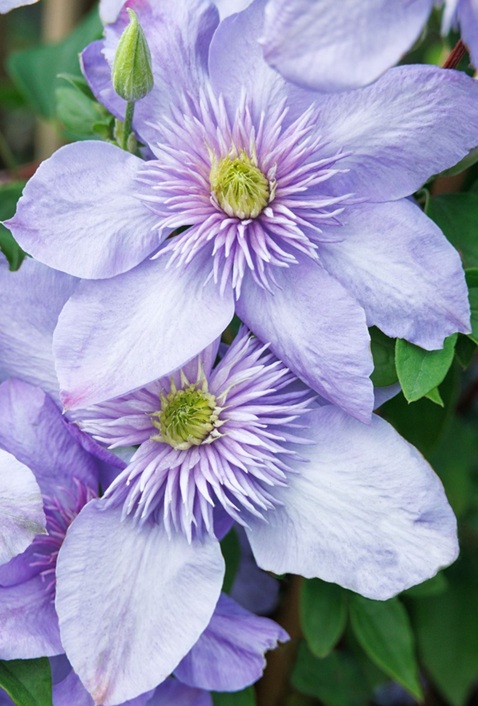
Clematis
Clematis spp.
Accepted genus: Clematis L.
This is a genus-level entry covering ornamental, native, naturalized, climbing, shrubby, and herbaceous Clematis species, hybrids, and cultivars. Representative taxa associated with important common names include:
Clematis alpina — Alpine Clematis
Clematis armandii — Armand Clematis, Evergreen Clematis
Clematis chinensis — Chinese Clematis
Clematis crispa — Curly Virgin’s-Bower, Blue Jasmine
Clematis drummondii — Drummond Clematis, Old Man’s Beard, Satin Curls
Clematis flammula — Fragrant Virgin’s-Bower
Clematis integrifolia — Solitary Clematis, Ground Clematis
Clematis montana — Anemone Clematis, Mountain Clematis
Clematis occidentalis — Western or British Columbia Virgin’s-Bower
Clematis paniculata — New Zealand Clematis, Puawhananga
Clematis recta — Ground Clematis, Upright Virgin’s-Bower
Clematis tangutica — Golden Clematis
Clematis terniflora — Sweet Autumn Clematis
Clematis texensis — Scarlet Leather Flower
Clematis viorna — Vasevine, Leather Flower
Clematis viticella — Italian Clematis
Clematis sp. refers to one unidentified Clematis species. Clematis spp. is the appropriate notation when the page applies to multiple species within the genus.
Ranunculaceae Juss. — Buttercup Family
Clematis belongs to the order Ranunculales. Other Ranunculaceae include buttercups, anemones, hellebores, monkshood, larkspur, columbine, marsh marigold, and lesser celandine, but the family contains several different toxin groups and its members should not be assumed to produce identical poisoning syndromes.
Clematis, Virgin’s Bower, Virginsbower, Virgin’s-Bower, Virginia Bower, Traveller’s Joy, Traveler’s Joy, Old Man’s Beard, Leather Flower, Leatherflower, Vasevine, Devil’s Darning Needles, Ropevine, Old Man’s Beard Vine, Jackman’s Clematis, Italian Clematis, Chinese Clematis, Asian Clematis, Alpine Clematis, Anemone Clematis, Golden Clematis, Ground Clematis, Scarlet Leather Flower, Manycolored Leather Flower, Alabama Leather Flower, Millboro Leather Flower, Netleaf Leather Flower, Whiteleaf Leather Flower, Whitehair Leather Flower, Addison’s Leather Flower, Fremont’s Leather Flower, Bigelow Clematis, Drummond Clematis, Palmer Clematis, Pipestem Clematis, Bluebill, Curly Virgin’s-Bower, Curlyheads, Satin Curls, Cabellos de Ángel, British Columbia Virgin’s-Bower, New Zealand Clematis, New Zealand Dwarf Clematis, Pine Hyacinth, Kusabotan, Sweet Autumn Clematis, Evergreen Clematis, Mountain Clematis, Clematis spp.
‘Apple Blossom’ and ‘Snowdrift’ are cultivated Clematis in the Armandii horticultural group. ‘Polish Spirit’ and ‘Jackmanii’ are cultivated Clematis names rather than botanical synonyms for the entire genus.
Clematis paniculata is an accepted New Zealand species. The name has historically been misapplied in horticulture to Sweet Autumn Clematis, which is correctly identified as Clematis terniflora.
Common names such as Leather Flower, Virgin’s Bower, Old Man’s Beard, Ground Clematis, and Traveller’s Joy are applied to multiple species and should not be relied upon for exact botanical identification.
Ranunculin Is the Stored Plant Precursor
Clematis plants contain ranunculin and related ranunculoside compounds within their fresh tissues. Ranunculin is a glycoside that remains comparatively stable while the plant cells are intact.
When an animal chews the leaves, flowers, stems, vines, or roots, plant cells are broken and enzymes contact the stored glycoside. Ranunculin is then hydrolyzed, releasing glucose and the reactive irritant protoanemonin.
This damage-dependent system functions as a chemical defense. The plant becomes substantially more irritating at the exact moment an animal bites, tears, crushes, cuts, or macerates it.
Protoanemonin Is the Principal Irritant
Protoanemonin, historically called anemonol or ranunculol, is a volatile unsaturated lactone with powerful vesicant properties. A vesicant is capable of inflaming tissue and causing blister formation.
Freshly released protoanemonin irritates the lips, tongue, gums, palate, oral mucosa, pharynx, esophagus, stomach, intestines, skin, and eyes. The intensity of contact may range from transient burning to redness, swelling, ulceration, blistering, and erosive gastrointestinal injury.
The toxin acts primarily at contacted surfaces. Ordinary Clematis poisoning is therefore a painful irritant syndrome rather than a classic absorbed neurotoxic, nephrotoxic, hepatotoxic, or cardiac-glycoside syndrome.
Why the Mouth Reacts Immediately
Chewing releases protoanemonin directly into saliva and fresh plant sap. Burning, tingling, and pain can begin while the plant is still in the mouth.
The animal may shake its head, drop the plant, paw at the muzzle, salivate profusely, gag, or refuse to continue chewing. This immediate aversive response usually limits the total amount swallowed.
The bitter taste and rapid tissue irritation explain why severe systemic poisoning is uncommon even though Clematis is widely planted and accessible in gardens.
Fresh Leaves, Flowers, Stems, Vines, and Sap
Fresh leaves and sap are commonly emphasized, but flowers, young shoots, mature vines, stems, roots, and other living tissues should also be treated as potential sources of ranunculin and protoanemonin.
Freshly cut or crushed pruning debris may be more likely to release sap than an undamaged standing vine. Dogs may chew clipped stems as sticks, cats may mouth fallen flowers, and horses or goats may browse vines placed over fences or discarded into paddocks.
Root material and concentrated extracts should be treated cautiously because toxin concentrations vary among species and plant parts. No part of an unidentified Clematis should be declared safe for deliberate ingestion.
Drying Reduces the Protoanemonin Hazard
Protoanemonin is chemically unstable. As plant material dries, it spontaneously combines to form anemonin and subsequently other less irritating degradation products.
Drying therefore generally reduces the acute vesicant toxicity of Ranunculaceae plants. Properly cured plant material is expected to be less irritating than fresh sap-bearing vines.
This reduction should not be described as an absolute guarantee of safety. Drying conditions vary, partially wilted clippings may still contain active precursor and irritant, other plant constituents may remain, and mixed garden debris may include unrelated toxic plants.
Contact Dermatitis
Fresh sap can irritate intact skin, especially when repeated contact, pressure, friction, or prolonged moisture keeps the plant material against the body. Redness, burning, itching, swelling, rash, vesicles, or blisters may develop.
The muzzle, lips, paws, eyelids, sparsely haired abdomen, and areas beneath collars or harnesses are particularly vulnerable. A pet may also transfer sap from the paws or coat to the mouth and eyes during grooming.
Plant handlers may develop similar dermatitis while pruning or pulling vines. Gloves and prompt washing help prevent prolonged contact.
Eye Injury
Fresh sap or crushed plant material can cause immediate ocular pain, tearing, squinting, conjunctival inflammation, eyelid swelling, and possible corneal epithelial injury.
Eye exposure may occur when a pet pushes through damaged vines, when sap drips from fresh clippings, or when contaminated paws rub the face.
Gastrointestinal Irritation
Swallowed plant material may expose the esophagus, stomach, and intestines to protoanemonin. Nausea, vomiting, abdominal cramping, diarrhea, purging, appetite loss, and depression may follow.
Severe diarrhea or repeated vomiting can produce dehydration and electrolyte abnormalities even when the plant has no direct systemic organ toxin. Blood or mucus may appear when mucosal irritation is substantial.
Species and Cultivar Variation
The genus includes hundreds of species and many thousands of garden cultivars and hybrids. Ranunculin concentration, sap content, plant texture, palatability, and exposure opportunity are unlikely to be identical across the entire genus.
No reliable evidence establishes that large-flowered hybrids, evergreen species, leather flowers, native Virgin’s Bowers, or named cultivars such as ‘Apple Blossom,’ ‘Snowdrift,’ ‘Polish Spirit,’ or ‘Jackmanii’ are safe for animals to chew.
Until species-specific evidence demonstrates otherwise, fresh Clematis plants should be managed as protoanemonin-containing irritants.
No Established Toxic Dose
No dependable leaf count, flower number, vine length, plant weight, or gram-per-kilogram toxic threshold has been established for dogs, cats, horses, cattle, sheep, goats, birds, rabbits, or other animals.
Clinical severity depends on species, cultivar, plant part, freshness, amount chewed, body size, duration of contact, gastrointestinal sensitivity, and whether another plant or garden product was swallowed simultaneously.
Immediate Burning and Mouth Pain
Signs frequently begin during chewing or within minutes. The animal may abruptly drop the plant, shake its head, paw at the mouth, rub the muzzle, smack the lips, swallow repeatedly, whine, or refuse to continue eating.
The lips, gums, tongue, palate, and inner cheeks may become reddened, tender, swollen, blistered, or ulcerated after substantial fresh-sap exposure. The animal may resist oral examination because light contact is painful.
Drooling, Gagging, and Difficulty Eating
Hypersalivation is one of the most recognizable signs. Saliva may hang in ropes or become foamy because the mouth is painful and the animal is reluctant to swallow.
Gagging, dry heaving, neck extension, repeated swallowing attempts, and reluctance to drink may occur when irritation involves the pharynx or esophagus. Food or water may be approached and then abandoned because swallowing hurts.
Marked tongue enlargement or true airway obstruction is not a characteristic Clematis effect, but severe oral pain, pharyngeal injury, aspiration, an allergic reaction, or another plant may interfere with swallowing or breathing.
Vomiting and Abdominal Pain
Swallowed fresh material may cause nausea, vomiting, abdominal cramping, restlessness, a hunched posture, or tenderness when the abdomen is handled.
Vomiting may occur once or several times. Continuing or bloody vomiting suggests substantial mucosal injury, aspiration risk, another toxic plant, a swallowed foreign body, or unrelated gastrointestinal disease.
Diarrhea and Purging
Loose stool or diarrhea may follow gastrointestinal exposure. More severe cases can produce frequent watery stool, mucus, straining, or blood.
Profuse diarrhea can cause dehydration, electrolyte loss, weakness, reduced urination, and poor perfusion. Puppies, kittens, small animals, elderly patients, and animals with kidney, heart, endocrine, or gastrointestinal disease may become compromised more quickly.
Appetite Loss, Depression, and Weakness
Animals may refuse food because the mouth or esophagus remains painful. Temporary quietness or depression may accompany nausea and abdominal discomfort.
Progressive weakness is more concerning. It may reflect dehydration, electrolyte imbalance, gastrointestinal blood loss, severe pain, hypoglycemia, aspiration, another toxin, or an underlying disease rather than a direct paralytic effect of ordinary Clematis exposure.
Skin Irritation and Blistering
Fresh sap may cause localized redness, burning, itching, swelling, rash, vesicles, or blisters. Lesions are most likely where crushed vines remain against moist or thinly haired skin.
Repeated licking or scratching can worsen inflammation and lead to self-trauma or secondary infection. Sap trapped beneath a collar, harness, bandage, or dense coat may prolong exposure.
Eye Signs
Ocular contact can produce sudden squinting, tearing, blinking, pawing at the eye, conjunctival redness, eyelid swelling, light sensitivity, discharge, or corneal cloudiness.
Persistent eye pain after irrigation requires examination because corneal erosion, ulceration, retained plant material, or secondary self-trauma may be present.
Signs in Horses and Other Grazing Animals
Horses may develop salivation, lip smacking, feed refusal, mouth pain, colic, diarrhea, depression, and reluctance to drink after browsing fresh Clematis vines. Horses cannot vomit.
Goats and other browsing livestock may encounter Clematis along hedgerows, trellises, fences, woodland margins, and dumped garden waste. Salivation, reduced rumen activity, diarrhea, abdominal discomfort, weakness, or recumbency after substantial ingestion warrants veterinary evaluation.
Severe Systemic Signs Are Unusual
Seizures, prolonged coma, major cardiac arrhythmias, primary liver failure, primary kidney failure, paralysis, or respiratory arrest are not expected from an ordinary Clematis nibble.
Those findings should prompt investigation for monkshood, larkspur, yew, oleander, foxglove, autumn crocus, pesticides, fertilizer, medication, toxic mushrooms, electrical injury, another garden plant, or unrelated disease.
Expected Course and Warning Signs
Most small exposures remain limited to oral irritation, salivation, one or several episodes of vomiting, mild diarrhea, or localized dermatitis and begin improving after access ends.
Veterinary care is warranted for persistent mouth pain, extensive ulceration, inability to drink, repeated vomiting, profuse or bloody diarrhea, dehydration, marked weakness, eye injury, coughing after vomiting, abnormal breathing, collapse, or failure to improve as expected.
A Large and Diverse Genus
Clematis is a large genus of approximately 380 accepted species. It includes woody climbing vines, scrambling shrubs, subshrubs, and nonclimbing herbaceous perennials.
The genus is widespread through temperate regions of both hemispheres and occurs in tropical mountain systems. Native and cultivated species grow in woodlands, prairies, rocky slopes, stream margins, hedgerows, forest edges, gardens, and disturbed habitats.
The genus-level nature of this page is important. One plant labeled Clematis may be a native leather flower, a vigorous invasive vine, an evergreen Asian species, a compact herbaceous perennial, or a complex large-flowered garden hybrid.
General Identification
Most climbing Clematis plants use twisting leaf stalks rather than separate tendrils to grip trellises, shrubs, fences, and other supports. Leaves are usually opposite and may be simple, divided, pinnate, or compound depending on the species.
The showy structures commonly called petals are generally sepals. Flowers vary from open star-like or saucer-shaped forms to nodding bells, urns, tubes, and lantern-like shapes.
After flowering, many species produce clusters of small dry fruits called achenes. Each achene may retain a long silky or feathery style, creating the familiar Old Man’s Beard appearance.
Virgin’s Bower, Leather Flower, and Old Man’s Beard
Virgin’s Bower is applied to several climbing species with masses of pale flowers, including native and naturalized Clematis. Leather Flower generally refers to bell- or urn-flowered North American species whose thick sepals have a leathery texture.
Old Man’s Beard and Traveller’s Joy are used for species that develop conspicuous feathery seed heads, particularly Clematis vitalba in Europe and various regional species elsewhere.
These names describe general appearance rather than one dependable species and should not be used to transfer exact range, invasiveness, or toxic concentration from one Clematis to another.
Sweet Autumn Clematis and Clematis paniculata
Sweet Autumn Clematis is correctly identified as Clematis terniflora, an Asian vine producing masses of small fragrant white flowers followed by feathery seed heads.
The name Clematis paniculata was historically misapplied to Sweet Autumn Clematis in horticultural literature. True C. paniculata is a separate white-flowered species native to New Zealand.
Both belong to the same genus and should be treated as protoanemonin-containing plants, but the two scientific names should not be used interchangeably.
Garden Hybrids and Cultivars
‘Jackmanii’ is a historic large-flowered cultivated Clematis with rich violet-purple flowers. It is not a scientific synonym for the genus or a wild species called Jackman’s Clematis.
‘Apple Blossom’ and ‘Snowdrift’ are evergreen cultivated plants in the Armandii horticultural group. ‘Polish Spirit’ is a late-flowering cultivated Clematis with deep violet flowers.
Cultivar names are important for plant identification and search intent, but a cultivar label does not establish that the plant lacks ranunculin or is safe for pets.
Native North American Leather Flowers
North America supports numerous distinctive native Clematis species. Examples include Scarlet Leather Flower, C. texensis; Vasevine, C. viorna; Curly Virgin’s-Bower, C. crispa; Netleaf Leather Flower, C. reticulata; and regional species known as Alabama, Millboro, Whiteleaf, Whitehair, Addison’s, Fremont’s, Bigelow, Drummond, Palmer, or Pipestem Clematis.
Some of these plants have narrow natural ranges and conservation significance. Poison prevention should focus on excluding animal access rather than removing native populations unnecessarily.
Freshness and Pruning Debris
Freshly damaged plant material presents the greatest irritant hazard because cutting and crushing place ranunculin and its activating enzymes in contact and release protoanemonin.
Pruning debris may therefore cause more immediate sap exposure than an untouched mature vine. Cut stems should not be thrown into dog runs, paddocks, goat pens, poultry yards, stalls, open compost, or accessible brush piles.
Wilted and fully dried material becomes less irritating as protoanemonin changes chemically. Partially dried clippings should not be assumed safe, and mixed garden debris may contain plants whose toxins remain potent after drying.
Common Pet and Livestock Exposure Settings
Dogs may chew fresh vines, carry cut stems, dig around roots, or pull Clematis from trellises. Cats may mouth flowers and leaves from container plants or contact sap while climbing through foliage.
Horses and goats may reach vines growing through or over fences, barn walls, hedgerows, or neighboring gardens. Landscapers may create an exposure by tossing fresh clippings into an enclosure.
Indoor exposure may occur through cut flowers, potted Clematis, decorative vines, vase water, floral preservatives, wire, ribbon, or mixed arrangements containing more dangerous plants.
Diagnosis
No routine laboratory test confirms Clematis ingestion or measures protoanemonin clinically. Diagnosis normally depends on identifying the plant, documenting access to fresh damaged tissue, and recognizing the immediate irritant pattern.
Preserve leaves, flowers, stems, roots when available, the nursery label, photographs of the entire plant, and any vomited fragments. A complete specimen is more useful than one detached petal or a common name.
Blood testing is generally unnecessary in a mild case. Persistent vomiting, bloody diarrhea, dehydration, collapse, neurologic abnormalities, respiratory signs, or organ-value changes require broader investigation for complications or another exposure.
Differential Diagnoses
Other causes of immediate mouth pain and salivation include insoluble-calcium-oxalate plants, caustic household products, electrical-cord burns, caterpillar or insect contact, oral foreign bodies, chemical fertilizers, and severe dental disease.
Buttercups, anemones, lesser celandine, marsh marigold, and other Ranunculaceae may produce a similar protoanemonin syndrome. Monkshood and larkspur belong to the same family but contain dangerous alkaloids and can cause much more serious neurologic or cardiac poisoning.
Prevention
Train Clematis vines on supports inaccessible to plant-chewing animals and prevent growth through pasture or kennel fencing. Remove fallen flowers and fresh prunings promptly.
Wear gloves while cutting or pulling Clematis, avoid touching the eyes, and wash tools and exposed skin afterward. Prevent animals from entering the work area until sap and clippings have been removed.
Do not use Clematis vines as chew toys, decorative material in animal enclosures, or livestock browse. Dispose of cuttings in a secured waste container or another area inaccessible to animals.
Immediate Steps After Clematis Exposure
- Stop further contact. Remove the animal from the standing vine, fresh prunings, cut flowers, roots, garden debris, vase water, or contaminated enclosure.
- Remove only loose visible fragments. If the animal is calm, alert, and swallowing normally, take away leaves, petals, or stem pieces resting at the lips or front of the mouth. Do not scrape ulcers or reach blindly toward the throat.
- Gently wipe away sap. Use a soft cloth dampened with water to wipe visible residue from the lips, muzzle, tongue tip, and accessible gums. Avoid aggressive rubbing of already painful tissue.
- Do not force an oral rinse. An alert animal with normal swallowing may drink voluntarily, but water should not be sprayed, syringed, or poured toward the throat.
- Prevent grooming after skin or coat exposure. Wear gloves and wash contaminated paws, fur, or skin gently with lukewarm water and a mild pet-safe cleanser. Prevent licking until the area is clean and dry.
- Preserve identification material. Save a leafy flowering section, photographs of the complete plant, the nursery label, cultivar name, arrangement contents, and any vomited fragments.
- Monitor the clinical course. Note mouth pain, drooling, vomiting, diarrhea, appetite, drinking, urination, skin lesions, eye discomfort, weakness, and whether signs are improving or worsening.
- Seek veterinary guidance for a meaningful exposure. Prompt consultation is appropriate when a large or unknown amount was eaten, symptoms continue, fresh roots or concentrated material were involved, or the animal is young, small, elderly, pregnant, or medically fragile.
Skin and Coat Exposure
Fresh Clematis sap can cause direct irritant dermatitis. Wash exposed skin and coat gently with lukewarm water and a mild pet-safe cleanser, then rinse thoroughly.
Avoid vigorous scrubbing because friction may intensify inflammation. Remove or wash collars, harnesses, bedding, towels, brushes, carriers, and other objects contaminated with fresh sap.
Persistent redness, blistering, marked swelling, pain, spreading lesions, or self-trauma requires veterinary examination. Secondary infection may require treatment when the animal has scratched, chewed, or licked the skin repeatedly.
Eye Exposure
Begin gentle irrigation promptly with sterile saline or room-temperature water. Direct the fluid across the eye rather than using a forceful stream.
Persistent squinting, tearing, redness, eyelid swelling, discharge, cloudiness, light sensitivity, or inability to open the eye requires veterinary examination.
The veterinarian may evert the eyelids, remove retained plant material, and use fluorescein stain to identify corneal erosion or ulceration. Treatment may include continued irrigation, lubrication, pain control, and topical antimicrobial medication when epithelial injury is present.
Ophthalmic corticosteroids should not be used until a corneal ulcer has been excluded because they can delay healing and worsen infection or corneal deterioration.
Do Not Attempt Unsupervised Home Treatment
- Do not induce vomiting. Hydrogen peroxide, salt, mustard, syrup of ipecac, and manual gagging can cause gastric injury, aspiration, and additional exposure of the mouth and esophagus to irritating plant material.
- Do not force water or food into the mouth. Pain, gagging, weakness, vomiting, or abnormal swallowing can allow liquid and food to enter the lungs.
- Do not give activated charcoal routinely. Protoanemonin acts principally as a local tissue irritant and is chemically unstable. Charcoal offers limited expected benefit and can be aspirated by a drooling, vomiting, or dysphagic animal.
- Do not give honey, syrup, glycerin, pectin, milk, yogurt, oil, bread, or another demulcent as an antidote. These substances do not neutralize embedded or contacted protoanemonin and may worsen nausea or aspiration risk.
- Do not give antacids, sucralfate, acid-reducing medication, or anti-diarrheal products automatically. These treatments may have roles in documented complications but are unnecessary after most minor exposures.
- Do not give antihistamines automatically. The expected inflammation is caused by direct chemical irritation rather than a simple allergic reaction. Sedation can interfere with assessment of swallowing and respiratory function.
- Do not apply creams, alcohol, peroxide, essential oils, or household chemicals to irritated skin or oral tissue. These products may intensify the chemical injury.
- Do not give human pain relievers or leftover prescriptions. Ibuprofen, naproxen, acetaminophen, aspirin, and other drugs may produce a more serious secondary poisoning.
When Veterinary Examination Is Especially Important
- Severe oral injury: Extensive redness, blistering, ulceration, continuing salivation, bleeding, inability to eat, or painful swallowing requires examination and pain control.
- Continuing gastrointestinal signs: Repeated vomiting, inability to retain water, profuse or bloody diarrhea, marked abdominal pain, or persistent food refusal can cause dehydration and may indicate deeper mucosal injury.
- Dehydration or poor perfusion: Dry or tacky gums, sunken eyes, reduced urination, weakness, cool extremities, weak pulses, or collapse requires fluid and electrolyte assessment.
- Aspiration concern: Coughing during drinking, coughing after vomiting, nasal discharge, abnormal lung sounds, fever, or increasing respiratory effort may indicate material entering the lungs.
- Eye injury: Continuing squinting, cloudiness, discharge, or pain after irrigation may indicate corneal damage.
- Unexpected systemic signs: Seizures, severe ataxia, persistent arrhythmia, jaundice, kidney abnormalities, coma, or respiratory failure is inconsistent with an uncomplicated Clematis exposure and requires investigation for another cause.
Veterinary Examination and Diagnostic Priorities
The veterinarian will assess the lips, tongue, gums, oral mucosa, pharynx, swallowing, hydration, abdominal comfort, gastrointestinal losses, skin, eyes, respiratory status, and the possibility of a mixed exposure.
Most minor cases require no specialized toxicology testing. Diagnostic work should be guided by the animal’s clinical condition rather than the plant name alone.
- Oral and swallowing evaluation: Examination may identify ulceration, retained plant fibers, pharyngeal irritation, painful swallowing, or another oral foreign body.
- Hydration and blood testing: Packed cell volume, total solids, electrolytes, glucose, kidney values, acid-base status, and other tests may be indicated after substantial vomiting or diarrhea.
- Gastrointestinal imaging: Radiographs or ultrasound may be appropriate when woody vine, trellis material, wire, plant ties, mulch, or another foreign object may have been swallowed.
- Eye evaluation: Eyelid eversion, ocular irrigation, fluorescein staining, tear assessment, and examination for retained debris may be required after sap exposure.
- Respiratory investigation: Oxygen assessment, chest auscultation, thoracic imaging, and blood gases may be selected when aspiration or another respiratory complication is suspected.
Professional Decontamination
Professional decontamination focuses on removing fresh plant material from contacted surfaces. The veterinarian may gently wipe or irrigate the oral cavity and remove retained fibers under appropriate restraint or sedation.
Clinic-induced vomiting is generally unnecessary because protoanemonin begins injuring tissue during chewing, the bitter irritation usually limits the amount swallowed, and emesis re-exposes the esophagus and mouth.
A veterinarian might consider species-appropriate emesis only after an exceptional, very recent, large ingestion in an alert, asymptomatic animal with normal breathing and swallowing and no spontaneous vomiting or substantial oral injury.
Gastric lavage is not routine. It would be reserved for an unusual large, recent ingestion when significant fresh material remains in the stomach, emesis is inappropriate, and the expected benefit outweighs anesthesia and aspiration risks.
Activated charcoal is not routinely indicated for Clematis alone. A mixed exposure involving another adsorbable toxin may require a different plan based on that additional substance.
Oral Pain and Mucosal Injury
Significant mouth, pharyngeal, or esophageal pain may require veterinarian-selected analgesia. Opioids or another appropriate analgesic may allow the animal to rest and swallow without adding the gastrointestinal and kidney risks associated with some anti-inflammatory medications.
Cool water and soft food may be offered after swallowing has been assessed as comfortable and safe. Nothing should be forced into an animal that is gagging, regurgitating, vomiting repeatedly, or unable to manage saliva.
Sucralfate may be considered when oral or esophageal ulceration, painful swallowing, hematemesis, melena, or erosive gastric injury is documented. It creates a protective barrier over damaged mucosa rather than neutralizing protoanemonin.
Because sucralfate can interfere with absorption of other oral medication, its administration may need to be separated from food and additional drugs.
Vomiting, Diarrhea, and Gastrointestinal Support
Persistent nausea or vomiting may be treated with a veterinarian-selected antiemetic such as maropitant or ondansetron after obstruction, foreign material, pancreatitis, infectious disease, and another toxin have been considered.
Acid suppression may be appropriate when repeated vomiting has caused reflux esophagitis, hematemesis, melena, or another acid-related complication. Direct protoanemonin contact alone does not justify routine acid suppression in every case.
Anti-diarrheal medication is generally unnecessary. Hydration, electrolyte correction, nutrition, pain control, and investigation of persistent or bloody diarrhea are more important than suppressing intestinal movement.
Food may be reintroduced in small, digestible portions once vomiting has stopped and oral pain permits safe swallowing. Force-feeding a nauseated or dysphagic animal increases aspiration risk.
Fluid and Electrolyte Support
Most minor exposures do not require intravenous fluids. Fluid support becomes relevant when vomiting, diarrhea, drooling, oral pain, or refusal to drink causes measurable dehydration.
Oral, subcutaneous, or intravenous fluids should be selected according to swallowing ability, measured dehydration, perfusion, continuing losses, body weight, kidney function, urine production, electrolyte values, and cardiopulmonary condition.
Intravenous balanced crystalloids may be used for clinically important dehydration or poor perfusion. Treatment should be reassessed using pulse quality, blood pressure, capillary refill, body weight, urine production, lung sounds, electrolytes, and continuing losses.
Direct Irritation Versus Allergy
Most swelling and redness after Clematis contact result from direct protoanemonin injury rather than an allergic mechanism. Antihistamines may therefore provide limited benefit in an uncomplicated exposure.
A veterinarian may use an antihistamine when generalized hives, widespread itching, facial swelling beyond the contact area, or another histamine-mediated reaction is present.
True anaphylaxis is a separate emergency involving generalized swelling or hives accompanied by hypotension, respiratory distress, severe gastrointestinal signs, altered awareness, or collapse. Treatment may require epinephrine, oxygen, airway protection, intravenous fluids, and cardiovascular support.
Airway and Aspiration Support
Clinically important airway obstruction is not expected from ordinary Clematis irritation, but severe pharyngeal pain, aspiration, anaphylaxis, or another simultaneous exposure may compromise breathing.
Supplemental oxygen may be used when oxygenation or respiratory effort is abnormal. Endotracheal intubation may be required when the animal cannot protect its airway or maintain effective breathing.
Coughing, fever, abnormal lung sounds, nasal discharge, falling oxygen saturation, or increasing respiratory effort after vomiting raises concern for aspiration. Treatment may include oxygen, airway suction, nebulization, coupage, and assisted ventilation in severe cases.
Antimicrobial medication is appropriate when bacterial aspiration pneumonia is established or strongly suspected rather than automatically after every vomiting episode.
Horses, Goats, and Other Grazing Animals
Remove horses, goats, cattle, sheep, llamas, alpacas, poultry, and other animals from accessible Clematis vines, hedge growth, fresh clippings, mixed landscaping waste, and contaminated forage.
Horses cannot vomit. Veterinary management may include oral examination, assessment of swallowing and colic, evaluation of intestinal motility, fluid support, pain control, and treatment of diarrhea or dehydration.
Ruminants may require assessment of salivation, rumen motility, abdominal distention, manure production, hydration, and the complete clipping mixture. Several animals becoming ill together suggests substantial shared exposure or another toxic plant within the debris.
Fresh garden trimmings should never be used as livestock feed. Even when Clematis has begun to wilt, other plants in the same pile may retain serious cardiotoxic, neurotoxic, or nephrotoxic properties.
Recovery and Prognosis
The prognosis is good to excellent for most uncomplicated Clematis exposures. Mild mouth pain, salivation, vomiting, diarrhea, and localized dermatitis generally improve after further contact ends.
Improvement should include decreasing drooling, comfortable swallowing, cessation of vomiting, reduced diarrhea, voluntary drinking, return of appetite, healing of skin lesions, and restoration of normal activity.
Recovery may take several days when extensive oral ulceration, esophagitis, severe diarrhea, dehydration, corneal injury, or aspiration has occurred.
A guarded or poor course would be unusual for Clematis alone and should prompt investigation for a mixed garden exposure, caustic chemical, foreign body, more dangerous Ranunculaceae species, pesticide, medication, infection, or underlying disease.
Frequently Asked Questions About Clematis and Animal Poisoning
Is Clematis poisonous to dogs and cats?
Yes. Fresh Clematis releases protoanemonin when chewed, causing burning mouth pain, drooling, gagging, vomiting, diarrhea, appetite loss, and possible oral ulceration.
Is Clematis poisonous to horses and livestock?
Yes. Horses and livestock may develop salivation, mouth irritation, feed refusal, colic, diarrhea, depression, or weakness after meaningful ingestion of fresh vines or clippings.
Should the scientific name be written Clematis sp. or Clematis spp.?
Clematis sp. means one unidentified species. Clematis spp. means multiple species and is the correct notation for this genus-level poison page.
What toxin is in Clematis?
Fresh tissue contains ranunculin, which is converted enzymatically into the blistering irritant protoanemonin when the plant is chewed, crushed, cut, or otherwise damaged.
How quickly do signs begin?
Mouth burning, head shaking, drooling, and pawing at the face may begin during chewing or within minutes. Vomiting, abdominal pain, and diarrhea may follow after plant material is swallowed.
Which parts of Clematis are poisonous?
Fresh leaves, flowers, stems, vines, roots, and sap-bearing tissues should all be treated as irritating. Freshly cut or crushed material may release sap particularly readily.
Is dried Clematis still poisonous?
Drying generally reduces the protoanemonin hazard because the unstable irritant changes into less reactive compounds. Partially wilted or incompletely dried material should not be assumed safe, and mixed garden debris may contain other toxins.
Can Clematis sap burn the skin?
Yes. Fresh sap may cause redness, burning, itching, swelling, rash, vesicles, or blisters. Wash contacted skin and coat promptly and prevent the animal from licking the residue.
Can Clematis injure an animal’s eyes?
Yes. Sap can cause intense pain, tearing, redness, eyelid swelling, and corneal injury. Begin gentle irrigation and seek veterinary examination if squinting, cloudiness, discharge, or pain continues.
Is Sweet Autumn Clematis the same as Clematis paniculata?
No. Sweet Autumn Clematis is Clematis terniflora. True Clematis paniculata is a separate species native to New Zealand, although its name was historically misapplied to the Asian vine.
Are ‘Apple Blossom,’ ‘Snowdrift,’ and ‘Polish Spirit’ toxic?
They are cultivated Clematis rather than botanical synonyms. No evidence establishes them as safe for animals to chew, so they should be managed as potential protoanemonin-containing irritants.
Is Clematis likely to kill a pet?
Fatal poisoning is rare because immediate bitterness and mouth pain usually stop further ingestion. Severe or prolonged illness should prompt investigation for another toxic plant, chemical, foreign body, or disease.
Should I make my dog vomit after eating Clematis?
No home vomiting attempt should be made. Emesis can re-expose irritated tissues and create aspiration or gastric-injury risks. Professional treatment is based on the amount, timing, and actual clinical signs.
Does activated charcoal treat Clematis poisoning?
Activated charcoal is not routinely useful because protoanemonin acts mainly as a local irritant and is unstable. Charcoal may be considered only when another adsorbable toxin was swallowed in the same exposure.
How long does Clematis poisoning last?
Mild oral and gastrointestinal signs often improve over several hours. Extensive ulceration, persistent diarrhea, dehydration, eye injury, or aspiration can extend recovery over several days.
What is the prognosis?
The prognosis is good to excellent for uncomplicated Clematis exposure. A guarded course is unusual and should trigger investigation for another toxic plant, garden chemical, foreign material, or underlying illness.