Desert Rose Poisoning and Cardiac Glycoside Toxicosis
Is Desert Rose Poisonous to Dogs, Cats, Horses, and Livestock?
Yes, Desert Rose, Adenium obesum, is highly poisonous to dogs, cats, horses, livestock, birds, rabbits, and other animals. Its swollen caudex, roots, bark, stems, milky sap, leaves, flowers, seed pods, and seeds contain potent cardiac glycosides that can disrupt the heart’s electrical conduction and normal sodium, potassium, and calcium balance. Poisoning may begin with drooling, vomiting, diarrhea, abdominal pain, appetite loss, or depression and progress to hyperkalemia, an abnormally slow or rapid heartbeat, heart block, ventricular arrhythmias, weakness, collapse, seizures, shock, cardiac arrest, and death.
About this guide: This page provides general pet-poisoning information and cannot diagnose or treat an individual animal. For any suspected exposure, contact a veterinarian or animal poison-control service immediately. Do not induce vomiting, give medication, or attempt home decontamination unless directed by a veterinary professional.
Desert Rose
Adenium obesum (Forssk.) Roem. & Schult.
Important botanical synonyms and horticultural names include:
Nerium obesum Forssk.
Cameraria obesa (Forssk.) Spreng.
Adenium arabicum Balf.f.
Adenium arboreum Ehrenb.
Adenium coetaneum Stapf
Adenium honghel Lindl.
Adenium lugardiae N.E.Br.
Adenium micranthum Stapf
Adenium socotranum Vierh.
Adenium somalense Balf.f.
Adenium speciosum Fenzl
Adenium tricholepis Chiov.
Some horticultural systems continue to distinguish Adenium arabicum, A. socotranum, A. somalense, and related regional forms as separate species, subspecies, varieties, or cultivated types. Current Kew treatment includes those names within the synonymy of Adenium obesum.
Other members of the genus—including Adenium boehmianum, A. dhofarense, A. multiflorum, A. oleifolium, and A. swazicum—remain separately accepted species and should also be treated as potentially dangerous cardiac-glycoside plants.
Apocynaceae Juss. — Dogbane Family
Desert Rose belongs to the order Gentianales, subfamily Apocynoideae, tribe Nerieae, and genus Adenium.
Apocynaceae includes several other cardiac-glycoside-containing plants, including Oleander, Yellow Oleander, Acokanthera, Strophanthus, and certain milkweeds. Other members of the family contain different toxic compounds, so family membership alone does not establish one identical poisoning syndrome for every dogbane.
Desert Rose, Desert-Rose, Desert Azalea, Mock Azalea, Sabi Star, Sabi Star Flower, Impala Lily, Kudu Lily, Kudu, Adenium, Adenium Rose, Desert Rose Adenium, Karoo Rose, Adenium obesum, Nerium obesum, Adenium arabicum, Adenium socotranum, Adenium somalense
Desert Rose and Desert Azalea are common names for the same toxic species, Adenium obesum. Neither name identifies a true rose or a true azalea.
True roses belong to the genus Rosa. True azaleas belong to Rhododendron and contain grayanotoxins rather than Adenium cardenolides. “Impala Lily” and “Kudu Lily” are also ornamental names; Desert Rose is not a true lily in the genus Lilium.
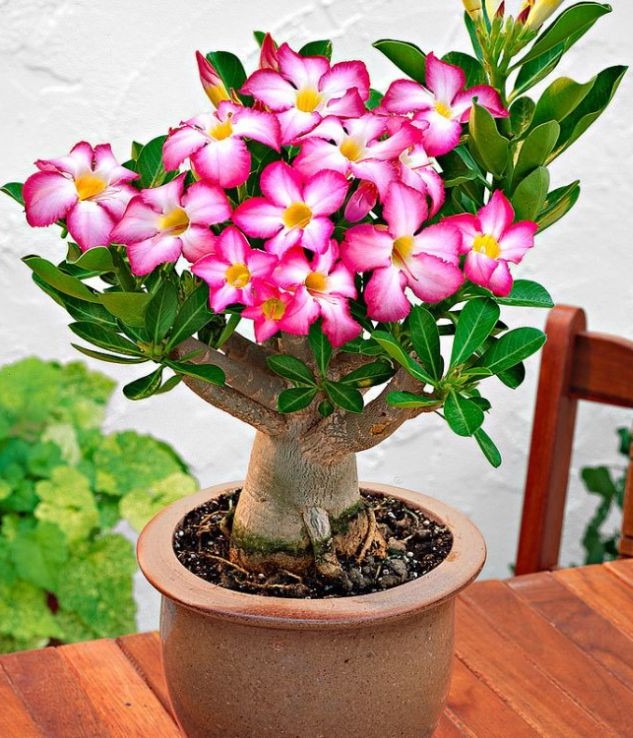
“Desert rose” may additionally describe unrelated plants, rose-like mineral formations, or other succulents. The swollen caudex, milky sap, thick branches, clustered leaves, paired seed pods, tubular flowers, and scientific name should be used to confirm an exposure.
Cardenolide Cardiac Glycosides
Desert Rose contains numerous potent cardiac glycosides known as cardenolides. These compounds consist of a steroid-like aglycone attached to one or more sugars and have digitalis-like effects on cardiac muscle, electrical conduction tissue, the gastrointestinal tract, and the nervous system.
The plant does not contain one uniform toxin at one fixed concentration. Its chemical profile varies with plant part, regional form, cultivar, maturity, season, growing conditions, and analytical method.
The responsible toxicologic description is therefore a complex mixture of Adenium cardenolides rather than one supposedly universal “Desert Rose toxin.”
Documented Adenium Glycosides
Documented compounds include somalin or somaline, hongheloside A, hongheloside C, honghelin, 16-O-acetylstrospeside, digitalinum verum, obeside B, obeside C, obeside D, obebiosides, obetriosides, and numerous digitoxigenin-, gitoxigenin-, and oleandrigenin-derived glycosides.
One detailed investigation of the roots and stems identified approximately 30 cardiac glycosides, including both known compounds and newly characterized combinations of aglycones and sugars. Oleandrigenin β-gentiobiosyl-β-thevetoside was the principal glycoside recovered in that investigation.
The number and concentration of individual compounds should not be assumed to be identical in every nursery cultivar, grafted plant, regional population, flower, leaf, root, or seed pod.
Inhibition of the Sodium-Potassium Pump
Cardiac glycosides bind to and inhibit Na+/K+-ATPase, the membrane pump that normally moves sodium out of cells and potassium into cells.
As pump activity falls, intracellular sodium rises and intracellular potassium falls. The altered sodium gradient interferes with sodium-calcium exchange, allowing calcium to accumulate within cardiac muscle cells.
Increased intracellular calcium can intensify contraction, but toxic exposure also disrupts pacemaker activity, conduction through the atrioventricular node, myocardial excitability, and recovery between beats. The patient may develop bradycardia, heart block, premature beats, ventricular tachycardia, ventricular fibrillation, or cardiac arrest.
Potassium Disturbance
Potassium may shift out of cells and accumulate in the bloodstream when large numbers of sodium-potassium pumps are inhibited. Marked hyperkalemia is an important warning sign of severe acute cardiac-glycoside poisoning and can further destabilize the heart.
Vomiting and diarrhea may simultaneously reduce total-body potassium. A patient may therefore have normal, high, or occasionally low measured potassium depending on the exposure stage, gastrointestinal losses, kidney function, and previous treatment.
Potassium must be measured and interpreted with the electrocardiogram, blood pressure, acid-base status, hydration, kidney function, and clinical progression. Potassium supplements must never be given merely because vomiting occurred.
Every Plant Part Is Dangerous
The swollen caudex, roots, bark, branches, stems, milky sap, leaves, flowers, buds, seed pods, seeds, grafting material, cuttings, and discarded fragments should all be treated as poisonous.
Roots and stems have been shown to contain similar glycoside profiles. The thick caudex and exposed sculptural roots are particularly important in homes because dogs, rabbits, and rodents may gnaw them directly.
Flowers must not be dismissed as decorative low-risk tissue. A published macaw developed life-threatening cardiac-glycoside poisoning after eating one Desert Rose flower.
Milky Sap and Latex
Cut roots, broken branches, removed leaves, pruning wounds, and grafting cuts release a sticky clear-to-white latex. Sap can contaminate the lips, mouth, paws, coat, feathers, eyes, tools, gloves, towels, tables, floors, and plant supports.
Serious systemic poisoning is most likely when sap is swallowed. Brief contact with intact skin is less likely to deliver a major cardiac dose, but local irritation and transfer to the mouth or eyes remain possible.
Sap on fur, feathers, or paws creates a secondary ingestion hazard because the animal may swallow it during grooming.
Gastrointestinal and Neurologic Effects
Cardiac glycosides affect the gastrointestinal and nervous systems in addition to the heart. Drooling, nausea, vomiting, abdominal pain, diarrhea, appetite loss, and depression commonly appear before the owner recognizes a rhythm disturbance.
Weakness, staggering, tremors, abnormal posture, apparent seizures, altered awareness, or coma may develop during severe poisoning. These abnormalities may reflect direct glycoside effects, cerebral hypoperfusion, hypoxia, electrolyte disturbance, profound bradycardia, ventricular arrhythmia, or shock.
Dried and Damaged Plants Remain Dangerous
Wilting, drying, pruning, frost damage, root rot, or removal from the soil does not reliably eliminate cardiac glycosides. A dead-looking plant, dried branch, rotten caudex section, old seed pod, or discarded root remains unsuitable for animal access.
Cold-damaged plants and rotting roots are commonly cut apart indoors or in garages, creating concentrated piles of sap-rich material at pet level.
No Dependable Safe Dose
No universal leaf count, flower count, seed number, root weight, stem length, drop of sap, or gram-per-kilogram threshold has been established for dogs, cats, horses, livestock, birds, rabbits, reptiles, or rodents.
Risk depends on the chemistry of the individual plant, tissue eaten, amount chewed, animal species and size, gastrointestinal absorption, spontaneous vomiting, concurrent disease, and time to professional treatment.
A visible bite mark cannot establish how much sap or tissue was swallowed. Any credible ingestion requires immediate veterinary or animal poison-control guidance.
Early Gastrointestinal Illness
Drooling, lip licking, nausea, vomiting, diarrhea, abdominal discomfort, appetite refusal, depression, and reduced activity are often the first visible abnormalities. Signs may begin within the first several hours.
Vomiting can be persistent because cardiac glycosides stimulate central emetic pathways and irritate the gastrointestinal tract. Plant fibers, flower tissue, seeds, or sticky sap may be visible in the vomit.
The early illness may resemble ordinary houseplant irritation while cardiac conduction and potassium balance are already becoming unstable.
Dehydration and Electrolyte Changes
Repeated vomiting and diarrhea can reduce circulating volume and cause sodium, chloride, glucose, acid-base, and other metabolic abnormalities. Dehydration and poor perfusion place additional stress on the heart and kidneys.
Hyperkalemia can develop through Na+/K+-ATPase inhibition and is an important severity marker. Either high or low potassium can worsen arrhythmias, so supplementation or correction must be based on serial measurements.
Slow Heart Rate and Heart Block
The heart rate may become abnormally slow because cardiac glycosides increase vagal influence and interfere with conduction through the atrioventricular node.
First-, second-, or third-degree atrioventricular block may occur. Weakness, exercise intolerance, fainting, cool limbs, weak pulses, or episodic collapse may be the only signs visible to an owner.
High-grade block can prevent the ventricles from contracting often enough to maintain adequate blood pressure and organ perfusion.
Premature Beats and Ventricular Arrhythmias
Myocardial calcium accumulation and increased automaticity may produce premature atrial or ventricular complexes, accelerated junctional rhythms, atrial tachyarrhythmias, ventricular tachycardia, bidirectional ventricular tachycardia, or ventricular fibrillation.
An abnormal rhythm may be intermittent. A pet can appear improved between episodes and then suddenly become weak or collapse again.
Ventricular fibrillation eliminates effective cardiac output and causes immediate collapse, loss of consciousness, cardiac arrest, and death unless circulation is restored.
Weakness, Syncope, and Shock
Poor cardiac output may cause pale, gray, or blue-tinged mucous membranes, weak pulses, delayed capillary refill, cold extremities, low blood pressure, fainting, inability to stand, or sudden collapse.
Cardiogenic shock reduces blood flow to the brain, kidneys, liver, and gastrointestinal tract. Secondary organ abnormalities may develop even when the primary insult remains cardiac.
Neurologic and Respiratory Signs
Incoordination, tremors, rigid posture, disorientation, apparent seizures, stupor, or coma may occur during severe poisoning. These signs can result from direct toxicity, poor cerebral circulation, hypoxia, glucose or electrolyte abnormalities, or prolonged shock.
Respiratory effort may become weak, rapid, irregular, or labored. Aspiration after vomiting, pulmonary edema, seizure activity, and loss of effective circulation can all contribute.
Gastrointestinal Bleeding
Blood in vomit, black tarry stool, or bloody diarrhea may occur in severe poisoning. Possible contributors include mucosal injury, reduced gastrointestinal perfusion, shock, stress-related ulceration, and repeated forceful vomiting.
Gastrointestinal bleeding accompanied by weakness, bradycardia, an irregular pulse, gray mucous membranes, or collapse indicates critical systemic illness.
Signs in Dogs
Dogs may initially develop drooling, vomiting, diarrhea, appetite loss, or lethargy after chewing leaves, flowers, roots, caudex tissue, or pruned branches. Puppies and digging dogs are especially likely to reach exposed roots or repotting debris.
An owner may notice an irregular pulse, episodic weakness, collapse, or sudden inability to stand only after the early gastrointestinal phase has begun.
Signs in Cats
Cats may foam or drool after biting sap-rich tissue, vomit, hide, refuse food, appear weak, or suddenly collapse. Cats may also ingest sap while grooming contaminated paws or fur.
A normal-looking cat after a brief nibble is not necessarily safe. The swallowed quantity and glycoside concentration cannot be determined from the missing portion alone.
Signs in Horses and Livestock
Horses may develop salivation, colic, diarrhea, depression, weakness, an abnormal pulse, heart block, incoordination, collapse, or sudden death. Horses cannot vomit.
Cattle, sheep, goats, pigs, and other livestock may be exposed through landscaping waste, uprooted container plants, greenhouse debris, discarded roots, or traditional plant preparations.
Signs in Birds and Small Animals
Birds may develop regurgitation, profound weakness, bradycardia, cyanosis, collapse, abnormal posture, apparent seizure activity, gastrointestinal bleeding, and shock.
Rabbits and rodents may gnaw the caudex, roots, or bark. Reptiles and other small animals may encounter fallen flowers, seeds, sap, or contaminated enclosure water. Limited body size makes home dose estimates especially unsafe.
Emergency Warning Signs
Every known ingestion warrants urgent professional guidance. Repeated vomiting, severe diarrhea, weakness, an abnormally slow or irregular pulse, fainting, cool extremities, gray or blue gums, collapse, tremors, seizure activity, gastrointestinal bleeding, or abnormal breathing indicates potentially advanced poisoning.
Why Desert Rose Is Commonly Kept Indoors
Desert Rose is a semisucculent shrub prized for its broad swollen caudex, sculptural exposed roots, twisted branches, drought tolerance, and large trumpet-shaped flowers. In temperate climates it is commonly grown in containers and moved indoors during cool weather.
Plants may be displayed on windowsills, low tables, plant benches, shelves, sunroom floors, patios, porches, pool decks, greenhouse staging, or bonsai stands. These locations can place the leaves, flowers, roots, and sap directly within reach of pets.
A plant that is inaccessible outdoors may become accessible when it is moved into a garage, bedroom, office, greenhouse, or enclosed porch for winter protection.
Desert Rose and Desert Azalea Are the Same Species
Desert Rose and Desert Azalea are common names for Adenium obesum. The names describe the plant’s dry-habitat appearance and showy flowers rather than a relationship to true roses or azaleas.
The same cardiac-glycoside emergency applies regardless of whether the nursery label says Desert Rose, Desert Azalea, Mock Azalea, Sabi Star, Impala Lily, Kudu Lily, or simply Adenium.
How Dogs Come in Contact with Desert Rose
Dogs may pull leaves from a low container, eat fallen flowers, chew a lower branch, or dig into the pot and expose the thick roots and caudex. Puppies may treat pruned branches or root pieces as chew toys.
A top-heavy plant can be knocked over during play, exposing the entire root mass, broken pot, potting mix, fertilizer, plant tags, and sap-rich tissue.
Repotting, root pruning, cold-damage cleanup, and treatment of root rot create especially dangerous conditions because large quantities of cut plant material are placed temporarily at floor or ground level.
How Cats Come in Contact with Desert Rose
Cats may nibble leaves, bite flower petals, bat at dangling seed pods, climb onto a windowsill or plant stand, or rub against a freshly pruned branch.
Milky sap transferred to the paws, face, chest, or coat may be swallowed during grooming. A cat may also lick sap from a cut surface, tool, towel, countertop, or another contaminated animal.
Fallen flowers and detached leaves should be removed promptly. Separation from the living plant does not remove the glycoside risk.
Bonsai Training Creates Additional Exposure
Desert Rose is frequently trained as a bonsai because its enlarged caudex and exposed roots resemble an aged miniature tree. Bonsai specimens are often placed on low display benches where pets can reach them.
Training may involve root pruning, branch cutting, wiring, carving, grafting, defoliation, repotting, and removal of diseased tissue. Each activity can release latex and produce small fragments that are easily swallowed.
Animals should be confined elsewhere until every cutting, root fragment, flower, leaf, wire, tool, cloth, and contaminated surface has been secured or cleaned.
Repotting and Exposed Caudex Tissue
Growers often raise the plant gradually during repotting to expose more of the swollen roots and caudex for decorative effect. This may place toxic tissue directly above the soil line where a dog, rabbit, or rodent can gnaw it.
Cut roots, root shavings, dead tissue, spilled soil, and old containers should be placed directly into secured waste. A dormant or leafless plant remains poisonous.
Root Rot, Cold Damage, and Plant Disposal
Desert Rose can develop root or caudex rot when kept excessively wet or cold. Owners may remove the plant from its pot and cut away large areas of softened tissue.
Rotten, frozen, dried, or dying plant material should still be treated as toxic. Decomposition does not provide an immediate dependable method of destroying the cardiac glycosides.
Discarded plants should not be left on garage floors, patios, driveways, garden carts, open compost, or yard-waste piles accessible to animals.
Flowers Are a Real Poisoning Risk
The flowers may appear less dangerous than the thick roots or milky branches because they are soft, colorful, and do not always release obvious latex. They nevertheless contain clinically important cardiac glycosides.
A published 2026 case involved a 33-year-old Blue-and-Gold Macaw that ate one flower from an indoor Desert Rose. The bird collapsed, developed foaming around the mouth, dark blue facial coloration, apparent seizure activity, profound bradycardia, shock, gastrointestinal bleeding, and severe hyperkalemia.
The bird survived after prolonged intensive treatment. The case confirms that flower tissue can produce severe poisoning, but it does not establish that one flower will poison every animal to the same degree.
Seed Pods and Wind-Dispersed Seeds
Mature plants may produce paired elongated follicles or seed pods. When these split, numerous seeds with silky hairs can scatter across floors, patios, cages, benches, and nearby containers.
Cats may bat at the moving pods, birds may shred them, and small animals may investigate fallen seeds. Seed pods and seeds should be collected before they become accessible.
Mail-Order Plants and Unpacking Exposure
Desert Rose is frequently purchased through succulent nurseries, online marketplaces, bonsai sellers, and plant exchanges. Plants may arrive bare-root, wrapped in paper, packed in loose substrate, or accompanied by broken leaves and root fragments.
Unpacking can scatter toxic plant pieces onto counters and floors. Pets should be excluded until the box, wrapping, loose roots, labels, soil, and damaged plant material have been secured.
Grafted and Variegated Plants
Many named Desert Rose cultivars are grafted onto vigorous Adenium rootstock. A grafted flower color, double bloom, variegated leaf, miniature form, or unusual caudex does not make the plant pet-safe.
The scion, rootstock, graft union, sap, and discarded grafting material should all be treated as poisonous. A broken graft may release substantial latex.
Historical Hunting-Poison Use
Desert Rose has a long history of use in hunting poisons in parts of Africa. Roots, bark, stems, or latex were incorporated into concentrated preparations used on hunting weapons.
This history is relevant because it demonstrates the potency of the absorbed cardenolides. It does not provide a safe pet dose, and concentrated extracts or traditional preparations may be substantially more dangerous than incidental contact with a living ornamental plant.
Attributed Chemical and Pharmacological Account
L. P. A. Oyen, writing for Plant Resources of Tropical Africa, described the plant’s cardiac glycosides and other studied properties:
“In Adenium obesum the presence of some 30 cardiotoxic glycosides has been demonstrated, which act in a similar way as digitalis from Digitalis. Digitalis acts upon the Na+K+-ATPase enzyme that regulates the concentrations of Na+ and K+ ions in body cells and so also modifies the Ca++ concentration. In low doses it is used to treat congestive heart failure (CHF) and heart rhythm problems (atrial arrhythmias), but in high doses it leads to systolic heart failure and death.”
“Several of the cardiac glycosides from Adenium obesum have oleandrigenin as aglycone moiety, e.g. hongheloside A (with D-cymarose), hongheloside C (with D-cymarose and D-glucose) and 16-acetylstrospeside (with D-digitalose). Other glycosides include: hongheline (composed of digitoxigenin with D-thevetose), somaline (composed of digitoxigenin with D-cymarose) and digitalinum verum (composed of gitoxigenin with D-digitalose and D-glucose). The roots and stems contain the same glycosides and in similar amounts. Oleandrigenin and some of the glycosides derived from it have cytotoxic effects and are being studied as potential components of anticancer drugs.”
“The ethanol extract of the roots slows down the growth of Bacillus subtilis, but has not shown activity against Pseudomonas aeruginosa, Staphylococcus aureus or Candida albida. Extracts from the root have shown a cytotoxic effect against several carcinoma cell lines. The aqueous stem bark extract is a potential acaricide as it shows high toxicity on all stadia of development of the ticks Amblyomma spp. and Boophilus spp.”
The relevant pet-safety conclusion is direct: pharmacological or research interest does not make raw plant tissue, sap, extracts, or traditional preparations safe for animals.
Desert Rose Versus a True Rose
True roses belong to the genus Rosa and generally have thorny woody stems, compound leaves with toothed leaflets, and flowers built from numerous petals or five-petaled wild forms.
Desert Rose has a swollen succulent caudex, thick smooth branches, milky sap, simple leathery leaves, and tubular five-lobed flowers. It contains cardiac glycosides rather than presenting primarily the mechanical thorn hazards associated with many true roses.
Desert Rose Versus True Azaleas
True azaleas belong to Rhododendron in Ericaceae. They have conventional woody root systems and contain grayanotoxins that disrupt voltage-gated sodium channels.
Desert Rose contains cardiac glycosides that inhibit Na+/K+-ATPase. Both exposures can cause vomiting, bradycardia, hypotension, arrhythmias, weakness, and collapse, so uncertainty over the word “azalea” should not delay emergency care.
Desert Rose Versus Oleander
Oleander, Nerium oleander, is a related dogbane shrub with long narrow leaves commonly arranged in opposite pairs or whorls. It does not form the swollen bottle-shaped caudex characteristic of Desert Rose.
Both plants contain potent cardenolides and can produce similar gastrointestinal, electrolyte, and cardiac emergencies. They remain separate species and should not be listed as synonyms.
Birds, Rabbits, and Other Small Pets
Free-roaming parrots may bite flowers, strip bark, chew leaves, or investigate seed pods. The documented macaw case shows that a limited-looking flower exposure can become life-threatening.
Rabbits and rodents may gnaw the caudex, bark, and roots. Reptiles and other enclosure animals may encounter fallen flowers, seeds, sap, or contaminated water.
Species-specific toxic thresholds are poorly defined. Any ingestion should be discussed immediately with a veterinarian experienced with that animal group.
Horses and Livestock
Horses and livestock may encounter Desert Rose through ornamental landscaping, greenhouse waste, discarded container plants, uprooted roots, clippings, or traditional plant products.
Fresh or dried material should never be dumped into paddocks, feed bunks, goat lots, cattle pastures, rabbit pens, poultry yards, or open compost accessible to animals.
Container and Potting Hazards
An animal that overturns a Desert Rose pot may also ingest fertilizer, systemic pesticide, decorative stones, grafting wire, water-retaining crystals, moldy substrate, plant tags, plastic, or broken pottery.
A thick caudex or root fragment may act as a gastrointestinal foreign body in addition to delivering cardiac glycosides.
Persistent abdominal distention, focal pain, repeated unproductive vomiting, or prolonged signs after the rhythm has stabilized may justify imaging for retained material.
Diagnosis
No routine veterinary test identifies every Adenium glycoside. Diagnosis depends on plant identification, witnessed access, gastrointestinal illness, electrocardiographic abnormalities, potassium changes, blood pressure, and exclusion of other cardiac toxins.
Some plant cardenolides cross-react with serum digoxin immunoassays. A detectable digoxin-like result may support exposure, but the measured concentration does not correspond reliably to the exact Adenium dose or clinical severity.
A negative digoxin result does not exclude poisoning because assay cross-reactivity varies among compounds and laboratories.
Preserve photographs of the complete plant, caudex, flowers, leaves, seed pods, nursery label, potting products, and fragments recovered from vomit. Do not delay emergency transport to obtain a perfect specimen.
Prevention
The safest choice in a home with plant-chewing, digging, flying, or free-roaming animals is not to keep Desert Rose in an accessible area.
A physical barrier or closed plant room is more dependable than elevation alone. Cats can climb, birds can fly, fallen flowers can reach the floor, and a heavy container can be knocked over.
Confine animals elsewhere during pruning, grafting, repotting, unpacking, root treatment, and disposal. Clean tools and surfaces, secure every fragment, and inspect the area before animals return.
Immediate Steps After Possible Desert Rose Exposure
- Treat every credible ingestion as an emergency. Contact an emergency veterinarian, livestock veterinarian, avian veterinarian, exotic-animal veterinarian, or animal poison-control service immediately and begin arranging transport.
- Prevent further access. Remove the animal from the plant, fallen flowers, seed pods, roots, pruning debris, soil, sap, vomit, tools, towels, and contaminated surfaces.
- Remove only loose visible fragments. If the animal is calm, alert, breathing normally, and swallowing normally, take away plant material resting at the lips or front of the mouth. Do not reach blindly toward the throat.
- Gently wipe visible sap away. A soft cloth dampened with water may be used on accessible lips, muzzle, tongue tip, or gums when this can be done safely. Do not pour or spray water toward the throat.
- Prevent grooming. Do not allow the animal to lick sap-contaminated paws, fur, feathers, skin, bedding, towels, or another exposed animal.
- Preserve identification evidence. Bring photographs, the nursery label, a representative flower or leaf, seed pods, packaging, and safely contained vomited plant fragments.
- Contain vomit and debris. Wear gloves and keep other animals away because recovered plant material may still contain active glycosides.
- Do not wait for a heart abnormality. Vomiting, diarrhea, or drooling may appear before dangerous electrical disturbances become obvious.
Skin, Coat, Feather, and Eye Exposure
Wear gloves and wash sap-contaminated skin, fur, or feathers gently with lukewarm water and a mild species-appropriate cleanser. Rinse thoroughly and prevent grooming until the contaminated area is clean.
Do not apply alcohol, solvents, bleach, essential oils, concentrated detergents, or household disinfectants.
If sap enters an eye, begin gentle irrigation with sterile saline or clean room-temperature water. Persistent squinting, redness, tearing, cloudiness, or apparent visual difficulty requires veterinary examination.
External cleanup should not delay transport when ingestion may also have occurred.
Do Not Attempt Unsupervised Home Treatment
- Do not induce vomiting at home. Hydrogen peroxide, salt, mustard, syrup of ipecac, and manual gagging can cause aspiration, gastrointestinal injury, electrolyte disturbance, and treatment delay.
- Do not attempt vomiting in an abnormal animal. Weakness, repeated vomiting, an abnormal pulse, collapse, tremors, seizure activity, abnormal breathing, or impaired swallowing makes emesis unsafe.
- Do not administer activated charcoal yourself. Charcoal may be useful professionally but can be aspirated by a vomiting, weak, collapsed, sedated, or neurologically abnormal animal.
- Do not force food or liquids. Milk, oil, bread, yogurt, antacids, or water do not neutralize cardiac glycosides and may enter the lungs when swallowing is impaired.
- Do not give potassium supplements. Severe poisoning may already be causing dangerous hyperkalemia.
- Do not give atropine, calcium, digoxin medication, beta blockers, antiarrhythmics, diuretics, seizure medication, or leftover prescriptions. Treatment depends on the documented rhythm, potassium concentration, blood pressure, and complete clinical condition.
- Do not rely on an owner pulse check. Heart block and ventricular ectopy cannot be identified accurately without electrocardiography, and rhythm abnormalities may be intermittent.
When Emergency Examination Is Required
Every ingestion requires immediate professional guidance. The following findings indicate potentially advanced poisoning:
- Persistent gastrointestinal signs: Repeated vomiting, profuse diarrhea, blood in vomit or stool, severe abdominal pain, or inability to retain water.
- Cardiovascular signs: A slow, rapid, weak, or irregular pulse; pale, gray, or blue mucous membranes; cool extremities; fainting; or collapse.
- Neurologic signs: Incoordination, rigid posture, tremors, apparent seizures, profound depression, or loss of consciousness.
- Shock or respiratory compromise: Weak pulses, poor responsiveness, abnormal breathing, cyanosis, low body temperature, or inability to stand.
- Known sap-rich or reproductive-tissue ingestion: Chewing a root, caudex, stem, flower, seed pod, or seed requires urgent evaluation even when the visible amount appears small.
Professional Gastrointestinal Decontamination
A veterinarian may induce vomiting when ingestion was recent and the patient remains alert, asymptomatic, cardiovascularly stable, neurologically normal, and able to protect its airway.
Emesis is inappropriate after repeated spontaneous vomiting or when weakness, an abnormal rhythm, collapse, respiratory difficulty, tremors, seizures, or altered awareness is present.
Activated charcoal may be administered after airway and cardiovascular assessment. Repeated charcoal may be considered because cardiac glycosides can undergo enterohepatic recirculation, but treatment must account for vomiting, aspiration risk, hydration, sodium balance, gastrointestinal motility, and species.
Gastric lavage is reserved for an exceptional recent and substantial ingestion when safer emesis is impossible or unsuccessful. It requires anesthesia and a protected airway.
Endoscopic removal may be considered when a thick root, caudex section, seed pod, packaging, wire, or another foreign object remains in the upper gastrointestinal tract.
ECG and Laboratory Monitoring
Continuous electrocardiography is important because the rhythm may change rapidly between bradycardia, atrioventricular block, premature beats, tachyarrhythmias, and ventricular fibrillation.
Serial testing may include potassium, sodium, chloride, magnesium, calcium, glucose, kidney values, liver values, acid-base status, lactate, packed cell volume, total solids, blood pressure, temperature, oxygenation, and urine output.
A serum digoxin immunoassay may cross-react with plant glycosides and support the diagnosis. A negative result does not exclude poisoning, and a detectable value cannot be interpreted exactly like a pharmaceutical digoxin concentration.
Digoxin-Specific Antibody Fragments
Digoxin-specific antibody fragments bind digoxin and many structurally related plant glycosides, forming complexes unable to continue binding effectively to Na+/K+-ATPase.
They should be considered in severe poisoning involving marked hyperkalemia, high-grade heart block, dangerous ventricular arrhythmias, hemodynamic instability, progressive shock, or cardiac-arrest risk.
The amount required for individual Adenium glycosides is difficult to calculate. Treatment should be coordinated with an animal poison-control service, veterinary toxicologist, criticalist, or cardiologist whenever possible.
Potassium may fall rapidly as glycoside effects are reversed, so serial electrolyte monitoring remains necessary after antibody treatment.
Bradycardia and Heart Block
Atropine or glycopyrrolate may be considered when clinically important vagal activity contributes to bradycardia or atrioventricular block. Response may be incomplete because cardiac glycosides also act directly on conduction tissue.
A temporary pacemaker may be considered when severe bradycardia or high-grade block causes persistent hypotension despite appropriate antidotal and medical care.
Heart-rate treatment must be based on perfusion and rhythm rather than the numerical rate alone.
Ventricular Arrhythmias
Clinically important ventricular premature complexes or ventricular tachycardia may require rhythm-specific antiarrhythmic therapy. Lidocaine is commonly considered for ventricular arrhythmias in dogs and selected other species.
Medication choice depends on species, blood pressure, potassium, rhythm, underlying heart disease, and access to digoxin-specific antibody fragments.
Electrical cardioversion is not a routine substitute for neutralizing continuing glycoside toxicity and requires specialist judgment.
Hyperkalemia and Electrolyte Treatment
Severe hyperkalemia may require dextrose with insulin to shift potassium into cells, correction of significant acidosis when appropriate, and definitive neutralization with digoxin-specific antibody fragments.
Calcium administration during cardiac-glycoside poisoning has been historically controversial and should not be used casually. It requires case-specific toxicologic and cardiovascular judgment.
Potassium, magnesium, calcium, glucose, and acid-base abnormalities should be corrected according to serial measured values rather than one isolated laboratory result.
Fluid and Circulatory Support
Intravenous fluids may correct dehydration and support perfusion, but volume must be individualized. Excessive fluids can worsen pulmonary edema or cardiac strain in a patient with impaired output.
Shock may require oxygen, cautious fluid resuscitation, correction of rhythm and electrolytes, digoxin-specific antibody fragments, and a carefully selected vasopressor or inotrope based on the patient’s hemodynamic condition.
Vomiting and Gastrointestinal Injury
A veterinarian-selected antiemetic such as maropitant or ondansetron may be used after decontamination decisions are complete.
Gastroprotective treatment may be appropriate when hematemesis, melena, esophagitis, stress-related mucosal injury, or severe gastrointestinal irritation is present. These medications do not neutralize cardiac glycosides.
Neurologic and Respiratory Support
Active seizures may be treated with benzodiazepines followed by additional anticonvulsants or monitored anesthesia when necessary.
Weak, collapsed, convulsing, or poorly ventilating animals may require oxygen, intubation, airway suction, and positive-pressure ventilation.
Coughing, fever, nasal discharge, abnormal lung sounds, or worsening breathing after vomiting raises concern for aspiration. Antimicrobial treatment is appropriate when bacterial aspiration pneumonia is established or strongly suspected.
Birds and Small Exotic Animals
Birds may deteriorate rapidly after a limited-looking exposure and require immediate oxygen, thermal support, cardiovascular monitoring, electrolyte testing, and species-appropriate decontamination.
Crop lavage, gavage, charcoal, fluid administration, and cardiac medication in birds require an avian veterinarian because restraint, aspiration, crop injury, and fluid tolerance present substantial risks.
Rabbits and rodents cannot vomit. Treatment may involve early professional decontamination, cardiovascular monitoring, fluid support, temperature control, and management of gastrointestinal stasis or shock.
Horses and Livestock
Remove the entire group from the plant, clipping pile, contaminated feed, or disposal area. Provide uncontaminated forage and water while the source is investigated.
Horses cannot vomit. Management may include nasogastric assessment, activated charcoal when safe, ECG monitoring, electrolyte testing, intravenous fluids, rhythm-specific medication, and treatment of colic or shock.
Ruminants may require evaluation of rumen contents and motility. Rumen evacuation or rumenotomy may be considered after a substantial recent ingestion when recoverable material remains and the patient is stable enough for the procedure.
Prognosis and Recovery
The prognosis depends on the plant part, absorbed quantity, species, interval before treatment, potassium concentration, rhythm abnormality, blood pressure, respiratory status, and availability of digoxin-specific antibody fragments.
Animals that remain free of significant cardiovascular abnormalities and hyperkalemia during appropriate monitoring generally have a more favorable outlook.
The prognosis becomes guarded to poor with marked hyperkalemia, high-grade heart block, sustained ventricular tachycardia, ventricular fibrillation, shock, gastrointestinal bleeding, seizures, respiratory failure, or delayed treatment.
Rhythm abnormalities may recur after apparent improvement. Monitoring should continue until the ECG, electrolytes, blood pressure, perfusion, gastrointestinal function, activity, and neurologic status remain stable without intensive intervention.
Frequently Asked Questions About Desert Rose Identification and Exposure
Are Desert Rose and Desert Azalea the same poisonous plant?
Yes. Desert Rose, Desert Azalea, Mock Azalea, Sabi Star, Impala Lily, and Kudu Lily are common names applied to Adenium obesum. The names do not identify a true rose, azalea, or lily. The swollen caudex, thick succulent branches, milky sap, clustered simple leaves, tubular flowers, and paired seed pods are more useful identification features than the common name alone.
Is a bonsai Desert Rose less poisonous than a full-sized plant?
No. Bonsai training changes the plant’s size and shape, not its cardiac-glycoside toxicology. Bonsai specimens may create additional exposure because the caudex and roots are intentionally displayed above the soil, while pruning, wiring, carving, grafting, and repotting generate sap and small plant fragments at animal level.
Are grafted, double-flowered, miniature, or variegated Desert Roses safer?
No safety difference has been established for these cultivated forms. The decorative scion, rootstock, graft union, leaves, flowers, roots, caudex, sap, and discarded grafting material should all be treated as poisonous. Flower color, petal number, leaf variegation, compact growth, and nursery price do not demonstrate a lower cardiac-glycoside concentration.
Why are mail-order and bare-root Desert Roses an exposure concern?
Shipped plants may arrive with exposed roots, broken stems, loose leaves, flowers, seed pods, dried sap, and fragments scattered through paper or packing material. Unpacking on a floor, counter, patio, or table can distribute toxic pieces beyond the main plant. Animals should remain excluded until the plant, box, wrapping, substrate, labels, and work surface have been inspected and cleaned.
Does the macaw case prove that one flower will poison every animal?
No. It proves that one flower from one plant caused profound poisoning in one Blue-and-Gold Macaw. Flower size, glycoside concentration, chewing, absorption, animal species, body size, and individual susceptibility vary. The practical conclusion is that no swallowed flower can be dismissed as harmless—not that every flower contains one identical toxic dose.
Can a serum digoxin test measure how much Desert Rose was eaten?
No. Some plant cardenolides may cross-react with particular digoxin immunoassays, so a detectable result can support cardiac-glycoside exposure. The numerical value does not measure the complete Adenium glycoside mixture or reveal the amount of plant swallowed. A negative result also cannot exclude poisoning because different compounds and laboratory assays cross-react differently.
Are digoxin-specific antibody fragments proven specifically for Desert Rose?
No controlled veterinary study has established a standardized antibody requirement for Adenium obesum. The treatment is considered because Desert Rose glycosides resemble digoxin and because antibody fragments have reversed serious plant-glycoside arrhythmias in oleander-exposed animals. Binding strength and the amount required may differ among individual Adenium glycosides, so early toxicology and critical-care consultation is important.
Can a rotting or frost-damaged caudex become safe?
No dependable stage of rot, drying, freezing, or dormancy makes the tissue animal-safe. Damaged caudex and root material may be especially accessible because owners often cut it away indoors or leave it temporarily on a garage floor, patio, workbench, or disposal pile. Every removed section should be secured immediately.
Can sap exposure occur without an animal biting the plant directly?
Yes. Sap can remain on pruning tools, gloves, towels, wire, benches, floors, clothing, packing material, and another animal’s fur or feathers. Systemic poisoning is most likely when the sap reaches the mouth and is swallowed. Contamination should therefore be removed promptly while grooming and licking are prevented.
What photographs are most useful for confirming Desert Rose?
Photograph the complete plant, swollen caudex, exposed roots, bark, branch tips, both surfaces of a leaf, flowers, seed pods, graft union, nursery label, container, and damaged area. Also document pruning or repotting activity, fertilizers, pesticides, nearby plants, and any fragments found in vomit. Emergency transport should not be delayed to obtain a perfect specimen.